Search results
Search for "contaminants" in Full Text gives 196 result(s) in Beilstein Journal of Nanotechnology.
Comparative analysis of the ultrastructure and adhesive secretion pathways of different smooth attachment pads of the stick insect Medauroidea extradentata (Phasmatodea)
Beilstein J. Nanotechnol. 2024, 15, 612–630, doi:10.3762/bjnano.15.52
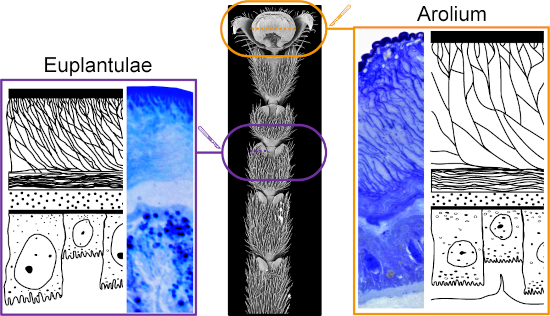
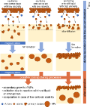
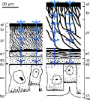
- risk of trapping contaminants in the inter-tarsomeric membranous region. The removal of particulate contaminants is very important as they are known to cause abrasive wear in the open insect joints [86]. Anti-adhesive surface structures in the periphery of the active working areas of the attachment







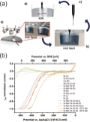
Controllable physicochemical properties of WOx thin films grown under glancing angle
Beilstein J. Nanotechnol. 2024, 15, 350–359, doi:10.3762/bjnano.15.31
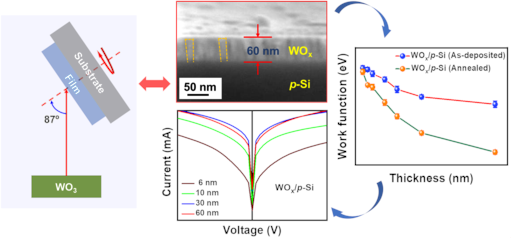
- organic contaminants. Prior to the deposition, the substrates were properly air-dried. A 99.99% pure WO3 target (5 mm thick) was used to grow the WOx films. The initial pressure in the deposition chamber was 5 × 10⁻⁷ mbar, and the WOx films were deposited at 5 × 10⁻³ mbar working pressure by injecting


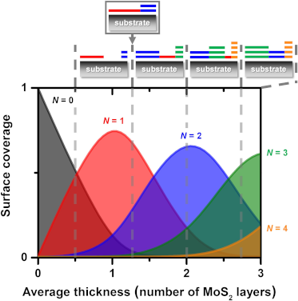
Determining by Raman spectroscopy the average thickness and N-layer-specific surface coverages of MoS2 thin films with domains much smaller than the laser spot size
Beilstein J. Nanotechnol. 2024, 15, 279–296, doi:10.3762/bjnano.15.26


Ultrasensitive and ultrastretchable metal crack strain sensor based on helical polydimethylsiloxane
Beilstein J. Nanotechnol. 2024, 15, 270–278, doi:10.3762/bjnano.15.25
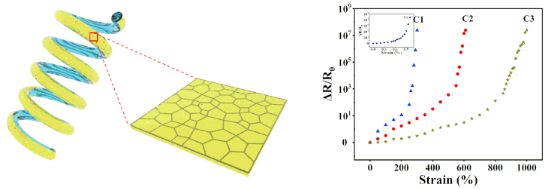
- successfully retrieved by peeling it off from the screw. In order to eliminate the contaminants from the surface of the helically structured PDMS, a 10 min ultrasound treatment in absolute alcohol was employed, followed by drying in a sterile oven. Prior to the Au deposition, the outer surface of the helically


Graphene removal by water-assisted focused electron-beam-induced etching – unveiling the dose and dwell time impact on the etch profile and topographical changes in SiO2 substrates
Beilstein J. Nanotechnol. 2024, 15, 190–198, doi:10.3762/bjnano.15.18
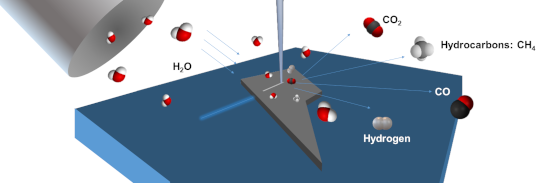
- amorphous carbon from the hydrocarbon contaminants to the water etching (FEBIE) at low vacuum mode (90 Pa of H2O) with increasing electron flux was previously observed by Toth et al. [23]. At a stationary exposure and current of 71 pA (lower electron flux), the authors observe a carbonous pillar-like


Assessing phytotoxicity and tolerance levels of ZnO nanoparticles on Raphanus sativus: implications for widespread adoptions
Beilstein J. Nanotechnol. 2024, 15, 115–125, doi:10.3762/bjnano.15.11

- contaminants were present in the PXRD pattern, specifying that the principal component at the inorganic phase of the sample was ZnO. Hence, the findings unequivocally substantiated the synthesis of ZnO NPs. The FTIR analysis was conducted to validate the presence of specific functional groups on the surface of
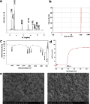


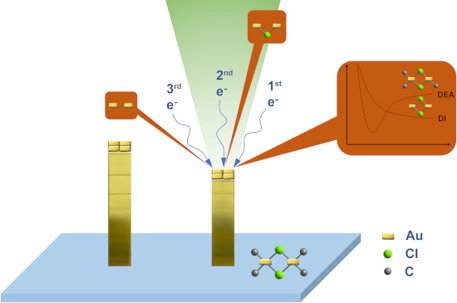
A combined gas-phase dissociative ionization, dissociative electron attachment and deposition study on the potential FEBID precursor [Au(CH3)2Cl]2
Beilstein J. Nanotechnol. 2023, 14, 1178–1199, doi:10.3762/bjnano.14.98
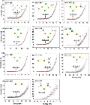
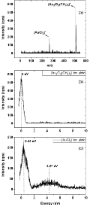
- atmosphere for 90 minutes to demonstrate the effect of surface preparation (reduction of C and O contaminants) on the quality of deposition. After preparation, AES was performed to check the surface cleanliness and to compare with the uncleaned surface (Supporting Information File 1, Figure S5). The



Spatial variations of conductivity of self-assembled monolayers of dodecanethiol on Au/mica and Au/Si substrates
Beilstein J. Nanotechnol. 2023, 14, 1169–1177, doi:10.3762/bjnano.14.97
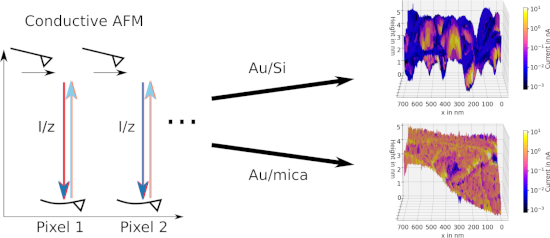
- substrates were used directly out of the box without any further cleaning steps. Au/Si was additionally cleaned by boiling in acetone followed by ethanol for 20 min under a fume hood. It was then dried in a glovebox in N2 atmosphere, exposed to ozone to remove organic contaminants, and finally rinsed with


Dual-heterodyne Kelvin probe force microscopy
Beilstein J. Nanotechnol. 2023, 14, 1068–1084, doi:10.3762/bjnano.14.88
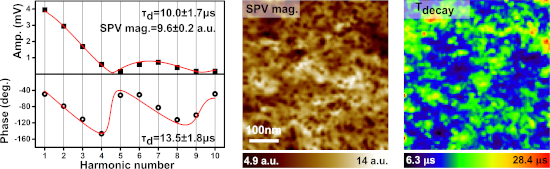
- cantilevers (PPP-EFM, Nanosensors, resonance frequency in the range 45–115 kHz), annealed in situ to remove atmospheric contaminants. The dual-heterodyne KPFM mode was implemented by combining the SPM unit with two digital lock-ins from Zurich Instruments (lock-in 1: MFLI, lock-in 2: HF2LI). Both are equipped




Ultralow-energy amorphization of contaminated silicon samples investigated by molecular dynamics
Beilstein J. Nanotechnol. 2023, 14, 834–849, doi:10.3762/bjnano.14.68
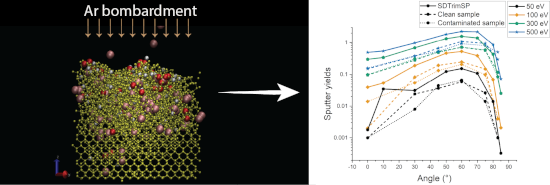
- higher-energy argon atoms at grazing incidence do not produce amorphization, we will proceed to analyze the implantation depths of the contaminants and argon atoms in the sample. Implantation depth The distribution of implanted argon is extremely sensitive to the impact energy and the incidence angle
- the contaminant will play a major role in the amorphization of the sample. This observation is especially interesting as we can find some conditions where the contaminants are quite efficiently removed. We began to underline this set of conditions in the previous section, and we will pursue the
- discussion in the forthcoming sections. In Figure 7, we can see that the mean implantation depths of the contaminants are increasing with impact energy, as expected, with a slight difference between oxygen and hydrogen, which is related to their mobility. Because of the electronegativity of oxygen and its

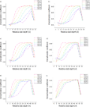

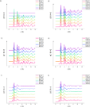



Silver-based SERS substrates fabricated using a 3D printed microfluidic device
Beilstein J. Nanotechnol. 2023, 14, 793–803, doi:10.3762/bjnano.14.65
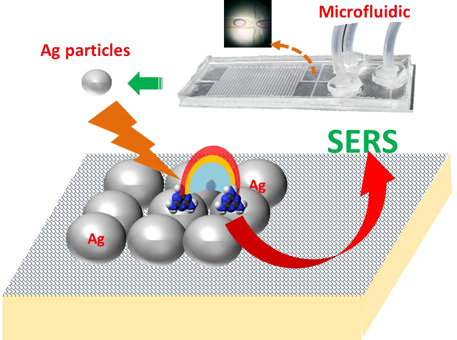
- the potential to be a valuable analytical tool for monitoring environmental contaminants. Keywords: 3D printing; microfluidic droplet; SERS substrate; silver nanoparticle; smartphone detection; Introduction Surface-enhanced Raman spectroscopy (SERS) has emerged as a powerful optical trace detection

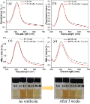


Silver nanoparticles loaded on lactose/alginate: in situ synthesis, catalytic degradation, and pH-dependent antibacterial activity
Beilstein J. Nanotechnol. 2023, 14, 781–792, doi:10.3762/bjnano.14.64
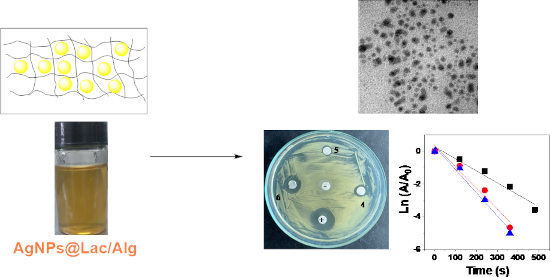
- also valuable catalysts for the removal of environmental contaminants in aqueous solutions. The high surface-to-volume ratio of AgNPs provides many active sites, thereby, enhancing their catalytic activity [32]. The catalytic activity of AgNPs is also influenced by the morphology and the use of capping
- . Subsequently, AgNPs@Lac/Alg was characterized using various analytical techniques and applied for the catalytic degradation of contaminants and in bacterial activity assays. Absorption spectra were analyzed to monitor changes in physicochemical properties at the maximum peak region of surface plasmon resonance
- . Thus, AgNPs@Lac/Alg-0.7 was selected for assessment of its catalytic and antibacterial properties in this study. Catalytic degradation of contaminants Toxic organic dyes pose a serious threat to the environment, and their non-biodegradability in aqueous media has led to the consideration of various


Nanomaterials for photocatalysis and applications in environmental remediation and renewable energy
Beilstein J. Nanotechnol. 2023, 14, 722–724, doi:10.3762/bjnano.14.58

- , and related fields [4]. To reduce contaminants (e.g., air pollution (CO2, NOx, SO2), POPs) there are many routes (e.g., physicochemical approaches, biological fixation, advanced oxidation process, and photocatalysis [5][6][7][8]). Among the aforementioned methods, the photocatalysis route is

Metal-organic framework-based nanomaterials as opto-electrochemical sensors for the detection of antibiotics and hormones: A review
Beilstein J. Nanotechnol. 2023, 14, 631–673, doi:10.3762/bjnano.14.52
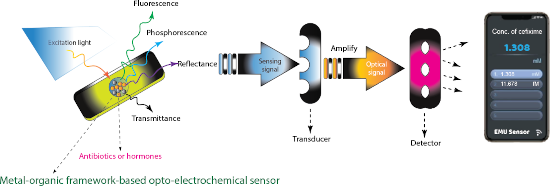
- , persistence, ecological, and health risks associated with them. However, to detect these emerging contaminants, analytical techniques that are sensitive and selective enough must be developed due to their incredibly low concentrations [2][6][7][8][9]. Colourimetry, chromatography, enzyme-linked immunoassay
- . Therefore, it is anticipated that the concepts presented in this review will stimulate further investigation into MOF-based materials for opto-electrochemical detection of various other analytes (explosives, viruses, and various other emerging contaminants). Review Opto-electrochemical sensors: mechanisms
- hundred seconds), relaxation to the singlet S0 may take place with the emission of a photon, known as phosphorescence. Since the majority of these emerging contaminants (antibiotics and hormones) are non-fluorescent, several luminescent or fluorescent materials have been utilised to monitor their levels


Bismuth-based nanostructured photocatalysts for the remediation of antibiotics and organic dyes
Beilstein J. Nanotechnol. 2023, 14, 291–321, doi:10.3762/bjnano.14.26
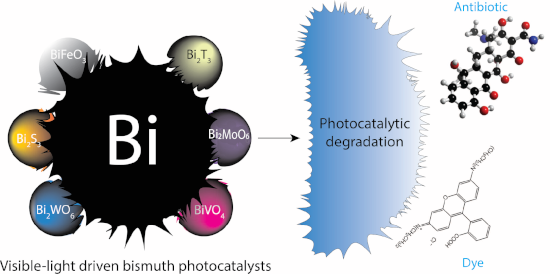
- applications, are addressed. Keywords: advanced oxidation processes; emerging contaminants; low-dimensional nanomaterials; pharmaceutical by-products; Schottky junction; Review Introduction Worldwide, water pollution is rising, endangering the economic potential and development objectives of severely
- precipitation, in particular, are believed to be ineffective [4][11]. As a result of the non-biodegradable and persistent nature of the majority of organic contaminants, some physicochemical treatment techniques, such as adsorption, are ineffective in removing them from water resources [11]. Because of their
- pair (e− and h+) on the surface of the photocatalyst. Three possibilities exist at this point: (a) The generated charge carriers recombine and generate heat, (b) the generated interfacial charge carriers simultaneously reduce and oxidise contaminants, or (c) the generated charge carrier and an electron


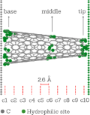
Atmospheric water harvesting using functionalized carbon nanocones
Beilstein J. Nanotechnol. 2023, 14, 1–10, doi:10.3762/bjnano.14.1
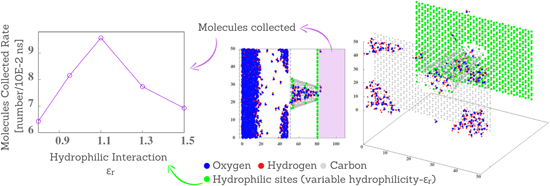
- super flow in nanostructures has been explored in processes of separating water from salt or from other contaminants. This high mobility of water under nanoconfinement requires huge pressure and, consequently, a lot of energy [27][28]. In order to help water entrance and decrease the amount of required




Non-stoichiometric magnetite as catalyst for the photocatalytic degradation of phenol and 2,6-dibromo-4-methylphenol – a new approach in water treatment
Beilstein J. Nanotechnol. 2022, 13, 1531–1540, doi:10.3762/bjnano.13.126
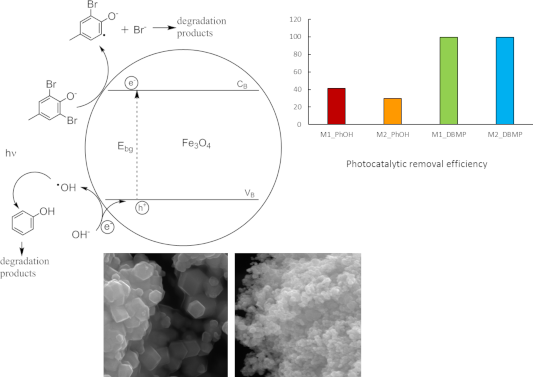
- solar radiation as an energy source [11]. The photocatalysts are activated by radiation and produce highly reactive photo-induced charge carriers, which can react with the contaminants adsorbed on the surface of the catalyst. Understanding the properties of the photocatalyst material is critical to


Recent trends in Bi-based nanomaterials: challenges, fabrication, enhancement techniques, and environmental applications
Beilstein J. Nanotechnol. 2022, 13, 1316–1336, doi:10.3762/bjnano.13.109
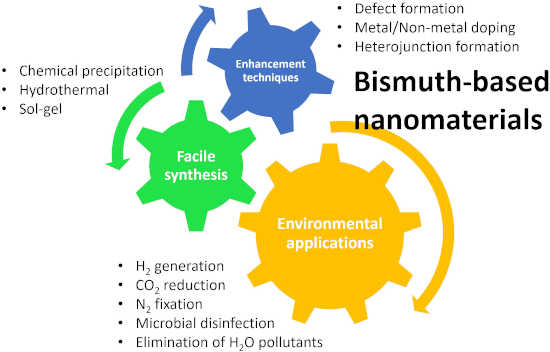
- energies. Many persistent organic contaminants can be degraded at room temperature through the oxidizing power of VB holes in bismuth oxyhalides [26]. BiOCl, BOI, BiOBr, and composites made from them have been widely reported due to their excellent photocatalytic properties [27][28][29]. However, the
- degradation, the most notable oxidizing species are •OH, photogenerated holes, and •O2−. These species are responsible for the photodegradation of organic and inorganic contaminants in wastewater [40]. To date, it is widely understood that the main limitation of photocatalysts is their low photocatalytic
- , environmental monitoring, disinfection, and sterilization are all areas where the photocatalytic breakdown of contaminants is used. Primary energy uses included photocatalytic hydrogen production from carbon dioxide, conversion of carbon dioxide to specific molecular organic matter, and nitrogen fixation [1




Influence of water contamination on the sputtering of silicon with low-energy argon ions investigated by molecular dynamics simulations
Beilstein J. Nanotechnol. 2022, 13, 986–1003, doi:10.3762/bjnano.13.86
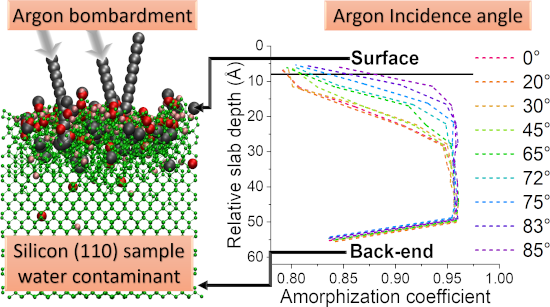
- ignored. Contaminants on the sample surface can also play a critical role during the milling process: water can be found on nearly every sample surface [21]. For example, in a vacuum chamber at a pressure of 10−8 mbar, there are still 106 to 109 molecules per cm3. This contaminant has a strong impact on
- . For the clean sample, the amorphization depth linearly evolves until the implanted argon atoms reach a saturation concentration due to the diffusion and desorption of excess atoms. In the contaminated sample, the observations are similar for argon and for the contaminants, and hydrogen is implanted
- normal. In the amorphous region, contaminants and argon atoms reach a saturation concentration. Once the argon saturation is reached, the thickness of the amorphous layer reaches a maximum, which is defined by the range of the argon atoms. At the same time, material is removed by sputtering from the




Solar-light-driven LaFexNi1−xO3 perovskite oxides for photocatalytic Fenton-like reaction to degrade organic pollutants
Beilstein J. Nanotechnol. 2022, 13, 882–895, doi:10.3762/bjnano.13.79
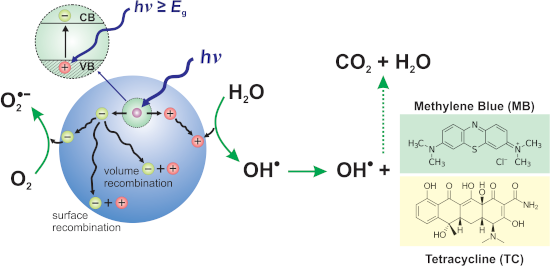
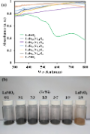
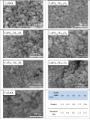
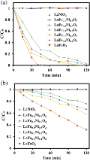
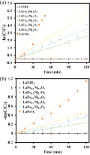
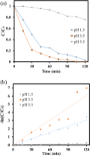
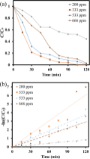
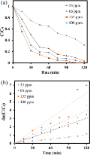
- ]. LaFeO3 perovskite oxides are promising materials to conduct Fenton-like oxidation to decompose organic pollutants with light irradiation. Some literature exhibits the capability of LaFeO3 perovskite oxides as photocatalysts to degrade organic contaminants. Li et al. prepared intrinsic LaFeO3 or SmFeO3



Direct measurement of surface photovoltage by AC bias Kelvin probe force microscopy
Beilstein J. Nanotechnol. 2022, 13, 712–720, doi:10.3762/bjnano.13.63
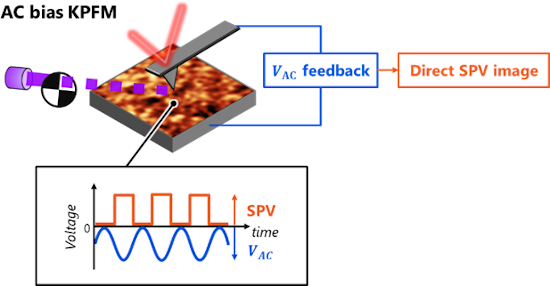
- . The tip was cleaned by Ar+ sputtering (0.8 keV, 5 × 10⁻⁷ Torr, 5 min) to remove the contaminants and the native oxide layer. We used a rutile TiO2(110) sample to demonstrate the AC-KPFM. TiO2 is one of the promising photocatalytic materials [38][39][40] and has been widely studied using AFM and KPFM


Revealing local structural properties of an atomically thin MoSe2 surface using optical microscopy
Beilstein J. Nanotechnol. 2022, 13, 572–581, doi:10.3762/bjnano.13.49
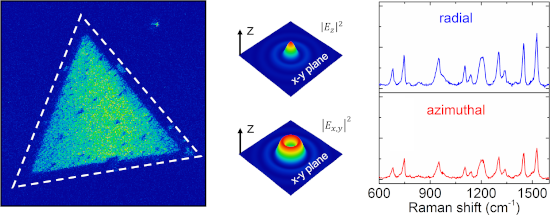
- , valleytronics, and nonlinear optics [2][3][4][5][6][7][8]. Many interesting phenomena can be observed, mainly due to the presence of structural irregularities such as point defects, edges, boundaries, and the formation of contaminants in the process of 2D-TMDC growth [9][10][11][12][13]. These structural


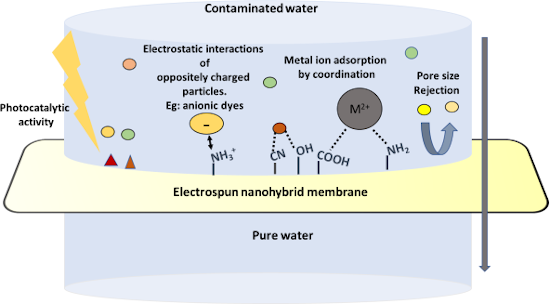
A comprehensive review on electrospun nanohybrid membranes for wastewater treatment
Beilstein J. Nanotechnol. 2022, 13, 137–159, doi:10.3762/bjnano.13.10





Tin dioxide nanomaterial-based photocatalysts for nitrogen oxide oxidation: a review
Beilstein J. Nanotechnol. 2022, 13, 96–113, doi:10.3762/bjnano.13.7
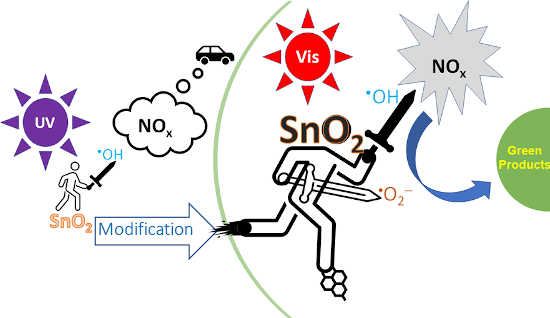
- catalytic area, SnO2 is an emerging material for removing contaminants such as organic dyes, phenolic compounds, and volatile organic compounds (VOCs) due to strongly oxidizing properties thanks to flexible energy band structure, rich defects, good chemical, and high thermal stability, and easily controlled


Sputtering onto liquids: a critical review
Beilstein J. Nanotechnol. 2022, 13, 10–53, doi:10.3762/bjnano.13.2

- presence of undesired contaminants, such as fragments of biological materials, which require complicated, expensive, and time-consuming purification procedures. Bio-assisted methods can be divided into three categories according to the system used: (i) microorganisms, (ii) biomolecules, and (iii) plant