Search results
Search for "hydrogen peroxide" in Full Text gives 120 result(s) in Beilstein Journal of Nanotechnology.
Use of data processing for rapid detection of the prostate-specific antigen biomarker using immunomagnetic sandwich-type sensors
Beilstein J. Nanotechnol. 2019, 10, 2171–2181, doi:10.3762/bjnano.10.210

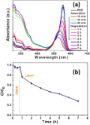
- -hydroxysulfosuccinimide (Sulfo-NHS), hydrogen peroxide (H2O2, 30%), Tween-20, and 2-(N-morpholino)ethanesulfonic acid hydrate (MES) were purchased from Sigma-Aldrich. Monoclonal (mouse) primary anti-human prostate specific antigen (PSA) antibody, natural human prostate-specific antigen (PSA), and standard and secondary


Synthesis of highly active ETS-10-based titanosilicate for heterogeneously catalyzed transesterification of triglycerides
Beilstein J. Nanotechnol. 2019, 10, 2039–2061, doi:10.3762/bjnano.10.200
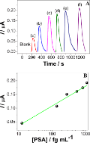
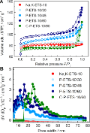
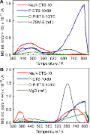
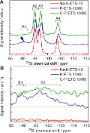
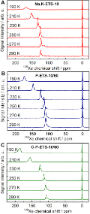
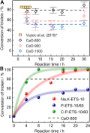
- with its unsaturated analog trilinolein, represent the most prevalent triglycerides in oils. The introduction of mesopores by post-synthetic treatment with hydrogen peroxide and a subsequent calcination step results in the generation of an additional active surface with Brønsted basic sites becoming
- -synthetic modification of the ETS-10: an ion-exchange method [27], acidic treatment [28][29], and treatment with hydrogen peroxide (H2O2) [26][30][31]. The latter approach resulted in a notable pore network modification by introducing larger micropores (≈1–2 nm) and mesopores (≈5–30 nm) in a controllable
- %, Fluka, Sigma-Aldrich) were used. In the post-synthetic treatment of ETS-10, hydrogen peroxide (H2O2, 30 wt %, Merck Millipore) and distilled deionized water (DDW, 0.055 μS conductivity, PureLab flex 3 & 4 water purification systems) were used. Chemicals used in the transesterification reaction and gas








Toxicity and safety study of silver and gold nanoparticles functionalized with cysteine and glutathione
Beilstein J. Nanotechnol. 2019, 10, 1802–1817, doi:10.3762/bjnano.10.175
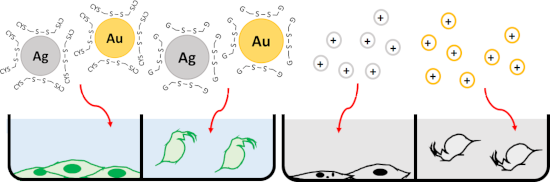
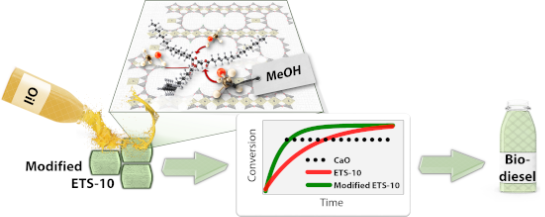
- wavelength of 535 nm. The untreated cells were used as negative controls, while cells treated with hydrogen peroxide (100 μM) served as positive controls. The data are expressed as percentage of fluorescence intensity compared to negative controls. The changes in the intracellular level of GSH were measured


Gas sensing properties of individual SnO2 nanowires and SnO2 sol–gel nanocomposites
Beilstein J. Nanotechnol. 2019, 10, 1380–1390, doi:10.3762/bjnano.10.136
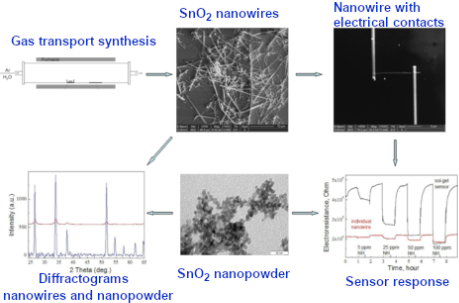
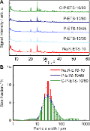
- glacial acetic acid. A surplus of hydrogen peroxide was added to the solution: where NH3·H2O was added dropwise to cause hydrolytic precipitation of tin oxide as follows: The obtained colloid was precipitated by centrifugation, dried and annealed. Tin dioxide nanopowder was formed as a result of tin acid




Janus-micromotor-based on–off luminescence sensor for active TNT detection
Beilstein J. Nanotechnol. 2019, 10, 1324–1331, doi:10.3762/bjnano.10.131
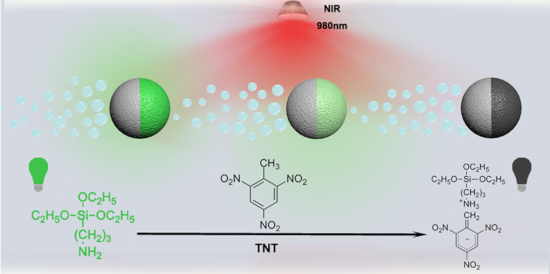
- capsule motors were fabricated by layer-by-layer assembly of UCNP-functionalized polyelectrolyte microcapsules, followed by sputtering of a platinum layer onto one half of the capsule. By catalytic decomposition of hydrogen peroxide to oxygen bubbles, the Janus UCNP capsule motors are rapidly propelled
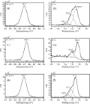
- hydrogen peroxide fuel into oxygen at a speed of up to 110 μm s−1 (22 body lengths per second). Meanwhile, the Janus microcapsules are able to actively adsorb and detect TNT based on the luminescence quenching of the UCNPs by TNT. The combination of efficient self-propulsion and TNT detection by these
- oleic acid (OA, 90%) were obtained from Aladdin Chemistry Co. Ltd. NaOH, NH4F, ethanol, methanol, cyclohexane, trichloromethane, acetonitrile, NaCl, Na2HPO4, and NaH2PO4 were purchased from Tianjin Tianli Chemical Reagent Co. Ltd. Hydrofluoric acid (HF) and hydrogen peroxide (H2O2) were obtained from


Alloyed Pt3M (M = Co, Ni) nanoparticles supported on S- and N-doped carbon nanotubes for the oxygen reduction reaction
Beilstein J. Nanotechnol. 2019, 10, 1251–1269, doi:10.3762/bjnano.10.125
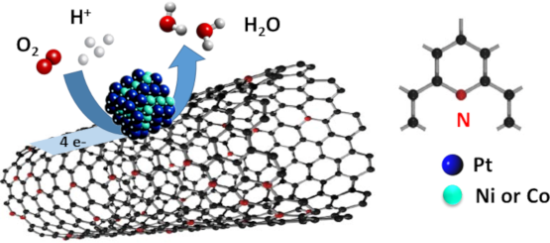
- issue for a PEMFC catalyst. A well-known phenomenon of catalyst degradation is due to the formation of hydrogen peroxide near the electrolyte membrane [78]. Moreover, it was shown that in aqueous KNO3 solutions, nitrogen-doped carbon structures were active for ORR with lower H2O2 selectivity than Pt/C
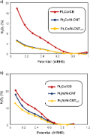
- [79]. During the CV measurements in O2-saturated electrolyte, the amount of hydrogen peroxide produced during the ORR was monitored to compare its production for each catalyst. Figure 5 presents the hydrogen peroxide yield during the ORR for all the catalysts shown before. First, between 1 and 0.7 V







Photoactive nanoarchitectures based on clays incorporating TiO2 and ZnO nanoparticles
Beilstein J. Nanotechnol. 2019, 10, 1140–1156, doi:10.3762/bjnano.10.114
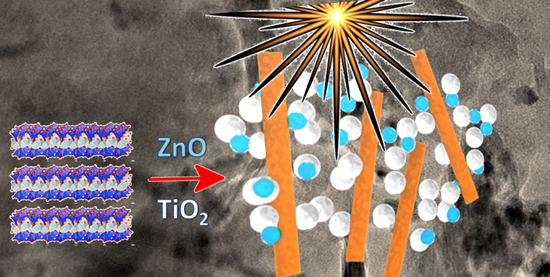
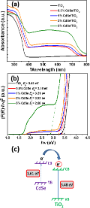
- , industrial and agricultural wastewater. They are based on the in situ generation of reactive species as hydroxyl radicals (OH•) with high oxidizing capability [24]. AOP include Fenton and photo-Fenton reactions based on the combination of chemical oxidants, e.g., hydrogen peroxide, and UV irradiation, and



Glucose-derived carbon materials with tailored properties as electrocatalysts for the oxygen reduction reaction
Beilstein J. Nanotechnol. 2019, 10, 1089–1102, doi:10.3762/bjnano.10.109
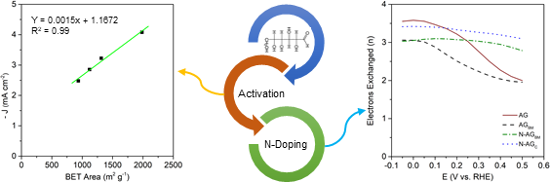
- potentials (0.75–0.78 V and 0.30–0.33 V), indicating that the ORR mechanism proceeds via the two-electron pathway. These results are corroborated by the experiments performed with a rotating ring disk electrode, from which the production of hydrogen peroxide was evaluated. More than 18% of hydrogen peroxide
- positive onset potential of sample AGBM is due to its higher conductance. Moreover, samples AG and AGBM exhibit a second shoulder at more negative potentials, indicating that the ORR mechanism proceeds via the two-electron pathway producing hydrogen peroxide. This second reduction shoulder does not appear
- for ORR. The approximation to a four-electron pathway with the modification of the surface chemistry is important to reduce the amount of hydrogen peroxide produced. The production of H2O2 was only determined for activated samples, since they have a mechanism closer to four-electron, whereas


Scavenging of reactive oxygen species by phenolic compound-modified maghemite nanoparticles
Beilstein J. Nanotechnol. 2019, 10, 1073–1088, doi:10.3762/bjnano.10.108
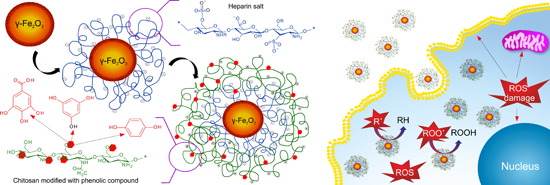
- ROS levels and protect themselves from the deleterious impact of uncontrolled ROS activity. The enzymatic antioxidant defense involves catalase, superoxide dismutase, and glutathione peroxidase, which convert harmful oxidative products first to hydrogen peroxide and then to water. These processes are
- functional groups. In this study, magnetite (Fe3O4) nanoparticles were synthetized by coprecipitation of iron(II) chloride and iron(III) chloride with ammonia and subsequently oxidized with hydrogen peroxide under mild acidic conditions. The resulting maghemite (γ-Fe2O3) has the benefit of higher chemical
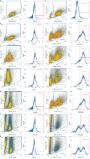
- levels after treatment with hydrogen peroxide. The density plot in the left panel shows the relationship between cellular volume and complexity. The R1 region in the density plot indicated cell population, whereas the left population outside the R1 region was related to the nanoparticles loosely bound on





Revisiting semicontinuous silver films as surface-enhanced Raman spectroscopy substrates
Beilstein J. Nanotechnol. 2019, 10, 1048–1055, doi:10.3762/bjnano.10.105
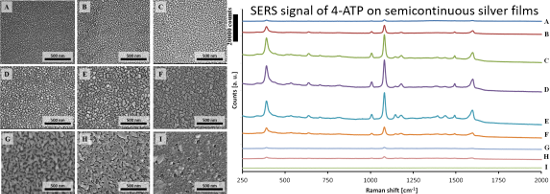
- sulfuric acid (97%; Fluka), hydrogen peroxide (30%; Chempur), ethanol (96%; Chempur) and deionized water. SERS analyte 4-aminothiophenol (97%) was purchased from Sigma-Aldrich. Fabrication of semicontinuous silver films SSFs were fabricated on BK7 glass substrates using the electron beam PVD technique. The




The systemic effect of PEG-nGO-induced oxidative stress in vivo in a rodent model
Beilstein J. Nanotechnol. 2019, 10, 901–911, doi:10.3762/bjnano.10.91
- scavenging enzyme that converts hydrogen peroxide (H2O2) into water and oxygen, thus preventing cell damage. A reduction of the acitivity of CAT after PEG-nGO administration was observed as shown in Table 2. One hour after PEG-nGO administration, the decrease in CAT enzyme activity was significant (P* < 0.05
- kinds of SOD exist in all organs of mammals. SOD1, SOD2, and SOD3 are present in the cytoplasm, mitochondria, and extracellular, respectively. SOD converts the superoxide (O2−) produced due to the xenobiotic into oxygen and hydrogen peroxide. The amount of SOD present in the brain, heart, liver, and
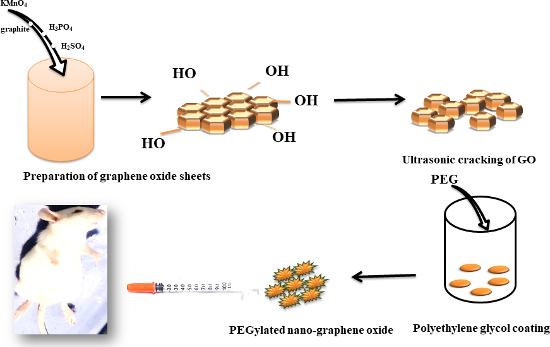
- graphite powder, potassium permanganate, phosphoric acid (85%), sulfuric acid (98%), and hydrogen peroxide (30%). Polyethylene glycol (PEG) was used for PEGylation. Thiobarbituric acid (TBA, 0.6%), and trichloroacetic acid (TCA, 20%) were used to estimate the malondialdehyde (MDA) level, sodium phosphate


Thermal control of the defunctionalization of supported Au25(glutathione)18 catalysts for benzyl alcohol oxidation
Beilstein J. Nanotechnol. 2019, 10, 228–237, doi:10.3762/bjnano.10.21
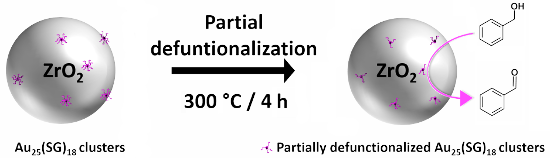
- ], direct synthesis of hydrogen peroxide by the hydrogenation of O2 [3], ozone decomposition [4], selective oxidation reactions [5][6][7][8] and so on. However, a debate regarding the particle size effect on the catalytic activity and the concerns related to the synthesis and stabilization of monodisperse




In situ characterization of nanoscale contaminations adsorbed in air using atomic force microscopy
Beilstein J. Nanotechnol. 2018, 9, 2925–2935, doi:10.3762/bjnano.9.271
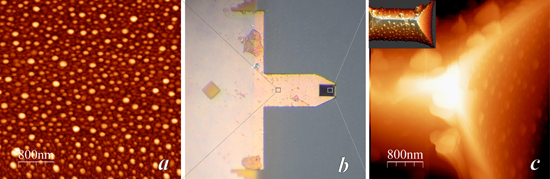
- , Standard Clean-1 is performed with a solution composed of 5:1:1 parts by volume of Milli-Q water, NH4OH (ammonium hydroxide, 29%) and H2O2 (hydrogen peroxide, 30%). When utilized as sample, the chips with the cantilevers are sonicated for about 1 min in this solution, which removes organic residues. When
- used as cantilevers, the cantilever chips are immersed in the corresponding solution. Before the next step the samples are rinsed with Milli-Q water. The second step (Standard Clean-2) is performed with a solution composed of 5:1:1 parts by volume of Milli-Q water, H2O2 (hydrogen peroxide, 30%), and


The role of adatoms in chloride-activated colloidal silver nanoparticles for surface-enhanced Raman scattering enhancement
Beilstein J. Nanotechnol. 2018, 9, 2236–2247, doi:10.3762/bjnano.9.208
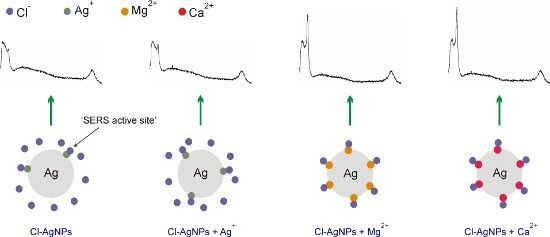
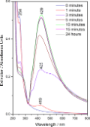
- in the solution. Also, at this time, gaseous reaction products were observed, probably due to the O2 released during the decomposition of hydrogen peroxide. No further color changes could be visually observed after 5 min of light exposure, but the reaction mixture was further exposed to light for a
- reaction does not proceed in the absence of an intense light source, regardless of the amount of hydrogen peroxide added in the reaction mixture. It should be mentioned that the formation of stable, SERS-active Cl-AgNP colloids can also be obtained in the absence of hydrogen peroxide, but in this case, the
- complete synthesis of the silver colloids takes several hours. The UV–vis absorption monitoring of the Cl-AgNP synthesis obtained in the absence of hydrogen peroxide is presented in Supporting Information File 1, Figure S2A, whereas the SERS activity of the Cl-AgNPs tested after different times of light



Metal-free catalysis based on nitrogen-doped carbon nanomaterials: a photoelectron spectroscopy point of view
Beilstein J. Nanotechnol. 2018, 9, 2015–2031, doi:10.3762/bjnano.9.191
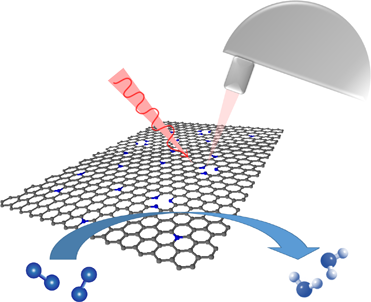
- pathway that involves the formation of hydrogen peroxide ions as intermediate [19]. The nitrogen-doped (NCNTs) and the commercial Pt–C electrodes exhibit a one-step process for the ORR with a half-wave potential of −0.1 V associated to a more efficient four-electron pathway that directly produces water as




Heterostuctures of 4-(chloromethyl)phenyltrichlorosilane and 5,10,15,20-tetra(4-pyridyl)-21H,23H-porphine prepared on Si(111) using particle lithography: Nanoscale characterization of the main steps of nanopatterning
Beilstein J. Nanotechnol. 2018, 9, 1211–1219, doi:10.3762/bjnano.9.112
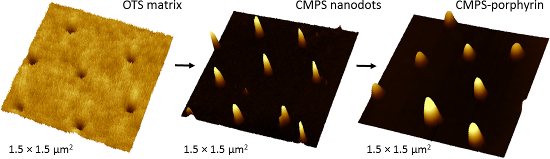
- ) were rinsed with water and cleaned in piranha solution (3:1 sulfuric acid to hydrogen peroxide) for 1.5 h to remove surface contaminants. Caution: this solution is highly corrosive and should be handled carefully. The substrates were then rinsed with ultrapure water and dried under nitrogen. After


Electrodeposition of reduced graphene oxide with chitosan based on the coordination deposition method
Beilstein J. Nanotechnol. 2018, 9, 1200–1210, doi:10.3762/bjnano.9.111
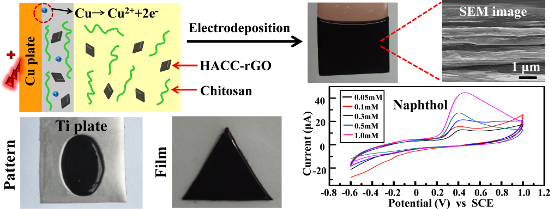
- degree), concentrated sulfuric acid, hydrochloric acid, sodium nitrate, potassium permanganate, hydrogen peroxide, hydrazine hydrate, acetic acid, sodium hydrate, and 1-naphthol were purchased from Sinopharm Chemical Reagent Co., Ltd., China. 2-Hydroxypropyltrimethylammonium chloride chitosan was


A simple extension of the commonly used fitting equation for oscillatory structural forces in case of silica nanoparticle suspensions
Beilstein J. Nanotechnol. 2018, 9, 1095–1107, doi:10.3762/bjnano.9.101
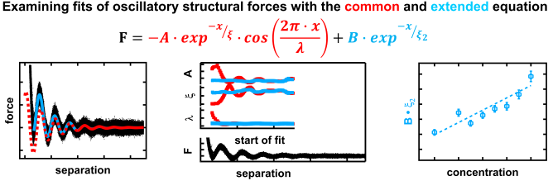
- ± 2 nm [34]. Silicon wafers (Wacker Chemie) were used as substrates. Preparation The silicon wafers were cleaned prior to each experiment by etching in a 1:1:5 solution of hydrogen peroxide (30% Th. Geyer GmbH & Co KG), ammonium hydroxide (30–33% Carl Roth GmbH & Co KG) and water at 60 °C for 10 min


Noble metal-modified titania with visible-light activity for the decomposition of microorganisms
Beilstein J. Nanotechnol. 2018, 9, 829–841, doi:10.3762/bjnano.9.77
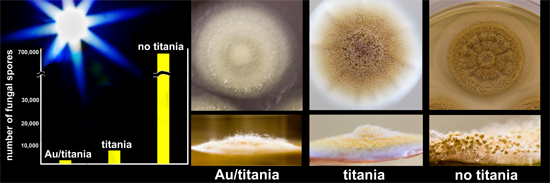
- burn wounds (bandage and dressing), and protection against infection (braces and catheters). Photocatalysis is considered as one of the best methods for environmental purification since additional chemical compounds, such as strong oxidants (ozone, hydrogen peroxide or chlorine) [7][8][9][10][11][12


Mechanistic insights into plasmonic photocatalysts in utilizing visible light
Beilstein J. Nanotechnol. 2018, 9, 628–648, doi:10.3762/bjnano.9.59
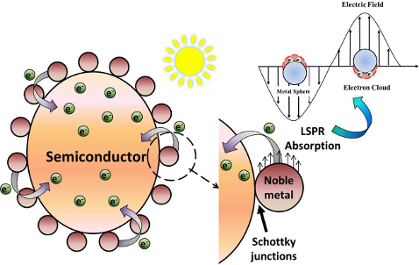
- ), superoxide anion radical (•O2−), singlet oxygen (1O2) and hydrogen peroxide (H2O2). Since the redox reaction takes place during the photocatalysis reaction, ROSs are produced sequentially both from O2 and H2O as illustrated in Figure 11 [113][114][115]. In general ROSs of •OH, H2O2, •O2− and 1O2 would be





Anchoring Fe3O4 nanoparticles in a reduced graphene oxide aerogel matrix via polydopamine coating
Beilstein J. Nanotechnol. 2018, 9, 591–601, doi:10.3762/bjnano.9.55
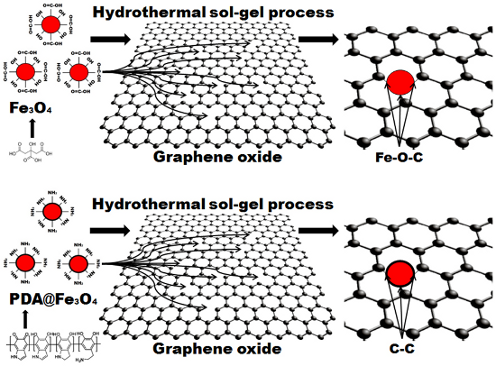
- ≥99.5%, dopamine hydrochloride and ethylenediamine were obtained from Sigma-Aldrich. Hydrochloric acid 35–38%, sulfuric acid 95%, ethanol 99.8%, ethanol 96% and hydrogen peroxide solution 30% were purchased from POCH. Ammonia solution 25% and potassium permanganate were obtained from Chempur and J.T


Ultralight super-hydrophobic carbon aerogels based on cellulose nanofibers/poly(vinyl alcohol)/graphene oxide (CNFs/PVA/GO) for highly effective oil–water separation
Beilstein J. Nanotechnol. 2018, 9, 508–519, doi:10.3762/bjnano.9.49
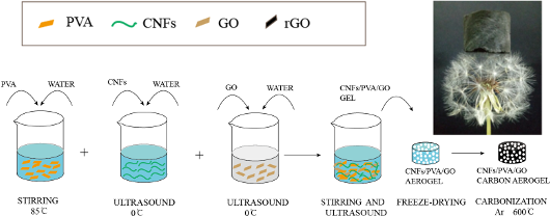
- Zhejiang Lishui, China. Graphite powder (40 μm), used as the source for GO, was obtained from Qingdao Henglide Graphite Co., Ltd. Poly(vinyl alcohol) (PVA, Mw ≈ 95,000 g/mol), glutaraldehyde (GA, crosslinker, 25 wt % in H2O), potassium hydroxide (KOH), Sudan III, acetic acid (CH3COOH), hydrogen peroxide


Blister formation during graphite surface oxidation by Hummers’ method
Beilstein J. Nanotechnol. 2018, 9, 407–414, doi:10.3762/bjnano.9.40
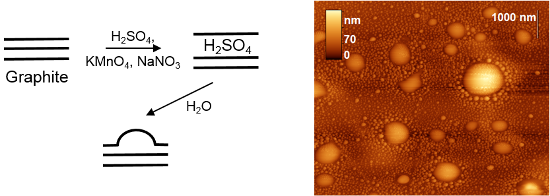
- and hydrogen peroxide solution, the surface became gray and matte, which indicated a significant change in the surface roughness. Raman spectroscopy of the HAPG surface before and after the treatment Raman spectra, recorded from the ordered regions on the HAPG surface before and after the treatment
- the mixture was applied to the basal-plane surface of the HAPG. After 30 minutes, the samples were washed in a stream of milli-Q water (total volume of about 1 mL), in 3% hydrogen peroxide until the discoloration of the surface, and again in water. The samples were dried in air within a day. An


Photocatalytic and adsorption properties of TiO2-pillared montmorillonite obtained by hydrothermally activated intercalation of titanium polyhydroxo complexes
Beilstein J. Nanotechnol. 2018, 9, 364–378, doi:10.3762/bjnano.9.36
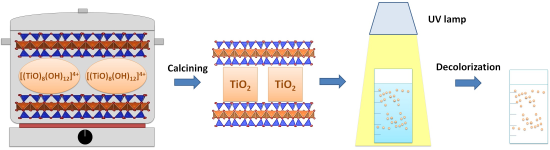
- temperature of 60 °C. The intercalated samples are designated as Ti-MM. The effectiveness of intercalation was monitored photometrically (spectrophotometer UV-VisU-2001, Hitachi, Japan), with photometric technique based on the formation of a complex titanium(IV) compound with hydrogen peroxide, yellow in






CdSe nanorod/TiO2 nanoparticle heterojunctions with enhanced solar- and visible-light photocatalytic activity
Beilstein J. Nanotechnol. 2017, 8, 2741–2752, doi:10.3762/bjnano.8.273
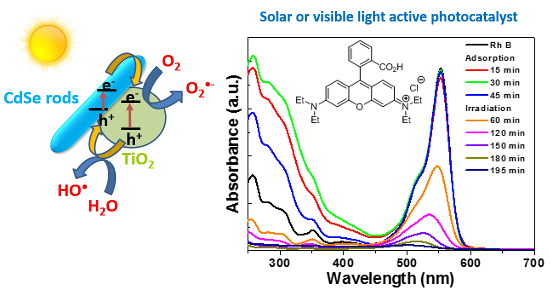
- accumulated in TiO2 can be trapped by dissolved oxygen molecules and generate superoxide O2•− radicals which are strong oxidants able to decompose organic substances. These O2•− radicals may also react with an electron and protons to form hydrogen peroxide which is further decomposed into hydroxyl •OH