Search results
Search for "isopropanol" in Full Text gives 141 result(s) in Beilstein Journal of Nanotechnology.
Nanoporous smartPearls for dermal application – Identification of optimal silica types and a scalable production process as prerequisites for marketed products
Beilstein J. Nanotechnol. 2019, 10, 1666–1678, doi:10.3762/bjnano.10.162
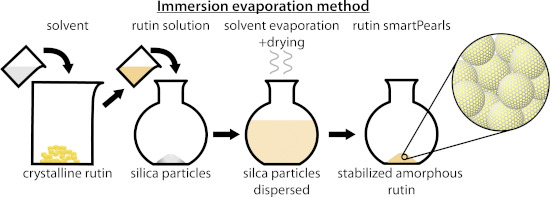
- nm (Syloid® AL-1 FP), 6 nm (Davisil® LC 60 Å 12 µm), 10 nm (Syloid® 72 FP), 17 nm (Syloid® 244 FP), and 25 nm (Syloid® XDP 3050) were kindly provided by Grace GmbH & Co. KG (Worms, Germany). Ethanol, isopropanol, butanol, acetone, ethyl acetate, acetonitrile and dimethyl sulfoxide (DMSO) in gradient
- sulfoxide (DMSO), ethanol, isopropanol, butanol, acetone, ethyl acetate, acetonitrile, and water) (n = 1). The suspensions with 20% (w/w) rutin were shaken overnight at room temperature, centrifuged, filtered and the rutin concentration in the filtrate was analyzed after dilution in ethanol (by a factor of




High-temperature resistive gas sensors based on ZnO/SiC nanocomposites
Beilstein J. Nanotechnol. 2019, 10, 1537–1547, doi:10.3762/bjnano.10.151
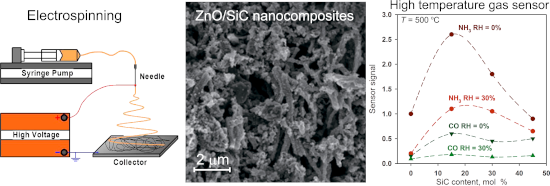
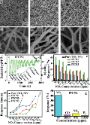
- precursor. In a typical procedure, 200 mg of zinc acetate was dissolved in 10 mL of mixed (1:1) solvent composed of 2-methoxyethanol and isopropanol. After complete dissolution of zinc acetate, 900 mg of PVP was added and the mixture was actively stirred for 5 h at 40 °C. The electrospinning of the polymer



Construction of a 0D/1D composite based on Au nanoparticles/CuBi2O4 microrods for efficient visible-light-driven photocatalytic activity
Beilstein J. Nanotechnol. 2019, 10, 1360–1367, doi:10.3762/bjnano.10.134
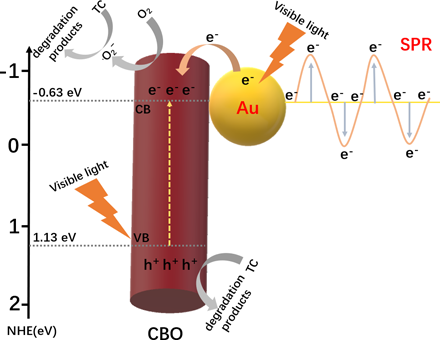
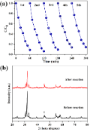
- pristine CBO, certifying the faster electron migration in 2.5 wt % Au/CBO. In order to investigate the photocatalytic degradation mechanism of TC over the 0D/1D Au/CBO composite photocatalyst, the main radical species were detected through quenching experiments. Isopropanol (IPA), disodium


Alloyed Pt3M (M = Co, Ni) nanoparticles supported on S- and N-doped carbon nanotubes for the oxygen reduction reaction
Beilstein J. Nanotechnol. 2019, 10, 1251–1269, doi:10.3762/bjnano.10.125
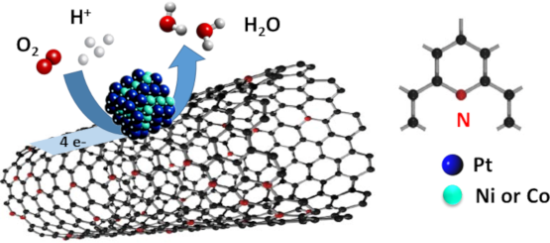
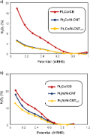
- of 37%. The electrode is polished with 1 µm diamond paste and 0.05 µm alumina paste before use. The RRDE electrodes were prepared from a suspension of PtCo/CNT catalyst in 4 mL of isopropanol/DI water/Nafion® dispersion (type D-2020 from Dupont Fluoroproduct, 20% Nafion® dissolved in aliphatic







Photoactive nanoarchitectures based on clays incorporating TiO2 and ZnO nanoparticles
Beilstein J. Nanotechnol. 2019, 10, 1140–1156, doi:10.3762/bjnano.10.114
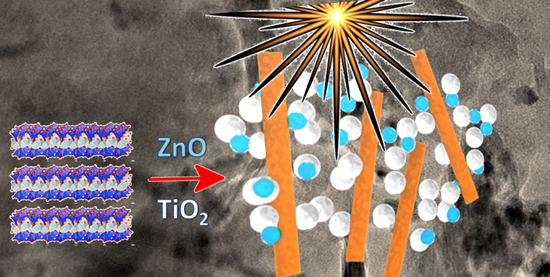
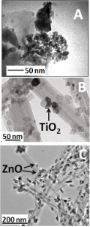
- nanoarchitectures have been prepared by in situ generation of ZnO NPs using Zn acetylacetonate precursor in isopropanol under reflux in the presence of the organoclays, leading to intermediate ZnO@clay organo-heterostructures. After calcination, the organic matter (alkyl groups from the organoclay) is eliminated and



An efficient electrode material for high performance solid-state hybrid supercapacitors based on a Cu/CuO/porous carbon nanofiber/TiO2 hybrid composite
Beilstein J. Nanotechnol. 2019, 10, 781–793, doi:10.3762/bjnano.10.78
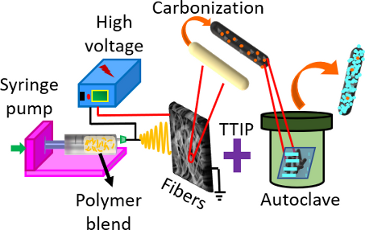
- was dissolved in 50 mL of deionized water. Then, a dilute solution of titanium tetraisopropoxide (0.001 M) in isopropanol was added drop wise into the solution and the mixture was stirred for 30 min at room temperature. Afterwards, the desired amount of concentrated HNO3 was added to maintain a pH


Advanced scanning probe lithography using anatase-to-rutile transition to create localized TiO2 nanorods
Beilstein J. Nanotechnol. 2019, 10, 412–418, doi:10.3762/bjnano.10.40
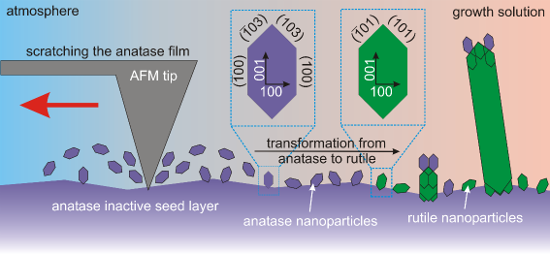
- aperture of 10 μm. The aluminium was dissolved in a 0.5 molar NaOH bath within 12 s. The samples were developed in methyl isobutyl ketone (MIBK) for 25 s and cleaned with isopropanol. In case of electron-beam lithography, a polycrystalline rutile TiO2 films was fabricated as a seed layer for the


Biocompatible organic–inorganic hybrid materials based on nucleobases and titanium developed by molecular layer deposition
Beilstein J. Nanotechnol. 2019, 10, 399–411, doi:10.3762/bjnano.10.39
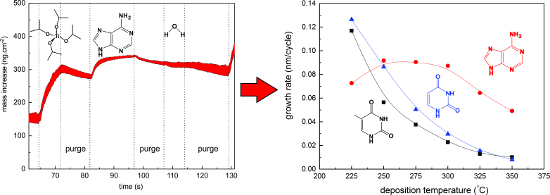
- growth, one can apply ligand exchange reactions between TTIP and functional groups on the organic molecules. In this case the functional groups are protons on the amines or protons on tautomers of the ketones of thymine and uracil. Any such reaction should lead to loss of one isopropanol from TTIP with a
- gain of one organic molecule. The mass of isopropanol is 60.10 u, while thymine, uracil and adenine is 126.12, 112.08 and 135.13 u, respectively, approximately twice that of isopropanol. Based on the QCM long-pulse sequences, the overall mass gain during pulsing of any of the organic molecules is
- almost negligible when mass loss during the subsequent purging is included. This observation may indicate that two isopropanol molecules are lost for each organic molecule reacted during its pulse. Such a reaction is possible when considering that all organic molecules have at least two reactive sites




Sub-wavelength waveguide properties of 1D and surface-functionalized SnO2 nanostructures of various morphologies
Beilstein J. Nanotechnol. 2019, 10, 379–388, doi:10.3762/bjnano.10.37
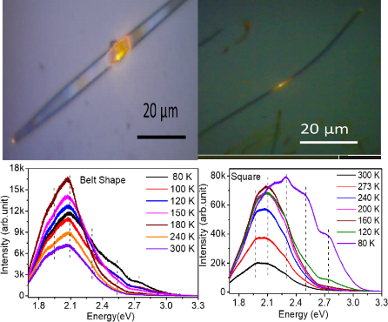
- crucible where NB lengths of up to 3 mm can be observed. Images of these long, as-grown NBs resemble beautiful flower creepers (Figure 1c). The inset in Figure 1c shows small petal-like shapes sitting on the NB. As-grown NBs were ultra-sonicated in isopropanol for a few minutes and drop-casted on the Si


Effects of post-lithography cleaning on the yield and performance of CVD graphene-based devices
Beilstein J. Nanotechnol. 2019, 10, 349–355, doi:10.3762/bjnano.10.34
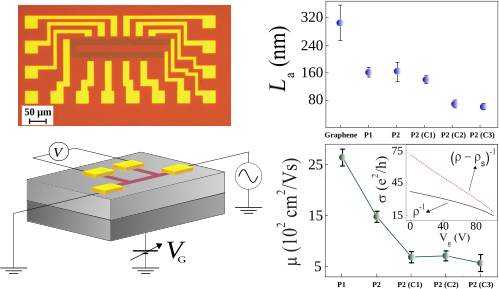
- (Figure 1e) and the lift-off as well (Figure 1j) were performed whith the resist stripper, N-methyl-2-pyrrolidone (NMP), followed by rinsing in isopropanol (IPA) and deionized water (DI, Figure 2a,b). Figure 2c shows that this procedure seriously damages graphene. We attribute this to the well-known high


Nanoporous water oxidation electrodes with a low loading of laser-deposited Ru/C exhibit enhanced corrosion stability
Beilstein J. Nanotechnol. 2019, 10, 157–167, doi:10.3762/bjnano.10.15
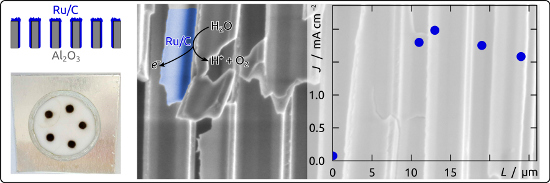
- isopropanol. Preparation of nanostructured samples Nanostructured Ru/C electrodes were prepared in several steps as illustrated in Figure 5. A standard two-step anodization of aluminum (represented as (a) in Figure 5) delivered the nanoporous aluminum oxide membranes further used as templates [35]. Aluminum
- evaporated (approx. each 30 s) a new droplet was placed on the same spot. The nanostructured samples were then washed in a flow of acetone and isopropanol. Four to five depositions were performed on each substrate. In a last step, the electrical contact was generated by sputter-coating of approx. 1 μm ITO in




Threshold voltage decrease in a thermotropic nematic liquid crystal doped with graphene oxide flakes
Beilstein J. Nanotechnol. 2019, 10, 71–78, doi:10.3762/bjnano.10.7
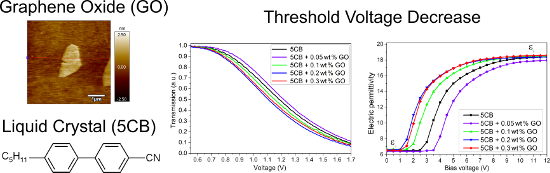
- Chemical Synthesis and Flake Graphene, Institute of Electronic Materials Technology, Warsaw, Poland. Then, the GO flakes in water were transferred by solvent exchange into isopropanol (IPA) and were sonicated to achieve a stable GO-IPA suspension of a known concentration. The structure of the flakes was
- graphene. After characterization by SEM and AFM, the GO-IPA suspension was added to 4-cyano-4′-pentylbiphenyl (5CB) to obtain different GO concentrations (0.05–0.3 wt %). Isopropanol was evaporated at 45 °C for 24 h. The rod-like 5CB compound was synthesized in the Institute of Chemistry, Military



Biomimetic surface structures in steel fabricated with femtosecond laser pulses: influence of laser rescanning on morphology and wettability
Beilstein J. Nanotechnol. 2018, 9, 2802–2812, doi:10.3762/bjnano.9.262
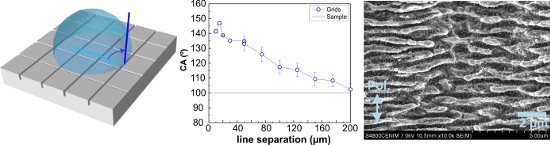
- after laser irradiation, the samples were cleaned in an ultrasound bath with isopropanol for 5 minutes and gently dried with pressurized nitrogen. The irradiation strategy consisted of fabricating continuous areas of 5 × 5 mm2 with an adequate balance between the laser repetition rate (ν), scan velocity



Size-selected Fe3O4–Au hybrid nanoparticles for improved magnetism-based theranostics
Beilstein J. Nanotechnol. 2018, 9, 2684–2699, doi:10.3762/bjnano.9.251
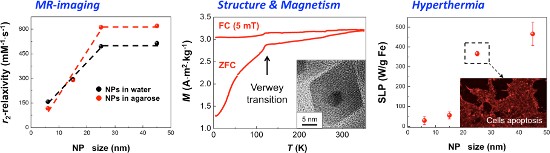
- -octadecene and 1,2-hexadecanediol were purchased from Sigma-Aldrich. 1,2-Distearoyl-sn-glycero-3-phosphoethanolamine-N-[carboxy(polyethylene glycol)-5000] ammonium salt (DSPE-PEG-COOH) was delivered by Avanti Polar Lipids. Isopropanol, hexane and chloroform were purchased from Reachim. Water used in the
- reflux for 45 min. After cooling down to room temperature, the reaction mixture was oxidized by stirring for 1 h under ambient air. The NPs were isolated via centrifugation, washed several times with isopropanol and dispersed in hexane. Fe3O4–Au hybrid NPs with presynthesized Au seeds (MNP-25 and MNP-44
- oxidized by stirring for 1 h under ambient air. The NPs were isolated via centrifugation, washed with isopropanol and dispersed in hexane. Oleic-acid-coated Fe3O4–Au NPs were transferred into water by modification with 1,2-distearoyl-sn-glycero-3-phosphoethanolamine-N-[carboxy(polyethylene glycol)-5000


Friction reduction through biologically inspired scale-like laser surface textures
Beilstein J. Nanotechnol. 2018, 9, 2561–2572, doi:10.3762/bjnano.9.238
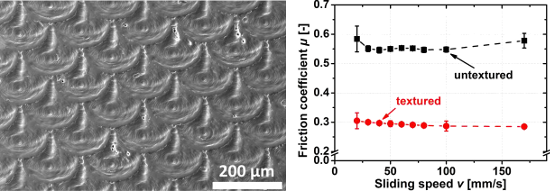
- with a Fischerscope microhardness tester (Helmut Fischer GmbH, Sindelfingen, Germany), revealed a local hardness at the scale edges of approximately 1500 to 1700 HV0.1. Each pellet was cleaned with isopropanol for five minutes in an ultrasound bath before and after laser surface texturing. Electron
- experiments [16][23]. All tests were conducted at room temperature (25 °C) and at a relative humidity of approximately 45%. All tested pellets and discs were sonicated in isopropanol for 15 minutes before each tribological experiment in order to ensure a reproducible surface chemistry and clean samples


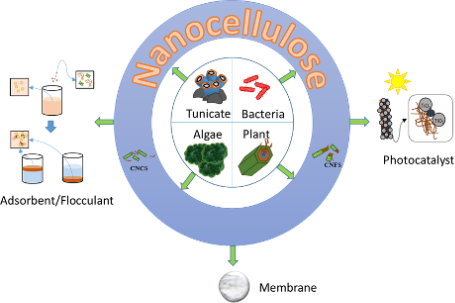
Nanocellulose: Recent advances and its prospects in environmental remediation
Beilstein J. Nanotechnol. 2018, 9, 2479–2498, doi:10.3762/bjnano.9.232


Magnetism and magnetoresistance of single Ni–Cu alloy nanowires
Beilstein J. Nanotechnol. 2018, 9, 2345–2355, doi:10.3762/bjnano.9.219
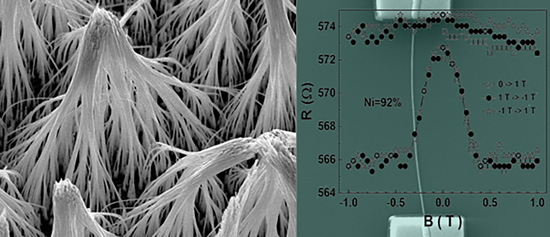
- successively in chloroform and dichloromethane. Further, by ultrasonication, the nanowires were transferred in ultrapure isopropanol and placed on n++-doped SiO2/Si substrates having interdigitated metallic electrodes of Ti/Au (10/90 nm). The electrodes were obtained combining photolithography (using an EVG
- with a Raith system), a droplet of nanowires suspension in isopropanol is placed on the substrate with interdigitated metallic electrodes of Ti/Au. Individual nanowires conveniently placed between the photolithographically fabricated electrodes were chosen for contacting. After the specific EBL process


Hierarchical heterostructures of Bi2MoO6 microflowers decorated with Ag2CO3 nanoparticles for efficient visible-light-driven photocatalytic removal of toxic pollutants
Beilstein J. Nanotechnol. 2018, 9, 2297–2305, doi:10.3762/bjnano.9.214
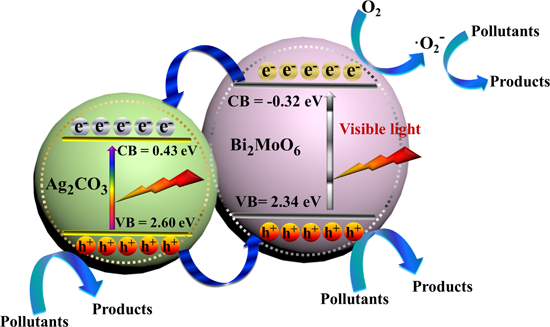
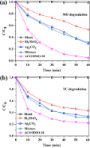
- photocatalytic reaction system contribute to the decomposition of pollutant [48][49][50][51][52]. We performed radical-scavenger tests to determine the active species in the degradation of RhB. As displayed in Figure 9, the addition of isopropanol (IPA) resulted in a slight inhibition of the RhB degradation
- efficient VLD photocatalyst with promising applications in environmental remediation. Experimental Materials Bi(NO3)3·5H2O, NaHCO3, NH3·H2O, Na2MoO4·2H2O, rhodamine B (RhB), methyl blue (MB), tetracycline hydrochloride (TC), methyl orange (MO), isopropanol (IPA), AgNO3, p-benzoquinone (BQ), and ammonium




Electrospun one-dimensional nanostructures: a new horizon for gas sensing materials
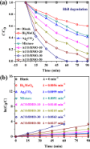
Beilstein J. Nanotechnol. 2018, 9, 2128–2170, doi:10.3762/bjnano.9.202






Localized photodeposition of catalysts using nanophotonic resonances in silicon photocathodes
Beilstein J. Nanotechnol. 2018, 9, 2097–2105, doi:10.3762/bjnano.9.198
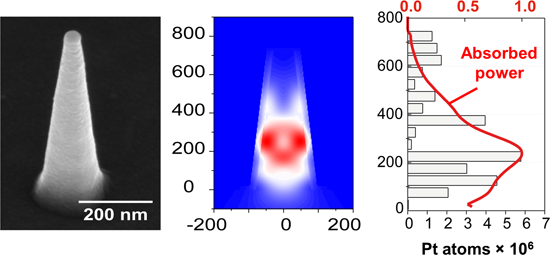
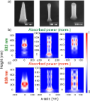
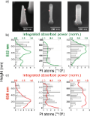
- fabrication of the three different types of silicon nanostructures. First, the samples were cleaned with soap and consecutively rinsed with copious amounts of water, acetone and isopropanol. After that, the samples were submerged in hot piranha solution (120 °C, 3:1 concentrated H2SO4/30% H2O2) for 20 min and


Self-assembled quasi-hexagonal arrays of gold nanoparticles with small gaps for surface-enhanced Raman spectroscopy
Beilstein J. Nanotechnol. 2018, 9, 1977–1985, doi:10.3762/bjnano.9.188
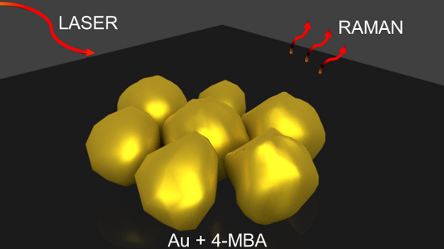
- cleaned with acetone in an ultrasonic bath for two minutes. Then they were rinsed with isopropanol, and finally dried with nitrogen gas. A symmetric diblock copolymer (polystyrene-block-poly-2-vinylpyridine, PS(133000)-block-P2VP(132000), polymer source) was dissolved in toluene at a concentration of 1 mg



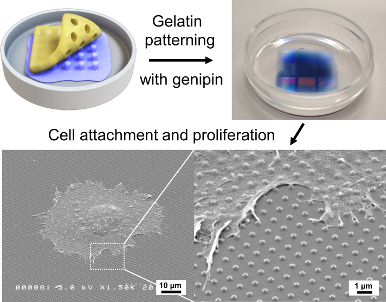
Preparation of micro/nanopatterned gelatins crosslinked with genipin for biocompatible dental implants
Beilstein J. Nanotechnol. 2018, 9, 1735–1754, doi:10.3762/bjnano.9.165






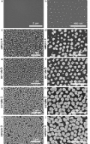
Interaction-tailored organization of large-area colloidal assemblies
Beilstein J. Nanotechnol. 2018, 9, 1582–1593, doi:10.3762/bjnano.9.150
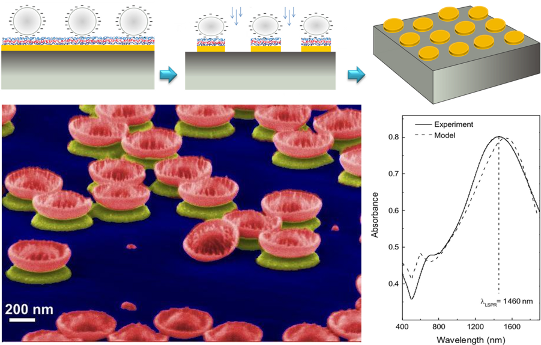
- isopropanol. Given that the particles were negatively charged, the substrates were then functionalized to expose a positively charged surface in order to facilitate particle absorption by electrostatic interactions. For this purpose, the substrates were coated with a layer of 0.1 wt % PDDA, followed by 0.1 wt


Correlative electrochemical strain and scanning electron microscopy for local characterization of the solid state electrolyte Li1.3Al0.3Ti1.7(PO4)3
Beilstein J. Nanotechnol. 2018, 9, 1564–1572, doi:10.3762/bjnano.9.148
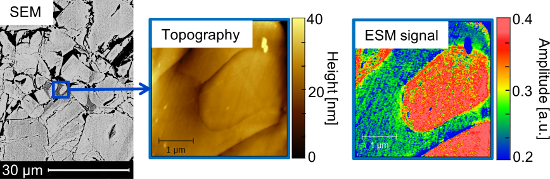
- master polish. Afterwards, the pellets were rinsed thoroughly with isopropanol. Focused-ion beam polishing For comparison, a second sample was additionally polished using a focused-ion beam (FEI (now Thermo-Fisher) Helios 460F1) [33]. For this, a polished SEM sample was used. A protective Pt-layer the


Ag2WO4 nanorods decorated with AgI nanoparticles: Novel and efficient visible-light-driven photocatalysts for the degradation of water pollutants
Beilstein J. Nanotechnol. 2018, 9, 1308–1316, doi:10.3762/bjnano.9.123
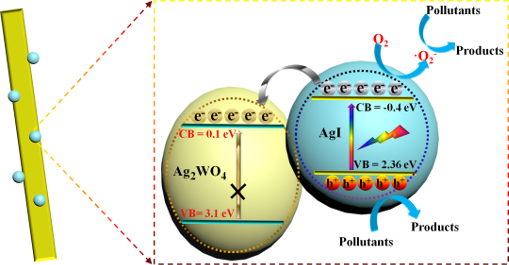
- a TOC analyzer (Shimadzu TOC-VCPH). Radical trapping experiments were conducted by introducing diverse scavengers (1 mM ammonium oxalate, 1 mM p-benzoquinone or 1 mM isopropanol) into the RhB (100 mL, 10 mg L−1) solution. XRD patterns of Ag2WO4, AgI, 0.1AgI/Ag2WO4, 0.2AgI/Ag2WO4, 0.3AgI/Ag2WO4, and