Search results
Search for "electrical conductivity" in Full Text gives 253 result(s) in Beilstein Journal of Nanotechnology. Showing first 200.
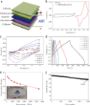
High-performance asymmetric supercapacitor made of NiMoO4 nanorods@Co3O4 on a cellulose-based carbon aerogel
Beilstein J. Nanotechnol. 2020, 11, 240–251, doi:10.3762/bjnano.11.18
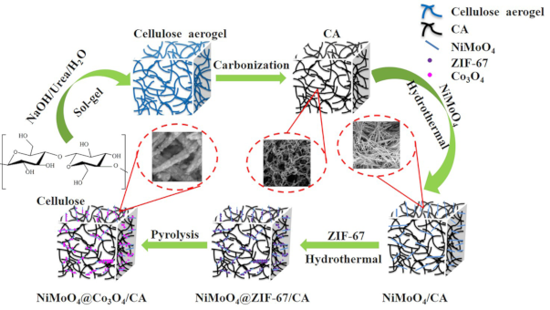
- considered an ideal supporting material to hybridize with electroactive materials because of its low cost, easy fabrication, large surface area, interconnected porosity and high electrical conductivity [30][31]. Due to its micro/mesoporous 3D morphology with large open pores, it offers more space to grow
- excellent electrical conductivity and the 3D carbon nanonetwork. Secondly, NiMoO4 nanorods with extremely high specific capacitance are considered ideal spots for the nucleation and the growth of ZIF-67 particles. Lastly, the Co3O4 particles derived from ZIF-67 possess a nest-like structure and a porous
- the NiMoO4@Co3O4/CA composite of 1.3 Ω. This value is smaller than that of the Co3O4 particles derived from ZIF-67 with 1.5 Ω, demonstrating that the electrical conductivity is enhanced upon to the introduction of NiMoO4/CA. The cyclic stability of NiMoO4@Co3O4/CA was tested over 5000 cycles at 0.5 A




Size effects of graphene nanoplatelets on the properties of high-density polyethylene nanocomposites: morphological, thermal, electrical, and mechanical characterization
Beilstein J. Nanotechnol. 2020, 11, 167–179, doi:10.3762/bjnano.11.14
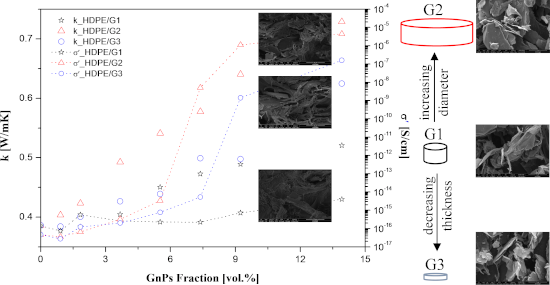
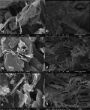
- scanning electron microscope (SEM) images. Our results show that the lateral size of GnPs was a more regulating factor for the above-mentioned nanocomposite properties compared to their thickness. For a given lateral size, thinner GnPs showed significantly higher electrical conductivity and a lower
- superior inherent properties, such as its thermal (1000–5000 W/mK [5]) and electrical conductivity (6000 S/cm [6]), and mechanical properties (a Young’s modulus of 1 TPa and a tensile strength of 130 GPa [7]). However, the mass production of graphene with high quality at a low cost is still challenging
- the GnPs had only a slight effect on the reflection peaks of the HDPE/GnP nanocomposites, but the peak’s intensity was influenced stronger. Electrical conductivity Figure 4a–c demonstrate the AC conductivity (σ´AC) of all HDPE/GnP nanocomposites, measured at room temperature as a function of frequency


Molecular architectonics of DNA for functional nanoarchitectures
Beilstein J. Nanotechnol. 2020, 11, 124–140, doi:10.3762/bjnano.11.11
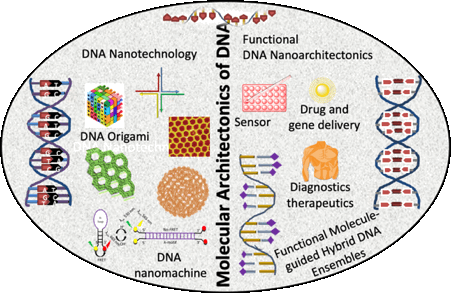
- improve the detection sensitivity for mercury, which involved the thermodynamically and entropically favored displacement of BNA owing to the formation of metallo-DNA duplexes (dT–Hg–dT)n (Figure 5a). The displacement of BNA caused significant changes in the morphological, chiroptical, and electrical
- conductivity properties of the system, which was used for the dual-responsive detection of ultralow concentrations (subnanomolar level) of mercury. The BNAn–dTn coassembly material was used to fabricate a field-effect transistor (FET) for the detection of mercury (Figure 5c). Remarkably, both chiroptical and


Simple synthesis of nanosheets of rGO and nitrogenated rGO
Beilstein J. Nanotechnol. 2020, 11, 68–75, doi:10.3762/bjnano.11.7
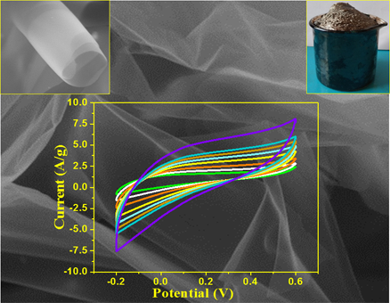
- electrical conductivity obtained for H-rGO is ca. 0.068 S/m. Conclusion In conclusion, we present a very simple and efficient method for the successful synthesis of nanosheets of rGO and of rGO with high nitrogen content by the thermal decomposition of sucrose and glycine. We measured the specific


Synthesis of amorphous and graphitized porous nitrogen-doped carbon spheres as oxygen reduction reaction catalysts
Beilstein J. Nanotechnol. 2020, 11, 1–15, doi:10.3762/bjnano.11.1
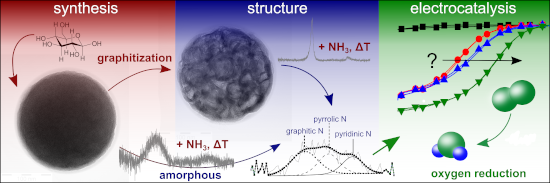
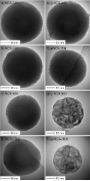
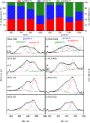
- meso- and macropores is beneficial for the ORR activity [11]. Finally, a higher degree of graphitization generally leads to an improved electrical conductivity, which should improve the overall ORR activity. On the other hand, it may alter also the properties of the active sites, which may be either




Mobility of charge carriers in self-assembled monolayers
Beilstein J. Nanotechnol. 2019, 10, 2449–2458, doi:10.3762/bjnano.10.235
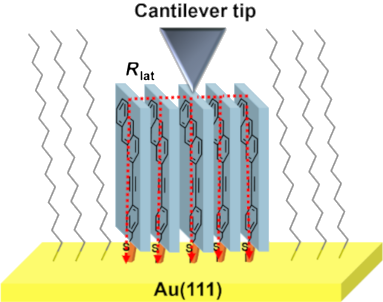
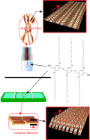
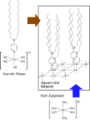
- a top electrode. We were able to determine a relationship between island size and electrical conductivity, and from this dependence, we could obtain information on the lateral charge transport and charge carrier mobility within the thin OSC layers. Our study demonstrates that AFM nanografting of
- length of the two SAM-forming molecules (1.68 nm for PAT, according to van der Waals structures [39] and 2.3 nm for the HDT [40]). The electrical conductivity as determined from the I–V-curves measured with the conductive probe AFM increases with the calculated diameter of the PAT islands (Figure 2d


Multiwalled carbon nanotube based aromatic volatile organic compound sensor: sensitivity enhancement through 1-hexadecanethiol functionalisation
Beilstein J. Nanotechnol. 2019, 10, 2364–2373, doi:10.3762/bjnano.10.227
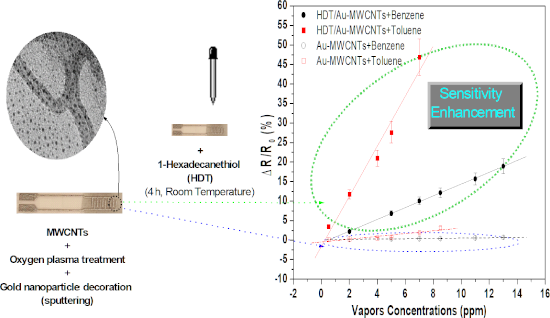
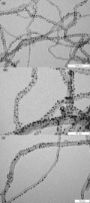
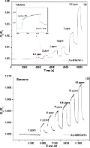
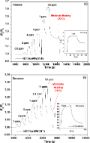
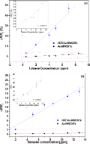
- toluene for various vapour concentrations injected at room temperature. The results show an increasing resistance with increasing concentration of the injected vapours. The adsorption of these vapours on the Au-MWCNT films leads to a reduction of the global sensor electrical conductivity. The lowest
- VOCs Figure 5 shows the response of the HDT/Au-MWCNT sensor to the varying benzene and toluene vapour concentrations injected at room temperature. The detection results of the various injected vapours show a considerable decrease in the electrical conductivity of the HDT/Au-MWCNT sensor compared with




Ultrathin Ni1−xCoxS2 nanoflakes as high energy density electrode materials for asymmetric supercapacitors
Beilstein J. Nanotechnol. 2019, 10, 2207–2216, doi:10.3762/bjnano.10.213
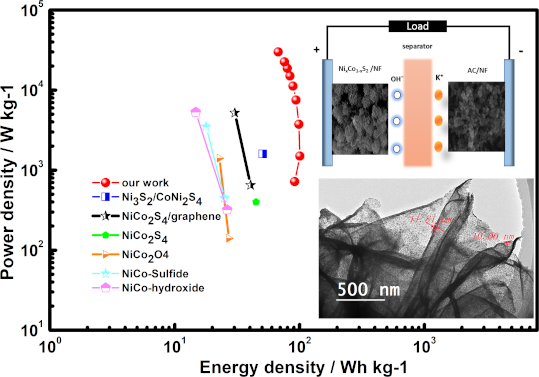
- electrical conductivity. Developing ultrathin nanostructured materials is critical to achieving high electrochemical performance, because they possess rich active sites for electrochemical reactions, shortening the transport path of ions in the electrolyte during the charge/discharge processes. This paper
- from both nickel and cobalt ions in the bimetallic sulfides can provide relatively affluent redox reactions, resulting in higher specific capacitance and electrical conductivity [6][7]. Moreover, layered ultrathin nanoflakes in the synthesised nanomaterials, derived from metal oxides/dichalcogenides
- (TMDs), are attractive as energy-storage electrode materials. This is because the ultrathin structures are fully exposed to the active sites, leading to high electrical conductivity [8][9][10]. In previous reports, Ni–Co chalcogenides have always been combined with carbon-based materials such as


Improvement of the thermoelectric properties of a MoO3 monolayer through oxygen vacancies
Beilstein J. Nanotechnol. 2019, 10, 2031–2038, doi:10.3762/bjnano.10.199
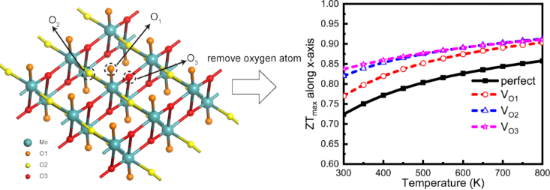
- measured by a figure of merit (ZT) defined as ZT = S2σT/κ, where S, σ, T and κ represent the Seebeck coefficient, electrical conductivity, temperature and thermal conductivity, respectively [2][3]. In the past decade, great efforts have been made to boost the capabilities of thermoelectric materials
- [7] and Li-ion batteries [8][9][10][11]. Like most TMOs, bulk MoO3 has a wide band gap (about 3.0 eV) and low electrical conductivity, which seems inappropriate for thermoelectric devices. However, the electrical properties (including band gap and conductivity) of MoO3 are strongly dependent on the
- concentration of O vacancy concentrations. Hydrogen-ion intercalation [12] and solar-light irradiation [13] can turn MoO3 into MoO3−x and hence increase the electrical conductivity. Understanding the effect of O vacancies in MoO3 is very beneficial for its thermoelectric applications. Moreover, low-dimensional


Nanostructured and oriented metal–organic framework films enabling extreme surface wetting properties
Beilstein J. Nanotechnol. 2019, 10, 1994–2003, doi:10.3762/bjnano.10.196
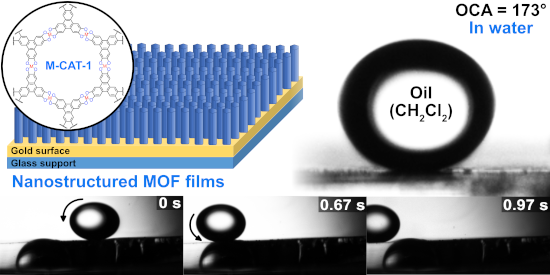
- properties and functions, MOFs are intriguing candidates for the design and synthesis of coatings combining a superhydrophilic, superhydrophobic, superoleophilic or superoleophobic character with desired features such as light filtering, hosting cavities, electrical conductivity, etc. In the literature, the
- -CAT-1 crystallites exhibit a hexagonally faceted, needle-like morphology with crystal cross-sections of 30–40 nm and several micrometers in length (Figure 1). In addition, the M-CAT-1 materials are electroactive featuring electrical conductivity values of up to 10−2–10−3 S cm−1 for pressed powder
- use of a MOF allows for encoding further desired surface properties such as light absorption and electrical conductivity. This can be valuable for applications such as photo-electrocatalysis water splitting where a high textural surface area, water contact and light absorption are required. A


Facile synthesis of carbon nanotube-supported NiO//Fe2O3 for all-solid-state supercapacitors
Beilstein J. Nanotechnol. 2019, 10, 1923–1932, doi:10.3762/bjnano.10.188
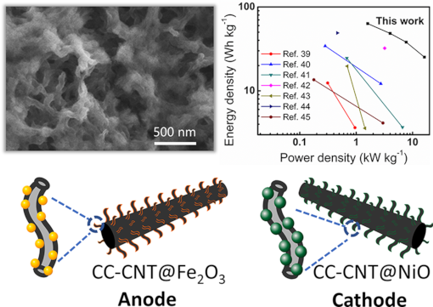
- carbon cloth–carbon nanotube@metal oxide (CC-CNT@MO) three-dimensional structures combine the high specific capacitance and rich redox sites of metal oxides with the large specific area and high electrical conductivity of carbon nanotubes. The prepared CC-CNT@Fe2O3 anode reaches a high capacity of 226
- high slope at low frequency indicates small capacitive resistance (0.465 Ω) and thus fast ion transport. Therefore, the EIS results prove that the good electrochemical performance of the CC-CNT@NiO electrode can be mainly attributed to its good electrical conductivity and low charge transfer resistance


Charge-transfer interactions between fullerenes and a mesoporous tetrathiafulvalene-based metal–organic framework
Beilstein J. Nanotechnol. 2019, 10, 1883–1893, doi:10.3762/bjnano.10.183
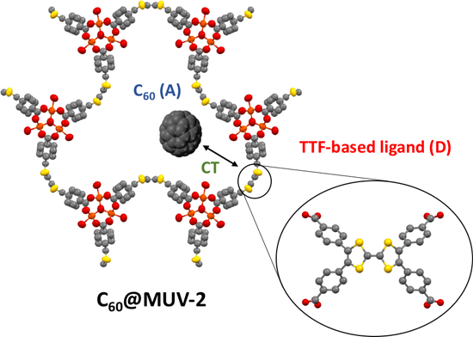
- electron-donor TTF ligand is studied in detail by means of different spectroscopic techniques and density functional theory (DFT) calculations. Importantly, gas sorption measurements demonstrate that sorption capacity is maintained after encapsulation of fullerenes, whereas the electrical conductivity is
- catalysis [3][4][5]. In addition, electroactive MOFs combining porosity and electrical conductivity [6][7][8] have also attracted much attention during the last years in view of their potential application, for example as chemiresistive sensors [9], field-effect transistors [10] or supercapacitors [11
- ]. Whereas most MOFs are electrical insulators, some have shown to exhibit excellent electrical conductivity and high charge mobility. This was achieved either by an appropriate choice of the building units to form electronically delocalised frameworks, or by incorporating electroactive guest molecules in




TiO2/GO-coated functional separator to suppress polysulfide migration in lithium–sulfur batteries
Beilstein J. Nanotechnol. 2019, 10, 1726–1736, doi:10.3762/bjnano.10.168
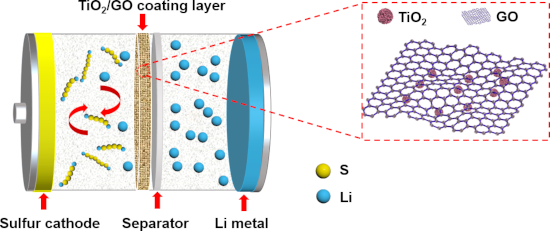
- effect and the Li/S batteries with these functional interlayers deliver high gravimetric energy density and superior cyclic performance. Two-dimensional graphene oxide (GO) has excellent thermal stability, an ultrahigh specific surface area, and good electrical conductivity. The polysulfide shuttle can


Tuning the performance of vanadium redox flow batteries by modifying the structural defects of the carbon felt electrode
Beilstein J. Nanotechnol. 2019, 10, 1698–1706, doi:10.3762/bjnano.10.165
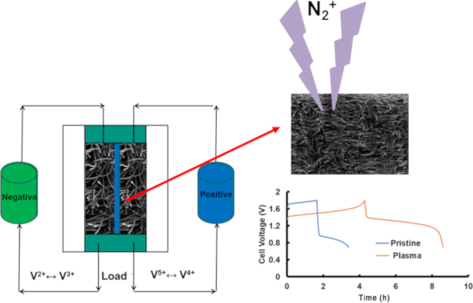
- the electrical conductivity, leading to performance loss. Furthermore, it has been proposed by Schweiss et al. that an increase in the amorphous content in the felt can increase the hydrogen evolution reaction [12]. In one way or the other, functionalization with heteroatoms will always reduce the
- increase in electrical conductivity as well as active sites [16]. In this work, a carbon felt electrode with minimum oxygen functional groups and a larger amount of defects in the form of N-doping and edge sites was prepared by employing the N2 plasma technique. The N2-plasma-treated sample showed enhanced


Upcycling of polyurethane waste by mechanochemistry: synthesis of N-doped porous carbon materials for supercapacitor applications
Beilstein J. Nanotechnol. 2019, 10, 1618–1627, doi:10.3762/bjnano.10.157
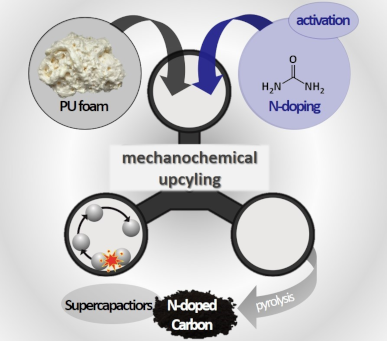
- from coconut shells and other biomass waste [19][20][21]. However, the industrial use of plastics for this purpose has not been established yet. The main properties of porous carbon materials [22][23] such as high specific surface area and high electrical conductivity allow for a variety of
- carbon materials can be functionalized with heteroatoms such as nitrogen, which was reported to affect the electrical conductivity [39][40][41][42], the energy storage capacity, and the wettability of the electrodes with electrolyte [43][44][45]. Commonly, nitrogen is inserted into the carbon framework


Kelvin probe force microscopy work function characterization of transition metal oxide crystals under ongoing reduction and oxidation
Beilstein J. Nanotechnol. 2019, 10, 1596–1607, doi:10.3762/bjnano.10.155
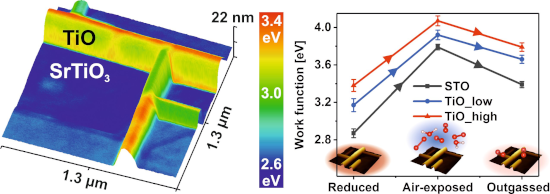
- -type (rock-salt-type, B1) cubic structure (Fm−3m, a = 4.184 Å), displaying a wide range of nonstoichiometric values [25]. Our study contains first measurements of electrical conductivity and the work function of crystalline TiO and its response to the ambient air reoxidation. This is all compared to


Materials nanoarchitectonics at two-dimensional liquid interfaces
Beilstein J. Nanotechnol. 2019, 10, 1559–1587, doi:10.3762/bjnano.10.153
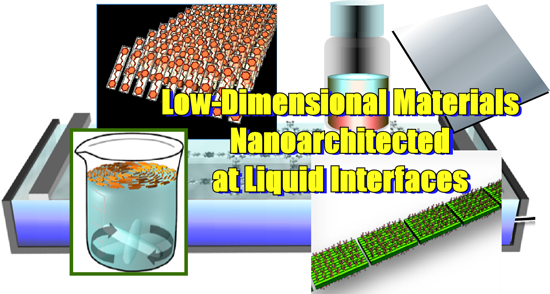
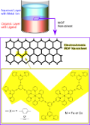
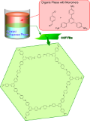
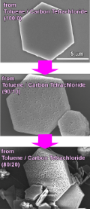
- uniform two-dimensional nanocarbon films, so-called carbon nanosheets, with ca. 10 nm thickness with dispersed nanopore structural motifs. The electrical conductivity of the transferred film was significantly increased after the thermal carbonization process. Nitrogen-doping was carried out simply by
- mixing nitrogen-containing compounds such as pyridine into the original solution of the carbon nanoring molecule. The prepared nitrogen-doped carbon nanosheets exhibited a higher electrical conductivity than the non-doped ones did. It should be noted that these nanomaterial fabrications can be conducted













Rapid thermal annealing for high-quality ITO thin films deposited by radio-frequency magnetron sputtering
Beilstein J. Nanotechnol. 2019, 10, 1511–1522, doi:10.3762/bjnano.10.149
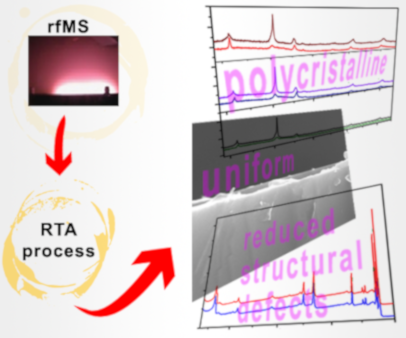
- ), causing them to decrease. The conductivity of the ITO thin films was determined using the four point-probe method. It was found that the electrical conductivity of the ITO film (d = 370 nm) increases from 5.8 × 10³ Ω−1 cm−1 to 1.35 × 10⁴ Ω−1 cm−1 after annealing. We may conclude that the increase in grain
- -treated ITO thin films, with different thickness values.a Typical chemical composition of ITO thin films, determined by XPS measurements. The values of the bandgap width corresponding to direct optical transitions and the electrical conductivity for the as-deposited and RTA-treated ITO samples.a
- ) with Cu Kα radiation (λ = 1.5418 Å) at a power of 40 kV/40 mA. The scan was performed between 20° and 60° with a 2 s/step scan speed and 0.04° step. Optical transmission spectra of the deposited thin films were measured with a UV–vis–NIR Perkin Elmer 950 spectrophotometer (190–3300 nm). The electrical


Flexible freestanding MoS2-based composite paper for energy conversion and storage
Beilstein J. Nanotechnol. 2019, 10, 1488–1496, doi:10.3762/bjnano.10.147
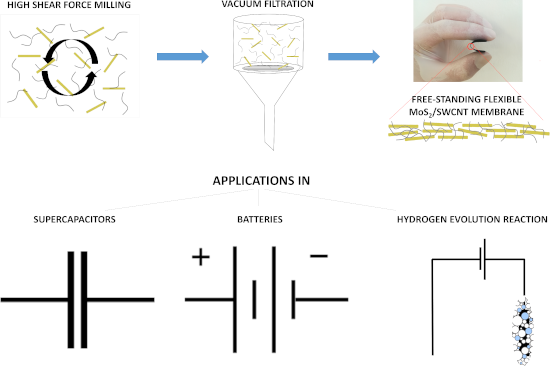
- graphite (372 mA·h·g−1) [6]. However, poor electrical conductivity, capacity fading and large volume changes upon charge and discharge make the commercialization of MoS2 in LIBs problematic [6][7]. In order to address this issue, the fabrication of MoS2 composites and carbonaceous support materials (such


Hierarchically structured 3D carbon nanotube electrodes for electrocatalytic applications
Beilstein J. Nanotechnol. 2019, 10, 1475–1487, doi:10.3762/bjnano.10.146
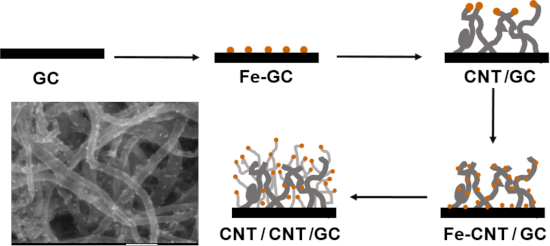
- discovery in 1991 [1] due to their high electrical conductivity, large surface area, good chemical stability, high mechanical strength and high aspect ratio and are considered as promising materials for diverse applications such as field emission displays, energy storage devices, sensors, and so on [2][3][4
- support is as important as the active material in order to form an optimum catalyst. For electrocatalytic applications, the support should possess high electrical conductivity, large surface area and good chemical and mechanical stability. Furthermore, the electrode prepared with the catalyst should





Kelvin probe force microscopy of the nanoscale electrical surface potential barrier of metal/semiconductor interfaces in ambient atmosphere
Beilstein J. Nanotechnol. 2019, 10, 1401–1411, doi:10.3762/bjnano.10.138
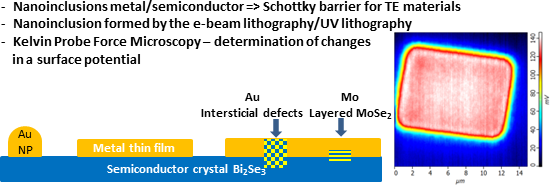
- efficiency of the material could be expressed in terms of figure-of-merit, ZT, defined as dimensionless quantity ZT = S2·σ·T/κ , where S is the thermopower (Seebeck coefficient), σ is the electrical conductivity, T is the absolute temperature and κ is the thermal conductivity. There were many concepts for
- material because of its well-defined layered structure with sub-nanometer roughness similar to mica or highly oriented pyrolytic graphite (HOPG). The electrical conductivity and mechanical stiffness of Bi2Se3 allow for the measurement with high-intensity electrical fields (10 V/30 nm) without damaging the


Multicomponent bionanocomposites based on clay nanoarchitectures for electrochemical devices
Beilstein J. Nanotechnol. 2019, 10, 1303–1315, doi:10.3762/bjnano.10.129
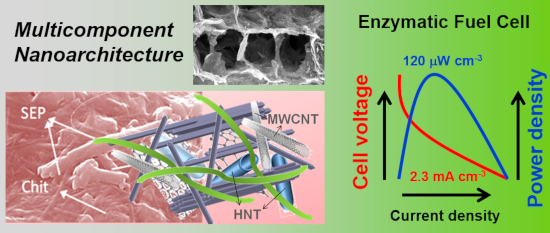
- biocomposite: HNTs act as nanocontainers for bioactive species, GNPs provide electrical conductivity (enhanced by doping with MWCNTs) and, the CHI polymer matrix introduces mechanical and membrane properties that are of key significance for the development of electrochemical devices. The resulting
- nanofillers to ensure the mechanical strength and electrical conductivity of the prepared bionanocomposite films and foams [26]. Moreover, MWCNTs are supposed to act as nanowires improving the contact between the active site of the immobilized enzymes and an electrode surface via direct electron transfer [39
- ]. The resulting multicomponent systems have advantages such as high electrical conductivity and flexibility that make the bionanocomposite films appropriate components for biosensors [35][40] for glucose detection, while the relatively high porosity of the bioactive foams enhances the power density and



Fabrication of phase masks from amorphous carbon thin films for electron-beam shaping
Beilstein J. Nanotechnol. 2019, 10, 1290–1302, doi:10.3762/bjnano.10.128
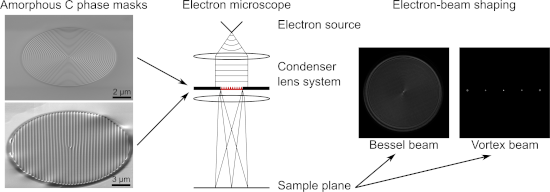
- irradiation, which in turn increases scattering. In this work we investigated amorphous carbon (aC) as an alternative PM material. Amorphous carbon, like SixNy, offers high mechanical stability, low scattering probability and in addition high electrical conductivity. Because of these properties, aC is



Alloyed Pt3M (M = Co, Ni) nanoparticles supported on S- and N-doped carbon nanotubes for the oxygen reduction reaction
Beilstein J. Nanotechnol. 2019, 10, 1251–1269, doi:10.3762/bjnano.10.125
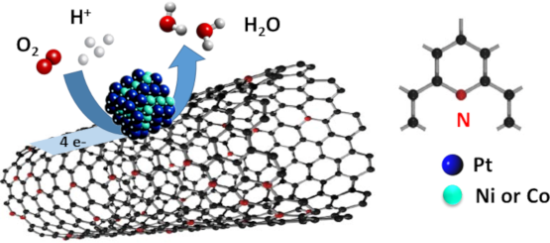
- -CNTs) and S-doped CNT (S-CNTs). To further increase the corrosion resistance and the electrical conductivity of the N-CNTs, they were annealed at 1000 °C to produce N-CNTHT. The introduction of nitrogen or sulfur into the CNT structure has an effect on the structural properties of the prepared







Direct growth of few-layer graphene on AlN-based resonators for high-sensitivity gravimetric biosensors
Beilstein J. Nanotechnol. 2019, 10, 975–984, doi:10.3762/bjnano.10.98
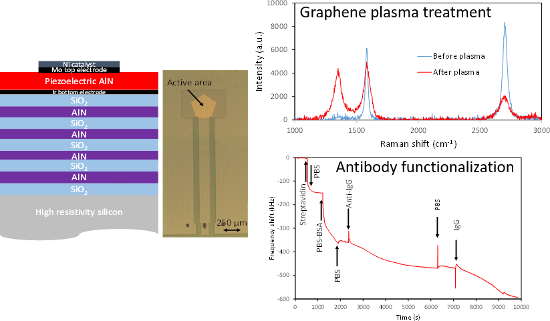
- porous gold films [9], owing to their outstanding properties in terms of electrical conductivity combined with their chemical stability and their ability to alter their chemistry under controlled conditions. Recently, functionalized graphene and graphene oxide have attracted the attention of the