


Search results
Search for "glucose" in Full Text gives 177 result(s) in Beilstein Journal of Nanotechnology.
Multicomponent bionanocomposites based on clay nanoarchitectures for electrochemical devices
Beilstein J. Nanotechnol. 2019, 10, 1303–1315, doi:10.3762/bjnano.10.129
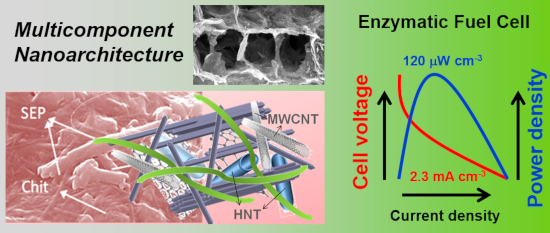
- glucose oxidase (GOx) into the lumen of HNTs has been chosen here as an example for the immobilization of bioactive species, which can be crucial to design (bio)electrochemical devices with high performance and long life-time. The SEP, GNP, and MWCNT components are also expected to behave as polymer
- ]. The resulting multicomponent systems have advantages such as high electrical conductivity and flexibility that make the bionanocomposite films appropriate components for biosensors [35][40] for glucose detection, while the relatively high porosity of the bioactive foams enhances the power density and
- material in aqueous media. Moreover, the successful incorporation of HNTs as nanoreactor prompted the use of these bionanocomposite materials in bioelectrocatalysis applications (see below). Immobilization of glucose oxidase in the lumen of HNTs The developed multicomponent bionanocomposites were used for



A silver-nanoparticle/cellulose-nanofiber composite as a highly effective substrate for surface-enhanced Raman spectroscopy
Beilstein J. Nanotechnol. 2019, 10, 1270–1279, doi:10.3762/bjnano.10.126
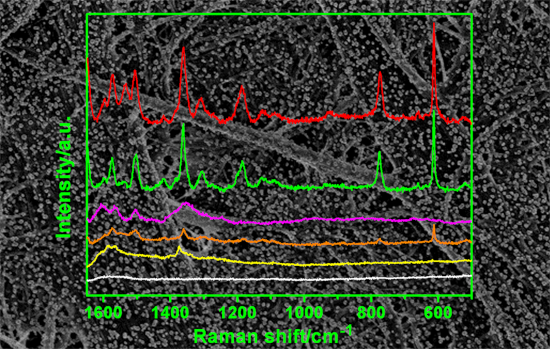
- Silver nitrate (AgNO3), β-ᴅ-glucose and concentrated ammonia were bought from Sinopharm Chemical Reagent Co., Ltd. (Shanghai, China); sodium hydrate (NaOH) was purchased from Shanghai Titanchem Co., Ltd. (Shanghai, China); Rhodamine 6G (R6G, 98.5%) was obtained from J&K Chemical Ltd. (Shanghai, China
- solution was added dropwise under swift stirring into the mixture until the precipitate dissolved. Then, 15.0 mL of aqueous β-ᴅ-glucose solution (10 wt %) was added into the prepared Tollens’ reagent under continuous stirring. The solution obtained was immediately poured into a Petri dish where 5 pieces of


Glucose-derived carbon materials with tailored properties as electrocatalysts for the oxygen reduction reaction
Beilstein J. Nanotechnol. 2019, 10, 1089–1102, doi:10.3762/bjnano.10.109
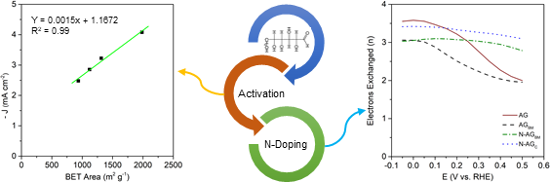
- -doped biomass-derived carbon materials were prepared by hydrothermal carbonization of glucose, and their textural and chemical properties were subsequently tailored to achieve materials with enhanced electrochemical performance towards the oxygen reduction reaction. Carbonization and physical activation
- biomass-derived carbons. Therefore, this study aims to prepare glucose-derived carbon materials with different textural and chemical properties and to correlate these properties with the performance towards ORR. Activated carbons with different microporosity were prepared by activating the samples at
- the performance of glucose-derived activated carbons, the surface chemistry of the sample AG6h (from now on simply named AG) was modified by applying different doping methods: ball milling and conventional mixing. In addition, such methods were also applied to a carbonized sample to evaluate the


Scavenging of reactive oxygen species by phenolic compound-modified maghemite nanoparticles
Beilstein J. Nanotechnol. 2019, 10, 1073–1088, doi:10.3762/bjnano.10.108
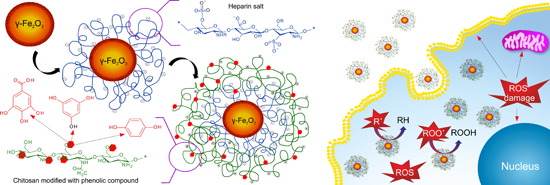
- phenolic compounds and allow for the attachment of the cationic polymer (chitosan). Heparin is a polysaccharide, containing glycosaminoglycan with densely repeated O-(α-L-iodopyranosyluric acid 2-sulfate)-(1→4)-2-sulfoamino-2-deoxy-D-glucose 6-sulfate sequences obtained from the mucosal tissue of animals





The systemic effect of PEG-nGO-induced oxidative stress in vivo in a rodent model
Beilstein J. Nanotechnol. 2019, 10, 901–911, doi:10.3762/bjnano.10.91
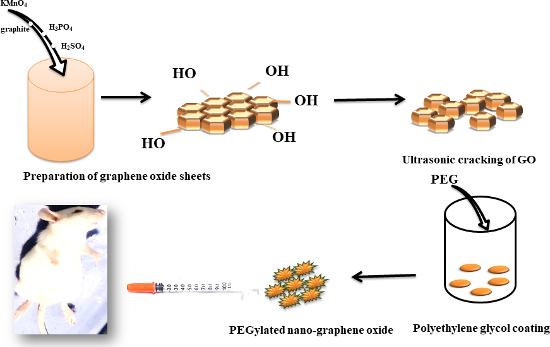
- activity of GO [17]. Moreover, GO-based sensors have been used for the detection of neonicotinoids [18], tyrosine [19], ascorbic acid, dopamine, uric acid [20], 4-nitrophenol [21], and glucose [22]. Among all biocompatible polymers, PEG has been extensively used as a GO cover. Feng et al. used PEG and PEI


Features and advantages of flexible silicon nanowires for SERS applications
Beilstein J. Nanotechnol. 2019, 10, 725–734, doi:10.3762/bjnano.10.72

- -sensitive and has a relatively large Raman cross section (ca. 10−29 cm2/sr [28]). The boronic acid group binds to certain analytes, for example, peptidoglycans in bacterial cell walls [29]. Recently, the difficult detection of saccharides (glucose, fructose) due to a low Raman scattering cross-section and a


Thermal control of the defunctionalization of supported Au25(glutathione)18 catalysts for benzyl alcohol oxidation
Beilstein J. Nanotechnol. 2019, 10, 228–237, doi:10.3762/bjnano.10.21
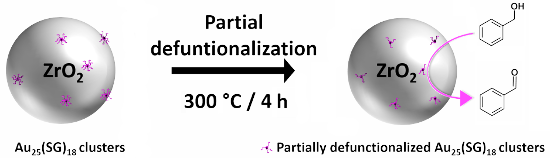
- activated carbon (AC) exhibited high efficiency in glucose oxidation [25]. The full defunctionalization at higher temperature usually induces an increase in particle size and decrease of the catalytic activity [26]. Benzyl alcohol oxidation is a model reaction generally used to test the catalytic activity




Comparative biological effects of spherical noble metal nanoparticles (Rh, Pd, Ag, Pt, Au) with 4–8 nm diameter
Beilstein J. Nanotechnol. 2018, 9, 2763–2774, doi:10.3762/bjnano.9.258
- = 40,000 g mol−1), sodium borohydride (Sigma-Aldrich, ≥96%, p.a.) trisodium citrate (Acros, anhydrous 98%), tannic acid (Fluka, p.a.), and D-glucose (Baker, p.a.) were all used as obtained. Aqueous solutions of H2PtCl6 or HAuCl4 (prepared by dissolution of platinum or gold in aqua regia), RhCl3, NaPdCl4
- nanoparticles: In a 100 mL two-neck round-bottom flask, 600 mg D-glucose and 50 mg PVP were dissolved in 50 mL water under stirring and heated to 100 °C under reflux. Then an aqueous solution (5 mL) of the corresponding metal precursor (25 µmol for Pt and 50 µmol for Rh and Pd) was rapidly added. The mixture
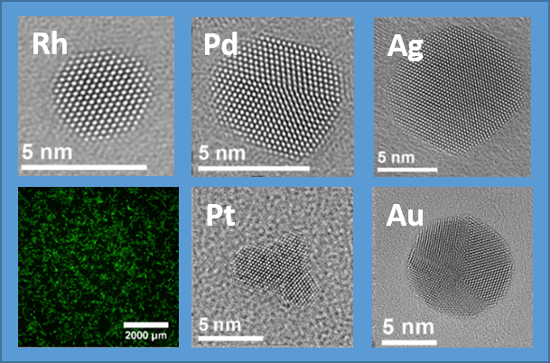
- diameter between 4 and 8 nm by different syntheses that are colloidally stabilized by PVP. Rhodium, palladium, and platinum were reduced with glucose, silver was reduced with NaBH4, and gold was reduced with a mixture of citrate and tannine. The particles were characterized by dynamic light scattering (DLS


Accurate control of the covalent functionalization of single-walled carbon nanotubes for the electro-enzymatically controlled oxidation of biomolecules
Beilstein J. Nanotechnol. 2018, 9, 2750–2762, doi:10.3762/bjnano.9.257
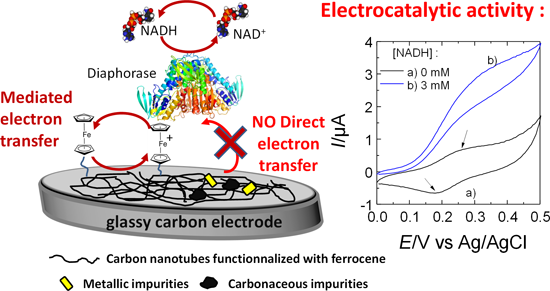
- surface of the CNTs. This system can be applied to biosensing, as exemplified for glucose detection. The well-controlled and well-characterized functionalization of essentially clean SWCNTs enabled us to establish the maximum level of impurity content, below which the f-SWCNT intrinsic electrochemical
- application of these f-SWCNTs in biosensing, the electrode was further modified with HIPCO-H2SO4-FcEtG2, diaphorase, NADH and glucose dehydrogenase (GDH). Upon addition of glucose into the solution, the molecules were oxidized by GDH in gluconolactone and NADH cofactor was simultaneously produced. NADH was
- then oxidized by diaphorase, mediated by ferrocene moieties. Figure 11C shows the electrochemical response in the absence of glucose (dashed curve, 0 mM of glucose). The reversible electrochemical signal of ferrocene can be distinguished as in curve a) of Figure 11B. After addition of glucose, the






Nanoantenna structures for the detection of phonons in nanocrystals
Beilstein J. Nanotechnol. 2018, 9, 2646–2656, doi:10.3762/bjnano.9.246
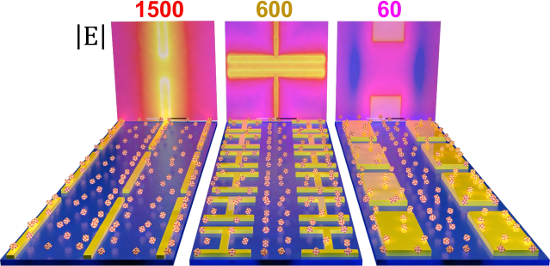
- substances of extremely low concentrations. For example, Adato et al. demonstrated the detection of a concentration as low as 145 protein molecules per nanoantenna [19]. SEIRA has been extended to the far-IR spectral range for which special nanoscale slot-antenna arrays were designed to determine glucose and


SERS active Ag–SiO2 nanoparticles obtained by laser ablation of silver in colloidal silica
Beilstein J. Nanotechnol. 2018, 9, 2396–2404, doi:10.3762/bjnano.9.224
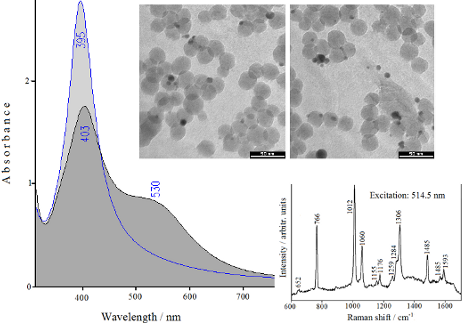
- adhere to silica can be stabilized in colloidal suspensions far better than in pure metal colloids, providing improved reproducibility of the SERS data. The second motivation is to exploit the adsorption capability of the colloidal silica for various organic ligands, for example glucose, formaldehyde


Hydrothermal-derived carbon as a stabilizing matrix for improved cycling performance of silicon-based anodes for lithium-ion full cells
Beilstein J. Nanotechnol. 2018, 9, 2381–2395, doi:10.3762/bjnano.9.223
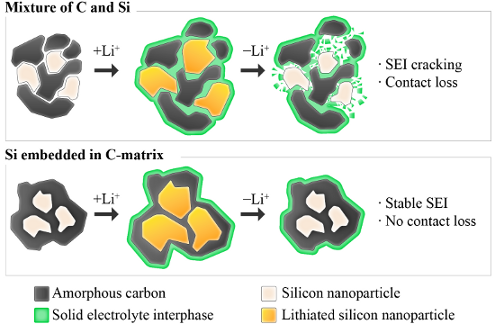
- of silicon/carbon composites and of the pure hydrothermal carbon matrix Silicon/carbon (Si/C) composites and the pure carbon matrix were synthesized in a hydrothermal process using a solution of anhydrous D-glucose (Fisher Scientific) in water (0.75 mol L−1) as the carbon source in the presence or
- absence of commercially available Si-NPs (100 nm, NANO Si, Creavis) with D-glucose:Si weight ratios of 77.5:1 and 45.5:1, respectively. Therefore, D-glucose was dissolved in deionized (DI) water by stirring for 15 min. At the same time, in the case of Si-containing samples, Si-NPs were dispersed in a
- small amount of DI water and added to the D-glucose solution. A specific volume was set to obtain a glucose concentration of 0.75 mol L−1. The (combined) solution was treated in an ultrasonic bath for 45 min in order to break agglomerates and obtain a homogeneous suspension. For the hydrothermal


The structural and chemical basis of temporary adhesion in the sea star Asterina gibbosa
Beilstein J. Nanotechnol. 2018, 9, 2071–2086, doi:10.3762/bjnano.9.196
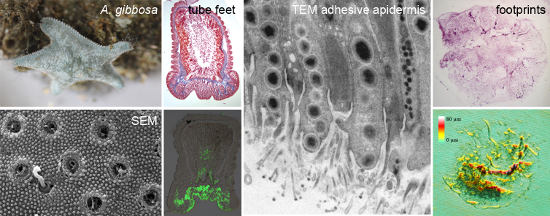
- the presence of various sugar moieties (N-acetylgalactosamine, N-acetylglucosamine, galactose, mannose and glucose residues) within the adhesive material [28]. Among sea stars, the protein and carbohydrate composition of the adhesive material has been solely investigated in the species A. rubens. Yet


Closed polymer containers based on phenylboronic esters of resorcinarenes
Beilstein J. Nanotechnol. 2018, 9, 1594–1601, doi:10.3762/bjnano.9.151
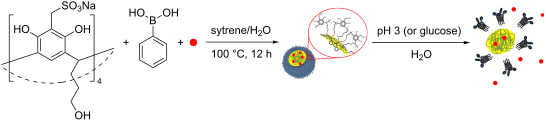
- resorcinarene (SRA) with phenylboronic acid. p(SRA-B) shows good stability in water and can be used as a nanocontainer for the pH- and glucose-controlled substrate release. Fluorescent dyes (fluorescein, pyrene and 1,3,6,8-pyrenetetrasulfonic acid tetrasodium salt) were successfully loaded into p(SRA-B). The
- release of dye is achieved by lowering the pH value to 3 or by adding glucose. Keywords: boronic acid; polymer nanocontainer; resorcinarene; responsive release; Introduction Boronic acids effectively interact with diols [1][2][3][4] that have found application in various fields: in the recognition and
- . The container (p(SRA-B)) consists of sulfonated resorcinarenes (SRA) interconnected by phenylboronic ester bonds. The decrease of the pH value or the addition of glucose affects the boronate bond causing its dissociation and disintegration of the container. Herein, we report the synthesis of p(SRA-B


Cr(VI) remediation from aqueous environment through modified-TiO2-mediated photocatalytic reduction
Beilstein J. Nanotechnol. 2018, 9, 1448–1470, doi:10.3762/bjnano.9.137
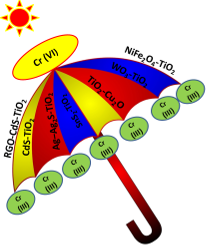
- (pH 2) exhibited higher photoreduction due to the interfacial charge transfer by RGO [135]. A maximum of 96% Cr(VI) reduction was achieved. An RGO–TiO2 composite photocatalyst was prepared by a wet impregnation route followed by surface complexation with a simple glucose molecule. The prepared
- photocatalyst reduced 100% of 30 mg L−1 Cr(VI) within 60 minutes under illumination with visible light. The role of glucose is to enhance the light absorption and separation of charge carriers through complex formation with RGO/TiO2. This leads to the increase in photocatalytic reduction of Cr(VI) [136]. Chen


Electrodeposition of reduced graphene oxide with chitosan based on the coordination deposition method
Beilstein J. Nanotechnol. 2018, 9, 1200–1210, doi:10.3762/bjnano.9.111
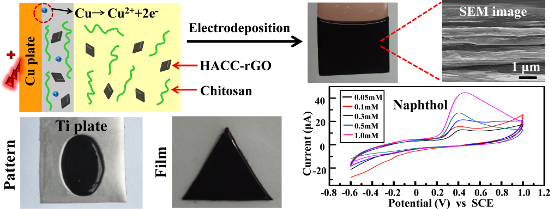
- electrochemical detection of glucose, NH3 gas, NO2 gas, ethanol and acetone [40][41][42][43]. Besides, graphene-based sensors have been used to detect phenolic compounds which are aromatic pollutants to the environment and human health [44][45]. These graphene-based sensors exhibit the high detection performance


Noble metal-modified titania with visible-light activity for the decomposition of microorganisms
Beilstein J. Nanotechnol. 2018, 9, 829–841, doi:10.3762/bjnano.9.77
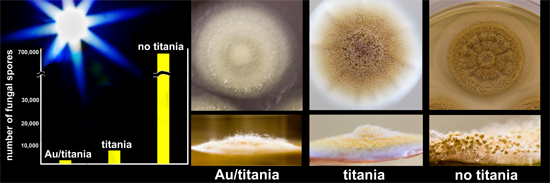
- (IIT&EE ZUT collection). The antimicrobial activity of the photocatalysts was tested by using disc diffusion [80]. Culture plates were prepared with 20 mL of two solid media: Sabouraud Glucose Agar SGA (BIOCORP, Poland) for C. albicans and Malt Extract Agar (Merck, Germany) for mould fungi. Sterilized


Cyclodextrin-assisted synthesis of tailored mesoporous silica nanoparticles
Beilstein J. Nanotechnol. 2018, 9, 693–703, doi:10.3762/bjnano.9.64
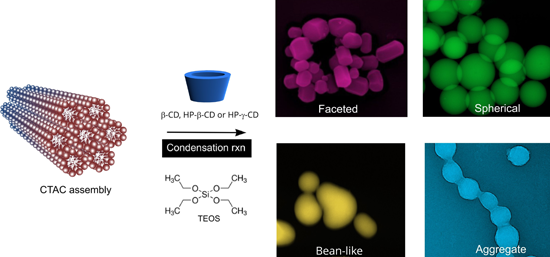
- ], while HP-functionalized CDs are highly water-soluble (according to the manufacturer “Wacker Chemie AG”, the solubility of HP-β-CD and HP-γ-CD is, respectively, 2300 g/L and 800 g/L). In water, pristine CDs form aggregates in the size range of 200–300 nm depending on the number of glucose units in the


Perovskite-structured CaTiO3 coupled with g-C3N4 as a heterojunction photocatalyst for organic pollutant degradation
Beilstein J. Nanotechnol. 2018, 9, 671–685, doi:10.3762/bjnano.9.62
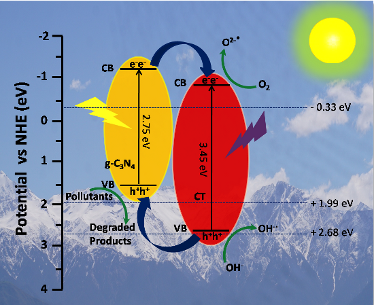
- pollutants from water very effectively. Experimental Materials Both titanium diisopropoxide bis(acetylacetonate) and dicyandiamide were purchased from Sigma-Aldrich, India. Calcium nitrate (Ca(NO3)2·4H2O), acrylamide and D-glucose were supplied by MP Biomedicals, India. Ammonia solution (NH3 about 25
- g of glucose and 0.135 mol of acrylamide were successively added with constant stirring. The thus-obtained viscous solution was made up to 100 mL by adding distilled water, and aqueous ammonia was added dropwise to get a final pH of 2. This solution was heated at 70 °C on a hot plate to initiate the


Mechanistic insights into plasmonic photocatalysts in utilizing visible light
Beilstein J. Nanotechnol. 2018, 9, 628–648, doi:10.3762/bjnano.9.59
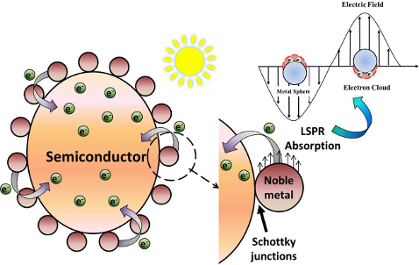
- electrocatalytic oxidation adopting glucose accelerated by Au NPs upon LSPR excitation under a suitable voltage bias. The hot electrons injected from Au NPs can be driven into the external circuit to deliver appreciable current, while the holes facilitate the electrocatalytic oxidation of glucose owing to their





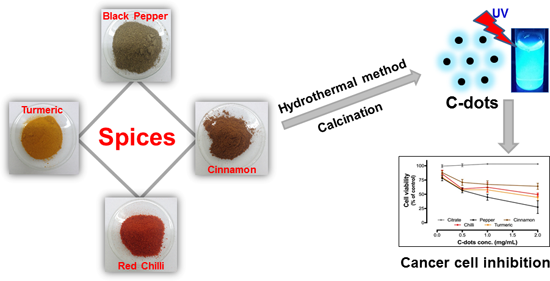
Green synthesis of fluorescent carbon dots from spices for in vitro imaging and tumour cell growth inhibition
Beilstein J. Nanotechnol. 2018, 9, 530–544, doi:10.3762/bjnano.9.51
- (DMEM) with high glucose content and all other chemicals were purchased from Sigma-Aldrich (Spain). Ultrapure water (18.2 MΩ·cm at 25 °C, Millipore USA) was used throughout the experiments. Dulbecco’s modified Eagle’s medium with nutrient mixture F-12 (DMEM/F-12) and GlutaMAX-I™, trypsin 0.25%–EDTA
- glucose, supplemented with 10% FBS and 100 U·mL−1 penicillin/100 μg·mL−1 streptomycin. Both cell lines (passages 5 to 12) were maintained in a humidified atmosphere with 5% CO2, at 37 °C. Cell viability test Cells were seeded in 96-well plates at a density of 10,000 cells per well. On the following day


Colloidal solution of silver nanoparticles for label-free colorimetric sensing of ammonia in aqueous solutions
Beilstein J. Nanotechnol. 2018, 9, 499–507, doi:10.3762/bjnano.9.48
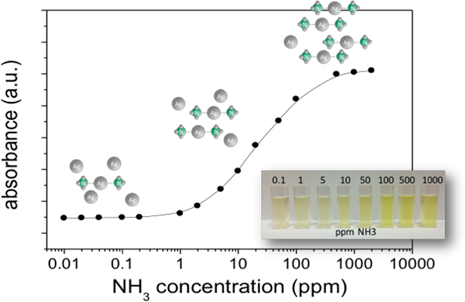
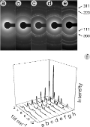
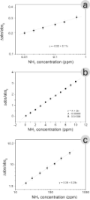
- other hand, the presence of glucose acting as reducing agent promotes the synthesis of silver nanoparticles [25]. The addition of ammonia can change the kinetics of the synthesis of silver nanoparticles improving oxidation of hydroxy groups in glucose, and giving rise to an accelerated reduction of
- compared to physiological systems of ammonia in organic fluids (blood or urine). However, this study is preliminary to address the problem of interfering species, e.g., proteins, enzymes and mineral salts. We highlighted that colloidal AgNPs solutions synthesized using both glucose and sucralose as
- concentrations of ammonia, such as for example the work of Detsri and Popanyasak [38], which discussed the effect of HN3 in a concentration varying between 10 and 800 mM, corresponding to the range from 1.8·102 to 1.4·104 ppm. Conclusion Sucralose–glucose silver nanoparticles have been successfully synthetized



Liquid-crystalline nanoarchitectures for tissue engineering
Beilstein J. Nanotechnol. 2018, 9, 205–215, doi:10.3762/bjnano.9.22
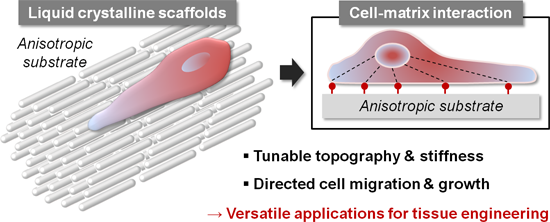
- [36] and drug delivery systems [37]. For tissue regeneration, the mostly studied biomaterials are collagen and chitin, which are, respectively, protein-based and glucose-based biopolymers [38][39]. When denatured, collagen and chitin can be transformed into gelatin and chitosan, respectively, which


Bombyx mori silk/titania/gold hybrid materials for photocatalytic water splitting: combining renewable raw materials with clean fuels
Beilstein J. Nanotechnol. 2018, 9, 187–204, doi:10.3762/bjnano.9.21
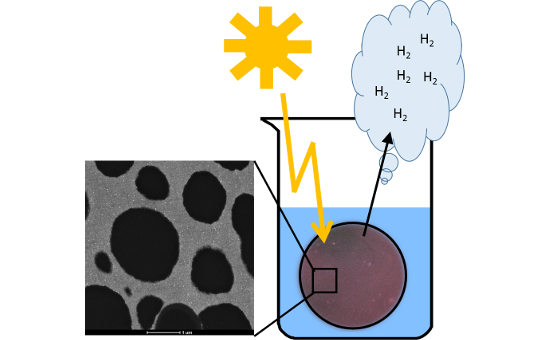
- authors also showed that methanol is the most efficient sacrificial agent when compared to isopropanol, glycerol, and glucose [25]. A further study by Jose et al. focused on the effect of TiO2 modification (anatase and/or rutile). These authors observed that TiO2 P25/Au mixed systems performed best in the




Co-reductive fabrication of carbon nanodots with high quantum yield for bioimaging of bacteria
Beilstein J. Nanotechnol. 2018, 9, 137–145, doi:10.3762/bjnano.9.16
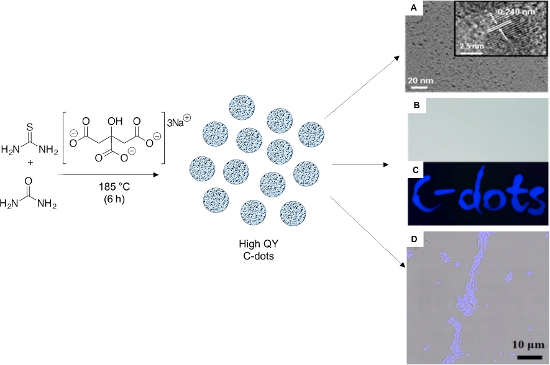
- decrease in QY. The results indicated that it acquired a highest reduced atmosphere when the molar ratio of urea to thiourea is about 3. To demonstrate the rationale of co-reduced C-dot production method, glucose and xylose were used as the model carbon source references. Glucose and xylose were selected
- glucose were purchased from Aladdin Ltd. (Shanghai, China). Nutrient broth (NB) medium (1 g L−1 yeast extract, 3 g L−1 beef extract, 5 g L−1 poly peptone, 10 g L−1 sucrose) was purchased from Sigma-Aldrich. All other chemicals were of analytical grade and used as received. Double distilled water was used





