


Search results
Search for "surfaces" in Full Text gives 1303 result(s) in Beilstein Journal of Nanotechnology. Showing first 200.
Interface properties of nanostructured carbon-coated biological implants: an overview
Beilstein J. Nanotechnol. 2024, 15, 1041–1053, doi:10.3762/bjnano.15.85
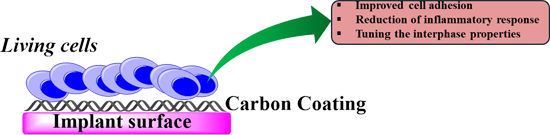
- between medical implants and living tissues are of great complexity because of the simultaneous occurrence of a wide variety of phenomena. The engineering of implant surfaces represents a crucial challenge in material science, but the further improvement of implant properties remains a critical task. It
- within the field. Keywords: biocompatibility; carbon nanotubes; coatings; graphene; nanodiamonds; surfaces; Introduction For centuries, the simple manipulation of natural resources has represented the only available strategy for the realization of artifacts, buildings, and innovations, until the
- environments represented by implant–tissue interfaces [18] through the tuning of different parameters (i.e., surface roughness and potential as well as hydrophobicity). Cells and biomolecules can selectively adhere to or be repelled from artificial implanted surfaces, triggering several metabolic pathways of



Atomistic insights into the morphological dynamics of gold and platinum nanoparticles: MD simulations in vacuum and aqueous media
Beilstein J. Nanotechnol. 2024, 15, 995–1009, doi:10.3762/bjnano.15.81
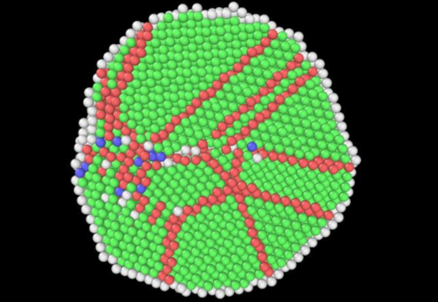
- of the surface energy indicates a high potential for reactivity. We observe that the surface energy decreases with bigger NP diameters. Thus, the lesser structured amorphous spherical surfaces of the small NPs have a higher potential reactivity than the more organized crystalline multifaceted
- surfaces of the large NPs. This is in agreement with previous findings for Ag NPs with a similar diameter range [49]. It should be noted that the considered variations in the NP size are rather subtle and below detection for current analytical capabilities [85]. There are slight disparities between Au and


Beyond biomimicry – next generation applications of bioinspired adhesives from microfluidics to composites
Beilstein J. Nanotechnol. 2024, 15, 965–976, doi:10.3762/bjnano.15.79
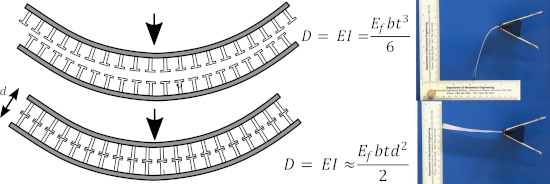
- ] and magnets are much better in terms of reliability and adhesion force than current biomimetic materials but need mating surfaces that are compatible. Traditional fasteners like screws, bolts, and nuts are available for assemblies that do not need to be disconnected frequently but are extremely strong
- mechanical properties of interest to fit the needs of soft robotics, microfluidic systems, or others. All of such applications necessitate that the biomimetic adhesives are robust, relatively inexpensive, and highly effective at adhering to different surfaces. Several corporations, including Setex [16
- University with an intended end application in space robotics [21][22] (Figure 1), where the adhesives needed to adhere to surfaces under vacuum conditions with minimal preload and maintain strong adhesion in all directions. Initially, I focused on a variety of micro-tread structures with the expectation


Electrospun nanofibers: building blocks for the repair of bone tissue
Beilstein J. Nanotechnol. 2024, 15, 941–953, doi:10.3762/bjnano.15.77
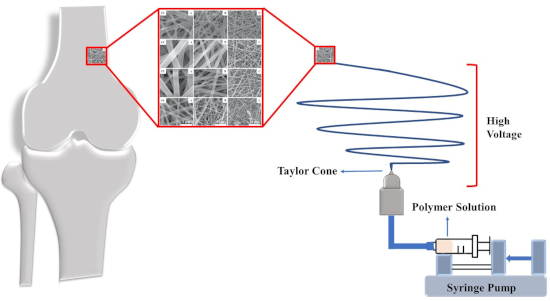
- high, water may accumulate on the fiber surfaces, and if the humidity is too low, the solvent may evaporate too quickly [73][82]. Also, relative humidity makes nanofibers thicker or thinner depending on the chemical structure of the polymer [82]. Drug release from electrospun nanofibers The rate and


Effects of cutting tool geometry on material removal of a gradient nanograined CoCrNi medium entropy alloy
Beilstein J. Nanotechnol. 2024, 15, 925–940, doi:10.3762/bjnano.15.76
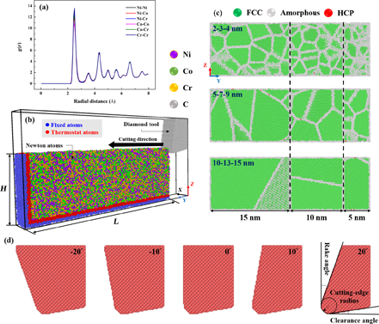
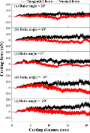
- mechanism of polycrystalline CoCrNi MEAs [13]. The rake angle has little effect on the increase in amorphous phase atoms during the cutting process. However, according to the CNA results of the CoCrNi MEA substrates after cutting, substrate surfaces after cutting with a positive rake angle are flatter than


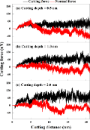


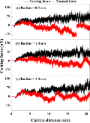




Facile synthesis of Fe-based metal–organic frameworks from Fe2O3 nanoparticles and their application for CO2/N2 separation
Beilstein J. Nanotechnol. 2024, 15, 897–908, doi:10.3762/bjnano.15.74
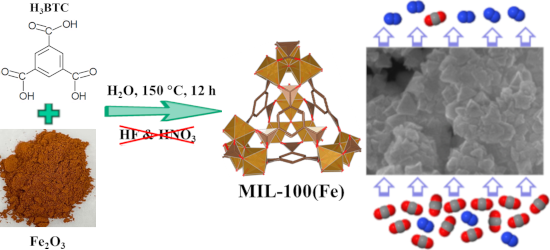
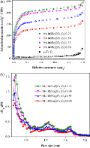
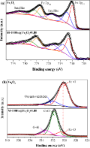
- areas, high thermal stability, changeable pore system sizes, and customizable chemical surfaces [1][2][3][4][5][6]. The family tree of MOFs holds giant lineages such as Zeolitic Imidazolate Framework (ZIF), University of Olso (UiO), Material of Institute Lavoisier (MIL), Dresden University of Technology





Water-assisted purification during electron beam-induced deposition of platinum and gold
Beilstein J. Nanotechnol. 2024, 15, 884–896, doi:10.3762/bjnano.15.73
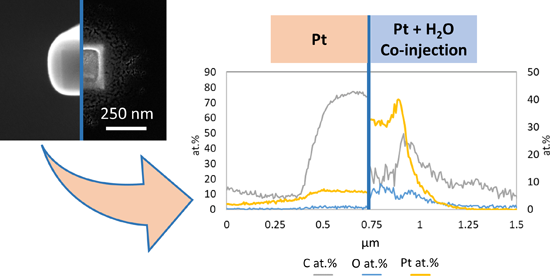
- is a factor that should be considered when comparing the obtained data with other studies of Pt nanoparticle mobility on surfaces. While the lines obtained at circa 0.5 nA approach a closed structure, lines deposited at higher currents show more substantial cracking and lack of continuity. This
- limitation is connected to the inherent mobility of Pt and PtOx species on SiOx surfaces and could be circumvented by the use of a different substrate. Conclusion Water-assisted purification during FEBID of gold and platinum deposits is achievable under experimental conditions compatible with a standard





The effect of age on the attachment ability of stick insects (Phasmatodea)
Beilstein J. Nanotechnol. 2024, 15, 867–883, doi:10.3762/bjnano.15.72

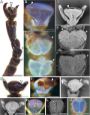
- the substrate as the contact area of the pad is proportional to adhesion [10][11][12]. For rough substrates, the pads are complemented by a pair of rigid claws used for friction interlocking with surface asperities and ensuring attachment, but claws perform poorly on smooth surfaces [13]. The ability
- to attach to various surfaces is helpful for climbing animals [11][14], and adapting to the quality of the substrate is especially important for motile animals, which may come into contact with different surfaces, such as plants [9][11][15]. In ageing cockroaches, attachment pad discoloration and
- attachment pads is assumed to result from adaptations towards these plant surfaces [23][29]. Phasmids possess smooth adhesive pads on their tarsomeres, the euplantulae, and one larger pad at the pretarsus, the arolium [30]. Investigations of the specific functionality of both euplantulae and the arolium by


Investigation on drag reduction on rotating blade surfaces with microtextures
Beilstein J. Nanotechnol. 2024, 15, 833–853, doi:10.3762/bjnano.15.70
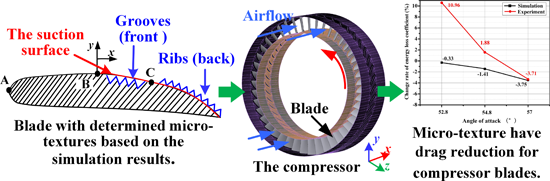
- microtextures to reduce the flow loss on the blade surfaces were carried out. First, based on the axisymmetric characteristics of the impeller, a new simulation method was proposed to determine the aerodynamic parameters of the blade model through the comparison of flow field characteristics and simulation
- ; Introduction In order to survive, organisms in nature have undergone billions of years of evolution; their body structures have been adapted to the current environment and exhibit special functions on biological surfaces [1]. For the purpose of drag reduction, valuable inspiration can be derived from rapidly
- of lotus leaves [4]. A thin gas film captured by the superhydrophobic structure creates a slip interface between gas and liquid, which effectively improves the drag reduction and antifouling performance of lotus leaves [5]. However, the structures on biological surfaces are rather complex and not


Synthesis of silver–palladium Janus nanoparticles using co-sputtering of independent sources: experimental and theorical study
Beilstein J. Nanotechnol. 2024, 15, 808–816, doi:10.3762/bjnano.15.67
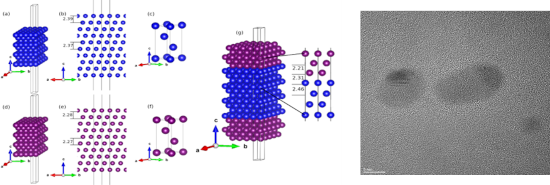
- not have. For instance, the distinct sides of Janus nanoparticles can be functionalized with different surface chemistries, allowing for controlled interactions with different molecules, surfaces, or biological entities; this feature may be particularly useful in applications as diverse as drug
- ) interplanar distance is reported in the Experimental section, we computed the Ag and Pd (111) surface models. The Ag(111) (Figure 6a,b) and Pd(111) (Figure 6d,e) surfaces were modeled in a hexagonal lattice, with a slab thickness equivalent to three unit cells (approximately 2 nm). All models considered




Green synthesis of biomass-derived carbon quantum dots for photocatalytic degradation of methylene blue
Beilstein J. Nanotechnol. 2024, 15, 755–766, doi:10.3762/bjnano.15.63
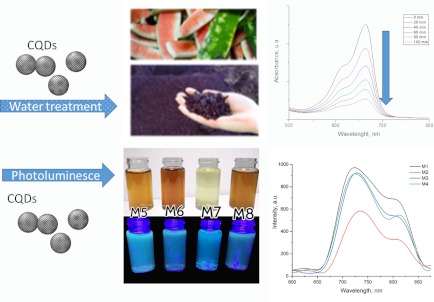
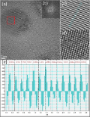
- samples, one centered around 1300 cm−1 and another one centered around 1550 cm−1. These features can be related with the D and G bands, respectively [41]. The D band, usually centered around 1385 cm−1, corresponds to C with an sp3 hybridization and is commonly associated with disordered surfaces. On the
- ], which facilitates the formation of electron–hole pairs when irradiated with a W lamp, resulting in a higher photocatalytic activity in comparison to that with sunlight irradiation. Even when samples M2 and M6 were synthesized using also nitric acid, the formation of C–N groups on their surfaces could be


Effect of repeating hydrothermal growth processes and rapid thermal annealing on CuO thin film properties
Beilstein J. Nanotechnol. 2024, 15, 743–754, doi:10.3762/bjnano.15.62
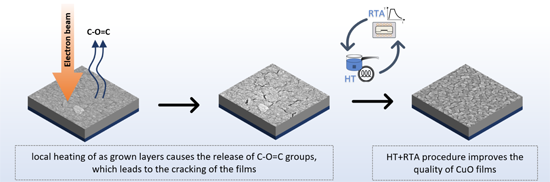
- tested surfaces. The results of this analysis are presented in Figure 7. Regardless of the analyzed sample, the dC/dV signal consistently exhibits positive values, indicating that there is no carrier inversion due to HT+RTA sequencing. Regardless of the sample preparation procedure, the p-type
- concentration at grain boundaries and surfaces of individual grains. Further research is required to gain insight into the phenomena at grain boundaries, aiming to provide a precise explanation of the factors contributing to such a rapid change in the distribution of carriers in CuO films. SEM images of the




Functional fibrillar interfaces: Biological hair as inspiration across scales
Beilstein J. Nanotechnol. 2024, 15, 664–677, doi:10.3762/bjnano.15.55
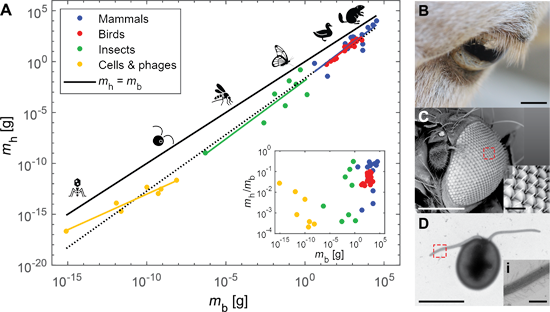
- , hair-like trichomes on plant surfaces [27]. Overall, to promote homeostasis in plants, animals, bacteria, and bacteriophages, fibrillar structures contribute to the following functions: protection (e.g., thermal insulation and defense), locomotion and feeding, and sensing. This review will present how
- difference of ≈10−4 °C. Therefore, thermal insulation would have a negligible effect on thermoregulation at this scale. Instead, cells may be able to regulate their metabolic rates in response to changes in environmental temperatures [38]. Wettability Superhydrophobic surfaces have the unique capability of
- preventing water from spreading; thus, they exhibit low wettability. In order to achieve superhydrophobicity, surfaces should have structural hierarchy and be composed of materials with low surface energy. The classic example of such a surface in nature is the lotus leaf [39], which possesses wax-covered


Laser synthesis of nanoparticles in organic solvents – products, reactions, and perspectives
Beilstein J. Nanotechnol. 2024, 15, 638–663, doi:10.3762/bjnano.15.54
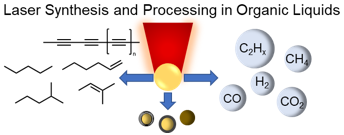
- % [68][69], while platinum surfaces are partially oxidized with 20–73% [70][92], and nickel particles are completely oxidized [70]. This was further investigated by Kalus et al., who ablated seven different metals (Au, Pt, Ag, Cu, Fe, Ti, and Al) in water while quantifying the formed hydrogen and oxygen
- shells during post-treatment irradiation (Figure 11b, Figure 12) [101]. (iii) Compagnini et al. [158] as well as Zhang et al. [159] reported slowly growing carbon shells on nanoparticle surfaces. Hence, a third mechanism may be proposed (Figure 11c). In detail, Compagnini et al. found growing carbon
- graphite oxide [37][167]. However, the carbon shells were found to grow around the Cu nanoparticles after termination of the laser irradiation, suggesting that the copper nanoparticle surfaces catalyzed the condensation of reactive solvent decomposition products into the observed carbon shells. In summary





Comparative analysis of the ultrastructure and adhesive secretion pathways of different smooth attachment pads of the stick insect Medauroidea extradentata (Phasmatodea)
Beilstein J. Nanotechnol. 2024, 15, 612–630, doi:10.3762/bjnano.15.52
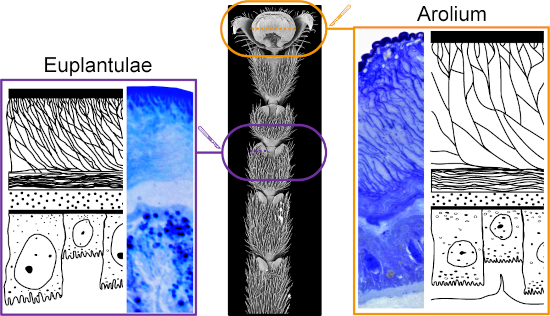
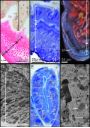
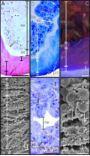
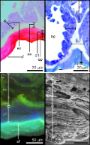
- ; Introduction Throughout their evolutionary timeline, insects evolved various surfaces interacting with the environment. These include friction-based adhesive organs, which are essential for locomotion by generating frictional and adhesive forces [1][2][3][4]. Two morphologically different friction-based
- particles together into larger complexes for easier removal [25][26]. It can also improve attachment to surfaces with different surface chemistry by mediating between the two surfaces in contact [27][28]. The lipid-containing pad secretion protects the insect from additional water loss through the thin
- environmental conditions such as wear [76] and evaporation [44]. This enhanced resilience comes at the expense of reduced adaptability to surface irregularities. As a frictional pad, the euplantula requires increased wear resistance, prioritizing it over optimal conformability to surfaces to withstand applied



AFM-IR investigation of thin PECVD SiOx films on a polypropylene substrate in the surface-sensitive mode
Beilstein J. Nanotechnol. 2024, 15, 603–611, doi:10.3762/bjnano.15.51
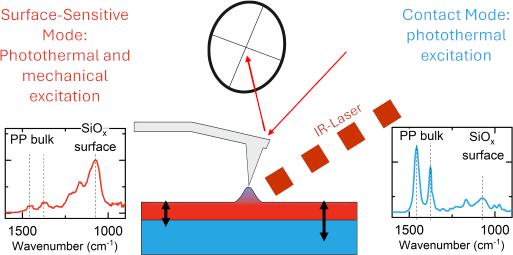
- Hendrik Muller Hartmut Stadler Teresa de los Arcos Adrian Keller Guido Grundmeier Technical and Macromolecular Chemistry, Paderborn University, Warburger Str. 100, 33098 Paderborn, Germany Bruker Nano Surfaces and Metrology Division, Östliche Rheinbrückenstr. 49, 76187 Karlsruhe, Germany 10.3762


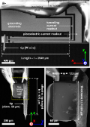
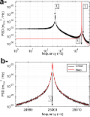
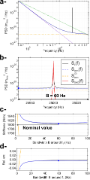
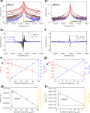
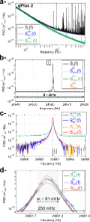
Stiffness calibration of qPlus sensors at low temperature through thermal noise measurements
Beilstein J. Nanotechnol. 2024, 15, 580–602, doi:10.3762/bjnano.15.50
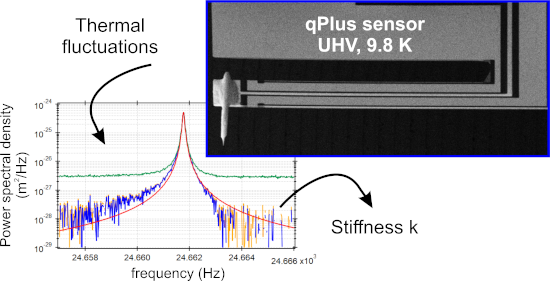
- University, CNRS, Centrale Marseille, FSCM (FR1739), CP2M, 13397 Marseille, France 10.3762/bjnano.15.50 Abstract Non-contact atomic force microscopy (nc-AFM) offers a unique experimental framework for topographical imaging of surfaces with atomic and/or sub-molecular resolution. The technique also permits

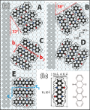
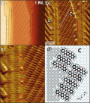
Directed growth of quinacridone chains on the vicinal Ag(35 1 1) surface
Beilstein J. Nanotechnol. 2024, 15, 556–568, doi:10.3762/bjnano.15.48
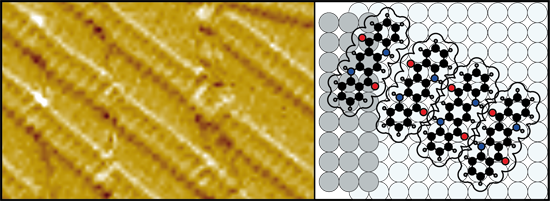
- step edges. Keywords: Ag(100); intermolecular hydrogen bonds; one-dimensional aggregates; organic nanostructures; quinacridone; step-molecule interactions; vicinal surface; Introduction A versatile and powerful method to create nanostructures on surfaces is the self-assembly of atoms and molecules
- , one-dimensional aggregates are also used for gas sensing and carbon-capturing materials [8][9]. A group of surfaces that is very appealing for the growth of 1D structures are vicinal surfaces [10] because the step edges break the rotational symmetry of the surface further and add a periodic 1D grating
- step decoration can be exploited to grow 1D chain-like structures of adsorbates that otherwise tend to form two-dimensional (2D) domains on flat terraces. Examples are atoms forming 1D metallic chains [11][12][13][14][15] and organic molecules forming 1D chains at step edges of vicinal metal surfaces


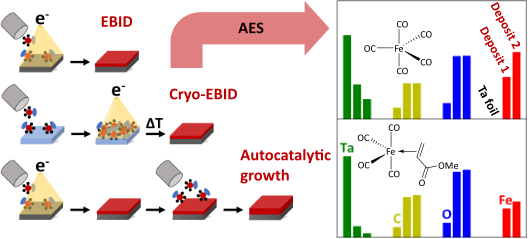
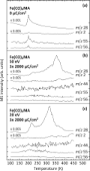
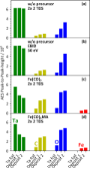
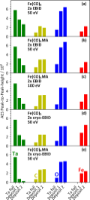
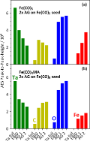
Electron-induced deposition using Fe(CO)4MA and Fe(CO)5 – effect of MA ligand and process conditions
Beilstein J. Nanotechnol. 2024, 15, 500–516, doi:10.3762/bjnano.15.45
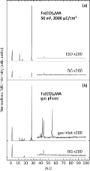
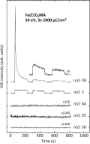
- phase [30][31][32][33][34], of clusters of the precursor [35][36][37][38], or of Fe(CO)5 adsorbed on surfaces [27][39][40][41][42][43] with the aim to provide insight into the chemical reactions inherent in the FEBID process. A recent surface science study was performed on Fe(CO)5 adsorbed on a Au



Sidewall angle tuning in focused electron beam-induced processing
Beilstein J. Nanotechnol. 2024, 15, 447–456, doi:10.3762/bjnano.15.40
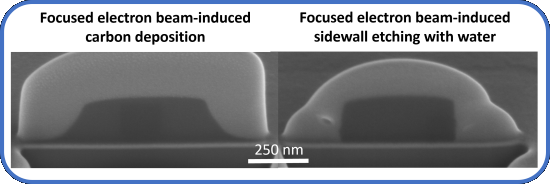
- structures by removing the undesired carbon remnants from organometallic precursors [5][11][12][13][14][15][16][17][18]. Another example is a study of the etching rate and the etching profiles achieved in FEBIE with water on diamond samples [19]. Most studies were limited to etching of planar surfaces
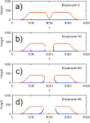
- . Although etching on a slope has been experimentally demonstrated with the slimming of nanowires [20], the shape evolution during etching on sloped surfaces has not been studied thoroughly. Ten carbon deposits were made, 300 nm in width and 500 nm in length, identically patterned at a centre-to-centre
- of the chamber and other open surfaces. Additionally, on letting in water after deposition, the contamination level was found to be higher. This is consistent with reports of increased diffusion of hydrocarbons in the presence of adsorbed water layers. Therefore, to maintain clean working conditions




Unveiling the nature of atomic defects in graphene on a metal surface
Beilstein J. Nanotechnol. 2024, 15, 416–425, doi:10.3762/bjnano.15.37
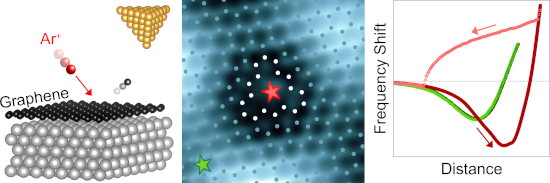
- of defects. Experimental A combined STM-AFM was operated in ultrahigh vacuum (5 × 10⁻⁹ Pa) and at low temperature (5 K). Surfaces of Ir(111) were cleaned by Ar+ ion bombardement and annealing. The epitaxial growth of graphene proceeded by exposing the heated (1300 K) Ir(111) surface to the gaseous
- . Before presenting the AFM results, a comparison of the defect spectra in Figure 1d,e with previous results obtained for atomic-scale defects in graphene on other surfaces is noteworthy. Very pronounced electronic resonances localized at vacancy defects were reported for graphite surfaces [13], graphene


Insect attachment on waxy plant surfaces: the effect of pad contamination by different waxes
Beilstein J. Nanotechnol. 2024, 15, 385–395, doi:10.3762/bjnano.15.35
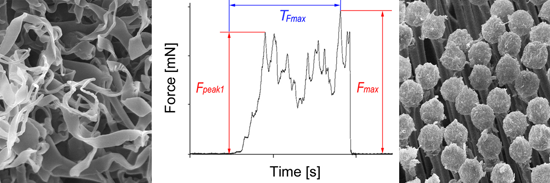
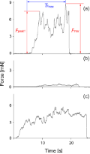
- contamination of insect adhesive pads with three-dimensional epicuticular waxes of different plant species contributes to the reduction of insect attachment. We measured traction forces of tethered Chrysolina fastuosa male beetles having hairy adhesive pads on nine wax-bearing plant surfaces differing in both
- tested insects showed a strong reduction of the maximum traction force on all waxy plant surfaces compared to the reference experiment on glass (gl1). After beetles have walked on waxy plant substrates, their adhesive pads were contaminated with wax material, however, to different extents depending on
- cases of the plant surfaces covered with wax projections having higher aspect ratios. The data obtained clearly indicated the impact of waxy plant surfaces on the insect ability to subsequently attach to the clean smooth surface. This effect is caused by the contamination of adhesive pads and




Investigating ripple pattern formation and damage profiles in Si and Ge induced by 100 keV Ar+ ion beam: a comparative study
Beilstein J. Nanotechnol. 2024, 15, 367–375, doi:10.3762/bjnano.15.33
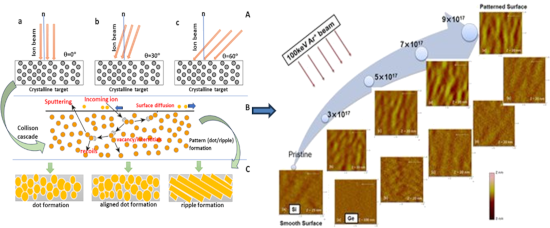
- Research and Innovation, University of Petroleum and Energy Studies University, Dehradun 248007, India 10.3762/bjnano.15.33 Abstract Desired modifications of surfaces at the nanoscale may be achieved using energetic ion beams. In the present work, a complete study of self-assembled ripple pattern
- to knock them out of the surfaces through an outwardly directed momentum. This process is known as sputtering [26], and the number of ejected atoms per ion is given by the sputtering yield, Y(θ). It is clearly visible that Y is a function of the incident angle θ, and it maximizes around θ ≈ 60°. Ion
- chosen from the literature [37][38] as 3, 5, 7, and 9 × 10¹⁷ ions/cm2 to induce complete amorphization within the two surfaces up to the ion range. The ion irradiation experiment was performed in the 90-degree beam line dedicated for materials science experiments in the Low-Energy Ion Beam (LEIB


Controllable physicochemical properties of WOx thin films grown under glancing angle
Beilstein J. Nanotechnol. 2024, 15, 350–359, doi:10.3762/bjnano.15.31
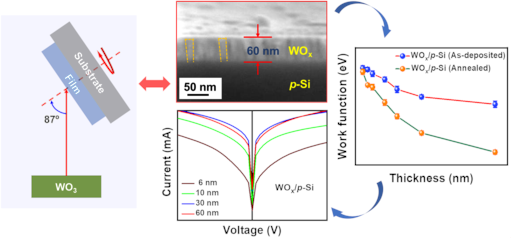
- valuable information on the work function of a variety of films’ surfaces. Mathematically, the sample work function (ϕsample) can be expressed as: where the contact potential difference between the sample and the tip is denoted by VCPD and the ϕtip is the work function of the tip [44]. Figure 4a–d presents


Comparative electron microscopy particle sizing of TiO2 pigments: sample preparation and measurement
Beilstein J. Nanotechnol. 2024, 15, 317–332, doi:10.3762/bjnano.15.29
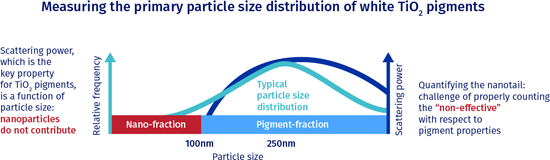
- likely because primary particles may be partially fused within aggregates and have some inaccessible surfaces for SSA measurements. To demonstrate the relationship between EM-based primary particle size measurements and other macroscopic measurements, we compared CIELAB colour parameters with MinFeret





