Search results
Search for "calibration" in Full Text gives 358 result(s) in Beilstein Journal of Nanotechnology. Showing first 200.
He+ FIBID-fabricated 3D AFM tip architectures: an exploratory study of hollow pillars, helices, and spirals
Beilstein J. Nanotechnol. 2026, 17, 863–871, doi:10.3762/bjnano.17.62
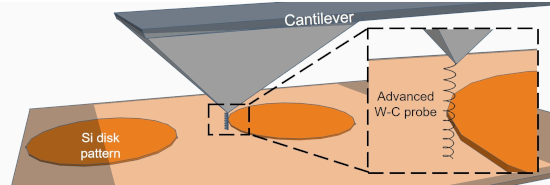
- operating conditions. Under the conditions explored here, selected 3D-printed tips reproduced the nominal step height of the calibration structure, yielding values consistent with those obtained using commercial probes on the same sample. To relate probe operation to structural outcome, each tip was
- constraints of this approach? To address this question, we fabricated W–C hollow nanopillars, nanohelices, and nanospirals onto commercial AFM cantilevers and tested them on a standard calibration sample with a nominal 20 nm step height. Height values were extracted from AFM topographs and checked against
- standard and ultrasharp geometries were included as reference probes in order to verify whether the 3D-printed nanoarchitectures could perform basic topographic measurements on the selected calibration sample under comparable operating conditions. Their role in this study is strictly comparative and


Cross-scale design of chemosensor arrays: from molecular self-assembly in water to paper-based devices for metal ion detection
Beilstein J. Nanotechnol. 2026, 17, 828–838, doi:10.3762/bjnano.17.59
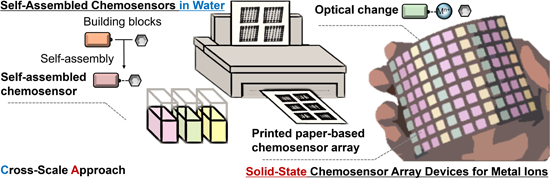
- colorimetric responses in the presence of interferents show non-linearity. Therefore, a powerful machine-learning method, SVM, was employed to build a linear calibration line from datasets constructed by color channels. Spike-and-recovery tests toward Zn2+ and Cu2+ demonstrated reliable analytical performance
- device. Results of the SVM regression for (C) Zn2+ and (D) Cu2+ in a river water sample. The values of the root-mean-square errors of calibration (RMSEC) and prediction (RMSEP) suggest the accuracy of the established model and prediction results. Figure 8, panels A–D were reproduced from [20] (© 2023 Y


Tuning the electronic properties of defect-rich MoS2
Beilstein J. Nanotechnol. 2026, 17, 796–805, doi:10.3762/bjnano.17.56
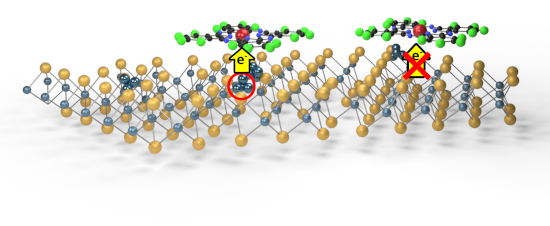
- , 370, 300, 230, and 75 eV, the energy resolutions were 592, 230, 156, 114, 118, and 66 meV, respectively. A sputtered gold crystal was used for energy calibration. After every change of energy, X-ray photoelectron spectra (XPS) of Au 4f, calibrated to 84.00 eV, or the Au Fermi edge, calibrated to 0.00


Restorative potential of laser-synthesized silver nanoparticles with Salvia officinalis for periodontal disease treatment: an in vitro study
Beilstein J. Nanotechnol. 2026, 17, 781–795, doi:10.3762/bjnano.17.55
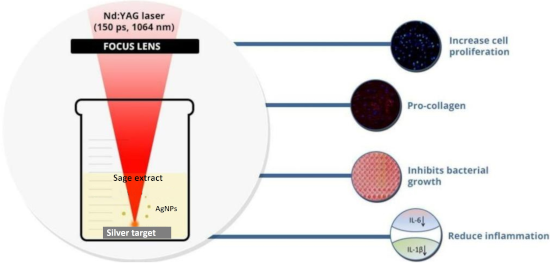
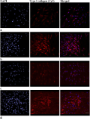
- a microplate reader at 560 nm (Sunrise, Tecan). The collagen standard was used to construct the calibration curve, and the values were normalized per milligram of proteins in the samples. Results were presented as percentage of TCC compared to the control. Analysis of pro-inflammatory cytokine



Environmental applications of silver nanoparticles: state-of-the-art review and emerging trends
Beilstein J. Nanotechnol. 2026, 17, 697–736, doi:10.3762/bjnano.17.49


Probing tribological evolution in atomically thin MoS2 at different scales
Beilstein J. Nanotechnol. 2026, 17, 586–597, doi:10.3762/bjnano.17.40
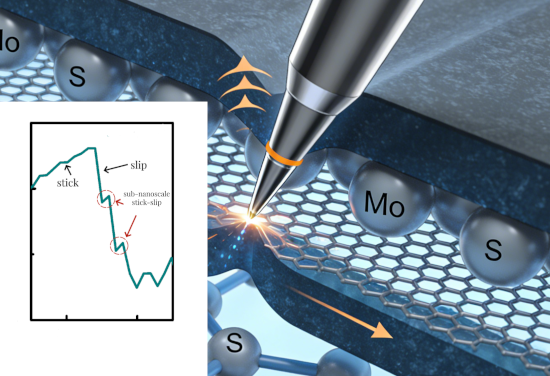
- the absence of separable force jump peaks. Our method prioritizes direct spatial displacement measurement to avoid force calibration uncertainties, ensuring sub-nanoscale accuracy for the slip distances targeted herein. This approach aligns with the physical definition of sub-nanoscale slip distance


Electrochemical determination of ciprofloxacin using a MIL-101/reduced graphene oxide-modified electrode
Beilstein J. Nanotechnol. 2026, 17, 541–554, doi:10.3762/bjnano.17.35
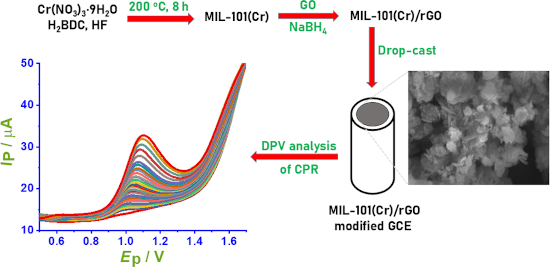
- excipients and properly diluted with BR buffer (pH 4) before electrochemical analysis. The CPR content in the pharmaceutical samples was measured using the standard addition method. Data analysis All electrochemical measurements were performed in triplicate. Calibration curves were constructed from DPV peak
- currents versus CPR concentrations. The limit of detection (LOD) was calculated based on the formula 3S/b where S is the standard deviation of the blank signal (or the standard deviation of the intercept of the calibration curve), and b is the slope of the calibration curve [19]. Repeatability
- concentration. The calibration plot of peak current versus concentration is shown in Figure 8b. Two linear regions are observed within the concentration ranges of 0.25–9.41 and 9.41–24.39 µM. The corresponding regression equations are described as follows The presence of two linear ranges indicates a change


Defects and defect-mediated engineering of two-dimensional materials: challenges and open questions
Beilstein J. Nanotechnol. 2026, 17, 454–488, doi:10.3762/bjnano.17.31





Beam shaping techniques for pulsed laser ablation in liquids: Unlocking tunable control of nanoparticle synthesis in liquids
Beilstein J. Nanotechnol. 2026, 17, 309–342, doi:10.3762/bjnano.17.22
- with calibration standards [95] or thermogravimetric analysis in the presence of organic species or adsorbates [73]. When reporting NP yields, several practical issues must be considered. Collection efficiencies are generally below unity, meaning that the ablated mass does not directly equal the NP







Gold nanoparticle-decorated reduced graphene oxide as a highly effective catalyst for the selective α,β-dehydrogenation of N-alkyl-4-piperidones
Beilstein J. Nanotechnol. 2026, 17, 218–238, doi:10.3762/bjnano.17.15
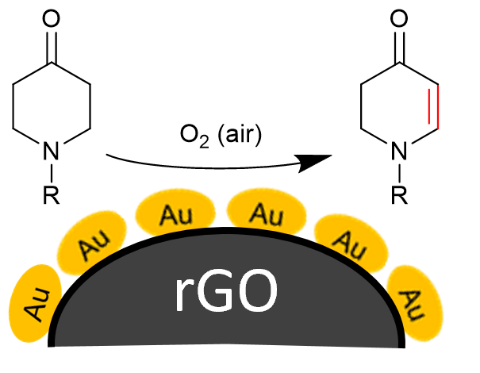
- loading exhibited no catalytic activity. Conversion rates and yields of the reaction were determined by gas chromatography (GC) using calibration curves of the starting material and the product (see Supporting Information File 1). The amount of supported gold in the composite was calculated by assuming


Influence of surface characteristics on the in vitro stability and cell uptake of nanoliposomes for brain delivery
Beilstein J. Nanotechnol. 2026, 17, 139–158, doi:10.3762/bjnano.17.9
- variability (e.g., in cell number, fluorescence intensity calibration, or liposome batch differences) as well as to directly compare the relative contribution of each endocytic pathway to the overall internalization process. The experiments were performed three times on six replicates from each sample. Cell




Development and in vitro evaluation of liposomes and immunoliposomes containing 5-fluorouracil and R-phycoerythrin as a potential phototheranostic system for colorectal cancer
Beilstein J. Nanotechnol. 2026, 17, 97–121, doi:10.3762/bjnano.17.7
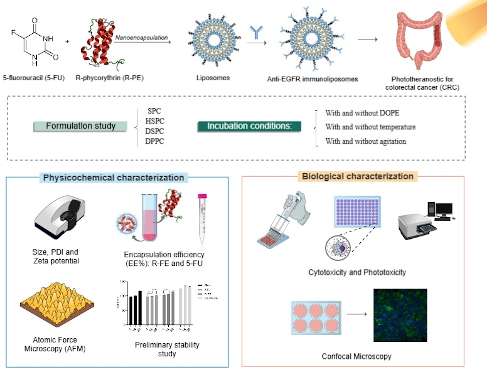
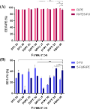
- series of calibration curves for 5-FU and R-PE. Linearity was assessed by least-squares linear regression (calibration equation and correlation coefficient). Precision and accuracy were determined by the analysis of replicates of different concentrations. The detection limit and the quantification limit
- were determined from the calibration curve parameters, standard deviation, and slope of the curve. The amount of total R-PE corresponds to the theoretical amount of the drug present in the formulation. The results of the concentrations obtained were applied to Equation 1. The drug loading rate (DL%) of



Reduced graphene oxide paper electrode for lithium-ion cells – towards optimized thermal reduction
Beilstein J. Nanotechnol. 2026, 17, 24–37, doi:10.3762/bjnano.17.3
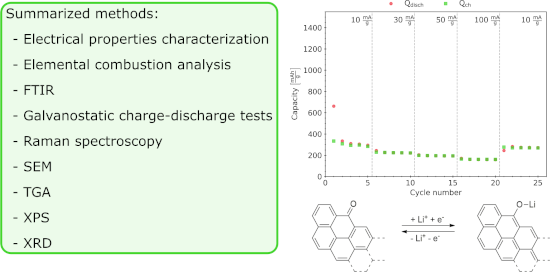
- functionalities within the rGO paper, Fourier-transform infrared (FTIR) spectroscopy was applied in attenuated total reflectance mode. The equipment involved a Perkin Elmer Frontier FTIR spectrometer. The spectra were obtained in the 520–4000 cm−1 wavenumber range with baseline calibration and normalized (0 to



Quantitative estimation of nanoparticle/substrate adhesion by atomic force microscopy
Beilstein J. Nanotechnol. 2026, 17, 1–14, doi:10.3762/bjnano.17.1

- calibration achieved through wedge and diamagnetic lateral force calibrator methods. The work of adhesion was quantified by integrating the obtained lateral forces over the distance moved during manipulation, revealing a non-monotonic dependency on nanoparticle size with maximum adhesion observed for
- ], similar to friction studies on thin films [19]. Therefore, proper calibration of the normal and lateral force constants of the cantilever is crucial in order to extract quantitative, accurate, reliable, and reproducible lateral force values from AFM manipulation experiments [20]. Overall, manipulating NPs
- substrate bias voltage set to values between 0 V (grounded) and 1000 V was applied to the substrate holder to affect the NP landing conditions. For the AFM measurements, a total of ten samples were prepared. For both wedge and D-LFC calibration, five samples were prepared with bias voltages of 0, 10, 100



Internal 3D temperature mapping in biological systems using ratiometric light-sheet imaging and lipid-coated upconversion nanothermometers
Beilstein J. Nanotechnol. 2025, 16, 2306–2316, doi:10.3762/bjnano.16.159
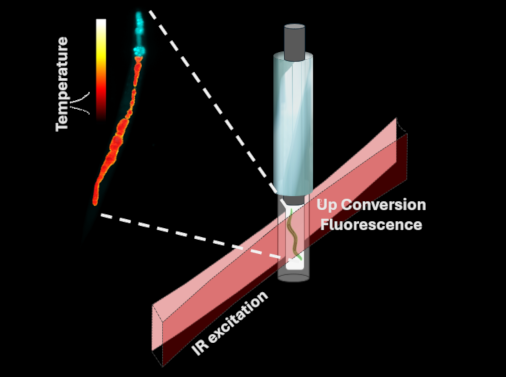
- for temperature mapping Two types of samples were prepared in our experiments, one for FIR-temperature calibration and the other for internal temperature mapping in nematodes. The first sample, S1, was an agarose phantom with lipid-coated UCNPs, as reported in [40]. It consisted of a mixture of 250 µL
- precise control from 25 to 50 °C with ±0.2 °C accuracy. Results and Discussion Three-dimensional calibration curves To accurately quantify temperature variations, a precise calibration curve must be established. Two UCNPs@lipids samples (S1) were prepared for FIR calibration, with concentrations of 0.5
- agarose gel. A corresponding volumetric image was also acquired at the 525 nm band (not shown) to compute the FIR. Pairs of these images were taken at different temperatures to establish the temperature-dependent FIR calibration. For each sample, approximately 25 macroliposomes were analyzed. Although the


Calibration of piezo actuators and systems by dynamic interferometry
Beilstein J. Nanotechnol. 2025, 16, 2086–2091, doi:10.3762/bjnano.16.143
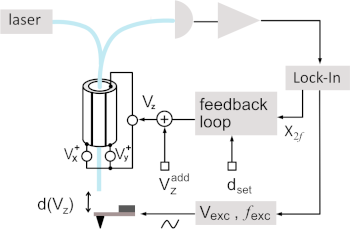
- parts with high accuracy. This is commonly accomplished by piezo actuators, for instance, in the form of tube piezos for positioning the tip or optics. For their calibration, we propose an approach based on the dynamic response signal from a fiber interferometer used for cantilever displacement
- oscillation amplitude calibration under conditions of various amounts of tube piezo contraction and extension. The merits and limits of accuracy for such type of calibration are discussed. Keywords: cantilever excitation; fiber interferometer; NC-AFM; piezo calibration; non-contact atomic force microscopy
- control over the interferometer cavity. Measurements involve the expansion and contraction of the piezo tube by an amount of the order of 100 nm, raising the issues of piezo nonlinearity [19], hysteresis [20], and creep [21]. Therefore, we address systematic errors in tube piezo calibration and explore to


Multifrequency AFM integrating PeakForce tapping and higher eigenmodes for heterogeneous surface characterization
Beilstein J. Nanotechnol. 2025, 16, 2077–2085, doi:10.3762/bjnano.16.142
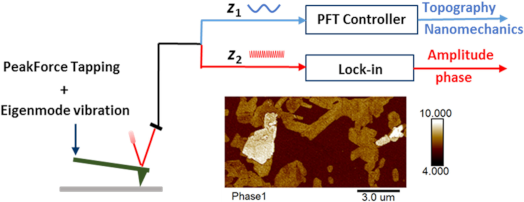
- calibration procedures Two distinct types of AFM probes were used to validate the universality of the method, namely, a soft probe (ScanAsyst-Air) and a stiff probe (NSC15/Al BS). The key calibrated parameters for each probe are summarized in Table 1. Calibration of optical lever sensitivity and spring
- peaks of these response curves. The free oscillation amplitude for the higher eigenmode (e.g., 600 pm) was set based on the amplitude–frequency response curve. The voltage amplitude measured by the lock-in amplifier was converted to nanometers using the InvOLS coefficient obtained from the calibration


Mechanical property measurements enabled by short-term Fourier-transform of atomic force microscopy thermal deflection analysis
Beilstein J. Nanotechnol. 2025, 16, 1952–1962, doi:10.3762/bjnano.16.136
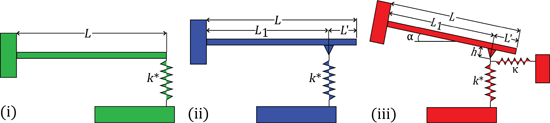
- possible without measuring a calibration curve or normalizing data on a known material pair. These observations confirm why most CR-AFM studies report normalized data, despite providing information on the analytical models to convert frequency to contact stiffness in most cases, or only show qualitative




Low-temperature AFM with a microwave cavity optomechanical transducer
Beilstein J. Nanotechnol. 2025, 16, 1873–1882, doi:10.3762/bjnano.16.130
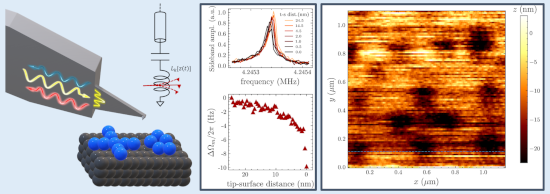
- ) while monitoring both the microwave and cantilever resonances. Figure 3e,f shows the measured frequency shift as a function of the distance, demonstrating force-gradient sensing by the KIMEC AFM probe. We tested the AFM by imaging a nanofabricated calibration grating over a 1 µm × 1 µm scan area with a
- resonance frequency shift as a function of the tip–surface distance. (a) AM-AFM imaging of the calibration grating over a 1 µm × 1 µm scan area containing a single vertical stripe with a 10 nm step height. The dashed lines in the image mark the location of the scan lines in (b) and (c). (a) FM-AFM imaging
- (trace) of the calibration grating over a 1 µm × 0.8 µm scan area. (b, c) Average and standard deviation over ten consecutive acquisitions of a single scan line at constant y-position in both trace (b) and retrace (c) scan direction. (d–f) Single scan line measured with different pixel acquisition rates


Energy spectrum and quantum phase transition of the coupled single spin and an infinitely coordinated Ising chain
Beilstein J. Nanotechnol. 2025, 16, 1668–1676, doi:10.3762/bjnano.16.117
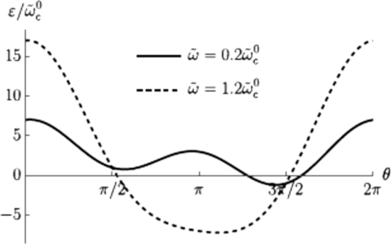
- operation, and it has technical benefits such as simplicity of calibration and suppression of the unwanted longitudinal ZZ interaction. One of the important quantities is the shift of the coupler qubits energy levels depending on the state of the logical qubits. In the present manuscript, we find the energy

![[Graphic 39]](/bjnano/content/inline/2190-4286-16-117-i63.svg?max-width=637&scale=1.18182)


![[Graphic 51]](/bjnano/content/inline/2190-4286-16-117-i75.svg?max-width=637&scale=1.18182)
Photocatalytic degradation of ofloxacin in water assisted by TiO2 nanowires on carbon cloth: contributions of H2O2 addition and substrate absorbability
Beilstein J. Nanotechnol. 2025, 16, 1567–1579, doi:10.3762/bjnano.16.111
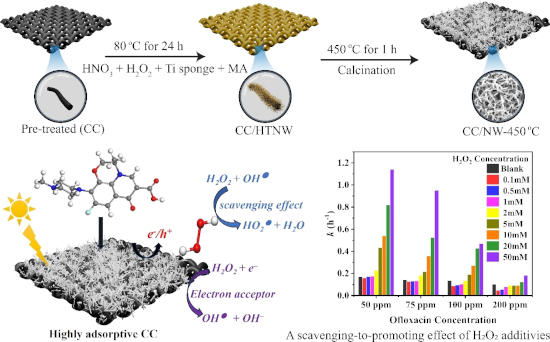
- . The C 1s spectrum shows a peak at 284.8 eV, corresponding to adventitious carbon, which was used as the reference for binding energy calibration. Additional peaks at higher binding energies (286–288 eV) are attributed to oxygen-containing functional groups (C–O and C=O), indicating partial oxidation


Acrocomia aculeata oil-loaded nanoemulsion: development, anti-inflammatory properties, and cytotoxicity evaluation
Beilstein J. Nanotechnol. 2025, 16, 1277–1288, doi:10.3762/bjnano.16.93
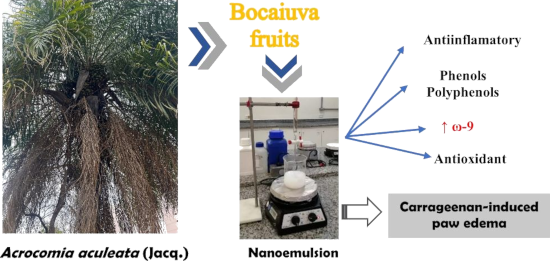
- a 75% ethanol solution. The mixture was stirred on a mechanical shaker for 2 h and allowed to stand in the dark for 24 h. The liquid was then centrifuged at 5000 rpm (LKP, Brazil). Aliquots of 1 mL of the ethanolic phase were used for analysis. The calibration curve was constructed using the


Chitosan nanocomposite containing rotenoids: an alternative bioinsecticidal approach for the management of Aedes aegypti
Beilstein J. Nanotechnol. 2025, 16, 1197–1208, doi:10.3762/bjnano.16.88
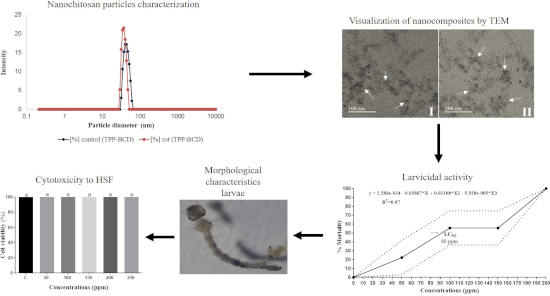
- into the chitosan-based nanocomposite and suggest molecular interactions that may contribute to the enhanced stability and bioactivity of the formulation. To complement the physicochemical characterization and confirm the efficiency of rotenoid encapsulation within the nanoparticles, a calibration
- the analytical curve by linear regression of the data. The wavelength used for absorbance readings was 290 nm. As a result, a calibration curve was obtained with the equation 30875x + 108219 (r = 0.99399). To determine the concentration of rotenoids in the nanoparticles, a solution containing 1 mg/mL
- bands of the incorporated rotenoids. Calibration curve of rotenoids (CFD-RI and RII) by HPLC. Mortality proportion of third-instar Aedes aegypti larvae as a function of concentration (ppm) of nanocomposites containing rotenoids. Negative control – vinegar (0.04% acetic acid) resulted in 0% mortality. A



Heat-induced transformation of nickel-coated polycrystalline diamond film studied in situ by XPS and NEXAFS
Beilstein J. Nanotechnol. 2025, 16, 887–898, doi:10.3762/bjnano.16.67
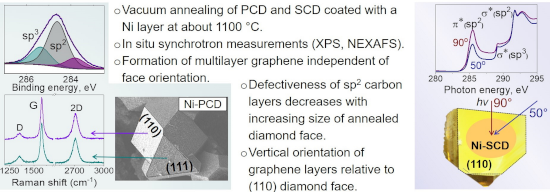
- spectra were collected using the PHOIBOS 150 analyzer at photon excitation energies of 330 and 830 eV. Considering the electron inelastic mean free path in solids, the probing depth of the XPS spectra is estimated to be approximately 3 nm for 830 eV and about 2 nm for 330 eV. The energy calibration of the


Colloidal few layered graphene–tannic acid preserves the biocompatibility of periodontal ligament cells
Beilstein J. Nanotechnol. 2025, 16, 664–677, doi:10.3762/bjnano.16.51
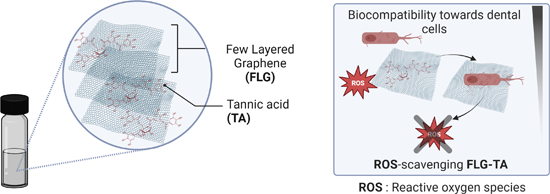
- from the calibration curve. The total quantity of tannic acid adsorbed on the surface of the FLG was then calculated from the difference between the initial and the final TA concentrations and reported per unit mass of carbon-based material. Attempts to evaluate the FLG–TA particle size and zeta