


Search results
Search for "C-" in Full Text gives 4067 result(s) in Beilstein Journal of Organic Chemistry. Showing first 200.
Construction of CF2 moieties in FDA-approved drugs (2016–2025): industrial routes, mechanisms, and scale-up considerations
Beilstein J. Org. Chem. 2026, 22, 1122–1150, doi:10.3762/bjoc.22.91
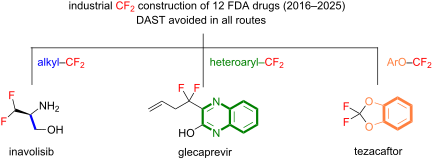
- conformations, while aromatic C–F groups can influence arene–arene interactions by altering the electronic properties of the aromatic system. Such property modifications can block unnecessary oxidative drug metabolism, thereby improving metabolic stability and enhancing affinity with target enzymes, leading to
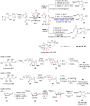
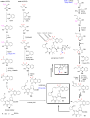
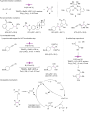
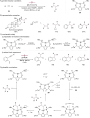
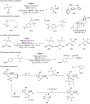
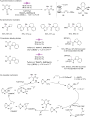
- ; route c [7] and route d [7] are building block approaches, with route d being the final industrial route. All routes above were reported in 2020 (the conversion of 13 to 14 in route a was reported in 2005 [8]). The early route a [6] introduced the difluoromethyl group via deoxyfluorination of the
- approach, building-block strategies for cyclopropane ring formation were developed in route c [7] and route d [7]. The starting material for both routes is the commercially available compound 23, which is inexpensive. Compound 23 can be obtained from ethyl difluoroacetate [3] via reduction with Red-Al [9






Discovery of sugarnitriles A and B, and structural reassignment of SF-2140, from a sugarcane endophytic actinomycete Amycolatopsis sp. JS-O27
Beilstein J. Org. Chem. 2026, 22, 1114–1121, doi:10.3762/bjoc.22.90
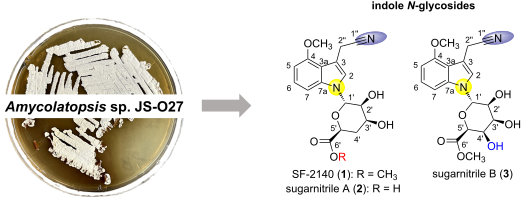
- carbons, and six quaternary carbons. The 1H,1H COSY cross peaks of H-5/H-6/H-7, together with the HMBC correlations (Figure 2a) from H-6 to C-4 and C-7a, and from H-5 and H-7 to C-3a, suggested the presence of a trisubstituted benzene ring. Meanwhile, the HMBC correlations from H-2 to C-2'', C-3, and C-7a
- supported the presence of a pyrrole ring, and the HMBC correlations from H-2'' to C-3a indicated that the pyrrole ring is fused with a benzene ring at C-3a and C-7a to form an indole skeleton. The DEPT135 spectrum supported the assignment of C-1'' as a quaternary carbon, and the chemical shift of C-1'' (δC
- 119.6 ppm) was consistent with the reported data of a cyano carbon [34]. The 1H,1H COSY signals for H-1'/H-2'/H-3'/H-4'/H-5', accompanied by the HMBC correlations from H-5' to C-1' and C-3', established a glycosyl moiety. Finally, from the HMBC signals between H-1' and C-2, it was determined that the


Rhodopyran, a carboxylated hexahydrocyclopenta[b]pyran from Rhodococcus
Beilstein J. Org. Chem. 2026, 22, 1107–1113, doi:10.3762/bjoc.22.89
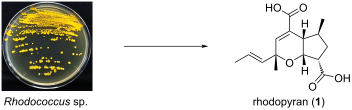
- , and structural uniqueness of 1. Results and Discussion Strain RD066637 was precultured in ISP 2 medium at 30 °C and then transferred to A-3M production medium (30 °C, 5 days). The whole culture was extracted with 1-BuOH to broadly recover metabolites as part of our search for new compounds. The
- the culture extract, they were either also present in the medium control, present only in trace amounts, or did not yield sufficient material for complete structure elucidation. Therefore, this study focused on compound 1. Compound 1 was obtained as an optically active colorless powder ([α]D25 −69 (c
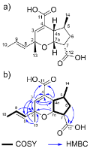
- resonance (C-7, δC 49.4) was obscured by overlapping with the solvent signal in the 13C NMR spectrum (Figure S2, Supporting Information File 1); however, its presence was confirmed by HSQC and HMBC correlations, as described below (Figures S2, S4, and S5, Supporting Information File 1). COSY and HSQC data


Controlled supramolecular assemblies of luminescent tridentate cyclometalated alkynylgold(III) amphiphiles in aqueous media
Beilstein J. Org. Chem. 2026, 22, 1097–1106, doi:10.3762/bjoc.22.88
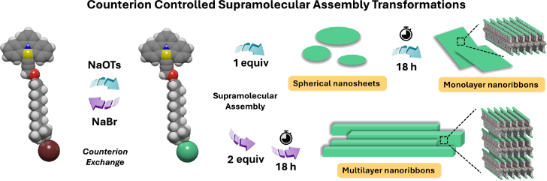
- solubility issues of these molecular designs have hindered the functional applicability towards biomaterials. To overcome these limitations, we herein propose a new class of cyclometalated gold(III) amphiphiles GA featuring a tridentate C^N^C cyclometalated core connected to a strong σ-donating alkynyl
- luminescent soft materials can be established towards biomedical and biomaterial applications. Results and Discussion Design and synthesis of GA The gold amphiphile was designed with a tridentate C^N^C cyclometalated gold(III) complex core, which is functionalized with a σ-donating alkynyl ligand. A propargyl
- %) was annealed at 50.0 °C for 5 min and cooled to room temperature as the stock solution. The stock solution of GA was subsequently diluted into a range of concentrations from 0.01 to 1.0 mM, in estimating the critical aggregation concentration (CAC) by static light scattering measurements (SLS). The


Synthesis and acaricidal activity against Varroa destructor of α- and γ-costic acid dimers
Beilstein J. Org. Chem. 2026, 22, 1088–1096, doi:10.3762/bjoc.22.87
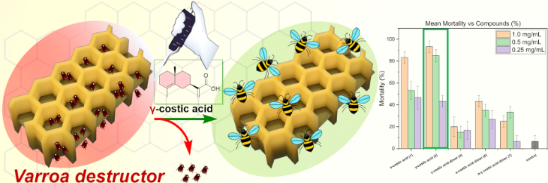
- acid (0.1 equiv) were dissolved in anhydrous toluene (2.0 mL/mmol), the reaction mixture was heated at 100 °C and stirred for 4 hours. The solvent was then removed under reduced pressure. The crude residue was purified by column chromatography (eluent: petroleum ether/EtOAc 8:2) to afford the γ-costic
- , 31.43, 28.22, 24.75, 19.49, 19.20; HRESIMS (m/z): [M + Na]+ calcd for C32H46O4Na, 517.3294; found, 517.3299. Synthesis of α-costic acid monoester (5) α-Costic acid (1, 1.0 equiv) was dissolved in anhydrous CH2Cl2 (6.0 mL/mmol) and cooled to 0 °C, then DMAP (0.1 equiv) and DCC (1.4 equiv) were
- successively added. After stirring the solution for 5 minutes at 0 °C, ethylene glycol (1.0 equiv) was added to the resulting whitish suspension and the reaction mixture was allowed to warm to room temperature overnight. The white precipitate was removed by filtration and rinsed with CH2Cl2. The solvent was


Amino acid-based surfactants: sustainable synthesis and antimicrobial mechanisms
Beilstein J. Org. Chem. 2026, 22, 1067–1085, doi:10.3762/bjoc.22.85
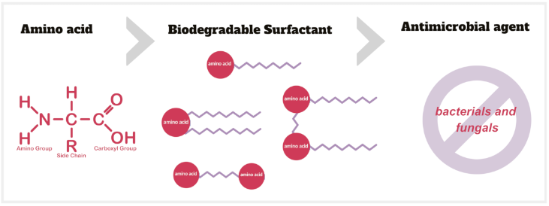
- related to their antimicrobial activity; b) To describe their possible mechanisms of action in the interaction with microorganisms; and c) To present the novel approaches and perspectives on the use of these innovative molecules. Materials and Methods The methodology for this integrative review was
- ) double chain surfactants consisting of two alkyl chains linked to a single amino acid, (c) single alkyl chain surfactants with two amino acids on the polar head and (d) gemini surfactants containing two polar heads and two alkyl chains. This allows determination of the effects of different molecular
- to optimize the charge distribution and bioactivity [57][72]. Representing the most sophisticated architecture, these surfactants exhibit exceptional performance metrics: CMC values 100–1000 times lower than monomeric surfactants; thermal stability up to 300 °C [70] and MIC values reported as low as


Synthesis of functionalized, 13-alkyl-substituted coralyne derivatives and investigation of their interactions with duplex and abasic site-containing DNA
Beilstein J. Org. Chem. 2026, 22, 1057–1066, doi:10.3762/bjoc.22.84
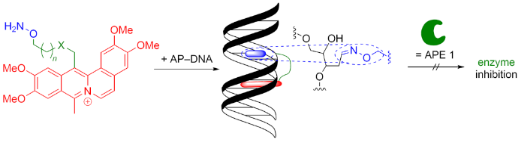
- -spectroscopic analysis of the azide 3e revealed characteristic bands for the azide group at 2094 cm−1. The papaverine derivatives 3b and 3e were firstly transformed to their corresponding hydrochloride salts, which were subsequently treated with acetic anhydride in the presence of conc. H2SO4 at 90 °C (Scheme 3
- that ligands with optimized binding properties towards target AP–DNA should be available with this route. Experimental Equipment NMR spectra: Jeol JNM-ECZR (1H: 500 MHz, 13C: 125 MHz, 19F: 470 MHz); Varian VNMR-S 600 (1H: 600 MHz, 13C: 150 MHz); at 25 °C. The chemical shifts (δ) are given in ppm and
- are referenced relative to tetramethyl silane (TMS, δ = 0.00 ppm), hexafluorobenzene (C6F6 δF = -164.9 ppm), or residual solvent signals (DMSO-d6: δH = 2.50 ppm, δC = 39.52 ppm); MestReNova 12.0.4-22023. MS (ESI): Finnigan LCQ Deca (U = 6 kV, working gas: argon, capillary temperature: 200 °C


One-pot four-component sequential synthesis of S-alkyl dithiocarbamates using lipase as a biocatalyst
Beilstein J. Org. Chem. 2026, 22, 1048–1056, doi:10.3762/bjoc.22.83
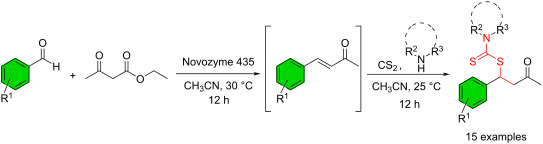
- function to hydrolytically break or form C–O bonds as part of their physiological role [30]. Beyond this, lipases exhibit remarkable catalytic promiscuity, enabling them to catalyze the formation of carbon–carbon and carbon–heteroatom bonds [31][32]. This behavior has been exploited in a variety of
- at 30 °C. After confirming the formation of the Michael acceptor 3a, the reaction was further investigated with varying amounts of amine 5a and carbon disulfide (CS2, 4) at different temperatures. Initially, 0.1 mmol of amine 5a and 0.15 mmol of 4 were introduced to the reaction mixture. The progress
- of the reaction was monitored via thin-layer chromatography and after stirring for 12 h at 30 °C, no further product formation was observed. Under these conditions, the yield of product 6b was 36% (Table 1, entry 1), with a side product also forming at a yield of 31%. This side product was identified


Synthesis of novel 1,2,4-oxadiazole-isoxazoline hybrids and their in silico potential with adenosine receptors
Beilstein J. Org. Chem. 2026, 22, 1033–1047, doi:10.3762/bjoc.22.82
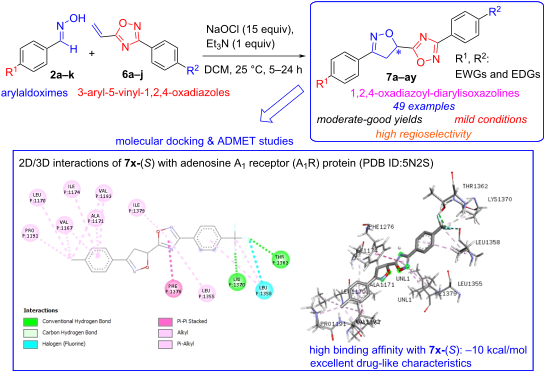
- Pshtiwan S. Mohammed Mohammed K. S. Dalo Onur C. Yazici Muhammet Yildirim Akin Sagirli Department of Chemistry, College of Sciences, Charmo University, Peshawa Street, Chamchamal, Sulaymaniyah, 46023, Iraq Department of Pharmacy, Bright Technical and Vocational Institute, Sulaymaniyah, Kurdistan
- , may also contribute to reduced yields for compounds 6a–j. The structures of benzaldoximes 2a–k were simply characterized by IR stretching peaks corresponding to O–H, C=N, aromatic C=C, aromatic C–H, oxime C–H, and N–O groups (approximately 3250, 1600, 1500, 3040, and 1005 cm−1) (see Experimental
- section). Similarly, the structures of p-substituted phenyl vinyl 1,2,4-oxadiazoles 6a–j were established primarily through IR absorptions attributed to C=N, C–O, and N–O stretching vibrations (approximately 1646, 1250, and 830 cm−1). Structural confirmation was further supported by the observation of


Semisynthesis, characterisation, and antibacterial evaluation of a novel lecanoric acid-derived amide library
Beilstein J. Org. Chem. 2026, 22, 1023–1032, doi:10.3762/bjoc.22.81
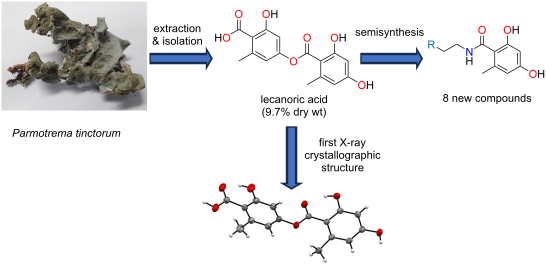
- commercially available primary amines, several trial amidation reactions were undertaken. This involved scaffold 1 (20 mg) being reacted with the abundant and moderately volatile isopentylamine (bp 95–97 °C) at three different reaction times (i.e., 1 h, 2 h, and 4 h), with temperature and stirring conditions
- , 260.1257). The 1H NMR spectrum of 6 in DMSO-d6 (Table 1) revealed signals corresponding to three C-methyl groups (δH 2.11, 0.89, 0.87), two aromatic protons (δH 6.11 and 6.04), two methylene groups (δH 3.17, 1.35), one upfield methine proton (δH 1.64), and three exchangeable protons (δH 9.61, 9.35, 7.79
- ). The exchangeable protons were confirmed through a D2O exchange 1H NMR experiment (see Supporting Information File 1, p. S26). The 13C NMR spectrum and HSQC spectra indicated a total of 13 carbons, including three C-methyl groups (δC 22.5, 22.5, 19.7), six aromatic carbons (δC 100.1–158.0), two


Synthesis and optical resolution of 4,5-diaminohomoadamantane: a promising scaffold for chiral ligands and bioactive compounds
Beilstein J. Org. Chem. 2026, 22, 1013–1022, doi:10.3762/bjoc.22.80
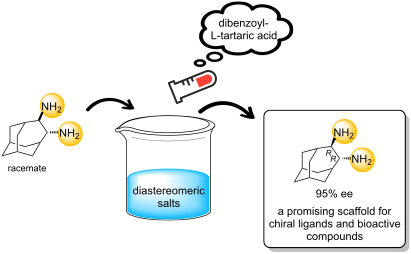
- been extensively studied [8][9][10][11][12][13][14][15][16], while the properties of homoadamantane, its closest homologue, have not been studied so thoroughly. Chemical transformations of homoadamantane both at the bridgehead [17][18][19][20][21][22][23] and at the C-4 positions [24][25][26][27][28
- ] are described in the literature. However, compounds of the homoadamantane family with substituents at the C-3 and C-4 [29][30][31][32][33][34][35][36][37][38] or at the C-4 and C-5 [39][40][41][42][43][44][45][46][47][48][49][50][51][52][53] positions have recently attracted more attention. At present


Z-Selective semihydrogenation of alkynes via Ni/Lewis acid synergistic catalyzed system using DMF as hydrogen source and solvent
Beilstein J. Org. Chem. 2026, 22, 1004–1012, doi:10.3762/bjoc.22.79
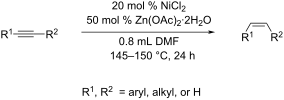
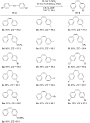
- evaluated the influence of the nickel precursor. As summarized in Table 1, the reaction of 1a was performed in DMF (0.8 mL) at 150 °C for 24 h, using various Ni sources (20 mol %) and Co(OAc)2·4H2O (50 mol %). When NiCl₂ was used, 2a (cis-stilbene) was obtained in 68% GC yield (Table 1, entry 1). In
- proceeded to screen various Lewis acids (50 mol %) for the semihydrogenation of diphenylacetylene (1a). The reactions were conducted in DMF at 150 °C for 24 h, and the results are compiled in Table 2. Unsurprisingly, the Lewis acid proved crucial: in its absence, only a 9% GC yield of 2a was obtained (Table
- temperature was also critical. A significant drop in yield was observed at 130 °C (Table 3, entry 18), and although 140 °C provided an 88% yield (entry 19), optimal conversion required 150 °C (entry 2). The reaction time was optimized to 24 hours; shorter (12 h, Table 3, entry 20) or moderately shorter (18 h



Rh(III)-catalyzed chelation-assisted C–H activation/annulation of 2-arylimidazolines with cyclic diazo-1,3-dicarbonyl compounds: a novel approach to tetracyclic annulated derivatives of 2,3-dihydroimidazo[2,1-a]isoquinoline
Beilstein J. Org. Chem. 2026, 22, 997–1003, doi:10.3762/bjoc.22.78
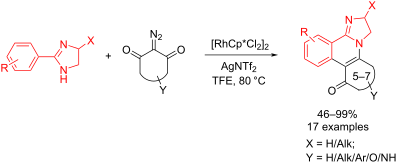
- obtaining structurally related 5,6-disubstituted 2,3-dihydroimidazo[2,1-a]isoquinolines 4 (Figure 1c) fused with an additional ring via a Rh(III)-catalyzed chelation-assisted C–H activation/annulation with diazo compounds. 2-Arylimidazolines 2 and various substituted cyclic 1,3-dicarbonyl diazo compounds 3
- 2,5,6,7-tetrahydroimidazo[1,2-f]phenanthridin-8(3H)-one 4a (Table 1). The highest isolated yield of 88% was achieved for a reaction conducted in trifluoroethanol (TFE) at 80 °C for 12 h using 2.5 mol % of [RhCp*Cl2]2, (where Cp* = pentamethylcyclopentediene) and 10 mol % of silver triflimide as a
- , as we were unable to find any published successful examples of Rh(III)-catalyzed chelation-assisted C–H activation/annulation with diazo compounds when such heterocyclic substrates were used as CH-components. Substitution at position 4 of the imidazoline ring with a methyl group resulted in the


The role of spacer length and flexibility in peptide self-assembly
Beilstein J. Org. Chem. 2026, 22, 986–996, doi:10.3762/bjoc.22.77
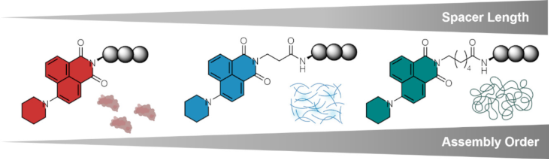
- spectrometry (LC–MS) and NMR spectroscopy (Supporting Information File 1, Figures S7–S24). The target tripeptide (ICA) was synthesized in a microwave-assisted peptide synthesizer using the fluorenylmethyloxycarbonyl (Fmoc) solid-phase peptide synthesis strategy [37], synthesizing the peptide from the C- to N
- materials. Experimental Microwave-assisted peptide synthesis Peptides were synthesized using the Fmoc-SPPS strategy [37], synthesizing the peptide from the C- to N-terminus in a microwave-assisted peptide synthesizer on a Fmoc-ʟ-Ala-Clt-resin at scales of 0.10 mmol. Fmoc-ʟ-Ala-Clt-resin (0.10 mmol) was
- deprotection step using a solution of 8% piperidine (DMF, 2.1 mL) for 80 s at 110 °C. The amino acids (0.5 M in DMF, 1.0 mL), DIC (0.75 M in DMF, 1.0 mL) and Oxyma Pure (0.26 M in DMF, 1.5 mL) were added to the resin and the solution was heated to 105 °C for 60 s and held at that temperature for 30 s. The


Electrochemical reduction of unsaturated carbon–carbon bonds via 3d transition-metal catalysis
Beilstein J. Org. Chem. 2026, 22, 955–981, doi:10.3762/bjoc.22.75
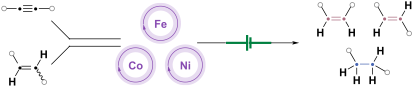
- unsaturated C–C bonds, enabling precise control without molecular hydrogen or stoichiometric reductants. This review summarizes recent advances in iron-, cobalt-, and nickel-catalyzed electroreduction of alkynes and alkenes, highlighting how electrochemical parameters and catalyst design unlock distinct
- ; electroorganic synthesis; reaction mechanism; 3d transition metals; unsaturated C–C bonds; Introduction Reductions of unsaturated C–C bonds Reduction of unsaturated C–C bonds, most notably, alkynes and alkenes, is a synthetic method that has been widely and extensively discussed with a long and rich history
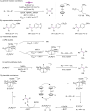
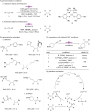
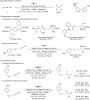
- stereoselective hydrogenation of alkynes under electrochemical and transition-metal-catalyzed conditions. The alkyne semihydrogenation generally benefits from the stronger coordination ability of the C–C triple bonds and the greater accessibility of metal-bound intermediates, thereby often enabling stereocontrol








Synthesis of sterically shielded piperidine nitroxides via acid-catalyzed heterocyclization of β-aminoketone derivatives with ketones
Beilstein J. Org. Chem. 2026, 22, 948–954, doi:10.3762/bjoc.22.74
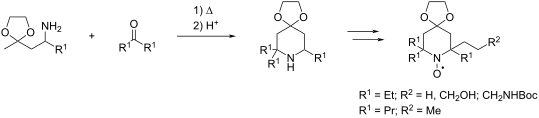
- reduced nitroxides 7a–c (see Supporting Information File 1) confirmed the 7,7,9-triethyl-1,4-dioxa-8-azaspiro[4.5]decane core and revealed distinct alkynyl signatures: a singlet at 3.29 ppm (1H) for 7a, a singlet at 4.28 ppm (2H) for 7b, and two singlets at 3.89 ppm (2H) and 1.46 ppm (9H) for 7c. For the
- bonds afforded the corresponding saturated derivatives 8a–d. Specifically, alkynyl derivatives 7a–c were hydrogenated with H2 over a palladium catalyst, while the allyl derivative 7d was reduced with hydrazine over Raney nickel (Scheme 4). The absence of signals corresponding to alkene protons in the 1H
- spectrum of the nitroxide 9a (TEEPONE) was identical to that reported in the literature [21], and the IR spectrum of 9d was similar, with a strong absorption band at 1716 cm−1, characteristic of the carbonyl (C=O) stretching vibrations. The 1H NMR spectra of the reduced derivatives of 9a,d showed no


Recent advances in copper-catalyzed direct hydroamination of alkenes with (hetero)aromatic amines
Beilstein J. Org. Chem. 2026, 22, 925–947, doi:10.3762/bjoc.22.73
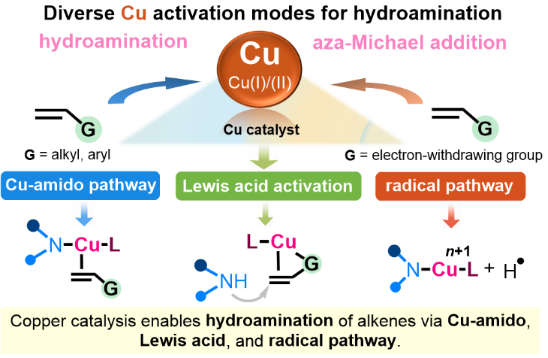
- pharmaceuticals and functional materials, making efficient C–N bond formation a fundamental transformation in synthetic chemistry. The direct hydroamination of alkenes using (hetero)aromatic N–H nucleophiles offers an atom- and step-economical strategy; however, the reduced nucleophilicity and distinct
- , tunable basicity, and directional hydrogen-bonding capabilities enable precise modulation of molecular recognition, biological activity, and physicochemical properties. Consequently, the efficient and selective construction of carbon–nitrogen (C–N) bonds embedded within aromatic nitrogen frameworks
- remains a primary objective of modern organic synthesis [5][6]. Among the diverse strategies available for C–N bond formation, the direct addition of an N–H bond across a C–C double bond, known as hydroamination, is an ideal transformation considering atom and step economy [7][8][9][10][11][12






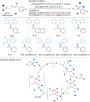

A practical CO2-mediated synthesis of 5,6-carboxylated silicon-rhodamines for targeted probe development
Beilstein J. Org. Chem. 2026, 22, 915–924, doi:10.3762/bjoc.22.72
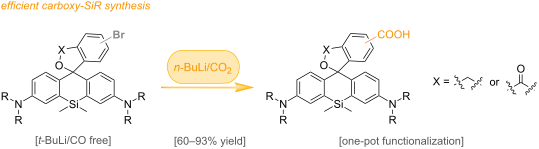
- 1a–c were treated with 2.5 equiv of n-BuLi in anhydrous THF at −78 °C under a nitrogen atmosphere to generate the corresponding aryllithium intermediates, followed by introduction of CO2 via a balloon. The reaction mixture was then allowed to warm to room temperature and stirred overnight to ensure
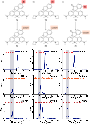
- complete trapping of the aryllithium intermediates by CO2. After aqueous quenching and extraction, the crude products were directly subjected to HPLC analysis. To evaluate the generality of this strategy, three brominated SiR precursors 1a–c, all accessible by reported procedures, were selected as model
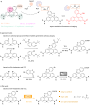
- ethyl acetate and concentrated before being directly subjected to amide coupling without chromatographic purification. To demonstrate the utility of this strategy for probe construction, we selected three representative SiR scaffolds 1a–c, which were widely used in super-resolution imaging, for direct



Palladium-catalyzed benzocyclization reactions of quinoline-2-carboxamides via sequential C–H/N–H functionalization
Beilstein J. Org. Chem. 2026, 22, 905–914, doi:10.3762/bjoc.22.71
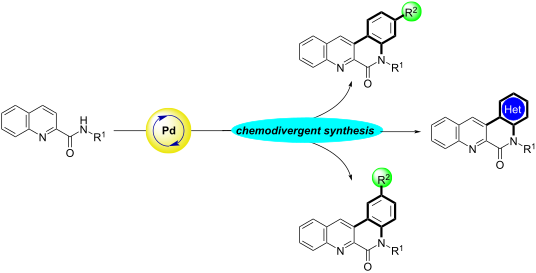
- University, 1-1 Rokkodai, Nada, Kobe 657-8501, Japan 10.3762/bjoc.22.71 Abstract A novel benzocyclization protocol has been developed for the synthesis of quinoline-fused lactams by palladium-catalyzed sequential C–H/N–H functionalization of quinoline-2-carboxamides and 1,2-dihaloarenes. The reaction
- proceeds at the C–H bond on the quinoline adjacent to the amide group and at the amide N–H bond in the presence of 10 mol % Pd(OAc)2 in o-xylene as a solvent to afford the cyclized product in 34% yield. The yield increases to 81% when the reaction is carried out with 80 mol % P(4-MeOC6H4)3 as a ligand and
- corresponding heterocycle-fused compounds. The high chemoselectivity of the 1,2-dihaloarene functional groups is confirmed in this reaction, thus enabling divergent synthesis of various multifused heterocyclic systems. Keywords: C–H activation; chemodivergent synthesis; C–N coupling; fused-ring system




Cascade transformation of 2-(diazoacetyl)-2H-azirines to 2-aroyl-3-hydroxy-1H-pyrroles via condensation with aromatic aldehydes
Beilstein J. Org. Chem. 2026, 22, 897–904, doi:10.3762/bjoc.22.70
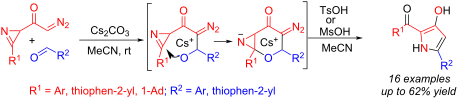
- with aromatic aldehydes does not result in the formation of an azirinyl-substituted β-hydroxy-α-diazocarbonyl compound, but is accompanied by a tandem intramolecular cyclization involving the hydroxy group and the C=N bond of the azirine to form a bicyclic intermediate, a 4-diazo-2-oxa-7-azabicyclo
- reaction of 2-(diazoacetyl)-2H-azirines 1 with aromatic aldehydes 2, which does not terminate in condensation to form an azirinyl-substituted β-hydroxy-α-diazocarbonyl compound 3, but is accompanied by a tandem intramolecular cyclization involving the hydroxy group and the azirine C=N bond to form a
- MeCN) for the reaction of azirine 1a and benzaldehyde (2c, Scheme 3). Calculations indicate that condensation and subsequent cyclization should readily occur at room temperature, with only the diastereoisomer (1RR,3SR,6RR)-Phe-C (with the Ph group from benzaldehyde in the equatorial position


Chiral cyclopropenimine-catalyzed enantioselective Michael reactions of phenol and benzofuran-derived α,β-unsaturated pyrazolamides with benzophenone-imine of glycine esters
Beilstein J. Org. Chem. 2026, 22, 888–896, doi:10.3762/bjoc.22.69
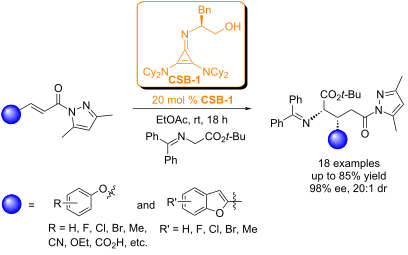
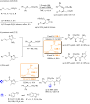
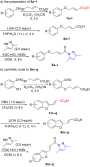
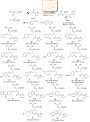
- enhance the formation of transition state B. The highly diastereomic ratio of 6a in syn-form may be generated from transition state B. The formation of intermediate C is the rate-limiting step. When intermediate C is formed, the protonation happened rapidly to afford 6a in high enantioselectivity. The






Diastereodivergent electrophilic trapping of α-boryl lithium derivatives
Beilstein J. Org. Chem. 2026, 22, 882–887, doi:10.3762/bjoc.22.68
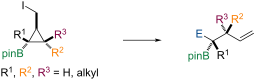
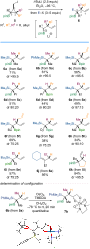
- their stereoselective reactions remains challenging. Here, we examine the diastereoselective generation and trapping of α-boryl lithium species formed by ring opening of substituted iodomethylcyclopropanes. After lithium–iodine exchange and selective C–C bond cleavage, these intermediates react with a
- delocalization leads to the formation of a partial π C–B bond (Scheme 1) [1][2], which provides a unique stabilization to the carbanionic center and affects its reactivity towards electrophiles. In recent years, α-boryl carbanions have attracted significant attention as highly versatile intermediates capable of
- engaging in diverse bond-forming processes, including C–C, C–O and C–N bond formations [3][4][5][6][7][8][9][10][11][12][13][14][15][16][17][18][19][20][21][22][23][24]. Despite their growing utility, controlling the stereoselectivity in substitution reactions of α-boryl carbanions remains a formidable




Site-specific labelling of native peptides and proteins: chemical and enzymatic strategies
Beilstein J. Org. Chem. 2026, 22, 857–881, doi:10.3762/bjoc.22.67
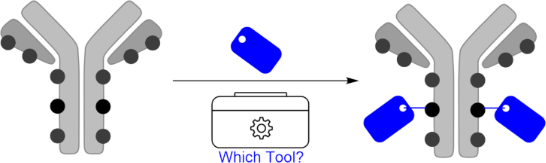
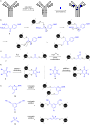
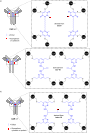
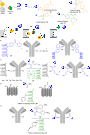
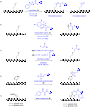
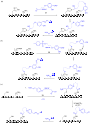
- of proteins are linear polypeptide chains, possessing a single N- and C-terminus and hence presenting these regions as attractive targets for site-specific modification. Indeed, over 80% of protein termini are solvent-exposed and chemically accessible [5]. Notably, the N-terminal amine and C-terminal
- cysteine [15]. These intermediates enable downstream chemical conjugations such as Pictet–Spengler condensation [16][17][18] and Horner–Wadsworth–Emmons (HWE) olefination [19] (Scheme 2c). With respect to C-terminal modification, one of the earliest strategies involved the use of intein-mediated protein
- splicing to generate a C-terminal thioester from recombinantly expressed proteins [20][21][22]. One distinctive feature of the C-terminal carboxylate is its lower oxidation potential compared to the side chains of aspartate or glutamate, making it more amenable to selective redox-based modifications. This









The trans-influence in gold chemistry from a catalytic perspective
Beilstein J. Org. Chem. 2026, 22, 838–856, doi:10.3762/bjoc.22.66
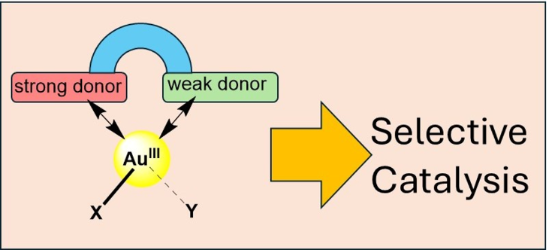
- . This effect is probably more dominant in gold chemistry than in most other transition-metal complexes; it can on occasions appear even more important than the formal oxidation state and d-electron count. Tilset and co-workers have recently summarised the importance of the trans-influence in C^N
- electron-rich trialkylphosphines, increased the proportion of N-bonded thiocyanate [24]. More recently, Espinet and co-workers used solution microcalorimetry with in-situ generated HI to provide bond dissociation energy scales for the Au–C bonds in R–Au(PPh3) (R = Me, aryl or alkynyl), and further to
- determine the effect of ligands L in the protolysis of LAuPh, where reaction enthalpies were shown to decrease in the order P(OPh)3 > PPh3 ≈ PMe3 > IPr > PCy3 (IPr = 1,3-bis(2,6-diisopropylphenyl)imidazol-2-ylidene). Depending on L these protolysis enthalpies with HI span a range of 50 kJ/mol. The Au–C


Unsymmetrical sulfoxides with sterically hindered catechol fragment: synthesis, structure, electrochemical properties, and antiradical activity
Beilstein J. Org. Chem. 2026, 22, 828–837, doi:10.3762/bjoc.22.65
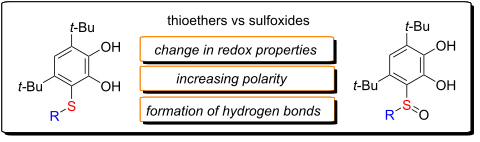
- distances range from 1.512 to 1.532 Å, which in most compounds except 4a is longer than the average sulfoxide bond length of 1.489–1.515 Å [45][46] and close to the bond length in DMSO [47]. The S–C(cat) bond distances range in the narrow range of values 1.782–1.789 Å. The S–C(R) distance varies in the
- range of 1.838–1.892 Å. If the C(R) atom is aromatic as in the case of 7a, the average S–C distance has a tendency to be slightly shorter (1.804 Å) due to a possibility of weak conjugation of the π-system in the aromatic ring with the S=O double bond, but nevertheless close to the corresponding value
- for 6a. The O–S–C(cat) and O–S–C(R) bond angles vary in the ranges of 104.2(2)–106.75(7)° and 103.6(3)–110.0(3)°, respectively. The torsion angle (C(R)–S–C(cat)–C(OH)) between the plane of the aromatic ring of the catechol fragment and the hydrocarbon group at the sulfur atom ranges from 66.7° to 84.3





