Search results
Search for "DMSO" in Full Text gives 1094 result(s) in Beilstein Journal of Organic Chemistry. Showing first 200.
Synthesis of functionalized, 13-alkyl-substituted coralyne derivatives and investigation of their interactions with duplex and abasic site-containing DNA
Beilstein J. Org. Chem. 2026, 22, 1057–1066, doi:10.3762/bjoc.22.84
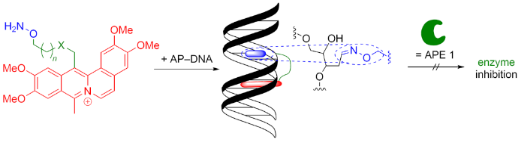
- the coralyne 2e with calf thymus DNA (ct DNA) were examined with photometric and fluorimetric titrations as well as with circular dichroism (CD) and linear dichroism (LD) spectroscopy (Figure 2). The experiments were carried out in aqueous buffer solutions with 10% of DMSO, because of the low water
- progressing titration (Figure 2A). The resulting binding isotherm from the complete titration data was used to determine the binding constant of the ligand as Kb = 1.4 × 10⁵ M−1 [47]. In aqueous buffer solution (with 10% DMSO), the coralyne derivative 2e showed a strong fluorescence with a maximum at 509 nm
- DMSO to achieve reasonably high concentrations for spectroscopic analysis of compound 2e. However, at least in the case of coralyne (2a), it has been shown that this property does not severley limit its bioavailability and cell permeability, and thus its bioactivity in real samples [29][30]. Although


Semisynthesis, characterisation, and antibacterial evaluation of a novel lecanoric acid-derived amide library
Beilstein J. Org. Chem. 2026, 22, 1023–1032, doi:10.3762/bjoc.22.81
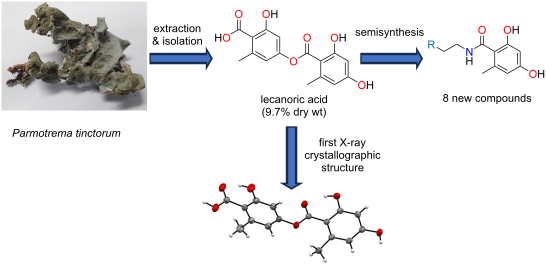
- , 260.1257). The 1H NMR spectrum of 6 in DMSO-d6 (Table 1) revealed signals corresponding to three C-methyl groups (δH 2.11, 0.89, 0.87), two aromatic protons (δH 6.11 and 6.04), two methylene groups (δH 3.17, 1.35), one upfield methine proton (δH 1.64), and three exchangeable protons (δH 9.61, 9.35, 7.79
- with a cryoprobe. The 1H and 13C NMR chemical shifts were referenced to the solvent peak for DMSO-d6 at δH 2.50 and δC 39.52, CD3OD at δH 3.31 and δC 49.0, and CDCl3 at δH 7.26 and δC 77.00, respectively. LRESIMS data was recorded on an Thermo Fisher Scientific™ Dionex UltiMate™ 3000 RS UHPLC coupled
- NMR data in DMSO-d6; LRMS–ESI(+) (m/z): 319 [M + H]+, 341 [M + Na]+; LRMS–ESI(−) (m/z): 317 [M − H]−. Divaricatic acid (2): green gum [17]; see Supporting Information File 1, pp S13–S15 for 1D/2D NMR data in DMSO-d6; LRMS–ESI(−) (m/z): 387 [M −H]−. Orcinol (3): brown gum [21]; see Supporting


Unsymmetrical sulfoxides with sterically hindered catechol fragment: synthesis, structure, electrochemical properties, and antiradical activity
Beilstein J. Org. Chem. 2026, 22, 828–837, doi:10.3762/bjoc.22.65
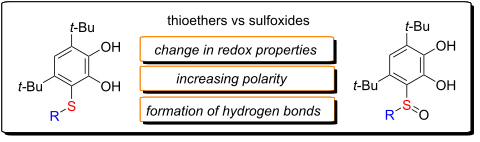
- distances range from 1.512 to 1.532 Å, which in most compounds except 4a is longer than the average sulfoxide bond length of 1.489–1.515 Å [45][46] and close to the bond length in DMSO [47]. The S–C(cat) bond distances range in the narrow range of values 1.782–1.789 Å. The S–C(R) distance varies in the


Synthesis and structural elucidation of a novel bis-spirooxindole from isatin and ethylenediamine
Beilstein J. Org. Chem. 2026, 22, 813–820, doi:10.3762/bjoc.22.63
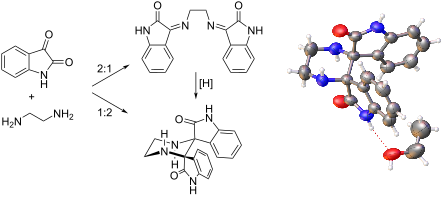
- and HMBC experiments were used for signal assignment. Chemical shifts (δ) are expressed in ppm and coupling constants (J) in hertz (Hz). Chemical shifts are reported using CD3OD or DMSO-d6 as internal reference. IR spectra were recorded with a Bruker Alpha spectrometer using a single reflection ATR
- , 1021, 739; 1H NMR (600 MHz, DMSO-d6) δ (ppm) 10.83 (bs, 2H, NH), 7.84 (bd, J = 7.7 Hz, 2H, H4’, H4’’), 7.45 (td, J = 7.8, 1.1 Hz, 2H, H6’, H6’’), 7.08 (td, J = 7.7, 0.9 Hz, 2H, H5’,H5’’), 6.94 (bd, J = 7.8 Hz, 2H, H7’,H7’’), 4.45 (s, 4H, =NCH2); 13C NMR (125 MHz, DMSO-d6) δ 164.08 (C), 164.05 (C


Design, synthesis, and biological evaluation of FXR/ASK1 dual-target modulators
Beilstein J. Org. Chem. 2026, 22, 771–781, doi:10.3762/bjoc.22.59
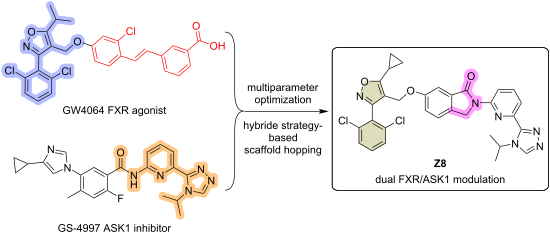
- -luciferase reporter assay in CHO cells cultured for 24 hours following addition of GW4064 and test compounds. Compared to the control group, **p < 0.01 and ns indicate no significant difference, with control; DMSO serving as the control group. ASK1 inhibition of all compounds. Results of the ADP-Glo™ kinase
- assay after treating ASK1 kinase with selonsertib and test compounds for 1 hour. Compared to the control group: **p < 0.01 and ns indicates no significant difference; control: DMSO control group. Effects of Z8 and Z30 on OA-induced lipid accumulation in HepG2 cells. Cells were treated with GW4064


Preparation of 3-(alkylamino)imidazo[1,2-a]pyridine-2-carbaldehydes via Kornblum oxidation and unexpected ring-opening reactions of the corresponding alcohols under oxidative conditions
Beilstein J. Org. Chem. 2026, 22, 763–770, doi:10.3762/bjoc.22.58
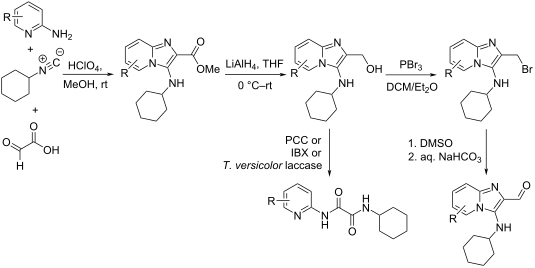
- oxidation conditions, reaction in the presence of DMSO and NaHCO3 under conventional or microwave heating to ≈100 °C, were applied to the bromides derived from these alcohols by treatment with PBr3, resulting in the desired aldehydes which successfully underwent reductive amination reactions with 2


Synthesis and biological evaluation of new brassinosteroid analogs with C-22 benzoate function
Beilstein J. Org. Chem. 2026, 22, 753–762, doi:10.3762/bjoc.22.57
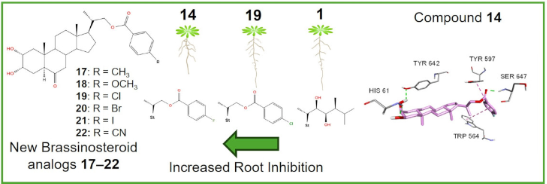
- ). Effect of brassinolide (1), and BR analogs 14, 17–20) and analog 1 on root system inhibition of A. thaliana Col-0 wild type. Seedlings were grown on medium containing 1 and analogs (1 × 10⁻⁶ M) for 6 days. DMSO was used as negative control. For each treatment, more than 20 seedlings were analyzed. St


Anti-invasive and cytotoxic evaluation of a (+)-pinoresinol-based semisynthetic library against glioblastoma
Beilstein J. Org. Chem. 2026, 22, 691–704, doi:10.3762/bjoc.22.54
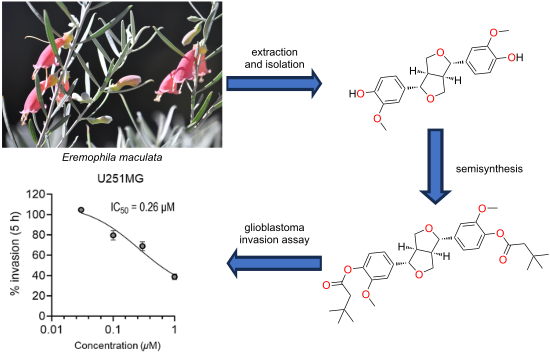
- to achieve a cell number of 15,000 cells per mL. Cells were seeded in a 96-well plate (Costar #3596) in triplicates at 100 µL/well (i.e., 1,500 cells/well) and incubated for 24 h at 37 °C and 5% CO2. Vehicle control (positive control) was the solvent DMSO, in which all compounds were dissolved, plus
- cells. The final concentration of DMSO was 0.01%. Medium with only cells was the negative control. After incubation, the medium was removed, and 100 µL/well of fresh medium with four different concentrations (0.3, 1, 5, and 10 µM) of the compounds were added. Plates were placed in the incubator for 24 h
- of 700 µL each of DMEM complete medium containing 10% FBS and Pen-Strep and the appropriate test compound (1 µM) was added to the wells of the plate. Positive control was the vehicle control, i.e., cell suspension with DMSO. To each prepared insert, 100 µL of cell suspension (prepared above) with the



Photoorganocatalytic trifluoromethylation of (het)arenes in green conditions
Beilstein J. Org. Chem. 2026, 22, 662–671, doi:10.3762/bjoc.22.50
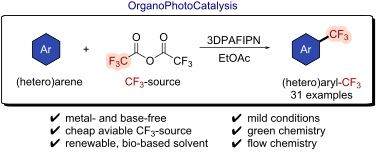
- -light irradiation was selected as the optimal set of conditions for further investigations, with subsequent experiments benchmarked against entry 5 (2 mol % PC, 78% yield, Table 1). We next investigated the effect of solvent on the reaction outcome. Chloroform, acetone, acetonitrile, DMF, DMSO, and THF




Towards the targeted protein degradation of CK2: design and synthesis of CAM4066-based PROTACs
Beilstein J. Org. Chem. 2026, 22, 611–619, doi:10.3762/bjoc.22.47
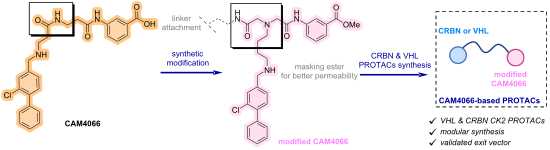
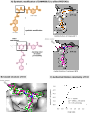
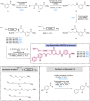
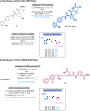
- solubility in MeCN/H2O systems used for preparative purification; the compounds dissolved only in DMSO, explaining the diminished recovery. Nevertheless, the synthetic route successfully delivered two structurally distinct CRBN-recruiting CK2 PROTACs. All synthesised PROTACs 23–26, 28, and 29 were evaluated

Computational prediction of C–H hydricities and their use in predicting the regioselectivity of electron-rich C–H functionalisation reactions
Beilstein J. Org. Chem. 2026, 22, 603–610, doi:10.3762/bjoc.22.46
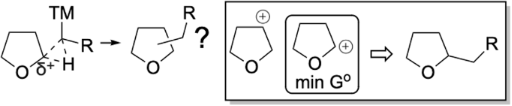
- regioselectivity of electron-rich C–H functionalisation reactions. The workflow was benchmarked against 35 experimentally determined C–H hydricities in DMSO, yielding a mean absolute error (MAE) of 4.43 kcal/mol and a root mean squared error (RMSE) of 5.45 kcal/mol. Leveraging this approach, we generated a dataset
- electron-rich C–H functionalisation reactions. Methods Datasets To validate our QM workflow, we use a dataset of 35 experimental C–H hydricities in dimethyl sulfoxide (DMSO, 26 compounds) and acetonitrile (MeCN, 9 compounds) from Parker and co-workers [7]. As 35 C–H hydricities are insufficient to train an
- train ML models. Quantum chemistry-based workflow Following our previous work [3][8][9][10][11], we present a fully automated QM-based workflow that computes C–H hydricities. DMSO was chosen as solvent as most compounds (26/35) were experimentally measured in that medium. Hydride abstraction is carried


![[Graphic 6]](/bjoc/content/inline/1860-5397-22-46-i8.svg?max-width=637&scale=1.18182)


Regioselective approach to 5-arylsulfonylisoxazoles and their antimicrobial activity
Beilstein J. Org. Chem. 2026, 22, 592–602, doi:10.3762/bjoc.22.45
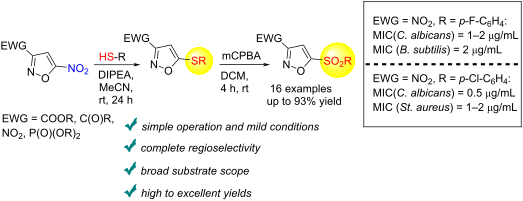
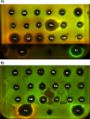
- ) agar plate coated with E. coli lptDmut pDualrep2.1 (KanR). Both plates spotted with isoxazole samples (3 μL of 100 mM DMSO solutions) along with erythromycin (Ery, 5 mg/mL) and levofloxacin (Lev, 25 mg/mL). Plates were scanned in Cy3 (for TurboRFP) and Cy5 (for Katushka2S) channels, shown as green and


Molecular tweezer–peptide conjugates disrupt the protein–protein interaction between survivin and histone H3 essential in mitosis
Beilstein J. Org. Chem. 2026, 22, 557–567, doi:10.3762/bjoc.22.41
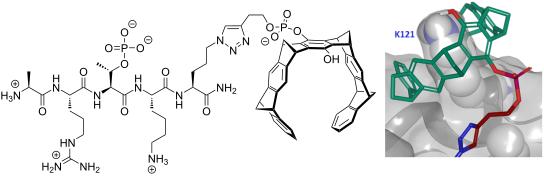
- lyophilization, the product 2a was obtained as fully protonated TFA salt (43%); deprotonation with equimolar aq. NaOH produced the sodium salt of 2a quantitatively. The analytical characterization of 2a turned out to be difficult, because even in DMSO-d6, most NMR signals remained very broad, and in part




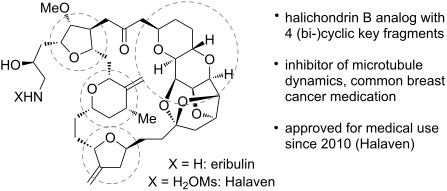
Modern synthetic pathways towards eribulin and its subunits
Beilstein J. Org. Chem. 2026, 22, 495–526, doi:10.3762/bjoc.22.37
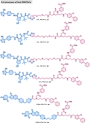
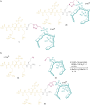
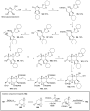
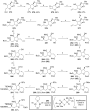
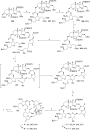
- -dimethoxypropane, pyridinium p-toluenesulfonate, acetone, rt; iii. DMP, NaHCO3, DCM, rt; iv. NaBH4, MeOH, 0 °C; (l) TBAF, THF, rt. Below: Mechanism of the Achmatowicz rearrangement during step (d). Synthesis of 92. Reaction conditions: (a) TESCl, imidazole, DCM, 0 °C to rt; (b) i. oxalyl chloride, DMSO, NEt3, DCM
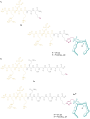
- , EtOAc, 15 °C; ii. CrCl2, NiCl2, 1-bromo-2-trimethylsilylethene, DMSO, MeCN, 30 °C; iii. AcOH, H2O, 95 °C, crystallization; iv. TBDMSOTf, 2,6-lutidine, MTBE, 30 °C, crystallization; v. NIS, MeCN, toluene, TBDMSCl, 35 °C; (k) DIBAL-H, 2,6-di-t-Bu-4-hydroxytoluene, toluene, 65 °C. Below: Reaction sequence
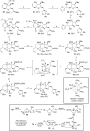
- towards 102; DIC: N,N′-diisopropylcarbodiimide. Synthesis of 117. (a) i. acetone, CuSO4, rt; ii. H2O2, K2CO3, H2O, rt; iii. EtI, MeCN, 70 °C; (b) i. Ag2O, BnBr, toluene, rt; ii. LiAlH4, THF, rt; iii. (COCl)2, NEt3, DMSO, DCM, −78 °C; (c) (PhO)2POCH2COOEt, DBU, THF, −78 °C; (d) K3(FeCN)6, OsO4, K2CO3, (DHQ








Synthesis and uranyl(VI) extraction performance of a calix[4]pyrrole–tetrahydroxamic acid receptor
Beilstein J. Org. Chem. 2026, 22, 486–494, doi:10.3762/bjoc.22.36
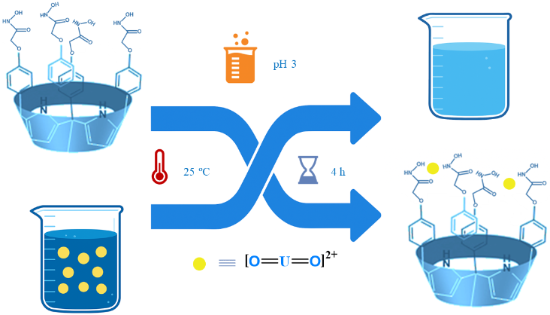
- using thin-layer chromatography, with the appearance of the characteristic red spot upon treatment with FeCl3 confirming the presence of the hydroxamic acid functionality. Moreover, the formation of the tetra-hydroxamic acid product was confirmed by 1H NMR spectroscopy in deuterated DMSO, as evidenced
- %). The structure of PCP HA was fully characterized by 1H NMR and 13C NMR (DMSO-d6) as well as by HRMS (ESI+) (Figures S3–S6, and S9 in Supporting Information File 1). In the 1H NMR spectrum, two sets of singlets at 4.41 and 4.76 ppm (CH2) were attributed to the –O=C–CH2–O– groups of the E/Z isomers of
- corresponding hydroxamic acid, with no detectable acid-derived by-products. Solubility tests revealed that PCP HA is soluble exclusively in highly polar aprotic solvents (DMSO, DMF) and remains completely insoluble in other common organic solvents (chloroform, ether, etc.) and water. The absence of ligand


Synthesis of a HDAC inhibitor–nanogold probe for cryo-EM visualization in class I HDAC co-repressor complexes
Beilstein J. Org. Chem. 2026, 22, 480–485, doi:10.3762/bjoc.22.35
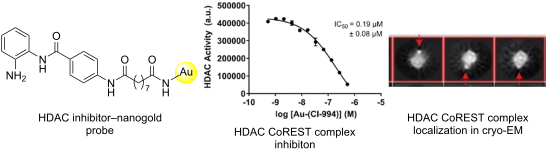
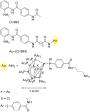
- to rt, 18 h, 92%; l) Au–NH2, DMSO, rt, 20 h. Supporting Information Supporting Information File 4: Chemical protocols and characterization data for compounds, biological protocols including cryo-EM grid prep, data collection, and images of micrographs. Acknowledgements We thank Dr. Christos Savva



Structural reassignment of compound 968, an allosteric glutaminase inhibitor
Beilstein J. Org. Chem. 2026, 22, 455–460, doi:10.3762/bjoc.22.33
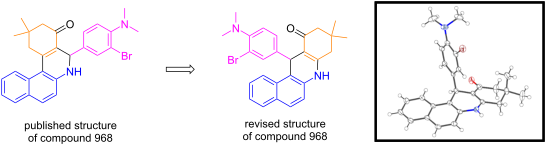
- ethanol to yield the title compound as a light gray powder (4.05 g, 72%). 1H NMR (400 MHz, DMSO-d6) δ 9.72 (s, 1H), 7.91 (d, J = 8.7 Hz, 2H), 7.76 (t, J = 6.9 Hz, 2H), 7.41 (t, J = 7.3 Hz, 1H), 7.35 (d, J = 1.8 Hz, 1H), 7.29 (m, 2H), 7.71 (dd, J = 8.3, 1.8 Hz, 1H), 6.90 (d, J = 8.2 Hz, 1H), 5.70 (s, 1H
- ), 2.51 (s, 6H), 2.39 (d, J = 16.5 H, 1Hz), 2.18 (d, J = 16.0 Hz, 1H), 2.02 (d, J = 16.0 Hz, 1H), 0.99 (s, 3H), 0.85 (s, 3H). One diastereotopic methylene hydrogen is obscured by the residual solvent peak at 2.47 ppm; 13C NMR (100 MHz, DMSO-d6) δ 193.72, 151.37, 149.50, 143.73, 134.80, 132.80, 131.69
- solution of the test compound in DMSO or DMSO itself was added (1 µL), mixed by gently pipetting up and down, then incubated for seven minutes at room temperature. The glutaminase reaction was initiated by addition of 20 µL of a solution of glutamine (100 mM) and K2HPO4 (500 mM), then mixed by gently


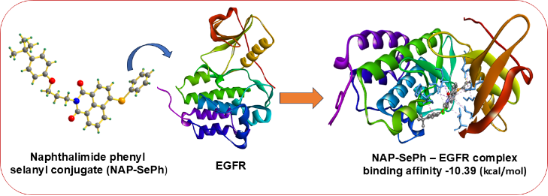
Synthesis and anti-cancer activity of naphthalimide–organylselanyl conjugates
Beilstein J. Org. Chem. 2026, 22, 416–435, doi:10.3762/bjoc.22.29
- mg, 0.75 mmol) in DMSO (7.5 mL) at room temperature under a nitrogen atmosphere. The mixture was stirred until the yellow colour had disappeared. The bromo compound 12 (465 mg, 1 mmol) was dissolved in THF (7.5 mL) and slowly added to the above reaction mixture, followed by stirring for an additional
- ): 2951, 2859, 1695, 1660, 1575, 1509, 1354, 1240, 1177, 1072, 828 cm−1. Synthetic procedure of compound 8 Dioctyl diselenide (289 mg, 0.75 mmol), NaBH4 (100 mg, 2.6 mmol), and 7.5 mL of DMSO were taken in a two-neck round-bottom flask at room temperature under a nitrogen-rich atmosphere. The mixture was
- dissolved in DMSO and administered at concentrations of 6.27, 12.5, 25, 50, 100, and 200 μM, along with a control group. All treatments were performed in triplicate to minimise analytical and experimental errors. Cells were cultured for a further 24 hours under the same conditions following chemical




Cone p-aminocalix[4]arenes enriched with ‘clickable’ alkyne or azide functionalities
Beilstein J. Org. Chem. 2026, 22, 399–415, doi:10.3762/bjoc.22.28
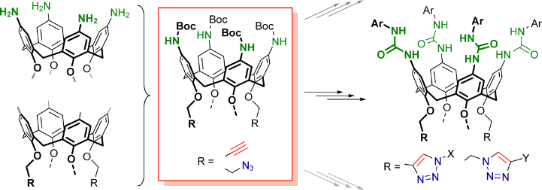
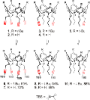
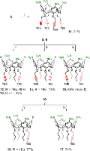
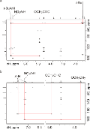
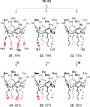
- corresponding tetraureacalix[4]arenes 47–51 (Scheme 9), the structures of which were unambiguously confirmed by their 1H NMR and 13C NMR spectra obtained from solutions in polar DMSO-d6. Being calix[4]arene tetraureas, compounds 47–51 should form homodimeric capsules in H-bond non-competing solvents (e.g






Design, synthesis and biological evaluation of 2,5-diaryloxazolo[4,5-d]pyrimidin-7-ylamines as selective cytotoxic agents against HeLa cells
Beilstein J. Org. Chem. 2026, 22, 390–398, doi:10.3762/bjoc.22.27
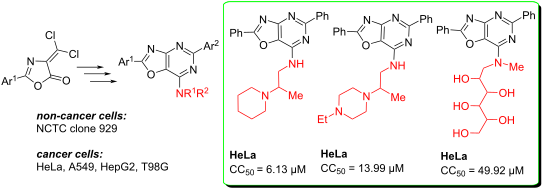
- Supporting Information File 1. Cytotoxicity assay Stock solutions of each compound were prepared in DMSO at 100 mM and diluted into medium supplemented with 10% FBS. The final DMSO content in the solutions did not exceed 0.1%. Cancer cell lines: HeLa (ATCC CCL-2, Human cervix adenocarcinoma cells), A549


Dialkylaminoalkylation of β-ketosulfones via ring-opening of 3-sulfonylpyrrolidines
Beilstein J. Org. Chem. 2026, 22, 383–389, doi:10.3762/bjoc.22.26
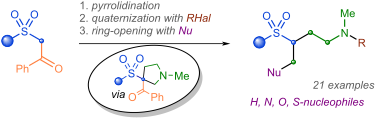
- of pKa 12–17 (in DMSO) [37]. Considering that the pKa of 1-phenyl-2-(phenylsulfonyl)ethan-1-one 1 is close to that interval (pKa 11.4, DMSO) we estimated its smooth incorporation in the process. Nevertheless, previously developed conditions for the pyrrolidination reaction provided insufficient




Synthesis of tricyclic fused pyrrolidine nitroxides from 2-alkynylpyrrolidine-1-oxyls
Beilstein J. Org. Chem. 2026, 22, 344–351, doi:10.3762/bjoc.22.22

- triazoles to occur [25]. However, there are also examples where the corresponding triazoles were isolated instead of 5-azidopentyne derivatives under the same conditions (DMF, 80 °C) [26]. The nitroxides 3a–f were treated with excess of NaN3 in milder conditions, in DMSO at 60 °C, and a single product was




A mild and atom-efficient four-component cascade strategy for the construction of biologically relevant 4-hydroxyquinolin-2(1H)-one derivatives
Beilstein J. Org. Chem. 2026, 22, 244–256, doi:10.3762/bjoc.22.18
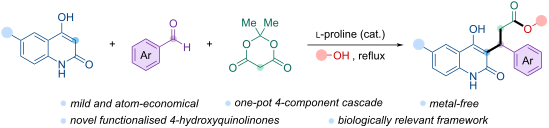
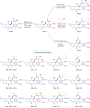
- NaCN, wet DMSO, 160 °C) failed to yield the target product. Acidic and alkaline hydrolysis followed by decarboxylation also proved unsuccessful (Scheme 4E). Subsequently, following the second retrosynthetic approach (Scheme 2), compounds 2b and 2c were reacted with 3,4-dimethoxybenzaldehyde via Michael
- subsequent conversion into isopropyl and cyclohexyl esters. Cytotoxicity and antibacterial activity Selected synthesized compounds were evaluated for their antibacterial activity and cytotoxicity. The compounds exhibited poor water solubility but were readily soluble in DMSO. Experimental details are


Configuration–packing synergy enabling integrated crystalline-state RTP and amorphous-state TADF
Beilstein J. Org. Chem. 2026, 22, 224–236, doi:10.3762/bjoc.22.16
- recorded on a Bruker Avance III 500HD superconducting NMR spectrometer using DMSO-d6 as the solvent and tetramethylsilane (TMS) as the internal standard. Single crystals suitable for X-ray diffraction analysis were grown from a dichloromethane/n-hexane solvent system; diffraction data were collected on a
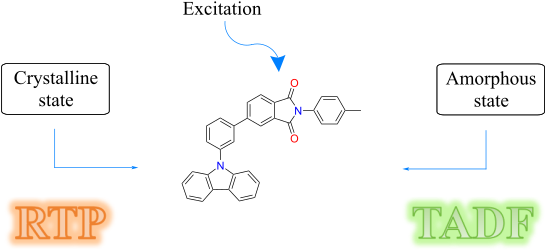
- final pure product, 5-(3-(9H-carbazol-9-yl)phenyl)-2-(p-tolyl)isoindoline-1,3-dione (1), was obtained as a solid in a yield of 1.36 g (90%). 1H NMR (500 MHz, DMSO-d6) δ 8.34 (s, 1H), 8.31(d, 1H), 8.27 (d, 2H), 8.13 (s, 1H), 8.07–7.98 (m, 2H), 7.84 (t, 1H), 7.74 (d, 1H), 7.53–7.42 (m, 4H), 7.33 (s, 4H
- ), 7.30 (d, 2H), 2.37 (s, 3H); 13C NMR (126 MHz, DMSO-d6) δ 167.23, 145.94, 140.78, 140.61, 138.29, 133.75, 133.11, 132.41, 131.58, 131.15, 129.34, 128.56, 127.85, 127.57, 127.08, 126.82, 126.05, 124.56, 123.30, 122.35, 121.02, 120.64, 110.24; EIMS (m/z): [M]+ calcd for C33H22N2O2, 478.1681; found


Synthesis of diaryl phosphates using phytic acid as a phosphorus source
Beilstein J. Org. Chem. 2026, 22, 213–223, doi:10.3762/bjoc.22.15
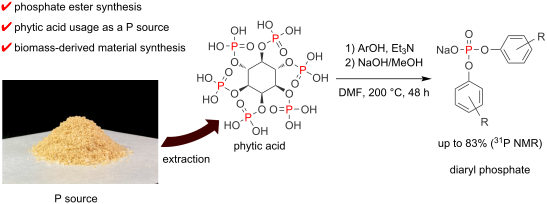
- (SHIMADZU, Kyoto, Japan) and JMS GC-mate II (JEOL, Tokyo, Japan) instruments. The melting points were determined using a Q-200 differential scanning calorimeter (TA Instruments, New Castle, DE, USA). The NMR spectra were recorded in a deuterated solvent (D2O, methanol-d4 or dimethyl sulfoxide (DMSO)-d6
- )), and the residual solvent was set to the chemical shift reference for 1H NMR (H2O, δ 4.79 ppm; MeOH, δ 3.31 ppm; DMSO, δ 2.50 ppm). All NMR spectra were compared with those reported in previous studies [15][46][47][48] and found to be consistent with the references. The spectra are provided in