Search results
Search for "antiproliferative" in Full Text gives 121 result(s) in Beilstein Journal of Organic Chemistry.
Synthesis and optical resolution of 4,5-diaminohomoadamantane: a promising scaffold for chiral ligands and bioactive compounds
Beilstein J. Org. Chem. 2026, 22, 1013–1022, doi:10.3762/bjoc.22.80
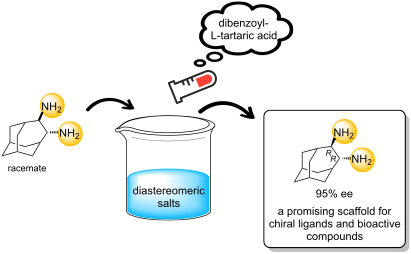
- cell damage [57], and activity against Staphylococcus aureus was noted for peroxysampsone A С [58]. Basarić and co-workers showed that the replacement of 2-substituted adamantane by a homoadamantane skeleton led to enhanced antiproliferative activity (compound D) [59]. Compound E showed efficacy


Novel macrocycles: from synthesis to supramolecular function
Beilstein J. Org. Chem. 2026, 22, 982–985, doi:10.3762/bjoc.22.76
- amphiphilic calixarene scaffold bearing long alkyl chains, the authors obtained a derivative that spontaneously self-assembles into stable nanoscale aggregates in water. Biological studies revealed a potent antiproliferative effect against human renal carcinoma cells, with limited toxicity toward healthy
Melifoliox B, a novel phloroglucin derivative isolated from Melicope barbigera (Rutaceae) and synthesis of new oxidation products from melifoliones A and B
Beilstein J. Org. Chem. 2026, 22, 535–546, doi:10.3762/bjoc.22.39
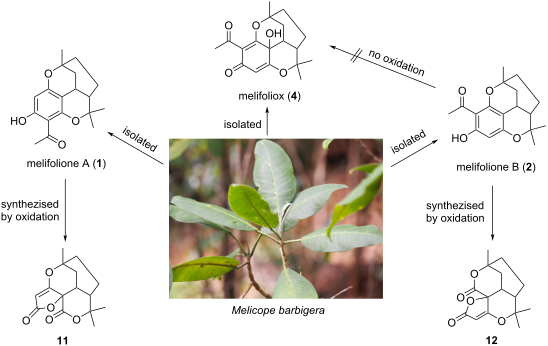
- , acetophenones and quinolone alkaloids. Moreover, several Melicope species are used in traditional and modern medicine. Some of the constituents possess antibacterial, antidiabetic, cytotoxic and antiproliferative activities in human cancer lines [1]. Five years ago, we described new acetophenones and chromenes



Synthesis and anti-cancer activity of naphthalimide–organylselanyl conjugates
Beilstein J. Org. Chem. 2026, 22, 416–435, doi:10.3762/bjoc.22.29
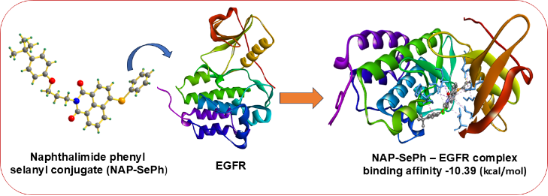
- parent compounds amonafide (4) and mitonafide (5), which have progressed to clinical trials but exhibited unpredictable toxicity [30]. Consequently, recent research has focused on minimising these adverse effects while enhancing antiproliferative potency through diverse synthetic modifications [31]. One




Design, synthesis and biological evaluation of 2,5-diaryloxazolo[4,5-d]pyrimidin-7-ylamines as selective cytotoxic agents against HeLa cells
Beilstein J. Org. Chem. 2026, 22, 390–398, doi:10.3762/bjoc.22.27
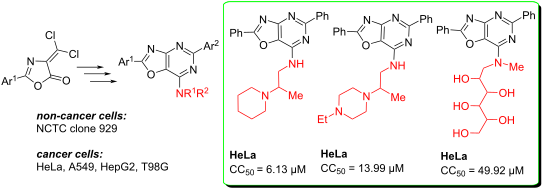
- antiproliferative and cytotoxic activity against the tested NCI60 cancer cell lines. Also, several other 7-(1,4-diazepan)- and 7-piperazine-substituted [1,3]oxazolo[4,5-d]pyrimidines (structures A and B in Scheme 1) showed cytotoxic activity in the micromolar concentration range against most breast cancer cell


Spirobarbiturates with a pyrrolizidine moiety: synthesis, structure and biological evaluation
Beilstein J. Org. Chem. 2026, 22, 274–288, doi:10.3762/bjoc.22.20
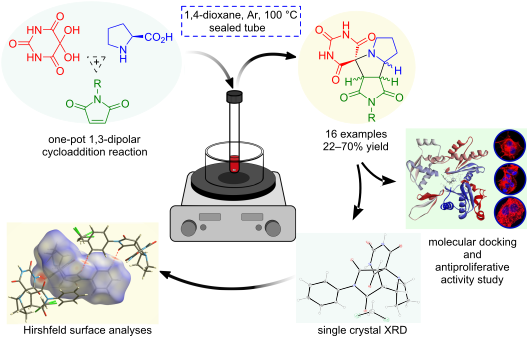
- X-ray diffraction analysis (XRD) for two adducts, followed by Hirshfeld surface analysis. The antiproliferative effect of the synthesized compounds against cancer cell lines was assessed. Keywords: alloxan; antiproliferative activity; azomethine ylides; 1,3-dipolar cycloaddition; maleimides
- potential in the brain with regard to bioavailability in the CNS. Antiproliferative activity study. Cancer cells are favorable in vitro models that are widely used in cancer research and drug discovery. In this study, the MTS assay was applied to evaluate the antiproliferative activity of the synthesized
- in Supporting Information File 1, Figures S77–S79. As can be seen from the obtained results, the compounds generally have a limited antiproliferative effect against these cells in contrast to previously studied compounds that contain a cyclopropane moiety instead of a pyrrolidine one [57] and




A mild and atom-efficient four-component cascade strategy for the construction of biologically relevant 4-hydroxyquinolin-2(1H)-one derivatives
Beilstein J. Org. Chem. 2026, 22, 244–256, doi:10.3762/bjoc.22.18
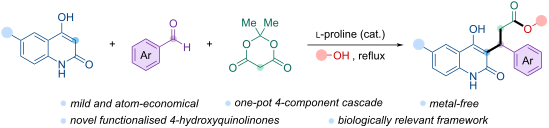
- activity [33]. Halogen substituents in this position have been shown to modulate antibacterial, antiviral, and antiproliferative activities, likely through electronic effects and improved target binding. The C3 position was functionalized with a propanoic acid moiety, explored in both its open-chain (acid


Thiazolidinones: novel insights from microwave synthesis, computational studies, and potentially bioactive hybrids
Beilstein J. Org. Chem. 2025, 21, 2618–2636, doi:10.3762/bjoc.21.203
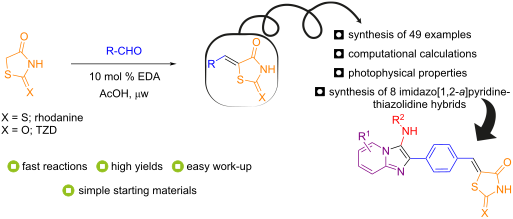
- ], antioxidant [34], cytotoxic [35], and antiproliferative [36]. The structures of these compounds allow the synthesis of a large collection of bioactive molecules due to their nucleophilic and electrophilic properties [37]. One of the forms of modifications is at the methylene group, particularly in the 5






Synthesis and characterization of a isothiouronium-calix[4]arene derivative: self-assembly and anticancer activity
Beilstein J. Org. Chem. 2025, 21, 2535–2541, doi:10.3762/bjoc.21.195
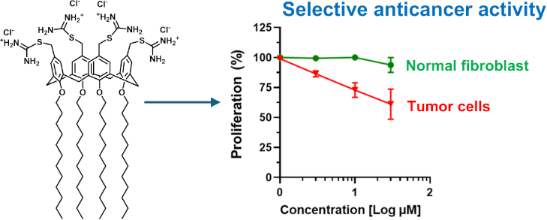
- (786-O cells) and compared with that in non-malignant fibroblast cells (SW1 cells). Compound 3 showed a significantly greater antiproliferative effect on cancer cells (IC50 37.4 µM) than on normal fibroblasts (517 µM). The importance of the isothiouronium moieties in the observed cytoxic effect was
- confirmed by comparison with the calix[4]arene precursor (1) lacking these functional units. The selective antiproliferative profile of compound 3 highlights its potential as a lead anticancer agent. Moreover, compound 3 holds promise for further development in combination multidrug therapy due to the
- renal carcinoma cells (786O) and normal human fibroblasts (SW1), and the tumor cells selectivity was evaluated. To elucidate the role of the isothiouronium groups, antiproliferative effects were also estimated on calix[4]arene precursor 1 lacking these functional groups. Results and Discussion Synthesis


Assembly strategy for thieno[3,2-b]thiophenes via a disulfide intermediate derived from 3-nitrothiophene-2,5-dicarboxylate
Beilstein J. Org. Chem. 2025, 21, 2489–2497, doi:10.3762/bjoc.21.191
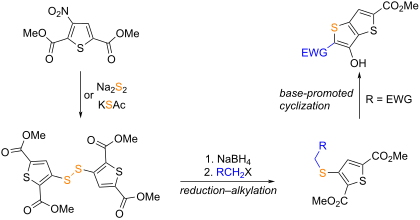
- notable DNA intercalation and antiproliferative effects [16][17], while TT–BODIPY derivatives were shown to efficiently generate singlet oxygen and demonstrate light-induced cytotoxicity, highlighting their promise as photodynamic therapeutic agents [18]. Near-infrared TT–DPP-based dyes have also been



Discovery of cytotoxic indolo[1,2-c]quinazoline derivatives through scaffold-based design
Beilstein J. Org. Chem. 2025, 21, 2062–2071, doi:10.3762/bjoc.21.161
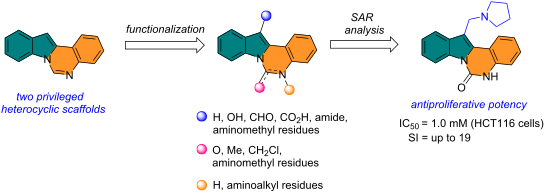
- biological evaluation of novel indolo[1,2-c]quinazoline derivatives, with a particular focus on their antiproliferative potential against human cancer cells. We introduced structural modifications at positions 5, 6, and 12 of the indolo[1,2-c]quinazoline core to explore the structure–activity relationships
- polycyclic structures, DNA was not the primary target for their antiproliferative effects, as confirmed by FID assay and fluorescence titration studies. This study represents the first comprehensive evaluation of indolo[1,2-c]quinazolines as potential scaffold for the development of antitumor agents
- , offering valuable insights into their SAR and paving the way for a future evaluation of these compounds as anticancer therapeutics. Keywords: antiproliferative activity; antitumor agents; indolo[1,2-c]quinazoline; modification; structure–activity relationship; Introduction Organic compounds featuring


Synthesis, biological and electrochemical evaluation of glycidyl esters of phosphorus acids as potential anticancer drugs
Beilstein J. Org. Chem. 2025, 21, 1909–1916, doi:10.3762/bjoc.21.148
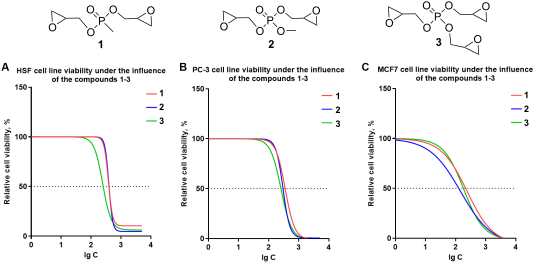
- electrochemical behavior. The compounds were efficiently obtained via the condensation of chlorophosphine oxides and phosphorus oxychloride with glycidol, affording high-purity products in moderate to good yields. Cytotoxicity studies revealed that all three compounds possess antiproliferative activity against


Studies on the syntheses of β-carboline alkaloids brevicarine and brevicolline
Beilstein J. Org. Chem. 2025, 21, 955–963, doi:10.3762/bjoc.21.79

- : it acts as an antioxidant [28], shows antibacterial activity against Mycobacterium tuberculosis [31], has antiproliferative effects against triple-negative breast cancer [32], serves as an agent against Parkinson's disease [29], and possesses skin anti-inflammatory properties [33]. Notably, the


Semisynthetic derivatives of massarilactone D with cytotoxic and nematicidal activities
Beilstein J. Org. Chem. 2025, 21, 607–615, doi:10.3762/bjoc.21.48
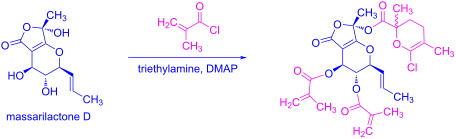
- then elucidated as massarilactone D 4,7-di-O-crotonyl. Cytotoxic and nematicidal activities The antiproliferative properties of massarilactone D and the newly synthesized analogues were evaluated against the murine fibroblasts L929, human cervix carcinoma KB3-1, human lung carcinoma A549, human
- with cinnamoyl chloride suggests that these two polyketides can interconvert from each other and could be artifacts and vice versa formed during extraction and isolation. This finding suggests that, to improve the antiproliferative efficacy of these derivatives, the exo-methylene group should be


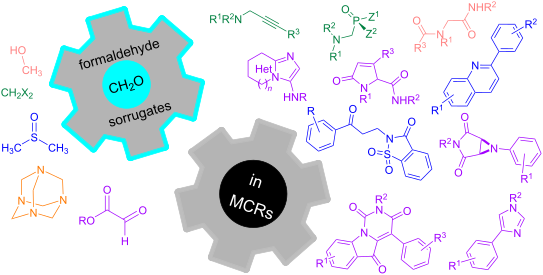
Formaldehyde surrogates in multicomponent reactions
Beilstein J. Org. Chem. 2025, 21, 564–595, doi:10.3762/bjoc.21.45


Antibiofilm and cytotoxic metabolites from the entomopathogenic fungus Samsoniella aurantia
Beilstein J. Org. Chem. 2025, 21, 327–339, doi:10.3762/bjoc.21.23
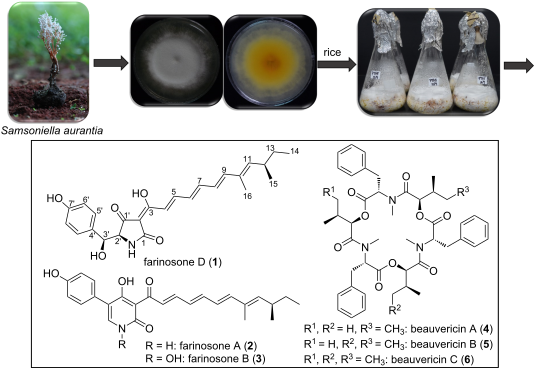
- activity, inhibiting approximately 70% of Staphylococcus aureus biofilms at concentrations as low as 3.9 µg/mL. Keywords: antibiofilm; antiproliferative; beauvericin; insect pathogen; Samsoniella; Introduction A microbial biofilm represents an assemblage of planktonic cells to overcome hostile living


N-Glycosides of indigo, indirubin, and isoindigo: blue, red, and yellow sugars and their cancerostatic activity
Beilstein J. Org. Chem. 2024, 20, 2840–2869, doi:10.3762/bjoc.20.240
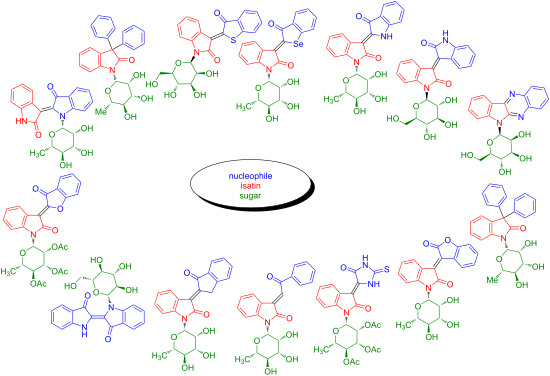
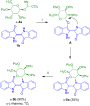
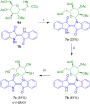
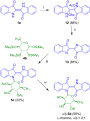
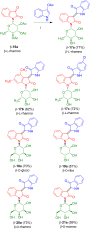
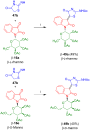
- sodium tert-butanolate afforded the desired deprotected indigo-N-rhamnoside 5d (α/β = 2:1). In contrast to the antiproliferative properties of the akashins, 5d showed no significant activity against human cancer cell lines. The glycosylation of 13 can be explained as follows (Scheme 9): Reaction of tetra
- collaboration with Michael Lalk and Patrick Bednarski (University of Greifswald), the antiproliferative activities of indirubin-N-rhamnosides 17a–c,f, indirubin-N-glucoside β-18a, indirubin-N-galactoside β-20a, and indirubin-N-mannoside β-21a were studied. In this context, four human cancer cell lines were
- substituent. The carbohydrate moiety also has an influence on the antiproliferative activity. The best activities were observed for rhamnosides, while the lowest activity was observed for galactoside β-20a. The configuration of the anomeric carbon atom of the rhamnoside did not show a major influence as very










Synthesis, electrochemical properties, and antioxidant activity of sterically hindered catechols with 1,3,4-oxadiazole, 1,2,4-triazole, thiazole or pyridine fragments
Beilstein J. Org. Chem. 2024, 20, 2378–2391, doi:10.3762/bjoc.20.202
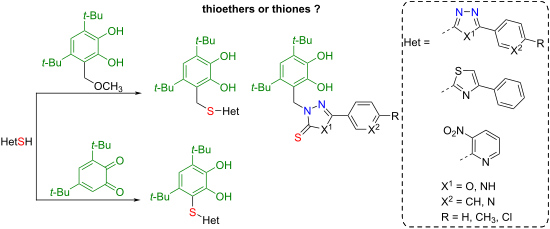
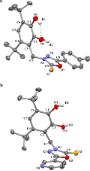
- properties [28]. Anti-tuberculosis activity was identified for 5-substituted 2-mercapto-1,3,4-oxadiazoles [29], 5-substituted-2-[(3,5-dinitrobenzyl)-sulfanyl]-1,3,4-oxadiazoles and 1,3,4-thiadiazoles [30]. Some derivatives of 5-(4-tert-butylphenyl)-1,3,4-oxadiazole-2(3H)-thione showed antiproliferative




Tandem diazotization/cyclization approach for the synthesis of a fused 1,2,3-triazinone-furazan/furoxan heterocyclic system
Beilstein J. Org. Chem. 2024, 20, 2342–2348, doi:10.3762/bjoc.20.200

- high-energy materials [8][9][10][11][12][13]. Moreover, furazan derivatives possess antiproliferative, antibacterial, antiparasitic and antiviral activity [14][15][16]. On the other hand, furoxans referred to as unique heterocyclic compounds that exhibit NO-releasing properties under physiological


Access to 2-oxoazetidine-3-carboxylic acid derivatives via thermal microwave-assisted Wolff rearrangement of 3-diazotetramic acids in the presence of nucleophiles
Beilstein J. Org. Chem. 2024, 20, 1894–1899, doi:10.3762/bjoc.20.164

- derivatives (mainly amides) exhibit various types of biological activity, among which the following can be highlighted: inhibition of β-lactamases [4][5], antitubercular properties [6], antiproliferative and antibacterial activity [7], herbicidal properties [8][9], inhibition of neutral amino acid transporter


The Groebke–Blackburn–Bienaymé reaction in its maturity: innovation and improvements since its 21st birthday (2019–2023)
Beilstein J. Org. Chem. 2024, 20, 1839–1879, doi:10.3762/bjoc.20.162
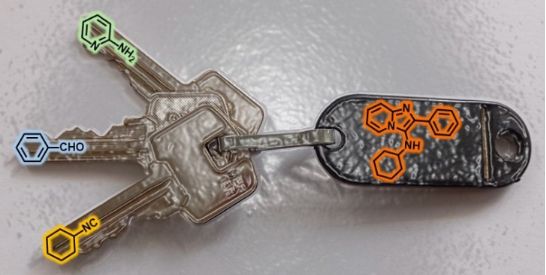


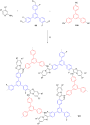
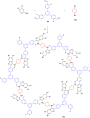


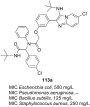


Syntheses and medicinal chemistry of spiro heterocyclic steroids
Beilstein J. Org. Chem. 2024, 20, 1713–1745, doi:10.3762/bjoc.20.152
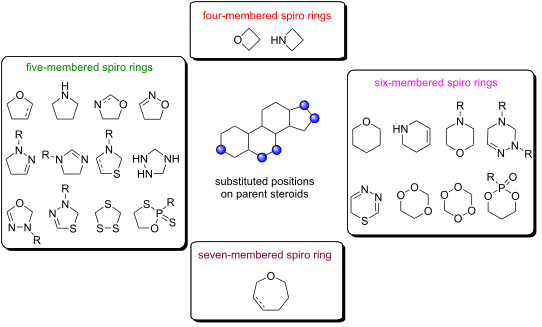
- heterocyclic moieties containing three or more (hetero)cycles. Moreover, many compounds are accompanied by data on their biological activities, such as antiproliferative, antimalarial, antimicrobial, antifungal, steroid antagonist, and enzyme inhibition, among others, aimed at furnishing pertinent insights for
- et al. reported the synthesis of cycloadducts 47 from reaction of (E)-16-arylidene derivatives 46 and azomethine ylides generated in situ from substituted isatins and sarcosine [27] (Scheme 14). The resulting spiro compounds proved to be potent antiproliferative agents against human cancer cell lines
- promoted by mercury(II) oxide, yielding spiro 2-substituted amino-4,5-dihydro-1,3-oxazoles 72a,b in moderate to good yields (Scheme 21). All spiro derivatives exhibited potent antiproliferative activity when tested on six human cancer cell lines (GI50 = 0.34–18 µM). Structure–activity relationships


The Ugi4CR as effective tool to access promising anticancer isatin-based α-acetamide carboxamide oxindole hybrids
Beilstein J. Org. Chem. 2024, 20, 1213–1220, doi:10.3762/bjoc.20.104
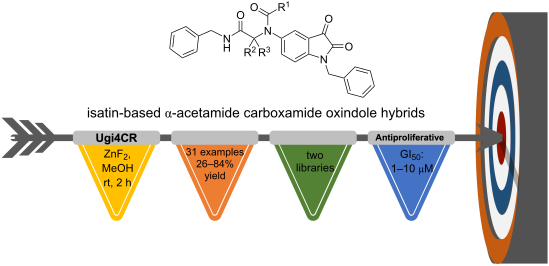
- , aliphatic chain on the acid component and small aliphatic chain on the aldehyde component to increase the antiproliferative activity. Also, benzyl isocyanide was favored over the aliphatic one (Scheme 1A) [16]. Considering the value of amide groups in drug discovery [19], the feasibility of running the
- . Compounds 5ib and 5hb, with N-Boc protected-heterocycle units in the 5-amide position of the oxindole ring (Scheme 2) failed to afford the corresponding 3-deprotected isatin hybrids, since only decomposition byproducts (not identified) were obtained. Antiproliferative activity Considering the potential
- antiproliferative activity of these compounds, we screened 14 α-acetamide carboxamide isatin hybrids against six human solid tumor cell lines. The panel of cell lines comprised non-small cell lung carcinoma A549 and SW1573, cervical adenocarcinoma HeLa, breast cancer HBL-100 and T-47D, and colon adenocarcinoma WiDr




Mild and efficient synthesis and base-promoted rearrangement of novel isoxazolo[4,5-b]pyridines
Beilstein J. Org. Chem. 2024, 20, 1069–1075, doi:10.3762/bjoc.20.94
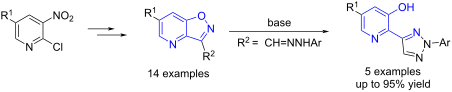
- activity, such as antibacterial [8], anticancer [9] or antiproliferative [10]. In addition, isoxazolo[4,5-b]pyridines were found to inhibit cytochrome P450 CYP17 responsible for the biosynthesis of androgens and estrogen precursors [11]. Some biologically active isoxazolo[4,5-b]pyridines are shown on


Methodology for awakening the potential secondary metabolic capacity in actinomycetes
Beilstein J. Org. Chem. 2024, 20, 753–766, doi:10.3762/bjoc.20.69
- undecylprodigiosin (21) is always triggered in the dying zone of the mycelial network of Streptomyces coelicolor M145 prior to morphological differentiation, right after an initial round of cell death [98]. They hypothesized that under certain circumstances, production of antiproliferative agents could play a role