


Search results
Search for "cycloaddition" in Full Text gives 739 result(s) in Beilstein Journal of Organic Chemistry. Showing first 200.
Construction of CF2 moieties in FDA-approved drugs (2016–2025): industrial routes, mechanisms, and scale-up considerations
Beilstein J. Org. Chem. 2026, 22, 1122–1150, doi:10.3762/bjoc.22.91
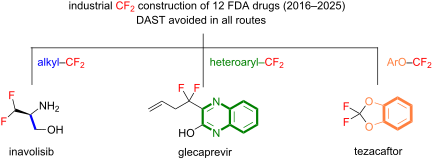
- with the inherent strain and structural rigidity of a cyclopropane, offering a distinct profile for modulating drug-like properties. Synthetic access to these compounds was comprehensively summarized by Volochnyuk and Grygorenko in 2020 [44], and the [2 + 1] cycloaddition of difluorocarbene with






Synthesis of novel 1,2,4-oxadiazole-isoxazoline hybrids and their in silico potential with adenosine receptors
Beilstein J. Org. Chem. 2026, 22, 1033–1047, doi:10.3762/bjoc.22.82
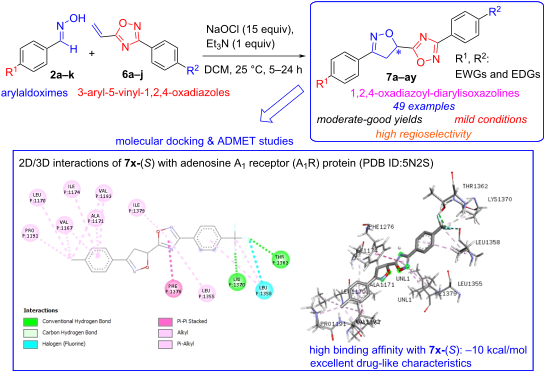
- efficient synthetic route to novel 1,2,4-oxadiazole-isoxazoline hybrids 7 has been developed via regioselective 1,3-dipolar cycloaddition of in situ-generated nitrile oxides with 3-(p-substituted-aryl)-5-vinyl-1,2,4-oxadiazoles 6. The target compounds 7a–ay were obtained in moderate to excellent yields (16
- validate their therapeutic potential. Keywords: aldoxime; antiparkinson; 1,3-dipolar cycloaddition; isoxazoline; 1,2,4-oxadiazoles; Introduction 1,2,4-Oxadiazoles are pharmacologically significant five-membered heterocyclic rings, primarily recognized for their bioisosteric relationship with ester and
- , palladium-catalyzed reactions, anodic oxidations, transformations from other heterocycles or 1,3-dipolar cycloaddition [29][30][31][32][33][34][35][36][37][38][39][40][41][42][43][44]. For isoxazoline derivatives, the 1,3-dipolar cycloaddition (1,3-DC) of nitrile oxides serves as a fundamental synthetic


Site-specific labelling of native peptides and proteins: chemical and enzymatic strategies
Beilstein J. Org. Chem. 2026, 22, 857–881, doi:10.3762/bjoc.22.67
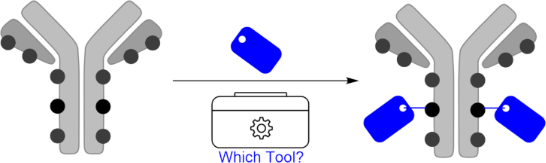
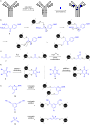
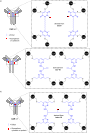
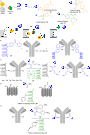
- native glycans for chemical attachment through bioorthogonal chemistry (e.g. strain-promoted azide–alkyne cycloaddition/SPAAC) [114][115][116][117][118][119]. While this strategy enables visualisation and derivatisation of native glycoproteins in their natural environment, metabolic labelling rarely








Synthesis of heterocycles based on azomethine ylides from α-amino acids (or amines) and carbonyl compounds
Beilstein J. Org. Chem. 2026, 22, 705–741, doi:10.3762/bjoc.22.55
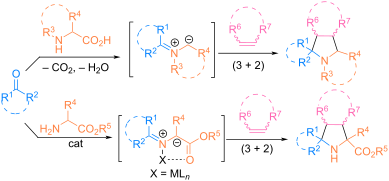
- Federation Saint Petersburg State University, Universitetskaya nab. 7/9, 199034, St. Petersburg, Russian Federation 10.3762/bjoc.22.55 Abstract This review focuses on new directions in (3 + 2) cycloaddition of azomethine ylides to alkenes, resulting in the formation of fused or spiro-fused pyrrolidine
- derivatives with multiple chiral centers under high regio- and stereocontrol. Currently, strategies using azomethine ylides based on imino esters or α-amino acids with a variety of cyclic and acyclic carbonyl compounds dominate. Enantioselective (3 + 2) cycloaddition reactions of azomethine ylides obtained
- compounds; catalysis; (3 + 2) cycloaddition; decarboxylation; dipolarophiles; iminoesters; polycyclic compounds; spirocyclic compounds; stereoselectivity; Introduction The 1,3-dipolar cycloaddition is one of the most popular pericyclic reactions in organic synthesis, in which a dipole molecule interacts


Regioselective approach to 5-arylsulfonylisoxazoles and their antimicrobial activity
Beilstein J. Org. Chem. 2026, 22, 592–602, doi:10.3762/bjoc.22.45
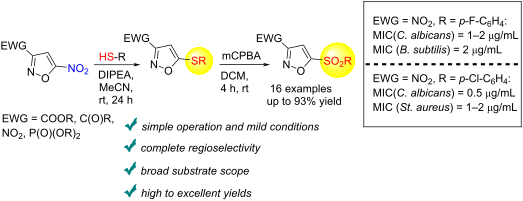
- common method for the synthesis of substituted isoxazoles is based on the 1,3-dipolar cycloaddition of nitrile oxide with alkynes or alkenes followed by oxidation of the resulting isoxazoline product in the latter case [18][19][20][21][22]. This approach, in three variations, is also applicable to obtain
- oxide reacts with 1,2-disubstituted alkenes containing a sulfonyl group to form 4,5-dihydroisoxazoles, which are then oxidized with chloranil to provide isoxazole [23] (approach A). Another synthetic protocol involves the 1,3-dipolar cycloaddition of nitrile oxide to 1-bromo-1-EWG-alkenes, resulting in
- nitrile oxides in cycloaddition reactions, complete control of regioselectivity without metal catalysis is not always achievable. Another problem with this method is the tendency of nitrile oxides to form dimers (furoxanes), which entails a decrease in the yield of isoxazoles. Due to dimerization, nitrile


Get a better glimpse on sequential photoreactions of trisnorbornadienes with 19F NMR spectroscopy
Beilstein J. Org. Chem. 2026, 22, 527–534, doi:10.3762/bjoc.22.38
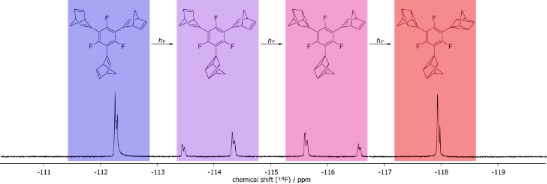
- ] cycloaddition reaction, these compounds are transformed into an energy-rich metastable photoproduct that, upon application of an external stimulus, isomerizes back in a cycloreversion reaction to the starting compound with the release of heat (Scheme 1) [5][7]. In comparison with other photochromic compounds
- /quadricyclane system 1f/2f0,3 has some favorable MOST properties, namely a high energy density and a long half-life of the trisquadricyclane. In addition, the cycloaddition reaction can be initiated under mild conditions with visible light (λex = 405 or 420 nm) in the presence of Ir(ppy)3 or flavine 4 as


Modern synthetic pathways towards eribulin and its subunits
Beilstein J. Org. Chem. 2026, 22, 495–526, doi:10.3762/bjoc.22.37
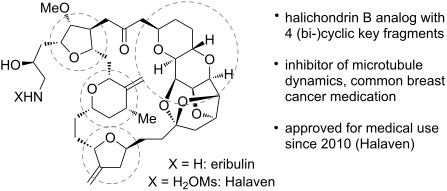
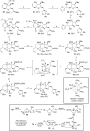
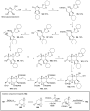
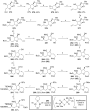
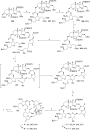
- and further treated with Lindlar catalyst and DIBAL-H to afford the alkene and aldehyde motifs of 195, respectively. Oxime formation and oxidation yielded an intermediate nitrile oxide, which underwent an intramolecular [3 + 2]-cycloaddition with the adjacent ethene substituent towards isoxazoline 196
- . Hydrolytic kinetic resolution of 209 afforded enantioenriched epoxide (S)-209, which was opened regioselectively with lithium acetylide. The allylation and [3 + 2]-cycloaddition with tosyl azide led to 212. Treatment with Rh2(OAc)4 induced a [2,3]-Wittig rearrangement and subsequent hydrolysis afforded 213








Recent advances in the stereoselective synthesis of distal biaxially chiral molecules
Beilstein J. Org. Chem. 2026, 22, 461–479, doi:10.3762/bjoc.22.34
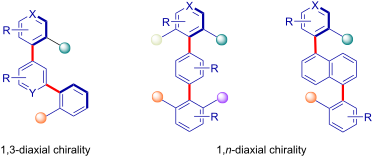
- [2 + 2 + 2] cycloaddition reaction between α,ω-diynes 1 and monoalkynes 2, providing an alternative to traditional asymmetric coupling strategies for the synthesis of C2-symmetric biaryl chiral compounds (Scheme 1a) [40]. They further demonstrated the feasibility of constructing N-, O-, and C
- [41]. This strategy delivered excellent enantioselectivity, diastereoselectivity, and overall efficiency, underscoring its unique advantages in the synthesis of multiaxially chiral scaffolds. In parallel, Tanaka and co-workers advanced a [2 + 2 + 2] cycloaddition strategy to realize an asymmetric
- yields, indicating potential utility in chiral fluorescent materials. In addition, Du’s group reported an N-heterocyclic carbene (NHC)-catalyzed (3 + 3) cycloaddition of 2,6-disubstituted alkyne esters 38 with 6-aminouracils 39, affording distal biaxial uracil frameworks with both C–C and C–N chiral axes


Structural reassignment of compound 968, an allosteric glutaminase inhibitor
Beilstein J. Org. Chem. 2026, 22, 455–460, doi:10.3762/bjoc.22.33
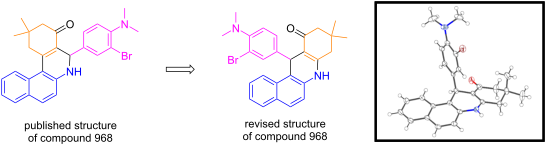
- reassigning the structure of the cycloaddition reaction product from benzo[c]phenanthridine 1 to benzo[c]acridine 2, we predicted that all three compounds are the benzo[c]acridine isomer 2. The 1H NMR spectra of all three compounds are identical, indicating that they share the same structure (Figure 3A). We
- glutaminase enzymes GLS1 and GLS2 catalyze the hydrolysis of glutamine to glutamate and ammonia. Compound 968 is a dual inhibitor of GLS1 and GLS2. The cycloaddition reaction between an arylaldehyde (shown here is the specific aldehyde that produces compound 968), dimedone, and 2-naphthylamine was originally


Concept-driven strategies in target-oriented synthesis
Beilstein J. Org. Chem. 2026, 22, 451–454, doi:10.3762/bjoc.22.32
- dearomatization (review, Xiangbing Qi and co-worker), enamide cyclization (review, Xiao-Ming Zhang et al.), glycosylation (PI-88, Guothi Xiao et al.), [3 + 2 + 1] cycloaddition (tetrahydrofluorenone, Zhi-Xiang Yu et al.), 1,n-enyne cyclization (review, Maosheng Cheng, Lu Yang, Yongxiang Liu et al.), oxidative
- (vibralactone, Zhi-Yun Liu, Hong-Dong Hao et al.), interrupted [2 + 2]/retro-Mannich (aspidosperma alkaloids, Zhen Yang, Zhong-Chao Zhang et al.), dipolar cycloaddition (malayamycin A, Sha-Hua Huang, Jian Jin, Ran Hong, et al.), Zr-mediated radical transformations (review, Hugh Nakamura and co-worker)]. The


Cone p-aminocalix[4]arenes enriched with ‘clickable’ alkyne or azide functionalities
Beilstein J. Org. Chem. 2026, 22, 399–415, doi:10.3762/bjoc.22.28
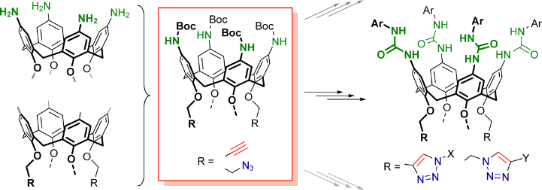
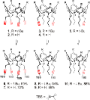
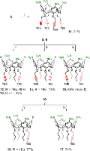
- conversion into diverse 1,4-disubstituted 1,2,3-triazole units under CuAAC (copper(I)-catalyzed azide–alkyne cycloaddition) ‘click’ conditions [70][71][72][73]. The first implementation of the CuAAC approach for calixarene modification was published shortly after its introduction into chemistry in general
- affect the cycloaddition by, for instance, binding copper cations or counter anions, and thus their presence in the structures of calixarenes at the CuAAC step must be avoided. On the other hand, the unmodified amines may also contribute to undesired Cu(I) stabilization and complicate the CuAAC work up
- in acidic conditions, so the amino groups in calixarenes 18–20 must be deactivated prior to the cycloaddition. Following the above reasons, a two-step replacement of protecting groups in calixarenes 18–20 was performed. First, the amino groups were acylated with di-tert-butyl dicarbonate (Boc2O) and






Dialkylaminoalkylation of β-ketosulfones via ring-opening of 3-sulfonylpyrrolidines
Beilstein J. Org. Chem. 2026, 22, 383–389, doi:10.3762/bjoc.22.26
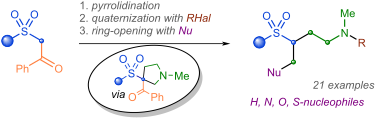
- consists in the simultaneous generation of two reactive intermediates: terminal alkene A and N-methylazomethine ylide B, and final [3 + 2] cycloaddition. It was found that the latter approach depends on CH-acidity of the active methylene compounds and performs well with the acidic substrates in the range
- ] cycloaddition of azomethine ylides at various vinyl sulfones were well studied [38][39][40][41], a method for the preparation of 3-sulfonylpyrrolidines from β-ketosulfones was previously unknown. We synthesized a number of pyrrolidines 2a–f in 83–97% yield, which were purified by an acid-base extraction (Scheme




Synthesis of tricyclic fused pyrrolidine nitroxides from 2-alkynylpyrrolidine-1-oxyls
Beilstein J. Org. Chem. 2026, 22, 344–351, doi:10.3762/bjoc.22.22

- -alkynyl-substituted pyrrolidine nitroxides was studied. These nitroxides have been prepared via intramolecular Huisgen cycloaddition or intramolecular alkylation in 2-pyrazolyl derivatives prepared by Michael addition–cyclocondensation of the corresponding alkynones with hydrazine. The reduction kinetics
- Huisgen cycloaddition or via one-pot Michael addition–cyclocondensation reaction with hydrazine with subsequent intramolecular alkylation of the resulting pyrazoles. Results and Discussion Synthesis We have earlier reported on the synthesis of 2-alkynylpyrrolidine-1-oxyls 2a–c via addition of the
- literature data on reactivity of 5-azidopentyne derivatives in intramolecular Huisgen cycloaddition reactions are contradictory. Some authors successfully obtained 5-azidopentyne derivatives upon nucleophilic substitution at 80 °C in DMF, and additional heating at 170 °C was necessary for cyclization to




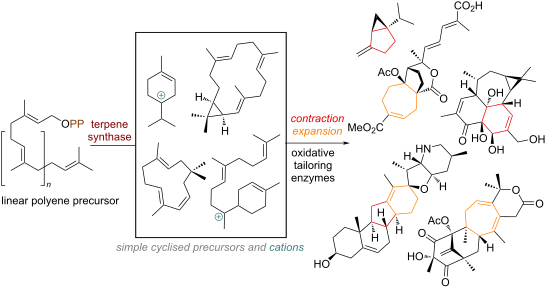
Ring contraction and ring expansion reactions in terpenoid biosynthesis and their application to total synthesis
Beilstein J. Org. Chem. 2026, 22, 289–343, doi:10.3762/bjoc.22.21
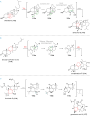
- the groups of Collado, Cane and Viaud could identify a protein titled BcBOT2 (= Botrytiscinerea BOTrydial) with similarity to microbial terpene synthases [78]. Starting from farnesyl pyrophosphate (9) BcBOT2 catalyses a rare, formal [2 + 2] cycloaddition to form the cyclobutyl carbenium ion 29a which




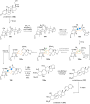


Spirobarbiturates with a pyrrolizidine moiety: synthesis, structure and biological evaluation
Beilstein J. Org. Chem. 2026, 22, 274–288, doi:10.3762/bjoc.22.20
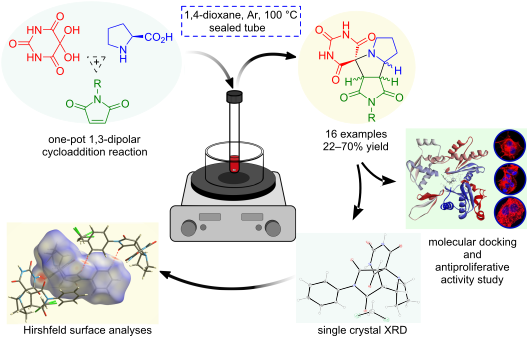
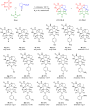
- 10.3762/bjoc.22.20 Abstract Polycyclic spirobarbiturates containing a pyrrolizidine moiety were synthesized via a one-pot three-component 1,3-dipolar cycloaddition reaction of alloxan, ʟ-proline and N-substituted maleimides. The reaction stereoselectivity was found to depend on the nature of substituents
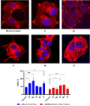
- X-ray diffraction analysis (XRD) for two adducts, followed by Hirshfeld surface analysis. The antiproliferative effect of the synthesized compounds against cancer cell lines was assessed. Keywords: alloxan; antiproliferative activity; azomethine ylides; 1,3-dipolar cycloaddition; maleimides
- ]. In 2018, Kota and Sreevani prepared spirobarbiturates via a Mo(CO)6-catalyzed intermolecular [2 + 2 + 2] cycloaddition of propargyl halides with dipropargylbarbituric acid [24]. Almeida and colleagues described the formation of spiroindoline barbiturates via thermal rearrangement of 2,1-benzisoxazole




Arene activation via π-bond localization: concepts and opportunities
Beilstein J. Org. Chem. 2026, 22, 257–273, doi:10.3762/bjoc.22.19
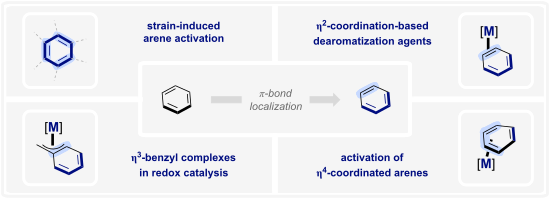
- , increases π-bond localization, rendering phenylenes more susceptible to hydrogenation, metal complexation, ring opening, and cycloaddition reactions [39]. Building on these intriguing studies and the ongoing renaissance of strain-release-driven catalysis [40], harnessing small-ring strain to drive
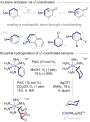
- ; Figure 4B) [44][45][46]. Collectively, these changes alter the innate reactivity of the arene, steering η2-coordinated systems toward electrophilic addition, cycloaddition, and hydrogenation processes. While many transition metals can engage aromatic rings through η2-coordination, only a handful have
- -coordination of pyrrole transforms the aromatic framework into an azomethine ylide intermediate. This reactive species can engage in a [3 + 2] cycloaddition with activated olefins such as maleic anhydride to form 7-azabicycloheptene complex 8 rather than an electrophilic addition product. An analogous scenario




Screwing the helical chirality through terminal peri-functionalization
Beilstein J. Org. Chem. 2026, 22, 205–212, doi:10.3762/bjoc.22.14
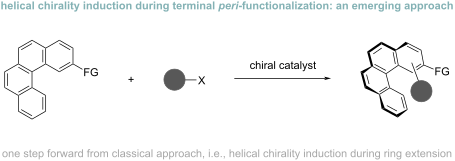
- of chirality. Molecules with helical chirality impart a crucial role in several biological phenomena as well as in modern materials applications. Classically, the generation of chiral helicity in organic molecules relies on a ring extension by means of cycloaddition and related reactions. Recently
- approaches have been developed for the synthesis of chiral helical molecules and the most prevalent approaches include cycloaddition reactions [24], ring extensions [25], and related approaches [26][27]. However, some parallel and more sustainable approaches have emerged in recent years and C–H
- method for the generation of helical chirality primarily involves cycloaddition and central/axial to helical chirality transfer reactions [31] (Figure 1A and B). In addition to this, a parallel strategy also offers a promising approach to achieving configurationally stable helicenes via terminal peri


Total synthesis of natural products based on hydrogenation of aromatic rings
Beilstein J. Org. Chem. 2026, 22, 88–122, doi:10.3762/bjoc.22.4
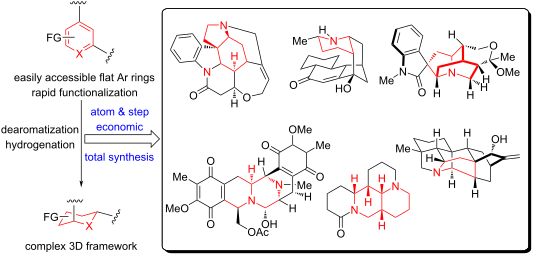
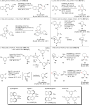
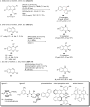
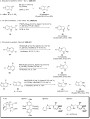
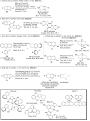
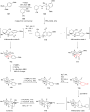
- 81 was prepared via a Polonovski–Polish reaction and isomerization, which, when adopting the proper conformation, spontaneously underwent an intramolecular [4 + 2] cycloaddition to construct the unsaturated bridged ring of (±)-keramaphidin B in a single transformation. Subsequently, the iminium ion
- 83 was reduced, completing the total synthesis of (±)-keramaphidin B. Although the yield of the [4 + 2] cycloaddition step is not ideal, this work on (±)-keramaphidin B exemplifies the application of an aromatic ring hydrogenation strategy in the total synthesis of natural products and its promising
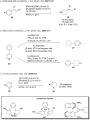
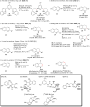
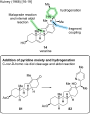
- (±)-LSD by Vollhardt and co-workers, the pyridine part was constructed by a Co-catalyzed [2 + 2 + 2] cycloaddition between alkyne 84 and nitrile 85, constructing the ergoline core 86. Methylation with MeOTf provided pyridinium 87, and subsequent NaBH4-mediated hydrogenation selectively generated the











Reactivity umpolung of the cycloheptatriene core in hexa(methoxycarbonyl)cycloheptatriene
Beilstein J. Org. Chem. 2026, 22, 64–70, doi:10.3762/bjoc.22.2
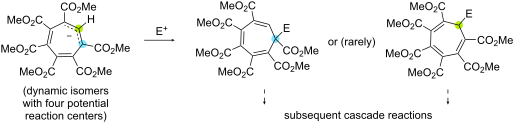
- norcaradiene product in the case of benzylation, unlike in the close analogues, is due to a steric repulsion. The structure of norcaradiene 6f was confirmed through single crystal X-ray analysis (CCDC 2495985). Allylation of anion 2 was followed by intramolecular [4 + 2]-cycloaddition in norcaradiene 6g to


Recent advancements in the synthesis of Veratrum alkaloids
Beilstein J. Org. Chem. 2025, 21, 2657–2693, doi:10.3762/bjoc.21.206




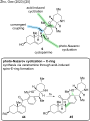
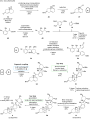
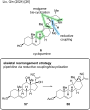

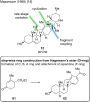


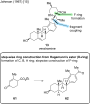

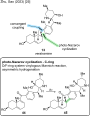

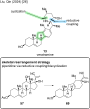

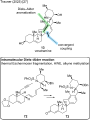






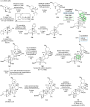
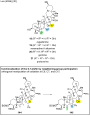
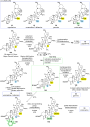
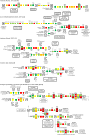
Visible-light-driven NHC and organophotoredox dual catalysis for the synthesis of carbonyl compounds
Beilstein J. Org. Chem. 2025, 21, 2584–2603, doi:10.3762/bjoc.21.200
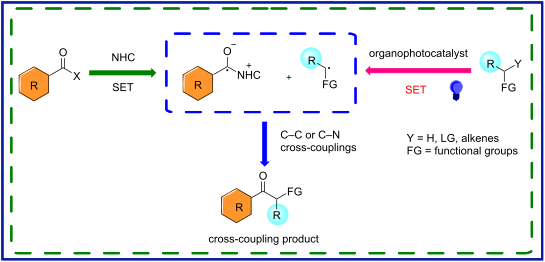
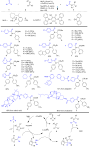
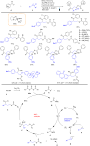
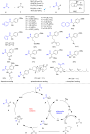
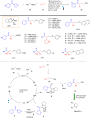
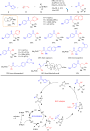
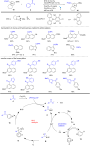
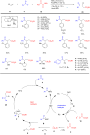
- ]. Scheidt and co-workers used a tandem annulation strategy, merging NHC and organic photoredox catalysis for the convergent novel synthesis of α,β-disubstituted cyclohexyl ketone scaffolds 30. This cascade process rapidly forms two contiguous C–C bonds via a formal [5 + 1] cycloaddition. It represents a





Recent advances in total synthesis of illisimonin A
Beilstein J. Org. Chem. 2025, 21, 2571–2583, doi:10.3762/bjoc.21.199
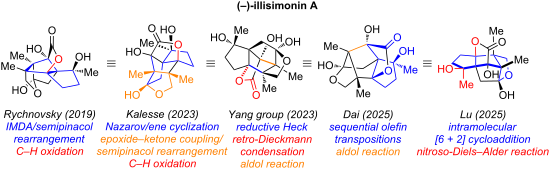
- starting materials [32]. This synthesis features a pentafulvene-based intramolecular [6 + 2] cycloaddition [41][42] and a nitroso-Diels–Alder reaction [43] as key steps. The route began with the esterification of pentafulvenol 82 to give β-ketoester 83, which was subsequently converted to the sterically
- encumbered tricyclic lactone 84 via an intramolecular [6 + 2] cycloaddition (Scheme 8). Attempts to achieve an asymmetric version of the cycloaddition were unsuccessful. Treatment of the lactone with MeMgBr, followed by mesylation and elimination of the resulting hemiacetal, afforded enol ether 85. Reaction
- into the pentacyclic diene intermediate 93 via a two-step sequence. Subsequent [4 + 2] cycloaddition of 93 with singlet oxygen yielded an unstable endoperoxide adduct 94, which rearranged to diketone 95. A five-step sequence, featuring an intramolecular aldol reaction to assemble the pentacyclic core






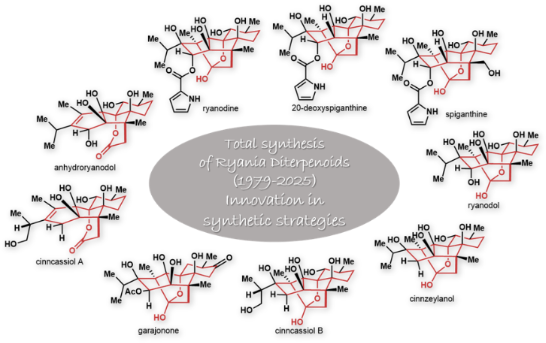
Total syntheses of highly oxidative Ryania diterpenoids facilitated by innovations in synthetic strategies
Beilstein J. Org. Chem. 2025, 21, 2553–2570, doi:10.3762/bjoc.21.198
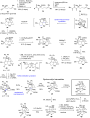
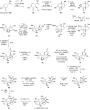
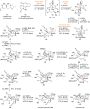
- is as follows: Starting from the chiral compound (S)-carvone, four simple transformations yield the enone intermediate 11. This intermediate undergoes an intermolecular [4 + 2] cycloaddition with diene 12, generating two sets of regioselective products in an approximate ratio of 1:1. The product with
- reaction – a powerful method for building five-membered rings. This single [2 + 2 + 1] cycloaddition step efficiently converted a simple linear precursor into a complex bicyclic system. Subsequent late-stage modifications of the enone skeleton introduced multiple chiral centers, significantly enhancing







Rapid access to the core of malayamycin A by intramolecular dipolar cycloaddition
Beilstein J. Org. Chem. 2025, 21, 2542–2547, doi:10.3762/bjoc.21.196
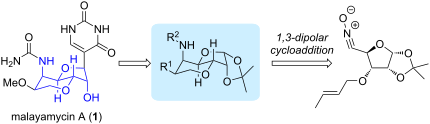
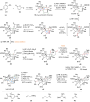
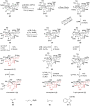
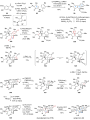
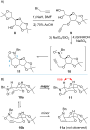
- of Sciences, 345 Lingling Road, Shanghai 200032, P.R. China 10.3762/bjoc.21.196 Abstract We have streamlined a dipolar cycloaddition approach to assemble the core of malayamycin A and other related uracil nucleosides possessing the common bicyclic perhydrofuropyran framework. The latent
- development of potent fungicides. Keywords: dipolar cycloaddition; elimination; fungicide; nucleoside; oxazoline; Introduction Modern agriculture relies on various effective fungicides to combat crop diseases for achieving significant gains [1]. However, the long-term and widespread use of chemicals and
- monosaccharides and applying dipolar cycloaddition to construct various bioactive compounds [21][22][23][24][25][26][27], we intended to develop a practical strategy to access the perhydrofuropyran core of malayamycin A and other uracil nucleosides to enable future rapid derivatization (Scheme 1B). The bicyclic




Pentacyclic aromatic heterocycles from Pd-catalyzed annulation of 1,5-diaryl-1,2,3-triazoles
Beilstein J. Org. Chem. 2025, 21, 2524–2534, doi:10.3762/bjoc.21.194
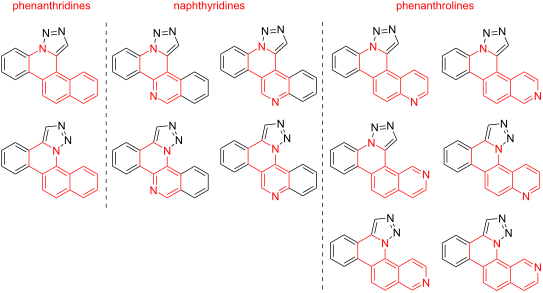
- modification of the base-catalyzed conditions reported by Kwok [53], where a stoichiometric plus additional catalytic amount of tetraethylammonium hydroxide base in DMSO solvent was used to promote tandem trimethylsilyl deprotection and cycloaddition in one preparation (Figure 3). Isolated yields of this
- tandem approach preparing 7–12 ranged from 43–85%, which were similar to running the deprotection and cycloaddition reactions sequentially. Pd-catalyzed annulation using a modification of previously reported reaction conditions [46] under microwave irradiation instead of thermal heating converted 1,5
- (right). Overview of the synthetic scheme employed by this study. Base-catalyzed [53] tandem deprotection/cycloaddition reaction conditions used to prepare 1,5-diaryl-1,2,3-triazole compounds. Identity of 1,5-diaryl-1,2,3-triazole control compounds prepared from tandem deprotection/click conditions (37





