


Search results
Search for "ester" in Full Text gives 1547 result(s) in Beilstein Journal of Organic Chemistry. Showing first 200.
A cascade synthesis of 2-aminothiochromones from 2-fluorophenyl ketone and thiocarbonyldiimidazole
Beilstein J. Org. Chem. 2026, 22, 1151–1159, doi:10.3762/bjoc.22.92
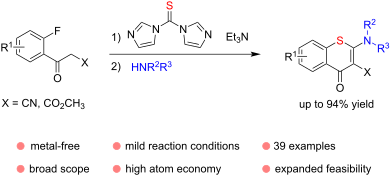
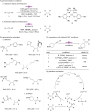
- demonstrate the broad applicability of the method. The reaction is proposed to be initiated by the generation of a carbanion from the activated methylene group. To validate the effect of initial carbanion generation, dicarbonyl analogs 4, in which the cyano group was replaced by a methyl ester, were selected
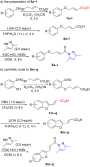
- carbanion is the key step in this reaction. To evaluate the application prospects of the cascade reaction, the cyano group or methyl ester was functionalized under different conditions (Scheme 5). For instance, hydrolysis of the cyano group in compound 3a under mild conditions afforded the corresponding
- amide 6. Under more violent conditions, such as concentrated sulfuric acid, the cyano group underwent concomitant hydrolysis and decarboxylation to yield compound 7. Alternatively, basic hydrolysis of the methyl ester in compound 5k provided the carboxylic acid 8, which allows for further structural



Construction of CF2 moieties in FDA-approved drugs (2016–2025): industrial routes, mechanisms, and scale-up considerations
Beilstein J. Org. Chem. 2026, 22, 1122–1150, doi:10.3762/bjoc.22.91
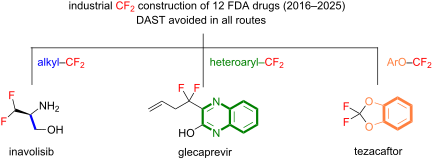
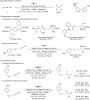
- ring impurity 16, which was influenced by the three-membered ring and the ester bond in molecule 15 itself. This impurity was successfully recovered as the dithioacetal of 15 in 35% yield. Overall, although intermediate 14 had already been synthesized on a 12 kg scale (29% yield over six steps, using
- -product 29 was formed in up to 90% yield, both 28 and 29 were competent substrates in the subsequent cyclopropanation, giving an 83% two-step overall yield. Subsequent steps, including selective ester hydrolysis (56% yield), Curtius rearrangement (70% yield), chiral resolution, and ester hydrolysis (40
- esterification before fluorination. The yields for esterification and fluorination were 85% and 88% for the methyl ester [12], and 90% and 76% for the ethyl ester [13], respectively (the yield for the benzyl ester was not reported [14]). Route e proceeds via Curtius rearrangement first, followed by fluorination






Synthesis and acaricidal activity against Varroa destructor of α- and γ-costic acid dimers
Beilstein J. Org. Chem. 2026, 22, 1088–1096, doi:10.3762/bjoc.22.87
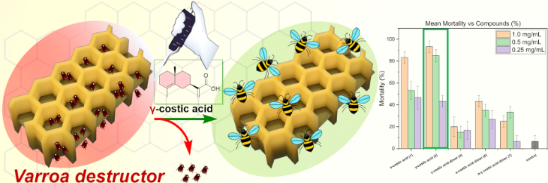
- were approximately 50% less active than the parent costic acids, they exhibited higher potency than the previously reported α-costic acid methyl ester. Among all, γ-costic acid, whose acaricidal activity is reported here for the first time, shows the highest activity with mortality higher than 90
- interest to investigate whether ethylene glycol ester dimers of α-costic acid (1) or γ-costic acid (3) would enhance their bioactivity as well. Accordingly, we herein report the synthesis, chemical characterization, and acaricidal activity against V. destructor of α,α- and γ,γ-costic acid homodimers and α
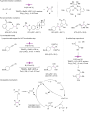
- of 1 into γ-costic acid (3) which was isolated together with its dimeric ester 4. On the contrary, Steglich esterification, achieved under basic catalysis by treating α-costic acid (1) with 1.0 equiv of ethylene glycol in the presence of dicyclohexylcarbodiimide (DCC) and a catalytic amount of N,N


Amino acid-based surfactants: sustainable synthesis and antimicrobial mechanisms
Beilstein J. Org. Chem. 2026, 22, 1067–1085, doi:10.3762/bjoc.22.85
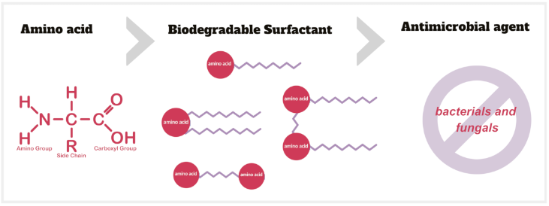
- fatty acids or other lipophilic chains [18][19]. Upon the introduction of a reactive molecule with a hydrophobic chain, such as fatty acids, esters, amines and alcohols, through alkyl ester or amide bonds, amino acids having at least two functional groups (carboxylic and amino groups), can be easily
- requires the use of protecting groups, including Boc (tert-butyloxycarbonyl), Fmoc (fluorenylmethyloxycarbonyl), Cbz (benzyloxycarbonyl), and ester-based strategies, to ensure regioselectivity and controlled coupling [3][13]. Although effective, these approaches increase synthetic complexity and may limit
- surfactants generally involves the covalent attachment of hydrophobic chains to amino acid-derived head groups through amide, ester, or alkyl linkages while preserving the structural contribution of the natural amino acid moiety [44][45]. For example, arginine-based double-chain surfactants of the LANHCn


Synthesis of functionalized, 13-alkyl-substituted coralyne derivatives and investigation of their interactions with duplex and abasic site-containing DNA
Beilstein J. Org. Chem. 2026, 22, 1057–1066, doi:10.3762/bjoc.22.84
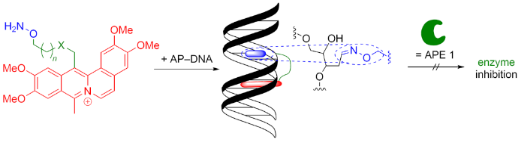
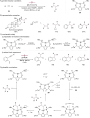
- -spectroscopic analysis of the reaction mixtures showed either no conversion or decomposition. In another approach, the reaction of the bromopentyl-substituted papaverine 3b with NaN3 or potassium acetate yielded the azide 3e in 83% and the ester (Scheme 2). The direct alkaline hydrolysis of the latter furnished


One-pot four-component sequential synthesis of S-alkyl dithiocarbamates using lipase as a biocatalyst
Beilstein J. Org. Chem. 2026, 22, 1048–1056, doi:10.3762/bjoc.22.83
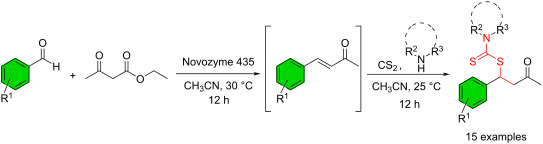
- the aldehyde, resulting in the formation of the intermediate 8a. Next, the ester portion of the ketoester is hydrolyzed through the serine amino acid, leading to the formation of the intermediate 9a. This intermediate then undergoes decarboxylation, which can be assisted by histidine or aniline


Synthesis of novel 1,2,4-oxadiazole-isoxazoline hybrids and their in silico potential with adenosine receptors
Beilstein J. Org. Chem. 2026, 22, 1033–1047, doi:10.3762/bjoc.22.82
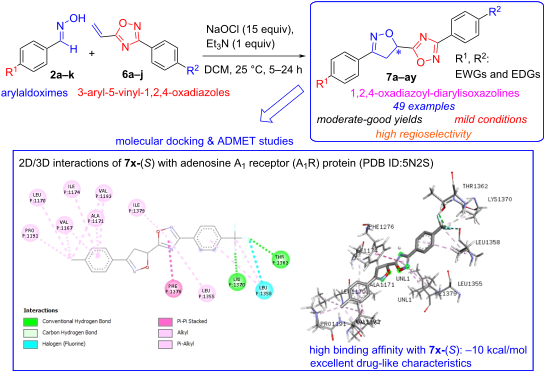
- validate their therapeutic potential. Keywords: aldoxime; antiparkinson; 1,3-dipolar cycloaddition; isoxazoline; 1,2,4-oxadiazoles; Introduction 1,2,4-Oxadiazoles are pharmacologically significant five-membered heterocyclic rings, primarily recognized for their bioisosteric relationship with ester and


Semisynthesis, characterisation, and antibacterial evaluation of a novel lecanoric acid-derived amide library
Beilstein J. Org. Chem. 2026, 22, 1023–1032, doi:10.3762/bjoc.22.81
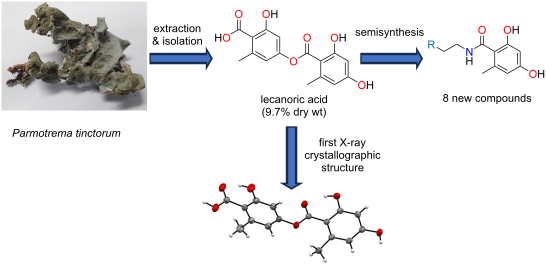
- [15], and antioxidant [16] properties of this compound, albeit with low to moderate bioactivity observed. Nevertheless, we considered this compound a desirable chemical scaffold for semisynthetic studies due to its high natural abundance in the lichen species and the compound’s phenolic, ester, and
- natural product to be obtained; the ORTEP drawing of 1 is shown in Figure 2. The abundant depside scaffold 1 (970 mg) was subsequently utilised to generate a novel series of semisynthetic amides. This particular scaffold is known to undergo ester hydrolysis in basic environments (i.e., pH > 7), resulting
- in decomposition to orsellinic acid (4) [24]. Recognising the reactivity of the scaffold’s ester group, we sought to exploit this by reacting 1 with a series of commercially available primary amines to generate a series of chemically unique amides. Prior to the reaction of scaffold 1 with the eight


Rh(III)-catalyzed chelation-assisted C–H activation/annulation of 2-arylimidazolines with cyclic diazo-1,3-dicarbonyl compounds: a novel approach to tetracyclic annulated derivatives of 2,3-dihydroimidazo[2,1-a]isoquinoline
Beilstein J. Org. Chem. 2026, 22, 997–1003, doi:10.3762/bjoc.22.78
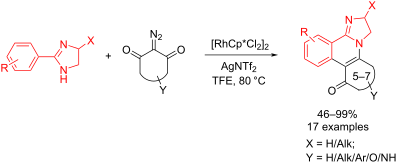
- derived from α,α-disubstituted 1,3-cyclohexanedione, benzoannulated five-membered diketone, acyclic diketone, acetophenone, and acyclic keto ester. In the case of compounds 4u and 4v, no desired reaction was observed, while for compounds 4r–t, despite some small amount of the product was detected in crude


Electrochemical reduction of unsaturated carbon–carbon bonds via 3d transition-metal catalysis
Beilstein J. Org. Chem. 2026, 22, 955–981, doi:10.3762/bjoc.22.75
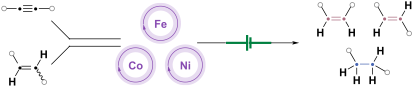
- , the reaction starts with an initial CPET event to the fumarate ester, generating a radical intermediate that is rapidly converted into a succinyl anion via a fast electron-transfer step. This anionic species subsequently engages with the Co(III) mediator to form a bound intermediate, thereby








Recent advances in copper-catalyzed direct hydroamination of alkenes with (hetero)aromatic amines
Beilstein J. Org. Chem. 2026, 22, 925–947, doi:10.3762/bjoc.22.73
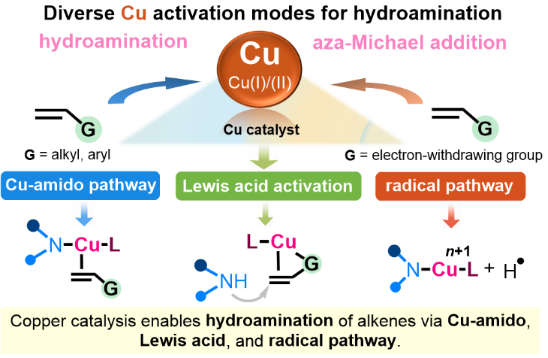
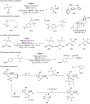
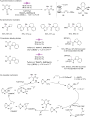
- , particularly for ester-substituted alkenes. Mechanistic insights obtained from the DFT calculations suggested that the reaction proceeded via a copper–amido catalytic cycle involving metal-assisted olefin activation and the aminocupration pathway. In the initial step, deprotonation of the amine by KOt-Bu
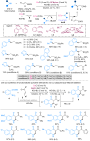
- reported by Kantam et al. (conditions A), Cu(acac)2 efficiently catalyzed the conjugate addition of imidazoles to α,β-unsaturated compounds 14 bearing an ester, ketone, or nitrile group [43]. In this transformation, copper functioned primarily as a Lewis acid by coordinating to the carbonyl group of the
- ester substituents. Notably, the reaction outcome was highly dependent on the reaction conditions. Although mild conditions favored C–N bond formation, high temperatures promoted alternative pathways, such as aromatic substitution, indicating that the C–N bond formation was reversible under Lewis acidic







Chiral cyclopropenimine-catalyzed enantioselective Michael reactions of phenol and benzofuran-derived α,β-unsaturated pyrazolamides with benzophenone-imine of glycine esters
Beilstein J. Org. Chem. 2026, 22, 888–896, doi:10.3762/bjoc.22.69
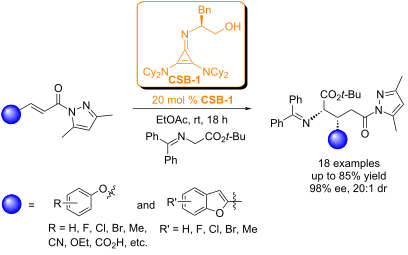
- (Lambert catalyst, CSB-1) as an organocatalyst. In the presence of 20 mol % CSB-1, the Michael adducts were obtained in up to 85% yield and 98% ee under mild conditions. The configurations of these Michael products were deduced by X-ray single crystal diffraction of a pyroglutamic acid ester containing two
- series of 3-substitued glutamic acid esters in high yields and diastereoselectivities through DBU-catalyzed Michael additions of benzophenone-imine of glycine ester and α,β-unsaturated esters which derived from phenols and benzofurans under mild conditions [5][6]. The chiral 3-aryl-substituted glutamic
- and pyroglutamic acid esters were also produced by enantioselective Michael additions of β-aryl-substituted α,β-unsaturated pyrazolamides with benzophenone-imine of glycine ester in excellent ee and de values by using a chiral cyclopropenimine (Lambert catalyst, Figure 2b) as an organosuperbase






Diastereodivergent electrophilic trapping of α-boryl lithium derivatives
Beilstein J. Org. Chem. 2026, 22, 882–887, doi:10.3762/bjoc.22.68
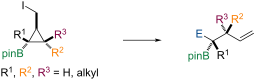
- task [25][26][27]. The electronic character of these intermediates, especially for boronic ester derivatives that allow coordination between oxygen atoms and the metal counterion, complicates predictable stereochemical outcome. Developing strategies to harness the exceptional nature of these carbanions
- diverse catalytic and stereoselective transformations [28][29][30][31][32][33]. In this context, we have recently demonstrated that a broad range of arylated (iodomethyl)cyclopropylboronic ester 2 [34] undergo ring-opening reactions, followed by electrophilic trapping of the resulting α-boryl carbanion
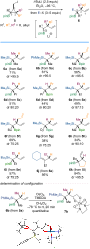
- electrophile PhMe2SiCl did not alter the selectivity of the transformation, yielding 6b as a single diastereomer (Scheme 3). The relative configuration of 6b was determined by X-ray analysis of the osmate ester 7b, derived from osmium-catalyzed dihydroxylation (Scheme 3) [38], and the other products were




Site-specific labelling of native peptides and proteins: chemical and enzymatic strategies
Beilstein J. Org. Chem. 2026, 22, 857–881, doi:10.3762/bjoc.22.67
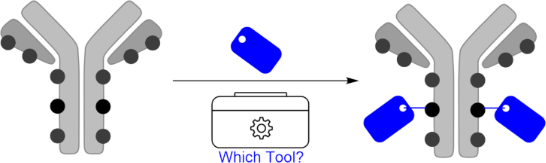
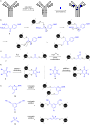
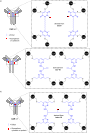
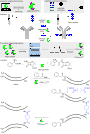
- has enabled pyridinium aldoxime 21 (PyOx) incorporation into protein scaffolds (Scheme 7e) [64]. Acting as a catalytic centre for acyl cation transfer, PyOx reacts with a selected N-acyl-N-alkyl sulfonamide 15’ to generate a reactive ester intermediate. This strategy has successfully modified lysine
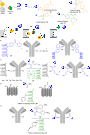
- , such as an epoxide, sulfonate ester or ester, enables targeted covalent modification of amino acids [105][106][107]. In addition to the choice of electrophiles, selectivity can be refined by tuning the length and flexibility of the linker, which controls the spatial proximity of the reactive groups








Halogenated azobenzene acrylates: from efficient solution photoswitching to stable solid-state photochromic materials
Beilstein J. Org. Chem. 2026, 22, 782–794, doi:10.3762/bjoc.22.60
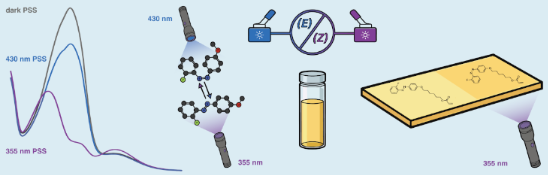
- corresponding radical anion [27]. In contrast, possible reduction of an aliphatic ester substituent, such as our acrylate pendant, generally requires more negative potentials [28]. On the other hand, the first oxidation observed at ca. +1.47 V is most likely associated with the alkoxy donor fragment, in


Design, synthesis, and biological evaluation of FXR/ASK1 dual-target modulators
Beilstein J. Org. Chem. 2026, 22, 771–781, doi:10.3762/bjoc.22.59
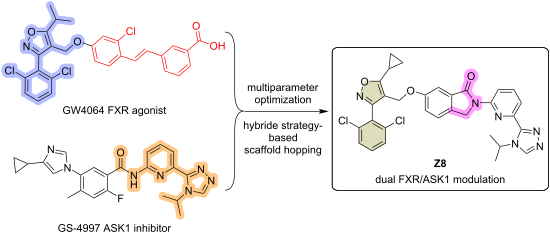
- afford triazoles IXa,c,d or, in case of product IXb with (R)-alanine methyl ester. The absolute stereochemistry of IXb is R. All compounds with defined absolute configuration described below were synthesized from IXb, thereby preserving the absolute stereochemistry and affording the corresponding R
- % yield. Synthesis of compounds IXa–d. Conditions: (a) N2H4·H2O, MeOH, rt, 12 h; (b) DMF–DMA, 80 °C, 12 h; (c) amines (for IXa,c,d) or (R)-alanine methyl ester (for IXb), AcOH, MeCN, 90 °C, 16 h, 66–80% yield; (d) absolute stereochemistry is R. Synthesis of compounds Z1–15. Conditions: (a) K2CO3, KI, MeCN


Preparation of 3-(alkylamino)imidazo[1,2-a]pyridine-2-carbaldehydes via Kornblum oxidation and unexpected ring-opening reactions of the corresponding alcohols under oxidative conditions
Beilstein J. Org. Chem. 2026, 22, 763–770, doi:10.3762/bjoc.22.58
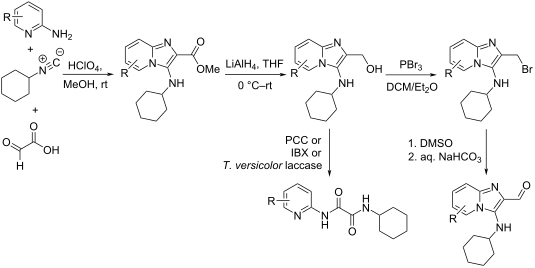
- ]pyridine-2-carbaldehydes is reported. A Groebke–Blackburn–Bienaymé reaction between 2-aminopyridine derivatives, cyclohexyl isocyanide and glyoxylic acid in the presence of methanol and an acid catalyst gave the 2-ester derivatives that were reduced to give the corresponding alcohols. Mild Kornblum
- ester. In this paper, we describe the synthesis of a library of derivatives of 8, whose imidazo[1,2-a]pyridine core could be accessed via the Groebke–Blackburn–Bienayme (GBB) multicomponent coupling reaction [20][21][22][23]. Results and Discussion In order to access our initial target compounds 7, the
- starting material was recovered from reaction of compound 9e. In order to prevent possible mixtures of the two products being formed with slight variation in reaction conditions, the reaction to prepare ester 13 was properly optimised to ensure that full in situ esterification of the glyoxylic acid had


Synthesis and biological evaluation of new brassinosteroid analogs with C-22 benzoate function
Beilstein J. Org. Chem. 2026, 22, 753–762, doi:10.3762/bjoc.22.57
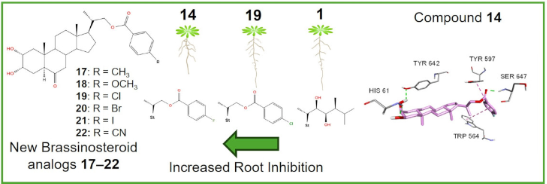
- aromatic hydrogens H-2’ and H-3’, respectively. While the observed signal at δ = 2.38 ppm (3H, s) corresponds to CH3-Ar. Additionally, the signals observed downfield (by the electron-withdrawing effect of the ester function) at δ = 4.27 (1H, dd, J = 10.8 and 3.4 Hz, H-22a) and 4.01 (1H, dd, J = 10.8 and


Synthesis of heterocycles based on azomethine ylides from α-amino acids (or amines) and carbonyl compounds
Beilstein J. Org. Chem. 2026, 22, 705–741, doi:10.3762/bjoc.22.55
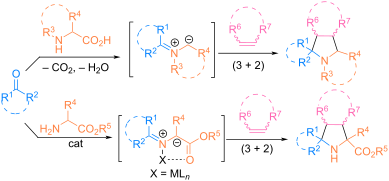
- acid or its ester (Scheme 1). In both cases, condensation of amino acids with carbonyl compounds occurs; however, in the first case, decarboxylation occurs with the in situ formation of azomethine ylides, which subsequently undergo cycloaddition to unsaturated substrates. The advantage of the first
- diastereoselectivity (>20:1) and enantioselectivity (89–96% ee) regardless of the electronic and steric properties of the aromatic ring in the α-(arylimino)ester (Scheme 4). However, when using other dipolarophiles, such as dimethyl maleate, tert-butyl crotonate, and tert-butyl cinnamate, a noticeable decrease in
- iminoester 1 with tert-butyl acrylic acid ester 4 occurs first. This is followed by condensation of pyrrolidine 9 with cinnamic aldehyde (10) to form azomethine ylide B, which enters into a second diastereoselective 1,3-DC with various electrophilic alkenes. The authors used acrylic acid esters, vinylphenyl


Anti-invasive and cytotoxic evaluation of a (+)-pinoresinol-based semisynthetic library against glioblastoma
Beilstein J. Org. Chem. 2026, 22, 691–704, doi:10.3762/bjoc.22.54
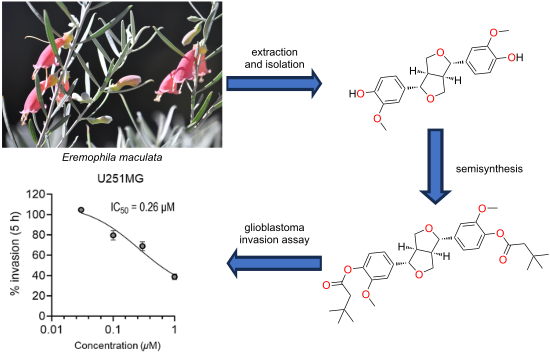
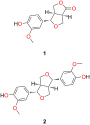
- two new pinoresinol ester derivatives 6 and 7 showed the biggest differences to the natural products owing to the addition of UV-active acyl moieties. Owing to our developing interest in identifying natural products and derivatives that are cytotoxic to human cancer cell lines and/or block invasion or



Synthesis of depressin, cryptomeridiol and 4-epi-cryptomeridiol enabled by a terpenoid chiral pool-producing platform
Beilstein J. Org. Chem. 2026, 22, 683–690, doi:10.3762/bjoc.22.53
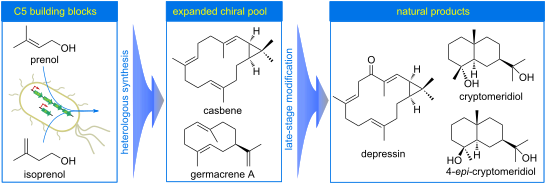
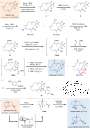
- allylic position C13 being oxidized, a second allylic oxidation would possibly occur at the desired C5 position. However, when compound 8, as well as its acetyl ester (Ac) and tert-butyldimethylsilyl ether (TBS) derivatives, were subjected to several metal-mediated allylic oxidation conditions, either no
- the benzoate ester for reductive deoxygenation were not successful [63], and 13a/b decomposed in the esterification step. We have finally found that the 13-hydroxy group could be smoothly removed by the methyl oxalyl ester deoxygenation method [64][65]. Thus, 13a/b were esterified with methyl
- bond of 15 was confirmed to be Z based on the NOESY correlations between 13-H/20-H3. The formation of product 15 could be attributed to the isomerization of the C13 allylic radical, generated by methyl oxalyl ester deoxygenation step, to the C11 allylic radical, followed by hydrogen abstraction from n


Towards the targeted protein degradation of CK2: design and synthesis of CAM4066-based PROTACs
Beilstein J. Org. Chem. 2026, 22, 611–619, doi:10.3762/bjoc.22.47
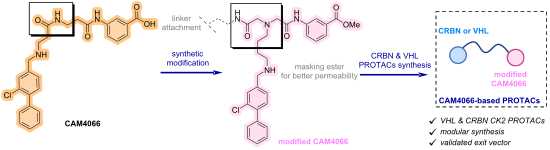
- native framework while serving as a more accessible synthetic handle for downstream coupling chemistry. As 1 itself was known not to have any effect on cell viability while its uncharged methyl ester analogue did, the neutralised pro-drug analogue of the ATP-site binder was employed to prevent such
- PROTAC precursors 17–20 in moderate to good yields (35–49%; Scheme 1). Before progressing to full PROTACs, it was essential to confirm that the modified CAM4066 scaffold tolerated linker installation. For this, the methyl ester of the key ligand–linker precursor 17 was hydrolysed using aqueous LiOH to

Continuous-flow carbonyl hydrogenation under subatmospheric to atmospheric hydrogen pressure enabled by robust heterogeneous Pt–Fe catalysts
Beilstein J. Org. Chem. 2026, 22, 575–582, doi:10.3762/bjoc.22.43
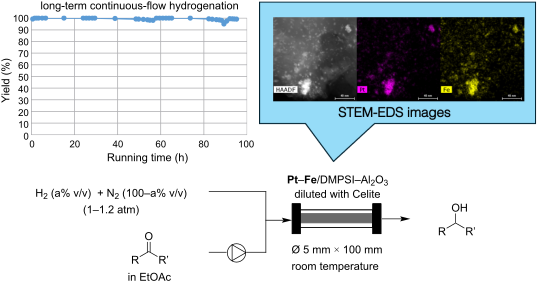
- the ester moiety, and the product was isolated by simple evaporation of the solvent from the collected fraction eluted from the flow reactor (Table 2, entry 6). Cyclic ketones 1g, 1h, and 1i and an aliphatic ketone 1j were also hydrogenated in excellent yields at room temperature (Table 2, entries 7


Molecular tweezer–peptide conjugates disrupt the protein–protein interaction between survivin and histone H3 essential in mitosis
Beilstein J. Org. Chem. 2026, 22, 557–567, doi:10.3762/bjoc.22.41
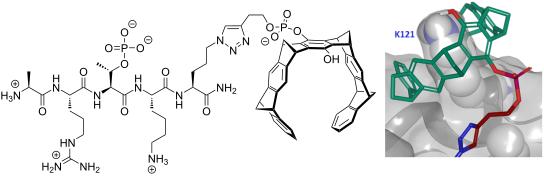
- complex. A) Lewis structure of the truncated tweezer peptide monophosphate 2b. B) Close-up of the binding motif formed by 2b (tweezer: green, butynyl ester: red) on the survivin surface encapsulating Lys-121 after MD simulation (Desmond, 100 ns, 300 K, 0.15 mM NaCl) using explicit water solvent. A




Experimental and DFT studies on the regioselective methanolysis of 5-azido-9-oxabicyclo[6.1.0]nonan-4-yl 4-nitrobenzoate isomers
Beilstein J. Org. Chem. 2026, 22, 547–556, doi:10.3762/bjoc.22.40
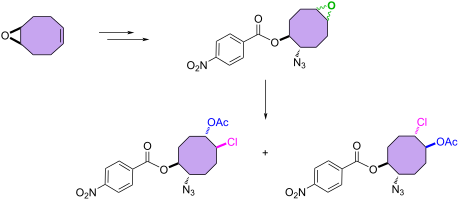
- epoxide 9b, the more positively charged epoxide carbon is sterically shielded by the neighbouring ester carbonyl group. As a result, nucleophilic attack occurs at the sterically more accessible, albeit less positively charged, epoxide carbon. These observations indicate that the regioselectivity of





