Search for "transition state" in Full Text gives 447 result(s) in Beilstein Journal of Organic Chemistry. Showing first 200.
Beilstein J. Org. Chem. 2025, 21, 2571–2583, doi:10.3762/bjoc.21.199
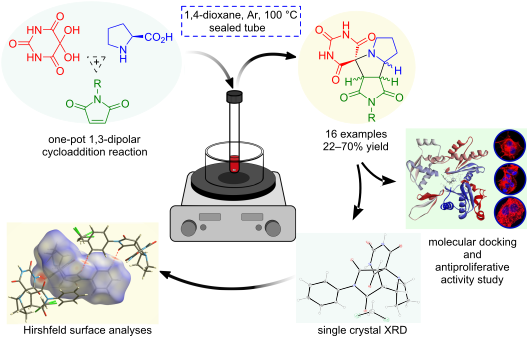
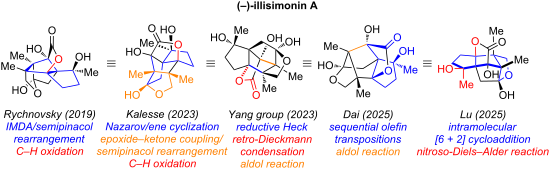
Graphical Abstract
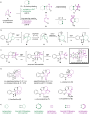
Figure 1: The categorization of Illicium sesquiterpenes and representative natural products.
Figure 2: The original assigned (−)-illisimonin A, revised (−)-illisimonin A, and their different draws.
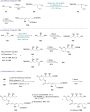
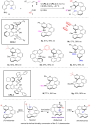
Scheme 1: Proposed biosynthetic pathway of illisimonin A by Yu et al.
Scheme 2: Rychnovsky’s racemic synthesis of illisimonin A (1).
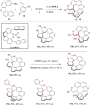
Scheme 3: The absolute configuration revision of (−)-illisimonin A.
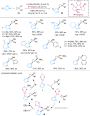
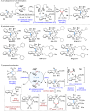
Scheme 4: Kalesse’s asymmetric synthesis of (−)-illisimonin A.
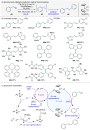
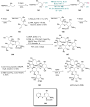
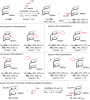
Scheme 5: Yang group proposed biosynthetic pathway of illisimonin A.
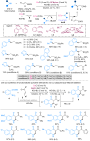
Scheme 6: Yang’s bioinspired synthesis of illisimonin A.
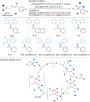
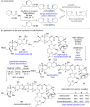
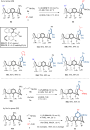
Scheme 7: Dai’s asymmetric synthesis of (–)-illisimonin A.
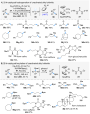
Scheme 8: Lu’s total synthesis of illisimonin A.
Scheme 9: Initial efforts toward the total synthesis of illisimonin A by the Lu Group.
Scheme 10: Suzuki’s synthetic effort towards illisimonin A.
Beilstein J. Org. Chem. 2025, 21, 2542–2547, doi:10.3762/bjoc.21.196
Graphical Abstract
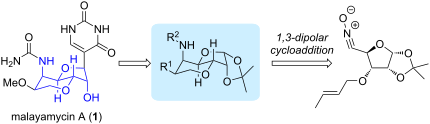
Figure 1: Selected natural uracil-containing nucleosides (the key perhydrofuropyran core highlighted in blue)....
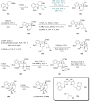
Scheme 1: Synthetic strategies toward malayamycin A. (A) Previous synthetic route. (B) Our strategy toward th...
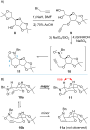
Scheme 2: Rational for intramolecular dipolar cycloaddition.
Scheme 3: Proposed pathway for the enone formation.
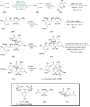
Scheme 4: Modified route to access the core of malayamycins.
Scheme 5: Attempting the Baeyer–Villiger reaction.
Beilstein J. Org. Chem. 2025, 21, 2470–2478, doi:10.3762/bjoc.21.189
Graphical Abstract
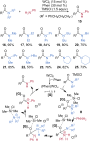
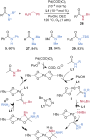
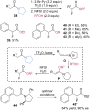
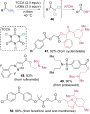
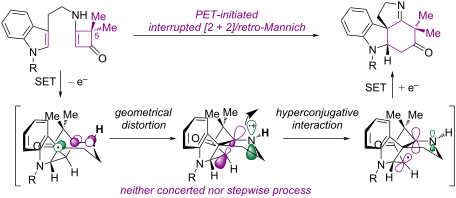
Figure 1: Synthetic plan. a) General model of cyclobutenone bond cleavage; b) our previously reported method;...
Scheme 1: Substrate scope.
Figure 2: Computational study. a) Energy profiles from IN1 to IN3 and spin density of TS2 (isovalue = 0.004),...
Beilstein J. Org. Chem. 2025, 21, 2389–2415, doi:10.3762/bjoc.21.184
Graphical Abstract
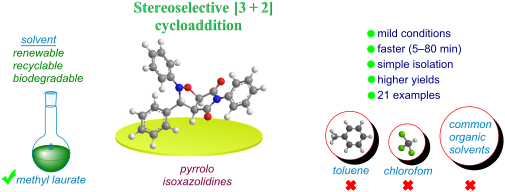
Figure 1: Versatile compounds via cycloaddition reactions.
Scheme 1: Molecular structures of parent compounds 1a–f, 2a–d and cycloadducts 3a–u.
Figure 2: a) Radar view of the physical properties of methyl laurate. b) Oral toxicity values of methyl laura...
Figure 3: The oral toxicity values of all the solvents utilized in the present study obtained with ProTox 3.0....
Figure 4: Ecological, environmental risk assessments, pesticide similarity and biodegradability assessments o...
Figure 5: Ecological, environmental risk assessments, pesticide similarity and biodegradability assessments o...
Figure 6: Ecological, environmental risk assessments, pesticide similarity and biodegradability assessments o...
Figure 7: Various toxicity parameters of methyl laurate and a series of other solvents calculated by ADMETLab...
Figure 8: a) Visualization of the localization of conventional organic and bio-based solvents in the Hansen s...
Figure 9: Vapour pressures of the solvents used (values retrieved from the Chemeo molecular database).
Scheme 2: Endo and exo stereoisomeric approaches of nitrone 1a and maleimide 2a in [3 + 2] cycloaddition reac...
Figure 10: Signals of protons used in the calculation of the diastereomeric ratios (cis/trans) of cycloadditio...
Figure 11: Results of studies on the recovery of solvents used in the reaction.
Figure 12: Simplified scheme describing the reaction monitoring and solvent recovery.
Figure 13: a) The superimposed spectra of C,N-diphenylnitrone and N-phenylmaleimide. b) The spectrum of methyl...
Beilstein J. Org. Chem. 2025, 21, 2260–2282, doi:10.3762/bjoc.21.173
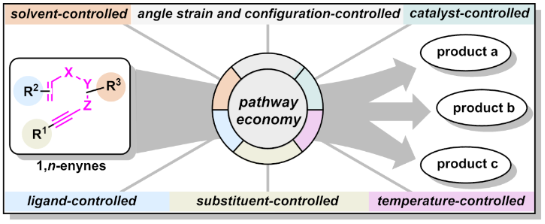
Graphical Abstract
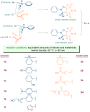
Scheme 1: Economical synthesis and pathway economy.
Scheme 2: Au(I)-catalyzed cascade cyclization paths of 1,5-enynes.
Scheme 3: Au(I)-catalyzed cyclization paths of 1,7-enynes.
Scheme 4: I2/TBHP-mediated radical cycloisomerization paths of 1,n-enyne.
Scheme 5: Au(I)-catalyzed cycloisomerization paths of 3-allyloxy-1,6-diynes.
Scheme 6: Pd(II)-catalyzed cycloisomerization paths of 2-alkynylbenzoate-cyclohexadienone.
Scheme 7: Stereoselective cyclization of 1,5-enynes.
Scheme 8: Substituent-controlled cycloisomerization of propargyl vinyl ethers.
Scheme 9: Au(I)-catalyzed pathway-controlled domino cyclization of 1,2-diphenylethynes.
Scheme 10: Au(I)-catalyzed tandem cyclo-isomerization of tryptamine-N-ethynylpropiolamide.
Scheme 11: Au(I)-catalyzed tunable cyclization of 1,6-cyclohexenylalkyne.
Scheme 12: Substituent-controlled 7-exo- and 8-endo-dig-selective cyclization of 2-propargylaminobiphenyl deri...
Scheme 13: BiCl3-catalyzed cycloisomerization of tryptamine-ynamide derivatives.
Scheme 14: Au(I)-mediated substituent-controlled cycloisomerization of 1,6-enynes.
Scheme 15: Ligand-controlled regioselective cyclization of 1,6-enynes.
Scheme 16: Ligand-dependent cycloisomerization of 1,7-enyne esters.
Scheme 17: Ligand-controlled cycloisomerization of 1,5-enynes.
Scheme 18: Ligand-controlled cyclization strategy of alkynylamide tethered alkylidenecyclopropanes.
Scheme 19: Ag(I)-mediated pathway-controlled cycloisomerization of tryptamine-ynamides.
Scheme 20: Gold-catalyzed cycloisomerization of indoles with alkynes.
Scheme 21: Catalyst-dependent cycloisomerization of dienol silyl ethers.
Scheme 22: Cycloisomerization of aromatic enynes governed by catalyst.
Scheme 23: Catalyst-dependent 1,2-migration in cyclization of 1-(indol-2-yl)-3-alkyn-1-ols.
Scheme 24: Gold-catalyzed cycloisomerization of N-propargyl-N-vinyl sulfonamides.
Scheme 25: Gold(I)-mediated enantioselective cycloisomerizations of ortho-(alkynyl)styrenes.
Scheme 26: Catalyst-controlled intramolecular cyclization of 1,7-enynes.
Scheme 27: Brønsted acid-catalyzed cycloisomerizations of tryptamine ynamides.
Scheme 28: Catalyst-controlled cyclization of indolyl homopropargyl amides.
Scheme 29: Angle strain-dominated 6-endo-trig cyclization of propargyl vinyl ethers.
Scheme 30: Angle strain-controlled cycloisomerization of alkyn-tethered indoles.
Scheme 31: Geometrical isomeration-dependent cycloisomerization of 1,3-dien-5-ynes.
Scheme 32: Temperature-controlled cyclization of 1,7-enynes.
Scheme 33: Cycloisomerizations of n-(o-ethynylaryl)acrylamides through temperature modulation.
Scheme 34: Temperature-controlled boracyclization of biphenyl-embedded 1,3,5-trien-7-ynes.
Beilstein J. Org. Chem. 2025, 21, 1964–1972, doi:10.3762/bjoc.21.152
Graphical Abstract
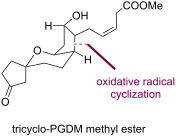
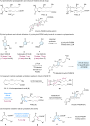
Scheme 1: Representative prostaglandins and general synthetic strategy toward PGDM methyl ester 4.
Scheme 2: Retrosynthetic analysis for the first generation synthesis of PGDM methyl ester 4.
Scheme 3: Synthesis of bicyclic ketal 25.
Scheme 4: Retrosynthetic analysis for the second-generation synthesis of tricyclic PGDM methyl ester 4.
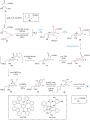
Scheme 5: Asymmetric total synthesis of tricyclic-PGDM methyl ester 4.
Beilstein J. Org. Chem. 2025, 21, 1932–1963, doi:10.3762/bjoc.21.151
Graphical Abstract
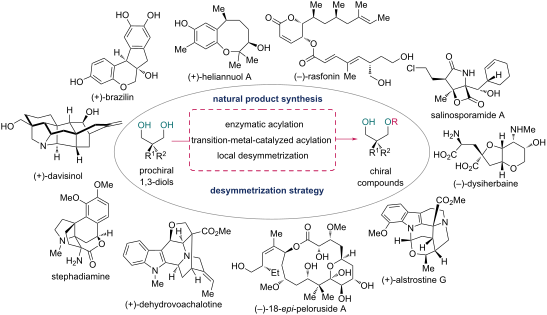
Scheme 1: General mechanism of a lipase-catalyzed esterification.
Scheme 2: Shishido’s synthesis of (−)-xanthorrhizol (4) and (+)-heliannuol D (8).
Scheme 3: Shishido’s synthesis of a) (−)-heliannuol A (15) and b) heliannuol G (20) and heliannuol H (21).
Scheme 4: Deska’s synthesis of hyperione A (30) and ent-hyperione B (31).
Scheme 5: Huang’s synthesis of (+)-brazilin (37).
Scheme 6: Shishido’s synthesis of (−)-heliannuol D (42) and (+)-heliannuol A (43).
Scheme 7: Chênevert’s synthesis of (S)-α-tocotrienol (49).
Scheme 8: Kita’s synthesis of monoester 53.
Scheme 9: Kita’s synthesis of fredericamycin A (60).
Scheme 10: Takabe’s synthesis of (E)-3,7-dimethyl-2-octene-1,8-diol (64).
Scheme 11: Takabe’s synthesis of (18S)-variabilin (70).
Scheme 12: Kawasaki’s synthesis of (S)-Rosaphen (74) and (R)-Rosaphen (75).
Scheme 13: Tokuyama’s synthesis of a) (−)-petrosin (84) and b) (+)-petrosin (86).
Scheme 14: Fukuyama’s synthesis of leustroducsin B (96).
Scheme 15: Nanda’s synthesis of a) fragment 100, b) fragment 106 and c) (−)-rasfonin (109).
Scheme 16: Davies’ synthesis of (+)-pilocarpine (115) and (+)-isopilocarpine (116).
Scheme 17: Ōmura’s synthesis of salinosporamide A (125).
Scheme 18: Kang’s synthesis of ʟ-cladinose (124) and its derivative.
Scheme 19: Kang’s preparation of fragment 139.
Scheme 20: Kang’s synthesis of azithromycin (149).
Scheme 21: Kang’s synthesis of (−)-dysiherbaine (156).
Scheme 22: Kang’s synthesis of (−)-kaitocephalin (166).
Scheme 23: Kang’s synthesis of laidlomycin (180).
Scheme 24: Snyder’s synthesis of arboridinine (190).
Scheme 25: Ma’s synthesis of (+)-alstrostine G (203).
Scheme 26: Trost’s synthesis of (−)-18-epi-peloruside A (215).
Scheme 27: Lindel’s synthesis of (–)-dihydroraputindole (223).
Scheme 28: Iwata’s synthesis of a) (−)-talaromycin B (232) and b) (+)-talaromycin A (235).
Scheme 29: Cook’s synthesis of a) (−)-vincamajinine (240) and b) (−)-11-methoxy-17-epivincamajine (245).
Scheme 30: Cook’s synthesis of (+)-dehydrovoachalotine (249) and voachalotine (250).
Scheme 31: Cook’s synthesis of a) (−)-12-methoxy-Nb-methylvoachalotine (257) and b) (+)-polyneuridine, macusin...
Scheme 32: Trauner’s synthesis of stephadiamine (273).
Scheme 33: Garg’s synthesis of (–)-ψ-akuammigine (285).
Scheme 34: Ding’s synthesis of (+)-18-benzoyldavisinol (293) and (+)-davisinol (294).
Beilstein J. Org. Chem. 2025, 21, 1890–1896, doi:10.3762/bjoc.21.146
Graphical Abstract
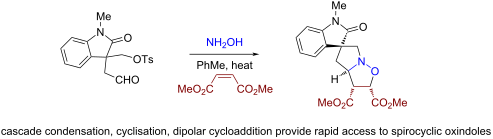
Figure 1: Representative oxindole alkaloids.
Scheme 1: Proposed synthetic approach.
Scheme 2: Preparation of the aldehyde 4.
Scheme 3: Cycloaddition with N-methylmaleimide.
Figure 2: Orientation for the cycloaddition (left) and the crystal structure of the major stereoisomer 5a (ri...
Scheme 4: Cycloaddition with N-phenylmaleimide.
Scheme 5: Cycloaddition with dimethyl fumarate and dimethyl maleate.
Beilstein J. Org. Chem. 2025, 21, 1864–1889, doi:10.3762/bjoc.21.145
Graphical Abstract
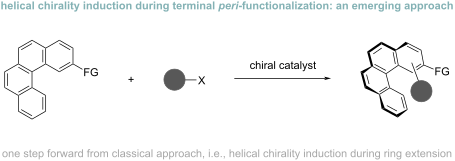
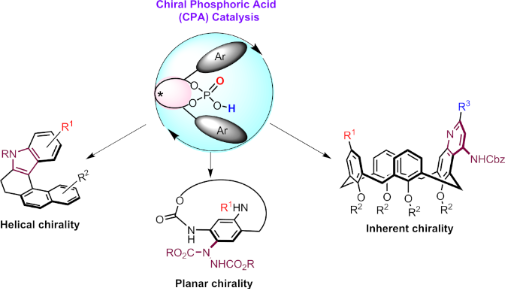
Figure 1: General structure of CPAs and selected CPAs with various chiral scaffolds.
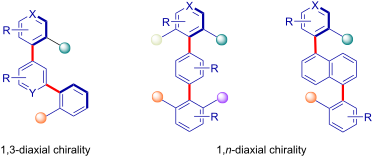
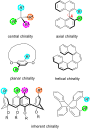
Figure 2: Representative elements of molecular chirality.
Scheme 1: CPA-catalyzed asymmetric synthesis of azahelicenes via Fischer indole synthesis.
Scheme 2: CPA-catalyzed asymmetric synthesis of azahelicenes via sequential Povarov reaction and oxidative ar...
Scheme 3: CPA-catalyzed asymmetric synthesis of azahelicenes via sequential Povarov reaction involving 3-viny...
Scheme 4: CPA-catalyzed asymmetric synthesis of heterohelicenes via sequential Povarov reaction involving 2-v...
Scheme 5: Diverse enantioselective synthesis of hetero[7]helicenes via a CPA-catalyzed double annulation stra...
Scheme 6: CPA-catalyzed asymmetric synthesis of indolohelicenoids through enantioselective cycloaddition and ...
Scheme 7: Kinetic resolution of helical polycyclic phenols via CPA-catalyzed enantioselective aminative dearo...
Scheme 8: Kinetic resolution of azahelicenes via CPA-catalyzed transfer hydrogenation.
Scheme 9: Asymmetric synthesis of planarly chiral macrocycles via CPA-catalyzed electrophilic aromatic aminat...
Scheme 10: Enantioselective synthesis of planarly chiral macrocycles via CPA-catalyzed macrocyclization.
Scheme 11: (Dynamic) kinetic resolution of planarly chiral paracyclophanes via CPA-catalyzed asymmetric reduct...
Scheme 12: Kinetic resolution of macrocyclic paracyclophanes through CPA/Bi-catalyzed asymmetric allylation.
Scheme 13: Enantioselective synthesis of planarly chiral macrocycles via CPA-catalyzed coupling of carboxylic ...
Scheme 14: Kinetic resolution of substituted amido[2.2]paracyclophanes via CPA-catalyzed asymmetric electrophi...
Scheme 15: Enantioselective synthesis of inherently chiral calix[4]arenes via sequential CPA-catalyzed Povarov...
Scheme 16: Asymmetric synthesis of inherently chiral calix[4]arenes via CPA-catalyzed aminative desymmetrizati...
Scheme 17: Asymmetric synthesis of chiral heterocalix[4]arenes via CPA-catalyzed intramolecular SNAr reaction.
Scheme 18: Enantioselective synthesis of inherently chiral DDDs via CPA-catalyzed cyclocondensation.
Scheme 19: Asymmetric synthesis of saddle-shaped inherently chiral 9,10-dihydrotribenzoazocines via CPA-cataly...
Scheme 20: Enantioselective synthesis of inherently chiral saddle-shaped dibenzo[b,f][1,5]diazocines via CPA-c...
Scheme 21: Enantioselective synthesis of inherent chiral 7-membered tribenzocycloheptene oximes via CPA-cataly...
Beilstein J. Org. Chem. 2025, 21, 1808–1853, doi:10.3762/bjoc.21.143
Graphical Abstract
Figure 1: Energy diagram of a two-state photoswitch. Figure 1 was redrawn from [2].
Figure 2: Example of the absorption spectra of the isomers of a photoswitch with most efficient irradiation w...
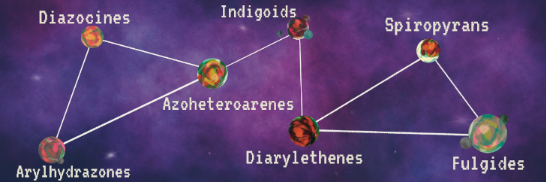
Scheme 1: Photoswitch classes described in this review.
Figure 3: Azoheteroarenes.
Scheme 2: E–Z Isomerisation (top) and mechanisms of thermal Z–E isomerisation (bottom).
Scheme 3: Rotation mechanism favoured by the electron displacement in push–pull systems. Selected examples of...
Figure 4: A) T-shaped and twisted Z-isomers determine the thermal stability and the Z–E-PSS (selected example...
Figure 5: Effect of di-ortho-substitution on thermal half-life and PSS.
Figure 6: Selected thermal lifetimes of azoindoles in different solvents and concentrations. aConcentration o...
Figure 7: Aryliminopyrazoles: N-pyrazoles (top) and N-phenyl (bottom).
Scheme 4: Synthesis of symmetrical heteroarenes through oxidation (A), reduction (B), and the Bayer–Mills rea...
Scheme 5: Synthesis of diazonium salt (A); different strategies of azo-coupling: with a nucleophilic ring (B)...
Scheme 6: Synthesis of arylazothiazoles 25 (A) and heteroaryltriazoles 28 (B).
Scheme 7: Synthesis of heteroarylimines 31a,b [36-38].
Figure 8: Push–pull non-ionic azo dye developed by Velasco and co-workers [45].
Scheme 8: Azopyridine reported by Herges and co-workers [46].
Scheme 9: Photoinduced phase transitioning azobispyrazoles [47].
Figure 9: Diazocines.
Scheme 10: Isomers, conformers and enantiomers of diazocine.
Scheme 11: Partial overlap of the ππ* band with electron-donating substituents and effect on the PSS. Scheme 11 was ada...
Figure 10: Main properties of diazocines with different bridges. aMeasured in n-hexane [56]. bMeasured in THF. cMe...
Scheme 12: Synthesis of symmetric diazocines.
Scheme 13: Synthesis of asymmetric diazocines.
Scheme 14: Synthesis of O- and S-heterodiazocines.
Scheme 15: Synthesis of N-heterodiazocines.
Scheme 16: Puromycin diazocine photoswitch [60].
Figure 11: Indigoids.
Figure 12: The main representatives of the indigoid photoswitch class.
Scheme 17: Deactivation process that prevents Z-isomerisation of indigo.
Figure 13: Stable Z-indigo derivative synthesised by Wyman and Zenhäusern [67].
Figure 14: Selected examples of indigos with aliphatic and aromatic substituents [68]. Dashed box: proposed π–π in...
Scheme 18: Resonance structures of indigo and thioindigo involving the phenyl ring.
Scheme 19: Possible deactivation mechanism for 4,4'-dihydroxythioindigo [76].
Scheme 20: Effect of different heteroaryl rings on the stability and the photophysical properties of hemiindig...
Figure 15: Thermal half-lives of red-shifted hemithioindigos in toluene [79]. aMeasured in toluene-d8.
Scheme 21: Structures of pyrrole [81] and imidazole hemithioindigo [64].
Figure 16: Examples of fully substituted double bond hemithioindigo (left), oxidised hemithioindigos (centre),...
Scheme 22: Structure of iminothioindoxyl 72 (top) and acylated phenyliminoindolinone photoswitch 73 (bottom). ...
Scheme 23: (top) Transition states of iminothioindoxyl 72. The planar transition state is associated with a lo...
Scheme 24: Baeyer–Drewsen synthesis of indigo (top) and N-functionalisation strategies (bottom).
Scheme 25: Synthesis of hemiindigo.
Scheme 26: Synthesis of hemithioindigo and iminothioindoxyl.
Scheme 27: Synthesis of double-bond-substituted hemithioindigos.
Scheme 28: Synthesis of phenyliminoindolinone.
Scheme 29: Hemithioindigo molecular motor [85].
Figure 17: Arylhydrazones.
Scheme 30: Switching of arylhydrazones. Note: The definitions of stator and rotor are arbitrary.
Scheme 31: Photo- and acidochromism of pyridine-based phenylhydrazones.
Scheme 32: A) E–Z thermal inversion of a thermally stable push–pull hydrazone [109]. B) Rotation mechanism favoured...
Scheme 33: Effect of planarisation on the half-life.
Scheme 34: The longest thermally stable hydrazone switches reported so far (left). Modulation of thermal half-...
Figure 18: Dependency of t1/2 on concentration and hypothesised aggregation-induced isomerisation.
Figure 19: Structure–property relationship of acylhydrazones.
Scheme 35: Synthesis of arylhydrazones.
Scheme 36: Synthesis of acylhydrazones.
Scheme 37: Photoswitchable fluorophore by Aprahamian et al. [115].
Scheme 38: The four-state photoswitch synthesised by the Cigáň group [116].
Figure 20: Diarylethenes.
Scheme 39: Isomerisation and oxidation pathway of E-stilbene to phenanthrene.
Scheme 40: Strategies adapted to avoid E–Z isomerisation and oxidation.
Scheme 41: Molecular orbitals and mechanism of electrocyclisation for a 6π system.
Figure 21: Aromatic stabilisation energy correlated with the thermal stability of the diarylethenes [127,129].
Figure 22: Half-lives of diarylethenes with increasing electron-withdrawing groups [128,129].
Scheme 42: Photochemical degradation pathway promoted by electron-donating groups [130].
Figure 23: The diarylethenes studied by Hanazawa et al. [134]. Increased rigidity leads to bathochromic shift.
Scheme 43: The dithienylethene synthesised by Nakatani's group [135].
Scheme 44: Synthesis of perfluoroalkylated diarylethenes.
Scheme 45: Synthesis of 139 and 142 via McMurry coupling.
Scheme 46: Synthesis of symmetrical derivatives 145 via Suzuki–Miyaura coupling.
Scheme 47: Synthesis of acyclic 148, malonic anhydride 149, and maleimide derivatives 154.
Figure 24: Gramicidin S (top left) and two of the modified diarylethene derivatives: first generation (bottom ...
Scheme 48: Pyridoxal 5'-phosphate and its reaction with an amino acid (top). The analogous dithienylethene der...
Figure 25: Fulgides.
Scheme 49: The three isomers of fulgides.
Scheme 50: Thermal and photochemical side products of unsubstituted fulgide [150].
Figure 26: Maximum absorption λc of the closed isomer compared with the nature of the aromatic ring and the su...
Scheme 51: Possible rearrangement of the excited state of 5-dimethylaminoindolylfulgide [153].
Figure 27: Quantum yields of ring closure (ΦE→C) and E–Z isomerisation (ΦE→Z) correlated with the increasing s...
Scheme 52: Active (Eα) and inactive (Eβ) conformers (left) and the bicyclic sterically blocked fulgide 169 (ri...
Scheme 53: Quantum yield of ring-opening (ΦC→E) and E–Z isomerisation (ΦE→Z) for different substitution patter...
Scheme 54: Stobbe condensation pathway for the synthesis of fulgides 179, fulgimides 181 and fulgenates 178.
Scheme 55: Alternative synthesis of fulgides through Pd-catalysed carbonylation.
Scheme 56: Optimised synthesis of fulgimides [166].
Scheme 57: Photoswitchable FRET with a fulgimide photoswitch [167].
Scheme 58: Three-state fulgimide strategy by Slanina's group.
Figure 28: Spiropyrans.
Scheme 59: Photochemical (left) and thermal (right) ring-opening mechanisms for an exemplary spiropyran with a...
Figure 29: Eight possible isomers of the open merocyanine according to the E/Z configurations of the bonds hig...
Scheme 60: pH-Controlled photoisomerisation between the closed spiropyran 191-SP and the open E-merocyanine 19...
Scheme 61: Behaviour of spiropyran in water buffer according to Andréasson and co-workers [180]. 192-SP in an aqueo...
Scheme 62: (left box) Proposed mechanism of basic hydrolysis of MC [184]. (right box) Introduction of electron-dona...
Scheme 63: Photochemical interconversion of naphthopyran 194 (top) and spirooxazine 195 (bottom) photoswitches...
Scheme 64: Synthesis of spiropyrans and spirooxazines 198 and the dicondensation by-product 199.
Scheme 65: Alternative synthesis of spiropyrans and spirooxazines with indolenylium salt 200.
Scheme 66: Synthesis of 4’-substituted spiropyrans 203 by condensation of an acylated methylene indoline 201 w...
Scheme 67: Synthesis of spironaphthopyrans 210 by acid-catalysed condensation of naphthols and diarylpropargyl...
Scheme 68: Photoswitchable surface wettability [194].
Figure 30: Some guiding principles for the choice of the most suitable photoswitch. Note that this guide is ve...
Beilstein J. Org. Chem. 2025, 21, 1678–1699, doi:10.3762/bjoc.21.132
Graphical Abstract
Figure 1: Three key dimensions of a complete nitration process.
Figure 2: A typical continuous-flow nitration reaction system.
Figure 3: Corrosion characteristics of common wetted materials used in continuous-flow nitration system. Note...
Figure 4: Analysis of the literature on continuous-flow nitration reaction over the past decade.
Scheme 1: Model reaction for the homogeneous nitration by nitric acid/mixed acid.
Figure 5: Safety assessment criteria for nitration reactions. Notes: apressure-independent; bno hazards arisi...
Figure 6: Guide for the investigation of continuous-flow nitration processes.
Beilstein J. Org. Chem. 2025, 21, 1613–1626, doi:10.3762/bjoc.21.125
Graphical Abstract
Scheme 1: (a) Diels–Alder cycloaddition reaction between butadiene and ethylene. (b) Gold(I)-catalyzed propar...
Figure 1: Transition states computed for the Diels–Alder cycloaddition reaction between isoprene and methyl a...
Figure 2: Comparative activation strain analyses (a) and energy decomposition analysis (b) of the Diels–Alder...
Figure 3: (a) Evolution of the NICS(3, +1) values along a z-axis perpendicular to the molecular plane of the ...
Figure 4: Comparative activation strain analyses (a) and energy decomposition analysis (b) of the carbonyl–en...
Figure 5: AICD (a) and EDDB (b) plots for the transition state involved in the DGRT between ethene and ethane....
Figure 6: Comparative activation strain analyses (a) and energy decomposition analysis (b) of the DGRT betwee...
Scheme 2: Representative cycloisomerization reaction of 1,3-hexadien-5-yne.
Figure 7: AICD plots of the transition states associated with the Hopf cyclization reactions involving cis-he...
Figure 8: Comparative activation strain analyses of the Hopf cyclization involving ene–ene–ynes E=CH–CH=CH–C≡...
Scheme 3: 1,3-Dipolar cycloaddition reactions between t-BuN3 and cyaphide complexes.
Figure 9: Evolution of the NICS(3, +1) values along a z-axis perpendicular to the molecular plane of the TSs ...
Figure 10: Comparative activation strain analyses (a) and energy decomposition analysis (b) of the 1,3-dipolar...
Beilstein J. Org. Chem. 2025, 21, 1568–1576, doi:10.3762/bjoc.21.120
Graphical Abstract
Figure 1: a) Structural features of DiBA. b) Resonance structure of the amide moiety of DiBA. c) Molecular fo...
Figure 2: Rotational barriers of 2-bromo-N,N,6-trimethylbenzimidamide and its protonated form calculated by t...
Figure 3: Comparison of VT-NMR spectra of a) amidine 1 and b) its trifluoroacetate salt 1-H+ in DMSO-d6 (400 ...
Figure 4: Separation and isolation of amidine E/Z isomers by RP-HPLC. The mobile phase contained CF3CO2H to p...
Figure 5: Kinetic analysis of the isomerization of Z-2-H+ to E-2-H+ at different pH (pH 4.6, 5.5, and 6.5). I...
Figure 6: Correlation between E/Z isomerization rate constant and pH. The result indicates that C–N rotation ...
Figure 7: a) Correlation between isomerization rate constant and electronic effects of the substituents. b) P...
Figure 8: Analysis of the rate of racemization of 1 at various pH at 70 °C. Each circle shows the experimenta...
Beilstein J. Org. Chem. 2025, 21, 1454–1461, doi:10.3762/bjoc.21.107
Graphical Abstract
Figure 1: Synthesis and structures of CBBC 1.
Scheme 1: Wittig reactions of CBBC 1.
Figure 2: X-ray crystal structures of (a) 3, (b) 4, and (c) 5 with thermal ellipsoids at 50% probability; all...
Figure 3: VT 1H NMR spectra of 5 in CD2Cl2 at (a) 298 K, (b) 243 K, and (c) 203 K. Blue circle and red triang...
Figure 4: Simulated dynamics of bis-olefin 5 at the B3LYP/6-31G(d) level of theory. The description for the c...
Figure 5: (a) UV–vis absorption (solid lines) and emission (dashed lines) spectra of 1 (black), 3 (blue), and ...
Scheme 2: Conversion of mono-olefin 3 to internally functionalized DBC derivative 6.
Beilstein J. Org. Chem. 2025, 21, 1404–1421, doi:10.3762/bjoc.21.105
Graphical Abstract
Scheme 1: Investigated compounds.
Scheme 2: Long-range PT in the studied compounds along with undesired processes of E/Z isomerization. The ind...
Figure 1: Simulated absorption spectra of the tautomers of 1 in toluene. The spectra in acetonitrile are show...
Figure 2: Normalized absorption spectra of 1.
Figure 3: Absorption spectra of 1 in acetonitrile with stepwise addition of water.
Figure 4: VT 1H NMR spectra of compound 1 in acetonitrile-d3.
Figure 5: Changes in the absorption spectrum of 2 in acetonitrile upon addition of trifluoroacetic acid (TFA)...
Figure 6: Ground (M06-2X/TZVP) and excited (CAM-B3LYP/TZVP) state potential energy surface of compound 1 in t...
Figure 7: Changes of the absorbance of compound 1 at 465 nm in toluene upon turning on and off the irradiatio...
Figure 8: a) Change of ΔE(K-E) in kcal/mol as a function of the substitution on different positions (2–6) in ...
Scheme 3: Perspective switching compounds, generated by the computational quantum chemistry calculations.
Beilstein J. Org. Chem. 2025, 21, 1324–1373, doi:10.3762/bjoc.21.101
Graphical Abstract
Figure 1: Bond lengths and bond angles in oxetane at 140 K [2].
Figure 2: Analogy of 3-substituted oxetanes to carbonyl and gem-dimethyl groups [12].
Figure 3: Use of oxetanes in drug design – selected examples.
Figure 4: Examples of oxetane-containing natural products.
Scheme 1: Synthetic strategies towards construction of the oxetane ring.
Scheme 2: Overview of intramolecular Williamson etherification and competing Grob fragmentation.
Scheme 3: Synthesis of spiro-oxetanes via 1,4-C–H insertion and Williamson etherification.
Scheme 4: Use of phenyl vinyl selenone in the synthesis of spirooxindole oxetanes.
Scheme 5: Synthesis of bicyclic 3,5-anhydrofuranoses via double epoxide opening/etherification.
Scheme 6: Preparation of spirooxetanes by cycloisomerisation via MHAT/RPC.
Scheme 7: Oxetane synthesis via alcohol C–H functionalisation.
Scheme 8: Access to oxetanes 38 from α-acetyloxy iodides.
Scheme 9: The kilogram-scale synthesis of oxetane intermediate 41.
Scheme 10: Overview of the intramolecular opening of 3-membered rings.
Scheme 11: Synthesis of 4,7-dioxatricyclo[3.2.1.03,6]octane skeletons.
Scheme 12: Silicon-directed electrophilic cyclisation of homoallylic alcohols.
Scheme 13: Hydrosilylation–iodocyclisation of homopropargylic alcohols.
Scheme 14: Cu-catalysed intramolecular O-vinylation of γ-bromohomoallylic alcohols.
Scheme 15: Cu-catalysed intramolecular cross-coupling of hydroxyvinylstannanes.
Scheme 16: Isomerisation of oxiranyl ethers containing weakly carbanion-stabilising groups.
Scheme 17: Cyclisation of diethyl haloalkoxymalonates.
Scheme 18: Synthesis of oxetanes through a 1,5-HAT/radical recombination sequence.
Scheme 19: General approach to oxetanes via [2 + 2] cycloadditions.
Scheme 20: Synthesis of tricyclic 4:4:4 oxetanes through a photochemical triple cascade reaction.
Scheme 21: Iridium-catalysed Paternò–Büchi reaction between α-ketoesters and simple alkenes.
Scheme 22: Three-step synthesis of spirocyclic oxetanes 83 via Paternò–Büchi reaction, nucleophilic ring openi...
Scheme 23: Enantioselective Paternò–Büchi reaction catalysed by a chiral iridium photocatalyst.
Scheme 24: Synthesis of polysubstituted oxetanes 92 via Cu(II)-mediated formal [2 + 2] cycloadditions.
Scheme 25: Synthesis of alkylideneoxetanes via NHC- and DBU-mediated formal [2 + 2] cycloadditions.
Scheme 26: Use of sulphur-stabilised carbanions in ring expansions.
Scheme 27: Synthesis of α,α-difluoro(arylthio)methyl oxetanes.
Scheme 28: Ring expansion in an industrial synthesis of PF-06878031.
Scheme 29: Ring contraction of triflated 2-hydroxy-γ-lactones.
Scheme 30: Ring contraction in an industrial synthesis of PF-06878031.
Scheme 31: Photochemical ring contraction of 2,5-dihydrofurans by aryldiazoacetic acid esters.
Scheme 32: Synthesis of 3-oxetanones via O-H insertion of carbenes.
Scheme 33: Synthesis of phosphonate oxetanones via gold-mediated alkyne oxidation/O–H insertion.
Scheme 34: Syntheses and common derivatisations of 3-oxetanone.
Scheme 35: SN1 substitution of 3-aryloxetan-3-ols by thiols and alcohols.
Scheme 36: Fe–Ni dual-catalytic olefin hydroarylation towards 3-alkyl-3-(hetero)aryloxetanes.
Scheme 37: Synthesis of 3-aryloxetan-3-carboxylic acids.
Scheme 38: Decarboxylative alkylation of 3-aryloxetan-3-carboxylic acids.
Scheme 39: Synthesis of 3-amino-3-aryloxetanes via photoredox/nickel cross-coupling catalysis.
Scheme 40: Intermolecular cross-selective [2 + 2] photocycloaddition towards spirooxetanes.
Scheme 41: Synthesis of 3-aryl-3-aminooxetanes via defluorosulphonylative coupling.
Scheme 42: Two-step synthesis of amide bioisosteres via benzotriazolyl Mannich adducts 170.
Scheme 43: Functionalisation of oxetanyl trichloroacetimidates 172.
Scheme 44: Synthesis of oxetane-amino esters 176.
Scheme 45: Tandem Friedel–Crafts alkylation/intramolecular ring opening of 3-aryloxetan-3-ols.
Scheme 46: Synthesis of polysubstituted furans and pyrroles.
Scheme 47: Synthesis of oxazolines and bisoxazolines.
Scheme 48: Tandem, one-pot syntheses of various polycyclic heterocycles.
Scheme 49: Synthesis of 1,2-dihydroquinolines via skeletal reorganisation of oxetanes.
Scheme 50: Synthesis of benzoindolines and 2,3-dihydrobenzofurans and their derivatisations.
Scheme 51: Synthesis of polysubstituted 1,4-dioxanes.
Scheme 52: Preparation of various lactones via ring opening of oxetane-carboxylic acids 219.
Scheme 53: Tsuji-Trost allylation/ring opening of 3-aminooxetanes.
Scheme 54: Arylative skeletal rearrangement of 3-vinyloxetan-3-ols to 2,5-dihydrofurans.
Scheme 55: Reductive opening of oxetanes using catalytic Mg–H species.
Scheme 56: Opening of oxetanes by silyl ketene acetals.
Scheme 57: Rhodium-catalysed hydroacylation of oxetanes.
Scheme 58: Generation of radicals from oxetanes mediated by a vitamin B12-derived cobalt catalyst.
Scheme 59: Reductive opening of oxetanes by B–Si frustrated Lewis pairs.
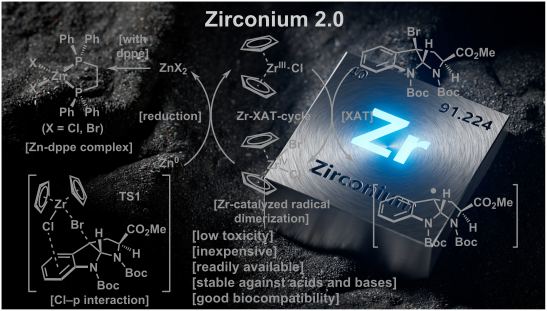
Scheme 60: Zirconocene-mediated reductive opening of oxetanes.
Scheme 61: Enantioselective syntheses of small and medium-size rings using chiral phosphoric acids.
Scheme 62: Asymmetric synthesis of 2,3-dihydrobenzo[b]oxepines catalysed by a chiral scandium complex.
Scheme 63: Enantioselective synthesis of 1,3-bromohydrins under a chiral squaramide catalysis.
Scheme 64: Enantioselective opening of 2-aryl-2-ethynyloxetanes by anilines.
Scheme 65: Ru-catalysed insertion of diazocarbonyls into oxetanes.
Scheme 66: Ring expansion of oxetanes by stabilised carbenes generated under blue light irradiation.
Scheme 67: Expansion of oxetanes via nickel-catalysed insertion of alkynyltrifluoroborates.
Scheme 68: Nickel-catalysed expansion of oxetanes into ε-caprolactones.
Scheme 69: Expansion of oxetanes via cobalt-catalysed carbonyl insertion.
Scheme 70: Gold-catalysed intramolecular 1,1-carboalkoxylation of oxetane-ynamides.
Scheme 71: Expansion of oxetanes by stabilised sulphoxonium ylides.
Scheme 72: Cu-catalysed ring expansion of 2-vinyloxetanes by diazoesters.
Scheme 73: Total synthesis of (+)-oxetin.
Scheme 74: Total synthesis of racemic oxetanocin A.
Scheme 75: Total synthesis of (−)-merrilactone A.
Scheme 76: Total synthesis of (+)-dictyoxetane.
Scheme 77: Total synthesis of ent-dichrocephone B.
Scheme 78: Total synthesis of (−)-mitrephorone A.
Scheme 79: Total synthesis of (−)-taxol.
Beilstein J. Org. Chem. 2025, 21, 1306–1323, doi:10.3762/bjoc.21.100
Graphical Abstract
Figure 1: (a) BDE of C–H. (b) Direct functionalization of C–H catalyzed by transition-metal. (c) Direct funct...
Figure 2: (a) Amidyl radical-enabled hydrogen atom transfer. (b) Substituent effects to amidyl radical proper...
Figure 3: Representative photocatalysts discussed in this review.
Scheme 1: Alkylation of C(sp3)–H catalyzed by amidyl radical under visible light.
Scheme 2: Direct heteroarylation of C(sp3)–H catalyzed by amidyl radical under visible light.
Scheme 3: Alkylation of C(sp3)–H catalyzed by amidyl radical and metal-free photocatalyst under visible light....
Scheme 4: Alkylation of C(sp3)–H, Si–H, and Ge–H catalyzed by amidyl radical under visible light.
Scheme 5: Direct heteroarylation of C(sp3)–H catalyzed by synergistic promotion of amidyl radical and photoca...
Scheme 6: Direct B–H functionalization of icosahedral carboranes catalyzed by amidyl radical under visible li...
Scheme 7: Nucleophilic amination of C(sp3)–H enabled by amidyl radical under visible light.
Scheme 8: Direct heteroarylation of C(sp3)–H and C(sp3)–H without the presence of strong bases, acids, or oxi...
Scheme 9: Xanthylation of C(sp3)–H addressed by amidyl radical under visible light.
Scheme 10: Xanthylation of C(sp3)–H in polyolefins addressed by amidyl radical under visible light.
Scheme 11: Site-selective C(sp3)–H bromination implemented by amidyl radical under visible light.
Scheme 12: Site-selective chlorination of C(sp3)–H in natural products implemented by amidyl radical under vis...
Scheme 13: Alkylation of C(sp3)–H catalyzed by amidyl radical photocatalyst under visible light.
Beilstein J. Org. Chem. 2025, 21, 1171–1182, doi:10.3762/bjoc.21.94
Graphical Abstract
Figure 1: Overview of the predictive workflow: For the shown substrate on the left, three unique activation s...
Figure 2: Example of the output from running the SMARTS pattern approach introduced by Tomberg et al. [9] with t...
Figure 3: An example where our algorithm found a more specific SMARTS pattern match than highlighted in Tombe...
Figure 4: An example highlighting the difficulties in prioritizing the SMARTS patterns. All three patterns ma...
Figure 5: Example of a combination of C–H bond and DG that is discarded because of the angle constraint on th...
Figure 6: Example of combinations of C–H bonds and DGs that are considered identical because of symmetry of t...
Figure 7: Example of combinations of C–H bonds and DGs that are considered identical because of symmetry of t...
Figure 8: Example of combinations of C–H bonds and DGs that are considered identical because of resonance str...
Figure 9: A: Distribution of correct (green) and wrong (red) predictions for molecules with two to five poten...
Figure 10: Molecules with five potential reaction sites that are predicted wrong by the QM workflow. The exper...
Figure 11: Predictions of reaction sites within a 1 kcal·mol−1 threshold for ten molecules are marked with a b...
Figure 12: Substrate with six potential unique reaction sites for C–H functionalization. The experimentally de...
Beilstein J. Org. Chem. 2025, 21, 1161–1169, doi:10.3762/bjoc.21.92
Graphical Abstract
Figure 1: Bioactive compounds bearing imidazopyridine (red) and isoquinolinone-kind (blue) rings.
Scheme 1: GBB-initiated synthesis of imidazopyridine-fused isoquinolinones.
Scheme 2: GBB reaction and N-acylation for the preparation of imidazo[1,2-a]pyridines 6.
Scheme 3: Substrate scope for IMDA and dehydrative aromatization in making 8. Reaction conditions: 6 and AlCl3...
Figure 2: Transition state analysis of IMDA reactions for 6a, 6j, 6h and 6r.
Figure 3: Relative energy diagram for the synthesis of 8a from 6a.
Scheme 4: Using thiophene-2-carbaldehyde for the synthesis of 8t.
Scheme 5: Proposed mechanisms for IMDA reaction and dehydration re-aromatization.
Beilstein J. Org. Chem. 2025, 21, 1087–1094, doi:10.3762/bjoc.21.86
Graphical Abstract
Figure 1: Oxazolidine-containing bioactive compounds.
Scheme 1: Asymmetric catalytic synthetic methods of oxazolidine derivatives.
Scheme 2: Scope of aziridines and aldehydes.
Scheme 3: Proposed reaction mechanism.
Scheme 4: Gram-scale synthesis.
Beilstein J. Org. Chem. 2025, 21, 1031–1086, doi:10.3762/bjoc.21.85
Graphical Abstract
Figure 1: Biologically active cinnamic acid derivatives.
Scheme 1: General synthetic strategies for cinnamic acid derivatizations.
Scheme 2: Cinnamic acid coupling via isobutyl anhydride formation.
Scheme 3: Amidation reaction via O/N-pivaloyl activation.
Scheme 4: Cinnamic acid amidation using TCCA/PPh3 reagent.
Scheme 5: Cinnamic acid amidation using triazine-based reagents.
Scheme 6: Cinnamic acid amidation using continuous flow mechanochemistry.
Scheme 7: Cinnamic acid amidation using COMU as coupling reagent.
Scheme 8: Cinnamic acid amidation using allenone coupling reagent.
Scheme 9: Cinnamic acid amidation using 4-acetamidophenyl triflimide as reagent.
Scheme 10: Cinnamic acid amidation using methyltrimethoxysilane (MTM).
Scheme 11: Cinnamic acid amidation utilizing amine–borane reagent.
Scheme 12: Cinnamic acid amidation using TCCA/PPh3 reagent.
Scheme 13: Cinnamic acid amidation using PPh3/I2 reagent.
Scheme 14: Cinnamic acid amidation using PCl3 reagent.
Scheme 15: Cinnamic acid amidation utilizing pentafluoropyridine (PFP) as reagent.
Scheme 16: Cinnamic acid amidation using hypervalent iodine(III).
Scheme 17: Mechanochemical amidation using 1,1,2,2-tetrafluoroethyl-N,N-dimethylamine (TFEDMA) reagent.
Scheme 18: Methyl ester preparation using tris(2,4,6-trimethoxyphenyl)phosphine (TMPP).
Scheme 19: N-Trifluoromethyl amide preparation using isothiocyanate and AgF.
Scheme 20: POCl3-mediated amide coupling of carboxylic acid and DMF.
Scheme 21: O-Alkylation of cinnamic acid using alkylating agents.
Scheme 22: Glycoside preparation via Mitsunobu reaction.
Scheme 23: O/N-Acylation via rearrangement reactions.
Scheme 24: Amidation reactions using sulfur-based alkylating agents.
Scheme 25: Amidation reaction catalyzed by Pd0 via C–N cleavage.
Scheme 26: Amidation reaction catalyzed by CuCl/PPh3.
Scheme 27: Cu(II) triflate-catalyzed N-difluoroethylimide synthesis.
Scheme 28: Cu/Selectfluor-catalyzed transamidation reaction.
Scheme 29: CuO–CaCO3-catalyzed amidation reaction.
Scheme 30: Ni-catalyzed reductive amidation.
Scheme 31: Lewis acidic transition-metal-catalyzed O/N-acylations.
Scheme 32: Visible-light-promoted amidation of cinnamic acid.
Scheme 33: Sunlight/LED-promoted amidation of cinnamic acid.
Scheme 34: Organophotocatalyst-promoted N–O cleavage of Weinreb amides to synthesize primary amides.
Scheme 35: Cinnamamide synthesis through [Ir] photocatalyst-promoted C–N-bond cleavage of tertiary amines.
Scheme 36: Blue LED-promoted FeCl3-catalyzed reductive transamidation.
Scheme 37: FPyr/TCT-catalyzed amidation of cinnamic acid derivative 121.
Scheme 38: Cs2CO3/DMAP-mediated esterification.
Scheme 39: HBTM organocatalyzed atroposelective N-acylation.
Scheme 40: BH3-catalyzed N-acylation reactions.
Scheme 41: Borane-catalyzed N-acylation reactions.
Scheme 42: Catalytic N-acylation reactions via H/F bonding activation.
Scheme 43: Brønsted base-catalyzed synthesis of cinnamic acid esters.
Scheme 44: DABCO/Fe3O4-catalyzed N-methyl amidation of cinnamic acid 122.
Scheme 45: Catalytic oxidation reactions of acylating agents.
Scheme 46: Preparation of cinnamamide-substituted benzocyclooctene using I(I)/I(III) catalysis.
Scheme 47: Pd-colloids-catalyzed oxidative esterification of cinnamyl alcohol.
Scheme 48: Graphene-supported Pd/Au alloy-catalyzed oxidative esterification via hemiacetal intermediate.
Scheme 49: Au-supported on A) carbon nanotubes (CNT) and B) on porous boron nitride (pBN) as catalyst for the ...
Scheme 50: Cr-based catalyzed oxidative esterification of cinnamyl alcohols with H2O2 as the oxidant.
Scheme 51: Co-based catalysts used for oxidative esterification of cinnamyl alcohol.
Scheme 52: Iron (A) and copper (B)-catalyzed oxidative esterification of cinnamaldehyde.
Scheme 53: NiHPMA-catalyzed oxidative esterification of cinnamaldehyde.
Scheme 54: Synthesis of cinammic acid esters through NHC-catalyzed oxidative esterification via intermolecular...
Scheme 55: Redox-active NHC-catalyzed esterification via intramolecular oxidation.
Scheme 56: Electrochemical conversion of cinnamaldehyde to methyl cinnamate.
Scheme 57: Bu4NI/TBHP-catalyzed synthesis of bisamides from cinnamalaldehyde N-tosylhydrazone.
Scheme 58: Zn/NC-950-catalyzed oxidative esterification of ketone 182.
Scheme 59: Ru-catalyzed oxidative carboxylation of terminal alkenes.
Scheme 60: Direct carboxylation of alkenes using CO2.
Scheme 61: Carboxylation of alkenylboronic acid/ester.
Scheme 62: Carboxylation of gem-difluoroalkenes with CO2.
Scheme 63: Photoredox-catalyzed carboxylation of difluoroalkenes.
Scheme 64: Ru-catalyzed carboxylation of alkenyl halide.
Scheme 65: Carboxylation of alkenyl halides under flow conditions.
Scheme 66: Cinnamic acid ester syntheses through carboxylation of alkenyl sulfides/sulfones.
Scheme 67: Cinnamic acid derivatives synthesis through a Ag-catalyzed decarboxylative cross-coupling proceedin...
Scheme 68: Pd-catalyzed alkyne hydrocarbonylation.
Scheme 69: Fe-catalyzed alkyne hydrocarbonylation.
Scheme 70: Alkyne hydrocarboxylation using CO2.
Scheme 71: Alkyne hydrocarboxylation using HCO2H as CO surrogate.
Scheme 72: Co/AlMe3-catalyzed alkyne hydrocarboxylation using DMF.
Scheme 73: Au-catalyzed oxidation of Au–allenylidenes.
Scheme 74: Pd-catalyzed C–C-bond activation of cyclopropenones to synthesize unsaturated esters and amides.
Scheme 75: Ag-catalyzed C–C-bond activation of diphenylcyclopropenone.
Scheme 76: Cu-catalyzed C–C bond activation of diphenylcyclopropenone.
Scheme 77: PPh3-catalyzed C–C-bond activation of diphenylcyclopropenone.
Scheme 78: Catalyst-free C–C-bond activation of diphenylcyclopropenone.
Scheme 79: Cu-catalyzed dioxolane cleavage.
Scheme 80: Multicomponent coupling reactions.
Scheme 81: Pd-catalyzed partial hydrogenation of electrophilic alkynes.
Scheme 82: Nickel and cobalt as earth-abundant transition metals used as catalysts for the partial hydrogenati...
Scheme 83: Metal-free-catalyzed partial hydrogenation of conjugated alkynes.
Scheme 84: Horner–Wadsworth–Emmons reaction between triethyl 2-fluoro-2-phosphonoacetate and aldehydes with ei...
Scheme 85: Preparation of E/Z-cinnamates using thiouronium ylides.
Scheme 86: Transition-metal-catalyzed ylide reactions.
Scheme 87: Redox-driven ylide reactions.
Scheme 88: Noble transition-metal-catalyzed olefination via carbenoid species.
Scheme 89: TrBF4-catalyzed olefination via carbene species.
Scheme 90: Grubbs catalyst (cat 7)/photocatalyst-mediated metathesis reactions.
Scheme 91: Elemental I2-catalyzed carbonyl-olefin metathesis.
Scheme 92: Cu-photocatalyzed E-to-Z isomerization of cinnamic acid derivatives.
Scheme 93: Ni-catalyzed E-to-Z isomerization.
Scheme 94: Dehydration of β-hydroxy esters via an E1cB mechanism to access (E)-cinnamic acid esters.
Scheme 95: Domino ring-opening reaction induced by a base.
Scheme 96: Dehydroamination of α-aminoester derivatives.
Scheme 97: Accessing methyl cinnamate (44) via metal-free deamination or decarboxylation.
Scheme 98: The core–shell magnetic nanosupport-catalyzed condensation reaction.
Scheme 99: Accessing cinnamic acid derivatives from acetic acid esters/amides through α-olefination.
Scheme 100: Accessing cinnamic acid derivatives via acceptorless α,β-dehydrogenation.
Scheme 101: Cu-catalyzed formal [3 + 2] cycloaddition.
Scheme 102: Pd-catalyzed C–C bond formation via 1,4-Pd-shift.
Scheme 103: NHC-catalyzed Rauhut–Currier reactions.
Scheme 104: Heck-type reaction for Cα arylation.
Scheme 105: Cu-catalyzed trifluoromethylation of cinnamamide.
Scheme 106: Ru-catalyzed alkenylation of arenes using directing groups.
Scheme 107: Earth-abundant transition-metal-catalyzed hydroarylation of α,β-alkynyl ester 374.
Scheme 108: Precious transition-metal-catalyzed β-arylation of cinnamic acid amide/ester.
Scheme 109: Pd-catalyzed β-amination of cinnamamide.
Scheme 110: S8-mediated β-amination of methyl cinnamate (44).
Scheme 111: Pd-catalyzed cross-coupling reaction of alkynyl esters with phenylsilanes.
Scheme 112: Pd-catalyzed β-cyanation of alkynyl amide/ester.
Scheme 113: Au-catalyzed β-amination of alkynyl ester 374.
Scheme 114: Metal-free-catalyzed Cβ-functionalizations of alkynyl esters.
Scheme 115: Heck-type reactions.
Scheme 116: Mizoroki–Heck coupling reactions using unconventional functionalized arenes.
Scheme 117: Functional group-directed Mizoroki–Heck coupling reactions.
Scheme 118: Pd nanoparticles-catalyzed Mizoroki–Heck coupling reactions.
Scheme 119: Catellani-type reactions to access methyl cinnamate with multifunctionalized arene.
Scheme 120: Multicomponent coupling reactions.
Scheme 121: Single atom Pt-catalyzed Heck coupling reaction.
Scheme 122: Earth-abundant transition metal-catalyzed Heck coupling reactions.
Scheme 123: Polymer-coated earth-abundant transition metals-catalyzed Heck coupling reactions.
Scheme 124: Earth-abundant transition-metal-based nanoparticles as catalysts for Heck coupling reactions.
Scheme 125: CN- and Si-based directing groups to access o-selective cinnamic acid derivatives.
Scheme 126: Amide-based directing group to access o-selective cinnamic acid derivatives.
Scheme 127: Carbonyl-based directing group to access o-selective cinnamic acid derivatives.
Scheme 128: Stereoselective preparation of atropisomers via o-selective C(sp2)–H functionalization.
Scheme 129: meta-Selective C(sp2)–H functionalization using directing group-tethered arenes.
Scheme 130: para-Selective C(sp2)–H functionalization using directing group-tethered arenes.
Scheme 131: Non-directed C(sp2)–H functionalization via electrooxidative Fujiwara–Moritani reaction.
Scheme 132: Interconversion of functional groups attached to cinnamic acid.
Scheme 133: meta-Selective C(sp2)–H functionalization of cinnamate ester.
Scheme 134: C(sp2)–F arylation using Grignard reagents.
Scheme 135: Truce–Smiles rearrangement of N-aryl metacrylamides.
Scheme 136: Phosphine-catalyzed cyclization of γ-vinyl allenoate with enamino esters.
Beilstein J. Org. Chem. 2025, 21, 964–998, doi:10.3762/bjoc.21.80
Graphical Abstract
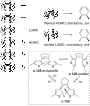
Figure 1: a) Tris(trichlorophenyl)methyl (TTM) radical and related trityl radicals, b) HDMO, SOMO, LUMO orbit...
Figure 2: Mixed halide tri- and perhalogenated triphenylmethyl radicals: a) Molecular structures of homo- and...
Figure 3: Pyridine-functionalized triarylmethyl radicals. a) Chemical structures of X2PyBTM, Py2MTM, and Au-F2...
Figure 4: Pyridine-functionalized triarylmethyl radicals. a) Molecular structure of Mes2F2PyBTM, and b) its f...
Figure 5: Carbazole functionalized triarylmethyl radical. a) Chemical structure of Cz-BTM and b) its energy d...
Figure 6: Donor-functionalized triphenylmethyl radicals. Molecular structures of TTM-Cz, DTM-Cz, TTM-3PCz, PT...
Figure 7: Tuning of the donor strength. Functionalization with electron-donating and electron-withdrawing gro...
Figure 8: Tuning of the donor strength, by varying the Cz-derived donor (1–36) on a TTM radical fragment. a) ...
Figure 9: Three-state model and Marcus theory: q is the charge transfer coordinate and G the free energy. Gro...
Figure 10: Dendronized carbazole donors on TTM radicals. a) Molecular structures of G3TTM and G4TTM. b) Photol...
Figure 11: Electronic extension of the Cz donor. a) Molecular structures and optoelectronic properties of TTM-...
Figure 12: Kekulé diradicals: a) hexadeca- and perchlorinated Thiele (TTH, PTH), Chichibabin (TTM-TTM, PTM-PTM...
Figure 13: Non-Kekulé diradicals: perchlorinated Schlenk–Brauns radical (m-PTH), meta-coupled TTM radicals in ...
Figure 14: UV–vis absorption and photoluminescence spectra of a) TTH in solvents of different polarity, b) dir...
Figure 15: Molecular structures of m-4BTH (meta-butylated Thiele hydrocarbon), m-4TTH (meta-trichlorinated Thi...
Figure 16: a) Polystyrene-based TTM-Cz polymer. b) Molecular structure of radical particles with backbone thro...
Figure 17: Molecular structures of polyradicals. a) Molecular structures of p-TBr6Cl3M-F8, p-TBr6Cl3M-acF8 and ...
Figure 18: Structures of coordination and metal-organic frameworks. a) Carboxylic acid functionalized monomers...
Figure 19: Structures of coordination and metal-organic frameworks. a) Molecular structures of monomers TTMDI, ...
Figure 20: Molecular structures of covalent organic frameworks m-TPM-Ph-COF, m-PTM-Ph-COF, p-TPH-COF, p-PTH-COF...
Figure 21: Molecular structures of covalent organic frameworks PTMAc-COF, oxTAMAc-COF, TOTAc-COF, PTMTAz-COF, p...
Beilstein J. Org. Chem. 2025, 21, 926–934, doi:10.3762/bjoc.21.75
Graphical Abstract
Figure 1: Representative limonoid triterpenes.
Scheme 1: Structures and retrosynthetic analysis of krishnolides A (7) and C (8).
Scheme 2: Construction of α-iodoenone 13.
Scheme 3: Construction of aldehyde 14.
Scheme 4: Synthesis of the advanced intermediate 10 (in the X ray structure of 10 solvent molecule is omitted...
Beilstein J. Org. Chem. 2025, 21, 877–883, doi:10.3762/bjoc.21.71
Graphical Abstract
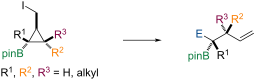
Scheme 1: Chemodivergent reactivity observed in copper-catalyzed borylative couplings of allylic gem-dichlori...
Scheme 2: Cu-Bpin-mediated dimerization of 4,4-dichoro-2-butenoic acid derivatives.
Scheme 3: Control experiments.
Scheme 4: Proposed mechanism for the Cu-catalyzed dimerization of 4,4-dichoro-2-butenoic acid derivatives.
Scheme 5: a) KOt-Bu-mediated intramolecular cyclization of 9. b) Direct formation of cyclopropane 20 from gem...
Beilstein J. Org. Chem. 2025, 21, 830–838, doi:10.3762/bjoc.21.66
Graphical Abstract
Scheme 1: Reaction pathway for synthesizing NH-substituted, methylated-, and acetylated arylazopyrazoles. Con...
Figure 1: UV–vis absorption spectra of selected NAc-PAP derivatives in CH3CN. The strong π→π* can be observed...
Figure 2: A) Time-resolved UV–vis absorption spectra of NAc-PAP-CN upon 365 nm irradiation (12.5 µM in CH3CN,...
Figure 3: Hammett plot of NAc-PAP derivatives.
Figure 4: Eyring plots for NAc-PAP-CN and NAc-PAP-OMe.