


Search results
Search for "carbohydrates" in Full Text gives 202 result(s) in Beilstein Journal of Organic Chemistry. Showing first 200.
Synthesis of 5-unsubstituted dihydropyrimidinone-4-carboxylates from deep eutectic mixtures
Beilstein J. Org. Chem. 2022, 18, 331–336, doi:10.3762/bjoc.18.37
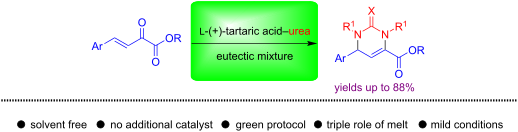
- ] based on carbohydrates, urea, and inorganic salts as an alternative to conventional solvents for carrying out a variety of organic transformations [32]. The stable melts are environmentally friendly as they are readily available from bulk renewable resources. Their simple production allows the


Chemical and chemoenzymatic routes to bridged homoarabinofuranosylpyrimidines: Bicyclic AZT analogues
Beilstein J. Org. Chem. 2022, 18, 95–101, doi:10.3762/bjoc.18.10
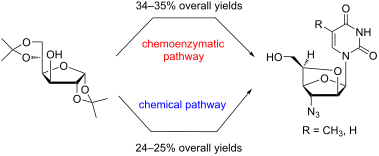
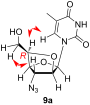
- postulated a mechanistic pathway for this cyclization process, where two consecutive inversions of configuration at the C5′ centre enabled the retention of stereochemistry. Thus, formation of 5,6-epoxide moieties was common in case of hexose carbohydrates, where the C6-OH group attacked the C5 centre and



1,2-Naphthoquinone-4-sulfonic acid salts in organic synthesis
Beilstein J. Org. Chem. 2022, 18, 53–69, doi:10.3762/bjoc.18.5
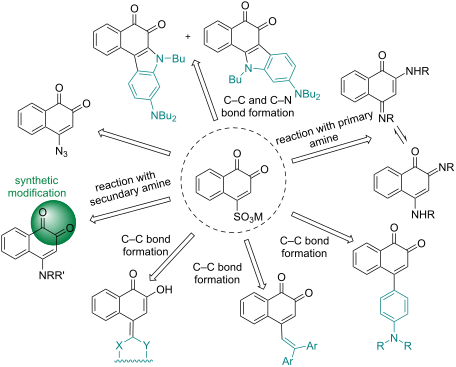
- cause several damages to its components, such as carbohydrates, lipids, membrane components, and enzymes that are critical for DNA replication [9][10][11][12]. Most synthetic strategies toward naphthoquinones with potential biological activity start from natural and synthetic naphthoquinones, inserting
- synthesis of novel 4-amino-1,2-naphthoquinones 43a–c containing carbohydrates and evaluated their antitumor activity in vitro. These compounds were transformed into a series of hydrazones 44a–l with different substituted aryl groups, which were also evaluated against tumor cells. To prepare 43a–c, 18 was


Advances in mercury(II)-salt-mediated cyclization reactions of unsaturated bonds
Beilstein J. Org. Chem. 2021, 17, 2348–2376, doi:10.3762/bjoc.17.153
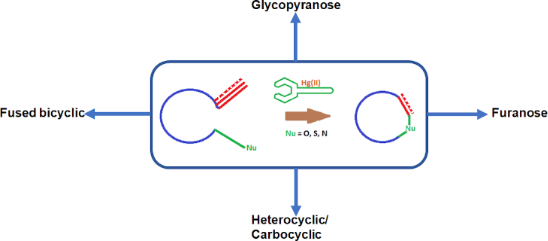
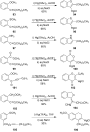
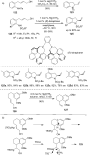
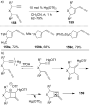
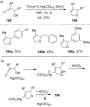
- with Hg(OAc)2 affording the corresponding cyclized pyanosylmethylmercuric chloride derivatives 12 (Scheme 5). This methodology can be used to synthesize rare C-glycosyl carbohydrates from easily available sugars. In a similar manner, stereoselective cyclization of C-glycosyl amino acid derivative 13












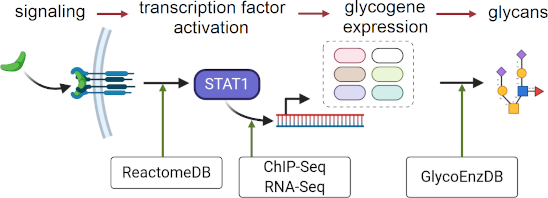
A systems-based framework to computationally describe putative transcription factors and signaling pathways regulating glycan biosynthesis
Beilstein J. Org. Chem. 2021, 17, 1712–1724, doi:10.3762/bjoc.17.119
- β1-4 GlcNAc linkages can then be made using POMGNT1 or POMGNT2 to yield M1 or M3 O-linked mannose structures, respectively. MGAT5B can facilitate β1-4 GlcNAc linkage onto the M1 structure to yield the M2 core. Additional carbohydrates typically found on complex N-linked glycan antennae can then be
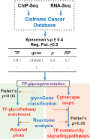
- carbohydrates. Mining TF–glycogene relationships in Cistrome Cancer DB Regulatory potential and gene correlation data were downloaded from the Cistrome Cancer DB in tab-delimited form (http://cistrome.org/CistromeCancer/CancerTarget/) [14]. TF–gene relationships were filtered for the 341 glycogenes in this




A comprehensive review of flow chemistry techniques tailored to the flavours and fragrances industries
Beilstein J. Org. Chem. 2021, 17, 1181–1312, doi:10.3762/bjoc.17.90
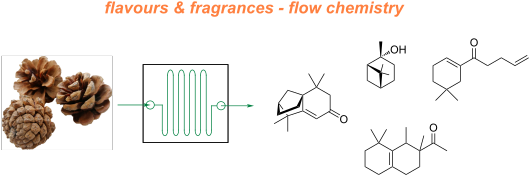
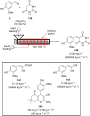
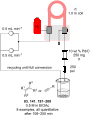
- . Other examples of the use of column reactors for the catalysis of aldol reactions include: The use of immobilised aldolase enzymes for the synthesis of carbohydrates [114] and the use of a calcinated hydrolactite-packed column for the condensation of furfural with acetone [115], however, this still










Synthesis of multiply fluorinated N-acetyl-D-glucosamine and D-galactosamine analogs via the corresponding deoxyfluorinated glucosazide and galactosazide phenyl thioglycosides
Beilstein J. Org. Chem. 2021, 17, 1086–1095, doi:10.3762/bjoc.17.85
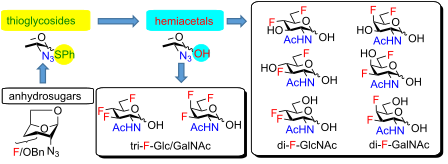
- . Keywords: amino sugars; deoxyfluorination; fluorinated carbohydrates; hexosamine hemiacetals; thioglycosides; Introduction Fluorinated carbohydrates are versatile carbohydrate mimetics used to probe or manipulate the recognition of carbohydrates by carbohydrate-binding proteins or carbohydrate-processing
- desolvation penalty associated with binding of hydrophilic natural carbohydrates [8], and (2) create additional contacts with the binding cavity via electrostatic and dipolar interactions with C–F bonds [9][10], new intermolecular hydrogen bonds [11], or rearrangement of hydrogen bond-mediating water
- molecules [12]. The fluorination of sugars is also a promising strategy to improve unfavorable pharmacokinetic properties of natural carbohydrates such as low lipophilicity [13][14][15][16] and fast metabolic degradation [17][18][19]. Over the last few years, considerable effort has been expended on the



Simulating the enzymes of ganglioside biosynthesis with Glycologue
Beilstein J. Org. Chem. 2021, 17, 739–748, doi:10.3762/bjoc.17.64
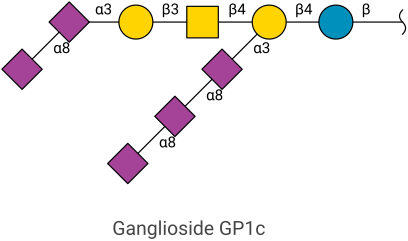
- predict the enzymes required for the biosynthesis of a given glycan; the subset of the enzyme activities can then be used to generate all of the ganglioside carbohydrates, starting from ceramide, or any other structure. By setting a baseline knockout of enzyme activities, the effects of further knockouts
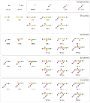
- procedure, the parts of the structure identifier that determine the corresponding part of the systematic Svennerholm name (SSN) are shown in bold face. Ganglioside carbohydrates predicted by the model. All structures are linked to ceramide at the base glucose or galactose residue. Ganglioside biosynthetic




Synthesis and physicochemical evaluation of fluorinated lipopeptide precursors of ligands for microbubble targeting
Beilstein J. Org. Chem. 2021, 17, 511–518, doi:10.3762/bjoc.17.45
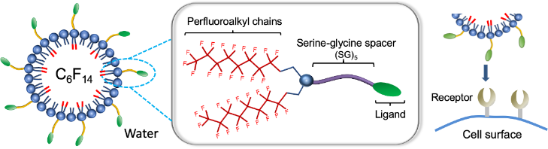
- , which involves the use of targeting ligands, such as monoclonal antibodies, antibody fragments, proteins, peptides, and other small molecules, including vitamins and carbohydrates [7][8]. The targeting ligands are coupled to the surface of the carrier to selectively target tumor cells that overexpress a


Supramolecular polymerization of sulfated dendritic peptide amphiphiles into multivalent L-selectin binders
Beilstein J. Org. Chem. 2021, 17, 97–104, doi:10.3762/bjoc.17.10
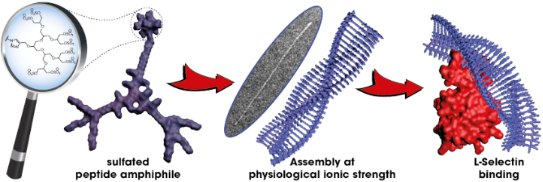
- , these interactions occur in a multivalent fashion, allowing to overcome drawbacks of the limited strength of noncovalent bonds and to tune the selectivity at the same time [1][2]. The binding of viruses to the membrane of their host cells [3][4][5] as well as the recognition of carbohydrates by lectins



Fluorine effect in nucleophilic fluorination at C4 of 1,6-anhydro-2,3-dideoxy-2,3-difluoro-β-D-hexopyranose
Beilstein J. Org. Chem. 2020, 16, 2880–2887, doi:10.3762/bjoc.16.237
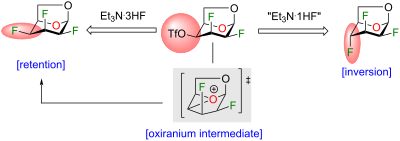
- ; polyfluorinated carbohydrates; polyfluoroalditol analogues; Introduction The biological significance of carbohydrates includes, but are not limited to, immune regulation, infection, and cancer metastasis. Research in the field of molecular biology allowed the discovery of glycomimetics to study various
- biochemical processes [1]. Therefore, the use of bioisosteres of carbohydrates functional groups is a popular approach in glycobiology [2]. As such, the synthesis of fluorosugars, including polyfluorinated analogues, is an interesting strategy to study biological systems [3][4][5][6][7]. The replacement of OH
- groups by fluorine atoms arise from their similarities in term of polarity and isosteric relationship [3][8]. For a long time, fluorinated carbohydrates have been used as a method to stabilize glycosidic bonds [9][10][11] or for epitope mapping [12][13]. More recently, heavily fluorinated carbohydrates


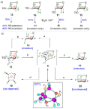

Easy access to a carbohydrate-based template for stimuli-responsive surfactants
Beilstein J. Org. Chem. 2020, 16, 2788–2794, doi:10.3762/bjoc.16.229
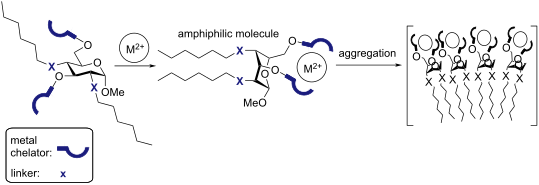
- anomeric mixture of the building block was used for the synthesis of a molecule that could act as an emulsifier only in the presence of Zn2+ ions. Keywords: carbohydrates; emulsifiers; stimuli-responsive; surfactants; synthesis; Introduction Surfactants (surface-active agents) are molecules with both a
- metal-binding event. This study was carried out by having pyrene fluorophores attached to the two non-chelating positions, giving rise to excimer fluorescence when the distance between them was decreased due to the ring flip [12]. Carbohydrates with gluco stereochemistry have also been used as templates


Selective recognition of ATP by multivalent nano-assemblies of bisimidazolium amphiphiles through “turn-on” fluorescence response
Beilstein J. Org. Chem. 2020, 16, 2728–2738, doi:10.3762/bjoc.16.223
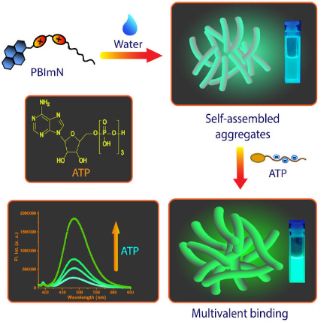
- [20][21]. A number of elegant examples of self-assembled multivalent systems targeting biological analytes such as DNA, heparin, proteins, carbohydrates, etc. have been reported in the literature [22][23][24][25][26][27]. ATP is an important bio-anion that is the energy currency in cells and is


Leveraging glycomics data in glycoprotein 3D structure validation with Privateer
Beilstein J. Org. Chem. 2020, 16, 2523–2533, doi:10.3762/bjoc.16.204
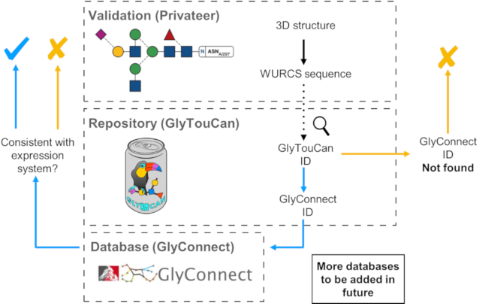
- the validation of 3D glycoprotein structures. Keywords: electron cryomicroscopy; glycoinformatics; glycomics; Privateer; X-ray crystallography; Introduction Glycosylation-related processes are prevalent in life. The attachment of carbohydrates to macromolecules extends the capabilities of cells to
- atomic model will be expected as the final result of the study. Modelling of carbohydrates into 3D maps can be more complex than modelling proteins [33], although recent advances in software are closing the gap [34][35][36]. However, to date it remains true that most model building software is protein
- intermediate interconversion library. A foundation for such interconversion libraries exists in the form of the carbohydrate validation software Privateer. The program is able to compute individual monosaccharide conformations from a glycoprotein model, check whether the modelled carbohydrates atomistic



Computational tools for drawing, building and displaying carbohydrates: a visual guide
Beilstein J. Org. Chem. 2020, 16, 2448–2468, doi:10.3762/bjoc.16.199
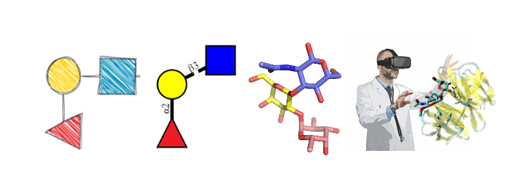
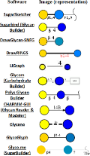
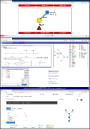
- increases our understanding of biological processes. Representing the structures of carbohydrates has historically been considered to be a complicated task. Starting from the linear form of the Fischer projection, which is certainly not a realistic representation of a carbohydrate structure, there has been
- glucose. And yet, monosaccharides are only the chemical units and the individual building blocks of much more complex molecules; the carbohydrates, also referred to as glycans. The glycan family can be grouped in the following categories: (i) oligosaccharides (comprising two to ten monosaccharides linked
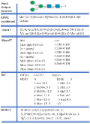
- structures replacing monosaccharides. The description of carbohydrate structures using standard symbolic nomenclature enables easy understanding and communication within the scientific community. Research groups working on carbohydrates have developed schematic depictions with symbols [3] and expansions with








The B & B approach: Ball-milling conjugation of dextran with phenylboronic acid (PBA)-functionalized BODIPY
Beilstein J. Org. Chem. 2020, 16, 2272–2281, doi:10.3762/bjoc.16.188
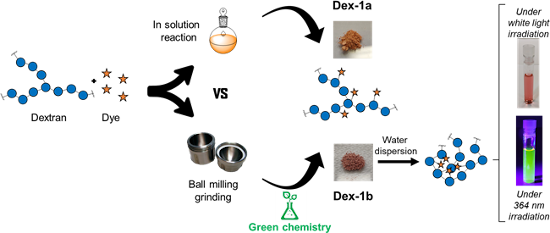
- the mechanochemical approach (the B & B, ball milling for boronic acid conjugation) as bioconjugation strategy for the labeling of biocompatible carbohydrates. Fluorescent labeling is of key importance to follow up the fate of molecules and (nano)materials inside cells and in the human body. In this


How and why plants and human N-glycans are different: Insight from molecular dynamics into the “glycoblocks” architecture of complex carbohydrates
Beilstein J. Org. Chem. 2020, 16, 2046–2056, doi:10.3762/bjoc.16.171
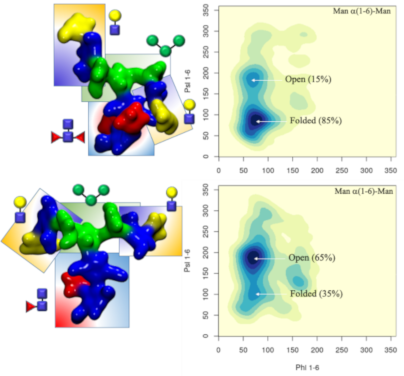
- relationships in complex carbohydrates, with important implications in glycoengineering design. Keywords: complex carbohydrates; fucose; glycoblocks; molecular dynamics; molecular recognition; N-glycans; xylose; Introduction Complex carbohydrates (or glycans) are an essential class of biomolecules, directly
- invoked when discussing other biopolymers or complex carbohydrates. In the specific case of glycans, the structural complexity, in terms of the diversity of monosaccharides, the linkages’ stereochemistry and the branched scaffolds, makes the already difficult case even more intricate. Nevertheless, the
- ultimately understand more clearly the relationships between sequence and structure in complex carbohydrates. Representative structures of the plant N-glycans studied in this work with corresponding nomenclature. The letters f, x, and g indicate the presence of Fuc, Xyl and β(1-3) Gal, respectively, and ng


Nonenzymatic synthesis of anomerically pure, mannosyl-based molecular probes for scramblase identification studies
Beilstein J. Org. Chem. 2020, 16, 1732–1739, doi:10.3762/bjoc.16.145
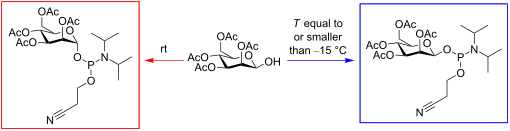
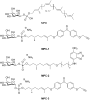
- citronellol derivative via a phosphodiester bridge. Moreover, a novel phosphoramidite chemistry-based method offers a straightforward approach for the non-enzymatic incorporation of the saccharide moiety in an anomerically pure form. Keywords: carbohydrates; citronellol; phosphoramidite; photoclickable
- . Reports of using phosphoramidite chemistry for the preparation of carbohydrates via the anomeric position are relatively rare [18][19][20][21][22][23]. Alternatively, the H-phosphonate approach has been used to convert carbohydrates into phosphate-linked derivatives at the anomeric center [24][25][26][27



Synthesis of new asparagine-based glycopeptides for future scanning tunneling microscopy investigations
Beilstein J. Org. Chem. 2020, 16, 888–894, doi:10.3762/bjoc.16.80
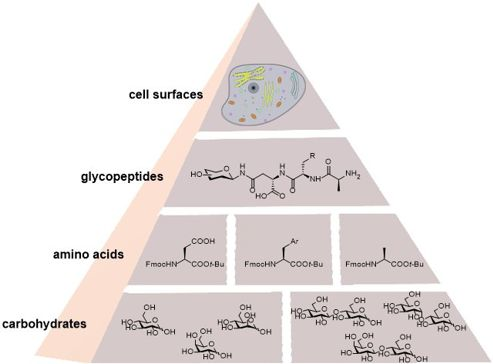
- cell surfaces for future investigations by combined preparative mass spectroscopy and scanning tunneling microscopy (STM) using soft-landing electrospray beam deposition (ES-IBD), on metal surfaces. Keywords: amino acids; asparagine; carbohydrates; glycopeptides; peptidomimetics; Introduction
- comparison with naturally occurring amino acids [14]. Thus, there is still a great effort in finding new potential drugs derived from glycopeptides [4][15]. By using preparative mass spectrometry (pMS) combined with STM on submolecular-resolution peptides and carbohydrates can be investigated regarding their


Extension of the 5-alkynyluridine side chain via C–C-bond formation in modified organometallic nucleosides using the Nicholas reaction
Beilstein J. Org. Chem. 2020, 16, 1–8, doi:10.3762/bjoc.16.1
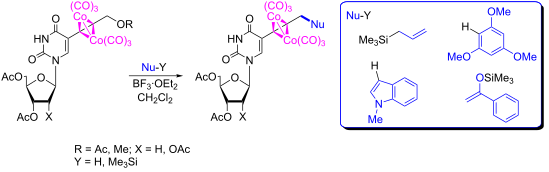
- intramolecular versions of the reaction are also highly successful [50][51]. Although the Nicholas reaction has been employed to functionalize biomolecules, including amino acids [52][53], β-lactams [54], steroids [55], and carbohydrates [56][57][58][59][60][61][62], we are unaware of any examples of nucleoside


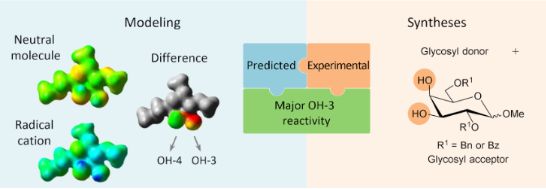
Regioselectivity of glycosylation reactions of galactose acceptors: an experimental and theoretical study
Beilstein J. Org. Chem. 2019, 15, 2982–2989, doi:10.3762/bjoc.15.294
- carbohydrates in living systems, oligosaccharides and other glycoconjugates are needed to carry out the corresponding glycobiological studies. The heterogeneity of carbohydrates from natural sources makes their isolation difficult, which results in synthesis being the best alternative to obtain the required
- amounts of carbohydrate-containing molecules. Due to the chemical nature of carbohydrates, with multiple possible linkage positions giving rise to different regioisomers, with two possible anomeric configurations, the chemical synthesis of complex oligosaccharides is difficult and a rather time-consuming
- molecular modeling approach. Results and Discussion For this study, ᴅ-Galp derivatives with both their OH-2 and OH-6 group blocked were required. The regioselective functionalization of carbohydrates is usually a difficult task due to the similar reactivity of secondary hydroxy groups [13]. We synthesized


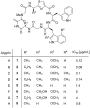
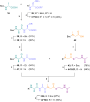
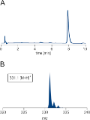
Chemical synthesis of tripeptide thioesters for the biotechnological incorporation into the myxobacterial secondary metabolite argyrin via mutasynthesis
Beilstein J. Org. Chem. 2019, 15, 2922–2929, doi:10.3762/bjoc.15.286
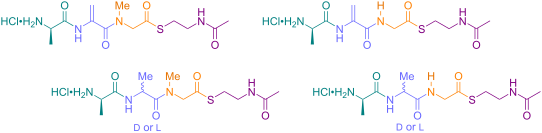
- David C. B. Siebert Roman Sommer Domen Pogorevc Michael Hoffmann Silke C. Wenzel Rolf Muller Alexander Titz Chemical Biology of Carbohydrates, Helmholtz Institute for Pharmaceutical Research Saarland (HIPS), Helmholtz Centre for Infection Research (HZI), D-66123 Saarbrücken, Germany Deutsches



Indium-mediated C-allylation of melibiose
Beilstein J. Org. Chem. 2019, 15, 2458–2464, doi:10.3762/bjoc.15.238
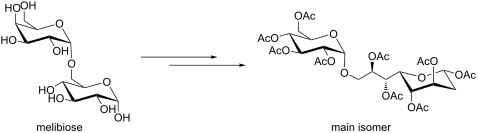
- the elongated unit at the reducing end of the disaccharide. Keywords: carbohydrates; C–C bond formation; indium-mediated allylation; melibiose; ozonolysis; Introduction The tin and indium-mediated allylation (IMA) proved to be useful synthetic tools for the chain elongation of unprotected
- carbohydrates at the anomeric position to obtain higher complex sugar structures. Prior to the establishment of these methods, synthetic approaches towards these compounds had to be performed on protected carbohydrates, increasing the number of synthetic steps intrinsically [1]. In 1991, Schmid and Whitesides
- reported for the first time a tin-mediated allylation of unprotected carbohydrates followed by ozonolysis allowing for easy accessibility of the corresponding elongated sugars [2]. In the same year, Chan and Li introduced indium for the allylation of aldehydes and furthermore demonstrated the applicability


N-(1-Phenylethyl)aziridine-2-carboxylate esters in the synthesis of biologically relevant compounds
Beilstein J. Org. Chem. 2019, 15, 1722–1757, doi:10.3762/bjoc.15.168

- for structural enlargement and at least one stereogenic center which is usually transferred into the final product. To assure the highest possible enantiomeric purity chirons are obtained in most instances from natural products like carbohydrates, amino acids, hydroxy acids or terpenes. The


Steroid diversification by multicomponent reactions
Beilstein J. Org. Chem. 2019, 15, 1236–1256, doi:10.3762/bjoc.15.121
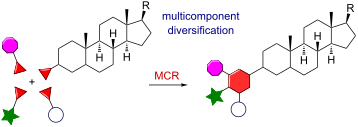
- as the conjugation of steroids to amino acids, peptides and carbohydrates. We demonstrate that steroids are available with almost all types of MCR reactive functionalities, e.g., carbonyl, carboxylic acid, alkyne, amine, isocyanide, boronic acid, etc., and that steroids are suitable starting
- Conjugation of steroids to carbohydrates and peptides The conjugation of steroids to other biomolecules such as carbohydrates and peptides represents a valuable strategy for providing new properties to the hydrophobic steroid skeleton. Naturally occurring steroid–sugar conjugates such as saponins have shown
- ketosteroids [50][51]. Conjugation of steroids to carbohydrates and peptides by the Ugi-4CR [62][63]. Solid-phase multicomponent conjugation of peptides to steroids by the Ugi-4CR [64]. Solid-phase multicomponent conjugation of peptides to steroids by the Petasis-3CR [68]. Synthesis of steroidal macrobicycles





