Search results
Search for "carbonyl" in Full Text gives 1296 result(s) in Beilstein Journal of Organic Chemistry. Showing first 200.
Recent advances in the cleavage of non-activated amides
Beilstein J. Org. Chem. 2026, 22, 352–369, doi:10.3762/bjoc.22.23
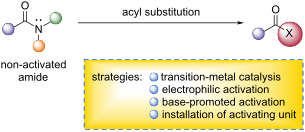
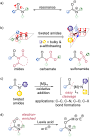
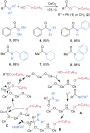
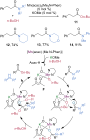
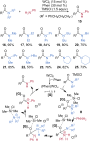
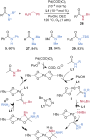
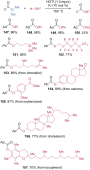
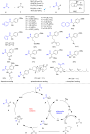
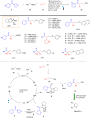
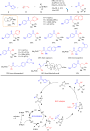
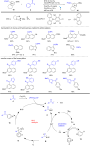
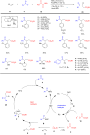
- geometry to the amide unit (Scheme 1a) [17][18][19]. As a result, nucleophilic attack at the carbonyl is disfavored, and even when a tetrahedral intermediate forms, collapse with expulsion of an amide anion is thermodynamically challenging. Consequently, harsh conditions such as high temperatures or
- substituents on the nitrogen (e.g., tosyl, carbamate, or acyl groups) distorts the planarity of the amide and diminishes amidic conjugation (Scheme 1b). These “twisted” amides exhibit a dramatically enhanced electrophilicity at the carbonyl carbon and a significantly weaker C–N bond strength [28][29][30][31
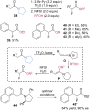
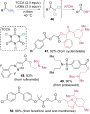
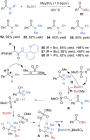
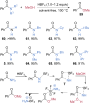
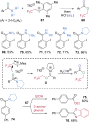
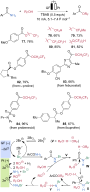
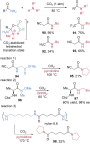
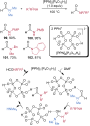
- remains a significant and persistent challenge in synthetic chemistry [41][42][43][44]. Classical approaches for activating non-activated amides typically rely on transition-metal catalysts acting as Lewis acids, which coordinate to the carbonyl oxygen and enhance electrophilicity (Scheme 1d). However










Synthesis of tricyclic fused pyrrolidine nitroxides from 2-alkynylpyrrolidine-1-oxyls
Beilstein J. Org. Chem. 2026, 22, 344–351, doi:10.3762/bjoc.22.22

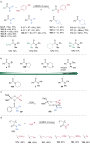
- catalytic system comprising PPh3, CuI, and Pd(PPh3)2Cl2. This procedure afforded alkynones 6a,b in the yields of 75% and 44%, respectively (Scheme 3). In the IR spectra of 6a,b intense bands were observed at 2212–2214 and 1645–1647 cm−1, assigned to vibrations of the triple bond, and the conjugated carbonyl
- group, respectively. The elemental analyses data and high-resolution mass spectra (HRMS) of 6a,b were in agreement with the assigned structure. Oxidation of propargyl alcohols is another way to α,β-acetylenic carbonyl compounds [31]. Mild oxidation of propargyl alcohol 2c with activated manganese




Ring contraction and ring expansion reactions in terpenoid biosynthesis and their application to total synthesis
Beilstein J. Org. Chem. 2026, 22, 289–343, doi:10.3762/bjoc.22.21
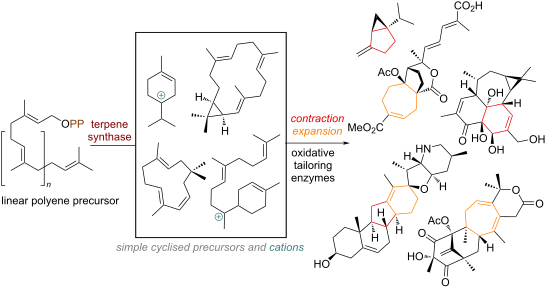
- here a second 1,2-alkyl shift of the newly formed carbonyl towards the Michael acceptor in the B-ring gives the 8/5-bridged ring system 147b. A final hemiacetal formation furnishes the tricyclic structure of pinnigorgiol E (146). As a last example, the partly rearranged rhodoterpenoids A–D 148–151






Spirobarbiturates with a pyrrolizidine moiety: synthesis, structure and biological evaluation
Beilstein J. Org. Chem. 2026, 22, 274–288, doi:10.3762/bjoc.22.20
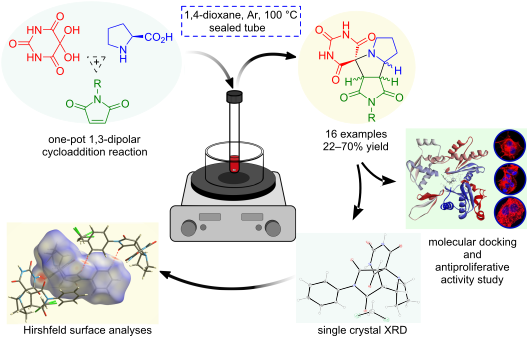
- -adducts 4a–e, the carbon signals of ring A (Figure 1) appear at δC 44.8–45.0 ppm (CH21), 27.3 ppm (CH22), and 25.2 ppm (CH23). Ring B carbons resonate at δC 67.7–67.8 ppm (CH4), 46.3–46.4 ppm (CH5), and 58.2–58.3 ppm (CH6). The carbonyl carbons of ring C and the barbiturate ring appear at δC 150.0, 169.3
- contacts: the barbiturate ring forms hydrogen bonds with water molecules through C=O···H–O and N–H···O–H interactions; the amide group of the barbiturate ring is engaged in a C=O···H–N hydrogen bond with the carbonyl oxygen of the maleimide fragment; additionally, a C=O···H–CH2 contact is observed between
- the hydrogen atom of the maleimide methyl group and the carbonyl oxygen of an adjacent maleimide ring. The crystal structure of compound 4b exists as a solvate. The oxygen atom of a water molecule forms a hydrogen bond with the amide hydrogen of the barbiturate fragment (N–H···O–H = 2.783 Å), while




Arene activation via π-bond localization: concepts and opportunities
Beilstein J. Org. Chem. 2026, 22, 257–273, doi:10.3762/bjoc.22.19
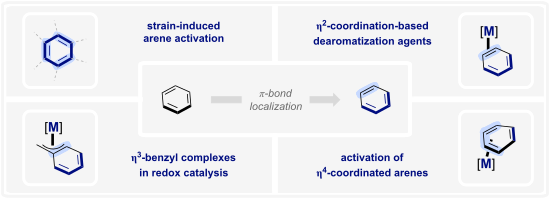
- can be addressed by the generation of a vacant coordination site through ligand abstraction, enabling effective π-binding. A landmark contribution by King and Fronzaglia in 1966 (Scheme 5B) elegantly demonstrated this concept: photolytic removal of a carbonyl ligand from a molybdenum precursor yielded
- ]. Beyond the η6-mode, characteristic of transition metal carbonyl chemistry, these electron-rich anions can engage arenes such as benzene and naphthalene in an η4-fashion, localizing their π-systems. In direct analogy to the ruthenium complex, two-electron reduction of the parent η6-arene complexes [Cr(CO
- a nucleophilic alkene, displaying pronounced susceptibility toward electrophiles – an inversion of the conventional reactivity expected from transition metal carbonyl systems. Strikingly, even simple arenes such as benzene or naphthalene, when η4-bound to these highly basic metal fragments, can be


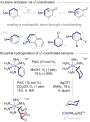


A mild and atom-efficient four-component cascade strategy for the construction of biologically relevant 4-hydroxyquinolin-2(1H)-one derivatives
Beilstein J. Org. Chem. 2026, 22, 244–256, doi:10.3762/bjoc.22.18
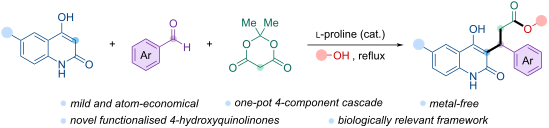
- 1,4-addition. No condensation products were obtained and the reaction mixtures consisted solely of starting materials. It is likely that under these conditions, the nucleophilicity of 4-hydroxyquinolinones was insufficient to attack the aldehyde carbonyl, preventing product formation (Scheme 4F
- nucleophilic attack by the alcohol on the carbonyl group of the Meldrum’s acid fragment, thereby favoring formation of an open-chain ester rather than a lactone upon decarboxylation. Following this rationale, the reaction of 4-hydroxyquinolin-2-ones 2a–c, 3,4-dimethoxybenzaldehyde, and Meldrum’s acid in
- yields (Scheme 5). The proposed mechanism of the four-component reaction is illustrated in Scheme 6. ʟ-Proline, via its amino group, nucleophilically attacks the carbonyl of the aromatic aldehyde, forming an iminium zwitterion intermediate A. Concurrently, ʟ-proline promotes the generation of the


Configuration–packing synergy enabling integrated crystalline-state RTP and amorphous-state TADF
Beilstein J. Org. Chem. 2026, 22, 224–236, doi:10.3762/bjoc.22.16
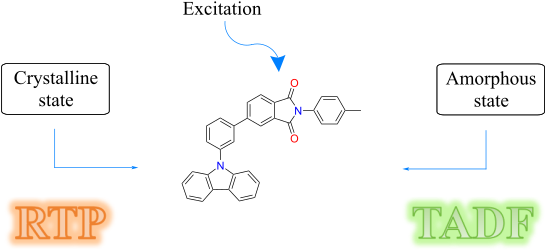
- of both intra- and intermolecular non-radiative decay pathways [20][21][22]. Several strategies have been developed to enhance RTP in organic materials, such as incorporating functional groups with n→π* characteristics, such as carbonyl [23], sulfone [24], or sulfonamide groups [25], constructing
- rigid hydrogen-bonded [26] or ionic networks [13], and utilizing crystallization [27] or confinement environments [28] to restrict molecular motion. These strategies have been implemented in various systems, such as aromatic diketones, diimides, urea/amides self-assembled solids, and carbonyl-containing
- molecular design approaches for TADF include twisted donor–acceptor structures (for example, carbazole or phenoxazine as donors and triazine, nitrile, or carbonyl groups as acceptors) as well as B/N multiresonance frameworks [30][31][32]. These strategies have been successful in achieving efficient triplet


Base-promoted deacylation of 2-acetyl-2,5-dihydrothiophenes and their oxygen-mediated hydroxylation
Beilstein J. Org. Chem. 2026, 22, 192–204, doi:10.3762/bjoc.22.13
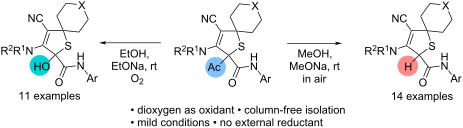
- ] and more complex molecules [11]. Rearrangements of the oxidized compounds are equally important transformations [12]. Oxidation of compounds containing a carbonyl group into carboxylic acid derivatives can be divided into two large groups: direct oxidation and oxidative rearrangements. Direct
- 1A) [15][16]. Oxidative rearrangements of carbonyl compounds are based on Dakin [17] and Baeyer–Villiger reactions [18] and their modifications. Cyclic and acyclic ketones were oxidized to afford lactones and esters, accordingly, involving catalytic reactions with hydrogen peroxide [19][20][21][22
- phenols [25]. Hocking has described the oxidation of o-hydroxyacetophenone and some benzophenones with an aqueous alkaline hydrogen peroxide solution [26]. The key steps of oxidation of ketones into phenols include: a) nucleophilic addition of the hydroperoxide anion to the carbonyl carbon; b) [1,2]-aryl




Streptoquinolines A and B, new antibacterial meroterpenoids produced by Streptomyces sp. TMPU-A0679
Beilstein J. Org. Chem. 2026, 22, 185–191, doi:10.3762/bjoc.22.12
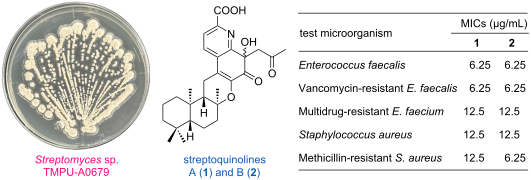
- and 1620–1680 cm−1 indicated the presence of hydroxy and carbonyl groups, respectively. Streptoquinoline A (1): The molecular formula of 1 was elucidated as C28H35NO6 based on HRESIMS measurements. The 13C NMR spectrum (in DMSO-d6) showed 28 signals, which were classified into five methyl carbons
- , seven sp3 methylene carbons, two sp3 methine carbons, two sp2 methine carbons, two sp3 quaternary carbons, two oxygenated sp3 quaternary carbons, five sp2 quaternary carbons, and three carbonyl carbons from an analysis of the HMQC spectrum. The 1H NMR spectrum (in DMSO-d6) exhibited signals


Asymmetric Mannich reaction of aromatic imines with malonates in the presence of multifunctional catalysts
Beilstein J. Org. Chem. 2026, 22, 151–157, doi:10.3762/bjoc.22.8
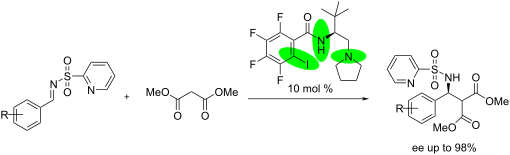
- enolized carbonyl compound to an imine derived from an aldehyde or ketone and an amine, has been known for more than hundred years [1] and it has become an important method for creating C–C bonds [2][3][4]. The obtained Mannich bases exhibit a broad spectrum of biological activities [5][6] and have also


Total synthesis of natural products based on hydrogenation of aromatic rings
Beilstein J. Org. Chem. 2026, 22, 88–122, doi:10.3762/bjoc.22.4
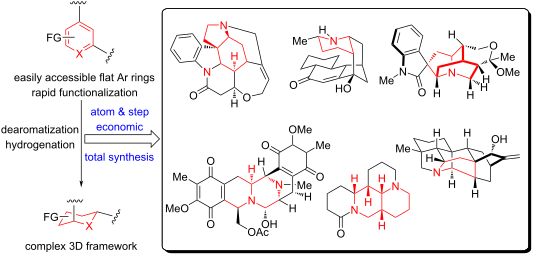
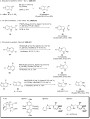
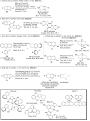
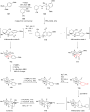
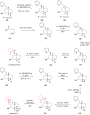
- steps. The authors then utilized their own palladium-catalyzed intramolecular α-acylation followed by protection of the carbonyl group to obtain the diketal 99. Birch reduction of 99 afforded the enone, which was then subjected to a Luche reduction to get the allylic alcohol 100. A Johnson–Claisen
- conditions, thereby permitting iterative thermal re-equilibration of the undesired cycloadduct 111, which enhanced the formation of 112 while minimizing material loss. Cycloadduct 112 was converted to 113 in high yield through a three-step sequence of carbonyl hydroboration, alcohol chlorination with thionyl
- , olefin hydrogenation, and DMP oxidation, provided diketone 125. The two carbonyl groups in 125 were then chemoselectively and stereoselectively reduced using rhodium as a catalyst to yield hydroxylated ketone 126. A further three-step transformation provided the catalytic hydrogenation precursor 127








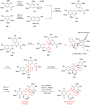


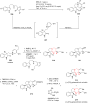

Competitive cyclization of ethyl trifluoroacetoacetate and methyl ketones with 1,3-diamino-2-propanol into hydrogenated oxazolo- and pyrimido-condensed pyridones
Beilstein J. Org. Chem. 2025, 21, 2716–2729, doi:10.3762/bjoc.21.209
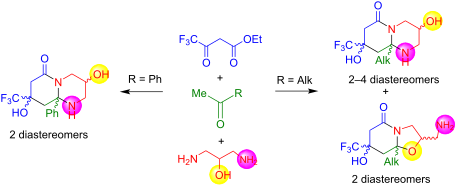
- for 3-polyfluoroalkyl-3-oxo esters containing an activated carbonyl group capable of adding α-methylene ketones. It is characterized by the cyclization at the 1,3-dicarbonyl fragment of 3-oxo ester and offers a possibility of using a variety of nucleophilic agents to form hydrogenated diastereomeric
- frequencies of the carbonyl function (ν 1633–1593 cm−1) and N–H, O–H groups (ν 3435–3126 cm−1), which indicates their participation in the hydrogen bond formation [67]. On the other hand, the IR spectra of hexahydrooxazolo[3,2-a]pyridones 5a–c contain intense absorption bands of the C=O function at ν 1652
- the OH group. The crystal packing of single crystals 4att, 4atc, 4acc, 4act, 4dct is ordered by intermolecular hydrogen bonds linking O–H groups and heteroatoms O/N of neighboring molecules (see Table S8 in Supporting Information File 1); N–H groups of the hexahydropyrimidine ring and a carbonyl


Mechanistic insights into hydroxy(tosyloxy)iodobenzene-mediated ditosyloxylation of chalcones: a DFT study
Beilstein J. Org. Chem. 2025, 21, 2703–2715, doi:10.3762/bjoc.21.208
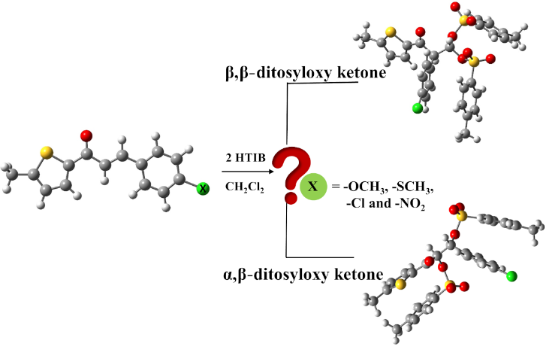
- of the hydroxy(tosyloxy)iodobenzene (HTIB)-mediated conversion of chalcones (α,β-unsaturated carbonyl compounds) to ditosyloxy ketones is investigated. Here, at β-carbon of the chalcone, an aryl group with a para-substituent is present. Our study focuses on investigating the effect of different
- -substituents; α,β-unsaturated carbonyl compounds; Introduction Hypervalent iodine compounds exhibit a range of bonding patterns which making these compounds powerful reagents or catalysts for a number of organic transformations [1][2][3][4] – oxidation of alcohols [5], epoxidation of alkenes [6], oxidative
- -mediated ditosyloxylation of α,β-unsaturated carbonyl compounds (chalcones) bearing an aryl group at β-position (compound A) leading to formation of two possible products, that are: α-arylated β,β-ditosyloxy-substituted carbonyl compound (compound B – geminal product) and β-arylated α,β-ditosyloxy


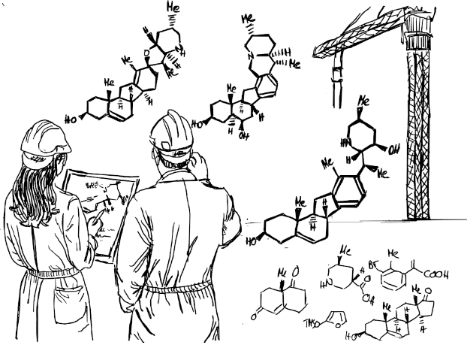
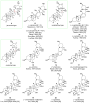
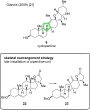
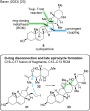
Recent advancements in the synthesis of Veratrum alkaloids
Beilstein J. Org. Chem. 2025, 21, 2657–2693, doi:10.3762/bjoc.21.206




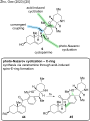
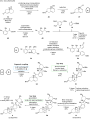
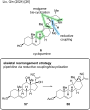

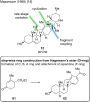


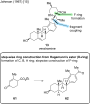

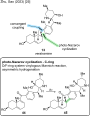

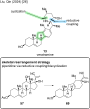

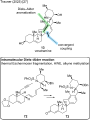

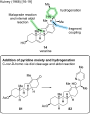


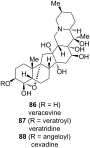


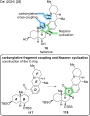

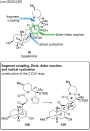
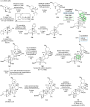
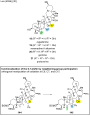
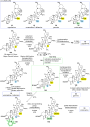
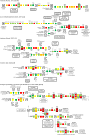
Chemoenzymatic synthesis of the cardenolide rhodexin A and its aglycone sarmentogenin
Beilstein J. Org. Chem. 2025, 21, 2637–2644, doi:10.3762/bjoc.21.204
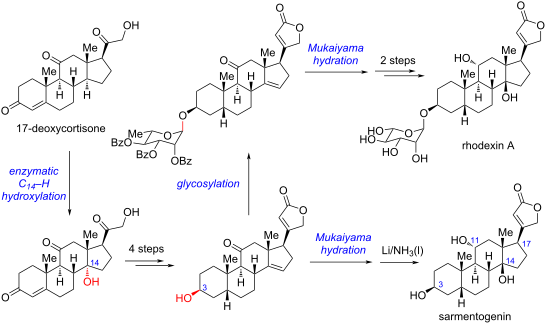
- aglycone sarmentogenin in 7 steps from 17-deoxycortisone. The synthesis features a scalable enzymatic C14–H α-hydroxylation, a Bestmann ylide-enabled one-step construction of the butenolide motif, a late stage Mukaiyama hydration, and a stereoselective C11 carbonyl reduction. Keywords: cardiac glycosides
- reactive C17 side chain including an α-hydroxycarbonyl group, a set of side reactions (e.g., reduction of the C20 carbonyl, hydrogenation of Δ4 and Δ14 double bonds, etc.) occurred under the Mukaiyama hydration conditions [30][31]. Therefore, it was necessary to alter the side chain before installing the
- . Therefore, we decided to perform the Mukaiyama hydration on advanced intermediates. Next, a K-selectride-promoted chemo- and stereoselective reduction of the C3 carbonyl of 9 was realized to solely deliver 11 in 85% yield [33]. Then, 11 was subjected to Mukaiyama hydration conditions. Under the Fe(acac)3



Thiazolidinones: novel insights from microwave synthesis, computational studies, and potentially bioactive hybrids
Beilstein J. Org. Chem. 2025, 21, 2618–2636, doi:10.3762/bjoc.21.203
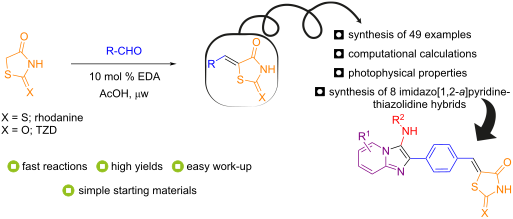
- scaffolds for several synthetic or natural compounds [5]. Five-membered heterocycles include the thiazolidinone nucleus, characterized by two heteroatoms and a carbonyl group on the fourth carbon, as seen in compounds like rhodanine and thiazolidine-2,4-dione derivatives (Figure 1). These privileged
- ], tetrahydrobenzo[b]pyrans [68], and pyrrolo[3,4-c]quinolinediones [69]. EDDA favors the enol formation of the thiazolidinone (2) through hydrogen donation from the protonated amino group, thus facilitating its removal and formation of enol ii (Scheme 4). This enol adds to the carbonyl group of the aromatic
- tautomerization within the structure of the products, likely induced by the presence of the 4-diethylamino (4-NEt2) group, a strong electron-donating substituent. The canonical structure of thiazolidines, due to the presence of one or two carbonyl groups, thiol groups, and α-hydrogens, allows the formation of






Visible-light-driven NHC and organophotoredox dual catalysis for the synthesis of carbonyl compounds
Beilstein J. Org. Chem. 2025, 21, 2584–2603, doi:10.3762/bjoc.21.200
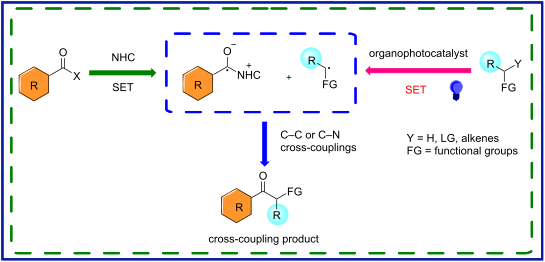
- chemistry. In particular, dual catalysis combining N-heterocyclic carbenes (NHCs) with organophotocatalysts (e.g., 4CzIPN, eosin Y, rhodamine, 3DPAFIPN, Mes-Acr-Me+ClO4−) has emerged as a powerful photocatalytic strategy for efficiently constructing a wide variety of carbonyl compounds via radical cross
- carbonyl compounds and pharmaceutically relevant intermediates. Moreover, this catalytic system operates under green and sustainable conditions, tolerating a broad range of functional groups and substrate scope, and utilizes low-cost, atom-economical, non-toxic starting materials. Keywords: dual catalysis
- ][2][3][4][5][6]. Recently developed photocatalysis affords sustainable, regioselective green methods for producing a wide range of functionalized carbonyl compounds and their related bioactive chiral intermediates under mild conditions, employing dual organic photoredox catalysis [7][8][9][10][11





Recent advances in total synthesis of illisimonin A
Beilstein J. Org. Chem. 2025, 21, 2571–2583, doi:10.3762/bjoc.21.199
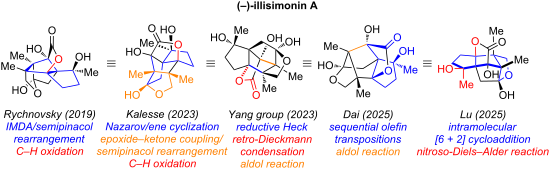
- , obtained as a 1.7:1 mixture of diastereomers after protection of one of the carbonyl groups in 19 as enol ether with BOMCl. A silyl-tethered intramolecular Diels–Alder reaction of the in situ generated 22 constructed the tricyclo[5.2.1.01,5]decane core bearing a cis-pentalene unit, yielding compound 23
- introduce another side chain, affording a diene intermediate. A subsequent ring-closing metathesis (RCM) reaction formed the cyclopentene ring, and one pot protection of both carbonyl groups with ethylene glycol provided bis-ketal 55. Notably, due to steric hindrance, only one carbonyl group could be
- deketalization afforded carbonate 58. A palladium-catalyzed decarboxylative alkenylation reaction was then carried out across the less hindered face of the six-membered ring to connect C5 and C6. Selective deprotonation and triflation at the C4 carbonyl group provided enol triflate 59. An intramolecular






Total syntheses of highly oxidative Ryania diterpenoids facilitated by innovations in synthetic strategies
Beilstein J. Org. Chem. 2025, 21, 2553–2570, doi:10.3762/bjoc.21.198
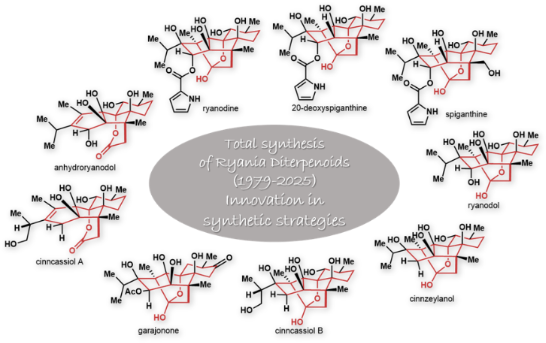
- carbonyl, a silyl transform, and oxidation of the C2 secondary hydroxy group afforded intermediate 54. This sequence successfully installed the C3 hydroxy group with the requisite stereochemistry for 3-epi-ryanodol (5). Subsequent introduction of an isopropyl group at C2 and global deprotection yielded the
- ABCD tetracyclic core skeleton 71. Treatment of 71 with SeO2 effected a multi-site sequential oxidation, and subsequent triflation yielded triflate 73. Finally, compound 73 underwent a sequence of transformations: introduction of an isopropyl group at C2, directed reduction of the C3 carbonyl
- , and introduction of an isopropenyl group afforded compound 75. Subsequent protection of the vicinal diol as a boronic ester and diastereoselective reduction of the C3 carbonyl group yielded compound 76. Esterification with acylating reagent 77 under basic conditions, followed by boronic ester removal







Synthesis and characterization of a isothiouronium-calix[4]arene derivative: self-assembly and anticancer activity
Beilstein J. Org. Chem. 2025, 21, 2535–2541, doi:10.3762/bjoc.21.195
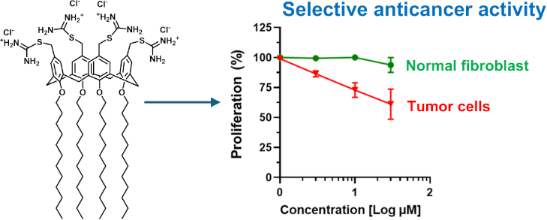
- into the calixarene skeleton to develop anticancer derivatives, including proline [34], carbonyl amide [35], glycoureido [36], ureido [37], picolylamine [38], 5-bromopentyltrimethylammonium bromide and 3-bromopropyltriphenylphosphonium bromide [39], among others. Isothiouronium salts represent another


Isoorotamide-based peptide nucleic acid nucleobases with extended linkers aimed at distal base recognition of adenosine in double helical RNA
Beilstein J. Org. Chem. 2025, 21, 2513–2523, doi:10.3762/bjoc.21.193
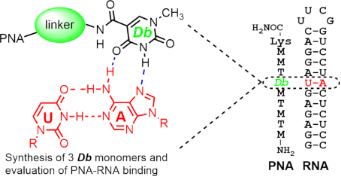
- with the highest probability. The snapshots in Figure 7 reveal problems with the Db bases in the binding pocket. As discussed earlier, each Db base has a linker containing an NH moiety aimed at forming a stabilizing hydrogen bond with the carbonyl from the linker of the adjacent PNA M-base. Such a
- from glutaric anhydride [30]. In fact, molecular dynamics simulations did confirm that the amide carbonyl of the linker forms a stable H-bond to the amino group of C (Figure 7C). Since the distal guanosine in the C–G base pair is a mismatch with the isoorotic acid binding moiety, the isoorotamide


Transformation of the cyclohexane ring to the cyclopentane fragment of biologically active compounds
Beilstein J. Org. Chem. 2025, 21, 2416–2446, doi:10.3762/bjoc.21.185
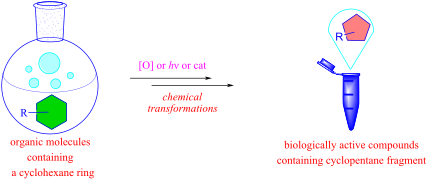
- -ketoxime 45 by Grignard reduction alkylation, followed by a Beckmann fragmentation of the C2–C3 bond of the intermediate 3-ethyl-substituted hydroxyimino ketone in the SOCl2-CH2Cl2 system. The introduction of a carbonyl substituent into the isopropylidene fragment of ketone 46 was achieved either by
- ring contraction reaction on simple cyclohexanones to synthesize functionalized di- and triquinanes [51]. Treatment of 6-oxabicyclo[3.2.1]octan-8-one 86 with BF3·Et2O (2 equiv) promoted the activation of the carbonyl group in 87 by the Lewis acid, leading to the formation of an oxocarbenium ion 88
- hydroxyketone 207 using the Diels–Alder reaction and the ring contraction reaction of epoxyketone 208. After treatment with TMSOTf in dichloromethane at −78 °C, epoxyketone 208 was subjected to selective cleavage of the epoxide, followed by а 1,2-shift of the carbonyl group and the formation of the ring


Rotaxanes with integrated photoswitches: design principles, functional behavior, and emerging applications
Beilstein J. Org. Chem. 2025, 21, 2345–2366, doi:10.3762/bjoc.21.179

- form selective hydrogen bonds between the carbonyl oxygen of the fumaramide unit and the N–H groups of benzylic amide rings. Upon isomerization to the cis isomer, the hydrogen-bonding interactions are weakened, enabling the macrocycle to migrate to a second recognition station [61]. Despite their


Recent advances in Norrish–Yang cyclization and dicarbonyl photoredox reactions for natural product synthesis
Beilstein J. Org. Chem. 2025, 21, 2315–2333, doi:10.3762/bjoc.21.177
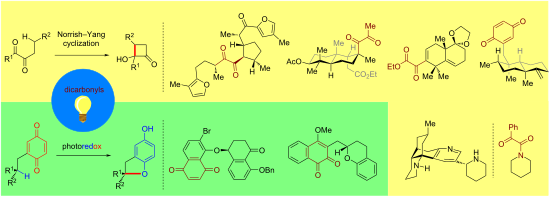
- ][2][3]. These studies revealed distinct reaction types, with the Norrish type II reaction being one of the most extensively characterized. The mechanism underlying the Norrish type II reaction proceeds via the following steps (Scheme 1a): photoexcitation of carbonyl compound A generates an excited
- congested benzofuranone-based 4,5-spirocycle [26]. Starting from Wieland–Miescher ketone (18, Scheme 4), the synthesis proceeded through a sequence of transformations: the nonconjugated carbonyl was chemoselectively protected as ketal 19; the unprotected ketone then underwent α-methylation to provide 20
- . Notably, 116 resisted oxidation to 118, presumably due to carbonyl-induced π-electron depletion, whereas compound 118 proved resistant to direct conversion into preussomerin EG3 (99) under various conditions. Alternatively, preussomerin EG1 (97) was obtained in 83% yield over two steps from preussomerin




Insoluble methylene-bridged glycoluril dimers as sequestrants for dyes
Beilstein J. Org. Chem. 2025, 21, 2302–2314, doi:10.3762/bjoc.21.176
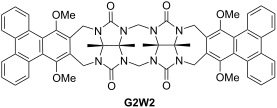
- substituents – performs significantly better than G2W2 and displays very good removal efficiency for methylene violet. Previous researchers have shown that dye adsorption is promoted by hydroxy, carbonyl, methoxy, and aldehyde substituents which provides an explanation for the better performance of G2W1