


Search results
Search for "chemical synthesis" in Full Text gives 241 result(s) in Beilstein Journal of Organic Chemistry. Showing first 200.
Enhancing chemical synthesis planning: automated quantum mechanics-based regioselectivity prediction for C–H activation with directing groups
Beilstein J. Org. Chem. 2025, 21, 1171–1182, doi:10.3762/bjoc.21.94
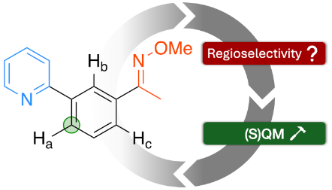
- reliable regioselectivity predictions that are essential for accelerating innovation in materials science and medicinal chemistry. Keywords: C–H activation; chemical synthesis planning; directing groups; quantum mechanics; regioselectivity prediction; Introduction The activation and functionalization of


Synthetic approach to borrelidin fragments: focus on key intermediates
Beilstein J. Org. Chem. 2025, 21, 1135–1160, doi:10.3762/bjoc.21.91
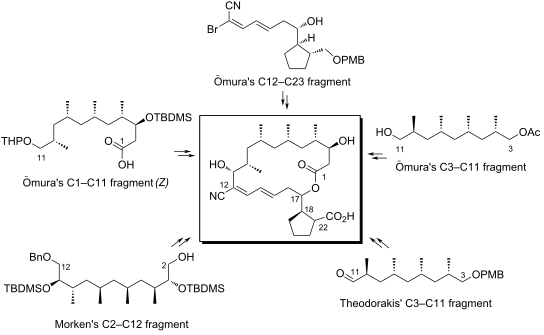
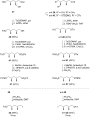
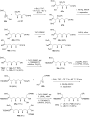
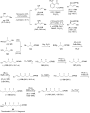
- into fragment synthesis, providing a more holistic perspective on borrelidin’s chemical synthesis and biological relevance [50]. However, in-depth works focusing on key fragment optimizations remain limited. Hence, this review aims to address this gap. Review Syntheses of borrelidin fragments Uguen’s


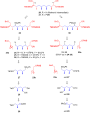
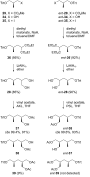






Recent total synthesis of natural products leveraging a strategy of enamide cyclization
Beilstein J. Org. Chem. 2025, 21, 999–1009, doi:10.3762/bjoc.21.81
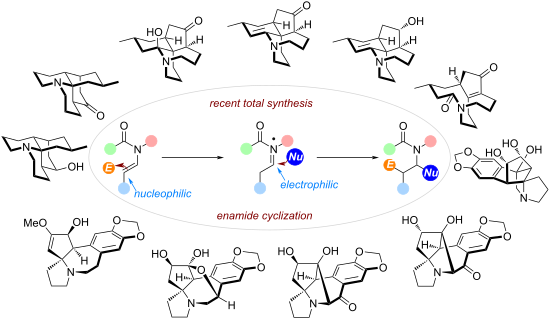
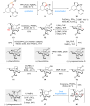
- , these reactions – particularly tandem processes – are highly effective in constructing both fused and bridged ring systems, offering valuable new tools for chemical synthesis. Future advancements in the field could involve further applications of enamide cyclizations with other nucleophiles or in




Recent advances in controllable/divergent synthesis
Beilstein J. Org. Chem. 2025, 21, 890–914, doi:10.3762/bjoc.21.73

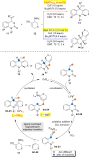
- discipline and pursue novel advancements in the realm of chemical synthesis. Keywords: controllable; divergent; diverse products; switchable synthesis; Introduction In the era of synthetic organic chemistry, divergence can produce stereodivergence (including diastereodivergence and enantiodivergence) [1][2
- tactics in chemical synthesis. Ligand-controlled regiodivergent C1 insertion into arynes [19]. Ligand effect in homogenous gold catalysis enabling regiodivergent π-bond-activated cyclization [20]. Ligand-controlled palladium(II)-catalyzed regiodivergent carbonylation of alkynes [21]. Catalyst-controlled




Emerging trends in the optimization of organic synthesis through high-throughput tools and machine learning
Beilstein J. Org. Chem. 2025, 21, 10–38, doi:10.3762/bjoc.21.3
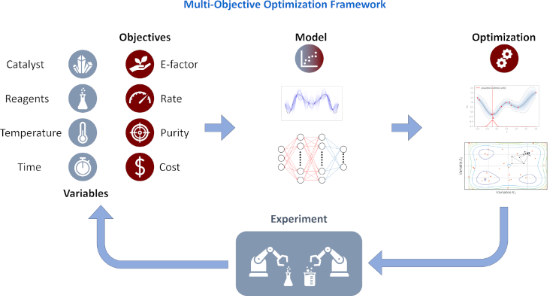
- demands solutions that meet multiple targets, such as yield, selectivity, purity, cost, environmental impact, etc. In recent years, the advancement of artificial intelligence (AI), machine learning (ML), and automation has produced a paradigm shift for chemical synthesis optimization techniques. By
- consonant and/or conflicting targets. In addition, the incorporation of lab robotics into chemical synthesis has enabled the development of closed-loop optimization platforms capable of executing optimization campaigns rapidly with minimal human intervention, relieving experimenters from labor-intensive
- trends in the selection of optimization algorithms for chemical synthesis. Finally, we highlight the future directions and opportunities in the field. For an in-depth overview on the topic of chemical reaction optimization, the readers are referred to prominent reviews by Taylor et al. [5], Griffin et al


Surprising acidity for the methylene of 1,3-indenocorannulenes?
Beilstein J. Org. Chem. 2024, 20, 3144–3150, doi:10.3762/bjoc.20.260
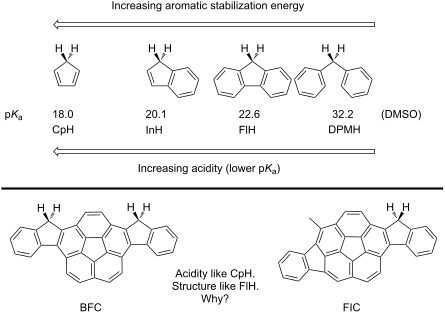
- an “azacorannulene”. Working from graph structures based on chemically stable (“group elementary”) nodes is a useful principle in molecular design and chemical synthesis. Such a perspective is important to understand fundamental physical organic molecular properties as well as to predict desirable


Advances in the use of metal-free tetrapyrrolic macrocycles as catalysts
Beilstein J. Org. Chem. 2024, 20, 3085–3112, doi:10.3762/bjoc.20.257
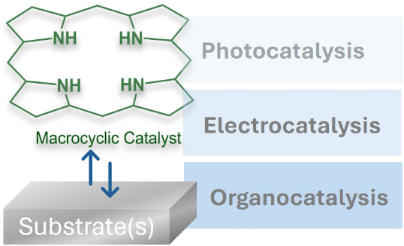
- (1O2) finds many applications in photochemistry and photobiology, e.g., for wastewater treatment, fine chemical synthesis, and photodynamic therapy (PDT) [79][80][81][82][83]. Additionally, after light excitation, porphyrins can also oxidize a substrate by accepting electrons from a substrate molecule


Enantioselective regiospecific addition of propargyltrichlorosilane to aldehydes catalyzed by biisoquinoline N,N’-dioxide
Beilstein J. Org. Chem. 2024, 20, 3069–3076, doi:10.3762/bjoc.20.255
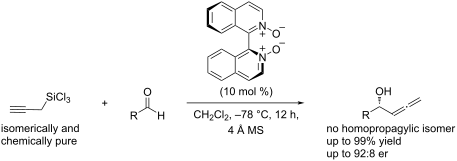
- ; Introduction Enantioenriched α-allenic alcohols are an important class of chiral building blocks used for the chemical synthesis of biologically relevant molecules [1][2][3][4][5]. Their strength comes from the rich synthetic versatility [6][7][8][9] and biological relevance [10] of the allene functionality


Chemical structure metagenomics of microbial natural products: surveying nonribosomal peptides and beyond
Beilstein J. Org. Chem. 2024, 20, 3050–3060, doi:10.3762/bjoc.20.253

- morphology of the host, etc. [25]. Sequence and function metagenomic approaches have been reviewed elsewhere and will not be covered herein [26][27][28]. This Perspective focuses on chemical structure metagenomics (Figure 2c), an emerging field that integrates bioinformatics, chemical synthesis, molecular


5th International Symposium on Synthesis and Catalysis (ISySyCat2023)
Beilstein J. Org. Chem. 2024, 20, 2704–2707, doi:10.3762/bjoc.20.227
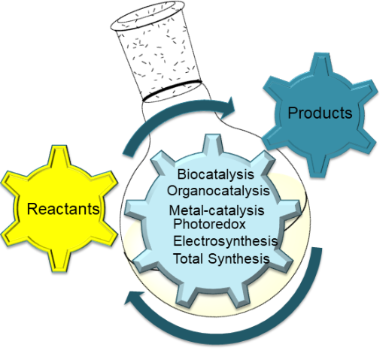
- fundamental to advancing technologies that address global challenges in health, sustainability, and beyond. By enabling the production of complex molecules with specific functions, chemical synthesis and catalysis play a key role in innovation across the above-mentioned fields and thus improve our quality of

Synthesis and cytotoxicity studies of novel N-arylbenzo[h]quinazolin-2-amines
Beilstein J. Org. Chem. 2024, 20, 2592–2598, doi:10.3762/bjoc.20.218
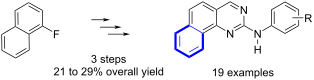
- describe a short and efficient synthesis for this type of novel skeleton and to prepare a focused library for these targets C. Further, we will report results on their cytotoxic activities. Results and Discussion Chemical synthesis For the preparation of our targets, we selected a flexible strategy which
- has not been used earlier, should offer attractive potentialities in bioorganic and medicinal chemistry. Extension of these studies are ongoing in our laboratories and corresponding results will be reported in due course. Experimental Chemical synthesis General information All reactions were performed


Machine learning-guided strategies for reaction conditions design and optimization
Beilstein J. Org. Chem. 2024, 20, 2476–2492, doi:10.3762/bjoc.20.212

- the Open Reaction Database (ORD) [36], an open-source initiative to collect and standardize chemical synthesis data from various literature sources. The ORD allows chemists to upload reaction data associated with their publications, and aims to serve as a benchmark for ML development. However, the ORD
- capture of experimental records of chemical reactions from chemical synthesis papers. This development demonstrates significant advancements in streamlining the data extraction process for chemical research. Implicit data issues and data preprocessing tools The quality of training data is a crucial factor
- enhancing the overall chemical synthesis pathway. They demonstrated the predictive pathway for sonidegib synthesis, but it still required chemical insights to verify the compatibility of the solvents predicted by the global model with the reactants. Moreover, in a multistep synthesis route, the


gem-Difluorination of carbon–carbon triple bonds using Brønsted acid/Bu4NBF4 or electrogenerated acid
Beilstein J. Org. Chem. 2024, 20, 2261–2269, doi:10.3762/bjoc.20.194
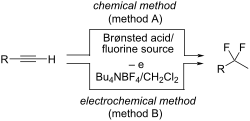
- use the optimized conditions in entry 2, because reducing the amount of Bu4NBF4, for example, to 5 equiv is important from the viewpoint of eco-friendly chemical synthesis. The reaction time of 16 h also seems to be suitable for the investigation. Thus, the combination of Tf2NH and Bu4NBF4 might



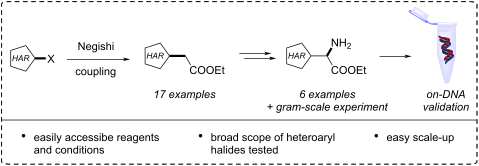
Negishi-coupling-enabled synthesis of α-heteroaryl-α-amino acid building blocks for DNA-encoded chemical library applications
Beilstein J. Org. Chem. 2024, 20, 1922–1932, doi:10.3762/bjoc.20.168
- screening and rapid optimization [46][47]. Homogenous heating and mixing in flow reactors can lead to higher reaction rates and yields. In terms of photochemistry, continuous flow setups provide enhanced light irradiation as well [48][49]. These advantages make flow chemistry a powerful tool for chemical
- synthesis and industrial applications [50][51]. To assess the advantage of moving from batch to flow, the production of compounds 2b and 2i was carried out with the telescoped approach. Despite the difference in the yield being minimal, the rate of the transformation showed a significant improvement under


Chemo-enzymatic total synthesis: current approaches toward the integration of chemical and enzymatic transformations
Beilstein J. Org. Chem. 2024, 20, 1693–1712, doi:10.3762/bjoc.20.151
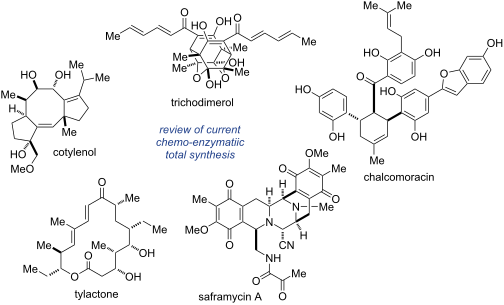
- approach" merging efficient enzymatic synthesis – traditionally employed in the biosynthesis of natural products by microorganisms and plants – with precise chemical synthesis conducted by chemists. Chemo-enzymatic total syntheses reported recently fall into three main categories based on the purpose for
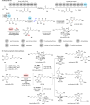
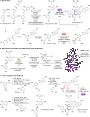
- tricyclic scaffold was produced through scalable chemical synthesis. Subsequently, in vitro enzymatic oxidative functionalizations were carried out during the oxidation stage. The exploration of Bsc9 homologs and directed evolution expanded the scope of substrates of the dioxygenase beyond the natural
- biosynthetic intermediate 8 to its analogs 21, enabling the chemo-enzymatic total synthesis of 1. The chemical synthesis commenced with the preparation of two fragments and their subsequent coupling to assemble the core 5/8/5 tricyclic scaffold (Scheme 3A). The left-half fragment, aldehyde 14, was synthesized




Methyltransferases from RiPP pathways: shaping the landscape of natural product chemistry
Beilstein J. Org. Chem. 2024, 20, 1652–1670, doi:10.3762/bjoc.20.147
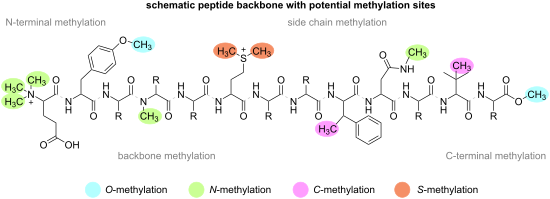
- three main routes for the synthesis of methylated peptides: chemical synthesis [33][34], in vitro ribosomal synthesis [35], and enzymatic synthesis. Chemical synthesis. Three main categories of reactions are commonly used: reductive amination, reductive ring openings, and the use of methylating agents
- peptide methylation. Biocatalysis provides an efficient and sustainable alternative to chemical synthesis strategies. Both NRPS and RiPP biosynthetic machineries can be used for cell-based or in vitro strategies [53]. Especially well suited as biocatalysts are MTs from RiPP pathways, as they demonstrate


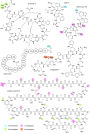


Generation of multimillion chemical space based on the parallel Groebke–Blackburn–Bienaymé reaction
Beilstein J. Org. Chem. 2024, 20, 1604–1613, doi:10.3762/bjoc.20.143

- purposes [1][2][3][4][5][6]. Isonitrile-based multicomponent reactions, such as the Groebke–Blackburn–Bienaymé (GBB) reaction, is an important tool in chemical synthesis providing easy access to a huge compound diversity and complexity [7][8][9][10][11][12][13][14][15][16][17]. Essentially, the GBB


Electrocatalytic hydrogenation of cyanoarenes, nitroarenes, quinolines, and pyridines under mild conditions with a proton-exchange membrane reactor
Beilstein J. Org. Chem. 2024, 20, 1560–1571, doi:10.3762/bjoc.20.139
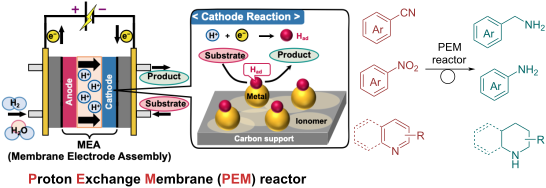
- ; quinoline; Introduction Nitrogen-containing molecules are important bioactive compounds and intermediates in chemical synthesis. Therefore, the chemical transformations of nitrogen-containing compounds have been widely studied in the field of organic synthesis [1][2][3][4]. For instance, the reduction of


Bioinformatic prediction of the stereoselectivity of modular polyketide synthase: an update of the sequence motifs in ketoreductase domain
Beilstein J. Org. Chem. 2024, 20, 1476–1485, doi:10.3762/bjoc.20.131
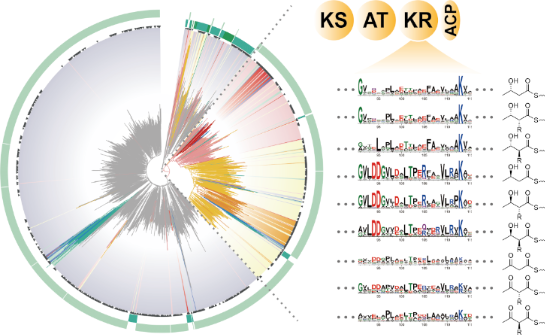
- product structures were experimentally determined, such as by crystallography, nuclear magnetic resonance (NMR) analysis or by chemical synthesis, were obtained for further analysis. The modules in PKSs were categorized as α-module (containing KS-AT-ACP tridomain), β-module (KS-AT-KR-ACP), γ-module (KS-AT


Generation of alkyl and acyl radicals by visible-light photoredox catalysis: direct activation of C–O bonds in organic transformations
Beilstein J. Org. Chem. 2024, 20, 1348–1375, doi:10.3762/bjoc.20.119
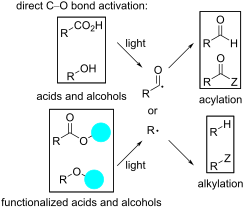
- Mithu Roy Bitan Sardar Itu Mallick Dipankar Srimani Department of Chemistry, Indian Institute of Technology-Guwahati, Kamrup, Assam 781039, India 10.3762/bjoc.20.119 Abstract Alkyl and acyl radicals play a critical role in the advancement of chemical synthesis. The generation of acyl and alkyl








Stability trends in carbocation intermediates stemming from germacrene A and hedycaryol
Beilstein J. Org. Chem. 2024, 20, 1189–1197, doi:10.3762/bjoc.20.101
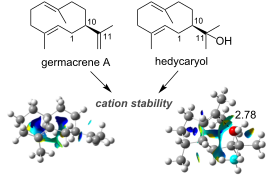
- germacrene A and hedycaryol and how this might affect product distribution in chemical synthesis and biosynthesis. Additionally, we compare the effect of the choice of DFT functional and basis set on the results. Methods The structures of all studied intermediate carbocations originating from germacrene A


Innovative synthesis of drug-like molecules using tetrazole as core building blocks
Beilstein J. Org. Chem. 2024, 20, 950–958, doi:10.3762/bjoc.20.85
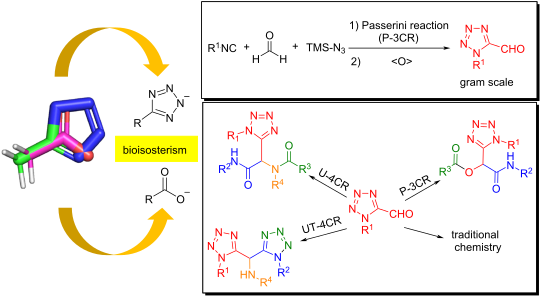
- complexity of chemical synthesis towards novel drugs has almost doubled from eight chemical steps to an average of 14 in 2021 [1]. Therefore, the need for robust reactions compatible with many functional groups in complex molecules is an integral part in contemporary medicinal chemistry and drug development




Research progress on the pharmacological activity, biosynthetic pathways, and biosynthesis of crocins
Beilstein J. Org. Chem. 2024, 20, 741–752, doi:10.3762/bjoc.20.68
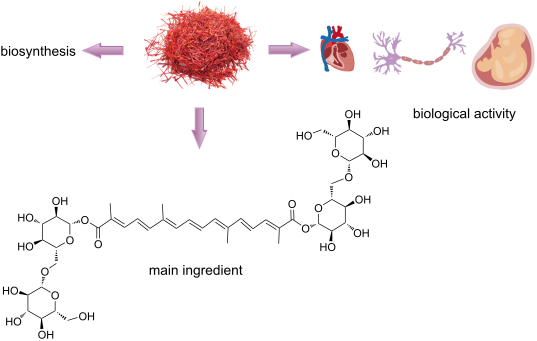
- -inflammatory properties, hepatorenal protection, and anticancer activity. They are often used as coloring and seasoning agents. Due to the limited content of crocins in plants and the high cost of chemical synthesis, the supply of crocins is insufficient to meet current demand. The biosynthetic pathways for
- cell suspension culture, heterologous biosynthesis, and total synthesis [16][17]. Crocins can be obtained from plant cell culture, but the production is prone to epigenetic silencing and toxic intermediates. The chemical synthesis of crocins is challenging due to the presence of numerous chiral centers


Chemoenzymatic synthesis of macrocyclic peptides and polyketides via thioesterase-catalyzed macrocyclization
Beilstein J. Org. Chem. 2024, 20, 721–733, doi:10.3762/bjoc.20.66
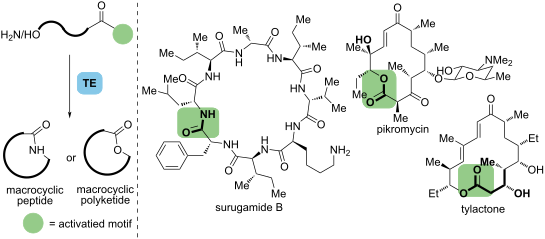
- macrocyclizations (Scheme 1c). NAC thioester and other related mimics (such as coenzyme A (CoA), phosphopantetheine, and thiophenol) span the gap between the chemical synthesis and biosynthesis languages and expand the substrate promiscuity of TE domains. This bridge makes the in vitro TE-catalyzed macrocyclization
- contrast to Kang’s chemical synthesis route, this biotransformation provided a more efficient and productive strategy for the desoaminylation of macrolide aglycones. Combining in vitro and in vivo enzymatic reactions together, this chemoenzymatic platform exhibits the potential to access a broader range of


Regioselective quinazoline C2 modifications through the azide–tetrazole tautomeric equilibrium
Beilstein J. Org. Chem. 2024, 20, 675–683, doi:10.3762/bjoc.20.61
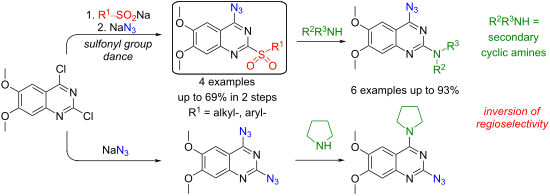
- of 4-azido-6,7-dimethoxy-2-sulfonylquinazoline derivatives 12 were proven by chemical synthesis of the regioisomers 15 (Scheme 7) and X-ray analysis of 12a (Scheme 6). 6,7-Dimethoxy-2,4-diazidoquinazoline (13) was synthesized from commercially available dichloroquinazoline 7 in 93% yield. Further





