


Search results
Search for "dimerization" in Full Text gives 294 result(s) in Beilstein Journal of Organic Chemistry. Showing first 200.
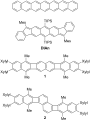
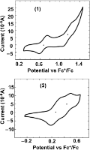
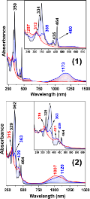
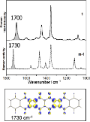
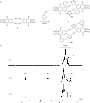
Oxidation of [3]naphthylenes to cations and dications converts local paratropicity into global diatropicity
Beilstein J. Org. Chem. 2025, 21, 277–285, doi:10.3762/bjoc.21.20

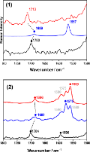
- pentacenes, are relatively stable molecules under ambient conditions, longer acenes undergo spontaneous dimerization and react with oxygen [5][6], owing to the rising diradical character. This behavior was also observed in the oxidized species of shorter acenes [7]. Surprisingly, Bettinger and Einholz [5
- ] reported a stable heptacene dication in concentrated sulfuric acid, a stability attributed to the intermolecular Coulomb repulsion between the charged molecules, which prevents the dimerization of the acene. This exciting finding suggests possible modes of kinetic stabilization of oxidized species of π


Synthesis of disulfides and 3-sulfenylchromones from sodium sulfinates catalyzed by TBAI
Beilstein J. Org. Chem. 2025, 21, 253–261, doi:10.3762/bjoc.21.17
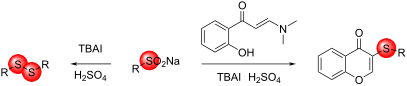
- not give the product, suggesting that conversion of sodium 4-methylbenzenesulfinate to 4-methylbenzenesulfinic acid was required. Several solvents were tested and found to produce the disulfide in low yield (Table 1, entries 6–11), except for dimethylacetamide (DMA). Given the dimerization nature of




Hydrogen-bonded macrocycle-mediated dimerization for orthogonal supramolecular polymerization
Beilstein J. Org. Chem. 2025, 21, 179–188, doi:10.3762/bjoc.21.10
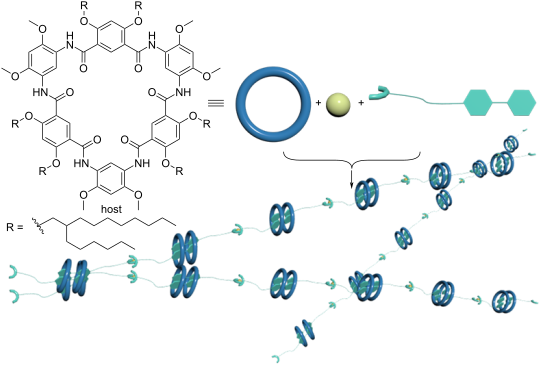
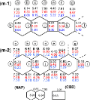
- covalently linked polymers. So far, the design of such monomers has relied heavily on three-dimensional macrocycles, and the use of two-dimensional shape-persistent macrocycles for this purpose remains rather rare. Here, we demonstrate a dimerization motif based on a hydrogen-bonded macrocycle that can be
- polymerization concentration of 17 μM. These polymers were highly concentration-dependent. Establishing this new dimerization motif with shape-persistent H-bonded macrocycles widens the scope of noncovalent building blocks for supramolecular polymers and augurs well for the future development of functional
- capable of dimerization by binding to a macrocycle in a 2:2 stoichiometry [22][23]. Such binding motifs are intriguing for macrocycle-mediated supramolecular dimerization since they may enable multiple modes of noncovalent connectivity through combination with other noninterfering interactions (e.g



Recent advances in electrochemical copper catalysis for modern organic synthesis
Beilstein J. Org. Chem. 2025, 21, 155–178, doi:10.3762/bjoc.21.9

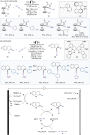
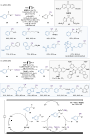
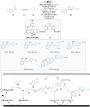
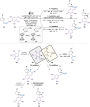
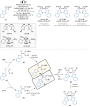
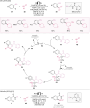
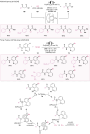
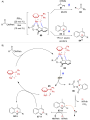
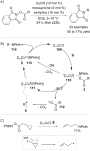
- reactions, particularly in controlling the high reactivity and selectivity of radical intermediates [13][14]. Early studies on copper-mediated radical reactions, such as Julia’s work on radical cyclization reaction [15], along with advancements in dimerization [16][17], oxidative cleavage [18][19], and








Emerging trends in the optimization of organic synthesis through high-throughput tools and machine learning
Beilstein J. Org. Chem. 2025, 21, 10–38, doi:10.3762/bjoc.21.3
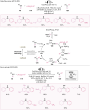
- four-step process involves allylation, Claisen rearrangement, isomerization, and oxidative dimerization. Each reaction step was optimized independently by using either online HPLC or in-line benchtop NMR spectroscopy to afford an overall yield of 67% in 66 iterative experiments over four linear
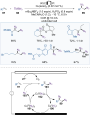
- convenient methodology for global optimization, eliminating the necessity of a theoretical model. A reconfigurable automated flow platform integrating online HPLC monitoring was used for the cobalt-catalyzed aerobic oxidative dimerization of desmethoxycarpacine (6) to carpanone (7) in the presence of oxygen


Controlled oligomerization of [1.1.1]propellane through radical polarity matching: selective synthesis of SF5- and CF3SF4-containing [2]staffanes
Beilstein J. Org. Chem. 2024, 20, 3134–3143, doi:10.3762/bjoc.20.259
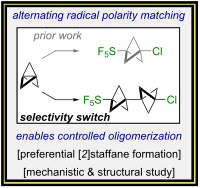
- in the medicinal chemistry arena, in stark contrast to single BCP units over the past 12 years [20][21][22][23][24]. One plausible explanation for the paucity of applications of [n]staffanes in materials or biological settings is a synthetic accessibility issue. For instance, dimerization of


Advances in radical peroxidation with hydroperoxides
Beilstein J. Org. Chem. 2024, 20, 2959–3006, doi:10.3762/bjoc.20.249
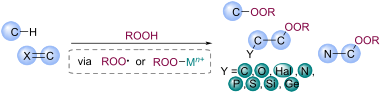
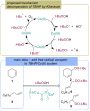
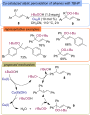
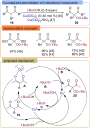
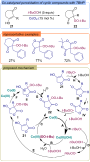
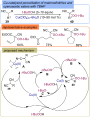
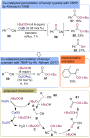
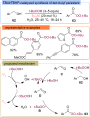
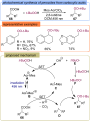
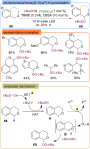
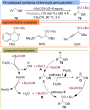
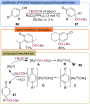
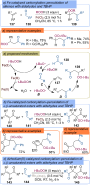
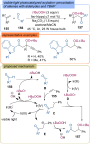
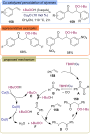
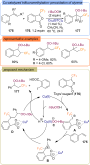
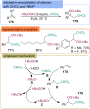
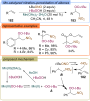
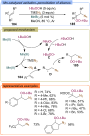
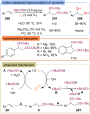
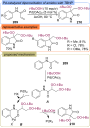
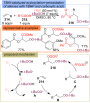
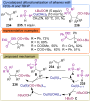
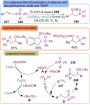
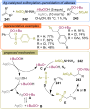
- final peroxide 157: recombination of radical C with tert-butylperoxy radical D or oxidation of radical C to carbocation E, which is nucleophilically attacked by TBHP. β-Peroxy ketones 159 were synthesized via oxidative dimerization of styrenes 158 using the Cu(I)/TBHP system (Scheme 50) [42]. The































N-Glycosides of indigo, indirubin, and isoindigo: blue, red, and yellow sugars and their cancerostatic activity
Beilstein J. Org. Chem. 2024, 20, 2840–2869, doi:10.3762/bjoc.20.240
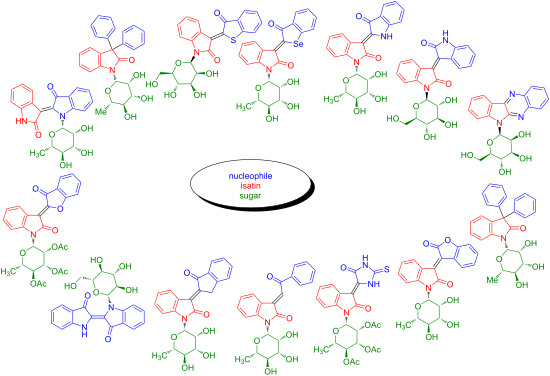
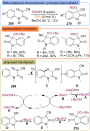
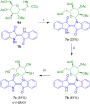
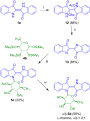
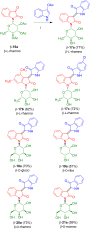
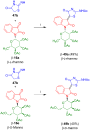
- material in Europe (Scheme 1). It is obtained by extraction and isolation of the colorless indole-O-glycoside indicane which is then hydrolyzed to give indoxyl. The latter undergoes oxidative dimerization to provide indigo. In the 19th century, syntheses of indigo were developed which made the pigment
- precursors. The base-mediated reaction of 5-chloroanthranilic acid (8a) with chloroacetic acid afforded 8b (Scheme 5) [20]. Acetylation and base-mediated cyclization gave indoxyl 9a which was transformed to indigo 1c by oxidative dimerization. Benzylation finally afforded 1d. 4,6-Benzylidenation of ᴅ
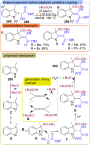
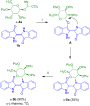
- ‘-diglycosides In our group, the synthesis of N,N’-diglycosylated isoindigos was studied. In contrast to isatin-N-glycosides, oxindole-N-glycosides are not readily available. Therefore, reductive dimerization of isatin-N-glycosides was considered as a strategy for the synthesis of the target compounds. Isatin-N










Mechanochemical difluoromethylations of ketones
Beilstein J. Org. Chem. 2024, 20, 2799–2805, doi:10.3762/bjoc.20.235
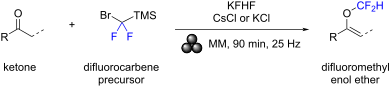
- difluorocarbene typically requires harsh conditions and involves toxic precursors, alongside with the risk of dimerization to tetrafluoroethylene [31]. Although this dimerization can be mitigated by controlling the concentration and reaction environment, as longer half-lives are observed for difluorocarbenes in


The scent gland composition of the Mangshan pit viper, Protobothrops mangshanensis
Beilstein J. Org. Chem. 2024, 20, 2644–2654, doi:10.3762/bjoc.20.222
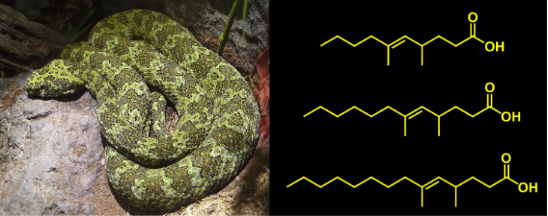
- -diastereomers [34]. Unfortunately, the absolute configuration of these compounds could not be determined due to the small amounts available. Diketopiperazines can be formed either enzymatically or non-enzymatically, e.g., by heat dimerization of amino acids [35]. Both antibacterial and antifungal activities


Synthesis and reactivity of the di(9-anthryl)methyl radical
Beilstein J. Org. Chem. 2024, 20, 2254–2260, doi:10.3762/bjoc.20.193
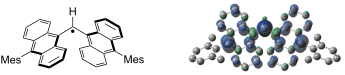
- dimerization in solution, the radical still remains even at 190 K due to the bulky nature of the two anthryl groups. Interestingly, upon exposure to air, the purple color of the radical solution quickly fades to orange, resulting in decomposition to give 9-anthryl aldehyde and anthroxyl radical derivatives
- . Keywords: anthracene; cation; dimerization; radical; reactivity; Introduction Organic radicals have garnered significant attention in various research fields, including catalysis [1][2][3][4], chromophores [5][6][7][8], and as agents in dynamic nuclear polarization [9][10][11][12]. Recently, highly stable
- site, head-to-head σ-dimerization of the DAntM radical could yield 1,1,2,2-tetra(9-anthryl)ethane, which is a new anthracene embedded ethane [30] and would be a good candidate for the synthesis of overcrowded ethylene [31][32][33][34][35][36]. Herein, we report the synthesis and properties of the DAntM


Metal-free double azide addition to strained alkynes of an octadehydrodibenzo[12]annulene derivative with electron-withdrawing substituents
Beilstein J. Org. Chem. 2024, 20, 2234–2241, doi:10.3762/bjoc.20.191
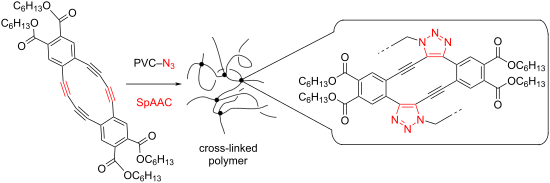
- %. Silyl deprotection with (n-C4H9)4NF in THF followed by acetylenic oxidative dimerization under Hay conditions produced the desired DBA 5 in 12.7% yield. It should be noted that a thermodynamically more stable trimeric macrocycle was also formed in 17.7%, but it was not isolated and purified because it




Efficacy of radical reactions of isocyanides with heteroatom radicals in organic synthesis
Beilstein J. Org. Chem. 2024, 20, 2114–2128, doi:10.3762/bjoc.20.182
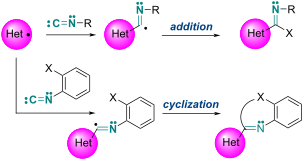
- can add to isocyanides to form the imidoyl radicals. In this reaction, telluro radicals (ArTe•) also forms in situ, but the relative reactivity of them toward isocyanides might be very low. In addition, dimerization of ArTe• to (ArTe)2 is very fast, and therefore, the ArTe-substituted imidoyl radical
- groups on boron are 1,2-shifted to the isocyanide carbon, yielding the compounds (H2B-C(=NR)-H or R'2B-C(=NR)-R') with the isocyanide inserted between the B–H or B–alkyl bond [45][46]. The insertion products easily underwent dimerization to afford 2,5-diboradihydropyrazine derivatives 16 (Scheme 10a


Chemo-enzymatic total synthesis: current approaches toward the integration of chemical and enzymatic transformations
Beilstein J. Org. Chem. 2024, 20, 1693–1712, doi:10.3762/bjoc.20.151
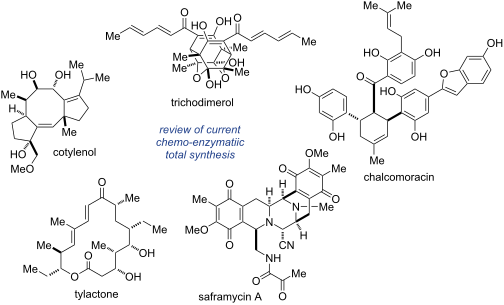
- pathway of these natural products involves late-stage skeletal diversification triggered by enzymatic oxidative dearomatization (Scheme 4A). Specifically, FAD-dependent monooxygenase catalyzes the oxidative dearomatization of the aromatic intermediate, leading to subsequent homo- and hetero-dimerization
- synthesized 33 generated the highly reactive intermediate 34 in aqueous solvents under mild conditions [37][42]. In this process, the co-solvent (cs) allowed control of the dimerization modes via either Michael addition or Diels–Alder reactions, facilitating the systematic total synthesis of the
- recombinant SorbC enantioselectively introduced a hydroxy group to generate the reactive intermediate (S)-34 [34]. Cyclohexadienone (S)-34 was relatively stable in aqueous reaction solvents, however, quenching the enzymatic reaction by the addition of organic solvents led to homo-dimerization. Based on these




Phenotellurazine redox catalysts: elements of design for radical cross-dehydrogenative coupling reactions
Beilstein J. Org. Chem. 2024, 20, 1292–1297, doi:10.3762/bjoc.20.112
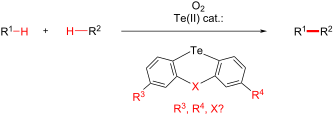
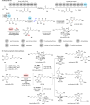
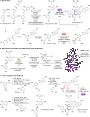
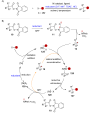
- simple oxygen atmosphere (Scheme 1a) [30][31][32]. Most recently, we also showed that phenotellurazines could catalyze the oxidative dimerization of indoles, likewise under a simple oxygen atmosphere. 2-Methoxyphenotellurazine PTeZ2 proved to be the optimal catalyst in the latter case (Scheme 1b) [33
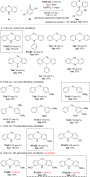
- -substrate interaction. Phenotellurazine-catalyzed cross-dehydrogenative couplings. Screening of new Te(II)-catalyst candidates. ODCB: ortho-dichlorobenzene. Phenotellurazine-catalyzed cross-dehydrogenative indole dimerization. Supporting Information Supporting Information File 84: Experimental section and



Chemoenzymatic synthesis of macrocyclic peptides and polyketides via thioesterase-catalyzed macrocyclization
Beilstein J. Org. Chem. 2024, 20, 721–733, doi:10.3762/bjoc.20.66
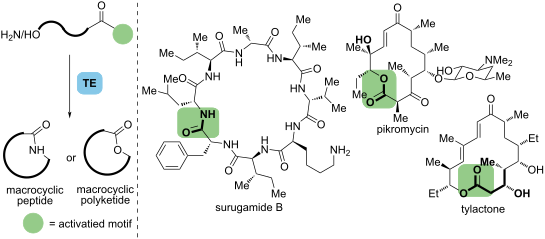
- gramicidin S synthetase GrsB [44]. Combined with the peptidyl carrier protein, GrsB PCP-TE was tested by using corresponding pentapeptides NAC thioester and thiophenol thioester, which led to the formation of the desired cyclic decapeptide lactam gramicidin S (9) through a sequential dimerization and


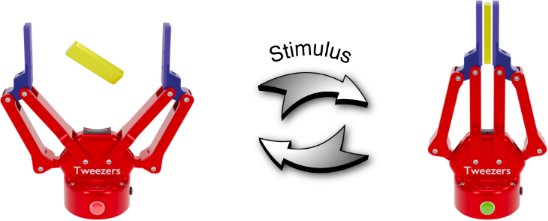
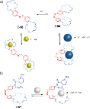
Switchable molecular tweezers: design and applications
Beilstein J. Org. Chem. 2024, 20, 504–539, doi:10.3762/bjoc.20.45




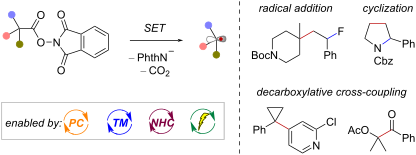
Mechanisms for radical reactions initiating from N-hydroxyphthalimide esters
Beilstein J. Org. Chem. 2024, 20, 346–378, doi:10.3762/bjoc.20.35
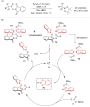
- dimerization of radical 76. Reaction between radical 9 and species 78 affords boronic ester 79 while returning boryl radical 76. Finally, chain propagation takes place via reaction of 76 with another equivalent of the NHPI ester 3. The Baran lab has recently published a complementary electrochemical method






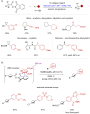


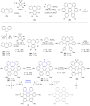
Synthesis of π-conjugated polycyclic compounds by late-stage extrusion of chalcogen fragments
Beilstein J. Org. Chem. 2024, 20, 287–305, doi:10.3762/bjoc.20.30
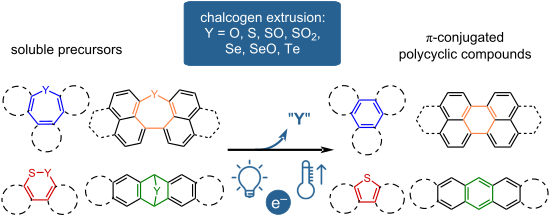
- this situation. Acenes are a class of aromatic compounds composed of linearly fused benzene rings, which can be regarded as the narrowest graphene nanoribbons. They are highly promising p-type organic semiconductors, but suffer from insolubility and instability leading to dimerization and/or




Electron-beam-promoted fullerene dimerization in nanotubes: insights from DFT computations
Beilstein J. Org. Chem. 2024, 20, 92–100, doi:10.3762/bjoc.20.10
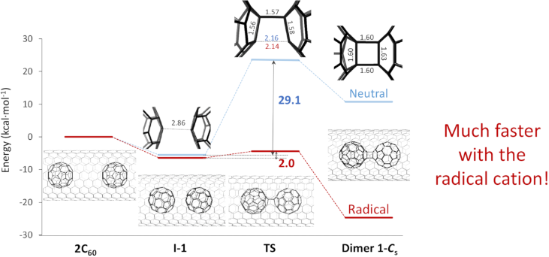
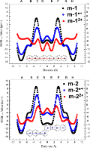
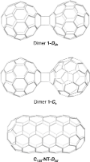
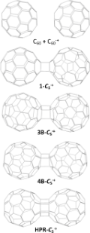
- (CIIAE), FUNDECYT-PCTEx, Polytechnic School of Caceres Building, Office CIIAE-C7, Av. Universidad s/n, 10003 Cáceres, Spain 10.3762/bjoc.20.10 Abstract Fullerene dimerization inside a peapod is analyzed at DFT level by characterizing the stationary points and deriving the energy profile of the initial
- metadynamics simulations provide hints on structures for the initial steps of the irreversible phase 2 where bond formation and breaking lead to important structural reorganizations within the coalescence process. Keywords: DFT; dimerization; fullerene; molecular dynamics; peapods; Introduction Transmission
- have been published that record the dynamic behavior of a wide range of molecules and chemical reactions. One such process was the dimerization of C60 fullerene in a carbon nanotube peapod, i.e., hybrid structures consisting of fullerene molecules encapsulated in single-walled carbon nanotubes (SWCNT




Multi-redox indenofluorene chromophores incorporating dithiafulvene donor and ene/enediyne acceptor units
Beilstein J. Org. Chem. 2024, 20, 59–73, doi:10.3762/bjoc.20.8
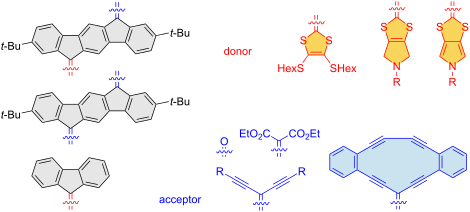
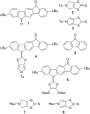
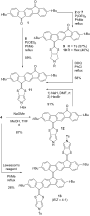
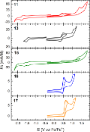
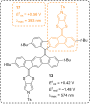
- pyrrole unit to one of the dithiole rings of an IF-TTF, allowing for dimerization of extended TTFs via the nitrogen atom by different linkers [14]. Donor–acceptor chromophores can be obtained by replacing one of the dithiafulvene (DTF) rings of the IF-TTF by an electron acceptor. Cyclic and acyclic






Beyond n-dopants for organic semiconductors: use of bibenzo[d]imidazoles in UV-promoted dehalogenation reactions of organic halides
Beilstein J. Org. Chem. 2023, 19, 1912–1922, doi:10.3762/bjoc.19.142
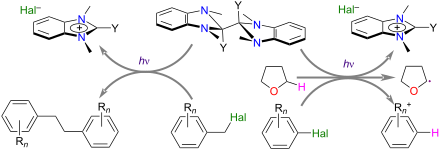
- ; reduction; reductive dimerization; Introduction Reductive dehalogenation reactions of organic halides can be used in organic synthesis as a means of generating carbon-centered radical or anion intermediates and could have relevance to the treatment of waste halogenated polymers. While such reactions can be
- -containing catalysts [32]. We note that another all-organic reductive dimerization of benzyl halides using 2,3,5,6-tetrakis(tetramethylguanidino)pyridine has recently been reported [37]. The less readily reduced halides examined here (1d,e, and 2) are only sluggishly converted, even when using both (N-DMBI)2
- either dimerization of 2R• or by a second reduction of R• to R− (as invoked in the reductive cyclization of (2-halophenyl)propanoic esters [2]) which then acts as a nucleophile towards a second molecule of RX. However, addition of Me3SiCl to a photoirradiated BnBr/(N-DMBI)2 reaction mixture did not lead


Biphenylene-containing polycyclic conjugated compounds
Beilstein J. Org. Chem. 2023, 19, 1895–1911, doi:10.3762/bjoc.19.141
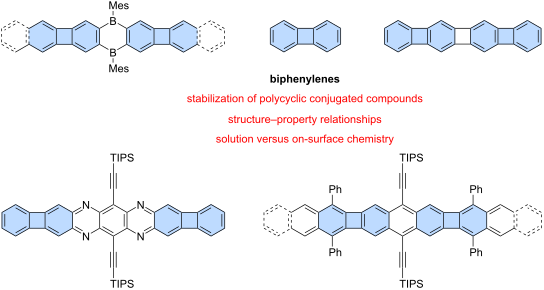
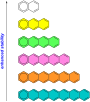
- acenes exhibit increased reactivity, readily undergoing processes of oxidation and dimerization, consequently disrupting the molecular conjugation [4]. This instability poses a significant obstacle in their widespread application across various devices [4]. The decline in stability seen in larger acenes
- approaches have gained popularity for synthesizing biphenylene derivatives [23]. The utilization of in-situ aryne synthesis to generate biphenylene through the dimerization of arynes 2 from diverse substrates has gained popularity. However, this approach occasionally gives rise to the production of high



Unprecedented synthesis of a 14-membered hexaazamacrocycle
Beilstein J. Org. Chem. 2023, 19, 1728–1740, doi:10.3762/bjoc.19.126
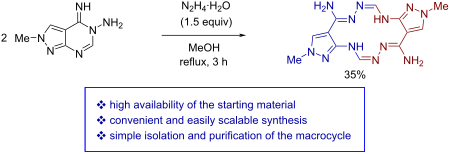
- -pyrazolo[3,4-d]pyrimidin-5-amine followed by dimerization to give the final macrocycle. A convenient synthesis of the latter starting from 4-imino-2-methyl-2,4-dihydro-5H-pyrazolo[3,4-d]pyrimidin-5-amine was developed. A plausible pathway for the macrocycle self-assembly is discussed. Some features of the
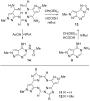
- conversion to pyrazolopyrimidine 8. Slow dimerization of compound 8 results in macrocycle 5. The formation of 5 through pyrazolopyrimidine 8 is confirmed by the literature data [40] that the reaction of 4 with N2H4∙H2O in EtOH to give 8 proceeds under much milder conditions than the reaction to afford 5 (rt
- model showed that (Z)-8 was significantly less stable than the s-cis-conformer of 9 in DMSO solution (ΔG = 7.17 kcal/mol; 298 K, 1 atm). As we proposed, pyrazolopyrimidine 8 undergoes dimerization to produce macrocycle 5 under certain conditions (Scheme 5). The dimerization of 8 was thoroughly studied


Benzoimidazolium-derived dimeric and hydride n-dopants for organic electron-transport materials: impact of substitution on structures, electrochemistry, and reactivity
Beilstein J. Org. Chem. 2023, 19, 1651–1663, doi:10.3762/bjoc.19.121
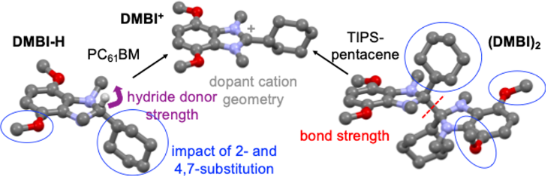
- -1,1',3,3'-tetramethyl-2,2',3,3'-tetrahydro-2,2'-bibenzo[d]imidazole, has been obtained from addition of HPO3Et2 across the central C=C bond of bis(1,3-dimethylbenzoimidazolinidin-2-ylidene) [25], 12 dimers have generally been obtained by reductive electrochemical or chemical dimerization of 1+ cations
- compounds of the same classes [9][13][19][24], and the redox potentials are summarized in Table 1. The cations exhibit features assigned to E(1+/1•) that are non-reversible owing to the rapid dimerization of 1•. These values are important in determining the overall thermodynamic reducing power of the dimers
- spin resonance [14] or using dissociation and dimerization barriers from reaction kinetics and variable scan-rate electrochemistry, respectively [54]) and where F is the Faraday constant. Similarly, at least for cases where the reactive hydrides of 1H derivatives are ultimately lost as H2, the strength





