Search results
Search for "pH" in Full Text gives 1056 result(s) in Beilstein Journal of Organic Chemistry. Showing first 200.
Tandem hydrothiocyanation/cyclization of CF3-iminopropargyl alcohols with NaSCN in the presence of AcOH
Beilstein J. Org. Chem. 2025, 21, 2694–2702, doi:10.3762/bjoc.21.207
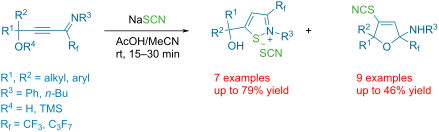
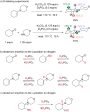
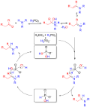
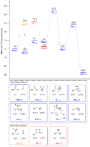
- alcohols with aromatic substituents 1d (R1 = Ph, R2 = Me) and 1e (R1 = R2 = Ph) were found to be less productive: the reaction required a 2-fold longer time (30 min) and resulted in lower yields of salts 2d,e likely due to side polymerization (Table 2, entries 3 and 4). At the same time, the yields of



Thiazolidinones: novel insights from microwave synthesis, computational studies, and potentially bioactive hybrids
Beilstein J. Org. Chem. 2025, 21, 2618–2636, doi:10.3762/bjoc.21.203
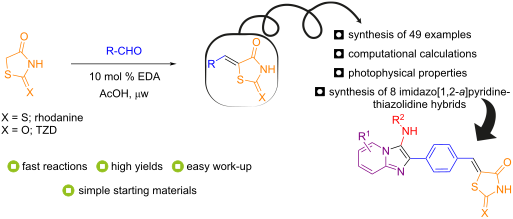
- (Scheme 8) [92]. Finally, an investigation of the influence of pH on the absorption and fluorescence spectra in aqueous solution was carried out under various pH values for compounds 3n (Figure 8) and 4n (Figure S252 in Supporting Information File 1), as changes in pH are known to significantly affect
- absorption and emission processes [93][94]. Compound 3n is reported to have an ampholyte character existing in two equilibria in aqueous solutions (Scheme 9) [95][96]. Visually, the solutions lacked coloration under acidic pH compared to the neutral conditions. This observation was further analyzed
- quantitatively using UV–vis absorption spectroscopy. At acidic pH, only broad absorption bands at 370 nm and 325 nm were detected for compounds 3n and 4n, respectively. These results can be attributed to a phototautomerism effect in both the ground and excited states [97]. Additionally, fluorescence spectra






Silica gel with covalently attached bambusuril macrocycle for dicyanoaurate sorption from water
Beilstein J. Org. Chem. 2025, 21, 2604–2611, doi:10.3762/bjoc.21.201
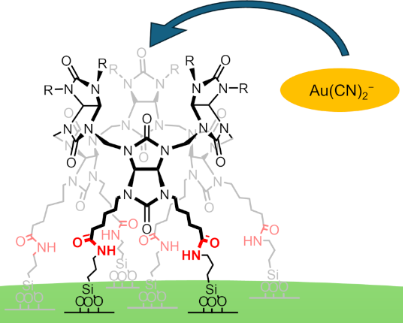
- phosphate buffer (pH 7.1) was chosen to test the materials’ stability in an aqueous environment. 1H NMR measurements showed that neither material released BU into organic solvents in the absence of anions. This was unexpected for SG-BnBU, since BnBU is readily soluble in chloroform and dichloromethane and


Effect of a photoswitchable rotaxane on membrane permeabilization across lipid compositions
Beilstein J. Org. Chem. 2025, 21, 2498–2512, doi:10.3762/bjoc.21.192
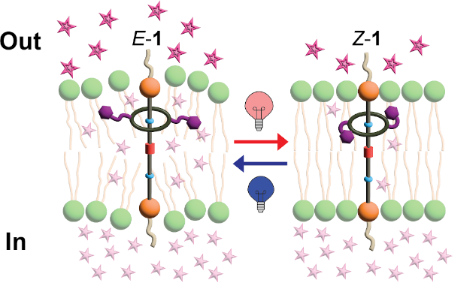
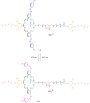
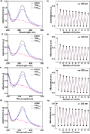
- ) EYPC/Chol 6:4, and g) DPPC. Right column: Absorbance changes at 365 nm over ten consecutive photoisomerization cycles for the same lipid compositions: b) EYPC, d) EYPC/Chol 8:2, f) EYPC/Chol 6:4, and h) DPPC. All experiments were performed at 25 °C using LUVs suspended in HEPES buffer (10 mM, pH 7.2
- mol % at 25 °C. The fluorescent emission of sulforhodamine B was measured before and after 1 minute irradiation with 370 nm light (pink strips) or 467 nm light (purple strips), and after 5 minutes post-irradiation. The LUVs are suspended in a buffer solution containing HEPES buffer (10 mM, pH 7.2) and
- different lipid compositions suspended in a solution of HEPES buffer (10 mM, pH 7.2). Rotaxane 1 (10 mol % with respect to the total lipid concentration) dissolved in DMSO was added to the LUVs. The data represent the average of independent experiments conducted in triplicate. Evaluation of effect of axle 3




Palladium-catalyzed regioselective C1-selective nitration of carbazoles
Beilstein J. Org. Chem. 2025, 21, 2479–2488, doi:10.3762/bjoc.21.190
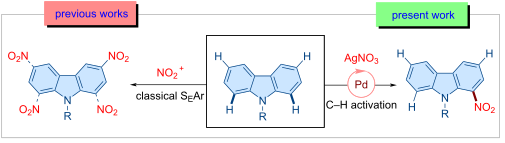
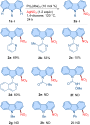
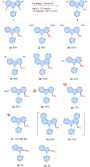
- dibenzocarbazole derivative 1m underwent nitration to afford 2m in 55% yield. Likewise, 2-Ph-, 2-OMe-, and 2-Cl-substituted carbazoles were efficiently converted under the standard conditions, affording the corresponding C1 nitration products 2n–p in good yield, whereby C–H activation selectively occurred at the


Rotaxanes with integrated photoswitches: design principles, functional behavior, and emerging applications
Beilstein J. Org. Chem. 2025, 21, 2345–2366, doi:10.3762/bjoc.21.179

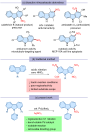
- bulky stoppers at both ends to prevent dethreading (Figure 1) [1][8]. Functionalization of the axle with recognition sites allows the macrocycle to shuttle between positions in response to external stimuli, including light, redox, temperature, pH, and reactions with chemicals such as carbodiimides [9
- . Although no shuttling or energy transfer process was observed, both rotaxanes presented good photoisomerization behavior. Remarkably, the use of cucurbit[6]uril macrocycles enhanced the photoisomerization. Later, Liu and co-workers designed a symmetric [3]rotaxane where the pH-responsive shuttling motion
- , which had a DB24C8 macrocycle on one end and a TPE unit as the stopper on the other end (Figure 8) [60]. The shuttling between the BAA (off) and MTA (on) recognition sites, induced by changes in pH, enabled the photochromism of the rotaxane to be switched on and off. Specifically, the dithienylethene


Thiadiazino-indole, thiadiazino-carbazole and benzothiadiazino-carbazole dioxides: synthesis, physicochemical and early ADME characterization of representatives of new tri-, tetra- and pentacyclic ring systems and their intermediates
Beilstein J. Org. Chem. 2025, 21, 2220–2233, doi:10.3762/bjoc.21.169
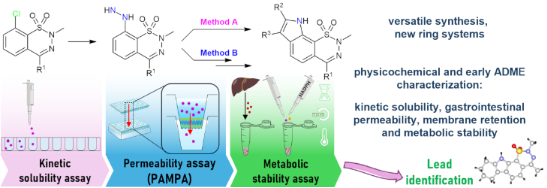
- KGaA (Darmstadt, Germany). For gastrointestinal permeability studies, ʟ-α-phosphatidylcholine and cholesterol were purchased from Sigma-Aldrich (Merck KGaA, Darmstadt, Germany). Phosphate buffered saline (0.01 M, pH 6.5 and 7.4) was prepared from pre-mixed PBS powder also sold by Sigma-Aldrich (Merck
- KGaA, Darmstadt, Germany), adjusting the pH with HCl. Water for buffer and eluent preparation were provided by a Millipore Milli-Q water purification system. Kinetic aqueous solubility assay. All compounds were dissolved in DMSO to make stock solutions at 10 mM concentration. In the case of 7i, 7j, and
- (E)-9b, the highest concentration achieved in DMSO was 0.5 mM, while for (E)-9a it was 1 mM (DMSO solubility results of the compounds can be found in Supporting Information File 1). 5 μL of the stock solutions was pipetted into a 96-well plate containing 495 μL PBS (pH 6.5) in each well to achieve


Electrochemical cyclization of alkynes to construct five-membered nitrogen-heterocyclic rings
Beilstein J. Org. Chem. 2025, 21, 2173–2201, doi:10.3762/bjoc.21.166
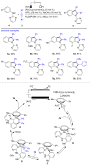
- conditions, resulting in the formation of the corresponding oxazoles (33b–j) in 43–80% yields. Xanthenes bearing Me, t-Bu, MeO, Ph, Cl, CF3 and naphthyl groups were applicable as well, generating the desired 33k–r in moderate yields. According to the results of control experiments and previous studies [220









C2 to C6 biobased carbonyl platforms for fine chemistry
Beilstein J. Org. Chem. 2025, 21, 2103–2172, doi:10.3762/bjoc.21.165
- acid (ALA), and benzylic acid (BA). These acids were oxidized and gave formaldehyde, acetaldehyde, acetone, benzaldehyde, acetophenone, and benzophenone, respectively. By increasing pH and concentration, the rate of the reactions increased, but decreased upon increasing the amount of Cl− ions (Scheme
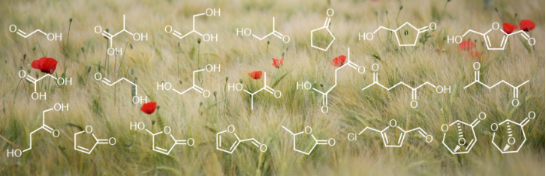
- reported by Strizhov et al. [125]. The liable equilibrium transformation requires precisely pH-controlled conditions. In neutral medium, the furanone is in the form of its cis tautomer, while upon a slight increase in the pH, its cyclic original tautomer undergoes a ring opening with the formation of
- protonated forms (Scheme 40). HFO can be hydrolyzed to succinic acid, however, it is a slow process in aqueous solution. In NaOH solution at pH 9–10, a complete conversion of HFO to succinic acid is rapidly achieved (Scheme 41) [126]. Substitution and condensation reactions of HFO (crude from furfural


The application of desymmetric enantioselective reduction of cyclic 1,3-dicarbonyl compounds in the total synthesis of terpenoid and alkaloid natural products
Beilstein J. Org. Chem. 2025, 21, 2085–2102, doi:10.3762/bjoc.21.164
- the presence of Fe(dpm)3/Ph(iPrO)SiH2 proceeded smoothly to furnish the tetracyclic product 39 in 56% yield with 2.5:1 ratio. Finally, removal of the acetonide and the Bn protecting group completed the total synthesis of (+)-aplysiasecosterol A (6). Total synthesis of (+)-cyrneine A, (−)-cyrneine B





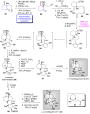


Further elaboration of the stereodivergent approach to chaetominine-type alkaloids: synthesis of the reported structures of aspera chaetominines A and B and revised structure of aspera chaetominine B
Beilstein J. Org. Chem. 2025, 21, 2072–2081, doi:10.3762/bjoc.21.162
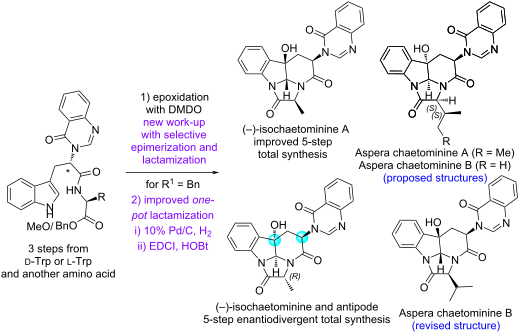
- anticipated that if we run the work-up procedure under more basic conditions, one would be able to obtain solely double cyclization products. Indeed, alternation of the work-up protocol by employing an aged solution of K2CO3/MeOH (stood at rt overnight, pH 11) to quench the DMDO oxidation reaction of




Discovery of cytotoxic indolo[1,2-c]quinazoline derivatives through scaffold-based design
Beilstein J. Org. Chem. 2025, 21, 2062–2071, doi:10.3762/bjoc.21.161
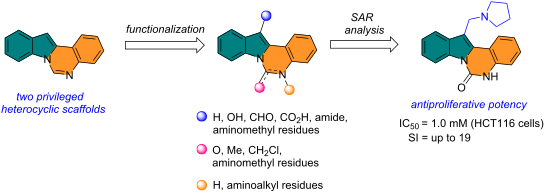
- titration with calf thymus DNA (0–290 μM base pairs) in 100 mM KCl, 20 mM Tris-HCl, pH 8.0. Synthesis of 12-modified indolo[1,2-c]quinazoline derivatives. Synthesis of indolo[1,2-c]quinazoline-12-carboxamides 7a–c. Mannich aminomethylation of indolo[1,2-c]quinazolines 1 and 8. Synthesis of 5-(3-aminopropyl


Aryl iodane-induced cascade arylation–1,2-silyl shift–heterocyclization of propargylsilanes under copper catalysis
Beilstein J. Org. Chem. 2025, 21, 1984–1994, doi:10.3762/bjoc.21.154
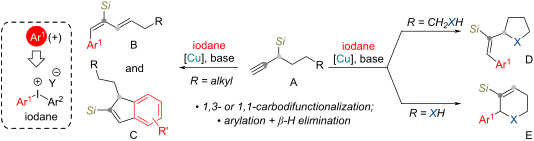
- on intermediate allyl cation (Scheme 1C). The obtained tetrahydrofuran and pyrrolidine derivatives with highly substituted vinyl side-chains are regarded as privileged structures in medical chemistry [23][24]. Moreover, the resulting styryl functionality (Ph-C=C-) is often found in drug molecules as
- NMR spectra. Interestingly, the internal alkyne 7c (R = Ph, Si = TIPS) was completely unreactive under both standard arylation conditions (70 °C in EtOAc) and higher reaction temperatures (110 °C in BuOAc). In these cases, the starting material was recovered with no signs of degradation. This
- standard column chromatography techniques (30–50% DCM). Iodanes, containing electron-rich aryl groups (p-Tol, m-MeO-C6H4, Ph) or halogens (Br, F) gave the highest tetrahydrofuran 8 yields (70–83%). In contrast, electron-withdrawing group-containing iodanes, especially those holding nucleophilic heteroatoms


Synthesis, biological and electrochemical evaluation of glycidyl esters of phosphorus acids as potential anticancer drugs
Beilstein J. Org. Chem. 2025, 21, 1909–1916, doi:10.3762/bjoc.21.148
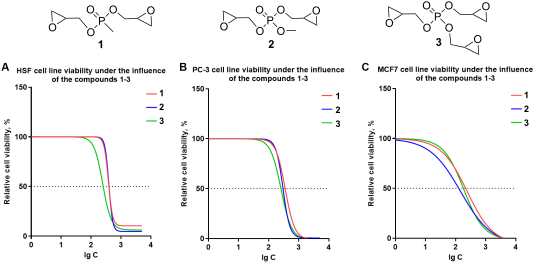
- , tryptophan residues), as well as the overall structure of the protein. The peak intensity and shape can vary depending on pH, ionic strength, and protein conformation. However, under our conditions, the HSA oxidation was consistent, well‐defined, and served as a clear baseline reference. Subsequent to
- carbon, scan rate: 0.1 V/s, pH 6.7. Chemical structure of alkylating fragment of 1–3 and the associated chemical pathway of its covalent attachment to HSA. Synthesis of glycidyl esters of phosphorus acids 1–3. IC50 values (μM ± SD) for glycidyl esters of phosphorus acids 1–3 in human skin fibroblasts


Stereoselective electrochemical intramolecular imino-pinacol reaction: a straightforward entry to enantiopure piperazines
Beilstein J. Org. Chem. 2025, 21, 1897–1908, doi:10.3762/bjoc.21.147
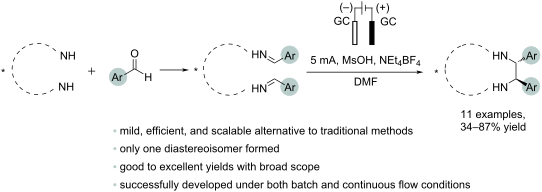
- total charge of 2.2 F/mol was delivered. The reaction mixture was poured into a beaker with 10 mL of distilled water, and a saturated solution of NaHCO3 was added to adjust the pH to ≈7. 10 mL of ethyl acetate were then added, and the two phases were separated. The aqueous phase was then extracted with
- experiments were conducted until a total charge of 4.15 F/mol was delivered. The reaction mixture was then poured into a beaker with distilled water, and a saturated solution of NaHCO3 was added to adjust the pH to ≈7. Ethyl acetate was added, and the two phases were separated. The aqueous phase was then





Photoswitches beyond azobenzene: a beginner’s guide
Beilstein J. Org. Chem. 2025, 21, 1808–1853, doi:10.3762/bjoc.21.143
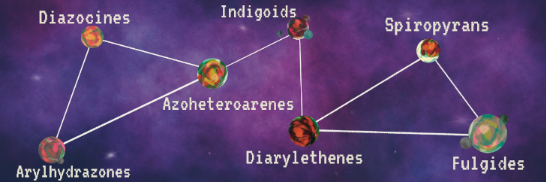
- photoswitches (Figure 6) [5]. N-Methylation of indole 2b increases the lifetime due to a preference for the inversion with respect to the rotation mechanism. Interestingly, the isomerisation of the non-methylated 2a is also strongly influenced by protic solvents, by the pH of the solution, and by the
- concentration of the photoswitch in solution: when MeOH or water are present, the lifetimes drop significantly, and particularly at pH 4, as consequence of more favourable intermolecular proton transfer. Calculations show that water molecules bridging between two Z-isomers favour the formation of hydrazone and
- stabilises one of the two isomers via the formation of a hydrogen bond (Scheme 30) [95]. This peculiarity makes this photoswitch class extremely susceptible to solvent polarity [96][97][98], pH [98][99][100][101], and metal coordination [102][103][104]. With such variability, predicting which is the most




Research progress on calixarene/pillararene-based controlled drug release systems
Beilstein J. Org. Chem. 2025, 21, 1757–1785, doi:10.3762/bjoc.21.139
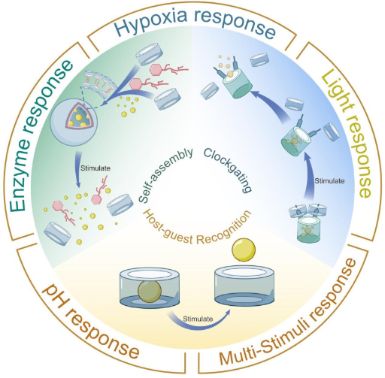
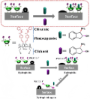
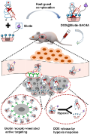
- release systems based on host–guest selective recognition, self-assembly, and nano-valves by the use of of calixarenes and pillararenes from five perspectives: pH, light, enzyme, hypoxia, and multi-stimuli combination responses. Furthermore, the article projects the future clinical application prospects
- in pH, light, and enzyme activity, the binding affinity between the guest and host molecules can be altered, thereby achieving controlled drug release and targeted delivery. (2) Drugs are loaded into self-assembled host–guest systems [29][30][31][32]. The chemical structure or properties of the host
- or guest molecules are altered upon exposure to specific stimuli, such as light, pH changes, or enzymes. This modification induces the disassembly of the host–guest complex, thereby releasing the encapsulated drugs. Fundamentally, this mechanism relies on controlling the assembly and disassembly






Convenient alternative synthesis of the Malassezia-derived virulence factor malassezione and related compounds
Beilstein J. Org. Chem. 2025, 21, 1730–1736, doi:10.3762/bjoc.21.135
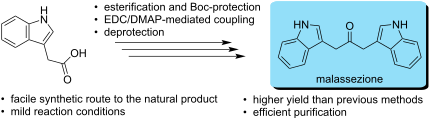
- nitrogen source followed by thin-layer chromatography and reversed-phase (RP)-HPLC to isolate and purify the compound from a complex mixture of indole alkaloids [11], (ii) prepared by aerobic incubation of indole-3-pyruvic acid at pH 7.4, 37 °C for 24 h followed by isolation and purification using RP-HPLC


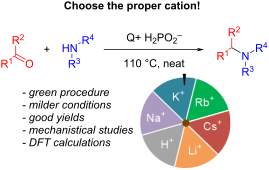
Influence of the cation in hypophosphite-mediated catalyst-free reductive amination
Beilstein J. Org. Chem. 2025, 21, 1661–1670, doi:10.3762/bjoc.21.130
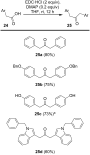
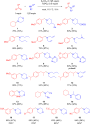
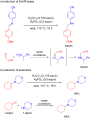
- synthesis of imines and enamines [36][37]. In our reducing system H3PO2 could act as an effective reductant due to its high solubility in neat conditions (Table 1, line 1) (in form of morpholinium hypophosphite). Nonetheless reductive potential of hypophosphite is pH-dependent (−1.65 V at pH 14 vs −0.5 V at
- pH 0) [19], and usage of an additional amount of base leads to stronger reductive properties. Moreover, the role of the cation could be critical for the thermal stability against disproportionation or aerobic oxidation of hypophosphite [38]; salts with larger cations are also more soluble in organic
- system is more efficient than the earlier described usage of the pure NaH2PO2: higher solubility of the potassium, rubidium and cesium salts compared to the sodium and lithium and a proper pH of the reaction medium. Acidic catalysis strongly accelerates the rate of hemiaminal and iminium ion formation


Thermodynamic equilibrium between locally excited and charge transfer states in perylene–phenothiazine dyads
Beilstein J. Org. Chem. 2025, 21, 1577–1586, doi:10.3762/bjoc.21.121
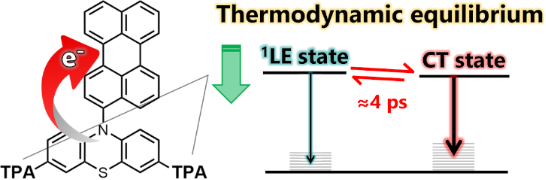
- the LE state of the PTZ moiety. In contrast, Pe-Ph–PTZ(TPA)2, in which the donor–acceptor distance is increased by a phenyl spacer, does not show clear equilibrium behavior. These results underscore the crucial role of excited-state structural relaxation in tuning photoinduced charge separation, and
- series of novel Pe–PTZ derivatives by incorporating electron-donating triphenylamine (TPA) units and phenyl spacers to systematically modulate the donor strength and the spatial distance between the donor and acceptor. Four compounds – Pe–PTZ, Pe–PTZ(TPA), Pe–PTZ(TPA)2, and Pe–Ph–PTZ(TPA)2 – were
- coupling in the ground state, consistent with the π-orthogonal molecular design. The introduction of electron-donating TPA groups raises the HOMO energy levels, while the LUMO levels remain relatively unaffected, thereby reducing the HOMO–LUMO gaps. The presence of phenyl spacers in Pe–Ph–PTZ(TPA)2 lowers




pH-Controlled isomerization kinetics of ortho-disubstituted benzamidines: E/Z isomerism and axial chirality
Beilstein J. Org. Chem. 2025, 21, 1568–1576, doi:10.3762/bjoc.21.120
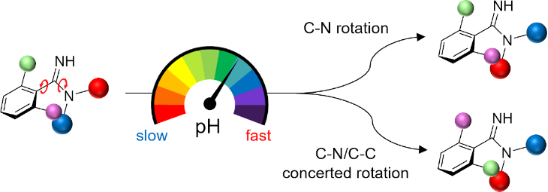
- 060-0812, Japan 10.3762/bjoc.21.120 Abstract pH-Responsive molecular switches and motors are a class of organic molecules whose three-dimensional structure can be changed by acid–base stimuli. To date, pH-responsive molecular switches have been developed using various functional groups, but further
- advances require expanding the range of pH-responsive systems and discovering new molecular architectures. Here, we investigate the pH-responsive behavior of ortho-disubstituted benzamidine, which generates atropisomers and E/Z isomers. The amidine moiety allows modulation of the C–N and C–N/C–C rotational
- barriers by protonation, providing a novel approach to control the kinetics of isomerization via pH adjustment. The results showed that protonation of the amidine moiety significantly suppresses both C–N bond rotation and C–N/C–C concerted rotation, demonstrating the potential of ortho-disubstituted



Azobenzene protonation as a tool for temperature sensing
Beilstein J. Org. Chem. 2025, 21, 1528–1534, doi:10.3762/bjoc.21.115
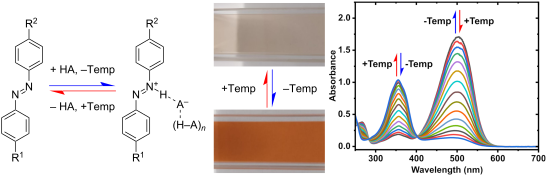
- . Keywords: azobenzene; protonation; sensing; spectral changes; temperature; Introduction Molecular switches are molecules that can reversibly shift between distinct (meta)stable states in response to external stimuli such as light, pH changes, or electric fields [1]. Over the past decades, they have
- emerged as staple building blocks in smart materials, from light-responsive norbornadienes in molecular solar thermal energy storage [2] to pH-sensitive spiropyrans in cell imaging [3], and redox-active viologens in memory junctions [4]. Among the different molecular switches azobenzenes stand out due to
- spectral changes caused by azobenzene protonation is a well-established concept, with methyl orange-based pH indicators dating back to the late 1800s [22]. Early studies primarily focused on characterizing these spectral changes, determining pKa values, and elucidating the protonation mechanism of


Ambident reactivity of enolizable 5-mercapto-1H-tetrazoles in trapping reactions with in situ-generated thiocarbonyl S-methanides derived from sterically crowded cycloaliphatic thioketones
Beilstein J. Org. Chem. 2025, 21, 1508–1519, doi:10.3762/bjoc.21.113
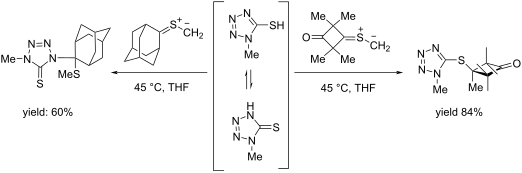
- contained thioaminals 9, which underwent a slow isomerization in CDCl3 solution. Notably, in the case of products 9k and 10k, bearing a Ph group at N(1), after a successful chromatographic separation, the less stable 9k underwent isomerization in CDCl3 solution (at rt) and no registration of NMR spectra of


Advances in nitrogen-containing helicenes: synthesis, chiroptical properties, and optoelectronic applications
Beilstein J. Org. Chem. 2025, 21, 1422–1453, doi:10.3762/bjoc.21.106
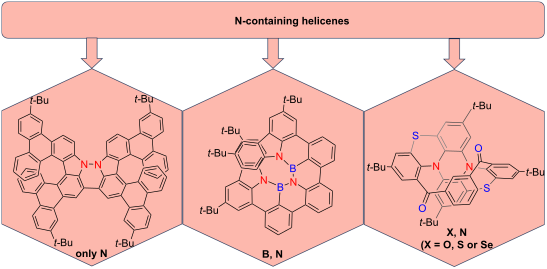
- 6 exhibiting enhanced chiroptical performance and protonation-induced CPL amplification [19]. Meanwhile, Audisio’s team developed heterohelicenes via regioselective [3 + 2]-cycloadditions, with compound 7 displaying pH-responsive CPL sign inversion (|glum| = +1.1 × 10⁻³ at 430 nm, −1.2 × 10⁻³ at 585
- reported azabora[6]helicenes 45a and 45b [60]. However, their enantiomers could not be isolated due to low racemization barriers. The F- and Ph-coordinated derivatives displayed moderate PLQYs in solution (0.26 and 0.18, respectively), which dropped markedly in the solid state (0.02 and 0.04) owing to
- thia-bridged triarylamine[4]helicene-functionalized polynorbornenes 63a–c via ring-opening metathesis polymerization (ROMP), introducing helicene chirality into polymer backbones with tunable electrochromic behavior [78]. These polymers exhibit reversible pH-responsive color changes. For instance, 63a

Tautomerism and switching in 7-hydroxy-8-(azophenyl)quinoline and similar compounds
Beilstein J. Org. Chem. 2025, 21, 1404–1421, doi:10.3762/bjoc.21.105
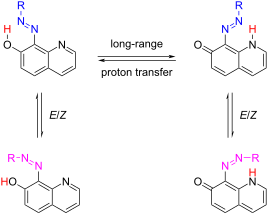
- donors in the phenyl ring, while N–NH is a donor, favored by acceptors in Ph [3][7][89]. Following this model, a suitable substitution in the Ph ring of 1 can stabilize or destabilized KE and KK in respect to E and K. This opens an additional channel for fulfilling the requirements for a clean switching
- for clean switching. Obviously, a cooperative effect between substitution in the Ph ring and the 7-OH quinoline part is needed. In Scheme 3 and Table 3 the most suitable examples for cooperative substitution are shown. It seems that the substitution with strong donor substituents in the phenyl ring
- characteristics of the ground-state tautomers of the studied compounds as well as relative energies of the transition states between them in toluene and in acetonitrile (in parentheses). Relative stability of the tautomers of compound 1 in toluene as a function of the substituents in Ph ring. Relative stability