


Search results
Search for "fluorescent" in Full Text gives 435 result(s) in Beilstein Journal of Organic Chemistry. Showing first 200.
New triazinephosphonate dopants for Nafion proton exchange membranes (PEM)
Beilstein J. Org. Chem. 2024, 20, 1623–1634, doi:10.3762/bjoc.20.145

- combinatorial chemistry [35], in analytical chemistry, in electrochemical redox processes, in crystal engineering, and as fluorescent, light emitting, corrosion inhibitors or several other materials [36][37][38][39][40][41][42]. The most used triazine is 1,3,5-triazine (or s-triazine) that can provide




Supramolecular assemblies of amphiphilic donor–acceptor Stenhouse adducts as macroscopic soft scaffolds
Beilstein J. Org. Chem. 2024, 20, 1590–1603, doi:10.3762/bjoc.20.142
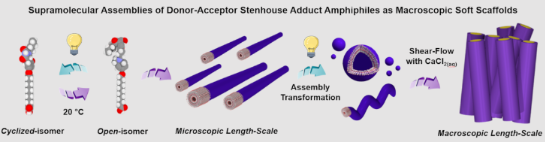
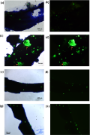
- (Gibco). Then, hBM-MSCs (Lonza) were added to the culture dish and cultured for 3 days at 37 °C and 5% CO2 in an incubator. After incubation, the DAn macroscopic scaffold with cells attached was used directly for fluorescent microscopy measurements. UV–vis-absorption-spectral changes of DAn in THF
- fluorescent particles pointed at by orange arrows in (c) and (d) are the clustered hBM-MSCs. Illustration of the reversible visible-light-controlled ring closure and thermal-driven ring-opening-processes of DAn and supramolecular assemblies on different length scales. Synthetic pathway to DAn. Supporting




Synthesis and optical properties of bis- and tris-alkynyl-2-trifluoromethylquinolines
Beilstein J. Org. Chem. 2024, 20, 1246–1255, doi:10.3762/bjoc.20.107
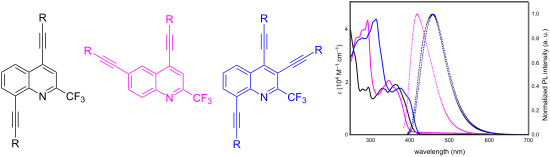
- with trifluoroacetoacetate [17], the synthesis from enaminoketones [18] and the gold-catalysed cyclisation of propargylanilines [19]. Aside from its pharmaceutical significance quinoline compounds have been reported as strongly fluorescent with applications as electroluminescence materials [20][21][22


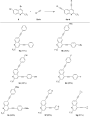


Structure–property relationships in dicyanopyrazinoquinoxalines and their hydrogen-bonding-capable dihydropyrazinoquinoxalinedione derivatives
Beilstein J. Org. Chem. 2024, 20, 1037–1052, doi:10.3762/bjoc.20.92
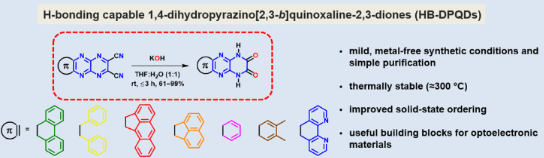
- recrystallization from boiling DMSO to obtain highly insoluble red-brown microcrystalline material. 1H and 13C NMR could not be recorded for the compound 3a given its extremely poor solubility in common organic solvents. Rf (CH2Cl2): 0.75, fluorescent orange spot; HRMS (DART): [M + NH4]+ calcd for C22H8N6, 374.1154




Auxiliary strategy for the general and practical synthesis of diaryliodonium(III) salts with diverse organocarboxylate counterions
Beilstein J. Org. Chem. 2024, 20, 1020–1028, doi:10.3762/bjoc.20.90
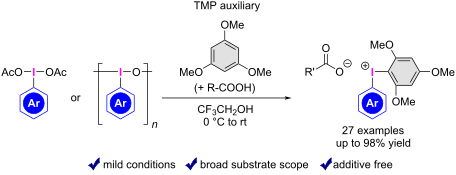
- . This method allows for the hybridization of complex bioactive and fluorescent-labeled carboxylic acids with diaryliodonium(III) salts. Keywords: auxiliary ligand; diaryliodonium(III) salts; hybridization; hypervalent iodine; organocarboxylates; Introduction Hypervalent iodine compounds are an
- ) carboxylate 7aj carrying a fluorescent-labeling group in 93% yield. Iodosoarenes 5b–f can be easily obtained by treating (dichloroiodo)arenes [41] or (diacetoxyiodo)arenes [42] with sodium hydroxide, by oxidation of iodoarenes with NaClO·5H2O [43], or by electrolysis [44]. The reaction scope of iodosoarenes
- of the fluorescent-labeling carboxylic acid 6j (see Supporting Information File 1, Figure S1). Thus, this post-fluorescence iodonium salt can be used for visual indication of the ligand exchange process, elucidating the arylation mechanism of diaryliodonium(III) salts for their further applications


SOMOphilic alkyne vs radical-polar crossover approaches: The full story of the azido-alkynylation of alkenes
Beilstein J. Org. Chem. 2024, 20, 701–713, doi:10.3762/bjoc.20.64
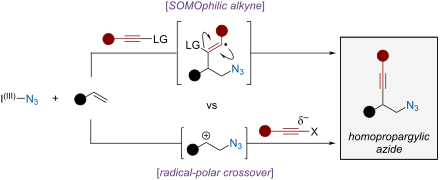
- source such as green LEDs or a compact fluorescent lamp (CFL) were used only a small decrease in yield could be observed, although 4 hours of irradiation were needed to reach full conversion using CFL (Table 5, entries 8 and 9). The concentration, a factor expected to play an important role in a three


Synthesis of photo- and ionochromic N-acylated 2-(aminomethylene)benzo[b]thiophene-3(2Н)-ones with a terminal phenanthroline group
Beilstein J. Org. Chem. 2024, 20, 552–560, doi:10.3762/bjoc.20.47
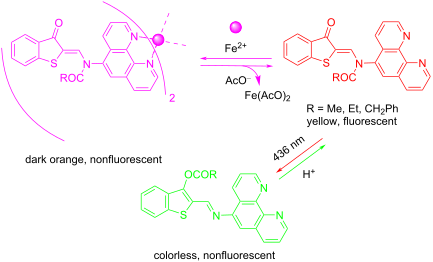
- change of the solutions from yellow to dark orange. Subsequent selective interaction with AcO− led to the restoration of the initial absorption and emission properties. Thus, the obtained compounds represent dual-mode “on–off–on” switches of optical and fluorescent properties under sequential exposure to
- change depending on the intensity of sunlight), photochromic tags for biological research and optical sensors [15][16][17][18][19][20][21]. To develop new dual-mode molecular switches capable of efficient modulation of optical and fluorescent properties, both upon irradiation with visible light and upon
- = F, Cl, Br, I, CN, SCN, NO3) did not cause similar changes in the absorption spectra. This process could be carried out at least 4 or 5 times, which allows modulating optical and fluorescent properties by sequentially adding Fe2+ and AcO− to the acetonitrile solution of compound 2a (Figure 8


Synthesis and biological profile of 2,3-dihydro[1,3]thiazolo[4,5-b]pyridines, a novel class of acyl-ACP thioesterase inhibitors
Beilstein J. Org. Chem. 2024, 20, 540–551, doi:10.3762/bjoc.20.46
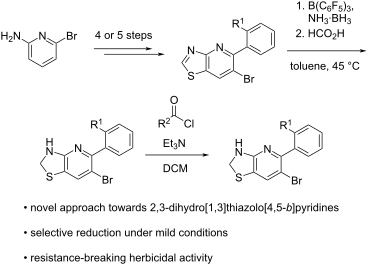
- : Fluorescence polarization (FP) competition assays were performed at room temperature in black 96-well microtiter plates (Greiner, Catalog No. 655900). The assay mixture contained 25 mM potassium phosphate buffer pH 7.3, 200 mM NaCl, 0.01% Triton X-100, 2 nM fluorescent tracer, 0.4 µg of purified LpFAT A
- pI50 values were calculated from plots of inhibition values vs test compound concentration using Model 205 of the ID Business Solutions Ltd Xlfit software suite. The FAT A binding fluorescent tracer was synthesized from (2S,4S)-4-[(2,6-difluorophenyl)methoxymethyl]-4-ethyl-2-methyl-N-(prop-2


Switchable molecular tweezers: design and applications
Beilstein J. Org. Chem. 2024, 20, 504–539, doi:10.3762/bjoc.20.45

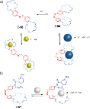
- electron-rich coordinating guests. Detection by fluorescence was implemented using competition experiments with dimethylaminostyrylpyridine (DMASP). Intercalated DMASP is not emissive, but its displacement by a guest releases its free fluorescent form, which can be detected. The group of Nabeshima reported
- with two bis-2,2’-bipyridyl ligands and bis-pyrene fluorescent units. The stable conformation of perhydroanthracene is with the two pyrene units in the equatorial position. Their close spatial proximity leads to the observation of an excimer emission. Upon Zn2+ coordination, the perhydroanthracene core
- , tweezers 36 bearing pyrene fluorescent groups and using either rhodium(I) or copper(I) complexes as switching units were reported [79]. Cu(I), which avoids the luminescence quenching effect of Rh(I), requires pyridine as an ancillary ligand to complex the metal center and open the tweezers. The




Development of a chemical scaffold for inhibiting nonribosomal peptide synthetases in live bacterial cells
Beilstein J. Org. Chem. 2024, 20, 445–451, doi:10.3762/bjoc.20.39
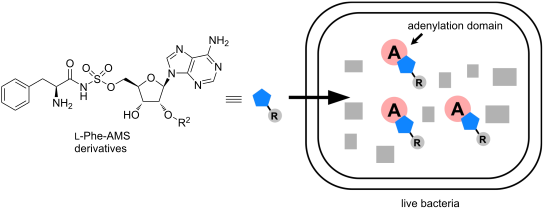
- probe 3 (10 µM) in either the absence or presence of ʟ-Phe-AMS inhibitors 1, 2, or 4–9 (10 or 100 µM). GrsA, gramicidin S synthetase; AMS, 5′-O-sulfamoyladenosine; FL, fluorescent gel; CBB; Coomassie brilliant blue. Synthesis of 2′-OH-substituted ʟ-Phe-AMS derivatives. Reagents and conditions: (a) NaH


Facile approach to N,O,S-heteropentacycles via condensation of sterically crowded 3H-phenoxazin-3-one with ortho-substituted anilines
Beilstein J. Org. Chem. 2024, 20, 336–345, doi:10.3762/bjoc.20.34
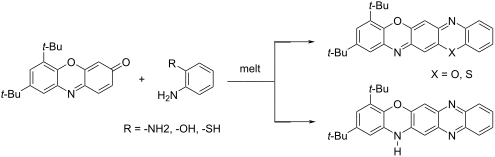
- structure, 3H-phenoxazin-3-ones can easily be accessed through oxidative couplings of o-aminophenols [3][4] or N-aryl-o-benzoquinone imines [5][6]. Further, they can serve as efficient precursors of pentacyclic N,O-heterocyclic compounds that possess promising properties for application in fluorescent


Synthesis of π-conjugated polycyclic compounds by late-stage extrusion of chalcogen fragments
Beilstein J. Org. Chem. 2024, 20, 287–305, doi:10.3762/bjoc.20.30
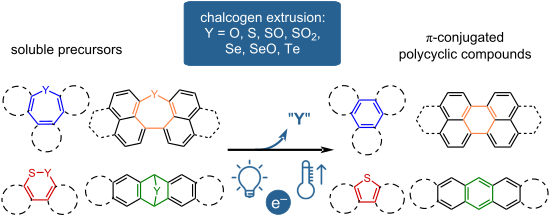
- dithienonaphthalenes, upon S-extrusion triggered by electrochemical oxidation. Bottom: Exploitation of the S-extrusion process for peroxide sensing, taking advantage of the lability of oxidized dithienobenzothiepine to generate highly fluorescent dithienonaphthalene [63]. Synthesis of S-doped extended triphenylene




Catalytic multi-step domino and one-pot reactions
Beilstein J. Org. Chem. 2024, 20, 254–256, doi:10.3762/bjoc.20.25

- facile stereoselective tandem reaction based on the asymmetric conjugate addition of dialkylzinc reagents to unsaturated acylimidazoles, followed by trapping of the intermediate zinc enolate with carbocations [12]. A practical one-pot synthesis of fluorescent pyrazolo[3,4-b]pyridin-6-ones by reacting 5

Photoinduced in situ generation of DNA-targeting ligands: DNA-binding and DNA-photodamaging properties of benzo[c]quinolizinium ions
Beilstein J. Org. Chem. 2024, 20, 101–117, doi:10.3762/bjoc.20.11
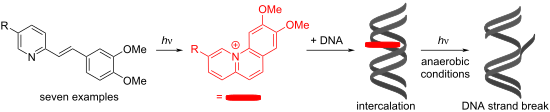
- compounds, which have been employed in biomedical imaging and as potential DNA-targeting anticancer agents [14][15][16][17]. More recently, a benzoquinolizinium-based fluorescent dye was reported to be used as imaging agent for inflammation and for the evaluation of the physiological response to anti





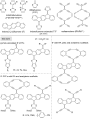
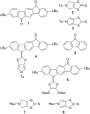
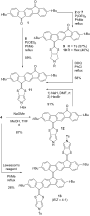
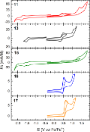
Multi-redox indenofluorene chromophores incorporating dithiafulvene donor and ene/enediyne acceptor units
Beilstein J. Org. Chem. 2024, 20, 59–73, doi:10.3762/bjoc.20.8
- Systems X10/X50: 40–63 μm). TLC was performed using aluminum sheets covered with silica gel coated with fluorescent indicator. NMR spectra were recorded on a Bruker instrument at 500 MHz and 126 MHz for 1H and 13C NMR, respectively. Deuterated chloroform (CDCl3, 1H = 7.26 ppm, 13C = 77.16 ppm), deuterated



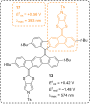



Long oligodeoxynucleotides: chemical synthesis, isolation via catching-by-polymerization, verification via sequencing, and gene expression demonstration
Beilstein J. Org. Chem. 2023, 19, 1957–1965, doi:10.3762/bjoc.19.146

- 401 nt ODNs were synthesized and purified with CBP. The two were joined together using Gibson assembly to give the 800 nt green fluorescent protein (GFP) gene construct. The sequence of the construct was verified via Sanger sequencing. To demonstrate the potential use of the long ODN synthesis method
- green fluorescent protein (GFP) gene construct using Gibson assembly. Sanger sequencing confirmed the authenticity of the long ODNs. To demonstrate the applications of the long ODN synthesis method, the GFP gene was expressed in E. coli. Results Long ODN synthesis and CBP purification The 800 nt (all
- sequencing. (c) Sequence analysis via transforming NEB® 5-alpha cells, colony PCR, gel electrophoresis (Figure 2C), and Sanger sequencing. CBP, catching-by-polymerization. GFP, green fluorescent protein. nt, nucleotide. PCR, polymerase chain reaction. Gel electrophoresis images of 399 bp (A), 401 bp (B), and


Aromatic systems with two and three pyridine-2,6-dicarbazolyl-3,5-dicarbonitrile fragments as electron-transporting organic semiconductors exhibiting long-lived emissions
Beilstein J. Org. Chem. 2023, 19, 1867–1880, doi:10.3762/bjoc.19.139
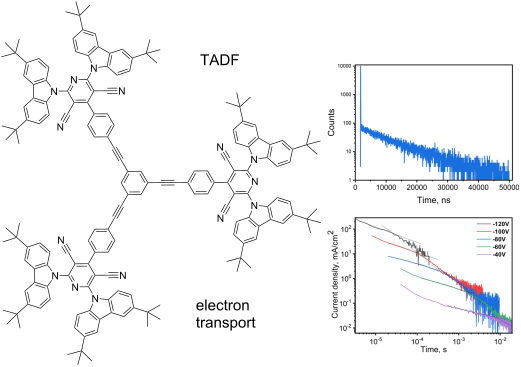
- groups to achieve optimal charge-transporting and fluorescent properties within one TADF compound (Figure 1) [5]. The obtained TADF emitters (453 to 550 nm) show photoluminescence quantum yields of up to 98% in oxygen-free toluene solutions. These TADF emitters are suitable for OLEDs with brightness of
- NMR spectra. Funding This work was supported by the project of scientific co-operation program between Latvia, Lithuania, and Taiwan, "Synthesis and study of deep-blue TTF fluorescent emitters to exceed theoretical OLED external quantum efficiency reaching 15%" (grant LV-LT-TW/2023) and Research


Thienothiophene-based organic light-emitting diode: synthesis, photophysical properties and application
Beilstein J. Org. Chem. 2023, 19, 1849–1857, doi:10.3762/bjoc.19.137
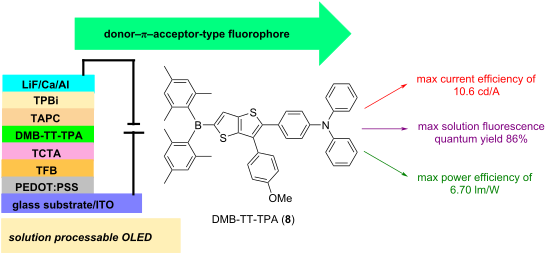
- properties indicated that the composition of thienothiophene, triphenylamine, and boron is a highly suitable combination for fluorescent organic electronics in display technology. Experimental General methods 1H and 13C NMR spectra were recorded on a Varian model NMR spectrometer (500 and 126 MHz) and


Selectivity control towards CO versus H2 for photo-driven CO2 reduction with a novel Co(II) catalyst
Beilstein J. Org. Chem. 2023, 19, 1766–1775, doi:10.3762/bjoc.19.129
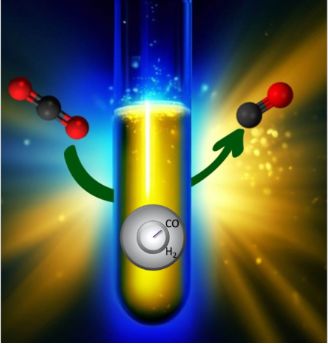
- inside for at least 10 minutes. TEA or TEOA was distilled twice before use. Experiments were performed in a photoreactor from Luzchem (model: LZC-ICH2) equipped with two lamps at 420 nm (fluorescent lamps of 8 W each) and four mini-stirrers. On each stirrer, two samples were irradiated at the same time


Quinoxaline derivatives as attractive electron-transporting materials
Beilstein J. Org. Chem. 2023, 19, 1694–1712, doi:10.3762/bjoc.19.124
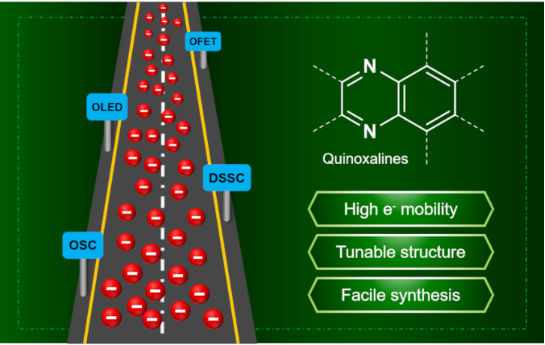
- -phenylindoloquinoxaline (PhIQ) derivatives, shown in Figure 6 as Qx50 series, by chemically modifying the PhIQ groups. In particular, substituents at the 2- and 3-positions of PhIQs were introduced, allowing regulation of the reduction–oxidation potentials of the compounds. The PhIQs exhibited fluorescent solvatochromism




A deep-red fluorophore based on naphthothiadiazole as emitter with hybridized local and charge transfer and ambipolar transporting properties for electroluminescent devices
Beilstein J. Org. Chem. 2023, 19, 1664–1676, doi:10.3762/bjoc.19.122
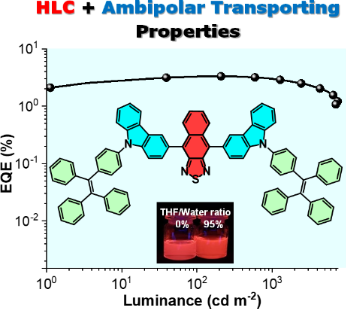
- = 20%, PLQY in a thin film = 35%, and charge recombination: ηrec = 100%) to be 47%. This EUE was higher than the 25% theoretical upper limit of spin statistics for typical fluorescent emitters, indicating that the triplet excitons have been utilized via an HLCT mechanism to contribute to the EL in this


Tying a knot between crown ethers and porphyrins
Beilstein J. Org. Chem. 2023, 19, 1630–1650, doi:10.3762/bjoc.19.120
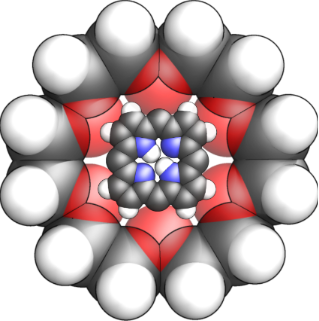
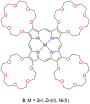
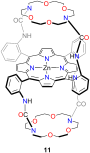
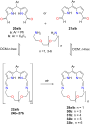
- the dipyrrin part of the macrocycle (Figure 4). The introduction of the BF2 moiety into the free-base macrocycles consequently altered the fluorescent properties of the macrocyclic systems. The appended benzo-18-crown-6 in compounds 3a–c was selective for K+, and the macrocycle fluorescence was
- ether systems, where the catechol unit of the crown ether was fused to two β-pyrrolic positions of the porphyrin periphery. The systems presented intriguing intramolecular electron-transfer properties. Additionally, they were investigated as fluorescent sensors for various organic and metal cations [51







Synthesis of ether lipids: natural compounds and analogues
Beilstein J. Org. Chem. 2023, 19, 1299–1369, doi:10.3762/bjoc.19.96






Organic thermally activated delayed fluorescence material with strained benzoguanidine donor
Beilstein J. Org. Chem. 2023, 19, 1289–1298, doi:10.3762/bjoc.19.95
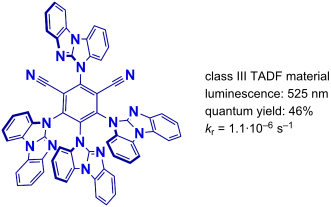
- matrices regardless of numerous efforts and cooling the films down to 16 K and applying long time delays. Conclusion We have synthesized and characterized a donor–acceptor-type thermally activated delayed fluorescent emitter 4BGIPN with four terminal benzoguanidine donor moieties surrounding the


Unravelling a trichloroacetic acid-catalyzed cascade access to benzo[f]chromeno[2,3-h]quinoxalinoporphyrins
Beilstein J. Org. Chem. 2023, 19, 1216–1224, doi:10.3762/bjoc.19.89
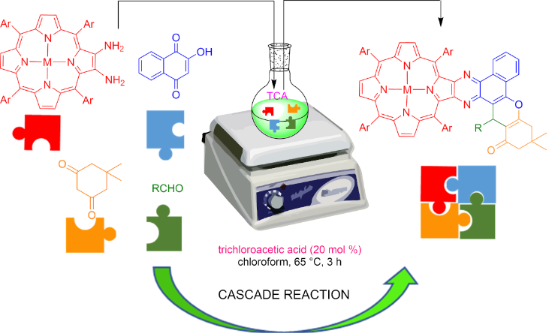
- microbial strains [16][17]. Thorough literature search revealed that the fused heterocycles such as benzo[a]pyrano[2,3-c]phenazines and benzo[a]chromeno[2,3-c]phenazines have been prepared as fluorescent materials [18][19]. On the other hand, xanthenes exhibited a number of biological and pharmaceutical





