


Search results
Search for "guanidine" in Full Text gives 79 result(s) in Beilstein Journal of Organic Chemistry.
Sequence-specific RNA cleavage by PNA conjugates of the metal-free artificial ribonuclease tris(2-aminobenzimidazole)
- Friederike Danneberg,
- Alice Ghidini,
- Plamena Dogandzhiyski,
- Elisabeth Kalden,
- Roger Strömberg and
- Michael W. Göbel
Beilstein J. Org. Chem. 2015, 11, 493–498, doi:10.3762/bjoc.11.55
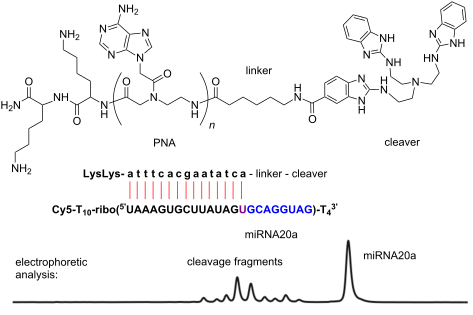
- required an HgO induced cyclization step, a mercury free variant is described herein. Keywords: antisense; fluorescence correlation spectroscopy; guanidine; miRNA 20a; peptide nucleic acids; Introduction Sequence specific artificial ribonucleases are an attractive research target for several reasons. On

Graphical Abstract

Scheme 1: Formation of the 2-aminobenzimidazole moiety.

Scheme 2: Synthesis of tris(2-aminobenzimidazole). Conditions: a: Boc-ON, THF, 0 °C to rt, 46 h, 45%; b: 1) 1...
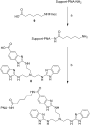
Scheme 3: Synthesis of PNA conjugates. Conditions: a: 1) 9, HOBt, DIC, DMF, rt, 24 h; 2) piperidine, DMF, rt,...

Figure 1: Sequences of PNA conjugates 10–14 and oligonucleotides 15–20. Lysines are attached to the C-terminu...

Figure 2: Cleavage of RNA by their corresponding PNA conjugates (150 nM substrate, 750 nM conjugate, 50 mM Tr...

Figure 3: Substrate specificity of conjugates 12 and 14 (150 nM substrate, 750 nM conjugate, 50 mM Tris-HCl, ...

Figure 4: Cleavage of RNA substrates 15, 16, and 17 by their matching conjugates as a function of conjugate c...

Figure 5: Cleavage kinetics of 15 in the presence and absence of conjugate 12. Conditions: 150 nM substrate, ...
The reactions of 2-ethoxymethylidene-3-oxo esters and their analogues with 5-aminotetrazole as a way to novel azaheterocycles
- Marina V. Goryaeva,
- Yanina V. Burgart,
- Marina A. Ezhikova,
- Mikhail I. Kodess and
- Viktor I. Saloutin
Beilstein J. Org. Chem. 2015, 11, 385–391, doi:10.3762/bjoc.11.44
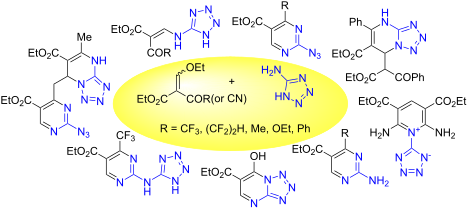
- atom from the other substrates (in our case, from 5-AT) to yield 2-aminopyrimidines 4a,b. In addition, the counter synthesis of pyrimidines 4a,b was realized by the reaction of esters 1a,b with guanidine carbonate under similar conditions (Scheme 2). Earlier, pyrimidine 4a that exhibited antiviral

Graphical Abstract

Scheme 1: Interaction of 2-ethoxymethylidene-3-oxo esters 1a–c with 5-AT. R = CF3 (a), (CF2)2H (b), Me (c). C...

Scheme 2: Synthesis of pyrimidines 4a,b and 5. R= CF3 (a), (CF2)2H (b). Conditions: i: 1,4-dioxane, NaOAc, Δ,...

Figure 1: X-ray crystal structure of compound 5 (ORTEP drawing, 50% probability level).

Scheme 3: Interaction of 2-ethoxymethylidene malonate 1e with 5-AT. Conditions: i: EtOH, Et3N, Δ; ii: EtOH, Δ....

Scheme 4: The reaction of 3-oxo ester 1d with 5-AT. Conditions, i: TFE, Δ, 48 h.

Scheme 5: Interaction of ester 1f with 5-AT. Conditions i: EtOH (or TFE), Et3N, Δ, 40–60 min; ii: AcOH (or Et...

Figure 2: X-ray crystal structure of compound 11 (ORTEP drawing, 50% probability level).
Come-back of phenanthridine and phenanthridinium derivatives in the 21st century
- Lidija-Marija Tumir,
- Marijana Radić Stojković and
- Ivo Piantanida
Beilstein J. Org. Chem. 2014, 10, 2930–2954, doi:10.3762/bjoc.10.312

- modulation of its amino groups at 3 and 8 positions of the phenanthridine ring [52][53]. Systematic changing of the ethidium bromide exocyclic amines into guanidine, pyrrole, urea, and various substituted ureas revealed importance of electron-donor properties of substituents at the 3- and 8-position of the
- the excited state between the 6-phenyl ring and the phenanthridinium chromophore, which controls the non-radiative relaxation [56]. Substituted phenanthridine derivatives In particular guanidine- and urea-substituted derivatives attracted a lot of attention due to the different interactions with
- affinity, thus the affinity of guanidine derivative 2 (Figure 2) towards AT-rich DNA sequences was significantly stronger compared to ethidium and comparable to that of the known DNA minor groove binder furamidine. The above mentioned guanidine-induced switch of the DNA- and RNA-binding mode [57] inspired

Graphical Abstract

Scheme 1: The Grignard-based synthesis of 6-alkyl phenanthridine.

Scheme 2: Radical-mediated synthesis of 6-arylphenanthridine [14].

Scheme 3: A t-BuO• radical-assisted homolytic aromatic substitution mechanism proposed for the conversion of ...

Scheme 4: Synthesis of 5,6-unsubstituted phenanthridine starting from 2-iodobenzyl chloride and aniline [17].

Scheme 5: Phenanthridine synthesis initiated by UV-light irradiation photolysis of acetophenone O-ethoxycarbo...

Scheme 6: PhI(OAc)2-mediated oxidative cyclization of 2-isocyanobiphenyls with CF3SiMe3 [19,20].

Scheme 7: Targeting 6-perfluoroalkylphenanthridines [21,22].

Scheme 8: Easily accessible biphenyl isocyanides reacting under mild conditions (room temp., visible light ir...

Scheme 9: Microwave irradiation of Diels–Alder adduct followed by UV irradiation of dihydrophenanthridines yi...

Scheme 10: A representative palladium catalytic cycle.

Scheme 11: The common Pd-catalyst for the biphenyl conjugation results simultaneously in picolinamide-directed...

Scheme 12: Pd(0)-mediated cyclisation of imidoyl-selenides forming 6-arylphenanthridine derivatives [16]. The inse...

Scheme 13: Palladium-catalysed phenanthridine synthesis.

Scheme 14: Aerobic domino Suzuki coupling combined with Michael addition reaction in the presence of a Pd(OAc)2...

Scheme 15: Rhodium-catalysed alkyne [2 + 2 + 2] cycloaddition reactions [36].

Scheme 16: The O-acetyloximes derived from 2′-arylacetophenones underwent N–O bond cleavage and intramolecular ...

Scheme 17: C–H arylation with aryl chloride in the presence of a simple diol complex with KOt-Bu (top) [39]; for s...

Scheme 18: The subsequent aza-Claisen rearrangement, ring-closing enyne metathesis and Diels–Alder reaction – ...

Scheme 19: Phenanthridine central-ring cyclisation with simultaneous radical-driven phosphorylation [42].

Scheme 20: Three component reaction yielding the benzo[a]phenanthridine core in excellent yields [44].

Scheme 21: a) Reaction of malononitrile and 1,3-indandione with BEP to form the cyclised DPP products; b) pH c...

Figure 1: Schematic presentation of the intercalative binding mode by the neighbour exclusion principle and i...

Figure 2: Urea and guanidine derivatives of EB with modified DNA interactions [57].

Figure 3: Structure of mono- (3) and bis-biguanide (4) derivative. Fluorescence (y-axis normalised to startin...

Scheme 22: Bis-phenanthridinium derivatives (5–7; inert aliphatic linkers, R = –(CH2)4– or –(CH2)6–): rigidity...

Figure 4: Series of amino acid–phenanthridine building blocks (general structure 10; R = H; Gly) and peptide-...

Figure 5: General structure of 45 bis-ethidium bromide analogues. Reproduced with permission from [69]. Copyright...

Scheme 23: Top: Recognition of poly(U) by 12 and ds-polyAH+ by 13; bottom: Recognition of poly(dA)–poly(dT) by ...

Figure 6: The bis-phenanthridinium–adenine derivative 15 (LEFT) showed selectivity towards complementary UMP;...

Figure 7: The neomycin–methidium conjugate targeting DNA:RNA hybrid structures [80].

Figure 8: Two-colour RNA intercalating probe for cell imaging applications: Left: Chemical structure of EB-fl...

Figure 9: The ethidium bromide nucleosides 17 (top) and 18 (bottom). DNA duplex set 1 and 2 (E = phenanthridi...

Figure 10: Left: various DNA duplexes; DNA1 and DNA2 used to study the impact on the adjacent basepair type on...

Figure 11: Structure of 4,9-DAP derivative 19; Rright: MIAPaCa-2 cells stained with 10 μM 19 after 60 and 120 ...

Figure 12: Examples of naturally occurring phenanthridine analogues.
Derivatives of the triaminoguanidinium ion, 3. Multiple N-functionalization of the triaminoguanidinium ion with isocyanates and isothiocyanates
- Jan Szabo,
- Kerstin Karger,
- Nicolas Bucher and
- Gerhard Maas
Beilstein J. Org. Chem. 2014, 10, 2255–2262, doi:10.3762/bjoc.10.234
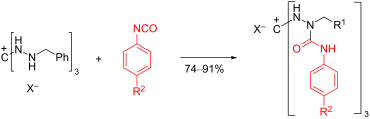
- inside a cavity of the cation, being fixed there by three N–H···Cl hydrogen bonds; this suggests that the cation can also serve as a receptor for other anions of appropriate size and shape. The triaminoguanidinium salt 7a was easily deprotonated to afford the corresponding neutral tris(ureido)guanidine 8
- -triaminoguanidine 9 was obtained, no matter whether a 1:1 or a 3:1 stoichiometry of the reactants was applied (Scheme 4). Notably, not the expected guanidine hydrochloride but the neutral guanidine 9 was obtained. Obviously, the basicity of guanidine 9 is much lower than, for example, the parent compound, 1,2,3
- -triaminoguanidine. Attempts to convert 9 into the corresponding triaminoguanidinium salt with strong acids failed. Structural and NMR data of guanidinium salts 7 and guanidine derivative 8 The solid-state structures of guanidinium salt 7a and the neutral guanidine derivative 8 display a common structural motif: the

Graphical Abstract

Scheme 1: Conditions: a) benzaldehyde, ethanol/water, reflux, 1 h, 96% yield; b) H2, Pd/C (10%), MeOH, rt, 48...

Scheme 2: Carbamoylation of 1,2,3-tris(benzylamino)guanidinium salts 3 and 5-OTs.

Figure 1: Solid-state structure of 7a·3CH3CN. Left: Molecular structure with numbering of atoms. Right: N–H··...

Scheme 3: Deprotonation of 7a to yield the neutral guanidine derivative 8.

Figure 2: Solid-state structure of 8. Thermal displacement ellipsoids are drawn at the 20% probability level....

Scheme 4: Sulfonylcarbamoylation of salt 3.

Figure 3: Hydrogen-bonded one-dimensional network of guanidine 8 in the solid state. The intramolecular N9···...

Scheme 5: Reaction of 1,2,3-trisbenzylaminoguanidinium chloride (3) with aryl isothiocyanates.

Figure 4: Solid-state structure of 10b. Thermal displacement ellipsoids are drawn at the 30% probability leve...

Scheme 6: Proposed mechanism of the formation of 10 and 11.
Efficient CO2 capture by tertiary amine-functionalized ionic liquids through Li+-stabilized zwitterionic adduct formation
- Zhen-Zhen Yang and
- Liang-Nian He
Beilstein J. Org. Chem. 2014, 10, 1959–1966, doi:10.3762/bjoc.10.204
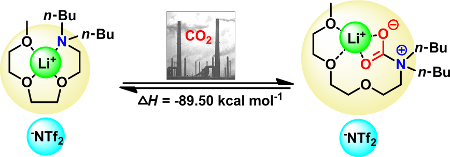
- in the respective carbamates (onium salts) [39]. As previously reported, strong amidine and guanidine bases such as 1,5,7-triazabicyclo[4.4.0]dec-5-ene (TBD) can form the base-CO2 zwitterionic adduct in a 1:1 manner under strictly anhydrous conditions (Scheme 1c) [40][41]. Herein, we present such a
- -functionalization of the organic base enhanced the complexation ability. For example, ΔHf decreased from −56.49 kal mol−1 (OctIm) to −91.17 kcal mol−1 (PEG150MeIm) for imidazole (Table 1, entry 2 vs 3), from −47.79 kcal mol−1 (OctTMG) to −106.56 kcal mol−1 (PEG150MeTMG) for guanidine (Table 1, entry 6 vs 7), and
- signals of the four methyl groups in guanidine of PEG150MeTMG shifted from 2.63–2.72 ppm to 2.96 ppm after reacting with equimolar amounts of LiNTf2 (Figure 2b). The corresponding anion CF3SO3−, the twelve protons moving only from 2.63–2.72 ppm to 2.71–2.75 ppm, indicate that there is only little

Graphical Abstract

Scheme 1: Reactions of CO2 with amino-group containing absorbents (a), base/proton donor binary system (b) or...
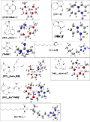
Figure 1: Typical optimized structures of complex cations derived from chelation between Li+ and neutral liga...
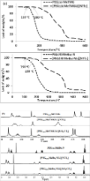
Figure 2: (a) Comparison of the thermal stability between the neutral ligands and the corresponding chelated ...
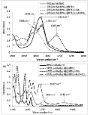
Figure 3: In situ FTIR spectra of neutral ligands and the corresponding chelated ionic liquids after reaction...

Figure 4: Influence of the ratio of LiNTf2/neutral ligands (PEG150MeTMG and PEG150MeBu2N) on the CO2 capacity...

Figure 5: The quantum chemistry calculations (enthalpy changes) of the reaction between CO2 and [PEG150MeTMGL...
Syntheses of 15N-labeled pre-queuosine nucleobase derivatives
- Jasmin Levic and
- Ronald Micura
Beilstein J. Org. Chem. 2014, 10, 1914–1918, doi:10.3762/bjoc.10.199
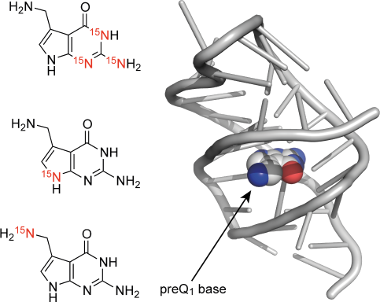
- ]-guanidine as cost-affordable 15N sources. Such derivatives are required to explore the binding process of the preQ1 base to RNA targets using advanced NMR spectroscopic methods. PreQ1 base specifically binds to bacterial mRNA domains and thereby regulates genes that are required for queuosine biosynthesis
- for 15N incorporation. For [15N1,15N3,H215N(C2)]-7-(aminomethyl)-7-deazaguanine (1), we started with the reaction of methyl cyanoacetate (4) and [15N3]-guanidine hydrochloride (5) under basic conditions to give the corresponding [15N1,15N3,H215N(C2)]-2,6-diaminopyrimidin-4-one (6) in high purity after
- was accessible by first synthesizing ethyl [15N]-2-cyanoacetate (11) from 2-bromoacetic acid (9) and potassium cyanide [15N]-KCN, followed by esterification (Scheme 3). All further steps were conducted in direct analogy as described for target 1, namely reaction with guanidine hydrochloride to furnish

Graphical Abstract

Scheme 1: The hypermodified nucleoside queuosine (Q) and the synthetic targets of preQ1 bases 1 to 3 with com...
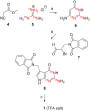
Scheme 2: Synthesis of [15N1,15N3,H215N(C2)]-preQ1 base (1). a) CH3ONa (10 equiv) CH3OH, reflux, 10 h, RP C18...
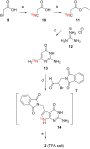
Scheme 3: Synthesis of [15N9]-preQ1 base (2). a) [15N]-KCN (1 equiv), Na2CO3, H2O, pH 9, 80 °C, 3 h, then roo...
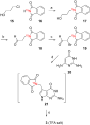
Scheme 4: Synthesis of [H215N(C7')] preQ1 base (3). a) K2CO3 (1.5 equiv), DMF, 70 °C, 14 h, 47%. b) Dess–Mart...

Figure 1: Comparison of 1H NMR spectra of the preQ1 bases 1, 2 and 3 with complementary 15N labeling patterns...
Polyglycerol-functionalized nanodiamond as a platform for gene delivery: Derivatization, characterization, and hybridization with DNA
- Li Zhao,
- Yuki Nakae,
- Hongmei Qin,
- Tadamasa Ito,
- Takahide Kimura,
- Hideto Kojima,
- Lawrence Chan and
- Naoki Komatsu
Beilstein J. Org. Chem. 2014, 10, 707–713, doi:10.3762/bjoc.10.64
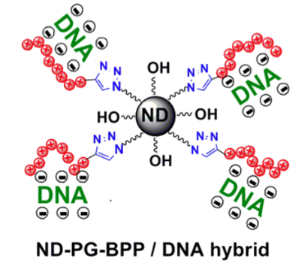
- converted to ester (aprotic ones) by initiation of the ring-opening polymerization of glycidol. The immobilization of polypeptides turned the zeta potentials into plus (–36.8 mV → +14.2 to +44.1 mV) due to the protonation to the basic groups in the peptides; imidazole, amine, and guanidine. These zeta

Graphical Abstract

Figure 1: FTIR spectra of a) ND50-PG, b) ND-PG-OTs, c) ND-PG-N3, d) ND-PG-Arg8, e) ND-PG-Lys8, and f) ND-PG-H...

Figure 2: 1H NMR spectra of a) ND50-PG, b) ND-PG-OTs and c) ND-PG-N3 in D2O.

Figure 3: TGA profiles of ND50-PG under nitrogen and air.

Figure 4: STEM images of a) pristine ND50 and b) ND50-PG.

Scheme 1: Synthetic route from ND50 to ND-PG-BPP; i) glycidol, 140 °C, 20 h; ii) p-TsCl, pyridine, 0 °C to rt...

Figure 5: Picture of the dispersions of a) ND50-PG (20 mg/mL), b) ND-PG-Arg8, c) ND-PG-Lys8 and d) ND-PG-His8...
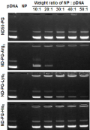
Figure 6: Electrophoretic migration of pDNA, NP (ND50-PG or ND-PG-BPP), and NP/pDNA mixtures at various weigh...
Isocyanide-based multicomponent reactions towards cyclic constrained peptidomimetics
- Gijs Koopmanschap,
- Eelco Ruijter and
- Romano V.A. Orru
Beilstein J. Org. Chem. 2014, 10, 544–598, doi:10.3762/bjoc.10.50


Graphical Abstract

Scheme 1: The proposed mechanism of the Passerini reaction.

Scheme 2: The PADAM-strategy to α-hydroxy-β-amino amide derivatives 7. An additional oxidation provides α-ket...

Scheme 3: The general accepted Ugi-mechanism.

Scheme 4: Three commonly applied Ugi/cyclization approaches. a) UDC-process, b) UAC-sequence, c) UDAC-combina...

Scheme 5: Ugi reaction that involves the condensation of Armstrong’s convertible isocyanide.

Scheme 6: Mechanism of the U-4C-3CR towards bicyclic β-lactams.

Scheme 7: The Ugi 4C-3CR towards oxabicyclo β-lactams.

Scheme 8: Ugi MCR between an enantiopure monoterpene based β-amino acid, aldehyde and isocyanide resulting in...

Scheme 9: General MCR for β-lactams in water.

Scheme 10: a) Ugi reaction for β-lactam-linked peptidomimetics. b) Varying the β-amino acid resulted in β-lact...

Scheme 11: Ugi-4CR followed by a Pd-catalyzed Sn2 cyclization.

Scheme 12: Ugi-3CR of dipeptide mimics from 2-substituted pyrrolines.

Scheme 13: Joullié–Ugi reaction towards 2,5-disubstituted pyrrolidines.

Scheme 14: Further elaboration of the Ugi-scaffold towards bicyclic systems.

Scheme 15: Dihydroxyproline derivatives from an Ugi reaction.

Scheme 16: Diastereoselective Ugi reaction described by Banfi and co-workers.

Scheme 17: Similar Ugi reaction as in Scheme 16 but with different acids and two chiral isocyanides.

Scheme 18: Highly diastereoselective synthesis of pyrrolidine-dipeptoids via a MAO-N/MCR-procedure.

Scheme 19: MAO-N/MCR-approach towards the hepatitis C drug telaprevir.

Scheme 20: Enantioselective MAO-U-3CR procedure starting from chiral pyrroline 64.

Scheme 21: Synthesis of γ-lactams via an UDC-sequence.

Scheme 22: Utilizing bifunctional groups to provide bicyclic γ-lactam-ketopiperazines.

Scheme 23: The Ugi reaction provided both γ- as δ-lactams depending on which inputs were used.

Scheme 24: The sequential Ugi/RCM with olefinic substrates provided bicyclic lactams.

Scheme 25: a) The structural and dipole similarities of the triazole unit with the amide bond. b) The copper-c...

Scheme 26: The Ugi/Click sequence provided triazole based peptidomimetics.

Scheme 27: The Ugi/Click reaction as described by Nanajdenko.

Scheme 28: The Ugi/Click-approach by Pramitha and Bahulayan.

Scheme 29: The Ugi/Click-combination by Niu et al.

Scheme 30: Triazole linked peptidomimetics obtained from two separate MCRs and a sequential Click reaction.

Scheme 31: Copper-free synthesis of triazoles via two MCRs in one-pot.

Scheme 32: The sequential Ugi/Paal–Knorr reaction to afford pyrazoles.

Scheme 33: An intramolecular Paal–Knorr condensation provided under basic conditions pyrazolones.

Scheme 34: Similar cyclization performed under acidic conditions provided pyrazolones without the trifluoroace...

Scheme 35: The Ugi-4CR towards 2,4-disubstituted thiazoles.

Scheme 36: Solid phase approach towards thiazoles.

Scheme 37: Reaction mechanism of formation of thiazole peptidomimetics containing an additional β-lactam moiet...

Scheme 38: The synthesis of the trisubstituted thiazoles could be either performed via an Ugi reaction with pr...

Scheme 39: Performing the Ugi reaction with DMB-protected isocyanide gave access to either oxazoles or thiazol...

Scheme 40: Ugi/cyclization-approach towards 2,5-disubstituted thiazoles. The Ugi reaction was performed with d...

Scheme 41: Further derivatization of the thiazole scaffold.

Scheme 42: Three-step procedure towards the natural product bacillamide C.

Scheme 43: Ugi-4CR to oxazoles reported by Zhu and co-workers.

Scheme 44: Ugi-based synthesis of oxazole-containing peptidomimetics.

Scheme 45: TMNS3 based Ugi reaction for peptidomimics containing a tetrazole.

Scheme 46: Catalytic cycle of the enantioselective Passerini reaction towards tetrazole-based peptidomimetics.

Scheme 47: Tetrazole-based peptidomimetics via an Ugi reaction and a subsequent sigmatropic rearrangement.

Scheme 48: Resin-bound Ugi-approach towards tetrazole-based peptidomimetics.

Scheme 49: Ugi/cyclization approach towards γ/δ/ε-lactam tetrazoles.

Scheme 50: Ugi-3CR to pipecolic acid-based peptidomimetics.

Scheme 51: Staudinger–Aza-Wittig/Ugi-approach towards pipecolic acid peptidomimetics.

Figure 1: The three structural isomers of diketopiperazines. The 2,5-DKP isomer is most common.

Scheme 52: UDC-approach to obtain 2,5-DKPs, either using Armstrong’s isocyanide or via ethylglyoxalate.

Scheme 53: a) Ugi reaction in water gave either 2,5-DKP structures or spiro compounds. b) The Ugi reaction in ...

Scheme 54: Solid-phase approach towards diketopiperazines.

Scheme 55: UDAC-approach towards DKPs.

Scheme 56: The intermediate amide is activated as leaving group by acid and microwave assisted organic synthes...

Scheme 57: UDC-procedure towards active oxytocin inhibitors.

Scheme 58: An improved stereoselective MCR-approach towards the oxytocin inhibitor.

Scheme 59: The less common Ugi reaction towards DKPs, involving a Sn2-substitution.

Figure 2: Spatial similarities between a natural β-turn conformation and a DKP based β-turn mimetic [158].

Scheme 60: Ugi-based syntheses of bicyclic DKPs. The amine component is derived from a coupling between (R)-N-...

Scheme 61: Ugi-based synthesis of β-turn and γ-turn mimetics.

Figure 3: Isocyanide substituted 3,4-dihydropyridin-2-ones, dihydropyridines and the Freidinger lactams. Bio-...

Scheme 62: The mechanism of the 4-CR towards 3,4-dihydropyridine-2-ones 212.

Scheme 63: a) Multiple MCR-approach to provide DHP-peptidomimetic in two-steps. b) A one-pot 6-CR providing th...

Scheme 64: The MCR–alkylation–MCR procedure to obtain either tetrapeptoids or depsipeptides.

Scheme 65: U-3CR/cyclization employing semicarbazone as imine component gave triazine based peptidomimetics.

Scheme 66: 4CR towards triazinane-diones.

Scheme 67: The MCR–alkylation–IMCR-sequence described by our group towards triazinane dione-based peptidomimet...

Scheme 68: Ugi-4CR approaches followed by a cyclization to thiomorpholin-ones (a) and pyrrolidines (b).

Scheme 69: UDC-approach for benzodiazepinones.

Scheme 70: Ugi/Mitsunobu sequence to BDPs.

Scheme 71: A UDAC-approach to BDPs with convertible isocyanides. The corresponding amide is cleaved by microwa...

Scheme 72: microwave assisted post condensation Ugi reaction.

Scheme 73: Benzodiazepinones synthesized via the post-condensation Ugi/ Staudinger–Aza-Wittig cyclization.

Scheme 74: Two Ugi/cyclization approaches utilizing chiral carboxylic acids. Reaction (a) provided the product...

Scheme 75: The mechanism of the Gewald-3CR includes three base-catalysed steps involving first a Knoevnagel–Co...

Scheme 76: Two structural 1,4-thienodiazepine-2,5-dione isomers by U-4CR/cyclization.

Scheme 77: Tetrazole-based diazepinones by UDC-procedure.

Scheme 78: Tetrazole-based BDPs via a sequential Ugi/hydrolysis/coupling.

Scheme 79: MCR synthesis of three different tricyclic BPDs.

Scheme 80: Two similar approaches both involving an Ugi reaction and a Mitsunobu cyclization.

Scheme 81: Mitsunobu–Ugi-approach towards dihydro-1,4-benzoxazepines.

Scheme 82: Ugi reaction towards hetero-aryl fused 5-oxo-1,4-oxazepines.

Scheme 83: a) Ugi/RCM-approach towards nine-membered peptidomimetics b) Sequential peptide-coupling, deprotect...

Scheme 84: Ugi-based synthesis towards cyclic RGD-pentapeptides.

Scheme 85: Ugi/MCR-approach towards 12–15 membered macrocycles.

Scheme 86: Stereoselective Ugi/RCM approach towards 16-membered macrocycles.

Scheme 87: Passerini/RCM-sequence to 22-membered macrocycles.

Scheme 88: UDAC-approach towards 12–18-membered depsipeptides.

Figure 4: Enopeptin A with its more active derivative ADEP-4.

Scheme 89: a) The Joullié–Ugi-approach towards ADEP-4 derivatives b) Ugi-approach for the α,α-dimethylated der...

Scheme 90: Ugi–Click-strategy for 15-membered macrocyclic glyco-peptidomimetics.

Scheme 91: Ugi/Click combinations provided macrocycles containing both a triazole and an oxazole moiety.

Scheme 92: a) A solution-phase procedure towards macrocycles. b) Alternative solid-phase synthesis as was repo...

Scheme 93: Ugi/cyclization towards cyclophane based macrocycles.

Scheme 94: PADAM-strategy towards eurystatin A.

Scheme 95: PADAM-approach for cyclotheanamide.

Scheme 96: A triple MCR-approach affording RGD-pentapeptoids.

Scheme 97: Ugi-MiBs-approach towards peptoid macrocycles.

Scheme 98: Passerini-based MiB approaches towards macrocycles 345 and 346.

Scheme 99: Macrocyclic peptide formation by the use of amphoteric aziridine-based aldehydes.
Silver and gold-catalyzed multicomponent reactions
- Giorgio Abbiati and
- Elisabetta Rossi
Beilstein J. Org. Chem. 2014, 10, 481–513, doi:10.3762/bjoc.10.46
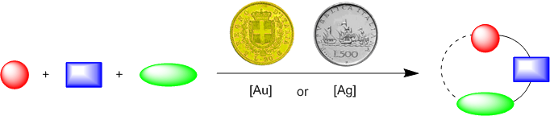
- isoquinolinium-2-ylamide 43 undergoes a [3 + 2]-cycloaddition reaction with carbodiimide 54. Further intramolecular rearrangement yields the desired 1-(isoquinolin-1-yl)guanidine 55. Moreover, isoquinolinium-2-ylamides 43 can participate as 1,3-dipoles in [3 + 2]-cycloaddition reactions with in situ generated

Graphical Abstract

Scheme 1: General reaction mechanism for Ag(I)-catalyzed A3-coupling reactions.

Scheme 2: A3-coupling reaction catalyzed by polystyrene-supported NHC–silver halides.

Figure 1: Various NHC–Ag(I) complexes used as catalysts for A3-coupling.

Scheme 3: Proposed reaction mechanism for NHC–AgCl catalyzed A3-coupling reactions.

Scheme 4: Liu’s synthesis of pyrrole-2-carboxaldehydes 4.

Scheme 5: Proposed reaction mechanism for Liu’s synthesis of pyrrole-2-carboxaldehydes 4.

Scheme 6: Gold-catalyzed synthesis of propargylamines 1.

Scheme 7: A3-coupling catalyzed by phosphinamidic Au(III) metallacycle 6.

Scheme 8: Gold-catalyzed KA2-coupling.

Scheme 9: A3-coupling applied to aldehyde-containing oligosaccharides 8.

Scheme 10: A3-MCR for the preparation of propargylamine-substituted indoles 9.

Scheme 11: A3-coupling interceded synthesis of furans 12.

Scheme 12: A3/KA2-coupling mediated synthesis of functionalized dihydropyrazoles 13 and polycyclic dihydropyra...

Scheme 13: Au(I)-catalyzed entry to cyclic carbamimidates 17 via an A3-coupling-type approach.

Scheme 14: Proposed reaction mechanism for the Au(I)-catalyzed synthesis of cyclic carbamimidates 17.

Figure 2: Chiral trans-1-diphenylphosphino-2-aminocyclohexane–Au(I) complex 20.

Scheme 15: A3-coupling-type synthesis of oxazoles 21 catalyzed by Au(III)–salen complex.

Scheme 16: Proposed reaction mechanism for the synthesis of oxazoles 21.

Scheme 17: Synthesis of propargyl ethyl ethers 24 by an A3-coupling-type reaction.

Scheme 18: General mechanism of Ag(I)-catalyzed MCRs of 2-alkynylbenzaldehydes, amines and nucleophiles.

Scheme 19: General synthetic pathway to 1,3-disubstituted-1,2-dihydroisoquinolines.

Scheme 20: Synthesis of 1,3-disubstituted-1,2-dihydroisoquinolines 29.

Scheme 21: Synthesis of 1,3-disubstituted-1,2-dihydroisoquinolines 35 and 36.

Scheme 22: Rh(II)/Ag(I) co-catalyzed synthesis of 1,3-disubstituted-1,2-dihydroisoquinolines 40.

Scheme 23: General synthetic pathway to 2-amino-1,2-dihydroquinolines.

Scheme 24: Synthesis of 2-amino-1,2-dihydroquinolines 47.

Scheme 25: Synthesis of tricyclic H-pyrazolo[5,1-a]isoquinoline 48.

Scheme 26: Synthesis of tricyclic H-pyrazolo[5,1-a]isoquinolines 48.

Scheme 27: Cu(II)/Ag(I) catalyzed synthesis of H-pyrazolo[5,1-a]isoquinolines 48.

Scheme 28: Synthesis of 2-aminopyrazolo[5,1-a]isoquinolines 53.

Scheme 29: Synthesis of 1-(isoquinolin-1-yl)guanidines 55.

Scheme 30: Ag(I)/Cu(I) catalyzed synthesis of 2-amino-H-pyrazolo[5,1-a]isoquinolines 58.

Scheme 31: Ag(I)/Ni(II) co-catalyzed synthesis of 3,4-dihydro-1H-pyridazino[6,1-a]isoquinoline-1,1-dicarboxyla...

Scheme 32: Ag(I) promoted activation of the α-carbon atom of the isocyanide group.

Scheme 33: Synthesis of dihydroimidazoles 65.

Scheme 34: Synthesis of oxazoles 68.

Scheme 35: Stereoselective synthesis of chiral butenolides 71.

Scheme 36: Proposed reaction mechanism for the synthesis of butenolides 71.

Scheme 37: Stereoselective three-component approach to pirrolidines 77 by means of a chiral auxiliary.

Scheme 38: Stereoselective three-component approach to pyrrolidines 81 and 82 by means of a chiral catalyst.

Scheme 39: Synthesis of substituted five-membered carbocyles 86.

Scheme 40: Synthesis of regioisomeric arylnaphthalene lactones.

Scheme 41: Enantioselective synthesis of spiroacetals 96 by Fañanás and Rodríguez [105].

Scheme 42: Enantioselective synthesis of spiroacetals 101 by Gong [106].

Scheme 43: Synthesis of polyfunctionalized fused bicyclic ketals 103 and bridged tricyclic ketals 104.

Scheme 44: Proposed reaction mechanism for the synthesis of ketals 103 and 104.

Scheme 45: Synthesis of β-alkoxyketones 108.

Scheme 46: Synthesis of N-methyl-1,4-dihydropyridines 112.

Scheme 47: Synthesis of tetrahydrocarbazoles 115–117.

Scheme 48: Plausible reaction mechanism for the synthesis of tetrahydrocarbazoles 115–117.

Scheme 49: Carboamination, carboalkoxylation and carbolactonization of terminal alkenes.

Scheme 50: Oxyarylation of alkenes with arylboronic acids and Selectfluor as reoxidant.

Scheme 51: Proposed reaction mechanism for oxyarylation of alkenes.

Scheme 52: Oxyarylation of alkenes with arylsilanes and Selectfluor as reoxidant.

Scheme 53: Oxyarylation of alkenes with arylsilanes and IBA as reoxidant.
An overview of the synthetic routes to the best selling drugs containing 6-membered heterocycles
- Marcus Baumann and
- Ian R. Baxendale
Beilstein J. Org. Chem. 2013, 9, 2265–2319, doi:10.3762/bjoc.9.265
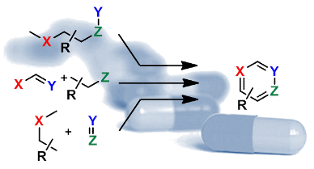

Graphical Abstract

Scheme 1: Scaled industrial processes for the synthesis of simple pyridines.

Scheme 2: Synthesis of nicotinic acid from 2-methyl-5-ethylpyridine (1.11).

Scheme 3: Synthesis of 3-picoline and nicotinic acid.

Scheme 4: Synthesis of 3-picoline from 2-methylglutarodinitrile 1.19.

Scheme 5: Picoline-based synthesis of clarinex (no yields reported).

Scheme 6: Mode of action of proton-pump inhibitors and structures of the API’s.

Scheme 7: Hantzsch-like route towards the pyridine rings in common proton pump inhibitors.

Figure 1: Structures of rosiglitazone (1.40) and pioglitazone (1.41).

Scheme 8: Synthesis of rosiglitazone.

Scheme 9: Syntheses of 2-pyridones.

Scheme 10: Synthesis and mechanism of 2-pyrone from malic acid.

Scheme 11: Polymer-assisted synthesis of rosiglitazone.

Scheme 12: Synthesis of pioglitazone.

Scheme 13: Meerwein arylation reaction towards pioglitazone.

Scheme 14: Route towards pioglitazone utilising tyrosine.

Scheme 15: Route towards pioglitazone via Darzens ester formation.

Scheme 16: Syntheses of the thiazolidinedione moiety.

Scheme 17: Synthesis of etoricoxib utilising Negishi and Stille cross-coupling reactions.

Scheme 18: Synthesis of etoricoxib via vinamidinium condensation.

Figure 2: Structures of nalidixic acid, levofloxacin and moxifloxacin.

Scheme 19: Synthesis of moxifloxacin.

Scheme 20: Synthesis of (S,S)-2,8-diazabicyclo[4.3.0]nonane 1.105.

Scheme 21: Synthesis of levofloxacin.

Scheme 22: Alternative approach to the levofloxacin core 1.125.

Figure 3: Structures of nifedipine, amlodipine and clevidipine.

Scheme 23: Mg3N2-mediated synthesis of nifedipine.

Scheme 24: Synthesis of rac-amlodipine as besylate salt.

Scheme 25: Aza Diels–Alder approach towards amlodipine.

Scheme 26: Routes towards clevidipine.

Figure 4: Examples of piperidine containing drugs.

Figure 5: Discovery of tiagabine based on early leads.

Scheme 27: Synthetic sequences to tiagabine.

Figure 6: Structures of solifenacin (2.57) and muscarine (2.58).

Scheme 28: Enantioselective synthesis of solifenacin.

Figure 7: Structures of DPP-4 inhibitors of the gliptin-type.

Scheme 29: Formation of inactive diketopiperazines from cis-rotameric precursors.

Figure 8: Co-crystal structure of carmegliptin bound in the human DPP-4 active site (PDB 3kwf).

Scheme 30: Improved route to carmegliptin.

Figure 9: Structures of lamivudine and zidovudine.

Scheme 31: Typical routes accessing uracil, thymine and cytosine.

Scheme 32: Coupling between pyrimidones and riboses via the Vorbrüggen nucleosidation.

Scheme 33: Synthesis of lamivudine.

Scheme 34: Synthesis of raltegravir.

Scheme 35: Mechanistic studies on the formation of 3.22.

Figure 10: Structures of selected pyrimidine containing drugs.

Scheme 36: General preparation of pyrimidines and dihydropyrimidones.

Scheme 37: Synthesis of imatinib.

Scheme 38: Flow synthesis of imatinib.

Scheme 39: Syntheses of erlotinib.

Scheme 40: Synthesis of erlotinib proceeding via Dimroth rearrangement.

Scheme 41: Synthesis of lapatinib.

Scheme 42: Synthesis of rosuvastatin.

Scheme 43: Alternative preparation of the key aldehyde towards rosuvastatin.

Figure 11: Structure comparison between nicotinic acetylcholine receptor agonists.

Scheme 44: Syntheses of varenicline and its key building block 4.5.

Scheme 45: Synthetic access to eszopiclone and brimonidine via quinoxaline intermediates.

Figure 12: Bortezomib bound in an active site of the yeast 20S proteasome ([114], pdb 2F16).

Scheme 46: Asymmetric synthesis of bortezomib.

Figure 13: Structures of some prominent piperazine containing drugs.

Figure 14: Structural comparison between the core of aplaviroc (4.35) and a type-1 β-turn (4.36).

Scheme 47: Examplary synthesis of an aplaviroc analogue via the Ugi-MCR.

Scheme 48: Syntheses of azelastine (5.1).

Figure 15: Structures of captopril, enalapril and cilazapril.

Scheme 49: Synthesis of cilazapril.

Figure 16: Structures of lamotrigine, ceftriaxone and azapropazone.

Scheme 50: Synthesis of lamotrigine.

Scheme 51: Alternative synthesis of lamotrigine (no yields reported).

Figure 17: Structural comparison between imiquimod and the related adenosine nucleoside.

Scheme 52: Conventional synthesis of imiquimod (no yields reported).

Scheme 53: Synthesis of imiquimod.

Scheme 54: Synthesis of imiquimod via tetrazole formation (not all yields reported).

Figure 18: Structures of various anti HIV-medications.

Scheme 55: Synthesis of abacavir.

Figure 19: Structures of diazepam compared to modern replacements.

Scheme 56: Synthesis of ocinaplon.

Scheme 57: Access to zaleplon and indiplon.

Scheme 58: Different routes towards the required N-methylpyrazole 6.65 of sildenafil.

Scheme 59: Polymer-supported reagents in the synthesis of key aminopyrazole 6.72.

Scheme 60: Early synthetic route to sildenafil.

Scheme 61: Convergent preparations of sildenafil.

Figure 20: Comparison of the structures of sildenafil, tadalafil and vardenafil.

Scheme 62: Short route to imidazotriazinones.

Scheme 63: Alternative route towards vardenafils core imidazotriazinone (6.95).

Scheme 64: Bayer’s approach to the vardenafil core.

Scheme 65: Large scale synthesis of vardenafil.

Scheme 66: Mode of action of temozolomide (6.105) as methylating agent.

Scheme 67: Different routes to temozolomide.

Scheme 68: Safer route towards temozolomide.

Figure 21: Some unreported heterocyclic scaffolds in top market drugs.
Asymmetric allylic alkylation of Morita–Baylis–Hillman carbonates with α-fluoro-β-keto esters
- Lin Yan,
- Zhiqiang Han,
- Bo Zhu,
- Caiyun Yang,
- Choon-Hong Tan and
- Zhiyong Jiang
Beilstein J. Org. Chem. 2013, 9, 1853–1857, doi:10.3762/bjoc.9.216
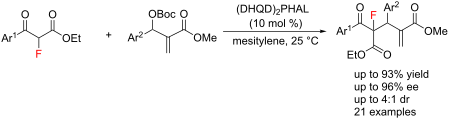
- enantioselectivities [38]. Notably, the reaction between an achiral fluorocarbon nucleophile with MBH carbonates, to afford compounds with chiral quaternary carbon centres bearing a fluorine atom, remains a formidable task. Since 2009, we developed a highly enantioselective and diastereoselective guanidine-catalyzed

Organocatalyzed enantioselective desymmetrization of aziridines and epoxides
- Ping-An Wang
Beilstein J. Org. Chem. 2013, 9, 1677–1695, doi:10.3762/bjoc.9.192
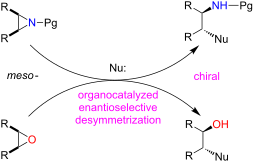
- enantioselectivity of the β-(N-acylamino)aryl thioether (up to 92% ee), with only 1 mol % of chiral guanidine OC-46 as a catalyst. Based on density functional theory (DFT) calculations, a plausible mechanism indicated that the hydrogen-bonding interaction between the chiral guanidine and the carbonyl group in meso-N

Graphical Abstract

Figure 1: The catalyzed enantioselective desymmetrization.
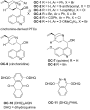
Figure 2: Cinchona alkaloid-derived catalysts OC-1 to OC-11.

Scheme 1: The enantioselective desymmetrization of meso-aziridines in the presence of selected Cinchona alkal...

Figure 3: Cinchona alkaloid-derived catalysts OC-12 to OC-19.

Scheme 2: The enantioselective ring-opening of aziridines in the presence of OC-16.

Scheme 3: OC-16 catalyzed enantioselective ring-opening of aziridines.

Figure 4: The chiral phosphoric acids catalysts OC-20 and OC-21.

Scheme 4: OC-20 and OC-21 catalyzed enantioselective desymmetrization of meso-aziridines.

Figure 5: The proposed mechanism for chiral phosphorous acid-induced enantioselctive desymmetrization of meso...

Scheme 5: OC-21 catalyzed enantioselective desymmetrization of meso-aziridines by Me3SiSPh.

Scheme 6: OC-21 catalyzed the enantioselective desymmetrization of meso-aziridines by Me3SiSePh/PhSeH.

Figure 6: L-Proline and its derivatives OC-22 to OC-27.

Scheme 7: OC-23 catalyzed enantioselective desymmetrization of meso-aziridines.

Figure 7: Proposed bifunctional mode of action of OC-23.

Figure 8: The chiral thioureas OC-28 to OC-44 for the desymmetrization of meso-aziridines.

Scheme 8: Desymmetrization of meso-aziridines with OC-41.

Figure 9: The chiral guanidines (OC-45 to OC-48).

Scheme 9: OC-46 catalyzed desymmetrization of meso-aziridines by arylthiols.

Scheme 10: Desymmetrization of cis-aziridine-2,3-dicarboxylate.

Figure 10: The proposed activation mode of OC-46.

Scheme 11: The enantioselective desymmetrization of meso-aziridines by amine/CS2 in the presence of OC-46.

Figure 11: The chiral 1,2,3-triazolium chlorides OC-49 to OC-55.

Scheme 12: The enantioselective desymmetrization of meso-aziridines by Me3SiX (X = Cl or Br) in the presence o...

Figure 12: Early organocatalysts for enantioselective desymmetrization of meso-epoxides.

Scheme 13: Attempts of enantioselective desymmetrization of meso-epoxides in the presence of OC-58 or OC-60.

Scheme 14: The enantioselective desymmetrization of a meso-epoxide containing one P atom.
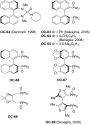
Figure 13: Some chiral phosphoramide and chiral phosphine oxides.

Scheme 15: OC-62 catalyzed enantioselective desymmetrization of meso-epoxides by SiCl4.

Figure 14: The proposed mechanism of the chiral HMPA-catalyzed desymmetrization of meso-epoxides.

Scheme 16: The enantioselective desymmetrization of meso-epoxides in the presence of OC-63.

Figure 15: The Chiral phosphine oxides (OC-70 to OC-77) based on an allene backbone.

Scheme 17: OC-73 catalyzed enantioselective desymmetrization of meso-epoxides by SiCl4.

Figure 16: Chiral pyridine N-oxides used in enantioselective desymmetrization of meso-epoxides.
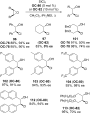
Scheme 18: Catalyzed enantioselective desymmetrization of meso-epoxides in the presence of OC-80 or OC-82.

Figure 17: Chiral pyridine N-oxides OC-85 to OC-94.

Scheme 19: Enantioselective desymmetrization of cis-stilbene oxide by using OC-85 to OC-92 as catalysts.

Figure 18: A novel family of helical chiral pyridine N-oxides OC-95 to OC-97.

Scheme 20: Desymmetrization of meso-epoxides catalyzed by OC-95 to OC-97.

Scheme 21: OC-98 catalyzed enantioselective desymmetrization of meso-epoxides by SiCl4.
Isolation and X-ray characterization of palladium–N complexes in the guanylation of aromatic amines. Mechanistic implications
- Abdessamad Grirrane,
- Hermenegildo Garcia and
- Eleuterio Álvarez
Beilstein J. Org. Chem. 2013, 9, 1455–1462, doi:10.3762/bjoc.9.165
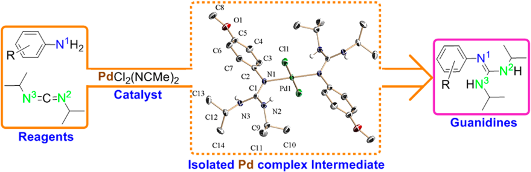
- complexes with iodoaniline and guanidine, respectively, (see Scheme 1) that give some clue about the reaction mechanism of the catalytic process. Results and Discussion In order to provide further support to the mechanistic proposal for the C–N insertion promoted by palladium(II) suggested by us [20], in
- were fully characterized by analytical and spectroscopic data (see Supporting Information File 1, experimental section). Structure of guanidine 5a was confirmed by single-crystal X-ray analysis, Figure 4 shows the corresponding ORTEP for compound 5a as well as some views of the crystal packing (see
- also Supporting Information File 1, Table S4 and Figure S20 and for full details of crystallographic data see Supporting Information File 2). Beside X-ray crystal analysis of guanidine 5a, guanidines 5a–c were also characterized by 1H, 13C and 19F NMR spectroscopy and combustion analysis (see Figures

Graphical Abstract

Scheme 1: Isolation of trans-dichlorobis(4-iodoanilino-ĸN)palladium(II) and trans-dichlorobis[1,3-diisopropyl...

Scheme 2: Isolation of trans-dichlorobis[1,3-diisopropyl-2-(aryl)guanidino-ĸN(aryl)]palladium(II) complexes (...

Figure 1: (Top) ORTEP view of the centrosymmetric molecule 4a. (Bottom) Crystal packing detail of 4a viewed a...

Figure 2: (Left) ORTEP representation of 4b. (Right) Crystal packing detail of 4b viewed along the a-axis sho...

Figure 3: (Left) ORTEP representation of 4c. (Right) Crystal-packing detail of 4c viewed along the a-axis sho...

Scheme 3: Guanylation reactions of anilines 1a–c by N,N’-diisopropylcarbodiimide (2) catalyzed by Pd(II) salt....

Figure 4: (Left) ORTEP representation of 5a. (Right) Crystal packing details of 5a viewed along the a-axis sh...
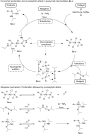
Scheme 4: Possible mechanisms for the C–N coupling catalyzed by PdCl2(NCMe)2 in homogeneous phase.
Engineering of indole-based tethered biheterocyclic alkaloid meridianin into β-carboline-derived tetracyclic polyheterocycles via amino functionalization/6-endo cationic π-cyclization
- Piyush K. Agarwal,
- Meena D. Dathi,
- Mohammad Saifuddin and
- Bijoy Kundu
Beilstein J. Org. Chem. 2012, 8, 1901–1908, doi:10.3762/bjoc.8.220
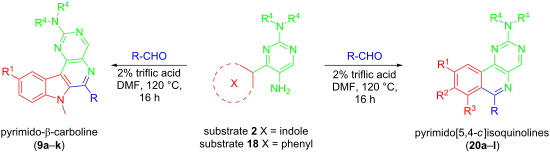
- dimethyl acetal to form (E)-3-(dimethylamino)-1-(1-methyl-1H-indol-3-yl)-2-nitroprop-2-en-1-one (6a) [63][64][65][66], which was then converted to 4-(1-methyl-1H-indol-3-yl)-5-nitropyrimidin-2-amine (7a) in the presence of guanidine hydrochloride. Finally, the desired substrate 4-(1-methyl-1H-indol-3-yl
- potassium tert-butoxide in DMSO. Reaction of 15 with N,N-dimethylformamide dimethyl acetal provided 16, which was cyclized in the presence of guanidine hydrochloride and N,N-dimethylguanidine sulfate to give the nitro products 17a,b and 17c. Finally, the desired substrates 18 were obtained by reducing 17

Graphical Abstract

Figure 1: Structure of meridianins A–G.

Scheme 1: Synthesis of functionalized meridianin with an amino group at position 5.

Scheme 2: Synthesis of a functionalized meridianin with an amino group at position 5.

Scheme 3: Synthesis of substrate for the modified Pictet–Spengler reaction.

Scheme 4: The Pictet–Spengler reaction involving substrate 2a. Reagents and conditions: (i) RCHO, 2% triflic ...

Scheme 5: Synthesis of dihydropyrimido-β-carbolines: (i) R-CHO, 2% triflic acid in DMF, 120 °C, 16 h.

Scheme 6: Synthesis of substrates 18a–c for the modified Pictet–Spengler reaction.

Scheme 7: General strategy for the Pictet–Spengler reaction involving substrates 18. Reagents and conditions:...
Design and synthesis of a photoswitchable guanidine catalyst
- Philipp Viehmann and
- Stefan Hecht
Beilstein J. Org. Chem. 2012, 8, 1825–1830, doi:10.3762/bjoc.8.209
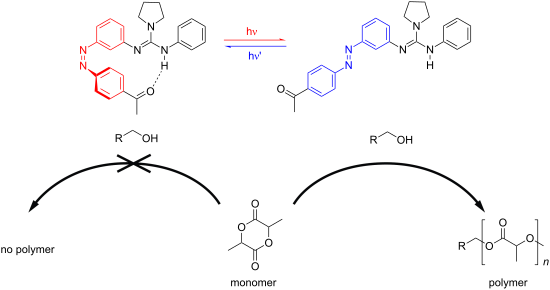
- Philipp Viehmann Stefan Hecht Department of Chemistry, Humboldt-Universität zu Berlin, Brook-Taylor-Str. 2, 12489 Berlin, Germany 10.3762/bjoc.8.209 Abstract A novel design as well as a straight-forward synthesis for a photoswitchable guanidine catalyst is reported. Intense studies of the
- photochromic properties demonstrated the reversible switchability of its photosensitive azobenzene moiety. Its activity in the ring-opening polymerization (ROP) of rac-lactide was investigated as well. The obtained results are discussed, and an additional guanidine was synthesized and utilized in the ROP of
- [17], TBD is a difficult target for the incorporation of photoresponsive switches. Recent work indicates that the activation mechanism for acyclic guanidines, such as guanidine 1 (Scheme 1), is strongly dependent on the formation of hydrogen bridges to monomer and initiator [18]. Note that with

Graphical Abstract

Scheme 1: Ring-opening polymerization (ROP) of lactide with TBD or the acyclic guanidine 1 as catalysts [16,18].

Scheme 2: Illustration of a photoswitchable guanidine catalyst for the ROP of lactide and the corresponding t...

Scheme 3: Synthesis of guanidine 2E.

Figure 1: ORTEP image of the single-crystal X-ray structure of guanidine 2E, as well as a rotated close-up of...

Figure 2: UV–vis spectra of guanidine 2 in acetonitrile, c = 3.9·10−5 mol/L. (a) E→Z isomerization with irrad...

Scheme 4: Guanidine 11 as a catalyst in the ROP of rac-lactide (catalyst/initiator/monomer ratio = 10:1:100).

Figure 3: Supposed intermediates resulting from either a cyclohexane-substituted guanidine (a) [18] or an aromati...
Synthesis and evaluation of new guanidine-thiourea organocatalyst for the nitro-Michael reaction: Theoretical studies on mechanism and enantioselectivity
- Tatyana E. Shubina,
- Matthias Freund,
- Sebastian Schenker,
- Timothy Clark and
- Svetlana B. Tsogoeva
Beilstein J. Org. Chem. 2012, 8, 1485–1498, doi:10.3762/bjoc.8.168
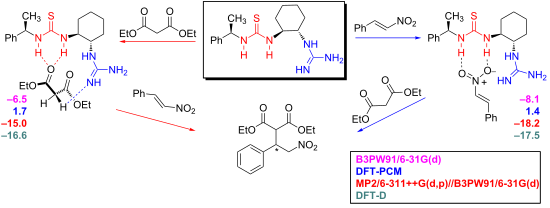
- Organic Chemistry I, University of Erlangen-Nuremberg, Henkestraße 42, 91054, Erlangen, Germany 10.3762/bjoc.8.168 Abstract A new guanidine-thiourea organocatalyst has been developed and applied as bifunctional organocatalyst in the Michael addition reaction of diethyl malonate to trans-β-nitrostyrene
- . Extensive DFT calculations, including solvent effects and dispersion corrections, as well as ab initio calculations provide a plausible description of the reaction mechanism. Keywords: bifunctional organocatalyst; DFT calculations; guanidine-thiourea; Michael addition; organocatalysis; transition states
- guanidine-thiourea organocatalysts would perform as well as or even better than amine-thioureas and imidazole-thioureas. Generally, guanidines are well-known basic catalysts in organic synthesis, but only scattered examples of chiral guanidines as organocatalysts are known [49]. Indeed, only one guanidine

Graphical Abstract

Scheme 1: Synthesis of guanidine-thiourea organocatalyst 7.

Scheme 2: Henry reaction of 3-phenylpropionaldehyde (8) with nitromethane (9).

Scheme 3: Michael addition of (12) and (14) to trans-β-nitrostyrene (11).

Figure 1: Optimized geometries of four conformers of catalyst 7. Energies are in kcal·mol−1, B3PW91/6–31G(d) ...

Scheme 4: Energy profile for the first step of the reaction between catalyst 7 and malonate 14. Energies are ...

Figure 2: Complexes (CatN1–CatN5) between catalyst 7 and nitrostyrene 11. Energies are in kcal·mol−1, B3PW91/...

Scheme 5: Two possible routes for ternary complex formation. Energies are in kcal·mol−1, B3PW91/6–31G(d) (fir...
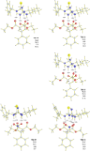
Figure 3: Geometries of transition states for R and S products. Relative energies (with respect to Init10) ar...
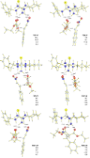
Figure 4: Geometries of transition states for R and S products. Relative energies (with respect to Init10) ar...

Figure 5: B3PW91/6–31G(d) (first entry), DFT-PCM (second entry), MP2/6–31G(d)//B3PW91/6–31G(d) (third entry) ...
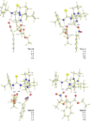
Figure 6: Geometries of transition states for R and S products with 7-TABD catalyst. Relative energies (to In...
Cation affinity numbers of Lewis bases
- Christoph Lindner,
- Raman Tandon,
- Boris Maryasin,
- Evgeny Larionov and
- Hendrik Zipse
Beilstein J. Org. Chem. 2012, 8, 1406–1442, doi:10.3762/bjoc.8.163
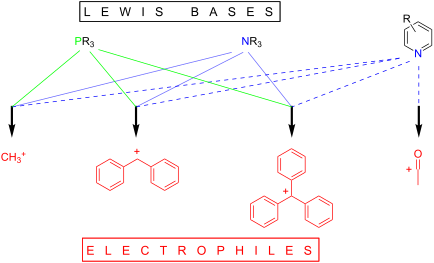
- guanidine motif have only a moderate influence on the affinity to the acetyl cation. Michael-acceptor affinities (MAA) A large number of reactions induced or catalyzed by Lewis bases involve initial or rate-limiting reaction with neutral electrophiles such as alkyl halides (substitution) or Michael

Graphical Abstract

Scheme 1: Reactions for the methyl cation affinity (MCA) of a neutral Lewis base (1a), an anionic Lewis base ...

Figure 1: MCA values of monosubstituted amines of general formula Me2N(CH2)nH (n = 1–7, in kJ/mol).

Scheme 2: Systematic dependence of MCA.

Scheme 3: Trends in amine MCA values.

Figure 2: Eclipsing interactions in the best conformation of N+Me(iPr)3 (16Me) (left), and the corresponding ...

Scheme 4: General expression for the chain-length dependence of MCA values.

Figure 3: MCA values of monosubstituted phosphanes of general formula Me2P(CH2)nH (n = 1–8, in kJ/mol).

Figure 4: MCA values of monosubstituted phosphanes of general formula PMe2(CH(CH2)n+1) (n = 1–8, in kJ/mol).

Figure 5: The MCA values of n-butyldiphenylphosphane (102) and its (αα-/ββ-/γγ-) dimethylated analogues.

Figure 6: MCA values of phosphanes Me2P–NR2 with cyclic and acyclic amine substituents.

Figure 7: MCA values of phosphanes PMe2R connected to α,α- and β,β-position of nitrogen containing cyclic sub...

Scheme 5: Reactions for the benzhydryl cation affinity (BHCA) of a Lewis base (5a) and pyridine (5b).

Figure 8: Comparison of BHCA values (kJ/mol) and nucleophilicity parameters N for sterically unbiased pyridin...

Scheme 6: Reactions for the trityl cation affinity (THCA) of a Lewis base (6a) and pyridine (6b).

Figure 9: Comparison of MCA, BHCA, and TCA values of selected Lewis bases.

Scheme 7: Correlations of BHCA/TCA values with the respective MCA data for sterically unbiased systems (exclu...

Figure 10: Scheme for the angle d(RXRR) measurements.

Scheme 8: Reactions for the Mosher's cation affinity (MOSCA) of a Lewis base.

Scheme 9: Reactions for the acetyl cation affinity (ACA) of a Lewis base (9a) and pyridine (9b).

Figure 11: Structure of the acetylated pyridine 380 (380Ac).

Scheme 10: Reaction for the Michael-acceptor affinity (MAA) of a Lewis base.

Figure 12: Inverted reaction free energies for the addition of N- and P-based Lewis bases to three different M...

Figure 13: Correlation between MCA values and affinity values towards three different Michael acceptors.

Scheme 11: (a) General definition for a methyl cation transfer reaction between Lewis bases LB1 and LB2, and (...

Figure 14: The energetically best conformations of Pn-Bu3 (120_1, top) and (120_2, bottom).

Figure 15: Relative order of the conformations 120_1 to 120_7 depending on the level of theory.

Figure 16: The structure of the energetically best conformations of 120Me.
A macrolactonization approach to the total synthesis of the antimicrobial cyclic depsipeptide LI-F04a and diastereoisomeric analogues
- James R. Cochrane,
- Dong Hee Yoon,
- Christopher S. P. McErlean and
- Katrina A. Jolliffe
Beilstein J. Org. Chem. 2012, 8, 1344–1351, doi:10.3762/bjoc.8.154
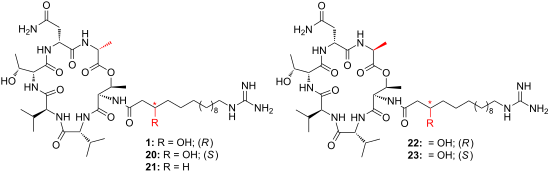
- esterification to give the methyl ester 14 in excellent yield. Reaction of 14 with di(tert-butoxycarbonyl)guanidine under Mitsunobu conditions [27] proceeded smoothly to give 15 in 86% yield. Hydrolysis of the methyl ester followed by acidic work up to enable extraction of the resulting carboxylic acid gave 12

Graphical Abstract

Scheme 1: Retrosynthetic strategy.

Scheme 2: Macrolactonization reactions of seco acids 5 and 6 (for reagents and yields see Table 1 and Table 2).

Figure 1: Analytical HPLC traces of linear peptides. (a) Compound 9 (retention time = 31.5 min); (b) Compound ...

Scheme 3: Synthesis of the dehydroxy side chain 12.

Scheme 4: Synthesis of LI-F04a (1) and analogues 20–23.

Figure 2: Structures and lowest-energy conformers of 24 (left) and 25 (right) obtained using Macromodel. Hydr...
Synthesis, solid-state fluorescence properties, and computational analysis of novel 2-aminobenzo[4,5]thieno[3,2-d]pyrimidine 5,5-dioxides
- Kenichirou Yokota,
- Masayori Hagimori,
- Naoko Mizuyama,
- Yasuhisa Nishimura,
- Hiroshi Fujito,
- Yasuhiro Shigemitsu and
- Yoshinori Tominaga
Beilstein J. Org. Chem. 2012, 8, 266–274, doi:10.3762/bjoc.8.28
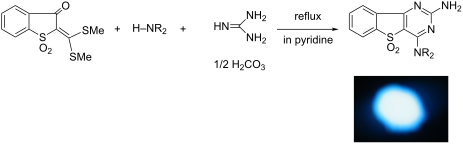
- -dioxides (3a–g), 2-amino-4-methylsulfanylbenzo[4,5]thieno[3,2-d]pyrimidine (6), and 2-amino-4-methylsulfanyl-7-methoxybenzo[4,5]furo[3,2-d]pyrimidine (7), were synthesized in good yields from heterocyclic ketene dithioacetals (1a–c) and guanidine carbonate (2a) or (S)-methylisothiourea sulfate (2b) in
- , we prepared new pyrimidine derivatives, which have solid-state blue fluorescence, by means of a one-pot synthesis, involving the reaction of ketene dithioacetals, amines, and guanidine carbonate in pyridine [5]. We have also reported the one-pot synthesis of a new, fluorescent, fused pyrimidine
- reaction of 1a with guanidine carbonate (2a) in pyridine under reflux gave the expected product, 2-amino-4-(methylsulfanyl)benzo[4,5]thieno[3,2-d]pyrimidine 5,5-dioxide (3a) in 89% yield (Scheme 1). Based on our findings that diaminopyrimidine derivatives show blue fluorescence in the solid state [5], we

Graphical Abstract

Scheme 1: Syntheses of benzo[4,5]thieno[3,2-d]pyrimidine 5,5-dioxides (3a–f).

Scheme 2: Syntheses of 3g, 6, and 7.
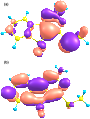
Figure 1: (a) HOMO and (b) LUMO for 3a, computed with TD-DFT(B3LYP)/6-31+G(d,p). The pink (blue) lobes indica...

Figure 2: The distribution of the HOMO minus LUMO density for 3a, computed with TD-DFT(B3LYP)/6-31+G(d,p). Th...

Figure 3: Schematic diagram of 3a.
Natural product biosyntheses in cyanobacteria: A treasure trove of unique enzymes
- Jan-Christoph Kehr,
- Douglas Gatte Picchi and
- Elke Dittmann
Beilstein J. Org. Chem. 2011, 7, 1622–1635, doi:10.3762/bjoc.7.191
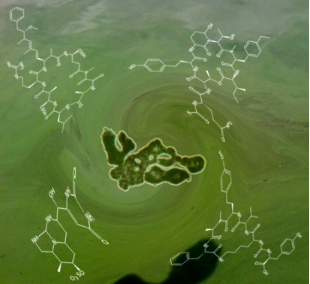
- glutathione and protein synthesis as well as cytochrome P450. Characteristic features of cylindrospermopsins include a guanidine moiety and a hydroxymethyluracil attached to the tricyclic carbon skeleton. According to feeding assays, the polyketide chain assembly starts with the activation of guanidinoacetate

Graphical Abstract

Figure 1: Cyanobacteria proliferate in diverse habitats. A) Bloom-forming freshwater cyanobacteria of the gen...

Figure 2: Schematic representation of enzymatic domains in A) nonribosomal peptide synthetases (NRPS); B) pol...

Figure 3: Structures of NRPS and PKS products in freshwater cyanobacteria.

Figure 4: A) Synthesis of the Adda ((2S,3S,8S,9S)-3-amino-9-methoxy-2,6,8-trimethyl-10-phenyl-4,6-decadienoic...

Figure 5: Structures of NRPS and PKS products in marine cyanobacteria.

Figure 6: A) Formation of the trichloroleucyl starter unit of barbamide (7) synthesis through the non-heme ir...

Figure 7: Structures of NRPS and PKS products in terrestrial cyanobacteria.

Figure 8: Synthesis of the (2S,4S)-4-methylproline moiety of nostopeptolides A (13).

Figure 9: Structures of cyanobacterial peptides that are synthesized ribosomally and post-translationally mod...

Figure 10: Formation of ester linkages and ω-amide linkage in microviridins 17 by the ATP grasp ligases MvdD a...

Figure 11: Structures of cyanobacterial sunscreen compounds.
An overview of the key routes to the best selling 5-membered ring heterocyclic pharmaceuticals
- Marcus Baumann,
- Ian R. Baxendale,
- Steven V. Ley and
- Nikzad Nikbin
Beilstein J. Org. Chem. 2011, 7, 442–495, doi:10.3762/bjoc.7.57
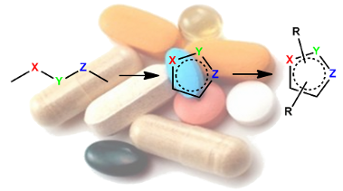

Graphical Abstract
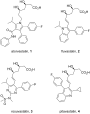
Figure 1: Structures of atorvastatin and other commercial statins.

Figure 2: Structure of compactin.

Scheme 1: Synthesis of pentasubstituted pyrroles.

Scheme 2: [3 + 2] Cycloaddition to prepare 5-isopropylpyrroles.

Scheme 3: Regiospecific [3 + 2] cycloaddition to prepare the pyrrole scaffold.

Scheme 4: Formation of the pyrrole core of atorvastatin via [3 + 2] cycloaddition.

Scheme 5: Formation of pyrrole 33 via the Paal–Knorr reaction.

Scheme 6: Convergent synthesis towards atorvastatin.

Figure 3: Binding pocket of sunitinib in the TRK KIT.

Scheme 7: Synthesis of sunitinib.

Scheme 8: Alternative synthesis of sunitinib.

Scheme 9: Key steps in the syntheses of sumatriptan and zolmitriptan.

Scheme 10: Introduction of the N,N-dimethylaminoethyl side chain.

Scheme 11: Japp–Klingemann reaction in the synthesis of sumatriptan.

Scheme 12: Synthesis of the intermediate sulfonyl chlorides 62 and 63.

Scheme 13: Alternative introduction of the sulfonamide.

Scheme 14: Negishi-type coupling to benzylic sulfonamides.

Scheme 15: Heck reaction used to introduce the sulfonamide side chain of naratriptan.

Scheme 16: Synthesis of the oxazolinone appendage of zolmitriptan.

Scheme 17: Grandberg indole synthesis used in the preparation of rizatriptan.

Scheme 18: Improved synthesis of rizatriptan.

Scheme 19: Larock-type synthesis of rizatriptan.

Scheme 20: Synthesis of eletriptan.

Scheme 21: Heck coupling for the indole system in eletriptan.

Scheme 22: Attempted Fischer indole synthesis of elatriptan.

Scheme 23: Successful Fischer indole synthesis for eletriptan.

Scheme 24: Mechanistic rationale for the Bischler–Möhlau reaction.

Scheme 25: Bischler-type indole synthesis used in the fluvastatin sodium synthesis.

Scheme 26: Palladium-mediated synthesis of ondansetron.

Scheme 27: Fischer indole synthesis of ondansetron.

Scheme 28: Optimised Pictet–Spengler reaction towards tadalafil.

Figure 4: Structures of carvedilol 136 and propranolol 137.

Scheme 29: Synthesis of the carbazole core of carvedilol.

Scheme 30: Alternative syntheses of 4-hydroxy-9H-carbazole.

Scheme 31: Convergent synthesis of etodolac.

Scheme 32: Alternative synthesis of etodolac.

Figure 5: Structures of imidazole-containing drugs.

Scheme 33: Synthesis of functionalised imidazoles towards losartan.

Scheme 34: Direct synthesis of the chlorinated imidazole in losartan.

Scheme 35: Synthesis of trisubstituted imidazoles.

Scheme 36: Preparation of the imidazole ring in olmesartan.

Scheme 37: Synthesis of ondansetron.

Scheme 38: Alternative route to ondansetron and its analogues.

Scheme 39: Proton pump inhibitors and synthesis of esomeprazole.

Scheme 40: Synthesis of benzimidazole core pantoprazole.

Figure 6: Structure of rabeprazole 194.

Scheme 41: Synthesis of candesartan.

Scheme 42: Alternative access to the candesartan key intermediate 216.

Scheme 43: .Medicinal chemistry route to telmisartan.

Scheme 44: Improved synthesis of telmisartan.

Scheme 45: Synthesis of zolpidem.

Scheme 46: Copper-catalysed 3-component coupling towards zolpidem.

Figure 7: Structure of celecoxib.

Scheme 47: Preparation of celecoxib.

Scheme 48: Alternative synthesis of celecoxib.

Scheme 49: Regioselective access to celecoxib.

Scheme 50: Synthesis of pazopanib.

Scheme 51: Syntheses of anastrozole, rizatriptan and letrozole.

Scheme 52: Regioselective synthesis of anastrozole.

Scheme 53: Triazine-mediated triazole formation towards anastrozole.

Scheme 54: Alternative routes to 1,2,4-triazoles.

Scheme 55: Initial synthetic route to sitagliptin.

Figure 8: Binding of sitagliptin within DPP-IV.

Scheme 56: The process route to sitagliptin key intermediate 280.

Scheme 57: Synthesis of maraviroc.

Scheme 58: Synthesis of alprazolam.

Scheme 59: The use of N-nitrosoamidine derivatives in the preparation of fused benzodiazepines.

Figure 9: Structures of itraconazole, ravuconazole and voriconazole.

Scheme 60: Synthesis of itraconazole.

Scheme 61: Synthesis of rufinamide.

Scheme 62: Representative tetrazole formation in valsartan.

Figure 10: Structure of tetrazole containing olmesartan, candesartan and irbesartan.

Scheme 63: Early stage introduction of the tetrazole in losartan.

Scheme 64: Synthesis of cilostazol.

Figure 11: Structure of cefdinir.

Scheme 65: Semi-synthesis of cefdinir.

Scheme 66: Thiazole syntheses towards ritonavir.

Scheme 67: Synthesis towards pramipexole.

Scheme 68: Alternative route to pramipexole.

Scheme 69: Synthesis of famotidine.

Scheme 70: Efficient synthesis of the hyperuricemic febuxostat.

Scheme 71: Synthesis of ziprasidone.

Figure 12: Structure of mometasone.

Scheme 72: Industrial access to 2-furoic acid present in mometasone.

Scheme 73: Synthesis of ranitidine from furfuryl alcohol.

Scheme 74: Synthesis of nitrofurantoin.

Scheme 75: Synthesis of benzofuran.

Scheme 76: Synthesis of amiodarone.

Scheme 77: Synthesis of raloxifene.

Scheme 78: Alternative access to the benzo[b]thiophene core of raloxifene.

Scheme 79: Gewald reaction in the synthesis of olanzapine.

Scheme 80: Alternative synthesis of olanzapine.
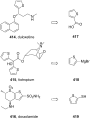
Figure 13: Access to simple thiophene-containing drugs.

Scheme 81: Synthesis of clopidogrel.

Scheme 82: Pictet–Spengler reaction in the preparation of tetrahydrothieno[3,2-c]pyridine (422).

Scheme 83: Alternative synthesis of key intermediate 422.

Figure 14: Co-crystal structures of timolol (left) and carazolol (right) in the β-adrenergic receptor.

Scheme 84: Synthesis of timolol.

Scheme 85: Synthesis of tizanidine 440.

Scheme 86: Synthesis of leflunomide.

Scheme 87: Synthesis of sulfamethoxazole.

Scheme 88: Synthesis of risperidone.

Figure 15: Relative abundance of selected transformations.

Figure 16: The abundance of heterocycles within top 200 drugs (5-membered rings).
A new and facile synthetic approach to substituted 2-thioxoquinazolin-4-ones by the annulation of a pyrimidine derivative
- Nimalini D. Moirangthem and
- Warjeet S. Laitonjam
Beilstein J. Org. Chem. 2010, 6, 1056–1060, doi:10.3762/bjoc.6.120
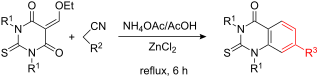
- of various fused heterocyclic compounds. In recent years, we have reported one-pot cyclizations of DTBA with hydrazine [23][24], hydroxylamine [25], guanidine [26], etc. In addition, one-pot cyclizations of DTBA-derived arylidenes have also been reported. Recently, we reported the synthesis of fused

Graphical Abstract

Scheme 1: Synthesis of 2, reagents and conditions: (i) CH2(CN)2, NH4OAc/AcOH, reflux, ZnCl2 (ii) H+/H2O.

Scheme 2: Synthesis of 2, reagents and conditions: (i) CH2(CN)2, NH4OAc/AcOH, reflux, ZnCl2 (ii) H+/H2O.

Scheme 3: Synthesis of 3, reagents and conditions: (i) NC-CH2-CO2Et, NH4OAc/AcOH, reflux, ZnCl2 (ii) H3O+.
Shelf-stable electrophilic trifluoromethylating reagents: A brief historical perspective
- Norio Shibata,
- Andrej Matsnev and
- Dominique Cahard
Beilstein J. Org. Chem. 2010, 6, No. 65, doi:10.3762/bjoc.6.65
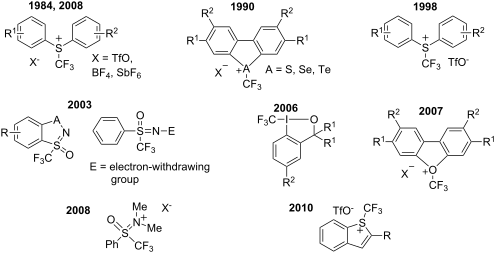
- tetrafluoroborate 42 is obtained as colorless crystals. An initial series of experiments to optimize the reaction conditions for efficient trifluoromethyl group transfer to indanone carboxylate were found to be the use of DBU as base and dichloromethane as solvent at room temperature. Guanidine bases, such as TMG

Graphical Abstract

Scheme 1: Preparation of the first electrophilic trifluoromethylating reagent and its reaction with a thiophe...

Scheme 2: Synthetic routes to S-CF3 and Se-CF3 dibenzochalcogenium salts.

Scheme 3: Synthesis of (trifluoromethyl)dibenzotellurophenium salts.

Scheme 4: Nitration of (trifluoromethyl)dibenzochalcogenium salts.

Scheme 5: Synthesis of a sulphonium salt with a bridged oxygen.

Scheme 6: Reactivity of (trifluoromethyl)dibenzochalcogenium salts.

Scheme 7: Pd(II)-Catalyzed ortho-trifluoromethylation of heterocycle-substituted arenes by Umemoto’s reagents....

Scheme 8: Mild electrophilic trifluoromethylation of β-ketoesters and silyl enol ethers.

Scheme 9: Enantioselective electrophilic trifluoromethylation of β-ketoesters.

Scheme 10: Preparation of water-soluble S-(trifluoromethyl)dibenzothiophenium salts.

Scheme 11: Method for large-scale preparation of S-(trifluoromethyl)dibenzothiophenium salts.

Scheme 12: Triflic acid catalyzed synthesis of 5-(trifluoromethyl)thiophenium salts.

Scheme 13: Trifluoromethylation of β-ketoesters and dicyanoalkylidenes by S-(trifluoromethyl)benzothiophenium ...

Scheme 14: Synthesis of chiral S-(trifluoromethyl)benzothiophenium salt 18 and attempt of enantioselective tri...

Scheme 15: Synthesis of O-(trifluoromethyl)dibenzofuranium salts.

Scheme 16: Photochemical O- and N-trifluoromethylation by 20b.

Scheme 17: Thermal O-trifluoromethylation of phenol by diazonium salt 19a. Effect of the counteranion.

Scheme 18: Thermal O- and N-trifluoromethylations.

Scheme 19: Method of preparation of S-(trifluoromethyl)diphenylsulfonium triflates.

Scheme 20: Reactivity of some S-(trifluoromethyl)diarylsulfonium triflates.

Scheme 21: One-pot synthesis of S-(trifluoromethyl)diarylsulfonium triflates.

Scheme 22: One-pot synthesis of Umemoto’s type reagents.

Scheme 23: Preparation of sulfonium salts by transformation of CF3− into CF3+.

Scheme 24: Selected reactions with the new Yagupolskii reagents.

Scheme 25: Synthesis of heteroaryl-substituted sulfonium salts.

Scheme 26: First neutral S-CF3 reagents.

Scheme 27: Synthesis of Togni reagents. aYield for the two-step procedure.

Scheme 28: Trifluoromethylation of C-nucleophiles with 37.

Scheme 29: Selected examples of trifluoromethylation of S-nucleophiles with 37.

Scheme 30: Selected examples of trifluoromethylation of P-nucleophiles with 35 and 37.

Scheme 31: Trifluoromethylation of 2,4,6-trimethylphenol with 35.

Scheme 32: Examples of O-trifluoromethylation of alcohols with 35 in the presence of 1 equiv of Zn(NTf2)2.

Scheme 33: Formation of trifluoromethyl sulfonates from sulfonic acids and 35.

Scheme 34: Organocatalytic α-trifluoromethylation of aldehydes with 37.

Scheme 35: Synthesis of reagent 42 and mechanism of trifluoromethylation.

Scheme 36: Trifluoromethylation of β-ketoesters and dicyanoalkylidenes with 42.
(Pseudo)amide-linked oligosaccharide mimetics: molecular recognition and supramolecular properties
- José L. Jiménez Blanco,
- Fernando Ortega-Caballero,
- Carmen Ortiz Mellet and
- José M. García Fernández
Beilstein J. Org. Chem. 2010, 6, No. 20, doi:10.3762/bjoc.6.20
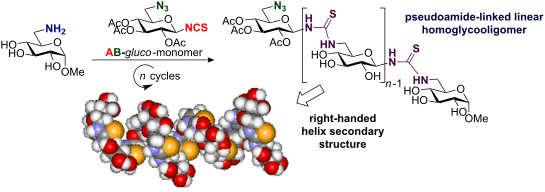
- thiourea, urea and guanidine. In this review we summarise the advances over the last decade in the synthesis of oligosaccharide mimetics that possess amide and pseudoamide linkages, as well as studies focussing on their supramolecular and recognition properties. Keywords: carbopeptoids; glycoclusters
- , thioureas can be easily transformed into carbodiimides and thus serve as key intermediate in the synthesis of other pseudoamide functionalities (urea, guanidine, etc.) [70][71][72][76][77][78][79]. Thirdly, thiourea bridges provide efficient anchoring points for bidentate hydrogen-bonding recognition, which
- –(C=S) bond (Figure 18). β-(1→6)-Linked thioureido-di- and trisaccharides were used to obtain the corresponding ureido- and guanidine-linked oligomers. These compounds were evaluated as phosphate binders in water [76]. Association constants (Kas) for the binding of dimethyl and, especially, phenyl

Graphical Abstract

Figure 1: Schematic representation of sugar aminoacids (SAAs) and (pseudo)amide oligosaccharide mimetics.

Figure 2: Natural SAAs structures and natural nucleosidic antibiotics.

Scheme 1: Synthetic route to the target amide-linked sialooligomers. (a) Fmoc-Cl, NaHCO3, H2O, dioxane, 0 °C....

Figure 3: The general structure of glycoamino acids and their corresponding oligomers.

Figure 4: Conformational analysis of the β(1→2)-amide-linked glucooligomer 9.

Figure 5: Short oligomeric chains of C-glycosyl D-arabino THF amino acid oligomers.

Figure 6: (A) Stereoview of the minimized structure of compound 16 (produced by a 500 ps simulation) that mos...

Figure 7: Structures of linear oxetane-β- and δ-SAA homo-oligomers 19–20.

Figure 8: 10-Membered ring H-bonds in compound 21 consistent with NMR and modelling investigations.

Figure 9: General structure of carbopeptoid-oligonucleotide conjugates.

Figure 10: Protected derivatives of 2,6-diamino-2,6-dideoxy-β-D-glucopyranosyl carboxylic acid 22 and 23.

Figure 11: Cyclic homo-oligomers containing glucopyranoid-SAAs.

Scheme 2: Strategy for solid-phase synthesis of cyclic trimers and tetramers containing pyranoid δ-SAAs.

Figure 12: Cyclic tetramers of L-rhamno- and D-gulo-configured oxetane-SAAs.

Figure 13: Aminoglycosidic antibiotics of the glycocinnamoylspermidine family.

Scheme 3: Synthesis of (thio)trehazoline, via triflate, from β-hydroxy(thio)urea.

Figure 14: Approaches to access pseudoamide-type oligosaccharide mimics.

Figure 15: Calystegine B2 analogues 38 and 39 with urea-linked disaccharide structure.

Figure 16: Rotameric equilibrium shift of 40 by formation of a bidentate hydrogen bond.

Figure 17: Nucleotide analogues with thiourea and S-methylisothiouronium linkers.

Scheme 4: Retrosynthetic approach to synthesize thiourea-linked glycooligomers.

Figure 18: Rotameric equilibria for β-(1→6)-thiourea-linked glucodimer 41.

Figure 19: Schematic representation of (a) cyclodextrin (CDs) and (b) cyclotrehalan (CTs) family members.

Scheme 5: Synthesis of guanidine-linked pseudodisaccharides via carbodiimide.

Figure 20: β(1→6)-Guanidine-linked pseudodi- and pseudotrisaccharides 47 and 48.

Scheme 6: Synthesis of N-benzylguanidine-linked CT2 50.

Figure 21: Structure of RNG and DNG.

Figure 22: Preparation of Fmoc-guanidinium derivatives.

Figure 23: Structures of the homo-oligomeric RNG derivatives 51–55.
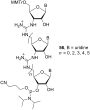
Figure 24: Phosphoramidite building block 56.

Figure 25: Structures of DNGs 57–65.
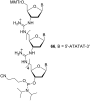
Figure 26: Structure of the phosphoramidite building block 66.
Synthesis of rigidified flavin–guanidinium ion conjugates and investigation of their photocatalytic properties
- Harald Schmaderer,
- Mouchumi Bhuyan and
- Burkhard König
Beilstein J. Org. Chem. 2009, 5, No. 26, doi:10.3762/bjoc.5.26
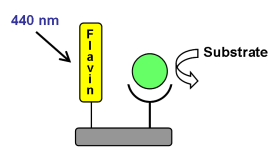
- activity was investigated in benzyl ester cleavage, nitroarene reduction and a Diels–Alder reaction. The modified flavins photocatalyze the reactions, but the introduced substrate binding site does not enhance their performance. Keywords: flavin; guanidine; Kemp’s acid; photocatalysis; template
- carboxyl group with Boc-protected guanidine was achieved using standard peptide coupling conditions. Boc-deprotection with hydrogen chloride in diethyl ether yielded the guanidinium chloride salts 1 and 2 (Scheme 2). The guanidinium salts are soluble in water and methanol, but also in chloroform and
- acid) and mono Boc-protected guanidine were prepared by known methods [21][50][51][52]. All other chemicals were purchased from commercial suppliers, checked by 1H NMR spectrometry and then used as received. Solvents were distilled before use. Flash column chromatography was carried out on silica gel

Graphical Abstract

Scheme 1: Flavin–guanidinium ion conjugates 1 and 2 and tetraacetyl riboflavin (3).

Scheme 2: Synthesis of flavins 1 and 2. Conditions: (i) DMAP, H2O, Δ, 20 h, 71–78%, (ii) HOBt, EDC, NEt(iPr)2...

Figure 1: X-ray crystal structures of the flavin-Kemp’s acids 6 (left) and 9 (right).

Figure 2: Structure of compound 1 in the solid state.
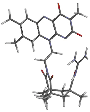
Figure 3: Calculated lowest energy conformation of 1 in the gas phase (AM1, Spartan program package).

Scheme 3: Oxidative photocleavage of dibenzyl phosphate.

Scheme 4: Photoreduction of 4-nitrophenyl phosphate.

Scheme 5: Photo Diels–Alder-reaction of anthracene with N-methyl-maleinimide.



