


Search results
Search for "renewable" in Full Text gives 109 result(s) in Beilstein Journal of Organic Chemistry.
Systematic synthetic study of four diastereomerically distinct limonene-1,2-diols and their corresponding cyclic carbonates
Beilstein J. Org. Chem. 2019, 15, 130–136, doi:10.3762/bjoc.15.13
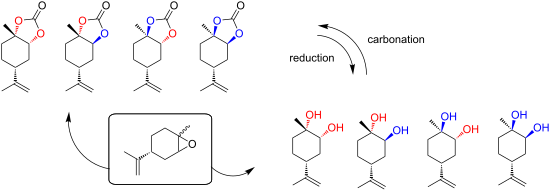
- their characteristic signals. Keywords: cyclic carbonate; diastereomer; diol; limonene; NMR; Introduction (R)-Limonene (LM) is a naturally occurring terpene, and therefore a very attractive and renewable resource [1]. Its derivatives have versatilely and widely been studied [1][2][3][4]. Otherwise


Organometallic vs organic photoredox catalysts for photocuring reactions in the visible region
Beilstein J. Org. Chem. 2018, 14, 3025–3046, doi:10.3762/bjoc.14.282
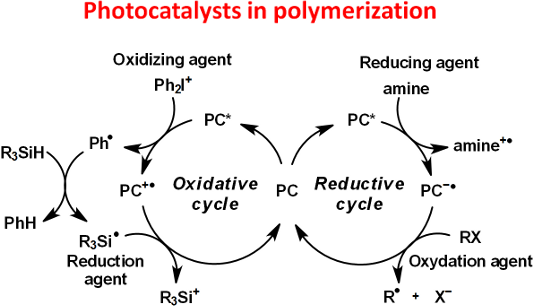
- absorbing compound and suitable additives under light to induce a catalytical cycle. As light is an inexhaustible and renewable energy, photochemistry has dealt a great interest into organic chemistry and green chemistry since the early 20th century [15]. By absorbing light, the compound reaches an



An overview on recent advances in the synthesis of sulfonated organic materials, sulfonated silica materials, and sulfonated carbon materials and their catalytic applications in chemical processes
Beilstein J. Org. Chem. 2018, 14, 2745–2770, doi:10.3762/bjoc.14.253
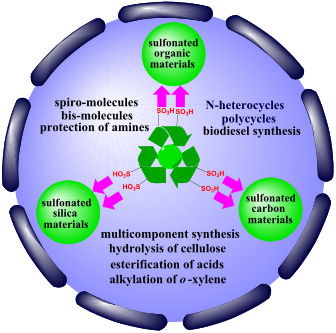
- isolation of products, very short reaction times (only 10 s), and better yields. The use of glycerol as a starting material is another important advantage because it is the main byproduct in the biodiesel industry and the application of renewable feedstocks for the preparation of suitable chemicals and


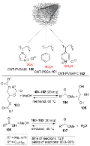


Synthesis of a tyrosinase inhibitor by consecutive ethenolysis and cross-metathesis of crude cashew nutshell liquid
Beilstein J. Org. Chem. 2018, 14, 2737–2744, doi:10.3762/bjoc.14.252
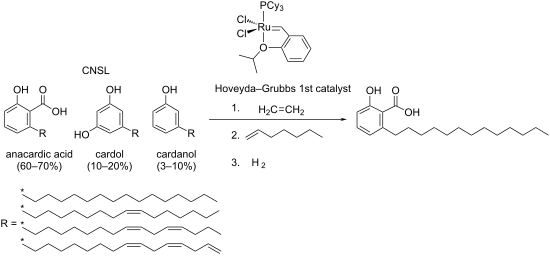
- subsequent hydrogenation step. Overall, the target compound was obtained in an overall yield of 61% based on the unsaturated anacardic acid content and 34% based on the crude CNSL. Keywords: cashew nutshell liquid; cross-metathesis; renewable feedstock; sustainable chemistry; tyrosinase inhibitor
- ; Introduction Cashew nutshell liquid (Scheme 1) is an ideal renewable feedstock. This non-edible industrial waste product, derived from the cashew nut processing, is abundant available and cheap [1][2][3]. The annual production of cashew nuts with shell reached 4.9 million tons in 2016 [4], leading to an
- neurodegenerative diseases [30]. Therefore, the study and development of tyrosinase inhibitors from renewable resources is of particular interest for research and industry [31][32]. Fu et al. investigated naturally occurring ginkgolic acids which they selectively synthesized from 2,6-dihydroxybenzoic acid (4), and


Cobalt- and rhodium-catalyzed carboxylation using carbon dioxide as the C1 source
Beilstein J. Org. Chem. 2018, 14, 2435–2460, doi:10.3762/bjoc.14.221
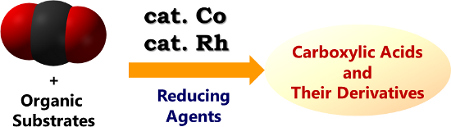
- Tetsuaki Fujihara Yasushi Tsuji Department of Energy and Hydrocarbon Chemistry, Graduate School of Engineering, Kyoto University, Nishikyo-ku, Kyoto 615-8510, Japan 10.3762/bjoc.14.221 Abstract Carbon dioxide (CO2) is one of the most important materials as renewable chemical feedstock. In this
- [2 + 2 + 2] cycloaddition of diynes and CO2 proceeds to afford pyrones. Keywords: carbon dioxide; carboxylation; cobalt; homogeneous catalysts; rhodium; Introduction Carbon dioxide (CO2) is one of the most important materials as renewable feedstock [1][2][3][4]. However, the thermodynamic and


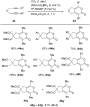

Microfluidic light-driven synthesis of tetracyclic molecular architectures
Beilstein J. Org. Chem. 2018, 14, 2418–2424, doi:10.3762/bjoc.14.219
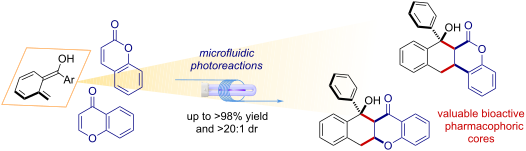
- molecules. Keywords: [4 + 2] photoenol; cycloaddition; flow chemistry; microfluidic photoreactor; photoredox catalysis; synthetic photochemistry; Introduction In recent years synthetic photochemistry has become highly sophisticated [1]. The opportunity of using renewable energy sources to transform and


Heterogeneous acidic catalysts for the tetrahydropyranylation of alcohols and phenols in green ethereal solvents
Beilstein J. Org. Chem. 2018, 14, 1655–1659, doi:10.3762/bjoc.14.141
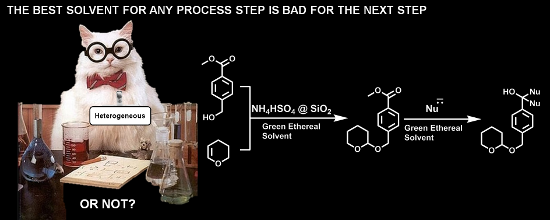
- , hydrophobicity, easy drying and recovery possibilities. Additionally, CPME is produced via a 100% atom economical reaction [19][20], whilst 2-MeTHF is accessible from renewable resources [21][23]. Finally, it is worth noting that besides being moderately irritant, both solvents are characterized by low


Cobalt–metalloid alloys for electrochemical oxidation of 5-hydroxymethylfurfural as an alternative anode reaction in lieu of oxygen evolution during water splitting
Beilstein J. Org. Chem. 2018, 14, 1436–1445, doi:10.3762/bjoc.14.121
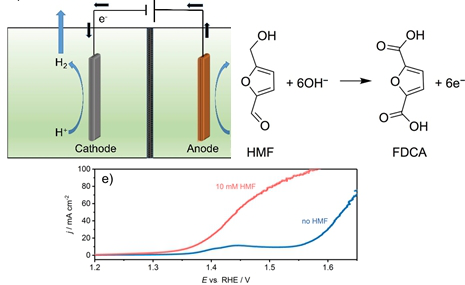
- reaction; Introduction Energy production from renewable sources continues to contribute to a significant growing share of current and future energy requirements. However, the intermittency of renewable energy sources renders it a necessity to develop new technologies to convert and store surplus energy
- , which can be made accessible on demand [1]. Energy storage in hydrogen as a highly versatile energy carrier, which can be inexhaustibly obtained from water, is very appealing [2]. For the conversion of renewable energy into storable hydrogen, electrochemical water splitting turns out to be among the



Quinone-catalyzed oxidative deformylation: synthesis of imines from amino alcohols
Beilstein J. Org. Chem. 2017, 13, 2895–2901, doi:10.3762/bjoc.13.282
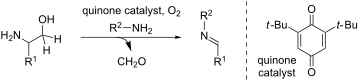
- common [29][30][31][32] despite the fact that these methods employ renewable resources, such as amino acids and their derivatives, as starting materials. In fact, only a few reports describing the oxidative deformylation of amino alcohols have been published [33][34][35], and in all of these reports



Mechanochemical synthesis of small organic molecules
Beilstein J. Org. Chem. 2017, 13, 1907–1931, doi:10.3762/bjoc.13.186
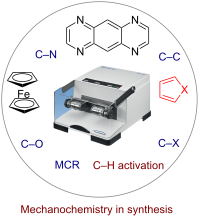
- Tapas Kumar Achar Anima Bose Prasenjit Mal School of Chemical Sciences, National Institute of Science Education and Research (NISER) Bhubaneswar, HBNI, P.O. Bhimpur-Padanpur, Via Jatni, Khurda 752050, Odisha, India 10.3762/bjoc.13.186 Abstract With the growing interest in renewable energy and


Enzymatic synthesis of glycosides: from natural O- and N-glycosides to rare C- and S-glycosides
Beilstein J. Org. Chem. 2017, 13, 1857–1865, doi:10.3762/bjoc.13.180
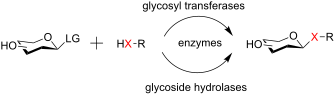
- published roadmap for glycosciences in Europe, carbohydrates are expected, both by academics and industrials, to become key players in a near future in tremendous fields such as pharmaceuticals and personalized biomedicine, food, materials and renewable resources, and bioenergy for examples [2]. To achieve




Pd(OAc)2/Ph3P-catalyzed dimerization of isoprene and synthesis of monoterpenic heterocycles
Beilstein J. Org. Chem. 2017, 13, 1807–1815, doi:10.3762/bjoc.13.175
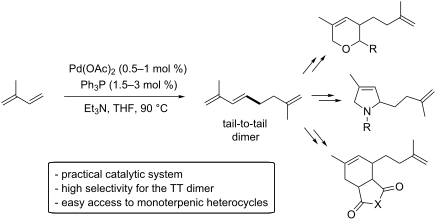
- Dominik Kellner Maximilian Weger Andrea Gini Olga Garcia Mancheno Institute of Organic Chemistry, University of Regensburg, Universitätsstr. 31, 93040 Regensburg, Germany Straubing Center of Science for Renewable Resources, 94315 Straubing, Germany 10.3762/bjoc.13.175 Abstract The palladium
- from renewable sources such as sugars has been considered as a competitive sustainable synthetic alternative [21][22]. Although the dimerization of isoprene is significantly more difficult compared to the dimerization of 1,3-butadiene, it would lead to synthetically useful linear monoterpenic


Sustainable synthesis of 3-substituted phthalides via a catalytic one-pot cascade strategy from 2-formylbenzoic acid with β-keto acids in glycerol
Beilstein J. Org. Chem. 2017, 13, 1425–1429, doi:10.3762/bjoc.13.139
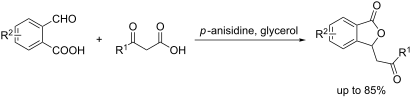
- , as an environmentally friendly reaction medium, has received increasing interest for organic reactions because of its peculiar physical and chemical properties such as polarity, low toxicity, biodegradability, high boiling point, and ready availability from renewable feed stocks [31]. Many organic
- efficient one-pot cascade aldol/cyclization methodology using the low-cost and renewable feedstock glycerol as the solvent. A broad substrate scope for β-keto acids is strongly compatible with this catalytic process, affording a wide variety of 3-substituted phthalides in good to excellent yields. Further



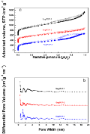
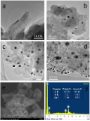
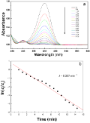
Sugar-based micro/mesoporous hypercross-linked polymers with in situ embedded silver nanoparticles for catalytic reduction
Beilstein J. Org. Chem. 2017, 13, 1212–1221, doi:10.3762/bjoc.13.120
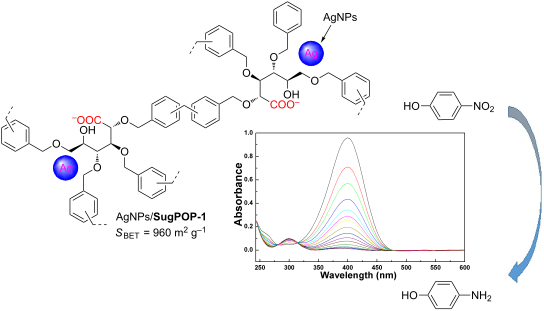
- ][14][15]. However, most aromatic skeleton monomers are non-renewable and could generate additional environmental problems. Therefore, the selection and use of low cost, green, raw materials is critical. Sugars are a ubiquitous resource, which plays many different and important roles in the world [16




Molecular-level architectural design using benzothiadiazole-based polymers for photovoltaic applications
Beilstein J. Org. Chem. 2017, 13, 863–873, doi:10.3762/bjoc.13.87
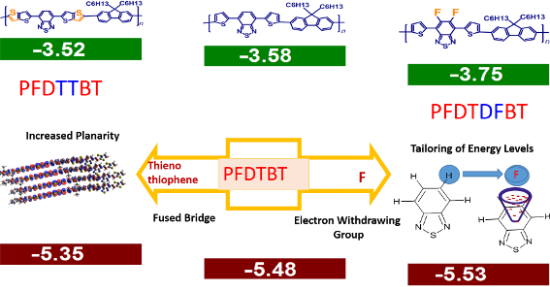
- . Department of Energy (Office of Science, Office of Basic Energy Sciences, and Energy Efficiency and Renewable Energy, Solar Energy Technology Program, under subcontract DE-AC36-08GO28308 to the National Renewable Energy Laboratory, Golden, Colorado) and the Government of India, through the Department of



Cyclodextrins tethered with oligolactides – green synthesis and structural assessment
Beilstein J. Org. Chem. 2017, 13, 779–792, doi:10.3762/bjoc.13.77
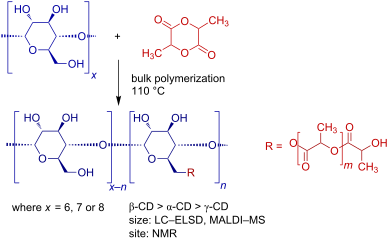
- ) of cyclic esters [6], oxiranes [7] and oxazolines [8]. However, the ROP of cyclic esters should also be considered as a method of producing polymer-modified CDs with some particular features, such as possibility of employing green polymerization procedures and availability of renewable monomers like

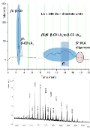


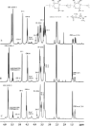

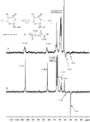
Energy down converting organic fluorophore functionalized mesoporous silica hybrids for monolith-coated light emitting diodes
Beilstein J. Org. Chem. 2017, 13, 768–778, doi:10.3762/bjoc.13.76
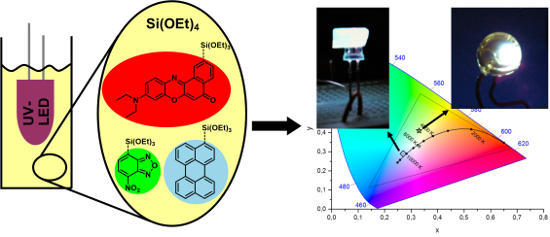
- alternative, eventually starting from renewable organic materials [8][9]. Other than inorganic luminophores these organic analogues cannot simply be intercalated in a robust inorganic host structure and, therefore, ligating materials are required. Since the host structure should not undergo photodegradation








Fluorescent carbon dots from mono- and polysaccharides: synthesis, properties and applications
Beilstein J. Org. Chem. 2017, 13, 675–693, doi:10.3762/bjoc.13.67
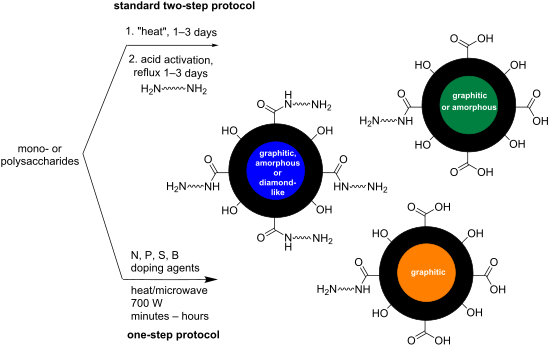
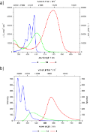
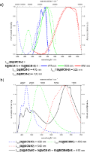
- Glucose-based fluorescent carbon dots Sustainable syntheses of CDs have driven researchers to find readily available, cheap and renewable carbon sources of which the monosaccharide glucose is an ideal candidate. Not only is glucose cheap and commercially available, but also has a low carbonisation


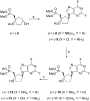
Revaluation of biomass-derived furfuryl alcohol derivatives for the synthesis of carbocyclic nucleoside phosphonate analogues
Beilstein J. Org. Chem. 2017, 13, 251–256, doi:10.3762/bjoc.13.28
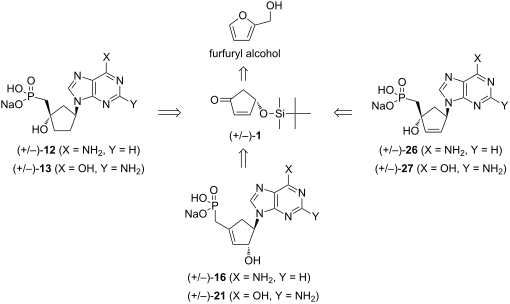
- compounds were evaluated for their activity against a large number of viruses. However, none of them showed significant antiviral activity or cytotoxicity. Keywords: analogue; antiviral; carbocyclic; nucleoside; phosphonate; Introduction Biomass is a valuable resource in search of renewable organic carbon




Diels–Alder reactions of myrcene using intensified continuous-flow reactors
Beilstein J. Org. Chem. 2017, 13, 120–126, doi:10.3762/bjoc.13.15
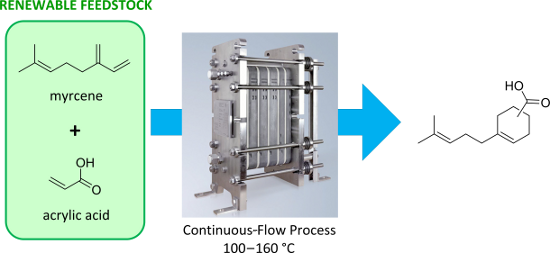
- continuous-flow approach provides a facile alternative scale-up route to conventional batch processing, and it helps to intensify the synthesis protocol by applying higher reaction temperatures and shorter reaction times. Keywords: continuous processing; flow chemistry; renewable feedstock; surfactant
- ; Introduction Over the past years, great attention has been devoted to finding alternative, renewable feedstocks to fossil oil for the production of fuel and industrial chemicals. Especially, high value added products from fine chemicals, specialty chemicals or the pharmaceuticals sector allow for a ‘drop-in
- ’ replacement of existing, fossil resources based synthesis routes with economic alternatives based on renewable sources. Besides chemical platforms based on sugar, lignin or fatty acid containing feedstocks, terpenes present another plant derived feedstock which is of great interest for a variety of industrial


High performance p-type molecular electron donors for OPV applications via alkylthiophene catenation chromophore extension
Beilstein J. Org. Chem. 2016, 12, 2298–2314, doi:10.3762/bjoc.12.223
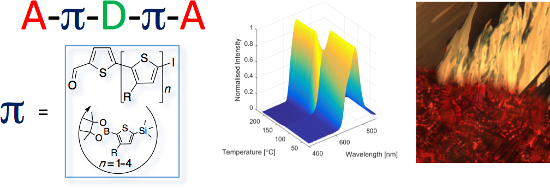
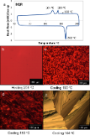
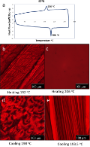
- solar cells. Supporting Information Supporting Information File 390: Synthetic procedures, NMR spectra, MALDI, TGA, DSC, CVs, POM methods and images, UV–vis, fluorescence, and DFT cartesian coordinates. Acknowledgements This work was made possible by support from the Australian Renewable Energy Agency




Isosorbide and dimethyl carbonate: a green match
Beilstein J. Org. Chem. 2016, 12, 2256–2266, doi:10.3762/bjoc.12.218
- has gained exceptional attention in the scientific community. This interest has been prompted by the substitution of petroleum-based compounds with renewable substances with the aim of establishing a bio-based economically self-sustained industry [1]. In this prospect the US Department of Energy (DOE
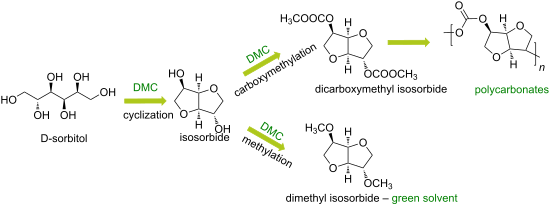
- should be pointed out that, despite D-sorbitol and isosorbide are renewable materials, their derivatizations do not always follow the green chemistry principles. In this prospect, the present work is focussed on the reactivity of D-sorbitol and isosorbide with the green reagent and solvent dimethyl
- other noxious methylating agents in methylation reactions [24][25][26][27][28][29][30][31][32][33][34][35]. The reactions between the bio-based chemicals D-sorbitol or isosorbide and DMC, are very appealing as they encompass the preparation, as well as the transformation of a renewable resource into


Diels–Alder reactions in confined spaces: the influence of catalyst structure and the nature of active sites for the retro-Diels–Alder reaction
Beilstein J. Org. Chem. 2016, 12, 2181–2188, doi:10.3762/bjoc.12.208

- converted into a variety of liquid hydrocarbon fuels and fuel additives [11][12]. Catalysis is considered as one of the foundational pillars of green chemistry. Catalysis often reduces the energy requirements, permits the use of renewable feedstocks and less toxic reagents. Moreover, in most cases yields


Silica-supported sulfonic acids as recyclable catalyst for esterification of levulinic acid with stoichiometric amounts of alcohols
Beilstein J. Org. Chem. 2016, 12, 2173–2180, doi:10.3762/bjoc.12.207
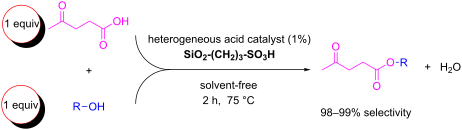
- : esterification; heterogeneous catalysis; renewable feedstocks; supported organic catalysts; sustainable chemistry; Introduction Vegetal biomass is mankind’s only source of renewable carbon on a human timescale. It is abundantly available, with the potential of replacing fossil-based carbon on a scale sufficient



Superelectrophilic activation of 5-hydroxymethylfurfural and 2,5-diformylfuran: organic synthesis based on biomass-derived products
Beilstein J. Org. Chem. 2016, 12, 2125–2135, doi:10.3762/bjoc.12.202
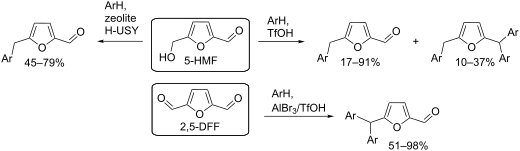
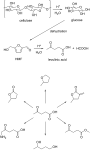
- ; Introduction Nowadays great attention is paid to the use of renewable resources for obtaining fine chemicals and fuels (see numerous reviews [1][2][3][4][5][6][7][8][9][10][11][12][13][14][15][16]). The biorefinery of renewable lignin-carbohydrate materials affords various low-molecular weight organic





