Search for "stereoselectivity" in Full Text gives 467 result(s) in Beilstein Journal of Organic Chemistry. Showing first 200.
Beilstein J. Org. Chem. 2024, 20, 2500–2566, doi:10.3762/bjoc.20.214
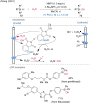
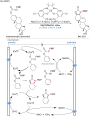
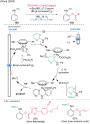
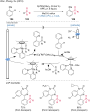
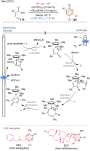
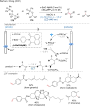
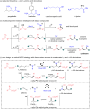
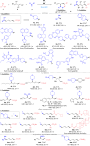
Graphical Abstract
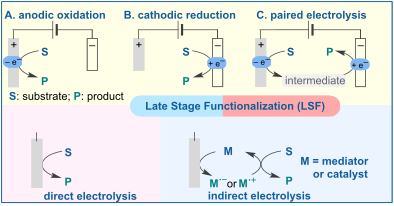
Figure 1: Classification of LSF reactions in this review.
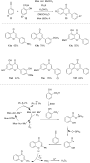
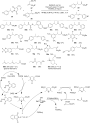
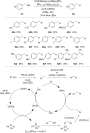
Scheme 1: C(sp2)–H trifluoromethylation of heteroarenes.
Scheme 2: C(sp2)–H and C(sp3)–H alkylation of complex molecules.
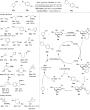
Scheme 3: Electrochemical oxidation-induced intermolecular aromatic C–H sulfonamidation.
Scheme 4: Bioconjugation of tyrosine with (a) phenothiazine and (b) urazole derivatives.
Scheme 5: Electrochemical iodoamination of indoles using unactivated amines.
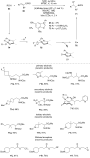
Scheme 6: Allylic C(sp3)–H aminations with sulfonamides.
Scheme 7: Electrochemical benzylic oxidation of C–H bonds.
Scheme 8: Site-selective electrooxidation of methylarenes to aromatic acetals.
Scheme 9: Electrochemical activation of C–H by electron-deficient W2C nanocrystals.
Scheme 10: α-Acyloxy sulfide preparation via C–H/OH cross-dehydrogenative coupling.
Scheme 11: Aromatic C–H-bond thiolation.
Scheme 12: C(sp2)–H functionalization for the installation of sulfonamide groups.
Scheme 13: Preparation of (hetero)aryl chlorides and vinyl chloride with 1,2-dichloroethane. aCu(OAc)2 (0.05 e...
Scheme 14: Electrochemical dual-oxidation enables access to α-chlorosulfoxides.
Scheme 15: Regio- and chemoselective formyloxylation–bromination/chlorination/trifluoromethylation of alkenes.
Scheme 16: Aziridine formation by coupling amines and alkenes.
Scheme 17: Formation of iminosulfide ethers via difunctionalization of an isocyanide.
Scheme 18: Synthesis of 1,3-difunctionalized molecules via C–C-bond cleavage of arylcyclopropane.
Scheme 19: Electrooxidative amino- and oxyselenation of alkenes. VBImBr = 1-butyl-3-vinylimidazolium bromide.
Scheme 20: Electrooxidative dehydrogenative [4 + 2] annulation of indole derivatives.
Scheme 21: Electrochemical cyclization combined with alkoxylation of triticonazole.
Scheme 22: Electrochemically tuned oxidative [4 + 2] annulation of olefins with hydroxamic acids.
Scheme 23: Electrosynthesis of indole derivatives via cyclization of 2-ethynylanilines.
Scheme 24: Allylic C–H oxidation of mono-, di-, and sesquiterpenes.
Scheme 25: Oxidation of unactivated C–H bonds.
Scheme 26: Fluorination of C(sp3)–H bonds. rAP = rapid alternating polarity.
Scheme 27: C(sp3)–H α-cyanation of secondary piperidines.
Scheme 28: Selective electrochemical hydrolysis of hydrosilanes to silanols.
Scheme 29: Organocatalytic electrochemical amination of benzylic C–H bonds.
Scheme 30: Iodide ion-initiated anodic oxidation reactions.
Scheme 31: Mn(III/IV) electro-catalyzed C(sp3)–H azidation.
Scheme 32: Tailored cobalt–salen complexes enable electrocatalytic intramolecular allylic C–H functionalizatio...
Scheme 33: Cobalt–salen complexes-induced electrochemical (cyclo)additions.
Scheme 34: Electrochemical 1,2-diarylation of alkenes enabled by direct dual C–H functionalization of electron...
Scheme 35: Cobalt-electrocatalyzed atroposelective C–H annulation.
Scheme 36: Nickel-electrocatalyzed C(sp2)–H alkoxylation with secondary alcohols.
Scheme 37: Nickel-catalyzed electrochemical enantioselective amination.
Scheme 38: Ruthenium-electrocatalyzed C(sp2)–H mono- and diacetoxylation.
Scheme 39: Rhodium(III)-catalyzed aryl-C–H phosphorylation enabled by anodic oxidation-induced reductive elimi...
Scheme 40: Asymmetric Lewis-acid catalysis for the synthesis of non-racemic 1,4-dicarbonyl compounds.
Scheme 41: Electrochemical enantioselective C(sp3)–H alkenylation.
Scheme 42: Palladium-catalyzed electrochemical dehydrogenative cross-coupling.
Scheme 43: Ir-electrocatalyzed vinylic C(sp2)–H activation for the annulation between acrylic acids and alkyne...
Scheme 44: Electrochemical gold-catalyzed C(sp3)–C(sp) coupling of alkynes and arylhydrazines.
Scheme 45: Photoelectrochemical alkylation of C–H heteroarenes using organotrifluoroborates.
Scheme 46: Mn-catalyzed photoelectro C(sp3)–H azidation.
Scheme 47: Photoelectrochemical undirected C–H trifluoromethylations of (Het)arenes.
Scheme 48: Photoelectrochemical dehydrogenative cross-coupling of heteroarenes with aliphatic C–H bonds.
Scheme 49: C–H amination via photoelectrochemical Ritter-type reaction.
Scheme 50: Photoelectrochemical multiple oxygenation of C–H bonds.
Scheme 51: Accelerated C(sp3)–H heteroarylations by the f-EPC system.
Scheme 52: Photoelectrochemical cross-coupling of amines.
Scheme 53: Birch electroreduction of arenes. GSW = galvanized steel wire.
Scheme 54: Electroreductive deuterations.
Scheme 55: Chemoselective electrosynthesis using rapid alternating polarity.
Scheme 56: Electroreductive olefin–ketone coupling.
Scheme 57: Electroreductive approach to radical silylation.
Scheme 58: Electrochemical borylation of alkyl halides. CC = carbon close.
Scheme 59: Radical fluoroalkylation of alkenes.
Scheme 60: Electrochemical defluorinative hydrogenation/carboxylation.
Scheme 61: Electrochemical decarboxylative olefination.
Scheme 62: Electrochemical decarboxylative Nozaki–Hiyama–Kishi coupling.
Scheme 63: Nickel-catalyzed electrochemical reductive relay cross-coupling.
Scheme 64: Electrochemical chemo- and regioselective difunctionalization of 1,3-enynes.
Scheme 65: Electrocatalytic doubly decarboxylative crosscoupling.
Scheme 66: Electrocatalytic decarboxylative crosscoupling with aryl halides.
Scheme 67: Nickel-catalyzed electrochemical reductive coupling of halides.
Scheme 68: Nickel-electrocatalyzed enantioselective carboxylation with CO2.
Scheme 69: Reductive electrophotocatalysis for borylation.
Scheme 70: Electromediated photoredox catalysis for selective C(sp3)–O cleavages of phosphinated alcohols to c...
Scheme 71: Stereoselective electro-2-deoxyglycosylation from glycals. MFE = methyl nonafluorobutyl ether.
Scheme 72: Electrochemical peptide modifications.
Scheme 73: Electrochemical α-deuteration of amides.
Scheme 74: Electrochemical synthesis of gem-diselenides.
Scheme 75: Site-selective electrochemical aromatic C–H amination.
Scheme 76: Electrochemical coupling of heteroarenes with heteroaryl phosphonium salts.
Scheme 77: Redox-neutral strategy for the dehydroxyarylation reaction.
Scheme 78: Nickel-catalyzed electrochemical C(sp3)–C(sp2) cross-coupling of benzyl trifluoroborate and halides....
Scheme 79: Paired electrocatalysis for C(sp3)–C(sp2) coupling.
Scheme 80: Redox-neutral strategy for amination of aryl bromides.
Scheme 81: Redox-neutral cross-coupling of aryl halides with weak N-nucleophiles. aProtocol with (+) RVC | RVC...
Scheme 82: Nickel-catalyzed N-arylation of NH-sulfoximines with aryl halides.
Scheme 83: Esterification of carboxylic acids with aryl halides.
Scheme 84: Electrochemically promoted nickel-catalyzed carbon–sulfur-bond formation. GFE = graphite felt elect...
Scheme 85: Electrochemical deoxygenative thiolation by Ni-catalysis. GFE = graphite felt electrode; NFE = nick...
Scheme 86: Electrochemical coupling of peptides with aryl halides.
Scheme 87: Paired electrolysis for the phosphorylation of aryl halides. GFE = graphite felt electrode, FNE = f...
Scheme 88: Redox-neutral alkoxyhalogenation of alkenes.
Beilstein J. Org. Chem. 2024, 20, 2461–2468, doi:10.3762/bjoc.20.210
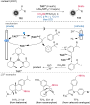
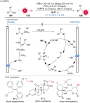
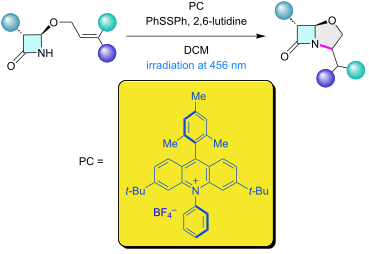
Graphical Abstract
Figure 1: A) Photoredox amidocyclization reaction. B) The strongly oxidizing Fukuzumi catalyst (I) used in th...
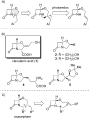
Figure 2: A) Access of clavam derivatives by intramolecular photoredox reaction of alkenes. B) Clavulanic aci...
Scheme 1: Preparation of alkenyl β-lactam derivatives for the intramolecular photoredox reaction.
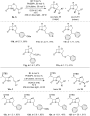
Scheme 2: Photoredox-catalyzed intramolecular N-alkylation reactions of various β-lactams. The trans/cis dr w...
Scheme 3: Synthesis of the model substrate 14 and its photoredox-catalyzed intramolecular N-alkylation reacti...
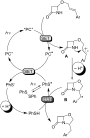
Figure 3: Tentative mechanism for the photo-cyclization reaction.
Beilstein J. Org. Chem. 2024, 20, 2421–2433, doi:10.3762/bjoc.20.206
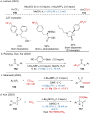
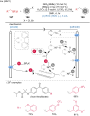
Graphical Abstract
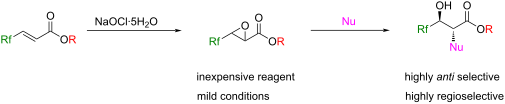
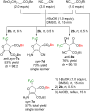
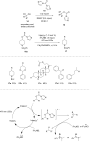
Scheme 1: Expectation of the regio- as well as stereoselective reactions of 2.
Scheme 2: Attempts of the present epoxidation to other α,β-unsaturated esters, 1h–j.
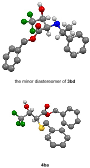
Figure 1: Crystallographic structure of the epoxy ring-opening products by PhCH(NH2)Me (3bd) and PhCH2SH (4ba...
Scheme 3: Introduction of additional halogen atoms at the 2-position of the compound 2b.
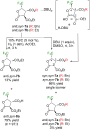
Scheme 4: Clarification of the stereochemistry of anti,syn-8a and -7b.
Figure 2: Crystallographic structure of anti,syn-8a.
Scheme 5: Reaction of 2b with other stabilized nucleophiles.
Scheme 6: Production of 4,4,4-trifluoro-2,3-dihydroxybutanoate anti-10a.
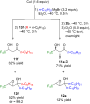
Scheme 7: Reactions of n-C10H21MgBr-based cuprate with 13f as well as 2b with/without D2O quenching.
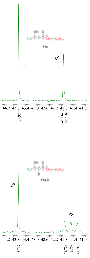
Figure 3: A part of 13C NMR spectra for the compounds 11a and 11a-D.
Beilstein J. Org. Chem. 2024, 20, 2349–2377, doi:10.3762/bjoc.20.201
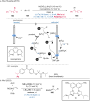
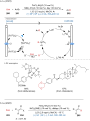
Graphical Abstract
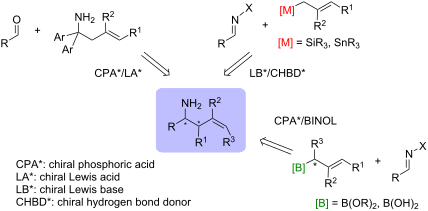
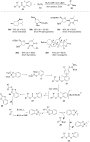
Scheme 1: The position of homoallylic amines in the landscape of alkaloid and nitrogen compounds syntheses.
Scheme 2: 3,3’-Diaryl-BINOL-catalysed asymmetric organocatalytic allylation of acylimines [24].
Scheme 3: Aminophenol-catalysed reaction between N-phosphinoylimines and pinacol allylboronic ester. Imine sc...
Scheme 4: Asymmetric geranylation and prenylation of indoles catalysed by (R)- or (S)-3,3’-dibromo-BINOL [25]. aA...
Scheme 5: (R)-3,3’-Di(3,5-di(trifluoromethyl)phenyl-BINOL-catalysed asymmetric geranylation and prenylation o...
Scheme 6: Microwave-induced one-pot asymmetric allylation of in situ-formed arylimines, catalysed by (R)-3,3’...
Scheme 7: Microwave-induced one-pot asymmetric allylation of in situ-formed arylimines, catalysed by (R)-3,3’...
Scheme 8: Kinetic resolution of chiral secondary allylboronates [15,30].
Scheme 9: (E)-Stereospecific asymmetric α-trifluoromethylallylation of cyclic imines and hydrazones [31].
Scheme 10: Hosomi–Sakurai-type allylation of in situ-formed N-Fmoc aldimines [32].
Figure 1: Two different pathways for the Hosomi–Sakurai reaction of allyltrimethylsilane with N-Fmoc aldimine...
Scheme 11: Chiral squaramide-catalysed hydrogen bond-assisted chloride abstraction–allylation of N-carbamoyl α...
Figure 2: The pyrrolidine unit gem-methyl group conformational control in the squaramide-based catalyst [34].
Figure 3: The energetic difference between the transition states of the two proposed modes of the reaction (SN...
Scheme 12: One-pot preparation procedure for oxazaborolidinium ion (COBI) 63 [37].
Scheme 13: Chiral oxazaborolidinium ion (COBI)-catalysed allylation of N-(2-hydroxy)phenylimines with allyltri...
Scheme 14: The two-step N-(2-hydroxy)phenyl group deprotection procedure [37].
Scheme 15: Low-temperature (−40 °C) NMR experiments evidencing the reversible formation of the active COBI–imi...
Figure 4: Two computed reaction pathways for the COBI-catalysed Strecker reaction (TS1 identical to allylatio...
Scheme 16: Highly chemoselective and stereospecific synthesis of γ- and γ,δ-substituted homoallylic amines by ...
Scheme 17: Catalytic cycle for the three-component allylation with HBD/πAr–Ar catalyst [39].
Scheme 18: Reactivity of model electrophiles [39].
Scheme 19: HBD/πAr–Ar catalyst rational design and optimisation [39].
Scheme 20: Scope of the three-component HBD/πAr–Ar-catalysed reaction [39].
Scheme 21: Limitations of the HBD/πAr–Ar-catalysed reaction [39].
Scheme 22: Asymmetric chloride-directed dearomative allylation of in situ-generated N-acylquinolinium ions, ca...
Scheme 23: Chiral phosphoric acid-catalysed aza-Cope rearrangement of in situ-formed N-α,α’-diphenyl-(α’’-ally...
Scheme 24: Tandem (R)-VANOL-triborate-catalysed asymmetric aza-Cope rearrangement of in situ-formed aldimines ...
Scheme 25: (S)-TRIP-catalysed enantioconvergent aza-Cope rearrangement of β-formyl amides, substrate scope [43]. a...
Scheme 26: (S)-TRIP-catalysed enantioconvergent aza-Cope rearrangement of β-formyl amides 16–19, amide and all...
Scheme 27: Synthetic applications of homoallylic N-benzophenone imine products 131 [43].
Scheme 28: Chiral organocatalysed addition of 2,2,2-trifluoroethyl ketimines to isatin-derived Morita–Baylis–H...
Scheme 29: Chiral chinchona-derived amine-catalysed reaction between isatin-based Morita–Baylis–Hilman carbona...
Scheme 30: (R)-VAPOL-catalysed hydrogen atom transfer deracemisation [45].
Scheme 31: Chiral PA-catalysed [1,3]-rearrangement of ene-aldimines [46].
Beilstein J. Org. Chem. 2024, 20, 2313–2322, doi:10.3762/bjoc.20.198
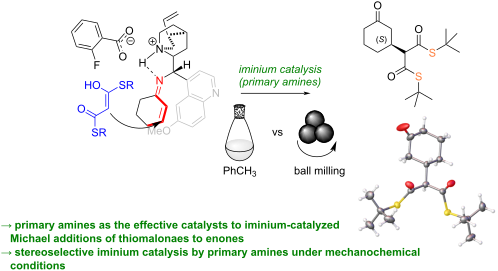
Graphical Abstract
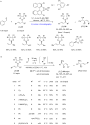
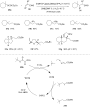
Scheme 1: Two examples of base-catalyzed addition of thiomalonates to enones and the scope of the work.
Scheme 2: Tested reactions of cyclohexanone with dibenzyl thiomalonate 1.
Scheme 3: Impact of the bisthiomalonate on the yield and the stereoselectivity of the products.
Scheme 4: Plausible stereochemical model of the addition to cyclohexenone.
Scheme 5: Addition of bisthiomalonates 1–3 to cyclopentenone.
Scheme 6: Acyclic enone in reactions with thiomalonates 1–4.
Scheme 7: Reaction of β-ketothioesters with acceptor E1.
Beilstein J. Org. Chem. 2024, 20, 2129–2142, doi:10.3762/bjoc.20.183
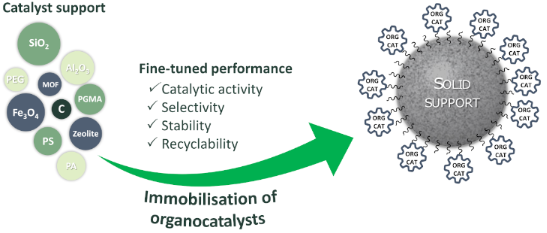
Graphical Abstract
Scheme 1: Esterification of oleic acid (1) with propylsulfonic acid (Pr-SO3H)-functionalised mesoporous silic...
Scheme 2: Using confinement of organocatalytic units for improving the enantioselectivity of silica-supported...
Scheme 3: Michael addition catalysed by cinchona thiourea immobilised on magnetic nanoparticles (13).
Scheme 4: Michael addition catalysed by cinchona thiourea in the presence of magnetic nanoparticles.
Scheme 5: Benzoin condensation catalysed by N-benzylthiazolium salt attached to mesoporous material.
Scheme 6: Photoinduced RAFT polymerisation of n-butyl acrylate (19) catalysed by silica nanoparticle-supporte...
Scheme 7: Pressure and temperature dependence of the 1,4-addition of propanal to trans-β-nitrostyrene under c...
Scheme 8: α-Amination of ethyl 2-oxocyclopentanecarboxylate catalysed by PS-THU which could be recycled over ...
Scheme 9: Preparation of supported catalysts C29–C31 from cinchona squaramides 29–31 modified with a primary ...
Scheme 10: Application of PGMA-supported organocatalysts C29–C31 in the asymmetric Michael addition of pentane...
Scheme 11: Alcoholytic desymmetrisation of a cyclic anhydride 34 catalysed by polyamide-supported cinchona sul...
Beilstein J. Org. Chem. 2024, 20, 2016–2023, doi:10.3762/bjoc.20.177
Graphical Abstract
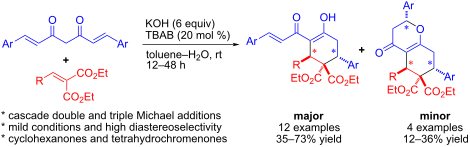
Figure 1: Biologically active derivatives of cyclohexanones.
Scheme 1: The Michael donor–acceptor reactivity of curcumin: previous vs present work.
Scheme 2: A plausible reaction mechanism.
Figure 2: X-ray structure of 4a (CCDC 2351387).
Figure 3: Origin of stereoselectivity in the double Michael addition.
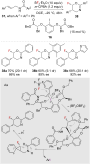
Scheme 3: Scale-up reaction.
Beilstein J. Org. Chem. 2024, 20, 1652–1670, doi:10.3762/bjoc.20.147
Graphical Abstract
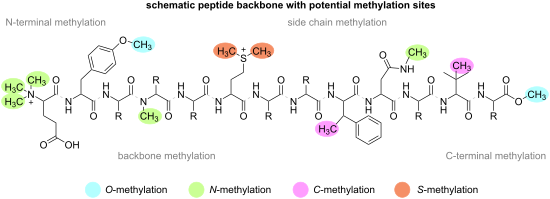
Figure 1: Schematic representation of the different acceptor regions for the methylation of RiPPs discussed i...
Figure 2: Schematic overview of different methylation strategies for amino acids and peptides. There are seve...
Figure 3: Biological methylation. A) Methyl donors from biological systems. The transferred methyl group is h...
Figure 4: Chemical structures of RiPPs with diverse O-, N-, C-, and S-methylations. Amino acids of lassomycin...
Figure 5: The three-dimensional structures of the conventional O-MTs OlvSA (model structure calculated by Col...
Figure 6: Reaction scheme of the PAMT´s catalysis, leading to the enzymatic conversion of aspartate to aspart...
Figure 7: Structural organisation of the OphMA homodimer. A) Schematic representation. The MT domain is colou...
Figure 8: Overview of the protein architectures and core peptide compositions of borosin N-MTs as defined by ...
Figure 9: Radical SAM C-methyltransferases. A) The different rSAM MT classes containing different functional ...
Figure 10: The three-dimensional structures of the rSAM C-MTs TsrM with bound cobalamin and [4Fe-4S] cluster (...
Beilstein J. Org. Chem. 2024, 20, 1476–1485, doi:10.3762/bjoc.20.131
Graphical Abstract
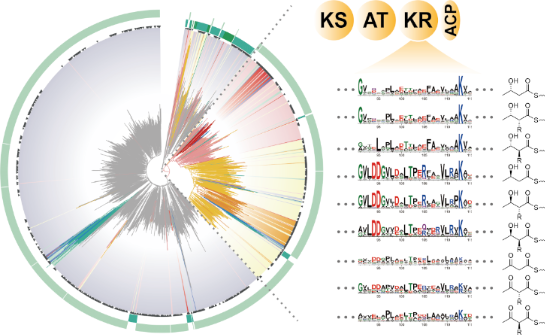
Figure 1: (a) Domain compositions and the products of α-, β-, γ- and δ-modules in cis-AT PKSs. (b) Stereocont...
Figure 2: (a) Classification and distribution of the collected KR sequences according to host taxonomy, modul...
Figure 3: (a) The position of fingerprint motifs in the KR structure (AmpKR2, A1-type, PDB ID 5XWV) [29]. Fingerp...
Figure 4: Sequence logo comparation of γ- and δ-module KRC based on the classification of their products. Top...
Figure 5: Summary of the updated fingerprints sorted by the taxonomic origin and the module type. Percentage ...
Beilstein J. Org. Chem. 2024, 20, 1348–1375, doi:10.3762/bjoc.20.119
Graphical Abstract
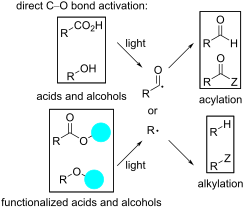
Figure 1: Generation of alkyl and acyl radicals via C–O bond breaking.
Figure 2: General photocatalytic mechanism.
Scheme 1: Photoredox-catalyzed hydroacylation of olefins with aliphatic carboxylic acids.
Scheme 2: Acylation–aromatization of p-quinone methides using carboxylic acids.
Scheme 3: Visible-light-induced deoxygenation–defluorination for the synthesis of γ,γ-difluoroallylic ketones....
Scheme 4: Photochemical hydroacylation of azobenzenes with carboxylic acids.
Scheme 5: Photoredox-catalyzed synthesis of flavonoids.
Scheme 6: Synthesis of O-thiocarbamates and photocatalytic reduction of O-thiocarbamates.
Scheme 7: Deoxygenative borylation of alcohols.
Scheme 8: Trifluoromethylation of O-alkyl thiocarbonyl substrates.
Scheme 9: Redox-neutral radical coupling reactions of alkyl oxalates and Michael acceptors.
Scheme 10: Visible-light-catalyzed and Ni-mediated syn-alkylarylation of alkynes.
Scheme 11: 1,2-Alkylarylation of alkenes with aryl halides and alkyl oxalates.
Scheme 12: Deoxygenative borylation of oxalates.
Scheme 13: Coupling of N-phthalimidoyl oxalates with various acceptors.
Scheme 14: Cross-coupling of O-alkyl xanthates with aryl halides via dual photoredox and nickel catalysis.
Scheme 15: Deoxygenative borylation of secondary alcohol.
Scheme 16: Deoxygenative alkyl radical generation from alcohols under visible-light photoredox conditions.
Scheme 17: Deoxygenative alkylation via alkoxy radicals against hydrogenation or β-fragmentation.
Scheme 18: Direct C–O bond activation of benzyl alcohols.
Scheme 19: Deoxygenative arylation of alcohols using NHC to activate alcohols.
Scheme 20: Deoxygenative conjugate addition of alcohol using NHC as alcohol activator.
Scheme 21: Synthesis of polysubstituted aldehydes.
Beilstein J. Org. Chem. 2024, 20, 1308–1319, doi:10.3762/bjoc.20.114
Graphical Abstract
Figure 1: Reaction yields after seven uses of SSO and average recovery of the oil.
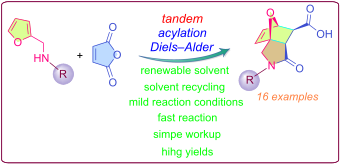
Scheme 1: Synthesis of epoxyisoindole-7-carboxylic acids 2a–m and 2n–p.
Scheme 2: Possible side reactions of unsaturated fatty acids with maleic anhydride.
Figure 2: Coupling constants of selected protons in compound 2a and its optimized geometric structure.
Scheme 3: Equilibrium of 2n–p with maleamic acid precursors.
Figure 3: Possible mechanism for the IMDAF reaction.
Figure 4: IRC calculations of a) endo-, b) exo-transition structures and products for compound 2a (semi-empir...
Beilstein J. Org. Chem. 2024, 20, 787–814, doi:10.3762/bjoc.20.72
Graphical Abstract
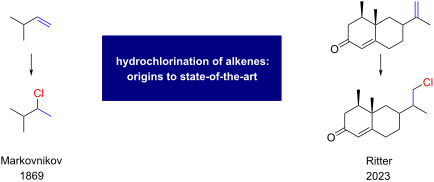
Scheme 1: Classes of hydrochlorination reactions discussed in this review.
Figure 1: Mayr’s nucleophilicity parameters for several alkenes. References for each compound can be consulte...
Figure 2: Hydride affinities relating to the reactivity of the corresponding alkene towards hydrochlorination....
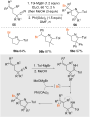
Scheme 2: Distinction of polar hydrochlorination reactions.
Scheme 3: Reactions of styrenes with HCl gas or HCl solutions.
Figure 3: Normal temperature dependence for the hydrochlorination of (Z)-but-2-ene.
Figure 4: Pentane slows down the hydrochlorination of 11.
Scheme 4: Recently reported hydrochlorinations of styrenes with HCl gas or HCl solutions.
Scheme 5: Hydrochlorination reactions with di- and trisubstituted alkenes.
Scheme 6: Hydrochlorination of fatty acids with liquified HCl.
Scheme 7: Hydrochlorination with HCl/DMPU solutions.
Scheme 8: Hydrochlorination with HCl generated from EtOH and AcCl.
Scheme 9: Hydrochlorination with HCl generated from H2O and TMSCl.
Scheme 10: Regioisomeric mixtures of chlorooctanes as a result of hydride shifts.
Scheme 11: Regioisomeric mixtures of products as a result of methyl shifts.
Scheme 12: Applications of the Kropp procedure on a preparative scale.
Scheme 13: Curious example of polar anti-Markovnikov hydrochlorination.
Scheme 14: Unexpected and expected hydrochlorinations with AlCl3.
Figure 5: Ex situ-generated HCl gas and in situ application for the hydrochlorination of activated alkenes (*...
Scheme 15: HCl generated by Grob fragmentation of 92.
Scheme 16: Formation of chlorophosphonium complex 104 and the reaction thereof with H2O.
Scheme 17: Snyder’s hydrochlorination with stoichiometric amounts of complex 104 or 108.
Scheme 18: In situ generation of HCl by mixing of MsOH with CaCl2.
Scheme 19: First hydrochlorination of alkenes using hydrochloric acid.
Scheme 20: Visible-light-promoted hydrochlorination.
Scheme 21: Silica gel-promoted hydrochlorination of alkenes with hydrochloric acid.
Scheme 22: Hydrochlorination with hydrochloric acid promoted by acetic acid or iron trichloride.
Figure 6: Metal hydride hydrogen atom transfer reactions vs cationic reactions; BDE (bond-dissociation energy...
Scheme 23: Carreira’s first report on radical hydrochlorinations of alkenes.
Figure 7: Mechanism for the cobalt hydride hydrogen atom transfer reaction reported by Carreira.
Scheme 24: Radical “hydrogenation” of alkenes; competing chlorination reactions.
Scheme 25: Bogers iron-catalyzed radical hydrochlorination.
Scheme 26: Hydrochlorination instead of hydrogenation product.
Scheme 27: Optimization of the Boger protocol by researchers from Merck [88,89].
Figure 8: Proposed mechanism for anti-Markovnikov hydrochlorination by Nicewicz.
Scheme 28: anti-Markovnikov hydrochlorinations as reported by Nicewicz.
Figure 9: Mechanism for anti-Markovnikov hydrochlorination according to Ritter.
Scheme 29: anti-Markovnikov hydrochlorinations as reported by Nicewicz; rr (regioisomeric ratio) corresponds t...
Scheme 30: anti-Markovnikov hydrochlorinations as reported by Liu.
Beilstein J. Org. Chem. 2024, 20, 661–671, doi:10.3762/bjoc.20.59
Graphical Abstract
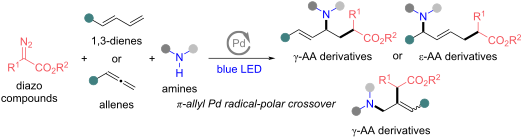
Scheme 1: Background (a and b) and proposed carboamination MCR with diazo esters (c). a) Selected bioactive γ...
Scheme 2: Substrate scope of diazo compounds, 1,3-dienes and amines. aReactions (1/2/3/Pd(OAc)2/Xantphos = 0....
Scheme 3: Substrate scope of diazo compounds, allenes and amines. aReactions (1/5/3/Pd(OAc)2/Xantphos = 0.3.0...
Scheme 4: Mechanistic experiments. a) Radical trapping experiments with TEMPO. b) Exclusion of possible inter...
Scheme 5: Proposed mechanisms for the carboamination of 1,3-dienes or allenes with diazo esters and amines.
Scheme 6: Scale-up reactions and synthetic transformations. Reaction conditions: a) LiAlH4, THF, 0 °C; b) MeM...
Beilstein J. Org. Chem. 2024, 20, 653–660, doi:10.3762/bjoc.20.58
Graphical Abstract
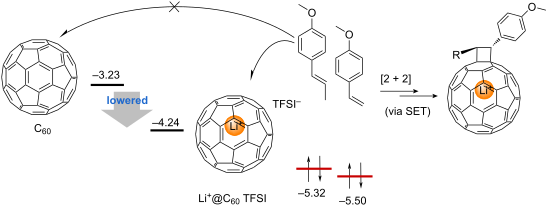
Scheme 1: Reaction mechanisms of thermal and photoinduced [2 + 2] cycloaddition on C60 [19,22,23].
Figure 1: HOMO levels of unsaturated substrates and LUMO levels of fullerenes computed at the B3LYP/6-31G(d) ...
Scheme 2: Thermal [2 + 2] reaction of Li+@C60 TFSI− with substrates 1–4. a100 equiv for the reaction screenin...
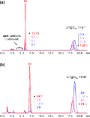
Figure 2: HPLC profiles of themal [2 + 2]reaction of Li+@C60 with substrate 1 (a) and 2 (b) in o-dichlorobenz...
Figure 3: HPLC profiles of 5a (a) and 5b (b) before and after photoirradiation at room temperature.
Figure 4: 1H-1H 2D-NOESY NMR spectrum (600 MHz, CD2Cl2) of 5a (a) and NOE correlations between two protons. T...
Figure 5: Cyclic voltammograms of 5a, 5b, and Li+@C60 TFSI− with the potentials relative to the ferrocene/fer...
Beilstein J. Org. Chem. 2024, 20, 504–539, doi:10.3762/bjoc.20.45
Graphical Abstract
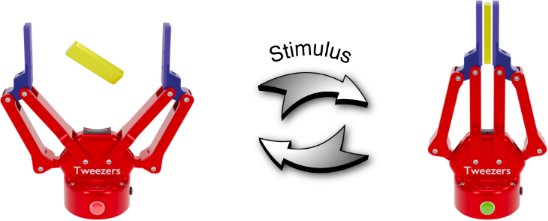
Figure 1: Principle of switchable molecular tweezers.
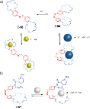
Figure 2: Principle of pH-switchable molecular tweezers 1 [19].
Figure 3: a) pH-Switchable tweezers 2 substituted with alkyl chains as switchable lipids. b) Schematic depict...
Figure 4: Modification of spectral properties of 3 by controlled induction of Pt–Pt interactions.
Figure 5: Conformational switching of di(hydroxyphenyl)pyrimidine-based tweezer 4 upon alkylation or fluoride...
Figure 6: Hydrazone-based pH-responsive tweezers 5 for mesogenic modulation.
Figure 7: pH-Switchable molecular tweezers 6 bearing acridinium moieties.
Figure 8: a) Terpyridine and pyridine-hydrazone-pyridine analogs molecular tweezers and b) extended pyridine ...
Figure 9: Terpyridine-based molecular tweezers with M–salphen arms and their field of application. Figure 9 was adapt...
Figure 10: a) Terpyridine-based molecular tweezers for diphosphate recognition [48]; b) bishelicene chiroptical te...
Figure 11: Terpyridine-based molecular tweezers with allosteric cooperative binding.
Figure 12: Terpyridine-based molecular tweezers presenting closed by default conformation.
Figure 13: Pyridine-pyrimidine-pyridine-based molecular tweezers.
Figure 14: Coordination-responsive molecular tweezers based on nitrogen-containing ligands.
Figure 15: Molecular tweezers exploiting the remote bipyridine or pyridine binding to trigger the conformation...
Figure 16: Bipyridine-based molecular tweezers exploiting the direct s-trans to s-cis-switching for a) anion b...
Figure 17: a) Podand-based molecular tweezers [66,67]. b) Application of tweezers 32 for the catalytic allosteric reg...
Figure 18: Anion-triggered molecular tweezers based on calix[4]pyrrole.
Figure 19: Anion-triggered molecular tweezers.
Figure 20: a) Principle of the weak link approach (WLA) developed by Mirkin and its application to b) symmetri...
Figure 21: Molecular tweezers as allosteric catalyst in asymmetric epoxide opening [80].
Figure 22: Allosteric regulation of catalytic activity in ring-opening polymerization with double tweezers 41.
Figure 23: a) Conformational switching of 42 by intramolecular –S–S– bridge formation. b) Shift of conformatio...
Figure 24: a) Redox-active glycoluril-TTF tweezers 44. b) Mechanism of stepwise oxidation of said tweezers wit...
Figure 25: Mechanism of formation of the mixed-valence dimers of tweezers 45.
Figure 26: Mechanism of carbohydrate liberation upon redox-mediated conformation switching of 46.
Figure 27: a) The encapsulation properties of 47 as well as the DCTNF release process from its host–guest comp...
Figure 28: Redox-active bipyridinium-based tweezers. a) With a ferrocenyl hinge 49, b) with a propyl hinge 50 ...
Figure 29: Redox-active calix[4]arene porphyrin molecular tweezers.
Figure 30: a) Mechanism of the three orthogonal stimuli. b) Cubic scheme showing the eight different states of ...
Figure 31: Redox-controlled molecular gripper based on a diquinone resorcin[4]arene.
Figure 32: a) Shinkai's butterfly tweezers and their different host–guest properties depending on the isomer. ...
Figure 33: Cyclam-tethered tweezers and their different host–guest complexes depending on their configuration.
Figure 34: Azobenzene-based catalytic tweezers.
Figure 35: Photoswitchable PIEZO channel mimic.
Figure 36: Stilbene-based porphyrin tweezers for fullerene recognition.
Figure 37: Stiff-stilbene-based tweezers with urea or thiourea functional units for a) anion binding, b) anion...
Figure 38: Feringa’s photoswitchable organocatalyst (a) and different catalyzed reactions with that system (b)....
Figure 39: a) Irie and Takeshita’s thioindigo-based molecular tweezers. b) Family of hemithioindigo-based mole...
Figure 40: Dithienylethylene crown ether-bearing molecular tweezers reported by Irie and co-workers.
Beilstein J. Org. Chem. 2024, 20, 181–192, doi:10.3762/bjoc.20.18
Graphical Abstract
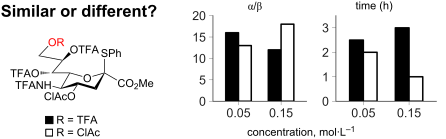
Scheme 1: Model sialylation reaction. TFA = CF3CO; ClAc = ClCH2CO.
Scheme 2: Synthesis of sialyl donor 2.
Figure 1: Concentration dependence of the specific optical rotation ([α]D28 / deg·dm−1·cm3·g−1) of solutions ...
Figure 2: Comparison of the outcome of the sialylation of glycosyl acceptor 3 with sialyl donors 1 or 2 perfo...
Beilstein J. Org. Chem. 2023, 19, 1923–1932, doi:10.3762/bjoc.19.143
Graphical Abstract
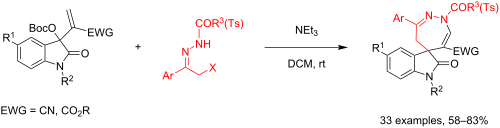
Scheme 1: Representative [4 + 3] cycloaddition reactions of MBH carbonates derived from isatins.
Scheme 2: Synthesis of spiro[indoline-3,5'-[1,2]diazepines] 3a–m. Conditions: α-halogenated acylhydrazone (0....
Scheme 3: Synthesis of spiro[indoline-3,5'-[1,2]diazepines] 5a–g. Conditions: α-halogenated acylhydrazone (0....
Scheme 4: Synthesis of dihydrospiro[indoline-3,5'-[1,2]diazepines] 7a–n. Conditions: α-halogenated N-tosylhyd...
Figure 1: Single crystal structure of the spiro compound 7a.
Scheme 5: Proposed reaction mechanism.
Scheme 6: Gram-scale synthesis of compound 7c.
Beilstein J. Org. Chem. 2023, 19, 1811–1824, doi:10.3762/bjoc.19.133
Graphical Abstract
Figure 1: Application of cinchona squaramide 1 and recyclable, lipophilic cinchona squaramide organocatalysts ...
Scheme 1: Synthesis of demethylated cinchona squaramide organocatalyst and the incorporation of the flexible ...
Scheme 2: Synthesis of the lipophilic tag from methyl gallate (8) and attachment to the cinchona squaramide.
Figure 2: Classification of the tested non-polar solvents according to the GSK’s solvent sustainability guide ...
Figure 3: Recycling of the lipophilic organocatalyst in the stereoselective Michael addition by replacing the...
Scheme 3: A new, stereoselective synthetic route for baclofen.
Scheme 4: Gram-scale synthesis of (S)-baclofen hydrochloride.
Beilstein J. Org. Chem. 2023, 19, 1677–1693, doi:10.3762/bjoc.19.123
Graphical Abstract
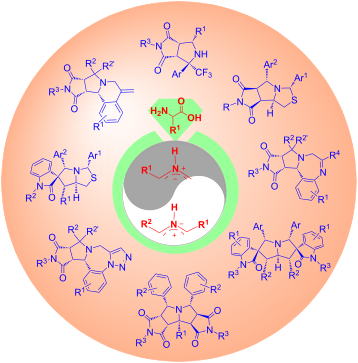
Figure 1: Classification of AMYs.
Scheme 1: Aminoester- and amino acid-based AMYs for single and double [3+2] cycloadditions.
Scheme 2: Formation of semi-stabilized AMYs B1 from pyrrolidines.
Scheme 3: Cyclic amine-based AMYs A3 and B1 for [3 + 2] cycloadditions.
Scheme 4: Proposed double cycloaddition reactions involving semi-stabilized AMYs.
Scheme 5: [3 + 2] Cycloaddition for the synthesis of trifluoromethylated pyrrolidines 9.
Figure 2: Biologically interesting pyrrolizidines.
Scheme 6: Double cycloadditions with glycine for the synthesis of products 10 (dr > 9:1).
Scheme 7: Double cycloadditions with α-substituted amino acids leading to products 11 (≈8.5:1 dr).
Scheme 8: Stereochemistry for the formation of products 10 or 11.
Scheme 9: One-pot and stepwise double cycloadditions. Conditions: i) MeCN (0.02 M), 90 °C, 6 h; ii) then AcOH...
Figure 3: Biologically interesting spirooxindole-pyrrolizidines.
Scheme 10: Double cycloadditions for the synthesis of bis[spirooxindole-pyrrolizidine]s.
Scheme 11: Mechanism for the diastereoselective synthesis of bis[spirooxindole-pyrrolizidine]s.
Scheme 12: Stepwise synthesis of triazolobenzodiazepine 21a.
Scheme 13: One-pot synthesis of triazolobenzodiazepines.
Figure 4: Bioactive triazolobenzodiazepine derivatives.
Scheme 14: One-pot synthesis of tetrahydropyrroloquinazolines.
Scheme 15: One-pot synthesis of tetrahydropyrrolobenzodiazepines.
Figure 5: Bioactive pyrroloquinazolines and pyrrolobenzodiazepines.
Scheme 16: Stepwise synthesis of pyrrolo[2,1-a]isoquinolines.
Figure 6: Bioactive pyrrolo[2,1-a]isoquinolines and hexahydropyrrolo[2,1-a]isoquinolines.
Figure 7: Bioactive tetrahydropyrrolothiazoles.
Scheme 17: Pseudo-four-component reaction for the synthesis of tetrahydropyrrolothiazoles 29 and 30 (>4:1 dr).
Scheme 18: One-pot two-step synthesis of spirooxindole-pyrrolothiazoles 31 (>4:1 dr).
Beilstein J. Org. Chem. 2023, 19, 1580–1603, doi:10.3762/bjoc.19.116
Graphical Abstract
Scheme 1: Oxidation of catechol and subsequent cross-linking. Scheme 1 redrawn from [3].
Scheme 2: (A) Structure of typical urushiol in Chinese lacquer, and (B) schematic process of laccase-catalyze...
Scheme 3: A) Primary amino acid sequence of mfp-1, mfp-3, and mfp-5 (Y: DOPA, K: lysine). B) Scheme showing e...
Scheme 4: Activation–deactivation equilibrium in nitroxide-mediated polymerizations. Bicomponent initiating s...
Scheme 5: Mechanism of a transition metal complex-mediated ATRP. Scheme 5 redrawn from [14].
Scheme 6: Mechanism of RAFT polymerization. Scheme 6 redrawn from [68].
Scheme 7: Degenerative transfer (a) and reversible termination (b) mechanism of OMRP. Scheme 7 redrawn from [70].
Scheme 8: Simplified mechanism of a RITP. Scheme 8 redrawn from [21].
Scheme 9: (A) Structures of π-conjugated conductive polymers. (B) Examples of conductive polymer synthesis vi...
Scheme 10: Possible regiochemical couplings in PATs. Scheme 10 redrawn from [79].
Scheme 11: General thiol-ene photopolymerization process. Scheme 11 redrawn from [81].
Scheme 12: (a) Three generations of Grubbs catalysts. (b) Proposed mechanism for photo-ROMP via a reductive qu...
Scheme 13: Pyrylium and thiopyrylium salts studied by Boydston et al. Scheme 13 redrawn from [91].
Scheme 14: A general illustration of post-polymerization modification by thiol–ene chemistry.
Scheme 15: Introduction of functionalities by nitroxide radical coupling of HO-TEMPO derivatives.
Scheme 16: Chemical reaction process scheme of DCP-induced crosslinking of LDPE. Scheme 16 redrawn from [126].
Scheme 17: A probable mechanism of radical-induced hydrosilylation.
Scheme 18: Polymer surface modification by homolytic dediazonation of diazonium salts.
Scheme 19: Photoinduced polymer surface modification or surface grafting using benzophenone.
Scheme 20: Depolymerization mechanism of common photoresists. (a) A possible mechanism of radiation decomposit...
Scheme 21: Proposed mechanisms of photooxidative depolymerization of polystyrene. (a) Scheme 21a was reprinted with perm...
Beilstein J. Org. Chem. 2023, 19, 1443–1451, doi:10.3762/bjoc.19.103
Graphical Abstract
Scheme 1: Air-promoted radical chain reaction of dialkylzinc reagents with α,β-unsaturated carbonyl compounds....
Scheme 2: Enolate formation by zinc radical transfer (SH2 on dialkylzinc reagents).
Scheme 3: Preparation of α-(aminomethyl)acrylate 10.
Scheme 4: Reaction of α-(aminomethyl)acrylate 10 with Et2Zn in the presence of air.
Scheme 5: Chemical correlation to determine the configuration of the major diastereomer of (RS)-14b.
Scheme 6: Air-promoted tandem 1,4-addition–aldol condensation reactions of Et2Zn with α-(aminomethyl)acrylate...
Scheme 7: Diagnostic experiments for a radical mechanism and for enolate formation.
Scheme 8: Diagnostic experiments with N-benzyl enoate 10.
Scheme 9: Reactivity manifolds for the air-promoted tandem 1,4-addition–electrophilic substitution reaction b...
Beilstein J. Org. Chem. 2023, 19, 1408–1442, doi:10.3762/bjoc.19.102
Graphical Abstract
Scheme 1: In situ generation of imidazolylidene carbene.
Scheme 2: Hg(II) complex of NHC.
Scheme 3: Isolable and bottlable carbene reported by Arduengo [3].
Scheme 4: First air-stable carbene synthesized by Arduengo in 1992 [5].
Figure 1: General structure of an NHC.
Figure 2: Stabilization of an NHC by donation of the lone pair electrons into the vacant p-orbital (LUMO) at ...
Figure 3: Abnormal NHC reported by Bertrand [8,9].
Figure 4: Cu(d) orbital to σ*C-N(NHC) interactions in NHC–CuX complexes computed at the B3LYP/def2-SVP level ...
Figure 5: Molecular orbital contributions to the NHC–metal bond.
Scheme 5: Synthesis of NHC–Cu(I) complexes by deprotonation of NHC precursors with a base.
Scheme 6: Synthesis of [NHC–CuX] complexes.
Scheme 7: Synthesis of [(ICy)CuX] and [(It-Bu)CuX] complexes.
Scheme 8: Synthesis of iodido-bridged copper–NHC complexes by deprotonation of benzimidazolium salts reported...
Scheme 9: Synthesis of copper complexes by deprotonation of triazolium salts.
Scheme 10: Synthesis of thiazolylidene–Cu(I) complex by deprotonation with KOt-Bu.
Scheme 11: Preparation of NHC–Cu(I) complexes.
Scheme 12: Synthesis of methylmalonic acid-derived anionic [(26a,b)CuCl]Li(THF)2 and zwitterionic (28) heterol...
Scheme 13: Synthesis of diaminocarbene and diamidocarbene (DAC)–Cu(I) complexes.
Scheme 14: Synthesis of the cationic (NHC)2Cu(I) complex 39 from benzimidazolium salts 38 with tetrakis(aceton...
Scheme 15: Synthesis of NHC and ADC (acyclic diamino carbenes) Cu(I) hexamethyldisilazide complexes reported b...
Scheme 16: Synthesis of NHC–copper(I) complexes using an acetylacetonate-functionalized imidazolium zwitterion...
Scheme 17: Synthesis of NHC–Cu(I) complexes through deprotonation of azolium salts with Cu2O.
Scheme 18: Synthesis of NHC–CuBr complex through deprotonation with Cu2O reported by Kolychev [31].
Scheme 19: Synthesis of chiral NHC–CuBr complexes from phenoxyimine-imidazolium salts reported by Douthwaite a...
Scheme 20: Preparation of linear neutral NHC–CuCl complexes through the use of Cu2O. For abbreviations, please...
Scheme 21: Synthesis of abnormal-NHC–copper(I) complexes by Bertrand, Cazin and co-workers [35].
Scheme 22: Microwave-assisted synthesis of thiazolylidene/benzothiazolylidene–CuBr complexes by Bansal and co-...
Scheme 23: Synthesis of NHC–CuX complexes through transmetallation.
Scheme 24: Preparation of six- or seven-membered NHC–Cu(I) complexes through transmetalation from Ag(I) comple...
Scheme 25: Synthesis of 1,2,3-triazolylidene–CuCl complexes through transmetallation of Ag(I) complexes genera...
Scheme 26: Synthesis of NHC–copper complexes having both Cu(I) and Cu(II) units through transmetalation report...
Scheme 27: Synthesis of new [(IPr(CH2)3Si(OiPr)3)CuX] complexes and anchoring on MCM-41.
Scheme 28: Synthesis of bis(trimethylsilyl)phosphide–Cu(I)–NHC complexes through ligand displacement.
Scheme 29: Synthesis of silyl- and stannyl [(NHC)Cu−ER3] complexes.
Scheme 30: Synthesis of amido-, phenolato-, thiophenolato–Cu(NHC) complexes.
Scheme 31: Synthesis of first isolable NHC–Cu–difluoromethyl complexes reported by Sanford et al. [44].
Scheme 32: Synthesis of NHC–Cu(I)–bifluoride complexes reported by Riant, Leyssens and co-workers [45].
Scheme 33: Conjugate addition of Et2Zn to enones catalyzed by an NHC–Cu(I) complex reported by Woodward in 200...
Scheme 34: Hydrosilylation of a carbonyl group.
Scheme 35: NHC–Cu(I)-catalyzed hydrosilylation of ketones reported by Nolan et al. [48,49].
Scheme 36: Application of chiral NHC–CuCl complex 104 for the enantioselective hydrosilylation of ketones.
Scheme 37: Hydrosilylation reactions catalyzed by NHC–Cu(Ot-Bu) complexes.
Scheme 38: NHC–CuCl catalyzed carbonylative silylation of alkyl halides.
Scheme 39: Nucleophilic conjugate addition to an activated C=C bond.
Figure 6: Molecular electrostatic potential maps (MESP) of two NHC–CuX complexes computed at the B3LYP/def2-S...
Scheme 40: Conjugate addition of Grignard reagents to 3-alkyl-substituted cyclohexenones catalyzed by a chiral...
Scheme 41: NHC–copper complex-catalyzed conjugate addition of Grignard reagent to 3-substituted hexenone repor...
Scheme 42: Conjugate addition or organoaluminum reagents to β-substituted cyclic enones.
Scheme 43: Conjugate addition of boronates to acyclic α,β-unsaturated carboxylic esters, ketones, and thioeste...
Scheme 44: NHC–Cu(I)-catalyzed hydroboration of an allene reported by Hoveyda [63].
Scheme 45: Conjugate addition of Et2Zn to cyclohexenone catalyzed by NHC–Cu(I) complex derived from benzimidaz...
Scheme 46: Asymmetric conjugate addition of diethylzinc to 3-nonen-2-one catalyzed by NHC–Cu complexes derived...
Scheme 47: General scheme of a [3 + 2] cycloaddition reaction.
Scheme 48: [3 + 2] Cycloaddition of azides with alkynes catalyzed by NHC–Cu(I) complexes reported by Diez-Gonz...
Scheme 49: Application of NHC–CuCl/N-donor combination to catalyze the [3 + 2] cycloaddition of benzyl azide w...
Scheme 50: [3 + 2] Cycloaddition of azides with acetylenes catalyzed by bis(NHC)–Cu complex 131 and mixed NHC–...
Figure 7: NHC–CuCl complex 133 as catalyst for the [3 + 2] cycloaddition of alkynes with azides at room tempe...
Scheme 51: [3 + 2] Cycloaddition of a bulky azide with an alkynylpyridine using [(NHC)Cu(μ-I)2Cu(NHC)] copper ...
Scheme 52: [3 + 2] Cycloaddition of benzyl azide with phenylacetylene under homogeneous and heterogeneous cata...
Scheme 53: [3 + 2] Cycloaddition of benzyl azide with acetylenes catalyzed by bisthiazolylidene dicopper(I) co...
Figure 8: Copper (I)–NHC linear coordination polymer 137 and its conversion into tetranuclear (138) and dinuc...
Scheme 54: An A3 reaction.
Scheme 55: Synthesis of SiO2-immobilized NHC–Cu(I) catalyst 141 and its application in the A3-coupling reactio...
Scheme 56: Preparation of dual-purpose Ru@SiO2–[(NHC)CuCl] catalyst system 142 developed by Bordet, Leitner an...
Scheme 57: Application of the catalyst system Ru@SiO2–[Cu(NHC)] 142 to the one-pot tandem A3 reaction and hydr...
Scheme 58: A3 reaction of phenylacetylene with secondary amines and aldehydes catalyzed by benzothiazolylidene...
Figure 9: Kohn–Sham HOMOs of phenylacetylene and NHC–Cu(I)–phenylacetylene complex computed at the B3LYP/def2...
Figure 10: Energies of the FMOs of phenylacetylene, iminium ion, and NHC–Cu(I)–phenylacetylene complex compute...
Scheme 59: NHC–Cu(I) catalyzed diboration of ketones 147 by reacting with bis(pinacolato)diboron (148) reporte...
Scheme 60: Protoboration of terminal allenes catalyzed by NHC–Cu(I) complexes reported by Hoveyda and co-worke...
Scheme 61: NHC–CuCl-catalyzed borylation of α-alkoxyallenes to give 2-boryl-1,3-butadienes.
Scheme 62: Regioselective hydroborylation of propargylic alcohols and ethers catalyzed by NHC–CuCl complexes 1...
Scheme 63: NHC–CuOt-Bu-catalyzed semihydrogenation and hydroborylation of alkynes.
Scheme 64: Enantioselective NHC–Cu(I)-catalyzed hydroborations of 1,1-disubstituted aryl olefins reported by H...
Scheme 65: Enantioselective NHC–Cu(I)-catalyzed hydroboration of exocyclic 1,1-disubstituted alkenes reported ...
Scheme 66: Markovnikov-selective NHC–CuOH-catalyzed hydroboration of alkenes and alkynes reported by Jones et ...
Scheme 67: Dehydrogenative borylation and silylation of styrenes catalyzed by NHC–CuOt-Bu complexes developed ...
Scheme 68: N–H/C(sp2)–H carboxylation catalyzed by NHC–CuOH complexes.
Scheme 69: C–H Carboxylation of benzoxazole and benzothiazole derivatives with CO2 using a 1,2,3-triazol-5-yli...
Scheme 70: Use of Cu(I) complex derived from diethylene glycol-functionalized imidazo[1,5,a] pyridin-3-ylidene...
Scheme 71: Allylation and alkenylation of polyfluoroarenes and heteroarenes catalyzed by NHC–Cu(I) complexes r...
Scheme 72: Enantioselective C(sp2)–H allylation of (benz)oxazoles and benzothiazoles with γ,γ-disubstituted pr...
Scheme 73: C(sp2)–H arylation of arenes catalyzed by dual NHC–Cu/NHC–Pd catalytic system.
Scheme 74: C(sp2)–H Amidation of (hetero)arenes with N-chlorocarbamates/N-chloro-N-sodiocarbamates catalyzed b...
Scheme 75: NHC–CuI catalyzed thiolation of benzothiazoles and benzoxazoles.
Beilstein J. Org. Chem. 2023, 19, 1259–1288, doi:10.3762/bjoc.19.94
Graphical Abstract
Scheme 1: Research progress of coupling reactions and active compounds containing α-C(sp3)-functionalized eth...
Scheme 2: Transition-metal-catalyzed CDC pathways.
Scheme 3: CDC of active methylene compounds in the α-C(sp3) position of ethers.
Scheme 4: InCl3/Cu(OTf)2/NHPI co-catalyzed CDC reaction.
Scheme 5: CDC of cyclic benzyl ethers with aldehydes.
Scheme 6: Cu-catalyzed CDC of (a) unactivated C(sp3)–H ethers with simple ketones and (b) double C(sp3)−H fun...
Scheme 7: Cu-catalyzed CDC of C(sp3)–H/C(sp3)–H bonds.
Scheme 8: Cu-catalyzed synthesis of chiral 2-substituted tetrahydropyrans.
Scheme 9: CDC of thiazole with cyclic ethers.
Scheme 10: Cu(I)-catalyzed oxidative alkenylation of simple ethers.
Scheme 11: Cross-dehydrogenation coupling of isochroman C(sp3)–H bonds with anisole C(sp2)–H bonds.
Scheme 12: Pd(OAc)2/Cu(OTf)2-catalyzed arylation of α-C(sp3)–H bonds of ethers.
Scheme 13: Cu-catalyzed C(sp3)–H/C(sp2)–H activation strategies to construct C(sp3)–C(sp2) bonds.
Scheme 14: Cu(I)-catalyzed C(sp2)–H alkylation.
Scheme 15: Cu-catalyzed C(sp3)–H/C(sp)–H activation to construct C(sp3)–C(sp) bonds (H2BIP: 2,6-bis(benzimidaz...
Scheme 16: Fe-catalyzed CDC reaction pathways.
Scheme 17: Fe2(CO)9-catalyzed functionalization of C–H bonds.
Scheme 18: Ligand-promoted Fe-catalyzed CDC reaction of N-methylaniline with ethers.
Scheme 19: Fe-catalyzed CDC of C(sp3)–H/C(sp3)–H bonds.
Scheme 20: Fe-catalyzed hydroalkylation of α,β-unsaturated ketones with ethers.
Scheme 21: Solvent-free Fe(NO3)3-catalyzed CDC of C(sp3)–H/C(sp2)–H bonds.
Scheme 22: Alkylation of disulfide compounds to afford tetrasubstituted alkenes.
Scheme 23: Fe-catalyzed formation of 1,1-bis-indolylmethane derivatives.
Scheme 24: Alkylation of coumarins and flavonoids.
Scheme 25: Direct CDC α-arylation of azoles with ethers.
Scheme 26: CDC of terminal alkynes with C(sp3)–H bonds adjacent to oxygen, sulfur or nitrogen atoms.
Scheme 27: Alkylation of terminal alkynes.
Scheme 28: Co-catalyzed functionalization of glycine esters.
Scheme 29: Co-catalyzed construction of C(sp2)–C(sp3) bonds.
Scheme 30: Co-catalyzed CDC of imidazo[1,2-a]pyridines with isochroman.
Scheme 31: Co-catalyzed C–H alkylation of (benz)oxazoles with ethers.
Scheme 32: Cobalt-catalyzed CDC between unactivated C(sp2)–H and C(sp3)–H bonds.
Scheme 33: MnO2-catalyzed CDC of the inactive C(sp3)-H.
Scheme 34: Oxidative cross-coupling of ethers with enamides.
Scheme 35: Ni(II)-catalyzed CDC of indoles with 1,4-dioxane.
Scheme 36: Chemo- and regioselective ortho- or para-alkylation of pyridines.
Scheme 37: Asymmetric CDC of 3,6-dihydro-2H-pyrans with aldehydes.
Scheme 38: CDC of heterocyclic aromatics with ethers.
Scheme 39: Indium-catalyzed alkylation of DHPs with 1,3-dicarbonyl compounds.
Scheme 40: Rare earth-metal-catalyzed CDC reaction.
Scheme 41: Visible-light-driven CDC of cycloalkanes with benzazoles.
Scheme 42: Photoinduced alkylation of quinoline with cyclic ethers.
Scheme 43: Photocatalyzed CDC reactions between α-C(sp3)–H bonds of ethers and C(sp2)–H bonds of aromatics.
Beilstein J. Org. Chem. 2023, 19, 1243–1250, doi:10.3762/bjoc.19.92
Graphical Abstract
Scheme 1: Original triple organocatalytic cascade reaction developed by Enders.
Figure 1: Approaches based on the original Enders cascade reaction to access trisubstituted cyclohexene carba...
Scheme 2: Acetaldehyde dimethyl acetal (6) as an acetaldehyde surrogate to effect a triple organocatalytic ca...
Figure 2: Scope of the cascade reaction using 6 as an acetaldehyde equivalent. Reaction conditions: 3 (0.5 mm...
Beilstein J. Org. Chem. 2023, 19, 1055–1145, doi:10.3762/bjoc.19.81
Graphical Abstract
Figure 1: Oxidative and reductive activations of organic compounds harvesting photoredox catalysis.
Figure 2: General catalytic cycles of radical ion conPET (left) and radical ion e-PRC (right).
Figure 3: “Beginner’s guide”: comparison between advantages, capacities, and prospectives of conPET and PEC.
Figure 4: A) conPET reductive dehalogenation of aryl halides with PDI. B) Reductive C–H arylation with pyrrol...
Figure 5: A) Chromoselective mono- and disubstitution or polybrominated pyrimidines with pyrroles. B) Sequent...
Figure 6: A) Synthesis of pyrrolo[1,2-a]quinolines. B) Synthesis of ullazines.
Figure 7: A) Reductive phosphorylation of aryl halides via conPET. B) Selected examples from the substrate sc...
Figure 8: A) Reductive dehalogenation of aryl halides via conPET and selected examples from the substrate sco...
Figure 9: A) Reductive C–H arylation of aryl halides via conPET (top) and selected examples from the substrat...
Figure 10: A) Reductive hydrodehalogenation of aryl halides with Mes-Acr-BF4. B) Selected examples from the su...
Figure 11: A) Reductive hydrodechlorination of aryl chlorides with 4-DPAIPN. B) Proposed formation of CO2•−. C...
Figure 12: A) Reductive conPET borylation with 3CzEPAIPN (top) and selected examples from the substrate scope ...
Figure 13: Scale-up of conPET phosphorylation with 3CzEPAIPN.
Figure 14: A) Borylation of 1d. B) Characteristics and structure of PC1 with green and red parts showing the l...
Figure 15: A) Reductive C–H arylation scope with polysulfide conPET (top) and selected examples from the subst...
Figure 16: Scale-up of A) C–H arylation and B) dehaloborylation with polysulfide photocatalysis in continuous-...
Figure 17: A) Formation of [Ir1]0 and [Ir2]0 upon PET between [Ir1]+ and Et3N. B) Mechanism of multi-photon ta...
Figure 18: A) Reductive hydrodehalogenation of aryl halides via multi-photon tandem photocatalysis. B) Selecte...
Figure 19: A) Carbonylative amidation of aryl halides in continuous flow. B) Selected examples from the substr...
Figure 20: A) General scheme for reductive (RQ) and oxidative quenching (OQ) protocols using [FeIII(btz)3](PF6)...
Figure 21: A) Carbonylative amidation of alkyl iodides with [IrIII(ppy)2(dtbbpy)]PF6. B) Selected examples fro...
Figure 22: A) Carboxylative C–N bond cleavage in cyclic amines. B) Selected examples from the substrate scope....
Figure 23: A) Formal reduction of alkenes to alkanes via transfer hydrogenation. B) Selected examples from the...
Figure 24: A) Birch-type reduction of benzenes with PMP-BPI. B) Selected examples from the substrate scope (sc...
Figure 25: Proposed mechanism of the OH− mediated conPET Birch-type reduction of benzene via generation of sol...
Figure 26: Reductive detosylation of N-tosylated amides with Mes-Acr-BF4. B) Selected examples from the substr...
Figure 27: A) Reductive detosylation of N-tosyl amides by dual PRC. B) Selected examples from the substrate sc...
Figure 28: A) Mechanism of the dual PRC based on PET between [Cu(dap)2]+ and DCA. B) Mechanism of the dual PRC...
Figure 29: A) N–O bond cleavage in Weinreb amides with anthracene. B) N–O bond cleavage in Weinreb amides rely...
Figure 30: A) Pentafluorosulfanylation and fluoride elimination. B) Mechanism of the pentafluorosulfanylation ...
Figure 31: A) α-Alkoxypentafluorosulfanylation (top) and selected examples from the substrate scope (bottom). ...
Figure 32: A) Oxidative amination of arenes with azoles catalyzed by N-Ph PTZ. B) Selected examples from the s...
Figure 33: A) C(sp3)–H bond activation by HAT via chloride oxidation by *N-Ph PTZ•+. B) Proposed mechanism for...
Figure 34: A) Recycling e-PRC C–H azolation of electron-rich arenes with pyrazoles using Mes-Acr+ as a photoca...
Figure 35: A) Radical ion e-PRC direct oxidation of unactivated arenes using TAC+ as an electro-activated phot...
Figure 36: A) Radical ion e-PRC direct oxidation of unactivated arenes using TPA as an electro-activated photo...
Figure 37: Proposed mechanism (top) and mode of preassembly (bottom).
Figure 38: A) Possible preassemblies of reactive (left) vs unreactive (right) arenes. B) Calculated spin densi...
Figure 39: A) Recycling e-PRC C(sp2 )–H acetoxylation of arenes using DDQ as a photocatalyst. B) Proposed cata...
Figure 40: Gram scale hydroxylation of benzene in a recirculated flow setup.
Figure 41: A) Radical ion e-PRC vicinal diamination of alkylarenes using TAC+ as an electro-activated photocat...
Figure 42: A) Sequential oxygenation of multiple adjacent C–H bonds under radical ion e-PRC using TAC+ as an e...
Figure 43: A) Enantioselective recycling e-PRC cyanation of benzylic C–H bonds using ADQS as photocatalyst. B)...
Figure 44: Proposed tandem mechanism by Xu and co-workers.
Figure 45: A) Enantioselective recycling e-PRC decarboxylative cyanation using Cu(acac)2, Ce(OTf)3 and a box l...
Figure 46: A) Enantioselective recycling e-PRC benzylic cyanation using Cu(MeCN)4BF4, box ligand and anthraqui...
Figure 47: A) Radical ion e-PRC acetoxyhydroxylation of aryl olefins using TAC+ as an electro-activated photoc...
Figure 48: Selected examples from the substrate scope.
Figure 49: Photoelectrochemical acetoxyhydroxylation in a recirculated flow setup.
Figure 50: A) Radical ion e-PRC aminooxygenation of aryl olefins using TAC+ as an electro-activated photocatal...
Figure 51: A) Recycling e-PRC C–H alkylation of heteroarenes with organic trifluoroborates using Mes-Acr+ as p...
Figure 52: A) Recycling e-PRC decarboxylative C–H alkylation of heteroarenes using CeCl3·7H2O as catalyst. B) ...
Figure 53: A) Recycling e-PRC decarboxylative C–H alkylation of heteroarenes using Fe(NH4)2(SO4)2·6H2O as cata...
Figure 54: A) Recycling e-PRC C–H alkylation of heteroarenes with alkyl oxalates and 4CzIPN as photocatalyst. ...
Figure 55: A) Recycling e-PRC decarboxylative C–H carbamoylation of heteroarenes using 4CzIPN as photocatalyst...
Figure 56: A) Photoelectrochemical HAT-mediated hydrocarbon activation via the chlorine radical. B) Proposed m...
Figure 57: A) Selected examples from the substrate scope. B) Gram and decagram scale semi-continuous flow PEC ...
Figure 58: A) Photoelectrochemical HAT-mediated dehydrogenative coupling of benzothiazoles with aliphatic C–H ...
Figure 59: A) Photoelectrochemical HAT activation of ethers using electro-activated TAC+ as photocatalyst. B) ...
Figure 60: Selected examples from the substrate scope.
Figure 61: A) Photoelectrochemical HAT-mediated synthesis of alkylated benzimidazo-fused isoquinolinones using...
Figure 62: A) Decoupled photoelectrochemical cerium-catalyzed oxydichlorination of alkynes using CeCl3 as cata...
Figure 63: Proposed decoupled photoelectrochemical mechanism.
Figure 64: A) Decoupled photoelectrochemical ring-opening bromination of tertiary cycloalkanols using MgBr2 as...
Figure 65: A) Recycling e-PRC ring-opening functionalization of cycloalkanols using CeCl3 as catalyst. B) Prop...
Figure 66: Selected examples from the substrate scope of the PEC ring-opening functionalization.
Figure 67: A) Radical ion e-PRC reduction of chloro- and bromoarenes using DCA as catalyst and various accepto...
Figure 68: A) Screening of different phthalimide derivatives as catalyst for the e-PRC reduction of aryl halid...
Figure 69: Screening of different organic catalysts for the e-PRC reduction of trialkylanilium salts.
Figure 70: A) e-PRC reduction of phosphonated phenols and anilinium salts. B) Selected examples from the subst...
Figure 71: A) ConPET and e-PRC reduction of 4-bromobenzonitrile using a naphthalene diimide (NDI) precatalyst ...
Figure 72: A) Radical ion e-PRC reduction of phosphinated aliphatic alcohols with n-BuO-NpMI as catalyst. B) C...
Figure 73: Selected examples from the substrate scope.
Figure 74: A) Recycling e-PRC reductive dimerization of benzylic chlorides using a [Cu2] catalyst. B) Proposed...
Figure 75: A) Decoupled photoelectrochemical C–H alkylation of heteroarenes through deamination of Katritzky s...
Figure 76: Proposed mechanism by Chen and co-workers.