


Search results
Search for "Organocatalysis" in Full Text gives 205 result(s) in Beilstein Journal of Organic Chemistry. Showing first 200.
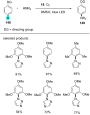
Recent developments in photoredox-catalyzed remote ortho and para C–H bond functionalizations
Beilstein J. Org. Chem. 2020, 16, 248–280, doi:10.3762/bjoc.16.26
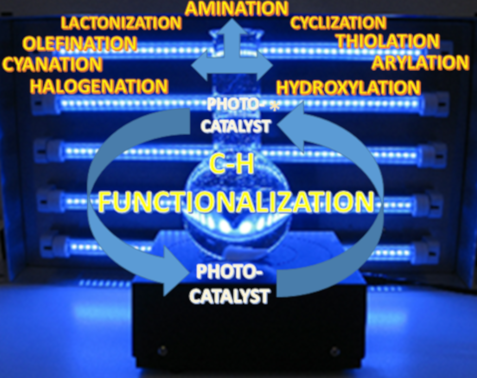
- functionalization has been done either using transition metal catalysis or organocatalysis, through the installation of directing groups next to the targeted C–H bond, or by employing radical tactics based on single-electron transfer (SET) [15][16][17][18][19][20][21][22][23][24][25][26][27]. Although










Halogen-bonding-induced diverse aggregation of 4,5-diiodo-1,2,3-triazolium salts with different anions
Beilstein J. Org. Chem. 2020, 16, 78–87, doi:10.3762/bjoc.16.10
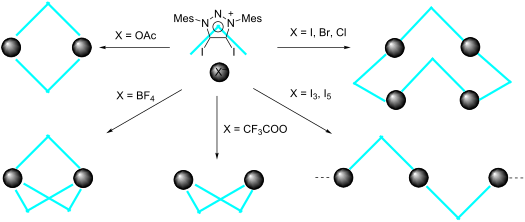
- chemistry, anion recognition, organocatalysis, materials science and tuning of biomolecular systems [17][18][19][20][21][22][23][24][25][26][27]. 1,2,3-Triazole-based XB-donors, such as 5-iodo-1,2,3-triazoles A [28][29][30][31][32][33] and 5-iodo-1,2,3-triazolium B [34][35][36][37] (Figure 1), are promising




A review of asymmetric synthetic organic electrochemistry and electrocatalysis: concepts, applications, recent developments and future directions
Beilstein J. Org. Chem. 2019, 15, 2710–2746, doi:10.3762/bjoc.15.264
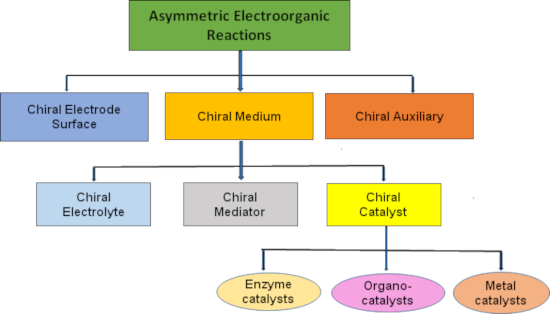
- chiral enolates. Organocatalysts: From the outset of electroorganic chemistry, chemists have devoted substantial effort towards applying organocatalysts in electroorganic synthesis. Recent advances integrating organocatalysis and electroorganic synthesis were elegantly presented by Boydston and Ogawa in






Chiral terpene auxiliaries V: Synthesis of new chiral γ-hydroxyphosphine oxides derived from α-pinene
Beilstein J. Org. Chem. 2019, 15, 2493–2499, doi:10.3762/bjoc.15.242

- ], conjugated additions to enones [7], and allylic alkylations [8][9]. Another direction of research is the use of phosphines in organocatalysis [10][11] and bifunctional catalysis [12]. Several methods were developed to introduce the phosphine functionality to organic molecules. The reaction of organometallics


α-Photooxygenation of chiral aldehydes with singlet oxygen
Beilstein J. Org. Chem. 2019, 15, 2076–2084, doi:10.3762/bjoc.15.205
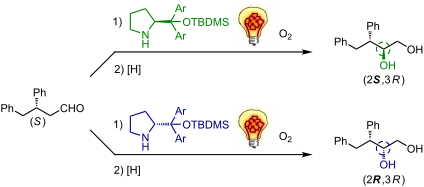
- dichroism (ECD) and TD-DFT methods. Keywords: 1,2-diols; ECD; enamines; organocatalysis; porphyrins; silyl ethers of diarylprolinols; singlet oxygen; Introduction Carbonyl compounds are one of the most important building blocks in organic synthesis. As a consequence, there is a constant need for new



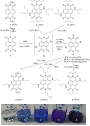
Naphthalene diimides with improved solubility for visible light photoredox catalysis
Beilstein J. Org. Chem. 2019, 15, 2043–2051, doi:10.3762/bjoc.15.201
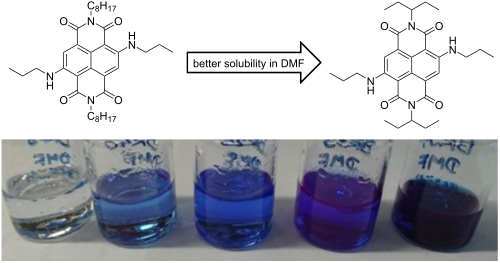
- ) is one of the benchmark reactions for photoredox catalysis because it combines photoredox catalysis with organocatalysis [53]. Initially, [Ru(bpy)3]Cl2 was applied by MacMillan et al. as photoredox catalyst together with the chiral imidazolidinone 15 as organocatalyst to achieve enantioselectivity



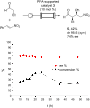
Ugi reaction-derived prolyl peptide catalysts grafted on the renewable polymer polyfurfuryl alcohol for applications in heterogeneous enamine catalysis
Beilstein J. Org. Chem. 2019, 15, 1210–1216, doi:10.3762/bjoc.15.118
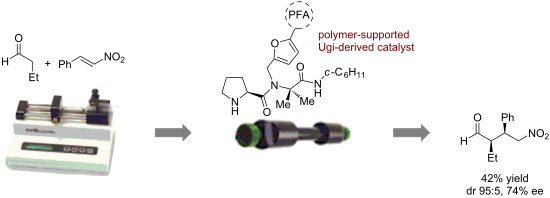
- ; multicomponent reactions; organocatalysis; polyfurfuryl alcohol; Introduction The immobilization of secondary amine-based catalysts onto organic polymers and silica gel has emerged as an effective strategy that combines the power of heterogeneous and organocatalysis [1][2][3]. Asymmetric catalysis using polymer


Molecular recognition using tetralactam macrocycles with parallel aromatic sidewalls
Beilstein J. Org. Chem. 2019, 15, 1086–1095, doi:10.3762/bjoc.15.105
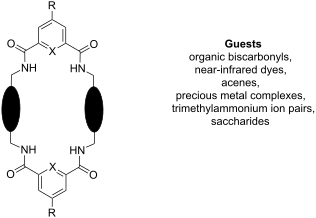
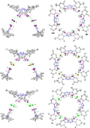
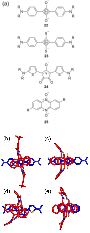
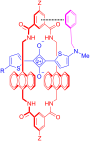
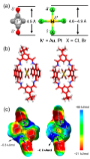
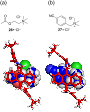
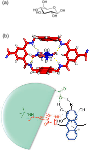
- tetralactams with parallel aromatic sidewalls are well-suited for various practical supramolecular applications such as molecular machines [72], optical imaging [73], organocatalysis [55], detection [74], and separations [24]. X-ray crystal structures of various squaraine rotaxanes show that the macrocycle


Catalytic asymmetric oxo-Diels–Alder reactions with chiral atropisomeric biphenyl diols
Beilstein J. Org. Chem. 2019, 15, 955–962, doi:10.3762/bjoc.15.92
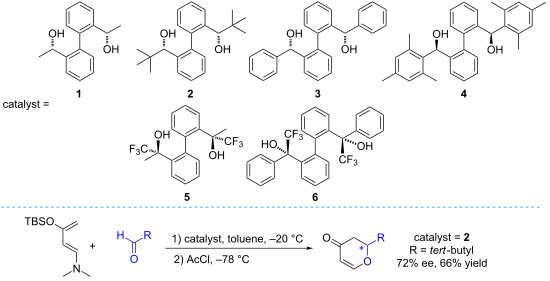
- : asymmetric organocatalysis; axial chirality; biaryls; hydrogen bond; oxo-Diels–Alder reaction; Introduction The Diels–Alder (DA) reaction is a useful and easy-to-perform method for the synthesis of six-membered rings through the direct formation of C–C bonds between a diene and a dienophile (a substituted


Mechanochemistry of supramolecules
Beilstein J. Org. Chem. 2019, 15, 881–900, doi:10.3762/bjoc.15.86
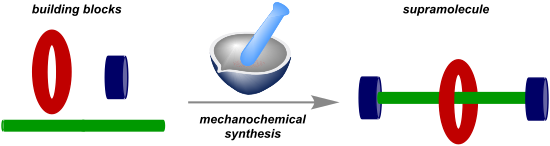
- organocatalysis using PhI (10 mol %)–mCPBA at ambient conditions as well as under neat mixing [115]. The N1,N1-dibenzylbenzene-1,2-diamine (Figure 27) which is an integrated system by the combination of aniline and N,N-dibenzylaniline led to the successful formation of 1-benzyl-2-phenyl-benzo[d]imidazole 48 under


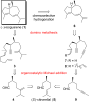
An efficient synthesis of the guaiane sesquiterpene (−)-isoguaiene by domino metathesis
Beilstein J. Org. Chem. 2019, 15, 858–862, doi:10.3762/bjoc.15.83
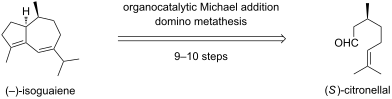
- ; metathesis; Michael addition; organocatalysis; terpenes; Introduction The guaiane sesquiterpene (−)-isoguaiene (1) has been isolated from the liverworts Pellia epiphylla [1] and Dumortiera hirsuta [2] as well as from several Pimpinella species [3][4], while the (+)-enantiomer of 1 has been isolated from the




New α- and β-cyclodextrin derivatives with cinchona alkaloids used in asymmetric organocatalytic reactions
Beilstein J. Org. Chem. 2019, 15, 830–839, doi:10.3762/bjoc.15.80
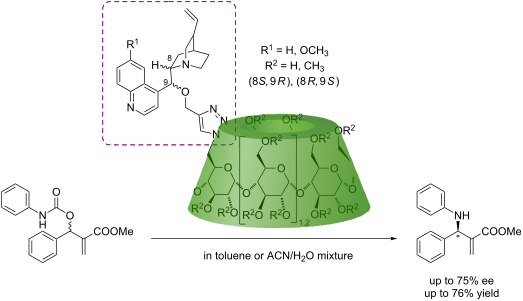
- complexes [2]. CD derivatives have been increasingly applied in catalysis and biomimetic reactions [3][4] thanks to host–guest interactions and to the non-toxic, chiral skeleton of CDs. More specifically, CDs applied in reactions involving metal catalysis [5], organocatalysis [6] and artificial enzymes [7
- improve the rate and modulate the regioselectivity and enantioselectivity of reactions [11]. For example, metal-based CD catalytic systems and CD derivatives for organocatalysis have already shown promising results in the studies by Hapiot and Monflier [12], Armspach [13] and others [14][15]. The chemical
- potential of asymmetric organocatalytic reactions using CD derivatives. However, a wide range of catalytic groups, especially cinchona alkaloids (Figure 2), have been used in organocatalysis with excellent results. These naturally occurring compounds and their derivatives are commonly applied in various


Polyaminoazide mixtures for the synthesis of pH-responsive calixarene nanosponges
Beilstein J. Org. Chem. 2019, 15, 633–641, doi:10.3762/bjoc.15.59
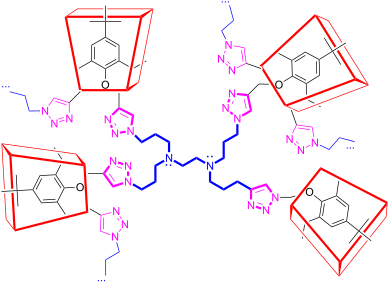
- -sensitive functionalities in the highly hydrophobic nanoporous environment provided by the fully synthetic calixarene-based polymer, might open interesting perspectives for applicative purposes, in particular in the fields of organocatalysis and of hybrid organic-inorganic materials, such as in the emerging


Thiol-free chemoenzymatic synthesis of β-ketosulfides
Beilstein J. Org. Chem. 2019, 15, 378–387, doi:10.3762/bjoc.15.34
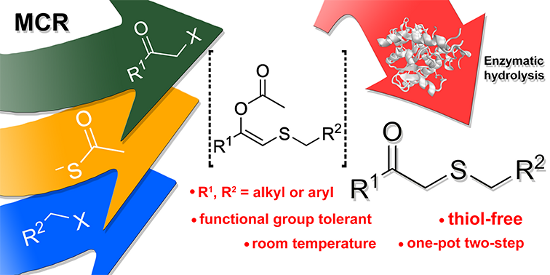
- ][40]. Such a combination has been scarcely exploited as compared to strategies comprising transition metal catalysis and biocatalysis [41] or, in a lesser extent, organocatalysis and enzymes [42]. In this context, a versatile and robust synthesis of β-ketosulfides avoiding the use of thiols under


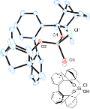
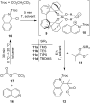
Silanediol versus chlorosilanol: hydrolyses and hydrogen-bonding catalyses with fenchole-based silanes
Beilstein J. Org. Chem. 2019, 15, 167–186, doi:10.3762/bjoc.15.17
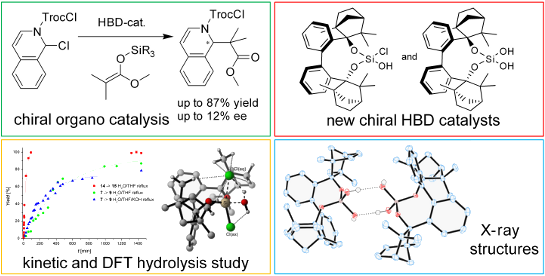
- % ee), reaction of 1-chloroisochroman (18) and silyl ketene acetals 11 (up to 85% yield and 5% ee), reaction of chromen-4-one (20) and silyl ketene acetals 11 (up to 98% yield and 4% ee). Keywords: hydrogen bonds; hydrolysis; ion pairs; organocatalysis; silanediol; Introduction Silanediols are








Mechanistic studies of an L-proline-catalyzed pyridazine formation involving a Diels–Alder reaction with inverse electron demand
Beilstein J. Org. Chem. 2019, 15, 30–43, doi:10.3762/bjoc.15.3
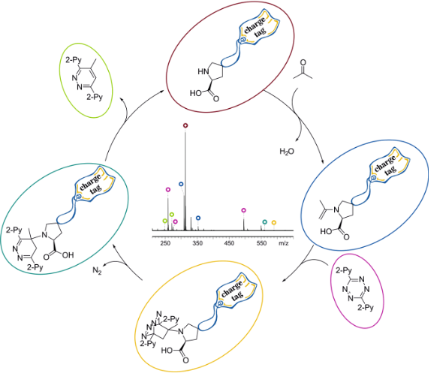
- intermediates mimic single steps of the proposed catalytic cycle in the gas phase. Thus, the charge-tagged catalyst proved one more time its superior effectiveness for the detection and study of reactive intermediates at low concentrations. Keywords: charge-tag; electrospray ionization; enamine organocatalysis
- -proline-catalyzed aldol reaction. Organocatalysis has become a major research field with many applications and has proven to be a valuable complementary approach to organometallic or enzymatic catalysis [29][30][31][32][33][34]. The advantages especially in comparison to organometallic catalysis lie in a


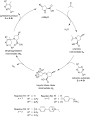


Organometallic vs organic photoredox catalysts for photocuring reactions in the visible region
Beilstein J. Org. Chem. 2018, 14, 3025–3046, doi:10.3762/bjoc.14.282
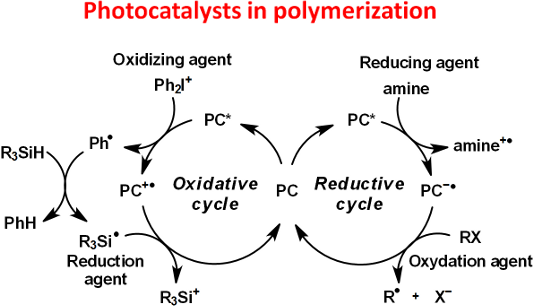
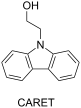
- traditionally carried out in the presence of transition metal complexes. In this field, 4CzIPN (Scheme 4) that was reported in the first work of Adachi et al. as a green emitter for OLEDs [69][83][84] was revisited numerous times in organocatalysis. In 2017, it was notably used for the chemoselective and



Enhanced single-isomer separation and pseudoenantiomer resolution of new primary rim heterobifunctionalized α-cyclodextrin derivatives
Beilstein J. Org. Chem. 2018, 14, 2829–2837, doi:10.3762/bjoc.14.261
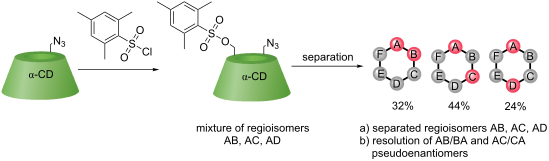
- findings indicate, (i) the versatility of selectively modified azido and mesitylene CD skeletons in preparing new types of α-CD derivatives and (ii) the potential of using resolved α-CD pseudoenantiomers in other research fields such as organocatalysis. Keywords: diazido-alpha-cyclodextrin
- resolved for the first time. Ultimately, these results enable the preparation of new types of pure, single isomer, pseudoenantiomer-resolved disubstituted α-CD derivatives, which may be used in a wide range of applications, particularly in organocatalysis. Schematic representation of native α-CD (1) and


Applications of organocatalysed visible-light photoredox reactions for medicinal chemistry
Beilstein J. Org. Chem. 2018, 14, 2035–2064, doi:10.3762/bjoc.14.179
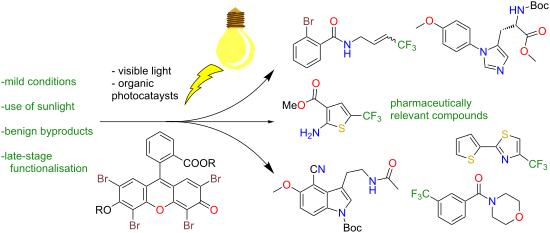
- chemistry is that of Stephenson [34]. Organocatalysis in general offers several advantages over transition metal-mediated catalysis. For example, removal of the catalyst during purification is much more straightforward. Furthermore, the organic molecules employed are typically much less environmentally


Asymmetric Michael addition reactions catalyzed by calix[4]thiourea cyclohexanediamine derivatives
Beilstein J. Org. Chem. 2018, 14, 1901–1907, doi:10.3762/bjoc.14.164
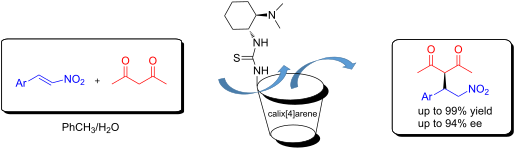
- During the past decades, asymmetric organocatalysis has played an important role as a tool for the syntheses of chiral molecules under mild conditions [1][2][3][4]. Among these reactions, the asymmetric Michael reaction is a powerful strategy to construct versatile intermediates due to its synthetic
- agrochemicals and drugs [7][8]. Although great progress has been made in this research field, it is still need of further effort to synthesize new efficient chiral organic catalysts for this kind of Michael reactions. The thiourea functional group has played a critical role in organocatalysis due to its ability



Recent applications of chiral calixarenes in asymmetric catalysis
Beilstein J. Org. Chem. 2018, 14, 1389–1412, doi:10.3762/bjoc.14.117
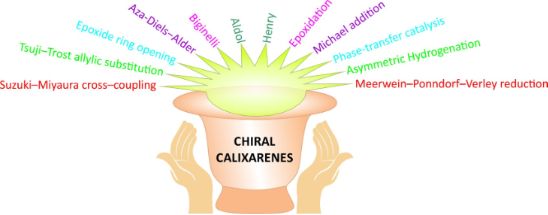
- rim have been successfully developed and used in chiral recognition. But their use in asymmetric organocatalysis hasn’t been reported. To explore the organocatalytic behaviors of inherently chiral calix[4]arenes modified at the lower rim, Li et al. reported the synthesis of N,O-type enantiomers based
- which the chirality is induced by attaching chiral groups to the calixarene backbone is more common and the obtained results are more promising. In addition, the calix[4]arene backbone is much more preferred beyond other ring sizes both in transition metal catalysis and organocatalysis. It can be argued


A survey of chiral hypervalent iodine reagents in asymmetric synthesis
Beilstein J. Org. Chem. 2018, 14, 1244–1262, doi:10.3762/bjoc.14.107
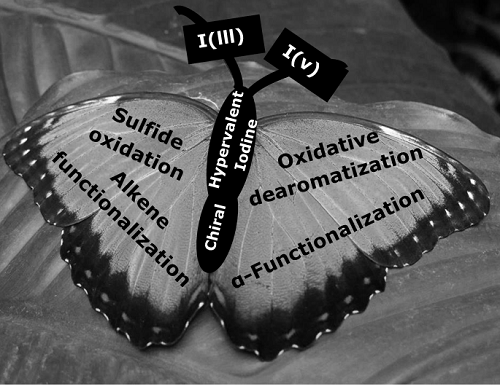
- last 25 years. This review highlights the contribution of different chiral hypervalent iodine reagents in diverse asymmetric conversions. Keywords: alkene functionalization; asymmetric synthesis; hypervalent iodine; organocatalysis; oxidation; Introduction It is more than one century ago since the



Enzyme-free genetic copying of DNA and RNA sequences
Beilstein J. Org. Chem. 2018, 14, 603–617, doi:10.3762/bjoc.14.47
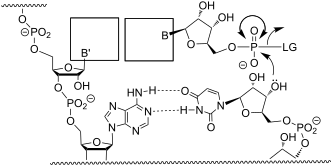
- of the desired nucleotide. As a consequence, assays involving in situ activation were slow and low yielding. We assumed that the inefficient primer extension with in situ activation could be improved via organocatalysis. We had previously found, when studying extension of aminoterminal primers, that
- dimethylaminopyridine [61]. With aminoterminal primers, in situ activation and organocatalysis with 1-methylimidazole in a magnesium-free buffer had led to encouraging results, even at submillimolar nucleotide concentration [62]. So, starting from a primer extension reaction with an RNA-system that gave less than 1


Diastereoselective auxiliary- and catalyst-controlled intramolecular aza-Michael reaction for the elaboration of enantioenriched 3-substituted isoindolinones. Application to the synthesis of a new pazinaclone analogue
Beilstein J. Org. Chem. 2018, 14, 593–602, doi:10.3762/bjoc.14.46
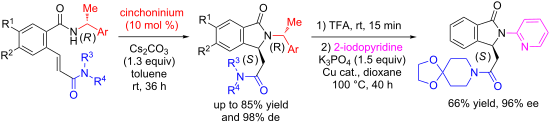
- provide 3-substituted isoindolinones in good yields and diastereomeric excesses. This methodology was applied to the asymmetric synthesis of a new pazinaclone analogue which is of interest in the field of benzodiazepine-receptor agonists. Keywords: asymmetric organocatalysis; Aza-Michael reaction; phase


Investigations towards the stereoselective organocatalyzed Michael addition of dimethyl malonate to a racemic nitroalkene: possible route to the 4-methylpregabalin core structure
Beilstein J. Org. Chem. 2018, 14, 553–559, doi:10.3762/bjoc.14.42
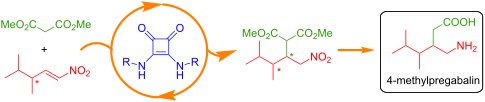
- catalyst. Furthermore, specific organocatalysts can provide respective stereoisomers of the key Michael adduct in up to 99:1 er. Keywords: kinetic resolution; Michael addition; organocatalysis; pregabalin; squaramide; Introduction Asymmetric organocatalysis has considerably broadened possibilities for
- amino acids have also been investigated as treatments for ocular disorders [7]. However, the syntheses of this type of compounds were long and relied on the use of Evans chiral auxiliaries or chiral starting materials. Various GABA derivatives were synthesized using asymmetric organocatalysis
- synthesized binaphthol-squaramide catalysts (Sa,R,R)-C8, and (Sa,S,S)-C8 (Scheme 3). Results of the initial catalyst screening are summarized in Table 1. The binaphthyl structural motif has already been employed in the hydrogen-bond-donating organocatalysis [35][36]. However, the binaphthol moiety possessing





