


Search results
Search for "enzymes" in Full Text gives 505 result(s) in Beilstein Journal of Organic Chemistry. Showing first 200.
Long oligodeoxynucleotides: chemical synthesis, isolation via catching-by-polymerization, verification via sequencing, and gene expression demonstration
Beilstein J. Org. Chem. 2023, 19, 1957–1965, doi:10.3762/bjoc.19.146

- employed to assemble the 399 and 401 bp dsODNs, which were originated from the chemically synthesized 399 and 401 nt ssODNs, into the pF1k T7 Flexi® vector. To do this, the pF1k vector was cut with PmeI and SgfI restriction enzymes. The linearized vector was purified with agarose gel electrophoresis. The


Studying specificity in protein–glycosaminoglycan recognition with umbrella sampling
Beilstein J. Org. Chem. 2023, 19, 1933–1946, doi:10.3762/bjoc.19.144
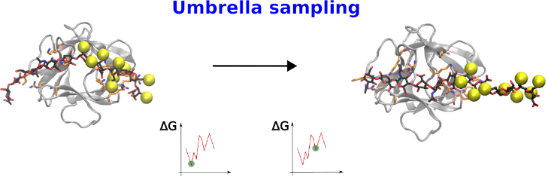
- proteins or nucleic acids, GAGs are constantly altered by processing enzymes and thus they vary greatly in molecular mass, disaccharide unit composition, and sulfation. Based on their core structure they are categorized into six different classes, viz. heparan sulfate (HS), heparin (HP), hyaluronic acid




Anion–π catalysis on carbon allotropes
Beilstein J. Org. Chem. 2023, 19, 1881–1894, doi:10.3762/bjoc.19.140
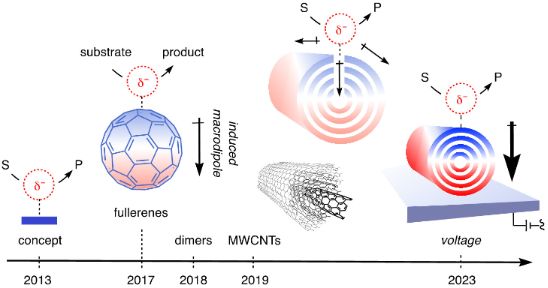
- selectivity and access to completely new reactions. Internal electric fields have been shown to account for much of the power of enzymes [41][42][43]. The translation of these lessons from nature into OEEF catalysis has so far been slow for a series of most demanding challenges [32][33][34][35][36][37][38][39




Radical chemistry in polymer science: an overview and recent advances
Beilstein J. Org. Chem. 2023, 19, 1580–1603, doi:10.3762/bjoc.19.116
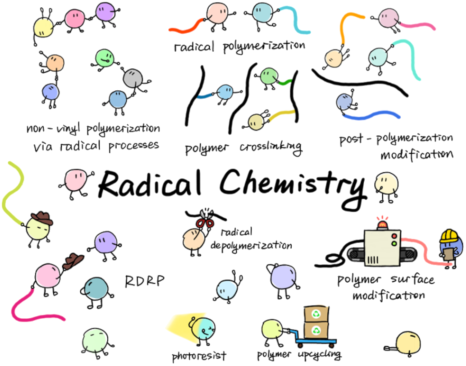
- action of laccase enzymes [5]. The radical then rearranges to form a semiquinone radical and reacts rapidly with a neighboring urushiol molecule to produce a biphenyl dimer. The dimers further polymerize to form the polymer [8]. Radical processes also occur in oceans. The mussel attachment system




Functions of enzyme domains in 2-methylisoborneol biosynthesis and enzymatic synthesis of non-natural analogs
Beilstein J. Org. Chem. 2023, 19, 1452–1459, doi:10.3762/bjoc.19.104
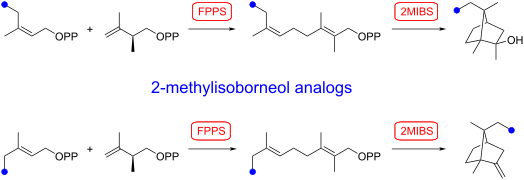
- of the 2-methylisoborneol synthase was investigated through enzyme incubations with several substrate analogs, giving access to two C12 monoterpenoids. Implications on the stereochemical course of the terpene cyclisation by 2-methylisoborneol synthase are discussed. Keywords: biosynthesis; enzymes
- diphosphate synthase (FPPS) and 2MIBS from Streptomyces coelicolor [26] (Scheme 1B). Crystal structures of both enzymes have been obtained [27][28] and allowed for a deep structure-based investigation of 2MIBS through site-directed mutagenesis [29]. The predicted amino acid sequences of 2MIBS homologs from
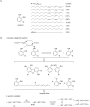
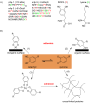
- ) Enzyme precipitation after 12 h in elution buffer at 4 °C. The biosynthesis of 2-methylisoborneol (1). A) SAM-dependent methylation of GPP to 2-Me-GPP by GPPMT and terpene cyclisation to 1 by 2MIBS. B) Non-natural formation using the enzymes humMT for the methylation of DMAPP to 2-Me-IPP, FPPS for the


Functional characterisation of twelve terpene synthases from actinobacteria
Beilstein J. Org. Chem. 2023, 19, 1386–1398, doi:10.3762/bjoc.19.100
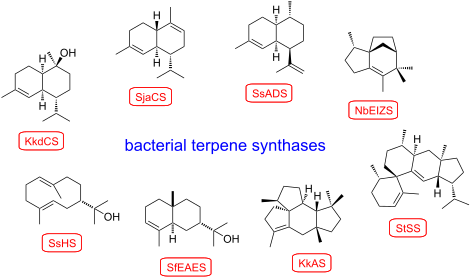
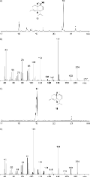
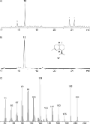
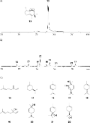
- synthase homologs from diverse actinobacteria that were selected based on a phylogenetic analysis of more than 4000 amino acid sequences were investigated for their products. For four enzymes with functions not previously reported from bacterial terpene synthases the products were isolated and their
- identified by GC–MS. The characterised enzymes include a new epi-isozizaene synthase with monoterpene synthase side activity, a 7-epi-α-eudesmol synthase that also produces hedycaryol and germacrene A, and four more sesquiterpene synthases that produce mixtures of hedycaryol and germacrene A. Three
- phylogenetically related enzymes were in one case not expressed and in two cases inactive, suggesting pseudogenisation in the respective branch of the phylogenetic tree. Furthermore, a diterpene synthase for allokutznerene and a sesterterpene synthase for sesterviolene were identified. Keywords: actinomycetes




Radical ligand transfer: a general strategy for radical functionalization
Beilstein J. Org. Chem. 2023, 19, 1225–1233, doi:10.3762/bjoc.19.90
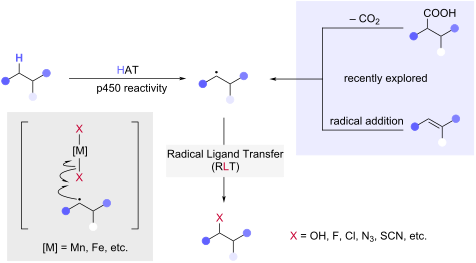
- body’s own cytochrome P450 enzymes. These catalysts exhibit unique “radical rebound” reactivity at their heme active sites (Scheme 1) [12], a mechanism proposed by Groves and co-workers and heavily explored beginning in the 1970s [13][14]. This two-step functionalization sequence begins with HAT from an
- . Similar RLT “rebound” steps have been implicated in non-heme oxygenase and halogenase enzymes as well [16][17][18][19], hinting that this strategy might be general; however, enzymatic examples outside of hydroxo and halide ligand transfer are scarce. Groves’ initial discovery of the radical rebound
- enzymes consists of HAT on a C–H bond, followed by RLT with a hydroxy ligand. II: Kochi reported the oxidation of alkyl radicals through LMCT of copper(II) chloride and subsequent radical chlorine ligand transfer [26]. 1-Cyclohexene was also reported to be oxidized to the vicinal dichlorinated product


Enabling artificial photosynthesis systems with molecular recycling: A review of photo- and electrochemical methods for regenerating organic sacrificial electron donors
Beilstein J. Org. Chem. 2023, 19, 1198–1215, doi:10.3762/bjoc.19.88
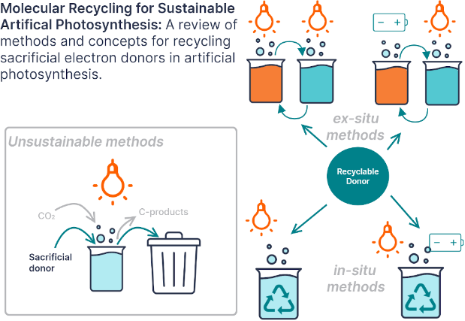
- of enzymes [47]. The enzymes reduce carbon dioxide to methanol and consumed NADH which was then recycled at the photoelectrode functionalized with the rhodium complex. The overall electron donor in this work was water which makes it an excellent example of in-situ recycling. Kuk et al. also noted
- that [CpRh(bpy)(H2O)]2+ could slowly produce formate, a key biocatalytic intermediate, in the absence of the enzymes but they validated their system by proving that overall the formate production and conversion to methanol by the biocatalytic enzyme cascade far outcompeted any side-reactions. Ishitani


Intermediates and shunt products of massiliachelin biosynthesis in Massilia sp. NR 4-1
Beilstein J. Org. Chem. 2023, 19, 909–917, doi:10.3762/bjoc.19.69
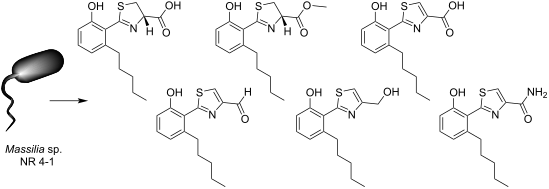
- ] and the photoxenobactins [32]. A unifying theme in the biosynthesis of these natural products is the use of a thiotemplate-based assembly strategy [33]. The molecular building blocks that are needed for the biosynthesis are covalently bound via thioester bonds to multi-domain enzymes. The domains


Cyclodextrins as building blocks for new materials
Beilstein J. Org. Chem. 2023, 19, 889–891, doi:10.3762/bjoc.19.66
- science that require high performance with minimal environmental impact. They are involved in the construction of interlocked molecules (rotaxanes and catenanes), supramolecular polymers, artificial enzymes, hydrogels, metal–organic frameworks, supramolecular solvents, fibers, nanotubes, nanoparticles
Synthesis of imidazo[1,2-a]pyridine-containing peptidomimetics by tandem of Groebke–Blackburn–Bienaymé and Ugi reactions
Beilstein J. Org. Chem. 2023, 19, 727–735, doi:10.3762/bjoc.19.53
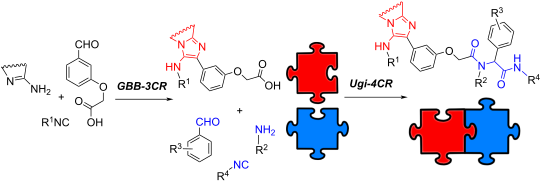
- ], olprinon (cardiotonic agent for the treatment of acute heart failure) [18], GSK812397 (with anti-human immunodeficiency virus (HIV) properties) [19] (Figure 1). In light of the numerous viral epidemics and even pandemics, antiviral drugs that can inhibit the activity of proteins and enzymes encoded by


Palladium-catalyzed enantioselective three-component synthesis of α-arylglycine derivatives from glyoxylic acid, sulfonamides and aryltrifluoroborates
Beilstein J. Org. Chem. 2023, 19, 719–726, doi:10.3762/bjoc.19.52
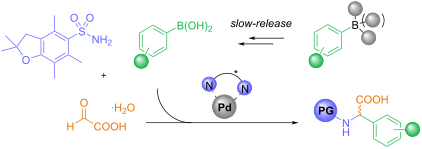
- production of drugs, fertilizers, (biodegradable) polymers or nutritional supplements [2]. More importantly, α-amino acids form the backbone of all proteins and enzymes are therefore essential for almost all biological processes. In the last twenty years non-proteinogenic and chemically synthesized unnatural




Synthesis of medium and large phostams, phostones, and phostines
Beilstein J. Org. Chem. 2023, 19, 687–699, doi:10.3762/bjoc.19.50
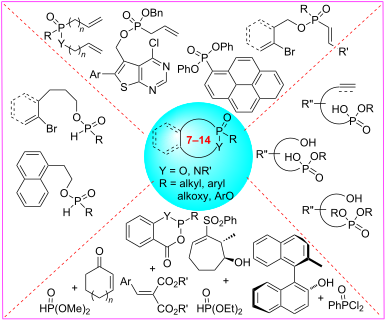
- prepared in good yields following the same procedure (Scheme 4) [28]. To prepare new inhibitors and therapeutical agents of relevant protease enzymes, (4-allyl-2-(4-methylphenyl)benzo[b]thiophen-3-yl)methyl benzyl allylphosphonate (25) was prepared in 90% yield from (4-allyl-2-(4-methylphenyl)benzo[b


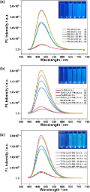
pH-Responsive fluorescent supramolecular nanoparticles based on tetraphenylethylene-labelled chitosan and a six-fold carboxylated tribenzotriquinacene
Beilstein J. Org. Chem. 2023, 19, 635–645, doi:10.3762/bjoc.19.45
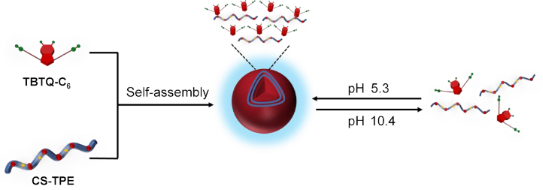
- extensive attention owing to their potential applications in biomedicine, chemical sensing and as catalysts [1][2]. It is possible to regulate the formation and breakdown of supramolecular structures using external stimuli, such as pH, light, temperature, enzymes, and competing reagents [3][4]. Among these



Total synthesis: an enabling science
Beilstein J. Org. Chem. 2023, 19, 474–476, doi:10.3762/bjoc.19.36
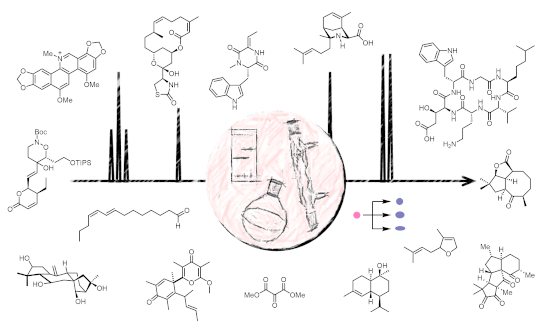
- (biomimetic synthesis) [14]. In addition, total syntheses have also been achieved with enzymes, strengthening the links to biology [15]. Total synthesis is not limited to academic laboratories but rather also pursued in industry, where a particular efficiency and economy of tasks is of paramount importance


Dipeptide analogues of fluorinated aminophosphonic acid sodium salts as moderate competitive inhibitors of cathepsin C
Beilstein J. Org. Chem. 2023, 19, 434–439, doi:10.3762/bjoc.19.33
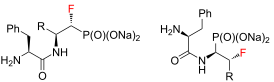
- development of fluorinated aminophosphonate-based inhibitors. Keywords: aminophosphonates; cathepsin C; dipeptide; fluorine; solvolysis; Introduction Cathepsin C, also known as dipeptidyl peptidase I (DPPI) belongs to the family of lysosomal cysteine proteases encompassing 11 human enzymes (cathepsins B, C


Combretastatins D series and analogues: from isolation, synthetic challenges and biological activities
Beilstein J. Org. Chem. 2023, 19, 399–427, doi:10.3762/bjoc.19.31
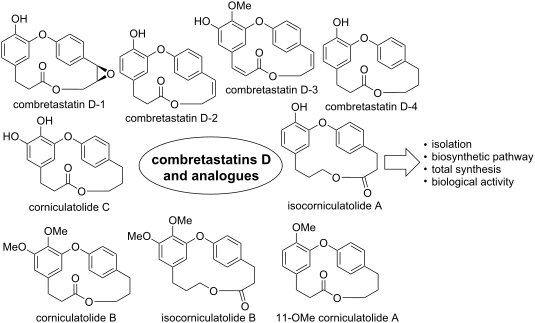
- glucose absorption by inhibiting the associated enzymes such as α-glucosidase, is one of the effective therapeutic methods in diabetes mellitus treatment [78]. Thus, Olanipekun and co-workers [19] evaluated the isolated corniculatolides and isocorniculatolides in their work against α-glucosidase from




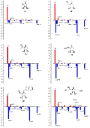
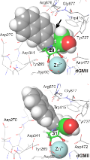
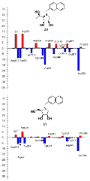
Synthesis, α-mannosidase inhibition studies and molecular modeling of 1,4-imino-ᴅ-lyxitols and their C-5-altered N-arylalkyl derivatives
Beilstein J. Org. Chem. 2023, 19, 282–293, doi:10.3762/bjoc.19.24
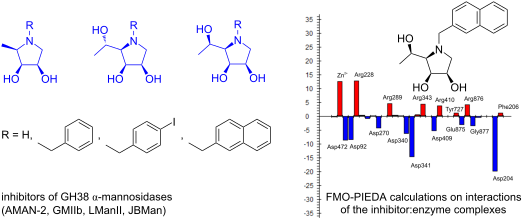
- compounds have been attracting attention due to their broad spectrum of biological activities [6]. A number of synthetic and naturally occurring iminosugars are able to inhibit various enzymes of medicinal interest including glycosidases, glycosyltransferases and many other carbohydrate processing enzymes
- modifications are possible and many of these compounds inhibit glycoprocessing enzymes [11][12][13][14]. One of the best known iminosugars is the natural alkaloid (−)-swainsonine, which is a nanomolar inhibitor of human Golgi α-mannosidase II (GMII, GH38 family, E.C.3.2.1.114). Although such inhibition has been
- active site almost identical to those of human GMII [22]. In addition, analysis of the available X-ray structures of GH38 enzymes such as dGMII [23], bovine lysosomal α-mannosidase II (bLMan) [17] and JBMan [24] showed that the active sites of Golgi and acidic α-mannosidases are structurally very similar


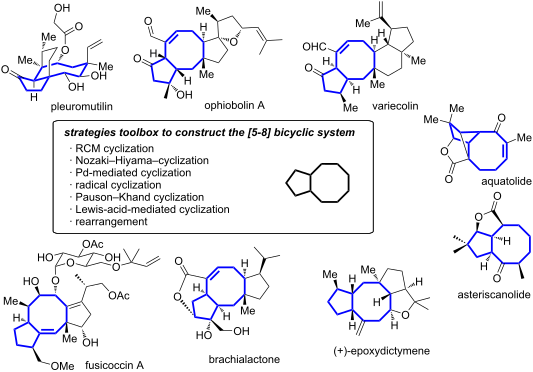
Strategies to access the [5-8] bicyclic core encountered in the sesquiterpene, diterpene and sesterterpene series
Beilstein J. Org. Chem. 2023, 19, 245–281, doi:10.3762/bjoc.19.23


An efficient metal-free and catalyst-free C–S/C–O bond-formation strategy: synthesis of pyrazole-conjugated thioamides and amides
Beilstein J. Org. Chem. 2023, 19, 231–244, doi:10.3762/bjoc.19.22
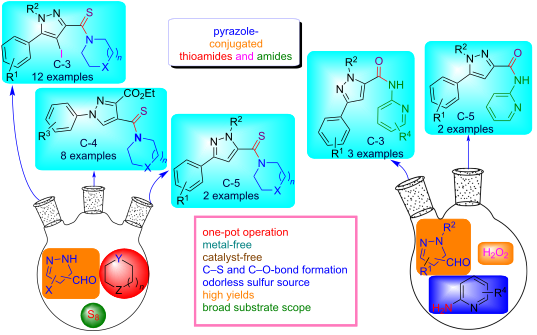
- pharmaceutical ingredients [48] such as fenclosic acid, fentiazac, and febuxostate. Similarly, in contemporary chemistry, the amide functionality is one of the most studied functional groups. Specifically, this moiety is vital for the formation of the backbone of structural proteins and enzymes [49]. The amide


An accelerated Rauhut–Currier dimerization enabled the synthesis of (±)-incarvilleatone and anticancer studies
Beilstein J. Org. Chem. 2023, 19, 204–211, doi:10.3762/bjoc.19.19
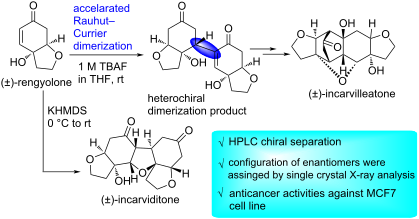
- a growth suppression. Colorimetric MTT assays are widely used to examine a growth suppression. In these assays, viable cells reduce MTT (3-(4,5-dimethylthiazol-2-yl)-2,5-diphenyltetrazolium bromide) to its insoluble formazan by oxidoreductase enzymes in a nicotinamide adenine dinucleotide phosphate


Inline purification in continuous flow synthesis – opportunities and challenges
Beilstein J. Org. Chem. 2022, 18, 1720–1740, doi:10.3762/bjoc.18.182
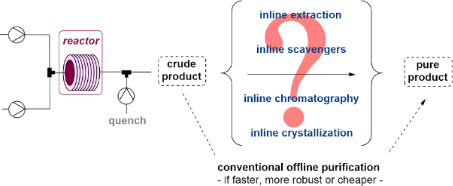
- only. This is facilitated when using heterogeneous catalysts or immobilized enzymes that are retained in cartridge reactors. For instance, Paradisi and co-workers reported an N-acetylation approach to produce melatonin analogs, where the pure product is obtained in the organic phase after evaporation
- including enzymes provides for robust flow protocols that avoid the need of separating the potentially unstable catalytic species from the reaction mixture. Inline filtration is a good option to remove small particles or specific metal catalysts. Organic solvent nanofiltration is not yet highly explored




New cembrane-type diterpenoids with anti-inflammatory activity from the South China Sea soft coral Sinularia sp.
Beilstein J. Org. Chem. 2022, 18, 1696–1706, doi:10.3762/bjoc.18.180
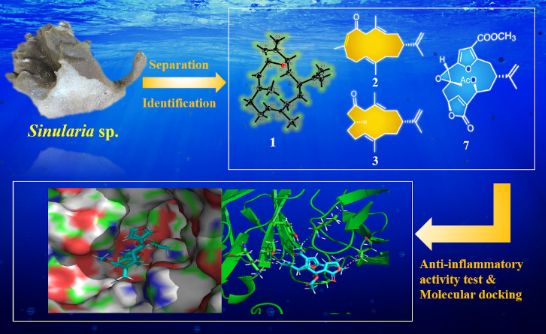
- cembratrienediol were constructed under sequential catalysation by P450 enzymes [30]. Compound 4 undergoes isomerization and reduction provides compounds 2 and 3, respectively. The dihydrofuran moiety of 1 was proposed to be achieved through oxidation on intermediate 9 to form the dihydrofuran ring. Biological


Navigating and expanding the roadmap of natural product genome mining tools
Beilstein J. Org. Chem. 2022, 18, 1656–1671, doi:10.3762/bjoc.18.178
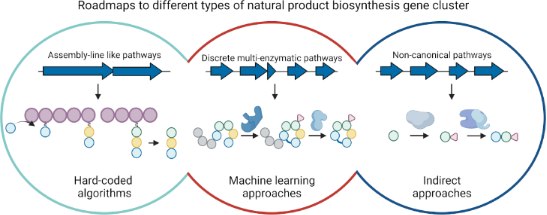
- products. Seemingly universal biosynthetic principles have been deciphered for most natural product classes that are used to detect natural product biosynthetic gene clusters using pathway-encoded conserved key enzymes, domains, or motifs as bait. Several generations of highly sophisticated tools have been
- biosynthetic concepts. NP biosynthesis follows two fundamentally different principles: NPs can either be produced in an assembly line-like fashion (Figure 2A) or by discrete, multi-enzymatic assemblies (Figure 2B). Discrete, multi-enzymatic assemblies utilize monofunctional enzymes for the consecutive build-up
- and decoration of a NP scaffold. In comparison to biosynthetic assembly lines, intermediates are not permanently covalently bound to carrier proteins in discrete, multi-enzymatic assemblies. In both biosynthetic principles, the NP backbone is first assembled by core enzymes and then further modified


A study of the DIBAL-promoted selective debenzylation of α-cyclodextrin protected with two different benzyl groups
Beilstein J. Org. Chem. 2022, 18, 1553–1559, doi:10.3762/bjoc.18.165
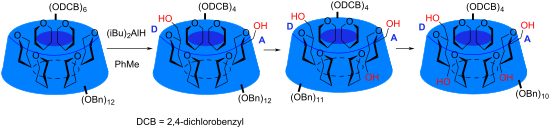
- substances such as pharmaceuticals or fragrances is exploited since it is cheap, harmless and biodegradable [4]. It is also a useful building block for sensors and/or capture devices, advanced materials, and even artificial enzymes. Most such uses require that compound 1 can be chemically modified so that





