


Search results
Search for "formic acid" in Full Text gives 175 result(s) in Beilstein Journal of Organic Chemistry.
Attempted synthesis of a meta-metalated calix[4]arene
Beilstein J. Org. Chem. 2019, 15, 1996–2002, doi:10.3762/bjoc.15.195
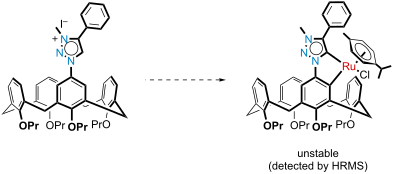
- , this was likely the result of the molecular ion losing the ruthenium and subsequently protonated in the mass spectrometer; this triazolium signal was also not seen in our model study. A final peak at 1030.4333 Da was assigned as [M – Cl + formic acid]+ (formic acid was present in the injection media




Stereo- and regioselective hydroboration of 1-exo-methylene pyranoses: discovery of aryltriazolylmethyl C-galactopyranosides as selective galectin-1 inhibitors
Beilstein J. Org. Chem. 2019, 15, 1046–1060, doi:10.3762/bjoc.15.102
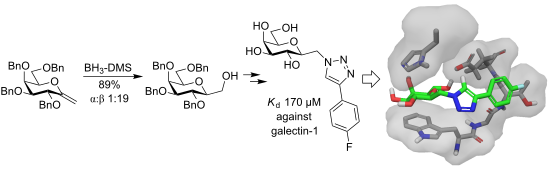
- through NOESY using pyridine-d5 as a shift reagent solvent. All final compounds were purified using preparative HPLC on an Agilent 1260 Infinity system with a SymmetryPrep C18 5 µM 19 × 100 mm column using a gradient (water with 0.1% formic acid and acetonitrile); 0–20 min 10–100% acetonitrile, 20–23 min
- using a gradient with water (0.1% formic acid) and acetonitrile using a flow rate of 0.50 mL/min and a column temperature 60 °C. Gradient parameters: 0–0.7 min: 40% acetonitrile, 0.7–10.0 min: 40–99% acetonitrile, 10.0–11.0 min 99% acetonitrile, 11.0–11.1 min 99–40% acetonitrile, 11.1–13 min 40
- % formic acid to 100% acetonitrile over 20 min, followed by 3 min of 100% acetonitrile) to give 1a (14 mg, 71%) as a white powder. [α]D20 24 (c 0.6, methanol); 1H NMR (400 MHz, CD3OD) δ 8.42 (s, 1H), 7.86–7.81 (m, 2H), 7.48–7.42 (m, 2H), 7.38–7.33 (m, 1H), 4.98–4.95 (m, 1H), 4.57 (dd, J = 14.4 Hz, 7.5 Hz



New terpenoids from the fermentation broth of the edible mushroom Cyclocybe aegerita
Beilstein J. Org. Chem. 2019, 15, 1000–1007, doi:10.3762/bjoc.15.98
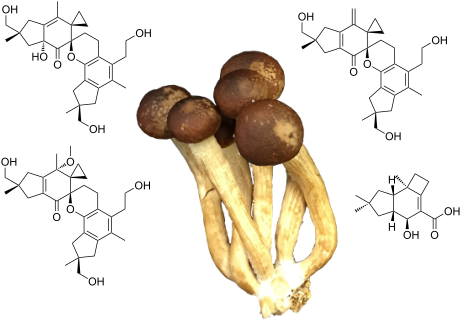
- spectrometer (Bruker Daltonik), both combined with an Agilent 1200 series HPLC-UV system [column 2.1 × 50 mm, 1.7 μm, C18 Acuity UPLC BEH (Waters), solvent A: H2O + 0.1% formic acid; solvent B: ACN + 0.1% formic acid, gradient: 5% B for 0.5 min increasing to 100% B in 19.5 min, maintaining 100% B for 5 min


Fabrication, characterization and adsorption properties of cucurbit[7]uril-functionalized polycaprolactone electrospun nanofibrous membranes
Beilstein J. Org. Chem. 2019, 15, 992–999, doi:10.3762/bjoc.15.97
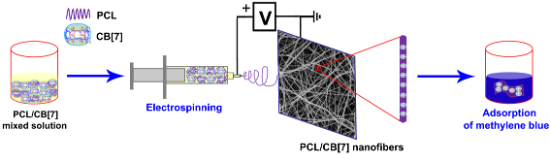
- combinations were used to prepare PCL electrospinning solutions. In this work, a formic acid solution of CB[n] and a DMF solution of PCL were mixed as the electrospinning solution for PCL/CB[n] nanofibers. These solvents have been selected due to the fact that CB[n] is soluble in formic acid and DMF is a good
- solvent for PCL. Turbidity/precipitation was observed when the volume ratio of the formic acid solution of CB[n] in the mixed solution was higher than 20% due to the poor solubility of PCL in formic acid solution. In order to keep the CB[n] content in the mixed solution as large as possible, the ratio of
- formic acid/DMF was fixed to 20:80 (v/v). Initially, a series of bead-free PCL/CB[n] (n = 5, 6, 7, 8) nanofibers with different CB[n] loading percentages were fabricated by electrospinning (Scheme 1). The experimental results showed that the solubility of CB[5], CB[6] and CB[8] in formic acid was


Hoveyda–Grubbs catalysts with an N→Ru coordinate bond in a six-membered ring. Synthesis of stable, industrially scalable, highly efficient ruthenium metathesis catalysts and 2-vinylbenzylamine ligands as their precursors
Beilstein J. Org. Chem. 2019, 15, 769–779, doi:10.3762/bjoc.15.73
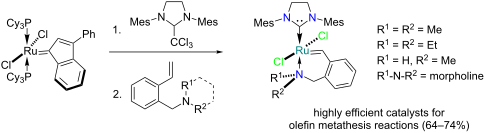
- isoquinolines (Scheme 1) involved the following steps: alkylation of isoquinolines to afford isoquinolinium salts 1, its reduction with formic acid giving rise to tetrahydroisoquinolines 2 in a nearly quantitative yield, which upon alkylation gave quaternary salts 3, finally these salts underwent the Hofmann
- styrenes 5 with a cyclic tertiary amino group from 1,2,3,4-tetrahydroisoquinoline (Scheme 2). In this case, the initial isoquinoline was reduced in the presence of formic acid and then converted into the desired products 5 by a one-pot solvent-free reaction under the action of the corresponding dihalide in


The LANCA three-component reaction to highly substituted β-ketoenamides – versatile intermediates for the synthesis of functionalized pyridine, pyrimidine, oxazole and quinoxaline derivatives
Beilstein J. Org. Chem. 2019, 15, 655–678, doi:10.3762/bjoc.15.61
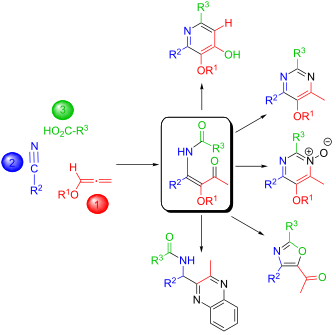
- property of the latter. As a substitute, cyano trimethylsilane was examined, however, this experiment did not afford the corresponding β-ketoenamide. Unexpectedly, using formic acid as the third component afforded only mixtures of compounds whose structures could not be elucidated. The role of formic acid


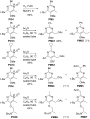


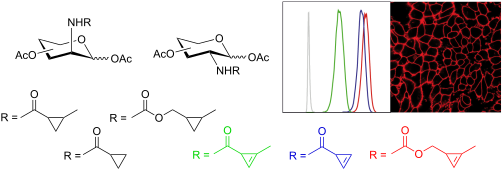
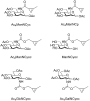
Cyclopropene derivatives of aminosugars for metabolic glycoengineering
Beilstein J. Org. Chem. 2019, 15, 584–601, doi:10.3762/bjoc.15.54
- following conditions. Column: EC125/4 Nucleodur C18 from Macherey-Nagel, flow: 0.4 mL min−1; mobile phase: gradient of acetonitrile with 0.1% formic acid (solvent B) in water with 0.1% formic acid (solvent A). Semi-preparative HPLC was performed on a LC20A Prominence system (high-pressure pumps LC-20AT
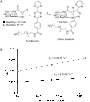
- acid (solvent B) in water with 0.1% formic acid (solvent A). UV–vis absorption for kinetic measurements was measured with a Cary 50 instrument from Varian and Cary WinUV scanning kinetics software. High-resolution mass spectra (HRMS) were recorded on a micrOTOF II instrument from Bruker in positive and
- , auto sampler SIL-20A, column oven CTO-20AC, diode array detector SPDM20A, controller CBM-20A, software LC-solution) from Shimadzu under the following conditions. Column: Nucleodur 100-5 C18ec from Macherey Nagel (21.1 × 250 mm), flow: 9 mL min−1, mobile phase: gradient of acetonitrile with 0.1% formic



An overview on recent advances in the synthesis of sulfonated organic materials, sulfonated silica materials, and sulfonated carbon materials and their catalytic applications in chemical processes
Beilstein J. Org. Chem. 2018, 14, 2745–2770, doi:10.3762/bjoc.14.253
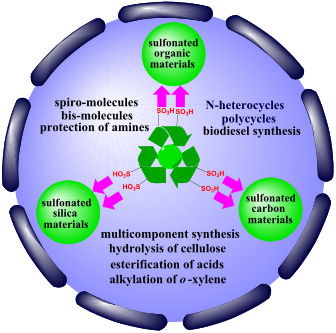
- intermediate IV. Finally, this intermediate is split by a nucleophilic attack of hydroxyl radicals to afford byproducts (including acetic acid, acetanilide, and formic acid) and desired product. The proposed mechanism was confirmed by EPR spectrum. The SSA catalyst is an inexpensive and reusable solid acid




Synthesis of cis-hydrindan-2,4-diones bearing an all-carbon quaternary center by a Danheiser annulation
Beilstein J. Org. Chem. 2018, 14, 2597–2601, doi:10.3762/bjoc.14.237

- corresponding carbonyl group (Scheme 4) was carried out by a two-step procedure involving epoxidation of the vinylsilane 5, followed by a rearrangement of the diastereomeric mixture of epoxides 7 induced by formic acid [34][35]. The resulting ketone 8 was obtained as a 3.5:1 mixture of epimers at C3. The


Synthesis of dihydroquinazolines from 2-aminobenzylamine: N3-aryl derivatives with electron-withdrawing groups
Beilstein J. Org. Chem. 2018, 14, 2510–2519, doi:10.3762/bjoc.14.227
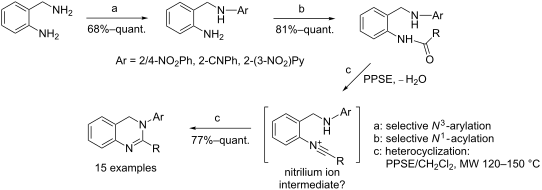
- condensation position [48][49][50]. An exception to this is the recently reported synthesis of 3-(m-nitrophenyl)-5-nitro-3,4-dihydroquinazoline from m-nitroaniline and 1,3-dioxolane in the presence of strong protic acids [51]. In a related methodology, the ring closure of N-aryl-2-ABA is promoted by formic
- acid or other sources of C2 like ethyl orthoformate [52], diarylformamidines [53] or 1,1-dimethoxy-N,N-dimethylmethanamine [17]. Using an alternative approach, the corresponding 2-ABA was treated with acetic anhydride in concentrated sulfuric acid affording 2-methyl-6-nitro-3-(p-nitrophenyl)-3,4-DHQ


Synthesis of indolo[1,2-c]quinazolines from 2-alkynylaniline derivatives through Pd-catalyzed indole formation/cyclization with N,N-dimethylformamide dimethyl acetal
Beilstein J. Org. Chem. 2018, 14, 2411–2417, doi:10.3762/bjoc.14.218
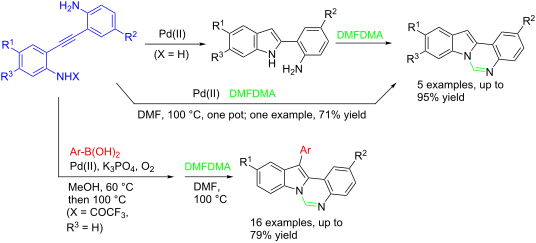
- formic acid [15][16], or reactions of 2-(2-bromoaryl)-1H-indoles with aldehydes and aqueous ammonia [17] or with amino acids [18]. An alternative approach to indoloquinazolines is represented by sequential procedures that use 2-alkynylaniline derivatives as starting materials, via their conversion to 2


A novel and practical asymmetric synthesis of eptazocine hydrobromide
Beilstein J. Org. Chem. 2018, 14, 2340–2347, doi:10.3762/bjoc.14.209
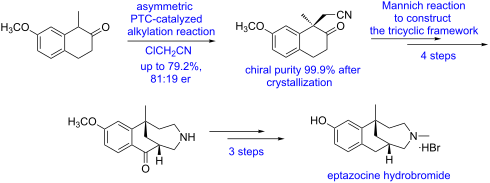
- ) and formic acid (7.5 g, 0.16 mol) in water (28 mL) was added paraformaldehyde (4.9 g, 0.16 mol). The mixture was stirred at reflux for 2 h and then alkalified with 30% NaOH (aq) to pH 11. The aqueous layer was extracted with ethyl acetate (30 mL × 3), and the combined organic layers were washed with


Investigation of the electrophilic reactivity of the biologically active marine sesquiterpenoid onchidal and model compounds
Beilstein J. Org. Chem. 2018, 14, 2229–2235, doi:10.3762/bjoc.14.197
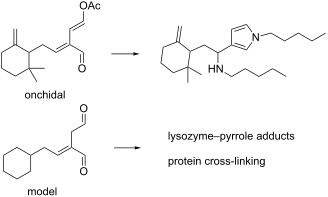
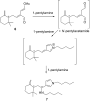
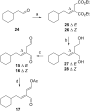
- MeOH/H2O (+ 0.5% formic acid), and the reaction products were investigated by (+)-ESIMS. Preliminary reaction of onchidal (6) with lysozyme was conducted in a solvent mixture of MeOH/H2O (1:15) at 20 °C and examined regularly by (+)-ESIMS. No adducts were detected at 20 hours, but by day 3 (72 h






A general and atom-efficient continuous-flow approach to prepare amines, amides and imines via reactive N-chloramines
Beilstein J. Org. Chem. 2018, 14, 2220–2228, doi:10.3762/bjoc.14.196
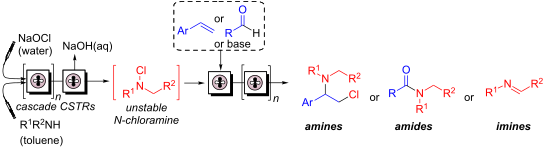
- ]2 as catalyst with the ligand (R,R)-TsDPEN, using the hydrogen-donor reagent formic acid/triethylamine (Scheme 1). Under batch conditions, a tres of 120 minutes gave quantitative reduction of the imine, affording the R-isomer in 86% ee. Translating the procedure to continuous flow, a fresh solution


Assessing the possibilities of designing a unified multistep continuous flow synthesis platform
Beilstein J. Org. Chem. 2018, 14, 1917–1936, doi:10.3762/bjoc.14.166
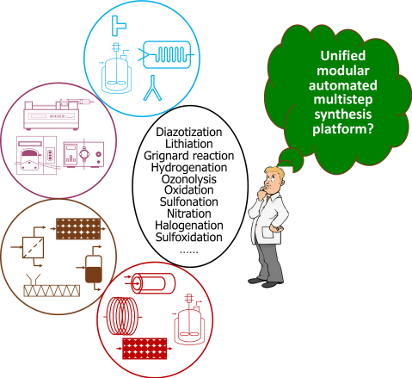
- separator enters into the tubular reactor TR3 at a temperature of 20–40 °C with a residence time of 4 hours. Into this reactor nitrogen gas was pumped through peristaltic pump P7 and formic acid using pump P8. In TR3 gas–liquid reaction takes place. Formation of the lactate salt: In step four, lactic acid
- was pumped through pump P3 to form the final lactate salt of the product. Here the excess of formic acid and lactic acid was removed by the rotary evaporator RE1, then passes through TR4 into the crystallization tank CT1. The solid product formed was filtered in F1 and stored in a tank T1. Challenges



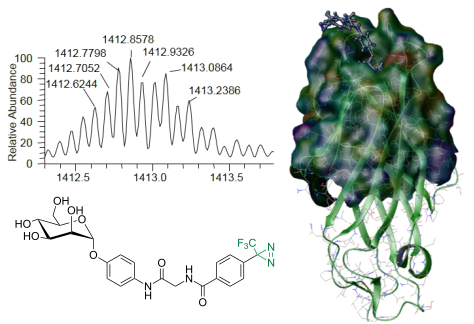
Diazirine-functionalized mannosides for photoaffinity labeling: trouble with FimH
Beilstein J. Org. Chem. 2018, 14, 1890–1900, doi:10.3762/bjoc.14.163
- , the analytes were eluted with a flow rate of 300 nL/min onto an analytical monolithic column (ProSwift RP-4H, 100 µm × 250 mm, Thermo Fisher Scientific) using eluent A (0.05% formic acid (FA)) and eluent B (80% ACN in 0.04% FA). A gradient from 5 to 95% B was applied over 30 min followed by a 10 min




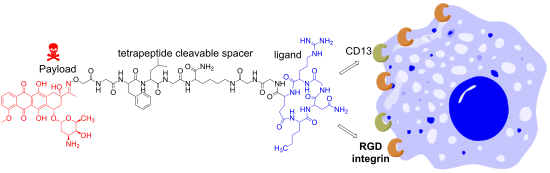
Development of novel cyclic NGR peptide–daunomycin conjugates with dual targeting property
Beilstein J. Org. Chem. 2018, 14, 911–918, doi:10.3762/bjoc.14.78
- . All the degradation mixtures were kept at 37 °C, samples of 13 µL were taken at 0 h, 6 h and 72 h. Reaction mixtures were quenched by the addition of 2 µL of formic acid. LC–MS analysis was performed at the end on each sample. Cell uptake Analogous to the description in [17], prior to the treatment


Synthesis and in vitro biochemical evaluation of oxime bond-linked daunorubicin–GnRH-III conjugates developed for targeted drug delivery
Beilstein J. Org. Chem. 2018, 14, 756–771, doi:10.3762/bjoc.14.64
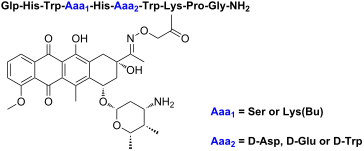
- of ACN/water (1:1, v/v) and 0.1% formic acid. Liquid chromatography–mass spectrometry (LC–MS) was carried out on the same spectrometer equipped with an Agilent 1100 HPLC system and a diode array detector (Agilent, Waldbronn, Germany). Peptides were separated on a Supelco C18 column (150 mm × 2.1 mm



Aminomethylation/hydrogenolysis as an alternative to direct methylation of metalated isoquinolines – a novel total synthesis of the alkaloid 7-hydroxy-6-methoxy-1-methylisoquinoline
Beilstein J. Org. Chem. 2018, 14, 130–134, doi:10.3762/bjoc.14.8
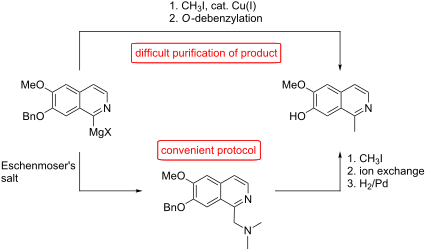
- phenolic product 6 in high yield with unchanged N,N-dimethylaminomethyl group. The same result was obtained at high pressure (40 bar) and upon addition of formic acid for accelerating hydrogenolysis [21]. Obviously, and in contrast to earlier reports on related naphthol Mannich bases [20], the benzylamine


Stereochemical outcomes of C–F activation reactions of benzyl fluoride
Beilstein J. Org. Chem. 2018, 14, 106–113, doi:10.3762/bjoc.14.6
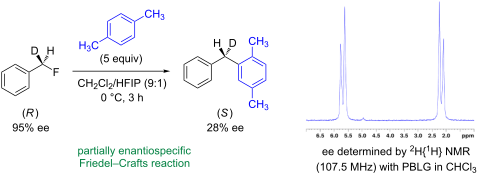
- reduced under Noyori’s conditions [12] using (S,S)-Ru(DPEN)2 as catalyst and [2H2]-formic acid as the deuterium source. This afforded the corresponding 7-[2H1]-(S)-benzyl alcohol ((S)-3) in moderate yield (81%) and high ee (95%), as evidenced by 2H-PBLG-NMR. Benzyl alcohol 3 was converted to the


Aminosugar-based immunomodulator lipid A: synthetic approaches
Beilstein J. Org. Chem. 2018, 14, 25–53, doi:10.3762/bjoc.14.3
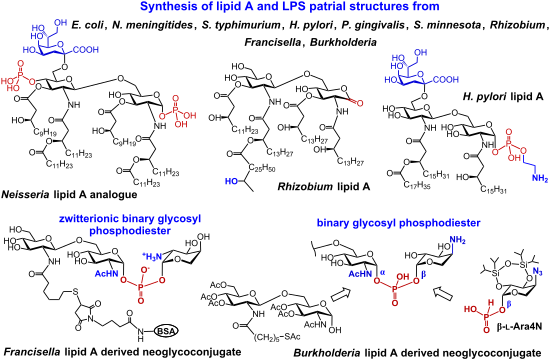
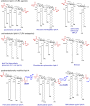
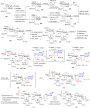
- performed by treatment with Pd(PPh3)4 in the presence of formic acid and butylamine to provide 3’-OH – containing precursor ready for the acylation by the long-chain acyloxyacyl acid. To avoid migration of the phosphotriester group from position 4’ to position 3’ and the formation of the acyloxy-chain




Microfluidic radiosynthesis of [18F]FEMPT, a high affinity PET radiotracer for imaging serotonin receptors
Beilstein J. Org. Chem. 2017, 13, 2922–2927, doi:10.3762/bjoc.13.285
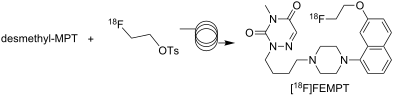
- LC–MS, using the trapping system to improve the sensitivity. Red line is the UV spectra observed at 254 nm. Column = 3 µm, 4.6 × 150 mm C18, Phenomenex, Luna. Solvent MeCN:0.1% formic acid, Flow rate = 1 mL/min, Gradient from 20% ACN to 95% ACN at 10 minutes, hold for 2 minutes at 95% MeCN. Insets


An efficient synthesis of 1,6-anhydro-N-acetylmuramic acid from N-acetylglucosamine
Beilstein J. Org. Chem. 2017, 13, 2631–2636, doi:10.3762/bjoc.13.261
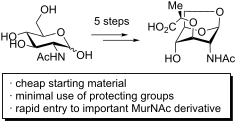
- mL) was treated with trifluoroacetic acid (0.1 mL) at 0 °C. The reaction mixture was allowed to warm to room temperature, stirred for 3 hours and then coevaporated with toluene (2 × 10 mL). The residue was purified by HPLC (5% acetonitrile + 0.1% formic acid, 9.5 mL/min) to provide the title


15N-Labelling and structure determination of adamantylated azolo-azines in solution
Beilstein J. Org. Chem. 2017, 13, 2535–2548, doi:10.3762/bjoc.13.250
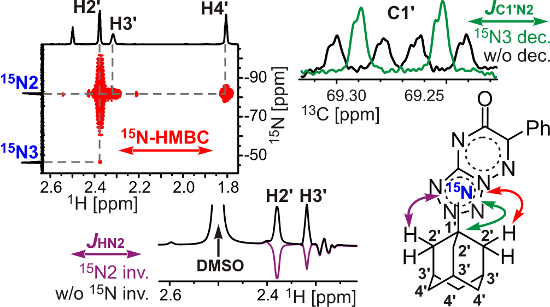
- -amino-1,2,4-triazole 16-15N2 was synthesized by the interaction of 15N2-hydrazine sulphate (98%, 15N) with S-methyl isothiourea sulphate and consecutive cyclization with formic acid (see the Supporting Information File 1). The use of 16-15N2 in a reaction with ethyl 4,4,4-trifluoroacetoacetate (22





Pd(OAc)2/Ph3P-catalyzed dimerization of isoprene and synthesis of monoterpenic heterocycles
Beilstein J. Org. Chem. 2017, 13, 1807–1815, doi:10.3762/bjoc.13.175
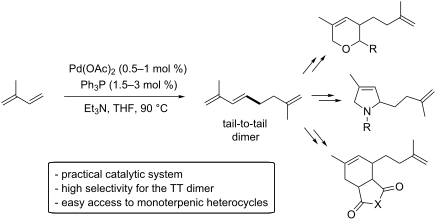
- system PdBr2(dppe)/NaOPh/PhOH [31]. Furthermore, an interesting work by Heck and co-workers in 1976 already showed the possibility of generating the corresponding dimethyloctadienes of isoprene by a reductive dimerization in the presence of formic acid with the dimeric allylpalladium acetate catalyst and





