Search results
Search for "polymers" in Full Text gives 587 result(s) in Beilstein Journal of Organic Chemistry. Showing first 200.
Synthesis, structure, and properties of switchable cross-conjugated 1,4-diaryl-1,3-butadiynes based on 1,8-bis(dimethylamino)naphthalene
Beilstein J. Org. Chem. 2023, 19, 674–686, doi:10.3762/bjoc.19.49
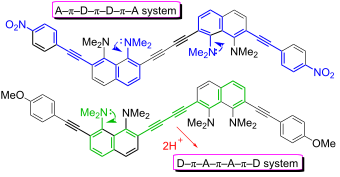
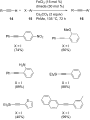
- systems; 1,4-diaryl-1,3-butadiynes; donor–acceptor systems; Glaser–Hay reaction; Introduction π-Conjugated oligomers and polymers attracted considerable attention from the very start as a promising class of semiconductors, chemosensors, and various electronic devices [1][2]. Although silicon and



Discrimination of β-cyclodextrin/hazelnut (Corylus avellana L.) oil/flavonoid glycoside and flavonolignan ternary complexes by Fourier-transform infrared spectroscopy coupled with principal component analysis
Beilstein J. Org. Chem. 2023, 19, 380–398, doi:10.3762/bjoc.19.30
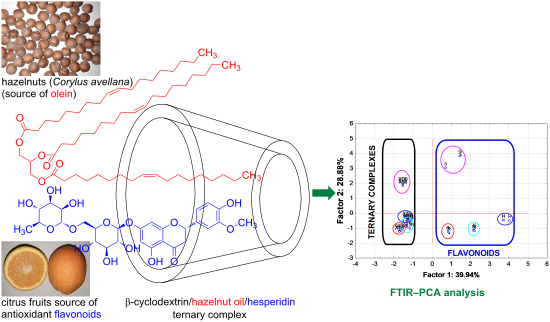
- improving the bioavailability of ALA. This omega-3 FA was found in significantly higher concentrations in the plasma of rats fed with this complex [21]. Some vegetable oils were also encapsulated using combined matrices or polymers containing CDs as was demonstrated for example for kenaf (Hibiscus
- biologically active molecules on CD-coated polymers used in chromatography [62]. PCA was used for the evaluation of the similarity/dissimilarity of some pesticides, especially fungicides and herbicides, using the effect of a water-soluble β-CD polymer on the apparent pesticide’s lipophilicity [63]. Also



CuAAC-inspired synthesis of 1,2,3-triazole-bridged porphyrin conjugates: an overview
Beilstein J. Org. Chem. 2023, 19, 349–379, doi:10.3762/bjoc.19.29
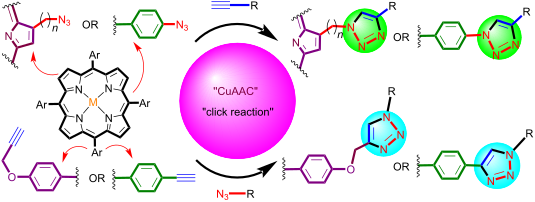
- hydrophilic triazole-linked porphyrin-polymer conjugates (PPCs) (Scheme 28). The PPCs 137 and 139 were prepared by the reaction between tetraazido-Zn-porphyrin 135 or diazido-Zn-porphyrin 138 with polymers 136 bearing various hydrophilic and hydrophobic substituents using CuSO4∙4H2O and ascorbic acids under




Strategies to access the [5-8] bicyclic core encountered in the sesquiterpene, diterpene and sesterterpene series
Beilstein J. Org. Chem. 2023, 19, 245–281, doi:10.3762/bjoc.19.23
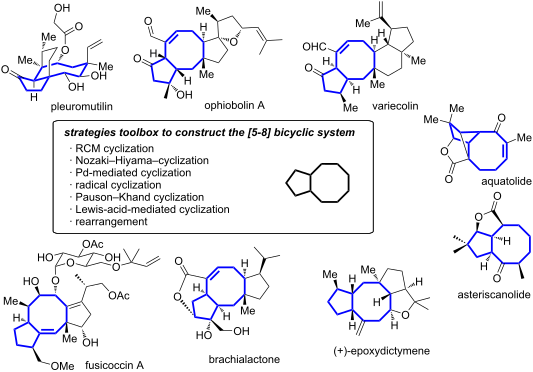
- . Keywords: 5-8 bicycle; cyclization strategies; terpenes; Introduction Terpene compounds represent the largest and most diversified class of secondary metabolites. They are present in all organisms and their structure can vary from simple terpenes (C10 skeleton) to polymers (example of rubber) thanks to


Investigation of cationic ring-opening polymerization of 2-oxazolines in the “green” solvent dihydrolevoglucosenone
Beilstein J. Org. Chem. 2023, 19, 217–230, doi:10.3762/bjoc.19.21
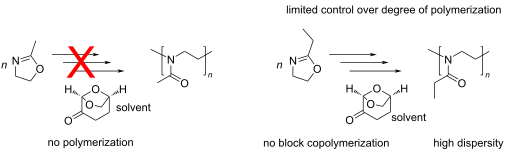
- . Size exclusion chromatography and matrix-assisted laser desorption/ionization time-of-flight mass spectrometry were performed to determine the molar mass of the resulting polymers. Our work shows clearly that the solvent is not inert under the conditions typically used for the cationic ring-opening
- polymerization, as evidenced by side products and limited control over the polymerization. However, we could establish that the use of the 2-ethyl-3-methyl-2-oxazolinium triflate salt as an initiator at 60 °C results in polymers with a relatively narrow molar mass distribution and a reasonable control over the
- Hydrophilic synthetic polymers are interesting for a wide range of applications, including in the biomedical field. The synthesis of these polymers often requires the use of various organic solvents. However, most of the used solvents are undesirable on a large scale for health, safety, and environmental


Total synthesis of insect sex pheromones: recent improvements based on iron-mediated cross-coupling chemistry
Beilstein J. Org. Chem. 2023, 19, 158–166, doi:10.3762/bjoc.19.15
- . Dienyl halides indeed tend to polymerize at low temperatures, and drastic storage conditions must be applied. For example, chloroprene, a well-known precursor of isoprene polymers, must be transported under inert atmosphere below −10 °C, and an inhibitor must be added to prevent polymerization. Cross


Preparation of β-cyclodextrin/polysaccharide foams using saponin
Beilstein J. Org. Chem. 2023, 19, 78–88, doi:10.3762/bjoc.19.7
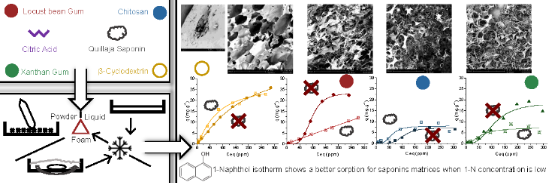
- matrices. The saponin of soapbark (Quillaja saponaria) has been used to obtain foams using different procedures. The influence of the synthesis path on the porosity of the materials and their corresponding sorption capacities in the aqueous phase were evaluated. Keywords: chitosan; cyclodextrin polymers
- potential uses can be either for oral delivery targeting intestine [33] or for an anti-skin cancer treatment [35], for example. This complexation step is also interesting for the synthesis of molecular imprinted polymers containing cyclodextrin [36]. In previous works, we have produced crosslinked
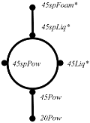
- -cyclodextrin/polysaccharide (CS: chitosan, LBG: locust bean gum) mixtures (right). SEM images of crushed β-c-LBG as a function of the synthesis pathways (see below, Experimental section). Part “45Pow” of Figure 2 was reprinted from [39], Carbohydrate Polymers, vol. 288, by M. Petitjean; N. Lamberto; A. Zornoza




Modern flow chemistry – prospect and advantage
Beilstein J. Org. Chem. 2023, 19, 33–35, doi:10.3762/bjoc.19.3
- properties of organic solvents for standard polymers used in commercial 3D printers remain a drawback, while industrial 3D printers remain the much more expensive option. Reactors or other laboratory ware printed in polypropylene are restricted in use to only a few organic solvents or even to a single
An alternative C–P cross-coupling route for the synthesis of novel V-shaped aryldiphosphonic acids
Beilstein J. Org. Chem. 2022, 18, 1518–1523, doi:10.3762/bjoc.18.160
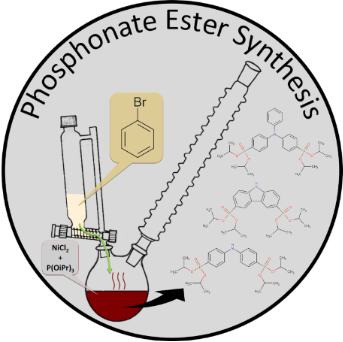
- . Phosphonates can also be employed as organic linkers in combination with metal ions to afford coordination polymers and metal-organic frameworks (MOFs), or more aptly, metal phosphonate frameworks [19][20]. One of the main challenges in the synthesis of metal phosphonates is that the linkers are rarely


Molecular and macromolecular electrochemistry: synthesis, mechanism, and redox properties
Beilstein J. Org. Chem. 2022, 18, 1505–1506, doi:10.3762/bjoc.18.158
- so on, it has a high affinity to informatics approaches, e.g., machine learning, which is expected to become an increasingly important tool in the future. Progress in the design of organic molecules and polymers and the understanding of the redox behavior of these compounds has led to the development
Cyclodextrin-based Schiff base pro-fragrances: Synthesis and release studies
Beilstein J. Org. Chem. 2022, 18, 1346–1354, doi:10.3762/bjoc.18.140
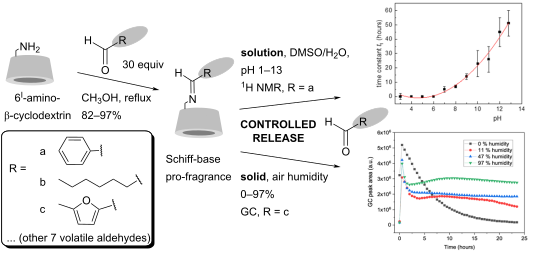
- hydrolysis, oxidation, or light (Figure 1) [18]. Different substrates were used to synthesize pro-fragrances, like polymers [19], ionic liquids [20], rotaxanes [21], or saccharides [22]. To the best of our knowledge, no studies investigate the use of CDs as substrate. Linking the fragrance to CDs could
Synthesis and electrochemical properties of 3,4,5-tris(chlorophenyl)-1,2-diphosphaferrocenes
Beilstein J. Org. Chem. 2022, 18, 1338–1345, doi:10.3762/bjoc.18.139
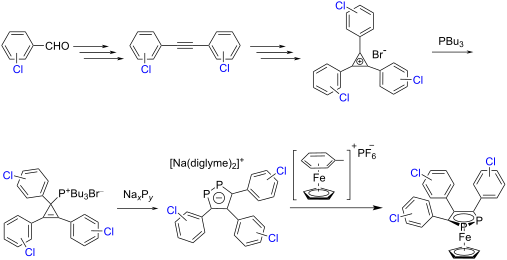
- mediator in the synthesis of asymmetric phosphines starting from white phosphorus [15]. Moreover, the presence of the lone pair of the P atom opens the route to polynuclear complexes [16][17][18] and coordination polymers [19][20][21] with the mixed σ-/π-coordination mode, which is not typical for




Ionic multiresonant thermally activated delayed fluorescence emitters for light emitting electrochemical cells
Beilstein J. Org. Chem. 2022, 18, 1311–1321, doi:10.3762/bjoc.18.136
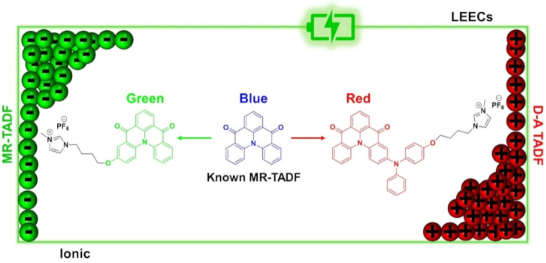
- and emission takes place within the intrinsic region [2][3][4][5][6]. Two families of widely investigated emitters for LEECs are ionic transition metal complexes (iTMCs) [7][8][9][10] and conjugated polymers (CPs) [4]. From the early use of ruthenium(II) complexes, a significant amount of research has
- TADF emitter, imCzDPS (λPL = 440 nm, ΦPL = 44%, neat film) [19]. The EL of the LEEC was red-shifted at λEL of 470 nm compared to the PL. Following these initial reports Edman and co-workers demonstrated how neutral TADF small molecules [20], polymers [21], and dendrimers [22] could be employed in LEECs



A one-pot electrochemical synthesis of 2-aminothiazoles from active methylene ketones and thioureas mediated by NH4I
Beilstein J. Org. Chem. 2022, 18, 1249–1255, doi:10.3762/bjoc.18.130
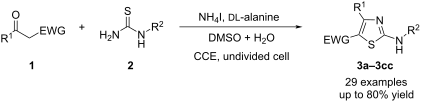
- pharmaceutical activities such as antimicrobial [2][3], antiviral [4], antitumor [5][6], anti-inflammatory [7][8] and so on. Moreover, as a type of important intermediates, thiazole is of prime importance in organic synthesis [9][10] which is used extensively in the preparation of flavors [11], polymers [12




Polymer and small molecule mechanochemistry: closer than ever
Beilstein J. Org. Chem. 2022, 18, 1225–1235, doi:10.3762/bjoc.18.128
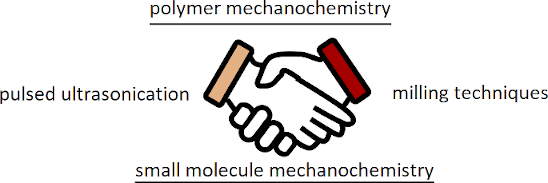
- time, two main experimental strategies to produce physical and chemical responses in a system when mechanical force is applied have been established. One of them, often called polymer mechanochemistry, relies on the use of polymers to transduce mechanical loads to mechanically sensitive probes
- molecules (but also inorganic precursors, organometallic complexes, enzymes, monomeric units, or even polymers) in bulk and to provide the energy required for the system to react (Figure 1b and Figure 1c) [7][8][9][10][11][12]. At times, the methodological differences between both approaches seem to have
- organocatalytic units embedded in polymers for catalysis in small molecule systems have been discussed [15][19][20]. Moreover, the ability of force to deform the reaction energy landscape and modulate the reversibility of the reactions within proteins has been demonstrated. For example, mechanical force was used


Mechanochemical bottom-up synthesis of phosphorus-linked, heptazine-based carbon nitrides using sodium phosphide
Beilstein J. Org. Chem. 2022, 18, 1203–1209, doi:10.3762/bjoc.18.125
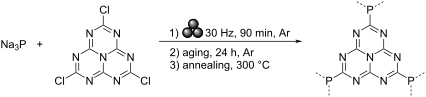
- , examples of carbon nitride materials linked together via phosphorus atoms are limited, likely due to challenges in controlling the insertion of phosphorus atoms as linkers under high energy conditions. Mechanochemistry [9][10][11][12] has proven to be effective for the synthesis of a variety of polymers


Scope of tetrazolo[1,5-a]quinoxalines in CuAAC reactions for the synthesis of triazoloquinoxalines, imidazoloquinoxalines, and rhenium complexes thereof
Beilstein J. Org. Chem. 2022, 18, 1088–1099, doi:10.3762/bjoc.18.111
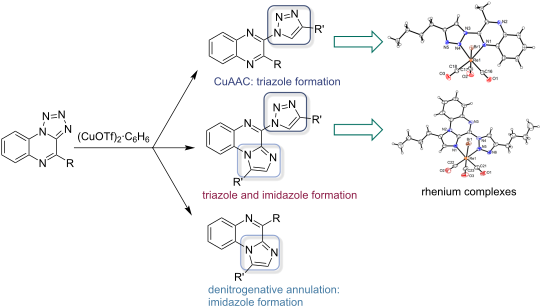
- possess antibacterial [2], antifungal [3], and antiviral properties [4] and form the core structure of commercially available drugs like brimonidine, varenicline, and quinacillin [5]. Quinoxalines can also be used in organic solar cell polymers [1][6] and have been described as donor moieties in many TADF


Post-synthesis from Lewis acid–base interaction: an alternative way to generate light and harvest triplet excitons
Beilstein J. Org. Chem. 2022, 18, 825–836, doi:10.3762/bjoc.18.83
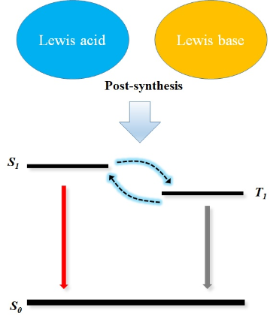
- emitters can be realized by adding a Lewis acid to a fluorescent conjugated compound [15][16]. Lewis acids are common complexing agents [17] and are frequently used to dope conjugated polymers to enhance their conductivity while the luminescence is completely quenched [18][19]. In contrast, in the presence
- photophysical changes, have some common structural characteristics. For instance, heterocyclic units containing a nitrogen atom such as pyridine and thiazole, are one of the key structural features either in small molecules or polymers. Thus, the introduction of nitrogen with lone pairs of electrons in
- the excited states, accounting for the decrease of band gap [27][37][43]. In 2018, Li et al. used density functional theory (DFT) to investigate the energy levels of polymers 19 (P1) and 20 (P2, Figure 10) containing pyrazine groups before and after the addition of B(C6F5)3 (see Figure 11a) [45


A trustworthy mechanochemical route to isocyanides
Beilstein J. Org. Chem. 2022, 18, 732–737, doi:10.3762/bjoc.18.73
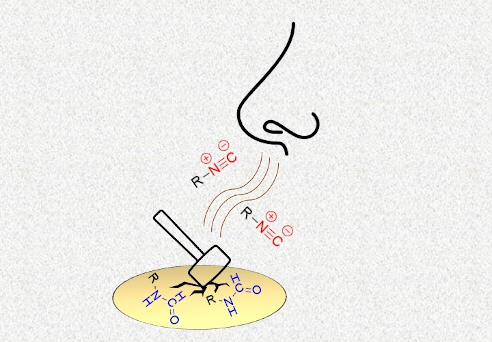
- , they are often used in heterocycles formation [8][9], multicomponent strategies [10][11], polymers production [12][13], and metal complexation [14][15]. The molecular structure is composed of an N–C planar triple bond where the nitrogen atom assumes a positive charge due to the fourth bond with a


Rapid gas–liquid reaction in flow. Continuous synthesis and production of cyclohexene oxide
Beilstein J. Org. Chem. 2022, 18, 660–668, doi:10.3762/bjoc.18.67
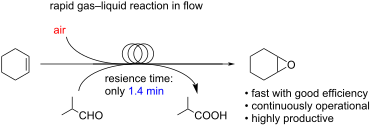
- conventional batch technique has irreconcilable limitations. Cyclohexene oxide is one of the key starting materials for manufacturing various functional organic compounds and materials such as polymers and chiral organic compounds with cyclohexane moiety [2][3][4][5][6]. Thus, an efficient and fast synthetic


BINOL as a chiral element in mechanically interlocked molecules
Beilstein J. Org. Chem. 2022, 18, 508–523, doi:10.3762/bjoc.18.53
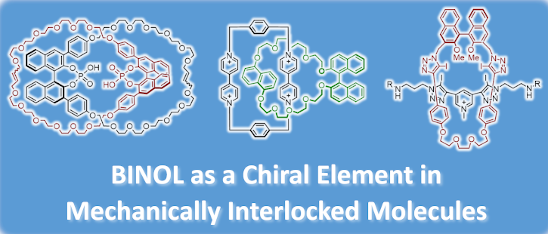
- unit (12, used in both enantiomeric forms) or two BINOL units (26) were used for the construction of the rotaxane. The subsequent rhodium-catalyzed polymerization gave the corresponding polymers 32 in high yields of 89–98%. Here, the BINOL-based macrocycle is localized at the ammonium functionality of
- the axle, placing it away from the polymer backbone. By N-acylation of the ammonium group, a shuttling of the macrocycle towards the ester moiety is achieved, placing the chiral information of the macrocycle in closer proximity to the polymer backbone (polymers 33). The influence of the chiral BINOL
- unit on the helicity of the polyacetylene was investigated by CD spectroscopy. Here, no chiral induction was observed for the ammonium species 32, while the N-acylated polymers 33 showed clear Cotton effects in the absorption range of the polymer main chain (490 nm), demonstrating an effective




Menadione: a platform and a target to valuable compounds synthesis
Beilstein J. Org. Chem. 2022, 18, 381–419, doi:10.3762/bjoc.18.43
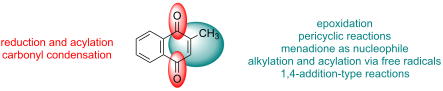
- ]. Chang’s group reported the use of 3D crystalline polyoxometalate-based coordination polymers (POMCPs) as heterogeneous catalysts, with H2O2, to synthesize 10 and the best result was obtained using H[CuII(ttb)(H2O)3]2[CuII(ttb)Cl]2[PW12O40]·4H2O (Httb = 1-(tetrazol-5-yl)-4-(triazol-1-yl)benzene) as the
- reaction, among pericyclic reactions, is a very important synthetic approach to obtain several molecular scaffolds, including naturally occurring molecules, drugs, polymers, and heterocycles with promising biological activity. Especially, Diels–Alder reactions involving quinones and dienes as starting


Recent developments and trends in the iron- and cobalt-catalyzed Sonogashira reactions
Beilstein J. Org. Chem. 2022, 18, 262–285, doi:10.3762/bjoc.18.31
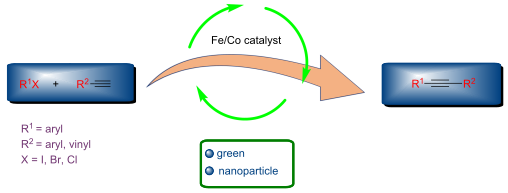
- reaction (Scheme 31). Non-nanoparticle-based protocols Nanoparticles are materials with sizes around nanometer scales. The used nanoparticles are environmentally friendly magnetic cross-linked chitosan fibers which is a natural polysaccharide polymer. In this regard the use of such polymers is promising
- due to a reduced toxicity and low cost. In addition, multiwalled carbon nanotubes are also used as desirable polymers. However, nanoscale materials may pose a considerable health risk due to the gradual increase in surface area per mass unit. A novel type of environmentally benign, economical, and




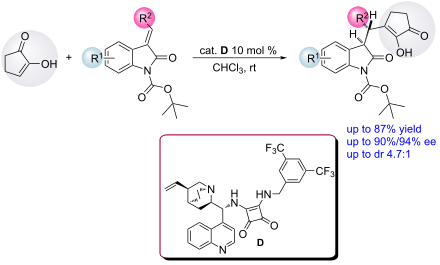
Asymmetric organocatalytic Michael addition of cyclopentane-1,2-dione to alkylidene oxindole
Beilstein J. Org. Chem. 2022, 18, 167–173, doi:10.3762/bjoc.18.18
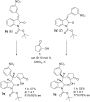
- , 2-oxobut-3-enoates [10]. A 1,2-dicarbonyl moiety is also an important structural fragment present in various natural products and biologically active compounds [11]. 1,2-Diketones have been used for the synthesis of photosensitive polymers [12] and substituted imidazoles [13][14] and have been used


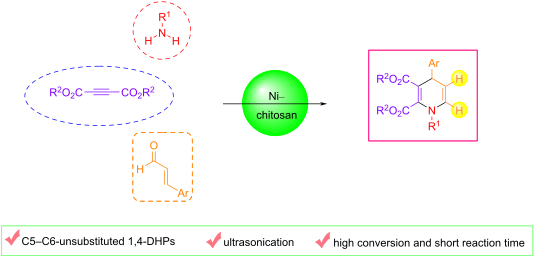
Green synthesis of C5–C6-unsubstituted 1,4-DHP scaffolds using an efficient Ni–chitosan nanocatalyst under ultrasonic conditions
Beilstein J. Org. Chem. 2022, 18, 133–142, doi:10.3762/bjoc.18.14
- for industrial purposes [1][2][3]. In this regard, different insoluble supports, such as alumina [4], silica [5], zeolites [6], polymers [7], carbon nanotubes [8], etc. have been reported. Recently, the use of bio-based natural polymers became one of the interesting features of heterogeneous catalysts
- . Chitosan is one of the most abundant bio-based polymers in nature [9]. It is the N-deacetylated form of chitin found in industrial waste [10]. Chitosan is a broadly used natural polymer because of properties such as biocompatibility, low cost, and nontoxicity. It has diverse applications, such as drug
- delivery [11], biomedical uses [12], removal of toxic metals from wastewater [13], in manufacturing processes [14], in the food industry [15], in agriculture [16], and as catalyst in transesterification reactions [17]. Chitosan is regarded as one of the most effective bio-based polymers to chelate