


Search results
Search for "sulfides" in Full Text gives 101 result(s) in Beilstein Journal of Organic Chemistry.
Magnesium bis(monoperoxyphthalate) hexahydrate as mild and efficient oxidant for the synthesis of selenones
- Andrea Temperini,
- Massimo Curini,
- Ornelio Rosati and
- Lucio Minuti
Beilstein J. Org. Chem. 2014, 10, 1267–1271, doi:10.3762/bjoc.10.127
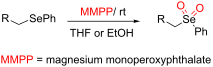
- oxidant and it has been employed for the selective oxidation of sulfides to the corresponding sulfoxides, for the preparation of α-methylenecyclohexane [16] and glycosyl sulfoxides [17]. Compared to the widely used peroxy acid MCPBA, MMPP has similar chemical properties, but it is a halogen-free reagent

Graphical Abstract

Scheme 1: General transformation of selenides to selenones.

Scheme 2: Phenylselenone 2 as useful leaving group for the synthesis of different organic molecules.
Preparation of phosphines through C–P bond formation
- Iris Wauters,
- Wouter Debrouwer and
- Christian V. Stevens
Beilstein J. Org. Chem. 2014, 10, 1064–1096, doi:10.3762/bjoc.10.106
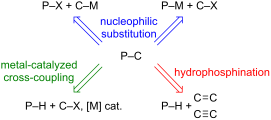
- losses during purification, the phosphines are sometimes deliberately transformed into the corresponding oxides (or sulfides). However, this requires an additional reduction step afterwards to get the phosphine back [10][11][12][13][14][15]. Therefore phosphines are sometimes protected by generation of
- formed exclusively and isolated as the phosphine sulfides 140 to prevent lower yields by oxidation to the corresponding oxides. The phosphines 141 were obtained by radical reduction of 140 with tris(trimethylsilyl)silane (TTMSS). However, when Kumaraswamy et al. explored the copper-catalyzed

Graphical Abstract

Scheme 1: Synthesis of P-stereogenic phosphines 5 using menthylphosphinite borane diastereomers 2.

Scheme 2: Enantioselective synthesis of chiral phosphines 10 with ephedrine as a chiral auxiliary.

Scheme 3: Chlorophosphine boranes 11a as P-chirogenic electrophilic building blocks.

Scheme 4: Monoalkylation of phenylphosphine borane 15 with methyl iodide in the presence of Cinchona alkaloid...

Scheme 5: Preparation of tetraphosphine borane 19.

Scheme 6: Using chiral chlorophosphine-boranes 11b as phosphide borane 20 precursors.

Scheme 7: Nickel-catalyzed cross-coupling (dppe = 1,2-bis(diphenylphosphino)ethane).

Scheme 8: Pd-catalyzed cross-coupling reaction with organophosphorus stannanes 30.

Scheme 9: Copper iodide catalyzed carbon–phosphorus bond formation.

Scheme 10: Thermodynamic kinetic resolution as the origin of enantioselectivity in metal-catalyzed asymmetric ...

Scheme 11: Ru-catalyzed asymmetric phosphination of benzyl and alkyl chlorides 35 with HPPhMe (36a, PHOX = pho...

Scheme 12: Pt-catalyzed asymmetric alkylation of secondary phosphines 36b.

Scheme 13: Different adducts 43 can result from hydrophosphination.

Scheme 14: Pt-catalyzed asymmetric hydrophosphination.

Scheme 15: Intramolecular hydrophosphination of phosphinoalkene 47.

Scheme 16: Organocatalytic asymmetric hydrophosphination of α,β-unsaturated aldehydes 59.

Scheme 17: Preparation of phosphines using zinc organometallics.

Scheme 18: Preparation of alkenylphosphines 71a from alkenylzirconocenes 69 (dtc = N,N-diethyldithiocarbamate,...

Scheme 19: SNAr with P-chiral alkylmethylphosphine boranes 13c.

Scheme 20: Synthesis of QuinoxP 74 (TMEDA = tetramethylethylenediamine).

Scheme 21: Pd-Mediated couplings of a vinyl triflate 76 with diphenylphosphine borane 13e.

Figure 1: Menthone (83) and camphor (84) derived chiral phosphines.

Scheme 22: Palladium-catalyzed cross-coupling reaction of vinyl tosylates 85 and 87 with diphenylphosphine bor...

Scheme 23: Attempt for the enantioselective palladium-catalyzed C–P cross-coupling reaction between an alkenyl...

Scheme 24: Enol phosphates 88 as vinylic coupling partners in the palladium-catalyzed C–P cross-coupling react...

Scheme 25: Nickel-catalyzed cross-coupling in the presence of zinc (dppe = 1,2-bis(diphenylphosphino)ethane).

Scheme 26: Copper-catalyzed coupling of secondary phosphines with vinyl halide 94.

Scheme 27: Palladium-catalyzed cross-coupling of aryl iodides 97 with organoheteroatom stannanes 30.

Scheme 28: Synthesis of optically active phosphine boranes 100 by cross-coupling with a chiral phosphine boran...

Scheme 29: Palladium-catalyzed P–C cross-coupling reactions between primary or secondary phosphines and functi...

Scheme 30: Enantioselective synthesis of a P-chirogenic phosphine 108.

Scheme 31: Enantioselective arylation of silylphosphine 110 ((R,R)-Et-FerroTANE = 1,1'-bis((2R,4R)-2,4-diethyl...

Scheme 32: Nickel-catalyzed arylation of diphenylphosphine 25d.

Scheme 33: Nickel-catalyzed synthesis of (R)-BINAP 116 (dppe = 1,2-bis(diphenylphosphino)ethane, DABCO = 1,4-d...

Scheme 34: Nickel-catalyzed cross-coupling between aryl bromides 119 and diphenylphosphine (25d) (dppp = 1,3-b...

Scheme 35: Stereocontrolled Pd(0)−Cu(I) cocatalyzed aromatic phosphorylation.

Scheme 36: Preparation of alkenylphosphines by hydrophosphination of alkynes.

Scheme 37: Palladium and nickel-catalyzed addition of P–H to alkynes 125a.

Scheme 38: Palladium-catalyzed asymmetric hydrophosphination of an alkyne 128.

Scheme 39: Ruthenium catalyzed hydrophosphination of propargyl alcohols 132 (cod = 1,5-cyclooctadiene).

Scheme 40: Cobalt-catalyzed hydrophosphination of alkynes 134a (acac = acetylacetone).

Scheme 41: Tandem phosphorus–carbon bond formation–oxyfunctionalization of substituted phenylacetylenes 125c (...

Scheme 42: Organolanthanide-catalyzed intramolecular hydrophosphination/cyclization of phosphinoalkynes 143.

Scheme 43: Hydrophosphination of alkynes 134c catalyzed by ytterbium-imine complexes 145 (hmpa = hexamethylpho...

Scheme 44: Calcium-mediated hydrophosphanylation of alkyne 134d.

Scheme 45: Formation and substitution of bromophosphine borane 151.

Scheme 46: General scheme for a nickel or copper catalyzed cross-coupling reaction.

Scheme 47: Copper-catalyzed synthesis of alkynylphosphines 156.
Tailoring of organic dyes with oxidoreductive compounds to obtain photocyclic radical generator systems exhibiting photocatalytic behavior
- Christian Ley,
- Julien Christmann,
- Ahmad Ibrahim,
- Luciano H. Di Stefano and
- Xavier Allonas
Beilstein J. Org. Chem. 2014, 10, 936–947, doi:10.3762/bjoc.10.92
- ]. Hydrogen donor coinitiators could be amines [33][34][35][36][37][38], ethers [39][40], sulfides [41][42][43] or thiols [43][44][45]. Electron transfer coinitiators could be borate salts [46][47], iodonium [48][49] or triazine [32] derivatives. However, if Type II PIS gain sensitivity in the visible part of

Graphical Abstract

Scheme 1: Chemical structures of RB, EDB and TA.

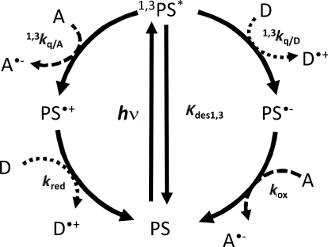
Scheme 2: Type II PIS mechanisms. PS: photosensitizer; 1,3PS*: singlet and triplet PS excited states; PS•+: o...

Figure 1: Evolution of RB concentration as a function of irradiation time (λ = 532 nm, 9 mW·cm−3); insert: ab...

Scheme 3: Photocatalytic behavior occurring in three component PIS. PS: photosensitizer; 1,3PS*: singlet and ...

Figure 2: Evolution of [RB](t) in the photocyclic system RB/TA/EDB as a function of irradiation time (λ = 532...

Scheme 4:
Thermodynamics of an oxidative three components PCIS, a) ground state reaction (![[Graphic 1]](/bjoc/content/inline/1860-5397-10-92-i10.png?max-width=637&scale=1.18182) ), b) excited state...
), b) excited state...

Scheme 5: General photocatalytic cycle occurring in three components photocyclic systems. Two cycles are in c...

Figure 3: Mechanistic description of photocyclic system involved in the RB/TA/EDB system. The rate constants ...

Figure 4: Evolution of RB, RB•+, TA, and TA•− concentration with time for RB/TA system.

Figure 5: Evolution of RB, TA and EDB concentrations in the photocyclic system. The logarithm of oxidative an...

Figure 6: Evolution of radical concentrations TA•− and EDB•+ together with [RB] in photocatalytic system.
Synthesis of five- and six-membered cyclic organic peroxides: Key transformations into peroxide ring-retaining products
- Alexander O. Terent'ev,
- Dmitry A. Borisov,
- Vera A. Vil’ and
- Valery M. Dembitsky
Beilstein J. Org. Chem. 2014, 10, 34–114, doi:10.3762/bjoc.10.6

Graphical Abstract

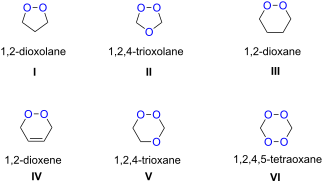
Figure 1: Five and six-membered cyclic peroxides.

Figure 2: Artemisinin and semi-synthetic derivatives.

Scheme 1: Synthesis of 3-hydroxy-1,2-dioxolanes 3a–c.

Scheme 2: Synthesis of dioxolane 6.

Scheme 3: Photooxygenation of oxazolidines 7a–d with formation of spiro-fused oxazolidine-containing dioxolan...

Scheme 4: Oxidation of cyclopropanes 10a–e and 11a–e with preparation of 1,2-dioxolanes 12a–e.

Scheme 5: VO(acac)2-catalyzed oxidation of silylated bicycloalkanols 13a–c.

Scheme 6: Mn(II)-catalyzed oxidation of cyclopropanols 15a–g.

Scheme 7: Oxidation of aminocyclopropanes 20a–c.

Scheme 8: Synthesis of aminodioxolanes 24.
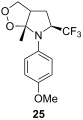
Figure 3: Trifluoromethyl-containing dioxolane 25.

Scheme 9: Synthesis of 1,2-dioxolanes 27a–e by the oxidation of cyclopropanes 26a–e.

Scheme 10: Photoinduced oxidation of methylenecyclopropanes 28.

Scheme 11: Irradiation-mediated oxidation.

Scheme 12: Application of diazene 34 for dioxolane synthesis.

Scheme 13: Mn(OAc)3-catalyzed cooxidation of arylacetylenes 37a–h and acetylacetone with atmospheric oxygen.
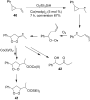
Scheme 14: Peroxidation of (2-vinylcyclopropyl)benzene (40).

Scheme 15: Peroxidation of 1,4-dienes 43a,b.

Scheme 16: Peroxidation of 1,5-dienes 46.

Scheme 17: Peroxidation of oxetanes 53a,b.

Scheme 18: Peroxidation of 1,6-diene 56.

Scheme 19: Synthesis of 3-alkoxy-1,2-dioxolanes 62a,b.

Scheme 20: Synthesis of spiro-bis(1,2-dioxolane) 66.

Scheme 21: Synthesis of dispiro-1,2-dioxolanes 68, 70, 71.

Scheme 22: Synthesis of spirohydroperoxydioxolanes 75a,b.

Scheme 23: Synthesis of spirohydroperoxydioxolane 77 and dihydroperoxydioxolane 79.

Scheme 24: Ozonolysis of azepino[4,5-b]indole 80.

Scheme 25: SnCl4-mediated fragmentation of ozonides 84a–l in the presence of allyltrimethylsilane.

Scheme 26: SnCl4-mediated fragmentation of bicyclic ozonide 84m in the presence of allyltrimethylsilane.

Scheme 27: MCl4-mediated fragmentation of alkoxyhydroperoxides 96 in the presence of allyltrimethylsilane.

Scheme 28: SnCl4-catalyzed reaction of monotriethylsilylperoxyacetal 108 with alkene 109.

Scheme 29: SnCl4-catalyzed reaction of triethylsilylperoxyacetals 111 with alkenes.

Scheme 30: Desilylation of tert-butyldimethylsilylperoxy ketones 131a,b followed by cyclization.

Scheme 31: Deprotection of peroxide 133 followed by cyclization.

Scheme 32: Asymmetric peroxidation of methyl vinyl ketones 137a–e.

Scheme 33: Et2NH-catalyzed intramolecular cyclization.

Scheme 34: Synthesis of oxodioxolanes 143a–j.

Scheme 35: Haloperoxidation accompanied by intramolecular ring closure.

Scheme 36: Oxidation of triterpenes 149a–d with Na2Cr2O7/N-hydroxysuccinimide.

Scheme 37: Curtius and Wolff rearrangements to form 1,2-dioxolane ring-retaining products.

Scheme 38: Oxidative desilylation of peroxide 124.

Scheme 39: Synthesis of dioxolane 158, a compound containing the aminoquinoline antimalarial pharmacophore.

Scheme 40: Diastereomers of plakinic acid A, 162a and 162b.

Scheme 41: Ozonolysis of alkenes.

Scheme 42: Cross-ozonolysis of alkenes 166 with carbonyl compounds.

Scheme 43: Ozonolysis of the bicyclic cyclohexenone 168.

Scheme 44: Cross-ozonolysis of enol ethers 172a,b with cyclohexanone.

Scheme 45: Griesbaum co-ozonolysis.

Scheme 46: Reactions of aryloxiranes 177a,b with oxygen.

Scheme 47: Intramolecular formation of 1,2,4-trioxolane 180.

Scheme 48: Formation of 1,2,4-trioxolane 180 by the reaction of 1,5-ketoacetal 181 with H2O2.

Scheme 49: 1,2,4-Trioxolane 186 with tetrazole fragment.

Scheme 50: 1,2,4-Trioxolane 188 with a pyridine fragment.

Scheme 51: 1,2,4-Trioxolane 189 with pyrimidine fragment.

Scheme 52: Synthesis of aminoquinoline-containing 1,2,4-trioxalane 191.

Scheme 53: Synthesis of arterolane.

Scheme 54: Oxidation of diarylheptadienes 197a–c with singlet oxygen.

Scheme 55: Synthesis of hexacyclinol peroxide 200.

Scheme 56: Oxidation of enone 201 and enenitrile 203 with singlet oxygen.

Scheme 57: Synthesis of 1,2-dioxanes 207 by oxidative coupling of carbonyl compounds 206 and alkenes 205.

Scheme 58: 1,2-Dioxanes 209 synthesis by co-oxidation of 1,5-dienes 208 and thiols.

Scheme 59: Synthesis of bicyclic 1,2-dioxanes 212 with aryl substituents.

Scheme 60: Isayama–Mukaiyama peroxysilylation of 1,5-dienes 213 followed by desilylation under acidic conditio...

Scheme 61: Synthesis of bicycle 218 with an 1,2-dioxane ring.

Scheme 62: Intramolecular cyclization with an oxirane-ring opening.

Scheme 63: Inramolecular cyclization with the oxetane-ring opening.

Scheme 64: Intramolecular cyclization with the attack on a keto group.

Scheme 65: Peroxidation of the carbonyl group in unsaturated ketones 228 followed by cyclization of hydroperox...

Scheme 66: CsOH and Et2NH-catalyzed cyclization.

Scheme 67: Preparation of peroxyplakoric acid methyl ethers A and D.

Scheme 68: Hg(OAc)2 in 1,2-dioxane synthesis.

Scheme 69: Reaction of 1,4-diketones 242 with hydrogen peroxide.

Scheme 70: Inramolecular cyclization with oxetane-ring opening.

Scheme 71: Inramolecular cyclization with MsO fragment substitution.

Scheme 72: Synthesis of 1,2-dioxane 255a, a structurally similar compound to natural peroxyplakoric acids.

Scheme 73: Synthesis of 1,2-dioxanes based on the intramolecular cyclization of hydroperoxides containing C=C ...

Scheme 74: Use of BCIH in the intramolecular cyclization.

Scheme 75: Palladium-catalyzed cyclization of δ-unsaturated hydroperoxides 271a–e.

Scheme 76: Intramolecular cyclization of unsaturated peroxyacetals 273a–d.

Scheme 77: Allyltrimethylsilane in the synthesis of 1,2-dioxanes 276a–d.

Scheme 78: Intramolecular cyclization using the electrophilic center of the peroxycarbenium ion 279.

Scheme 79: Synthesis of bicyclic 1,2-dioxanes.

Scheme 80: Preparation of 1,2-dioxane 286.

Scheme 81: Di(tert-butyl)peroxalate-initiated radical cyclization of unsaturated hydroperoxide 287.

Scheme 82: Oxidation of 1,4-betaines 291a–d.

Scheme 83: Synthesis of aminoquinoline-containing 1,2-dioxane 294.

Scheme 84: Synthesis of the sulfonyl-containing 1,2-dioxane.

Scheme 85: Synthesis of the amido-containing 1,2-dioxane 301.

Scheme 86: Reaction of singlet oxygen with the 1,3-diene system 302.

Scheme 87: Synthesis of (+)-premnalane А and 8-epi-premnalane A.

Scheme 88: Synthesis of the diazo group containing 1,2-dioxenes 309a–e.

Figure 4: Plakortolide Е.

Scheme 89: Synthesis of 6-epiplakortolide Е.

Scheme 90: Application of Bu3SnH for the preparation of tetrahydrofuran-containing bicyclic peroxides 318a,b.

Scheme 91: Application of Bu3SnH for the preparation of lactone-containing bicyclic peroxides 320a–f.

Scheme 92: Dihydroxylation of the double bond in the 1,2-dioxene ring 321 with OsO4.

Scheme 93: Epoxidation of 1,2-dioxenes 324.

Scheme 94: Cyclopropanation of the double bond in endoperoxides 327.

Scheme 95: Preparation of pyridazine-containing bicyclic endoperoxides 334a–c.

Scheme 96: Synthesis of 1,2,4-trioxanes 337 by the hydroperoxidation of unsaturated alcohols 335 with 1O2 and ...

Scheme 97: Synthesis of sulfur-containing 1,2,4-trioxanes 339.

Scheme 98: BF3·Et2O-catalyzed synthesis of the 1,2,4-trioxanes 342a–g.

Scheme 99: Photooxidation of enol ethers or vinyl sulfides 343.

Scheme 100: Synthesis of tricyclic peroxide 346.

Scheme 101: Reaction of endoperoxides 348a,b derived from cyclohexadienes 347a,b with 1,4-cyclohexanedione.

Scheme 102: [4 + 2]-Cycloaddition of singlet oxygen to 2Н-pyrans 350.

Scheme 103: Synthesis of 1,2,4-trioxanes 354 using peroxysilylation stage.

Scheme 104: Epoxide-ring opening in 355 with H2O2 followed by the condensation of hydroxy hydroperoxides 356 wi...

Scheme 105: Peroxidation of unsaturated ketones 358 with the H2O2/CF3COOH/H2SO4 system.

Scheme 106: Synthesis of 1,2,4-trioxanes 362 through Et2NH-catalyzed intramolecular cyclization.

Scheme 107: Reduction of the double bond in tricyclic peroxides 363.

Scheme 108: Horner–Wadsworth–Emmons reaction in the presence of peroxide group.

Scheme 109: Reduction of ester group by LiBH4 in the presence of 1,2,4-trioxane moiety.

Scheme 110: Reductive amination of keto-containing 1,2,4-trioxane 370.

Scheme 111: Reductive amination of keto-containing 1,2,4-trioxane and a Fe-containing moiety.

Scheme 112: Acid-catalyzed reactions of Н2О2 with ketones and aldehydes 374.

Scheme 113: Cyclocondensation of carbonyl compounds 376a–d using Me3SiOOSiMe3/CF3SO3SiMe3.

Scheme 114: Peroxidation of 4-methylcyclohexanone (378).

Scheme 115: Synthesis of symmetrical tetraoxanes 382a,b from aldehydes 381a,b.

Scheme 116: Synthesis of unsymmetrical tetraoxanes using of MeReO3.

Scheme 117: Synthesis of symmetrical tetraoxanes using of MeReO3.

Scheme 118: Synthesis of symmetrical tetraoxanes using of MeReO3.

Scheme 119: MeReO3 in the synthesis of symmetrical tetraoxanes with the use of aldehydes.

Scheme 120: Preparation of unsymmmetrical 1,2,4,5-tetraoxanes with high antimalarial activity.

Scheme 121: Re2O7-Catalyzed synthesis of tetraoxanes 398.

Scheme 122: H2SO4-Catalyzed synthesis of steroidal tetraoxanes 401.

Scheme 123: HBF4-Catalyzed condensation of bishydroperoxide 402 with 1,4-cyclohexanedione.

Scheme 124: BF3·Et2O-Catalyzed reaction of gem-bishydroperoxides 404 with enol ethers 405 and acetals 406.

Scheme 125: HBF4-Catalyzed cyclocondensation of bishydroperoxide 410 with ketones.

Scheme 126: Synthesis of symmetrical and unsymmetrical tetraoxanes 413 from benzaldehydes 412.

Scheme 127: Synthesis of bridged 1,2,4,5-tetraoxanes 415a–l from β-diketones 414a–l and H2O2.

Scheme 128: Dimerization of zwitterions 417.

Scheme 129: Ozonolysis of verbenone 419.

Scheme 130: Ozonolysis of O-methyl oxime 424.

Scheme 131: Peroxidation of 1,1,1-trifluorododecan-2-one 426 with oxone.

Scheme 132: Intramolecular cyclization of dialdehyde 428 with H2O2.

Scheme 133: Tetraoxanes 433–435 as by-products in peroxidation of ketals 430–432.

Scheme 134: Transformation of triperoxide 436 in diperoxide 437.

Scheme 135: Preparation and structural modifications of tetraoxanes.

Scheme 136: Structural modifications of steroidal tetraoxanes.

Scheme 137: Synthesis of 1,2,4,5-tetraoxane 454 containing the fluorescent moiety.

Scheme 138: Synthesis of tetraoxane 458 (RKA182).
Reaction of 2,2,4,4-tetrakis(trifluoromethyl)-1,3-dithiethane with N-vinyl compounds
- Viacheslav A. Petrov and
- Will Marshall
Beilstein J. Org. Chem. 2013, 9, 2615–2619, doi:10.3762/bjoc.9.295

- sulfides, cyclic dienes and styrenes [1][2], fluoride anion-catalyzed reactions of compound 1 with vinyl ethers [1][3][4], vinyl sulfides [3], ketene dimethylacetal [5], styrenes [6][7], cyclic dienes [8] and quadricyclane [9]. At this point, no data for the reaction of HFTA or HFTA dimer with vinylamines

Graphical Abstract

Scheme 1: Reaction of vinylamides 2a,b with 1.

Figure 1: Crystal structure of 3b with thermal ellipsoids drawn at the 30% probability level.

Scheme 2: Reaction of N-vinyllactames 2c,d with 1.

Scheme 3: Reaction of N-vinylcarbazole with 1.
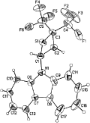
Figure 2: Crystal structure of 3e with thermal ellipsoids drawn at the 30% probability level. Disordered atom...

Scheme 4: Formation of thione 5 in reaction of 4 and 1.

Figure 3: Crystal structure of 5 with thermal ellipsoids drawn at the 30% probability level.
Recent advances in transition metal-catalyzed Csp2-monofluoro-, difluoro-, perfluoromethylation and trifluoromethylthiolation
- Grégory Landelle,
- Armen Panossian,
- Sergiy Pazenok,
- Jean-Pierre Vors and
- Frédéric R. Leroux
Beilstein J. Org. Chem. 2013, 9, 2476–2536, doi:10.3762/bjoc.9.287
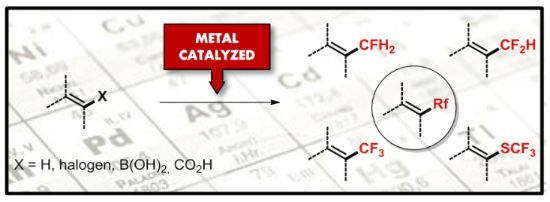
- ]. In the same paper, the authors showed that cobalt perchlorate could also improve the yield of the uncatalyzed reaction. Iron sulfate, on the other hand, gave the same yield as in the absence of added metals. 4 Catalytic trifluoromethylthiolation Aryl trifluoromethyl sulfides (ArSCF3) play an
- stability of molecules in acidic medium. One can place this substituent next to the ever-present CF3 and the emerging OCF3 substituent [55][56][130]. In contrast, aryl trifluoromethyl sulfides are key intermediates for the preparation of trifluoromethyl sulfoxides or sulfones. Aryl trifluoromethyl sulfides
- can be obtained via reaction of trifluoromethylthiolate with an electrophile like aryl halides. On the other hand, they can also be obtained by reacting aryl sulfides or disulfides under nucleophilic or radical conditions with a trifluoromethylation reagent [16][55][124]. Very recently, several

Graphical Abstract

Scheme 1: Pd-catalyzed monofluoromethylation of pinacol phenylboronate [44].

Scheme 2: Cu-catalyzed monofluoromethylation with 2-PySO2CHFCOR followed by desulfonylation [49].

Scheme 3: Cu-catalyzed difluoromethylation with α-silyldifluoroacetates [57].

Figure 1: Mechanism of the Cu-catalyzed C–CHF2 bond formation of α,β-unsaturated carboxylic acids through dec...

Scheme 4: Fe-catalyzed decarboxylative difluoromethylation of cinnamic acids [62].

Scheme 5: Preliminary experiments for investigation of the mechanism of the C–H trifluoromethylation of N-ary...

Figure 2: Plausible catalytic cycle proposed by Z.-J. Shi et al. for the trifluoromethylation of acetanilides ...

Figure 3: Plausible catalytic cycle proposed by M. S. Sanford et al. for the perfluoroalkylation of simple ar...

Figure 4: Postulated reaction pathway for the Ag/Cu-catalyzed trifluoromethylation of aryl iodides by Z. Q. W...

Figure 5: Postulated reaction mechanism for Cu-catalyzed trifluoromethylation reaction using MTFA as trifluor...

Scheme 6: Formal Heck-type trifluoromethylation of vinyl(het)arenes by M. Sodeoka et al. [83].

Figure 6: Proposed catalytic cycle for the copper-catalyzed trifluoromethylation of (het)arenes in presence o...

Figure 7: Proposed catalytic cycle for the copper-catalyzed trifluoromethylation of N,N-disubstituted (hetero...

Figure 8: Proposed catalytic cycle by Y. Zhang and J. Wang et al. for the copper-catalyzed trifluoromethylati...

Figure 9: Mechanistic rationale for the trifluoromethylation of arenes in presence of Langlois’s reagent and ...

Scheme 7: Trifluoromethylation of 4-acetylpyridine with Langlois’s reagent by P. S. Baran et al. (* Stirring ...

Scheme 8: Catalytic copper-facilitated perfluorobutylation of benzene with C4F9I and benzoyl peroxide [90].

Figure 10: F.-L. Qing et al.’s proposed mechanism for the copper-catalyzed trifluoromethylation of (hetero)are...

Figure 11: Mechanism of the Cu-catalyzed/Ru-photocatalyzed trifluoromethylation and perfluoroalkylation of ary...

Figure 12: Proposed mechanism for the Cu-catalyzed trifluoromethylation of aryl- and vinyl boronic acids with ...

Figure 13: Possible mechanism for the Cu-catalyzed decarboxylative trifluoromethylation of cinnamic acids [62].

Scheme 9: Ruthenium-catalyzed perfluoroalkylation of alkenes and (hetero)arenes with perfluoroalkylsulfonyl c...

Figure 14: N. Kamigata et al.’s proposed mechanism for the Ru-catalyzed perfluoroalkylation of alkenes and (he...

Figure 15: Proposed mechanism for the Ru-catalyzed photoredox trifluoromethylation of (hetero)arenes with trif...

Figure 16: Late-stage trifluoromethylation of pharmaceutically relevant molecules with trifluoromethanesulfony...

Figure 17: Proposed mechanism for the trifluoromethylation of alkenes with trifluoromethyl iodide under Ru-bas...

Scheme 10: Formal perfluoroakylation of terminal alkenes by Ru-catalyzed cross-metathesis with perfluoroalkyle...

Figure 18: One-pot Ir-catalyzed borylation/Cu-catalyzed trifluoromethylation of complex small molecules by Q. ...

Figure 19: Mechanistic proposal for the Ni-catalyzed perfluoroalkylation of arenes and heteroarenes with perfl...

Scheme 11: Electrochemical Ni-catalyzed perfluoroalkylation of 2-phenylpyridine (Y. H. Budnikova et al.) [71].

Scheme 12: Fe(II)-catalyzed trifluoromethylation of arenes and heteroarenes with trifluoromethyl iodide (T. Ya...

Figure 20: Mechanistic proposal by T. Yamakawa et al. for the Fe(II)-catalyzed trifluoromethylation of arenes ...

Scheme 13: Ytterbium-catalyzed perfluoroalkylation of dihydropyran with perfluoroalkyl iodide (Y. Ding et al.) ...

Figure 21: Mechanistic proposal by A. Togni et al. for the rhenium-catalyzed trifluoromethylation of arenes an...

Figure 22: Mechanism of the Cu-catalyzed oxidative trifluoromethylthiolation of arylboronic acids with TMSCF3 ...

Scheme 14: Removal of the 8-aminoquinoline auxiliary [136].

Figure 23: Mechanism of the Cu-catalyzed trifluoromethylthiolation of C–H bonds with a trifluoromethanesulfony...
Organocatalyzed enantioselective desymmetrization of aziridines and epoxides
- Ping-An Wang
Beilstein J. Org. Chem. 2013, 9, 1677–1695, doi:10.3762/bjoc.9.192
- quinine (OC-7) at room temperature. The β-amino sulfides were obtained in high yields (up to 85%) and with moderate enantioselectivities (up to 72% ee). However, OC-10 and OC-11 afforded extremely disappointing results for desymmetrization and the corresponding β-amino sulfide was obtained nearly racemic

Graphical Abstract

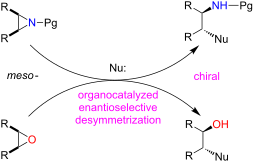
Figure 1: The catalyzed enantioselective desymmetrization.
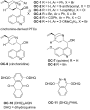
Figure 2: Cinchona alkaloid-derived catalysts OC-1 to OC-11.

Scheme 1: The enantioselective desymmetrization of meso-aziridines in the presence of selected Cinchona alkal...

Figure 3: Cinchona alkaloid-derived catalysts OC-12 to OC-19.

Scheme 2: The enantioselective ring-opening of aziridines in the presence of OC-16.

Scheme 3: OC-16 catalyzed enantioselective ring-opening of aziridines.

Figure 4: The chiral phosphoric acids catalysts OC-20 and OC-21.

Scheme 4: OC-20 and OC-21 catalyzed enantioselective desymmetrization of meso-aziridines.

Figure 5: The proposed mechanism for chiral phosphorous acid-induced enantioselctive desymmetrization of meso...

Scheme 5: OC-21 catalyzed enantioselective desymmetrization of meso-aziridines by Me3SiSPh.

Scheme 6: OC-21 catalyzed the enantioselective desymmetrization of meso-aziridines by Me3SiSePh/PhSeH.

Figure 6: L-Proline and its derivatives OC-22 to OC-27.

Scheme 7: OC-23 catalyzed enantioselective desymmetrization of meso-aziridines.

Figure 7: Proposed bifunctional mode of action of OC-23.

Figure 8: The chiral thioureas OC-28 to OC-44 for the desymmetrization of meso-aziridines.

Scheme 8: Desymmetrization of meso-aziridines with OC-41.

Figure 9: The chiral guanidines (OC-45 to OC-48).

Scheme 9: OC-46 catalyzed desymmetrization of meso-aziridines by arylthiols.

Scheme 10: Desymmetrization of cis-aziridine-2,3-dicarboxylate.

Figure 10: The proposed activation mode of OC-46.

Scheme 11: The enantioselective desymmetrization of meso-aziridines by amine/CS2 in the presence of OC-46.

Figure 11: The chiral 1,2,3-triazolium chlorides OC-49 to OC-55.

Scheme 12: The enantioselective desymmetrization of meso-aziridines by Me3SiX (X = Cl or Br) in the presence o...

Figure 12: Early organocatalysts for enantioselective desymmetrization of meso-epoxides.

Scheme 13: Attempts of enantioselective desymmetrization of meso-epoxides in the presence of OC-58 or OC-60.

Scheme 14: The enantioselective desymmetrization of a meso-epoxide containing one P atom.
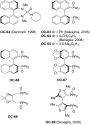
Figure 13: Some chiral phosphoramide and chiral phosphine oxides.

Scheme 15: OC-62 catalyzed enantioselective desymmetrization of meso-epoxides by SiCl4.

Figure 14: The proposed mechanism of the chiral HMPA-catalyzed desymmetrization of meso-epoxides.

Scheme 16: The enantioselective desymmetrization of meso-epoxides in the presence of OC-63.

Figure 15: The Chiral phosphine oxides (OC-70 to OC-77) based on an allene backbone.

Scheme 17: OC-73 catalyzed enantioselective desymmetrization of meso-epoxides by SiCl4.

Figure 16: Chiral pyridine N-oxides used in enantioselective desymmetrization of meso-epoxides.
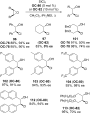
Scheme 18: Catalyzed enantioselective desymmetrization of meso-epoxides in the presence of OC-80 or OC-82.

Figure 17: Chiral pyridine N-oxides OC-85 to OC-94.

Scheme 19: Enantioselective desymmetrization of cis-stilbene oxide by using OC-85 to OC-92 as catalysts.

Figure 18: A novel family of helical chiral pyridine N-oxides OC-95 to OC-97.

Scheme 20: Desymmetrization of meso-epoxides catalyzed by OC-95 to OC-97.

Scheme 21: OC-98 catalyzed enantioselective desymmetrization of meso-epoxides by SiCl4.
Electron self-exchange activation parameters of diethyl sulfide and tetrahydrothiophene
- Martin Goez and
- Martin Vogtherr
Beilstein J. Org. Chem. 2013, 9, 1448–1454, doi:10.3762/bjoc.9.164
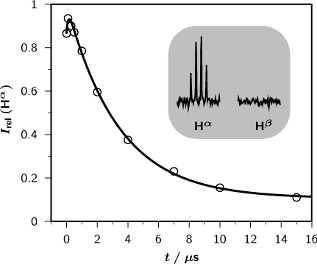
- their radical cations, which were generated by photoinduced electron transfer from the sulfides to excited 2,4,6-triphenylpyrylium cations, was investigated by time-resolved measurements of chemically induced dynamic nuclear polarization (CIDNP) in acetonitrile. The strongly negative activation
- solvent reorganization. Keywords: CIDNP; electron transfer; free radicals; kinetics; photochemistry; pyrylium salts; self-exchange; sulfides; Introduction Single-electron transfer is probably the simplest chemical process of an organic molecule, because usually no full bonds are broken or formed. For
- reaction into a hydrogen abstraction. In a previous report on two aliphatic amines [20], we have used time-resolved CIDNP experiments to distinguish between the ensuing electron and hydrogen self-exchanges of D•+ and . In the present work, we investigate two structurally similar aliphatic sulfides

Graphical Abstract

Figure 1: Time-resolved CIDNP measurements on a sample of 5 × 10⁻³ M DES in acetonitrile-d3 sensitized by 2 ×...

Figure 2: Eyring plots of the self-exchange rate constants kex for DES (open circles and broken line; linear ...
Use of 3-[18F]fluoropropanesulfonyl chloride as a prosthetic agent for the radiolabelling of amines: Investigation of precursor molecules, labelling conditions and enzymatic stability of the corresponding sulfonamides
- Reik Löser,
- Steffen Fischer,
- Achim Hiller,
- Martin Köckerling,
- Uta Funke,
- Aurélie Maisonial,
- Peter Brust and
- Jörg Steinbach
Beilstein J. Org. Chem. 2013, 9, 1002–1011, doi:10.3762/bjoc.9.115
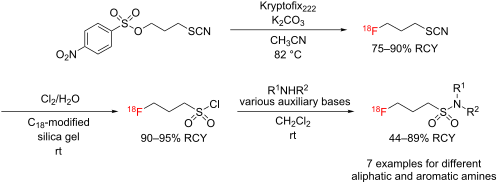
- chlorides can be generated by oxidation with aqueous chlorine from a variety of organosulfur species such as thiols, sulfides, disulfides, thioesters, isothiouronium salts, xanthates and thiocyanates [22]. The latter class of organic sulfur compounds seems to be most advantageous, as organic thiocyanates

Graphical Abstract

Figure 1: Selection of prosthetic agents for 18F-labelling via acylation.

Scheme 1: Synthesis of radiofluorination precursors 3 and 4. Reagents and conditions: (a) KSCN, CH3OH, reflux...

Scheme 2: Synthesis of 3-fluoropropanesulfonamide 11 via intermediary 3-fluoropropanesulfonyl chloride (10). ...

Scheme 3: Synthesis of 3-fluoropropanesulfonamides 12–18. Reagents and conditions: (a) triethylamine (TEA), CH...
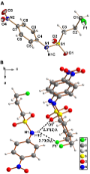
Figure 2: (A) View of the molecular structure of sulfonamide 18 with atom labelling scheme. Displacement elli...

Figure 3: Dependence of the labelling yields of [18F]9 on the precursor amount. Reactions of tosylate 3 and n...

Figure 4: Time course of the distillation of 3-[18F]fluoropropyl thiocyanate ([18F]9) in the argon stream. Fo...

Scheme 4: Radiosynthesis of 3-[18F]fluoropropanesulfonamides [18F]11–[18F]18. Reagents and conditions: (a) [18...

Figure 5: Radio-HPLC chromatograms for the reaction of [18F]10 with (A) 4-fluoroaniline in the absence and pr...

Figure 6: Time course of the carboxylesterase-catalysed degradation of 3-fluoropropansulfonamide 17 (red) and...
Efficient Cu-catalyzed base-free C–S coupling under conventional and microwave heating. A simple access to S-heterocycles and sulfides
- Silvia M. Soria-Castro and
- Alicia B. Peñéñory
Beilstein J. Org. Chem. 2013, 9, 467–475, doi:10.3762/bjoc.9.50
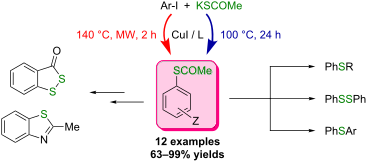
- microwave irradiation the time was drastically reduced to 2 h. Both procedures are simple and involve a low-cost catalytic system. This methodology was also applied to the “one-pot” synthesis of target heterocycles, such as 3H-benzo[c][1,2]dithiol-3-one and 2-methylbenzothiazole, alkyl aryl sulfides, diaryl
- disulfides and asymmetric diaryl sulfides in good yields. Keywords: catalysis; copper; cross-coupling; potassium thioacetate; sulfur heterocycles; Introduction Aromatic sulfur compounds including sulfides and heterocycles are relevant in chemical, pharmaceutical and materials industries [1][2][3]. As a
- diverse heterocycles containing sulfur atoms by intra- [42][43][44] and intermolecular [45][46][47] reactions. Aryl thioesters are versatile intermediates for the synthesis of a variety of sulfur compounds including aryl thiols, aryl alkyl sulfides, aryl sulfenyl chlorides, aryl sulfonyl chlorides [48

Graphical Abstract

Figure 1: Examples of some pharmaceutically and chemically important derivatives.

Scheme 1: Synthesis of S-phenyl benzothioate.

Scheme 2: Synthesis of S-phenyl thioacetate.

Scheme 3: Synthesis of 6 by reaction between 7 and 1.

Scheme 4: Reaction of 2-iodobenzoic acid (9) with 1.

Scheme 5: Suggested one-pot synthesis of heterocycle 6.

Scheme 6: Reaction of N-(2-iodophenyl)acetamide (13) with 1.

Scheme 7: Synthesis of 2-methylbenzothiazole (14).

Scheme 8: One-pot three-step synthesis of sulfides. (a) KI/I2; (b) BrCH2Ph; (c) MeI; (d) 4-AnI, CuI/1,10-phen...
Stereoselective synthesis of tetrasubstituted alkenes via a sequential carbocupration and a new sulfur–lithium exchange
- Andreas Unsinn,
- Cora Dunst and
- Paul Knochel
Beilstein J. Org. Chem. 2012, 8, 2202–2206, doi:10.3762/bjoc.8.248
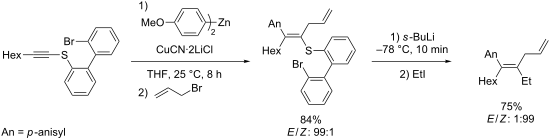
- due to steric hindrance and proceeds only if electron-withdrawing groups are attached to the alkyne unit to facilitate the carbometalation step. Recently, we studied the chemistry of alkenyl sulfides and their use for carbometalation extensively [13]. Therefore, we envisioned using an alkynyl

Graphical Abstract

Scheme 1: Synthesis of tetrasubstituted olefins by a successive carbocupration and S–Li exchange.

Scheme 2: Proposed mechanism of the sulfur–lithium exchange starting with the alkenyl thioether 4.

Scheme 3: Synthesis of the precursor 1a.

Scheme 4: Carbocupration of the thioether 1a leading to the tetrasubstituted alkene 4a.

Scheme 5: Synthesis of the alkenyllithium reagent 7a by an S–Li exchange.

Scheme 6: Quenching of the alkynyllithium 7a. (Product ratios and diastereoselectivities were determined by 1...

Scheme 7: Synthesis and quenching of Z-styryllithium.
The chemistry of bisallenes
- Henning Hopf and
- Georgios Markopoulos
Beilstein J. Org. Chem. 2012, 8, 1936–1998, doi:10.3762/bjoc.8.225

Graphical Abstract

Figure 1: Loschmidt’s structure proposal for benzene (1) (Scheme 181 from [3]) and the corresponding modern stru...

Figure 2: The first isolated bisallenes.

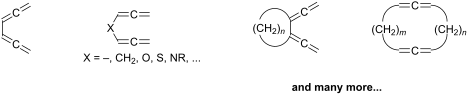
Figure 3: Carbon skeletons of selected bisallenes discussed in this review.

Scheme 1: The preparation of 1,2,4,5-hexatetraene (2).

Scheme 2: The preparation of a conjugated bisallene by the DMS-protocol.

Scheme 3: Preparation of the 3-deuterio- and 3,4-dideuterio derivatives of 24.

Scheme 4: A versatile method to prepare alkylated conjugated bisallenes and other allenes.

Scheme 5: A preparation of 3,4-dimethyl-1,2,4,5-hexatetraene (38).

Scheme 6: A (C6 + 0)-approach to 1,2,4,5-hexatetraene (2).

Scheme 7: The preparation of a fully alkylated bisallenes from a 2,4-hexadiyne-1,6-diol diacetate.

Scheme 8: The preparation of the first phenyl-substituted conjugated bisallenes 3 and 4.

Scheme 9: Selective hydrogenation of [5]cumulenes to conjugated bisallenes: another (C6 + 0)-route.

Scheme 10: Aryl-substituted conjugated bisallenes by a (C3 + C3)-approach.

Scheme 11: Hexaphenyl-1,2,4,5-hexatetraene (59) by a (C3 + C3)-approach.

Scheme 12: An allenation route to conjugated bisallenes.

Scheme 13: The preparation of 3,4-difunctionalized conjugated bisallenes.

Scheme 14: Problems during the preparation of sulfur-substituted conjugated bisallenes.

Scheme 15: The preparation of 3,4-dibromo bisallenes.

Scheme 16: Generation of allenolates by an oxy-Cope rearrangement.

Scheme 17: A linear trimerization of alkynes to conjugated bisallenes: a (C2 + C2 + C2)-protocol.

Scheme 18: Preparation of a TMS-substituted conjugated bisallene by a C3-dimerization route.

Scheme 19: A bis(trimethylsilyl)bisallene by a C3-coupling protocol.

Scheme 20: The rearrangement of highly substituted benzene derivatives into their conjugated bisallenic isomer...

Scheme 21: From fully substituted benzene derivatives to fully substituted bisallenes.

Scheme 22: From a bicyclopropenyl to a conjugated bisallene derivative.

Scheme 23: The conversion of a bismethylenecyclobutene into a conjugated bisallene.

Scheme 24: The preparation of monofunctionalized bisallenes.

Scheme 25: Preparation of bisallene diols and their cyclization to dihydrofurans.

Scheme 26: A 3,4-difunctionalized conjugated bisallene by a C3-coupling process.

Scheme 27: Preparation of a bisallenic diketone by a coupling reaction.

Scheme 28: Sulfur and selenium-substituted bisallenes by a [2.3]sigmatropic rearrangement.

Scheme 29: The biallenylation of azetidinones.

Scheme 30: The preparation of a fully ferrocenylated conjugated bisallene.

Scheme 31: The first isomerization of a 1,5-hexadiyne to a 1,2,4,5-hexatetraene.

Scheme 32: The preparation of alkynyl-substituted bisallenes by a C3-dimerization protocol.

Scheme 33: Preparation of another completely ferrocenylated bisallene.

Scheme 34: The cyclization of 1,5-hexadiyne (129) to 3,4-bismethylenecyclobutene (130) via 1,2,4,5-hexatetraen...
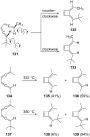
Scheme 35: Stereochemistry of the thermal cyclization of bisallenes to bismethylenecyclobutenes.

Scheme 36: Bisallene→bismethylenecyclobutene ring closures in the solid state.

Scheme 37: A bisallene cyclization/dimerization reaction.

Scheme 38: A selection of Diels–Alder additions of 1,2,4,5-hexatetraene with various double-bond dienophiles.

Scheme 39: The stereochemistry of the [2 + 4] cycloaddition to conjugated bisallenes.

Scheme 40: Preparation of azetidinone derivatives from conjugated bisallenes.

Scheme 41: Cycloaddition of heterodienophiles to a conjugated bisallene.

Scheme 42: Addition of triple-bond dienophiles to conjugated bisallenes.

Scheme 43: Sulfur dioxide addition to conjugated bisallenes.

Scheme 44: The addition of a germylene to a conjugated bisallene.

Scheme 45: Trapping of conjugated bisallenes with phosphinidenes.

Scheme 46: The cyclopropanantion of 1,2,4,5-hexatetraene (2).

Scheme 47: Photochemical reactions involving conjugated bisallenes.

Scheme 48: Base-catalyzed isomerizations of conjugated bisallenes.

Scheme 49: Ionic additions to a conjugated bisallene.

Scheme 50: Oxidation reactions of a conjugated bisallene.
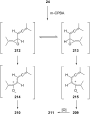
Scheme 51: The mechanism of oxidation of the bisallene 24.

Scheme 52: CuCl-catalyzed cyclization of 1,2,4,5-hexatetraene (2).

Scheme 53: The conversion of conjugated bisallenes into cyclopentenones.

Scheme 54: Oligomerization of a conjugated bisallene by nickel catalysts.
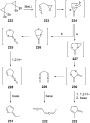
Scheme 55: Generation of 1,2,5,6-heptatetraene (229) as a reaction intermediate.

Scheme 56: The preparation of a stable derivative of 1,2,5,6-heptatetraene.

Scheme 57: A bisallene with a carbonyl group as a spacer element.

Scheme 58: The first preparation of 1,2,6,7-octatetraene (242).

Scheme 59: Preparation of 1,2,6,7-octatetraenes by (C4 + C4)-coupling of enynes.

Scheme 60: Preparation of 1,2,6,7-octatetraenes by (C4 + C4)-coupling of homoallenyl bromides.

Scheme 61: Preparation of 1,2,6,7-octatetraenes by alkylation of propargylic substrates.

Scheme 62: Preparation of two highly functionalized 1,2,6,7-octatetraenes.

Scheme 63: Preparation of several higher α,ω-bisallenes.

Scheme 64: Preparation of different alkyl derivatives of α,ω-bisallenes.

Scheme 65: The preparation of functionalized 1,2,7,8-nonatetraene derivatives.

Scheme 66: Preparation of functionalized α,ω-bisallenes.

Scheme 67: The preparation of an α,ω-bisallene by direct homologation of an α,ω-bisalkyne.

Scheme 68: The gas-phase pyrolysis of 4,4-dimethyl-1,2,5,6-heptatetraene (237).
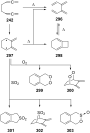
Scheme 69: Gas-phase pyrolysis of 1,2,6,7-octatetraene (242).

Scheme 70: The cyclopropanation of 1,2,6,7-octatetraene (242).

Scheme 71: Intramolecular cyclization of 1,2,6,7-octatetraene derivatives.

Scheme 72: The gas-phase pyrolysis of 1,2,7,8-nonatetraene (265) and 1,2,8,9-decatetraene (266).

Scheme 73: Rh-catalyzed cyclization of a functionalized 1,2,7,8-nonatetraene.

Scheme 74: A triple cyclization involving two different allenic substrates.

Scheme 75: Bicyclization of keto derivatives of 1,2,7,8-nonatetraene.

Scheme 76: The preparation of complex organic compounds from functionalized bisallenes.

Scheme 77: Cycloisomerization of an α,ω-bisallene containing a C9 tether.

Scheme 78: Organoborane polymers from α,ω-bisallenes.

Scheme 79: Preparation of trans- (337) and cis-1,2,4,6,7-octapentaene (341).

Scheme 80: The preparation of 4-methylene-1,2,5,6-heptatetraene (349).

Scheme 81: The preparation of acetylenic bisallenes.

Scheme 82: The preparation of derivatives of hydrocarbon 351.

Scheme 83: The construction of macrocyclic alleno-acetylenes.

Scheme 84: Preparation and reactions of 4,5-bismethylene-1,2,6,7-octatetraene (365).

Scheme 85: Preparation of 1,2-bis(propadienyl)benzene (370).

Scheme 86: The preparation of 1,4-bis(propadienyl)benzene (376).

Scheme 87: The preparation of aromatic and heteroaromatic bisallenes by metal-mediated coupling reactions.

Scheme 88: Double cyclization of an aromatic bisallene.

Scheme 89: Preparation of an allenic [15]paracyclophane by a ring-closing metathesis reaction of an aromatic α...

Scheme 90: Preparation of a macrocyclic ring system containing 1,4-bis(propadienyl)benzene units.

Scheme 91: Preparation of copolymers from 1,4-bis(propadienyl)benzene (376).

Scheme 92: A boration/copolymerization sequence of an aromatic bisallene and an aromatic bisacetylene.

Scheme 93: Formation of a layered aromatic bisallene.

Figure 4: The first members of the semicyclic bisallene series.

Scheme 94: Preparation of the first bis(vinylidene)cyclobutane derivative.
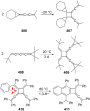
Scheme 95: Dimerization of strain-activated cumulenes to bis(vinylidene)cyclobutanes.

Scheme 96: Photodimerization of two fully substituted butatrienes in the solid state.

Scheme 97: Preparation of the two parent bis(vinylidene)cyclobutanes.

Scheme 98: The preparation of 1,3-bis(vinylidene)cyclopentane and its thermal isomerization.

Scheme 99: The preparation of the isomeric bis(vinylidene)cyclohexanes.

Scheme 100: Bi- and tricyclic conjugated bisallenes.
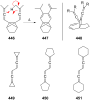
Scheme 101: A selection of polycyclic bisallenes.

Scheme 102: The first endocyclic bisallenes.

Figure 5: The stereochemistry of 1,2,6,7-cyclodecatetraene.

Scheme 103: The preparation of several endocyclic bisallenes.

Scheme 104: Synthesis of diastereomeric derivatives of 1,2,6,7-cyclodecatetraene.

Scheme 105: Preparation of a derivative of 1,2,8,9-cyclotetradecatetraene.

Scheme 106: The preparation of keto derivatives of cyclic bisallenes.

Scheme 107: The preparation of cyclic biscumulenic ring systems.

Scheme 108: Cyclic bisallenes in natural- and non-natural-product chemistry.

Scheme 109: The preparation of iron carbonyl complexes from cyclic bisallenes.

Figure 6: A selection of unknown exocyclic bisallenes that should have interesting chemical properties.

Scheme 110: The thermal isomerization of 1,2-diethynylcyclopropanes and -cyclobutanes.

Scheme 111: Intermediate generation of a cyclooctapentaene.

Scheme 112: Attempted preparation of a cyclodecahexaene.

Scheme 113: The thermal isomerization of 1,5,9-cyclododecatriyne (511) into [6]radialene (514).

Scheme 114: An isomerization involving a diketone derived from a conjugated bisallene.

Scheme 115: Typical reaction modes of heteroorganic bisallenes.

Scheme 116: Generation and thermal behavior of acyclic hetero-organic bisallenes.

Scheme 117: Generation of bis(propadienyl)thioether.

Scheme 118: The preparation of a bisallenic sulfone and its thermal isomerization.

Scheme 119: Bromination of the bisallenic sulfone 535.

Scheme 120: Metalation/hydrolysis of the bisallenic sulfone 535.

Scheme 121: Aromatic compounds from hetero bisallenes.

Scheme 122: Isomerization/cyclization of bispropargylic ethers.

Scheme 123: The preparation of novel aromatic systems by base-catalyzed isomerization of bispropargyl ethers.

Scheme 124: The isomerization of bisacetylenic thioethers to bicyclic thiophenes.

Scheme 125: Aromatization of macrocyclic bispropargylic sulfides.

Scheme 126: Preparation of ansa-compounds from macrocyclic bispropargyl thioethers.

Scheme 127: Alternate route for cyclization of a heterorganic bisallene.
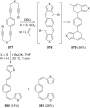
Scheme 128: Multiple isomerization/cyclization of “double” bispropargylic thioethers.

Scheme 129: Preparation of a bisallenyl disulfide and its subsequent bicyclization.

Scheme 130: Thermal cyclization of a bisallenyl thiosulfonate.

Scheme 131: Some reactions of heteroorganic bisallenes with two sulfur atoms.

Scheme 132: Further methods for the preparation of heteroorganic bisallenes.

Scheme 133: Cyclization reactions of heteroorganic bisallenes.

Scheme 134: Thermal cycloadditions of bisallenic tertiary amines.

Scheme 135: Cyclization of a bisallenic tertiary amine in the presence of a transition-metal catalyst.

Scheme 136: A Pauson–Khand reaction of a bisallenic ether.

Scheme 137: Formation of a 2:1adduct from two allenic substrates.

Scheme 138: A ring-forming silastannylation of a bisallenic tertiary amine.

Scheme 139: A three-component cyclization involving a heterorganic bisallene.

Scheme 140: Atom-economic construction of a complex organic framework from a heterorganic α,ω-bisallene.
Facile synthesis of functionalized tetrahydroquinolines via domino Povarov reactions of arylamines, methyl propiolate and aromatic aldehydes
- Jing Sun,
- Hong Gao,
- Qun Wu and
- Chao-Guo Yan
Beilstein J. Org. Chem. 2012, 8, 1839–1843, doi:10.3762/bjoc.8.211
- dienophiles, vinyl enol ethers, vinyl enamides, vinyl sulfides, cyclopentadienes, indenes, alkynes and enamines have been mostly used in this method [12][13][14][15][16][17][18][19][20][21][22]. β-Enamino esters [23][24][25][26], which may be readily generated in situ by the addition of a primary amine to

Graphical Abstract

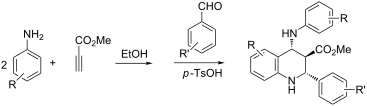
Scheme 1: Synthesis of polysubstituted tetrahydroquinolines 1a–1m.

Figure 1: Molecular structure of compound 1c.
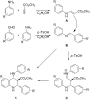
Scheme 2: The proposed mechanism of domino Povarov reaction.
Carbamate-directed benzylic lithiation for the diastereo- and enantioselective synthesis of diaryl ether atropisomers
- Abigail Page and
- Jonathan Clayden
Beilstein J. Org. Chem. 2011, 7, 1327–1333, doi:10.3762/bjoc.7.156
- ], sulfides and sulfones [13], and many of the methods we developed for their asymmetric synthesis employed dynamic resolution techniques under kinetic or thermodynamic control [6][11][13][14][15][16]. The mechanistic possibilities associated with dynamic resolution were initially elaborated by Beak for

Graphical Abstract
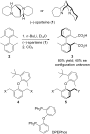
Scheme 1: Desymmetrising metallation for the enantioselective synthesis of atropisomers.

Scheme 2: Benzylic lithiation of a diaryl ether.

Scheme 3: Benzylic metallation of a diaryl ether α to a carbamate.

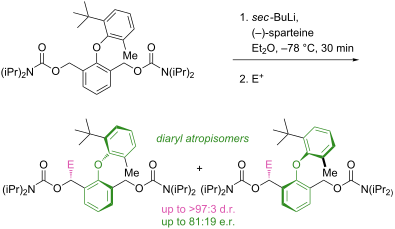
Scheme 4: Diastereo- and enantioselective synthesis of atropisomeric ethers by benzylic lithiation.

Scheme 5: Atroposelective stannylation.

Scheme 6: Stereospecific tin–lithium exchange/quench reactions.

Scheme 7: Proposed stereochemical pathway.
Nano copper oxide catalyzed synthesis of symmetrical diaryl sulfides under ligand free conditions
- K. Harsha Vardhan Reddy,
- V. Prakash Reddy,
- A. Ashwan Kumar,
- G. Kranthi and
- Y.V.D. Nageswar
Beilstein J. Org. Chem. 2011, 7, 886–891, doi:10.3762/bjoc.7.101
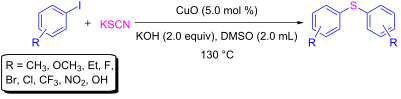
- reactions mediated by recyclable copper oxide nanoparticles under ligand free conditions. This protocol avoids foul smelling thiols, for the synthesis of a variety of symmetrical diaryl sulfides, via the cross-coupling of different aryl halides with potassium thiocyanate, affording corresponding products in
- moderate to excellent yields. Keywords: aryl halides; aryl sulfides; copper oxide; cross-coupling; ligand free; potassium thiocyanate; recyclable; Introduction After the discovery of copper-promoted Ullmann reaction [1][2][3] for the construction of carbon-hetero atom bonds, several protocols have been
- reported over the years to establish C–N, C–O, and C–S linkages. Carbon–sulfur bonds are widespread, occurring in numerous pharmaceutically and biologically active compounds [4][5][6][7][8]. A large variety of aryl sulfides are in use for diverse clinical applications in the treatment of cancer [9], HIV

Graphical Abstract

Scheme 1: Synthesis of symmetrical aryl sulfides catalyzed by copper oxide nanoparticles.
Solvent- and ligand-induced switch of selectivity in gold(I)-catalyzed tandem reactions of 3-propargylindoles
- Estela Álvarez,
- Delia Miguel,
- Patricia García-García,
- Manuel A. Fernández-Rodríguez,
- Félix Rodríguez and
- Roberto Sanz
Beilstein J. Org. Chem. 2011, 7, 786–793, doi:10.3762/bjoc.7.89
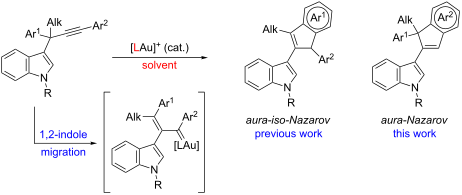
- esters have been extensively investigated. In these processes the gold-carbenoid species generated are able to undergo a wide variety of further transformations [8][9][10][11]. In addition, propargylic sulfides have also been reported as useful substrates for this type of process, participating in

Graphical Abstract
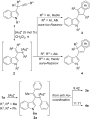
Scheme 1: Formation of 3-(inden-2-yl)indoles 3 and 4 from 3-propargylindoles. Energy barriers (kcal/mol) for ...

Scheme 2: Tandem 1,2-indole migration/aura-Nazarov cyclization from 3-propargylindoles bearing an aromatic su...

Figure 1: ORTEP diagram for 4a. Ellipsoids are shown at 30% level (hydrogen atoms are omitted for clarity).

Scheme 3: Comparison of the reactivity of C-2 substituted indoles 1j and 1k. Conditions: a) (Ph3P)AuCl/AgSbF6...

Scheme 4: Reactions of 3-propargylindoles 1l and 1m with bulky alkyl substituents at the propargylic position...
Alkene selenenylation: A comprehensive analysis of relative reactivities, stereochemistry and asymmetric induction, and their comparisons with sulfenylation
- Vadim A. Soloshonok and
- Donna J. Nelson
Beilstein J. Org. Chem. 2011, 7, 744–758, doi:10.3762/bjoc.7.85
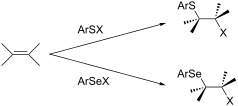
- -chloroalkyl aryl sulfides and selenides, respectively. Conversely, differences between the two reactions have been reported, but the sources of these differences have not been fully explained: While arenesulfenyl chlorides add to alkenes with an anti-Markovnikov orientation, areneselenenyl chlorides add with

Graphical Abstract

Figure 1: Chiral aryl selenium electrophiles 1–3.

Scheme 1: Plausible mechanism of alkene selenenylation.

Figure 2: Plot of log krel values for PhSeCl addition to alkenes versus their corresponding IEs. Point number...

Figure 3: Plot of log krel values for PhSeCl addition to alkenes versus their corresponding HOMOs, analogous ...

Figure 4: Plot of log krel versus HOMO shows data grouped by branching at α position. Data are from Table 3; point n...

Scheme 2: Major products from reactions of 1 and 2 with representative alkenols.

Figure 5: Structure of intermediate complex 9.

Figure 6: Plot of log krel values for PhSCl addition to alkenes versus their IEs. Data are from Table 6.
Asymmetric synthesis of tertiary thiols and thioethers
- Jonathan Clayden and
- Paul MacLellan
Beilstein J. Org. Chem. 2011, 7, 582–595, doi:10.3762/bjoc.7.68
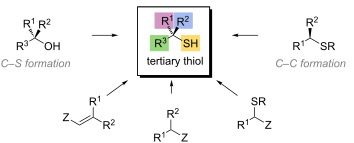
- , sulfimines and sulfilimines [9]. Chiral sulfoxides and sulfonium ylids have themselves been extensively used as tools for asymmetric synthesis [3]. With regard to chiral sulfur(II) compounds – namely thiols and thioethers (sulfides) with chirality at carbon – methods available for their asymmetric

Graphical Abstract

Figure 1: Seven out of the ten top selling drugs in the USA in 2009 contain sulfur. Figures in italics are to...

Figure 2: Naturally occurring organosulfur compounds glutathione and (R)-thioterpineol.

Figure 3: Methods for the synthesis of chiral tertiary thiol 1.

Scheme 1: Preparation of thioethers 4 from α-hydroxy esters.

Scheme 2: Nucleophilic substitution in α-aryl-α-hydroxy esters.

Scheme 3: Preparation of α,α-dialkylthioethers.

Scheme 4: Preparation of α-cyanothioacetate 12.

Scheme 5: Synthesis of (R)-(+)-spirobrassinin.

Scheme 6: Opening of cyclic sulfamidates with thiol nucleophiles.

Scheme 7: Synthesis of androgen 20.

Scheme 8: Synthesis of (+)-BE-52440A.

Scheme 9: The Mitsunobu reaction.

Scheme 10: Mitsunobu substitution at a quaternary centre.
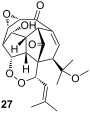
Figure 4: Initially assigned structure of hexacyclinol.

Scheme 11: Preparation of thioether 29.

Scheme 12: Thioethers 33 prepared from phosphinites 31.

Scheme 13: Preparation of enantiomerically pure thiol 39.

Scheme 14: Thioethers prepared by a modified Mitsunobu reaction.

Scheme 15: Nucleophilic conjugate addition.

Scheme 16: Asymmetric addition to cyclic enones.

Scheme 17: Preparation of thioether 45.

Scheme 18: Catalytic kinetic resolution of the enantiomers of enone 46.
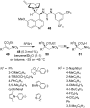
Scheme 19: Organocatalytic conjugate addition to nitroalkenes 49.

Scheme 20: Preparation of β-amino acid 54.

Scheme 21: Sulfur migration within oxazolidine-2-thiones 56.
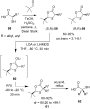
Scheme 22: Preparation of thiols 62 by self-regeneration of stereocentres.

Scheme 23: Synthesis of (5R)-thiolactomycin.

Scheme 24: Preparation of tertiary thiols and thioethers via α-thioorganolithiums.

Scheme 25: Diastereoselective methylation of organolithium 71.

Scheme 26: Addition to lithiated thiocarbamate 75.

Scheme 27: Configurational lability in unhindered α-lithiothiocarbamates.

Scheme 28: Configurational stability in bulky α-lithiothiocarbamates.

Scheme 29: Asymmetric functionalisation of secondary benzylic thiocarbamates.

Scheme 30: Methylation of lithioallyl thiocarbamates.

Scheme 31: Asymmetric preparation of tertiary allylic thiols.
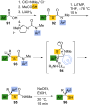
Scheme 32: Asymmetric preparation of thiols 96 by aryl migration in lithiated thiocarbamates.
The allylic chalcogen effect in olefin metathesis
- Yuya A. Lin and
- Benjamin G. Davis
Beilstein J. Org. Chem. 2010, 6, 1219–1228, doi:10.3762/bjoc.6.140
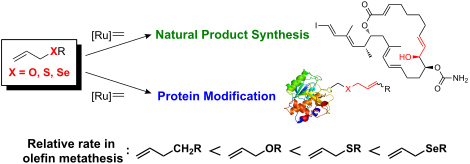
- hydroxy group in metathesis has been known for more than 10 years, and many organic chemists have taken advantage of this positive influence for efficient synthesis of natural products. Recently, the discovery of the rate enhancement by allyl sulfides in aqueous cross-metathesis has allowed the first
- . Keywords: allyl substituent effect; allyl sulfides; aqueous chemistry; olefin metathesis; protein modifications; Review Olefin metathesis is one of the most useful chemical transformations for forming carbon–carbon bonds in organic synthesis (Scheme 1) [1][2][3][4]. The broad utility of olefin metathesis
- substrates [27][28]. The effect of other allylic chalcogens in olefin metathesis Allyl sulfides are privileged substrates in olefin metathesis While there are many examples of allylic alcohols and ethers in metathesis, examples with allyl sulfide substrates were until recently noticeably few. This is

Graphical Abstract

Scheme 1: a) Variation of olefin metathesis: CM = cross-metathesis; RCM = ring-closing metathesis; ROM = ring...

Figure 1: Allylic hydroxy activation in RCM [19].

Figure 2: Possible complexes generated through preassociation of allylic alcohol with ruthenium.

Scheme 2: The influence of different OR groups on ring size-selectivity [21].

Scheme 3: Synthesis of palmerolide A precursors by Nicolaou et al. illustrates enhancement by an allylic hydr...

Scheme 4: a) Acceleration of ring-closing enyne metathesis by the allylic hydroxy group [23]. b) Proposed mode of...

Scheme 5: a) Effect of the hydroxy group on the rate and steroselectivity of ROCM [24]. b) Proposed H-bonded ruth...

Scheme 6: Plausible explanation for chemoselective CM of diene 16 [25].

Scheme 7: a) Efficient cross-metathesis of S-allylcysteine [17]. b) Comparison of relative reactivity between all...

Scheme 8: a) Macrocycle synthesis by carbonyl-relayed RCM. b) Putative complex in carbonyl-relayed RCM [33].

Scheme 9: a) Sulfur assisted cross-metathesis [17]. b) Putative unproductive chelates for larger ring sizes gener...

Scheme 10: Functionalization of Mukaiyama aldol product by CM in aqueous media [37].

Scheme 11: Comparison of reactivity between allyl sulfides and allyl selenides in aqueous cross-metathesis [38].

Scheme 12: Ring-closing metathesis on a protein [18].

Scheme 13: Expanded substrate scope of cross-metathesis on proteins [38].
Aromatic and heterocyclic perfluoroalkyl sulfides. Methods of preparation
- Vladimir N. Boiko
Beilstein J. Org. Chem. 2010, 6, 880–921, doi:10.3762/bjoc.6.88
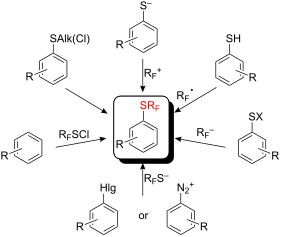
- Vladimir N. Boiko Institute of Organic Chemistry, National Academy of Sciences of Ukraine, Murmanskaya St. 5, 02094 Kiev, Ukraine 10.3762/bjoc.6.88 Abstract This review covers all of the common methods for the syntheses of aromatic and heterocyclic perfluoroalkyl sulfides, a class of compounds
- -process; perfluoroalkylation; perfluoroalkyl sulfides; SRF-introduction; Review 1. Introduction Perfluoroalkyl sulfides of aromatic and heterocyclic compounds have been an important aspect in the general development of organofluorine chemistry over the last twenty years. Alkyl aryl sulfides containing
- partly fluorinated aliphatic moieties have been widely used for a number of years. Their methods of preparation, for example, by the reaction of thiols with fluoro-olefins or with chloropolyfluoroalkanes are well known and have been widely used. In contrast, sulfides with fully fluorinated aliphatic

Graphical Abstract

Figure 1: Examples of industrial fluorine-containing bio-active molecules.

Figure 2: CF3(S)- and CF3(O)-containing pharmacologically active compounds.

Figure 3: Hypotensive candidates with SRF and SO2RF groups – analogues of Losartan and Nifedipin.

Figure 4: The variety of the pharmacological activity of RFS-substituted compounds.

Figure 5: Recent examples of compounds containing RFS(O)n-groups [12-18].

Scheme 1: Fluorination of ArSCCl3 to corresponding ArSCF3 derivatives. For references see: a[38-43]; b[41,42]; c[43]; d[44]; e[38-43,45-47]; f[38-43,48,49]; g...

Scheme 2: Preparation of aryl pentafluoroethyl sulfides.

Scheme 3: Mild fluorination of the aryl SCF2Br derivatives.

Scheme 4: HF fluorinations of aryl α,α,β-trichloroisobutyl sulfide at various conditions.

Scheme 5: Monofluorination of α,α-dichloromethylene group.

Scheme 6: Electrophilic substitution of phenols with CF3SCl [69].

Scheme 7: Introduction of SCF3 groups into activated phenols [71-74].

Scheme 8: Preparation of tetrakis(SCF3)-4-methoxyphenol [72].

Scheme 9: The interactions of resorcinol and phloroglucinol derivatives with RFSCl.

Scheme 10: Reactions of anilines with CF3SCl.

Scheme 11: Trifluoromethylsulfanylation of anilines with electron-donating groups in the meta position [74].

Scheme 12: Reaction of benzene with CF3SCl/CF3SO3H [77].

Scheme 13: Reactions of trifluoromethyl sulfenyl chloride with aryl magnesium and -mercury substrates.

Scheme 14: Reactions of pyrroles with CF3SCl.

Scheme 15: Trifluoromethylsulfanylation of indole and indolizines.

Scheme 16: Reactions of N-methylpyrrole with CF3SCl [80,82].

Scheme 17: Reactions of furan, thiophene and selenophene with CF3SCl.

Scheme 18: Trifluoromethylsulfanylation of imidazole and thiazole derivatives [83].

Scheme 19: Trifluoromethylsulfanylation of pyridine requires initial hydride reduction.

Scheme 20: Introduction of additional RFS-groups into heterocyclic compounds in the presence of CF3SO3H.

Scheme 21: Introduction of additional RFS-groups into pyrroles [82,87].

Scheme 22: By-products in reactions of pyrroles with CF3SCl [82].

Scheme 23: Reaction of aromatic iodides with CuSCF3 [93,95].

Scheme 24: Reaction of aromatic iodides with RFZCu (Z = S, Se), RF = CF3, C6F5 [93,95,96].

Scheme 25: Side reactions during trifluoromethylsulfanylation of aromatic iodides with CF3SCu [98].

Scheme 26: Reactions with in situ generated CuSCF3.

Scheme 27: Perfluoroalkylthiolation of aryl iodides with bulky RFSCu [105].

Scheme 28: In situ formation and reaction of RFZCu with aryl iodides.

Figure 6: Examples of compounds obtained using in situ generated RFZCu methodology [94].

Scheme 29: Introduction of SCF3 group into aromatics via difluorocarbene.

Scheme 30: Tetrakis(dimethylamino)ethylene dication trifluoromethyl thiolate as a stable reagent for substitut...

Scheme 31: The use of CF2=S/CsF or (CF3S)2C=S/CsF for the introduction of CF3S groups into fluorinated heteroc...

Scheme 32: One-pot synthesis of ArSCF3 from ArX, CCl2=S and KF.

Scheme 33: Reaction of aromatics with CF3S− Kat+ [115].

Scheme 34: Reactions of activated aromatic chlorides with AgSCF3/KI.

Scheme 35: Comparative CuSCF3/KI and Hg(SCF3)2/KI reactions.

Scheme 36: Me3SnTeCF3 – a reagent for the introduction of the TeCF3 group.

Scheme 37: Sandmeyer reactions with CuSCF3.

Scheme 38: Reactions of perfluoroalkyl iodides with alkali and organolithium reagents.

Scheme 39: Perfluoroalkylation with preliminary breaking of the disulfide bond.

Scheme 40: Preparation of RFS-substituted anilines from dinitrodiphenyl disulfides.

Scheme 41: Photochemical trifluoromethylation of 2,4,6-trimercaptochlorobenzene [163].

Scheme 42: Putative process for the formation of B, C and D.

Scheme 43: Trifluoromethylation of 2-mercapto-4-hydroxy-6-trifluoromethylyrimidine [145].

Scheme 44: Deactivation of 2-mercapto-4-hydroxypyrimidines S-centered radicals.

Scheme 45: Perfluoroalkylation of thiolates with CF3Br under UV irradiation.

Scheme 46: Catalytic effect of methylviologen for RF• generation.

Scheme 47: SO2−• catalyzed trifluoromethylation.

Scheme 48: Electrochemical reduction of CF3Br in the presence of SO2 [199,200].

Scheme 49: Participation of SO2 in the oxidation of ArSCF3−•.

Scheme 50: Electron transfer cascade involving SO2 and MV.

Scheme 51: Four stages of the SRN1 mechanism for thiol perfluoroalkylation.

Scheme 52: A double role of MV in the catalysis of RFI reactions with aryl thiols.

Scheme 53: Photochemical reaction of pentafluoroiodobenzene with trifluoromethyl disulfide.

Scheme 54: N- Trifluoromethyl-N-nitrosobenzene sulfonamide – a source of CF3• radicals [212,213].

Scheme 55: Radical trifluoromethylation of organic disulfides with ArSO2N=NCF3.

Scheme 56: Barton’s S-perfluoroalkylation reactions [216].

Scheme 57: Decarboxylation of thiohydroxamic esters in the presence of C6F13I.

Scheme 58: Reactions of thioesters of trifluoroacetic and trifluoromethanesulfonic acids in the presence of ar...

Scheme 59: Perfluoroalkylation of polychloropyridine thiols with xenon perfluorocarboxylates or XeF2 [222,223].

Scheme 60: Interaction of Xe(OCORF)2 with nitroaryl disulfide [227].

Scheme 61: Bi(CF3)3/Cu(OCOCH3)2 trifluoromethylation of thiophenolate [230].

Scheme 62: Reaction of fluorinated carbanions with aryl sulfenyl chlorides.

Scheme 63: Reaction of methyl perfluoromethacrylate with PhSCl in the presence of fluoride.

Scheme 64: Reactions of ArSCN with potassium and magnesium perfluorocarbanions [237].

Scheme 65: Reactions of RFI with TDAE and organic disulfides [239,240].

Scheme 66: Decarboxylation of perfluorocarboxylates in the presence of disulfides [245].

Scheme 67: Organization of a stable form of “CF3−” anion in the DMF.

Scheme 68: Silylated amines in the presence of fluoride can deprotonate fluoroform for reaction with disulfide...

Figure 7: Other examples of aminomethanols [264].

Scheme 69: Trifluoromethylation of diphenyl disulfide with PhSO2CF3/t-BuOK.

Scheme 70: Amides of trifluoromethane sulfinic acid are sources of CF3− anion.

Scheme 71: Trifluoromethylation of various thiols using “hyper-valent” iodine (III) reagent [279].

Scheme 72: Trifluoromethylation of p-nitrothiophenolate with diaryl CF3 sulfonium salts [280].

Scheme 73: Trifluoromethyl transfer from dibenzo (CF3)S-, (CF3)Se- and (CF3)Te-phenium salts to thiolates [283].

Scheme 74: Multi-stage paths for synthesis of dibenzo-CF3-thiophenium salts [61].
CAAC Boranes. Synthesis and characterization of cyclic (alkyl) (amino) carbene borane complexes from BF3 and BH3
- Julien Monot,
- Louis Fensterbank,
- Max Malacria,
- Emmanuel Lacôte,
- Steven J. Geib and
- Dennis P. Curran
Beilstein J. Org. Chem. 2010, 6, 709–712, doi:10.3762/bjoc.6.82
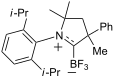
- , sulfides, etc.), NHC–borane complexes are highly stable in diverse environments. Complexes such as those shown in Figure 1 are white solids that can often be chromatographed if desired. Many such complexes resist decomplexation, oxidation, and both acidic and basic hydrolysis. Such NHC–boranes are

Graphical Abstract

Figure 1: Representative complexes of N-heterocyclic carbenes and boranes (NHC–boranes).

Figure 2: Bertrand’s amino anthracenyl carbene trifluoroborane complex.

Scheme 1: Synthesis of stable CAAC–BF3 complexes 3a and 3b and in situ generation of CAAC–BH3 complex 4a.

Figure 3: X-Ray crystal structures of CAAC–BF3 complexes 3a (top) and 3b (bottom).
Shelf-stable electrophilic trifluoromethylating reagents: A brief historical perspective
- Norio Shibata,
- Andrej Matsnev and
- Dominique Cahard
Beilstein J. Org. Chem. 2010, 6, No. 65, doi:10.3762/bjoc.6.65
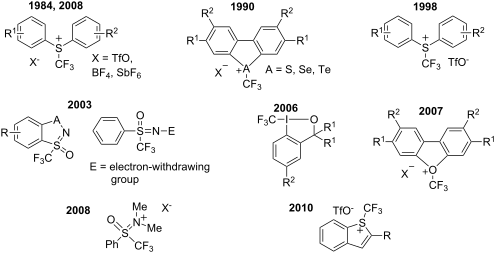
- . (trifluoromethyl)dibenzoheterocyclic salts with electron-donating and electron-withdrawing substituents in benzene rings for fine tuning of their electrophilicity [12][13][14]. (Trifluoromethyl)dibenzothio- and selenophenium salts 5 and 6, respectively, were synthesized either by oxidation of the starting sulfides

Graphical Abstract

Scheme 1: Preparation of the first electrophilic trifluoromethylating reagent and its reaction with a thiophe...

Scheme 2: Synthetic routes to S-CF3 and Se-CF3 dibenzochalcogenium salts.

Scheme 3: Synthesis of (trifluoromethyl)dibenzotellurophenium salts.

Scheme 4: Nitration of (trifluoromethyl)dibenzochalcogenium salts.

Scheme 5: Synthesis of a sulphonium salt with a bridged oxygen.

Scheme 6: Reactivity of (trifluoromethyl)dibenzochalcogenium salts.

Scheme 7: Pd(II)-Catalyzed ortho-trifluoromethylation of heterocycle-substituted arenes by Umemoto’s reagents....

Scheme 8: Mild electrophilic trifluoromethylation of β-ketoesters and silyl enol ethers.

Scheme 9: Enantioselective electrophilic trifluoromethylation of β-ketoesters.

Scheme 10: Preparation of water-soluble S-(trifluoromethyl)dibenzothiophenium salts.

Scheme 11: Method for large-scale preparation of S-(trifluoromethyl)dibenzothiophenium salts.

Scheme 12: Triflic acid catalyzed synthesis of 5-(trifluoromethyl)thiophenium salts.

Scheme 13: Trifluoromethylation of β-ketoesters and dicyanoalkylidenes by S-(trifluoromethyl)benzothiophenium ...

Scheme 14: Synthesis of chiral S-(trifluoromethyl)benzothiophenium salt 18 and attempt of enantioselective tri...

Scheme 15: Synthesis of O-(trifluoromethyl)dibenzofuranium salts.

Scheme 16: Photochemical O- and N-trifluoromethylation by 20b.

Scheme 17: Thermal O-trifluoromethylation of phenol by diazonium salt 19a. Effect of the counteranion.

Scheme 18: Thermal O- and N-trifluoromethylations.

Scheme 19: Method of preparation of S-(trifluoromethyl)diphenylsulfonium triflates.

Scheme 20: Reactivity of some S-(trifluoromethyl)diarylsulfonium triflates.

Scheme 21: One-pot synthesis of S-(trifluoromethyl)diarylsulfonium triflates.

Scheme 22: One-pot synthesis of Umemoto’s type reagents.

Scheme 23: Preparation of sulfonium salts by transformation of CF3− into CF3+.

Scheme 24: Selected reactions with the new Yagupolskii reagents.

Scheme 25: Synthesis of heteroaryl-substituted sulfonium salts.

Scheme 26: First neutral S-CF3 reagents.

Scheme 27: Synthesis of Togni reagents. aYield for the two-step procedure.

Scheme 28: Trifluoromethylation of C-nucleophiles with 37.

Scheme 29: Selected examples of trifluoromethylation of S-nucleophiles with 37.

Scheme 30: Selected examples of trifluoromethylation of P-nucleophiles with 35 and 37.

Scheme 31: Trifluoromethylation of 2,4,6-trimethylphenol with 35.

Scheme 32: Examples of O-trifluoromethylation of alcohols with 35 in the presence of 1 equiv of Zn(NTf2)2.

Scheme 33: Formation of trifluoromethyl sulfonates from sulfonic acids and 35.

Scheme 34: Organocatalytic α-trifluoromethylation of aldehydes with 37.

Scheme 35: Synthesis of reagent 42 and mechanism of trifluoromethylation.

Scheme 36: Trifluoromethylation of β-ketoesters and dicyanoalkylidenes with 42.
The development and evaluation of a continuous flow process for the lipase- mediated oxidation of alkenes
- Charlotte Wiles,
- Marcus J. Hammond and
- Paul Watts
Beilstein J. Org. Chem. 2009, 5, No. 27, doi:10.3762/bjoc.5.27
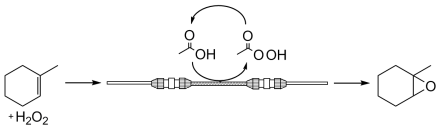
- found widespread application in the conversion of nitriles to amides [32], aldehydes to acids [33], and sulfides to sulfones [34]. To enable comparison of the method developed here with batch investigations previously conducted, the oxidation of 1-methylcyclohexene (6) to 1-methylcyclohexene oxide (7

Graphical Abstract

Scheme 1: Illustration of the chemo-enzymatic epoxidation of an alkene; involving the biocatalytic perhydroly...

Scheme 2: Illustration of the chemo-enzymatic epoxidation of 1-methylcyclohexene (6) to 1-methylcyclohexene o...

Scheme 3: Model reaction used to compare the continuous flow epoxidation strategy with the conventional batch...

Figure 1: Schematic of the reaction set-up used to evaluate the continuous flow chemo-enzymatic epoxidation o...

Figure 2: Graph illustrating the effect of flow rate (hence residence time) on the conversion of 1-methylcycl...
Figure 3: Graph illustrating the effect of (a) flow rate and (b) residence time on the conversion of 1-methyl...

Figure 4: Graph illustrating the effect of oxidant stoichiometry on the conversion of 1-methylcyclohexene (6)...

Figure 5: Illustration of the enzyme 4 stability to H2O2 (2) for the conversion of 1-methylcyclohexene (6) to...

Scheme 4: Illustration of the reaction products obtained when conducting the continuous flow epoxidation of c...
Enantiospecific synthesis of [2.2]paracyclophane- 4-thiol and derivatives
- Gareth J. Rowlands and
- Richard J. Seacome
Beilstein J. Org. Chem. 2009, 5, No. 9, doi:10.3762/bjoc.5.9
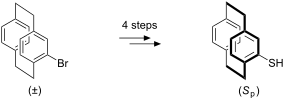
- ]paracyclophane compounds; aryl sulfonylation and the related sulfenylation facilitates the synthesis of sulfonic acids, sulfonamides and protected thiols [24][25][26] whilst directed metallation has allowed the formation of various sulfides [27][28][29][30]. Very few methodologies allow the synthesis of simple
- of enantiomerically pure 4-hydroxy[2.2]paracyclophane or application of our own sulfoxide-metal exchange protocol [31] would permit enantiospecific variants of either route, but neither has been reported. An elegant entry to a variety of racemic alkyl sulfides and sulfoxides by an SEAr reaction

Graphical Abstract

Figure 1: [2.2]Paracyclophane (1) showing standard numbering and [2.2]paracyclophane-4-thiol (2).

Scheme 1: Conversion of [2.2]paracyclophane to enantiomerically enriched [2.2]paracyclophane-4-thiol.

Scheme 2: Synthesis of [2.2](4,7)benzo[d]thiazoloparacyclophane (Rp)-10.
Efficient 1,4-addition of α-substituted fluoro(phenylsulfonyl)methane derivatives to α,β-unsaturated compounds
- G. K. Surya Prakash,
- Xiaoming Zhao,
- Sujith Chacko,
- Fang Wang,
- Habiba Vaghoo and
- George A. Olah
Beilstein J. Org. Chem. 2008, 4, No. 17, doi:10.3762/bjoc.4.17
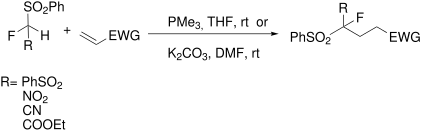
- course. Reaction mechanism for phosphine catalyzed 1,4-addition to α,β-unsaturated compounds. Oxidation of sulfides and monofluorination of sulfones. PMe3-catalyzed reaction of fluoro(phenylsulfonyl)-substituted methane derivatives with methyl vinyl ketone and ethyl acrylate. K2CO3/DMF catalyzed 1,4

Graphical Abstract

Scheme 1: Reaction mechanism for phosphine catalyzed 1,4-addition to α,β-unsaturated compounds.



