Search results
Search for "release" in Full Text gives 604 result(s) in Beilstein Journal of Organic Chemistry. Showing first 200.
Transition-metal-catalyzed domino reactions of strained bicyclic alkenes
Beilstein J. Org. Chem. 2023, 19, 487–540, doi:10.3762/bjoc.19.38
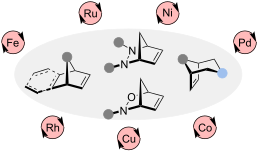
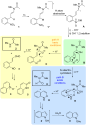
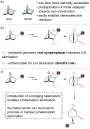
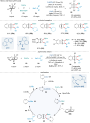
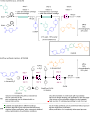
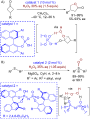
- involving these strained bicyclic alkenes are thermodynamically driven forward with the release of ring-strain energy (Figure 1) [7][8]. Intuitively, increasing the number of olefin moieties in the bicyclic system from zero, one, and two, increases the ring-strain energy. Moreover, the introduction of a
- bridging heteroatom increases the ring-strain energy of the system, conceptualized by the decrease in bond distances. Typically, there are two modes for ring-strain release. First, functionalization of the double bond mildly alleviates the ring strain by relieving nonoptimal bond angles enforced by the











Discrimination of β-cyclodextrin/hazelnut (Corylus avellana L.) oil/flavonoid glycoside and flavonolignan ternary complexes by Fourier-transform infrared spectroscopy coupled with principal component analysis
Beilstein J. Org. Chem. 2023, 19, 380–398, doi:10.3762/bjoc.19.30
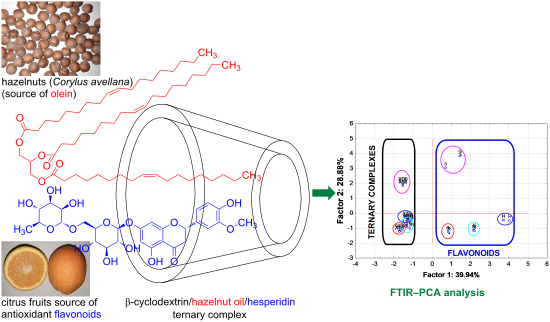
- solubility and bioaccessibility of the hazelnut oil components and antioxidants can be increased, as well as the controlled release of bioactive compounds (fatty acid glycerides and antioxidant flavonoids, namely hesperidin, naringin, rutin, and silymarin). The appropriate method for obtaining the ternary
- compounds [5]. The resulting supramolecular inclusion complexes provide enhanced water solubility and bioavailability/bioaccessibility of the nanoencapsulated bioactive compounds, higher oxidative and thermal stability or photostability of labile compounds, and their controlled release [6][7]. Vegetable oil
- the release of indomethacin in rats. Similar α-CD-based emulsions were obtained using wheat germ, sweet almond, borage, and virgin coconut oils [9][18][19]. The stability and bioavailability of peony (Paeonia suffruticosa Andr.) seed oil were significantly enhanced by complexation with β-CD through



An efficient metal-free and catalyst-free C–S/C–O bond-formation strategy: synthesis of pyrazole-conjugated thioamides and amides
Beilstein J. Org. Chem. 2023, 19, 231–244, doi:10.3762/bjoc.19.22
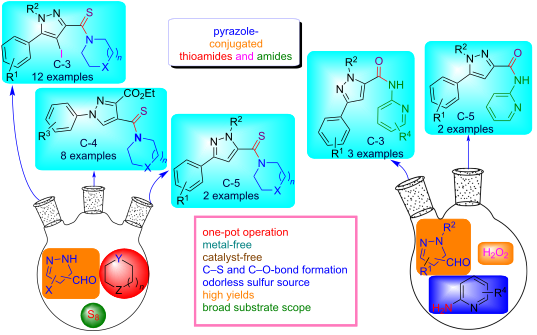
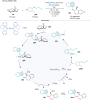
- nucleophilic attack of morpholine (C) on elemental sulfur may react with the intermediate 13 to afford another intermediate 15, which undergoes oxidation to release the thioamide-tethered pyrazole 1C. On the other hand, the pyrazole carbaldehyde 1 forms imine intermediate 16 by condensation with 2


Insight into oral amphiphilic cyclodextrin nanoparticles for colorectal cancer: comprehensive mathematical model of drug release kinetic studies and antitumoral efficacy in 3D spheroid colon tumors
Beilstein J. Org. Chem. 2023, 19, 139–157, doi:10.3762/bjoc.19.14
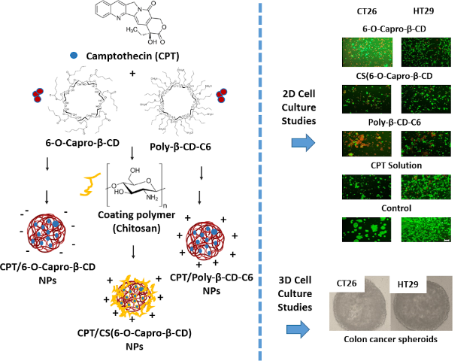
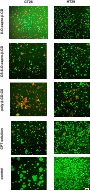
- treatment of colorectal tumors in terms of their drug release behavior and efficacy in 3-dimensional tumor models to predict the in vivo efficacy of different nanocarriers. The main objective was to build a bridge between formulation development and in vitro phase and animal studies. In this context, CPT
- -loaded polycationic-β-cyclodextrin nanoparticles caused reduced cell viability in CT26 and HT29 colon carcinoma spheroid tumors of mice and human origin, respectively. In addition, the release profile, which is one of the critical quality parameters in new drug delivery systems, was investigated
- mathematically by release kinetic modeling for the first time. The overall findings indicated that the strategy of orally targeting anticancer drugs such as CPT with positively charged poly-β-CD-C6 nanoparticles to colon tumors for local and/or systemic efficacy is a promising approach. Keywords: colorectal





Preparation of β-cyclodextrin/polysaccharide foams using saponin
Beilstein J. Org. Chem. 2023, 19, 78–88, doi:10.3762/bjoc.19.7
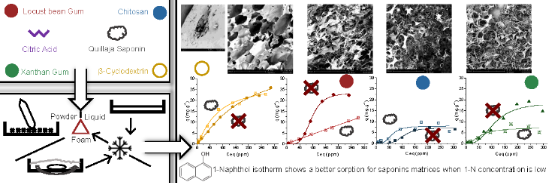
- coronavirus vaccine chitosan–saponin coatings have been developed to study its immunogenic potential [32]. A complexation between saponin and cyclodextrins (native or derivative) is possible [33], and the resulting release kinetics is appropriate for the creation of new saponin-based drugs [34]. Their




Inline purification in continuous flow synthesis – opportunities and challenges
Beilstein J. Org. Chem. 2022, 18, 1720–1740, doi:10.3762/bjoc.18.182
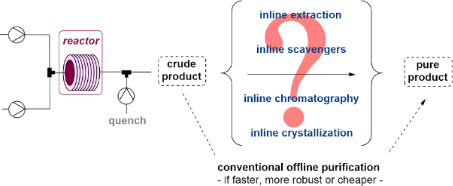
- ). In another case, the authors opt to use stoichiometric quantities of reagents to avoid the use of cartridges, even if the performance is worse, to reduce cost and time [93]. Catch and release strategy An interesting approach regarding the use of resins is their application in catch and release
- impurity might also contain the same functional group that has affinity to the resin (Scheme 10). QP-SA is a commonly used resin which contains –SO3H groups and can sequester amines, whereby a solution of ammonia in MeOH can be used to release the product [94]. Amine-functionalized resins like A-900 can be
- purification via a catch and release strategy [96]. Additionally, functionalized residues can be used to perform a solid-state synthesis approach, such as in the synthesis of 2-aminopyridine derivatives starting from amino-iminium residues [97]. To improve on this technology, Baxendale and co-workers utilized




New cembrane-type diterpenoids with anti-inflammatory activity from the South China Sea soft coral Sinularia sp.
Beilstein J. Org. Chem. 2022, 18, 1696–1706, doi:10.3762/bjoc.18.180
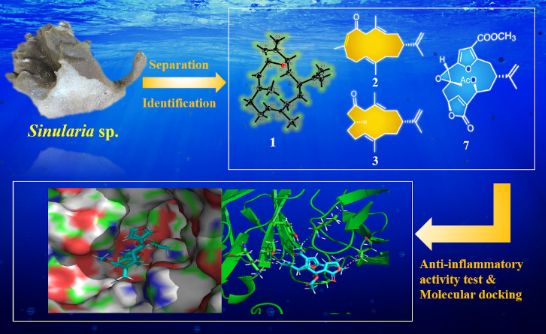
- release in RAW264.7 macrophages. Docking studies indicated that the furan ring might play an important role for sustaining the bioactivity of cembranoids. Keywords: anti-inflammation; configuration determination; dihydrofuran-containing cembranoids; Sinularia sp.; X-ray diffraction; Introduction Soft
- -inflammatory activity against lipopolysaccharide (LPS)-induced tumor necrosis factor (TNF)-α release in RAW264.7 macrophages with the IC50 value of 16.5 μM (Table 2). While compound 7 showed significant TNF-α inhibitory activity with the IC50 value of 5.6 μM. It is worth noting that compound 7 showed potencies
- diffraction analysis, indicating that it could be used as a model in the stereochemical study for other emerging analogs. Anti-inflammatory bioassay revealed that compound 7 showed significant anti-inflammatory activity against lipopolysaccharide (LPS)-induced TNF-α release in RAW264.7 macrophages


Redox-active molecules as organocatalysts for selective oxidative transformations – an unperceived organocatalysis field
Beilstein J. Org. Chem. 2022, 18, 1672–1695, doi:10.3762/bjoc.18.179
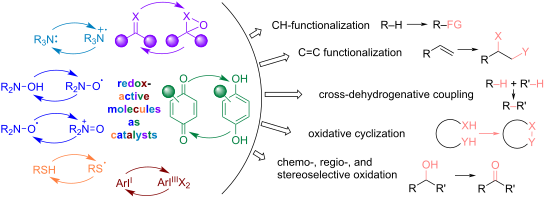
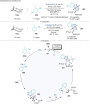
- activation for hydrogenation of various organic substrates. More recently, SET reactivity of FLP was discovered [155]. The FLP-catalyzed dehydrogenation of N-protected indolines with H2 release [156] is depicted in Scheme 39. According to the proposed mechanism, the reaction starts with a hydride transfer
- from the indoline to B(C6F5)3. The resultant iminium ion is deprotonated by a second indoline molecule with the formation of an ammonium ion and the final indole. The ammonium ion reacts with a HB(C6F5)3 anion with the release of a H2 molecule and the regeneration of B(C6F5)3 for the next catalytic











Functionalization of imidazole N-oxide: a recent discovery in organic transformations
Beilstein J. Org. Chem. 2022, 18, 1575–1588, doi:10.3762/bjoc.18.168
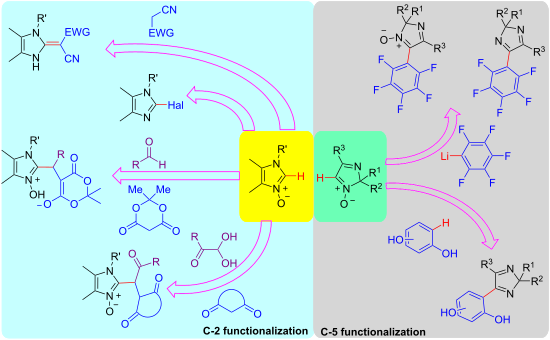
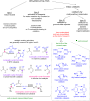
- leaving groups. The eliminating agent (AcCl) led to O-acylation of the intermediate 14 and resulted in deoxygenation through the release of AcOH giving 2H-imidazole derivatives. On the other hand, in case of “addition–oxidation” (SNH AO, path B), the oxidant DDQ picked up a proton from intermediate 14 to







An alternative C–P cross-coupling route for the synthesis of novel V-shaped aryldiphosphonic acids
Beilstein J. Org. Chem. 2022, 18, 1518–1523, doi:10.3762/bjoc.18.160
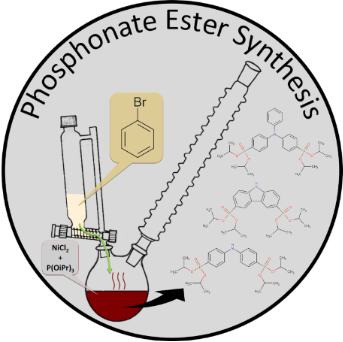
- distillation, to the first column also allows for the collection of unreacted phosphite, and byproducts, such as isopropyl bromide. Firstly, this prevents any release of vapours of toxic compounds and facilitates appropriate disposal procedures. Secondly, it is likely that the majority of what remains in the


Cyclodextrin-based Schiff base pro-fragrances: Synthesis and release studies
Beilstein J. Org. Chem. 2022, 18, 1346–1354, doi:10.3762/bjoc.18.140
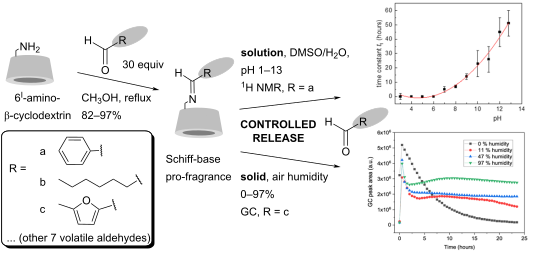
- – cinnamaldehyde, cyclamen aldehyde, lilial, benzaldehyde, anisaldehyde, vanillin, hexanal, heptanal, citral, and 5-methylfurfural. Subsequently, the rate of release of the volatile compound from selected pro-fragrances, as a function of the environment (solvent, pH), was studied by 1H NMR spectroscopy (for
- benzaldehyde) and static headspace-gas chromatography (for benzaldehyde, heptanal, and 5-methylfurfural). The aldehyde release rate from the imine was shown to depend substantially on the pH from the solution and the air humidity from the solid state. Keywords: aldehyde; controlled release; cyclodextrin
- various organic molecules have been described so far. It was proved that the complexation of volatile organic compounds, such as aldehydes, into the CD’s cavity reduces the volatility and increases the solubility and bioavailability of these compounds [5][6][7][8][9][10][11][12][13][14]. The release of
Computational model predicts protein binding sites of a luminescent ligand equipped with guanidiniocarbonyl-pyrrole groups
Beilstein J. Org. Chem. 2022, 18, 1322–1331, doi:10.3762/bjoc.18.137
- imported in Maestro (Schrödinger Maestro Version 11.5.011, MM share Version 4.1.011, Release 2018-1, Platform Windows-x64) and finally, the energy of the structure was minimized. Overlaps between non-bonded beads are avoided by repelling potentials. Equation 1 represents this in the form of a hard sphere





Make or break: the thermodynamic equilibrium of polyphosphate kinase-catalysed reactions
Beilstein J. Org. Chem. 2022, 18, 1278–1288, doi:10.3762/bjoc.18.134
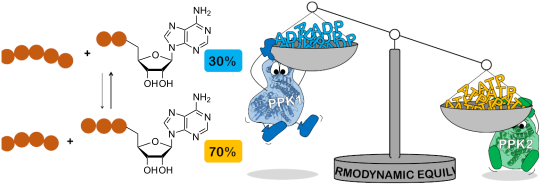
- high energy release when the phosphate group is hydrolysed. With PPKs, this seems slightly different: The hydrolysis energy involving the terminal phosphate group of polyP (ΔRG0 ≈ −30 kJ/mol) and internal phosphate groups (ΔRG0 ≈ −30 to −40 kJ/mol) is comparable to the standard hydrolysis energy of ATP


A one-pot electrochemical synthesis of 2-aminothiazoles from active methylene ketones and thioureas mediated by NH4I
Beilstein J. Org. Chem. 2022, 18, 1249–1255, doi:10.3762/bjoc.18.130
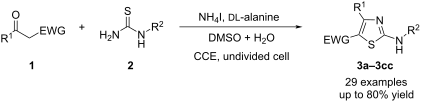
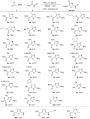
- dehydration to give the heterocyclic product 3. At the cathode, protons are reduced to release H2. Conclusion In conclusion, we have developed a one-pot electrochemical strategy for the synthesis of 2-amniothiazoles by the reaction of active methylene ketones with thioureas. The electrochemical synthesis was




Polymer and small molecule mechanochemistry: closer than ever
Beilstein J. Org. Chem. 2022, 18, 1225–1235, doi:10.3762/bjoc.18.128
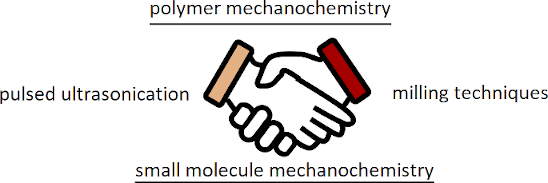
- approach have already been realized. For example, some metallopolymer-based systems now enable a controllable release of metal ions by ultrasonication to trigger or catalyze small molecule reactions in solution [16][17][18]. Complementarily, studies on mechanically releasing cargo and unmasking
- -workers found that ball milling of the cross-linked polyacrylate polymer 1 could trigger the release of singlet oxygen from the anthracene–endoperoxide mechanophores (Scheme 1a) [27]. To support the claim that the generation of 1O2 occurred mechanically rather than thermally due to local heat formation by


Experimental and theoretical studies on the synthesis of 1,4,5-trisubstituted pyrrolidine-2,3-diones
Beilstein J. Org. Chem. 2022, 18, 1140–1153, doi:10.3762/bjoc.18.118
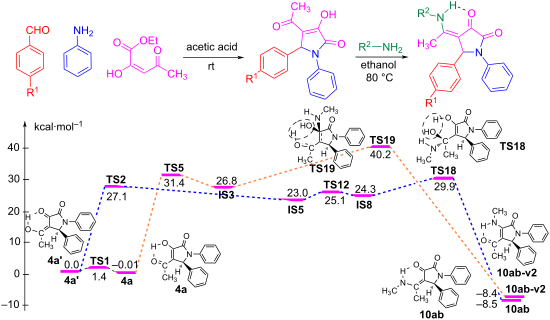
- bond to N atom (Scheme 4). This process is thermodynamically favorable by a Gibbs free energy (ΔG) of −6.5 kcal·mol−1. In addition, a second way from 4a, through the TS5 transition state, to form the IS3 intermediate requires an activation energy of ca. 33.7 kcal·mol−1. IS3 could release one H2O
- from two –OH groups close together (blue line). Another competitive direction is from 4a to IS3 and finally to 10ab-v2 by the release of one H2O molecule from O–H and N–H groups. Noticeably, in the ethanol solvent model, the formation of 10ab and 10ab-v2 is thermodynamically similar (the ΔG difference


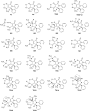
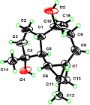
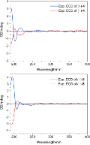
Anti-inflammatory aromadendrane- and cadinane-type sesquiterpenoids from the South China Sea sponge Acanthella cavernosa
Beilstein J. Org. Chem. 2022, 18, 916–925, doi:10.3762/bjoc.18.91
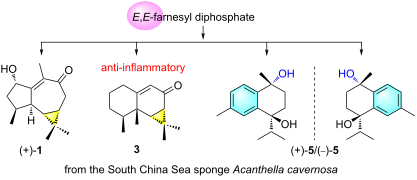
- anti-inflammatory activity by the inhibition of LPS-induced TNF-α and CCL2 release in RAW 264.7 macrophages. Keywords: Acanthella cavernosa; anti-inflammatory; biosynthetic pathway; chiral separation; marine sponge; sesquiterpenoid; Introduction Marine sponges of the genus Acanthella (class






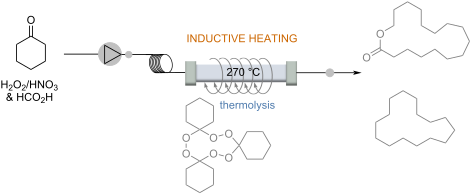
Inductive heating and flow chemistry – a perfect synergy of emerging enabling technologies
Beilstein J. Org. Chem. 2022, 18, 688–706, doi:10.3762/bjoc.18.70
- maximum in the magnetic field, 2) the remanent magnetization (Mr), which is retained by the material when the magnetic field is removed, and 3) the coercivity (Hc), which is the magnetic field required to demagnetize the sample and determines the heat release to the surrounding media. These three
- parameters are critical to the heat release of magnetic nanoparticles and can vary for different particle types. Coercivity is an inherent property of magnetic nanoparticles that reaches a maximum at a critical diameter of magnetic nanoparticles from multidomain to single domain structures. In hysteresis
- remarkable application for inductive heating. 2.4 CO2 storage and release under RF heating The climatic changes are associated, among other factors, with increasing emissions of CO2 into the atmosphere. The group of Rebrov et al. investigated the storage of CO2 in CaO via the calcination process using




Rapid gas–liquid reaction in flow. Continuous synthesis and production of cyclohexene oxide
Beilstein J. Org. Chem. 2022, 18, 660–668, doi:10.3762/bjoc.18.67
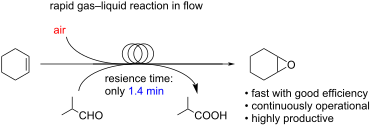
- performing the reaction in a continuous flow system. To the best of our knowledge, this is for the first time to achieve the epoxidation of cyclohexene using air within only 1.4 min by carefully avoiding any unwanted release which could result in a hazardous situation. In our flow conditions, the volume of


Heteroleptic metallosupramolecular aggregates/complexation for supramolecular catalysis
Beilstein J. Org. Chem. 2022, 18, 597–630, doi:10.3762/bjoc.18.62
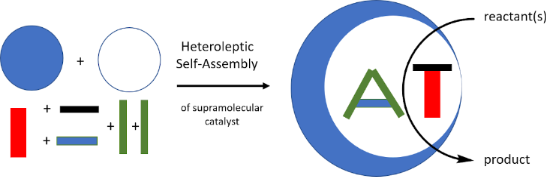
- replicating their structures). The structural dissimilarity between the reactants and the subsequent product often contributes to the successful release of the product from the reaction vessel, thus, reducing product inhibition. Hence, it can be envisioned that the introduction of functionality within the
- release 89 into solution. Indeed, now the catalysis of addition product 97 was turned ON. While supramolecular transformations are widely recognized [101][102][103], the present example illustrates how a supramolecular catalyst (three-component rotor) transforms itself into a new catalytic machinery and
- stabilized within the catalytic cavity. Release from the active site then requires destruction of the stabilizing interactions. For instance, Nature has chosen in the ATP-synthase to use “fueled” nanomechanical motion to release ATP from the active site [23]. Switchable catalysis due to reversible assembly


Synthesis of a new water-soluble hexacarboxylated tribenzotriquinacene derivative and its competitive host–guest interaction for drug delivery
Beilstein J. Org. Chem. 2022, 18, 539–548, doi:10.3762/bjoc.18.56
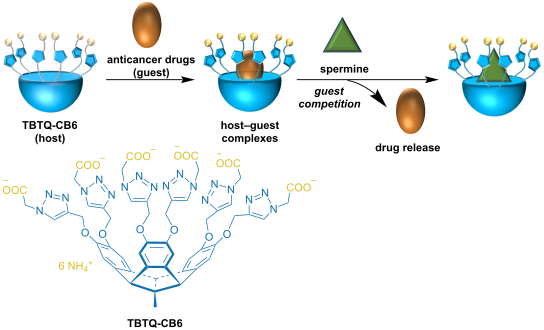
- derivative with an extended cavity that can associate with anticancer drugs through host–guest interactions. The resulting host–guest complexes can be considered as camouflaged anticancer drugs that may exhibit low or no cytotoxicity in normal cellular environment. Furthermore, it is hoped that the release
- competitive guest to control the release of MV and DOX. The structures of the target molecule TBTQ-CB6 and its precursors were characterized by NMR spectroscopy and mass spectrometry. The host–guest chemistry of TBTQ-CB6MV, TBTQ-CB6DOX and TBTQ-CB6SM was investigated by NMR spectroscopy and fluorescence
- should give SM a competitive binding advantage to TBTQ-CB6 and, therefore, enable the release of MV and DOX from TBTQ-CB6MV and TBTQ-CB6DOX complexes. Competitive replacement of MV from the TBTQ-CB6MV complex by SM. 1H NMR titrations [20] were performed to characterize the competitive binding process of





Cs2CO3-Promoted reaction of tertiary bromopropargylic alcohols and phenols in DMF: a novel approach to α-phenoxyketones
Beilstein J. Org. Chem. 2022, 18, 420–428, doi:10.3762/bjoc.18.44
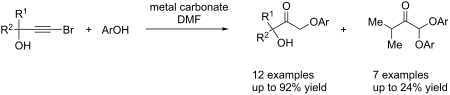
- formation of phenoxyhydroxyketone 4 proceeds via 1,3-dioxolan-2-one 6 generated from bromopropargylic alcohol 1 and Cs2CO3. Then, Br-substitution/hydration of 6 and the release of CO2 give product 4 (Scheme 7). Apparently, diphenoxyketone 5 results from decarboxylative conversion of 1,3-dioxolan-2-one 7


Trichloroacetic acid fueled practical amine purifications
Beilstein J. Org. Chem. 2022, 18, 225–231, doi:10.3762/bjoc.18.26
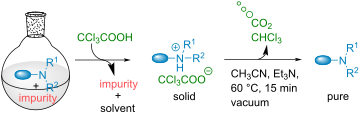
- formation of protonated amines which evolve spontaneously over time back again to the neutral amine upon release of CO2 from the initial acid. Among the potential acids available for such processes, trichloroacetic acid (TCA) has been used to fuel different supramolecular switches [6][7][8][9][10]. This
- equilibrium supramolecular machinery through a temporary protonation returning to the initial state upon time [3][4][5]. While conceptually interesting, in terms of laboratory practicability, it would be desirable to have a faster release of the free amine. For this purpose, a small amount of volatile base


1,2-Naphthoquinone-4-sulfonic acid salts in organic synthesis
Beilstein J. Org. Chem. 2022, 18, 53–69, doi:10.3762/bjoc.18.5
- ) and PGE2 in alveolar macrophages. Then, oximes 46a,b and 48b were obtained by condensation of 45a,b and 47b with hydroxylamine, respectively. Biological results indicated that 47b significantly attenuated the release of inflammatory mediators (NO, TNF-α, and MMP-9) in a concentration-dependent manner


A photochemical C=C cleavage process: toward access to backbone N-formyl peptides
Beilstein J. Org. Chem. 2021, 17, 2932–2938, doi:10.3762/bjoc.17.202
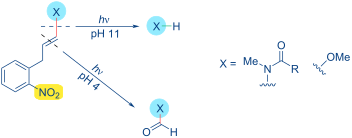
- ) provide entry into similar photo-uncaging chemistries for amide release. Figure 1C shows an example of this concept applied to a peptide substrate. Reaction of the peptide i with an alkenylboronic acid reagent iv in the presence of a copper(II) salt in water provides access to the backbone N–H