


Search results
Search for "urea" in Full Text gives 229 result(s) in Beilstein Journal of Organic Chemistry. Showing first 200.
New syntheses of (±)-tashiromine and (±)-epitashiromine via enaminone intermediates
- Darren L. Riley,
- Joseph P. Michael and
- Charles B. de Koning
Beilstein J. Org. Chem. 2016, 12, 2609–2613, doi:10.3762/bjoc.12.256

- found that the bicyclic vinylogous urea 9d (64%) required a more careful flash chromatographic separation [19]. Unfortunately, the bicyclic vinylogous amide 9a could not be separated adequately from the triphenylphosphine residues under standard chromatographic and recrystallisation conditions. In an
- or partially reduced. In the case of the reduction of 9a, which still had significant triphenylphosphine residues present, we were unable to isolate any product. Interestingly, we were also never able to isolate the reduced product 12d when the bicyclic vinylogous urea 9d contained anything more than

Graphical Abstract

Figure 1: Structures of (±)-tashiromine (1) and (±)-epitashiromine (2) showing the systematic numbering of th...

Scheme 1: Reagents and conditions: (i) NH2(CH2)3OH, 250 °C (sealed tube), 18 h, 81%; (ii) Ac2O, pyridine, 0 °...

Scheme 2: Reagents and conditions: (i) Imidazole, PPh3, I2, CH3CN–PhCH3, reflux, 1 h; (ii) p-TsCl, NEt3, DMAP...

Scheme 3: Reagents and conditions: (i) LiAlH4, Et2O, 3 h, 87%.
A new paradigm for designing ring construction strategies for green organic synthesis: implications for the discovery of multicomponent reactions to build molecules containing a single ring
- John Andraos
Beilstein J. Org. Chem. 2016, 12, 2420–2442, doi:10.3762/bjoc.12.236
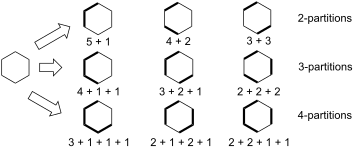
- traditional way this heterocycle is synthesized from urea, aldehydes, and 1,3-diketones. The method described in this work is quite general and can be applied to any monocyclic structure. The Supporting Information contains an atlas of target bond dissection maps applied to 27 kinds of heterocyclic structures
- 1,3-diketones, urea, and aldehydes. A full integer partitioning and target bond dissection mapping analysis for three-component couplings of this heterocycle, as shown in Figure 9, indicates that the chemical space consists of twelve [3 + 2 + 1], six [4 + 1 + 1], and two [2 + 2 + 2] possible
- ]. Scheme 11 shows the following literature examples of [3 + 2 + 1] cycloadditions following novel mappings (blue structures shown in Figure 9): Dabiri [189][190], and Singh [191]. The Yi [192] example follows the traditional coupling using a nitrile instead of a urea precursor, which ultimately leads to a

Graphical Abstract

Figure 1: Possible two-component couplings for various monocyclic rings frequently encountered in organic mol...

Figure 2: Possible three-component couplings for various monocyclic rings frequently encountered in organic m...

Figure 3: Possible four-component couplings for various monocyclic rings frequently encountered in organic mo...
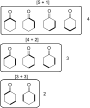
Figure 4: Permutations of two-component coupling patterns for synthesizing the cyclohexanone ring. Synthesis ...
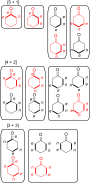
Figure 5: Permutations of two-component coupling patterns for synthesizing the cyclohexanone ring overlayed w...
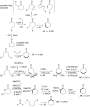
Scheme 1: Conjectured syntheses of cyclohexanone via [5 + 1] strategies.

Scheme 2: Conjectured syntheses of cyclohexanone via [4 + 2] strategies.

Scheme 3: Conjectured syntheses of cyclohexanone via [3 + 3] strategies.

Figure 6: Permutations of three-component coupling patterns for synthesizing the cyclohexanone ring. Synthesi...

Figure 7: Permutations of three-component coupling patterns for synthesizing the pyrazole ring via [2 + 2 + 1...

Scheme 4: Literature method for constructing the pyrazole ring via the A4 [2 + 2 + 1] strategy.
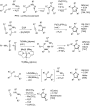
Scheme 5: Literature methods for constructing the pyrazole ring via the A5 [2 + 2 + 1] strategy.

Scheme 6: Literature methods for constructing the pyrazole ring via the A1 [2 + 2 + 1] strategy.

Scheme 7: Literature methods for constructing the pyrazole ring via the B4 [3 + 1 + 1] strategy.

Figure 8: Intrinsic green performance of documented pyrazole syntheses according to [2 + 2 + 1] and [3 + 1 + ...

Scheme 8: Conjectured reactions for constructing the pyrazole ring via the A2 and A3 [2 + 2 + 1] strategies.

Scheme 9: Conjectured reactions for constructing the pyrazole ring via the B1, B2, B3, and B4 [3 + 1 + 1] str...

Figure 9: Permutations of three-component coupling patterns for synthesizing the Biginelli ring adduct. Synth...
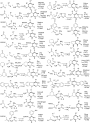
Scheme 10: Reported syntheses of the Biginelli adduct via the traditional [3 + 2 + 1] mapping strategy.
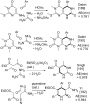
Scheme 11: Reported syntheses of the Biginelli adduct via new [3 + 2 + 1] mapping strategies.

Scheme 12: Reported syntheses of the Biginelli adduct via a new [2 + 2 + 1 + 1] mapping strategy.

Scheme 13: Conjectured syntheses of the Biginelli adduct via new [2 + 2 + 2] mapping strategies.

Scheme 14: Conjectured syntheses of the Biginelli adduct via new [3 + 2 + 1] mapping strategies.

Figure 10: Intrinsic green performance of documented Biginelli adduct syntheses according to [3 + 2 + 1] three...

Figure 11: Intrinsic green performance of newly conjectured Biginelli adduct syntheses according to [4 + 1 + 1...
Enduracididine, a rare amino acid component of peptide antibiotics: Natural products and synthesis
- Darcy J. Atkinson,
- Briar J. Naysmith,
- Daniel P. Furkert and
- Margaret A. Brimble
Beilstein J. Org. Chem. 2016, 12, 2325–2342, doi:10.3762/bjoc.12.226
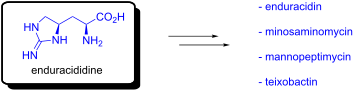
- Minosaminomycin by Kondo et al.: The only total synthesis of minosaminomycin (9) to date was reported in 1977 by Kondo et al. (Scheme 14) [69]. Enduracididine (1) was prepared using the method reported by Shiba et al. [54] and was coupled with the isocyanate formed in situ from protected leucine 74 affording urea

Graphical Abstract

Figure 1: Structures of the enduracididine family of amino acids (1–6).

Figure 2: Enduracidin A (7) and B (8).
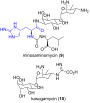
Figure 3: Minosaminomycin (9) and related antibiotic kasugamycin (10).

Figure 4: Enduracididine-containing compound 11 identified in a cytotoxic extract of Leptoclinides dubius [32].
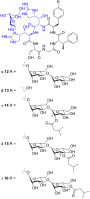
Figure 5: Mannopeptimycins α–ε (12–16).

Figure 6: Regions of the mannopeptimycin structure investigated in structure–activity relationship investigat...

Figure 7: Teixobactin (17).

Scheme 1: Proposed biosynthesis of L-enduracididine (1) and L-β-hydroxyenduracididine (5).

Scheme 2: Synthesis of enduracididine (1) by Shiba et al.

Scheme 3: Synthesis of protected enduracididine diastereomers 31 and 32.

Scheme 4: Synthesis of the C-2 azido diastereomers 36 and 37.

Scheme 5: Synthesis of 2-azido-β-hydroxyenduracididine derivatives 38 and 39.
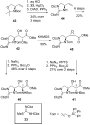
Scheme 6: Synthesis of protected β-hydroxyenduracididine derivatives 40 and 41.

Scheme 7: Synthesis of C-2 diastereomeric amino acids 46 and 47.

Scheme 8: Synthesis of protected β-hydroxyenduracididines 51 and 52.

Scheme 9: General transformation of alkenes to cyclic sulfonamide 54 via aziridine intermediate 53.
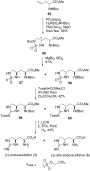
Scheme 10: Synthesis of (±)-enduracididine (1) and (±)-allo-enduracididine (3).

Scheme 11: Synthesis of L-allo-enduracididine (3).
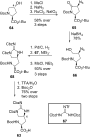
Scheme 12: Synthesis of protected L-allo-enduracididine 63.

Scheme 13: Synthesis of β-hydroxyenduracididine derivative 69.
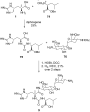
Scheme 14: Synthesis of minosaminomycin (9).

Scheme 15: Retrosynthetic analysis of mannopeptimycin aglycone (77).
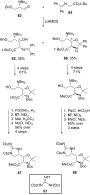
Scheme 16: Synthesis of protected amino acids 87 and 88.
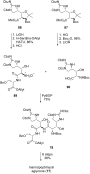
Scheme 17: Synthesis of mannopeptimycin aglycone (77).

Scheme 18: Synthesis of N-mannosylation model guanidine 92 and attempted synthesis of benzyl protected mannosy...

Scheme 19: Synthesis of benzyl protected mannosyl D-β-hydroxyenduracididine 97.

Scheme 20: Synthesis of L-β-hydroxyenduracididine 98.

Scheme 21: Total synthesis of mannopeptimycin α (12) and β (13).

Scheme 22: Synthesis of protected L-allo-enduracididine 102.

Scheme 23: The solid phase synthesis of teixobactin (17).

Scheme 24: Retrosynthesis of the macrocyclic core 109 of teixobactin (17).

Scheme 25: Synthesis of macrocycle 117.
Highly chemo-, enantio-, and diastereoselective [4 + 2] cycloaddition of 5H-thiazol-4-ones with N-itaconimides
- Shuai Qiu,
- Choon-Hong Tan and
- Zhiyong Jiang
Beilstein J. Org. Chem. 2016, 12, 2293–2297, doi:10.3762/bjoc.12.222
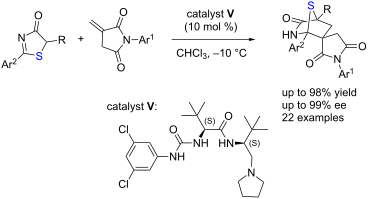
- /bjoc.12.222 Abstract A dipeptide-based urea-amide tertiary amine (DP-UAA) was shown to be an effective Brønsted base catalyst for the first asymmetric annulation reaction between 5H-thiazol-4-ones and N-itaconimides. High levels of enantioselectivity (up to 99% ee) and diastereoselectivity (>19:1 dr
- chemoselectivity and thus the moderate yield. When the H-bond donor was changed from thiourea to urea (catalyst II), it did not provide better results (Table 1, entry 2) [17][19]. In the [4 + 2] annulation of 5H-thiazol-4-ones with nitroalkenes, dipeptide-based thiourea−amide−tertiary amine III (DP-TAA) was
- dipeptide-based tertiary amine for this type of reaction. By modifying the thiourea moiety of III to urea lead us to catalyst DP-UAA IV, which could further increase the enantioselectivity (Table 1, entry 4). Subsequently, we screened the solvent effect with IV as the catalyst (Table 1, entries 5–7), and

Graphical Abstract
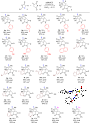
Scheme 1: Substrate scope of the [4 + 2] annulation. Reaction conditions: 1 (0.1 mmol), 2 (0.15 mmol), V (0.0...

Scheme 2: Transformation of adduct.
Microwave-assisted cyclizations promoted by polyphosphoric acid esters: a general method for 1-aryl-2-iminoazacycloalkanes
- Jimena E. Díaz,
- María C. Mollo and
- Liliana R. Orelli
Beilstein J. Org. Chem. 2016, 12, 2026–2031, doi:10.3762/bjoc.12.190
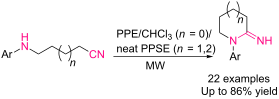
- ]. Some urea and thiourea derivatives have been studied as CNS agents [7] and anthelmintic drugs [8]. This heterocyclic core therefore represents the foundation for potential bioactive agents. A few methods have been described for the synthesis of 2-iminoazacycloalkanes from acyclic precursors. One


Rearrangements of organic peroxides and related processes
- Ivan A. Yaremenko,
- Vera A. Vil’,
- Dmitry V. Demchuk and
- Alexander O. Terent’ev
Beilstein J. Org. Chem. 2016, 12, 1647–1748, doi:10.3762/bjoc.12.162

Graphical Abstract
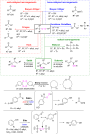
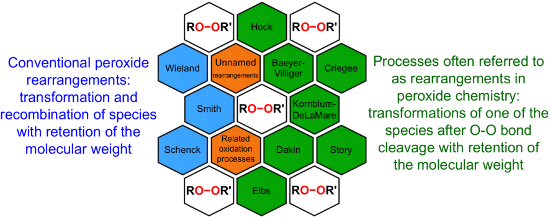
Figure 1: The named transformations considered in this review.

Scheme 1: The Baeyer–Villiger oxidation.

Scheme 2: The general mechanism of the peracid-promoted Baeyer–Villiger oxidation.

Scheme 3: General mechanism of the Lewis acid-catalyzed Baeyer–Villiger rearrangement.

Scheme 4: The theoretically studied mechanism of the BV oxidation reaction promoted by H2O2 and the Lewis aci...

Scheme 5: Proton movements in the transition states of the Baeyer–Villiger oxidation.

Scheme 6: The dependence of the course of the Baeyer–Villiger oxidation on the type of O–O-bond cleavage in t...
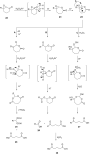
Scheme 7: The acid-catalyzed Baeyer–Villiger oxidation of cyclic epoxy ketones 22.

Scheme 8: Oxidation of isophorone oxide 29.

Scheme 9: Synthesis of acyl phosphate 32 from acyl phosphonate 31.

Scheme 10: Synthesis of aflatoxin B2 (36).

Scheme 11: The Baeyer–Villiger rearrangement of ketones 37 to lactones 38.

Scheme 12: Synthesis of 3,4-dimethoxybenzoic acid (40) via Baeyer–Villiger oxidation.

Scheme 13: Oxone transforms α,β-unsaturated ketones 43 into vinyl acetates 44.

Scheme 14: The Baeyer–Villiger oxidation of ketones 45 using diaryl diselenide and hydrogen peroxide.

Scheme 15: Baeyer–Villiger oxidation of (E)-2-methylenecyclobutanones.

Scheme 16: Oxidation of β-ionone (56) by H2O2/(BnSe)2 with formation of (E)-2-(2,6,6-trimethylcyclohex-1-en-1-...

Scheme 17: The mechanism of oxidation of ketones 58a–f by hydrogen peroxide in the presence of arsonated polys...

Scheme 18: Oxidation of ketone (58b) by H2O2 to 6-methylcaprolactone (59b) catalyzed by Pt complex 66·BF4.

Scheme 19: Oxidation of ketones 67 with H2O2 in the presence of [(dppb}Pt(µ-OH)]22+.

Scheme 20: The mechanism of oxidation of ketones 67 in the presence of [(dppb}Pt(µ-OH)]22+ and H2O2.

Scheme 21: Oxidation of benzaldehydes 69 in the presence of the H2O2/MeReO3 system.

Scheme 22: Oxidation of acetophenones 72 in the presence of the H2O2/MeReO3 system.

Scheme 23: Baeyer–Villiger oxidation of 2-adamantanone (45c) in the presence of Sn-containing mesoporous silic...

Scheme 24: Aerobic Baeyer–Villiger oxidation of ketones 76 using metal-free carbon.

Scheme 25: A regioselective Baeyer-Villiger oxidation of functionalized cyclohexenones 78 into a dihydrooxepin...

Scheme 26: The oxidation of aldehydes and ketones 80 by H2O2 catalyzed by Co4HP2Mo15V3O62.

Scheme 27: The cleavage of ketones 82 with hydrogen peroxide in alkaline solution.

Scheme 28: Oxidation of ketones 85 to esters 86 with H2O2–urea in the presence of KHCO3.

Scheme 29: Mechanism of the asymmetric oxidation of cyclopentane-1,2-dione 87a with the Ti(OiPr)4/(+)DET/t-BuO...

Scheme 30: The oxidation of cis-4-tert-butyl-2-fluorocyclohexanone (93) with m-chloroperbenzoic acid.

Scheme 31: The mechanism of the asymmetric oxidation of 3-substituted cyclobutanone 96a in the presence of chi...

Scheme 32: Enantioselective Baeyer–Villiger oxidation of cyclic ketones 98.

Scheme 33: Regio- and enantioselective Baeyer–Villiger oxidation of cyclic ketones 101.

Scheme 34: The proposed mechanism of the Baeyer–Villiger oxidation of acetal 105f.

Scheme 35: Synthesis of hydroxy-10H-acridin-9-one 117 from tetramethoxyanthracene 114.

Scheme 36: The Baeyer–Villiger oxidation of the fully substituted pyrrole 120.

Scheme 37: The Criegee rearrangement.

Scheme 38: The mechanism of the Criegee reaction of a peracid with a tertiary alcohol 122.

Scheme 39: Criegee rearrangement of decaline ethylperoxoate 127 into ketal 128.

Scheme 40: The ionic cleavage of 2-methoxy-2-propyl perester 129.

Scheme 41: The Criegee rearrangement of α-methoxy hydroperoxide 136.
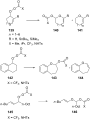
Scheme 42: Synthesis of enol esters and acetals via the Criegee rearrangement.

Scheme 43: Proposed mechanism of the transformation of 1-hydroperoxy-2-oxabicycloalkanones 147a–d.

Scheme 44: Transformation of 3-hydroxy-1,2-dioxolanes 151 into diketone derivatives 152.

Scheme 45: Criegee rearrangement of peroxide 153 with the mono-, di-, and tri-O-insertion.

Scheme 46: The sequential Criegee rearrangements of adamantanes 157a,b.

Scheme 47: Synthesis of diaryl carbonates 160a–d from triarylmethanols 159a–d through successive oxygen insert...

Scheme 48: The synthesis of sesquiterpenes 162 from ketone 161 with a Criegee rearrangement as one key step.

Scheme 49: Synthesis of trans-hydrindan derivatives 164, 165.

Scheme 50: The Hock rearrangement.

Scheme 51: The general scheme of the cumene process.

Scheme 52: The Hock rearrangement of aliphatic hydroperoxides.
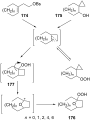
Scheme 53: The mechanism of solvolysis of brosylates 174a–c and spiro cyclopropyl carbinols 175a–c in THF/H2O2....

Scheme 54: The fragmentation mechanism of hydroperoxy acetals 178 to esters 179.

Scheme 55: The acid-catalyzed rearrangement of phenylcyclopentyl hydroperoxide 181.

Scheme 56: The peroxidation of tertiary alcohols in the presence of a catalytic amount of acid.

Scheme 57: The acid-catalyzed reaction of bicyclic secondary alcohols 192 with hydrogen peroxide.

Scheme 58: The photooxidation of 5,6-disubstituted 3,4-dihydro-2H-pyrans 196.

Scheme 59: The oxidation of tertiary alcohols 200a–g, 203a,b, and 206.

Scheme 60: Transformation of functional peroxide 209 leading to 2,3-disubstitued furans 210 in one step.

Scheme 61: The synthesis of carbazoles 213 via peroxide rearrangement.

Scheme 62: The construction of C–N bonds using the Hock rearrangement.

Scheme 63: The synthesis of moiety 218 from 217 which is a structural motif in the antitumor–antibiotic of CC-...

Scheme 64: The in vivo oxidation steps of cholesterol (219) by singlet oxygen.

Scheme 65: The proposed mechanism of the rearrangement of cholesterol-5α-OOH 220.

Scheme 66: Photochemical route to artemisinin via Hock rearrangement of 223.

Scheme 67: The Kornblum–DeLaMare rearrangement.

Scheme 68: Kornblum–DeLaMare transformation of 1-phenylethyl tert-butyl peroxide (225).

Scheme 69: The synthesis 4-hydroxyenones 230 from peroxide 229.

Scheme 70: The Kornblum–DeLaMare rearrangement of peroxide 232.

Scheme 71: The reduction of peroxide 234.

Scheme 72: The Kornblum–DeLaMare rearrangement of endoperoxide 236.

Scheme 73: The rearrangement of peroxide 238 under Kornblum–DeLaMare conditions.

Scheme 74: The proposed mechanism of rearrangement of peroxide 238.

Scheme 75: The Kornblum–DeLaMare rearrangement of peroxides 242a,b.

Scheme 76: The base-catalyzed rearrangements of bicyclic endoperoxides having electron-withdrawing substituent...

Scheme 77: The base-catalyzed rearrangements of bicyclic endoperoxides 249a,b having electron-donating substit...

Scheme 78: The base-catalyzed rearrangements of bridge-head substituted bicyclic endoperoxides 251a,b.

Scheme 79: The Kornblum–DeLaMare rearrangement of hydroperoxide 253.

Scheme 80: Synthesis of β-hydroxy hydroperoxide 254 from endoperoxide 253.

Scheme 81: The amine-catalyzed rearrangement of bicyclic endoperoxide 263.

Scheme 82: The base-catalyzed rearrangement of meso-endoperoxide 268 into 269.

Scheme 83: The photooxidation of 271 and subsequent Kornblum–DeLaMare reaction.

Scheme 84: The Kornblum–DeLaMare rearrangement as one step in the oxidation reaction of enamines.

Scheme 85: The Kornblum–DeLaMare rearrangement of 3,5-dihydro-1,2-dioxenes 284, 1,2-dioxanes 286, and tert-but...

Scheme 86: The Kornblum–DeLaMare rearrangement of epoxy dioxanes 290a–d.

Scheme 87: Rearrangement of prostaglandin H2 292.

Scheme 88: The synthesis of epicoccin G (297).

Scheme 89: The Kornblum–DeLaMare rearrangement used in the synthesis of phomactin A.

Scheme 90: The Kornblum–DeLaMare rearrangement in the synthesis of 3H-quinazolin-4-one 303.

Scheme 91: The Kornblum–DeLaMare rearrangement in the synthesis of dolabriferol (308).

Scheme 92: Sequential transformation of 3-substituted 2-pyridones 309 into 3-hydroxypyridine-2,6-diones 311 in...

Scheme 93: The Kornblum–DeLaMare rearrangement of peroxide 312 into hydroxy enone 313.

Scheme 94: The Kornblum–DeLaMare rearrangement in the synthesis of polyfunctionalized carbonyl compounds 317.

Scheme 95: The Kornblum–DeLaMare rearrangement in the synthesis of (Z)-β-perfluoroalkylenaminones 320.

Scheme 96: The Kornblum–DeLaMare rearrangement in the synthesis of γ-ketoester 322.

Scheme 97: The Kornblum–DeLaMare rearrangement in the synthesis of diterpenoids 326 and 328.

Scheme 98: The synthesis of natural products hainanolidol (331) and harringtonolide (332) from peroxide 329.

Scheme 99: The synthesis of trans-fused butyrolactones 339 and 340.

Scheme 100: The synthesis of leucosceptroid C (343) and leucosceptroid P (344) via the Kornblum–DeLaMare rearra...

Scheme 101: The Dakin oxidation of arylaldehydes or acetophenones.

Scheme 102: The mechanism of the Dakin oxidation.

Scheme 103: A solvent-free Dakin reaction of aromatic aldehydes 356.

Scheme 104: The organocatalytic Dakin oxidation of electron-rich arylaldehydes 358.

Scheme 105: The Dakin oxidation of electron-rich arylaldehydes 361.

Scheme 106: The Dakin oxidation of arylaldehydes 358 in water extract of banana (WEB).

Scheme 107: A one-pot approach towards indolo[2,1-b]quinazolines 364 from indole-3-carbaldehydes 363 through th...

Scheme 108: The synthesis of phenols 367a–c from benzaldehydes 366a-c via acid-catalyzed Dakin oxidation.

Scheme 109: Possible transformation paths of the highly polarized boric acid coordinated H2O2–aldehyde adduct 3...

Scheme 110: The Elbs oxidation of phenols 375 to hydroquinones.

Scheme 111: The mechanism of the Elbs persulfate oxidation of phenols 375 affording p-hydroquinones 376.

Scheme 112: Oxidation of 2-pyridones 380 under Elbs persulfate oxidation conditions.

Scheme 113: Synthesis of 3-hydroxy-4-pyridone (384) via an Elbs oxidation of 4-pyridone (382).

Scheme 114: The Schenck rearrangement.

Scheme 115: The Smith rearrangement.

Scheme 116: Three main pathways of the Schenck rearrangement.

Scheme 117: The isomerization of hydroperoxides 388 and 389.

Scheme 118: Trapping of dioxacyclopentyl radical 392 by oxygen.

Scheme 119: The hypothetical mechanism of the Schenck rearrangement of peroxide 394.

Scheme 120: The autoxidation of oleic acid (397) with the use of labeled isotope 18O2.

Scheme 121: The rearrangement of 18O-labeled hydroperoxide 400 under an atmosphere of 16O2.

Scheme 122: The rearrangement of the oleate-derived allylic hydroperoxides (S)-421 and (R)-425.

Scheme 123: Mechanisms of Schenck and Smith rearrangements.

Scheme 124: The rearrangement and cyclization of 433.

Scheme 125: The Wieland rearrangement.

Scheme 126: The rearrangement of bis(triphenylsilyl) 439 or bis(triphenylgermyl) 441 peroxides.

Scheme 127: The oxidative transformation of cyclic ketones.

Scheme 128: The hydroxylation of cyclohexene (447) in the presence of tungstic acid.

Scheme 129: The oxidation of cyclohexene (447) under the action of hydrogen peroxide.

Scheme 130: The reaction of butenylacetylacetone 455 with hydrogen peroxide.

Scheme 131: The oxidation of bridged 1,2,4,5-tetraoxanes.

Scheme 132: The proposed mechanism for the oxidation of bridged 1,2,4,5-tetraoxanes.

Scheme 133: The rearrangement of ozonides.

Scheme 134: The acid-catalyzed oxidative rearrangement of malondialdehydes 462 under the action of H2O2.

Scheme 135: Pathways of the Lewis acid-catalyzed cleavage of dialkyl peroxides 465 and ozonides 466.

Scheme 136: The mechanism of the transformation of (tert-butyldioxy)cyclohexanedienones 472.

Scheme 137: The synthesis of Vitamin K3 from 472a.

Scheme 138: Proposed mechanism for the transformation of 478d into silylated endoperoxide 479d.

Scheme 139: The rearrangement of hydroperoxide 485 to form diketone 486.

Scheme 140: The base-catalyzed rearrangement of cyclic peroxides 488a–g.

Scheme 141: Synthesis of chiral epoxides and aldols from peroxy hemiketals 491.

Scheme 142: The multistep transformation of (R)-carvone (494) to endoperoxides 496a–e.

Scheme 143: The decomposition of anthracene endoperoxide 499.

Scheme 144: Synthesis of esters 503 from aldehydes 501 via rearrangement of peroxides 502.

Scheme 145: Two possible paths for the base-promoted decomposition of α-azidoperoxides 502.

Scheme 146: The Story decomposition of cyclic diperoxide 506a.

Scheme 147: The Story decomposition of cyclic triperoxide 506b.

Scheme 148: The thermal rearrangement of endoperoxides A into diepoxides B.

Scheme 149: The transformation of peroxide 510 in the synthesis of stemolide (511).

Scheme 150: The possible mechanism of the rearrangement of endoperoxide 261g.

Scheme 151: The photooxidation of indene 517.

Scheme 152: The isomerization of ascaridole (523).

Scheme 153: The isomerization of peroxide 525.

Scheme 154: The thermal transformation of endoperoxide 355.

Scheme 155: The photooxidation of cyclopentadiene (529) at a temperature higher than 0 °C.

Scheme 156: The thermal rearrangement of endoperoxides 538a,b.

Scheme 157: The transformation of peroxides 541.

Scheme 158: The thermal rearrangements of strained cyclic peroxides.

Scheme 159: The thermal rearrangement of diacyl peroxide 551 in the synthesis of C4-epi-lomaiviticin B core 553....

Scheme 160: The 1O2 oxidation of tryptophan (554) and rearrangement of dioxetane intermediate 555.

Scheme 161: The Fe(II)-promoted cleavage of aryl-substituted bicyclic peroxides.

Scheme 162: The proposed mechanism of the Fe(II)-promoted rearrangement of 557a–c.

Scheme 163: The reaction of dioxolane 563 with Fe(II) sulfate.

Scheme 164: Fe(II)-promoted rearrangement of 1,2-dioxane 565.

Scheme 165: Fe(II) cysteinate-promoted rearrangement of 1,2-dioxolane 568.

Scheme 166: The transformation of 1,2-dioxanes 572a–c under the action of FeCl2.

Scheme 167: Fe(II) cysteinate-promoted transformation of tetraoxane 574.

Scheme 168: The CoTPP-catalyzed transformation of bicyclic endoperoxides 600a–d.

Scheme 169: The CoTPP-catalyzed transformation of epoxy-1,2-dioxanes.

Scheme 170: The Ru(II)-catalyzed reactions of 1,4-endoperoxide 261g.

Scheme 171: The Ru(II)-catalyzed transformation as a key step in the synthesis of elyiapyrone A (610) from 1,4-...

Scheme 172: Peroxides with antimalarial activity.

Scheme 173: The interaction of iron ions with artemisinin (616).

Scheme 174: The interaction of FeCl2 with 1,2-dioxanes 623, 624.

Scheme 175: The mechanism of reaction 623 and 624 with Fe(II)Cl2.

Scheme 176: The reaction of bicyclic natural endoperoxides G3-factors 631–633 with FeSO4.

Scheme 177: The transformation of terpene cardamom peroxide 639.
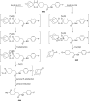
Scheme 178: The different ways of the cleavage of tetraoxane 643.

Scheme 179: The LC–MS analysis of interaction of tetraoxane 646 with iron(II)heme 647.

Scheme 180: The rearrangement of 3,6-epidioxy-1,10-bisaboladiene (EDBD, 649).

Scheme 181: Easily oxidized substrates.

Scheme 182: Biopathway of synthesis of prostaglandins.

Scheme 183: The reduction and rearrangements of isoprostanes.

Scheme 184: The partial mechanism for linoleate 658 oxidation.

Scheme 185: The transformation of lipid hydroperoxide.

Scheme 186: The acid-catalyzed cleavage of the product from free-radical oxidation of cholesterol (667).

Scheme 187: Two pathways of catechols oxidation.

Scheme 188: Criegee-like or Hock-like rearrangement of the intermediate hydroperoxide 675 in dioxygenase enzyme...

Scheme 189: Carotinoides 679 cleavage by carotenoid cleavage dioxygenases.
Multicomponent reactions: A simple and efficient route to heterocyclic phosphonates
- Mohammad Haji
Beilstein J. Org. Chem. 2016, 12, 1269–1301, doi:10.3762/bjoc.12.121
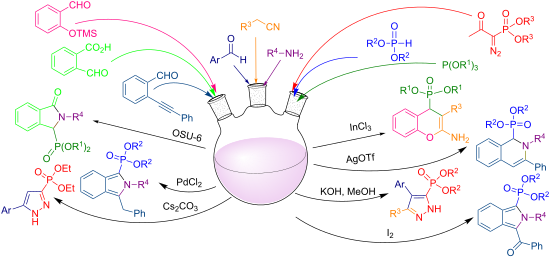
- 2015. Review 1 Biginelli condensation The classical Biginelli condensation involves the reaction of an aldehyde 1 with urea (2) and a β-ketoester 3 under acidic conditions in refluxing ethanol to yield 3,4-dihydropyrimidin-2-one derivatives 4 (Scheme 1) [24]. Although, a large number of CH-acidic
- were resistant to this reaction. The trimethylchlorosilane-mediated one-pot reaction of diethyl (3,3,3-trifluoropropyl-2-oxo)phosphonate (8) with aryl aldehydes 9 and urea under Biginelli conditions has been presented by Timoshenko et al. (Scheme 3) [27]. The resulting 4-hydroxytetrahydropyrimidin-2
- reaction of diethyl (3,3,3-trifluoropropyl-2-oxo)phosphonate. Biginelli reaction of dialkyl (3,3,3-trifluoropropyl-2-oxo)phosphonate with trialkyl orthoformates and urea. p-Toluenesulfonic acid-promoted Biginelli reaction of β-ketophosphonates, aryl aldehydes and urea. General Kabachnik–Fields reaction for

Graphical Abstract

Scheme 1: The Biginelli condensation.

Scheme 2: The Biginelli reaction of β-ketophosphonates catalyzed by ytterbium triflate.

Scheme 3: Trimethylchlorosilane-mediated Biginelli reaction of diethyl (3,3,3-trifluoropropyl-2-oxo)phosphona...

Scheme 4: Biginelli reaction of dialkyl (3,3,3-trifluoropropyl-2-oxo)phosphonate with trialkyl orthoformates ...

Scheme 5: p-Toluenesulfonic acid-promoted Biginelli reaction of β-ketophosphonates, aryl aldehydes and urea.

Scheme 6: General Kabachnik–Fields reaction for the synthesis of α-aminophosphonates.

Scheme 7: Phthalocyanine–AlCl catalyzed Kabachnik–Fields reaction of N-Boc-piperidin-4-one with diethyl phosp...

Scheme 8: Kabachnik–Fields reaction of isatin with diethyl phosphite and benzylamine.

Scheme 9: Magnetic Fe3O4 nanoparticle-supported phosphotungstic acid-catalyzed Kabachnik–Fields reaction of i...

Scheme 10: The Mg(ClO4)2-catalyzed Kabachnik–Fields reaction of 1-tosylpiperidine-4-one.

Scheme 11: An asymmetric version of the Kabachnik–Fields reaction for the synthesis of α-amino-3-piperidinylph...

Scheme 12: A classical Kabachnik–Fields reaction followed by an intramolecular ring-closing reaction for the s...

Scheme 13: Synthesis of (S)-piperidin-2-phosphonic acid through an asymmetric Kabachnik–Fields reaction.

Scheme 14: A modified diastereoselective Kabachnik–Fields reaction for the synthesis of isoindolin-1-one-3-pho...

Scheme 15: A microwave-assisted Kabachnik–Fields reaction toward isoindolin-1-ones.

Scheme 16: The synthesis of 3-arylmethyleneisoindolin-1-ones through a Horner–Wadsworth–Emmons reaction of Kab...

Scheme 17: An efficient one-pot method for the synthesis of ethyl (2-alkyl- and 2-aryl-3-oxoisoindolin-1-yl)ph...

Scheme 18: FeCl3 and PdCl2 co-catalyzed three-component reaction of 2-alkynylbenzaldehydes, anilines, and diet...

Scheme 19: Three-component reaction of 6-methyl-3-formylchromone (75) with hydrazine derivatives or hydroxylam...

Scheme 20: Three-component reaction of 6-methyl-3-formylchromone (75) with thiourea, guanidinium carbonate or ...

Scheme 21: Three-component reaction of 6-methyl-3-formylchromone (75) with 1,4-bi-nucleophiles in the presence...

Scheme 22: One-pot three-component reaction of 2-alkynylbenzaldehydes, amines, and diethyl phosphonate.

Scheme 23: Lewis acid–surfactant combined catalysts for the one-pot three-component reaction of 2-alkynylbenza...

Scheme 24: Lewis acid catalyzed cyclization of different Kabachnik–Fields adducts.

Scheme 25: Three-component synthesis of N-arylisoquinolone-1-phosphonates 119.

Scheme 26: CuI-catalyzed three-component tandem reaction of 2-(2-formylphenyl)ethanones with aromatic amines a...

Scheme 27: Synthesis of 1,5-benzodiazepin-2-ylphosphonates via ytterbium chloride-catalyzed three-component re...

Scheme 28: FeCl3-catalyzed four-component reaction for the synthesis of 1,5-benzodiazepin-2-ylphosphonates.

Scheme 29: Synthesis of indole bisphosphonates through a modified Kabachnik–Fields reaction.

Scheme 30: Synthesis of heterocyclic bisphosphonates via Kabachnik–Fields reaction of triethyl orthoformate.

Scheme 31: A domino Knoevenagel/phospha-Michael process for the synthesis of 2-oxoindolin-3-ylphosphonates.

Scheme 32: Intramolecular cyclization of phospha-Michael adducts to give dihydropyridinylphosphonates.

Scheme 33: Synthesis of fused phosphonylpyrans via intramolecular cyclization of phospha-Michael adducts.

Scheme 34: InCl3-catalyzed three-component synthesis of (2-amino-3-cyano-4H-chromen-4-yl)phosphonates.

Scheme 35: Synthesis of phosphonodihydropyrans via a domino Knoevenagel/hetero-Diels–Alder process.

Scheme 36: Multicomponent synthesis of phosphonodihydrothiopyrans via a domino Knoevenagel/hetero-Diels–Alder ...

Scheme 37: One-pot four-component synthesis of 1,2-dihydroisoquinolin-1-ylphosphonates under multicatalytic co...

Scheme 38: CuI-catalyzed four-component reactions of methyleneaziridines towards alkylphosphonates.

Scheme 39: Ruthenium–porphyrin complex-catalyzed three-component synthesis of aziridinylphosphonates and its p...

Scheme 40: Copper(I)-catalyzed three-component reaction towards 1,2,3-triazolyl-5-phosphonates.

Scheme 41: Three-component reaction of acylphosphonates, isocyanides and dialkyl acetylenedicarboxylate to aff...

Scheme 42: Synthesis of (4-imino-3,4-dihydroquinazolin-2-yl)phosphonates via an isocyanide-based three-compone...

Scheme 43: Silver-catalyzed three-component synthesis of (2-imidazolin-4-yl)phosphonates.

Scheme 44: Three-component synthesis of phosphonylpyrazoles.

Scheme 45: One-pot three-component synthesis of 3-carbo-5-phosphonylpyrazoles.

Scheme 46: A one-pot two-step method for the synthesis of phosphonylpyrazoles.

Scheme 47: A one-pot method for the synthesis of (5-vinylpyrazolyl)phosphonates.

Scheme 48: Synthesis of 1H-pyrrol-2-ylphosphonates via the [3 + 2] cycloaddition of phosphonate azomethine yli...

Scheme 49: Three-component synthesis of 1H-pyrrol-2-ylphosphonates.

Scheme 50: The classical Reissert reaction.

Scheme 51: One-pot three-component synthesis of N-phosphorylated isoquinolines.

Scheme 52: One-pot three-component synthesis of 1-acyl-1,2-dihydroquinoline-2-phosphonates and 2-acyl-1,2-dihy...

Scheme 53: Three-component reaction of pyridine derivatives with ethyl propiolate and dialkyl phosphonates.

Scheme 54: Three-component reactions for the phosphorylation of benzothiazole and isoquinoline.

Scheme 55: Three-component synthesis of diphenyl [2-(aminocarbonyl)- or [2-(aminothioxomethyl)-1,2-dihydroisoq...

Scheme 56: Three-component stereoselective synthesis of 1,2-dihydroquinolin-2-ylphosphonates and 1,2-dihydrois...

Scheme 57: Diphosphorylation of diazaheterocyclic compounds via a tandem 1,4–1,2 addition of dimethyl trimethy...

Scheme 58: Multicomponent reaction of alkanedials, acetamide and acetyl chloride in the presence of PCl3 and a...

Scheme 59: An oxidative domino three-component synthesis of polyfunctionalized pyridines.

Scheme 60: A sequential one-pot three-component synthesis of polysubstituted pyrroles.

Scheme 61: Three-component decarboxylative coupling of proline with aldehydes and dialkyl phosphites for the s...

Scheme 62: Three-component domino aza-Wittig/phospha-Mannich sequence for the phosphorylation of isatin deriva...

Scheme 63: Stereoselective synthesis of phosphorylated trans-1,5-benzodiazepines via a one-pot three-component...

Scheme 64: One-pot three-component synthesis of phosphorylated 2,6-dioxohexahydropyrimidines.
Modular synthesis of the pyrimidine core of the manzacidins by divergent Tsuji–Trost coupling
- Sebastian Bretzke,
- Stephan Scheeff,
- Felicitas Vollmeyer,
- Friederike Eberhagen,
- Frank Rominger and
- Dirk Menche
Beilstein J. Org. Chem. 2016, 12, 1111–1121, doi:10.3762/bjoc.12.107
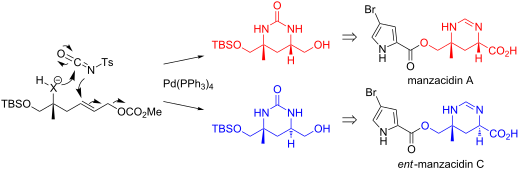
- readily available joint urea-type substrate enables the facile preparation of both diastereomers in high yields. The practical application of this approach is demonstrated in the efficient and modular preparation of the authentic heterocyclic cores of manzacidins, structurally unique bromopyrrole
- -metathesis of a challenging homoallylic urea substrate, which proceeds in good yields in the presence of an organic phosphoric acid. Keywords: cross-metathesis; natural products; pyrimidines; Tsuji–Trost reaction; synthetic methods; Introduction Chiral pyrimidine motifs constitute prevalent structural
- ][30][31], we became interested to devise a novel and a more versatile route to the central heterocyclic core of these marine metabolites. The method is based on a late-stage diversification strategy involving a Tsuji–Trost reaction of the urea-type joint precursor 5. In contrast to existing routes

Graphical Abstract

Figure 1: Modular concept for manzacidin synthesis based on a Tsuji–Trost coupling of joint intermediate 5.

Scheme 1: General concept for heterocycles synthesis based on a nucleophilic addition and Tsuji–Trost couplin...

Scheme 2: Synthesis of homoallylic alcohol 12 by multi-component reactions.
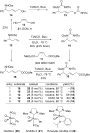
Scheme 3: Preparation of urea-type cyclization precursor 19.

Scheme 4: Stereodivergent synthesis of 1,3-syn- and anti-tetrahydropyrimidinones [31].
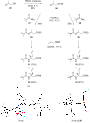
Scheme 5: Stereoselective synthesis of all possible stereoisomers of the manzacidin core amine by asymmetric ...
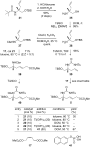
Scheme 6: Synthesis of the authentic cyclization precursor 5.
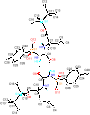
Figure 2: X-ray structure of 39.
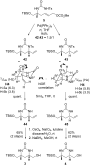
Scheme 7: Divergent Tsuji–Trost coupling and completion of the synthesis of authentic pyrimidinones 3 and 4.
Towards the total synthesis of keramaphidin B
- Pavol Jakubec,
- Alistair J. M. Farley and
- Darren J. Dixon
Beilstein J. Org. Chem. 2016, 12, 1096–1100, doi:10.3762/bjoc.12.104
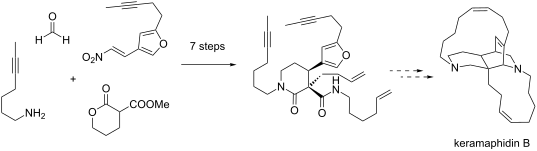
- stereochemical configuration of the quaternary carbon was established by a diastereoselective Michael addition between a chiral, single enantiomer, cyclic β-amido ester and a nitroolefin, and, in the case of nakadomarin A the reaction could be rendered catalytic using a bifunctional cinchonine-derived urea

Graphical Abstract
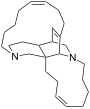
Figure 1: Keramaphidin B (1).

Figure 2: Retrosynthetic analysis of keramaphidin B.

Scheme 1: Enantio- and diastereoselective bifunctional thiourea 12 organocatalysed Michael addition. (a) CO(O...

Scheme 2: Synthesis of bis alkene 5. (a) 12 (20 mol %), toluene, −20 °C, 36 h, 95:5 dr, 92% yield; (b) aq HCH...
Iodine-mediated synthesis of 3-acylbenzothiadiazine 1,1-dioxides
- Long-Yi Xi,
- Ruo-Yi Zhang,
- Lei Shi,
- Shan-Yong Chen and
- Xiao-Qi Yu
Beilstein J. Org. Chem. 2016, 12, 1072–1078, doi:10.3762/bjoc.12.101
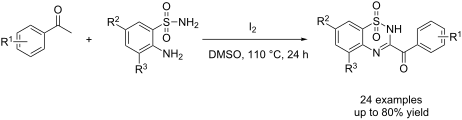
- been developed to synthesize benzothiadiazine 1,1-dioxides and their analogues. The condensations of 2-aminobenzenesulfonamides with urea, isocyanates, carboxylic acid derivatives or other carbonyl reagents are the most used methods [12][13][14][15]. These reactions were usually carried out under harsh

Graphical Abstract

Scheme 1: Selected benzothiadaiazine 1,1-dioxides with potent biological activities.
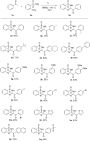
Scheme 2: Scope of acetophenones (reaction conditions: 1 (0.33 mmol), 2a (0.3 mmol), DMSO (2 mL), I2 (0.75 eq...

Scheme 3: Scope of 2-aminobenzenesulfonamides (reaction conditions: 1 (0.33 mmol), 2a (0.3 mmol), DMSO (2 mL)...

Scheme 4: Reactions of 2-aminobenzenesulfonamides bearing an alknyl group (reaction conditions: 1 (0.33 mmol)...

Scheme 5: Gram scale reaction between 1a and 2a.

Figure 1: X-ray crystal structure of 4b (CCDC 1444753).

Scheme 6: Control experiment.

Scheme 7: Proposed mechanism.
Cationic Pd(II)-catalyzed C–H activation/cross-coupling reactions at room temperature: synthetic and mechanistic studies
- Takashi Nishikata,
- Alexander R. Abela,
- Shenlin Huang and
- Bruce H. Lipshutz
Beilstein J. Org. Chem. 2016, 12, 1040–1064, doi:10.3762/bjoc.12.99
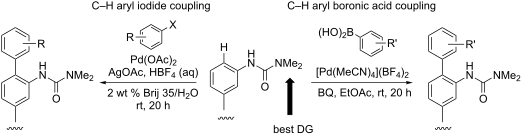
- under milder conditions than those previously reported. The nature of the directing group was found to be critical for achieving room temperature conditions, with the urea moiety the most effective in promoting facile coupling reactions at an ortho C–H position. This methodology has been utilized in a
- group as has been observed in a related urea palladacycle [73][215]. The bond length of Pd–N is 1.96 Å in [Pd(MeCN)4](BF4)2. NMR spectroscopic studies on the reaction between a cationic Pd(II) complex and an arylurea to generate a palladacycle are illustrated in Figure 8. The pure palladacycle from pre
- coordinating ability as a ligand on cationic palladium. On the other hand, when nitrile-free conditions were applied to urea 1f, with in situ-generated palladacycle (from Pd(OAc)2 and HBF4; Figure 8), followed by addition of the usual reagents, each reaction proceeded to give the anticipated acrylated/arylated

Graphical Abstract

Figure 1: Road map to enhanced C–H activation reactivity.

Scheme 1: Concerted metalation–deprotonation and elelectrophilic palladation pathways for C–H activation.

Scheme 2: Routes for generation of cationic palladium(II) species.

Scheme 3: Optimized conditions for C–H arylations at room temperature.

Scheme 4: Biaryl formation catalyzed by Pd(OAc)2.
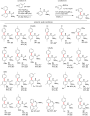
Figure 2: C–H arylation results. Conditions A: Conducted at rt for 20 h in 2 wt % Brij 35/water (1 mL) with 1...

Figure 3: Monoarylations in water at rt. Conditions A: Conducted at rt for 20 h in 2 wt % Brij 35/water with ...

Scheme 5: Selective arylation of a 1-naphthylurea derivative.

Figure 4: Fujiwara–Moritani coupling rreactions in water. Conditions A: 10 mol % [Pd(MeCN)4](BF4)2, 1 equiv B...

Figure 5: Optimization. Conducted at rt for 8 h or as otherwise noted in EtOAc with 10 mol % Pd catalyst, AgO...

Figure 6: Representative results in EtOAc. Conducted at rt in EtOAc with 10 mol % Pd(OAc)2, HBF4 (1 equiv), a...
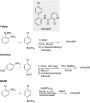
Scheme 6: Previous syntheses of boscalid®.

Scheme 7: Synthesis of boscalid®. aConducted at rt for 20 h in EtOAc with 10 mol % [Pd(MeCN)4](BF4)2, BQ (5 e...

Scheme 8: Hypothetical reaction sequence for cationic Pd(II)-catalyzed aromatic C–H activation reactions.

Scheme 9: Palladacycle formation.

Figure 7: X-ray structure of palladacycle 6 with thermal ellipsoids at the 50% probability level. BF4 and hyd...

Figure 8: NMR studies. A: The reaction of [Pd(MeCN)4](BF4)2 and 3-MeOC6H4NHCONMe2 in acetone-d6. B: The react...

Scheme 10: The generation of cationic Pd(II) from Pd(OAc)2.

Scheme 11: Electrophilic substitution of aromatic hydrogen by cationic palladium(II) species.

Scheme 12: Attempted reactions of palladacycle 6.

Scheme 13: The impact of MeCN on C-H activation/coupling reactions.

Scheme 14: Stoichiometric MeCN-free reactions. a2% Brij 35 was used instead of EtOAc.

Scheme 15: The reactions of divalent palladacycles.

Scheme 16: Role of BQ in stoichiometric Fujiwara–Moritani and Suzuki–Miyaura coupling reactions. aYields based...

Scheme 17: Proposed role of BQ in Fujiwara–Moritani reactions.

Scheme 18: Proposed role of BQ in Suzuki–Miyaura coupling reactions.

Scheme 19: Stoichiometric C–H arylation of iodobenzene. aYields based on Pd.

Scheme 20: Impact of acetate on the cationicity of Pd.

Scheme 21: Roles of additives in C–H arylation.

Scheme 22: Cross-coupling in the presence of AgBF4.

Scheme 23: A proposed catalytic cycle for Fujiwara–Moritani reactions.

Scheme 24: Proposed catalytic cycle of C–H activation/Suzuki–Miyaura coupling reactions.

Scheme 25: A proposed catalytic cycle for C–H arylation involving a Pd(IV) intermediate.
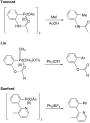
Scheme 26: Selected reactions of divalent palladacycles.
Catalytic asymmetric synthesis of biologically important 3-hydroxyoxindoles: an update
- Bin Yu,
- Hui Xing,
- De-Quan Yu and
- Hong-Min Liu
Beilstein J. Org. Chem. 2016, 12, 1000–1039, doi:10.3762/bjoc.12.98
- yields (70–84%) and with decreased enantioselectivities (37–83% ee, Scheme 32) [49]. Zhao and co-workers developed the first enantioselective aldol reaction of 3-acetyl-2H-chromen-2-ones with isatins catalyzed by the quinidine-derived urea catalyst (cat. 18, Scheme 33) [50]. The reactions were performed
- catalyst loading at –20 °C. They also highlighted another cinchona alkaloid-derived urea catalyst bearing an N-alkyl group (cat. 20), which was more efficient than cat. 19 in the reactions with halogenated isatins. Compared to N-unsubstituted isatins, the N-methyl-protected isatin gave a lower yield and ee
- yields and enantioselectivities. (Thio)urea catalysts Different from the above mentioned aldol reactions, Jiang and co-workers reported the first highly enantioselective vinylogous aldol reaction of allyl ketones with isatins (Scheme 39) [56]. The reactions were performed in diethyl ether in the presence

Graphical Abstract

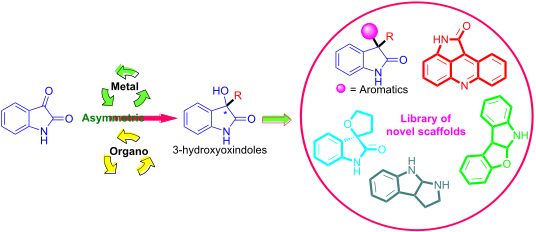
Figure 1: 3-Hydroxyoxindole-containing natural products and biologically active molecules.

Scheme 1: Chiral CNN pincer Pd(II) complex 1 catalyzed asymmetric allylation of isatins.

Scheme 2: Asymmetric allylation of ketimine catalyzed by the chiral CNN pincer Pd(II) complex 2.

Scheme 3: Pd/L1 complex-catalyzed asymmetric allylation of 3-O-Boc-oxindoles.

Scheme 4: Cu(OTf)2-catalyzed asymmetric direct addition of acetonitrile to isatins.

Scheme 5: Chiral tridentate Schiff base/Cu complex catalyzed asymmetric Friedel–Crafts alkylation of isatins ...

Scheme 6: Guanidine/CuI-catalyzed asymmetric alkynylation of isatins with terminal alkynes.

Scheme 7: Asymmetric intramolecular direct hydroarylation of α-ketoamides.

Scheme 8: Plausible catalytic cycle for the direct hydroarylation of α-ketoamides.

Scheme 9: Ir-catalyzed asymmetric arylation of isatins with arylboronic acids.

Scheme 10: Enantioselective decarboxylative addition of β-ketoacids to isatins.

Scheme 11: Ruthenium-catalyzed hydrohydroxyalkylation of olefins and 3-hydroxy-2-oxindoles.

Scheme 12: Proposed catalytic mechanism and stereochemical model.

Scheme 13: In-catalyzed allylation of isatins with stannylated reagents.

Scheme 14: Modified protocol for the synthesis of allylated 3-hydroxyoxindoles.

Scheme 15: Hg-catalyzed asymmetric allylation of isatins with allyltrimethylsilanes.

Scheme 16: Enantioselective additions of organoborons to isatins.

Scheme 17: Asymmetric aldol reaction of isatins with cyclohexanone.

Scheme 18: Enantioselective aldol reactions of aliphatic aldehydes with isatin derivatives and the plausible t...

Scheme 19: Enantioselective aldol reaction of isatins and 2,2-dimethyl-1,3-dioxan-5-one.

Scheme 20: Asymmetric aldol reactions between ketones and isatins.

Scheme 21: Phenylalanine lithium salt-catalyzed asymmetric synthesis of 3-alkyl-3-hydroxyoxindoles.

Scheme 22: Aldolization between isatins and dihydroxyacetone derivatives.

Scheme 23: One-pot asymmetric synthesis of convolutamydine A.

Scheme 24: Asymmetric aldol reactions of cyclohexanone and acetone with isatins.

Scheme 25: Aldol reactions of acetone with isatins.

Scheme 26: Aldol reactions of ketones with isatins.

Scheme 27: Enantioselective allylation of isatins.

Scheme 28: Asymmetric aldol reaction of trifluoromethyl α-fluorinated β-keto gem-diols with isatins.

Scheme 29: Plausible mechanism proposed for the asymmetric aldol reaction.
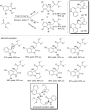
Scheme 30: Asymmetric aldol reaction of 1,1-dimethoxyacetone with isatins.

Scheme 31: Enantioselective Friedel-Crafts reaction of phenols with isatins.

Scheme 32: Enantioselective addition of 1-naphthols with isatins.

Scheme 33: Enantioselective aldol reaction between 3-acetyl-2H-chromen-2-ones and isatins.

Scheme 34: Stereoselective Mukaiyama–aldol reaction of fluorinated silyl enol ethers with isatins.

Scheme 35: Asymmetric vinylogous Mukaiyama–aldol reaction between 2-(trimethylsilyloxy)furan and isatins.

Scheme 36: β-ICD-catalyzed MBH reactions of isatins with maleimides.

Scheme 37: β-ICD-catalyzed MBH reactions of 7-azaisatins with maleimides and activated alkenes.

Scheme 38: Enantioselective aldol reaction of isatins with ketones.

Scheme 39: Direct asymmetric vinylogous aldol reactions of allyl ketones with isatins.

Scheme 40: Enantioselective aldol reactions of ketones with isatins.

Scheme 41: The MBH reaction of isatins with α,β-unsaturated γ-butyrolactam.

Scheme 42: Reactions of tert-butyl hydrazones with isatins followed by oxidation.

Scheme 43: Aldol reactions of isatin derivatives with ketones.

Scheme 44: Enantioselective decarboxylative cyanomethylation of isatins.

Scheme 45: Catalytic kinetic resolution of 3-hydroxy-3-substituted oxindoles.

Scheme 46: Lewis acid catalyzed Friedel–Crafts alkylation of 3-hydroxy-2-oxindoles with electron-rich phenols.

Scheme 47: Lewis acid catalyzed arylation of 3-hydroxyoxindoles with aromatics.

Scheme 48: Synthetic application of 3-arylated disubstituted oxindoles in the construction of core structures ...

Scheme 49: CPA-catalyzed dearomatization and arylation of 3-indolyl-3-hydroxyoxindoles with tryptamines and 3-...

Scheme 50: CPA-catalyzed enantioselective decarboxylative alkylation of β-keto acids with 3-hydroxy-3-indolylo...

Scheme 51: BINOL-derived imidodiphosphoric acid-catalyzed enantioselective Friedel–Crafts reactions of indoles...

Scheme 52: CPA-catalyzed enantioselective allylation of 3-indolylmethanols.

Scheme 53: 3-Indolylmethanol-based substitution and cycloaddition reactions.

Scheme 54: CPA-catalyzed asymmetric [3 + 3] cycloaddtion reactions of 3-indolylmethanols with azomethine ylide...

Scheme 55: CPA-catalyzed three-component cascade Michael/Pictet–Spengler reactions of 3-indolylmethanols and a...

Scheme 56: Acid-promoted chemodivergent and stereoselective synthesis of diverse indole derivatives.

Scheme 57: CPA-catalyzed asymmetric formal [3 + 2] cycloadditions.

Scheme 58: CPA-catalyzed enantioselective cascade reactions for the synthesis of C7-functionlized indoles.

Scheme 59: Lewis acid-promoted Prins cyclization of 3-allyl-3-hydroxyoxindoles with aldehydes.

Scheme 60: Ga(OTf)3-catalyzed reactions of allenols and phenols.

Scheme 61: I2-catalyzed construction of pyrrolo[2.3.4-kl]acridines from enaminones and 3-indolyl-3-hydroxyoxin...

Scheme 62: CPA-catalyzed asymmetric aza-ene reaction of 3-indolylmethanols with cyclic enaminones.

Scheme 63: Asymmetric α-alkylation of aldehydes with 3-indolyl-3-hydroxyoxindoles.

Scheme 64: Organocatalytic asymmetric α-alkylation of enolizable aldehydes with 3-indolyl-3-hydroxyoxindoles a...
1H-Imidazol-4(5H)-ones and thiazol-4(5H)-ones as emerging pronucleophiles in asymmetric catalysis
- Antonia Mielgo and
- Claudio Palomo
Beilstein J. Org. Chem. 2016, 12, 918–936, doi:10.3762/bjoc.12.90
- (Scheme 8) [85]. This catalyst belongs to a new subclass of bifunctional Brønsted bases, which was developed on the basis of Takemoto’s model [86]. This model is featured by three different moieties: a basic site, a urea (thiourea) function and a 3,5-bis(trifluoromethyl)phenyl group, all three elements
- to develop hydrogen bond interactions [92][93][94][95] with a Brønsted base could provide a new family of potentially efficient bifunctional catalysts (Figure 4b). The main features of these new catalysts are the presence of a urea moiety together with a N,N-diacylaminal unit, both in close proximity

Graphical Abstract

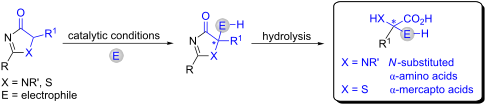
Figure 1: Some α-substituted heterocycles for asymmetric catalysis, their reactivity patterns against enoliza...

Figure 2: 1H-Imidazol-4(5H)-ones 1 and thiazol-4(5H)-ones 2.
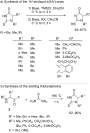
Scheme 1: a) Synthesis of 2-thio-1H-imidazol-4(5H)-ones [55] and b) preparation of the starting thiohydantoins [59].

Scheme 2: Selected examples of the Michael addition of 2-thio-1H-imidazol-4(5H)-ones to nitroalkenes [55]. aReact...

Scheme 3: Michael addition of thiohydantoins to nitrostyrene assisted by Et3N and catalysts C1 and C3. aAbsol...

Scheme 4: Elaboration of the Michael adducts coming from the Michael addition to nitroalkenes [55].

Figure 3: Proposed model for the Michael addition of 1H-imidazol4-(5H)-ones and selected 1H NMR data which su...

Scheme 5: Michael addition 2-thio-1H-imidazol-4(5H)-ones to the α-silyloxyenone 29 [55].

Scheme 6: Elaboration of the Michael adducts coming from the Michael addition to nitroolefins [55].
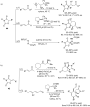
Scheme 7: Rhodanines in asymmetric catalytic reactions: a) Reaction with rhodanines of type 44 [78-80]; b) reactions...

Scheme 8: Michael addition of thiazol-4(5H)-ones to nitroolefins promoted by the ureidopeptide-like bifunctio...

Figure 4: Ureidopeptide-like Brønsted bases: catalyst design. a) Previous known design. b) Proposed new desig...

Scheme 9: Ureidopeptide-like Brønsted base bifunctional catalyst preparation. NMM = N-methylmorpholine, THF =...

Scheme 10: Selected examples of the Michael addition of thiazolones to different nitroolefins promoted by cata...

Scheme 11: Elaboration of the Michael adducts to α,α-disubstituted α-mercaptocarboxylic acid derivatives [85].

Scheme 12: Effect of the nitrogen atom at the aromatic substituent of the thiazolone on yield and stereoselect...

Scheme 13: Michael addition reaction of thiazol-4(5H)ones 74 to α’-silyloxyenone 29 [73].

Scheme 14: Elaboration of the thiazolone Michael adducts [73].

Scheme 15: Enantioselective γ-addition of oxazol-4(5H)-ones and thiazol-4(5H)-ones to allenoates promoted by C6...

Scheme 16: Enantioselective γ-addition of thiazol-4(5H)-ones and oxazol-4(5H)-ones to alkynoate 83 promoted by ...
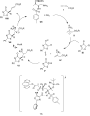
Scheme 17: Proposed mechanism for the C6-catalyzed γ-addition of thiazol-4(5H)-one to allenoates. Adapted from ...

Scheme 18: Catalytic enantioselective α-amination of thiazolones promoted by ureidopeptide like catalysts C5 a...

Scheme 19: Iridium-catalized asymmetric allyllation of substituted oxazol-4(5H)-ones and thiazol-4(5H)-ones pr...
Muraymycin nucleoside-peptide antibiotics: uridine-derived natural products as lead structures for the development of novel antibacterial agents
- Daniel Wiegmann,
- Stefan Koppermann,
- Marius Wirth,
- Giuliana Niro,
- Kristin Leyerer and
- Christian Ducho
Beilstein J. Org. Chem. 2016, 12, 769–795, doi:10.3762/bjoc.12.77
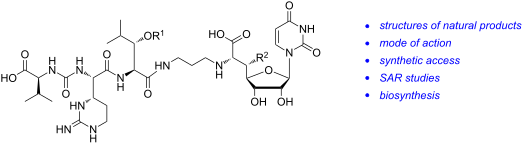
- well as FT mass spectrometry [22]. Muraymycins have a glycyl-uridine motif, which is connected via an aminopropyl linker to a urea peptide moiety consisting of L-leucine or L-hydroxyleucine, L-epicapreomycidine (a non-proteinogenic cyclic arginine derivative) and L-valine. The uridine structure is
- [35]. In comparison to the muraymycins, only the urea peptide moiety and the lipopeptidyl motif are absent. The mureidomycins [36][37][38] and pacidamycins [39][40][41], both reported in 1989, the napsamycins (1994) [42] and the sansanmycins (2007) [43][44] are structurally closely related. They
- either methionine for mureidomycins, napsamycins and sansanmycins or alanine in case of pacidamycins. Remarkably, these natural products share a urea peptide motif with the muraymycins. They are mainly active against Gram-negative bacteria, which is a noteworthy difference to the muraymycins and other

Graphical Abstract
Figure 1: Structures of the naturally occurring muraymycins isolated by McDonald et al. [22].
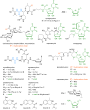
Figure 2: Structures of selected classes of nucleoside antibiotics. Similarities to the muraymycins are highl...

Figure 3: Structure of peptidoglycan. Long chains of glycosides (alternating GlcNAc (green) and MurNAc (blue)...

Figure 4: Schematic representation of bacterial cell wall biosynthesis.
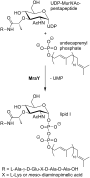
Figure 5: Translocase I (MraY) catalyses the reaction of UDP-MurNAc-pentapeptide with undecaprenyl phosphate ...

Figure 6: Proposed mechanisms for the MraY-catalysed reaction. A: Two-step mechanism postulated by Heydanek e...

Scheme 1: First synthetic access towards simplified muraymycin analogues as reported by Yamashita et al. [76].

Scheme 2: Synthesis of (+)-caprazol (19) reported by Ichikawa, Matsuda et al. [92].

Scheme 3: Synthesis of the epicapreomycidine-containing urea dipeptide via C–H activation [96,97].

Scheme 4: Synthesis of muraymycin D2 and its epimer reported by Ichikawa, Matsuda et al. [96,97].

Scheme 5: Synthesis of the urea tripeptide unit as a building block for muraymycins reported by Kurosu et al. ...

Scheme 6: Synthesis of the uridine-derived core structure of naturally occuring muraymycins reported by Ducho...
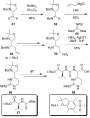
Scheme 7: Synthesis of the epicapreomycidine-containing urea dipeptide from Garner's aldehyde reported by Duc...

Scheme 8: Synthesis of a hydroxyleucine-derived aldehyde building block reported by Ducho et al. [107].

Scheme 9: Synthesis of 5'-deoxy muraymycin C4 (65) as a closely related natural product analogue [78,109,110].

Figure 7: Summary of modifications on semisynthetic muraymycin analogues tested by Lin et al. [86]. Most active c...

Figure 8: Bioactive muraymycin analogues identified by Yamashita et al. [76].

Figure 9: Muraymycin D2 and several non-natural lipidated analogues 91a–d [77,114].
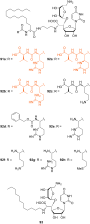
Figure 10: Non-natural muraymycin analogues with varying peptide structures [77,114].

Figure 11: SAR results for several structural variations of the muraymycin scaffold.

Figure 12: Muraymycin analogues designed for potential anti-Pseudomonas activity (most active analogues are hi...

Scheme 10: Proposed outline pathway for muraymycin biosynthesis based on the analysis of the biosynthetic gene...

Scheme 11: Biosynthesis of the nucleoside core structure of A-90289 antibiotics (which is identical to the mur...

Scheme 12: Transaldolase-catalysed formation of the key intermediate GlyU 101 in the biosynthesis of muraymyci...
Opportunities and challenges for direct C–H functionalization of piperazines
- Zhishi Ye,
- Kristen E. Gettys and
- Mingji Dai
Beilstein J. Org. Chem. 2016, 12, 702–715, doi:10.3762/bjoc.12.70
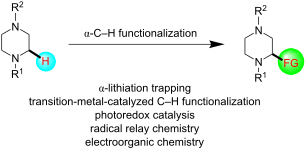
- aerobic conditions with copper salt catalysts [67]. For example, when the antipsychotic drug aripiprazole (96) was treated with a catalytic amount of CuI under air or oxygen in DMSO at 120 °C, 2,3-diketopiperazine 97 was produced in 30% yield along with a 15% yield of urea product 98 (Figure 16). This

Graphical Abstract

Figure 1: Selected piperazine-containing small-molecule pharmaceuticals.

Figure 2: Strategies for the synthesis of carbon-substituted piperazines.

Figure 3: The first α-lithiation of N-Boc-protected piperazines by van Maarseveen et al. in 2005 [37].

Figure 4: α-Lithiation of N-Boc-N’-tert-butyl piperazines by Coldham et al. in 2010 [38].

Figure 5: Diamine-free α-lithiation of N-Boc-piperazines by O’Brien, Campos, et al. in 2010 [40].

Figure 6: The first enantioselective α-lithiation of N-Boc-piperazines by McDermott et al. in 2008 [41].

Figure 7: Dynamic thermodynamic resolution of lithiated of N-Boc-piperazines by Coldham et al. in 2010 [38].

Figure 8: Enantioselective α-lithiation of N-Boc-N’-alkylpiperazines by O’Brien et al. in 2013 and 2016 [42,43].

Figure 9: Asymmetric α-functionalization of N-Boc-piperazines with Ph2CO by O’Brien et al. in 2016 [43].

Figure 10: A “chiral auxiliary” strategy toward enantiopure α-functionalized piperazines by O’Brien et al. 201...

Figure 11: Installation of methyl group at the α-position of piperazines by O’Brien et al. 2016 [43].

Figure 12: α-Lithiation trapping of C-substituted N-Boc-piperazines by O’Brien et al. 2016 [43].
Figure 13: Rh-catalyzed reactions of N-(2-pyridinyl)piperazines by Murai et al. in 1997 [52].

Figure 14: Ta-catalyzed hydroaminoalkylation of piperazines by Schafer et al. in 2013 [55].

Figure 15: Photoredox catalysis for α-C–H functionalization of piperazines by MacMillan et al. in 2011 and 201...

Figure 16: Copper-catalyzed aerobic C–H oxidation of piperazines by Touré, Sames, et al. in 2013 [67].

Figure 17: Free radical approach by Undheim et al. in 1994 [68].

Figure 18: Anodic oxidation approach by Nyberg et al. in 1976 [70].
The aminoindanol core as a key scaffold in bifunctional organocatalysts
- Isaac G. Sonsona,
- Eugenia Marqués-López and
- Raquel P. Herrera
Beilstein J. Org. Chem. 2016, 12, 505–523, doi:10.3762/bjoc.12.50
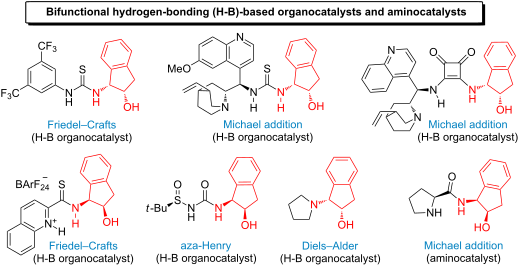
- formation of catalytically active oxazaborolidines using cis-1,2-aminoindanol derivatives [9][10] and (b) the synthesis of more active cooperative thiourea-urea-based organocatalysts, which employ the aminoindanol framework as structural linker between two hydrogen-bond-donor moieties [11]. The latter ones
- acting through hydrogen bonding, such as thiourea, urea, squaramide, and thioamide frameworks. These have been efficiently employed in a few organocatalytic processes such as Friedel–Crafts alkylations, Michael additions, Diels–Alder reactions and aza-Henry reactions, as discussed below. Friedel–Crafts
- biologically interesting β-amino acid derivatives (Table 2) [42]. In this work, the authors compared the results achieved by means of 4 with other urea- and thiourea-based organocatalysts in order to understand the effect of the acidity, the structural rigidity, and the bifunctionality of the promoter. These

Graphical Abstract

Figure 1: Different configurations of 1,2-aminoindanol 1a–d.

Scheme 1: Asymmetric F–C alkylation catalyzed by thiourea 4.

Figure 2: Results for the F–C reaction carried out with catalyst 4 and the structurally modified analogues, 4'...

Figure 3: (a) Transition state TS1 originally proposed for the F–C reaction catalyzed by thiourea 4 [18]. (b) Tra...

Scheme 2: Asymmetric F–C alkylation catalyzed by thiourea ent-4 in the presence of D-mandelic acid as a Brøns...

Figure 4: Transition state TS2 proposed for the activation of the thiourea-based catalyst ent-4 by an externa...

Scheme 3: Friedel–Crafts alkylation of indoles catalyzed by the chiral thioamide 6.

Scheme 4: Scalable tandem C2/C3-annulation of indoles, catalyzed by the thioamide ent-6.

Scheme 5: Plausible tandem process mechanism for the sequential, double Friedel–Crafts alkylation, which invo...

Scheme 6: One-pot multisequence process that allows the synthesis of interesting compounds 14. The pharmacolo...

Scheme 7: Reaction pathway proposed for the preparation of the compounds 14.

Scheme 8: The enantioselective synthesis of cis-vicinal-substituted indane scaffolds 21, catalyzed by ent-6.

Scheme 9: Asymmetric domino procedure (Michael addition/Henry cyclization), catalyzed by the thioamide ent-6 ...

Scheme 10: The enantioselective addition of indoles 2 to α,β-unsaturated acyl phosphonates 24, a) screening of...

Figure 5: Proposed transition state TS7 for the Friedel–Crafts reaction of indole and α,β-unsaturated acyl ph...

Scheme 11: Study of aliphatic β,γ-unsaturated α-ketoesters 26 as substrates in the F–C alkylation of indoles c...

Figure 6: Possible transition states TS8 and TS9 in the asymmetric addition of indoles 2 to the β,γ-unsaturat...

Figure 7: Transition state TS10 proposed for the asymmetric addition of dialkylhydrazone 28 to the β,γ-unsatu...

Scheme 12: Different β-hydroxylamino-based catalysts tested in a Michael addition, and the transition state TS...

Scheme 13: Enantioselective addition of acetylacetone (36a) to nitroalkenes 3, catalyzed by 37 and the propose...

Scheme 14: Addition of 3-oxindoles 39 to 2-amino-1-nitroethenes 40, catalyzed by 41.

Scheme 15: Michael addition of 1,3-dicarbonyl compounds 36 to the nitroalkenes 3 catalyzed by the squaramide 43...

Scheme 16: Asymmetric aza-Henry reaction catalyzed by the aminoindanol-derived sulfinyl urea 50.

Figure 8: Results for the aza-Henry reaction carried out with the structurally modified catalysts 50–50''.

Scheme 17: Diels–Alder reaction catalyzed by the aminoindanol derivative ent-41.

Scheme 18: Asymmetric Michael addition of 3-pentanone (55a) to the nitroalkenes 3 through aminocatalysis.

Scheme 19: Substrate scope extension for the asymmetric Michael addition between the ketones 55 and the nitroa...

Scheme 20: A possible reaction pathway in the presence of the catalyst 56 and the plausible transition state T...
(Thio)urea-mediated synthesis of functionalized six-membered rings with multiple chiral centers
- Giorgos Koutoulogenis,
- Nikolaos Kaplaneris and
- Christoforos G. Kokotos
Beilstein J. Org. Chem. 2016, 12, 462–495, doi:10.3762/bjoc.12.48
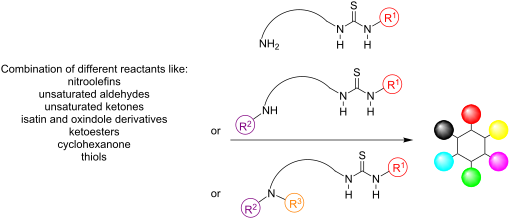
- chiral centers; organocatalysis; six-membered ring; thiourea; urea; Introduction During the last 15 years, organocatalysis has flourished and has been established as one of the three major pillars of asymmetric synthesis [1][2][3]. Among the modes of activation of organic molecules that have been
- involves hydrogen bonding, which is also postulated to be present in enzymatic reactions. (Thio)urea moieties have been employed in order to activate electrophiles and in order to allign them, in a specific manner, so as to react with nucleophiles (Scheme 3) [6][7]. In addition, many bifunctional (thio
- [10][11][12][13][14]. This review will focus on (thio)urea organocatalysts, including primary, secondary and tertiary amine groups. Miscellaneous catalysts will be also presented. Thus, it will provide an exhaustive overview of this area, rather than providing a few examples of each class of

Graphical Abstract

Scheme 1: Activation of carbonyl compounds via enamine and iminium intermediates [2].

Scheme 2: Electronic and steric interactions present in enamine activation mode [2].

Scheme 3: Electrophilic activation of carbonyl compounds by a thiourea moiety.

Scheme 4: Asymmetric synthesis of dihydro-2H-pyran-6-carboxylate 3 using organocatalyst 4 [16].

Scheme 5: Possible hydrogen-bonding for the reaction of (E)-methyl 2-oxo-4-phenylbut-3-enoate [16].

Scheme 6: Asymmetric desymmetrization of 4,4-cyclohexadienones using the Michael addition reaction with malon...

Scheme 7: The enantioselective synthesis of α,α-disubstituted cycloalkanones using catalyst 11 [18].

Scheme 8: The enantioselective synthesis of indolo- and benzoquinolidine compounds through aza-Diels–Alder re...

Scheme 9: Enantioselective [5 + 2] cycloaddition [20].

Scheme 10: Asymmetric synthesis of oxazine derivatives 26 [21].

Scheme 11: Asymmetric synthesis of bicyclo[3.3.1]nonadienone, core 30 present in (−)-huperzine [22].

Scheme 12: Asymmetric inverse electron-demand Diels-Alder reaction catalyzed by amine-thiourea 34 [23].

Scheme 13: Asymmetric entry to morphan skeletons, catalyzed by amine-thiourea 37 [24].

Scheme 14: Asymmetric transformation of (E)-2-nitroallyl acetate [25].

Scheme 15: Proposed way of activation.

Scheme 16: Asymmetric synthesis of nitrobicyclo[3.2.1]octan-2-one derivatives [26].

Scheme 17: Asymmetric tandem Michael–Henry reaction catalyzed by 50 [27].

Scheme 18: Asymmetric Diels–Alder reactions of 3-vinylindoles 51 [29].

Scheme 19: Proposed transition state and activation mode of the asymmetric Diels–Alder reactions of 3-vinylind...

Scheme 20: Desymmetrization of meso-anhydrides by Chin, Song and co-workers [30].

Scheme 21: Desymmetrization of meso-anhydrides by Connon and co-workers [31].

Scheme 22: Asymmetric intramolecular Michael reaction [32].

Scheme 23: Asymmetric addition of malonate to 3-nitro-2H-chromenes 67 [33].

Scheme 24: Intramolecular desymmetrization through an intramolecular aza-Michael reaction [34].

Scheme 25: Enantioselective synthesis of (−)-mesembrine [34].

Scheme 26: A novel asymmetric Michael–Michael reaction [35].

Scheme 27: Asymmetric three-component reaction catalyzed by Takemoto’s catalyst 77 [46].

Scheme 28: Asymmetric domino Michael–Henry reaction [47].

Scheme 29: Asymmetric domino Michael–Henry reaction [48].

Scheme 30: Enantioselective synthesis of derivatives of 3,4-dihydro-2H-pyran 89 [49].

Scheme 31: Asymmetric addition of α,α-dicyano olefins 90 to 3-nitro-2H-chromenes 91 [50].

Scheme 32: Asymmetric three-component reaction producing 2,6-diazabicyclo[2.2.2]octanones 95 [51].

Scheme 33: Asymmetric double Michael reaction producing substituted chromans 99 [52].

Scheme 34: Enantioselective synthesis of multi-functionalized spiro oxindole dienes 106 [53].

Scheme 35: Organocatalyzed Michael aldol cyclization [54].

Scheme 36: Asymmetric synthesis of dihydrocoumarins [55].

Scheme 37: Asymmetric double Michael reaction en route to tetrasubstituted cyclohexenols [56].

Scheme 38: Asymmetric synthesis of α-trifluoromethyl-dihydropyrans 121 [58].

Scheme 39: Tyrosine-derived tertiary amino-thiourea 123 catalyzed Michael hemiaketalization reaction [59].

Scheme 40: Enantioselective entry to bicyclo[3.2.1]octane unit [60].

Scheme 41: Asymmetric synthesis of spiro[4-cyclohexanone-1,3’-oxindoline] 126 [61].

Scheme 42: Kinetic resolution of 3-nitro-2H-chromene 130 [62].

Scheme 43: Asymmetric synthesis of chromanes 136 [63].

Scheme 44: Wang’s utilization of β-unsaturated α-ketoesters 87 [64,65].

Scheme 45: Asymmetric entry to trifluoromethyl-substituted dihydropyrans 144 [66].

Scheme 46: Phenylalanine-derived thiourea-catalyzed domino Michael hemiaketalization reaction [67].

Scheme 47: Asymmetric synthesis of α-trichloromethyldihydropyrans 149 [68].

Scheme 48: Takemoto’s thiourea-catalyzed domino Michael hemiaketalization reaction [69].

Scheme 49: Asymmetric synthesis of densely substituted cyclohexanes [70].

Scheme 50: Enantioselective synthesis of polysubstituted chromeno [4,3-b]pyrrolidine derivatines 157 [71].

Scheme 51: Enantioselective synthesis of spiro-fused cyclohexanone/5-oxazolone scaffolds 162 [72].

Scheme 52: Utilizing 2-mercaptobenzaldehydes 163 in cascade processes [73,74].

Scheme 53: Proposed transition state of the initial sulfa-Michael step [74].

Scheme 54: Asymmetric thiochroman synthesis via dynamic kinetic resolution [75].

Scheme 55: Enantioselective synthesis of thiochromans [76].

Scheme 56: Enantioselective synthesis of chromans and thiochromans synthesis [77].

Scheme 57: Enantioselective sulfa-Michael aldol reaction en route to spiro compounds [78].

Scheme 58: Enantioselective synthesis of 4-aminobenzo(thio)pyrans 179 [79].

Scheme 59: Asymmetric synthesis of tetrahydroquinolines [80].

Scheme 60: Novel asymmetric Mannich–Michael sequence producing tetrahydroquinolines 186 [81].

Scheme 61: Enantioselective synthesis of biologically interesting chromanes 190 and 191 [82].

Scheme 62: Asymmetric tandem Henry–Michael reaction [83].

Scheme 63: An asymmetric synthesis of substituted cyclohexanes via a dynamic kinetic resolution [84].

Scheme 64: Three component-organocascade initiated by Knoevenagel reaction [85].

Scheme 65: Asymmetric Michael reaction catalyzed by catalysts 57 and 211 [86].

Scheme 66: Proposed mechanism for the asymmetric Michael reaction catalyzed by catalysts 57 and 211 [86].

Scheme 67: Asymmetric facile synthesis of hexasubstituted cyclohexanes [87].

Scheme 68: Dual activation catalytic mechanism [87].

Scheme 69: Asymmetric Michael–Michael/aldol reaction catalyzed by catalysts 57, 219 and 214 [88].

Scheme 70: Asymmetric synthesis of substituted cyclohexane derivatives, using catalysts 57 and 223 [89].

Scheme 71: Asymmetric synthesis of substituted piperidine derivatives, using catalysts 223 and 228 [90].

Scheme 72: Asymmetric synthesis of endo-exo spiro-dihydropyran-oxindole derivatives catalyzed by catalyst 232 [91]....

Scheme 73: Asymmetric synthesis of carbazole spiroxindole derivatives, using catalyst 236 [92].

Scheme 74: Enantioselective formal [2 + 2] cycloaddition of enal 209 with nitroalkene 210, using catalysts 23 ...

Scheme 75: Asymmetric synthesis of polycyclized hydroxylactams derivatives, using catalyst 242 [94].

Scheme 76: Asymmetric synthesis of product 243, using catalyst 246 [95].

Scheme 77: Formation of the α-stereoselective acetals 248 from the corresponding enol ether 247, using catalys...

Scheme 78: Selective glycosidation, catalyzed by Shreiner’s catalyst 23 [97].
Recent advances in N-heterocyclic carbene (NHC)-catalysed benzoin reactions
- Rajeev S. Menon,
- Akkattu T. Biju and
- Vijay Nair
Beilstein J. Org. Chem. 2016, 12, 444–461, doi:10.3762/bjoc.12.47
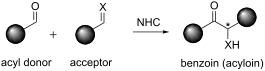
- developed the pyroglutamic acid-derived triazolium salt 10 which mediated benzoin reactions in similar enantioselectivities [14]. The chiral triazolium catalyst 11 transfers chiral information to the benzoin products by engaging in hydrogen-bonding interactions [15]. Waser’s chiral bifunctional (thio)urea
- a cross-benzoin reaction of the latter to furnish the spirocyclic product 84 (Scheme 46). Conclusion The first report of a benzoin reaction by Wöhler and Liebig appeared merely four years after the former disclosed the paradigm-changing urea synthesis. However, detailed investigations of this

Graphical Abstract
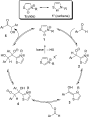
Scheme 1: Breslow’s proposal on the mechanism of the benzoin condensation.

Scheme 2: Imidazolium carbene-catalysed homo-benzoin condensation.

Scheme 3: Homo-benzoin condensation in aqueous medium.

Scheme 4: Homobenzoin condensation catalysed by bis(benzimidazolium) salt 8.

Scheme 5: List of assorted chiral NHC-catalysts used for asymmetric homobenzoin condensation.

Scheme 6: A rigid bicyclic triazole precatalyst 15 in an efficient enantioselective benzoin reaction.

Scheme 7: Inoue’s report of cross-benzoin reactions.

Scheme 8: Cross-benzoin reactions catalysed by thiazolium salt 17.

Scheme 9: Catalyst-controlled divergence in cross-benzoin reactions.

Scheme 10: Chemoselective cross-benzoin reactions catalysed by a bulky NHC.

Scheme 11: Selective intermolecular cross-benzoin condensation reactions of aromatic and aliphatic aldehydes.

Scheme 12: Chemoselective cross-benzoin reaction of aliphatic and aromatic aldehydes.

Scheme 13: Cross-benzoin reactions of trifluoromethyl ketones developed by Enders.

Scheme 14: Cross-benzoin reactions of aldehydes and α-ketoesters.

Scheme 15: Enantioselective cross-benzoin reactions of aliphatic aldehydes and α-ketoesters.

Scheme 16: Dynamic kinetic resolution of β-halo-α-ketoesters via cross-benzoin reaction.

Scheme 17: Enantioselective benzoin reaction of aldehydes and alkynones.

Scheme 18: Aza-benzoin reaction of aldehydes and acylimines.

Scheme 19: NHC-catalysed diastereoselective synthesis of cis-2-amino 3-hydroxyindanones.

Scheme 20: Cross-aza-benzoin reactions of aldehydes with aromatic imines.

Scheme 21: Enantioselective cross aza-benzoin reaction of aliphatic aldehydes with N-Boc-imines.

Scheme 22: Chemoselective cross aza-benzoin reaction of aldehydes with N-PMP-imino esters.

Scheme 23: NHC-catalysed coupling reaction of acylsilanes with imines.

Scheme 24: Thiazolium salt-mediated enantioselective cross-aza-benzoin reaction.

Scheme 25: Aza-benzoin reaction of enals with activated ketimines.

Scheme 26: Isatin derived ketimines as electrophiles in cross aza-benzoin reaction with enals.

Scheme 27: Aza-benzoin reaction of aldehydes and phosphinoylimines catalysed by the BAC-carbene.

Scheme 28: Nitrosoarenes as the electrophilic component in benzoin-initiated cascade reaction.

Scheme 29: One-pot synthesis of hydroxamic esters via aza-benzoin reaction.

Scheme 30: Cookson and Lane’s report of intramolecular benzoin condensation.

Scheme 31: Intramolecular cross-benzoin condensation between aldehyde and ketone moieties.

Scheme 32: Intramolecular crossed aldehyde-ketone benzoin reactions.

Scheme 33: Enantioselective intramolecular crossed aldehyde-ketone benzoin reaction.

Scheme 34: Chromanone synthesis via enantioselective intramolecular cross-benzoin reaction.

Scheme 35: Intramolecular cross-benzoin reaction of chalcones.

Scheme 36: Synthesis of bicyclic tertiary alcohols by intramolecular benzoin reaction.

Scheme 37: A multicatalytic Michael–benzoin cascade process for cyclopentanone synthesis.

Scheme 38: Enamine-NHC dual-catalytic, Michael–benzoin cascade reaction.

Scheme 39: Iminium-cross-benzoin cascade reaction of enals and β-oxo sulfones.

Scheme 40: Intramolecular benzoin condensation of carbohydrate-derived dialdehydes.

Scheme 41: Enantioselective intramolecular benzoin reactions of N-tethered keto-aldehydes.

Scheme 42: Asymmetric cross-benzoin reactions promoted by camphor-derived catalysts.

Scheme 43: NHC-Brønsted base co-catalysis in a benzoin–Michael–Michael cascade.

Scheme 44: Divergent catalytic dimerization of 2-formylcinnamates.

Scheme 45: One-pot, multicatalytic asymmetric synthesis of tetrahydrocarbazole derivatives.

Scheme 46: NHC-chiral secondary amine co-catalysis for the synthesis of complex spirocyclic scaffolds.
Enabling technologies and green processes in cyclodextrin chemistry
- Giancarlo Cravotto,
- Marina Caporaso,
- Laszlo Jicsinszky and
- Katia Martina
Beilstein J. Org. Chem. 2016, 12, 278–294, doi:10.3762/bjoc.12.30
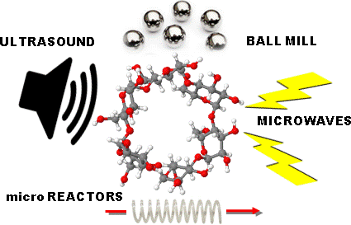
- preliminary study on sonochemical Staudinger-aza-Wittig tandem reactions [20] proving that isocyanate and urea formation is strongly favored. However, the applied power must be optimised for the best conversions of azido-CD into urea to be obtained and if lower efficiency in the second step is to be avoided

Graphical Abstract

Figure 1: (a) Multihorn-flow US reactor, (b) Cavitational turbine, (c) Pilot-scale BM, (d) High-pressure MW r...

Figure 2: Trends in CD papers and CD use in green chemical processes.

Figure 3: Distribution of energy efficient methods in CD publications.

Figure 4: Document type dealing with CD chemistry under non-conventional techniques (conference proceedings a...

Figure 5: Document type dealing with sustainable technologies in CD publications.

Scheme 1: Synthesis of 6I-(p-toluenesulfonyl)-β-CD.

Scheme 2: Example of CuAAC with 6I-azido-6I-deoxy-β-CD and phenylacetylene.

Scheme 3: Synthesis of 6I-benzylureido-6I-deoxy-per-O-acetyl-β-CD.

Scheme 4: Synthesis of 3I-azido-3I-deoxy-altro-α, β- and γ-CD.

Scheme 5: Synthesis of 2-2’ bridged bis(β-CDs). Reaction conditions: 1) TBDMSCl, imidazole, dry pyridine, sti...

Scheme 6: Insoluble reticulated CD polymer.

Scheme 7: CD-HDI cross linked polymers.
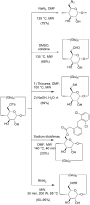
Scheme 8: Derivatization of 6I-(p-toluenesulfonyl)-β-CD by tosyl displacement.

Scheme 9: Synthetic scheme for the preparation of heptakis(6-amino-6-deoxy)-β-CD, heptakis(6-deoxy-6-ureido)-...

Scheme 10: Structure of CD derivatives obtained via MW-assisted CuAAC.

Scheme 11: Preparation of SWCN CD-DOTA carrier.
Asymmetric α-amination of β-keto esters using a guanidine–bisurea bifunctional organocatalyst
- Minami Odagi,
- Yoshiharu Yamamoto and
- Kazuo Nagasawa
Beilstein J. Org. Chem. 2016, 12, 198–203, doi:10.3762/bjoc.12.22
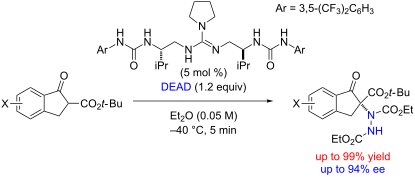
- presence of a guanidine–bisurea bifunctional organocatalyst was investigated. The α-amination products were obtained in up to 99% yield with up to 94% ee. Keywords: α-amination; bifunctional catalyst; guanidine; hydrogen-bonding catalyst; urea; Introduction Asymmetric α-amination of β-keto esters is an
- particular, catalytic asymmetric α-amination of β-keto esters has been widely explored, using both metal catalysts and organocatalysts [5][6][7][8][9][10][11][12][13][14][15][16][17][18]. We have developed a series of guanidine–bis(thio)urea bifunctional organocatalysts, and have used them in a variety of
- expected that guanidine–bisurea bifunctional organocatalyst 1 would be effective in promoting α-amination of β-keto esters as a result of interactions between guanidine and enolate of the β-keto ester, and between urea and azodicarboxylate (Figure 1b). Herein, we describe the catalytic asymmetric α

Graphical Abstract

Figure 1: a) Asymmetric α-hydroxylation of 2 in the presence of 1a. b) Asymmetric α-amination of 4 explored i...

Scheme 1: Substrate scope of α-amination.

Figure 2: NLE study of α-amination.

Scheme 2: α-Amination of 4a using 9 or 10 as catalyst.
A journey in bioinspired supramolecular chemistry: from molecular tweezers to small molecules that target myotonic dystrophy
- Steven C. Zimmerman
Beilstein J. Org. Chem. 2016, 12, 125–138, doi:10.3762/bjoc.12.14
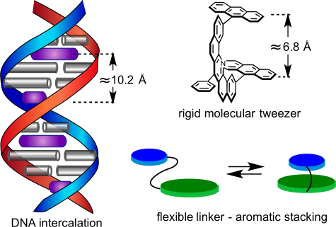
- [26]. The now familiar glycoluril motif of 16 clearly has the rigid C-shaped required, and a subsequent report showed it to be capable of complexing dihydroxybenzenes using a combination of aromatic stacking and hydrogen bonding to the urea carbonyl groups [27]. The aromatic stacking surface can be

Graphical Abstract

Figure 1: Photographs of Howard E. Zimmerman (July 5, 1926–February 12, 2012) (left) and Jane Zimmerman (née ...

Figure 2: (a) Schematic double helix fully saturated with intercalator (in purple) according to the neighbor ...

Figure 3: Bismethidium molecular tweezer 3 proposed as a graduate student at Columbia University, which was q...

Figure 4: Adenine 8 recognition by carboxylic acid containing tweezer 9 and a component analysis showing “com...

Figure 5: The first determination of the cost of freezing single bond rotations in a host–guest complex.

Figure 6: Glycouril-based molecular clip 16 and 17 developed by Nolte, an example of Harmata’s chiral Kagan-e...

Figure 7: Macrocyclic diacridines and dinaphthalene and the intercalation complexes they may form with one ch...

Figure 8: (a) Hairpin structure of CUGexp seen in (CUG)12. (b) U–U or T–T mismatches with no inter-strand hyd...

Figure 9: (a) CTG trinucleotide repeat expansion in DMPK gene produces expanded transcripts, one which CUGexp...
Supramolecular polymer assembly in aqueous solution arising from cyclodextrin host–guest complexation
- Jie Wang,
- Zhiqiang Qiu,
- Yiming Wang,
- Li Li,
- Xuhong Guo,
- Duc-Truc Pham,
- Stephen F. Lincoln and
- Robert K. Prud’homme
Beilstein J. Org. Chem. 2016, 12, 50–72, doi:10.3762/bjoc.12.7
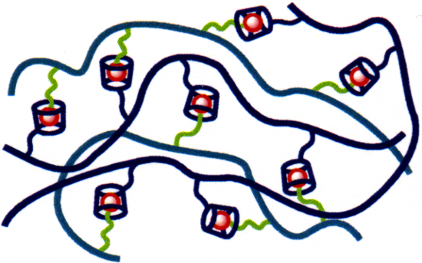
- trimers as shown by Lincoln et al. [77].) The longer succinamide linker in 66β-CD2su engenders higher viscosities than does the shorter urea linker in 66β-CD2ur probably because steric hindrance between the adjacent adamantyl-substituted poly(acrylate) chains is greater when 66β-CD2ur forms a cross-link
- [76]. (The 66 prefix in 66β-CD2su and 66β-CD2ur indicates that the succinamide and urea linkers are attached to the C6 carbon in a D-glucopyranose subunit of each β-CD.) The increasing length of the adamantyl tether from amido to hexylamido in PAAAD and PAAADhn progressively decreases steric hindrance

Graphical Abstract

Figure 1: Structures of α-, β- and γ-CD. Individual carbon atom numbering is shown for one D-glucopyranose su...

Figure 2: Associations of hydrophobic substituents (circled) (a) and their disruption through host–guest comp...

Figure 3: Decrease of aqueous solution viscosity at a shear rate of 50 s−1 due to α-CD (circles), β-CD (recta...

Figure 4: The effect of (a) α-CD, (b) β-CD and (c) γ-CD on the hydrophobic interactions between n-C18H37 subs...

Figure 5: The effect of SDS addition on viscosity shear rate dependence for 2 wt % aqueous PAAodn solutions c...

Figure 6: Host–guest complexation between polymers with cyclodextrin and hydrophobic substituents.

Figure 7: Variation of viscosity with mole ratio of CD substituents to hydrophobic substituents on poly(acryl...

Figure 8: Illustration of the competitive intermolecular host–guest complexation of either the adamantyl subs...

Figure 9: Competitive host–guest complexations in which either the adamantyl substituent (red) or the n-hexyl...

Figure 10: (a) Substituted chitosan in which acyl- and adamantyl-substitution is 5% and 12 %, respectively. (b...

Figure 11: The formation of a AD-PEG micelle followed by the formation of a AD-PEG/α-CD supramolecular hydroge...

Figure 12: Interaction of PEG-b-PAA block copolymer with cis-diamminedichloroplatinum(II), cisplatin, to form ...

Figure 13: Solution to hydrogel transitions (a)–(d) for a PAAddn segment in the presence of competitive photo-...

Figure 14: Structures of the poly(acrylate)-based polymers PAAAzo (trans), PAAAzo (cis), PAA3α-CD and PAA6α-CD...

Figure 15: Variation of viscosity of a PAA6α-CD/PAAAzo solution (circles) and a PAA3α-CD/PAAAzo solution (tria...

Figure 16: The structures proposed for the poly(ethylene glycol)-b-poly(ethylamine)-g-dextran·γ-CD, PEG-PEI-de...

Figure 17: Structure of poly(ethylene glycol) polyrotaxane with adamantyl end substituents, and its temperatur...

Figure 18: Copolymers of either (a) N,N-dimethylacrylamide (DMAA) or (b) N-isopropylacrylamine (NIPAAM) with 1...

Figure 19: The copolymer of isopropylacrylamine and methacrylated β-CD (a) and its complexation of the anions ...

Figure 20: Solution to hydrogel transitions for two segments of PAAddn in the presence of β-CD and change in t...

Figure 21: Preparation of a β-CD and adamantyl substituted acrylamide polymer hydrogel involving host–guest co...

Figure 22: Aqueous solutions of the polymers poly-β-CD and poly-α-BrNP form the poly-β-CD/poly-α-BrNP hydrogel ...

Figure 23: (a) Randomly β-CD substituted poly(acrylate), PAA-6β-CD. (b) Randomly ferrocenyl substituted poly(a...
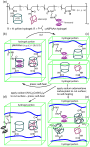
Figure 24: (a) The β-CD, adamantyl and ferrocenyl substituted pAAm and pNiPAAM polymers. (b) The β-CD, adamant...
Bifunctional phase-transfer catalysis in the asymmetric synthesis of biologically active isoindolinones
- Antonia Di Mola,
- Maximilian Tiffner,
- Francesco Scorzelli,
- Laura Palombi,
- Rosanna Filosa,
- Paolo De Caprariis,
- Mario Waser and
- Antonio Massa
Beilstein J. Org. Chem. 2015, 11, 2591–2599, doi:10.3762/bjoc.11.279
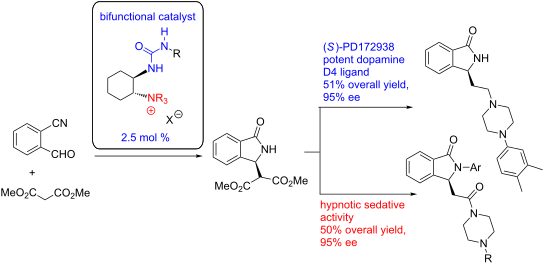
- already discussed [21][22][23], the bifunctional nature of organocatalysts plays an important role in this reaction to attain satisfactory levels of enantioselectivity. The presence of additional hydrogen donors such as urea groups positively affected the enantioselectivity both in the presence of chiral
- base organo-catalysts and when using quaternary ammonium salts. In the latter case, however, only 46% ee was obtained using the bifunctional urea-containing ammonium salt catalyst introduced by Dixon's group [30]. Readily available commonly used quaternary ammonium salt catalysts gave racemic mixtures
- the urea and ammonium sides of the catalyst (Table 1, entries 16, 17, and 21). Electron-neutral or bulky aryl groups on the ammonium side, as well as the introduction of a naphthyl group, did not result in any improvement of the enantioselectivity. Also, the presence of aliphatic groups on the urea

Graphical Abstract

Figure 1: Some chiral, bioactive isoindolinones.

Scheme 1: This work: 1) trans-1,2-cyclohexane diamine-based bifunctional ammonium salts 8 in the asymmetric s...

Scheme 2: Asymmetric cascade, crystallization and decarboxylation reaction.

Scheme 3: Proposed racemization pathways of isoindolinones 9 via retro-Michael process.

Scheme 4: Asymmetric synthesis of (S)-PD172938.

Scheme 5: Coupling of chiral acid 9 with p-tolylpiperazine and CuI arylation of chiral isoindolinones.
Synthesis of bi- and bis-1,2,3-triazoles by copper-catalyzed Huisgen cycloaddition: A family of valuable products by click chemistry
- Zhan-Jiang Zheng,
- Ding Wang,
- Zheng Xu and
- Li-Wen Xu
Beilstein J. Org. Chem. 2015, 11, 2557–2576, doi:10.3762/bjoc.11.276
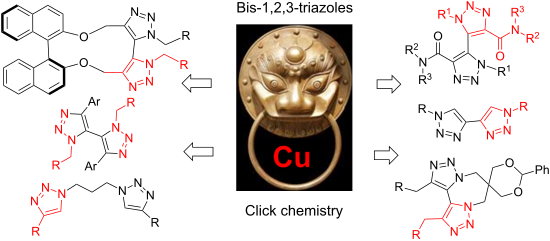
- [4]arenes are sulfur-bridged analogs of calix[4]arenes, which have potential application in the molecular recognition of cationic, anionic or neutral molecules. In this regard, Yamato et al. incorporated two urea moieties possessing various aryl groups and two pyrene-appended triazole rings at the
- opposite side of the thiacalix[4]arene cavity [38]. The authors found that receptor 52 (Scheme 18) could selectively bind Cl− through hydrogen bonding interaction with the urea NH protons, and 52 can also bind with Ag+ through complexation with the pyrene-appended bistriazole. In homogeneous catalysis

Graphical Abstract

Scheme 1: The synthesis of triazoles through the Huisgen cycloaddition of azides to alkynes.

Scheme 2: The synthesis of symmetrically substituted 4,4'-bitriazoles.

Scheme 3: The synthesis of unsymmetrically substituted 4,4'-bitriazoles.

Scheme 4: The stepwise preparation of unsymmetrical 4,4'-bitriazoles.

Scheme 5: The synthesis of 5,5'-bitriazoles.

Scheme 6: The synthesis of bistriazoles and cyclic 5,5’-bitriazoles under different catalytic systems.

Scheme 7: The double CuAAC reaction between helicenequinone and 1,1’-diazidoferrocene.

Scheme 8: The synthesis of 1,2,3-triazoles and 5,5’-bitriazoles from acetylenic amide.

Scheme 9: The amine-functionalized polysiloxane-mediated divergent synthesis of trizaoles and bitriazoles.

Scheme 10: The cyclic BINOL-based 5,5’-bitriazoles.

Scheme 11: The one-pot click–click reactions for the synthesis of bistriazoles.

Scheme 12: The synthesis of bis(indolyl)methane-derivatized 1,2,3-bistriazoles.

Scheme 13: The sequential, chemoselective preparation of bistriazoles.

Scheme 14: The sequential SPAAC and CuAAC reaction for the preparation of bistriazoles.

Scheme 15: The synthesis of D-mannitol-based bistriazoles.

Scheme 16: The synthesis of ester-linked and amide-linked bistriazoles.

Scheme 17: The synthesis of acenothiadiazole-based bistriazoles.
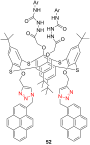
Scheme 18: The pyrene-appended thiacalix[4]arene-based bistriazole.

Scheme 19: The synthesis of triazole-based tetradentate ligands.

Scheme 20: The synthesis of phenanthroline-2,9-bistriazoles.

Scheme 21: The three-component reaction for the synthesis of bistriazoles.

Scheme 22: The one-pot synthesis of bistriazoles.

Scheme 23: The synthesis of polymer-bearing 1,2,3-bistriazole.

Scheme 24: The synthesis of bistriazoles via a sequential one-pot reaction.
Urethane tetrathiafulvalene derivatives: synthesis, self-assembly and electrochemical properties
- Xiang Sun,
- Guoqiao Lai,
- Zhifang Li,
- Yuwen Ma,
- Xiao Yuan,
- Yongjia Shen and
- Chengyun Wang
Beilstein J. Org. Chem. 2015, 11, 2343–2349, doi:10.3762/bjoc.11.255
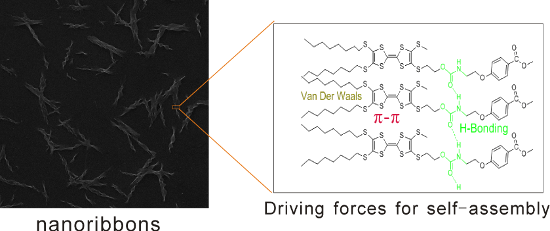
- intermolecular interactions in molecular self-assembly systems. Therefore, molecules containing urea, amide and other similar groups have been investigated because these molecules can easily generate intermolecular hydrogen bonds [7][8][9]. Tetrathiafulvalene (TTF) derivatives have been widely investigated in

Graphical Abstract

Figure 1: Molecular structure of TTF derivatives T1 and T2.
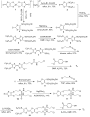
Scheme 1: The synthetic routes of compounds T1 and T2.

Figure 2: SEM images of T1 (a) and T2 (b) films on glass substrates (drop-coated from diluted T1 or T2 soluti...
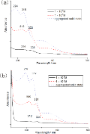
Figure 3: The UV–vis spectra of T1 (a) and T2 (b) at different concentrations in ethyl acetate.

Figure 4: IR spectra of (a) T1, (b) T2, (c) TCNQ, (d) T2/TCNQ, and (e) T1/TCNQ.
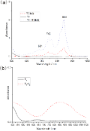
Figure 5: (a) UV–vis spectra of T1 solutions TCNQ and T1/TCNQ in ethyl acetate (1 × 10⁻³ M). (b) UV–vis spect...

Figure 6: Cyclic voltammograms of T1 and T2 in DCM. Conditions: 0.1 M tetrabutylammonium hexafluorophosphate,...

Figure 7: Cyclic voltammograms of T1 and TCNQ in DCM. Conditions: 0.1 M tetrabutylammonium hexafluorophosphat...



