Search for "decarboxylation" in Full Text gives 243 result(s) in Beilstein Journal of Organic Chemistry. Showing first 200.
Beilstein J. Org. Chem. 2017, 13, 451–494, doi:10.3762/bjoc.13.48
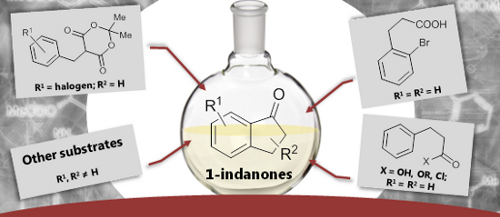
Graphical Abstract
Figure 1: Biologically active 1-indanones and their structural analogues.
Figure 2: Number of papers about (a) 1-indanones, (b) synthesis of 1-indanones.
Scheme 1: Synthesis of 1-indanone (2) from hydrocinnamic acid (1).
Scheme 2: Synthesis of 1-indanone (2) from 3-(2-bromophenyl)propionic acid (3).
Scheme 3: Synthesis of 1-indanones 5 from 3-arylpropionic acids 4.
Scheme 4: Synthesis of kinamycin (9a) and methylkinamycin C (9b).
Scheme 5: Synthesis of trifluoromethyl-substituted arylpropionic acids 12, 1-indanones 13 and dihydrocoumarin...
Scheme 6: Synthesis of 1-indanones 16 from benzoic acids 15.
Scheme 7: Synthesis of 1-indanones 18 from arylpropionic and 3-arylacrylic acids 17.
Scheme 8: The NbCl5-induced one-step synthesis of 1-indanones 22.
Scheme 9: Synthesis of biologically active 1-indanone derivatives 26.
Scheme 10: Synthesis of enantiomerically pure indatraline ((−)-29).
Scheme 11: Synthesis of 1-indanone (2) from the acyl chloride 30.
Scheme 12: Synthesis of the mechanism-based inhibitors 33 of coelenterazine.
Scheme 13: Synthesis of the indane 2-imidazole derivative 37.
Scheme 14: Synthesis of fluorinated PAHs 41.
Scheme 15: Synthesis of 1-indanones 43 via transition metal complexes-catalyzed carbonylative cyclization of m...
Scheme 16: Synthesis of 6-methyl-1-indanone (46).
Scheme 17: Synthesis of 1-indanone (2) from ester 48.
Scheme 18: Synthesis of benzopyronaphthoquinone 51 from the spiro-1-indanone 50.
Scheme 19: Synthesis of the selective endothelin A receptor antagonist 55.
Scheme 20: Synthesis of 1-indanones 60 from methyl vinyl ketone (57).
Scheme 21: Synthesis of 1-indanones 64 from diethyl phthalate 61.
Scheme 22: Synthesis of 1-indanone derivatives 66 from various Meldrum’s acids 65.
Scheme 23: Synthesis of halo 1-indanones 69.
Scheme 24: Synthesis of substituted 1-indanones 71.
Scheme 25: Synthesis of spiro- and fused 1-indanones 73 and 74.
Scheme 26: Synthesis of spiro-1,3-indanodiones 77.
Scheme 27: Mechanistic pathway for the NHC-catalyzed Stetter–Aldol–Michael reaction.
Scheme 28: Synthesis of 2-benzylidene-1-indanone derivatives 88a–d.
Scheme 29: Synthesis of 1-indanone derivatives 90a–i.
Scheme 30: Synthesis of 1-indanones 96 from o-bromobenzaldehydes 93 and alkynes 94.
Scheme 31: Synthesis of 3-hydroxy-1-indanones 99.
Scheme 32: Photochemical preparation of 1-indanones 103 from ketones 100.
Scheme 33: Synthesis of chiral 3-aryl-1-indanones 107.
Scheme 34: Photochemical isomerization of 2-methylbenzil 108.
Scheme 35: Synthesis of 2-hydroxy-1-indanones 111a–c.
Scheme 36: Synthesis of 1-indanone derivatives 113 and 114 from η6-1,2-dioxobenzocyclobutene complex 112.
Scheme 37: Synthesis of nakiterpiosin (117).
Scheme 38: Synthesis of 2-alkyl-1-indanones 120.
Scheme 39: Synthesis of fluorine-containing 1-indanone derivatives 123.
Scheme 40: Synthesis of 2-benzylidene and 2-benzyl-1-indanones 126, 127 from the chalcone 124.
Scheme 41: Synthesis of 2-bromo-6-methoxy-3-phenyl-1-indanone (130).
Scheme 42: Synthesis of combretastatin A-4-like indanones 132a–s.
Figure 3: Chemical structures of investigated dienones 133 and synthesized cyclic products 134–137.
Figure 4: Chemical structures of 1-indanones and their heteroatom analogues 138–142.
Scheme 43: Synthesis of 2-phosphorylated and 2-non-phosphorylated 1-indanones 147 and 148 from β-ketophosphona...
Scheme 44: Photochemical synthesis of 1-indanone derivatives 150, 153a, 153b.
Scheme 45: Synthesis of polysubstituted-1-indanones 155, 157.
Scheme 46: Synthesis of 1-indanones 159a–g from α-arylpropargyl alcohols 158 using RhCl(PPh3)3 as a catalyst.
Scheme 47: Synthesis of optically active 1-indanones 162 via the asymmetric Rh-catalyzed isomerization of race...
Scheme 48: Mechanism of the Rh-catalyzed isomerization of α-arylpropargyl alcohols 161 to 1-indanones 162.
Figure 5: Chemical structure of abicoviromycin (168) and its new benzo derivative 169.
Scheme 49: Synthesis of racemic benzoabicoviromycin 172.
Scheme 50: Synthesis of [14C]indene 176.
Scheme 51: Synthesis of indanone derivatives 178–180.
Scheme 52: Synthesis of racemic pterosin A 186.
Scheme 53: Synthesis of trans-2,3-disubstituted 1-indanones 189.
Scheme 54: Synthesis of 3-aryl-1-indanone derivatives 192.
Scheme 55: Synthesis of 1-indanone derivatives 194 from 3-(2-iodoaryl)propanonitriles 193.
Scheme 56: Synthesis of 1-indanones 200–204 by cyclization of aromatic nitriles.
Scheme 57: Synthesis of 1,1’-spirobi[indan-3,3’-dione] derivative 208.
Scheme 58: Total synthesis of atipamezole analogues 211.
Scheme 59: Synthesis of 3-[4-(1-piperidinoethoxy)phenyl]spiro[indene-1,1’-indan]-5,5’-diol hydrochloride 216.
Scheme 60: Synthesis of 3-arylindan-1-ones 219.
Scheme 61: Synthesis of 2-hydroxy-1-indanones 222.
Scheme 62: Synthesis of the 1-indanone 224 from the THP/MOM protected chalcone epoxide 223.
Scheme 63: Synthesis of 1-indanones 227 from γ,δ-epoxy ketones 226.
Scheme 64: Synthesis of 2-hydroxy-2-methylindanone (230).
Scheme 65: Synthesis of 1-indanone derivatives 234 from cyclopropanol derivatives 233.
Scheme 66: Synthesis of substituted 1-indanone derivatives 237.
Scheme 67: Synthesis of 7-methyl substituted 1-indanone 241 from 1,3-pentadiene (238) and 2-cyclopentenone (239...
Scheme 68: Synthesis of disubstituted 1-indanone 246 from the siloxydiene 244 and 2-cyclopentenone 239.
Scheme 69: Synthesis of 5-hydroxy-1-indanone (250) via the Diels–Alder reaction of 1,3-diene 248 with sulfoxid...
Scheme 70: Synthesis of halogenated 1-indanones 253a and 253b.
Scheme 71: Synthesis of 1-indanones 257 and 258 from 2-bromocyclopentenones 254.
Scheme 72: Synthesis of 1-indanone 261 from 2-bromo-4-acetoxy-2-cyclopenten-1-one (260) and 1,2-dihydro-4-viny...
Scheme 73: Synthesis of 1-indanone 265 from 1,2-dihydro-7-methoxy-4-vinylnaphthalene (262) and bromo-substitut...
Scheme 74: Synthesis of 1-indanone 268 from dihydro-3-vinylphenanthrene 266 and 4-acetoxy-2-cyclopenten-1-one (...
Scheme 75: Synthesis of 1-indanone 271 from phenylselenyl-substituted cyclopentenone 268.
Scheme 76: Synthesis of 1-indanone 272 from the trienone 270.
Scheme 77: Synthesis of the 1-indanone 276 from the aldehyde 273.
Scheme 78: Synthesis of 1-indanones 278 and 279.
Scheme 79: Synthesis of 1-indanone 285 from octa-1,7-diyne (282) and cyclopentenone 239.
Scheme 80: Synthesis of benz[f]indan-1-one (287) from cyclopentenone 239 and o-bis(dibromomethyl)benzene (286)....
Scheme 81: Synthesis of 3-methyl-substituted benz[f]indan-1-one 291 from o-bis(dibromomethyl)benzene (286) and...
Scheme 82: Synthesis of benz[f]indan-1-one (295) from the anthracene epidioxide 292.
Scheme 83: Synthesis of 1-indanone 299 from homophthalic anhydride 298 and cyclopentynone 297.
Scheme 84: Synthesis of cyano-substituted 1-indanone derivative 301 from 2-cyanomethylbenzaldehyde (300) and c...
Scheme 85: Synthesis of 1-indanone derivatives 303–305 from ketene dithioacetals 302.
Scheme 86: Synthesis of 1-indanones 309–316.
Scheme 87: Mechanism of the hexadehydro-Diels–Alder (HDDA) reaction.
Scheme 88: Synthesis of 1-indenone 318 and 1-indanones 320 and 321 from tetraynes 317 and 319.
Scheme 89: Synthesis of 1-indanone 320 from the triyn 319.
Scheme 90: Synthesis 1-indanone 328 from 2-methylfuran 324.
Scheme 91: Synthesis of 1-indanones 330 and 331 from furans 329.
Scheme 92: Synthesis of 1-indanone 333 from the cycloadduct 332.
Scheme 93: Synthesis of (S)-3-arylindan-1-ones 335.
Scheme 94: Synthesis of (R)-2-acetoxy-1-indanone 338.
Figure 6: Chemical structures of obtained cyclopenta[α]phenanthrenes 339.
Scheme 95: Synthesis of the benzoindanone 343 from arylacetaldehyde 340 with 1-trimethylsilyloxycyclopentene (...
Beilstein J. Org. Chem. 2017, 13, 384–392, doi:10.3762/bjoc.13.41
Graphical Abstract
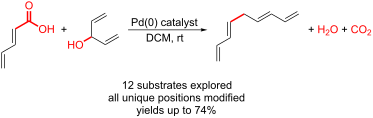
Scheme 1: Prior and current decarboxylative couplings.
Scheme 2: Esters examined in the decarboxylation reaction.
Scheme 3: Possible mechanistic pathways.
Figure 1: Calculated HOMO of transition state between E and F.
Beilstein J. Org. Chem. 2017, 13, 348–371, doi:10.3762/bjoc.13.39
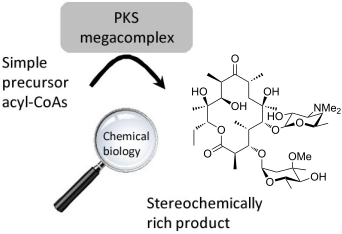
Graphical Abstract
Figure 1: Structures of clinically-relevant polyketides: erythromycin A (1), azithromycin (2), clarithromycin...
Figure 2: Schematic of erythromycin A (1) bound to 23S ribosomal RNA of the 50S subunit of the Deinococcus ra...
Figure 3: Schematic of the biosynthetic pathway leading to erythromycin A (1) in the bacterium Saccharopolysp...
Figure 4: Schematic of the virginiamycin PKS from Streptomyces virginiae, a member of the trans-AT PKS family ...
Figure 5: Determination of the stereochemistry of extender unit selection by the AT domains of modular PKS. a...
Figure 6: Creation by genetic engineering of the DEBS 1-TE model system. The region of the eryAIII gene encod...
Figure 7: Model for substrate selection by AT domains. a) Sequence motifs in malonyl- and methylmalonyl-CoA-s...
Figure 8: Proposed mechanism for KS-catalyzed chain extension, based on extrapolation from studies on homolog...
Figure 9: Experiment in vitro to determine the stereochemistry of condensation in modular PKS [46]. Use of specif...
Figure 10: Genetic engineering experiments which suggested a role for the KS domain in epimerization. a) A dik...
Figure 11: Models for control of the stereochemistry of reduction by KR domains. The two directions of ketored...
Figure 12: Assays in vitro to evaluate the stereospecificity of recombinant KR domains. A series of KR domains...
Figure 13: Assays in vitro which provided the first direct evidence that KR domains act as epimerases [77]. Biosyn...
Figure 14: Assays in vitro to demonstrate directly the epimerase activity of PKS KR domains. a) Equilibrium ex...
Figure 15: Model for DH-catalyzed generation of trans and cis double bonds by syn elimination from substrates ...
Figure 16: Stereospecificity of dehydration by Rif DH10 [94]. a) The four possible diastereomeric diketide-ACP sub...
Figure 17: Stereocontrol by PKS ER domains. Sequence motifs correlated with the final stereochemistry of the C...
Figure 18: a) PKS engineered to test the role of the ER stereospecificity residues [115]. TKS-ERY4 was created by r...
Beilstein J. Org. Chem. 2017, 13, 267–284, doi:10.3762/bjoc.13.30
Graphical Abstract
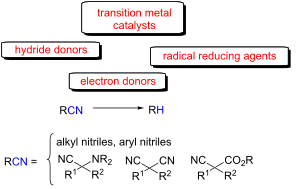
Scheme 1: Mechanism for the reduction under metal dissolving conditions.
Scheme 2: Example of decyanation in metal dissolving conditions coupled with deprotection [30]. TBDMS = tert-buty...
Scheme 3: Preparation of α,ω-dienes [18,33].
Scheme 4: Cyclization reaction using a radical probe [18].
Scheme 5: Synthesis of (±)-xanthorrhizol (8) [39].
Scheme 6: Mechanism for the reduction of α-aminonitriles by hydride donors.
Scheme 7: Synthesis of phenanthroindolizidines and phenanthroquinolizidines [71].
Scheme 8: Two-step synthesis of 5-unsubstituted pyrrolidines (25 examples and 1 synthetic application, see be...
Scheme 9: Synthesis of (±)-isoretronecanol 19. DBU = 1,8-diazabicyclo[5.4.0]undec-7-ene [74].
Scheme 10: Proposed mechanism with 14a for the NaBH4 induced decyanation reaction (“BH3” = BH3·THF) [74].
Scheme 11: Reductive decyanation by a sodium hydride–iodide composite (26 examples) [81].
Scheme 12: Proposed mechanism for the reduction by NaH [81].
Scheme 13: Reductive decyanation catalyzed by nickel nanoparticles. Yields are given in weight % from GC–MS da...
Scheme 14: Decyanation of 2-cyanobenzo[b]thiophene [87].
Scheme 15: Simplified pathways involved in transition-metal-promoted reductive decyanations [93,95].
Scheme 16: Fe-catalyzed reductive decyanation. Numbers in square brackets represent turnover numbers. The TONs...
Scheme 17: Rh-catalyzed reductive decyanation of aryl nitriles (18 examples, 2 synthetic applications) [103].
Scheme 18: Rh-catalyzed reductive decyanation of aliphatic nitriles (15 examples, one synthetic application) [103].
Scheme 19: Ni-catalyzed reductive decyanation (method A: 28 examples and 2 synthetic applications; method B: 3...
Scheme 20: Reductive decyanation catalyzed by the nickel complex 58 (method A, 14 examples, yield ≥ 20% and 1 ...
Scheme 21: Proposed catalytic cycle for the nickel complex 58 catalyzed decyanation (method A). Only the cycle...
Scheme 22: Synthesis of bicyclic lactones [119,120].
Scheme 23: Reductive decyanation of malononitriles and cyanoacetates using NHC-boryl radicals (9 examples). Fo...
Scheme 24: Proposed mechanism for the reduction by NHC-boryl radicals. The other possible pathway (addition of ...
Scheme 25: Structures of organic electron-donors. Only the major Z isomer of 80 is shown [125,127].
Scheme 26: Reductive decyanation of malononitriles and cyanoacetates using organic electron-donors (method A, ...
Scheme 27: Photoreaction of dibenzylmalononitrile with 81 [128].
Scheme 28: Examples of decyanation promoted in acid or basic media [129,131,134,135].
Scheme 29: Mechanism proposed for the base-induced reductive decyanation of diphenylacetonitriles [136].
Scheme 30: Reductive decyanation of triarylacetonitriles [140].
Beilstein J. Org. Chem. 2017, 13, 33–42, doi:10.3762/bjoc.13.5
Graphical Abstract
Figure 1: Menthol auxiliaries 1–4 used in the following anodic coupling reactions.
Scheme 1: Synthesis of carboxylic acids 13a/b–18a/b.
Scheme 2: (a) Preparation of benzyl 2-isopropylmalonate (5) and (b) preparation of benzyl 2-tert-butylmalonat...
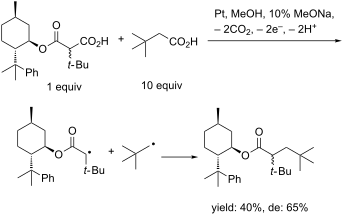
Scheme 3: Coelectrolysis (hetero-coupling) of carboxylic acids 13–17 with 3,3-dimethylbutyric acid (20).
Figure 2: Crystal structure of the minor diastereomer 23b.
Figure 3: Cyclic voltammograms of the malonic derivatives 15a/b, 16a/b and 18a/b (scan rate: 500 mA/s, solven...
Scheme 4: Homo-coupling of carboxylic acids 13a/b–16a/b to diesters 26a/b/c–29a/b/c (n.d.: not determined).
Figure 4: Crystal structure of major diastereomer 28a.
Figure 5: Crystal structure of major diastereomer 29a.
Figure 6: Discrimination of diastereomeric faces in the menthol substituted radical A and in the 8-phenylment...
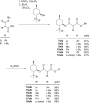
Scheme 5: Reductive cleavage of 30a–c to 8-phenylmenthol (3) and 31a–c.
Beilstein J. Org. Chem. 2016, 12, 2420–2442, doi:10.3762/bjoc.12.236
Graphical Abstract
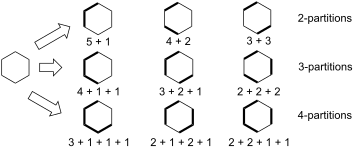
Figure 1: Possible two-component couplings for various monocyclic rings frequently encountered in organic mol...
Figure 2: Possible three-component couplings for various monocyclic rings frequently encountered in organic m...
Figure 3: Possible four-component couplings for various monocyclic rings frequently encountered in organic mo...
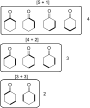
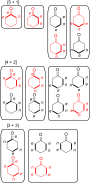
Figure 4: Permutations of two-component coupling patterns for synthesizing the cyclohexanone ring. Synthesis ...
Figure 5: Permutations of two-component coupling patterns for synthesizing the cyclohexanone ring overlayed w...
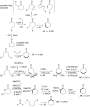
Scheme 1: Conjectured syntheses of cyclohexanone via [5 + 1] strategies.
Scheme 2: Conjectured syntheses of cyclohexanone via [4 + 2] strategies.
Scheme 3: Conjectured syntheses of cyclohexanone via [3 + 3] strategies.
Figure 6: Permutations of three-component coupling patterns for synthesizing the cyclohexanone ring. Synthesi...
Figure 7: Permutations of three-component coupling patterns for synthesizing the pyrazole ring via [2 + 2 + 1...
Scheme 4: Literature method for constructing the pyrazole ring via the A4 [2 + 2 + 1] strategy.
Scheme 5: Literature methods for constructing the pyrazole ring via the A5 [2 + 2 + 1] strategy.
Scheme 6: Literature methods for constructing the pyrazole ring via the A1 [2 + 2 + 1] strategy.
Scheme 7: Literature methods for constructing the pyrazole ring via the B4 [3 + 1 + 1] strategy.
Figure 8: Intrinsic green performance of documented pyrazole syntheses according to [2 + 2 + 1] and [3 + 1 + ...
Scheme 8: Conjectured reactions for constructing the pyrazole ring via the A2 and A3 [2 + 2 + 1] strategies.
Scheme 9: Conjectured reactions for constructing the pyrazole ring via the B1, B2, B3, and B4 [3 + 1 + 1] str...
Figure 9: Permutations of three-component coupling patterns for synthesizing the Biginelli ring adduct. Synth...
Scheme 10: Reported syntheses of the Biginelli adduct via the traditional [3 + 2 + 1] mapping strategy.
Scheme 11: Reported syntheses of the Biginelli adduct via new [3 + 2 + 1] mapping strategies.
Scheme 12: Reported syntheses of the Biginelli adduct via a new [2 + 2 + 1 + 1] mapping strategy.
Scheme 13: Conjectured syntheses of the Biginelli adduct via new [2 + 2 + 2] mapping strategies.
Scheme 14: Conjectured syntheses of the Biginelli adduct via new [3 + 2 + 1] mapping strategies.
Figure 10: Intrinsic green performance of documented Biginelli adduct syntheses according to [3 + 2 + 1] three...
Figure 11: Intrinsic green performance of newly conjectured Biginelli adduct syntheses according to [4 + 1 + 1...
Beilstein J. Org. Chem. 2016, 12, 1911–1924, doi:10.3762/bjoc.12.181
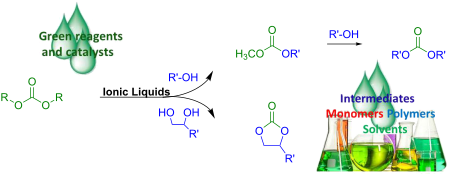
Graphical Abstract
Scheme 1: The transesterification of diethyl oxalate (DEO) with phenol catalyzed by MoO3/SiO2.
Scheme 2: Transesterification of a triglyceride (TG) with DMC for biodiesel production using KOH as the base ...
Scheme 3: Top: Green methylation of phosphines and amines by dimethyl carbonate (Q = N, P). Bottom: anion met...
Figure 1: Structures of some representative SILs and PILs systems. MCF is a silica-based mesostructured mater...
Scheme 4: Synthesis of the acid polymeric IL. EGDMA: ethylene glycol dimethacrylate.
Scheme 5: The transesterification of sec-butyl acetate with MeOH catalyzed by some acidic imidazolium ILs.
Figure 2: Representative examples of ionic liquids for biodiesel production.
Scheme 6: Top: phosgenation of methanol; middle: EniChem and Ube processes; bottom: Asahi process for the pro...
Scheme 7: The transesterification in the synthesis of organic carbonates.
Scheme 8: The transesterification of DMC with alcohols and diols.
Scheme 9: Transesterification of glycerol with DMC in the presence of 1-n-butyl-3-methylimidazolium-2-carboxy...
Scheme 10: Synthesis of the BMIM-2-CO2 catalyst from butylimidazole and DMC.
Scheme 11: Plausible cooperative (nucleophilic–electrophilic) mechanism for the transesterification of glycero...
Scheme 12: Synthesis of diazabicyclo[5.4.0]undec-7-ene-based ionic liquids.
Scheme 13: Synthesis of the DABCO–DMC ionic liquid.
Scheme 14: Cooperative mechanism of ionic liquid-catalyzed glycidol production.
Scheme 15: [TMA][OH]-catalyzed synthesis of glycidol (GD) from glycerol and dimethyl carbonate [46].
Scheme 16: [BMIM]OH-catalyzed synthesis of DPC from DMC and 1-pentanol.
Figure 3: Representative examples of ionic liquids for biodiesel production.
Figure 4: Acyclic non-symmetrical organic carbonates synthetized with 1-(trimethoxysilyl)propyl-3-methylimida...
Scheme 17: A simplified reaction mechanism for DMC production.
Scheme 18: [P8881][MeOCO2] metathesis with acetic acid and phenol.
Figure 5: Examples of carbonates obtained through transesterification using phosphonium salts as catalysts.
Scheme 19: Examples of carbonates obtained from different bio-based diols using [P8881][CH3OCO2] as catalyst.
Scheme 20: Ambiphilic catalysis for transesterification reactions in the presence of carbonate phosphonium sal...
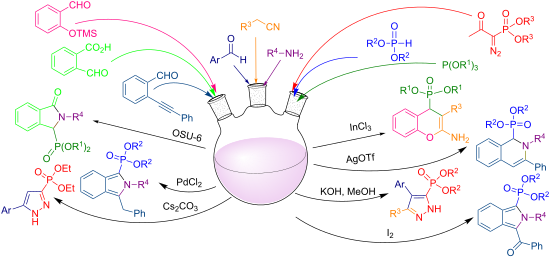
Beilstein J. Org. Chem. 2016, 12, 1269–1301, doi:10.3762/bjoc.12.121
Graphical Abstract
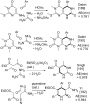
Scheme 1: The Biginelli condensation.
Scheme 2: The Biginelli reaction of β-ketophosphonates catalyzed by ytterbium triflate.
Scheme 3: Trimethylchlorosilane-mediated Biginelli reaction of diethyl (3,3,3-trifluoropropyl-2-oxo)phosphona...
Scheme 4: Biginelli reaction of dialkyl (3,3,3-trifluoropropyl-2-oxo)phosphonate with trialkyl orthoformates ...
Scheme 5: p-Toluenesulfonic acid-promoted Biginelli reaction of β-ketophosphonates, aryl aldehydes and urea.
Scheme 6: General Kabachnik–Fields reaction for the synthesis of α-aminophosphonates.
Scheme 7: Phthalocyanine–AlCl catalyzed Kabachnik–Fields reaction of N-Boc-piperidin-4-one with diethyl phosp...
Scheme 8: Kabachnik–Fields reaction of isatin with diethyl phosphite and benzylamine.
Scheme 9: Magnetic Fe3O4 nanoparticle-supported phosphotungstic acid-catalyzed Kabachnik–Fields reaction of i...
Scheme 10: The Mg(ClO4)2-catalyzed Kabachnik–Fields reaction of 1-tosylpiperidine-4-one.
Scheme 11: An asymmetric version of the Kabachnik–Fields reaction for the synthesis of α-amino-3-piperidinylph...
Scheme 12: A classical Kabachnik–Fields reaction followed by an intramolecular ring-closing reaction for the s...
Scheme 13: Synthesis of (S)-piperidin-2-phosphonic acid through an asymmetric Kabachnik–Fields reaction.
Scheme 14: A modified diastereoselective Kabachnik–Fields reaction for the synthesis of isoindolin-1-one-3-pho...
Scheme 15: A microwave-assisted Kabachnik–Fields reaction toward isoindolin-1-ones.
Scheme 16: The synthesis of 3-arylmethyleneisoindolin-1-ones through a Horner–Wadsworth–Emmons reaction of Kab...
Scheme 17: An efficient one-pot method for the synthesis of ethyl (2-alkyl- and 2-aryl-3-oxoisoindolin-1-yl)ph...
Scheme 18: FeCl3 and PdCl2 co-catalyzed three-component reaction of 2-alkynylbenzaldehydes, anilines, and diet...
Scheme 19: Three-component reaction of 6-methyl-3-formylchromone (75) with hydrazine derivatives or hydroxylam...
Scheme 20: Three-component reaction of 6-methyl-3-formylchromone (75) with thiourea, guanidinium carbonate or ...
Scheme 21: Three-component reaction of 6-methyl-3-formylchromone (75) with 1,4-bi-nucleophiles in the presence...
Scheme 22: One-pot three-component reaction of 2-alkynylbenzaldehydes, amines, and diethyl phosphonate.
Scheme 23: Lewis acid–surfactant combined catalysts for the one-pot three-component reaction of 2-alkynylbenza...
Scheme 24: Lewis acid catalyzed cyclization of different Kabachnik–Fields adducts.
Scheme 25: Three-component synthesis of N-arylisoquinolone-1-phosphonates 119.
Scheme 26: CuI-catalyzed three-component tandem reaction of 2-(2-formylphenyl)ethanones with aromatic amines a...
Scheme 27: Synthesis of 1,5-benzodiazepin-2-ylphosphonates via ytterbium chloride-catalyzed three-component re...
Scheme 28: FeCl3-catalyzed four-component reaction for the synthesis of 1,5-benzodiazepin-2-ylphosphonates.
Scheme 29: Synthesis of indole bisphosphonates through a modified Kabachnik–Fields reaction.
Scheme 30: Synthesis of heterocyclic bisphosphonates via Kabachnik–Fields reaction of triethyl orthoformate.
Scheme 31: A domino Knoevenagel/phospha-Michael process for the synthesis of 2-oxoindolin-3-ylphosphonates.
Scheme 32: Intramolecular cyclization of phospha-Michael adducts to give dihydropyridinylphosphonates.
Scheme 33: Synthesis of fused phosphonylpyrans via intramolecular cyclization of phospha-Michael adducts.
Scheme 34: InCl3-catalyzed three-component synthesis of (2-amino-3-cyano-4H-chromen-4-yl)phosphonates.
Scheme 35: Synthesis of phosphonodihydropyrans via a domino Knoevenagel/hetero-Diels–Alder process.
Scheme 36: Multicomponent synthesis of phosphonodihydrothiopyrans via a domino Knoevenagel/hetero-Diels–Alder ...
Scheme 37: One-pot four-component synthesis of 1,2-dihydroisoquinolin-1-ylphosphonates under multicatalytic co...
Scheme 38: CuI-catalyzed four-component reactions of methyleneaziridines towards alkylphosphonates.
Scheme 39: Ruthenium–porphyrin complex-catalyzed three-component synthesis of aziridinylphosphonates and its p...
Scheme 40: Copper(I)-catalyzed three-component reaction towards 1,2,3-triazolyl-5-phosphonates.
Scheme 41: Three-component reaction of acylphosphonates, isocyanides and dialkyl acetylenedicarboxylate to aff...
Scheme 42: Synthesis of (4-imino-3,4-dihydroquinazolin-2-yl)phosphonates via an isocyanide-based three-compone...
Scheme 43: Silver-catalyzed three-component synthesis of (2-imidazolin-4-yl)phosphonates.
Scheme 44: Three-component synthesis of phosphonylpyrazoles.
Scheme 45: One-pot three-component synthesis of 3-carbo-5-phosphonylpyrazoles.
Scheme 46: A one-pot two-step method for the synthesis of phosphonylpyrazoles.
Scheme 47: A one-pot method for the synthesis of (5-vinylpyrazolyl)phosphonates.
Scheme 48: Synthesis of 1H-pyrrol-2-ylphosphonates via the [3 + 2] cycloaddition of phosphonate azomethine yli...
Scheme 49: Three-component synthesis of 1H-pyrrol-2-ylphosphonates.
Scheme 50: The classical Reissert reaction.
Scheme 51: One-pot three-component synthesis of N-phosphorylated isoquinolines.
Scheme 52: One-pot three-component synthesis of 1-acyl-1,2-dihydroquinoline-2-phosphonates and 2-acyl-1,2-dihy...
Scheme 53: Three-component reaction of pyridine derivatives with ethyl propiolate and dialkyl phosphonates.
Scheme 54: Three-component reactions for the phosphorylation of benzothiazole and isoquinoline.
Scheme 55: Three-component synthesis of diphenyl [2-(aminocarbonyl)- or [2-(aminothioxomethyl)-1,2-dihydroisoq...
Scheme 56: Three-component stereoselective synthesis of 1,2-dihydroquinolin-2-ylphosphonates and 1,2-dihydrois...
Scheme 57: Diphosphorylation of diazaheterocyclic compounds via a tandem 1,4–1,2 addition of dimethyl trimethy...
Scheme 58: Multicomponent reaction of alkanedials, acetamide and acetyl chloride in the presence of PCl3 and a...
Scheme 59: An oxidative domino three-component synthesis of polyfunctionalized pyridines.
Scheme 60: A sequential one-pot three-component synthesis of polysubstituted pyrroles.
Scheme 61: Three-component decarboxylative coupling of proline with aldehydes and dialkyl phosphites for the s...
Scheme 62: Three-component domino aza-Wittig/phospha-Mannich sequence for the phosphorylation of isatin deriva...
Scheme 63: Stereoselective synthesis of phosphorylated trans-1,5-benzodiazepines via a one-pot three-component...
Scheme 64: One-pot three-component synthesis of phosphorylated 2,6-dioxohexahydropyrimidines.
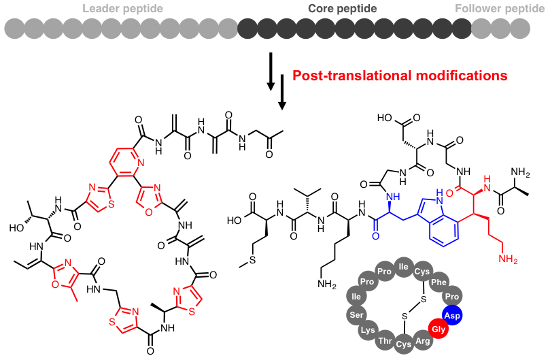
Beilstein J. Org. Chem. 2016, 12, 1250–1268, doi:10.3762/bjoc.12.120
Graphical Abstract
Figure 1: Schematic of RiPP biosynthesis. Thiazole/oxazole formation is represented by the blue heterocycle (...
Figure 2: Examples of heterocycles in RiPPs alongside the precursor peptides that these molecules derive from...
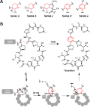
Figure 3: Formation of thiazoles and oxazoles in RiPPs. A) Biosynthesis of microcin B17. B) Mechanistic model...
Figure 4: Lanthionine bond formation. A) Nisin and its precursor peptide. B) Mechanism of lanthionine bond fo...
Figure 5: S-[(Z)-2-Aminovinyl]-D-cysteine (AviCys) formation in the epidermin pathway. A) Mechanisms for deca...
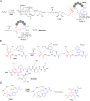
Figure 6: Cyclisation in the biosynthesis of thiopeptides. A) Mechanism of TclM-catalysed heterocyclisation i...
Figure 7: ATP-dependent macrocyclisation. A) General mechanism for ATP-dependent macrolactonisation or macrol...
Figure 8: Peptidase-like macrolactam formation. A) General mechanism. B) Examples of RiPPs cyclised by serine...
Figure 9: Structure of autoinducing peptide AIP-I from Staphylococcus aureus and the sequence of the correspo...
Figure 10: Radical cyclisation in RiPP biosynthesis. A) AlbA-catalysed formation of thioethers in the biosynth...
Figure 11: RiPPs with uncharacterised mechanisms of cyclisation. Unusual heterocycles in ComX and methanobacti...
Beilstein J. Org. Chem. 2016, 12, 1000–1039, doi:10.3762/bjoc.12.98
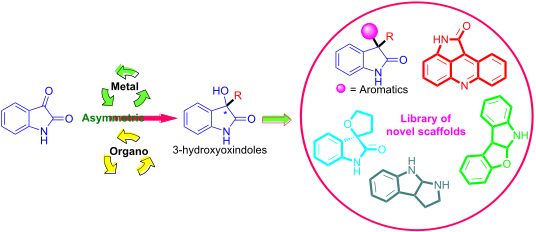
Graphical Abstract
Figure 1: 3-Hydroxyoxindole-containing natural products and biologically active molecules.
Scheme 1: Chiral CNN pincer Pd(II) complex 1 catalyzed asymmetric allylation of isatins.
Scheme 2: Asymmetric allylation of ketimine catalyzed by the chiral CNN pincer Pd(II) complex 2.
Scheme 3: Pd/L1 complex-catalyzed asymmetric allylation of 3-O-Boc-oxindoles.
Scheme 4: Cu(OTf)2-catalyzed asymmetric direct addition of acetonitrile to isatins.
Scheme 5: Chiral tridentate Schiff base/Cu complex catalyzed asymmetric Friedel–Crafts alkylation of isatins ...
Scheme 6: Guanidine/CuI-catalyzed asymmetric alkynylation of isatins with terminal alkynes.
Scheme 7: Asymmetric intramolecular direct hydroarylation of α-ketoamides.
Scheme 8: Plausible catalytic cycle for the direct hydroarylation of α-ketoamides.
Scheme 9: Ir-catalyzed asymmetric arylation of isatins with arylboronic acids.
Scheme 10: Enantioselective decarboxylative addition of β-ketoacids to isatins.
Scheme 11: Ruthenium-catalyzed hydrohydroxyalkylation of olefins and 3-hydroxy-2-oxindoles.
Scheme 12: Proposed catalytic mechanism and stereochemical model.
Scheme 13: In-catalyzed allylation of isatins with stannylated reagents.
Scheme 14: Modified protocol for the synthesis of allylated 3-hydroxyoxindoles.
Scheme 15: Hg-catalyzed asymmetric allylation of isatins with allyltrimethylsilanes.
Scheme 16: Enantioselective additions of organoborons to isatins.
Scheme 17: Asymmetric aldol reaction of isatins with cyclohexanone.
Scheme 18: Enantioselective aldol reactions of aliphatic aldehydes with isatin derivatives and the plausible t...
Scheme 19: Enantioselective aldol reaction of isatins and 2,2-dimethyl-1,3-dioxan-5-one.
Scheme 20: Asymmetric aldol reactions between ketones and isatins.
Scheme 21: Phenylalanine lithium salt-catalyzed asymmetric synthesis of 3-alkyl-3-hydroxyoxindoles.
Scheme 22: Aldolization between isatins and dihydroxyacetone derivatives.
Scheme 23: One-pot asymmetric synthesis of convolutamydine A.
Scheme 24: Asymmetric aldol reactions of cyclohexanone and acetone with isatins.
Scheme 25: Aldol reactions of acetone with isatins.
Scheme 26: Aldol reactions of ketones with isatins.
Scheme 27: Enantioselective allylation of isatins.
Scheme 28: Asymmetric aldol reaction of trifluoromethyl α-fluorinated β-keto gem-diols with isatins.
Scheme 29: Plausible mechanism proposed for the asymmetric aldol reaction.
Scheme 30: Asymmetric aldol reaction of 1,1-dimethoxyacetone with isatins.
Scheme 31: Enantioselective Friedel-Crafts reaction of phenols with isatins.
Scheme 32: Enantioselective addition of 1-naphthols with isatins.
Scheme 33: Enantioselective aldol reaction between 3-acetyl-2H-chromen-2-ones and isatins.
Scheme 34: Stereoselective Mukaiyama–aldol reaction of fluorinated silyl enol ethers with isatins.
Scheme 35: Asymmetric vinylogous Mukaiyama–aldol reaction between 2-(trimethylsilyloxy)furan and isatins.
Scheme 36: β-ICD-catalyzed MBH reactions of isatins with maleimides.
Scheme 37: β-ICD-catalyzed MBH reactions of 7-azaisatins with maleimides and activated alkenes.
Scheme 38: Enantioselective aldol reaction of isatins with ketones.
Scheme 39: Direct asymmetric vinylogous aldol reactions of allyl ketones with isatins.
Scheme 40: Enantioselective aldol reactions of ketones with isatins.
Scheme 41: The MBH reaction of isatins with α,β-unsaturated γ-butyrolactam.
Scheme 42: Reactions of tert-butyl hydrazones with isatins followed by oxidation.
Scheme 43: Aldol reactions of isatin derivatives with ketones.
Scheme 44: Enantioselective decarboxylative cyanomethylation of isatins.
Scheme 45: Catalytic kinetic resolution of 3-hydroxy-3-substituted oxindoles.
Scheme 46: Lewis acid catalyzed Friedel–Crafts alkylation of 3-hydroxy-2-oxindoles with electron-rich phenols.
Scheme 47: Lewis acid catalyzed arylation of 3-hydroxyoxindoles with aromatics.
Scheme 48: Synthetic application of 3-arylated disubstituted oxindoles in the construction of core structures ...
Scheme 49: CPA-catalyzed dearomatization and arylation of 3-indolyl-3-hydroxyoxindoles with tryptamines and 3-...
Scheme 50: CPA-catalyzed enantioselective decarboxylative alkylation of β-keto acids with 3-hydroxy-3-indolylo...
Scheme 51: BINOL-derived imidodiphosphoric acid-catalyzed enantioselective Friedel–Crafts reactions of indoles...
Scheme 52: CPA-catalyzed enantioselective allylation of 3-indolylmethanols.
Scheme 53: 3-Indolylmethanol-based substitution and cycloaddition reactions.
Scheme 54: CPA-catalyzed asymmetric [3 + 3] cycloaddtion reactions of 3-indolylmethanols with azomethine ylide...
Scheme 55: CPA-catalyzed three-component cascade Michael/Pictet–Spengler reactions of 3-indolylmethanols and a...
Scheme 56: Acid-promoted chemodivergent and stereoselective synthesis of diverse indole derivatives.
Scheme 57: CPA-catalyzed asymmetric formal [3 + 2] cycloadditions.
Scheme 58: CPA-catalyzed enantioselective cascade reactions for the synthesis of C7-functionlized indoles.
Scheme 59: Lewis acid-promoted Prins cyclization of 3-allyl-3-hydroxyoxindoles with aldehydes.
Scheme 60: Ga(OTf)3-catalyzed reactions of allenols and phenols.
Scheme 61: I2-catalyzed construction of pyrrolo[2.3.4-kl]acridines from enaminones and 3-indolyl-3-hydroxyoxin...
Scheme 62: CPA-catalyzed asymmetric aza-ene reaction of 3-indolylmethanols with cyclic enaminones.
Scheme 63: Asymmetric α-alkylation of aldehydes with 3-indolyl-3-hydroxyoxindoles.
Scheme 64: Organocatalytic asymmetric α-alkylation of enolizable aldehydes with 3-indolyl-3-hydroxyoxindoles a...
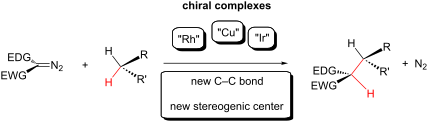
Beilstein J. Org. Chem. 2016, 12, 882–902, doi:10.3762/bjoc.12.87
Graphical Abstract
Figure 1: Singlet carbene, triplet carbene and carbenoids.
Figure 2: Classification of the carbenoid intermediates by the electronic nature of the groups attached to th...
Figure 3: Chiral bis(oxazoline) ligands used in enantioselective copper carbenoid insertion.
Scheme 1: Pioneering work of Peter Yates on the carbenoid insertion reaction into X–H bonds (where X = O, S, ...
Scheme 2: Copper carbenoid insertion into C(sp3)–H bond of a stereogenic center with full retention of the as...
Scheme 3: Carbenoid insertion into a C(sp3)–H bond as the key step of the Taber’s (+)-α-cuparenone (8) synthe...
Scheme 4: First enantioselective carbenoid insertion into C–O bonds catalyzed by chiral metallic complexes.
Figure 4: Chemical structures of complexes (R)-18 and (S)-18.
Scheme 5: Asymmetric carbenoid insertions into C(sp3)–H bonds of cycloalkanes catalyzed by chiral rhodium car...
Scheme 6: First diastereo and enantioselective intermolecular carbenoid insertion into tetrahydrofuran C(sp3)...
Scheme 7: Simplified mechanism of the carbenoid insertion into a C(sp3)–H bond.
Scheme 8: Nakamura’s carbenoid insertion into a C(sp3)–H bond catalytic cycle.
Scheme 9: Investigation of the relationship between the electronic characteristics of the substituent X attac...
Scheme 10: Empirical model to predict the stereoselectivity of the donor/acceptor dirhodium carbenoid insertio...
Scheme 11: Asymmetric insertion of copper carbenoids in C(sp3)–H bonds to prepare trans-γ-lactam.
Figure 5: Iridium catalysts used by Suematsu and Katsuki for carbenoid insertion into C(sp3)–H bonds.
Scheme 12: Chiral porphyrin iridium complex catalyzes the carbenoid insertion into bis-allylic C(sp3)–H bonds.
Scheme 13: Chiral porphyrin iridium complex catalyzes the carbenoid insertion into tetrahydrofuran C(sp3)–H bo...
Scheme 14: Chiral porphyrin–iridium complex catalyzes the intramolecular carbenoid insertion into C(sp3)–H bon...
Scheme 15: Chiral bis(oxazoline)–iridium complex catalyzes the carbenoid insertion into bis-allylic C(sp3)–H b...
Scheme 16: New cyclopropylcarboxylate-based chiral catalyst to enantioselective carbenoid insertion into the e...
Scheme 17: Regio- and enantioselective carbenoid insertion into the C(sp3)–H bond catalyzed by a new bulky cyc...
Scheme 18: Regio and diastereoselective carbenoid insertion into the C(sp3)–H bond catalyzed by a new bulky cy...
Scheme 19: 2,2,2-Trichloroethyl (TCE) aryldiazoacetates to improve the scope, regio- and enantioselective of t...
Scheme 20: Sequential C–H functionalization approach to 2,3-dihydrobenzofurans.
Scheme 21: Enantioselective intramolecular rhodium carbenoid insertion into C(sp3)–H bonds to afford cis-disub...
Scheme 22: Enantioselective intramolecular rhodium carbenoid insertion into C(sp3)–H bonds to afford cis-2-vin...
Scheme 23: First rhodium porphyrin-based catalyst for enantioselective carbenoid insertion into C(sp3)–H bond.
Scheme 24: Rhodium porphyrin-based catalyst for enantioselective carbenoid insertion into benzylic C(sp3)–H bo...
Beilstein J. Org. Chem. 2016, 12, 732–744, doi:10.3762/bjoc.12.73
Graphical Abstract
Figure 1: Camphor and some camphor derivatives.
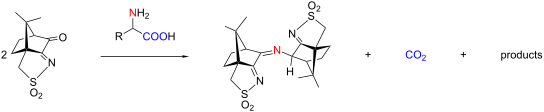
Scheme 1: Formation of 2 from reaction of oxoimine 1 with amino acids (H2NCH(R)COOH: R = H, CH3, CH2Ph, CH2CH...
Figure 2: ESI mass spectrum of 2 (positive ion mode).
Figure 3: 1H NMR spectrum of 2 in CD3CN at T = −20 °C.
Figure 4: 13C NMR spectrum of 2 in CD3CN at T = −20 °C.
Figure 5: Optimized structure of 2 ((S)-3A isomer) with labeling scheme.
Figure 6: NOESY spectrum (detail) showing the cross peak between H3A and H10A (see Supporting Information File 1, Figure S6 for the full s...
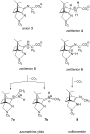
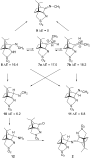
Figure 7: Upper row: anion 3 and zwitterion 4 which are stable upon geometry optimization. Middle row: zwitte...
Figure 8: Intramolecular reactions of non-zwitterionic ground state 6g to 11 (top) or 8 (bottom). The activat...
Figure 9: Transition-state geometry and salient bond distances along the IRC path for the reaction of 6g → 11...
Figure 10: Transition-state geometry and salient bond distances along the IRC path for the reaction of 6g → 8....
Figure 11: Potential products 7–11 of the Strecker degradation together with the reaction of compound 10 to gi...
Figure 12: ESI(+) tandem mass spectrum of the intermediate 12 (m/z 229) and proposed fragment ions.
Beilstein J. Org. Chem. 2016, 12, 594–607, doi:10.3762/bjoc.12.58
Graphical Abstract
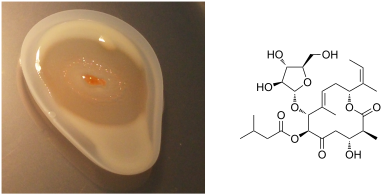
Figure 1: Natural products isolated from M. xanthus DK1622. DKxanthene-534 (1); myxalamid B (2); myxovirescin...
Figure 2: Vegetative cells of P. fallax HKI 727 under a phase-contrast microscope (K. Martin, unpublished). B...
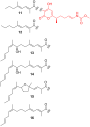
Figure 3: Structures of myxopyronins A (11) and B (12), corallopyronins A (13), B (14) and C (15), as well as...
Figure 4: Structure of althiomycin (17).
Figure 5: Structures of cystobactamids 919-1 (18), 919-2 (19), and 507 (20).
Figure 6: Structures of natural products isolated from Herpetosiphon spp.: siphonazole (21); auriculamide (22...
Beilstein J. Org. Chem. 2016, 12, 110–116, doi:10.3762/bjoc.12.12
Graphical Abstract
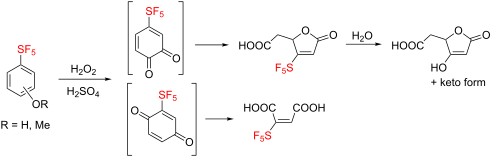
Scheme 1: Oxidation of SF5-anisole and phenol. 19F NMR yields are shown (isolated yields in parentheses).
Scheme 2: Proposed mechanism for the formation of 3 and 4 from SF5 aromatics 1 and 2.
Scheme 3: Oxidation of anisole 10 and phenol 11. 19F NMR yields are given.
Scheme 4: Synthesis of para-benzoquinone 12 and oxidation to maleic acid 4. 19F NMR yields are shown, in pare...
Scheme 5: Catalytic hydrogenation and Diels–Alder reaction of benzoquinone 12.
Figure 1: Optimized geometries of transition states of Diels–Alder reaction of cyclopentadiene with 12. Selec...
Scheme 6: Decomposition of 3 in water.
Scheme 7: Formation of acids 5, 18 and 19 from lactone 3.
Scheme 8: Synthesis of maleic anhydride 20 and Diels–Alder adducts 21.
Scheme 9: Reaction of maleic acid 4 with diazomethane.
Scheme 10: Decarboxylation of maleic acid 4 to acrylic acid 23 in DMSO and the preparation of deuterium labell...
Beilstein J. Org. Chem. 2016, 12, 1–4, doi:10.3762/bjoc.12.1
Graphical Abstract
Figure 1: Examples of naturally-occurring and synthetic bioactive (amidoalkyl)pyridines.
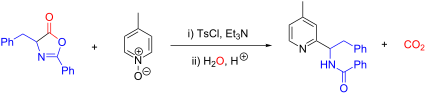
Scheme 1: Discovery of the azlactone arylation/decarboxylative hydrolysis approach to 2-(1-amidoalkyl)pyridin...
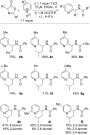
Scheme 2: Substrate scope of the direct amidoalkylation of pyridine N-oxides.
Beilstein J. Org. Chem. 2015, 11, 2661–2670, doi:10.3762/bjoc.11.286
Graphical Abstract
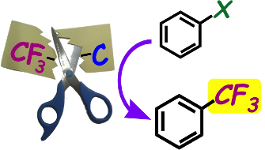
Scheme 1: Trifluoromethylation using trifluoroacetate.
Scheme 2: Decarboxylative pentafluoroethylation and its application.
Scheme 3: Trifluoromethyation with trifluoroacetate in a flow system.
Scheme 4: Trifluoromethylation of 4-bromotoluene by [(NHC)Cu(TFA)].
Scheme 5: Trifluoromethylation of aryl iodides with small amounts of Cu and Ag2O. aThe yield was determined b...
Scheme 6: C–H trifluoromethylation of arenes using trifluoroacetic acid.
Scheme 7: CF3Cu generated from chlorofluoroacetate and CuI.
Scheme 8: [18F]Trifluoromethyation with difluorocarbenes for PET. aRadiochemical yield determined by HPLC.
Scheme 9: Trifluoromethylation with trifluoroacetate and copper iodide.
Scheme 10: Preparation of trifluoromethylcopper from trifluoromethyl ketone.
Scheme 11: Trifluoromethylation of aryl iodides. aIsolated yield. b1 equivalent each of CF3Cu reagent and 1,10...
Scheme 12: Pentafluoroethylation of aryl bromides. aYield was determined by 19F NMR analysis using benzotriflu...
Scheme 13: Perfluoroalkylation reactions of arylboronic acids. aIsolated yield. bDMF was used instead of tolue...
Scheme 14: Trifluoromethylation with silylated hemiaminal of fluoral.
Scheme 15: Catalytic trifluoromethylation with a fluoral derivative.
Scheme 16: The scope of Cu-catalyzed aromatic trifluoromethylation. The yield was determined by 19F NMR analys...
Scheme 17: Plausible mechanism of Cu-catalyzed aromatic trifluoromethylation [53].
Beilstein J. Org. Chem. 2015, 11, 2591–2599, doi:10.3762/bjoc.11.279
Graphical Abstract
Figure 1: Some chiral, bioactive isoindolinones.
Scheme 1: This work: 1) trans-1,2-cyclohexane diamine-based bifunctional ammonium salts 8 in the asymmetric s...
Scheme 2: Asymmetric cascade, crystallization and decarboxylation reaction.
Scheme 3: Proposed racemization pathways of isoindolinones 9 via retro-Michael process.
Scheme 4: Asymmetric synthesis of (S)-PD172938.
Scheme 5: Coupling of chiral acid 9 with p-tolylpiperazine and CuI arylation of chiral isoindolinones.
Beilstein J. Org. Chem. 2015, 11, 2521–2539, doi:10.3762/bjoc.11.273
Graphical Abstract
Figure 1: a) Structure of xenicin (1) and b) numbering of the xenicane skeleton according to Schmitz and van ...
Figure 2: Overview of selected Xenia diterpenoids according to the four subclasses [2-20]. The nine-membered carboc...
Figure 3: Representative members of the caryophyllenes, azamilides and Dictyota diterpenes.
Scheme 1: Proposed biosynthesis of Xenia diterpenoids (OPP = pyrophosphate, GGPP = geranylgeranyl pyrophospha...
Scheme 2: Direct synthesis of the nine-membered carbocycle as proposed by Schmitz and van der Helm (E = elect...
Scheme 3: The construction of E- or Z-cyclononenes.
Scheme 4: Total synthesis of racemic β-caryophyllene (22) by Corey.
Scheme 5: Total synthesis of racemic β-caryophyllene (22) by Oishi.
Scheme 6: Total synthesis of coraxeniolide A (10) by Leumann.
Scheme 7: Total synthesis of antheliolide A (18) by Corey.
Scheme 8: a) Synthesis of enantiomer 80, b) total syntheses of coraxeniolide A (10) and c) β-caryophyllene (22...
Scheme 9: Total synthesis of blumiolide C (11) by Altmann.
Scheme 10: Synthesis of a xeniolide F precursor by Hiersemann.
Scheme 11: Synthesis of the xenibellol (15) and the umbellacetal (114) core by Danishefsky.
Scheme 12: Proposed biosynthesis of plumisclerin A (118).
Scheme 13: Synthesis of the tricyclic core structure of plumisclerin A by Yao.
Scheme 14: Total synthesis of 4-hydroxydictyolactone (137) by Williams.
Scheme 15: Photoisomerization of 4-hydroxydictyolactone (137) to 4-hydroxycrenulide (138).
Scheme 16: The total synthesis of (+)-acetoxycrenulide (151) by Paquette.
Beilstein J. Org. Chem. 2015, 11, 2493–2508, doi:10.3762/bjoc.11.271
Graphical Abstract
Figure 1: Structures of lovastatin (1), aflatoxin B1 (2) and amphotericin B (3).
Scheme 1: a) Structure of rhizoxin (4). b) Two possible mechanisms of chain branching catalysed by a branchin...
Scheme 2: Structure of coelimycin P1 (8) and proposed biosynthetic formation from the putative PKS produced a...
Scheme 3: Structure of trioxacarcin A (9) with highlighted carbon origins of the polyketide core from acetate...
Scheme 4: Proposed biosynthetic assembly of clostrubin A (12). Bold bonds show intact acetate units.
Figure 2: Structure of forazoline A (13).
Figure 3: Structures of tyrocidine A (14) and teixobactin (15).
Figure 4: Top: Structure of the NRPS product kollosin A (16) with the sequence N-formyl-D-Leu-L-Ala-D-Leu-L-V...
Scheme 5: Proposed biosynthesis of aspirochlorine (20) via 18 and 19.
Scheme 6: Two different macrocyclization mechanisms in the biosynthesis of pyrrocidine A (24).
Figure 5: Structure of thiomarinol A (27). Bold bonds indicate carbon atoms derived from 4-hydroxybutyrate.
Figure 6: Structures of artemisinin (28), ingenol (29) and paclitaxel (30).
Figure 7: The revised (31) and the previously suggested (32) structure of hypodoratoxide and the structure of...
Figure 8: Structure of the two interconvertible conformers of (1(10)E,4E)-germacradien-6-ol (34) studied with...
Scheme 7: Proposed cyclization mechanism of corvol ethers A (42) and B (43) with the investigated reprotonati...
Scheme 8: Predicted (top) and observed (bottom) 13C-labeling pattern in cyclooctatin (45) after feeding of [U-...
Scheme 9: Proposed mechanism of the cyclooctat-9-en-7-ol (52) biosynthesis catalysed by CotB2. Annotated hydr...
Scheme 10: Cyclization mechanism of sesterfisherol (59). Bold lines indicate acetate units; black circles repr...
Scheme 11: Cyclization mechanisms to pentalenene (65) and protoillud-6-ene (67).
Scheme 12: Reactions of chorismate catalyzed by three different enzyme subfamilies. Oxygen atoms originating f...
Scheme 13: Incorporation of sulfur into tropodithietic acid (72) via cysteine.
Scheme 14: Biosynthetic proposal for the starter unit of antimycin biosynthesis. The hydrogens at positions R1...
Beilstein J. Org. Chem. 2015, 11, 2370–2387, doi:10.3762/bjoc.11.259
Graphical Abstract
Figure 1: Biocatalytic routes for conversion of CO2 into compounds with carbon in the reduced oxidation state...
Figure 2: Carbonic anhydrase-catalysed rapid interconversion of CO2 and HCO3− in living systems.
Scheme 1: The Calvin cycle for fixation of CO2 with RuBisCO.
Scheme 2: The reductive TCA cycle with CO2 fixation enzymes designated.
Scheme 3: The Wood–Ljungdahl pathway for generation of acetyl-CoA through reduction of CO2 to formate and CO....
Scheme 4: The acyl-CoA carboxylase pathways for autotrophic CO2 fixation. ACC: acetyl-CoA/propionyl-CoA carbo...
Figure 3: RuBisCO CO2-fixing bypass installed in E. coli and S. cerevisiae to increase carbon flux toward pro...
Scheme 5: Integrated biocatalytic system for carboxylation of phosphoenolpyruvate (19), using PEPC and carbon...
Scheme 6: PEPC and pyruvate carboxylase catalysed carboxylation of pyruvate backbone for the generation of ox...
Scheme 7: Decarboxylase catalysed carboxylation of (a) phenol derivatives, (b) indole and (c) pyrrole.
Figure 4: Formate dehydrogenase (FDH) catalysed reversible reduction of CO2 to formate with electron donor re...
Figure 5: Sequential generation of formate, formaldehyde and methanol from CO2 using reducing equivalents sou...
Figure 6: Hydrogen storage as formic acid through biocatalytic hydrogenation of CO2 and subsequent on-demand ...
Figure 7: Schematic showing required flow of reducing equivalents for CO2 fixation through biotechnological a...
Beilstein J. Org. Chem. 2015, 11, 2261–2266, doi:10.3762/bjoc.11.246
Graphical Abstract
Scheme 1: NHC-carboxylates part of this study (top) and polymerization scheme with initial thermal decarboxyl...
Figure 1: Comparison of conversion over time for D4 polymerization (80 °C, bulk) using 5Me-Me-CO2. Note that ...
Scheme 2: Discussed mechanisms proposed to operate in NHC-mediated polymerization of D4 in presence/absence o...
Figure 2: Thermal activation of a 5Me-Me-CO2/BnOH/D4 (1:5:500) composition after a latency period of 72 h.
Beilstein J. Org. Chem. 2015, 11, 2179–2188, doi:10.3762/bjoc.11.236
Graphical Abstract
Scheme 1: 1,3-Tropolones 2–4 prepared by the reaction of o-chloranil with methylene active compounds.
Scheme 2: General scheme of the synthesis of 2-(2-hetaryl)-5,6,7-trichloro-1,3-tropolones 5 and 2-(2-hetaryl)...
Scheme 3: The mechanism for the formation of 5,6,7-trichloro-1,3-tropolones 5 and 4,5,6,7-tetrachloro-1,3-tro...
Figure 1: Molecular structure of 2-(3,3-dimethylindolyl)-5,6,7-trichloro-1,3-tropolone 5g. Thermal ellipsoids...
Figure 2: Molecular structure of 2-(5-chlorobenzothiazolyl)-4,5,6,7-tetrachloro-1,3-tropolone 6e. Thermal ell...
Scheme 4:
The fast prototropic N–H···O
N···H–O equilibrium in solutions of 2-hetaryl-5,6,7-trichloro- and 4,...
Scheme 5: Two reaction paths for coupling 2-hetaryl-1,3-tropolones 5 and 6 with alcohols.
Figure 3: Molecular structure of 2-(3,3-dimethylindolyl)-5,7-dichloro-6-ethoxy-1,3-tropolone 13. Selected bon...
Figure 4: Molecular structure of 2-(2-ethoxycarbonyl-6-hydroxy-3,4,5-trichlorophenyl)benzoxazole 11b. Selecte...
Figure 5: Electronic absorption (1, 2), fluorescence emission (λexc = 350 nm) (3, 4) and fluorescence excitat...
Beilstein J. Org. Chem. 2015, 11, 2132–2144, doi:10.3762/bjoc.11.230
Graphical Abstract
Scheme 1: Copper-catalyzed C–H bond halogenation of 2-arylpyridine.
Scheme 2: ortho-Chlorination of 2-arylpridines with acyl chlorides.
Scheme 3: Copper-catalyzed chlorination of 2-arylpyridines using LiCl.
Scheme 4: Copper-catalyzed C–H halogenation of 2-arylpyridines using LiX.
Scheme 5: Copper-mediated selective C–H halogenations of 2-arylpyridine.
Scheme 6: Copper-catalyzed C–H o-halogenation using removable DG.
Scheme 7: Copper-catalyzed C–H halogenations using PIP as DG.
Scheme 8: Copper-catalyzed quinoline C–H chlorination.
Scheme 9: Copper-catalyzed arene C–H fluorination of benzamides.
Scheme 10: Copper-catalyzed arene C–H iodination of 1,3-azoles.
Scheme 11: Copper-catalyzed C–H halogenations of phenols.
Scheme 12: Proposed mechanism for the C–H halogenation of phenols.
Scheme 13: Copper-catalyzed halogenation of electron enriched arenes.
Scheme 14: Copper-catalyzed C–H bromination of arenes.
Scheme 15: CuI-mediated synthesis of iododibenzo[b,d]furans via C–H functionalization.
Scheme 16: Cu-Mn spinel oxide-catalyzed phenol and heteroarene halogenation.
Scheme 17: Copper-catalyzed halogenations of 2-amino-1,3thiazoles.
Scheme 18: Copper-mediated chlorination and bromination of indolizines.
Scheme 19: Copper-catalyzed three-component synthesis of bromoindolizines.
Scheme 20: Copper-mediated C–H halogenation of azacalix[1]arene[3]pyridines.
Scheme 21: Copper-mediated cascade synthesis of halogenated pyrrolones.
Scheme 22: Copper-mediated alkene C–H chlorination in spirothienooxindole.
Scheme 23: Copper-catalyzed remote C–H chlorination of alkyl hydroperoxides.
Scheme 24: Copper-catalyzed C–H fluorination of alkanes.
Scheme 25: Copper-catalyzed or mediated C–H halogenations of active C(sp3)-bonds.
Beilstein J. Org. Chem. 2015, 11, 1570–1582, doi:10.3762/bjoc.11.173
Graphical Abstract
Figure 1: Production and utilization of h+ and e– by photoactivation of a semiconductor.
Figure 2: Photoredox activity of TiO2 with moist air.
Scheme 1: TiO2 promoted oxidation of phenanthrene [29].
Scheme 2: SCPC assisted additions of allylic compounds to diazines and imines [40-42].
Scheme 3: TiO2 promoted addition and addition–cyclization reactions of tert-amines with electron-deficient al...
Scheme 4: Reactions of amines promoted by Pt-TiO2 [48,49].
Scheme 5: P25 Promoted alkylations of N-phenylmaleimide with diverse carboxylic acids [53,54]. aAccompanied by R–R d...
Scheme 6: SCPC cyclizations of aryloxyacetic acids with suitably sited alkene acceptors [54]. aYields in brackets...
Scheme 7: TiO2 promoted reactions of aryloxyacetic acids with maleic anhydride and maleimides [53,54].
Scheme 8: Photoredox addition–cyclization reactions of aryloxyacetic and related acids promoted by maleimide [63]....
Scheme 9: SCPC promoted homo-couplings and macrocyclizations with carboxylic acids [64].
Scheme 10: TiO2 promoted alkylations of alkenes with silanes [66] and thiols [67].
Scheme 11: TiO2 reduction of a nitrochromenone derivative [70].
Scheme 12: TiO2 mediated hydrodehalogenations and cyclizations of organic iodides [71].
Scheme 13: TiO2 promoted hydrogenations of maleimides, maleic anhydride and aromatic aldehydes [79].
Scheme 14: Mechanistic sketch of SCPC hydrogenation of aryl aldehydes.
Beilstein J. Org. Chem. 2015, 11, 1274–1331, doi:10.3762/bjoc.11.142
Graphical Abstract
Figure 1: General representation of cyclophanes.
Figure 2: cyclophanes one or more with heteroatom.
Figure 3: Metathesis catalysts 12–17 and C–C coupling catalyst 18.
Figure 4: Natural products containing the cyclophane skeleton.
Figure 5: Turriane family of natural products.
Scheme 1: Synthesis of [3]ferrocenophanes through Mannich reaction. Reagents and conditions: (i) excess HNMe2...
Scheme 2: Synthesis of cyclophanes through Michael addition. Reagents and conditions: (i) xylylene dibromide,...
Scheme 3: Synthesis of normuscopyridine analogue 37 through an oxymercuration–oxidation strategy. Reagents an...
Scheme 4: Synthesis of tribenzocyclotriyne 39 through Castro–Stephens coupling reaction. Reagents and conditi...
Scheme 5: Synthesis of cyclophane 43 through Glaser–Eglinton coupling. Reagents and conditions: (i) 9,10-bis(...
Scheme 6: Synthesis of the macrocyclic C-glycosyl cyclophane through Glaser coupling. Reagents and conditions...
Scheme 7: Synthesis of cyclophane-containing complex 49 through Glaser–Eglinton coupling reaction. Reagents a...
Scheme 8: Synthesis of cyclophane 53 through Glaser–Eglinton coupling. Reagents and conditions: (i) K2CO3, ac...
Figure 6: Cyclophanes 54–56 that have been synthesized through Glaser–Eglinton coupling.
Figure 7: Synthesis of tetrasubstituted [2.2]paracyclophane 57 and chiral cyclophyne 58 through Eglinton coup...
Scheme 9: Synthesis of cyclophane through Glaser–Hay coupling reaction. Reagents and conditions: (i) CuCl2 (1...
Scheme 10: Synthesis of seco-C/D ring analogs of ergot alkaloids through intramolecular Heck reaction. Reagent...
Scheme 11: Synthesis of muscopyridine 73 via Kumada coupling. Reagents and conditions: (i) 72, THF, ether, 20 ...
Scheme 12: Synthesis of the cyclophane 79 via McMurry coupling. Reagents and conditions: (i) 75, decaline, ref...
Scheme 13: Synthesis of stilbenophane 81 via McMurry coupling. Reagents and conditions: (i) TiCl4, Zn, pyridin...
Scheme 14: Synthesis of stilbenophane 85 via McMurry coupling. Reagents and conditions: (i) NBS (2 equiv), ben...
Figure 8: List of cyclophanes prepared via McMurry coupling reaction as a key step.
Scheme 15: Synthesis of paracyclophane by cross coupling involving Pd(0) catalyst. Reagents and conditions: (i...
Scheme 16: Synthesis of the cyclophane 112 via the pinacol coupling and 113 by RCM. Reagents and conditions: (...
Scheme 17: Synthesis of cyclophane derivatives 122a–c via Sonogoshira coupling. Reagents and conditions: (i) C...
Scheme 18: Synthesis of cyclophane 130 via Suzuki–Miyaura reaction as a key step. Reagents and conditions: (i)...
Scheme 19: Synthesis of the mycocyclosin via Suzuki–Miyaura cross coupling. Reagents and conditions: (i) benzy...
Scheme 20: Synthesis of cyclophanes via Wurtz coupling reaction Reagents and conditions: (i) PhLi, Et2O, C6H6,...
Scheme 21: Synthesis of non-natural glycophanes using alkyne metathesis. Reagents and conditions: (i) G-I (12)...
Figure 9: Synthesis of cyclophanes via ring-closing alkyne metathesis.
Scheme 22: Synthesis of crownophanes by cross-enyne metathesis. Reagents and conditions: (i) G-II (13), 5 mol ...
Scheme 23: Synthesis of (−)-cylindrocyclophanes A (156) and (−)-cylindrocyclophanes F (155). Reagents and cond...
Scheme 24: Synthesis of cyclophane 159 derivatives via SM cross-coupling and RCM. Reagents and conditions: (i)...
Scheme 25: Sexithiophene synthesis via cross metathesis. Reagents and conditions: (i) 161, Pd(PPh3)4, K2CO3, T...
Scheme 26: Synthesis of pyrrole-based cyclophane using enyne metathesis. Reagents and conditions: (i) Se, chlo...
Scheme 27: Synthesis of macrocyclic derivatives by RCM. Reagents and conditions: (i) G-I/G-II, CH2Cl2, 0.005 M...
Scheme 28: Synthesis of enantiopure β-lactam-based dienyl bis(dihydrofuran) 179. Reagents and conditions: (i) ...
Scheme 29: Synthesis of a [1.1.6]metaparacyclophane derivative 183 via SM cross coupling. Reagents and conditi...
Scheme 30: Synthesis of a [1.1.6]metaparacyclophane derivative 190 via SM cross coupling. Reagents and conditi...
Scheme 31: Template-promoted synthesis of cyclophanes involving RCM. Reagents and conditions: (i) acenaphthene...
Scheme 32: Synthesis of [3.4]cyclophane derivatives 200 via SM cross coupling and RCM. Reagents and conditions...
Figure 10: Examples for cyclophanes synthesized by RCM.
Scheme 33: Synthesis of the longithorone C framework assisted by fluorinated auxiliaries. Reagents and conditi...
Scheme 34: Synthesis of the longithorone framework via RCM. Reagents and conditions: (i) 213, NaH, THF, rt, 10...
Scheme 35: Synthesis of floresolide B via RCM as a key step. Reagents and conditions: (i) G-II (13, 0.1 equiv)...
Scheme 36: Synthesis of normuscopyridine (223) by the RCM strategy. Reagents and condition: (i) Mg, THF, hexen...
Scheme 37: Synthesis of muscopyridine (73) via RCM. Reagents and conditions: (i) 225, NaH, THF, 0 °C to rt, 1....
Scheme 38: Synthesis of muscopyridine (73) via RCM strategy. Reagents and conditions: (i) NaH, n-BuLi, 5-bromo...
Scheme 39: Synthesis of pyridinophane derivatives 223 and 245. Reagents and conditions: (i) PhSO2Na, TBAB, CH3...
Scheme 40: Synthesis of metacyclophane derivatives 251 and 253. Reagents and conditions: (i) 240, NaH, THF, rt...
Scheme 41: Synthesis of normuscopyridine and its higher analogues. Reagents and conditions: (i) alkenyl bromid...
Scheme 42: Synthesis of fluorinated ferrocenophane 263 via a [2 + 2] cycloaddition. Reagents and conditions: (...
Scheme 43: Synthesis of [2.n]metacyclophanes 270 via a [2 + 2] cycloaddition. Reagents and conditions: (i) Ac2...
Scheme 44: Synthesis of metacyclophane 273 by a [2 + 2 + 2] co-trimerization. Reagents and conditions: (i) [Rh...
Scheme 45: Synthesis of paracyclophane 276 via a [2 + 2 + 2] cycloaddition reaction. Reagents and conditions: ...
Scheme 46: Synthesis of cyclophane 278 via a [2 + 2 + 2] cycloaddition reaction. Reagents and conditions: (i) ...
Scheme 47: Synthesis of cyclophane 280 via a [2 + 2 + 2] cycloaddition. Reagents and conditions: (i) [(Rh(cod)(...
Scheme 48: Synthesis of taxane framework by a [2 + 2 + 2] cycloaddition. Reagents and conditions: (i) Cp(CO)2 ...
Scheme 49: Synthesis of cyclophane 284 and 285 via a [2 + 2 + 2] cycloaddition reaction. Reagents and conditio...
Scheme 50: Synthesis of pyridinophanes 293a,b and 294a,b via a [2 + 2 + 2] cycloaddition. Reagents and conditi...
Scheme 51: Synthesis of pyridinophanes 296 and 297 via a [2 + 2 + 2] cycloaddition. Reagents and conditions: (...
Scheme 52: Synthesis of triazolophane by a 1,3-dipolar cycloaddition. Reagents and conditions: (i) propargyl b...
Scheme 53: Synthesis of glycotriazolophane 309 by a click reaction. Reagents and conditions: (i) LiOH, H2O, Me...
Figure 11: Cyclophanes 310 and 311 prepared via click chemistry.
Scheme 54: Synthesis of cyclophane via the Dötz benzannulation. Reagents and conditions: (i) THF, 100 °C, 12 h...
Scheme 55: Synthesis of [6,6]metacyclophane by a Dötz benzannulation. Reagents and conditions: (i) THF, 100 °C...
Scheme 56: Synthesis of cyclophanes by a Dötz benzannulation. Reagents and conditions: (i) THF, 65 °C, 3 h; (i...
Scheme 57: Synthesis of muscopyridine (73) via an intramolecular DA reaction of ketene. Reagents and condition...
Scheme 58: Synthesis of bis[10]paracyclophane 336 via Diels–Alder reaction. Reagents and conditions: (i) DMAD,...
Scheme 59: Synthesis of [8]paracyclophane via DA reaction. Reagents and conditions: (i) maleic anhydride, 3–5 ...
Scheme 60: Biomimetic synthesis of (−)-longithorone A. Reagents and conditions: (i) Me2AlCl, CH2Cl2, −20 °C, 7...
Scheme 61: Synthesis of sporolide B (349) via a [4 + 2] cycloaddition reaction. Reagents and conditions: (i) P...
Scheme 62: Synthesis of the framework of (+)-cavicularin (352) via a [4 + 2] cycloaddition. Reagents and condi...
Scheme 63: Synthesis of oxazole-containing cyclophane 354 via Beckmann rearrangement. Reagents and conditions:...
Scheme 64: Synthesis of cyclophanes 360a–c via benzidine rearrangement. Reagents and conditions: (i) 356a–d, K2...
Scheme 65: Synthesis of cyclophanes 365a–c via benzidine rearrangement. Reagents and conditions: (i) BocNHNH2,...
Scheme 66: Synthesis of metacyclophane 367 via Ciamician–Dennstedt rearrangement. Reagents and conditions: (i)...
Scheme 67: Synthesis of cyclophane by tandem Claisen rearrangement and RCM as key steps. Reagents and conditio...
Scheme 68: Synthesis of cyclophane derivative 380. Reagents and conditions: (i) K2CO3, CH3CN, allyl bromide, r...
Scheme 69: Synthesis of metacyclophane via Cope rearrangement. Reagents and conditions: (i) MeOH, NaBH4, rt, 1...
Scheme 70: Synthesis of cyclopropanophane via Favorskii rearrangement. Reagents and conditions: (i) Br2, CH2Cl2...
Scheme 71: Cyclophane 389 synthesis via photo-Fries rearrangement. Reagents and conditions: (i) DMAP, EDCl/CHCl...
Scheme 72: Synthesis of normuscopyridine (223) via Schmidt rearrangement. Reagents and conditions: (i) ethyl s...
Scheme 73: Synthesis of crownophanes by tandem Claisen rearrangement. Reagents and conditions: (i) diamine, Et3...
Scheme 74: Attempted synthesis of cyclophanes via tandem Claisen rearrangement and RCM. Reagents and condition...
Scheme 75: Synthesis of muscopyridine via alkylation with 2,6-dimethylpyridine anion. Reagents and conditions:...
Scheme 76: Synthesis of cyclophane via Friedel–Craft acylation. Reagents and conditions: (i) CS2, AlCl3, 7 d, ...
Scheme 77: Pyridinophane 418 synthesis via Friedel–Craft acylation. Reagents and conditions: (i) 416, AlCl3, CH...
Scheme 78: Cyclophane synthesis involving the Kotha–Schölkopf reagent 421. Reagents and conditions: (i) NBS, A...
Scheme 79: Cyclophane synthesis involving the Kotha–Schölkopf reagent 421. Reagents and conditions: (i) BEMP, ...
Scheme 80: Cyclophane synthesis by coupling with TosMIC. Reagents and conditions: (i) (a) ClCH2OCH3, TiCl4, CS2...
Scheme 81: Synthesis of diaza[32]cyclophanes and triaza[33]cyclophanes. Reagents and conditions: (i) DMF, NaH,...
Scheme 82: Synthesis of cyclophane 439 via acyloin condensation. Reagents and conditions: (i) Na, xylene, 75%;...
Scheme 83: Synthesis of multibridged binuclear cyclophane 442 by aldol condensation. Reagents and conditions: ...
Scheme 84: Synthesis of various macrolactones. Reagents and conditions: (i) iPr2EtN, DMF, 77–83%; (ii) TBDMSCl...
Scheme 85: Synthesis of muscone and muscopyridine via Yamaguchi esterification. Reagents and conditions: (i) 4...
Scheme 86: Synthesis of [5]metacyclophane via a double elimination reaction. Reagents and conditions: (i) LiBr...
Figure 12: Cyclophanes 466–472 synthesized via Hofmann elimination.
Scheme 87: Synthesis of cryptophane via Baylis–Hillman reaction. Reagents and conditions: (i) methyl acrylate,...
Scheme 88: Synthesis of cyclophane 479 via double Chichibabin reaction. Reagents and conditions: (i) excess 478...
Scheme 89: Synthesis of cyclophane 483 via double Chichibabin reaction. Reagents and conditions: (i) 481, OH−;...
Scheme 90: Synthesis of cyclopeptide via an intramolecular SNAr reaction. Reagents and conditions: (i) TBAF, T...
Scheme 91: Synthesis of muscopyridine (73) via C-zip ring enlargement reaction. Reagents and conditions: (i) H...
Figure 13: Mechanism of the formation of compound 494.
Scheme 92: Synthesis of indolophanetetraynes 501a,b using the Nicholas reaction as a key step. Reagents and co...
Scheme 93: Synthesis of cyclophane via radical cyclization. Reagents and conditions: (i) cyclododecanone, phen...
Scheme 94: Synthesis of (−)-cylindrocyclophanes A (156) and (−)-cylindrocyclophanes F (155). Reagents and cond...
Scheme 95: Cyclophane synthesis via Wittig reaction. Reagents and conditions: (i) LiOEt (2.1 equiv), THF, −78 ...
Figure 14: Representative examples of cyclophanes synthesized via Wittig reaction.
Scheme 96: Synthesis of the [6]paracyclophane via isomerization of Dewar benzene. Reagents and conditions: (i)...