Search results
Search for "esterification" in Full Text gives 300 result(s) in Beilstein Journal of Organic Chemistry. Showing first 200.
Versatile synthesis of the signaling peptide glorin
Beilstein J. Org. Chem. 2017, 13, 247–250, doi:10.3762/bjoc.13.27
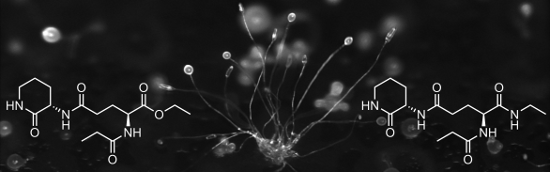
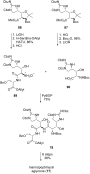
- challenge in the syntheses of glorin and analogs is the differentiation between the α- and the γ-carboxylic acid groups of L-glutamic acid for selective esterification or amidation. α-Selective functionalization was achieved via synthesis of oxazolidinone 6 from Cbz-L-glutamic acid (5) with paraformaldehyde


A novel method for heterocyclic amide–thioamide transformations
Beilstein J. Org. Chem. 2017, 13, 174–181, doi:10.3762/bjoc.13.20

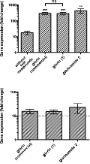
- heating isatine with malonic acid followed by esterification of the produced quinoline carboxylic acid with methanol in the presence of sulfuric acid at 80 °C for 6 h. 4-Arylphthalazin-1(2H)-ones A7 and A8 [24][25] were prepared by Friedel–Crafts acylation reaction of N-aminophthalimide with either


Total synthesis of a Streptococcus pneumoniae serotype 12F CPS repeating unit hexasaccharide
Beilstein J. Org. Chem. 2017, 13, 164–173, doi:10.3762/bjoc.13.19
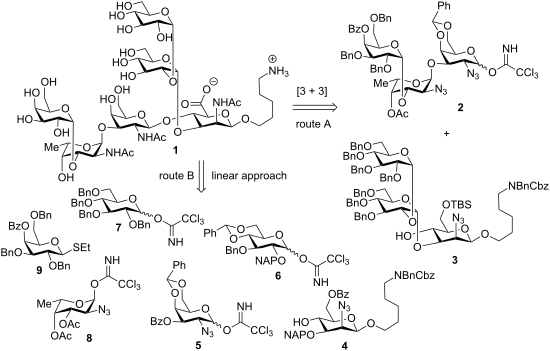
- -azidomannose moiety of 46 was converted to the corresponding mannosaminuronic acid by cleaving the C6 benzoate ester using sodium methoxide in methanol and selective oxidation of the primary alcohol of 47 using BAIB/TEMPO. Tetrasaccharide acceptor 48 was obtained by esterification of the carboxylic acid under


Chemical probes for competitive profiling of the quorum sensing signal synthase PqsD of Pseudomonas aeruginosa
Beilstein J. Org. Chem. 2016, 12, 2784–2792, doi:10.3762/bjoc.12.277
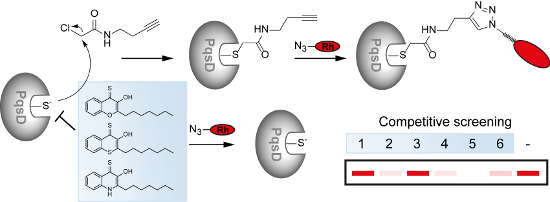
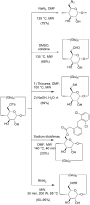
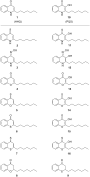
- one-pot reaction for the synthesis of 2-heptyl-chromen-4-one (1-O-HHQ, 4) which includes esterification, Baker–Venkataraman rearrangement and subsequent acid-catalyzed ring closure to affort the 1-O-HHQ in 60% yield [36] (Scheme 1). The 2-heptyl-3-hydroxychromen-4-one (1-O-PQS, 13) was previously



Identification, synthesis and mass spectrometry of a macrolide from the African reed frog Hyperolius cinnamomeoventris
Beilstein J. Org. Chem. 2016, 12, 2731–2738, doi:10.3762/bjoc.12.269
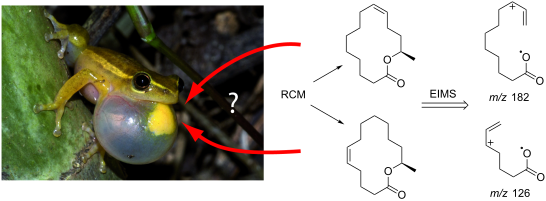
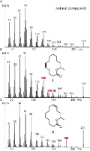
- , followed by esterification with 9-decenoic acid (8) using 1-ethyl-3-(3-dimethylaminopropyl)carbodiimide (EDC) and 4-(dimethylamino)pyridine (DMAP) [24][25]. The following RCM was performed using Grubbs–Hoveyda II catalyst (11) and hexafluorobenzene as an additive [26]. During the reaction isomerization
- material. After copper-catalyzed opening of the epoxide with 6-heptenylmagnesium bromide obtained from 7-bromo-1-heptene (14) and Steglich esterification with 5-hexenoic acid (16), RCM using (Z)-selective Grubbs catalyst 12 was used to synthesize macrolide (R)-1 without any isomerization. Comparison of the



Electron-transfer-initiated benzoin- and Stetter-like reactions in packed-bed reactors for process intensification
Beilstein J. Org. Chem. 2016, 12, 2719–2730, doi:10.3762/bjoc.12.268
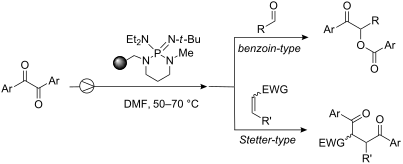
- homogeneous conditions and their subsequent utilization in transesterification and amidation processes by the reaction telescoping approach [12]. Similarly, the group of Brown reported on the oxidative esterification and amidation of aldehydes in undivided microfluidic electrolysis cells mediated by
- reaction setup [22][23][24]. An integrated flow system for the synthesis of biodiesel employing an uninterrupted sequence of two fixed-bed reactors packed with a supported acid for esterification of free fatty acids and with an immobilized imidazolidene catalyst for transesterification has been recently


Selective synthesis of thioethers in the presence of a transition-metal-free solid Lewis acid
Beilstein J. Org. Chem. 2016, 12, 2627–2635, doi:10.3762/bjoc.12.259
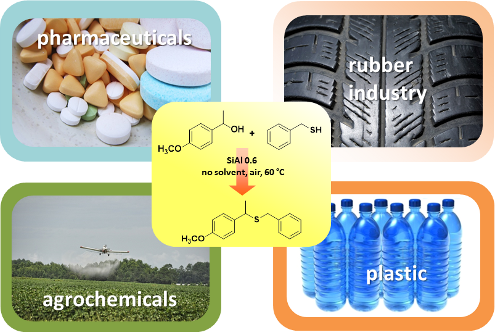
- agreement with the acidic character of these materials, often shown by our group. In particular we reported on the relevant activity and robustness of SiZr 4.7 in the esterification of fatty acids with methanol [24] or with polyols [25][26]. However, significant differences were found among the four solids


Facile synthesis of indolo[3,2-a]carbazoles via Pd-catalyzed twofold oxidative cyclization
Beilstein J. Org. Chem. 2016, 12, 2490–2494, doi:10.3762/bjoc.12.243
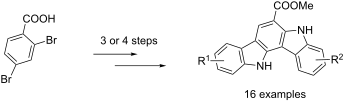
- Houpis protocol [15], Cu-catalyzed selective monoaminations of the 2,4-dibromobenzoic acid at the 2-position were achieved. After methyl esterification of ortho-aminated benzoic acids, substrates 4a and b were treated with other anilines under the previous Buchwald–Hartwig conditions to afford methyl 2,4


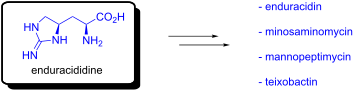
Enduracididine, a rare amino acid component of peptide antibiotics: Natural products and synthesis
Beilstein J. Org. Chem. 2016, 12, 2325–2342, doi:10.3762/bjoc.12.226
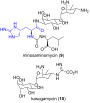
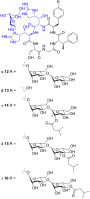
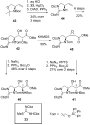
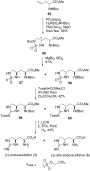
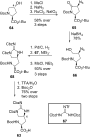
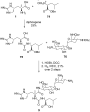
- Fmoc-D-Thr(TES)-OH on HMPB-NovaPEG resin. Successive couplings afforded peptide 104 (Scheme 23). Esterification with Alloc-Ile-OH and extension of the linear chain using conventional Fmoc SPPS afforded ester-peptide 105. Deprotection of the N-alloc group and coupling of the key L-allo-enduracididine
- 102 residue proceeded smoothly giving resin bound peptide 106. Brief (30 seconds) treatment of 106 with piperidine afforded the desired deprotected product, enabling coupling of the final amino acid. Extended exposure of peptide 106 to piperidine led to de-esterification. Final Fmoc removal of 107 and












A new and expeditious synthesis of all enantiomerically pure stereoisomers of rosaprostol, an antiulcer drug
Beilstein J. Org. Chem. 2016, 12, 2234–2239, doi:10.3762/bjoc.12.215
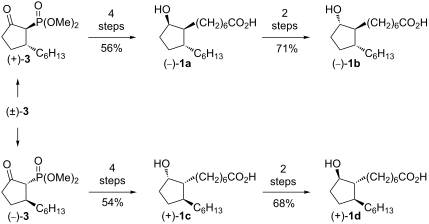
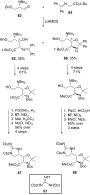
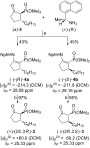
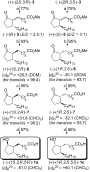
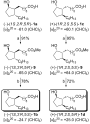
- at C-5. In fact, 1a and 1c were obtained through a two-step sequence starting with the methylation of (−)-1a and (+)-1c followed by a one-pot Mitsunobu esterification–hydrolysis as shown in Scheme 6. In detail, treatment of rosaprostols (−)-1a and (+)-1c with diazomethane gave the corresponding
- rosaprostol methyl esters (−)-9 and (+)-9 in yields higher than 90%. Then the esters 9 were subjected to a Mitsunobu esterification under standard conditions (THF, rt) using p-nitrobenzoic acid (PNBA), triphenylphosphine and diisopropyl azodicarboxylate (DIAD). The p-nitrobenzoic acid esters (+)-10 and (−)-10



Silica-supported sulfonic acids as recyclable catalyst for esterification of levulinic acid with stoichiometric amounts of alcohols
Beilstein J. Org. Chem. 2016, 12, 2173–2180, doi:10.3762/bjoc.12.207
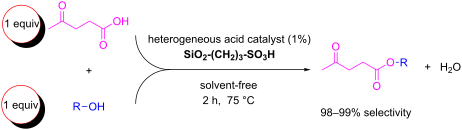
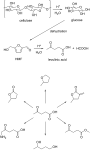
- context, levulinic acid, which is easily obtained from cellulose, is valuable since it can be transformed into a variety of industrially relevant fine chemicals. Here we present a simple protocol for the selective esterification of levulinic acid using solid acid catalysts. Silica supported sulfonic acid
- : esterification; heterogeneous catalysis; renewable feedstocks; supported organic catalysts; sustainable chemistry; Introduction Vegetal biomass is mankind’s only source of renewable carbon on a human timescale. It is abundantly available, with the potential of replacing fossil-based carbon on a scale sufficient
- levulinic esters [19][20][21][22]. Homogeneous Brønsted acids could catalyse the esterification of levulinic acid in the presence of alcohols and reports on this reactivity date back to the nineties [23]. Although this route could ensure high chemical yields, it still presents a series of drawbacks. In



Ionic liquids as transesterification catalysts: applications for the synthesis of linear and cyclic organic carbonates
Beilstein J. Org. Chem. 2016, 12, 1911–1924, doi:10.3762/bjoc.12.181
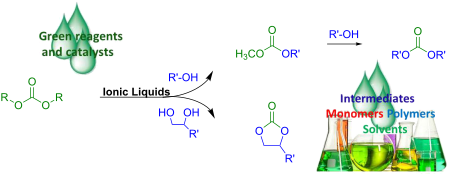
- acidic polyionic liquid by the copolymerization of a zwitterionic liquid based on vinylpyridinium, styrene and ethyleneglycol dimethacrylate (Scheme 4) [44]. The resulting PIL with particle sizes of about 0.5–3 mm, was an efficient catalyst for a series of esterification reactions of different acids


Potent triazine-based dehydrocondensing reagents substituted by an amido group
Beilstein J. Org. Chem. 2016, 12, 1897–1903, doi:10.3762/bjoc.12.179
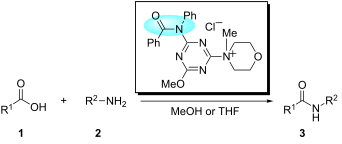
- reactions; amido substituents; dehydrocondensing reactions; Fischer-type esterification; triazines; Introduction We previously reported that dehydrocondensing reactions between carboxylic acids 1 and amines 2 to give amides 3 efficiently proceed in water or alcohols in the presence of the dehydrocondensing
- esterification of 3-phenylpropanoic acid (1a) in neat MeOH were studied (Figure 3). Although X was shown to exist as a dihydrate by elemental analysis and single-crystal X-ray structure analysis, the yield of methyl 3-phenylpropanoate was quantitative. The rate of esterification with X was faster than that with
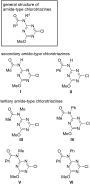
- -forming reactions. Time courses of the basic Fischer-type esterification. Dehydrocondensing reactions using DMT-MM or DMT-Am, and a catalytic amide-forming reaction. Synthesis of amido-substituted chlorotriazines. Amide-forming reactions using chlorotriazines (I–VI) or triazinylammonium salts (VII–X




A chiral analog of the bicyclic guanidine TBD: synthesis, structure and Brønsted base catalysis
Beilstein J. Org. Chem. 2016, 12, 1870–1876, doi:10.3762/bjoc.12.176
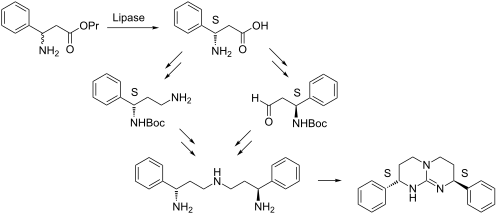
- ][16][17] or from their reduction products, chiral α-amino alcohols [9][18]. In contrast, our approach used the racemic ester rac-12 of β-phenylalanine, easily accessible in a Knoevenagel-type condensation of benzaldehyde 11, ammonium acetate and malonic acid, followed by esterification (Scheme 1) [20


Synthesis of the C8’-epimeric thymine pyranosyl amino acid core of amipurimycin
Beilstein J. Org. Chem. 2016, 12, 1765–1771, doi:10.3762/bjoc.12.165
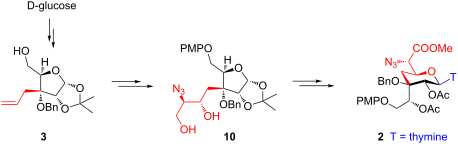
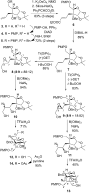
- generated stereocenters, we continued our synthesis with anhydrosugar 12 as its configurations are matching with that of target compound. Thus, TEMPO-mediated selective oxidation of the primary hydroxy group in 12 to acid functionality followed by esterification using diazomethane afforded azido methyl






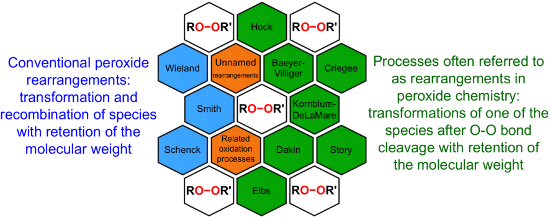
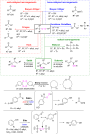
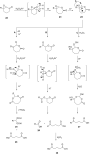
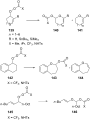
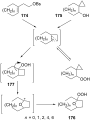
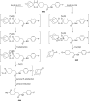
Rearrangements of organic peroxides and related processes
Beilstein J. Org. Chem. 2016, 12, 1647–1748, doi:10.3762/bjoc.12.162











Artificial Diels–Alderase based on the transmembrane protein FhuA
Beilstein J. Org. Chem. 2016, 12, 1314–1321, doi:10.3762/bjoc.12.124
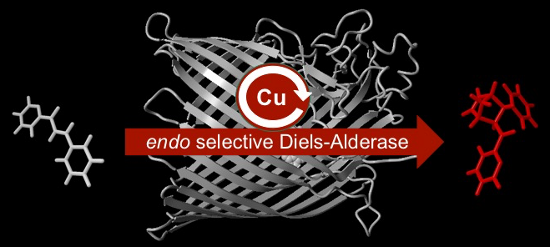
- framework containing an alcohol function on the 4 position of the central pyridine was chosen (Scheme 2). By either esterification or nucleophilic attack, the spacer with the maleimide group was attached. The ligand was treated with one equivalent of Cu(NO3)2·3H2O leading to the Cu(II) complexes 10–12. By


Stereoselective synthesis of tricyclic compounds by intramolecular palladium-catalyzed addition of aryl iodides to carbonyl groups
Beilstein J. Org. Chem. 2016, 12, 1236–1242, doi:10.3762/bjoc.12.118
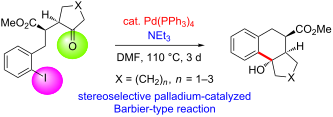
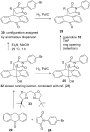
- determined by an X-ray crystal structure analysis of the corresponding p-nitrobenzoate 12a obtained by esterification of the tertiary alcohol under standard conditions (Scheme 4, Figure 1) [13]. The configuration of the second product 11b is only tentatively assigned as depicted since the available data do


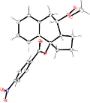


Biradical vs singlet oxygen photogeneration in suprofen–cholesterol systems
Beilstein J. Org. Chem. 2016, 12, 1196–1202, doi:10.3762/bjoc.12.115
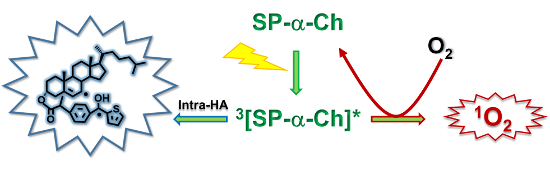
- ) in order to investigate the possible competition between photogeneration of biradicals and 1O2, the key mechanistic steps in Ch photooxidation. Results and Discussion Preparation of dyads Compounds 1–3 were prepared by esterification of α- or β-Ch with racemic SP following standard procedures [13
- unambiguous stereochemical assignment, authentic samples of 1 and 2 were prepared by direct esterification of (R)- and (S)-SP with α-Ch [17]. Steady-state photolysis In order to investigate photoproducts formation, steady-state irradiation of dichloromethane solutions (ca. 10−3 M) of 1–3 was performed under


A cross-metathesis approach to novel pantothenamide derivatives
Beilstein J. Org. Chem. 2016, 12, 963–968, doi:10.3762/bjoc.12.95
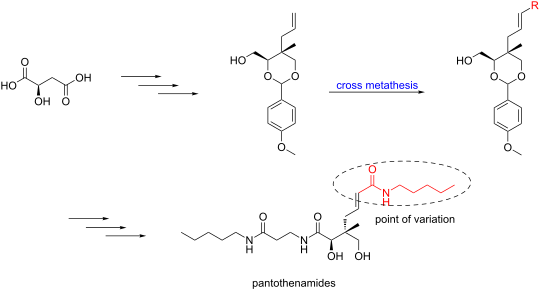
- Hoveyda–Grubbs’ 2nd generation catalyst (4). Compounds 8 and 9 were chosen for initial tests with this reaction (Scheme 1). The synthesis of compounds 8 and 9 was carried out as previously described (Scheme 1) except for some improvements in the esterification step [18]. Akinnusi et al. reported using


Nucleic acids through condensation of nucleosides and phosphorous acid in the presence of sulfur
Beilstein J. Org. Chem. 2016, 12, 670–673, doi:10.3762/bjoc.12.67
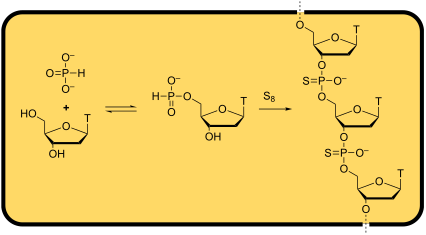
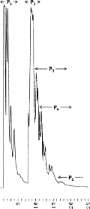
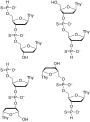
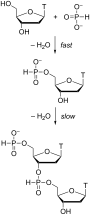
- had H-phosphonothioate, rather than phosphate termini. Evidently sulfurization and esterification of H-phosphonate monoesters compete under the experimental conditions. Determination of the regiochemistry of the phosphorothioate linkages To establish the regiochemistry of the phosphorothioate linkages



Unconventional application of the Mitsunobu reaction: Selective flavonolignan dehydration yielding hydnocarpins
Beilstein J. Org. Chem. 2016, 12, 662–669, doi:10.3762/bjoc.12.66
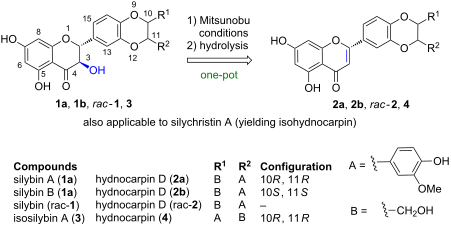
- , Prague 4, CZ-14220, Czech Republic 10.3762/bjoc.12.66 Abstract Various Mitsunobu conditions were investigated for a series of flavonolignans (silybin A, silybin B, isosilybin A, and silychristin A) to achieve either selective esterification in position C-23 or dehydration in a one-pot reaction yielding
- alcohols and bulky acids: Cherney and Wang observed an elimination of a serine derivative during esterification experiments [23]. During conversion of substituted benzyl alcohols to amines under Mitsunobu conditions, elimination also occurred [24]. Dehydration under Mitsunobu conditions has been applied in
- and expeditious semi-synthetic preparation of hydnocarpin, hydnocarpin D and isohydnocarpin. Results and Discussion Although silibinin, i.e., silybins A and B, bears three phenolic, one secondary and one primary hydroxy group, selective Mitsunobu esterification typically occurs at the primary C-23 OH


Recent advances in N-heterocyclic carbene (NHC)-catalysed benzoin reactions
Beilstein J. Org. Chem. 2016, 12, 444–461, doi:10.3762/bjoc.12.47
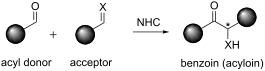
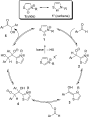
- . This is followed by a redox esterification of the latter (47) with enals. The overall process constitutes a one-pot synthesis of hydroxamic esters 48 [45]. Notably, both steps can be performed using the single NHC catalyst 22 under same reaction conditions (Scheme 29). This two-step, one-pot synthesis



Cascade alkylarylation of substituted N-allylbenzamides for the construction of dihydroisoquinolin-1(2H)-ones and isoquinoline-1,3(2H,4H)-diones
Beilstein J. Org. Chem. 2016, 12, 301–308, doi:10.3762/bjoc.12.32
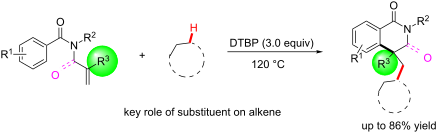
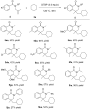
- [18][19], decarboxylative alkenylation of cycloalkanes with aryl vinylic carboxylic acids [20][21], trifluoromethylthiolation [22], thiolation [23][24], alkenylation [25][26], dehydrogenation−olefination and esterification [27][28], radical addition/1,2-aryl migration [29], cascade alkylation




Enabling technologies and green processes in cyclodextrin chemistry
Beilstein J. Org. Chem. 2016, 12, 278–294, doi:10.3762/bjoc.12.30
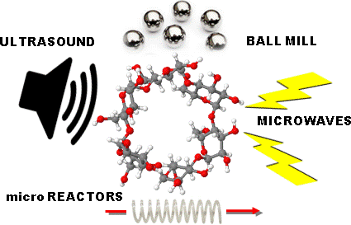
- esterification of CD was promoted by MW irradiation, while the chitosan coupling used a water-soluble carbodiimide, N-(3-dimethylaminopropyl)-N-ethylcarbodiimide hydrochloride, under US. A mild sonication at rt using HDI enabled efficient CDs reticulation in the presence of lipases (Scheme 7) whose biocatalytic
- was observed at concentrations up to 333 μg/mL [73]. Separately, a facile and rapid MW-assisted method in water has been used to derivatize graphene nanosheets with (2-hydroxy)propyl-β-CD. The reaction involved the esterification of the HP-β-CD hydroxy groups by the carboxyl groups of graphene oxide