Search results
Search for "amino acids" in Full Text gives 550 result(s) in Beilstein Journal of Organic Chemistry. Showing first 200.
Sugar-derived oxazolone pseudotetrapeptide as γ-turn inducer and anion-selective transporter
Beilstein J. Org. Chem. 2019, 15, 2419–2427, doi:10.3762/bjoc.15.234
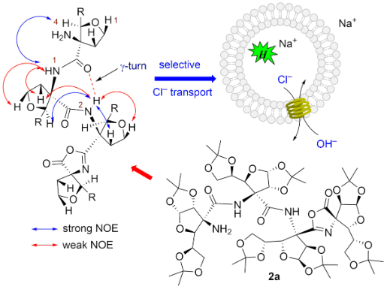
- peptides from C-3 fluorinated ᴅ-glucofuranoid amino acids and demonstrated their selective anion transport activity [17][18]. In continuation of our interest in sugar-derived cyclic peptides [19], we aimed to synthesize cyclic peptides I and II from the corresponding linear di- and tetrapeptides, however


![[Graphic 2]](/bjoc/content/inline/1860-5397-15-234-i4.svg?max-width=637&scale=1.18182) lucigenin (A). Conce...
lucigenin (A). Conce...
Current understanding and biotechnological application of the bacterial diterpene synthase CotB2
Beilstein J. Org. Chem. 2019, 15, 2355–2368, doi:10.3762/bjoc.15.228
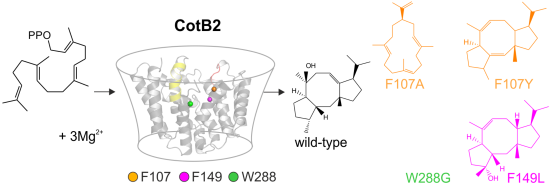
- sequences of other bacterial TPSs for the presence of the RY pair, also called “basic pair” [61][62] and their flanking regions, led to the identification of a conserved tryptophan six amino acids upstream of the RY pair (Figure 6) [37]. In CotB2, residues of the motif are located at the end of the C
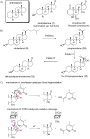
- binding of GGDP and the cyclization reaction. Based on 2H- as well as 13C-isotope labeling experiments a surprising reaction mechanism has been derived (Scheme 2) [35]. Strong support for the proposed reaction mechanism has been predominantly provided by site-directed mutagenesis of amino acids with an
- . Cyclization is initiated by cleavage of the GGDP diphosphate moiety. After two consecutive cyclization reactions, a dolabellatrienyl cation (A) is generated, stabilized by π-cation interactions with W186 (Scheme 2 and Figure 7). Whereas mutation of this residue to amino acids with aromatic character mainly


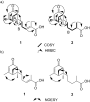
Isolation of fungi using the diffusion chamber device FIND technology
Beilstein J. Org. Chem. 2019, 15, 2191–2203, doi:10.3762/bjoc.15.216
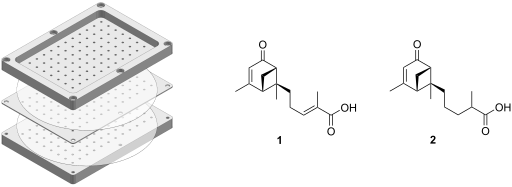
- (experiment 1: amino acids/peptone, antibiotics; experiments 2–4: ditto, but in sea water) to yield the desired concentration of roughly 320 000 fungal parts/L. Then, the central plate of FIND (Scheme 1) was lowered into these preparations to fill each chamber with an agar solution, containing in average one


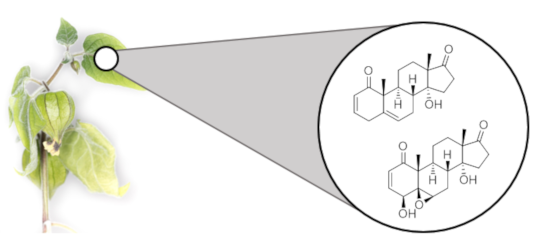
Isolation and characterisation of irinans, androstane-type withanolides from Physalis peruviana L.
Beilstein J. Org. Chem. 2019, 15, 2003–2012, doi:10.3762/bjoc.15.196
- Salt Solution (Gibco) without Ca and Mg, trypsinized and re-suspended in Dulbecco’s modified eagle’s medium that contained 5% fetal bovine serum (FBS; L929, KB-3-1, A549) or Roswell Park Memorial Institute medium that contained 5% FBS, 0.5% Minimum Essential Medium Non-Essential Amino Acids, Gibco (MEM



Complexation of chiral amines by resorcin[4]arene sulfonic acids in polar media – circular dichroism and diffusion studies of chirality transfer and solvent dependence
Beilstein J. Org. Chem. 2019, 15, 1913–1924, doi:10.3762/bjoc.15.187
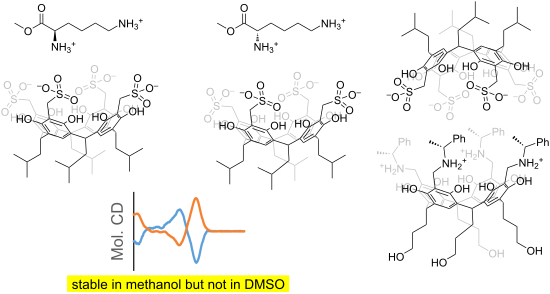
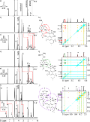
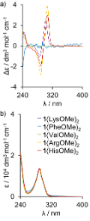
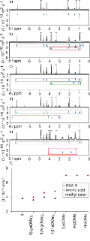
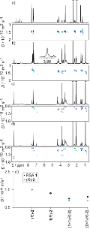
- protein crystallizations. Due to the interest in interactions with proteins we have selected basic amino acids as chiral bidentate amines to interact with RSAs. We have also studied interactions of RSAs with chiral tetradentate ligands (tetraaminocavitands) in order to evaluate the influence of a chelate
- complexation between 1 and (R or S)-2) or 1:5 stoichiometric ratio (for complexation between 1 and amino acids methyl esters). In all cases except monodentate amines (PheOMe, ValOMe) we observed precipitation of the complexes. Samples [1(PheOMe)2] and [1(ValOMe)2] were obtained by mixing of 1 with PheOMe∙HCl
- with methyl esters of amino acids The complexes of 1 with LysOMe, ArgOMe, and HisOMe precipitate from water solutions at pH 7 (sodium acetate buffer). The complexes are soluble in methanol and DMSO. The composition of the precipitated complexes was determined by integration of signals in 1H NMR spectra




N-(1-Phenylethyl)aziridine-2-carboxylate esters in the synthesis of biologically relevant compounds
Beilstein J. Org. Chem. 2019, 15, 1722–1757, doi:10.3762/bjoc.15.168

- medications as well as of natural products mostly alkaloids but also sphingoids and ceramides and their 1- and 3-deoxy analogues and several hydroxy amino acids and their precursors. Designed strategies provided new procedures to several drugs and alternative approaches to natural products and proved
- efficiency of a 2-substituted N-(1-phenylethyl)aziridine framework as chiron bearing a chiral auxiliary. Keywords: alkaloids; amino acids; asymmetric synthesis; ceramides; chiral catalysis; chiral pool; N-(1-phenylethyl)aziridine chiron; sphingoids; Introduction The synthesis of enantiomerically pure
- for structural enlargement and at least one stereogenic center which is usually transferred into the final product. To assure the highest possible enantiomeric purity chirons are obtained in most instances from natural products like carbohydrates, amino acids, hydroxy acids or terpenes. The


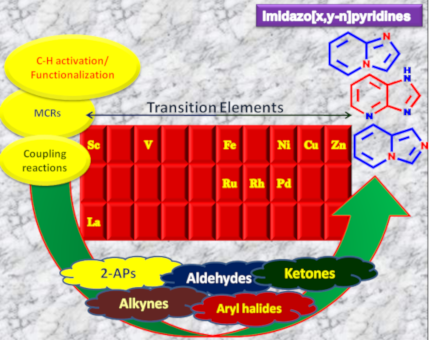
Recent advances on the transition-metal-catalyzed synthesis of imidazopyridines: an updated coverage
Beilstein J. Org. Chem. 2019, 15, 1612–1704, doi:10.3762/bjoc.15.165


Synthesis and conformational preferences of short analogues of antifreeze glycopeptides (AFGP)
Beilstein J. Org. Chem. 2019, 15, 1581–1591, doi:10.3762/bjoc.15.162
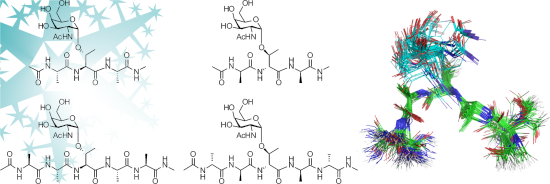
- synthesis, the best yields were achieved for incorporation of natural amino acids into the peptide chain, where 1.2 equiv of glycosylated threonine were applied. NMR measurements were performed in order to elucidate the stereochemical influence of the amino acid configuration on the three-dimensional
- and Cβ carbons of the glycosylated Thr residue. The all-ᴅ-configured pentapeptide 4 turned out to adopt a much more rigid structure in comparison to the corresponding peptide 3 containing only ʟ-amino acids. Moreover, pentapeptide 4 showed the ability to “lock” the orientation of the carbohydrate ring
- ]. General methods All air- and moisture-sensitive reactions were carried out in a dry argon atmosphere in flame-dried glass flasks. Dichloromethane (DCM) was freshly distilled from CaH2 and toluene from Na. N,N-Dimethylformamide (DMF) was distilled from ninhydrine. All amino acids, coupling reagents and the


Molecular basis for the plasticity of aromatic prenyltransferases in hapalindole biosynthesis
Beilstein J. Org. Chem. 2019, 15, 1545–1551, doi:10.3762/bjoc.15.157
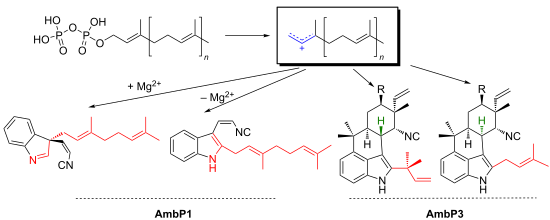
- ]. The prenyl acceptors, HU and HA, were both surrounded by hydrophobic amino acids, including A44, A102, W117, L119, L259, V284, F288, and M291 [14], and the position of HU was additionally stabilized by hydrogen bonding between the N-1 of HU and E207 (Figure 5A). Remarkably, the terpenoid moieties of
- reverse prenylation on HU and normal prenylation on HA. This is the first X-ray structural model of a PTase that catalyzes both normal and reverse prenylations. The hydrophobic nature of the substrate-binding pocket and the flexibility of the amino acids shielding a cation lead to the plasticity to accept
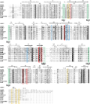
- prenyl donor [12]. This plasticity is due to the hydrophobic nature of the prenyl acceptor binding site and the fluctuations of the amino acids forming the cation shield, similarly to AmbP3. Comparison of the AmbP1 and AmbP3 amino acid sequences with other ABBA PTases The AmbP1 and AmbP3 amino acid


An azobenzene container showing a definite folding – synthesis and structural investigation
Beilstein J. Org. Chem. 2019, 15, 1534–1544, doi:10.3762/bjoc.15.156
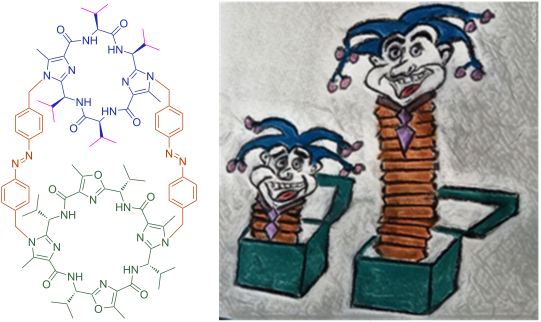
- ][22]. Beside the usage of the side chains of the amino acids and the azole rings for molecular recognition, the functional groups of the scaffolds of these cyclopeptides have also been applied as receptors for Y-shaped anions [23] and as ligands for copper(II) complexes [24][25]. Of special interest


Efficiency Effsyn of complex syntheses as multicomponent reactions, its algorithm and calculations based on concrete criteria
Beilstein J. Org. Chem. 2019, 15, 1425–1433, doi:10.3762/bjoc.15.142
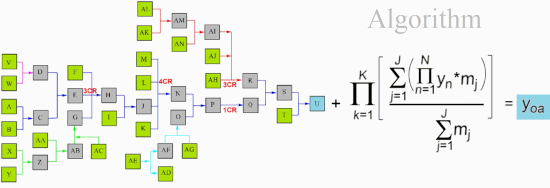
- demonstrate the enormous influence of branching on the overall yield yoa and synthesis efficiency Effsyn. Fragment strategy: fragment linking in peptides synthesis In synthetic peptide chemistry, amino acids are sequentially built up to form long oligo/polypeptides. For reasons of transparency, we have
- assumed the same yield of 80% in each step during the synthesis of a decapeptide in order to clearly indicate the effect of the branching (Scheme 4). Three cases are discussed here: sequential linking of the 10 amino acids (Scheme 4a); sequential synthesis of two pentapeptides and the subsequent linking



Host–guest interactions between p-sulfonatocalix[4]arene and p-sulfonatothiacalix[4]arene and group IA, IIA and f-block metal cations: a DFT/SMD study
Beilstein J. Org. Chem. 2019, 15, 1321–1330, doi:10.3762/bjoc.15.131
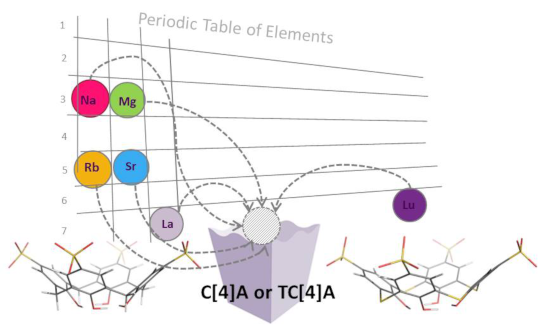
- molecules [27], including some amino acids [28] and proteins [29]. They are also biocompatible: compared to other types of macrocyclic molecules such as cyclodextrins and cucurbiturils (which are also water soluble), p-sulfonatocalix[n]arenes do not exhibit any toxicity, which makes them applicable in


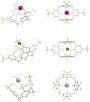

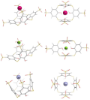


Steroid diversification by multicomponent reactions
Beilstein J. Org. Chem. 2019, 15, 1236–1256, doi:10.3762/bjoc.15.121
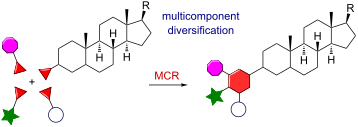
- as the conjugation of steroids to amino acids, peptides and carbohydrates. We demonstrate that steroids are available with almost all types of MCR reactive functionalities, e.g., carbonyl, carboxylic acid, alkyne, amine, isocyanide, boronic acid, etc., and that steroids are suitable starting
- -4CR, which is indeed one of the MCRs of major incidence in the field of steroid chemistry. Rivera and co-workers were the first to employ this 4CR for the conjugation of amino acids to steroids [19] as part of a general program for the synthesis of peptidomimetic–steroid hybrids [20][21]. As shown in
- Scheme 4, the authors developed methods for the functionalization of spirostanic steroids and their further conjugation to amino acids by means of the Ugi-4CR. Thus, seco-steroidal amine 10 – derived from the steroidal sapogenin hecogenin (9) – was ligated to Boc-protected serine in presence of


Phylogenomic analyses and distribution of terpene synthases among Streptomyces
Beilstein J. Org. Chem. 2019, 15, 1181–1193, doi:10.3762/bjoc.15.115
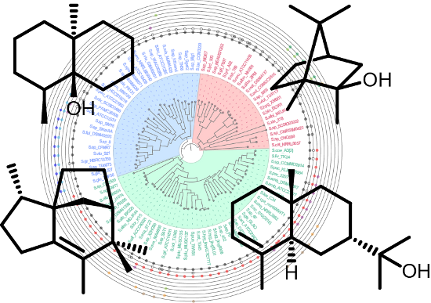
- proteins from the 93 Streptomyces species described above were collected. After removing sequences shorter than 50 amino acids, a total of 171,033 sequences were used to construct orthologous gene families using OrthoFinder – v 2.2.6 [53] applying the default setting (BLASTp e-value cut-off = 1e−5; MCL




Synthesis of (macro)heterocycles by consecutive/repetitive isocyanide-based multicomponent reactions
Beilstein J. Org. Chem. 2019, 15, 906–930, doi:10.3762/bjoc.15.88
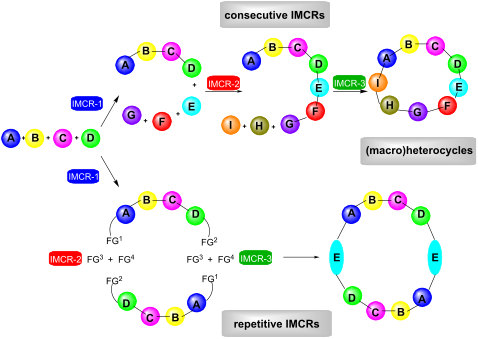
- ester group present in these compounds allows the obtention of carboxylic acids that can be further used in consecutive IMCRs. Furthermore, optically active isocyanoacetates can be easily obtained from natural amino acids. Recently, Dömling et al. [19] used this efficient approach in the synthesis of
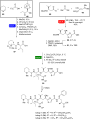
- yield amino acids 11 bearing a 1,5-disubstituted tetrazole. The practicality of the Ugi tetrazole reaction (also called Ugi-azide or azido-Ugi reaction) has been recently reviewed [20][21]. These compounds were then used in an intramolecular three-component four-center Ugi reaction using equimolar
- -aminomethyltetrazoles 18 in up to 99% yield. Another recent study carried out the synthesis of tetrazole peptidomimetics by the direct use of unprotected amino acids in two consecutive Ugi-type reactions [24]. Acid-tetrazole compounds 19 were obtained using C,N-unprotected amino acids in an Ugi-tetrazole reaction with







Synthesis of a novel category of pseudo-peptides using an Ugi three-component reaction of levulinic acid as bifunctional substrate, amines, and amino acid-based isocyanides
Beilstein J. Org. Chem. 2019, 15, 852–857, doi:10.3762/bjoc.15.82
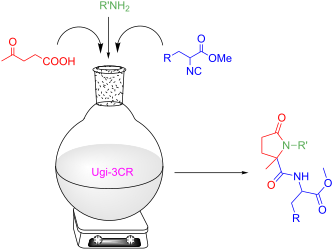
- acid, aromatic and aliphatic amines and amino acid-based isocyanides. First of all, racemic α-amino acids such as DL-tryptophan, DL-phenylalanine and DL-leucine were used as amine source for the synthesis of isocyanide esters 3 through three sequential reactions [30][31]. The first reaction is
- -tryptophane, DL-leucine and DL-phenylalanine worked very well in this reaction to provide the corresponding pseudo-peptides 4 containing γ-lactam, amide and ester functional groups in a single structure. By starting from DL-amino acids, the corresponding racemic isocyanides were obtained. By using the racemic
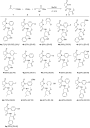
- amino acid-based isocyanides starting from α-amino acids. Synthesis of pseudo-peptides using levulinic acid, isocyanide esters and amines. Proposed mechanism for Ugi-4C-3CR. Supporting Information Supporting Information File 344: Experimental procedures, characterization data and copies of 1H and 13C




Synthesis of acylglycerol derivatives by mechanochemistry
Beilstein J. Org. Chem. 2019, 15, 811–817, doi:10.3762/bjoc.15.78
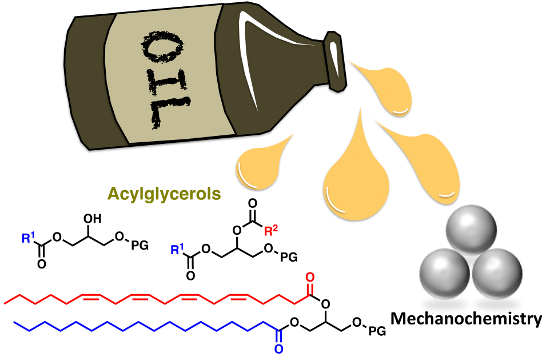
- Chemosensation, Institute for Biology II, RWTH Aachen University, D-52074 Aachen, Germany 10.3762/bjoc.15.78 Abstract In recent times, many biologically relevant building blocks such as amino acids, peptides, saccharides, nucleotides and nucleosides, etc. have been prepared by mechanochemical synthesis. However
- transformations. Additionally, synthesizing lipid structures mechanochemically would complement the preparation of biologically relevant building blocks (amino acids, peptides, saccharides, nucleosides, etc.) by mechanochemistry, thereby highlighting the importance of mechanical forces in the chemistry of life


Solid-phase synthesis of biaryl bicyclic peptides containing a 3-aryltyrosine or a 4-arylphenylalanine moiety
Beilstein J. Org. Chem. 2019, 15, 761–768, doi:10.3762/bjoc.15.72
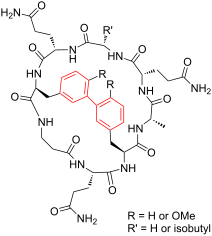
- ][2][10][11][12][13][14]. The most frequently used are the formation of an amide bond between the N- and the C-terminus and the cyclization involving the side chain of two amino acids. The latter is considered more convenient, because it does not interfere on hydrogen bonding between the N- and C
- amino acids [11]. Cyclic peptides containing biaryl linkages constitute attractive targets. On the one hand, a wide range of biaryl natural products have been reported to display interesting biological properties, such as biphenomycins, arylomycins and glycopeptide antibiotics [4]. On the other hand
- peptidyl resin precursor containing the required boronate and halogenated amino acid derivatives followed by its cyclization through the formation of an aryl–aryl bond between these two amino acids via a Suzuky–Miyaura reaction. It is worthwhile to mention that both the borylation and the cross-coupling




Diastereo- and enantioselective preparation of cyclopropanol derivatives
Beilstein J. Org. Chem. 2019, 15, 752–760, doi:10.3762/bjoc.15.71
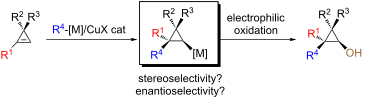
- transformations [1]. The cyclopropane subunit is also present in many biologically important compounds such as pheromones, fatty acid metabolites, unusual amino acids and possess interesting herbicidal, insecticidal, antibiotic, antibacterial, antifungal, antiviral and antitumor activities [2]. For these reasons




Efficient synthesis of 4-substituted-ortho-phthalaldehyde analogues: toward the emergence of new building blocks
Beilstein J. Org. Chem. 2019, 15, 721–726, doi:10.3762/bjoc.15.67
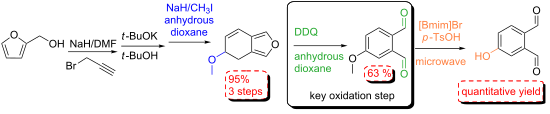
- dialdehydes in fluorometric methods with regard to the analysis of amino acids and biogenic amines [1][2][3]. It is also used as a derivatization reagent in order to quantify hydrazine by gas chromatography coupled with a mass spectrometer detector [4]. Recently, it was adopted for the analysis of γ


Synthesis of the polyketide section of seragamide A and related cyclodepsipeptides via Negishi cross coupling
Beilstein J. Org. Chem. 2019, 15, 577–583, doi:10.3762/bjoc.15.53
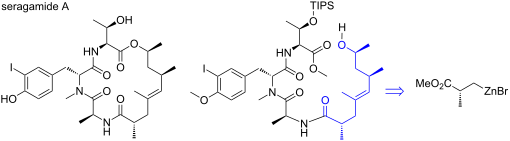
- partial structures is driven by an interest in the chemistry of photoreactive amino acids and heterocycles that may find application in photoaffinity labelling. Knowing the binding of a natural product to a biological target at atomic resolution, as it is the case for the cyclodepsipeptide jasplakinolide
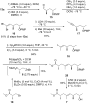
- . The synthesis of photoreactive tripeptide analogues incorporating photo amino acids 4–6 will be explored thereafter. Actin-binding cyclodepsipeptides, photo amino acids, retrosynthetic cuts of polyketide 7 leading to organozinc compound 8. Synthesis of γ-hydroxy esters 11 and 12, followed by Mitsunobu




Dirhodium(II)-catalyzed [3 + 2] cycloaddition of N-arylaminocyclopropane with alkyne derivatives
Beilstein J. Org. Chem. 2019, 15, 542–550, doi:10.3762/bjoc.15.48
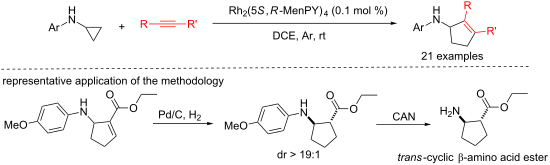
- Abstract Dirhodium(II) complex-catalyzed [3 + 2] reactions between N-arylaminocyclopropanes and alkyne derivatives are described. The cycloaddition products proved to be versatile synthetic intermediates. trans-Cyclic β-amino acids and derivatives thereof can be conveniently synthesized using this
- no cis product formed. After further removal of the para-methoxyphenyl (PMP) group using ammonium cerium nitrate (CAN), the cyclic β-amino acid ester 5b was obtained with a yield of 80%. Cyclic β-amino acids and derivatives have good bioactivity and are widely used as key synthetic intermediates in
- biomedical research [25][26][27][28][29]. Thus, based on this cycloaddition protocol, a convenient strategy can be established to synthesize trans-cyclic β-amino acids. The mechanism of the [3 + 2] cycloaddition reaction of 1a and 2a is similar to that previously reported [18] (Scheme 3). The distonic


Design of indole- and MCR-based macrocycles as p53-MDM2 antagonists
Beilstein J. Org. Chem. 2019, 15, 513–520, doi:10.3762/bjoc.15.45
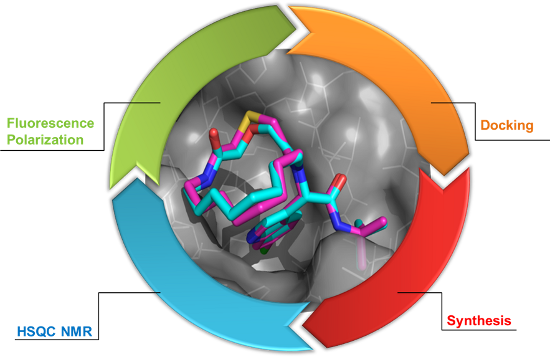
- synthesis was accomplished by a rapid, one-pot synthesis of indole-based macrocycles based on Ugi macrocyclization. The reaction of 12 different α,ω-amino acids and different indole-3-carboxaldehyde derivatives afforded a unique library of macrocycles otherwise difficult to access. Screening of the library
- ]. Herein, an indole-based macrocycle synthesis is reported in a one-pot fashion based on Ugi macrocyclization with readily available α,ω-amino acids. Moreover, in continuation of our efforts in the design and synthesis of macrocycles targeting the p53–MDM2 interaction demonstrating the potential of these
- Discussion Synthesis Based on our previous studies [13], unprotected diamines 3 were reacted in one-step with cyclic anhydrides 4 at rt affording the appropriate α,ω-amino acids 5 in excellent yields (see Supporting Information File 1). Elongated diamines (n = 2–4, 6, 8 and 10) and cyclic anhydrides that


Microwave-assisted synthesis of N,N-bis(phosphinoylmethyl)amines and N,N,N-tris(phosphinoylmethyl)amines bearing different substituents on the phosphorus atoms
Beilstein J. Org. Chem. 2019, 15, 469–473, doi:10.3762/bjoc.15.40
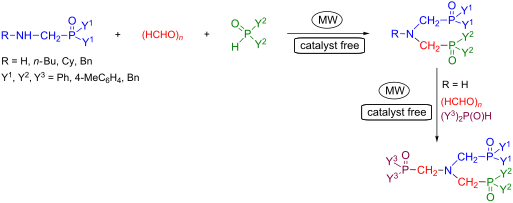
- were also prepared by the double Kabachnik–Fields reaction using primary amines [11][14][15], amino acids [16][17] or aminoethanol [14] as the amine component. To the best of our knowledge, only one example can be found for a bis(α-aminophosphine oxide) containing different P-functions that was


Aqueous olefin metathesis: recent developments and applications
Beilstein J. Org. Chem. 2019, 15, 445–468, doi:10.3762/bjoc.15.39
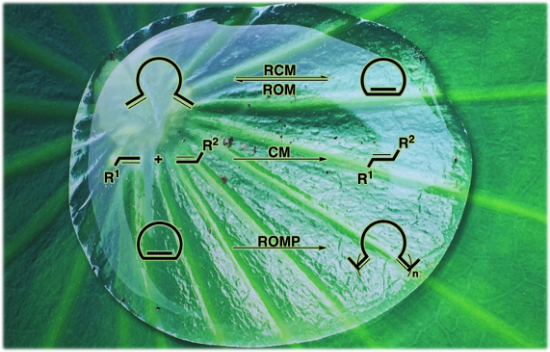
- combinatorial library [88]. The work carried out by Davis and co-workers led to the metabolic incorporation of unnatural amino acids (uAAs) bearing a terminal alkene as CM substrates for protein modification [89]. The authors investigated the possibility to incorporate methionine (Met) analogues in a Met
- interesting applications in plant biology. Olefin metathesis is also used to cross-link peptide fragments. This technology is known as peptide stapling [92]. Blackwell et al. engineered the first stapled peptide in 1998 by introducing two non-natural amino acids bearing a terminal alkene in a peptide sequence
- (e.g., 105, 106) [93]. The cross-linking of the two amino acids by metathesis results in a more rigid and stabilized alpha helix (products 107 and 108, Scheme 23). Although the reaction cannot be classified as aqueous metathesis (the reaction is carried out in CHCl3 and the peptide remains attached to