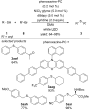
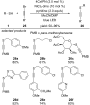
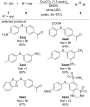
Search for "aniline" in Full Text gives 357 result(s) in Beilstein Journal of Organic Chemistry. Showing first 200.
Beilstein J. Org. Chem. 2018, 14, 499–505, doi:10.3762/bjoc.14.35
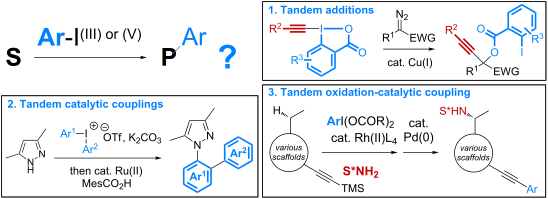
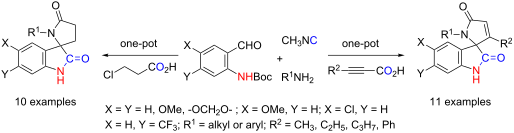
Graphical Abstract
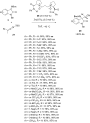
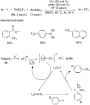
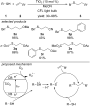
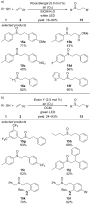
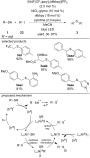
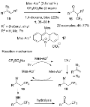
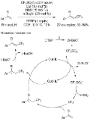
Scheme 1: Cross dehydrogenative coupling of N-arylglycine esters with C–H nucleophiles.
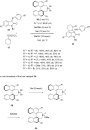
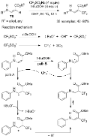
Scheme 2: Electrochemical CDC reaction of 2a and various N-arylglycine esters. Reaction conditions for the in...
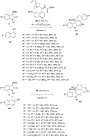
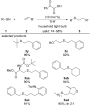
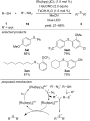
Scheme 3: Scope of 2 using n-Bu4NI as mediator. Reaction conditions:1a (0.5 mmol), 2 (0.6 mmol), n-Bu4NI (30 ...
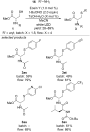
Scheme 4: Scaling up.
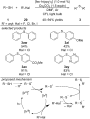
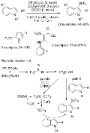
Scheme 5: Control experiments.
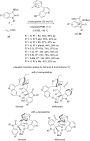
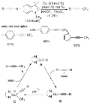
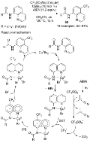
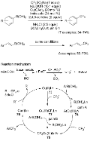
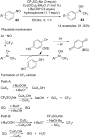
Scheme 6: A plausible mechanism for the electrocatalytic cross dehydrogenative coupling of N-arylglycine este...
Beilstein J. Org. Chem. 2018, 14, 364–372, doi:10.3762/bjoc.14.24
Graphical Abstract
Figure 1: Compounds used for the biological study.
Figure 2: Compounds 1–4 induced cell death in U937 cells. Briefly, U937 cells (1 × 10⁴ cells/mL) were incubat...
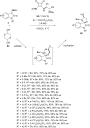
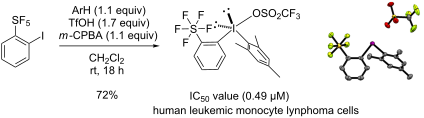
Scheme 1: Synthesis of pentafluoro-(2-iodophenyl)-λ6-sulfane (7).
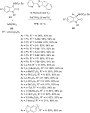
Scheme 2: Synthesis of unsymmetrical ortho-SF5 diaryliodonium salts 3p, 4b, 5a and 6a.
Figure 3: X-ray crystallographic structure of 3p drawn at 50% probability (CCDC 1573953).
Figure 4: Ortho-SF5 phenyl iodonium salts 3p and 5a and their structural components 7 and 9 induced cell deat...
Figure 5: 3k, 3m and 3p induced cell death in AGLCL, a human normal B cell line. Briefly, AGLCL cells (1 × 10⁴...
Beilstein J. Org. Chem. 2018, 14, 318–324, doi:10.3762/bjoc.14.20
Graphical Abstract
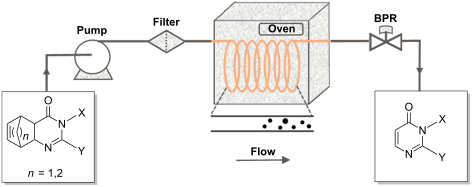
Scheme 1: Flow synthesis for the preparation of fused pyrimidinones 9–14 by rDA reaction. Solvent and conditi...
Figure 1: Schematic outline of the continuous-flow reactor.
Scheme 2: Synthesis of tricyclic ethanoquinazolin-4(3H)-one 15b; (i) MeCN, FR = 0.5 mL min−1, 220–250 °C; (ii...
Beilstein J. Org. Chem. 2018, 14, 203–242, doi:10.3762/bjoc.14.15
Graphical Abstract
Figure 1: Selected examples of drugs with fused pyrazole rings.
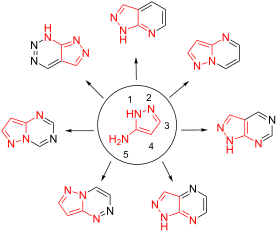
Figure 2: Typical structures of some fused pyrazoloazines from 5-aminopyrazoles.
Scheme 1: Regiospecific synthesis of 4 and 6-trifluoromethyl-1H-pyrazolo[3,4-b]pyridines.
Scheme 2: Synthesis of pyrazolo[3,4-b]pyridine-6-carboxylates.
Scheme 3: Synthesis of 1,4,6-triaryl-1H-pyrazolo[3,4-b]pyridines with ionic liquid .
Scheme 4: Synthesis of coumarin-based isomeric tetracyclic pyrazolo[3,4-b]pyridines.
Scheme 5: Synthesis of 6-substituted pyrazolo[3,4-b]pyridines under Heck conditions.
Scheme 6: Microwave-assisted palladium-catalyzed synthesis of pyrazolo[3,4-b]pyridines.
Scheme 7: Acid-catalyzed synthesis of pyrazolo[3,4-b]pyridines via enaminones.
Scheme 8: Synthesis of pyrazolo[3,4-b]pyridines via aza-Diels–Alder reaction.
Scheme 9: Synthesis of macrocyclane fused pyrazolo[3,4-b]pyridine derivatives.
Scheme 10: Three-component synthesis of 4,7-dihydro-1H-pyrazolo[3,4-b]pyridine derivatives.
Scheme 11: Ultrasonicated synthesis of spiro[indoline-3,4'-pyrazolo[3,4-b]pyridine]-2,6'(1'H)-diones.
Scheme 12: Synthesis of spiro[indoline-3,4'-pyrazolo[3,4-b]pyridine] derivatives under conventional heating co...
Scheme 13: Nanoparticle-catalyzed synthesis of pyrazolo[3,4-b]pyridine-spiroindolinones.
Scheme 14: Microwave-assisted multicomponent synthesis of spiropyrazolo[3,4-b]pyridines.
Scheme 15: Unexpected synthesis of naphthoic acid-substituted pyrazolo[3,4-b]pyridines.
Scheme 16: Multicomponent synthesis of variously substituted pyrazolo[3,4-b]pyridine derivatives.
Scheme 17: Three-component synthesis of 4,7-dihydropyrazolo[3,4-b]pyridines and pyrazolo[3,4-b]pyridines.
Scheme 18: Synthesis of pyrazolo[3,4-b]pyridine-5-spirocycloalkanediones.
Scheme 19: Ultrasound-mediated three-component synthesis of pyrazolo[3,4-b]pyridines.
Scheme 20: Multicomponent synthesis of 4-aryl-3-methyl-1-phenyl-4,6,8,9-tetrahydropyrazolo [3,4-b]thiopyrano[4...
Scheme 21: Synthesis of 2,3-dihydrochromeno[4,3-d]pyrazolo[3,4-b]pyridine-1,6-diones.
Scheme 22: FeCl3-catalyzed synthesis of o-hydroxyphenylpyrazolo[3,4-b]pyridine derivatives.
Scheme 23: Ionic liquid-mediated synthesis of pyrazolo[3,4-b]pyridines.
Scheme 24: Microwave-assisted synthesis of pyrazolo[3,4-b]pyridines.
Scheme 25: Multicomponent synthesis of pyrazolo[3,4-b]pyridine-5-carbonitriles.
Scheme 26: Unusual domino synthesis of 4,7-dihydropyrazolo[3,4-b]pyridine-5-nitriles.
Scheme 27: Synthesis of 4,5,6,7-tetrahydro-4H-pyrazolo[3,4-b]pyridines under conventional heating and ultrasou...
Scheme 28: L-Proline-catalyzed synthesis of of pyrazolo[3,4-b]pyridine.
Scheme 29: Microwave-assisted synthesis of 5-aminoarylpyrazolo[3,4-b]pyridines.
Scheme 30: Microwave-assisted multi-component synthesis of pyrazolo[3,4-e]indolizines.
Scheme 31: Synthesis of fluoropropynyl and fluoroalkyl substituted pyrazolo[1,5-a]pyrimidine.
Scheme 32: Acid-catalyzed synthesis of pyrazolo[1,5-a]pyrimidine derivatives.
Scheme 33: Chemoselective and regiospecific synthesis of 2-(3-methylpyrazol-1’-yl)-5-methylpyrazolo[1,5-a]pyri...
Scheme 34: Regioselective synthesis of 7-trifluoromethylpyrazolo[1,5-a]pyrimidines.
Scheme 35: Microwave-assisted synthesis of 7-trifluoromethylpyrazolo[1,5-a]pyrimidine carboxylates.
Scheme 36: Microwave and ultrasound-assisted synthesis of 7-trifluoromethylpyrazolo[1,5-a]pyrimidines.
Scheme 37: Base-catalyzed unprecedented synthesis of pyrazolo[1,5-a]pyrimidines via C–C bond cleavage.
Scheme 38: Synthesis of aminobenzothiazole/piperazine linked pyrazolo[1,5-a]pyrimidines.
Scheme 39: Synthesis of aminoalkylpyrazolo[1,5-a]pyrimidine-7-amines.
Scheme 40: Synthesis of pyrazolo[1,5-a]pyrimidines from condensation of 5-aminopyrazole 126 and ethyl acetoace...
Scheme 41: Synthesis of 7-aminopyrazolo[1,5-a]pyrimidines.
Scheme 42: Unexpected synthesis of 7-aminopyrazolo[1,5-a]pyrimidines under solvent free and solvent-mediated c...
Scheme 43: Synthesis of N-(4-aminophenyl)-7-aryloxypyrazolo[1,5-a]pyrimidin-5-amines.
Scheme 44: Base-catalyzed synthesis of 5,7-diarylpyrazolo[1,5-a]pyrimidines.
Scheme 45: Synthesis of 6,7-dihydropyrazolo[1,5-a]pyrimidines in PEG-400.
Scheme 46: Synthesis of 7-heteroarylpyrazolo[1,5-a]pyrimidine-3-carboxamides.
Scheme 47: Synthesis of 7-heteroarylpyrazolo[1,5-a]pyrimidine derivatives under conventional heating and micro...
Scheme 48: Synthesis of N-aroylpyrazolo[1,5-a]pyrimidine-5-amines.
Scheme 49: Regioselective synthesis of ethyl pyrazolo[1,5-a]pyrimidine-7-carboxylate.
Scheme 50: Sodium methoxide-catalyzed synthesis of 3-cyano-6,7-diarylpyrazolo[1,5-a]pyrimidines.
Scheme 51: Synthesis of various pyrazolo[3,4-d]pyrimidine derivatives.
Scheme 52: Synthesis of hydrazinopyrazolo[3,4-d]pyrimidine derivatives.
Scheme 53: Synthesis of N-arylidinepyrazolo[3,4-d]pyrimidin-5-amines.
Scheme 54: Synthesis of pyrazolo[3,4-d]pyrimidinyl-4-amines.
Scheme 55: Iodine-catalyzed synthesis of pyrazolo[3,4-d]pyrimidinones.
Scheme 56: Synthesis of ethyl 6-amino-2H-pyrazolo[3,4-d]pyrimidine-4-carboxylate.
Scheme 57: Synthesis of 4-substituted-(3,6-dihydropyran-4-yl)-1H-pyrazolo[3,4-d]pyrimidines.
Scheme 58: Synthesis of 1-(2,4-dichlorophenyl)pyrazolo[3,4-d]pyrimidin-4-yl carboxamides.
Scheme 59: Synthesis of 5-(1,3,4-thidiazol-2-yl)pyrazolo[3,4-d]pyrimidine.
Scheme 60: One pot POCl3-catalyzed synthesis of 1-arylpyrazolo[3,4-d]pyrimidin-4-ones.
Scheme 61: Synthesis of 4-amino-N1,C3-dialkylpyrazolo[3,4-d]pyrimidines under Suzuki conditions.
Scheme 62: Microwave-assisted synthesis of pyrazolo[3,4-b]pyrazines.
Scheme 63: Synthesis and derivatization of pyrazolo[3,4-b]pyrazine-5-carbonitriles.
Scheme 64: Synthesis of 2-thioxo-pyrazolo[1,5-a][1,3,5]triazin-4-ones.
Scheme 65: Synthesis of 2,3-dihydropyrazolo[1,5-a][1,3,5]triazin-4(1H)-one.
Scheme 66: Synthesis of pyrazolo[1,5-a][1,3,5]triazine-8-carboxylic acid ethyl ester.
Scheme 67: Microwave-assisted synthesis of 4,7-dihetarylpyrazolo[1,5-a][1,3,5]triazines.
Scheme 68: Alternative synthetic route to 4,7-diheteroarylpyrazolo[1,5-a][1,3,5]triazines.
Scheme 69: Synthesis of 4-aryl-2-ethylthio-7-methylpyrazolo[1,5-a][1,3,5]triazines.
Scheme 70: Microwave-assisted synthesis of 4-aminopyrazolo[1,5-a][1,3,5]triazine.
Scheme 71: Synthesis of pyrazolo[3,4-d][1,2,3]triazines from pyrazol-5-yl diazonium salts.
Scheme 72: Synthesis of 2,5-dihydropyrazolo[3,4-e][1,2,4]triazines.
Scheme 73: Synthesis of pyrazolo[5,1-c][1,2,4]triazines via diazopyrazolylenaminones.
Scheme 74: Synthesis of pyrazolo[5,1-c][1,2,4]triazines in presence of sodium acetate.
Scheme 75: Synthesis of various 7-diazopyrazolo[5,1-c][1,2,4]triazine derivatives.
Scheme 76: One pot synthesis of pyrazolo[5,1-c][1,2,4]triazines.
Scheme 77: Synthesis of 4-amino-3,7,8-trinitropyrazolo-[5,1-c][1,2,4]triazines.
Scheme 78: Synthesis of tricyclic pyrazolo[5,1-c][1,2,4]triazines by azocoupling reaction.
Beilstein J. Org. Chem. 2018, 14, 155–181, doi:10.3762/bjoc.14.11
Graphical Abstract
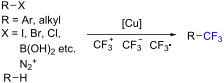
Figure 1: Selected examples of pharmaceutical and agrochemical compounds containing the trifluoromethyl group....
Scheme 1: Introduction of a diamine into copper-catalyzed trifluoromethylation of aryl iodides.
Scheme 2: Addition of a Lewis acid into copper-catalyzed trifluoromethylation of aryl iodides and the propose...
Scheme 3: Trifluoromethylation of heteroaromatic compounds using S-(trifluoromethyl)diphenylsulfonium salts a...
Scheme 4: The preparation of a new trifluoromethylation reagent and its application in trifluoromethylation o...
Scheme 5: Trifluoromethylation of aryl iodides using CF3CO2Na as a trifluoromethyl source.
Scheme 6: Trifluoromethylation of aryl iodides using MTFA as a trifluoromethyl source.
Scheme 7: Trifluoromethylation of aryl iodides using CF3CO2K as a trifluoromethyl source.
Scheme 8: Trifluoromethylation of aryl iodides and heteroaryl bromides using [Cu(phen)(O2CCF3)] as a trifluor...
Scheme 9: Trifluoromethylation of aryl iodides with DFPB and the proposed mechanism.
Scheme 10: Trifluoromethylation of aryl iodides using TCDA as a trifluoromethyl source. Reaction conditions: [...
Scheme 11: The mechanism of trifluoromethylation using Cu(II)(O2CCF2SO2F)2 as a trifluoromethyl source.
Scheme 12: Trifluoromethylation of benzyl bromide reported by Shibata’s group.
Scheme 13: Trifluoromethylation of allylic halides and propargylic halides reported by the group of Nishibayas...
Scheme 14: Trifluoromethylation of propargylic halides reported by the group of Nishibayashi.
Scheme 15: Trifluoromethylation of alkyl halides reported by Nishibayashi’s group.
Scheme 16: Trifluoromethylation of pinacol esters reported by the group of Gooßen.
Scheme 17: Trifluoromethylation of primary and secondary alkylboronic acids reported by the group of Fu.
Scheme 18: Trifluoromethylation of boronic acid derivatives reported by the group of Liu.
Scheme 19: Trifluoromethylation of organotrifluoroborates reported by the group of Huang.
Scheme 20: Trifluoromethylation of aryl- and vinylboronic acids reported by the group of Shibata.
Scheme 21: Trifluoromethylation of arylboronic acids via the merger of photoredox and Cu catalysis.
Scheme 22: Trifluoromethylation of arylboronic acids reported by Sanford’s group. Isolated yield. aYields dete...
Scheme 23: Trifluoromethylation of arylboronic acids and vinylboronic acids reported by the group of Beller. Y...
Scheme 24: Copper-mediated Sandmeyer type trifluoromethylation using Umemoto’s reagent as a trifluoromethylati...
Scheme 25: Copper-mediated Sandmeyer type trifluoromethylation using TMSCF3 as a trifluoromethylation reagent ...
Scheme 26: One-pot Sandmeyer trifluoromethylation reported by the group of Gooßen.
Scheme 27: Copper-catalyzed trifluoromethylation of arenediazonium salts in aqueous media.
Scheme 28: Copper-mediated Sandmeyer trifluoromethylation using Langlois’ reagent as a trifluoromethyl source ...
Scheme 29: Trifluoromethylation of terminal alkenes reported by the group of Liu.
Scheme 30: Trifluoromethylation of terminal alkenes reported by the group of Wang.
Scheme 31: Trifluoromethylation of tetrahydroisoquinoline derivatives reported by Li and the proposed mechanis...
Scheme 32: Trifluoromethylation of phenol derivatives reported by the group of Hamashima.
Scheme 33: Trifluoromethylation of hydrazones reported by the group of Baudoin and the proposed mechanism.
Scheme 34: Trifluoromethylation of benzamides reported by the group of Tan.
Scheme 35: Trifluoromethylation of heteroarenes and electron-deficient arenes reported by the group of Qing an...
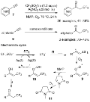
Scheme 36: Trifluoromethylation of N-aryl acrylamides using CF3SO2Na as a trifluoromethyl source.
Scheme 37: Trifluoromethylation of aryl(heteroaryl)enol acetates using CF3SO2Na as the source of CF3 and the p...
Scheme 38: Trifluoromethylation of imidazoheterocycles using CF3SO2Na as a trifluoromethyl source and the prop...
Scheme 39: Copper-mediated trifluoromethylation of terminal alkynes using TMSCF3 as a trifluoromethyl source a...
Scheme 40: Improved copper-mediated trifluoromethylation of terminal alkynes reported by the group of Qing.
Scheme 41: Copper-catalyzed trifluoromethylation of terminal alkynes reported by the group of Qing.
Scheme 42: Copper-catalyzed trifluoromethylation of terminal alkynes using Togni’s reagent and the proposed me...
Scheme 43: Copper-catalyzed trifluoromethylation of terminal alkynes using Umemoto’s reagent reported by the g...
Scheme 44: Copper-catalyzed trifluoromethylation of 3-arylprop-1-ynes reported by Xiao and Lin and the propose...
Beilstein J. Org. Chem. 2018, 14, 114–129, doi:10.3762/bjoc.14.7
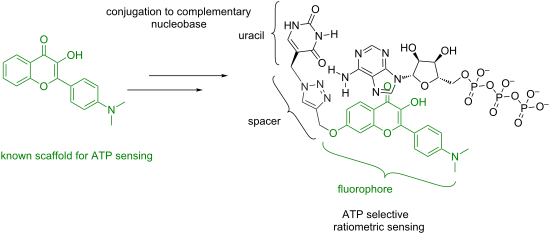
Graphical Abstract
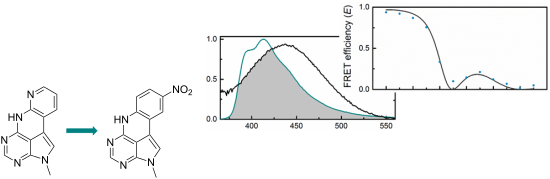
Figure 1: a) Angles and unit vectors used to define the relative orientations of the donor and acceptor trans...
Figure 2: Notable recent examples of fluorescent base analogues. For cnA and dnA the attachment point to the ...
Scheme 1: Synthesis of the tricyclic cytosine aromatic core [39]. (a) Ethylene glycol, K2CO3, 120 °C, 1 h, 40%; (...
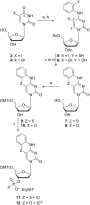
Scheme 2: Synthesis of protected tC and tCO deoxyribose phosphonates [41]. (a) Ac2O, pyridine, rt; (b) 2-mesityle...
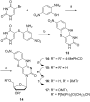
Scheme 3: Synthesis of protected tCnitro deoxyribose phosphoramidite [14]. a) aq NaOH, 24 h, reflux; b) EtOH, HCl...
Scheme 4: Improved synthesis of tC and tC derivatives, where R = H, 7-MeO or 8-MeO [47]. a) H2NNH2 followed by H2O...
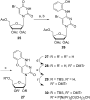
Scheme 5: Improved synthesis of tCO derivatives [47]. a) Ac2O, pyridine, 16 h, rt, 85%; b) PPh3, CCl4, DCM, 5 h, ...
Scheme 6: Synthesis of protected tCO ribose phosphoramidite [50]. a) MesSO2Cl, DIPEA, MeCN, 4 h, rt; b) 2-aminoph...
Scheme 7: Synthesis of protected deoxyribose qA [51]. a) N-(tert-Butoxycarbonyl)-2-(trimethylstannyl)aniline, (Ph3...
Scheme 8: Synthesis of protected deoxyribose qA for DNA SPS [53]. a) AcCl, MeOH, rt, 40 min; b) p-toluoyl chlorid...
Scheme 9: Synthesis of qA derivatives. a) EtI, Cs2CO3, DMF, 4 h, rt, 90%; b) HBPin, Pd(PPh3)4, Et3N, 1,4-diox...
Scheme 10: Synthesis of quadracyclic adenine base–base FRET pair. a) HCHO, NaOH, MeCN, H2O, 50 °C, 1 h; b) TBD...
Figure 3: Absorption and emission of tC (dashed line) and tCO (solid line) in dsDNA. The absorption below 300...
Figure 4: Spectral overlap between the emission of qAN1 (cyan) and the absorption of qAnitro (black) in dsDNA...
Figure 5: Example of typical FRET efficiency as a function of number of base pairs separating the donor and a...
Figure 6: FRET efficiency as a function of number of base pairs separating the donor (qAN1) and acceptor (qAn...
Beilstein J. Org. Chem. 2018, 14, 54–83, doi:10.3762/bjoc.14.4
Graphical Abstract
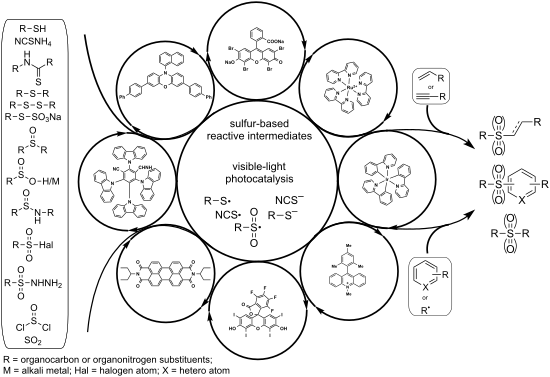
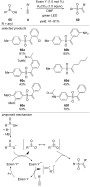
Scheme 1: General overview over the sulfur-based substrates and reactive intermediates that are discussed in ...
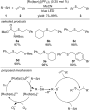
Scheme 2: Photoredox-catalyzed radical thiol–ene reaction, applying [Ru(bpz)3](PF6)2 as photocatalyst.
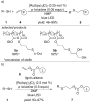
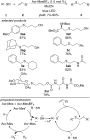
Scheme 3: Photoredox-catalyzed thiol–ene reaction of aliphatic thiols with alkenes enabled by aniline derivat...
Scheme 4: Photoredox-catalyzed radical thiol–ene reaction for the postfunctionalization of polymers (a) and n...
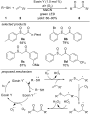
Scheme 5: Photoredox-catalyzed thiol–ene reaction enabled by bromotrichloromethane as redox additive.
Scheme 6: Photoredox-catalyzed preparation of β-ketosulfoxides with Eosin Y as organic dye as photoredox cata...
Scheme 7: Greaney’s photocatalytic radical thiol–ene reaction, applying TiO2 nanoparticles as photocatalyst.
Scheme 8: Fadeyi’s photocatalytic radical thiol–ene reaction, applying Bi2O3 as photocatalyst.
Scheme 9: Ananikov’s photocatalytic radical thiol-yne reaction, applying Eosin Y as photocatalyst.
Scheme 10: Organocatalytic visible-light photoinitiated thiol–ene coupling, applying phenylglyoxylic acid as o...
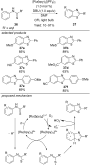
Scheme 11: Xia’s photoredox-catalyzed synthesis of 2,3-disubstituted benzothiophenes, applying 9-mesityl-10-me...
Scheme 12: Wang’s metal-free photoredox-catalyzed radical thiol–ene reaction, applying 9-mesityl-10-methylacri...
Scheme 13: Visible-light benzophenone-catalyzed metal- and oxidant-free radical thiol–ene reaction.
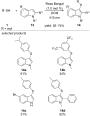
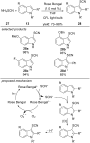
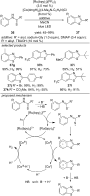
Scheme 14: Visible-light catalyzed C-3 sulfenylation of indole derivatives using Rose Bengal as organic dye.
Scheme 15: Photocatalyzed radical thiol–ene reaction and subsequent aerobic sulfide-oxidation with Rose Bengal...
Scheme 16: Photoredox-catalyzed synthesis of diaryl sulfides.
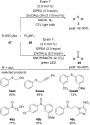
Scheme 17: Photocatalytic cross-coupling of aryl thiols with aryl diazonium salts, using Eosin Y as photoredox...
Scheme 18: Photocatalyzed cross-coupling of aryl diazonium salts with cysteines in batch and in a microphotore...
Scheme 19: Fu’s [Ir]-catalyzed photoredox arylation of aryl thiols with aryl halides.
Scheme 20: Fu’s photoredox-catalyzed difluoromethylation of aryl thiols.
Scheme 21: C–S cross-coupling of thiols with aryl iodides via [Ir]-photoredox and [Ni]-dual-catalysis.
Scheme 22: C–S cross-coupling of thiols with aryl bromides, applying 3,7-bis-(biphenyl-4-yl)-10-(1-naphthyl)ph...
Scheme 23: Collin’s photochemical dual-catalytic cross-coupling of thiols with bromoalkynes.
Scheme 24: Visible-light-promoted C–S cross-coupling via intermolecular electron donor–acceptor complex format...
Scheme 25: Li’s visible-light photoredox-catalyzed thiocyanation of indole derivatives with Rose Bengal as pho...
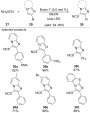
Scheme 26: Hajra’s visible-light photoredox-catalyzed thiocyanation of imidazoheterocycles with Eosin Y as pho...
Scheme 27: Wang’s photoredox-catalyzed thiocyanation reaction of indoles, applying heterogeneous TiO2/MoS2 nan...
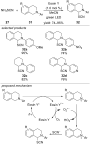
Scheme 28: Yadav’s photoredox-catalyzed α-C(sp3)–H thiocyanation reaction for tertiary amines, applying Eosin ...
Scheme 29: Yadav’s photoredox-catalyzed synthesis of 5-aryl-2-imino-1,3-oxathiolanes.
Scheme 30: Yadav’s photoredox-catalyzed synthesis of 1,3-oxathiolane-2-thiones.
Scheme 31: Li’s photoredox catalysis for the preparation of 2-substituted benzothiazoles, applying [Ru(bpy)3](...
Scheme 32: Lei’s external oxidant-free synthesis of 2-substituted benzothiazoles by merging photoredox and tra...
Scheme 33: Metal-free photocatalyzed synthesis of 2-aminobenzothiazoles, applying Eosin Y as photocatalyst.
Scheme 34: Metal-free photocatalyzed synthesis of 1,3,4-thiadiazoles, using Eosin Y as photocatalyst.
Scheme 35: Visible-light photoredox-catalyzed preparation of benzothiophenes with Eosin Y.
Scheme 36: Visible-light-induced KOH/DMSO superbase-promoted preparation of benzothiophenes.
Scheme 37: Jacobi von Wangelin’s photocatalytic approach for the synthesis of aryl sulfides, applying Eosin Y ...
Scheme 38: Visible-light photosensitized α-C(sp3)–H thiolation of aliphatic ethers.
Scheme 39: Visible-light photocatalyzed cross-coupling of alkyl and aryl thiosulfates with aryl diazonium salt...
Scheme 40: Visible-light photocatalyzed, controllable sulfenylation and sulfoxidation with organic thiosulfate...
Scheme 41: Rastogi’s photoredox-catalyzed methylsulfoxidation of aryl diazonium salts, using [Ru(bpy)3]Cl2 as ...
Scheme 42: a) Visible-light metal-free Eosin Y-catalyzed procedure for the preparation of vinyl sulfones from ...
Scheme 43: Visible-light photocatalyzed cross-coupling of sodium sulfinates with secondary enamides.
Scheme 44: Wang’s photocatalyzed oxidative cyclization of phenyl propiolates with sulfinic acids, applying Eos...
Scheme 45: Lei’s sacrificial oxidant-free synthesis of allyl sulfones by merging photoredox and transition met...
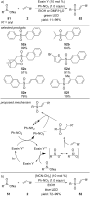
Scheme 46: Photocatalyzed Markovnikov-selective radical/radical cross-coupling of aryl sulfinic acids and term...
Scheme 47: Visible-light Eosin Y induced cross-coupling of aryl sulfinic acids and styrene derivatives, afford...
Scheme 48: Photoredox-catalyzed bicyclization of 1,7-enynes with sulfinic acids, applying Eosin Y as photocata...
Scheme 49: Visible-light-accelerated C–H-sulfinylation of arenes and heteroarenes.
Scheme 50: Visible-light photoredox-catalyzed β-selenosulfonylation of electron-rich olefins, applying [Ru(bpy)...
Scheme 51: Photocatalyzed preparation of β-chlorosulfones from the respective olefins and p-toluenesulfonyl ch...
Scheme 52: a) Photocatalyzed preparation of β-amidovinyl sulfones from sulfonyl chlorides. b) Preparation of β...
Scheme 53: Visible-light photocatalyzed sulfonylation of aliphatic tertiary amines, applying [Ru(bpy)3](PF6)2 ...
Scheme 54: Reiser’s visible-light photoredox-catalyzed preparation of β-hydroxysulfones from sulfonyl chloride...
Scheme 55: a) Sun’s visible-light-catalyzed approach for the preparation of isoquinolinonediones, applying [fac...
Scheme 56: Visible-light photocatalyzed sulfonylation/cyclization of vinyl azides, applying [Ru(bpy)3]Cl2 as p...
Scheme 57: Visible-light photocatalyzed procedure for the formation of β-ketosulfones from aryl sulfonyl chlor...
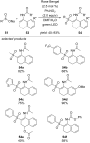
Scheme 58: Zheng’s method for the sulfenylation of indole derivatives, applying sulfonyl chlorides via visible...
Scheme 59: Cai’s visible-light induced synthesis of β-ketosulfones from sulfonyl hydrazines and alkynes.
Scheme 60: Photoredox-catalyzed approach for the preparation of vinyl sulfones from sulfonyl hydrazines and ci...
Scheme 61: Jacobi von Wangelin’s visible-light photocatalyzed chlorosulfonylation of anilines.
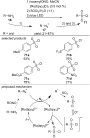
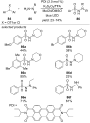
Scheme 62: Three-component photoredox-catalyzed synthesis of N-amino sulfonamides, applying PDI as organic dye....
Scheme 63: Visible-light induced preparation of complex sulfones from oximes, silyl enol ethers and SO2.
Beilstein J. Org. Chem. 2018, 14, 11–24, doi:10.3762/bjoc.14.2
Graphical Abstract
Figure 1: The three major methods for the synthesis of GAuNPs. (a) Direct reduction of an Au3+ salt in the pr...
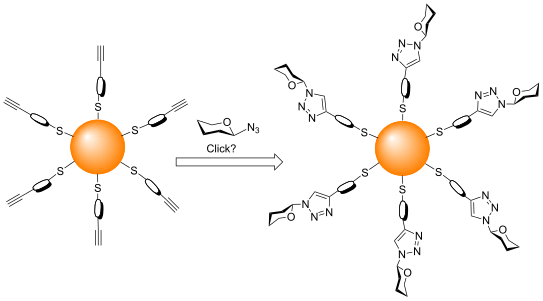
Scheme 1: The non-catalysed azide–alkyne Huisgen cycloaddition (NCAAC) between an organic azide (1,3-dipole) ...
Scheme 2: Ligand exchange and NCAAC on an AuNP surface. Reagents and conditions: (a) Br(CH2)11SH in DCM, 60 h...
Scheme 3: Azide functionalization and NCAAC on an AuNP surface using electron deficient alkynes. Reagents and...
Scheme 4: NCAAC performed under hyperbaric conditions. Reagents and conditions: (a) Br(CH2)11SH in C6H6, 48 h...
Scheme 5: The synthesis of AuNPs functionalized with strained alkyne derivatives. HBTU = O-benzotriazole-N,N,N...
Scheme 6: A schematic representation of the SPAAC between azide-functionalized polymersomes and strained alky...
Scheme 7: Functionalization of AuNPs with an azide containing thiol ligand, and subsequent attachment to an a...
Scheme 8: Surface modification of AuNPs using microwave-assisted CuAAC. Reagents and conditions: (a) HS(CH2)11...
Scheme 9: AuNP functionalization and efficient CuAAC with a range of alkynes reported by Boisselier et al. [62]. ...
Scheme 10: Schematic illustration of: (a) AuNP deposition on a carbon electrode; (b) formation of alkyne-termi...
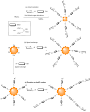
Scheme 11: (a) Synthesis of the alkyne-terminated thiol (ATT) ligand 33; (b) synthesis of 12 nm sized ATT-AuNP...
Scheme 12: Synthesis of (a) cyclooctyne-functionalized AuNPs and (b) GAuNPs using SPAAC [82].
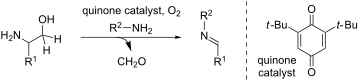
Beilstein J. Org. Chem. 2017, 13, 2895–2901, doi:10.3762/bjoc.13.282
Graphical Abstract
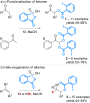
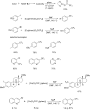
Scheme 1: Established methods for the preparation of imines vs this work.
Scheme 2: Proposed catalytic cycle for quinone-catalyzed deformylation.
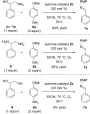
Scheme 3: Studies of quinone-catalyzed C−C bond cleavage in related substrates.
Scheme 4: Sequential oxidative deformylation/Mukaiyama−Mannich addition using phenylglycinol.
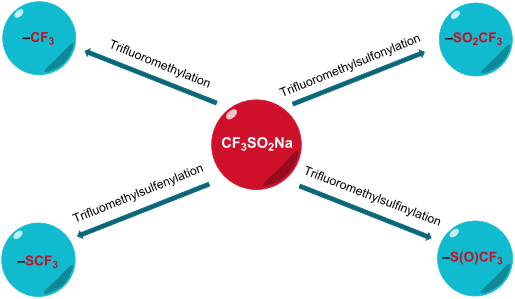
Beilstein J. Org. Chem. 2017, 13, 2764–2799, doi:10.3762/bjoc.13.272
Graphical Abstract
Scheme 1: Trifluoromethylation of enol acetates by Langlois.
Scheme 2: Trifluoromethylation of (het)aryl enol acetates.
Scheme 3: Mechanism for the trifluoromethylation of enol acetates.
Scheme 4: Oxidative trifluoromethylation of unactivated olefins and mechanistic pathway.
Scheme 5: Oxidative trifluoromethylation of acetylenic substrates.
Scheme 6: Metal free trifluoromethylation of styrenes.
Scheme 7: Synthesis of α-trifluoromethylated ketones by oxytrifluoromethylation of heteroatom-functionalised ...
Scheme 8: Catalysed photoredox trifluoromethylation of vinyl azides.
Scheme 9: Oxidative difunctionalisation of alkenyl MIDA boronates.
Scheme 10: Synthesis of β-trifluoromethyl ketones from cyclopropanols.
Scheme 11: Aryltrifluoromethylation of allylic alcohols.
Scheme 12: Cascade multicomponent synthesis of nitrogen heterocycles via azotrifluoromethylation of alkenes.
Scheme 13: Photocatalytic azotrifluoromethylation of alkenes with aryldiazonium salts and CF3SO2Na.
Scheme 14: Copper-promoted intramolecular aminotrifluoromethylation of alkenes with CF3SO2Na.
Scheme 15: Oxytrifluoromethylation of alkenes with CF3SO2Na and hydroxamic acid.
Scheme 16: Manganese-catalysed oxytrifluoromethylation of styrene derivatives.
Scheme 17: Oxytrifluoromethylation of alkenes with NMP/O2 and CF3SO2Na.
Scheme 18: Intramolecular oxytrifluoromethylation of alkenes.
Scheme 19: Hydrotrifluoromethylation of styrenyl alkenes and unactivated aliphatic alkenes.
Scheme 20: Hydrotrifluoromethylation of electron-deficient alkenes.
Scheme 21: Hydrotrifluoromethylation of alkenes by iridium photoredox catalysis.
Scheme 22: Iodo- and bromotrifluoromethylation of alkenes by CF3SO2Na/I2O5 or CF3SO2Na / NaBrO3.
Scheme 23: N-methyl-9-mesityl acridinium and visible-light-induced chloro-, bromo- and SCF3 trifluoromethylati...
Scheme 24: Carbotrifluoromethylation of N-arylacrylamides with CF3SO2Na / TBHP by Lipshutz.
Scheme 25: Carbotrifluoromethylation of N-arylacrylamides with CF3SO2Na/TBHP reported by Lei.
Scheme 26: Carbotrifluoromethylation of N-arylacrylamides with CF3SO2Na/(NH4)2S2O8.
Scheme 27: Metal-free carbotrifluoromethylation of N-arylacrylamides with CF3SO2Na/K2S2O8 reported by Wang.
Scheme 28: Metal-free carbotrifluoromethylation of N-arylacrylamides with CF3SO2Na/PIDA reported by Fu.
Scheme 29: Metal-free cascade trifluoromethylation/cyclisation of N-arylmethacrylamides (a) and enynes (b) wit...
Scheme 30: Trifluoromethylation/cyclisation of N-arylcinnamamides: Synthesis of 3,4-disubstituted dihydroquino...
Scheme 31: Trifluoromethylation/cyclisation of aromatic-containing unsaturated ketones.
Scheme 32: Chemo- and regioselective cascade trifluoromethylation/heteroaryl ipso-migration of unactivated alk...
Scheme 33: Copper-mediated 1,2-bis(trifluoromethylation) of alkenes.
Scheme 34: Trifluoromethylation of aromatics with CF3SO2Na reported by Langlois.
Scheme 35: Baran’s oxidative C–H trifluoromethylation of heterocycles.
Scheme 36: Trifluoromethylation of acetanilides and anilines.
Scheme 37: Trifluoromethylation of heterocycles in water.
Scheme 38: Trifluoromethylation of coumarins in a continuous-flow reactor.
Scheme 39: Oxidative trifluoromethylation of coumarins, quinolines and pyrimidinones.
Scheme 40: Oxidative trifluoromethylation of pyrimidinones and pyridinones.
Scheme 41: Phosphovanadomolybdic acid-catalysed direct C−H trifluoromethylation.
Scheme 42: Oxidative trifluoromethylation of imidazopyridines and imidazoheterocycles.
Scheme 43: Oxidative trifluoromethylation of imidazoheterocycles and imidazoles in ionic liquid/water.
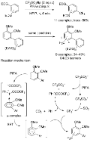
Scheme 44: Oxidative trifluoromethylation of 8-aminoquinolines.
Scheme 45: Oxidative trifluoromethylation of various 8-aminoquinolines using the supported catalyst CS@Cu(OAc)2...
Scheme 46: Oxidative trifluoromethylation of the naphthylamide 70.
Scheme 47: Oxidative trifluoromethylation of various arenes in the presence of CF3SO2Na and sodium persulfate.
Scheme 48: Trifluoromethylation of electron-rich arenes and unsymmetrical biaryls with CF3SO2Na in the presenc...
Figure 1: Trifluoromethylated coumarin and flavone.
Scheme 49: Metal-free trifluoromethylation catalysed by a photoredox organocatalyst.
Scheme 50: Quinone-mediated trifluoromethylation of arenes and heteroarenes.
Scheme 51: Metal- and oxidant-free photochemical trifluoromethylation of arenes.
Scheme 52: Copper-mediated trifluoromethylation of arenediazonium tetrafluoroborates.
Scheme 53: Oxidative trifluoromethylation of aryl- and heteroarylboronic acids.
Scheme 54: Oxidative trifluoromethylation of aryl- and vinylboronic acids.
Scheme 55: Oxidative trifluoromethylation of unsaturated potassium organotrifluoroborates.
Scheme 56: Oxidative trifluoromethylation of (hetero)aryl- and vinyltrifluoroborates.
Scheme 57: Copper−catalysed decarboxylative trifluoromethylation of cinnamic acids.
Scheme 58: Iron-mediated decarboxylative trifluoromethylation of α,β-unsaturated carboxylic acids.
Scheme 59: Cu/Ag-catalysed decarboxylative trifluoromethylation of cinnamic acids.
Scheme 60: I2O5-Promoted decarboxylative trifluoromethylation of cinnamic acids.
Scheme 61: Silver(I)-catalysed denitrative trifluoromethylation of β-nitrostyrenes.
Scheme 62: Copper-catalysed direct trifluoromethylation of styrene derivatives.
Scheme 63: Transition-metal-free synthesis of β-trifluoromethylated enamines.
Scheme 64: I2O5-mediated iodotrifluoromethylation of alkynes.
Scheme 65: Silver-catalysed tandem trifluoromethylation/cyclisation of aryl isonitriles.
Scheme 66: Photoredox trifluoromethylation of 2-isocyanobiphenyls.
Scheme 67: Trifluoromethylation of potassium alkynyltrifluoroborates with CF3SO2Na.
Scheme 68: N-trifluoromethylation of nitrosoarenes with CF3SO2Na (SQ: semiquinone).
Scheme 69: Trifluoromethylation of disulfides with CF3SO2Na.
Scheme 70: Trifluoromethylation of thiols with CF3SO2Na/I2O5.
Scheme 71: Electrophilic trifluoromethylsulfenylation by means of CF3SO2Na/(EtO)2P(O)H/CuCl/DMSO.
Scheme 72: Electrophilic trifluoromethylsulfenylation by means of CF3SO2Na/(EtO)2P(O)H/TMSCl.
Scheme 73: Electrophilic trifluoromethylsulfenylation by means of CF3SO2Na/PPh3/N-chlorophthalimide.
Scheme 74: Electrophilic trifluoromethylsulfenylation by means of CF3SO2Na/PCl3.
Scheme 75: Electrophilic trifluoromethylsulfenylation by means of CF3SO2Na/PCl3.
Scheme 76: Trifluoromethylsulfenylation of aryl iodides with in situ generated CuSCF3 (DMI: 1,3-dimethyl-2-imi...
Scheme 77: Pioneering trifluoromethylsulfinylation of N, O, and C-nucleophiles.
Scheme 78: Trifluoromethylsulfinylation of (1R,2S)-ephedrine (Im: imidazole; DIEA: N,N-diisopropylethylamine).
Scheme 79: Trifluoromethylsulfinylation of substituted benzenes with CF3SO2Na/CF3SO3H.
Scheme 80: Trifluoromethylsulfinylation of indoles with CF3SO2Na/P(O)Cl3.
Scheme 81: Trifluoromethylsulfinylation of indoles with CF3SO2Na/PCl3.
Scheme 82: Formation of triflones from benzyl bromides (DMA: dimethylacetamide).
Scheme 83: Formation of α-trifluoromethylsulfonyl ketones, esters, and amides.
Scheme 84: Allylic trifluoromethanesulfonylation of aromatic allylic alcohols.
Scheme 85: Copper-catalysed couplings of aryl iodonium salts with CF3SO2Na.
Scheme 86: Palladium-catalysed trifluoromethanesulfonylation of aryl triflates and chlorides with CF3SO2Na.
Scheme 87: Copper-catalysed coupling of arenediazonium tetrafluoroborates with CF3SO2Na.
Scheme 88: Synthesis of phenyltriflone via coupling of benzyne with CF3SO2Na.
Scheme 89: Synthesis of 1-trifluoromethanesulfonylcyclopentenes from 1-alkynyl-λ3-bromanes and CF3SO2Na.
Scheme 90: One-pot synthesis of functionalised vinyl triflones.
Scheme 91: Regioselective synthesis of vinyltriflones from styrenes.
Scheme 92: Trifluoromethanesulfonylation of alkynyl(phenyl) iodonium tosylates by CF3SO2Na.
Scheme 93: Synthesis of thio- and selenotrifluoromethanesulfonates.
Beilstein J. Org. Chem. 2017, 13, 2710–2738, doi:10.3762/bjoc.13.269
Graphical Abstract
Scheme 1: Generation of phosphorus ylides from vinylphosphonium salts.
Scheme 2: Intramolecular Wittig reaction with the use of vinylphosphonium salts.
Scheme 3: Alkylation of diphenylvinylphosphine with methyl or benzyl iodide.
Scheme 4: Methylation of isopropenyldiphenylphosphine with methyl iodide.
Scheme 5: Alkylation of phosphines with allyl halide derivatives and subsequent isomerization of intermediate...
Scheme 6: Alkylation of triphenylphosphine with vinyl triflates in the presence of (Ph3P)4Pd.
Scheme 7: Mechanism of alkylation of triphenylphosphine with vinyl triflates in the presence of (Ph3P)4Pd as ...
Scheme 8: β-Elimination of phenol from β-phenoxyethyltriphenylphosphonium bromide.
Scheme 9: β-Elimination of phenol from β-phenoxyethylphosphonium salts in an alkaline environment.
Scheme 10: Synthesis and subsequent dehydrohalogenation of α-bromoethylphosphonium bromide.
Scheme 11: Synthesis of tributylvinylphosphonium iodides via Peterson-type olefination of α-trimethylsilylphos...
Scheme 12: Synthesis of 1-cycloalkenetriphenylphosphonium salts by electrochemical oxidation of triphenylphosp...
Scheme 13: Suggested mechanism for the electrochemical synthesis of 1-cycloalkenetriphenylphosphonium salts.
Scheme 14: Generation of α,β-(dialkoxycarbonyl)vinylphosphonium salts by addition of triphenylphosphine to ace...
Scheme 15: Synthesis of 2-(N-acylamino)vinylphosphonium halides by imidoylation of β-carbonyl ylides with imid...
Scheme 16: Imidoylation of β-carbonyl ylides with imidoyl halides generated in situ.
Scheme 17: Synthesis of 2-benzoyloxyvinylphosphonium bromide from 2-propynyltriphenylphosphonium bromide.
Scheme 18: Synthesis of 2-aminovinylphosphonium salts via nucleophilic addition of amines to 2-propynyltriphen...
Scheme 19: Deacylation of 2-(N-acylamino)vinylphosphonium chlorides to 2-aminovinylphosphonium salts.
Scheme 20: Resonance structures of 2-aminovinylphosphonium salts and tautomeric equilibrium between aminovinyl...
Scheme 21: Synthesis of 2-aminovinylphosphonium salts by reaction of (formylmethyl)triphenylphosphonium chlori...
Scheme 22: Generation of ylides by reaction of vinyltriphenylphosphonium bromide with nucleophiles and their s...
Scheme 23: Intermolecular Wittig reaction with the use of vinylphosphonium bromide and organocopper compounds ...
Scheme 24: Intermolecular Wittig reaction with the use of ylides generated from vinylphosphonium bromides and ...
Scheme 25: Direct transformation of vinylphosphonium salts into ylides in the presence of potassium tert-butox...
Scheme 26: A general method for synthesis of carbo- and heterocyclic systems by the intramolecular Wittig reac...
Scheme 27: Synthesis of 2H-chromene by reaction of vinyltriphenylphosphonium bromide with sodium 2-formylpheno...
Scheme 28: Synthesis of 2,5-dihydro-2,3-dimethylfuran by reaction of vinylphosphonium bromide with 3-hydroxy-2...
Scheme 29: Synthesis of 2H-chromene and 2,5-dihydrofuran derivatives in the intramolecular Wittig reaction wit...
Scheme 30: Enantioselective synthesis of 3,6-dihydropyran derivatives from vinylphosphonium bromide and enanti...
Scheme 31: Synthesis of 2,5-dihydrothiophene derivatives in the intramolecular Wittig reaction from vinylphosp...
Scheme 32: Synthesis of bicyclic pyrrole derivatives in the reaction of vinylphosphonium halides and 2-pyrrolo...
Scheme 33: Stereoselective synthesis of bicyclic 2-pyrrolidinone derivatives in the reaction of vinylphosphoni...
Scheme 34: Stereoselective synthesis of 3-pyrroline derivatives in the intramolecular Wittig reaction from vin...
Scheme 35: Synthesis of cyclic alkenes in the intramolecular Wittig reaction from vinylphosphonium bromide and...
Scheme 36: Synthesis of 1,3-cyclohexadienes by reaction of 1,3-butadienyltriphenylphosphonium bromide with eno...
Scheme 37: Synthesis of bicyclo[3.3.0]octenes by reaction of vinylphosphonium salts with cyclic diketoester.
Scheme 38: Synthesis of quinoline derivatives in the intramolecular Wittig reaction from 2-(2-acylphenylamino)...
Scheme 39: Stereoselective synthesis of γ-aminobutyric acid in the intermolecular Wittig reaction from chiral ...
Scheme 40: Synthesis of allylamines in the intermolecular Wittig reaction from 2-aminovinylphosphonium bromide...
Scheme 41: A general route towards α,β-di(alkoxycarbonyl)vinylphosphonium salts and their subsequent possible ...
Scheme 42: Generation of resonance-stabilized phosphorus ylides via the reaction of triphenylphosphine with di...
Scheme 43: Synthesis of resonance-stabilized phosphorus ylides in the reaction of triphenylphosphine, dialkyl ...
Scheme 44: Synthesis of resonance-stabilized phosphorus ylides via the reaction of triphenylphosphine with dia...
Scheme 45: Generation of resonance-stabilized phosphorus ylides in the reaction of acetylenedicarboxylate, tri...
Scheme 46: Synthesis of resonance-stabilized phosphorus ylides via the reaction of dialkyl acetylenedicarboxyl...
Scheme 47: Synthesis of resonance-stabilized ylides derived from semicarbazones, aromatic amides, and 3-(aryls...
Scheme 48: Synthesis of resonance-stabilized ylides via the reaction of triphenylphosphine with dialkyl acetyl...
Scheme 49: Synthesis of resonance-stabilized ylides in the reaction of triphenylphosphine, dialkyl acetylenedi...
Scheme 50: Synthesis of N-acylated α,β-unsaturated γ-lactams via resonance-stabilized phosphorus ylides derive...
Scheme 51: Synthesis of resonance-stabilized phosphorus ylides derived from 6-amino-N,N'-dimethyluracil and th...
Scheme 52: Generation of resonance-stabilized phosphorus ylides in the reaction of triphenylphosphine, dialkyl...
Scheme 53: Synthesis of resonance-stabilized phosphorus ylides via the reaction of triphenylphosphine with dia...
Scheme 54: Synthesis of 1,3-dienes via intramolecular Wittig reaction with the use of resonance-stabilized yli...
Scheme 55: Synthesis of 1,3-dienes in the intramolecular Wittig reaction from ylides generated from dimethyl a...
Scheme 56: Synthesis of 4-(2-quinolyl)cyclobutene-1,2,3-tricarboxylic acid triesters and isomeric cyclopenteno...
Scheme 57: Synthesis of 4-arylquinolines via resonance-stabilized ylides in the intramolecular Wittig reaction....
Scheme 58: Synthesis of furan derivatives via resonance-stabilized ylides in the intramolecular Wittig reactio...
Scheme 59: Synthesis of 1,3-indanedione derivatives via resonance-stabilized ylides in the intermolecular Witt...
Scheme 60: Synthesis of coumarin derivatives via nucleophilic displacement of the triphenylphosphonium group i...
Scheme 61: Synthesis of 6-formylcoumarin derivatives and their application in the synthesis of dyads.
Scheme 62: Synthesis of di- and tricyclic coumarin derivatives in the reaction of pyrocatechol with two vinylp...
Scheme 63: Synthesis of mono-, di-, and tricyclic derivatives in the reaction of pyrogallol with one or two vi...
Scheme 64: Synthesis of 1,4-benzoxazine derivative by nucleophilic displacement of the triphenylphosphonium gr...
Scheme 65: Synthesis of 7-oxo-7H-pyrido[1,2,3-cd]perimidine derivative via nucleophilic displacement of the tr...
Scheme 66: Application of vinylphosphonium salts in the Diels–Alder reaction with dienes.
Scheme 67: Synthesis of pyrroline derivatives from vinylphosphonium bromide and 5-(4H)-oxazolones.
Scheme 68: Synthesis of pyrrole derivatives in the reactions of vinyltriphenylphosphonium bromide with protona...
Scheme 69: Synthesis of dialkyl 2-(alkylamino)-5-aryl-3,4-furanedicarboxylates via intermediate α,β-di(alkoxyc...
Scheme 70: Synthesis of 1,4-benzoxazine derivatives from acetylenedicarboxylates, phosphines, and 1-nitroso-2-...
Beilstein J. Org. Chem. 2017, 13, 2690–2697, doi:10.3762/bjoc.13.267
Graphical Abstract
Figure 1: (a) UV–vis absorption and (b) fluorescence spectra of 1–4 in THF.
Figure 2: Fluorescence spectra of 1 and 3 in H2O:DMSO (9:1).
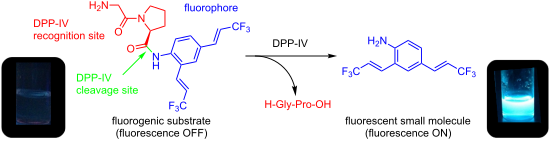
Scheme 1: Use of 1 as fluorogenic probe for DPP-4 activity.
Scheme 2: Synthesis of fluorogenic probe H-Gly-Pro-1.
Figure 3: Fluorescence spectra of 1 and H-Gly-Pro-1. Measurement conditions: 1.0 × 10⁻⁵ M in H2O:DMSO (9:1), ...
Figure 4: Fluorescence intensity changes of H-Gly-Pro-1 on addition of DPP-4.
Beilstein J. Org. Chem. 2017, 13, 2340–2351, doi:10.3762/bjoc.13.231
Graphical Abstract
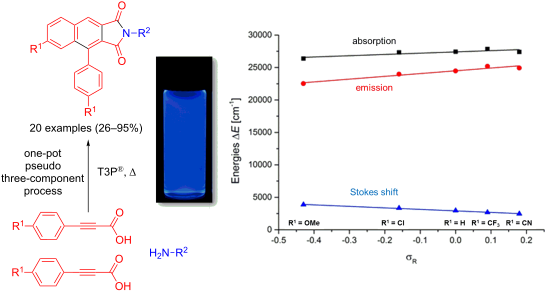
Scheme 1: Mechanistic rationale and optimization of the domino synthesis of 4-arylnaphtho[2,3-c]furan-1,3-dio...
Scheme 2: Domino synthesis of 4-arylnaphtho[2,3-c]furan-1,3-diones 2 via in situ activation of arylpropiolic ...
Scheme 3: Optimization of the synthesis of 2,4-diphenyl-1H-benzo[f]isoindole-1,3(2H)-dione (4a) by imidation ...
Scheme 4: Pseudo three-component synthesis of 4-aryl-1H-benzo[f]isoindole-1,3(2H)-diones 4.
Scheme 5: Modified sequence for the synthesis of acceptor-substituted 4-aryl-1H-benzo[f]isoindole-1,3(2H)-dio...
Figure 1: The ORTEP-style plot of crystal structure 4b (ellipsoids are draw at the 40% probability level).
Scheme 6: Pseudo four-component synthesis of (E)-2,9-diphenyl-3-(phenylimino)-2,3-dihydro-1H-benzo[f]isoindol...
Scheme 7: Synthesis of 6-phenyl-12H-benzo[f]benzo[4,5]imidazo[2,1-a]isoindol-12-one (6).
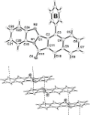
Figure 2: The ORTEP-type plot of the crystal structure 5 (left) and a centrosymmetric dimer formation by π–π ...
Figure 3: The ORTEP-type plot of the asymmetric unit of the crystal structure 6 (top) and π-stacking interact...
Figure 4: Emission properties of compounds 4a,b,d–f, 5, and 6 under handheld UV-lamp (λexc ≈ 350 nm).
Figure 5: Relative emission intensities of compounds 4a,b,d–f (recorded in CH2Cl2 UVASOL® at T = 293 K; λexc ...
Figure 6: Absorption and emission properties of selected imides 4 measured in CH2Cl2 UVASOL® at 293 K with λe...
Figure 7: Hammett–Taft correlations of the emission maxima (red circles, lmax,em = 4274 · sR + 24495 [cm−1], R...
Figure 8: Relative emission intensities of the 1-phenyl-2,3-naphthaleneimide 4a (blue) and the pentacyclus 6 ...
Beilstein J. Org. Chem. 2017, 13, 2316–2325, doi:10.3762/bjoc.13.228
Graphical Abstract
Figure 1: Examples of conformationally biased amino acids [1-10]. Compound 6 is a target of this work.
Scheme 1: The first synthetic approach.
Scheme 2: The second synthetic approach.
Scheme 3: The third synthetic approach.
Scheme 4: The fourth synthetic approach (partially reproduced from ref. [17]).
Figure 2: Selected J values and the inferred molecular conformations of 6a and 6b.
Beilstein J. Org. Chem. 2017, 13, 2068–2077, doi:10.3762/bjoc.13.204
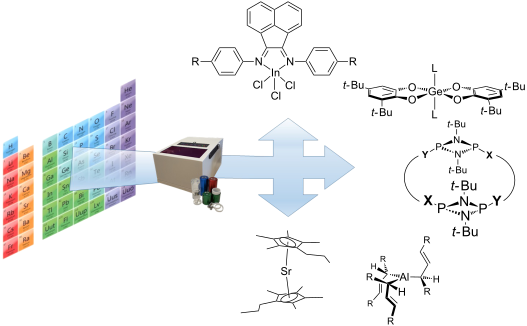
Graphical Abstract
Scheme 1: Variables associated with ball-milling (left) and solvent-based methodologies (right).
Scheme 2: Examples of mechanochemically produced species (a [48], b [62], c [63], d [64], e [65], f [66], g [67], h [68]). The symbol for mec...
Scheme 3: Mechanochemical synthesis of SrCp′2(OEt2) (Cp′ = C5Me4(n-Pr)).
Scheme 4: Mechanochemical synthesis of the Ar-BIAN ligands and indium(III) complexes (top). One-pot synthesis...
Scheme 5: Synthesis of germanes from germanium (Ge) or germanium oxide (GeO2).
Scheme 6: Ball-milling nucleophilic substitution reactions to produce acyclic and cyclic cyclodiphosphazanes.
Scheme 7: Mechanochemical reactions of potassium 1,3-bis(trimethylsillylallyl) with group 13 (top) and 15 (bo...
Scheme 8: Synthesis of adamantoid phosphazane framework from its double-decker isomer for R = iPr and t-Bu (l...
Beilstein J. Org. Chem. 2017, 13, 1977–1981, doi:10.3762/bjoc.13.193
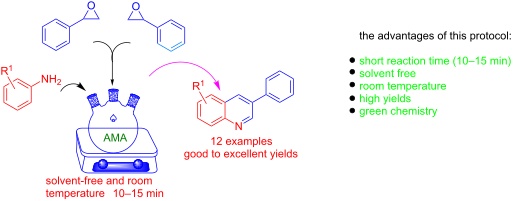
Graphical Abstract
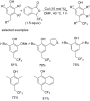
Scheme 1: Synthesis of 3-arylquinolines from anilines and styrene oxide. AMA = Al2O3/methanesulfonic acid
Figure 1: Investigation of the reusability of Al2O3.
Beilstein J. Org. Chem. 2017, 13, 1932–1939, doi:10.3762/bjoc.13.187
Graphical Abstract
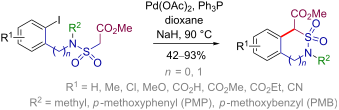
Scheme 1: A previous and a new approach to arene-annelated sultams.
Scheme 2: Pd-catalyzed cyclization of (2-iodophenyl)sulfonamides 3 and 5.
Scheme 3: Preparation of 4-methoxybenzyl-protected methyl 2-(N-o-iodoarylsulfamoyl)acetates 8. Reagents and c...
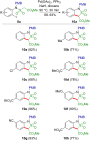
Scheme 4: Synthesis of arene-annelated sultams 10 by Pd-catalyzed intramolecular arylation of a C–H acidic me...
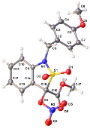
Figure 1: Structure of methyl 5-chloro-1-(4-methoxybenzyl)-1,3-dihydrobenzo[c]isothiazole-3-carboxylate-2,2-d...
Scheme 5: Palladium-catalyzed transformation of N-(2-iodophenyl)-N-(4-methoxybenzyl-benzylsulfonamide 12. Ar ...
Scheme 6: Palladium-catalyzed intramolecular arylation to yield a benzannelated six-membered sultam 21. Ar = ...
Scheme 7: An attempted and a successful removal of the PMB group from the sultam 10a.
Figure 2: Structure of methyl 1-(4-methoxybenzyl)-3-(nitrooxy)-1,3-dihydrobenzo[c]isothiazole-3-carboxylate-2...
Beilstein J. Org. Chem. 2017, 13, 1907–1931, doi:10.3762/bjoc.13.186
Graphical Abstract
Scheme 1: Mechanochemical aldol condensation reactions [48].
Scheme 2: Enantioselective organocatalyzed aldol reactions under mechanomilling. a) Based on binam-(S)-prolin...
Scheme 3: Mechanochemical Michael reaction [51].
Scheme 4: Mechanochemical organocatalytic asymmetric Michael reaction [52].
Scheme 5: Mechanochemical Morita–Baylis–Hillman (MBH) reaction [53].
Scheme 6: Mechanochemical Wittig reactions [55].
Scheme 7: Mechanochemical Suzuki reaction [56].
Scheme 8: Mechanochemical Suzuki–Miyaura coupling by LAG [57].
Scheme 9: Mechanochemical Heck reaction [59].
Scheme 10: a) Sonogashira coupling under milling conditions. b) The representative example of a double Sonogas...
Scheme 11: Copper-catalyzed CDC reaction under mechanomilling [67].
Scheme 12: Asymmetric alkynylation of prochiral sp3 C–H bonds via CDC [68].
Scheme 13: Fe(III)-catalyzed CDC coupling of 3-benzylindoles [69].
Scheme 14: Mechanochemical synthesis of 3-vinylindoles and β,β-diindolylpropionates [70].
Scheme 15: Mechanochemical C–N bond construction using anilines and arylboronic acids [78].
Scheme 16: Mechanochemical amidation reaction from aromatic aldehydes and N-chloramine [79].
Scheme 17: Mechanochemical CDC between benzaldehydes and benzyl amines [81].
Scheme 18: Mechanochemical protection of -NH2 and -COOH group of amino acids [85].
Scheme 19: Mechanochemical Ritter reaction [87].
Scheme 20: Mechanochemical synthesis of dialkyl carbonates [90].
Scheme 21: Mechanochemical transesterification reaction using basic Al2O3 [91].
Scheme 22: Mechanochemical carbamate synthesis [92].
Scheme 23: Mechanochemical bromination reaction using NaBr and oxone [96].
Scheme 24: Mechanochemical aryl halogenation reactions using NaX and oxone [97].
Scheme 25: Mechanochemical halogenation reaction of electron-rich arenes [88,98].
Scheme 26: Mechanochemical aryl halogenation reaction using trihaloisocyanuric acids [100].
Scheme 27: Mechanochemical fluorination reaction by LAG method [102].
Scheme 28: Mechanochemical Ugi reaction [116].
Scheme 29: Mechanochemical Passerine reaction [116].
Scheme 30: Mechanochemical synthesis of α-aminonitriles [120].
Scheme 31: Mechanochemical Hantzsch pyrrole synthesis [121].
Scheme 32: Mechanochemical Biginelli reaction by subcomponent synthesis approach [133].
Scheme 33: Mechanochemical asymmetric multicomponent reaction[134].
Scheme 34: Mechanochemical Paal–Knorr pyrrole synthesis [142].
Scheme 35: Mechanochemical synthesis of benzothiazole using ZnO nano particles [146].
Scheme 36: Mechanochemical synthesis of 1,2-di-substituted benzimidazoles [149].
Scheme 37: Mechanochemical click reaction using an alumina-supported Cu-catalyst [152].
Scheme 38: Mechanochemical click reaction using copper vial [155].
Scheme 39: Mechanochemical indole synthesis [157].
Scheme 40: Mechanochemical synthesis of chromene [158].
Scheme 41: Mechanochemical synthesis of azacenes [169].
Scheme 42: Mechanochemical oxidative C-P bond formation [170].
Scheme 43: Mechanochemical C–chalcogen bond formation [171].
Scheme 44: Solvent-free synthesis of an organometallic complex.
Scheme 45: Selective examples of mechano-synthesis of organometallic complexes. a) Halogenation reaction of Re...
Scheme 46: Mechanochemical activation of C–H bond of unsymmetrical azobenzene [178].
Scheme 47: Mechanochemical synthesis of organometallic pincer complex [179].
Scheme 48: Mechanochemical synthesis of tris(allyl)aluminum complex [180].
Scheme 49: Mechanochemical Ru-catalyzed olefin metathesis reaction [181].
Scheme 50: Rhodium(III)-catalyzed C–H bond functionalization under mechanochemical conditions [182].
Scheme 51: Mechanochemical Csp2–H bond amidation using Ir(III) catalyst [183].
Scheme 52: Mechanochemical Rh-catalyzed Csp2–X bond formation [184].
Scheme 53: Mechanochemical Pd-catalyzed C–H activation [185].
Scheme 54: Mechanochemical Csp2–H bond amidation using Rh catalyst.
Scheme 55: Mechanochemical synthesis of indoles using Rh catalyst [187].
Scheme 56: Mizoroki–Heck reaction of aminoacrylates with aryl halide in a ball-mill [58].
Scheme 57: IBX under mechanomilling conditions [8].
Scheme 58: Thiocarbamoylation of anilines; trapping of reactive aryl-N-thiocarbamoylbenzotriazole intermediate...
Beilstein J. Org. Chem. 2017, 13, 1871–1878, doi:10.3762/bjoc.13.182
Graphical Abstract
Figure 1: Non-steroidal templates from estradiol.
Scheme 1: Pomeranz–Fritsch and Pomeranz–Fritsch–Bobbitt reactions. Conditions: (a) conc. H2SO4; (b) benzene, ...
Scheme 2: Designed synthesis of THIQ. Conditions: (a) NaBH(OAc)3, CHCl3, rt; (b) 6 M HCl or 70% HClO4 (see Table 1),...
Scheme 3: Side reaction during the double alkylation of 7 and possible reaction mechanism for the formation o...
Scheme 4: Competition between the formation of 5- and 7-substituted THIQs. Conditions: (a) 6 M HCl, rt.
Scheme 5: Formation of the 4-hydroxy and 4-methoxy-THIQs. Conditions: (a) 6 M HCl or 70% HClO4, rt (see Table 3).
Scheme 6: Competition between the formation of THIQs 10a,o,p and indoles 16a,o,p. Conditions: (a) 70% HClO4, ...
Scheme 7: Competition between 6- and 7-membered ring formation. Conditions: (a) NaBH(OAc)3, CHCl3, rt; (b) 2,...
Scheme 8: Competition between ring formation para- or meta- to an activating group. Conditions: (a) NaBH(OAc)3...
Beilstein J. Org. Chem. 2017, 13, 1828–1849, doi:10.3762/bjoc.13.178
Graphical Abstract
Scheme 1: a) Schematic representations of unsubstituted urea, thiourea and guanidine. b) Wöhler's synthesis o...
Figure 1: Antidiabetic (1–3) and antimalarial (4) drugs derived from ureas and guanidines currently available...
Scheme 2: The structures of some representative (thio)urea and guanidine organocatalysts 5–8 and anion sensor...
Scheme 3: Solid-state reactivity of isothiocyanates reported by Kaupp [30].
Scheme 4: a) Mechanochemical synthesis of aromatic and aliphatic di- and trisubstituted thioureas by click-co...
Figure 2: The supramolecular level of organization of thioureas in the solid-state.
Figure 3: The supramolecular level of organization of thioureas in the solid-state.
Scheme 5: Thiourea-based organocatalysts and anion sensors obtained by click-mechanochemical synthesis.
Scheme 6: Mechanochemical desymmetrization of ortho-phenylenediamine.
Scheme 7: Mechanochemical desymmetrization of para-phenylenediamine.
Scheme 8: a) Selected examples of a mechanochemical synthesis of aromatic isothiocyanates from anilines. b) O...
Scheme 9: In solution, aromatic N-thiocarbamoyl benzotriazoles 27 are unstable and decompose to isothiocyanat...
Scheme 10: Mechanosynthesis of a) bis-thiocarbamoyl benzotriazole 29 and b) benzimidazole thione 31. c) Synthe...
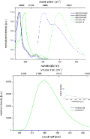
Figure 4: In situ Raman spectroscopy monitoring the synthesis of thiourea 28d in the solid-state. N-Thiocarba...
Scheme 11: a) The proposed synthesis of monosubstituted thioureas 32. b) Conversion of N-thiocarbamoyl benzotr...
Scheme 12: A few examples of mechanochemical amination of thiocarbamoyl benzotriazoles by in situ generated am...
Scheme 13: Mechanochemical synthesis of a) anion binding urea 33 by amine-isocyanate coupling and b) dialkylur...
Scheme 14: a) Solvent-free milling synthesis of the bis-urea anion sensor 35. b) Non-selective desymmetrizatio...
Scheme 15: a) HOMO−1 contours of mono-thiourea 19b and mono-urea 36. b) Mechanochemical synthesis of hybrid ur...
Scheme 16: Synthesis of ureido derivatives 38 and 39 from KOCN and hydrochloride salts of a) L-phenylalanine m...
Scheme 17: a) K2CO3-assisted synthesis of sulfonyl (thio)ureas. b) CuCl-catalyzed solid-state synthesis of sul...
Scheme 18: Two-step mechanochemical synthesis of the antidiabetic drug glibenclamide (2).
Scheme 19: Derivatization of saccharin by mechanochemical CuCl-catalyzed addition of isocyanates.
Scheme 20: a) Unsuccessful coupling of p-toluenesulfonamide and DCC in solution and by neat/LAG ball milling. ...
Scheme 21: a) Expansion of the saccharin ring by mechanochemical insertion of carbodiimides. b) Insertion of D...
Scheme 22: Synthesis of highly basic biguanides by ball milling.
Beilstein J. Org. Chem. 2017, 13, 648–658, doi:10.3762/bjoc.13.64
Graphical Abstract
Scheme 1: General strategy for surface functionalization based on sulfamide chemistry.
Scheme 2: Synthesis of the reference molecule sulfamide 1.
Figure 1: Contact angles of the gold surface, the 4-ATP SAM, the 4-ATP SAM after reaction with ArSO2NHOSO2Ar ...
Figure 2: (a) IR spectra of sulfamide 1 in bulk (solid state) (bottom) and adsorbed on gold (top). (b) PM-IRR...
Figure 3: High resolution S2p and N1s XPS spectra of the 4-ATP SAM, the 4-ATP SAM after reaction with 4-FC6H4...
Figure 4: High resolution S2p and N1s XPS spectra of the SAM 1 before (top) and after hydrolysis (bottom). Ri...
Beilstein J. Org. Chem. 2017, 13, 589–611, doi:10.3762/bjoc.13.58
Graphical Abstract
Figure 1: Examples of drugs bearing phenol or aryl thiol as central structural motifs.
Scheme 1: Hydroxylation of aryl halides using biphenylphosphine as ligand.
Scheme 2: Hydroxylation of aryl halides using tert-butylphosphine as ligand.
Scheme 3: Hydroxylation of aryl halides using imidazole typed phosphine ligands.
Scheme 4: [Pd(cod)(CH2SiMe3)2] catalyzed hydroxylation of aryl halides.
Scheme 5: Pd/PANI catalyzed hydroxylation of hydroxylation of aryl halides.
Scheme 6: MCM-41-dzt-Pd catalyzed hydroxylation of aryl halides.
Scheme 7: Hydroxylation of aryl halides using dibenzoylmethane as ligand.
Scheme 8: Hydroxylation of aryl halides using 2,2’-bipyridine as ligand.
Scheme 9: Hydroxylation of aryl bromides using imidazolyl pyridine as ligand.
Scheme 10: Hydroxylation of aryl halides using DMEDA as ligand.
Scheme 11: Hydroxylation of aryl halides using PAO as ligand.
Scheme 12: Hydroxylation of aryl halides using D-glucose as ligand.
Scheme 13: Hydroxylation of aryl halides using INDION-770 as ligand.
Scheme 14: PEG-400 mediated hydroxylation of aryl halides.
Scheme 15: Hydroxylation of aryl halides using glycolic acid as ligand.
Scheme 16: Hydroxylation of aryl halides using L-sodium ascorbate as ligand.
Scheme 17: Difunctionalized ethanes mediated hydroxylation of aryl iodides.
Scheme 18: Hydroxylation of aryl halides using 2-methyl-8-hydroxylquinoline as ligand.
Scheme 19: Hydroxylation of aryl halides using 8-hydroxyquinolin-N-oxide as ligand.
Scheme 20: Hydroxylation of aryl halides using lithium pipecolinate as ligand.
Scheme 21: Hydroxylation of aryl halides using L-lithium prolinate.
Scheme 22: Hydroxylation of aryl halides using triethanolamine as ligand.
Scheme 23: CuI-nanoparticle-catalyzed hydroxylation of aryl halides.
Scheme 24: Cu-g-C3N4-catalyzed hydroxylation of aryl bromides.
Scheme 25: Cu(OAc)2-mediated hydroxylation of (2-pyridyl)arenes.
Scheme 26: Removable pyridine moiety directed hydroxylation of arenes.
Scheme 27: Removable quinoline moiety directed hydroxylation of arenes.
Scheme 28: CuCl2 catalyzed hydroxylation of benzimidazoles and benzoxazoles.
Scheme 29: Disulfide-directed C–H hydroxylation.
Scheme 30: Pd(OAc)2-catalyzed hydroxylation of diarylpyridines.
Scheme 31: PdCl2-catalyzed hydroxylation of 2-arylpyridines.
Scheme 32: PdCl2-catalyzed hydroxylation of 2-arylpyridines.
Scheme 33: Pd(OAc)2-catalyzed hydroxylation of 2-arylpyridines.
Scheme 34: Pd(CH3CN)2Cl2-catalyzed hydroxylation of 2-arylpyridines.
Scheme 35: Pd(OAc)2-catalyzed hydroxylation of benzothiazolylarenes.
Scheme 36: Pd(OAc)2 catalyzed hydroxylation of benzimidazolylarenes.
Scheme 37: Dioxane mediated hydroxylation of 2-heteroarylarenes.
Scheme 38: Hydroxylation of oxime methyl ester.
Scheme 39: CN-directed meta-hydroxylation.
Scheme 40: Pd(OAc)2-catalyzed hydroxylation of benzoic acids.
Scheme 41: Pd(OAc)2-catalyzed hydroxylation of biaryl or aryl alkyl ketones.
Scheme 42: Pd(OAc)2 and Pd(TFA)2 catalyzed hydroxylation of aryl ketones.
Scheme 43: Pd(OAc)2 catalyzed hydroxylation of aryl ketones.
Scheme 44: Pd(TFA)2-catalyzed hydroxylation of aryl phosphonates.
Scheme 45: Hydroxy group directed hydroxylation.
Scheme 46: [Ru(O2CMes)2(p-cymene)] catalyzed hydroxylation of benzamides and aryl ketones.
Scheme 47: [RuCl2(p-cymene)]2-catalyzed hydroxylation of benzamides and carbamates.
Scheme 48: [RuCl2(p-cymene)]2 catalyzed hydroxylation of benzaldehydes.
Scheme 49: [RuCl2(p-cymene)]2 catalyzed hydroxylation of ethyl benzoates, benzamides and carbamates.
Scheme 50: Different regioselective ortho-hydroxylation.
Scheme 51: Ruthenium-complex-catalyzed hydroxylation of flavones.
Scheme 52: Vanadium-catalyzed hydroxylation of arenes.
Scheme 53: VOSiW-catalyzed hydroxylation of arenes.
Scheme 54: Synthesis of aryl thiols using thiourea as thiol source.
Scheme 55: Synthesis of aryl thiols using alkyl thiol as thiol source.
Scheme 56: Synthesis of 1-thionaphthol using HS-TIPS as thiol source.
Scheme 57: Synthesis of aryl thiols using sodium thiosulfate as thiol source.
Scheme 58: Synthesis of thiophenol using thiobenzoic acid as thiol source.
Scheme 59: Synthesis of aryl thiols using sulfur powder as thiol source.
Scheme 60: CuI-nanoparticles catalyzed synthesis of aryl thiols.
Scheme 61: Synthesis of aryl thiols using Na2S·5H2O as thiol source.
Scheme 62: Synthesis of aryl thiols using 1,2-ethanedithiol as thiol source.
Beilstein J. Org. Chem. 2017, 13, 564–570, doi:10.3762/bjoc.13.55
Graphical Abstract
Figure 1: A tripodal molecular pocket (a) [12] or jellyfish resembling receptors (b) [11,16].
Scheme 1: Example of Pd-catalyzed amination for modification of bile acid derivatives.
Scheme 2: Synthesis of 24-aminocholanols.
Scheme 3: Synthesis of 24-arylaminocholanols by Cu-catalyzed amination.
Scheme 4: Synthesis of 24-arylaminocholanols by Pd-catalyzed amination.
Figure 2: UV–vis spectra of 5c (50 μM solution in MeCN) before and after the addition of 5 equiv of metal per...
Beilstein J. Org. Chem. 2017, 13, 329–337, doi:10.3762/bjoc.13.36
Graphical Abstract
Scheme 1: Target reaction – intramolecular cyclisation of 1 followed by N-methylation with methanol to yield ...
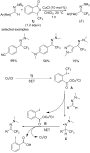
Figure 1: Simplified schematic demonstrating a self-optimising reactor [34,35,37,44]. The reagents are pumped into the sys...
Figure 2: Result of the SNOBFIT optimisation for N-methylpiperidine (2b) with and without CO2 showing yields ...
Scheme 2: Cyclisation and N-alkylation of 1,4- and 1,6-amino alcohols.
Scheme 3: a) Reactions highlighting the incorporation of CO2 in to 16. b) High temperature reaction of 15 yie...
Scheme 4: Summary of products obtained from the reactions of amino alcohols over γ-Al2O3 in scCO2.
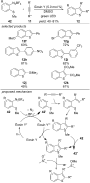
Figure 3: Diagram of the high pressure equipment used in the experiments.
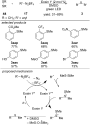
Beilstein J. Org. Chem. 2017, 13, 303–312, doi:10.3762/bjoc.13.33
Graphical Abstract
Figure 1: m-Sulfamoylbenzamides as Sirtuin 2 inhibitors (SIRT2) or suppressor of polyglutamine aggregation (p...
Figure 2: Syrris AFRICA system.