Search results
Search for "antibiotics" in Full Text gives 227 result(s) in Beilstein Journal of Organic Chemistry. Showing first 200.
Amino acid-based surfactants: sustainable synthesis and antimicrobial mechanisms
Beilstein J. Org. Chem. 2026, 22, 1067–1085, doi:10.3762/bjoc.22.85
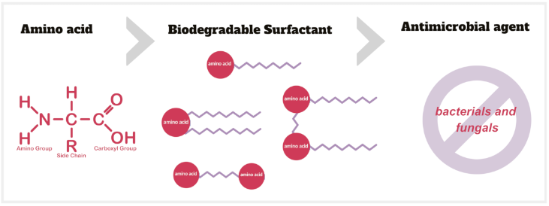
- developed adaptive resistance mechanisms, such as the production of enzymes that degrade antibiotics (such as β-lactamases), modifications to the target site of antimicrobials, alteration on the cell membrane permeability and activation of efflux pumps [79]. The rapid development of antibiotic resistance
- conventional antibiotics [102]. Cytotoxicity of amino acid-derived surfactants The amino acid-based surfactants have demonstrated powerful antimicrobial activity. Nonetheless, due to their charge and similarities to the cellular phospholipids, their use is limited due to their irritative and cytotoxic


Semisynthesis, characterisation, and antibacterial evaluation of a novel lecanoric acid-derived amide library
Beilstein J. Org. Chem. 2026, 22, 1023–1032, doi:10.3762/bjoc.22.81
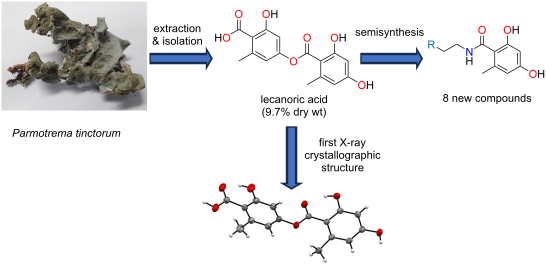
- to most antibiotics has triggered drug discovery efforts to identify more effective compounds [29][30]. Hence, cell growth was monitored, and a resazurin metabolic assay was performed to determine the effect of both the natural products 1–5 and the new semisynthetic amide analogues 6–13 on biofilm


Palladium-catalyzed benzocyclization reactions of quinoline-2-carboxamides via sequential C–H/N–H functionalization
Beilstein J. Org. Chem. 2026, 22, 905–914, doi:10.3762/bjoc.22.71
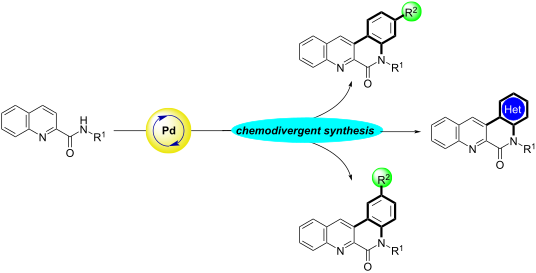
- intriguing moiety in biologically active compounds (e.g., natural products used for medicines, quinine, and quinidine [5][6][7]) and synthesized pharmaceutical agents (e.g., quinolone antibiotics [8]). Moreover, quinoline-2-carboxamide derivatives are used as ligands in organic synthesis owing to their high




Design, synthesis and biological evaluation of 2,5-diaryloxazolo[4,5-d]pyrimidin-7-ylamines as selective cytotoxic agents against HeLa cells
Beilstein J. Org. Chem. 2026, 22, 390–398, doi:10.3762/bjoc.22.27
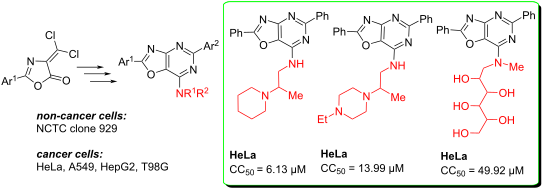
- essential medium (MEM, Sigma-Aldrich), fetal bovine serum (FBS, Sigma-Aldrich), antibiotics (Sigma-Aldrich), trypsin (Life Technologies), 3-(4,5-dimethylthiazol-2-yl)-2,5-diphenyltetrazolium bromide (MTT, Sigma-Aldrich), dimethylformamide (DMF, Sigma-Aldrich), sodium dodecylsulfate (SDS, Sigma-Aldrich


Streptoquinolines A and B, new antibacterial meroterpenoids produced by Streptomyces sp. TMPU-A0679
Beilstein J. Org. Chem. 2026, 22, 185–191, doi:10.3762/bjoc.22.12
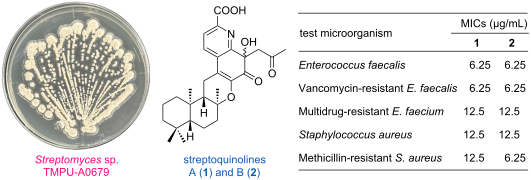
- Pathogens List (BPPL) in 2024, reaffirming VRE as a “High Priority Pathogen” for which research on and the development of new antimicrobial agents are urgently needed [4]. This emphasizes the continuing demand for antibiotics with novel chemical scaffolds and mechanisms of action. In our ongoing search for


Competitive cyclization of ethyl trifluoroacetoacetate and methyl ketones with 1,3-diamino-2-propanol into hydrogenated oxazolo- and pyrimido-condensed pyridones
Beilstein J. Org. Chem. 2025, 21, 2716–2729, doi:10.3762/bjoc.21.209
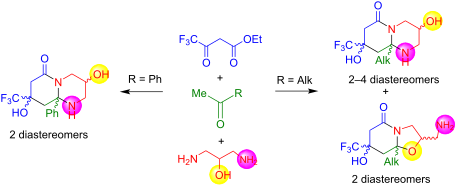
- compositions of antitumor antibiotics of the kigamycin family include the oxazolo[3,2-a]pyridine skeleton [55][56]. To obtain oxazolopyridones containing trifluoromethyl substituents, the syntheses have been proposed, which are based on the intramolecular cyclization of 1-phenyl-2-(4-(trifluoromethyl)piperidin


The high potential of methyl laurate as a recyclable competitor to conventional toxic solvents in [3 + 2] cycloaddition reactions
Beilstein J. Org. Chem. 2025, 21, 2389–2415, doi:10.3762/bjoc.21.184
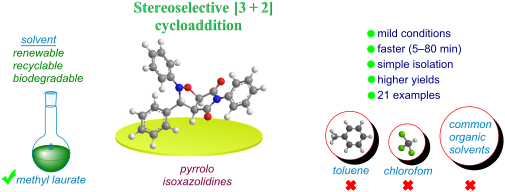
- consisting of a combination of isoxazolidine rings [36][37][38][39][40][41]. It has been demonstrated that such cycloaddition reactions are also employed in the efficient preparation of biologically active molecules, including nucleosides, β-lactam class antibiotics, peptides, and amino acids, as well as


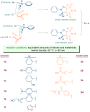


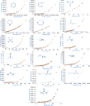


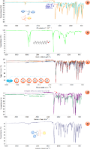
Recent advances in Norrish–Yang cyclization and dicarbonyl photoredox reactions for natural product synthesis
Beilstein J. Org. Chem. 2025, 21, 2315–2333, doi:10.3762/bjoc.21.177
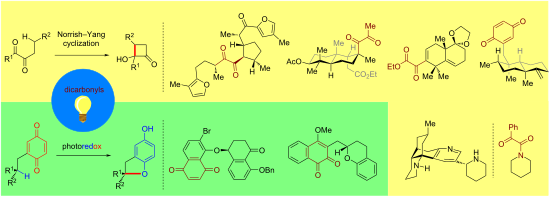
- natural product synthesis. This review summarizes the latest advancements in these reactions for constructing terpenoids, alkaloids, and antibiotics. Through Norrish–Yang cyclization, dicarbonyls (e.g., 1,2-diketones and α-keto amides) can efficiently construct sterically hindered ring structures, which
- as powerful tools for constructing complex molecular architectures. Centered on the structural diversity and synthetic relevance of target natural products, this review is divided into three main sections: terpenoids, alkaloids, and antibiotics. Each section highlights the recent application of
- epimers. This strategy merges photochemical selectivity with cross-coupling efficiency, avoiding reactive metal incompatibility and enabling precise stereocontrol for chiral nitrogen heterocycles. 3 Antibiotics 3.1 Synthetic study toward γ-rubromycin Since 2017, Suzuki's group has developed a


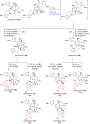


Discovery of cytotoxic indolo[1,2-c]quinazoline derivatives through scaffold-based design
Beilstein J. Org. Chem. 2025, 21, 2062–2071, doi:10.3762/bjoc.21.161
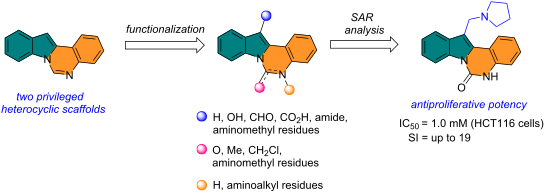
- Daniil V. Khabarov Valeria A. Litvinova Lyubov G. Dezhenkova Dmitry N. Kaluzhny Alexander S. Tikhomirov Andrey E. Shchekotikhin Gause Institute of New Antibiotics, 11 B. Pirogovskaya Street, Moscow 119021, Russia Engelhardt Institute of Molecular Biology, Russian Academy of Sciences, 32 Vavilov


Synthesis, biological and electrochemical evaluation of glycidyl esters of phosphorus acids as potential anticancer drugs
Beilstein J. Org. Chem. 2025, 21, 1909–1916, doi:10.3762/bjoc.21.148
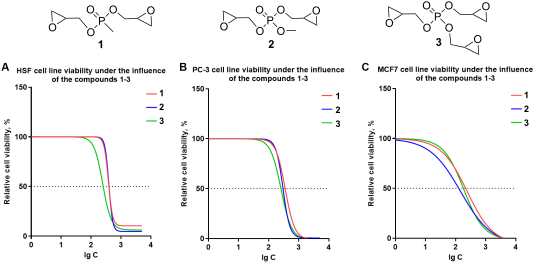
- maintained in Dulbecco’s Modified Eagle Medium (DMEM) supplemented with 5% fetal bovine serum (FBS), 1 mM ʟ-glutamine, and antibiotics (penicillin 5,000 U/mL and streptomycin 5,000 µg/mL). Cells were incubated at 37 °C in a humidified atmosphere with 5% CO2. For cytotoxicity assays, cells were seeded into 96


Research progress on calixarene/pillararene-based controlled drug release systems
Beilstein J. Org. Chem. 2025, 21, 1757–1785, doi:10.3762/bjoc.21.139
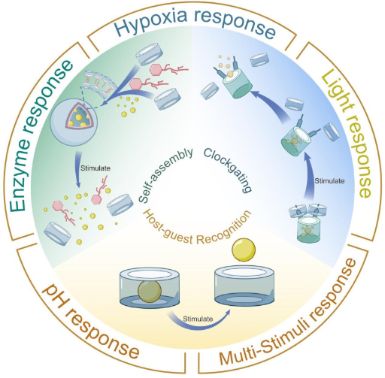
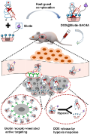
- drug design and therapeutic strategies. Notably, PA derivatives also exhibit specificity in recognizing important molecules in biological processes, such as acetylcholine [80], amino acids [81], doxorubicin (DOX) [82] and antibiotics [83], etc. Among the many derivatives, water-soluble pillar[5]arene
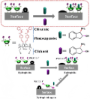
- develop more applications in biosensing and biotechnology. In 2024, Thongnuek and coworkers crafted a PA5-linked gelatin hydrogel incorporating the Azo-SMX drug (referred to as A-hydrogel), aiming to achieve light-regulated uptake and delivery of antibiotics (Figure 11) [118]. Azobenzene, when subjected






Approaches to stereoselective 1,1'-glycosylation
Beilstein J. Org. Chem. 2025, 21, 1700–1718, doi:10.3762/bjoc.21.133
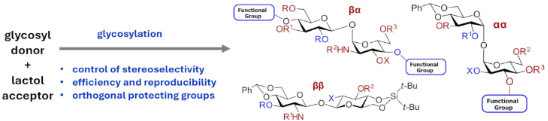
- structural components in mycobacterial glycans, microbial oligosaccharide and nucleoside antibiotics, as well as biologically active mimetics of bacterial pathogen-associated molecular patterns (PAMPs). As integral components of PAMPs, 1,1′-linked disaccharide-containing biomolecules play important roles in
- Salmonella [3] and Mycobacterium (e.g., M. tuberculosis, M. smegmatis, etc.) [4][5][6][7][8][9]. They are the constituents of microbial oligosaccharide antibiotics (mostly produced by genus Micromonospora and Streptomyces) belonging to the orthosomycins family (such as evernimicin, avilamycin, etc.) [10][11


Synthesis, characterization, antimicrobial, cytotoxic and carbonic anhydrase inhibition activities of multifunctional pyrazolo-1,2-benzothiazine acetamides
Beilstein J. Org. Chem. 2025, 21, 348–357, doi:10.3762/bjoc.21.25
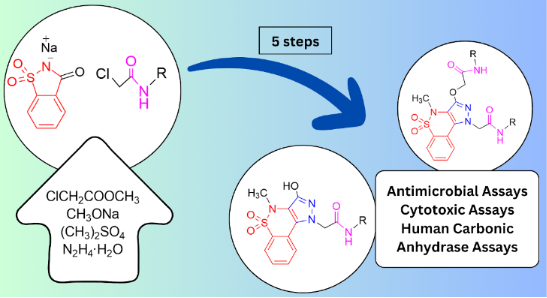
- 10.3762/bjoc.21.25 Abstract The advent of antibiotic resistance in microorganisms requires the discovery and synthesis of novel antibiotics. At the same time, human pathogens are contributing to chronic and persistent inflammation. Motivated by these two concerning issues, new antibiotic drug candidates
- prepared scaffolds are valuable additions to the class of pyrazolo-1,2-benzothiazine antibiotics with selective antistaphylococcal activity. Keywords: acetamides; antibiotics; antimicrobial; benzothiazines; Staphylococcus aureus; Introduction The global crisis of antibiotic resistance has been
- progressing for decades. Reasons behind this issue include over-prescribing of FDA-approved drugs, agricultural use, rapid resistance development, and declining rates of novel antibiotic discovery [1]. In fact, the rate of discovery of new classes of antibiotics is low compared to the development of

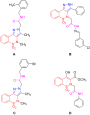
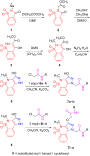

Antibiofilm and cytotoxic metabolites from the entomopathogenic fungus Samsoniella aurantia
Beilstein J. Org. Chem. 2025, 21, 327–339, doi:10.3762/bjoc.21.23
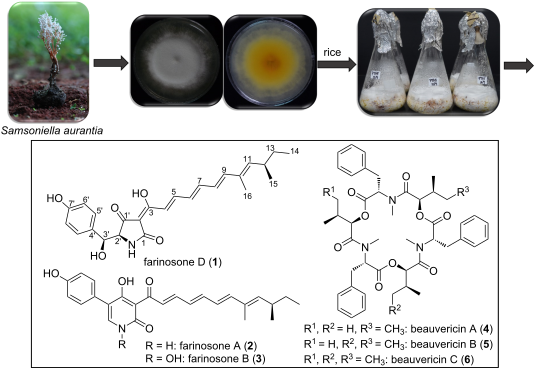
- responses [1]. Biofilm-forming microbes were found to be up to 1,000 times more resistant to antibiotics than their planktonic forms [2]. According to the fact sheets of the National Institute of Health (NIH) and the Center for Disease Control and Prevention (CDC), 65 and 80% of all microbial and chronic


Chemical structure metagenomics of microbial natural products: surveying nonribosomal peptides and beyond
Beilstein J. Org. Chem. 2024, 20, 3050–3060, doi:10.3762/bjoc.20.253

- for nutrient and space, and that “chemical weapons” of this sort are widespread in nature. Waksman used the BGF workflow to find more than 20 new antibiotics throughout his career, wherein microbial culture extracts were fractionated and then tested for antimicrobial activity. The active fractions
- metagenomics uses genetically tractable model organisms, such as Escherichia coli or Streptomyces albus, to express DNA extracted from the environment and then screen for the phenotype of interest [23][24]. This approach was used to identify BGCs that produce antibiotics, pigments, compounds that alter the
- antibiotics and secondary metabolite analysis shell (antiSMASH) further automated all of the following steps: take (meta-)genomic sequences as the input, identify BGCs for NRPs (and other natural products as well), parse out modules and domains, and finally outputs the order and identity of BBs of a predicted


Synthesis and antimycotic activity of new derivatives of imidazo[1,2-a]pyrimidines
Beilstein J. Org. Chem. 2024, 20, 2806–2817, doi:10.3762/bjoc.20.236
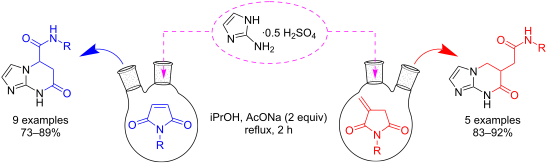
- St., 344090 Rostov-on-Don, Russian Federation Clinical Laboratory Diagnostics Department, N. N. Burdenko Voronezh State Medical University, 10 Studencheskaya St., 394036 Voronezh, Russian Federation Gause Institute of New Antibiotics, 11 B. Pirogovskaya St., 119021 Moscow, Russian Federation Organic


Tandem diazotization/cyclization approach for the synthesis of a fused 1,2,3-triazinone-furazan/furoxan heterocyclic system
Beilstein J. Org. Chem. 2024, 20, 2342–2348, doi:10.3762/bjoc.20.200

- products and pharmacologically active molecules. For example, nucleic acids, proteins and enzymes, hormones and vitamins, essential for the functioning of a living organism, also contain nitrogen frameworks [1][2]. Besides that, nitrogen-containing compounds are widely used in medicine as antibiotics


Efficacy of radical reactions of isocyanides with heteroatom radicals in organic synthesis
Beilstein J. Org. Chem. 2024, 20, 2114–2128, doi:10.3762/bjoc.20.182
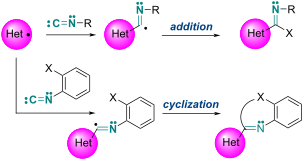
- yields the sequential addition products 9 in moderate to excellent yields (Scheme 5) [33]. The product can be used as a precursor for the carbapenem scaffold, one of the basic scaffolds of antibiotics. Thermal or photoirradiated decomposition of organotellurium compounds generates carbon radicals that


Allostreptopyrroles A–E, β-alkylpyrrole derivatives from an actinomycete Allostreptomyces sp. RD068384
Beilstein J. Org. Chem. 2024, 20, 1981–1987, doi:10.3762/bjoc.20.174
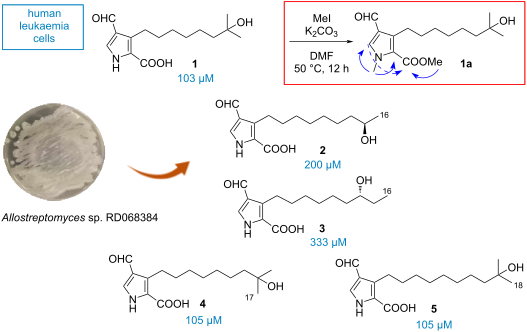
- of this specific composition have not been reported. The pyrrole-2-carboxyl skeleton is a recurring framework in pyrrolic natural products including microbial pyrrolostatin and aminocoumarin antibiotics [2], plant-derived brachystemidines [26], and lamellarins from marine invertebrates [6] (Figure


Access to 2-oxoazetidine-3-carboxylic acid derivatives via thermal microwave-assisted Wolff rearrangement of 3-diazotetramic acids in the presence of nucleophiles
Beilstein J. Org. Chem. 2024, 20, 1894–1899, doi:10.3762/bjoc.20.164

- (azetidin-2-one) scaffold to medicinal chemistry and drug design is self-evident. This four-membered heterocycle is a key fragment of many antibiotics [1], including penicillin and its analogues, as well as other pharmacologically important molecules [2]. Therefore, the search for new efficient and


Discovery of antimicrobial peptides clostrisin and cellulosin from Clostridium: insights into their structures, co-localized biosynthetic gene clusters, and antibiotic activity
Beilstein J. Org. Chem. 2024, 20, 1800–1816, doi:10.3762/bjoc.20.159

- substantial threat to global public health, demanding urgent attention and action. This study focuses on lanthipeptides, ribosomally encoded peptides that display significant structural diversity and hold promising potential as antibiotics. Genome mining was employed to locate biosynthetic gene clusters (BGCs
- ], a number expected to increase exponentially. One fundamental objective of the Global Action Plan on Antimicrobial Resistance by the World Health Organization (WHO) is the investment in developing new drugs, diagnostic tools, vaccines, and other interventions [2]. In this context, many antibiotics
- compounds. For example, the discovery of teixobactin [8] has paved the way for developing antibiotics with innovative mechanisms of action. Similarly, the discovery of halicin, a molecule identified through a machine learning-based approach, has shown promise as a broad-spectrum antimicrobial agent




Methyltransferases from RiPP pathways: shaping the landscape of natural product chemistry
Beilstein J. Org. Chem. 2024, 20, 1652–1670, doi:10.3762/bjoc.20.147
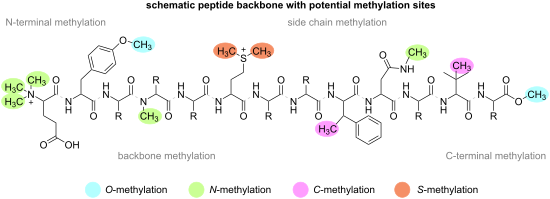
- spectrum and loses all activity when unmethylated. Although the mode of action is unclear, the methylations are essential to the bioactivity. CypM methylates many oligopeptides that mimic the cypemycin N-terminal sequence, and unrelated peptide antibiotics. Additionally, CypM methylates short oligopeptides
- with N-terminal alanine, serine, threonine, glycine, and methionine residues, as well as the antibiotics nisin and haloduracin with good efficiency. Nisin was methylated on its N-terminal isoleucine and on the side chain of Lys12, where two methylations occurred. It is important to note that N




Photoswitchable glycoligands targeting Pseudomonas aeruginosa LecA
Beilstein J. Org. Chem. 2024, 20, 1486–1496, doi:10.3762/bjoc.20.132
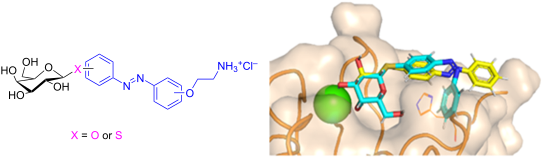
- the leading cause of morbidity and mortality in cystic fibrosis and immunocompromised patients and as one of the leading causes of nosocomial infections [1]. Due to the existence of numerous molecular mechanisms conferring resistance to multiple classes of antibiotics, therapeutic options are
- increasingly limited for treatment of infections. PA has been classified as a priority 1 pathogen by the WHO [2][3]. Various approaches to treating PA, in addition to traditional antibiotics, have been developed including inhibition of quorum sensing, biofilm formation, iron chelation, and interfering with
- formation [5][6][7][8]. Building synthetic glycoconjugates for the inhibition and modulation of bacterial lectins responsible for biofilm formation have shown promising results [9][10]. Unlike antibiotics, lectin inhibitors could prevent pathogenicity by interfering with virulence factors instead of killing


Activity assays of NnlA homologs suggest the natural product N-nitroglycine is degraded by diverse bacteria
Beilstein J. Org. Chem. 2024, 20, 830–840, doi:10.3762/bjoc.20.75
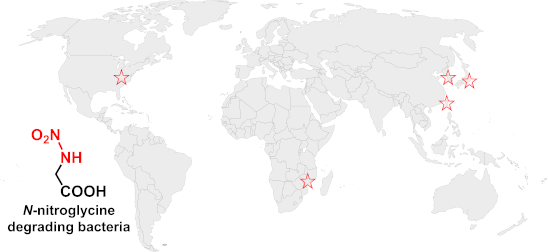
- portion of NNG would be expected to exist as the inhibitory nitronate form at physiological pH, suggesting another potential role for nitramine groups as potent warheads in antibiotics. This antibiotic activity may also require further modification of NNG or its incorporation into a larger natural product
- of NNG. Cells were incubated overnight in 1/5 LB, 20 µM IPTG, 3 mM NNG with appropriate antibiotics, incubated overnight at 37 °C. Molecular mass determination of purified NnlA homologs by A) SDS-PAGE or B) analytical size exclusion chromatography. Homolog labeled in figure. Mobile phase and sample


Methodology for awakening the potential secondary metabolic capacity in actinomycetes
Beilstein J. Org. Chem. 2024, 20, 753–766, doi:10.3762/bjoc.20.69
- “rare actinomycetes”, and the secondary metabolites produced by these species have thus attracted increasing attention. Indeed, an increasing proportion of newly identified antibiotics are reportedly produced by rare actinomycetes [20]. Igarashi and colleagues have also focused on various rare
- [46]. Finally, several studies have reported the modulation of secondary metabolic activation in actinomycetes using small molecules. For example, Ochi et al. proposed the “ribosome engineering” technique, in which actinomycetes are cultured with antibiotics to activate secondary metabolism by
- production of antibiotics such as actinorhodin (ACT, 8), undecylprodigiosin (RED, 21), and calcium-dependent antibiotic (CDA, 22) in Streptomyces coelicolor M145 (Figure 3b). Chen et al. and Shu et al. reported that under stress associated with high concentrations of glutamate, AfsQ1/Q2 is important not only