Search results
Search for "reactions" in Full Text gives 3232 result(s) in Beilstein Journal of Organic Chemistry. Showing first 200.
Construction of CF2 moieties in FDA-approved drugs (2016–2025): industrial routes, mechanisms, and scale-up considerations
Beilstein J. Org. Chem. 2026, 22, 1122–1150, doi:10.3762/bjoc.22.91
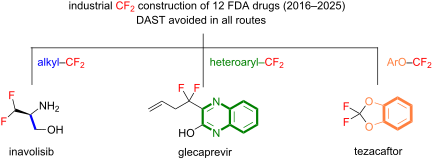
- irradiation to react, whereas ClCF2COOEt proceeds smoothly under conventional mild conditions without the need for photochemical reactions. This strategy offers a new approach for the synthesis of 47. Routes d, e, and f all start from chiral raw materials, thus completely avoiding the formation of chiral
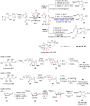
- expenses associated with cryogenic reactions and fluorinating reagents, may need to be evaluated for industrial production. This electrophilic fluorination approach at the 2-position of the furanose ring is concise and direct. Similar reports of two-step halogenations at the 2-position of furanose rings






Controlled supramolecular assemblies of luminescent tridentate cyclometalated alkynylgold(III) amphiphiles in aqueous media
Beilstein J. Org. Chem. 2026, 22, 1097–1106, doi:10.3762/bjoc.22.88
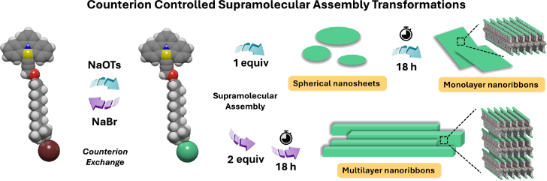
- commercial reagents were purchased from Acros Organics, Aladdin, Bidepharm, Dieckmann, Macklin and Tokyo Chemical Industry Co. Ltd, and were used as received unless otherwise specified. All reactions were performed under nitrogen unless otherwise specified. Analytical thin-layer chromatography (TLC) was


Amino acid-based surfactants: sustainable synthesis and antimicrobial mechanisms
Beilstein J. Org. Chem. 2026, 22, 1067–1085, doi:10.3762/bjoc.22.85
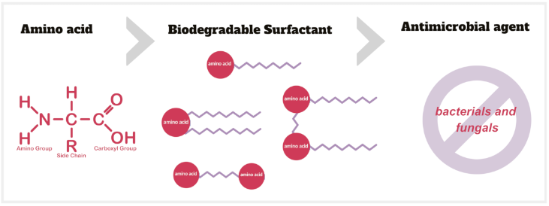
- reactions. N-Alkylation is mainly achieved either by reductive amination with long-chain aldehydes followed by chemical reduction, or by direct nucleophilic substitution using activated alkyl halides or sulfonates [6][10][13]. Reductive amination generally affords improved control over mono-N-alkylation and
- moderate to high yields, whereas direct alkylation requires strict stoichiometric and reaction control to minimize overalkylation and side reactions [13]. In addition, double-chain derivatives (e.g., LANHCn) are commonly obtained via aminolysis of methyl esters with long-chain amines under thermal
- conditions [36]. Carboxylic acid activation and amide bond formation are commonly performed using acyl chlorides in Schotten–Baumann-type reactions or carbodiimide-mediated coupling agents such as DCC or EDC, providing high conversions under relatively mild conditions [3][6]. Reported yields generally range


One-pot four-component sequential synthesis of S-alkyl dithiocarbamates using lipase as a biocatalyst
Beilstein J. Org. Chem. 2026, 22, 1048–1056, doi:10.3762/bjoc.22.83
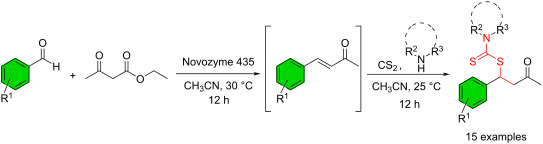
- the development of efficient and diverse synthetic methodologies for S-alkyl dithiocarbamates remains crucial. The synthesis of S-alkyl dithiocarbamates is primarily achieved through multicomponent reactions [17][18] that involve primary or secondary amines, carbon disulfide (CS2), and electrophilic
- alkyl precursors, such as alkyl halides [16], sulfonium salts [19], diazo compounds [20], methylarenes [21], or α,β-unsaturated compounds [8][22]. While three-component reactions are predominant in the synthesis of S-alkyl dithiocarbamates [23][24], the exploration of four-component, one-pot reactions
- reactions, including Michael [33] and Mannich [34] reactions. In 2009, Feng et al. demonstrated the use of this promiscuity in the Knoevenagel condensation/decarboxylation reaction to synthesize α,β-unsaturated compounds with ketone groups [35]. These compounds are valuable as Michael acceptors in the


Synthesis of novel 1,2,4-oxadiazole-isoxazoline hybrids and their in silico potential with adenosine receptors
Beilstein J. Org. Chem. 2026, 22, 1033–1047, doi:10.3762/bjoc.22.82
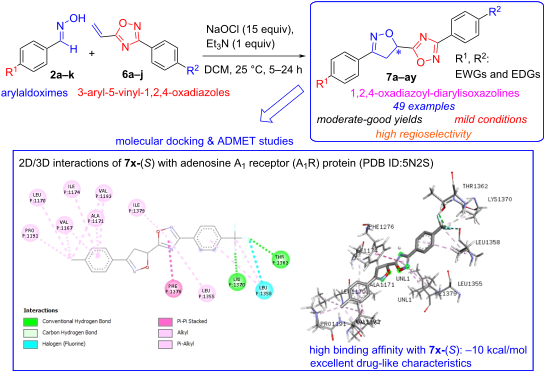
- –97%) and fully characterized by IR, NMR, and HRMS analyses. The reactions exhibited high regioselectivity, exclusively affording 5-isoxazoline derivatives, while substituent effects played a decisive role in modulating reaction efficiency. In silico studies revealed that all hybrids 7a–ay display
- , palladium-catalyzed reactions, anodic oxidations, transformations from other heterocycles or 1,3-dipolar cycloaddition [29][30][31][32][33][34][35][36][37][38][39][40][41][42][43][44]. For isoxazoline derivatives, the 1,3-dipolar cycloaddition (1,3-DC) of nitrile oxides serves as a fundamental synthetic
- tool. These reactions are generally governed by HOMO–LUMO orbital interactions between the dipole and dipolarophile. While substituent effects on the nitrile oxide dipole are minimal, monosubstituted alkenes typically yield 5-substituted isoxazolines with high regioselectivity due to steric and


Semisynthesis, characterisation, and antibacterial evaluation of a novel lecanoric acid-derived amide library
Beilstein J. Org. Chem. 2026, 22, 1023–1032, doi:10.3762/bjoc.22.81
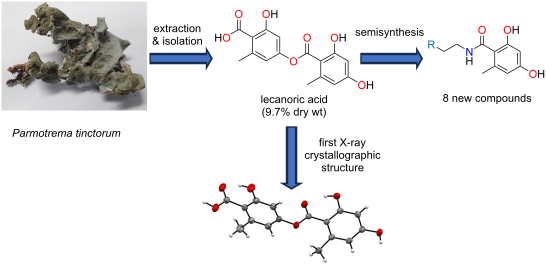
- commercially available primary amines, several trial amidation reactions were undertaken. This involved scaffold 1 (20 mg) being reacted with the abundant and moderately volatile isopentylamine (bp 95–97 °C) at three different reaction times (i.e., 1 h, 2 h, and 4 h), with temperature and stirring conditions
- kept consistent. Work-up and purification of each reaction involved the utilisation of semipreparative RP-HPLC (MeOH/H2O/0.1% TFA). 1H NMR and UHPLC–MS of all UV-active HPLC fractions from the three trial reactions confirmed that lecanoric acid had reacted as expected, with nucleophilic attack of the
- proven unsuccessful to date. These inseparable mixtures were deemed to account for the low yield obtained for the amide derivative 6 from each of the three trial reactions. Despite the low yield of the targeted amide analogue 6, the high purity and sufficient quantity for characterisation studies and


Synthesis and optical resolution of 4,5-diaminohomoadamantane: a promising scaffold for chiral ligands and bioactive compounds
Beilstein J. Org. Chem. 2026, 22, 1013–1022, doi:10.3762/bjoc.22.80
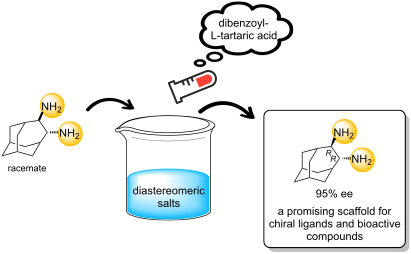
- based on a rigid polycyclic framework such as homoadamantane remain underexplored. We anticipated that the unique steric and lipophilic properties of chiral trans-4,5-diaminohomoadamantane could provide the necessary stereoinduction in metal-catalyzed asymmetric reactions. In addition, such structures
- CAM-B3LYP functional and the 6-311G++(2d,2p) basis set with solvation by CH2Cl2 in the SMD model on the base of conformational analysis. Catalytic systems based on (4R,5R)-4,5-diaminohomoadamantane derivatives exhibited low to moderate asymmetric induction in Henry and Michael reactions. These results
- decided to focus on new approaches to the synthesis of 4,5-diaminohomoadamantane, its chiral resolution, and to test its applicability as chirality-inducing ligand in selected model reactions. We commenced the study using a route for the synthesis of 4,5-diaminohomoadamantane from azidoxime 4. Initially


Z-Selective semihydrogenation of alkynes via Ni/Lewis acid synergistic catalyzed system using DMF as hydrogen source and solvent
Beilstein J. Org. Chem. 2026, 22, 1004–1012, doi:10.3762/bjoc.22.79
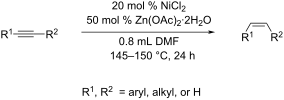
- proceeded to screen various Lewis acids (50 mol %) for the semihydrogenation of diphenylacetylene (1a). The reactions were conducted in DMF at 150 °C for 24 h, and the results are compiled in Table 2. Unsurprisingly, the Lewis acid proved crucial: in its absence, only a 9% GC yield of 2a was obtained (Table
- groups (F, Cl, Br) remained intact under the reaction conditions without side reactions, fully demonstrating the good functional group tolerance and substrate generality of this catalytic system. We speculate that the relatively moderate isolated yields mainly originate from the thermal polymerization of
- hydrogenation systems. HCOOH then reacts with the Ni species to form a formate nickel hydride intermediate B (HCOONi(II)H), a key species documented in nickel-catalyzed hydrogen-transfer reactions. Subsequent selective insertion of the internal alkyne into the Ni–H bond of B affords the vinyl-nickel



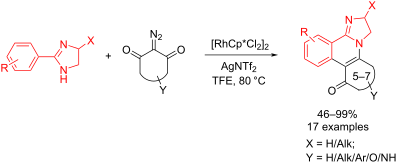
Rh(III)-catalyzed chelation-assisted C–H activation/annulation of 2-arylimidazolines with cyclic diazo-1,3-dicarbonyl compounds: a novel approach to tetracyclic annulated derivatives of 2,3-dihydroimidazo[2,1-a]isoquinoline
Beilstein J. Org. Chem. 2026, 22, 997–1003, doi:10.3762/bjoc.22.78
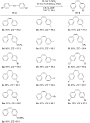
- –g): Published examples of chelation-assisted C–H activation/annulation of other five-membered heterocycles. Structures of products from unsuccessful reactions of 2-arylimidazolines with diazo 1,3-dicarbonyl compounds. aTrace amounts were detected by 1H NMR of crude reaction mixtures. bNot observed


The role of spacer length and flexibility in peptide self-assembly
Beilstein J. Org. Chem. 2026, 22, 986–996, doi:10.3762/bjoc.22.77
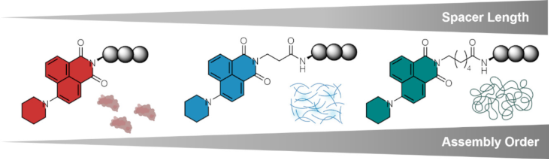
- (2.5%) acting as scavengers to suppress carbocation-mediated side reactions [38]. Furthermore, the utilization of the Clt-resin, instead of the commonly used Wang resin, reduced S-alkylation of the thiol side chains [39]. C0-Nap-ICA 8 was obtained through coupling of C0-Nap 5 to H2N-Cys-Ala-Clt-resin


Novel macrocycles: from synthesis to supramolecular function
Beilstein J. Org. Chem. 2026, 22, 982–985, doi:10.3762/bjoc.22.76

- designed protection and functionalization sequences, the authors introduced orthogonal reactive groups at opposite rims of the macrocycle. The synthetic versatility of these systems was demonstrated by copper-catalyzed “click” reactions and amine-based transformations, yielding highly functionalized
Electrochemical reduction of unsaturated carbon–carbon bonds via 3d transition-metal catalysis
Beilstein J. Org. Chem. 2026, 22, 955–981, doi:10.3762/bjoc.22.75
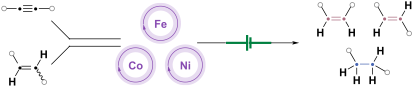
- configurations [75][76][77][78] have recently emerged as promising platforms for scalable electrochemical hydrogenation reactions. These advanced architectures offer enhanced mass transport, significantly reduced ohmic resistance, and the capability to operate at industrially relevant current densities, thereby
- reductive chemical transformations [110]. In 2022, Peters and co-workers demonstrated that a nickel-based electrocatalyst for hydrogen evolution reactions (HER) can be repurposed as a hydride-delivery agent through incorporation of a cobalt-based PCET mediator under constant potential electrolysis with a
- suppressing undesired side reactions, most notably hydrogen evolution reactions (HER) (Scheme 12A) [126]. This catalytic platform enabled selective semihydrogenation of both internal and terminal alkynes, including unactivated substrates, with broad tolerance toward heterocycles and alcohol functionalities








Synthesis of sterically shielded piperidine nitroxides via acid-catalyzed heterocyclization of β-aminoketone derivatives with ketones
Beilstein J. Org. Chem. 2026, 22, 948–954, doi:10.3762/bjoc.22.74
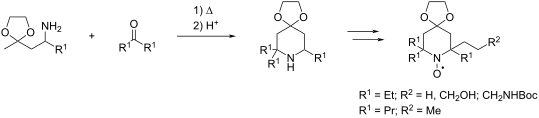
- reactions of cyclic nitrones with organometallic compounds is a fruitful approach for the synthesis of sterically shielded radicals of the pyrrolidine, imidazoline, and imidazolidine series [23], including those with functional groups in the side chains [24]. Here we applied this strategy for the synthesis


Recent advances in copper-catalyzed direct hydroamination of alkenes with (hetero)aromatic amines
Beilstein J. Org. Chem. 2026, 22, 925–947, doi:10.3762/bjoc.22.73
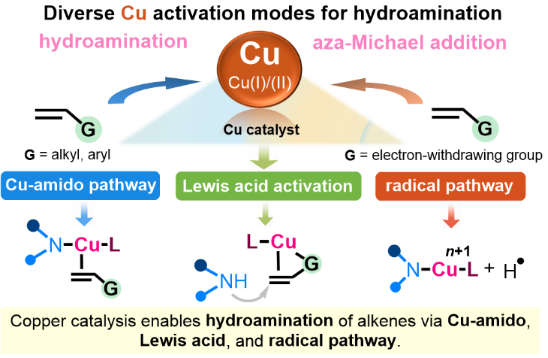
- Cu as a catalytic platform for C–N bond construction. Unlike earlier review articles that broadly covered copper-catalyzed C–N bond-forming reactions or hydroamination chemistry across diverse nitrogen sources [24][25][26][27], this review places a clear and specific emphasis on recent advances in
- β-amino nitrile motifs, which are commonly found in biologically active molecules. However, the relatively low nucleophilicity of aromatic amines and N-heteroaromatic substrates often limits their reactivity in conjugate addition reactions. To overcome this limitation, transition metal catalysis has
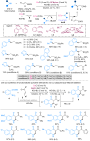
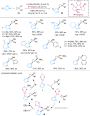
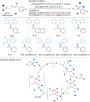
- nucleophilicity, facilitating conjugate addition to electron-deficient alkenes. The formation of such well-defined copper–amido complexes provides valuable mechanistic insights into copper-catalyzed hydroamination and conjugate addition reactions. Pioneering studies by Gunnoe et al. describe the synthesis and







A practical CO2-mediated synthesis of 5,6-carboxylated silicon-rhodamines for targeted probe development
Beilstein J. Org. Chem. 2026, 22, 915–924, doi:10.3762/bjoc.22.72
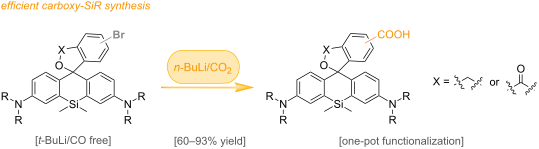
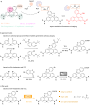
- derivatives can be directly used in subsequent amidation reactions with targeting ligands without column chromatography, facilitating the rapid construction of high-performance targeted fluorescent probes. Overall, this strategy provides a straightforward, efficient, and practical synthetic route for the
- . Importantly, these species lack a carboxy group and therefore cannot participate in subsequent amide coupling reactions. Moreover, although small amounts of these byproducts were formed, they did not significantly interfere with the subsequent reactions. Thus, the reaction mixtures could be extracted with



Palladium-catalyzed benzocyclization reactions of quinoline-2-carboxamides via sequential C–H/N–H functionalization
Beilstein J. Org. Chem. 2026, 22, 905–914, doi:10.3762/bjoc.22.71
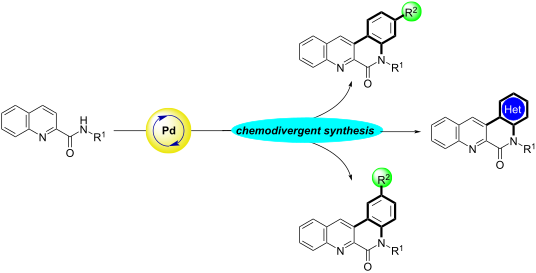
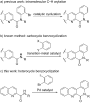
- metal affinity [9][10]. It is therefore expected that annulation of the amide moiety in quinoline-2-carboxamides would extend their functionality as biologically active structures, ligands, and extractants. Transition-metal-catalyzed coupling reactions are crucial for constructing carbon–carbon and
- carbon–heteroatom bonds. The classical coupling reactions, such as Kumada–Tamao–Corriu coupling [11][12][13], Sonogashira coupling [14][15], Negishi coupling [16][17], Migita–Kosugi–Stille coupling [18][19][20], Suzuki–Miyaura coupling [21][22], and Hiyama coupling [23][24] involve carbon–halogen and
- carbon–metal species (Scheme 1a). Fagnou and co-workers reported direct arylation reactions with palladium(II) acetate to synthesize biaryl compounds via concerted metalation–deprotonation (CMD; Scheme 1b) [25][26][27]. Buchwald, Hartwig, and co-workers explored carbon–nitrogen coupling reactions that




Cascade transformation of 2-(diazoacetyl)-2H-azirines to 2-aroyl-3-hydroxy-1H-pyrroles via condensation with aromatic aldehydes
Beilstein J. Org. Chem. 2026, 22, 897–904, doi:10.3762/bjoc.22.70
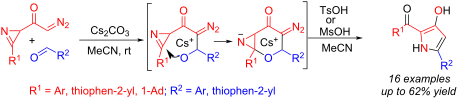
- azirine 1. Alkylation and triflation reactions of pyrrole 5a. Optimization of the synthesis of pyrrole 5a.a Supporting Information Deposition number CCDC 2536266 (compound 5a) contains the supplementary crystallographic data for this paper. These data are provided free of charge by the joint Cambridge


Chiral cyclopropenimine-catalyzed enantioselective Michael reactions of phenol and benzofuran-derived α,β-unsaturated pyrazolamides with benzophenone-imine of glycine esters
Beilstein J. Org. Chem. 2026, 22, 888–896, doi:10.3762/bjoc.22.69
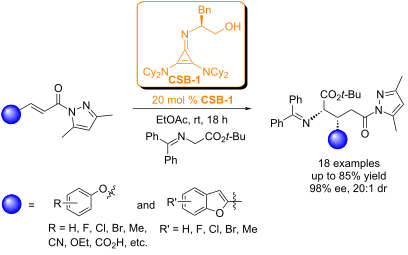
- , 710032, China School of Pharmacy, Lanzhou University, Lanzhou, 730000, China 10.3762/bjoc.22.69 Abstract The enantioselective Michael reactions of benzophenone-imine of glycine esters with phenol- and benzofuran-derived α,β-unsaturated pyrazolamides have been realized by using a chiral cyclopropenimine
- reactions of phenol- and benzofuran-derived α,β-unsaturated pyrazolamides with benzophenone-imine of glycine esters by a chiral cyclopropenimine (CSB-1) to give 3-substituted glutamic and pyroglutamic acid esters in up to 98% ee and 20:1 diastereomeric ratio. In this reaction, a phenoxymethyl or benzofuryl
- asymmetric Michael reactions between β-substituted α,β-unsaturated ester 1a and benzophenone-imine of glycine tert-butyl ester 2a in the presence of 20 mol % of CSB-1 and other chiral tertiary amine catalysts including quinine, levamisole, (+)-sparteine (Scheme 1). To our disappointment, the results showed






Diastereodivergent electrophilic trapping of α-boryl lithium derivatives
Beilstein J. Org. Chem. 2026, 22, 882–887, doi:10.3762/bjoc.22.68
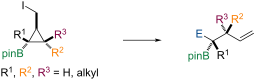
- their stereoselective reactions remains challenging. Here, we examine the diastereoselective generation and trapping of α-boryl lithium species formed by ring opening of substituted iodomethylcyclopropanes. After lithium–iodine exchange and selective C–C bond cleavage, these intermediates react with a
- engaging in diverse bond-forming processes, including C–C, C–O and C–N bond formations [3][4][5][6][7][8][9][10][11][12][13][14][15][16][17][18][19][20][21][22][23][24]. Despite their growing utility, controlling the stereoselectivity in substitution reactions of α-boryl carbanions remains a formidable
- diverse catalytic and stereoselective transformations [28][29][30][31][32][33]. In this context, we have recently demonstrated that a broad range of arylated (iodomethyl)cyclopropylboronic ester 2 [34] undergo ring-opening reactions, followed by electrophilic trapping of the resulting α-boryl carbanion




Site-specific labelling of native peptides and proteins: chemical and enzymatic strategies
Beilstein J. Org. Chem. 2026, 22, 857–881, doi:10.3762/bjoc.22.67
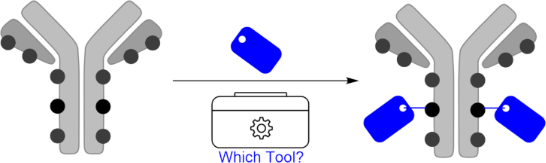
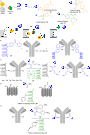
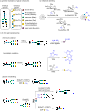
- research to commercial applications: site-specificity, usability and scalability. Site-specificity. The ideal modification chemistry targets a single, well-defined site without stochastic off-site reactions. Product homogeneity enhances safety by mitigating toxic by-products that require excessive
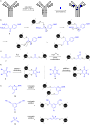
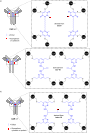
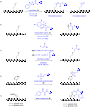
- (19) was later adapted for modification of an asparagine (Asn) residue in the Fc domain of trastuzumab [61]. Rhodium has also been used in visible-light-triggered single-electron transfer (SET) reactions, enabling labelling under mild conditions with spatiotemporal control. Another strategy employs a
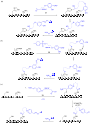
- binder to its target protein [52][53][54][55], whereas incorporation of DAP requires photodeprotection [47]. Furthermore, all current proximity-directed reagents, including catalytic systems such as the reactions mediated by DMAP and PyOx (Scheme 7d and 7e), still require extensive screening and









The trans-influence in gold chemistry from a catalytic perspective
Beilstein J. Org. Chem. 2026, 22, 838–856, doi:10.3762/bjoc.22.66
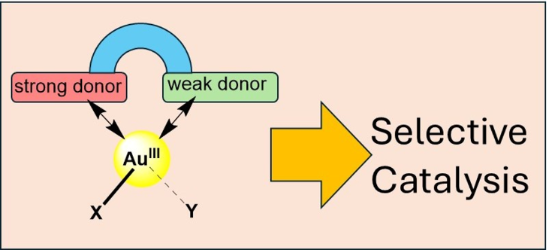
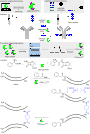
- also controls the nature of the gold frontier orbitals. This Perspective highlights recent insights into the origins and consequences of the ligand trans-influence and its importance for the energetics of gold-catalysed reactions, with special emphasis on the trans-influence in gold(III) hydrides and
- and reactivity in catalytic reactions [11][12][13][14][15][16][17][18][19]. There is however one important aspect of gold chemistry that is often under-appreciated: the strong control of reactions by the influence of a given ligand on another ligand in trans position, known as the trans-influence
- electronic aspects such as photoluminescence and the spectroscopic and reactivity properties of gold(III) hydrides, before moving on to trans-influence enabled insertion reactions and catalytic applications. Perspective General considerations “Trans-influence” is a term applied to the weakening or


Unsymmetrical sulfoxides with sterically hindered catechol fragment: synthesis, structure, electrochemical properties, and antiradical activity
Beilstein J. Org. Chem. 2026, 22, 828–837, doi:10.3762/bjoc.22.65
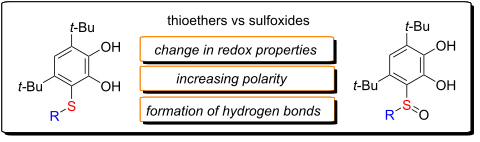
- , and antibacterial agents [6][7][8]. However, the practical utility of such type of compounds extends beyond biomedical applications. For instance, Michael addition reactions between dithiols and phenolic compounds yield cross-linked, colorless polymer films with universal adhesion and high stability


Synthesis and structural elucidation of a novel bis-spirooxindole from isatin and ethylenediamine
Beilstein J. Org. Chem. 2026, 22, 813–820, doi:10.3762/bjoc.22.63
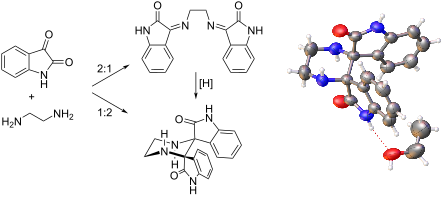
- complexity and, in some cases, unexpected reaction outcomes. In reactions involving amino acids or diamines, the coexistence of multiple nucleophilic and electrophilic sites can give rise to competing pathways and polycyclic architectures. A well-documented example is the condensation of isatin (1) with ʟ
- may proceed beyond simple imine formation and generate highly condensed frameworks. A related behavior has been observed in reactions of isatin with diamines. Whereas condensation with propan-1,3-diamine (10) under controlled stoichiometry affords the corresponding diiminoisatin 11 (Scheme 2) [18
- ], reactions involving N-methylated ethylenediamines like 12 or 13 lead to spirocyclic products (14 and 15) [19]. These outcomes were rationalized through the involvement of imine and dipolarophilic intermediates (16 and 17), highlighting the sensitivity of the system to substitution at nitrogen. Furthermore


Knoevenagel condensation of 4,5- and 1,8-diazafluorenes
Beilstein J. Org. Chem. 2026, 22, 803–812, doi:10.3762/bjoc.22.62
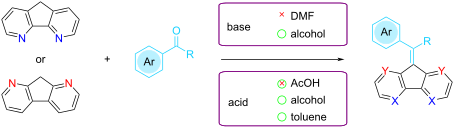
- for their synthesis involves coupling reactions of diazafluoren-9-one [4][6][7] or diazafluoren-9-diazomethane [17][18] with thiones yielding the products in moderate yields (20–70%). However, these routes require the preliminary synthesis of malodorous thiones and diazomethane derivatives from the
- malononitrile or acetonitrile derivatives [14][19][20]. However, the use of diazafluorenes as the methylene component in condensation reactions remains underexplored. These reactions can be carried out under basic [13][21], acidic [3][5] or Lewis acid catalysis [15][22], but the corresponding literature
- iminium cation. Additionally, we performed the condensation of diazafluorenes with ketones yielding unique di(pyridin-2-yl)methylene)-9H-diazafluorenes. Results and Discussion Basic conditions Following the typical protocol of the Knoevenagel condensation, the reactions of 4,5- and 1,8-diazafluorenes with




Synthetic study of vic-bromination of diarylacetylenes, easy purification and separation
Beilstein J. Org. Chem. 2026, 22, 795–802, doi:10.3762/bjoc.22.61
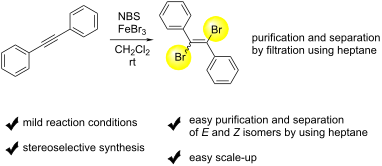
- ; Introduction The addition reaction of bromine to diphenylacetylene is one of basic reactions and is recognized as important, because resulting 1,2-dibromo-1,2-diphenylethylene can serve as a precursor for various molecular transformations in organic synthesis [1][2]. This reaction seems to be simple, but some