


Search results
Search for "asymmetric synthesis" in Full Text gives 234 result(s) in Beilstein Journal of Organic Chemistry. Showing first 200.
Asymmetric synthesis of β-amino cyanoesters with contiguous tetrasubstituted carbon centers by halogen-bonding catalysis with chiral halonium salt
- Yasushi Yoshida,
- Maho Aono,
- Takashi Mino and
- Masami Sakamoto
Beilstein J. Org. Chem. 2025, 21, 547–555, doi:10.3762/bjoc.21.43
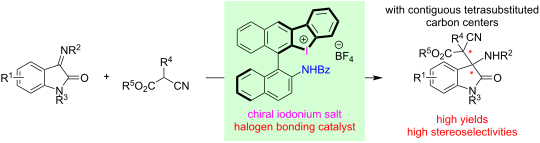
- , which formed the corresponding products in high to excellent enantioselectivities. In this paper, the asymmetric synthesis of β-amino cyanoesters with contiguous tetrasubstituted carbon stereogenic centers by the Mannich reaction through chiral halonium salt catalysis is presented, which provided the

Graphical Abstract

Figure 1: Selected examples and applications of chiral halogen-bonding catalysts.

Figure 2: Selected examples for the construction of contiguous tetrasubstituted carbon centers via the Mannic...

Scheme 1: Catalyst screening for the asymmetric Mannich reaction. All yields were determined by 1H NMR spectr...

Scheme 2: N-Protecting group optimization for the asymmetric Mannich reaction. All yields were determined by 1...

Scheme 3: Catalyst screening using 7b as a substrate. All yields were determined by 1H NMR spectroscopy using...

Scheme 4: Substrate scope for the asymmetric Mannich reaction using 0.06 mmol of 7. Isolated product yields a...

Figure 3: Plausible reaction mechanism.
Recent advances in organocatalytic atroposelective reactions
- Henrich Szabados and
- Radovan Šebesta
Beilstein J. Org. Chem. 2025, 21, 55–121, doi:10.3762/bjoc.21.6
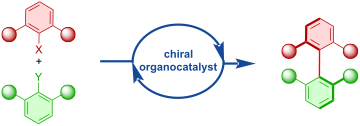
- stereoselectivity (96% ee, >95:5 dr). No racemization was observed after 36 hours at 150 °C in o-xylene. The asymmetric synthesis of arylindolylindolinones 139 or 141 bearing both central and axial chirality was accomplished by a combination of arylindoles 137 or 140 and indolinones 138 with CPA (R)-C22 acting as

Graphical Abstract

Scheme 1: Formation of axially chiral styrenes 3 via iminium activation.

Scheme 2: Synthesis of axially chiral 2-arylquinolines 6.

Scheme 3: Atroposelective intramolecular (4 + 2) annulation leading to aryl-substituted indolines.

Scheme 4: Atroposelective formation of biaryl via twofold aldol condensation.

Scheme 5: Strategy towards diastereodivergent formation of axially chiral oligonaphthylenes.

Scheme 6: Atroposelective formation of chiral biaryls based on a Michael/Henry domino reaction.

Scheme 7: Organocatalytic Michael/aldol cascade followed by oxidative aromatization.

Scheme 8: Atroposelective formation of C(sp2)–C(sp3) axially chiral compounds.

Scheme 9: NHC-catalyzed synthesis of axially chiral styrenes 26.

Scheme 10: NHC-catalyzed synthesis of biaxial chiral pyranones.

Scheme 11: Formation of bridged biaryls with eight-membered lactones.

Scheme 12: The NHC-catalyzed (3 + 2) annulation of urazoles 37 and ynals 36.

Scheme 13: NHC-catalyzed synthesis of axially chiral 4‑aryl α‑carbolines 41.

Scheme 14: NHC-catalyzed construction of N–N-axially chiral pyrroles and indoles.

Scheme 15: NHC-catalyzed oxidative Michael–aldol cascade.

Scheme 16: NHC-catalyzed (4 + 2) annulation for the synthesis of benzothiophene-fused biaryls.
Scheme 17: NHC-catalyzed desymmetrization of N-aryl maleimides.

Scheme 18: NHC-catalyzed deracemization of biaryl hydroxy aldehydes 55a–k into axially chiral benzonitriles 56a...

Scheme 19: NHC-catalyzed desymmetrization of 2-aryloxyisophthalaldehydes.

Scheme 20: NHC-catalyzed DKR of 2-arylbenzaldehydes 62.

Scheme 21: Atroposelective biaryl amination.

Scheme 22: CPA-catalyzed atroposelective amination of 2-anilinonaphthalenes.

Scheme 23: Atroposelective DKR of naphthylindoles.

Scheme 24: CPA-catalyzed kinetic resolution of binaphthylamines.

Scheme 25: Atroposelective amination of aromatic amines with diazodicarboxylates.

Scheme 26: Atroposelective Friedländer heteroannulation.

Scheme 27: CPA-catalyzed formation of axially chiral 4-arylquinolines.

Scheme 28: CPA-catalyzed Friedländer reaction of arylketones with cyclohexanones.

Scheme 29: CPA-catalyzed atroposelective Povarov reaction.

Scheme 30: Atroposelective CPA-catalyzed Povarov reaction.

Scheme 31: Paal–Knorr formation of axially chiral N-pyrrolylindoles and N-pyrrolylpyrroles.

Scheme 32: Atroposelective Paal–Knorr reaction leading to N-pyrrolylpyrroles.

Scheme 33: Atroposelective Pictet–Spengler reaction of N-arylindoles with aldehydes.

Scheme 34: Atroposelective Pictet–Spengler reaction leading to tetrahydroisoquinolin-8-ylanilines.

Scheme 35: Atroposelective formation of arylindoles.

Scheme 36: CPA-catalyzed arylation of naphthoquinones with indolizines.

Scheme 37: Atroposelective reaction of o-naphthoquinones.

Scheme 38: CPA-catalyzed formation of axially chiral arylquinones.

Scheme 39: CPA-catalyzed axially chiral N-arylquinones.

Scheme 40: Atroposelective additions of bisindoles to isatin-based 3-indolylmethanols.

Scheme 41: CPA-catalyzed synthesis of axially chiral arylindolylindolinones.

Scheme 42: CPA-catalyzed reaction between bisindoles and ninhydrin-derived 3-indoylmethanols.

Scheme 43: Atroposelective reaction of bisindoles and isatin-derived imines.

Scheme 44: CPA-catalyzed formation of axially chiral bisindoles.

Scheme 45: Atroposelective reaction of 2-naphthols with alkynylhydroxyisoindolinones.

Scheme 46: CPA-catalyzed reaction of indolylnaphthols with propargylic alcohols.

Scheme 47: Atroposelective formation of indolylpyrroloindoles.

Scheme 48: Atroposelective reaction of indolylnaphthalenes with alkynylnaphthols.

Scheme 49: CPA-catalyzed addition of naphthols to alkynyl-2-naphthols and 2-naphthylamines.

Scheme 50: CPA-catalyzed formation of axially chiral aryl-alkene-indoles.

Scheme 51: CPA-catalyzed formation of axially chiral styrenes.

Scheme 52: Atroposelective formation of alkenylindoles.

Scheme 53: Atroposelective formation of axially chiral arylquinolines.

Scheme 54: Atroposelective (3 + 2) cycloaddition of alkynylindoles with azonaphthalenes.

Scheme 55: CPA-catalyzed formation of axially chiral 3-(1H-benzo[d]imidazol-2-yl)quinolines.

Scheme 56: Atroposelective cyclization of 3-(arylethynyl)-1H-indoles.

Scheme 57: Atroposelective three-component heteroannulation.

Scheme 58: CPA-catalyzed formation of arylbenzimidazols.

Scheme 59: CPA-catalyzed reaction of N-naphthylglycine esters with nitrosobenzenes.

Scheme 60: CPA-catalyzed formation of axially chiral N-arylbenzimidazoles.

Scheme 61: CPA-catalyzed formation of axially chiral arylbenzoindoles.

Scheme 62: CPA-catalyzed formation of pyrrolylnaphthalenes.

Scheme 63: CPA-catalyzed addition of naphthols and indoles to nitronaphthalenes.

Scheme 64: Atroposelective reaction of heterobiaryl aldehydes and aminobenzamides.

Scheme 65: Atroposelective cyclization forming N-arylquinolones.

Scheme 66: Atroposelective formation of 9H-carbazol-9-ylnaphthalenes and 1H-indol-1-ylnaphthalene.

Scheme 67: CPA-catalyzed formation of pyrazolylnaphthalenes.

Scheme 68: Atroposelective addition of diazodicarboxamides to azaborinephenols.

Scheme 69: Catalytic formation of axially chiral arylpyrroles.

Scheme 70: Atroposelective coupling of 1-azonaphthalenes with 2-naphthols.

Scheme 71: CPA-catalyzed formation of axially chiral oxindole-based styrenes.

Scheme 72: Atroposelective electrophilic bromination of aminonaphthoquinones.

Scheme 73: Atroposelective bromination of dienes.

Scheme 74: CPA-catalyzed formation of axially chiral 5-arylpyrimidines.

Scheme 75: Atroposelective hydrolysis of biaryloxazepines.

Scheme 76: Atroposelective opening of dinaphthosiloles.

Scheme 77: Atroposelective reduction of naphthylenals.

Scheme 78: Atroposelective allylic substitution with 2-naphthols.

Scheme 79: Atroposelective allylic alkylation with phosphinamides.

Scheme 80: Atroposelective allylic substitution with aminopyrroles.

Scheme 81: Atroposelective allylic substitution with aromatic sulfinamides.

Scheme 82: Atroposelective sulfonylation of naphthylynones.

Scheme 83: Squaramide-catalyzed reaction of alkynyl-2-naphthols with 5H-oxazolones.

Scheme 84: Formation of axially chiral styrenes via sulfonylative opening of cyclopropanols.

Scheme 85: Atroposelective organo-photocatalyzed sulfonylation of alkynyl-2-naphthols.

Scheme 86: Thiourea-catalyzed atroposelective cyclization of alkynylnaphthols.

Scheme 87: Squaramide-catalyzed formation of axially chiral naphthylisothiazoles.

Scheme 88: Atroposelective iodo-cyclization catalyzed by squaramide C69.

Scheme 89: Squaramide-catalyzed formation of axially chiral oligoarenes.

Scheme 90: Atroposelective ring-opening of cyclic N-sulfonylamides.

Scheme 91: Thiourea-catalyzed kinetic resolution of naphthylpyrroles.

Scheme 92: Atroposelective ring-opening of arylindole lactams.

Scheme 93: Atroposelective reaction of 1-naphthyl-2-tetralones and diarylphosphine oxides.

Scheme 94: Atroposelective reaction of iminoquinones with indoles.

Scheme 95: Kinetic resolution of binaphthylalcohols.

Scheme 96: DKR of hydroxynaphthylamides.

Scheme 97: Atroposelective N-alkylation with phase-transfer catalyst C75.

Scheme 98: Atroposelective allylic substitution via kinetic resolution of biarylsulfonamides.

Scheme 99: Atroposelective bromo-functionalization of alkynylarenes.
Scheme 100: Sulfenylation-induced atroposelective cyclization.

Scheme 101: Atroposelective O-sulfonylation of isochromenone-indoles.

Scheme 102: NHC-catalyzed atroposelective N-acylation of anilines.

Scheme 103: Peptide-catalyzed atroposelective ring-opening of lactones.

Scheme 104: Peptide-catalyzed coupling of 2-naphthols with quinones.

Scheme 105: Atroposelective nucleophilic aromatic substitution of fluoroarenes.
Non-covalent organocatalyzed enantioselective cyclization reactions of α,β-unsaturated imines
- Sergio Torres-Oya and
- Mercedes Zurro
Beilstein J. Org. Chem. 2024, 20, 3221–3255, doi:10.3762/bjoc.20.268
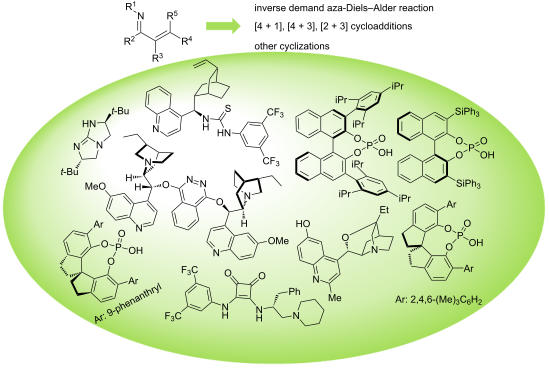
- Brønsted acid catalysis has been widely studied in asymmetric synthesis [38][39]. While the asymmetric transformations of 2-azadienes have been more intensively investigated, enantioselective derivatizations of 1-azadienes are scarce. In this section, the cycloaddition reactions involving α,β-unsaturated

Graphical Abstract

Figure 1: Reactivity of α,β-unsaturated imines and variety of structures.

Figure 2: The hetero-Diels–Alder and inverse electron demand hetero-Diels–Alder reactions.

Figure 3: Different strategies to promote the activation of dienes and dienophiles in IEDADA reactions.

Figure 4: Examples of non-covalent interactions in organocatalysis.

Scheme 1: Enantioselective bifunctional thiourea-catalyzed inverse electron demand Diels–Alder reaction of N-...

Scheme 2: Cinchona-derived thiourea-catalyzed stereoselective (3 + 2) reaction of α,β-unsaturated imines and ...

Scheme 3: Cinchona-derived thiourea-catalyzed stereoselective (3 + 2)/(4 + 2) cascade reaction of α,β-unsatur...
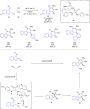
Scheme 4: Enantioselective bifunctional squaramide-catalyzed formal [4 + 2] cycloaddition of malononitrile wi...
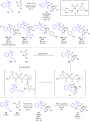
Scheme 5: Bifunctional squaramide-catalyzed IEDADA reaction of saccharin-derived 1-azadienes and azlactones.

Scheme 6: Chiral guanidine-catalyzed enantioselective (4+1) cyclization of benzofuran-derived azadienes with ...
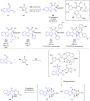
Scheme 7: Bifunctional squaramide-catalyzed [4 + 2] cyclization of benzofuran-derived azadienes and azlactone...
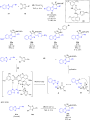
Scheme 8: Chiral bifunctional squaramide-catalyzed domino Mannich/formal [4 + 2] cyclization of 2-benzothiazo...
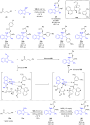
Scheme 9: Chiral bifunctional thiourea-catalyzed formal IEDADA reaction of β,γ-unsaturated ketones and benzof...

Scheme 10: Dihydroquinine-derived squaramide-catalyzed (3 + 2) cycloaddition reaction of isocyanoacetates and ...

Scheme 11: Enantioselective squaramide-catalyzed asymmetric IEDADA reaction of benzofuran-derived azadienes an...

Scheme 12: Scale up and derivatizations of benzofuran-fused 2-piperidinol derivatives.

Scheme 13: Dihydroquinine-derived squaramide-catalyzed Mannich-type reaction of isocyanoacetates with N-(2-ben...

Figure 5: Structure of a cinchona alkaloid and (DHQD)2PHAL.

Scheme 14: Enantioselective modified cinchona alkaloid-catalyzed [4 + 2] annulation of γ-butenolides and sacch...

Scheme 15: Chiral tertiary amine-catalyzed [2 + 4] annulation of cyclic 1-azadiene with γ-nitro ketones.

Scheme 16: Inverse electron demand aza-Diels–Alder reaction (IEDADA) of 1-azadienes with enecarbamates catalyz...

Scheme 17: Phosphoric acid-catalyzed enantioselective [4 + 2] cycloaddition of benzothiazolimines and enecarba...

Scheme 18: Phosphoric acid-catalyzed enantioselective inverse electron demand aza-Diels–Alder reaction of in s...

Scheme 19: Proposed reaction mechanism for the phosphoric acid-catalyzed enantioselective inverse electron dem...

Scheme 20: Enantioselective dearomatization of indoles by a (3 + 2) cyclization with azoalkenes catalyzed by a...

Scheme 21: Synthetic applicability of the pyrroloindoline derivatives.

Scheme 22: Chiral phosphoric acid-catalyzed (2 + 3) dearomative cycloaddition of 3-alkyl-2-vinylindoles with a...
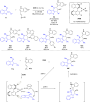
Scheme 23: Chiral phosphoric acid-catalyzed asymmetric [4 + 2] cycloaddition of aurone-derived 1-azadienes and...

Scheme 24: Phosphoric acid-catalyzed enantioselective formal [4 + 2] cycloaddition of dienecarbamates and 2-be...

Scheme 25: Chiral phosphoric acid-catalyzed asymmetric inverse electron demand aza-Diels–Alder reaction of 1,3...

Scheme 26: Chiral phosphoric acid-catalyzed asymmetric Attanasi reaction between 1,3-dicarbonyl compounds and ...

Scheme 27: Synthetic applicability of the NPNOL derivatives.
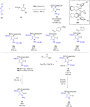
Scheme 28: Chiral phosphoric acid-catalyzed asymmetric intermolecular formal (3 + 2) cycloaddition of azoalken...

Scheme 29: Enantioselective [4 + 2] cyclization of α,β-unsaturated imines and azlactones.

Scheme 30: Catalytic cycle for the chiral phosphoric acid-catalyzed enantioselective [4 + 2] cyclization of α,...
Advances in the use of metal-free tetrapyrrolic macrocycles as catalysts
- Mandeep K. Chahal
Beilstein J. Org. Chem. 2024, 20, 3085–3112, doi:10.3762/bjoc.20.257
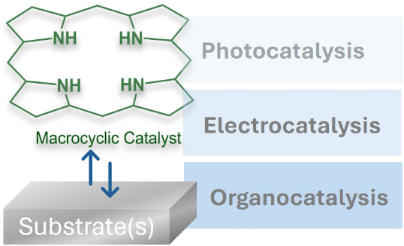
- macrocycles, both synthetic and found in nature, and their ability to act as organocatalysts, metal-free porphyrin macrocycles have a potential to be excellent candidates for green, cost-effective catalysts of various organic transformations including asymmetric synthesis. 2 Metal-free tetrapyrrolic

Graphical Abstract

Figure 1: Chemical structures of the main tetrapyrrolic macrocycles studied in this review for their role as ...

Figure 2: Calix[4]pyrroles 3 and 4 and an their acyclic analogue 5 used for the transformation of Danishefsky...

Figure 3: Calixpyrrole-based organocatalysts 11 and 12 for the diastereoselective addition reaction of TMSOF ...

Figure 4: (a) Chemical structures of macrocyclic organocatalysts used for the synthesis of cyclic carbonates ...

Figure 5: Cuprous chloride-catalyzed aziridination of styrene (22) by chloramine-T (23) providing 1-tosyl-2-p...

Figure 6: Chemical structures of the various porphyrin macrocycles (18, 25–41) screened as potential catalyst...

Figure 7: Organocatalytic activity of distorted porphyrins explored by Senge and co-workers. Planar macrocycl...

Figure 8: Chemical structures of H2EtxTPP (x = 0, 2, 4, 6, 8) compounds with incrementally increasing nonplan...

Figure 9: Chemical structures of OxP macrocycles tested as potential organocatalysts for the conjugate additi...

Figure 10: a) Fundamental structure of the J-aggregates of diprotonated TPPS3 53 and b) its use as a catalyst ...

Figure 11: Chemical structures of amphiphilic porphyrin macrocycles used as pH-switchable catalysts based on i...

Figure 12: a) Chemical structures of porphyrin macrocycles for the cycloaddition of CO2 to N-alkyl/arylaziridi...

Figure 13: Electron and energy-transfer processes typical for excited porphyrin molecules (Por = porphyrin mac...

Figure 14: Proposed mechanism for the light-induced α-alkylation of aldehydes with EDA in the presence of H2TP...

Figure 15: a) Chemical structures of porphyrins screened as photoredox catalysts, b) model reaction of furan (...

Figure 16: Porphyrin macrocycles H2TPP (18) and PPIX 78 as photoreductants for the red light-induced C–H aryla...

Figure 17: Porphyrin macrocycles H2TPP (18) and PPIX 78 as photoredox catalyst for (a) α-alkylation of an alde...

Figure 18: Corrole macrocycles 98–100 as photoredox catalysts for C–H arylation and borylation reactions. Adap...

Figure 19: Proposed catalytic cycle of electrocatalytic generation of H2 evolution using tetrapyrrolic macrocy...

Figure 20: a) Chemical structures of tetrapyrrolic macrocycles 109, 73, and 110 used for oxygen reductions in ...

Figure 21: a) Absorption spectra (left) of the air-saturated DCE solutions containing: 5 × 10⁻⁵ M H2TPP (black...

Figure 22: Chemical structures of N,N’-dimethylated saddle-distorted porphyrin isomers, syn-Me2P 111 and anti-...

Figure 23: Reaction mechanisms for the two-electron reduction of O2 by a) syn-Me2Iph 113 and b) anti-Me2Iph 114...

Figure 24: O2/H2O2 interconversion using methylated saddle-distorted porphyrin and isophlorin (reduced porphyr...

Figure 25: Chemical structures of distorted dodecaphenylporphyrin macrocycle 117 and its diprotonated form 118...
5th International Symposium on Synthesis and Catalysis (ISySyCat2023)
- Anthony J. Burke and
- Elisabete P. Carreiro
Beilstein J. Org. Chem. 2024, 20, 2704–2707, doi:10.3762/bjoc.20.227
- terazosin and prazosin were successfully synthesized. Oliveira Jr. et al. developed a new methodology for the asymmetric synthesis of β-aryl-γ-lactam derivatives with very good yield and enantioselectivity [16]. This was achieved through a palladium-catalyzed Heck–Matsuda desymmetrization of N-protected 2,5

Asymmetric organocatalytic synthesis of chiral homoallylic amines
- Nikolay S. Kondratyev and
- Andrei V. Malkov
Beilstein J. Org. Chem. 2024, 20, 2349–2377, doi:10.3762/bjoc.20.201
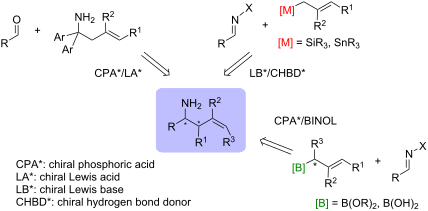
- , encompassing cutting-edge advances in hydrogen-bond catalysis and non-classical approaches. Furthermore, practical examples showcasing the application of these innovative methodologies in total synthesis are presented. Keywords: asymmetric catalysis; asymmetric synthesis; chiral amines; organicatalysis

Graphical Abstract

Scheme 1: The position of homoallylic amines in the landscape of alkaloid and nitrogen compounds syntheses.
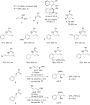
Scheme 2: 3,3’-Diaryl-BINOL-catalysed asymmetric organocatalytic allylation of acylimines [24].

Scheme 3: Aminophenol-catalysed reaction between N-phosphinoylimines and pinacol allylboronic ester. Imine sc...

Scheme 4: Asymmetric geranylation and prenylation of indoles catalysed by (R)- or (S)-3,3’-dibromo-BINOL [25]. aA...

Scheme 5: (R)-3,3’-Di(3,5-di(trifluoromethyl)phenyl-BINOL-catalysed asymmetric geranylation and prenylation o...

Scheme 6: Microwave-induced one-pot asymmetric allylation of in situ-formed arylimines, catalysed by (R)-3,3’...

Scheme 7: Microwave-induced one-pot asymmetric allylation of in situ-formed arylimines, catalysed by (R)-3,3’...
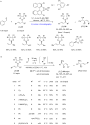
Scheme 8: Kinetic resolution of chiral secondary allylboronates [15,30].

Scheme 9: (E)-Stereospecific asymmetric α-trifluoromethylallylation of cyclic imines and hydrazones [31].

Scheme 10: Hosomi–Sakurai-type allylation of in situ-formed N-Fmoc aldimines [32].

Figure 1: Two different pathways for the Hosomi–Sakurai reaction of allyltrimethylsilane with N-Fmoc aldimine...

Scheme 11: Chiral squaramide-catalysed hydrogen bond-assisted chloride abstraction–allylation of N-carbamoyl α...

Figure 2: The pyrrolidine unit gem-methyl group conformational control in the squaramide-based catalyst [34].

Figure 3: The energetic difference between the transition states of the two proposed modes of the reaction (SN...

Scheme 12: One-pot preparation procedure for oxazaborolidinium ion (COBI) 63 [37].

Scheme 13: Chiral oxazaborolidinium ion (COBI)-catalysed allylation of N-(2-hydroxy)phenylimines with allyltri...

Scheme 14: The two-step N-(2-hydroxy)phenyl group deprotection procedure [37].

Scheme 15: Low-temperature (−40 °C) NMR experiments evidencing the reversible formation of the active COBI–imi...

Figure 4: Two computed reaction pathways for the COBI-catalysed Strecker reaction (TS1 identical to allylatio...

Scheme 16: Highly chemoselective and stereospecific synthesis of γ- and γ,δ-substituted homoallylic amines by ...

Scheme 17: Catalytic cycle for the three-component allylation with HBD/πAr–Ar catalyst [39].

Scheme 18: Reactivity of model electrophiles [39].

Scheme 19: HBD/πAr–Ar catalyst rational design and optimisation [39].

Scheme 20: Scope of the three-component HBD/πAr–Ar-catalysed reaction [39].

Scheme 21: Limitations of the HBD/πAr–Ar-catalysed reaction [39].

Scheme 22: Asymmetric chloride-directed dearomative allylation of in situ-generated N-acylquinolinium ions, ca...

Scheme 23: Chiral phosphoric acid-catalysed aza-Cope rearrangement of in situ-formed N-α,α’-diphenyl-(α’’-ally...

Scheme 24: Tandem (R)-VANOL-triborate-catalysed asymmetric aza-Cope rearrangement of in situ-formed aldimines ...

Scheme 25: (S)-TRIP-catalysed enantioconvergent aza-Cope rearrangement of β-formyl amides, substrate scope [43]. a...

Scheme 26: (S)-TRIP-catalysed enantioconvergent aza-Cope rearrangement of β-formyl amides 16–19, amide and all...

Scheme 27: Synthetic applications of homoallylic N-benzophenone imine products 131 [43].

Scheme 28: Chiral organocatalysed addition of 2,2,2-trifluoroethyl ketimines to isatin-derived Morita–Baylis–H...

Scheme 29: Chiral chinchona-derived amine-catalysed reaction between isatin-based Morita–Baylis–Hilman carbona...

Scheme 30: (R)-VAPOL-catalysed hydrogen atom transfer deracemisation [45].

Scheme 31: Chiral PA-catalysed [1,3]-rearrangement of ene-aldimines [46].
Stereoselective mechanochemical synthesis of thiomalonate Michael adducts via iminium catalysis by chiral primary amines
- Michał Błauciak,
- Dominika Andrzejczyk,
- Błażej Dziuk and
- Rafał Kowalczyk
Beilstein J. Org. Chem. 2024, 20, 2313–2322, doi:10.3762/bjoc.20.198
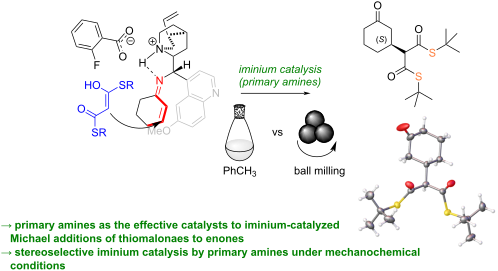
- attention. The controlled formation of C–C and C–X bonds in a stereoselective fashion has found extensive application in asymmetric synthesis. Notably, the addition of malonates has attracted significant interest, albeit primarily limited to methyl or ethyl diesters [18][19][20]. The combination of iminium

Graphical Abstract

Scheme 1: Two examples of base-catalyzed addition of thiomalonates to enones and the scope of the work.

Scheme 2: Tested reactions of cyclohexanone with dibenzyl thiomalonate 1.

Scheme 3: Impact of the bisthiomalonate on the yield and the stereoselectivity of the products.

Scheme 4: Plausible stereochemical model of the addition to cyclohexenone.

Scheme 5: Addition of bisthiomalonates 1–3 to cyclopentenone.

Scheme 6: Acyclic enone in reactions with thiomalonates 1–4.

Scheme 7: Reaction of β-ketothioesters with acceptor E1.
Factors influencing the performance of organocatalysts immobilised on solid supports: A review
- Zsuzsanna Fehér,
- Dóra Richter,
- Gyula Dargó and
- József Kupai
Beilstein J. Org. Chem. 2024, 20, 2129–2142, doi:10.3762/bjoc.20.183
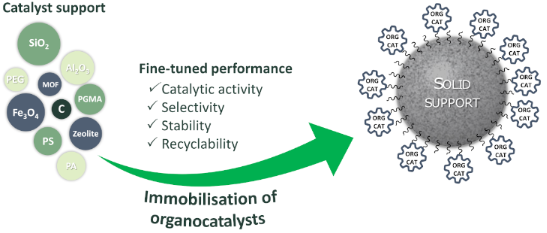
- applications in organic chemistry. Keywords: asymmetric synthesis; catalyst recycling; heterogenisation; organocatalysis; solid support; Introduction Organocatalysts are small molecules that do not contain a metal atom in the reaction centre and are able to increase the speed of reactions. They have proven
- immobilisation of catalysts, it is necessary to consider whether the solid support itself can catalyse the desired or side reactions. This could be advantageous in some cases, i.e., when the solid support cooperatively helps the reaction [118], but in asymmetric synthesis, background activity of the solid

Graphical Abstract

Scheme 1: Esterification of oleic acid (1) with propylsulfonic acid (Pr-SO3H)-functionalised mesoporous silic...

Scheme 2: Using confinement of organocatalytic units for improving the enantioselectivity of silica-supported...

Scheme 3: Michael addition catalysed by cinchona thiourea immobilised on magnetic nanoparticles (13).

Scheme 4: Michael addition catalysed by cinchona thiourea in the presence of magnetic nanoparticles.

Scheme 5: Benzoin condensation catalysed by N-benzylthiazolium salt attached to mesoporous material.

Scheme 6: Photoinduced RAFT polymerisation of n-butyl acrylate (19) catalysed by silica nanoparticle-supporte...

Scheme 7: Pressure and temperature dependence of the 1,4-addition of propanal to trans-β-nitrostyrene under c...

Scheme 8: α-Amination of ethyl 2-oxocyclopentanecarboxylate catalysed by PS-THU which could be recycled over ...

Scheme 9: Preparation of supported catalysts C29–C31 from cinchona squaramides 29–31 modified with a primary ...

Scheme 10: Application of PGMA-supported organocatalysts C29–C31 in the asymmetric Michael addition of pentane...

Scheme 11: Alcoholytic desymmetrisation of a cyclic anhydride 34 catalysed by polyamide-supported cinchona sul...
Harnessing the versatility of hydrazones through electrosynthetic oxidative transformations
- Aurélie Claraz
Beilstein J. Org. Chem. 2024, 20, 1988–2004, doi:10.3762/bjoc.20.175
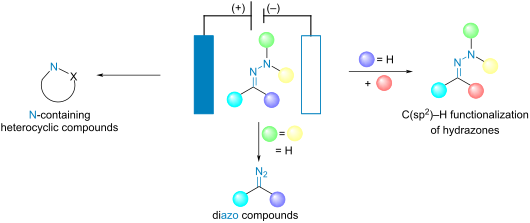
- -methoxymethylpyrrolidine)hydrazones could be also key intermediates for the asymmetric synthesis of α-substituted aldehydes and ketones [18][19]. Interestingly, depending on the substitution pattern, the C=N bond can feature different electronic properties [20]. For instance, various hydrazones have been employed for the

Graphical Abstract

Scheme 1: Synthesis of triazolopyridinium salts [34-36].

Scheme 2: Synthesis of pyrazoles [37].
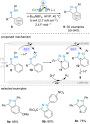
Scheme 3: Synthesis of indazoles from ketone-derived hydrazones [38].
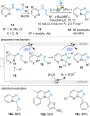
Scheme 4: Intramolecular C(sp2)–H functionalization of aldehyde-derived N-(2-pyridinyl)hydrazones for the syn...

Scheme 5: Synthesis of pyrazolo[4,3-c]quinoline derivatives [40].
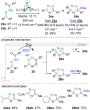
Scheme 6: Synthesis of 1,3,4-oxadiazoles and Δ3-1,3,4-oxadiazolines [41].
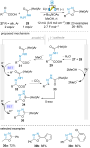
Scheme 7: Synthesis of 1,3,4-oxadiazoles [43].
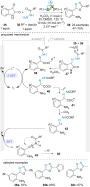
Scheme 8: Synthesis of 2-(1,3,4-oxadiazol-2-yl)anilines [44].
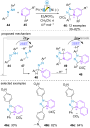
Scheme 9: Synthesis of fused s-triazolo perchlorates [45].
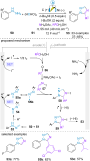
Scheme 10: Synthesis of 1-aryl and 1,5-disubstitued 1,2,4-triazoles [49].
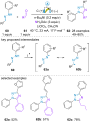
Scheme 11: Synthesis of 1,3,5-trisubstituted 1,2,4-triazoles [50].

Scheme 12: Alternative synthesis of 1,3,5-trisubstituted 1,2,4-triazoles [51].

Scheme 13: Synthesis of 5-amino 1,2,4-triazoles [55].
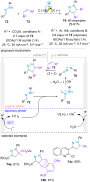
Scheme 14: Synthesis of 1-arylpyrazolines [58].
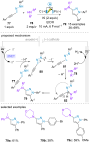
Scheme 15: Synthesis of 3‑aminopyrazoles [60].

Scheme 16: Synthesis of [1,2,4]triazolo[4,3-a]quinolines [61].·
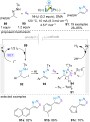
Scheme 17: Synthesis of 1,2,3-thiadiazoles [64].
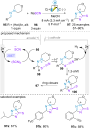
Scheme 18: Synthesis of 5-thioxo-1,2,4-triazolium inner salts [65].
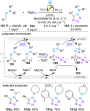
Scheme 19: Synthesis of 1-aminotetrazoles [66].
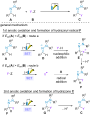
Scheme 20: C(sp2)–H functionalization of aldehyde-derived hydrazones: general mechanisms.

Scheme 21: C(sp2)–H functionalization of benzaldehyde diphenyl hydrazone [68,69].

Scheme 22: Phosphorylation of aldehyde-derived hydrazones [70].

Scheme 23: Azolation of aldehyde-derived hydrazones [72].

Scheme 24: Thiocyanation of benzaldehyde-derived hydrazone 122 [73].

Scheme 25: Sulfonylation of aromatic aldehyde-derived hydrazones [74].

Scheme 26: Trifluoromethylation of aromatic aldehyde-derived hydrazones [76].

Scheme 27: Electrooxidation of benzophenone hydrazones [77].

Scheme 28: Electrooxidative coupling of benzophenone hydrazones and alkenes [77].

Scheme 29: Electrosynthesis of α-diazoketones [78].
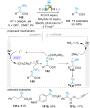
Scheme 30: Electrosynthesis of stable diazo compounds [80].
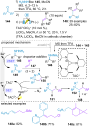
Scheme 31: Photoelectrochemical synthesis of alkenes through in situ generation of diazo compounds [81].

Scheme 32: Synthesis of nitriles [82].
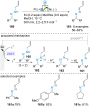
Scheme 33: Electrochemical oxidation of ketone-derived NH-allylhydrazone [83].
Chiral bifunctional sulfide-catalyzed enantioselective bromolactonizations of α- and β-substituted 5-hexenoic acids
- Sao Sumida,
- Ken Okuno,
- Taiki Mori,
- Yasuaki Furuya and
- Seiji Shirakawa
Beilstein J. Org. Chem. 2024, 20, 1794–1799, doi:10.3762/bjoc.20.158
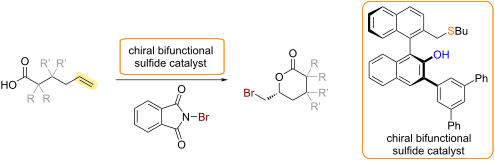
- remained a formidable challenge in the field of catalytic asymmetric synthesis (Scheme 1b) [23][24][25]. To address this limitation, we have investigated the use of BINOL-derived chiral bifunctional sulfide catalysts, which were developed by our group [10], in asymmetric bromolactonizations of α
- enantioselectivity. The reactions of α,α-dialkyl-5-hexenoic acids 2e and 2f gave the corresponding bromolactonization products 3e and 3f with moderate enantioselectivities. The present catalytic method could also be applied to the asymmetric synthesis of spirolactones [37][38][39]. For example, α-spiro-δ-lactone

Graphical Abstract

Scheme 1: Catalytic asymmetric halolactonizations of alkenoic acids.

Scheme 2: Effects of chiral sulfide catalysts.

Scheme 3: Effects of brominating reagents and solvents.

Scheme 4: Substrate scope.
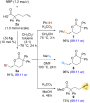
Scheme 5: Larger-scale synthesis and transformations of bromolactonization product 3a.
Towards an asymmetric β-selective addition of azlactones to allenoates
- Behzad Nasiri,
- Ghaffar Pasdar,
- Paul Zebrowski,
- Katharina Röser,
- David Naderer and
- Mario Waser
Beilstein J. Org. Chem. 2024, 20, 1504–1509, doi:10.3762/bjoc.20.134
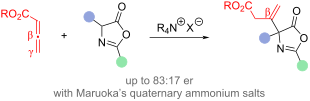
- ; quaternary ammonium salt catalysis; Introduction The development of asymmetric synthesis routes to access non-natural amino acids has for decades been one of the most heavily investigated tasks in organic synthesis and catalysis-oriented research [1][2][3][4][5][6][7][8][9][10][11][12][13]. As a consequence
- in a straightforward manner. Conclusion The development of novel catalytic methods for the asymmetric synthesis of non-natural amino acid derivatives is a contemporary task and we herein introduce an organocatalytic protocol for the β-selective addition of various azlactones 1 to allenoates 3. Upon

Graphical Abstract

Scheme 1: General use of azlactones 1 to access more advanced α-AA derivatives (A), our recently reported amm...

Scheme 2: Application scope (conditions as detailed in Table 1, entry 13).

Scheme 3: Azlactone opening reactions.
Enantioselective synthesis of β-aryl-γ-lactam derivatives via Heck–Matsuda desymmetrization of N-protected 2,5-dihydro-1H-pyrroles
- Arnaldo G. de Oliveira Jr.,
- Martí F. Wang,
- Rafaela C. Carmona,
- Danilo M. Lustosa,
- Sergei A. Gorbatov and
- Carlos R. D. Correia
Beilstein J. Org. Chem. 2024, 20, 940–949, doi:10.3762/bjoc.20.84
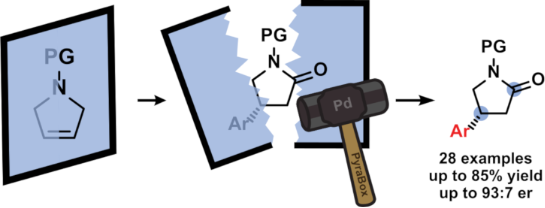
- preclude chirality as in the transformation of a prochiral molecular entity into a chiral one [1]. It is a powerful and elegant strategy in asymmetric synthesis [2], which combined with the use of chiral ligands and transition-metal catalysts enabled many valuable transformations to increase molecular

Graphical Abstract

Scheme 1: Examples of drugs containing a γ-lactam and derivative.

Scheme 2: Desymmetrization strategies employing Heck-Matsuda reactions.

Scheme 3: Heck–Matsuda reaction (1) and Jones oxidation (2) of the N-Boc-protected 2,5-dihydro-1H-pyrrole 1a....

Figure 1: N,N-Ligands evaluated in this work.
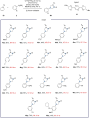
Scheme 4: Heck–Matsuda reaction of N-tosyl-2,5-dihydro-1H-pyrrole (1b). Reaction conditions: 1) pyrroline 1b ...

Scheme 5: Heck–Matsuda reaction of the protected 2,5-dihydro-1H-pyrrole with Ns and 2-Ns groups (pyrrolines 1c...

Scheme 6: Synthesis of (R)-baclofen hydrochloride (6) from 4dd and (R)-rolipram (5b) from 4de. Reaction condi...

Scheme 7: A rationale for the catalytic cycle for the Heck–Matsuda reaction of the protected 2,5-dihydro-1H-p...

Figure 2: Rationalization of the enantioselectivity obtained in the Heck–Matsuda reaction of protected 2,5-di...
Trifluoromethylated hydrazones and acylhydrazones as potent nitrogen-containing fluorinated building blocks
- Zhang Dongxu
Beilstein J. Org. Chem. 2023, 19, 1741–1754, doi:10.3762/bjoc.19.127
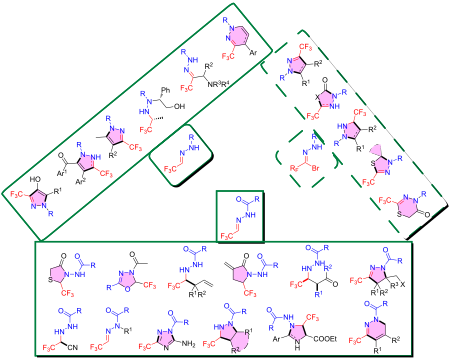
- programs. Synthesis of trifluoromethylpyrazoles from trifluoroacetaldehyde hydrazones. Synthesis of polysubstituted pyrazolidines and pyrazolines. Asymmetric synthesis of 3-trifluoromethyl-1,4-dihydropyridazines reported by Rueping et al. [39]. Synthesis of 3-trifluoromethyl-1,4-dihydropyridazine with

Graphical Abstract

Scheme 1: Synthesis of trifluoromethylpyrazoles from trifluoroacetaldehyde hydrazones.

Scheme 2: Synthesis of polysubstituted pyrazolidines and pyrazolines.

Scheme 3: Asymmetric synthesis of 3-trifluoromethyl-1,4-dihydropyridazines reported by Rueping et al. [39].

Scheme 4: Synthesis of 3-trifluoromethyl-1,4-dihydropyridazine with Brønsted acid-assisted Lewis base catalys...

Scheme 5: Synthesis of CF3-pyrazoles and CF3-1,6-dihydropyridazines.

Scheme 6: Asymmetric reactions of trifluoromethylimines with organometallic reagents.

Scheme 7: Mannich-type reaction of trifluoroacetaldehyde hydrazones.

Scheme 8: Synthesis of trifluoromethylated hydrazonoyl halides.

Scheme 9: Early work of trifluoromethylated hydrazonoyl halides.

Scheme 10: [3 + 2]/[3 + 3] Cycloadditions of trifluoromethylated hydrazonoyl halides.

Scheme 11: Substrate scope for [3 + 2] cycloadditions with trifluoroacetonitrile imines reported by Jasiński’s...

Scheme 12: Synthesis of trifluoromethylated 1,2,4-triazole and 1,2,4-triazine derivatives.

Scheme 13: [3 + 2] Cycloadditions of difluoromethylated hydrazonoyl halides.

Scheme 14: Preparation and early applications of trifluoromethylated acylhydrazones.

Scheme 15: 1,2-Nucleophilic addition reactions of trifluoromethylated acylhydrazones.

Scheme 16: Cascade oxidation/cyclization reactions of trifluoromethylated homoallylic acylhydrazines.

Scheme 17: Synthesis of trifluoromethylated cyanohydrazines and 3-trifluoromethyl-1,2,4-triazolines.

Scheme 18: N-Arylation and N-alkylation of trifluoromethyl acylhydrazones.

Scheme 19: [3 + 2]-Cycladditions of trifluoromethyl acylhydrazones.
N-Sulfenylsuccinimide/phthalimide: an alternative sulfenylating reagent in organic transformations
- Fatemeh Doraghi,
- Seyedeh Pegah Aledavoud,
- Mehdi Ghanbarlou,
- Bagher Larijani and
- Mohammad Mahdavi
Beilstein J. Org. Chem. 2023, 19, 1471–1502, doi:10.3762/bjoc.19.106
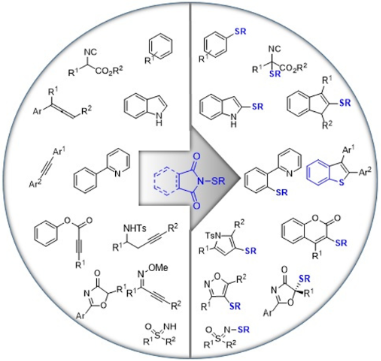
- organosulfur chemistry, sulfenylating agents are an important key in C–S bond formation strategies. Among various organosulfur precursors, N-sulfenylsuccinimide/phthalimide derivatives have shown highly electrophilic reactivity for the asymmetric synthesis of many organic compounds. Hence, in this review

Graphical Abstract

Scheme 1: Sulfur-containing bioactive molecules.

Scheme 2: Scandium-catalyzed synthesis of thiosulfonates.

Scheme 3: Palladium-catalyzed aryl(alkyl)thiolation of unactivated arenes.

Scheme 4: Catalytic cycle for Pd-catalyzed aryl(alkyl)thiolation of unactivated arenes.

Scheme 5: Iron- or boron-catalyzed C–H arylthiation of substituted phenols.

Scheme 6: Iron-catalyzed azidoalkylthiation of alkenes.

Scheme 7: Plausible mechanism for iron-catalyzed azidoalkylthiation of alkenes.

Scheme 8: BF3·Et2O‑mediated electrophilic cyclization of aryl alkynoates.

Scheme 9: Tentative mechanism for BF3·Et2O‑mediated electrophilic cyclization of aryl alkynoates.

Scheme 10: Construction of 6-substituted benzo[b]thiophenes.

Scheme 11: Plausible mechanism for construction of 6-substituted benzo[b]thiophenes.

Scheme 12: AlCl3‑catalyzed cyclization of N‑arylpropynamides with N‑sulfanylsuccinimides.

Scheme 13: Synthetic utility of AlCl3‑catalyzed cyclization of N‑arylpropynamides with N‑sulfanylsuccinimides.

Scheme 14: Sulfenoamination of alkenes with sulfonamides and N-sulfanylsuccinimides.

Scheme 15: Lewis acid/Brønsted acid controlled Pd-catalyzed functionalization of aryl C(sp2)–H bonds.

Scheme 16: Possible mechanism for Lewis acid/Brønsted acid controlled Pd-catalyzed functionalization of aryl C...

Scheme 17: FeCl3-catalyzed carbosulfenylation of unactivated alkenes.

Scheme 18: Copper-catalyzed electrophilic thiolation of organozinc halides.

Scheme 19: h-BN@Copper(II) nanomaterial catalyzed cross-coupling reaction of sulfoximines and N‑(arylthio)succ...

Scheme 20: AlCl3‑mediated cyclization and sulfenylation of 2‑alkyn-1-one O‑methyloximes.

Scheme 21: Lewis acid-promoted 2-substituted cyclopropane 1,1-dicarboxylates with sulfonamides and N-(arylthio...

Scheme 22: Lewis acid-mediated cyclization of β,γ-unsaturated oximes and hydrazones with N-(arylthio/seleno)su...

Scheme 23: Credible pathway for Lewis acid-mediated cyclization of β,γ-unsaturated oximes with N-(arylthio)suc...

Scheme 24: Synthesis of 4-chalcogenyl pyrazoles via chalcogenation/cyclization of α,β-alkynic hydrazones.

Scheme 25: Controllable synthesis of 3-thiolated pyrroles and pyrrolines.

Scheme 26: Possible mechanism for controllable synthesis of 3-thiolated pyrroles and pyrrolines.

Scheme 27: Co-catalyzed C2-sulfenylation and C2,C3-disulfenylation of indole derivatives.

Scheme 28: Plausible catalytic cycle for Co-catalyzed C2-sulfenylation and C2,C3-disulfenylation of indoles.

Scheme 29: C–H thioarylation of electron-rich arenes by iron(III) triflimide catalysis.

Scheme 30: Difunctionalization of alkynyl bromides with thiosulfonates and N-arylthio succinimides.·

Scheme 31: Suggested mechanism for difunctionalization of alkynyl bromides with thiosulfonates and N-arylthio ...

Scheme 32: Synthesis of thioesters, acyl disulfides, ketones, and amides by N-thiohydroxy succinimide esters.

Scheme 33: Proposed mechanism for metal-catalyzed selective acylation and acylthiolation.

Scheme 34: AlCl3-catalyzed synthesis of 3,4-bisthiolated pyrroles.

Scheme 35: α-Sulfenylation of aldehydes and ketones.

Scheme 36: Acid-catalyzed sulfetherification of unsaturated alcohols.

Scheme 37: Enantioselective sulfenylation of β-keto phosphonates.

Scheme 38: Organocatalyzed sulfenylation of 3‑substituted oxindoles.

Scheme 39: Sulfenylation and chlorination of β-ketoesters.

Scheme 40: Intramolecular sulfenoamination of olefins.

Scheme 41: Plausible mechanism for intramolecular sulfenoamination of olefins.

Scheme 42: α-Sulfenylation of 5H-oxazol-4-ones.

Scheme 43: Metal-free C–H sulfenylation of electron-rich arenes.

Scheme 44: TFA-promoted C–H sulfenylation indoles.
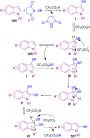
Scheme 45: Proposed mechanism for TFA-promoted C–H sulfenylation indoles.

Scheme 46: Organocatalyzed sulfenylation and selenenylation of 3-pyrrolyloxindoles.

Scheme 47: Organocatalyzed sulfenylation of S-based nucleophiles.

Scheme 48: Conjugate Lewis base Brønsted acid-catalyzed sulfenylation of N-heterocycles.

Scheme 49: Mechanism for activation of N-sulfanylsuccinimide by conjugate Lewis base Brønsted acid catalyst.

Scheme 50: Sulfenylation of deconjugated butyrolactams.

Scheme 51: Intramolecular sulfenofunctionalization of alkenes with phenols.

Scheme 52: Organocatalytic 1,3-difunctionalizations of Morita–Baylis–Hillman carbonates.

Scheme 53: Organocatalytic sulfenylation of β‑naphthols.

Scheme 54: Acid-promoted oxychalcogenation of o‑vinylanilides with N‑(arylthio/arylseleno)succinimides.

Scheme 55: Lewis base/Brønsted acid dual-catalytic C–H sulfenylation of aryls.

Scheme 56: Lewis base-catalyzed sulfenoamidation of alkenes.

Scheme 57: Cyclization of allylic amide using a Brønsted acid and tetrabutylammonium chloride.

Scheme 58: Catalytic electrophilic thiocarbocyclization of allenes with N-thiosuccinimides.

Scheme 59: Suggested mechanism for electrophilic thiocarbocyclization of allenes with N-thiosuccinimides.

Scheme 60: Chiral chalcogenide-catalyzed enantioselective hydrothiolation of alkenes.

Scheme 61: Proposed mechanism for chalcogenide-catalyzed enantioselective hydrothiolation of alkenes.

Scheme 62: Organocatalytic sulfenylation for synthesis a diheteroatom-bearing tetrasubstituted carbon centre.

Scheme 63: Thiolative cyclization of yne-ynamides.

Scheme 64: Synthesis of alkynyl and acyl disulfides from reaction of thiols with N-alkynylthio phthalimides.

Scheme 65: Oxysulfenylation of alkenes with 1-(arylthio)pyrrolidine-2,5-diones and alcohols.

Scheme 66: Arylthiolation of arylamines with (arylthio)-pyrrolidine-2,5-diones.

Scheme 67: Catalyst-free isothiocyanatoalkylthiation of styrenes.

Scheme 68: Sulfenylation of (E)-β-chlorovinyl ketones toward 3,4-dimercaptofurans.

Scheme 69: HCl-promoted intermolecular 1, 2-thiofunctionalization of aromatic alkenes.

Scheme 70: Possible mechanism for HCl-promoted 1,2-thiofunctionalization of aromatic alkenes.

Scheme 71: Coupling reaction of diazo compounds with N-sulfenylsuccinimides.

Scheme 72: Multicomponent reactions of disulfides with isocyanides and other nucleophiles.

Scheme 73: α-Sulfenylation and β-sulfenylation of α,β-unsaturated carbonyl compounds.
Synthesis of ether lipids: natural compounds and analogues
- Marco Antônio G. B. Gomes,
- Alicia Bauduin,
- Chloé Le Roux,
- Romain Fouinneteau,
- Wilfried Berthe,
- Mathieu Berchel,
- Hélène Couthon and
- Paul-Alain Jaffrès
Beilstein J. Org. Chem. 2023, 19, 1299–1369, doi:10.3762/bjoc.19.96

Graphical Abstract

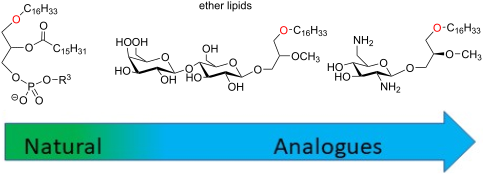
Figure 1: Chemical structure of some natural ether lipids (ELs).

Figure 2: Synthesis of lyso-PAF and PAF from 1-O-alkylglycerol [64].

Figure 3: Synthesis of lyso-PAF from 1,3-benzylideneglycerol 3.1 [69].
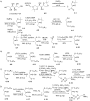
Figure 4: A) Synthesis of the two enantiomers of octadecylglycerol (4.6 and 4.10) from ᴅ-mannitol (4.1); B) s...

Figure 5: Four-step synthesis of PAF 5.6 from (S)-glycidol [73].

Figure 6: Synthesis of 1-O-alkylglycerol A) from solketal, B) from ᴅ- or ʟ-tartaric acid and the intermediate ...

Figure 7: Synthesis of EL building blocks starting from substituted glycidol 7.1a–c [82].

Figure 8: Synthesis of PAF 8.5 by using phosphoramidite 8.2 [86].

Figure 9: Synthesis of oleyl-PAF 9.7 from ʟ-serine [88].

Figure 10: Synthesis of racemic analogues of lyso-PAF 10.8 and PAF 10.9 featuring a phenyl group between the g...

Figure 11: Synthesis of racemic deoxy-lyso-PAF 11.7 and deoxy-PAF 11.8 [91].

Figure 12: Synthesis of racemic thio-PAF 12.8 [93].

Figure 13: Racemic synthesis of 13.6 to illustrate the modification of the glycerol backbone by adding a methy...

Figure 14: Racemic synthesis of 14.5 as an illustration of the introduction of methyl substituents on the glyc...

Figure 15: Synthesis of functionalized sn-2-acyl chains of PC-EL; A) Steglich esterification or acylation reac...

Figure 16: Synthesis of racemic mc-PAF (16.3), a carbamate analogue of PAF [102].

Figure 17: A) Synthesis of (R)-17.2 and (S)-17.6 starting from (S)-solketal (17.1); B) synthesis of N3-PAF (17...

Figure 18: Modification of the phosphocholine polar head to produce PAF analogues [81].

Figure 19: Racemic PAF analogues 19.3 and 19.5 characterized by the absence of the phosphate group [107].

Figure 20: Synthesis of PIP3-PAF (20.7) [108].

Figure 21: Large-scale synthesis of C18-edelfosine (21.8) [116].

Figure 22: Synthesis of C16-edelfosine (22.10) starting from isopropylidene-ʟ-glyceric acid methyl ester (22.1...

Figure 23: Phosphocholine moiety installation by the use of chlorophosphite 23.2 as key reagent [119].

Figure 24: Synthesis of rac-1-alkyl-2-O-methylglycerol (AMG) [120].

Figure 25: Synthesis of stereocontrolled 1-alkyl-2-O-methyl glycerol 25.9 (AMG) from dimethyl ᴅ-tartrate [81].

Figure 26: A) Racemic synthesis of thioether 26.4 [129,130], B) structure of sulfone analogue 26.5 [129].

Figure 27: Stereocontrolled synthesis of C18-edelfosine thioether analogue 27.8 [118].

Figure 28: Synthesis of thioether 28.4 that include a thiophosphate function [134].

Figure 29: Synthesis of ammonium thioether 29.4 and 29.6 [135].

Figure 30: Synthesis of the N-methylamino analogue of edelfosine 30.6 (BN52211) [138].

Figure 31: Synthesis of 1-desoxy analogues of edelfosine; A) with a saturated alkyl chain; B) synthesis of the...

Figure 32: Stereocontrolled synthesis of edelfosine analogue (S)-32.8 featuring a C18:1 lipid chain [142].

Figure 33: Synthesis of edelfosine analogues with modulation of the lipid chain; A) illustration with the synt...

Figure 34: Synthesis of phospholipid featuring a carbamate function to link the lipid chain to the glycerol un...

Figure 35: Synthesis of sesquiterpene conjugates of phospho glycero ether lipids [148].

Figure 36: Racemic synthesis of methyl-substituted glycerol analogues 36.7 and 36.10: A) synthesis of diether ...

Figure 37: Racemic synthesis of ilmofosine (37.6) [155,156].

Figure 38: A) Stereoselective synthesis of 38.5 via a stereoselective hydroboration reaction; B) synthesis of ...

Figure 39: Racemic synthesis of SRI62-834 (39.6) featuring a spiro-tetrahydrofurane heterocycle in position 2 ...

Figure 40: Racemic synthesis of edelfosine analogue 40.5 featuring an imidazole moiety in sn-2 position [160].

Figure 41: Racemic synthesis of fluorine-functionalized EL: A) Synthesis of 41.6 and B) synthesis of 41.8 [161-163].

Figure 42: A) Synthesis of the β-keto-ester 42.6 that also features a decyl linker between the phosphate and t...

Figure 43: Synthesis of phosphonate-based ether lipids; A) edelfosine phosphonate analogue 43.7 and B) thioeth...

Figure 44: Enantioselective synthesis of phosphonates 44.3 and 44.4 [171].

Figure 45: Racemic synthesis of phosphinate-based ether lipid 45.10 [172].

Figure 46: Racemic synthesis of edelfosine arsonium analogue 46.5 [173].

Figure 47: Synthesis of edelfosine dimethylammonium analogue 47.2 [118].

Figure 48: Synthesis of rac-C18-edelfosine methylammonium analogue 48.4 [176].

Figure 49: A) Synthesis of edelfosine N-methylpyrrolidinium analogue 49.2 or N-methylmorpholinium analogue 49.3...

Figure 50: A) Synthesis of edelfosine’s analogue 50.4 with a PE polar group; B) illustration of a pyridinium d...

Figure 51: A) Synthesis of 51.4 featuring a thiazolium cationic moiety; B) synthesis of thiazolium-based EL 51...

Figure 52: Synthesis of cationic ether lipids 52.3, 52.4 and 52.6 [135,183].

Figure 53: Synthesis of cationic carbamate ether lipid 53.5 [184].

Figure 54: Synthesis of cationic sulfonamide 54.5 [185].

Figure 55: Chemical structure of ONO-6240 (55.1) and SRI-63-119 (55.2).

Figure 56: Synthesis of non-ionic ether lipids 56.2–56.9 [188].

Figure 57: Synthesis of ether lipid conjugated to foscarnet 57.6 [189].

Figure 58: A) Synthesis of ether lipid conjugated to arabinofuranosylcytosine; B) synthesis of AZT conjugated ...

Figure 59: Synthesis of quercetin conjugate to edelfosine [191].

Figure 60: Synthesis of 60.8 (Glc-PAF) [194].

Figure 61: A) Synthesis of amino ether lipid 61.7 functionalized with a rhamnose unit and its amide analogue 6...

Figure 62: A) Synthesis of glucose ether lipid 62.4; B) structure of ether lipid 62.5 possessing a maltose uni...

Figure 63: A) Synthesis of glucuronic methyl ester 63.8; B) structure of cellobiose 63.9 and maltose 63.10 ana...

Figure 64: A) Synthesis of maltosyl glycerolipid 64.7; B) structure of lactose analogue 64.8 prepared followin...

Figure 65: A) Asymmetric synthesis of the aglycone moiety starting from allyl 4-methoxyphenyl ether; B) glycos...

Figure 66: A) Synthesis of ohmline possessing a lactose moiety. B) Structure of other glyco glycero lipids pre...

Figure 67: A) Synthesis of lactose-glycerol ether lipid 67.5; B) analogues possessing a maltose (67.6) or meli...

Figure 68: Synthesis of digalactosyl EL 68.6, A) by using trityl, benzyl and acetyl protecting groups, B) by u...

Figure 69: A) Synthesis of α-ohmline; B) structure of disaccharide ether lipids prepared by using similar meth...

Figure 70: Synthesis of lactose ether lipid 70.3 and its analogue 70.6 featuring a carbamate function as linke...

Figure 71: Synthesis of rhamnopyranoside diether 71.4 [196].

Figure 72: Synthesis of 1-O-hexadecyl-2-O-methyl-3-S-(α-ᴅ-1'-thioglucopyranosyl)-sn-glycerol (72.5) [225].

Figure 73: A) Preparation of lipid intermediate 73.4; B) synthesis of 2-desoxy-C-glycoside 73.10 [226].

Figure 74: Synthesis of galactose-pyridinium salt 74.3 [228].

Figure 75: Synthesis of myo-inositol derivative Ino-C2-PAF (75.10) [230].

Figure 76: A) Synthesis of myo-inositol phosphate building block 76.7; B) synthesis of myo-inositolphosphate d...

Figure 77: A) Synthesis of phosphatidyl-3-desoxy-inositol 77.4; B) synthesis of phosphono-3-desoxyinositol 77.9...

Figure 78: A) Structure of diether phosphatidyl-myo-inositol-3,4-diphosphate 78.1; B) synthesis of phosphatidy...

Figure 79: A) Synthesis of diether-phosphatidyl derivative 79.4 featuring a hydroxymethyl group in place of a ...

Figure 80: Synthesis of Glc-amine-PAF [78].

Figure 81: Synthesis of glucosamine ether lipid 81.4 and its analogues functionalized in position 3 of the ami...

Figure 82: Synthesis of fully deprotected aminoglucoside ether lipid 82.5 [246].

Figure 83: Synthesis of C-aminoglycoside 83.12 using Ramberg–Bäcklund rearrangement as a key step [250].

Figure 84: A) List of the most important glyco lipids and amino glyco lipids included in the study of Arthur a...

Figure 85: Synthesis of mannosamine ether lipid 85.6 [254].
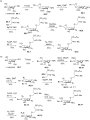
Figure 86: A) Synthesis of glucosamine ether lipids with a non-natural ʟ-glucosamine moiety; B) synthesis of e...

Figure 87: A) Structure of the most efficient anticancer agents 87.1–87.4 featuring a diamino glyco ether lipi...

Figure 88: A) Synthesis of diamino glyco ether lipid 87.4; B) synthesis of bis-glycosylated ether lipid 88.10 [256]....

Figure 89: Synthesis of triamino ether lipid 89.4 [260].

Figure 90: Synthesis of chlorambucil conjugate 90.7 [261].

Figure 91: Three main methods for the preparation of glycerol ether lipid 91.3; A) from solketal and via a tri...

Figure 92: Four different methods for the installation of the phosphocholine polar head group; A) method using...

Figure 93: Illustration of two methods for the installation of saccharides or aminosaccharides; A) O-glycosyla...
Selective construction of dispiro[indoline-3,2'-quinoline-3',3''-indoline] and dispiro[indoline-3,2'-pyrrole-3',3''-indoline] via three-component reaction
- Ziying Xiao,
- Fengshun Xu,
- Jing Sun and
- Chao-Guo Yan
Beilstein J. Org. Chem. 2023, 19, 1234–1242, doi:10.3762/bjoc.19.91
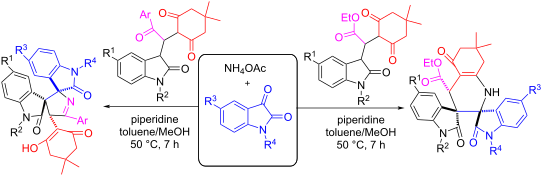
- multicomponent reactions have been successfully developed to construct multifunctionalized or polycyclic spirooxindoles. For example, Zhang successfully developed a recyclable bifunctional cinchona/thiourea-catalyzed four-component Michael/Mannich cyclization sequence for the asymmetric synthesis of

Graphical Abstract
Scheme 1: Representative cascade reactions of Michael adducts of 3-methyleneoxindoles.

Figure 1: Crystal structure of dispiro compound 3a.

Figure 2: Crystal structure of compound 4a.

Scheme 2: Proposed reaction mechanism.
Aromatic C–H bond functionalization through organocatalyzed asymmetric intermolecular aza-Friedel–Crafts reaction: a recent update
- Anup Biswas
Beilstein J. Org. Chem. 2023, 19, 956–981, doi:10.3762/bjoc.19.72

- years ago, the concept became increasingly accepted and popular only by the last decade of the last century [2][3]. Nowadays, organocatalysis is especially applied to asymmetric synthesis and a huge number of organocatalysts has been introduced in last three decades for the asymmetric synthesis of

Graphical Abstract

Scheme 1: First organocatalyzed asymmetric aza-Friedel–Crafts reaction.

Scheme 2: Aza-Friedel–Crafts reaction between indoles and cyclic ketimines.

Scheme 3: Aza-Friedel–Crafts reaction utilizing trifluoromethyldihydrobenzoazepinoindoles as electrophiles.

Scheme 4: Aza-Friedel–Crafts reaction utilizing cyclic N-sulfimines as electrophiles.

Scheme 5: Aza-Friedel–Crafts reaction involving N-unprotected imino ester as electrophile.

Scheme 6: Aza-Friedel–Crafts and lactonization cascade.

Scheme 7: One-pot oxidation and aza-Friedel–Crafts reaction.

Scheme 8: C1 and C2-symmetric phosphoric acids as catalysts.

Scheme 9: Aza-Friedel–Crafts reaction using Nps-iminophosphonates as electrophiles.

Scheme 10: Aza-Friedel–Crafts reaction between indole and α-iminophosphonate.

Scheme 11: [2.2]-Paracyclophane-derived chiral phosphoric acids as catalyst.

Scheme 12: Aza-Friedel–Crafts reaction through ring opening of sulfamidates.

Scheme 13: Isoquinoline-1,3(2H,4H)-dione scaffolds as electrophiles.

Scheme 14: Functionalization of the carbocyclic ring of substituted indoles.

Scheme 15: Aza-Friedel–Crafts reaction between unprotected imines and aza-heterocycles.

Scheme 16: Anilines and α-naphthols as potential nucleophiles.

Scheme 17: Solvent-controlled regioselective aza-Friedel–Crafts reaction.
Scheme 18: Generating central and axial chirality via aza-Friedel–Crafts reaction.

Scheme 19: Reaction between indoles and racemic 2,3-dihydroisoxazol-3-ol derivatives.

Scheme 20: Exploiting 5-aminoisoxazoles as nucleophiles.

Scheme 21: Reaction between unsubstituted indoles and 3-alkynylated 3-hydroxy-1-oxoisoindolines.

Scheme 22: Synthesis of unnatural amino acids bearing an aza-quaternary stereocenter.

Scheme 23: Atroposelective aza-Friedel–Crafts reaction.

Scheme 24: Coupling of 5-aminopyrazole and 3H-indol-3-ones.

Scheme 25: Pyrophosphoric acid-catalyzed aza-Friedel–Crafts reaction on phenols.

Scheme 26: Squaramide-assisted aza-Friedel–Crafts reaction.

Scheme 27: Thiourea-catalyzed aza-Friedel–Crafts reaction.

Scheme 28: Squaramide-catalyzed reaction between β-naphthols and benzothiazolimines.

Scheme 29: Thiourea-catalyzed reaction between β-naphthol and isatin-derived ketamine.

Scheme 30: Quinine-derived molecule as catalyst.

Scheme 31: Cinchona alkaloid as catalyst.

Scheme 32: aza-Friedel–Crafts reaction by phase transfer catalyst.

Scheme 33: Disulfonamide-catalyzed reaction.

Scheme 34: Heterogenous thiourea-catalyzed aza-Friedel–Crafts reaction.

Scheme 35: Total synthesis of (+)-gracilamine.

Scheme 36: Total synthesis of (−)-fumimycin.
Photoredox catalysis enabling decarboxylative radical cyclization of γ,γ-dimethylallyltryptophan (DMAT) derivatives: formal synthesis of 6,7-secoagroclavine
- Alessio Regni,
- Francesca Bartoccini and
- Giovanni Piersanti
Beilstein J. Org. Chem. 2023, 19, 918–927, doi:10.3762/bjoc.19.70
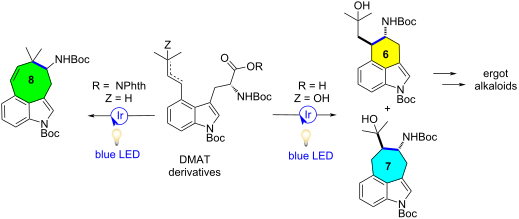
- position via a sequential electron transfer–proton transfer (ET/PT) [52][53][54][55][56][57][58][59]. With our ongoing interest of establishing new methods for the asymmetric synthesis of nonproteinogenic tryptophan derivatives as well as their associated indole alkaloid natural products [60][61][62][63

Graphical Abstract

Figure 1: (a) Transformations of DMAT to different classes of ergot alkaloids. (b) and (c) Strategies for the...

Scheme 1: Synthesis of compound 5.

Scheme 2: Photoredox-catalyzed radical decarboxylative cyclization of 5.

Figure 2: Proposed reaction mechanism for photoredox-catalyzed radical decarboxylative cyclization.

Scheme 3: Synthesis of tryptophan derivatives 8 and 10.

Figure 3: Proposed reaction mechanism for photoredox-catalyzed radical decarboxylative cyclization.

Scheme 4: Methylation of 11 and the formal total synthesis of (±)-6,7-secoagroclavine.
A new oxidatively stable ligand for the chiral functionalization of amino acids in Ni(II)–Schiff base complexes
- Alena V. Dmitrieva,
- Oleg A. Levitskiy,
- Yuri K. Grishin and
- Tatiana V. Magdesieva
Beilstein J. Org. Chem. 2023, 19, 566–574, doi:10.3762/bjoc.19.41
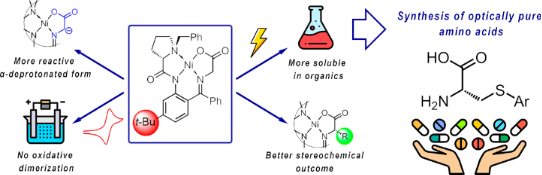
- complex. Solubility of the t-Bu-containing ligand and its Schiff base complexes is increased, facilitating scaling-up the reaction procedure and isolation of the functionalized amino acid. Keywords: asymmetric synthesis; chiral auxiliaries; cysteine derivatives; Ni–Schiff base complexes; voltammetry
- testing; Introduction Asymmetric synthesis of functionalized amino acids is a subject of intense research because these compounds are of great demand for pharmaceutical industry, health care, and food production [1][2][3]. Various approaches to enantiomerically enriched amino acids have been developed

Graphical Abstract

Scheme 1: Selected examples of the chiral ligands used for synthesis of the Ni(II)–Schiff base complexes.

Scheme 2: Synthesis of the chiral ligand L7 and its Ni(II) complexes with glycine, serine, dehydroalanine, an...

Figure 1: Fragment of the NOESY spectrum of the ʟ-(oBrCysNi)L7 complex indicating the correlation between the...

Figure 2: Low-gradient isosurfaces with low densities (blue color of the isosurface corresponds to the hydrog...
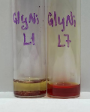
Figure 3: Saturated solutions of (GlyNi)L1 (left) and (GlyNi)L7 (right) in diethyl ether.

Figure 4: The CV curves observed for (GlyNi)L7 and (ΔAlaNi)L7 in the anodic and cathodic regions (Pt, CH3CN, ...
Asymmetric synthesis of a stereopentade fragment toward latrunculins
- Benjamin Joyeux,
- Antoine Gamet,
- Nicolas Casaretto and
- Bastien Nay
Beilstein J. Org. Chem. 2023, 19, 428–433, doi:10.3762/bjoc.19.32

Graphical Abstract

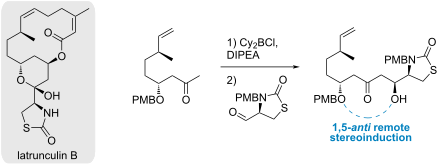
Figure 1: Structure of latrunculins (the red dots show the natural product stereopentade).

Figure 2: General strategy for latrunculin cycle disconnections (left), previous works towards linear precurs...

Scheme 1: Synthesis of fragment 15 from (+)-β-citronellene (10).
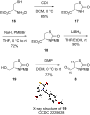
Scheme 2: Synthesis of fragment 8 from ʟ-cysteine ethyl ester hydrochloride (16).

Scheme 3: Synthesis of fragment 21 through a stereoselective aldol reaction.

Scheme 4: 1,3-Anti-diastereoselective reduction of 21 with PNBz transposition, and final determination of the...
Strategies to access the [5-8] bicyclic core encountered in the sesquiterpene, diterpene and sesterterpene series
- Cécile Alleman,
- Charlène Gadais,
- Laurent Legentil and
- François-Hugues Porée
Beilstein J. Org. Chem. 2023, 19, 245–281, doi:10.3762/bjoc.19.23
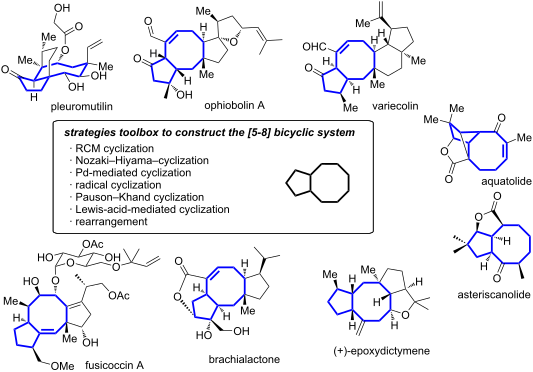

Graphical Abstract

Figure 1: Examples of terpenes containing a bicyclo[3.6.0]undecane motif.

Figure 2: Commercially available first and second generation Grubbs and Hoveyda–Grubbs catalysts.

Figure 3: Examples of strategies to access the fusicoccan and ophiobolin tricyclic core structure by RCM.

Scheme 1: Synthesis of bicyclic core structure 12 of ophiobolin M (13) and cycloaraneosene (14).

Scheme 2: Synthesis of the core structure 21 of ophiobolins and fusicoccanes.

Scheme 3: Ring-closing metathesis attempts starting from thioester 22.

Scheme 4: Total synthesis of ent-fusicoauritone (28).

Figure 4: General structure of ophiobolins and congeners.

Scheme 5: Total synthesis of (+)-ophiobolin A (8).

Scheme 6: Investigation of RCM for the synthesis of ophiobolin A (8). Path A) RCM with TBDPS-protected alcoho...

Scheme 7: Synthesis of the core structure of cotylenin A aglycon, cotylenol (50).

Scheme 8: Synthesis of tricyclic core structure of fusicoccans.

Scheme 9: Total synthesis of (−)-teubrevin G (59).

Scheme 10: Synthesis of the core skeleton 63 of the basmane family.

Scheme 11: Total synthesis of (±)-schindilactone A (68).

Scheme 12: Total synthesis of dactylol (72).

Scheme 13: Ring-closing metathesis for the total synthesis of (±)-asteriscanolide (2).

Scheme 14: Synthesis of the simplified skeleton of pleuromutilin (1).

Scheme 15: Total synthesis of (−)-nitidasin (93) using a ring-closing metathesis to construct the eight-member...

Scheme 16: Total synthesis of (±)-naupliolide (97).

Scheme 17: Synthesis of the A-B ring structure of fusicoccane (101).

Scheme 18: First attempts of TRCM of dienyne substrates.

Scheme 19: TRCM on optimized substrates towards the synthesis of ophiobolin A (8).

Scheme 20: Tandem ring-closing metathesis for the synthesis of variecolin intermediates 114 and 115.

Scheme 21: Synthesis of poitediol (118) using the allylsilane ring-closing metathesis.

Scheme 22: Access to scaffold 122 by a NHK coupling reaction.

Scheme 23: Key step to construct the [5-8] bicyclooctanone core of aquatolide (4).

Scheme 24: Initial strategy to access aquatolide (4).

Scheme 25: Synthetic plan to cotylenin A (130).

Scheme 26: [5-8] Bicyclic structure of brachialactone (7) constructed by a Mizoroki–Heck reaction.

Scheme 27: Influence of the replacement of the allylic alcohol moiety.

Scheme 28: Formation of variecolin intermediate 140 through a SmI2-mediated Barbier-type reaction.

Scheme 29: SmI2-mediated ketyl addition. Pleuromutilin (1) eight-membered ring closure via C5–C14 bond formati...

Scheme 30: SmI2-mediated dialdehyde cyclization cascade of [5-8-6] pleuromutilin scaffold 149.

Scheme 31: A) Modular synthetic route to mutilin and pleuromutilin family members by Herzon’s group. B) Scaffo...

Scheme 32: Photocatalyzed oxidative ring expansion in pleuromutilin (1) total synthesis.

Scheme 33: Reductive radical cascade cyclization route towards (−)-6-epi-ophiobolin N (168).

Scheme 34: Reductive radical cascade cyclization route towards (+)-6-epi-ophiobolin A (173).

Scheme 35: Radical 8-endo-trig-cyclization of a xanthate precursor.

Figure 5: Structural representations of hypoestin A (177), albolic acid (178), and ceroplastol II (179) beari...

Scheme 36: Synthesis of the common [5-8-5] tricyclic intermediate of hypoestin A (177), albolic acid (178), an...

Scheme 37: Asymmetric synthesis of hypoestin A (177), albolic acid (178), and ceroplastol II (179).

Figure 6: Scope of the Pauson–Khand reaction.

Scheme 38: Nazarov cyclization revealing the fusicoauritone core structure 192.

Scheme 39: Synthesis of fusicoauritone (28) through Nazarov cyclization.

Scheme 40: (+)-Epoxydictymene (5) synthesis through a Nicholas cyclization followed by a Pauson–Khand reaction...

Scheme 41: Synthesis of aquatolide (4) by a Mukaiyama-type aldolisation.

Scheme 42: Tandem Wolff/Cope rearrangement furnishing the A-B bicyclic moiety 204 of variecolin.

Scheme 43: Asymmetric synthesis of the A-B bicyclic core 205 and 206 of variecolin.

Scheme 44: Formation of [5-8]-fused rings by cyclization under thermal activation.

Scheme 45: Construction of the [5-8-6] tricyclic core structure of variecolin (3) by Diels–Alder reaction.

Scheme 46: Synthesis of the [6-4-8-5]-tetracyclic skeleton by palladium-mediated cyclization.

Scheme 47: Access to the [5-8] bicyclic core structure of asteriscanolide (227) through rhodium-catalyzed cycl...

Scheme 48: Total syntheses of asterisca-3(15),6-diene (230) and asteriscanolide (2) with a Rh-catalyzed cycliz...

Scheme 49: Photocyclization of 2-pyridones to access the [5-8-5] backbone of fusicoccanes.

Scheme 50: Total synthesis of (+)-asteriscunolide D (245) and (+)-aquatolide (4) through photocyclization.

Scheme 51: Biocatalysis pathway to construct the [5-8-5] tricyclic scaffold of brassicicenes.

Scheme 52: Influence of the CotB2 mutant over the cyclization’s outcome of GGDP.
1,4-Dithianes: attractive C2-building blocks for the synthesis of complex molecular architectures
- Bram Ryckaert,
- Ellen Demeyere,
- Frederick Degroote,
- Hilde Janssens and
- Johan M. Winne
Beilstein J. Org. Chem. 2023, 19, 115–132, doi:10.3762/bjoc.19.12
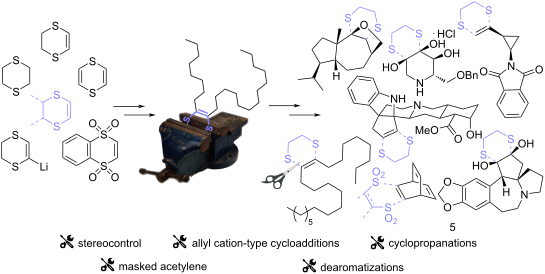
- extensively explored, is in asymmetric synthesis, although this should be quite feasible. We hope this review can help inspire such future developments. a) 1,4-Dithiane-type building blocks that can serve as C2-synthons and b) examples of complex target structures that have been prepared using 1,4-dithiane

Graphical Abstract

Scheme 1: 1,3-Dithianes as useful synthetic building blocks: a) general synthetic utility (in Corey–Seebach-t...

Scheme 2: Metalation of other saturated heterocycles is often problematic due to β-elimination [16,17].

Scheme 3: Thianes as synthetic building blocks in the construction of complex molecules [18].
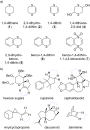
Figure 1: a) 1,4-Dithiane-type building blocks that can serve as C2-synthons and b) examples of complex targe...

Scheme 4: Synthetic availability of 1,4-dithiane-type building blocks.

Scheme 5: Dithiins and dihydrodithiins as pseudoaryl groups [36-39].
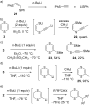
Scheme 6: Metalation of other saturated heterocycles is often problematic due to β-elimination [40-42].

Figure 2: Reactive conformations leading to β-fragmentation for lithiated 1,4-dithianes and 1,4-dithiin.

Scheme 7: Mild metalation of 1,4-dithiins affords stable heteroaryl-magnesium and heteroaryl-zinc-like reagen...
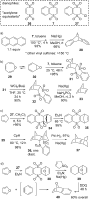
Scheme 8: Dithiin-based dienophiles and their use in synthesis [33,49-54].
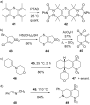
Scheme 9: Dithiin-based dienes and their use in synthesis [55-57].

Scheme 10: Stereoselective 5,6-dihydro-1,4-dithiin-based synthesis of cis-olefins [42,58].

Scheme 11: Addition to aldehydes and applications in stereoselective synthesis.

Figure 3: Applications in the total synthesis of complex target products with original attachment place of 1,...

Scheme 12: Direct C–H functionalization methods for 1,4-dithianes [82,83].

Scheme 13: Known cycloaddition reactivity modes of allyl cations [84-100].

Scheme 14: Cycloadditions of 1,4-dithiane-fused allyl cations derived from dihydrodithiin-methanol 90 [101-107].

Scheme 15: Dearomative [3 + 2] cycloadditions of unprotected indoles with 1,4-dithiane-fused allyl alcohol 90 [30]....

Scheme 16: Comparison of reactivity of dithiin-fused allyl alcohols and similar non-cyclic sulfur-substituted ...
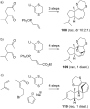
Scheme 17: Applications of dihydrodithiins in the rapid assembly of polycyclic terpenoid scaffolds [108,109].
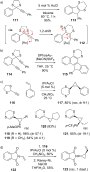
Scheme 18: Dihydrodithiin-mediated allyl cation and vinyl carbene cycloadditions via a gold(I)-catalyzed 1,2-s...

Scheme 19: Activation mode of ethynyldithiolanes towards gold-coordinated 1,4-dithiane-fused allyl cation and ...
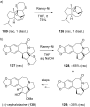
Scheme 20: Desulfurization problems.

Scheme 21: oxidative decoration strategies for 1,4-dithiane scaffolds.
Design, synthesis, and evaluation of chiral thiophosphorus acids as organocatalysts
- Karen R. Winters and
- Jean-Luc Montchamp
Beilstein J. Org. Chem. 2022, 18, 1471–1478, doi:10.3762/bjoc.18.154
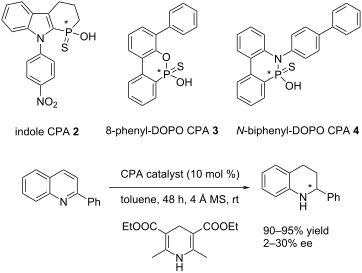
- thioacid hybrid-CPAs (Scheme 5) [31]. The transfer hydrogenation of 2-phenylquinoline with a Hantzsch ester 19 is a test reaction commonly used in asymmetric synthesis. The best performing of Guinchard's thiophostones 18 was the pivalate ester (R1 = t-BuC(O)) with an 86% yield of 20 and a 52% ee (19 R2

Graphical Abstract

Figure 1: Chiral phosphorus acids (CPAs) derived from BINOL, VAPOL, and SPINOL. R = H, Ph, 4-PhC6H4-, 4-β-nap...

Scheme 1: The thiolic/thionic tautomeric equilibrium in thiophosphorus acids.

Figure 2: Project strategy and requirements for C1-symmetrical CPAs.

Figure 3: BINOL CPA and C1-symmetrical CPA targets 1–4.

Scheme 2: Synthesis of tryptophol-derived thiophosphorus acid 1.

Scheme 3: Synthesis of indole-derived thiophosphorus acid 2.

Scheme 4: Synthesis of N-biphenyl-DOPO CPA 4.

Scheme 5: Transfer hydrogenation of 2-phenylquinoline and transition-state proposed by Guinchard and coworker...
Mechanochemical synthesis of unsymmetrical salens for the preparation of Co–salen complexes and their evaluation as catalysts for the synthesis of α-aryloxy alcohols via asymmetric phenolic kinetic resolution of terminal epoxides
- Shengli Zuo,
- Shuxiang Zheng,
- Jianjun Liu and
- Ang Zuo
Beilstein J. Org. Chem. 2022, 18, 1416–1423, doi:10.3762/bjoc.18.147
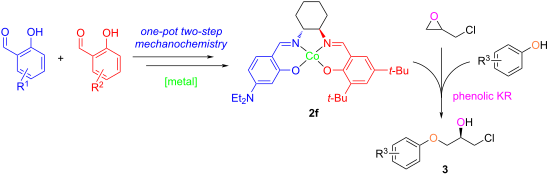
- –salen catalysts. Synthetic approach to our unsymmetrical Co–salen catalyst 2f for the asymmetric synthesis of α-aryloxy alcohols. Mechanochemical one-pot two-step synthesis of unsymmetrical salens 1a–h. Reaction conditions: salicylaldehyde (1 mmol) and diamine unilateral hydrochloride salt (2 mmol) were

Graphical Abstract

Figure 1: Representative asymmetric Co–salen catalysts.

Scheme 1: Synthetic approach to our unsymmetrical Co–salen catalyst 2f for the asymmetric synthesis of α-aryl...

Scheme 2: Mechanochemical one-pot two-step synthesis of unsymmetrical salens 1a–h. Reaction conditions: salic...

Scheme 3: Synthesis of unsymmetrical metal–salen complexes 2. Reaction conditions a: metal acetate hydrate (1...
The asymmetric Henry reaction as synthetic tool for the preparation of the drugs linezolid and rivaroxaban
- Martin Vrbický,
- Karel Macek,
- Jaroslav Pochobradský,
- Jan Svoboda,
- Miloš Sedlák and
- Pavel Drabina
Beilstein J. Org. Chem. 2022, 18, 438–445, doi:10.3762/bjoc.18.46
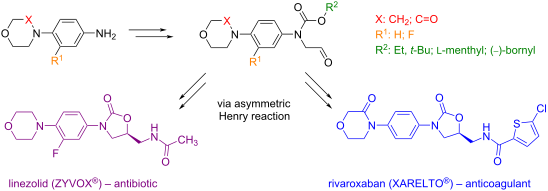
- -1,2-diol, etc.) [11]. Beside this, approaches in which asymmetric synthesis is included are also applicable. Recently, the utilization of an asymmetric Henry reaction for the preparation of two oxazolidine-type drugs, namely linezolid (1) and rivaroxaban (2), has been described [12][13]. These

Graphical Abstract

Figure 1: The structure of the oxazolidine-2-one-containing drugs linezolid (1) and rivaroxaban (2).

Figure 2: Overview of the chiral ligands that were used for the study of the asymmetric Henry reaction.

Scheme 1: Syntheses of aldehydes 15–20.

Scheme 2: Synthesis of linezolid (1) and rivaroxaban (2) from nitroaldols 24 or 26.



