


Search results
Search for "lactone" in Full Text gives 295 result(s) in Beilstein Journal of Organic Chemistry. Showing first 200.
Recent advances in synthetic approaches for bioactive cinnamic acid derivatives
- Betty A. Kustiana,
- Galuh Widiyarti and
- Teni Ernawati
Beilstein J. Org. Chem. 2025, 21, 1031–1086, doi:10.3762/bjoc.21.85

Graphical Abstract

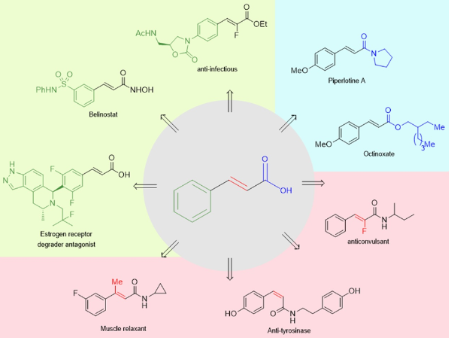
Figure 1: Biologically active cinnamic acid derivatives.

Scheme 1: General synthetic strategies for cinnamic acid derivatizations.

Scheme 2: Cinnamic acid coupling via isobutyl anhydride formation.
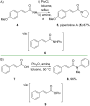
Scheme 3: Amidation reaction via O/N-pivaloyl activation.

Scheme 4: Cinnamic acid amidation using TCCA/PPh3 reagent.
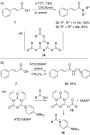
Scheme 5: Cinnamic acid amidation using triazine-based reagents.

Scheme 6: Cinnamic acid amidation using continuous flow mechanochemistry.

Scheme 7: Cinnamic acid amidation using COMU as coupling reagent.
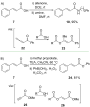
Scheme 8: Cinnamic acid amidation using allenone coupling reagent.

Scheme 9: Cinnamic acid amidation using 4-acetamidophenyl triflimide as reagent.

Scheme 10: Cinnamic acid amidation using methyltrimethoxysilane (MTM).

Scheme 11: Cinnamic acid amidation utilizing amine–borane reagent.

Scheme 12: Cinnamic acid amidation using TCCA/PPh3 reagent.

Scheme 13: Cinnamic acid amidation using PPh3/I2 reagent.

Scheme 14: Cinnamic acid amidation using PCl3 reagent.

Scheme 15: Cinnamic acid amidation utilizing pentafluoropyridine (PFP) as reagent.

Scheme 16: Cinnamic acid amidation using hypervalent iodine(III).

Scheme 17: Mechanochemical amidation using 1,1,2,2-tetrafluoroethyl-N,N-dimethylamine (TFEDMA) reagent.

Scheme 18: Methyl ester preparation using tris(2,4,6-trimethoxyphenyl)phosphine (TMPP).

Scheme 19: N-Trifluoromethyl amide preparation using isothiocyanate and AgF.

Scheme 20: POCl3-mediated amide coupling of carboxylic acid and DMF.

Scheme 21: O-Alkylation of cinnamic acid using alkylating agents.

Scheme 22: Glycoside preparation via Mitsunobu reaction.

Scheme 23: O/N-Acylation via rearrangement reactions.

Scheme 24: Amidation reactions using sulfur-based alkylating agents.

Scheme 25: Amidation reaction catalyzed by Pd0 via C–N cleavage.

Scheme 26: Amidation reaction catalyzed by CuCl/PPh3.

Scheme 27: Cu(II) triflate-catalyzed N-difluoroethylimide synthesis.

Scheme 28: Cu/Selectfluor-catalyzed transamidation reaction.

Scheme 29: CuO–CaCO3-catalyzed amidation reaction.

Scheme 30: Ni-catalyzed reductive amidation.

Scheme 31: Lewis acidic transition-metal-catalyzed O/N-acylations.

Scheme 32: Visible-light-promoted amidation of cinnamic acid.

Scheme 33: Sunlight/LED-promoted amidation of cinnamic acid.

Scheme 34: Organophotocatalyst-promoted N–O cleavage of Weinreb amides to synthesize primary amides.

Scheme 35: Cinnamamide synthesis through [Ir] photocatalyst-promoted C–N-bond cleavage of tertiary amines.

Scheme 36: Blue LED-promoted FeCl3-catalyzed reductive transamidation.

Scheme 37: FPyr/TCT-catalyzed amidation of cinnamic acid derivative 121.

Scheme 38: Cs2CO3/DMAP-mediated esterification.

Scheme 39: HBTM organocatalyzed atroposelective N-acylation.

Scheme 40: BH3-catalyzed N-acylation reactions.
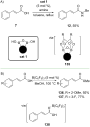
Scheme 41: Borane-catalyzed N-acylation reactions.

Scheme 42: Catalytic N-acylation reactions via H/F bonding activation.

Scheme 43: Brønsted base-catalyzed synthesis of cinnamic acid esters.

Scheme 44: DABCO/Fe3O4-catalyzed N-methyl amidation of cinnamic acid 122.

Scheme 45: Catalytic oxidation reactions of acylating agents.

Scheme 46: Preparation of cinnamamide-substituted benzocyclooctene using I(I)/I(III) catalysis.

Scheme 47: Pd-colloids-catalyzed oxidative esterification of cinnamyl alcohol.

Scheme 48: Graphene-supported Pd/Au alloy-catalyzed oxidative esterification via hemiacetal intermediate.

Scheme 49: Au-supported on A) carbon nanotubes (CNT) and B) on porous boron nitride (pBN) as catalyst for the ...

Scheme 50: Cr-based catalyzed oxidative esterification of cinnamyl alcohols with H2O2 as the oxidant.

Scheme 51: Co-based catalysts used for oxidative esterification of cinnamyl alcohol.

Scheme 52: Iron (A) and copper (B)-catalyzed oxidative esterification of cinnamaldehyde.

Scheme 53: NiHPMA-catalyzed oxidative esterification of cinnamaldehyde.

Scheme 54: Synthesis of cinammic acid esters through NHC-catalyzed oxidative esterification via intermolecular...
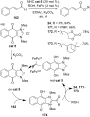
Scheme 55: Redox-active NHC-catalyzed esterification via intramolecular oxidation.

Scheme 56: Electrochemical conversion of cinnamaldehyde to methyl cinnamate.

Scheme 57: Bu4NI/TBHP-catalyzed synthesis of bisamides from cinnamalaldehyde N-tosylhydrazone.

Scheme 58: Zn/NC-950-catalyzed oxidative esterification of ketone 182.

Scheme 59: Ru-catalyzed oxidative carboxylation of terminal alkenes.

Scheme 60: Direct carboxylation of alkenes using CO2.

Scheme 61: Carboxylation of alkenylboronic acid/ester.

Scheme 62: Carboxylation of gem-difluoroalkenes with CO2.

Scheme 63: Photoredox-catalyzed carboxylation of difluoroalkenes.

Scheme 64: Ru-catalyzed carboxylation of alkenyl halide.
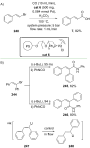
Scheme 65: Carboxylation of alkenyl halides under flow conditions.

Scheme 66: Cinnamic acid ester syntheses through carboxylation of alkenyl sulfides/sulfones.

Scheme 67: Cinnamic acid derivatives synthesis through a Ag-catalyzed decarboxylative cross-coupling proceedin...
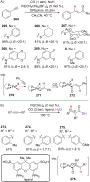
Scheme 68: Pd-catalyzed alkyne hydrocarbonylation.

Scheme 69: Fe-catalyzed alkyne hydrocarbonylation.

Scheme 70: Alkyne hydrocarboxylation using CO2.
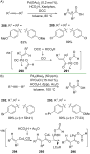
Scheme 71: Alkyne hydrocarboxylation using HCO2H as CO surrogate.

Scheme 72: Co/AlMe3-catalyzed alkyne hydrocarboxylation using DMF.

Scheme 73: Au-catalyzed oxidation of Au–allenylidenes.
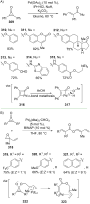
Scheme 74: Pd-catalyzed C–C-bond activation of cyclopropenones to synthesize unsaturated esters and amides.
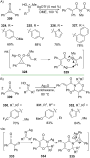
Scheme 75: Ag-catalyzed C–C-bond activation of diphenylcyclopropenone.

Scheme 76: Cu-catalyzed C–C bond activation of diphenylcyclopropenone.

Scheme 77: PPh3-catalyzed C–C-bond activation of diphenylcyclopropenone.

Scheme 78: Catalyst-free C–C-bond activation of diphenylcyclopropenone.

Scheme 79: Cu-catalyzed dioxolane cleavage.

Scheme 80: Multicomponent coupling reactions.

Scheme 81: Pd-catalyzed partial hydrogenation of electrophilic alkynes.

Scheme 82: Nickel and cobalt as earth-abundant transition metals used as catalysts for the partial hydrogenati...
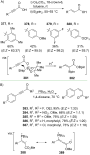
Scheme 83: Metal-free-catalyzed partial hydrogenation of conjugated alkynes.

Scheme 84: Horner–Wadsworth–Emmons reaction between triethyl 2-fluoro-2-phosphonoacetate and aldehydes with ei...

Scheme 85: Preparation of E/Z-cinnamates using thiouronium ylides.

Scheme 86: Transition-metal-catalyzed ylide reactions.

Scheme 87: Redox-driven ylide reactions.
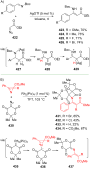
Scheme 88: Noble transition-metal-catalyzed olefination via carbenoid species.

Scheme 89: TrBF4-catalyzed olefination via carbene species.

Scheme 90: Grubbs catalyst (cat 7)/photocatalyst-mediated metathesis reactions.

Scheme 91: Elemental I2-catalyzed carbonyl-olefin metathesis.

Scheme 92: Cu-photocatalyzed E-to-Z isomerization of cinnamic acid derivatives.

Scheme 93: Ni-catalyzed E-to-Z isomerization.

Scheme 94: Dehydration of β-hydroxy esters via an E1cB mechanism to access (E)-cinnamic acid esters.

Scheme 95: Domino ring-opening reaction induced by a base.
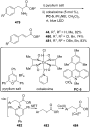
Scheme 96: Dehydroamination of α-aminoester derivatives.

Scheme 97: Accessing methyl cinnamate (44) via metal-free deamination or decarboxylation.

Scheme 98: The core–shell magnetic nanosupport-catalyzed condensation reaction.
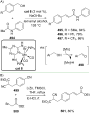
Scheme 99: Accessing cinnamic acid derivatives from acetic acid esters/amides through α-olefination.
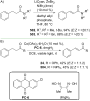
Scheme 100: Accessing cinnamic acid derivatives via acceptorless α,β-dehydrogenation.

Scheme 101: Cu-catalyzed formal [3 + 2] cycloaddition.

Scheme 102: Pd-catalyzed C–C bond formation via 1,4-Pd-shift.

Scheme 103: NHC-catalyzed Rauhut–Currier reactions.
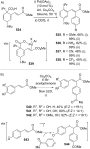
Scheme 104: Heck-type reaction for Cα arylation.

Scheme 105: Cu-catalyzed trifluoromethylation of cinnamamide.

Scheme 106: Ru-catalyzed alkenylation of arenes using directing groups.

Scheme 107: Earth-abundant transition-metal-catalyzed hydroarylation of α,β-alkynyl ester 374.

Scheme 108: Precious transition-metal-catalyzed β-arylation of cinnamic acid amide/ester.

Scheme 109: Pd-catalyzed β-amination of cinnamamide.

Scheme 110: S8-mediated β-amination of methyl cinnamate (44).

Scheme 111: Pd-catalyzed cross-coupling reaction of alkynyl esters with phenylsilanes.

Scheme 112: Pd-catalyzed β-cyanation of alkynyl amide/ester.

Scheme 113: Au-catalyzed β-amination of alkynyl ester 374.
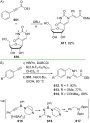
Scheme 114: Metal-free-catalyzed Cβ-functionalizations of alkynyl esters.

Scheme 115: Heck-type reactions.

Scheme 116: Mizoroki–Heck coupling reactions using unconventional functionalized arenes.
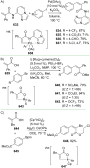
Scheme 117: Functional group-directed Mizoroki–Heck coupling reactions.
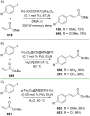
Scheme 118: Pd nanoparticles-catalyzed Mizoroki–Heck coupling reactions.

Scheme 119: Catellani-type reactions to access methyl cinnamate with multifunctionalized arene.
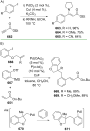
Scheme 120: Multicomponent coupling reactions.

Scheme 121: Single atom Pt-catalyzed Heck coupling reaction.

Scheme 122: Earth-abundant transition metal-catalyzed Heck coupling reactions.
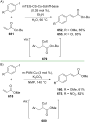
Scheme 123: Polymer-coated earth-abundant transition metals-catalyzed Heck coupling reactions.

Scheme 124: Earth-abundant transition-metal-based nanoparticles as catalysts for Heck coupling reactions.

Scheme 125: CN- and Si-based directing groups to access o-selective cinnamic acid derivatives.
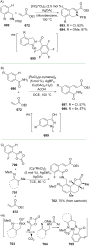
Scheme 126: Amide-based directing group to access o-selective cinnamic acid derivatives.

Scheme 127: Carbonyl-based directing group to access o-selective cinnamic acid derivatives.

Scheme 128: Stereoselective preparation of atropisomers via o-selective C(sp2)–H functionalization.

Scheme 129: meta-Selective C(sp2)–H functionalization using directing group-tethered arenes.

Scheme 130: para-Selective C(sp2)–H functionalization using directing group-tethered arenes.

Scheme 131: Non-directed C(sp2)–H functionalization via electrooxidative Fujiwara–Moritani reaction.
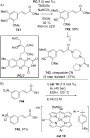
Scheme 132: Interconversion of functional groups attached to cinnamic acid.

Scheme 133: meta-Selective C(sp2)–H functionalization of cinnamate ester.

Scheme 134: C(sp2)–F arylation using Grignard reagents.

Scheme 135: Truce–Smiles rearrangement of N-aryl metacrylamides.

Scheme 136: Phosphine-catalyzed cyclization of γ-vinyl allenoate with enamino esters.
Study of the interaction of 2H-furo[3,2-b]pyran-2-ones with nitrogen-containing nucleophiles
- Constantine V. Milyutin,
- Andrey N. Komogortsev and
- Boris V. Lichitsky
Beilstein J. Org. Chem. 2025, 21, 556–563, doi:10.3762/bjoc.21.44
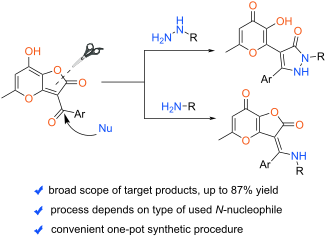
- fragment leads to hemiaminal A. Then, enamine 4 is formed via dehydration of intermediate B. In the case of amines 2 the reaction stops at this stage while for other substrates the further recyclization proceeds. So, the additional NH or OH fragment attacks the lactone moiety leading to intermediate C. The

Graphical Abstract

Scheme 1: Various examples of transformations of furanones.

Scheme 2: Interaction of starting 2H-furo[3,2-b]pyran-2-ones with diverse amines.

Scheme 3: Synthesis of enamines 4. Reaction conditions: 1a (1 mmol, 0.38 g), amine 2 (1.2 mmol), AcOH (3 mL).

Scheme 4: Synthesis of pyrazol-3-ones 8. Reaction conditions: 1 (1 mmol), hydrazine 7 (1.1 mmol), EtOH (5 mL)....

Scheme 5: Synthesis of pyrazol-3-one 10a.

Scheme 6: Synthesis of unsubstituted pyrazol-3-ones 10. Reaction conditions: 1 (1 mmol), hydrazine hydrate (2...

Scheme 7: Synthesis of isoxazolone 11. Reaction conditions: 1c (1 mmol, 0.30 g), hydroxylamine hydrochloride ...

Scheme 8: Proposed reaction mechanism.

Scheme 9: Synthesis of product 13. Reaction conditions: 8o (1 mmol, 0.37 g), pivaloyl chloride (3 mmol, 0.36 ...
Red light excitation: illuminating photocatalysis in a new spectrum
- Lucas Fortier,
- Corentin Lefebvre and
- Norbert Hoffmann
Beilstein J. Org. Chem. 2025, 21, 296–326, doi:10.3762/bjoc.21.22

- therapeutic methods [78][79][80]. Such reactions can be performed at particular locations such as DNA or tubulin, when the photocatalyst is placed via a tethered ligand (Scheme 17) [81]. In the present case, the triarylmethine dye 67 was used as sensitizer. It is in equilibrium with the lactone form 68 and
- can bind either to tubulin or DNA depending on the conjugate R. The lactone form enables cell-permeability. The bioactive compound 69 causes microtubule depolymerization and it is caged in the dihydrotetrazine derivative 70. Upon photocatalyzed oxidation, the corresponding tetrazine compound 71 is

Graphical Abstract
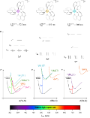
Figure 1: Influence of the metal center M (Fe, Ru, Os) on the position of the MLCT and MC (metal-centered) ab...

Scheme 1: Red-light-mediated ring-closing metathesis through activation of a ruthenium catalyst by an osmium ...

Scheme 2: Photocatalyzed polymerization of dicylopentadiene mediated with red or blue light.

Figure 2: Comparison between [Ru(bpy)3]2+ and [Os(tpy)2]2+ in a photocatalyzed trifluoromethylation reaction:...

Scheme 3: Red-light photocatalyzed C–N cross-coupling reaction by T. Rovis et al. (SET = single-electron tran...

Figure 3: Red-light-mediated aryl oxidative addition with a bismuthinidene complex.

Scheme 4: Red-light-mediated reduction of aryl derivatives by O. S. Wenger et al. (PC = photocatalyst, anh = ...
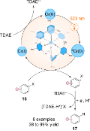
Scheme 5: Red-light-mediated aryl halides reduction with an isoelectronic chromium complex (TDAE = tetrakis(d...

Scheme 6: Red-light-photocatalyzed trifluoromethylation of styrene derivatives with Umemoto’s reagent and a p...
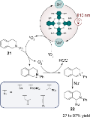
Scheme 7: Red-light-mediated energy transfer for the cross-dehydrogenative coupling of N-phenyltetrahydroisoq...
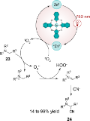
Scheme 8: Red-light-mediated oxidative cyanation of tertiary amines with a phthalocyanin zinc complex.

Scheme 9: Formation of dialins and tetralins via a red-light-photocatalyzed reductive decarboxylation mediate...
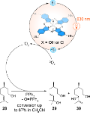
Scheme 10: Oxidation of β-citronellol (28) via energy transfer mediated by a red-light activable silicon phtha...

Scheme 11: Formation of alcohol derivatives 32 from boron compounds 31 using chlorophyll (chl) as a red-light-...

Scheme 12: Red-light-driven reductive dehalogenation of α-halo ketones mediated by a thiaporphyrin photocataly...

Figure 4: Photoinduced electron transfer-reversible addition-fragmentation chain transfer polymerization medi...
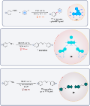
Figure 5: Recent examples of red-light-mediated photocatalytic reactions with traditional organic dyes.

Figure 6: Squaraine photocatalysts used by Goddard et al. and aza-Henry reaction with squaraine-based photoca...

Figure 7: Reactions described by Goddard et al. involving 40 as the photocatalyst.

Figure 8: Various structures of squaraine derivatives used to initiate photopolymerizations.
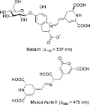
Figure 9: Naturally occurring cyanins.

Figure 10: Influence of the structure on the photophysical properties of a cyanin dye.

Figure 11: NIR-light-mediated aza-Henry reaction photocatalyzed by 46.

Scheme 13: Photocatalyzed arylboronic acids oxidation by 46.
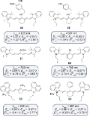
Figure 12: Cyanin structures synthetized and characterized by Goddard et al. (redox potentials given against s...
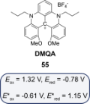
Figure 13: N,N′-Di-n-propyl-1,13-dimethoxyquinacridinium (55) with its redox potentials at its ground state an...
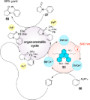
Scheme 14: Dual catalyzed C(sp2)–H arylation of 57 using DMQA 55 as the red-light-absorbing photocatalyst.

Scheme 15: Red-light-mediated aerobic oxidation of arylboronic acids 59 into phenols 60 via the use of DMQA as...

Figure 14: Red-light-photocatalyzed reactions proposed by Gianetti et al. using DMQA as the photocatalyst.

Scheme 16: Simultaneous release of NO and production of superoxide (O2•−) and their combination yielding the p...
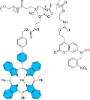
Figure 15: Palladium porphyrin complex as the photoredox catalyst and the NO releasing substrate are linked in...

Scheme 17: Uncaging of compound 69 which is a microtubule depolymerizing agent using near IR irradiation. The ...

Scheme 18: Photochemical uncaging of drugs protected with a phenylboronic acid derivative using near IR irradi...

Scheme 19: Photoredox catalytical generation of aminyl radicals with near IR irradiation for the transfer of b...

Scheme 20: Photoredox catalytical fluoroalkylation of tryptophan moieties.

Figure 16: Simultaneous absorption of two photons of infrared light of low energy enables electronic excitatio...

Scheme 21: Uncaging Ca2+ ions using two-photon excitation with near infrared light.
Three-component reactions of conjugated dienes, CH acids and formaldehyde under diffusion mixing conditions
- Dmitry E. Shybanov,
- Maxim E. Kukushkin,
- Eugene V. Babaev,
- Nikolai V. Zyk and
- Elena K. Beloglazkina
Beilstein J. Org. Chem. 2025, 21, 262–269, doi:10.3762/bjoc.21.18
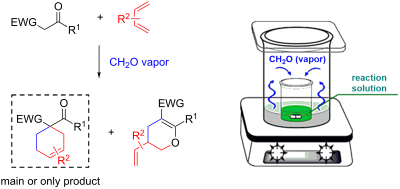
- cyanoacetic ester and acetylacetone. The configuration of the products 4 and 5 was established by bromination of a small amount of these isomeric compounds in CDCl3 (Scheme 6) and subsequent analysis of the mixture by 1H NMR spectroscopy. For the stereoisomers 4, the main product was lactone 22, identified by

Graphical Abstract

Scheme 1: Knoevenagel and Diels–Alder reactions in the multicomponent synthesis of substituted cyclohexadiene...

Figure 1: Equipment for carrying out reactions by the diffusion mixing method.

Scheme 2: Interaction of diketone 1 with formaldehyde under the diffusion mixing conditions.

Scheme 3: Products of three-component reactions of methylene derivatives, formaldehyde and various dienes.

Scheme 4: Proposed mechanism for the formation of compounds 8 and 9 in the presence of ʟ-proline.

Scheme 5: Interconversion of derivatives 8 and 9.

Scheme 6: Interaction of 4a/4b and 5a/5b mixtures with bromine.
Recent advances in organocatalytic atroposelective reactions
- Henrich Szabados and
- Radovan Šebesta
Beilstein J. Org. Chem. 2025, 21, 55–121, doi:10.3762/bjoc.21.6
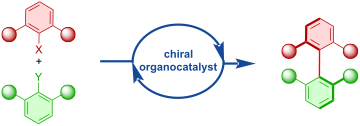
- -catalyzed (3 + 3) annulation [29]. A broad scope was demonstrated, comprising more than 50 diversely substituted compounds (Scheme 10). Wong, Zhao, and co-workers disclosed the intriguing formation of bridged biaryls featuring eight-membered lactone rings 32 [30]. This serendipitously discovered

Graphical Abstract

Scheme 1: Formation of axially chiral styrenes 3 via iminium activation.

Scheme 2: Synthesis of axially chiral 2-arylquinolines 6.

Scheme 3: Atroposelective intramolecular (4 + 2) annulation leading to aryl-substituted indolines.

Scheme 4: Atroposelective formation of biaryl via twofold aldol condensation.

Scheme 5: Strategy towards diastereodivergent formation of axially chiral oligonaphthylenes.

Scheme 6: Atroposelective formation of chiral biaryls based on a Michael/Henry domino reaction.

Scheme 7: Organocatalytic Michael/aldol cascade followed by oxidative aromatization.

Scheme 8: Atroposelective formation of C(sp2)–C(sp3) axially chiral compounds.

Scheme 9: NHC-catalyzed synthesis of axially chiral styrenes 26.

Scheme 10: NHC-catalyzed synthesis of biaxial chiral pyranones.

Scheme 11: Formation of bridged biaryls with eight-membered lactones.

Scheme 12: The NHC-catalyzed (3 + 2) annulation of urazoles 37 and ynals 36.

Scheme 13: NHC-catalyzed synthesis of axially chiral 4‑aryl α‑carbolines 41.

Scheme 14: NHC-catalyzed construction of N–N-axially chiral pyrroles and indoles.

Scheme 15: NHC-catalyzed oxidative Michael–aldol cascade.

Scheme 16: NHC-catalyzed (4 + 2) annulation for the synthesis of benzothiophene-fused biaryls.
Scheme 17: NHC-catalyzed desymmetrization of N-aryl maleimides.

Scheme 18: NHC-catalyzed deracemization of biaryl hydroxy aldehydes 55a–k into axially chiral benzonitriles 56a...

Scheme 19: NHC-catalyzed desymmetrization of 2-aryloxyisophthalaldehydes.

Scheme 20: NHC-catalyzed DKR of 2-arylbenzaldehydes 62.

Scheme 21: Atroposelective biaryl amination.

Scheme 22: CPA-catalyzed atroposelective amination of 2-anilinonaphthalenes.

Scheme 23: Atroposelective DKR of naphthylindoles.

Scheme 24: CPA-catalyzed kinetic resolution of binaphthylamines.

Scheme 25: Atroposelective amination of aromatic amines with diazodicarboxylates.

Scheme 26: Atroposelective Friedländer heteroannulation.

Scheme 27: CPA-catalyzed formation of axially chiral 4-arylquinolines.

Scheme 28: CPA-catalyzed Friedländer reaction of arylketones with cyclohexanones.

Scheme 29: CPA-catalyzed atroposelective Povarov reaction.

Scheme 30: Atroposelective CPA-catalyzed Povarov reaction.

Scheme 31: Paal–Knorr formation of axially chiral N-pyrrolylindoles and N-pyrrolylpyrroles.

Scheme 32: Atroposelective Paal–Knorr reaction leading to N-pyrrolylpyrroles.

Scheme 33: Atroposelective Pictet–Spengler reaction of N-arylindoles with aldehydes.

Scheme 34: Atroposelective Pictet–Spengler reaction leading to tetrahydroisoquinolin-8-ylanilines.

Scheme 35: Atroposelective formation of arylindoles.

Scheme 36: CPA-catalyzed arylation of naphthoquinones with indolizines.

Scheme 37: Atroposelective reaction of o-naphthoquinones.

Scheme 38: CPA-catalyzed formation of axially chiral arylquinones.

Scheme 39: CPA-catalyzed axially chiral N-arylquinones.

Scheme 40: Atroposelective additions of bisindoles to isatin-based 3-indolylmethanols.

Scheme 41: CPA-catalyzed synthesis of axially chiral arylindolylindolinones.

Scheme 42: CPA-catalyzed reaction between bisindoles and ninhydrin-derived 3-indoylmethanols.

Scheme 43: Atroposelective reaction of bisindoles and isatin-derived imines.

Scheme 44: CPA-catalyzed formation of axially chiral bisindoles.

Scheme 45: Atroposelective reaction of 2-naphthols with alkynylhydroxyisoindolinones.

Scheme 46: CPA-catalyzed reaction of indolylnaphthols with propargylic alcohols.

Scheme 47: Atroposelective formation of indolylpyrroloindoles.

Scheme 48: Atroposelective reaction of indolylnaphthalenes with alkynylnaphthols.

Scheme 49: CPA-catalyzed addition of naphthols to alkynyl-2-naphthols and 2-naphthylamines.

Scheme 50: CPA-catalyzed formation of axially chiral aryl-alkene-indoles.

Scheme 51: CPA-catalyzed formation of axially chiral styrenes.

Scheme 52: Atroposelective formation of alkenylindoles.

Scheme 53: Atroposelective formation of axially chiral arylquinolines.

Scheme 54: Atroposelective (3 + 2) cycloaddition of alkynylindoles with azonaphthalenes.

Scheme 55: CPA-catalyzed formation of axially chiral 3-(1H-benzo[d]imidazol-2-yl)quinolines.

Scheme 56: Atroposelective cyclization of 3-(arylethynyl)-1H-indoles.

Scheme 57: Atroposelective three-component heteroannulation.

Scheme 58: CPA-catalyzed formation of arylbenzimidazols.

Scheme 59: CPA-catalyzed reaction of N-naphthylglycine esters with nitrosobenzenes.

Scheme 60: CPA-catalyzed formation of axially chiral N-arylbenzimidazoles.

Scheme 61: CPA-catalyzed formation of axially chiral arylbenzoindoles.

Scheme 62: CPA-catalyzed formation of pyrrolylnaphthalenes.

Scheme 63: CPA-catalyzed addition of naphthols and indoles to nitronaphthalenes.

Scheme 64: Atroposelective reaction of heterobiaryl aldehydes and aminobenzamides.

Scheme 65: Atroposelective cyclization forming N-arylquinolones.

Scheme 66: Atroposelective formation of 9H-carbazol-9-ylnaphthalenes and 1H-indol-1-ylnaphthalene.

Scheme 67: CPA-catalyzed formation of pyrazolylnaphthalenes.

Scheme 68: Atroposelective addition of diazodicarboxamides to azaborinephenols.

Scheme 69: Catalytic formation of axially chiral arylpyrroles.

Scheme 70: Atroposelective coupling of 1-azonaphthalenes with 2-naphthols.

Scheme 71: CPA-catalyzed formation of axially chiral oxindole-based styrenes.

Scheme 72: Atroposelective electrophilic bromination of aminonaphthoquinones.

Scheme 73: Atroposelective bromination of dienes.

Scheme 74: CPA-catalyzed formation of axially chiral 5-arylpyrimidines.

Scheme 75: Atroposelective hydrolysis of biaryloxazepines.

Scheme 76: Atroposelective opening of dinaphthosiloles.

Scheme 77: Atroposelective reduction of naphthylenals.

Scheme 78: Atroposelective allylic substitution with 2-naphthols.

Scheme 79: Atroposelective allylic alkylation with phosphinamides.

Scheme 80: Atroposelective allylic substitution with aminopyrroles.

Scheme 81: Atroposelective allylic substitution with aromatic sulfinamides.

Scheme 82: Atroposelective sulfonylation of naphthylynones.

Scheme 83: Squaramide-catalyzed reaction of alkynyl-2-naphthols with 5H-oxazolones.

Scheme 84: Formation of axially chiral styrenes via sulfonylative opening of cyclopropanols.

Scheme 85: Atroposelective organo-photocatalyzed sulfonylation of alkynyl-2-naphthols.

Scheme 86: Thiourea-catalyzed atroposelective cyclization of alkynylnaphthols.

Scheme 87: Squaramide-catalyzed formation of axially chiral naphthylisothiazoles.

Scheme 88: Atroposelective iodo-cyclization catalyzed by squaramide C69.

Scheme 89: Squaramide-catalyzed formation of axially chiral oligoarenes.

Scheme 90: Atroposelective ring-opening of cyclic N-sulfonylamides.

Scheme 91: Thiourea-catalyzed kinetic resolution of naphthylpyrroles.

Scheme 92: Atroposelective ring-opening of arylindole lactams.

Scheme 93: Atroposelective reaction of 1-naphthyl-2-tetralones and diarylphosphine oxides.

Scheme 94: Atroposelective reaction of iminoquinones with indoles.

Scheme 95: Kinetic resolution of binaphthylalcohols.

Scheme 96: DKR of hydroxynaphthylamides.

Scheme 97: Atroposelective N-alkylation with phase-transfer catalyst C75.

Scheme 98: Atroposelective allylic substitution via kinetic resolution of biarylsulfonamides.

Scheme 99: Atroposelective bromo-functionalization of alkynylarenes.
Scheme 100: Sulfenylation-induced atroposelective cyclization.

Scheme 101: Atroposelective O-sulfonylation of isochromenone-indoles.

Scheme 102: NHC-catalyzed atroposelective N-acylation of anilines.

Scheme 103: Peptide-catalyzed atroposelective ring-opening of lactones.

Scheme 104: Peptide-catalyzed coupling of 2-naphthols with quinones.

Scheme 105: Atroposelective nucleophilic aromatic substitution of fluoroarenes.
Hypervalent iodine-mediated intramolecular alkene halocyclisation
- Charu Bansal,
- Oliver Ruggles,
- Albert C. Rowett and
- Alastair J. J. Lennox
Beilstein J. Org. Chem. 2024, 20, 3113–3133, doi:10.3762/bjoc.20.258
- enough to displace the iodane to form the oxonium species A. When the carboxylic acid is used, the oxygen in the lactone intermediate is less reactive and so substitution of the iodane by fluoride is more favourable and the branched product is formed. In addition to aminofluorination, Szabó also reported

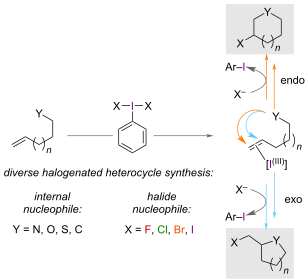
Graphical Abstract

Figure 1: Example bioactive compounds containing cyclic scaffolds potentially accessible by HVI chemistry.

Figure 2: A general mechanism for HVI-mediated endo- or exo-halocyclisation.

Scheme 1: Metal-free synthesis of β-fluorinated piperidines 6. Ts = tosyl.

Scheme 2: Intramolecular aminofluorination of unactivated alkenes with a palladium catalyst.

Scheme 3: Aminofluorination of alkenes in the synthesis of enantiomerically pure β-fluorinated piperidines. P...

Scheme 4: Synthesis of β-fluorinated piperidines.

Scheme 5: Intramolecular fluoroaminations of unsaturated amines published by Li.

Scheme 6: Intramolecular aminofluorination of unsaturated amines using 1-fluoro-3,3-dimethylbenziodoxole (12)...
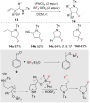
Scheme 7: 3-fluoropyrrolidine synthesis. aDiastereomeric ratio (cis/trans) determined by 19F NMR analysis.

Scheme 8: Kitamura’s synthesis of 3-fluoropyrrolidines. Values in parentheses represent the cis:trans ratio.
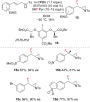
Scheme 9: Jacobsen’s enantio- and diastereoselective protocol for the synthesis of syn-β-fluoroaziridines 15.
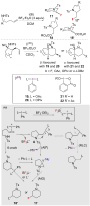
Scheme 10: Different HVI reagents lead to different diastereoselectivity in aminofluorination competing with c...
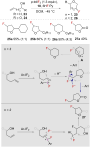
Scheme 11: Fluorocyclisation of unsaturated alcohols and carboxylic acids to make tetrahydrofurans, fluorometh...

Scheme 12: Oxyfluorination of unsaturated alcohols.
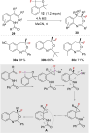
Scheme 13: Synthesis and mechanism of fluoro-benzoxazepines.
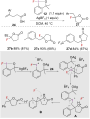
Scheme 14: Intramolecular fluorocyclisation of unsaturated carboxylic acids. Yield of isolated product within ...

Scheme 15: Synthesis of fluorinated tetrahydrofurans and butyrolactone.

Scheme 16: Synthesis of fluorinated oxazolines 32. aReaction time increased to 40 hours. Yields refer to isola...
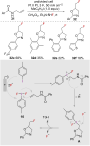
Scheme 17: Electrochemical synthesis of fluorinated oxazolines.

Scheme 18: Electrochemical synthesis of chromanes.

Scheme 19: Synthesis of fluorinated oxazepanes.
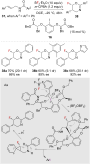
Scheme 20: Enantioselective oxy-fluorination with a chiral aryliodide catayst.
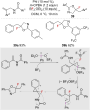
Scheme 21: Catalytic synthesis of 5‑fluoro-2-aryloxazolines using BF3·Et2O as a source of fluoride and an acti...

Scheme 22: Intramolecular carbofluorination of alkenes.

Scheme 23: Intramolecular chlorocyclisation of unsaturated amines.
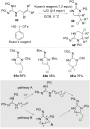
Scheme 24: Synthesis of chlorinated cyclic guanidines 44.
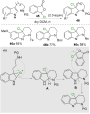
Scheme 25: Synthesis of chlorinated pyrido[2,3-b]indoles 46.

Scheme 26: Chlorolactonization and chloroetherification reactions.
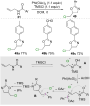
Scheme 27: Proposed mechanism for the synthesis of chloromethyl oxazolines 49.

Scheme 28: Oxychlorination to form oxazine and oxazoline heterocycles promoted by BCl3.

Scheme 29: Aminobromocyclisation of homoallylic sulfonamides 53. The cis:trans ratios based on the 1H NMR of t...
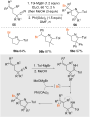
Scheme 30: Synthesis of cyclic imines 45.

Scheme 31: Synthesis of brominated pyrrolo[2,3-b]indoles 59.

Scheme 32: Bromoamidation of alkenes.

Scheme 33: Synthesis of brominated cyclic guanidines 61 and 61’.
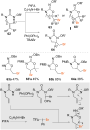
Scheme 34: Intramolecular bromocyclisation of N-oxyureas.
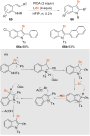
Scheme 35: The formation of 3-bromoindoles.

Scheme 36: Bromolactonisation of unsaturated acids 68.

Scheme 37: Synthesis of 5-bromomethyl-2-oxazolines.
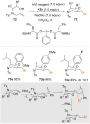
Scheme 38: Synthesis of brominated chiral morpholines.
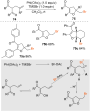
Scheme 39: Bromoenolcyclisation of unsaturated dicarbonyl groups.

Scheme 40: Brominated oxazines and oxazolines with BBr3.

Scheme 41: Synthesis of 5-bromomethtyl-2-phenylthiazoline.

Scheme 42: Intramolecular iodoamination of unsaturated amines.

Scheme 43: Formation of 3-iodoindoles.

Scheme 44: Iodoetherification of 2,2-diphenyl-4-penten-1-carboxylic acid (47’) and 2,2-diphenyl-4-penten-1-ol (...

Scheme 45: Synthesis of 5-iodomethyl-2-oxazolines.

Scheme 46: Synthesis of chiral iodinated morpholines. aFrom the ʟ-form of the amino acid starting material. Th...

Scheme 47: Iodoenolcyclisation of unsaturated dicarbonyl compounds 74.

Scheme 48: Synthesis of 5-iodomethtyl-2-phenylthiazoline (87).
Chemical structure metagenomics of microbial natural products: surveying nonribosomal peptides and beyond
- Thomas Ma and
- John Chu
Beilstein J. Org. Chem. 2024, 20, 3050–3060, doi:10.3762/bjoc.20.253

- may also benefit from bioinformatic studies of adenylating enzymes in general; the discovery of a novel β-lactone biosynthesis pathway in Nocardia species is a good case in point [78]. Future directions 2: Understanding thioesterase function No algorithm is currently capable of predicting the topology
- to fully understand the determinant(s) of NRP topology. There are many ways to classify NRPs when topology and chemical structural features are considered simultaneously. For example, a macrocycle may be a lactam or a lactone depending on whether the internal nucleophile is an amine or an alcohol

Graphical Abstract

Figure 1: In BGF for microbial natural product discovery, the culture extract is fractionated using chromatog...

Figure 2: In light of BGF’s decreasing return-on-investment, scientists have developed new natural product di...

Figure 3: a) Incorporation of the first five amino acid BBs in daptomycin (highlighted in blue) is illustrate...

Figure 4: Syn-BNPs were synthesized in accordance to predicted NRP structures; shown herein are hits from var...

Figure 5: a) “Offloading” is the final step of NRP biosynthesis, wherein the mature NRP is released from the ...
N-Glycosides of indigo, indirubin, and isoindigo: blue, red, and yellow sugars and their cancerostatic activity
- Peter Langer
Beilstein J. Org. Chem. 2024, 20, 2840–2869, doi:10.3762/bjoc.20.240
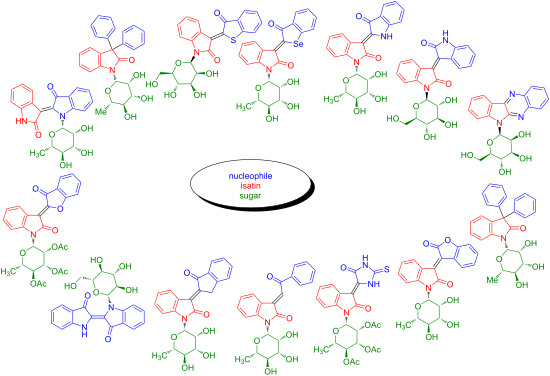
- % yield (Scheme 38) [59]. Unfortunately, all attempts to achieve a deprotection failed, due to cleavage of the lactone moiety. Starting with α-configured isatin-N-rhamnoside α-16a, anomerically pure α-64a could be prepared in 43% yield. Likewise, N-rhamnoside β-64b, N-glucoside β-64c, N-mannoside β-64d
- , due to cleavage of the lactone moiety. Starting from the respective isatin-N-glycosides, N-glucoside β-74b and N-mannoside β-74c were prepared. Carboisoindigo-N-glycosides The condensation of isatin-N-rhamnoside β-16a with indan-2-one (76) afforded carboisoindigo-N-rhamnoside β-77 in 39% yield (Scheme
- 42) [60]. Despite the absence of a lactone moiety, deprotection proved to be unsuccessful, due to decomposition. Miscelleaneous 6H-Indolo-[2,3-b]quinoxaline-N-glycosides The cyclization of isatin-N-rhamnoside β-16a with 1,2-diaminobenzene (79a) afforded 6H-indolo-[2,3-b]quinoxaline-N-glycoside β-80a

Graphical Abstract

Scheme 1: Structures of indigo (1a), indirubin (2a) and isoindigo (3a).

Scheme 2: Structures of akashins A–C.
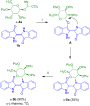
Scheme 3: Synthesis of 5b. Reagents and conditions: i) TMSOTf, 4 Å MS, CH2Cl2, −20 °C, 1.5 h, then 20 °C, 8–1...
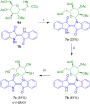
Scheme 4: Synthesis of 7c. Reagents and conditions: i) TMSOTf, 4 Å MS, CH2Cl2, −18 °C, 3 h; then: TMSOTf, 4 Å...

Scheme 5: Synthesis of 1d. Reagents and conditions: i) chloroacetic acid, Na2CO3, reflux, 6 h; ii) Ac2O, NaOA...

Scheme 6: Synthesis of 10e. Reagents and conditions: i) p-TsOH·H2O, acetonitrile, MeOH, 1 d; ii) NIS, PPh3, D...

Scheme 7: Synthesis of akashins A–C. Reagents and conditions: i) TMSOTf, 4 Å MS, CH2Cl2, −18 to 20 °C, 15 h; ...
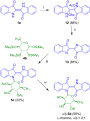
Scheme 8: Synthesis of 5d. Reagents and conditions: i) KMnO4, AcOH, high-power-stirring (12.000 rot/min), 20 ...

Scheme 9: Possible mechanism of the formation of 5c.

Scheme 10: Synthesis of 7d. Reagents and conditions: i) 1) CH2Cl2, 2) Me3SiI, 20 °C, 30 min, 3) 0 °C, 30 min, ...

Scheme 11: Synthesis of α-15b. Reagents and conditions: i) 1) CH2Cl2, 2) Me3SiI, 20 °C, 30 min, 3) 0 °C, 30 mi...

Scheme 12: Synthesis of isatin-N-glycosides 16a–f. Reagents and conditions: i) PhNH2, EtOH, 20 °C, 12 h; ii) Ac...
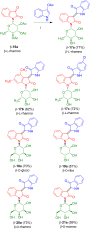
Scheme 13: Synthesis of 17–21. Reagents and conditions: i) Na2CO3, MeOH, 20 °C, 4 h.

Scheme 14: Synthesis of indirubin-N-glycosides α-17a and α-17b.

Scheme 15: Synthesis of β-17f. Reagents and conditions: i) 1) Na2CO3, MeOH, 20 °C, 4 h, 2) Ac2O/pyridine 1:1, ...

Scheme 16: Synthesis of β-24a. Reagents and conditions: i) n-PrOH, H2O, formic acid (buffer, 100 mM), 2 h, 65 ...

Scheme 17: Synthesis of isatin-N-glycosides 23b–g and 24b–g.

Scheme 18: Synthesis of β-29a,b. Reagents and conditions: i) EtOH, 20 °C, 12 h; ii) DDQ, dioxane, 20 °C, 12 h;...

Scheme 19: Synthesis of β-31a. Reagents and conditions: i) Na2SO3, dioxane, H2O, 110 °C, 2 d; ii) piperidine, ...

Scheme 20: Synthesis of 33a–d. Reagents and conditions: i) Ac2O, AcOH, NaOAc, 80 °C, 1 h; ii) 1) NaOMe, anhydr...

Scheme 21: Indirubins 34 and 35.

Scheme 22: Synthesis of 36f. Reagents and conditions: i) NaOH, H2O, 20 °C, 5 h; ii) HCl, NaNO2, H2O, −14 °C; i...

Scheme 23: Synthesis of 38a–h. Reagents and conditions: i) 1) 0.1 equiv NaOMe, MeOH, 20 °C, 15–20 min, 2) HOAc...

Scheme 24: Synthesis of 40a–h. Reagents and conditions: i) method A: EtOH/THF, cat. KOt-Bu, 20 °C, 3–4.5 h; me...

Scheme 25: Synthesis of 41a–d. Reagents and conditions: i) Ac2O, AcOH, NaOAc, 80 °C, 1 h.

Scheme 26: Synthesis of 41e. Reagents and conditions: i) AcOH, NaOAc, 110 °C, 24 h.

Scheme 27: Synthesis of E-β-43a–e and E-β-44a,b. Reagents and conditions: i) 1) NEt3, EtOH, 20 °C, 12 h, 2) DM...

Scheme 28: Synthesis of E-43f. Reagents and conditions: i) Na2CO3, MeOH, 20 °C, 6–24 h.

Scheme 29: Synthesis of 46a–m. Reagents and conditions: i) NEt3 (1 equiv), EtOH, 20 °C, 6–10 h; ii) MsCl, NEt3...

Scheme 30: Synthesis of 48a–d. Reagents and conditions: i) AcOH/Ac2O, NaOAc, 60 °C, 3–4 h.

Scheme 31: Synthesis of 48e. Reagents and conditions: i) NaOAc, AcOH, 110 °C, 24 h.
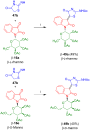
Scheme 32: Synthesis of β-49a,b. Reagents and conditions: i) AcOH/Ac2O, NaOAc, 60 °C, 3–4 h.

Scheme 33: Synthesis of β-54a,b. Reagents and conditions: i) 1) NaH, DMF, 0 °C, 15 min, 2) β-51a,b, 20 °C, 3 h...

Scheme 34: Synthesis of 54c–l. The yields refer to the yields of the first and second condensation step for ea...

Scheme 35: Synthesis of 57a–c and 58a–d. Reagents and conditions: i) HCl (conc.), AcOH, reflux, 24 h; ii) 1) B...

Scheme 36: Synthesis of 59a–e and 60a–e. Reagents and conditions: i) P(NEt2)3 (1.1 equiv), CH2Cl2, −78 °C to 2...

Scheme 37: Synthesis of 61a–d and 62a–d. Reagents and conditions: i) P(NEt2)3 (1.1 equiv), CH2Cl2, −78 °C to 2...

Scheme 38: Synthesis of β-64a–e and α-64a. Reagents and conditions: i) AcOH, Ac2O, NaOAc, 90 °C, 6 h.

Scheme 39: Synthesis of β-72a. Reagents and conditions: i) 66, EtOH, 20 °C, 12 h; ii) DDQ, dioxane, 20 °C, 12 ...

Scheme 40: Synthesis of β-72b.

Scheme 41: Synthesis of β-74a–c. Reagents and conditions: i) AcOH, Ac2O, NaOAc, 130 °C, 2 d.

Scheme 42: Synthesis of β-77. Reagents and conditions: i) 1) NEt3, EtOH, 20 °C, 12 h, 2) DMAP, NEt3, MsCl, 0 °...

Scheme 43: Synthesis of β-81a–f and β-80g. Reagents and conditions: i) AcOH, 80 °C, 1–3 h; ii) benzene, PTSA, ...

Scheme 44: Synthesis of 84a. Reagents and conditions: i) benzene, AlCl3, 20 °C, 10 min; ii) MeOH, NaOMe, 12 h,...

Scheme 45: Synthesis of 84b–l. The yields refer to the yields of the condensation and the deprotection step fo...
Facile preparation of fluorine-containing 2,3-epoxypropanoates and their epoxy ring-opening reactions with various nucleophiles
- Yutaro Miyashita,
- Sae Someya,
- Tomoko Kawasaki-Takasuka,
- Tomohiro Agou and
- Takashi Yamazaki
Beilstein J. Org. Chem. 2024, 20, 2421–2433, doi:10.3762/bjoc.20.206
- during the lactone-forming process. Their close structural resemblance led to a significant peak overlap both in the 1H and 19F NMR spectra which made it difficult to obtain their exact ratio and thus, the combined 19F NMR yields were shown in Table 4. Separation of these two compounds was eventually
- succeeded by the usual hydrogenolysis to furnish the carboxylic acid anti,syn-8a in 79% isolated yield and the lactone anti,syn-7b was recovered in 13% yield (Scheme 4) which was considered to be the reflection of the original composition of anti,syn-7a and -7b. The relative stereochemistry of anti,syn-8a
- was confirmed as 2,3-anti-3,4-syn by its X-ray crystallographic analysis [49] (Figure 2) whose construction could be readily understood as the result of a highly stereoselective SN2-type epoxy ring opening of 2a, followed by the intramolecular lactone formation with the pro-R ethoxycarbonyl group

Graphical Abstract

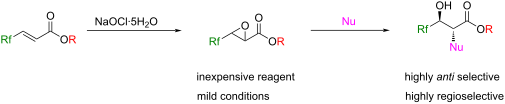
Scheme 1: Expectation of the regio- as well as stereoselective reactions of 2.

Scheme 2: Attempts of the present epoxidation to other α,β-unsaturated esters, 1h–j.
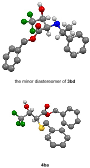
Figure 1: Crystallographic structure of the epoxy ring-opening products by PhCH(NH2)Me (3bd) and PhCH2SH (4ba...

Scheme 3: Introduction of additional halogen atoms at the 2-position of the compound 2b.
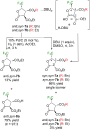
Scheme 4: Clarification of the stereochemistry of anti,syn-8a and -7b.

Figure 2: Crystallographic structure of anti,syn-8a.
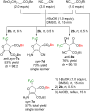
Scheme 5: Reaction of 2b with other stabilized nucleophiles.

Scheme 6: Production of 4,4,4-trifluoro-2,3-dihydroxybutanoate anti-10a.
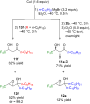
Scheme 7: Reactions of n-C10H21MgBr-based cuprate with 13f as well as 2b with/without D2O quenching.
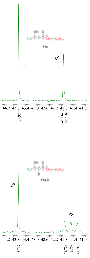
Figure 3: A part of 13C NMR spectra for the compounds 11a and 11a-D.
Natural resorcylic lactones derived from alternariol
- Joachim Podlech
Beilstein J. Org. Chem. 2024, 20, 2171–2207, doi:10.3762/bjoc.20.187
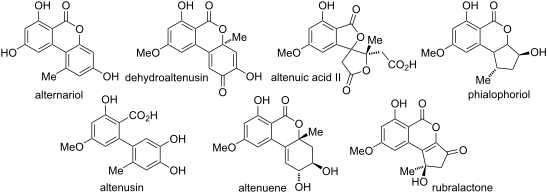
- acid), whose biosynthesis is presumably starting from alternariol. The lactone moieties of these compounds are usually six-membered rings, where variations during or after polyketide synthesis occasionally give rise to five- or seven-membered rings or even to open structures with a free resorcylic acid
- pathogens [50][51][52]. It should be noted that Alternaria alternata is a species complex and many producer strains reported in the literature were not correctly identified [53]. The rather low toxicity of alternariol and most of the further Alternaria toxins (especially those with resorcylic lactone
- only due to its structural analogy to the other lysilactones; it is not a resorcylic lactone and has not been mentioned after the initial report [139]. The structures of these compounds were determined by NMR-spectroscopic methods and constitution and configuration of lysilactone A was further

Graphical Abstract
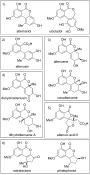
Figure 1: Examples of compounds covered in this review categorized in six sub-classes (see text).
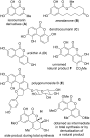
Figure 2: Examples of compounds not covered in this review.

Figure 3: Wrongly assigned and thus obsolete structures (details will be discussed in the respective chapters...

Figure 4: Alternariol with the correct IUPAC numbering and an occasionally used numbering based on the biphen...

Figure 5: Alternariol O-methyl ethers.

Figure 6: Alternariol O-glycosides.

Figure 7: Alternariol O-acetates and O-sulfates.

Figure 8: 2-Hydroxy- and 4-hydroxy-substituted alternariol and its O-methyl ethers.

Figure 9: Chloro- and amino-substituted alternariol and its O-methyl ethers.
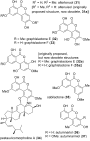
Figure 10: Presumed alternariol derivatives with non-canonical substitution pattern.

Figure 11: Alternariol derivatives with the 1-methyl group hydroxylated.
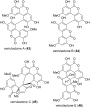
Figure 12: Verrulactones: pseudo-dimeric derivatives of altertenuol and related compounds.

Figure 13: Biaryls formed by reductive lactone opening and/or by decarboxylation.

Figure 14: Altenuene and its diastereomers.

Figure 15: 9-O-Demethylated altenuene diastereomers.

Figure 16: Acetylated and methylated altenuene diastereomers.

Figure 17: Altenuene diastereomers modified with lactic acid, pyruvic acid, or acetone.

Figure 18: Neoaltenuene and related compounds.

Figure 19: Dehydroaltenusin and its derivatives.

Scheme 1: Equilibrium of dehydroaltenusin in polar solvents [278].

Figure 20: Further quinoid derivatives.

Figure 21: Dehydroaltenuenes.

Figure 22: Complex aggregates containing dehydroaltenuene substructures and related compounds.

Figure 23: Dihydroaltenuenes.

Figure 24: Altenuic acids and related compounds.

Figure 25: Cyclopentane- and cyclopentene-fused derivatives.

Figure 26: Cyclopentenone-fused derivatives.

Figure 27: Spiro-fused derivatives and a related ring-opened derivative.

Figure 28: Lactones-fused and lactone-substituted derivatives.

Scheme 2: Biosynthesis of alternariol [324].

Scheme 3: Biosynthesis of alternariol and its immediate successors with the genes involved in the respective ...

Scheme 4: Presumed formation of altenuene and its diastereomers and of botrallin.

Scheme 5: Presumed formation of altenuic acids and related compounds.

Scheme 6: A selection of plausible biosynthetic paths to cyclopenta-fused metabolites. (No stereochemistry is...

Scheme 7: Biomimetic synthesis of alternariol (1) by Harris and Hay [66].

Scheme 8: Total synthesis of alternariol (1) by Subba Rao et al. using a Diels–Alder approach [34].

Scheme 9: Total synthesis of alternariol (1) using a Suzuki strategy by Koch and Podlech [62], improved by Kim et...

Scheme 10: Total synthesis of alternariol (1) using an intramolecular biaryl coupling by Abe et al. [63].

Scheme 11: Total synthesis of altenuene (54) and isoaltenuene (55) by Podlech et al. [249].

Scheme 12: Total synthesis of neoaltenuene (69) by Podlech et al. [35].

Scheme 13: Total synthesis of TMC-264 (79) by Tatsuta et al. [185].

Scheme 14: Total synthesis of cephalosol (99) by Koert et al. [304].
Chiral bifunctional sulfide-catalyzed enantioselective bromolactonizations of α- and β-substituted 5-hexenoic acids
- Sao Sumida,
- Ken Okuno,
- Taiki Mori,
- Yasuaki Furuya and
- Seiji Shirakawa
Beilstein J. Org. Chem. 2024, 20, 1794–1799, doi:10.3762/bjoc.20.158
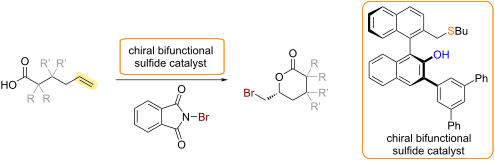
- enantioselectivity. The reactions of α,α-dialkyl-5-hexenoic acids 2e and 2f gave the corresponding bromolactonization products 3e and 3f with moderate enantioselectivities. The present catalytic method could also be applied to the asymmetric synthesis of spirolactones [37][38][39]. For example, α-spiro-δ-lactone

Graphical Abstract

Scheme 1: Catalytic asymmetric halolactonizations of alkenoic acids.

Scheme 2: Effects of chiral sulfide catalysts.

Scheme 3: Effects of brominating reagents and solvents.

Scheme 4: Substrate scope.
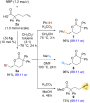
Scheme 5: Larger-scale synthesis and transformations of bromolactonization product 3a.
Syntheses and medicinal chemistry of spiro heterocyclic steroids
- Laura L. Romero-Hernández,
- Ana Isabel Ahuja-Casarín,
- Penélope Merino-Montiel,
- Sara Montiel-Smith,
- José Luis Vega-Báez and
- Jesús Sandoval-Ramírez
Beilstein J. Org. Chem. 2024, 20, 1713–1745, doi:10.3762/bjoc.20.152
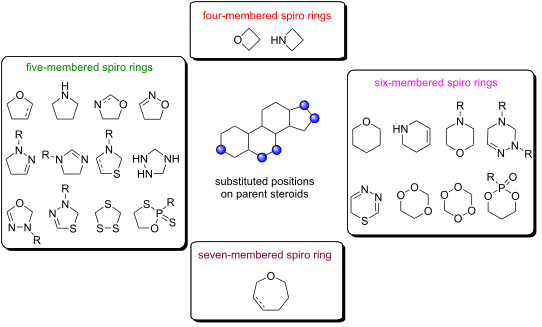
- cyclopamine. Comparing the biological results of the compound with the activity of desmethylveramiline (a des-E analogue of cyclopamine) has suggested that the rigidity of the oxetane ring is crucial for the potency of compound 7 [12]. Spiro-β-lactone steroids Beller et al. reported a selective method for
- -Methylene spirolactones at C-3 11a and 11b derived from dihydrocholesterol and stanolone were also obtained in 41% and 52% yields, respectively (dr > 20:1) (Scheme 3). More recently, a functionalized spiro-β-lactone was obtained via a metal-free procedure involving photoinduced carbene C–H insertion in a
- C–H insertion to produce the spiro-β-lactone was accomplished by simply exposing the diazo derivative to 440 nm blue LEDs (Kessil lamp) at 50 °C, that favored the formation of a singlet carbene that reacted selectively by insertion into the C(3)–H bond. Spiro-lactones 14 were obtained in 80% yield

Graphical Abstract

Figure 1: Steroidal spiro heterocycles with remarkable pharmacological activity.

Scheme 1: Synthesis of the spirooxetanone 2. a) t-BuOK, THF, rt, 16%.

Scheme 2: Synthesis of the 17-spirooxetane derivative 7. a) HC≡C(CH2)2CH2OTBDPS, n-BuLi, THF, BF3·Et2O, −78 °...

Scheme 3: Pd-catalyzed carbonylation of steroidal alkynols to produce α-methylene-β-lactones at C-3 and C-17 ...

Scheme 4: Catalyst-free protocol to obtain functionalized spiro-lactones by an intramolecular C–H insertion. ...

Scheme 5: One-pot procedure from dienamides to spiro-β-lactams. a) 1. Ac2O, DMAP, Et3N, CH2Cl2, 2. malononitr...

Scheme 6: Spiro-γ-lactone 20 afforded from 7α-alkanamidoestrone derivative 17. a) HC≡CCH2OTHP, n-BuLi, THF, –...

Scheme 7: Synthesis of the 17-spiro-γ-lactone 23, a key intermediate to obtain spironolactone. a) Ethyl propi...

Scheme 8: Synthetic pathway to obtain 17-spirodihydrofuran-3(2H)-ones from 17-oxosteroids. a) 1-Methoxypropa-...

Scheme 9: One-pot procedure to obtain 17-spiro-2H-furan-3-one compounds. a) NaH, diethyl oxalate, benzene, rt...

Scheme 10: Synthesis of 17-spiro-2H-furan-3-one derivatives. a) RCH=NOH, N-chlorosuccinimide/CHCl3, 99%; b) H2...

Scheme 11: Intramolecular condensation of a γ-acetoxy-β-ketoester to synthesize spirofuranone 37. a) (CH3CN)2P...

Scheme 12: Synthesis of spiro 2,5-dihydrofuran derivatives. a) Allyl bromide, DMF, NaH, 0 °C to rt, 93%; b) G-...

Scheme 13: First reported synthesis of C-16 dispiropyrrolidine derivatives. a) Sarcosine, isatin, MeOH, reflux...

Scheme 14: Cycloadducts 47 with antiproliferative activity against human cancer cell lines. a) 1,4-Dioxane–MeO...

Scheme 15: Spiropyrrolidine compounds generated from (E)-16-arylidene steroids and different ylides. a) Acenap...

Scheme 16: 3-Spiropyrrolidines 52a–c obtained from ketones 50a–c. a) p-Toluenesulfonyl hydrazide, MeOH, rt; b)...

Scheme 17: 16-Spiropyrazolines from 16-methylene-13α-estrone derivatives. a) AgOAc, toluene, rt, 78–81%.

Scheme 18: 6-Spiroimidazolines 57 synthesized by a one-pot multicomponent reaction. a) R3-NC, T3P®, DMSO, 70 °...

Scheme 19: Synthesis of spiro-1,3-oxazolines 60, tested as progesterone receptor antagonist agents. a) CF3COCF3...

Scheme 20: Synthesis of spiro-1,3-oxazolidin-2-ones 63 and 66a,b. a) RNH2, EtOH, 70 °C, 70–90%; b) (CCl3O)2CO,...

Scheme 21: Formation of spiro 1,3-oxazolidin-2-one and spiro 2-substituted amino-4,5-dihydro-1,3-oxazoles from ...

Scheme 22: Synthesis of diastereomeric spiroisoxazolines 74 and 75. a) Ar-C(Cl)=N-OH, DIPEA, toluene, rt, 74 (...

Scheme 23: Spiro 1,3-thiazolidine derivatives 77–79 obtained from 2α-bromo-5α-cholestan-3-one 76. a) 2-aminoet...

Scheme 24: Method for the preparation of derivative 83. a) Benzaldehyde, MeOH, reflux, 77%; b) thioglycolic ac...

Scheme 25: Synthesis of spiro 1,3-thiazolidin-4-one derivatives from steroidal ketones. a) Aniline, EtOH, refl...

Scheme 26: Synthesis of spiro N-aryl-1,3-thiazolidin-4-one derivatives 91 and 92. a) Sulfanilamide, DMF, reflu...

Scheme 27: 1,2,4-Trithiolane dimers 94a–e selectively obtained from carbonyl derivatives. a) LR, CH2Cl2, reflu...

Scheme 28: Spiro 1,2,4-triazolidin-3-ones synthesized from semicarbazones. a) H2O2, CHCl3, 0 °C, 82–85%.

Scheme 29: Steroidal spiro-1,3,4-oxadiazoline 99 obtained in two steps from cholest-5-en-3-one (97). a) NH2NHC...

Scheme 30: Synthesis of spiro-1,3,4-thiadiazoline 101 by cyclization and diacetylation of thiosemicarbazone 100...

Scheme 31: Mono- and bis(1,3,4-thiadiazolines) obtained from estrane and androstane derivatives. a) H2NCSNHNH2...

Scheme 32: Different reaction conditions to synthesize spiro-1,3,2-oxathiaphospholanes 108 and 109.

Scheme 33: Spiro-δ-lactones derived from ADT and epi-ADT as inhibitors of 17β-HSDs. a) CH≡C(CH2)2OTHP, n-BuLi,...

Scheme 34: Spiro-δ-lactams 123a,b obtained in a five-step reaction sequence. a) (R)-(+)-tert-butylsulfinamide,...

Scheme 35: Steroid-coumarin conjugates as fluorescent DHT analogues to study 17-oxidoreductases for androgen m...

Scheme 36: 17-Spiro estradiolmorpholinones 130 bearing two types of molecular diversity. a) ʟ- or ᴅ-amino acid...

Scheme 37: Steroidal spiromorpholinones as inhibitors of enzyme 17β-HSD3. a) Methyl ester of ʟ- or ᴅ-leucine, ...

Scheme 38: Steroidal spiro-morpholin-3-ones achieved by N-alkylation or N-acylation of amino diols 141, follow...

Scheme 39: Straightforward method to synthesize a spiromorpholinone derivative from estrone. a) BnBr, K2CO3, CH...

Scheme 40: Pyrazolo[4,3-e][1,2,4]-triazine derivatives 152–154. a) 4-Aminoantipyrine, EtOH/DMF, reflux, 82%; b...

Scheme 41: One-pot procedure to synthesize spiro-1,3,4-thiadiazine derivatives. a) NH2NHCSCONHR, H2SO4, dioxan...

Scheme 42: 1,2,4-Trioxanes with antimalarial activity. a) 1. O2, methylene blue, CH3CN, 500 W tungsten halogen...

Scheme 43: Tetraoxanes 167 and 168 synthesized from ketones 163, 165 and 166. a) NaOH, iPrOH/H2O, 80 °C, 93%; ...

Scheme 44: 1,2,4,5-Tetraoxanes bearing a steroidal moiety and a cycloalkane. a) 30% H2O2/CH2Cl2/CH3CN, HCl, rt...

Scheme 45: Spiro-1,3,2-dioxaphosphorinanes obtained from estrone derivatives. a) KBH4, MeOH, THF or CH2Cl2; b)...

Scheme 46: Synthesis of steroidal spiro-ε-lactone 183. a) 1. Jones reagent, acetone, 0 °C to rt, 2. ClCOCOCl, ...

Scheme 47: Synthesis of spiro-2,3,4,7-tetrahydrooxepines 185 and 187 derived from mestranol and lynestrenol (38...
Synthetic applications of the Cannizzaro reaction
- Bhaskar Chatterjee,
- Dhananjoy Mondal and
- Smritilekha Bera
Beilstein J. Org. Chem. 2024, 20, 1376–1395, doi:10.3762/bjoc.20.120
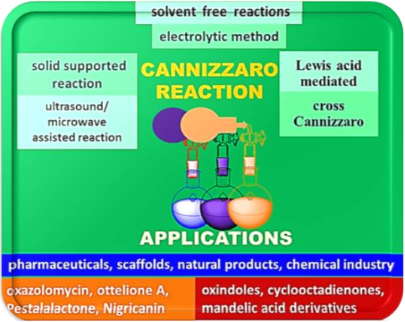
- tetracyclic cage compound 51. Acetal opening in 51 afforded the keto-aldehyde 52 which underwent an intramolecular Cannizzaro reaction to give the trihydroxy acid 53, finally cyclizing to the lactone diol 54, elaboration of which led to the desired target (Scheme 18). An interesting application of the
- intramolecular Cannizzaro reaction was demonstrated by the group of Schmalz in the total synthesis of the marine antibiotic pestalone [86]. They observed a facile isomerization of the pestalone derivatives 55/57 into the intramolecular lactone derivatives rac-56a,b which features a Cannizzaro–Tishchenko-type
- -Cannizzaro reaction in the construction of the spiro-β-lactone ring while targeting the spiro-β-lactone-γ-lactam ring of oxazolomycin and lazollamycin [88]. Proceeding towards the requisite fragment they envisaged a series of crucial diastereoselective transformations arriving at the precursor 69 to the

Graphical Abstract
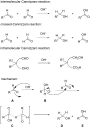
Figure 1: Types and mechanism of the Cannizzaro reaction.

Figure 2: Various approaches of the Cannizzaro reaction.

Figure 3: Representative molecules synthesized via the Cannizzaro reaction.

Scheme 1: Intramolecular Cannizzaro reaction of aryl glyoxal hydrates using TOX catalysts.
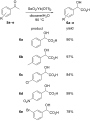
Scheme 2: Intramolecular Cannizzaro reaction of aryl methyl ketones using ytterbium triflate/selenium dioxide....

Scheme 3: Intramolecular Cannizzaro reaction of aryl glyoxals using Cr(ClO4)3 as catalyst.
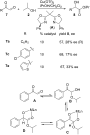
Scheme 4: Cu(II)-PhBox-catalyzed asymmetric Cannizzaro reaction.
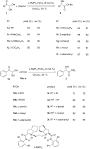
Scheme 5: FeCl3-based chiral catalyst applied for the enantioselective intramolecular Cannizzaro reaction rep...

Scheme 6: Copper bis-oxazoline-catalysed intramolecular Cannizzaro reaction and proposed mechanism.

Scheme 7: Chiral Fe catalysts-mediated enantioselective Cannizzaro reaction.
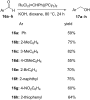
Scheme 8: Ruthenium-catalyzed Cannizzaro reaction of aromatic aldehydes.

Scheme 9: MgBr2·Et2O-assisted Cannizzaro reaction of aldehydes.

Scheme 10: LiBr-catalyzed intermolecular Cannizzaro reaction of aldehydes.

Scheme 11: γ-Alumina as a catalyst in the Cannizzaro reaction.

Scheme 12: AlCl3-mediated Cannizzaro disproportionation of aldehydes.

Scheme 13: Ru–N-heterocyclic carbene catalyzed dehydrogenative synthesis of carboxylic acids.

Figure 4: Proposed catalytic cycle for the dehydrogenation of alcohols.

Scheme 14: Intramolecular desymmetrization of tetraethylene glycol.

Scheme 15: Desymmetrization of oligoethylene glycol dialdehydes.

Scheme 16: Intramolecular Cannizzaro reaction of calix[4]arene dialdehydes.

Scheme 17: Desymmetrization of dialdehydes of symmetrical crown ethers using Ba(OH)2.

Scheme 18: Synthesis of ottelione A (proposed) via intramolecular Cannizzaro reaction.

Scheme 19: Intramolecular Cannizzaro reaction for the synthesis of pestalalactone.

Scheme 20: Synthetic strategy towards nigricanin involving an intramolecular Cannizzaro reaction.

Scheme 21: Spiro-β-lactone-γ-lactam part of oxazolomycins via aldol crossed-Cannizzaro reaction.

Scheme 22: Synthesis of indole alkaloids via aldol crossed-Cannizzaro reaction.

Scheme 23: Aldol and crossed-Cannizzaro reaction towards the synthesis of ertuliflozin.

Scheme 24: Synthesis of cyclooctadieneones using a Cannizzaro reaction.

Scheme 25: Microwave-assisted crossed-Cannizzaro reaction for the synthesis of 3,3-disubstituted oxindoles.

Scheme 26: Synthesis of porphyrin-based rings using the Cannizzaro reaction.

Scheme 27: Synthesis of phthalides and pestalalactone via Cannizarro–Tishchenko-type reaction.

Scheme 28: Synthesis of dibenzoheptalene bislactones via a double intramolecular Cannizzaro reaction.
Cofactor-independent C–C bond cleavage reactions catalyzed by the AlpJ family of oxygenases in atypical angucycline biosynthesis
- Jinmin Gao,
- Liyuan Li,
- Shijie Shen,
- Guomin Ai,
- Bin Wang,
- Fang Guo,
- Tongjian Yang,
- Hui Han,
- Zhengren Xu,
- Guohui Pan and
- Keqiang Fan
Beilstein J. Org. Chem. 2024, 20, 1198–1206, doi:10.3762/bjoc.20.102
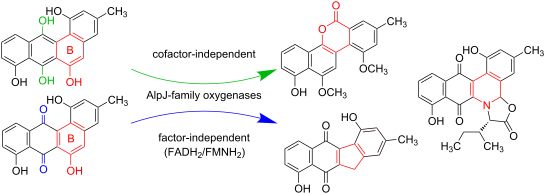
- scaffolds (Scheme 1) [1][2][8][9][10][11][12][13][14]. Noteworthy is the prerequisite for FADH2/FMNH2, provided by E. coli Fre or flavin reductases in corresponding biosynthetic pathways, to facilitate these oxidation reactions. Experimental data support that 1 was firstly oxidized to a lactone intermediate

Graphical Abstract

Scheme 1: Ring cleavage and ring rearrangement reactions in the biosynthesis of atypical angucyclines.
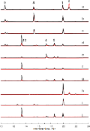
Figure 1: HPLC traces of reaction mixtures of AlpG, AlpJ, Flu17, and JadG. (a) standards of prejadomycin (9),...

Figure 2: HPLC traces of reactions of JadG, AlpJ, or Flu17 quenched by SOD. (a) 8 + JadG + ʟ-isoleucine; (b) 8...

Scheme 2: Proposed catalytic mechanism of cofactor-independent AlpJ-family oxygenases.
Stability trends in carbocation intermediates stemming from germacrene A and hedycaryol
- Naziha Tarannam,
- Prashant Kumar Gupta,
- Shani Zev and
- Dan Thomas Major
Beilstein J. Org. Chem. 2024, 20, 1189–1197, doi:10.3762/bjoc.20.101
- anticancer, antimalarial, antibacterial, and antiviral activity [8][9]. For instance, the well-known artemisinin family of drugs, which is currently the first line of treatment against malaria, is a sesquiterpene lactone [10]. Sesquiterpenes produced by plants [10] also have plant growth regulating and

Graphical Abstract

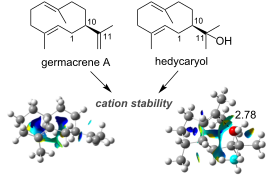
Scheme 1: Biosynthesis of (A) germacrene A and (B) hedycaryol from FPP. Here the abbreviations represent, FPP...

Figure 1: 6-6 and 5-7 bicyclic carbocations formed by protonation and cyclization of germacrene A and hedycar...

Figure 2: Bar plot for the relative free energies of germacrene A and hedycaryol carbocations relative to car...

Figure 3: NCI plot for A (left) and B (right). Blue corresponds to repulsive and yellow represents slightly a...

Figure 4: NCI plots for F and H hedycaryol cations. The C+···OH distances (Å) are shown in black.

Figure 5: Correlation plot relating between the stability of hedycaryols (ΔΔEe) and C+···OH bond distances.
Skeletal rearrangement of 6,8-dioxabicyclo[3.2.1]octan-4-ols promoted by thionyl chloride or Appel conditions
- Martyn Jevric,
- Julian Klepp,
- Johannes Puschnig,
- Oscar Lamb,
- Christopher J. Sumby and
- Ben W. Greatrex
Beilstein J. Org. Chem. 2024, 20, 823–829, doi:10.3762/bjoc.20.74
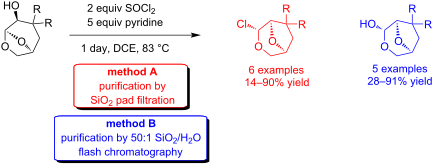
- small amounts of the C2 epimers. Oxidation of the hemiacetal 12a gave a moderate and unoptimised yield of 40% for lactone 24. The probable mechanism for the transformation with SOCl2 and under Appel conditions is shown in Figure 2. The reaction of alcohol 10 with the electrophiles gives the

Graphical Abstract

Figure 1: Previous work on migration reactions in 6,8-dioxabicyclooctan-4-ols [18].

Scheme 1: Structures for 10a–c, preparation of 10d–f, and X-ray structure of 10e.

Scheme 2: Rearrangement reactions for 10a–f promoted by SOCl2.

Scheme 3: Reactions of allylic alcohols 15 and 18 with SOCl2.

Scheme 4: Appel reactions of dioxabicyclo[3.2.1]octan-4-ols 10a,e,f and 15.
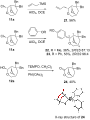
Scheme 5: Some transformations for the skeletal rearrangement products 11a and 12a and X-ray structure for 24....
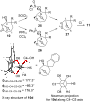
Figure 2: Mechanism for the rearrangement of 10, and Newman projection and the X-ray structure of 10d project...
Chemoenzymatic synthesis of macrocyclic peptides and polyketides via thioesterase-catalyzed macrocyclization
- Senze Qiao,
- Zhongyu Cheng and
- Fuzhuo Li
Beilstein J. Org. Chem. 2024, 20, 721–733, doi:10.3762/bjoc.20.66
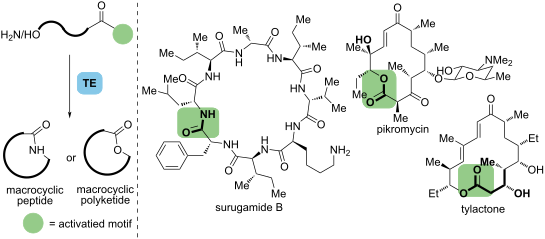
- pristinamycin I NRPS. This TE domain showed activity for hydroxy groups and amines to form either lactone or lactam, and the broad substrate scope made this strategy potent for modifying the bioactivity of streptogramin antibiotics. In 2007, the same laboratory identified the interactive TE domain of the
- TE-catalyzed marcolactonization [69]. The synthesis of linear peptide 34 commenced with the lactone opening of 26 to afford Weinreb amide 27. Following primary alcohol protection and amide reduction, the aldehyde 28 was coupled with iodide 29 to afford 30 via Nozaki–Hiyama–Kishi coupling, which was

Graphical Abstract

Scheme 1: Brief introduction of thioesterase (TE) domain. (a) NRPS and PKS assembly lines. (b) Mechanism of T...

Scheme 2: Chemoenzymatic synthesis of tyrocidine A and its analogs. (a) First-gen chemoenzymatic synthesis of...

Scheme 3: Representative examples of NAC-activated thioesters-mediated biocatalytic macrolactamization.

Scheme 4: Chemoenzymatic synthesis of CDA, daptomycin and their analogs. (a) Biocatalytic macrocyclization of...

Scheme 5: Chemoenzymatic synthesis of surugamide B and related natural products. (a) Three synthetic strategi...

Scheme 6: Chemoenzymatic synthesis of the pikromycins. (a) Macrocyclization of 10-deoxymethynolide catalyzed ...

Scheme 7: Chemoenzymatic synthesis of the juevnimicins.

Scheme 8: Chemoenzymatic synthesis of the cryptophycins.
Secondary metabolites of Diaporthe cameroonensis, isolated from the Cameroonian medicinal plant Trema guineensis
- Bel Youssouf G. Mountessou,
- Élodie Gisèle M. Anoumedem,
- Blondelle M. Kemkuignou,
- Yasmina Marin-Felix,
- Frank Surup,
- Marc Stadler and
- Simeon F. Kouam
Beilstein J. Org. Chem. 2023, 19, 1555–1561, doi:10.3762/bjoc.19.112
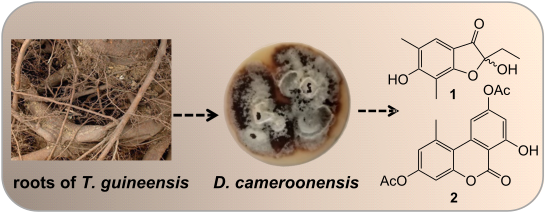
- 21.0 and one at δC 25.2 attached to the alternariol basis skeleton (Figure 2, Table 1); four methines (δC 117.0, 101.1, 109.6, 108.6), and eleven quaternary carbons including the signal of the lactone carbon at δC 158.5 (C-6) and those of the three sp2 oxygenated carbons at δC 156.9, 154.2, and 153.2

Graphical Abstract

Figure 1: Chemical structures of compounds 1 and 2.

Figure 2: Key COSY and HMBC correlations of compounds 1 and 2.
Cyclization of 1-aryl-4,4,4-trichlorobut-2-en-1-ones into 3-trichloromethylindan-1-ones in triflic acid
- Vladislav A. Sokolov,
- Andrei A. Golushko,
- Irina A. Boyarskaya and
- Aleksander V. Vasilyev
Beilstein J. Org. Chem. 2023, 19, 1460–1470, doi:10.3762/bjoc.19.105
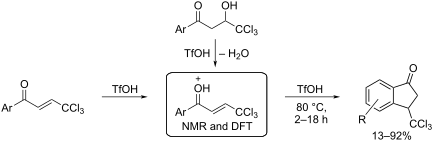
- carried out by condensation of acetophenones with chloral under reflux in acetic acid using the known literature procedure [19] (Scheme 2). Based on another literature approach [20], compounds 1p–v were obtained by acylation of electron-donating arenes with Wynberg lactone [21] (Scheme 3). Additionally
- condensation of acetophenones with chloral in refluxing acetic acid. Synthesis of 1-aryl-4,4,4-trichloro-3-hydroxybutan-1-ones 1p–v by acylation of electron-donating arenes with Wynberg lactone. Synthesis of 1-aryl-4,4,4-trichlorobut-2-en-1-ones 2 by dehydration of hydroxy ketones 1. Cyclization of 1-aryl

Graphical Abstract

Scheme 1: Generation of O-protonated and O,C-diprotonated species from substituted conjugated enones under su...

Scheme 2: Synthesis of 1-aryl-4,4,4-trichloro-3-hydroxybutan-1-ones 1a–o by condensation of acetophenones wit...

Scheme 3: Synthesis of 1-aryl-4,4,4-trichloro-3-hydroxybutan-1-ones 1p–v by acylation of electron-donating ar...

Scheme 4: Synthesis of 1-aryl-4,4,4-trichlorobut-2-en-1-ones 2 by dehydration of hydroxy ketones 1.

Scheme 5: Cyclization of 1-aryl-4,4,4-trichlorobut-2-en-1-ones 2 into 3-trichloromethylindan-1-ones 3 in TfOH....

Scheme 6: Cyclization of 1-aryl-4,4,4-trichloro-3-hydroxybutan-1-ones 1 into 3-trichloromethylindan-1-ones 3 ...

Scheme 7: Plausible mechanisms for the cyclization of compounds 1 and 2 into indanones 3 in TfOH.
Synthesis of ether lipids: natural compounds and analogues
- Marco Antônio G. B. Gomes,
- Alicia Bauduin,
- Chloé Le Roux,
- Romain Fouinneteau,
- Wilfried Berthe,
- Mathieu Berchel,
- Hélène Couthon and
- Paul-Alain Jaffrès
Beilstein J. Org. Chem. 2023, 19, 1299–1369, doi:10.3762/bjoc.19.96
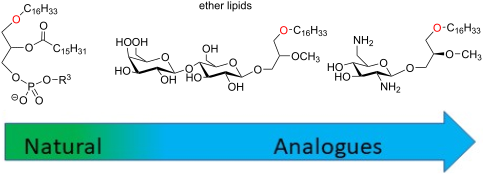

Graphical Abstract

Figure 1: Chemical structure of some natural ether lipids (ELs).

Figure 2: Synthesis of lyso-PAF and PAF from 1-O-alkylglycerol [64].

Figure 3: Synthesis of lyso-PAF from 1,3-benzylideneglycerol 3.1 [69].
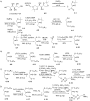
Figure 4: A) Synthesis of the two enantiomers of octadecylglycerol (4.6 and 4.10) from ᴅ-mannitol (4.1); B) s...

Figure 5: Four-step synthesis of PAF 5.6 from (S)-glycidol [73].

Figure 6: Synthesis of 1-O-alkylglycerol A) from solketal, B) from ᴅ- or ʟ-tartaric acid and the intermediate ...

Figure 7: Synthesis of EL building blocks starting from substituted glycidol 7.1a–c [82].

Figure 8: Synthesis of PAF 8.5 by using phosphoramidite 8.2 [86].

Figure 9: Synthesis of oleyl-PAF 9.7 from ʟ-serine [88].

Figure 10: Synthesis of racemic analogues of lyso-PAF 10.8 and PAF 10.9 featuring a phenyl group between the g...

Figure 11: Synthesis of racemic deoxy-lyso-PAF 11.7 and deoxy-PAF 11.8 [91].

Figure 12: Synthesis of racemic thio-PAF 12.8 [93].

Figure 13: Racemic synthesis of 13.6 to illustrate the modification of the glycerol backbone by adding a methy...

Figure 14: Racemic synthesis of 14.5 as an illustration of the introduction of methyl substituents on the glyc...

Figure 15: Synthesis of functionalized sn-2-acyl chains of PC-EL; A) Steglich esterification or acylation reac...

Figure 16: Synthesis of racemic mc-PAF (16.3), a carbamate analogue of PAF [102].

Figure 17: A) Synthesis of (R)-17.2 and (S)-17.6 starting from (S)-solketal (17.1); B) synthesis of N3-PAF (17...

Figure 18: Modification of the phosphocholine polar head to produce PAF analogues [81].

Figure 19: Racemic PAF analogues 19.3 and 19.5 characterized by the absence of the phosphate group [107].

Figure 20: Synthesis of PIP3-PAF (20.7) [108].

Figure 21: Large-scale synthesis of C18-edelfosine (21.8) [116].

Figure 22: Synthesis of C16-edelfosine (22.10) starting from isopropylidene-ʟ-glyceric acid methyl ester (22.1...

Figure 23: Phosphocholine moiety installation by the use of chlorophosphite 23.2 as key reagent [119].

Figure 24: Synthesis of rac-1-alkyl-2-O-methylglycerol (AMG) [120].

Figure 25: Synthesis of stereocontrolled 1-alkyl-2-O-methyl glycerol 25.9 (AMG) from dimethyl ᴅ-tartrate [81].

Figure 26: A) Racemic synthesis of thioether 26.4 [129,130], B) structure of sulfone analogue 26.5 [129].

Figure 27: Stereocontrolled synthesis of C18-edelfosine thioether analogue 27.8 [118].

Figure 28: Synthesis of thioether 28.4 that include a thiophosphate function [134].

Figure 29: Synthesis of ammonium thioether 29.4 and 29.6 [135].

Figure 30: Synthesis of the N-methylamino analogue of edelfosine 30.6 (BN52211) [138].

Figure 31: Synthesis of 1-desoxy analogues of edelfosine; A) with a saturated alkyl chain; B) synthesis of the...

Figure 32: Stereocontrolled synthesis of edelfosine analogue (S)-32.8 featuring a C18:1 lipid chain [142].

Figure 33: Synthesis of edelfosine analogues with modulation of the lipid chain; A) illustration with the synt...

Figure 34: Synthesis of phospholipid featuring a carbamate function to link the lipid chain to the glycerol un...

Figure 35: Synthesis of sesquiterpene conjugates of phospho glycero ether lipids [148].

Figure 36: Racemic synthesis of methyl-substituted glycerol analogues 36.7 and 36.10: A) synthesis of diether ...

Figure 37: Racemic synthesis of ilmofosine (37.6) [155,156].

Figure 38: A) Stereoselective synthesis of 38.5 via a stereoselective hydroboration reaction; B) synthesis of ...

Figure 39: Racemic synthesis of SRI62-834 (39.6) featuring a spiro-tetrahydrofurane heterocycle in position 2 ...

Figure 40: Racemic synthesis of edelfosine analogue 40.5 featuring an imidazole moiety in sn-2 position [160].

Figure 41: Racemic synthesis of fluorine-functionalized EL: A) Synthesis of 41.6 and B) synthesis of 41.8 [161-163].

Figure 42: A) Synthesis of the β-keto-ester 42.6 that also features a decyl linker between the phosphate and t...

Figure 43: Synthesis of phosphonate-based ether lipids; A) edelfosine phosphonate analogue 43.7 and B) thioeth...

Figure 44: Enantioselective synthesis of phosphonates 44.3 and 44.4 [171].

Figure 45: Racemic synthesis of phosphinate-based ether lipid 45.10 [172].

Figure 46: Racemic synthesis of edelfosine arsonium analogue 46.5 [173].

Figure 47: Synthesis of edelfosine dimethylammonium analogue 47.2 [118].

Figure 48: Synthesis of rac-C18-edelfosine methylammonium analogue 48.4 [176].

Figure 49: A) Synthesis of edelfosine N-methylpyrrolidinium analogue 49.2 or N-methylmorpholinium analogue 49.3...

Figure 50: A) Synthesis of edelfosine’s analogue 50.4 with a PE polar group; B) illustration of a pyridinium d...

Figure 51: A) Synthesis of 51.4 featuring a thiazolium cationic moiety; B) synthesis of thiazolium-based EL 51...

Figure 52: Synthesis of cationic ether lipids 52.3, 52.4 and 52.6 [135,183].

Figure 53: Synthesis of cationic carbamate ether lipid 53.5 [184].

Figure 54: Synthesis of cationic sulfonamide 54.5 [185].

Figure 55: Chemical structure of ONO-6240 (55.1) and SRI-63-119 (55.2).

Figure 56: Synthesis of non-ionic ether lipids 56.2–56.9 [188].

Figure 57: Synthesis of ether lipid conjugated to foscarnet 57.6 [189].

Figure 58: A) Synthesis of ether lipid conjugated to arabinofuranosylcytosine; B) synthesis of AZT conjugated ...

Figure 59: Synthesis of quercetin conjugate to edelfosine [191].

Figure 60: Synthesis of 60.8 (Glc-PAF) [194].

Figure 61: A) Synthesis of amino ether lipid 61.7 functionalized with a rhamnose unit and its amide analogue 6...

Figure 62: A) Synthesis of glucose ether lipid 62.4; B) structure of ether lipid 62.5 possessing a maltose uni...

Figure 63: A) Synthesis of glucuronic methyl ester 63.8; B) structure of cellobiose 63.9 and maltose 63.10 ana...

Figure 64: A) Synthesis of maltosyl glycerolipid 64.7; B) structure of lactose analogue 64.8 prepared followin...

Figure 65: A) Asymmetric synthesis of the aglycone moiety starting from allyl 4-methoxyphenyl ether; B) glycos...

Figure 66: A) Synthesis of ohmline possessing a lactose moiety. B) Structure of other glyco glycero lipids pre...

Figure 67: A) Synthesis of lactose-glycerol ether lipid 67.5; B) analogues possessing a maltose (67.6) or meli...

Figure 68: Synthesis of digalactosyl EL 68.6, A) by using trityl, benzyl and acetyl protecting groups, B) by u...

Figure 69: A) Synthesis of α-ohmline; B) structure of disaccharide ether lipids prepared by using similar meth...

Figure 70: Synthesis of lactose ether lipid 70.3 and its analogue 70.6 featuring a carbamate function as linke...

Figure 71: Synthesis of rhamnopyranoside diether 71.4 [196].

Figure 72: Synthesis of 1-O-hexadecyl-2-O-methyl-3-S-(α-ᴅ-1'-thioglucopyranosyl)-sn-glycerol (72.5) [225].

Figure 73: A) Preparation of lipid intermediate 73.4; B) synthesis of 2-desoxy-C-glycoside 73.10 [226].

Figure 74: Synthesis of galactose-pyridinium salt 74.3 [228].

Figure 75: Synthesis of myo-inositol derivative Ino-C2-PAF (75.10) [230].

Figure 76: A) Synthesis of myo-inositol phosphate building block 76.7; B) synthesis of myo-inositolphosphate d...

Figure 77: A) Synthesis of phosphatidyl-3-desoxy-inositol 77.4; B) synthesis of phosphono-3-desoxyinositol 77.9...

Figure 78: A) Structure of diether phosphatidyl-myo-inositol-3,4-diphosphate 78.1; B) synthesis of phosphatidy...

Figure 79: A) Synthesis of diether-phosphatidyl derivative 79.4 featuring a hydroxymethyl group in place of a ...

Figure 80: Synthesis of Glc-amine-PAF [78].

Figure 81: Synthesis of glucosamine ether lipid 81.4 and its analogues functionalized in position 3 of the ami...

Figure 82: Synthesis of fully deprotected aminoglucoside ether lipid 82.5 [246].

Figure 83: Synthesis of C-aminoglycoside 83.12 using Ramberg–Bäcklund rearrangement as a key step [250].

Figure 84: A) List of the most important glyco lipids and amino glyco lipids included in the study of Arthur a...

Figure 85: Synthesis of mannosamine ether lipid 85.6 [254].
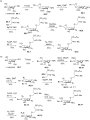
Figure 86: A) Synthesis of glucosamine ether lipids with a non-natural ʟ-glucosamine moiety; B) synthesis of e...

Figure 87: A) Structure of the most efficient anticancer agents 87.1–87.4 featuring a diamino glyco ether lipi...

Figure 88: A) Synthesis of diamino glyco ether lipid 87.4; B) synthesis of bis-glycosylated ether lipid 88.10 [256]....

Figure 89: Synthesis of triamino ether lipid 89.4 [260].

Figure 90: Synthesis of chlorambucil conjugate 90.7 [261].

Figure 91: Three main methods for the preparation of glycerol ether lipid 91.3; A) from solketal and via a tri...

Figure 92: Four different methods for the installation of the phosphocholine polar head group; A) method using...

Figure 93: Illustration of two methods for the installation of saccharides or aminosaccharides; A) O-glycosyla...
Exploring the role of halogen bonding in iodonium ylides: insights into unexpected reactivity and reaction control
- Carlee A. Montgomery and
- Graham K. Murphy
Beilstein J. Org. Chem. 2023, 19, 1171–1190, doi:10.3762/bjoc.19.86
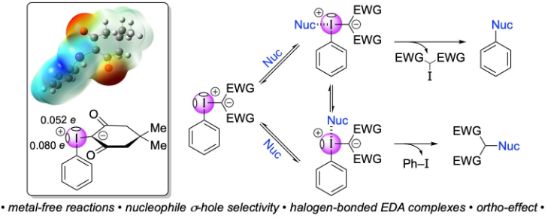
- an example of β-dicarbonyl functionalization. Metal-free cyclopropanations of iodonium ylides, either as intermolecular (a) or intramolecular processes (b, c). Metal-free intramolecular cyclopropanation of iodonium ylides. Reaction of ylide 6 with diphenylketene to form lactone 24 and 25. Indoline

Graphical Abstract

Figure 1: Generic representation of halogen bonding.

Figure 2: Quantitative evaluation of σ-holes in monovalent iodine-containing compounds; and, qualitative mole...
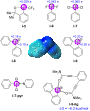
Figure 3: Quantitative evaluation of σ-holes in hypervalent iodine-containing molecules; and, qualitative MEP...

Figure 4: Quantitative evaluation of σ-holes in iodonium ylides; and, qualitative MEP map of I-12 from −0.083...

Scheme 1: Outline of possible reaction pathways between iodonium ylides and Lewis basic nucleophiles (top); a...

Scheme 2: Metal-free cyclopropanations of iodonium ylides, either as intermolecular (a) or intramolecular pro...

Figure 5: Zwitterionic mechanism for intramolecular cyclopropanation of iodonium ylides (left); and, stepwise...

Scheme 3: Metal-free intramolecular cyclopropanation of iodonium ylides.

Figure 6: Concerted cycloaddition pathway for the metal-free, intramolecular cyclopropanation of iodonium yli...

Scheme 4: Reaction of ylide 6 with diphenylketene to form lactone 24 and 25.

Figure 7: Nucleophilic (top) and electrophilic (bottom) addition pathways proposed by Koser and Hadjiarapoglo...

Scheme 5: Indoline synthesis from acyclic iodonium ylide 31 and tertiary amines.

Scheme 6: N-Heterocycle synthesis from acyclic iodonium ylide 31 and secondary amines.

Figure 8: Proposed mechanism for the formation of 33a from iodonium ylides and amines, involving an initial h...

Scheme 7: Indoline synthesis from acyclic iodonium ylides 39 and tertiary amines under blue light photocataly...

Scheme 8: Metal-free cycloproponation of iodonium ylides under blue LED irradiation. aUsing trans-β-methylsty...

Figure 9: Proposed mechanism of the cyclopropanation between iodonium ylides and alkenes under blue LED irrad...

Scheme 9: Formal C–H alkylation of iodonium ylides by nucleophilic heterocycles under blue LED irradiation.

Figure 10: Proposed mechanism of the formal C–H insertion of pyrrole under blue LED irradiation.

Scheme 10: X–H insertions between iodonium ylides and carboxylic acids, phenols and thiophenols.

Figure 11: Mechanistic proposal for the X–H insertion reactions of iodonium ylides.

Scheme 11: Radiofluorination of biphenyl using iodonium ylides 54a–e derived from various β-dicarbonyl auxilia...

Scheme 12: Radiofluorination of arenes using spirocycle-derived iodonium ylides 56.

Scheme 13: Radiofluorination of arenes using SPIAd-derived iodonium ylides 58.

Figure 12: Calculated reaction coordinate for the radiofluorination of iodonium ylide 60.
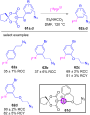
Scheme 14: Radiofluorination of iodonium ylides possessing various ortho- and para-substituents on the iodoare...

Figure 13: Difference in Gibbs activation energy for ortho- or para-anisyl derived iodonium ylides 63a and 63b....

Figure 14: Proposed equilibration of intermediates to transit between 64a (the initial adduct formed between 6...

Scheme 15: Comparison of 31 and ortho-methoxy iodonium ylide 39 in rhodium-catalyzed cyclopropanation and cycl...

Figure 15: X-ray crystal structure of dimeric 39 [6], (CCDC# 893474) [143,144].

Scheme 16: Enaminone synthesis using diazonium and iodonium ylides.
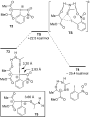
Figure 16: Transition state calculations for enaminone synthesis from iodonium ylides and thioamides.
Scheme 17: The reaction between ylides 73a–f and N-methylpyrrole under 365 nm UV irradiation.

Figure 17: Crystal structures of 76c (top) and 76e (bottom) [101], (CCDC# 2104180 & 2104181) [143,144].
Photoredox catalysis harvesting multiple photon or electrochemical energies
- Mattia Lepori,
- Simon Schmid and
- Joshua P. Barham
Beilstein J. Org. Chem. 2023, 19, 1055–1145, doi:10.3762/bjoc.19.81
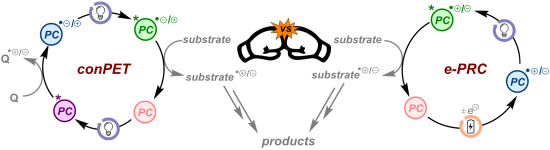
- products, demonstrating a clear preference for addition to alkenes even in the presence of alkyne functionalities. Due to basic conditions of the reductive quenching (RQ) route, the formation of lactone side product 30h could be observed with a carboxylic acid functionality. In the absence of Et3N, the

Graphical Abstract

Figure 1: Oxidative and reductive activations of organic compounds harvesting photoredox catalysis.

Figure 2: General catalytic cycles of radical ion conPET (left) and radical ion e-PRC (right).
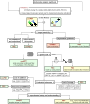
Figure 3: “Beginner’s guide”: comparison between advantages, capacities, and prospectives of conPET and PEC.
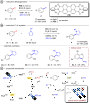
Figure 4: A) conPET reductive dehalogenation of aryl halides with PDI. B) Reductive C–H arylation with pyrrol...
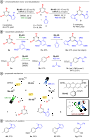
Figure 5: A) Chromoselective mono- and disubstitution or polybrominated pyrimidines with pyrroles. B) Sequent...

Figure 6: A) Synthesis of pyrrolo[1,2-a]quinolines. B) Synthesis of ullazines.

Figure 7: A) Reductive phosphorylation of aryl halides via conPET. B) Selected examples from the substrate sc...
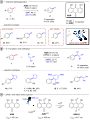
Figure 8: A) Reductive dehalogenation of aryl halides via conPET and selected examples from the substrate sco...
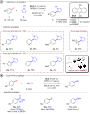
Figure 9: A) Reductive C–H arylation of aryl halides via conPET (top) and selected examples from the substrat...
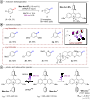
Figure 10: A) Reductive hydrodehalogenation of aryl halides with Mes-Acr-BF4. B) Selected examples from the su...
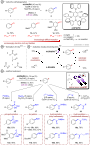
Figure 11: A) Reductive hydrodechlorination of aryl chlorides with 4-DPAIPN. B) Proposed formation of CO2•−. C...
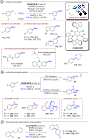
Figure 12: A) Reductive conPET borylation with 3CzEPAIPN (top) and selected examples from the substrate scope ...

Figure 13: Scale-up of conPET phosphorylation with 3CzEPAIPN.
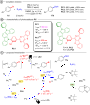
Figure 14: A) Borylation of 1d. B) Characteristics and structure of PC1 with green and red parts showing the l...
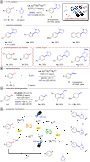
Figure 15: A) Reductive C–H arylation scope with polysulfide conPET (top) and selected examples from the subst...

Figure 16: Scale-up of A) C–H arylation and B) dehaloborylation with polysulfide photocatalysis in continuous-...

Figure 17: A) Formation of [Ir1]0 and [Ir2]0 upon PET between [Ir1]+ and Et3N. B) Mechanism of multi-photon ta...

Figure 18: A) Reductive hydrodehalogenation of aryl halides via multi-photon tandem photocatalysis. B) Selecte...

Figure 19: A) Carbonylative amidation of aryl halides in continuous flow. B) Selected examples from the substr...
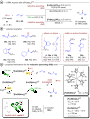
Figure 20: A) General scheme for reductive (RQ) and oxidative quenching (OQ) protocols using [FeIII(btz)3](PF6)...
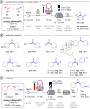
Figure 21: A) Carbonylative amidation of alkyl iodides with [IrIII(ppy)2(dtbbpy)]PF6. B) Selected examples fro...
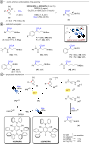
Figure 22: A) Carboxylative C–N bond cleavage in cyclic amines. B) Selected examples from the substrate scope....
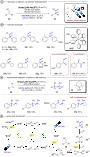
Figure 23: A) Formal reduction of alkenes to alkanes via transfer hydrogenation. B) Selected examples from the...
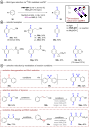
Figure 24: A) Birch-type reduction of benzenes with PMP-BPI. B) Selected examples from the substrate scope (sc...

Figure 25: Proposed mechanism of the OH− mediated conPET Birch-type reduction of benzene via generation of sol...

Figure 26: Reductive detosylation of N-tosylated amides with Mes-Acr-BF4. B) Selected examples from the substr...
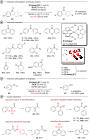
Figure 27: A) Reductive detosylation of N-tosyl amides by dual PRC. B) Selected examples from the substrate sc...

Figure 28: A) Mechanism of the dual PRC based on PET between [Cu(dap)2]+ and DCA. B) Mechanism of the dual PRC...
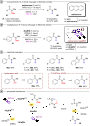
Figure 29: A) N–O bond cleavage in Weinreb amides with anthracene. B) N–O bond cleavage in Weinreb amides rely...
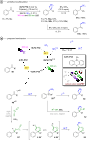
Figure 30: A) Pentafluorosulfanylation and fluoride elimination. B) Mechanism of the pentafluorosulfanylation ...
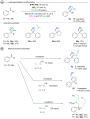
Figure 31: A) α-Alkoxypentafluorosulfanylation (top) and selected examples from the substrate scope (bottom). ...
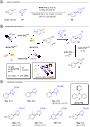
Figure 32: A) Oxidative amination of arenes with azoles catalyzed by N-Ph PTZ. B) Selected examples from the s...

Figure 33: A) C(sp3)–H bond activation by HAT via chloride oxidation by *N-Ph PTZ•+. B) Proposed mechanism for...

Figure 34: A) Recycling e-PRC C–H azolation of electron-rich arenes with pyrazoles using Mes-Acr+ as a photoca...

Figure 35: A) Radical ion e-PRC direct oxidation of unactivated arenes using TAC+ as an electro-activated phot...

Figure 36: A) Radical ion e-PRC direct oxidation of unactivated arenes using TPA as an electro-activated photo...

Figure 37: Proposed mechanism (top) and mode of preassembly (bottom).

Figure 38: A) Possible preassemblies of reactive (left) vs unreactive (right) arenes. B) Calculated spin densi...
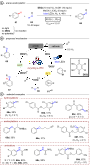
Figure 39: A) Recycling e-PRC C(sp2 )–H acetoxylation of arenes using DDQ as a photocatalyst. B) Proposed cata...

Figure 40: Gram scale hydroxylation of benzene in a recirculated flow setup.
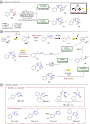
Figure 41: A) Radical ion e-PRC vicinal diamination of alkylarenes using TAC+ as an electro-activated photocat...
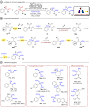
Figure 42: A) Sequential oxygenation of multiple adjacent C–H bonds under radical ion e-PRC using TAC+ as an e...

Figure 43: A) Enantioselective recycling e-PRC cyanation of benzylic C–H bonds using ADQS as photocatalyst. B)...

Figure 44: Proposed tandem mechanism by Xu and co-workers.
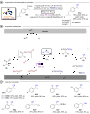
Figure 45: A) Enantioselective recycling e-PRC decarboxylative cyanation using Cu(acac)2, Ce(OTf)3 and a box l...

Figure 46: A) Enantioselective recycling e-PRC benzylic cyanation using Cu(MeCN)4BF4, box ligand and anthraqui...

Figure 47: A) Radical ion e-PRC acetoxyhydroxylation of aryl olefins using TAC+ as an electro-activated photoc...

Figure 48: Selected examples from the substrate scope.

Figure 49: Photoelectrochemical acetoxyhydroxylation in a recirculated flow setup.
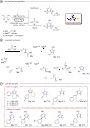
Figure 50: A) Radical ion e-PRC aminooxygenation of aryl olefins using TAC+ as an electro-activated photocatal...
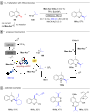
Figure 51: A) Recycling e-PRC C–H alkylation of heteroarenes with organic trifluoroborates using Mes-Acr+ as p...

Figure 52: A) Recycling e-PRC decarboxylative C–H alkylation of heteroarenes using CeCl3·7H2O as catalyst. B) ...

Figure 53: A) Recycling e-PRC decarboxylative C–H alkylation of heteroarenes using Fe(NH4)2(SO4)2·6H2O as cata...
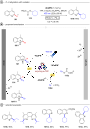
Figure 54: A) Recycling e-PRC C–H alkylation of heteroarenes with alkyl oxalates and 4CzIPN as photocatalyst. ...
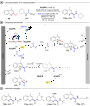
Figure 55: A) Recycling e-PRC decarboxylative C–H carbamoylation of heteroarenes using 4CzIPN as photocatalyst...
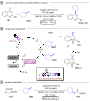
Figure 56: A) Photoelectrochemical HAT-mediated hydrocarbon activation via the chlorine radical. B) Proposed m...

Figure 57: A) Selected examples from the substrate scope. B) Gram and decagram scale semi-continuous flow PEC ...

Figure 58: A) Photoelectrochemical HAT-mediated dehydrogenative coupling of benzothiazoles with aliphatic C–H ...

Figure 59: A) Photoelectrochemical HAT activation of ethers using electro-activated TAC+ as photocatalyst. B) ...

Figure 60: Selected examples from the substrate scope.
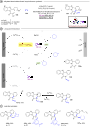
Figure 61: A) Photoelectrochemical HAT-mediated synthesis of alkylated benzimidazo-fused isoquinolinones using...

Figure 62: A) Decoupled photoelectrochemical cerium-catalyzed oxydichlorination of alkynes using CeCl3 as cata...

Figure 63: Proposed decoupled photoelectrochemical mechanism.

Figure 64: A) Decoupled photoelectrochemical ring-opening bromination of tertiary cycloalkanols using MgBr2 as...

Figure 65: A) Recycling e-PRC ring-opening functionalization of cycloalkanols using CeCl3 as catalyst. B) Prop...

Figure 66: Selected examples from the substrate scope of the PEC ring-opening functionalization.

Figure 67: A) Radical ion e-PRC reduction of chloro- and bromoarenes using DCA as catalyst and various accepto...
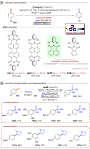
Figure 68: A) Screening of different phthalimide derivatives as catalyst for the e-PRC reduction of aryl halid...

Figure 69: Screening of different organic catalysts for the e-PRC reduction of trialkylanilium salts.

Figure 70: A) e-PRC reduction of phosphonated phenols and anilinium salts. B) Selected examples from the subst...

Figure 71: A) ConPET and e-PRC reduction of 4-bromobenzonitrile using a naphthalene diimide (NDI) precatalyst ...

Figure 72: A) Radical ion e-PRC reduction of phosphinated aliphatic alcohols with n-BuO-NpMI as catalyst. B) C...

Figure 73: Selected examples from the substrate scope.

Figure 74: A) Recycling e-PRC reductive dimerization of benzylic chlorides using a [Cu2] catalyst. B) Proposed...

Figure 75: A) Decoupled photoelectrochemical C–H alkylation of heteroarenes through deamination of Katritzky s...

Figure 76: Proposed mechanism by Chen and co-workers.
Synthesis of medium and large phostams, phostones, and phostines
- Jiaxi Xu
Beilstein J. Org. Chem. 2023, 19, 687–699, doi:10.3762/bjoc.19.50
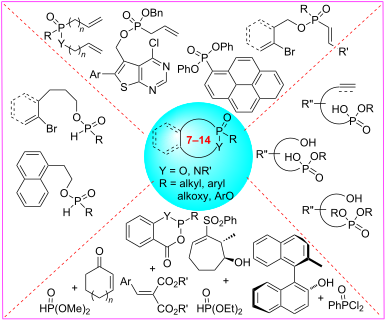
- (71b) and 2-ethoxy-3-methyl-5-methylene-5,6,7-trihydro-1,2-oxaphosphepine 2-oxide (72b) in 85:15 in a total yield of 64% (Scheme 15) [36][37]. To prepare a hapten for the production of the catalytic antibody for the catalytic formation of a 14-membered lactone, because it is very difficult for the
- followed by hydrogenolysis in the presence of Pd/C as a hapten to produce an antibody. The antibody can catalyze the formation of a difficultly synthesized 14-membered lactone [24]. 2 Synthesis via annulations Annulations are alternative strategies for the synthesis of medium and large phostam, phostone

Graphical Abstract

Figure 1: Biologically active agents and chiral ligands containing medium and large phostams, phostones, and ...

Figure 2: Synthetic strategies for the preparation of medium and large phostams, phostones, and phostines.

Scheme 1: Synthesis of 1,2-azaphosphepine 2-oxide, 1,2-azaphosphocine 2-oxide, 1,2-azaphosphepane 2-oxide, an...

Scheme 2: Synthesis of bis[1,2]oxaphosphepine 2-oxide from tert-butyl 2-(bis(allyloxy)phosphoryl)pent-4-enoat...

Scheme 3: Synthesis of 2-ethoxy-5H-benzo[f][1,2]oxaphosphepine 2-oxides from 2-allylphenyl ethyl vinylphospho...

Scheme 4: Synthesis of 2-ethoxy-3,6-dihydrobenzo[g][1,2]oxaphosphocine 2-oxides from 2-allylphenyl ethyl ally...

Scheme 5: Synthesis of benzothiophene-fused 2-hydroxy-1,2-oxaphosphecane 2-oxide from (4-allyl-2-(4-methylphe...

Scheme 6: Synthesis of benzothiophene-fused 2-hydroxy-1,2-oxaphosphecane 2-oxide from benzyl hydrogen ((4-all...

Scheme 7: Synthesis of benzothiophene-fused 2-hydroxy-1-oxa-2-phosphacycloundecane 2-oxide from benzyl hydrog...

Scheme 8: Synthesis of 5,6,7-trihydro-1,2-oxaphosphepine 2-oxide and its benzo derivatives from 3-bromobut-3-...

Scheme 9: Synthesis of thieno[2,3-d]pyrimidine-fused 2-hydroxy-1,2-oxaphosphonane 2-oxide from benzyl hydroge...

Scheme 10: Synthesis of 3-phenoxybenzo[f]pyreno[1,10-cd][1,2]oxaphosphepine 3-oxide from diphenyl pyren-1-ylph...

Scheme 11: Synthesis of 1,2-oxaphosphepane 2-oxides and 1,2-oxaphosphocane 2-oxide from hydrogen methyl hex-5-...

Scheme 12: Synthesis of 2-methoxy-1,2-oxaphosphinane 2-oxides, 1,2-oxaphosphepine 2-oxides, 1,2-oxaphosphepane...

Scheme 13: Synthesis of 1,2-azaphosphepane 2-oxide and its benzo derivatives from 5-bromohex-5-en-1-yl methylp...

Scheme 14: Synthesis of 4-phenyl-1,2-dihydronaphtho[2,1-c][1,2]oxaphosphinine 4-oxide and 1-phenyl-3,4-dihydro...

Scheme 15: Synthesis of 2-alkoxy-3,5-dimethylene-1,2-oxaphosphepane 2-oxides from dialkyl 2-bromo-1-methylethy...

Scheme 16: Synthesis of 14-methyl-2-phenoxy-1-oxa-2-phosphacyclotetradecane 2-oxide from phenyl hydrogen (12-h...

Scheme 17: Synthesis of 5-oxo-1,3,5-trihydrobenzo[f][1,2]azaphosphepine 2-oxides from 1,2-dihydro-4H-benzo[d][...

Scheme 18: Synthesis of 3-hydrobenzo[f][1,2]oxaphosphepin-5(4H)-one 2-oxides from 2-phenyl/alkoxy-4H-benzo[d][...

Scheme 19: Synthesis of bicyclic seven- and eight-membered phosphotones from cycloalk-2-enones and dimethyl ph...

Scheme 20: Synthesis of binaphthylene-fused phosphotones from (M)-2'-methyl-[1,1'-binaphthalen]-2-ol and pheny...

Scheme 21: Synthesis of bicyclic phosphotone from (1S,2R)-2-methyl-3-(phenylsulfonyl)cyclohept-3-en-1-ol and d...
Cassane diterpenoids with α-glucosidase inhibitory activity from the fruits of Pterolobium macropterum
- Sarot Cheenpracha,
- Ratchanaporn Chokchaisiri,
- Lucksagoon Ganranoo,
- Sareeya Bureekaew,
- Thunwadee Limtharakul and
- Surat Laphookhieo
Beilstein J. Org. Chem. 2023, 19, 658–665, doi:10.3762/bjoc.19.47
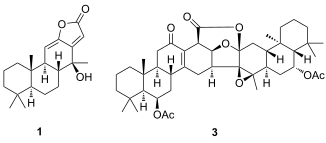
- -unsaturated γ-lactone ring. The HMBC cross-peaks (Figure 2) from H-11 (δH 5.86) to C-10, C-12, and C-13, and from H-15 (δH 6.03) to C-12, C-13 and C-14 allowed the location of an extended conjugated π-system at C-11 and C-12. Moreover, the downfield shift of C-14 (δC 72.2) and the HMBC correlation between H3
- -lactone functionality. The 13C NMR and DEPT spectra in combination with HMQC data (Table 1) showed resonances of 44 carbons which were classified as nine methyls, 11 methylenes, 11 methines (three oxygenated sp3 at δC 73.7, 69.4, 68.8), and 13 quaternary carbons (four carbonyls at δC 197.9, 170.7, 170.4
- ′-acetoxypterolobirin B (3) together with one known analogue were isolated from the MeOH extract of P. macropterum fruits. Their structures and absolute configurations of 1 and 3 were established by spectroscopic analyses and ECD data. Compound 1 has an extended conjugated π-system with an α,β-unsaturated γ-lactone

Graphical Abstract

Figure 1: Chemical structures of 1-3 isolated from P. macropterum.

Figure 2: Key 1H,1H-COSY, and HMBC correlations of 1 and 3.

Figure 3: Selected NOESY cross peaks of 1 and 3.

Figure 4: Measured and predicted ECD spectra of 1 and 3.
Enolates ambushed – asymmetric tandem conjugate addition and subsequent enolate trapping with conventional and less traditional electrophiles
- Péter Kisszékelyi and
- Radovan Šebesta
Beilstein J. Org. Chem. 2023, 19, 593–634, doi:10.3762/bjoc.19.44
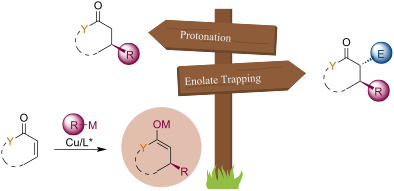
- successfully treated by artemisinin combination therapy (ACT). Artemisinin can be isolated from the Artemisia annua (sweet wormwood) plant. This sesquiterpene lactone bearing a peroxide is a prodrug of the biologically active dihydroartemisinin. In 2012, Zhu and Cook developed a gram-scale asymmetric total

Graphical Abstract

Scheme 1: General scheme depicting tandem reactions based on an asymmetric conjugate addition followed by an ...

Scheme 2: Cu-catalyzed tandem conjugate addition of R2Zn/aldol reaction with chiral acetals.

Scheme 3: Cu-catalyzed asymmetric desymmetrization of cyclopentene-1,3-diones using a tandem conjugate additi...

Scheme 4: Stereocontrolled assembly of dialkylzincs, cyclic enones, and sulfinylimines utilizing a Cu-catalyz...

Scheme 5: Cu-catalyzed tandem conjugate addition/Mannich reaction (A). Access to chiral isoindolinones and tr...

Scheme 6: Cu-catalyzed tandem conjugate addition/nitro-Mannich reaction (A) with syn–anti or syn–syn selectiv...

Figure 1: Various chiral ligands utilized for the tandem conjugate addition/Michael reaction sequences.
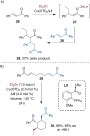
Scheme 7: Cu-catalyzed tandem conjugate addition/Michael reaction: side-product formation with chalcone (A) a...

Scheme 8: Zn enolate trapping using allyl iodides (A), Stork–Jung vinylsilane reagents (B), and allyl bromide...

Scheme 9: Cu-catalyzed tandem conjugate addition/acylation through Li R2Zn enolate (A). A four-component coup...

Scheme 10: Selected examples for the Cu-catalyzed tandem conjugate addition/trifluoromethylthiolation sequence....

Scheme 11: Zn enolates trapped by vinyloxiranes: synthesis of allylic alcohols.

Scheme 12: Stereoselective cyclopropanation of Mg enolates formed by ACA of Grignard reagents to chlorocrotona...

Scheme 13: Domino aldol reactions of Mg enolates formed from coumarin and chromone.

Scheme 14: Oxidative coupling of ACA-produced Mg enolates.

Scheme 15: Tandem ACA of Grignard reagents to enones and Mannich reaction.

Scheme 16: Diastereodivergent Mannich reaction of Mg enolates with differently N-protected imines.

Scheme 17: Tandem Grignard–ACA–Mannich using Taddol-based phosphine-phosphite ligands.

Scheme 18: Tandem reaction of Mg enolates with aminomethylating reagents.

Scheme 19: Tandem reaction composed of Grignard ACA to alkynyl enones.

Scheme 20: Rh/Cu-catalyzed tandem reaction of diazo enoates leading to cyclobutanes.

Scheme 21: Tandem Grignard-ACA of cyclopentenones and alkylation of enolates.

Scheme 22: Tandem ACA of Grignard reagents followed by enolate trapping reaction with onium compounds.

Scheme 23: Mg enolates generated from unsaturated lactones in reaction with activated alkenes.

Scheme 24: Lewis acid mediated ACA to amides and SN2 cyclization of a Br-appended enolate.

Scheme 25: Trapping reactions of aza-enolates with Michael acceptors.

Scheme 26: Si enolates generated by TMSOTf-mediated ACA of Grignard reagents and enolate trapping reaction wit...

Scheme 27: Trapping reactions of enolates generated from alkenyl heterocycles (A) and carboxylic acids (B) wit...

Scheme 28: Reactions of heterocyclic Mg enolates with onium compounds.

Scheme 29: Synthetic transformations of cycloheptatrienyl and benzodithiolyl substituents.

Scheme 30: Aminomethylation of Al enolates generated by ACA of trialkylaluminum reagents.

Scheme 31: Trapping reactions of enolates with activated alkenes.

Scheme 32: Alkynylation of racemic aluminum or magnesium enolates.

Scheme 33: Trapping reactions of Zr enolates generated by Cu-ACA of organozirconium reagents.

Scheme 34: Chloromethylation of Zr enolates using the Vilsmeier–Haack reagent.

Scheme 35: Tandem conjugate borylation with subsequent protonation or enolate trapping by an electrophile.

Scheme 36: Tandem conjugate borylation/aldol reaction of cyclohexenones.

Scheme 37: Selected examples for the tandem asymmetric borylation/intramolecular aldol reaction; synthesis of ...

Scheme 38: Cu-catalyzed tandem methylborylation of α,β-unsaturated phosphine oxide in the presence of (R,Sp)-J...

Scheme 39: Cu-catalyzed tandem transannular conjugated borylation/aldol cyclization of macrocycles containing ...

Scheme 40: Stereoselective tandem conjugate borylation/Mannich cyclization: selected examples (A) and a multi-...

Scheme 41: Some examples of Cu-catalyzed asymmetric tandem borylation/aldol cyclization (A). Application to di...

Scheme 42: Atropisomeric P,N-ligands used in tandem conjugate borylation/aldol cyclization sequence.

Scheme 43: Selected examples for the enantioselective Cu-catalyzed borylation/intramolecular Michael addition ...

Scheme 44: Selected examples for the preparation of enantioenriched spiroindanes using a Cu-catalyzed tandem c...
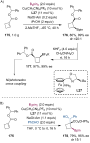
Scheme 45: Enantioselective conjugate borylation of cyclobutene-1-carboxylic acid diphenylmethyl ester 175 wit...

Scheme 46: Cu-catalyzed enantioselective tandem conjugate silylation of α,β-unsaturated ketones with subsequen...

Scheme 47: Cu-catalyzed enantioselective tandem conjugate silylation of α,β-unsaturated ketones with subsequen...
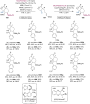
Scheme 48: Cu-catalyzed tandem conjugate silylation/aldol condensation. The diastereoselectivity is controlled...

Scheme 49: Chiral Ru-catalyzed three-component coupling reaction.

Scheme 50: Rh-Phebox complex-catalyzed reductive cyclization and subsequent reaction with Michael acceptors th...

Scheme 51: Rh-catalyzed tandem asymmetric conjugate alkynylation/aldol reaction (A) and subsequent spiro-cycli...

Scheme 52: Rh-bod complex-catalyzed tandem asymmetric conjugate arylation/intramolecular aldol addition (A). S...

Scheme 53: Co-catalyzed C–H-bond activation/asymmetric conjugate addition/aldol reaction.

Scheme 54: (Diisopinocampheyl)borane-promoted 1,4-hydroboration of α,β-unsaturated morpholine carboxamides and...

Figure 2: Some examples of total syntheses that have been recently reviewed.

Scheme 55: Stereoselective synthesis of antimalarial prodrug (+)-artemisinin utilizing a tandem conjugate addi...

Scheme 56: Amphilectane and serrulatane diterpenoids: preparation of chiral starting material via asymmetric t...

Scheme 57: Various asymmetric syntheses of pleuromutilin and related compounds based on a tandem conjugate add...
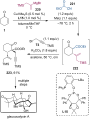
Scheme 58: Total synthesis of glaucocalyxin A utilizing a tandem conjugate addition/acylation reaction sequenc...
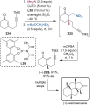
Scheme 59: Installation of the exocyclic double bond using a tandem conjugate addition/aminomethylation sequen...
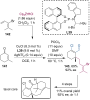
Scheme 60: Synthesis of the taxol core using a tandem conjugate addition/enolate trapping sequence with Vilsme...
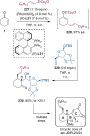
Scheme 61: Synthesis of the tricyclic core of 12-epi-JBIR-23/24 utilizing a Rh-catalyzed asymmetric conjugate ...
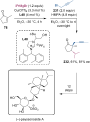
Scheme 62: Total synthesis of (−)-peyssonoside A utilizing a Cu-catalyzed enantioselective tandem conjugate ad...



