


Search results
Search for "acidity" in Full Text gives 296 result(s) in Beilstein Journal of Organic Chemistry. Showing first 200.
Non-noble metal-catalyzed cross-dehydrogenation coupling (CDC) involving ether α-C(sp3)–H to construct C–C bonds
Beilstein J. Org. Chem. 2023, 19, 1259–1288, doi:10.3762/bjoc.19.94
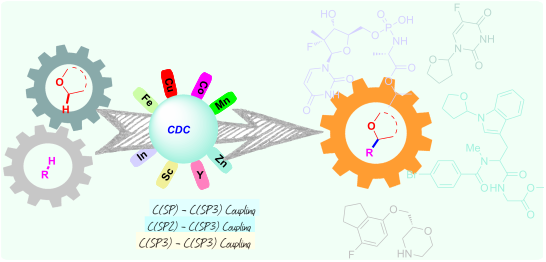
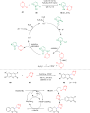
- carbocation D. Finally, the nucleophile attacks the carbocation D, to obtain the final coupled product. The deprotonation of the nucleophile occurs before or after the attack on the carbocation intermediate, depending on the acidity of the nucleophile. In 2008, Li et al. reported that Fe2(CO)9 as a catalyst










Exploring the role of halogen bonding in iodonium ylides: insights into unexpected reactivity and reaction control
Beilstein J. Org. Chem. 2023, 19, 1171–1190, doi:10.3762/bjoc.19.86
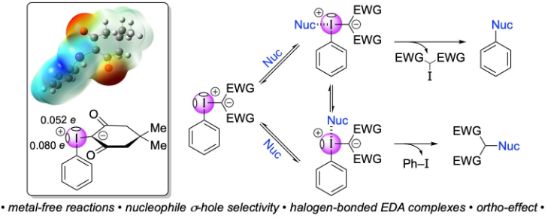
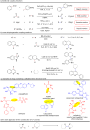
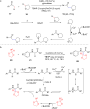
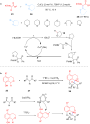
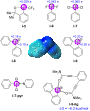
- ≈ 8; 50e, 64–74% yield) were suitable, they were unreactive in the presence of a carboxylic acid (50c). If these insertions proceed via initial protonation of the iodonium ylide to produce 51 (Figure 11), its high acidity (pKa ≈ 0) [131][132] would suggest that only strong acids should undergo this
- acidity and the Lewis basicity of the X–H molecule were important. This led the authors to propose an initial halogen-bonded complex 52 (consistent with the rate acceleration seen for more Lewis basic reactants), which would weaken the X–H bond and simultaneously strengthen the basicity of the ylidic
- direct cycloaddition between the ylide and alkene. Murphy’s report of formal X–H insertions with iodonium ylides was similarly proposed to initiate upon complex formation with a Lewis base. Adduct formation was believed to both increase the acidity of halogen bond acceptor’s attached protons, as well as







Aromatic C–H bond functionalization through organocatalyzed asymmetric intermolecular aza-Friedel–Crafts reaction: a recent update
Beilstein J. Org. Chem. 2023, 19, 956–981, doi:10.3762/bjoc.19.72

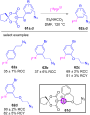
- various asymmetric chemical transformations. These compounds play a dual role in the catalytic cycle due to their intrinsic Brønsted acidity and the ability to H-bond formation. Organophosphoric acids can perform as both H-bond acceptors and donors. 1,1’-Bi-2-naphthol (BINOL) and 1,1’-spirobiindane-7,7
- 7b) [31]. In 2018, Ishihara and co-workers developed a novel C2 and C1-symmetric bisphosphoric acid-catalyzed asymmetric aza-Friedel–Crafts reaction. Both catalysts showed intramolecular H-bonding causing a sharp increase in Brønsted acidity of free OH groups and prevention of catalyst dimerization


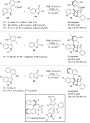


Clauson–Kaas pyrrole synthesis using diverse catalysts: a transition from conventional to greener approach
Beilstein J. Org. Chem. 2023, 19, 928–955, doi:10.3762/bjoc.19.71
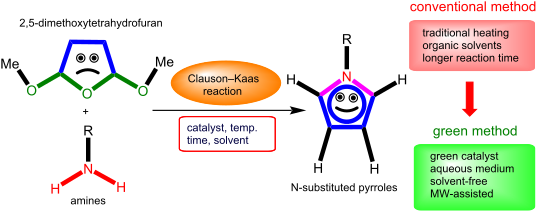
- ). The function of squaric acid as a catalyst was not clear, but the authors suggested that the Brønsted acidity of squaric acid affects the reactivity and selectivity of this process. The tentative mechanism of this protocol was proposed (Scheme 13b), in which a reversible acid–base reaction of aniline
- a mechanism for the synthesis of nano-sulfated titania-catalyzed N-substituted pyrroles as shown in Figure 5b. In general, both Lewis and Brønsted acid sites are present in sulfated metallic oxides, as shown in Figure 5a. The acidity of these Brønsted acid sites is increased by the presence of
- adjacent strong Lewis acid sites, and the acidity of these Lewis acid sites is due to the inductive effect of sulfate on the metallic cation. Therefore, this nano-sulfated titanium dioxide acts as a new type of Lewis acid catalyst. Intermediate A was first formed by reaction of the catalyst with 2,5-DMTHF


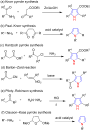


Pyridine C(sp2)–H bond functionalization under transition-metal and rare earth metal catalysis
Beilstein J. Org. Chem. 2023, 19, 820–863, doi:10.3762/bjoc.19.62
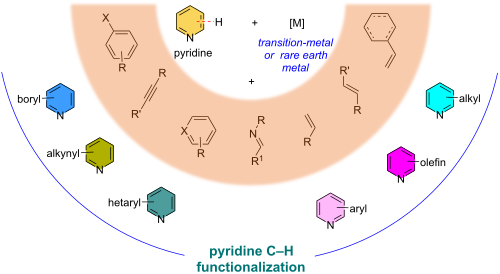
- cationic Zr complexes provided good transformations, probably due to good accessibility of the coordination site and an increased Lewis acidity of the metal center. The authors also demonstrated that this catalytic system also catalyzes the alkylation of benzylic C–H bonds (C(sp3)–H) of various
















Eschenmoser coupling reactions starting from primary thioamides. When do they work and when not?
Beilstein J. Org. Chem. 2023, 19, 808–819, doi:10.3762/bjoc.19.61
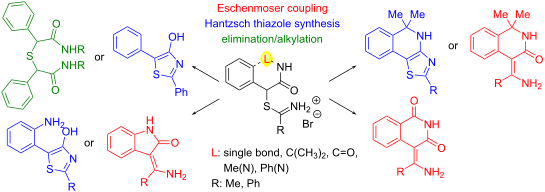
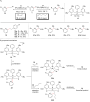
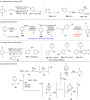
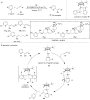
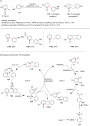
- thiazole synthesis and elimination to nitriles) were identified. The key factor that enables the successful Eschenmoser coupling reaction involves the optimum balance in acidity of nitrogen and carbon atoms of the intermediary α-thioiminium salts. Keywords: Eschenmoser coupling reaction; Hantzsch thiazole
- polar aprotic solvent. Acetonitrile is the best solvent for the reaction if the intermediary salt (e.g., 6a) may be isolated, since it is only sparingly soluble in it. Since the pKa values of known primary aliphatic/aromatic α-thioiminium salts (N–H acidity) in water [10][32][33] are less than 7 and 6
- leaving aniline moiety, prefers cyclization to give 13 (Scheme 6). Another key factor for successful ECR concerns the acidity of C–H in particular α-thioiminium salts 6a,b, 10a,b, 12a, 15 (pKaC) or the ease of proton transfer between the carbon and nitrogen in imidothioate followed by formation of the


A new oxidatively stable ligand for the chiral functionalization of amino acids in Ni(II)–Schiff base complexes
Beilstein J. Org. Chem. 2023, 19, 566–574, doi:10.3762/bjoc.19.41
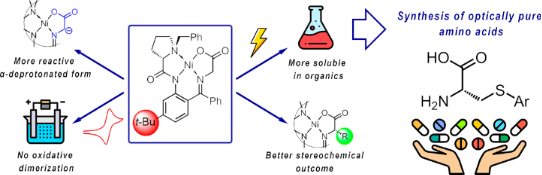
- )) and includes a chiral auxiliary, an amino acid, and a bifunctional linker capable to arrange the components in the Schiff base complex. Such templates provide a significant C–H acidity at the α-amino acid carbon and a possibility for recycling of the chiral auxiliaries (for reviews see [5][14][15][16



Design, synthesis, and evaluation of chiral thiophosphorus acids as organocatalysts
Beilstein J. Org. Chem. 2022, 18, 1471–1478, doi:10.3762/bjoc.18.154
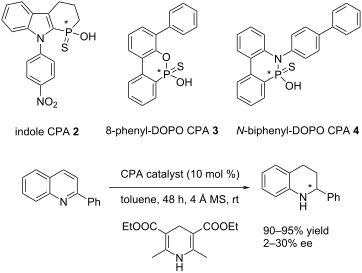
- exploratory work, thiophosphorus acids were chosen due to their appropriate acidity and intrinsic chirality. Thiophosphorus acids undergo a tautomeric equilibrium between the thiolic and the thionic forms [22] (Scheme 1). If the substituents R1 and R2 are different, the phosphorus atom is always chiral


Facile and diastereoselective arylation of the privileged 1,4-dihydroisoquinolin-3(2H)-one scaffold
Beilstein J. Org. Chem. 2022, 18, 1070–1078, doi:10.3762/bjoc.18.109
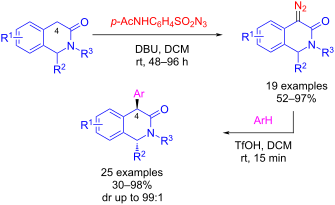
- investigate their suitability as substrates in the Regitz diazo transfer. We reasoned that if the C–H acidity of the methylene group in 11 would turn out to be insufficient for the Regitz protocol to be directly applied, these substrates could have been additionally activated by trifluoroacetylation


Post-synthesis from Lewis acid–base interaction: an alternative way to generate light and harvest triplet excitons
Beilstein J. Org. Chem. 2022, 18, 825–836, doi:10.3762/bjoc.18.83
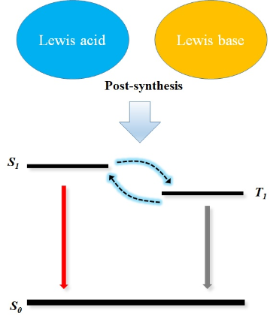
- . In 2002, Monkman reported the addition of camphor sulfonic acid (CSA) to the fluorescent polymer poly{2,5-pyridylene-co-1,4-[2,5-bis(2-ethylhexyloxy)]phenylene} (compound 1 in Figure 2) containing pyridine groups led to the protonation effect [26]. CSA has strong acidity and low volatility, which is
- acids B(C6F5)3 and B(C6H5)3 as electron acceptors, respectively [29]. B(C6F5)3 displays high chemical stability and Lewis acidity [30]. Moreover, its good solubility endows the possibility to form Lewis acid–base adducts in films by solution processing. The strong electron attraction of the fluorine
- substituents on the benzene rings of B(C6F5)3 is responsible for its stronger Lewis acidity compared to B(C6H5)3, and reacted efficiently with the basic fluorescent materials. In 2011, Hayashi investigated the modification of pyridyl-conjugated polymer films with the Lewis acid BF3 [31]. Through repeated acid


Inductive heating and flow chemistry – a perfect synergy of emerging enabling technologies
Beilstein J. Org. Chem. 2022, 18, 688–706, doi:10.3762/bjoc.18.70
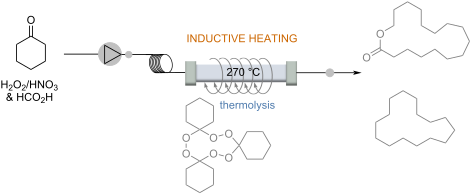
- results due to its high Brønsted acidity [26]. Using inductive heating resulted in a highly improved catalytic system that showed long-term stability. This example is of relevance for the fragrance and flavour industries, as isopulegol (2) can be transformed into menthol in one step by catalytic




Bioinspired tetraamino-bisthiourea chiral macrocycles in catalyzing decarboxylative Mannich reactions
Beilstein J. Org. Chem. 2022, 18, 486–496, doi:10.3762/bjoc.18.51
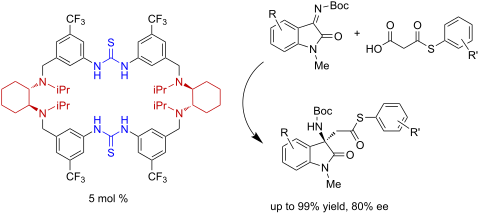
- -derived bisisothiocyanate fragments 5e,f afforded the desired hetero-combination macrocycles M7–M12 without additional difficulties. It should be noted that the incorporation of CF3 groups on the aryl moieties was to increase the acidity of thiourea so as to provide better hydrogen-bonding complexation


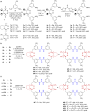


A resorcin[4]arene hexameric capsule as a supramolecular catalyst in elimination and isomerization reactions
Beilstein J. Org. Chem. 2022, 18, 337–349, doi:10.3762/bjoc.18.38
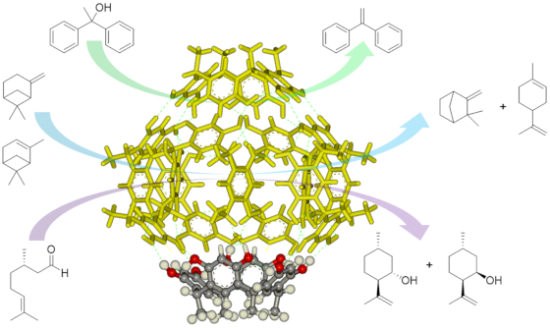
- all these reactions is the combination of its weak Brønsted acidity [42] that, by protonation of the substrate, leads to the formation of cationic species [43] and the stabilization of the latter through cation–π interactions [44] within the electron-rich aromatic cavity of the capsule, thus providing
- excess of tetrabutylammonium bromide (3) as a competitive guest for the capsule, to demonstrate the importance of the presence of an accessible cavity, and iii) acetic acid (4) in order to mimic only the Brønsted acidity of the capsule without providing the stabilization properties related to the
- with water content lower than 50 mM, while in the presence of increasing amounts of water a second capsule B is also present comprising overall 15 water molecules, 6−7 of which spontaneously incorporated into a single edge of the cubic suprastructure leading to increased Brønsted acidity. Therefore, we


Asymmetric organocatalytic Michael addition of cyclopentane-1,2-dione to alkylidene oxindole
Beilstein J. Org. Chem. 2022, 18, 167–173, doi:10.3762/bjoc.18.18
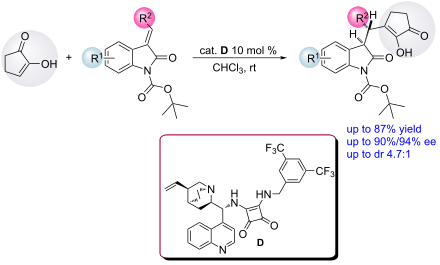
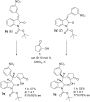
- . Also, a higher C–H acidity of the proton at the stereogenic centre and possible racemisation can’t be excluded. A heteroaromatic oxindole derivative afforded the product 3j in lower yield and high ee values. 4- and 5-bromo oxindole derivatives (2l and 2k, respectively) were also used as starting


Mechanistic studies of the solvolysis of alkanesulfonyl and arenesulfonyl halides
Beilstein J. Org. Chem. 2022, 18, 120–132, doi:10.3762/bjoc.18.13
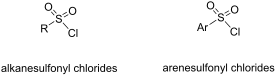
- show a component with decreased electron density at the oxygen, which is relayed to give increased acidity for the hydrogen of the OH group and increased electrophilicity (solvent ionizing power) for a solvent in which it is a major component. Maskill and co-workers [26][27] investigated the solvolyses
- [32]. Probably the best known LFER is the Hammett equation which presents a way of correlating the behavior of reactants with a substituent present in an aromatic ring with the effect of that substituent on the acidity of benzoic acids in water at 25 °C. As one would expect as once moves away from the


1,2-Naphthoquinone-4-sulfonic acid salts in organic synthesis
Beilstein J. Org. Chem. 2022, 18, 53–69, doi:10.3762/bjoc.18.5
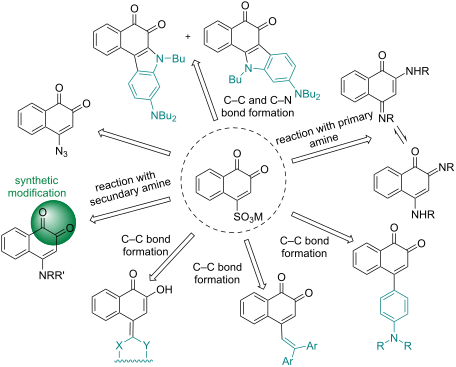
- naphthoquinones A prevail in all pH regions except for extreme acidity, where there is a shift to the form of 2-hydroxy-1,4-naphthoquinone-4-arylimines [73][74]. However, in weakly acidic or alkaline solutions, A is the most stable tautomer (Scheme 3C) [75]. Fragoso and co-workers [76] studied the tautomeric


Recent advances and perspectives in ruthenium-catalyzed cyanation reactions
Beilstein J. Org. Chem. 2022, 18, 37–52, doi:10.3762/bjoc.18.4
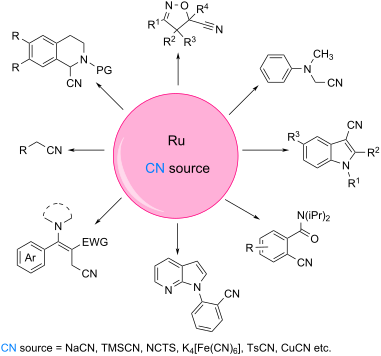
- metal. Ruthenium complexes have astonishing characteristics such as high electron transfer ability, low redox potentials, high Lewis acidity, and greater stabilities of the reactive metallic species like oxometals, metallacycles, and metal carbene complexes [27]. The wide availability of highly reactive


Recent advances in the asymmetric phosphoric acid-catalyzed synthesis of axially chiral compounds
Beilstein J. Org. Chem. 2021, 17, 2729–2764, doi:10.3762/bjoc.17.185
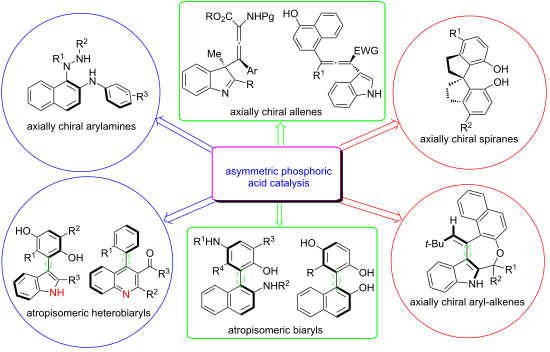
- (Brønsted acidity/basicity, hydrogen-bonding units, and counter-anions toward metals) [48][49]. In 2019, Shi, Lin, and co-workers achieved an enantioselective synthesis of axially chiral quinoline-derived biaryl atropisomers via Pd-catalyzed C–H olefination of 8-phenylquinoline (11) using a novel chiral










N-Sulfinylpyrrolidine-containing ureas and thioureas as bifunctional organocatalysts
Beilstein J. Org. Chem. 2021, 17, 2629–2641, doi:10.3762/bjoc.17.176
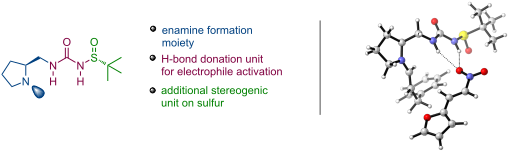
- acidity of the hydrogen-bond donating unit. This notion has often been realized with substituted aryls such as 3,5-bis(trifluoromethyl)phenyl. Ellman introduced a different approach and developed N-sulfinylureas. An additional potentially useful feature is the stereogenic center on sulfur. tert


Cryogels: recent applications in 3D-bioprinting, injectable cryogels, drug delivery, and wound healing
Beilstein J. Org. Chem. 2021, 17, 2553–2569, doi:10.3762/bjoc.17.171
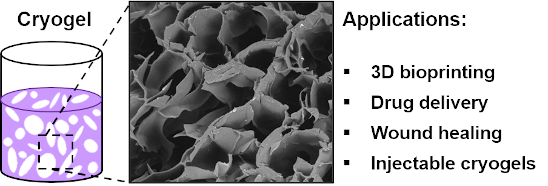
- value (index to express acidity of weak acids) of the polymer [35]. Polymers responsive to pH can be classified by the functional groups present within their polymerised structure [35][41][42]. Including (i) polyacids with weakly acidic groups (i.e., -COOH or -SO3H), (ii) polybases with weakly basic
- . Furthermore, a response to pH can be utilised to release the therapeutic agent at a site of specific acidity, thus ensuring targeted delivery. Poly(acrylic acid)-based cryogels have been investigated as a pH oscillator in oscillatory bromate-sulphite-ferrocyanide reactions as potential soft materials for






Allylic alcohols and amines by carbenoid eliminative cross-coupling using epoxides or aziridines
Beilstein J. Org. Chem. 2021, 17, 2385–2389, doi:10.3762/bjoc.17.155

- with cross-coupling using the same carbenoid and epoxide 5 (Scheme 5), where the presence of LTMP also proved necessary. A cinnamylamine 23 could be obtained in a tin-free process (Scheme 10), which utilises the increased acidity of a benzylic ether 22. In this case, the presence of LTMP was necessary


Advances in mercury(II)-salt-mediated cyclization reactions of unsaturated bonds
Beilstein J. Org. Chem. 2021, 17, 2348–2376, doi:10.3762/bjoc.17.153
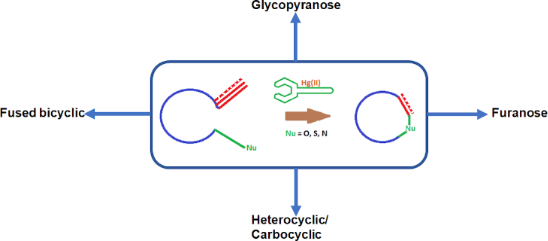
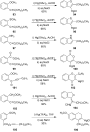
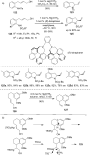
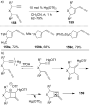
- was achieved by increasing the reaction time and acidity of the reaction medium, while elevated temperature showed no effect (Scheme 3) [40]. The mercuricyclization was also employed in the field of carbohydrate chemistry for the synthesis of α-ᴅ-C-glycopyranosyl derivatives. The reaction between












Base-free enantioselective SN2 alkylation of 2-oxindoles via bifunctional phase-transfer catalysis
Beilstein J. Org. Chem. 2021, 17, 2287–2294, doi:10.3762/bjoc.17.146
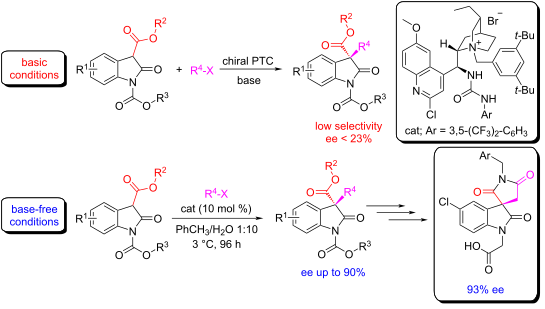
- other hand, such electron-withdrawing groups, α to the reactive centre, dramatically changes the acidity of the substrate (and thus the reactivity of the enolate conjugate base) and as consequence its reactivity which can drastically impact the enantioselectivity in SN2 alkylation processes. In this
- reactive centre dramatically increases the acidity at this position and, in preliminary studies, we found that under biphasic basic conditions 2-oxindole 5 was undergoing alkylation also in the absence of a phase-transfer catalyst (not ideal when designing a catalytic enantioselective process). Despite
- reactions can be occasionally performed even in absence of base under water-enriched/organic biphasic conditions [41][42][43][44][45][46][47]. Taking inspiration from these studies, it was envisaged that by employing base-free neutral reaction conditions – given the likely acidity of substrate 5 – that it



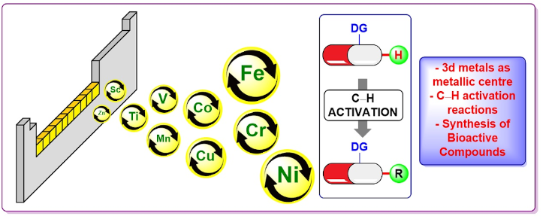
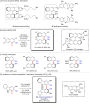
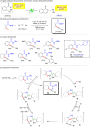
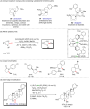
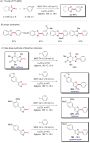
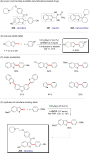
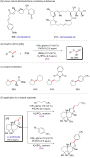
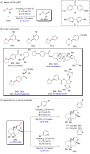
On the application of 3d metals for C–H activation toward bioactive compounds: The key step for the synthesis of silver bullets
Beilstein J. Org. Chem. 2021, 17, 1849–1938, doi:10.3762/bjoc.17.126







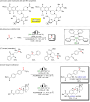

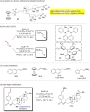
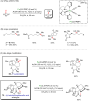

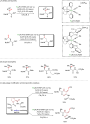
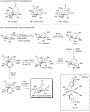


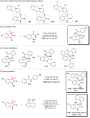
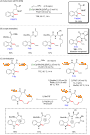
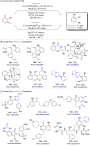












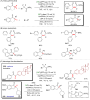


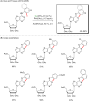

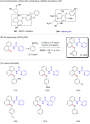

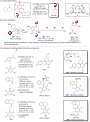

Electron-rich triarylphosphines as nucleophilic catalysts for oxa-Michael reactions
Beilstein J. Org. Chem. 2021, 17, 1689–1697, doi:10.3762/bjoc.17.117
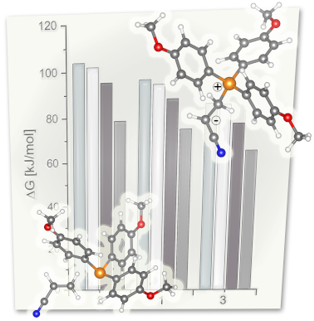
- triphenylphosphine (TPP) in catalyzing oxa-Michael additions. A matrix consisting of three differently strong Michael acceptors and four alcohols of varying acidity was used to assess the activity of the three catalysts. All test reactions were performed with 1 mol % catalyst loading, under solvent-free conditions
- more electron-rich catalysts is less pronounced. The experimental activity trend was rationalized by calculating the Michael acceptor affinities of all phosphine–Michael acceptor combinations. Besides this parameter, the acidity of the alcohol has a strong impact on the reaction speed. The oxidation
- triarylphosphines TPP, MMTPP and TMTPP as catalysts for the oxa-Michael reaction three varyingly strong Michael acceptors, namely acrylonitrile (1), acrylamide (2) and divinyl sulfone (3) were reacted with four different alcohols of similar molecular mass but different acidity (Figure 1). The stoichiometry of





