


Search results
Search for "catalytic activity" in Full Text gives 326 result(s) in Beilstein Journal of Organic Chemistry. Showing first 200.
Clauson–Kaas pyrrole synthesis using diverse catalysts: a transition from conventional to greener approach
- Dileep Kumar Singh and
- Rajesh Kumar
Beilstein J. Org. Chem. 2023, 19, 928–955, doi:10.3762/bjoc.19.71
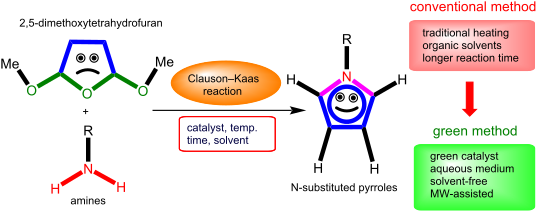
- magnetically recoverable by simple magnetic decantation. In addition, the catalytic activity of the catalyst remains unaltered after six consecutive cycles (Figure 3). Using this catalyst, various nitrogen-substituted pyrrole derivatives 31 were synthesized in 55–96% yields through the reaction between various
- effect on product yield and no loss of catalytic activity. Moreover, a plausible mechanism for the constructions of N-arylpyrroles is shown in Scheme 17b. In the first step, the acetal group of 2,5-DMTHF (2) is protonated by β-CD-SO3H to produce intermediate A. Intermediate A is nucleophilically attacked
- of the catalyst for up to nine consecutive runs without loss of catalytic activity. Recently, Rohit et al. [86] described a modified Clauson–Kaas synthesis of N-substituted pyrrole with up to 89% yields by microwave irradiation at 120 °C in neat conditions by reacting amines 66 with 2,5-DMTHF (2) in

Graphical Abstract

Figure 1: Various pyrrole containing molecules.
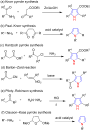
Scheme 1: Various synthestic protocols for the synthesis of pyrroles.

Figure 2: A tree-diagram showing various conventional and green protocols for Clauson-Kaas pyrrole synthesis.

Scheme 2: A general reaction of Clauson–Kaas pyrrole synthesis and proposed mechanism.

Scheme 3: AcOH-catalyzed synthesis of pyrroles 5 and 7.

Scheme 4: Synthesis of N-substituted pyrroles 9.

Scheme 5: P2O5-catalyzed synthesis of N-substituted pyrroles 11.

Scheme 6: p-Chloropyridine hydrochloride-catalyzed synthesis of pyrroles 13.

Scheme 7: TfOH-catalyzed synthesis of N-sulfonylpyrroles 15, N-sulfonylindole 16, N-sulfonylcarbazole 17.

Scheme 8: Scandium triflate-catalyzed synthesis of N-substituted pyrroles 19.

Scheme 9: MgI2 etherate-catalyzed synthesis and proposed mechanism of N-arylpyrrole derivatives 21.

Scheme 10: Nicotinamide catalyzed synthesis of pyrroles 23.

Scheme 11: ZrOCl2∙8H2O catalyzed synthesis and proposed mechanism of pyrrole derivatives 25.

Scheme 12: AcONa catalyzed synthesis of N-substituted pyrroles 27.

Scheme 13: Squaric acid-catalyzed synthesis and proposed mechanism of N-substituted pyrroles 29.

Figure 3: Reusability of catalyst γ-Fe2O3@SiO2-Sb-IL in six cycles.

Scheme 14: Magnetic nanoparticle-supported antimony catalyst used in the synthesis of N-substituted pyrroles 31...

Scheme 15: Iron(III) chloride-catalyzed synthesis of N-substituted pyrroles 33.

Scheme 16: Copper-catalyzed Clauson–Kaas synthesis and mechanism of pyrroles 35.

Scheme 17: β-CD-SO3H-catalyzed synthesis and proposed mechanism of pyrroles 37.

Figure 4: Recyclability of β-cyclodextrin-SO3H.

Scheme 18: Solvent-free and catalyst-free synthesis and plausible mechanism of N-substituted pyrroles 39.

Scheme 19: Nano-sulfated TiO2-catalyzed synthesis of N-substituted pyrroles 41.

Figure 5: Plausible mechanism for the formation of N-substituted pyrroles catalyzed by nano-sulfated TiO2 cat...

Scheme 20: Copper nitrate-catalyzed Clauson–Kaas synthesis and mechanism of N-substituted pyrroles 43.

Scheme 21: Synthesis of N-substituted pyrroles 45 by using Co catalyst Co/NGr-C@SiO2-L.

Scheme 22: Zinc-catalyzed synthesis of N-arylpyrroles 47.

Scheme 23: Silica sulfuric acid-catalyzed synthesis of pyrrole derivatives 49.

Scheme 24: Bismuth nitrate-catalyzed synthesis of pyrroles 51.

Scheme 25: L-(+)-tartaric acid-choline chloride-catalyzed Clauson–Kaas synthesis and plausible mechanism of py...

Scheme 26: Microwave-assisted synthesis of N-substituted pyrroles 55 in AcOH or water.

Scheme 27: Synthesis of pyrrole derivatives 57 using a nano-organocatalyst.

Figure 6: Nano-ferric supported glutathione organocatalyst.

Scheme 28: Microwave-assisted synthesis of N-substituted pyrroles 59 in water.

Scheme 29: Iodine-catalyzed synthesis and proposed mechanism of pyrroles 61.

Scheme 30: H3PW12O40/SiO2-catalyzed synthesis of N-substituted pyrroles 63.

Scheme 31: Fe3O4@-γ-Fe2O3-SO3H-catalyzed synthesis of pyrroles 65.

Scheme 32: Mn(NO3)2·4H2O-catalyzed synthesis and proposed mechanism of pyrroles 67.

Scheme 33: p-TsOH∙H2O-catalyzed (method 1) and MW-assisted (method 2) synthesis of N-sulfonylpyrroles 69.

Scheme 34: ([hmim][HSO4]-catalyzed Clauson–Kaas synthesis of pyrroles 71.

Scheme 35: Synthesis of N-substituted pyrroles 73 using K-10 montmorillonite catalyst.

Scheme 36: CeCl3∙7H2O-catalyzed Clauson–Kaas synthesis of pyrroles 75.

Scheme 37: Synthesis of N-substituted pyrroles 77 using Bi(NO3)3∙5H2O.

Scheme 38: Oxone-catalyzed synthesis and proposed mechanism of N-substituted pyrroles 79.
Synthesis of aliphatic nitriles from cyclobutanone oxime mediated by sulfuryl fluoride (SO2F2)
- Xian-Lin Chen and
- Hua-Li Qin
Beilstein J. Org. Chem. 2023, 19, 901–908, doi:10.3762/bjoc.19.68
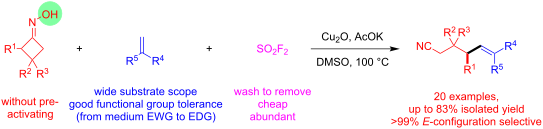
- 1,4-dioxane the transformations performed the best (Table 1, entries 3–5). A series of copper catalysts such as CuI, CuCN, and Cu2O was screened, in which some showed good catalytic activity (Table 1, entries 6–9), and Cu2O was identified as the most effective catalyst for the desired transformation

Graphical Abstract

Scheme 1: Representative nitrile-containing functional materials, drug carriers, and medicines.

Scheme 2: Activating protocol of cyclobutanone oximes.

Scheme 3: Substrate scope of δ-olefin-containing aliphatic nitriles. Reaction conditions: A mixture of cyclob...

Scheme 4: Competition between two reactions caused by the reduction of base equivalent.

Scheme 5: Mechanistic investigations.

Scheme 6: A proposed plausible mechanism.
Pyridine C(sp2)–H bond functionalization under transition-metal and rare earth metal catalysis
- Haritha Sindhe,
- Malladi Mounika Reddy,
- Karthikeyan Rajkumar,
- Akshay Kamble,
- Amardeep Singh,
- Anand Kumar and
- Satyasheel Sharma
Beilstein J. Org. Chem. 2023, 19, 820–863, doi:10.3762/bjoc.19.62
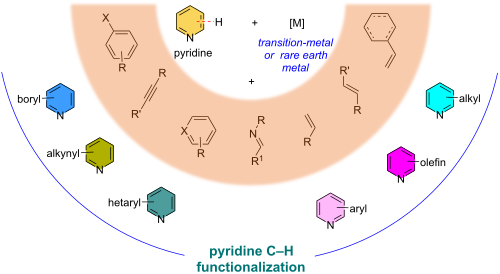
- also found to have a higher catalytic activity for the ortho-alkylation of pyridines with styrenes to give the linear alkylated products (5b,c, Scheme 2). Further, the authors proposed that the C–H bond activation could be the rate limiting step based on kinetic isotope experiments (KIE). The proposed
- which resulted in C3-alkylated pyridines 51. Based on the reactions performed for the catalytic activity of the silyl-iridium complex, the authors proposed a catalytic mechanism (Scheme 11b). The mechanism involves the initial formation of the active silyl-iridium catalyst A which through oxidative

Graphical Abstract

Figure 1: Representative examples of bioactive natural products and FDA-approved drugs containing a pyridine ...

Scheme 1: Classical and traditional methods for the synthesis of functionalized pyridines.

Scheme 2: Rare earth metal (Ln)-catalyzed pyridine C–H alkylation.

Scheme 3: Pd-catalyzed C–H alkylation of pyridine N-oxide.

Scheme 4: CuI-catalyzed C–H alkylation of N-iminopyridinium ylides with tosylhydrazones (A) and a plausible r...
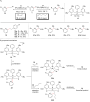
Scheme 5: Zirconium complex-catalyzed pyridine C–H alkylation.

Scheme 6: Rare earth metal-catalyzed pyridine C–H alkylation with nonpolar unsaturated substrates.

Scheme 7: Heterobimetallic Rh–Al complex-catalyzed ortho-C–H monoalkylation of pyridines.

Scheme 8: Mono(phosphinoamido)-rare earth complex-catalyzed pyridine C–H alkylation.

Scheme 9: Rhodium-catalyzed pyridine C–H alkylation with acrylates and acrylamides.

Scheme 10: Ni–Al bimetallic system-catalyzed pyridine C–H alkylation.

Scheme 11: Iridium-catalyzed pyridine C–H alkylation.
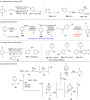
Scheme 12: para-C(sp2)–H Alkylation of pyridines with alkenes.

Scheme 13: Enantioselective pyridine C–H alkylation.

Scheme 14: Pd-catalyzed C2-olefination of pyridines.

Scheme 15: Ru-catalyzed C-6 (C-2)-propenylation of 2-arylated pyridines.
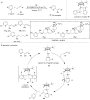
Scheme 16: C–H addition of allenes to pyridines catalyzed by half-sandwich Sc metal complex.

Scheme 17: Pd-catalyzed stereodivergent synthesis of alkenylated pyridines.

Scheme 18: Pd-catalyzed ligand-promoted selective C3-olefination of pyridines.

Scheme 19: Mono-N-protected amino acids in Pd-catalyzed C3-alkenylation of pyridines.

Scheme 20: Amide-directed and rhodium-catalyzed C3-alkenylation of pyridines.

Scheme 21: Bimetallic Ni–Al-catalyzed para-selective alkenylation of pyridine.

Scheme 22: Arylboronic ester-assisted pyridine direct C–H arylation.
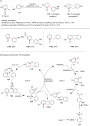
Scheme 23: Pd-catalyzed C–H arylation/benzylation with toluene.

Scheme 24: Pd-catalyzed pyridine C–H arylation with potassium aryl- and heteroaryltrifluoroborates.

Scheme 25: Transient activator strategy in pyridine C–H biarylation.
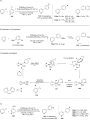
Scheme 26: Ligand-promoted C3-arylation of pyridine.

Scheme 27: Pd-catalyzed arylation of nicotinic and isonicotinic acids.

Scheme 28: Iron-catalyzed and imine-directed C–H arylation of pyridines.

Scheme 29: Pd–(bipy-6-OH) cooperative system-mediated direct pyridine C3-arylation.

Scheme 30: Pd-catalyzed pyridine N-oxide C–H arylation with heteroarylcarboxylic acids.

Scheme 31: Pd-catalyzed C–H cross-coupling of pyridine N-oxides with five-membered heterocycles.

Scheme 32: Cu-catalyzed dehydrative biaryl coupling of azine(pyridine) N-oxides and oxazoles.

Scheme 33: Rh(III)-catalyzed cross dehydrogenative C3-heteroarylation of pyridines.

Scheme 34: Pd-catalyzed C3-selective arylation of pyridines.
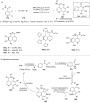
Scheme 35: Rhodium-catalyzed oxidative C–H annulation of pyridines to quinolines.
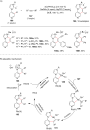
Scheme 36: Rhodium-catalyzed and NHC-directed C–H annulation of pyridine.

Scheme 37: Ni/NHC-catalyzed regio- and enantioselective C–H cyclization of pyridines.

Scheme 38: Rare earth metal-catalyzed intramolecular C–H cyclization of pyridine to azaindolines.

Scheme 39: Rh-catalyzed alkenylation of bipyridine with terminal silylacetylenes.

Scheme 40: Rollover cyclometallation in Rh-catalyzed pyridine C–H functionalization.

Scheme 41: Rollover pathway in Rh-catalyzed C–H functionalization of N,N,N-tridentate chelating compounds.

Scheme 42: Pd-catalyzed rollover pathway in bipyridine-6-carboxamides C–H arylation.
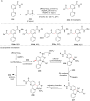
Scheme 43: Rh-catalyzed C3-acylmethylation of bipyridine-6-carboxamides with sulfoxonium ylides.

Scheme 44: Rh-catalyzed C–H functionalization of bipyridines with alkynes.

Scheme 45: Rh-catalyzed C–H acylmethylation and annulation of bipyridine with sulfoxonium ylides.

Scheme 46: Iridium-catalyzed C4-borylation of pyridines.

Scheme 47: C3-Borylation of pyridines.

Scheme 48: Pd-catalyzed regioselective synthesis of silylated dihydropyridines.
Mechanochemical solid state synthesis of copper(I)/NHC complexes with K3PO4
- Ina Remy-Speckmann,
- Birte M. Zimmermann,
- Mahadeb Gorai,
- Martin Lerch and
- Johannes F. Teichert
Beilstein J. Org. Chem. 2023, 19, 440–447, doi:10.3762/bjoc.19.34
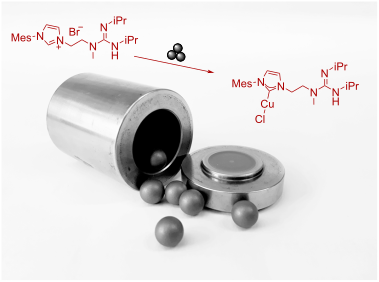
- ) with its counterpart from the liquid state transmetallation route (5ls) in catalysis. We found that 5bm was catalytically active, however displaying slightly diminished activity in general most likely due to different adduct ratio inhibiting the catalytic activity (Scheme 3). This was established using

Graphical Abstract

Scheme 1: General synthetic routes to copper(I)/NHC complexes (X = Cl, Br).

Scheme 2: Preparation of sophisticated Cu(I)/NHC complexes: Synthesis of bifunctional catalyst 5 via transmet...

Scheme 3: Application of bifunctional catalyst 5 in copper(I)-catalyzed hydrogenations: comparison of 5 prepa...
CuAAC-inspired synthesis of 1,2,3-triazole-bridged porphyrin conjugates: an overview
- Dileep Kumar Singh
Beilstein J. Org. Chem. 2023, 19, 349–379, doi:10.3762/bjoc.19.29
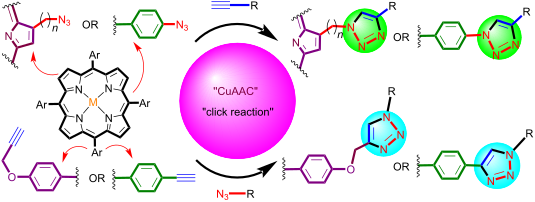
- porphyrins used in the Cu(I)-catalyzed click reaction have been metalated prior to the reaction; otherwise, Cu metal can be inserted into the porphyrin cavity. As a result, the catalytic activity of Cu will decrease, it will be more difficult to remove, and more additional steps will be required to

Graphical Abstract

Figure 1: Alkyne–azide "click reaction".

Figure 2: β- and meso-triazole-linked porphyrin.

Scheme 1: Synthesis of β-triazole-linked porphyrins 3a–c.

Scheme 2: Synthesis of β-triazole-bridged porphyrin-coumarin conjugates 11–20.

Scheme 3: Synthesis of β-triazole-bridged porphyrin-xanthone conjugates 23–27 and xanthone-bridged β-triazolo...

Scheme 4: Synthesis of meso-triazoloporphyrins 32a–c and triazole-bridged diporphyrins 34.

Scheme 5: Synthesis of meso-triazole-linked porphyrin-ferrocene conjugates 37a–d.

Scheme 6: Synthesis of meso-triazole-linked porphyrin conjugates 40a,b and 41a,b.

Scheme 7: Synthesis of meso-triazole-linked glycoporphyrins 43a–c.

Scheme 8: Synthesis of meso-triazole-linked porphyrin-coumarin conjugates 44–48.

Scheme 9: Synthesis of meso-triazole-bridged porphyrin-DNA conjugate 50.

Scheme 10: Synthesis of meso-linked porphyrin-triazole conjugates 53 and 57.

Scheme 11: Synthesis of meso-triazole-linked porphyrin-corrole conjugate 60.
Scheme 12: Synthesis of porphyrin conjugates 64a,b and 67a,b. Reaction conditions: (i) CuSO4, sodium ascorbate...

Scheme 13: Synthesis of meso-triazole-bridged porphyrin-quinolone conjugates 70a–e.

Scheme 14: Synthesis of meso-triazole-linked porphyrin-fluorescein dyad 73.

Scheme 15: Synthesis of meso-triazole-linked porphyrin-carborane conjugates 76a,b.

Scheme 16: Synthesis of meso-triazole-bridged porphyrin-BODIPY conjugates 78 and 80.

Scheme 17: Synthesis of meso-triazole-linked cationic porphyrin conjugates 85 and 87. Reaction conditions: (i)...

Scheme 18: Synthesis of meso-triazole-cobalt-porphyrin diimine-dioxime conjugate 91. Reactions conditions: (i)...

Scheme 19: Synthesis of triazole-linked porphyrin-bearing N-doped graphene hybrid 96.

Scheme 20: Synthesis of meso-triazole-linked porphyrin-fullerene dyads 100a–d and 104a,b.

Scheme 21: Synthesis of meso-triazole-bridged diporphyrin conjugates 107 and 108.

Scheme 22: Synthesis of porphyrin-ruthenium (II) conjugates 112a,b and 116a,b. Reaction conditions: (i) Zn(OAc)...

Scheme 23: Synthesis of meso-triazole-linked porphyrin dyad 119 and triad 121.

Scheme 24: Synthesis of di-triazole-bridged porphyrin-β-CD conjugate 126.

Scheme 25: Synthesis of meso-triazole-bridged porphyrin star trimer 129.

Scheme 26: Synthesis of 1,2,3-triazole-linked porphyrin-β-CD conjugates 131a,b.

Scheme 27: Synthesis of tritriazole-bridged porphyrin-lantern-DNA sequence 134.

Scheme 28: Synthesis of meso-triazole-linked porphyrin-polymer conjugates 137 and 139.

Scheme 29: Synthesis of triazole-linked capped porphyrin 142; Reaction conditions: method A: 10% H2O in THF, C...

Scheme 30: Synthesis of meso-tetratriazole-linked porphyrin-maleimine conjugates 145a–c.

Scheme 31: Synthesis of meso-tetratriazole-linked porphyrin-cholic acid complex 148a,b.

Scheme 32: Synthesis of meso-tetratriazole-linked porphyrin conjugates 151–153.

Scheme 33: Synthesis of meso-tetratrizole-porphyrin-carborane conjugates 155, 156 and 158a–c.

Scheme 34: Synthesis of meso-tetratriazole-porphyrin-cardanol conjugates 160 and 162.

Scheme 35: Synthesis of meso-tetratriazole-linked porphyrin-BODIPY conjugate 164.

Scheme 36: Synthesis of meso-tetratriazole-linked porphyrin-β-CD conjugates 166a,b.

Scheme 37: Synthesis of tetratriazole-bridged meso-arylporphyrins 171a–c and 172a–c.

Scheme 38: Synthesis of octatriazole-bridged porphyrin-β-CD conjugate 174 and porphyrin-adamantane conjugates ...
Friedel–Crafts acylation of benzene derivatives in tunable aryl alkyl ionic liquids (TAAILs)
- Swantje Lerch,
- Stefan Fritsch and
- Thomas Strassner
Beilstein J. Org. Chem. 2023, 19, 212–216, doi:10.3762/bjoc.19.20
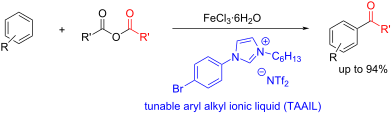
- the ionic liquid, catalytic activity is suppressed and product formation is not observed at all (Table 4, entry 5). An additional advantage of ILs is the reusability of the catalytic system, we were able to reuse our system for three consecutive runs. Conclusion In conclusion, we have established a

Graphical Abstract

Scheme 1: Synthesis of TAAILs. i) 1 equiv glyoxal, 2.1 equiv formaldehyde, 2 equiv NH4Cl, MeOH, 65 °C, ii) 1....

Scheme 2: Model reaction for the Friedel–Crafts acylation.

Figure 1: Time-dependent analysis of the reaction using varying amounts of anhydride. Reaction conditions: 1 ...

Scheme 3: Scope of the Friedel–Crafts acylation. Reaction conditions: 1 mmol benzene derivative, 2 equiv anhy...
Redox-active molecules as organocatalysts for selective oxidative transformations – an unperceived organocatalysis field
- Elena R. Lopat’eva,
- Igor B. Krylov,
- Dmitry A. Lapshin and
- Alexander O. Terent’ev
Beilstein J. Org. Chem. 2022, 18, 1672–1695, doi:10.3762/bjoc.18.179
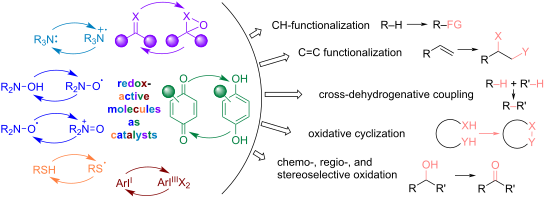
- organic chemistry. It allows chemists to avoid the use of precious and (or) toxic metals by taking advantage of the catalytic activity of small and synthetically available molecules. Today, the term organocatalysis is mainly associated with redox-neutral asymmetric catalysis of C–C bond-forming processes
- different chemoselectivity: secondary and benzyl alcohols are more easily oxidized. The great diversity of catalytic systems based on amine-N-oxyl radicals for alcohol oxidation was proposed [74][76][77][95]. Amine-N-oxyl organocatalysts with enhanced catalytic activity were developed by the modification of

Graphical Abstract
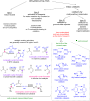
Scheme 1: Organocatalysis classification used in the present perspective.

Scheme 2: Oxidative processes catalyzed by amines.

Scheme 3: N-Heterocyclic carbene (NHC) catalysis in oxidative functionalization of aldehydes.
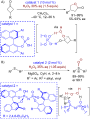
Scheme 4: Examples of asymmetric oxidative processes catalyzed by chiral Brønsted acids.

Scheme 5: Asymmetric aerobic α-hydroxylation of lactams under phase-transfer organocatalysis conditions emplo...

Scheme 6: Selective CH-oxidation of methylarenes to aldehydes or carboxylic acids.

Scheme 7: An example of the regioselective CH-amination by a sterically hindered imide-N-oxyl radical precurs...

Scheme 8: CH-amination of ethylbenzene and CH-fluorination of aldehydes catalyzed by N-hydroxybenzimidazoles,...

Scheme 9: Mixed hetero-/homogeneous TiO2/N-hydroxyimide photocatalysis in the selective benzylic oxidation.

Scheme 10: Electrochemical benzylic iodination and benzylation of pyridine by benzyl iodides generated in situ...

Scheme 11: Electrochemical oxidative C–O/C–N coupling of alkylarenes with NHPI. Electrolysis conditions: Const...

Scheme 12: Chemoselective alcohol oxidation catalyzed by TEMPO.

Scheme 13: ABNO-catalyzed oxidative C–N coupling of primary alcohols with primary amines.

Scheme 14: ACT-catalyzed electrochemical oxidation of primary alcohols and aldehydes to carboxylic acids.

Scheme 15: Electrocatalytic oxidation of benzylic alcohols by a TEMPO derivative immobilized on a graphite ano...

Scheme 16: Electrochemical oxidation of carbamates of cyclic amines to lactams and oxidative cyanation of amin...

Scheme 17: Hydrogen atom transfer (HAT) and single-electron transfer (SET) as basic principles of amine cation...
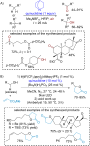
Scheme 18: Electrochemical quinuclidine-catalyzed oxidation involving unactivated C–H bonds.

Scheme 19: DABCO-mediated photocatalytic C–C cross-coupling involving aldehyde C–H bond cleavage.

Scheme 20: DABCO-derived cationic catalysts in inactivated C–H bond cleavage for alkyl radical addition to ele...
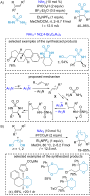
Scheme 21: Electrochemical diamination and dioxygenation of vinylarenes catalyzed by triarylamines.

Scheme 22: Electrochemical benzylic oxidation mediated by triarylimidazoles.

Scheme 23: Thiyl radical-catalyzed CH-arylation of allylic substrates by aryl cyanides.

Scheme 24: Synthesis of redox-active alkyl tetrafluoropyridinyl sulfides by unactivated C–H bond cleavage by t...

Scheme 25: Main intermediates in quinone oxidative organocatalysis.

Scheme 26: Electrochemical DDQ-catalyzed intramolecular dehydrogenative aryl–aryl coupling.

Scheme 27: DDQ-mediated cross-dehydrogenative C–N coupling of benzylic substrates with azoles.
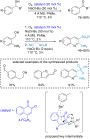
Scheme 28: Biomimetic o-quinone-catalyzed benzylic alcohol oxidation.

Scheme 29: Electrochemical synthesis of secondary amines by oxidative coupling of primary amines and benzylic ...

Scheme 30: General scheme of dioxirane and oxaziridine oxidative organocatalysis.

Scheme 31: Dioxirane organocatalyzed CH-hydroxylation involving aliphatic C(sp3)–H bonds.

Scheme 32: Enantioselective hydroxylation of CH-acids catalyzed by chiral oxaziridines.

Scheme 33: Iodoarene-organocatalyzed vinylarene diamination.

Scheme 34: Iodoarene-organocatalyzed asymmetric CH-hydroxylation of benzylic substrates.

Scheme 35: Iodoarene-organocatalyzed asymmetric difluorination of alkenes with migration of aryl or methyl gro...

Scheme 36: Examples of 1,2-diiodo-4,5-dimethoxybenzene-catalyzed electrochemical oxidative heterocyclizations.

Scheme 37: Electrochemical N-ammonium ylide-catalyzed CH-oxidation.

Scheme 38: Oxidative dimerization of aryl- and alkenylmagnesium compounds catalyzed by quinonediimines.

Scheme 39: FLP-catalyzed dehydrogenation of N-substituted indolines.
Supramolecular approaches to mediate chemical reactivity
- Pablo Ballester,
- Qi-Qiang Wang and
- Carmine Gaeta
Beilstein J. Org. Chem. 2022, 18, 1463–1465, doi:10.3762/bjoc.18.152
- advantages of heteroleptic over homoleptic cages and they showed examples of nanomechanical motion influencing catalytic activity. They also discuss the regulation of the catalytic activity of heteroleptic systems by an external stimulus. We are very grateful to all colleagues who contributed to this issue
Mechanochemical synthesis of unsymmetrical salens for the preparation of Co–salen complexes and their evaluation as catalysts for the synthesis of α-aryloxy alcohols via asymmetric phenolic kinetic resolution of terminal epoxides
- Shengli Zuo,
- Shuxiang Zheng,
- Jianjun Liu and
- Ang Zuo
Beilstein J. Org. Chem. 2022, 18, 1416–1423, doi:10.3762/bjoc.18.147
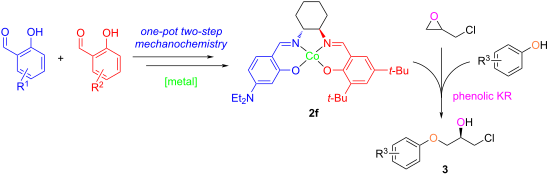
- HKR of epichlorohydrin with water was selected as a classical model to evaluate the catalytic activity of Co-unsymmetrical salen complexes 2e, 2f, and 2g for the asymmetric ring opening of epoxides. Enantiomeric excess (ee) results of 3-chloro-1,2-propanediol from the HKR reactions were summarized in

Graphical Abstract

Figure 1: Representative asymmetric Co–salen catalysts.

Scheme 1: Synthetic approach to our unsymmetrical Co–salen catalyst 2f for the asymmetric synthesis of α-aryl...

Scheme 2: Mechanochemical one-pot two-step synthesis of unsymmetrical salens 1a–h. Reaction conditions: salic...

Scheme 3: Synthesis of unsymmetrical metal–salen complexes 2. Reaction conditions a: metal acetate hydrate (1...
Inductive heating and flow chemistry – a perfect synergy of emerging enabling technologies
- Conrad Kuhwald,
- Sibel Türkhan and
- Andreas Kirschning
Beilstein J. Org. Chem. 2022, 18, 688–706, doi:10.3762/bjoc.18.70
- achieved at lower electromagnetic fields and higher flow rates (Q = 152 NL/h) [34]. Not only was less carbon formation observed with this new material, but also little to no reduction in catalytic activity. Although this is not yet the most efficient process that could be used on a large scale, it is a
- ruthenium increased the catalytic activity and allowed the catalytic process to be carried out at lower reaction temperatures, which was explained by the fact that the surface temperature of the nanoparticles was in fact significantly higher than 200 °C. It was also not necessary to implement an additional
- is important not only in the context of energy storage, CO2 reduction, and climate change prevention, but also because they provide a country-independent source of energy. However, for use in a continuous flow system, the catalyst must have extremely high SAR and catalytic activity. Recently, a

Graphical Abstract

Figure 1: Inductive heating, a powerful tool in industry and the Life Sciences.

Figure 2: Electric displacement field of a ferromagnetic and superparamagnetic material.

Figure 3: Temperature profiles of reactors heated conventionally and by RF heating (Figure 3 redrawn from [24]).

Scheme 1: Continuous flow synthesis of isopulegol (2) from citronellal (1).

Scheme 2: Dry (reaction 1) and steam (reaction 2) methane reforming.

Scheme 3: Calcination and RF heating.

Scheme 4: The continuously operated “Sabatier” process.

Scheme 5: Biofuel production from biomass using inductive heating for pyrolysis.

Scheme 6: Water electrolysis using an inductively heated electrolysis cell.

Scheme 7: Dimroth rearrangement (reaction 1) and three-component reaction (reaction 2) to propargyl amines 8 ...

Figure 4: A. Flow reactor filled with magnetic nanostructured particles (MagSilicaTM) and packed bed reactor ...

Scheme 8: Claisen rearrangement in flow: A. comparison between conventional heating (external oil bath), micr...

Scheme 9: Continuous flow reactions and comparison with batch reaction (oil bath). A. Pd-catalyzed transfer h...
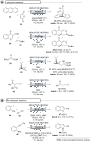
Scheme 10: Continuous flow reactions and comparison with batch reaction (oil bath). A. pericyclic reactions an...
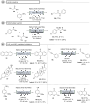
Scheme 11: Reactions under flow conditions using inductively heated fixed-bed materials serving as stoichiomet...
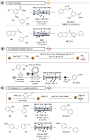
Scheme 12: Reactions under flow conditions using inductively heated fixed-bed materials serving as catalysts: ...

Scheme 13: Two step flow protocol for the preparation of 1,1'-diarylalkanes 77 from ketones and aldehydes 74, ...

Scheme 14: O-Alkylation, the last step in the multistep flow synthesis of Iloperidone (80) accompanied with a ...

Scheme 15: Continuous two-step flow process consisting of Grignard reaction followed by water elimination bein...

Scheme 16: Inductively heated continuous flow protocol for the synthesis of Iso E Super (88) [91,92].

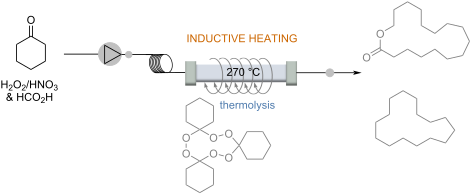
Scheme 17: Three-step continuous flow synthesis of macrocycles 89 and 90 with musk-like olfactoric properties.
Heteroleptic metallosupramolecular aggregates/complexation for supramolecular catalysis
- Prodip Howlader and
- Michael Schmittel
Beilstein J. Org. Chem. 2022, 18, 597–630, doi:10.3762/bjoc.18.62
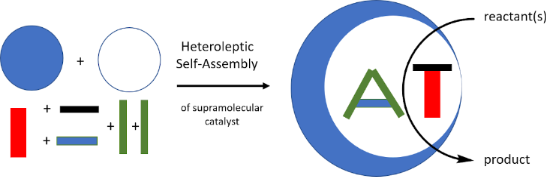
- -worker have demonstrated the design and synthesis of urea-functionalized 2D/3D architectures and their catalytic activity. The urea moieties were incorporated within the building blocks and were meant to serve as binding sites for appropriate substrates, therefore, promoting selectivity and reactivity
- + 26), respectively, were successfully employed as visible-light photocatalysts for a cross-coupling cyclization of N,N-dimethylaniline (27) and N-alkyl/aryl maleimides 28 (Figure 6). Notably, the systems showed much higher catalytic activity compared to similar reactions with the dye or cages alone
- trans-styrylboronic acid (43, Figure 10). The catalytic reaction inside the chiral cavity of (S)-40 provided a yield up to 91% with a very high enantioselectivity (94% ee). In contrast, the larger chiral macrocycle (S)-41 afforded a slightly lower catalytic activity (87%), however, at a similar

Graphical Abstract

Figure 1: Butterfly 1 (Figure was reprinted with permission from [45]. Copyright 2012 American Chemical Society. ...

Figure 2: Synthesis of the three-component heteroleptic molecular boat 8 and its use as a catalyst for the Kn...

Figure 3: Synthesis of the two-component triangle 14 and three-component heteroleptic prism 15 [59]. Figure was a...

Figure 4: Catalytic Michael addition reaction using the urea-decorated molecular prism 15 [59].

Figure 5: Self-assembly of two-component tetragonal prismatic architectures with different cavity size. Figur...

Figure 6: Construction of artificial LHS using rhodamine B as an acceptor and 24b as donor generating a photo...

Figure 7: Synthesis of supramolecular spheres with varying [AuCl] concentration inside the cavity. Figure was...

Figure 8: Hydroalkoxylation reaction of γ-allenol 34 in the presence of [AuCl]-encapsulated molecular spheres ...

Figure 9: Two-component heteroleptic triangles of different size containing a BINOL functionality. Figure was...

Figure 10: Asymmetric conjugate addition of chalcone 42 with trans-styrylboronic acid (43) catalyzed by BINOL-...

Figure 11: Encapsulation of monophosphoramidite-Rh(I) catalyst into a heteroleptic tetragonal prismatic cage 47...

Figure 12: (a) Representations of the basic HETPYP, HETPHEN, and HETTAP complex motifs. (b) The three-componen...

Figure 13: Two representative four-component rotors, with a (top) two-arm stator and (bottom) a four-arm stato...

Figure 14: Four-component rotors with a monohead rotator. Figure was adapted with permission from [94]. Copyright ...

Figure 15: (left) Click reaction catalyzed by rotors [Cu2(55)(60)(X)]2+. (right) Yield as a function of the ro...

Figure 16: A supramolecular AND gate. a) In truth table state (0,0) two nanoswitches serve as the receptor ens...

Figure 17: Two supramolecular double rotors (each has two rotational axes) and reference complex [Cu(78)]+ for...

Figure 18: The slider-on-deck system (82•X) (X = 83, 84, or 85). Figure is from [98] and was reprinted from the jo...

Figure 19: Catalysis of a conjugated addition reaction in the presence of the slider-on-deck system (82•X) (X ...

Figure 20: A rotating catalyst builds a catalytic machinery. For catalysis of the catalytic machinery, see Figure 21. F...

Figure 21: Catalytic machinery. Figure was adapted from [100] (“Evolution of catalytic machinery: three-component n...

Figure 22: An information system based on (re)shuffling components between supramolecular structures [99]. Figure ...

Figure 23: Switching between dimeric heteroleptic and homoleptic complex for OFF/ON catalytic formation of rot...

Figure 24: A chemically fueled catalytic system [112]. Figure was adapted from [112]. Copyright 2021 American Chemical S...

Figure 25: (Top) Operation of a fuel acid. (Bottom) Knoevenagel addition [112].

Figure 26: Development of the yield of Knoevenagel product 118 in a fueled system [112]. Figure was reprinted with ...

Figure 27: Weak-link strategy to increased catalytic activity in epoxide opening [119]. Figure was adapted from [24]. C...

Figure 28: A ON/OFF polymerization switch based on the weak-link approach [118]. Figure was reprinted with permissi...

Figure 29: A weak-link switch turning ON/OFF a Diels–Alder reaction [132]. Figure was reprinted with permission fro...

Figure 30: A catalyst duo allowing selective activation of one of two catalytic acylation reactions [133] upon subs...

Figure 31: A four-state switchable nanoswitch (redrawn from [134]).

Figure 32: Sequential catalysis as regulated by nanoswitch 138 and catalyst 139 in the presence of metal ions ...

Figure 33: Remote control of ON/OFF catalysis administrated by two nanoswitches through ion signaling (redrawn...
The asymmetric Henry reaction as synthetic tool for the preparation of the drugs linezolid and rivaroxaban
- Martin Vrbický,
- Karel Macek,
- Jaroslav Pochobradský,
- Jan Svoboda,
- Miloš Sedlák and
- Pavel Drabina
Beilstein J. Org. Chem. 2022, 18, 438–445, doi:10.3762/bjoc.18.46
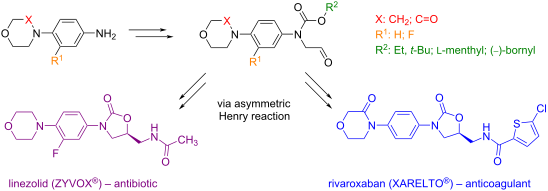
- linezolid (1) and rivaroxaban (2). The main aim of this study was the evaluation of the catalytic activity and enantioselectivity of several established enantioselective catalysts applicable to the asymmetric Henry reaction, which were used for the preparation of chiral intermediates of these drugs. Various
- corresponding nitroaldol 22 by the action of the complex Cu(OAc)2/Ia with practically identical de of 88%. On the other hand, the interpretation of chemical yields is rather indistinct. Generally, the copper(II) complexes of ligands Ia and IV exhibited a higher catalytic activity than the catalysts derived from

Graphical Abstract

Figure 1: The structure of the oxazolidine-2-one-containing drugs linezolid (1) and rivaroxaban (2).

Figure 2: Overview of the chiral ligands that were used for the study of the asymmetric Henry reaction.

Scheme 1: Syntheses of aldehydes 15–20.

Scheme 2: Synthesis of linezolid (1) and rivaroxaban (2) from nitroaldols 24 or 26.
Menadione: a platform and a target to valuable compounds synthesis
- Acácio S. de Souza,
- Ruan Carlos B. Ribeiro,
- Dora C. S. Costa,
- Fernanda P. Pauli,
- David R. Pinho,
- Matheus G. de Moraes,
- Fernando de C. da Silva,
- Luana da S. M. Forezi and
- Vitor F. Ferreira
Beilstein J. Org. Chem. 2022, 18, 381–419, doi:10.3762/bjoc.18.43
- catalytic activity of selenium mesoporous molecular sieves (SeMCM-41) in the oxidation of 16 (Table 1, entry 10). The approach was performed using H2O2 as oxidant in acetic acid over SeMCM-41 (Si/Se = 30) at 100 °C [56]. In this case, a conversion of 99% was achieved and menadione (10) was obtained with 68
- catalyst for the oxidation of 2-methylnaphthalene (16) with H2O2 [59]. The complex L1-Fe(III) (L1 = (2-((2-(2-((2-((2-hydroxyphenylimino)methyl)phenoxy)methyl)benzyloxy)benzylidene)amino)phenol) showed the best catalytic activity with 58.54% selectivity and 79.11% conversion (Table 1, entry 13) [59

Graphical Abstract

Figure 1: Natural bioactive naphthoquinones.

Figure 2: Chemical structures of vitamins K.

Figure 3: Redox cycle of menadione.

Scheme 1: Selected approaches for menadione synthesis using silver(I) as a catalyst.

Scheme 2: Methylation approaches for the preparation of menadione from 1,4-naphthoquinone using tert-butyl hy...

Scheme 3: Methylation approach of 1,4-naphthoquinone using i) rhodium complexes/methylboronic acid and ii) bi...

Scheme 4: Synthesis of menadione (10) from itaconic acid.

Scheme 5: Menadione synthesis via Diels–Alder reaction.

Scheme 6: Synthesis of menadione (10) using p-cresol as a synthetic precursor.

Scheme 7: Synthesis of menadione (10) via demethoxycarbonylating annulation of methyl methacrylate.

Scheme 8: Furan 34 used as a diene in a Diels–Alder reaction for the synthesis of menadione (10).

Scheme 9: o-Toluidine as a dienophile in a Diels–Alder reaction for the synthesis of menadione (10).

Scheme 10: Representation of electrochemical synthesis of menadione.

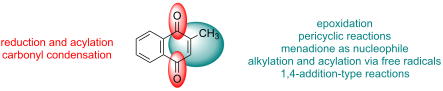
Figure 4: Reaction sites and reaction types of menadione as substrate.

Scheme 11: DBU-catalyzed epoxidation of menadione (10).

Scheme 12: Phase-transfer catalysis for the epoxidation of menadione.

Scheme 13: Menadione epoxidation using a hydroperoxide derived from (+)-norcamphor.

Scheme 14: Enantioselective Diels–Alder reaction for the synthesis of asymmetric quinone 50 catalyzed by a chi...

Scheme 15: Optimized reaction conditions for the synthesis of anthra[9,1-bc]pyranone.

Scheme 16: Synthesis of anthra[9,1-bc]furanone, anthra[9,1-bc]pyridine, and anthra[9,1-bc]pyrrole derivatives.

Scheme 17: Synthesis of derivatives employing protected trienes.

Scheme 18: Synthesis of cyclobutene derivatives of menadione.

Scheme 19: Menadione reduction reactions using sodium hydrosulfite.

Scheme 20: Green methodology for menadiol synthesis and pegylation.

Scheme 21: Menadione reduction by 5,6-O-isopropylidene-ʟ-ascorbic acid under UV light irradiation.

Scheme 22: Selected approaches of menadione hydroacetylation to diacetylated menadiol.

Scheme 23: Thiele–Winter reaction catalyzed by Bi(OTf)3.

Scheme 24: Carbonyl condensation of menadione using resorcinol and a hydrazone derivative.

Scheme 25: Condensation reaction of menadione with thiosemicarbazide.

Scheme 26: Condensation reaction of menadione with acylhydrazides.

Scheme 27: Menadione derivatives functionalized with organochalcogens.

Scheme 28: Synthesis of selenium-menadione conjugates derived from chloromethylated menadione 84.

Scheme 29: Menadione alkylation by the Kochi–Anderson method.

Scheme 30: Menadione alkylation by diacids.

Scheme 31: Menadione alkylation by heterocycles-substituted carboxylic acids.

Scheme 32: Menadione alkylation by bromoalkyl-substituted carboxylic acids.

Scheme 33: Menadione alkylation by complex carboxylic acids.

Scheme 34: Kochi–Anderson method variations for the menadione alkylation via oxidative decarboxylation of carb...

Scheme 35: Copper-catalyzed menadione alkylation via free radicals.

Scheme 36: Nickel-catalyzed menadione cyanoalkylation.

Scheme 37: Iron-catalyzed alkylation of menadione.

Scheme 38: Selected approaches to menadione alkylation.

Scheme 39: Menadione acylation by photo-Friedel–Crafts acylation reported by Waske and co-workers.

Scheme 40: Menadione acylation by Westwood procedure.

Scheme 41: Synthesis of 3-benzoylmenadione via metal-free TBAI/TBHP system.

Scheme 42: Michael-type addition of amines to menadione reported by Kallmayer.

Scheme 43: Synthesis of amino-menadione derivatives using polyalkylamines.

Scheme 44: Selected examples for the synthesis of different amino-substituted menadione derivatives.

Scheme 45: Selected examples of Michael-type addition of complex amines to menadione (10).

Scheme 46: Addition of different natural α-amino acids to menadione.

Scheme 47: Michael-type addition of amines to menadione using silica-supported perchloric acid.

Scheme 48: Indolylnaphthoquinone or indolylnaphthalene-1,4-diol synthesis reported by Yadav et al.

Scheme 49: Indolylnaphthoquinone synthesis reported by Tanoue and co-workers.

Scheme 50: Indolylnaphthoquinone synthesis from menadione by Escobeto-González and co-workers.

Scheme 51: Synthesis of menadione analogues functionalized with thiols.

Scheme 52: Synthesis of menadione-derived symmetrical derivatives through reaction with dithiols.

Scheme 53: Mercaptoalkyl acids as nucleophiles in Michael-type addition reaction to menadione.

Scheme 54: Reactions of menadione (10) with cysteine derivatives for the synthesis of quinoproteins.

Scheme 55: Synthesis of menadione-glutathione conjugate 152 by Michael-type addition.
A resorcin[4]arene hexameric capsule as a supramolecular catalyst in elimination and isomerization reactions
- Tommaso Lorenzetto,
- Fabrizio Fabris and
- Alessandro Scarso
Beilstein J. Org. Chem. 2022, 18, 337–349, doi:10.3762/bjoc.18.38
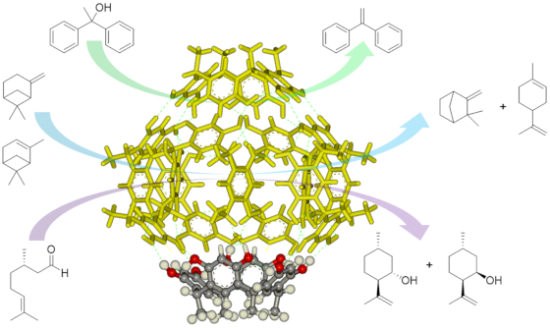
- promoting the protonation of the substrates leading to the formation of cationic intermediates that are stabilized within the cavity with consequent peculiar features in terms of acceleration and product selectivity. In all cases the catalytic activity displayed by the hexameric capsule is remarkable if
- performed extra control experiments for each investigated reaction also only with the more symmetrical and less acidic capsule A to underline the effect of the water content on the catalytic activity. (S)-Citronellal isomerization to cyclic secondary alcohols (S)-Citronellal is an enantiopure monoterpenoid
- neoisopulegol ratio (Table 1, entry 2). The reaction with 16 occupied by 3 as a competitive guest led to a marked decrease of catalytic activity, and negligible conversion was observed using 4-n-hexylresorcinol (2) as a molecule with similar H-boding properties compared to 1 (Figure 1D and E; Table 1, entries 3

Graphical Abstract

Scheme 1: Resorcin[4]arene 1 forming the corresponding hexameric capsule 16 and the species used for control ...

Scheme 2: Carbonyl–ene intramolecular cyclization of (S)-citronellal to the corresponding diastereoisomeric c...

Figure 1: 1H NMR spectra in water-saturated CDCl3 except for G. A: [16] (7.5 mM); B: citronellal; C: citronel...

Scheme 3: Dehydration reaction of 1,1-diphenylethanol to 1,1-diphenylethylene.

Figure 2: 1H NMR spectra in water-saturated CDCl3 except for G. A: [16] (7.5 mM); B: 1,1-diphenylethanol; C: ...

Scheme 4: Possible isomerization products from β-pinene and α-pinene.

Figure 3: 1H NMR spectra in water-saturated CDCl3 except for G. A: [16] (7.5 mM); B: α-pinene; C: α-pinene (7...

Figure 4: 1H NMR spectra in water-saturated CDCl3 except for G. A: [16] (7.5 mM); B: β-pinene; C: β-pinene (7...

Figure 5: 1H NMR spectra in water-saturated CDCl3, except for E. A: [16] (7.5 mM); B: β-pinene; C: β-pinene (...
A Se···O bonding catalysis approach to the synthesis of calix[4]pyrroles
- Qingzhe Tong,
- Zhiguo Zhao and
- Yao Wang
Beilstein J. Org. Chem. 2022, 18, 325–330, doi:10.3762/bjoc.18.36
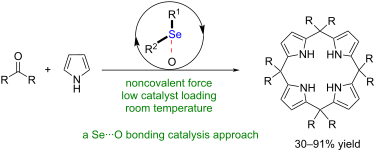
- ]pyrrole derivatives. The Se···O bonding interactions between selenide catalysts and ketones gave rise to the catalytic activity in the condensation reactions between pyrrole and ketones, leading to the generation of calix[4]pyrrole derivatives in moderate to high yields. This chalcogen bonding catalysis
- phosphonium selenide catalysts which showed catalytic activity in assembly reactions [41], Michael addition reactions [41], Rauhut–Currier reactions [42], cyanosilylation reactions [43], and cycloaddition of vinylindoles through chalcogen–π bonding catalysis [44]. Our previous works demonstrated that Se···O
- monodentate and bidentate catalysts could activate ketones. Accordingly, either a single activation or a double activation mode could be an effective driving force to promote this transformation, albeit with distinct catalytic activity. Conclusion In summary, we developed a Se···O bonding catalysis approach

Graphical Abstract

Scheme 1: Proposal of a Se···O bonding catalysis approach.

Scheme 2: Se···O bonding catalysis approach to the synthesis of calix[4]pyrrole 2a.
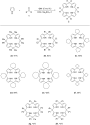
Scheme 3: Reaction scope.

Scheme 4: Proposed activation mode.
Recent developments and trends in the iron- and cobalt-catalyzed Sonogashira reactions
- Surendran Amrutha,
- Sankaran Radhika and
- Gopinathan Anilkumar
Beilstein J. Org. Chem. 2022, 18, 262–285, doi:10.3762/bjoc.18.31
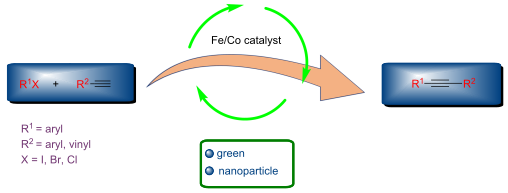
- the bench stability of the nanoparticles, and hence methylmagnesium bromide was introduced to retain the catalytic activity. Heterogeneous green protocols Rizi and co-workers reported a silica-supported green heterogeneous Fe(III) catalyst for the cross-coupling reaction of aryl iodides and
- product of reductive elimination regenerates the catalyst. Javidi and co-workers reported a sequence of magnetically separable catalysts which consisted of Schiff base complexes of metal ions supported on superparamagnetic Fe3O4 nanoparticles (Scheme 16) [32]. To examine their catalytic activity, a
- supported catalyst could be easily separated by an external magnetic field due to its paramagnetic nature, and it could be reused and recovered without loss of catalytic activity. The desired alkyne products were obtained in high yields. One of the most attractive features of this strategy was the finding

Graphical Abstract

Scheme 1: One pot Sonogashira coupling of aryl iodides with arylynols in the presence of iron(III) chloride h...

Scheme 2: The iron-catalyzed Sonogashira coupling of aryl iodides with terminal acetylenes in water under aer...

Scheme 3: Sonogashira coupling of aryl halides and phenylacetylene in the presence of iron nanoparticles.

Scheme 4: Sonogashira coupling catalyzed by a silica-supported heterogeneous Fe(III) catalyst.

Scheme 5: Suggested catalytic cycle for the Sonogashira coupling using a silica-supported heterogeneous Fe(II...

Scheme 6: Chemoselective iron-catalyzed cross coupling of 4-bromo-1-cyclohexen-1-yltrifluromethane sulfonate ...
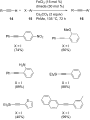
Scheme 7: Fe-catalyzed Sonogashira coupling between terminal alkynes and aryl iodides.

Scheme 8: Iron-catalyzed domino Sonogashira coupling and hydroalkoxylation.

Scheme 9: Sonogashira coupling of aryl halides and phenylacetylene in the presence of Fe(III) acetylacetonate...

Scheme 10: Sonogashira coupling of aryl iodides and alkynes with Fe(acac)3/2,2-bipyridine catalyst.

Scheme 11: Sonogashira cross-coupling of terminal alkynes with aryl iodides in the presence of Fe powder/ PPh3...

Scheme 12: α-Fe2O3 nanoparticles-catalyzed coupling of phenylacetylene with aryl iodides.

Scheme 13: Sonogashira cross-coupling reaction between phenylacetylene and 4-substituted iodobenzenes catalyze...

Scheme 14: One-pot synthesis of 2-arylbenzo[b]furans via tandem Sonogashira coupling–cyclization protocol.

Scheme 15: Suggested mechanism of the Fe(III) catalyzed coupling of o-iodophenol with acetylene derivatives.

Scheme 16: Fe3O4@SiO2/Schiff base/Fe(II)-catalyzed Sonogashira–Hagihara coupling reaction.

Scheme 17: Sonogashira coupling using the Fe(II)(bdmd) catalyst in DMF/1,4-dioxane.

Scheme 18: Synthesis of 7-azaindoles using Fe(acac)3 as catalyst.

Scheme 19: Plausible mechanistic pathway for the synthesis of 7-azaindoles.

Scheme 20: Synthesis of Co@imine-POP catalyst.

Scheme 21: Sonogashira coupling of various arylhalides and phenylacetylene in the presence of Co@imine-POP cat...

Scheme 22: Sonogashira coupling of aryl halides and phenylacetylene using Co-DMM@MNPs/chitosan.

Scheme 23: Sonogashira cross-coupling of aryl halides with terminal acetylenes in the presence of Co-NHC@MWCNT...

Scheme 24: Sonogashira cross-coupling of aryl halides with terminal acetylenes in the presence of Co nanoparti...

Scheme 25: Sonogashira coupling reaction of aryl halides with phenylacetylene in the presence of Co nanopartic...

Scheme 26: PdCoNPs-3DG nanocomposite-catalyzed Sonogashira cross coupling of aryl halide and terminal alkynes.

Scheme 27: Sonogashira cross-coupling of aryl halides and phenylacetylene in the presence of graphene-supporte...

Scheme 28: Sonogashira cross-coupling with Pd/Co ANP-PPI-graphene.

Scheme 29: Pd-Co-1(H)-catalyzed Sonogashira coupling reaction.

Scheme 30: The coupling of aryl halides with terminal alkynes using cobalt hollow nanospheres as catalyst.

Scheme 31: A plausible mechanism for the cobalt-catalyzed Sonogashira coupling reaction.

Scheme 32: Sonogashira cross-coupling reaction of arylhalides with phenylacetylene catalyzed by Fe3O4@PEG/Cu-C...

Scheme 33: Plausible mechanism of Sonogashira cross-coupling reaction catalyzed by Fe3O4@PEG/Cu-Co.

Scheme 34: Sonogashira coupling reaction of para-substituted bromobenzenes with phenylacetylene in the presenc...

Scheme 35: Possible mechanism for the visible light-assisted cobalt complex-catalyzed Sonogashira coupling. (R...

Scheme 36: Sonogashira cross-coupling of aryl halides and phenylacetylene using cobalt as additive.

Scheme 37: Plausible mechanism of Sonogashira cross-coupling reaction over [LaPd*]. (Reproduced with permissio...
Diametric calix[6]arene-based phosphine gold(I) cavitands
- Gabriele Giovanardi,
- Andrea Secchi,
- Arturo Arduini and
- Gianpiero Cera
Beilstein J. Org. Chem. 2022, 18, 190–196, doi:10.3762/bjoc.18.21
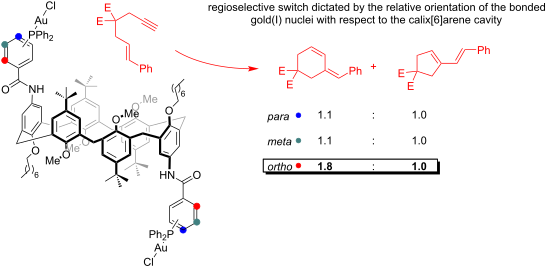
- , calix[4]- [9][10][11][12][13] and resorcin[4]arene [14][15][16][17] are the most exploited cavitands due to their inherent limited flexibility and already proved their ability to control the catalytic activity of late-transition metals and particularly gold(I) catalysts [18][19][20][21][22][23][24][25
- catalytic activity was demonstrated in promoting gold(I)-catalyzed cycloisomerization of 1,6-enynes, with ample scope and high regioselectivity. However, preliminary studies suggested that the catalytic event occurs outside the macrocyclic cavity. In order to get more insights on the role of the cavity to

Graphical Abstract

Figure 1: Selected examples of: a) calix[4]arene-; b) resorcin[4]arene-; c) calix[6]arene-gold(I) macrocyclic...

Scheme 1: i) NH2NH2∙H2O, Pd/C in EtOH, 80 °C (quant.); ii) diphenylphosphinobenzoic acid, EDC∙HCl, DMAP (cat....

Figure 2: Stacked-plot, mid-field expanded region of the 1H NMR spectrum (400 MHz, 298 K) of A(AuCl)2, B(AuCl)...

Figure 3: Stacked plot 1H NMR (tetrachloroethane-d2) of A(AuCl)2 at variable temperature.
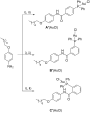
Scheme 2: Synthesis of the monomeric gold catalyst analogues A’,B’,C’(AuCl). Conditions: i) diphenylphosphino...
Green synthesis of C5–C6-unsubstituted 1,4-DHP scaffolds using an efficient Ni–chitosan nanocatalyst under ultrasonic conditions
- Soumyadip Basu,
- Sauvik Chatterjee,
- Suman Ray,
- Suvendu Maity,
- Prasanta Ghosh,
- Asim Bhaumik and
- Chhanda Mukhopadhyay
Beilstein J. Org. Chem. 2022, 18, 133–142, doi:10.3762/bjoc.18.14
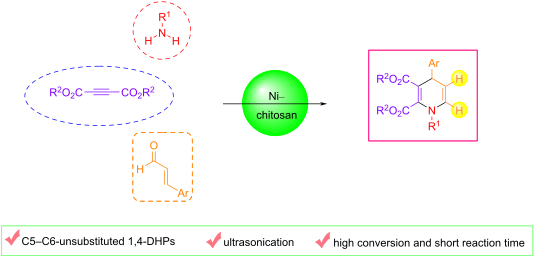
- (NPs) and therefore automatically increases the dispersibility of the catalyst throughout the medium, resulting in a higher catalytic activity [23]. 1,4-DHPs are considered one of the most useful molecular scaffolds in medicinal chemistry. The scaffold is the main constituent of several crucial drugs
- up to 97% using an external magnet. In a series of five reactions, the catalyst was used repeatedly without significant decrease in catalytic activity (Figure 7). The slight reduction of the yield in later reactions may have been a result of the loss of catalyst in the recycling process. Comparison
- to five consecutive reactions without significant reduction of catalytic activity. To the best of our knowledge, no previous work is known using a Ni–chitosan nanocatalyst for the synthesis of C5–C6-unsubstituted 1,4-DHPs. Experimental Materials and instrumentation All starting materials were

Graphical Abstract

Figure 1: FTIR spectra of (a) the Ni–chitosan NPs and (b) bare chitosan.

Figure 2: PXRD data for the Ni–chitosan NPs.

Figure 3: TEM (a and b) and SEM images (c and d) of the Ni–chitosan NPs.

Figure 4: EDX spectrum of the Ni–chitosan NPs.
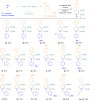
Figure 5: Synthesis of dialkyl 1,4-dihydropyridine-2,3-dicarboxylate derivatives.
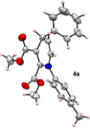
Figure 6: ORTEP representation of product 4a (CCDC 1949329).

Scheme 1: A plausible mechanistic route for the synthesis of C5–C6-unsubstituted 1,4-DHP derivatives using th...

Figure 7: Recycling experiment of the Ni–chitosan nanocatalyst.
Recent advances in organocatalytic asymmetric aza-Michael reactions of amines and amides
- Pratibha Sharma,
- Raakhi Gupta and
- Raj K. Bansal
Beilstein J. Org. Chem. 2021, 17, 2585–2610, doi:10.3762/bjoc.17.173
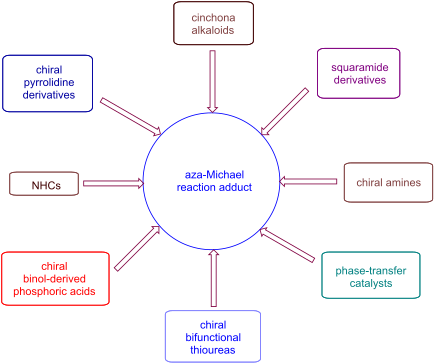
- . It was concluded that the catalytic activity of the MDO was the result of the cooperative action of both constituents. Several examples of such MDOs are included in the paper. The reported yield varies from 56–90% with excellent ee ≈ 99% in all cases. 1.2. Reactions catalyzed by chiral squaramide

Graphical Abstract

Scheme 1: Asymmetric aza-Michael addition catalyzed by cinchona alkaloid derivatives.

Scheme 2: Intramolecular 6-exo-trig aza-Michael addition reaction.

Scheme 3: Asymmetric aza-Michael/Michael addition cascade reaction of 2-nitrobenzofurans and 2-nitrobenzothio...

Scheme 4: Asymmetric aza-Michael addition of para-dienone imide to benzylamine.

Scheme 5: Asymmetric synthesis of chiral N-functionalized heteroarenes.
Targeting active site residues and structural anchoring positions in terpene synthases
- Anwei Hou and
- Jeroen S. Dickschat
Beilstein J. Org. Chem. 2021, 17, 2441–2449, doi:10.3762/bjoc.17.161
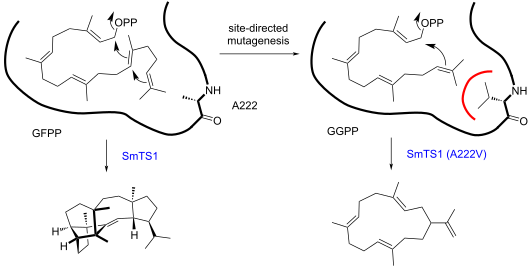
- are otherwise highly conserved. Site-directed mutagenesis experiments for these residues are reported that showed different effects, resulting in some cases in an improved catalytic activity, but in other cases in a loss of enzyme function. For other enzyme variants a functional switch was observed

Graphical Abstract

Figure 1: Highly conserved residues in the active site of SdS for Mg2+ complexation, substrate recognition an...

Figure 2: The products of SmTS1. A) Structures of sestermobaraenes A–F (1–6) and sestermobaraol (7). B) The t...

Figure 3: Swiss homology modelling of SmTS1. A) Superimposition of the SdS crystal structure (green) with the...

Figure 4: Products and relative activities of SmTS1 and its variants. Bars left of the dashed line show relat...

Figure 5: Total ion chromatogram of an extract from an incubation of GGPP with the SmTS1 A222V variant.

Figure 6: Relative activities of SmTS1 and its variants towards GFPP (blue bars) and GGPP (yellow bars), and ...

Scheme 1: Determination of the enantiomeric composition of 8 and 9 obtained from GGPP with SmTS1 enzyme varia...

Figure 7: Determination of the absolute configuration of compounds 8 and 9. Partial HSQC spectra of A) unlabe...
A study on selective transformation of norbornadiene into fluorinated cyclopentane-fused isoxazolines
- Zsanett Benke,
- Attila M. Remete and
- Loránd Kiss
Beilstein J. Org. Chem. 2021, 17, 2051–2066, doi:10.3762/bjoc.17.132
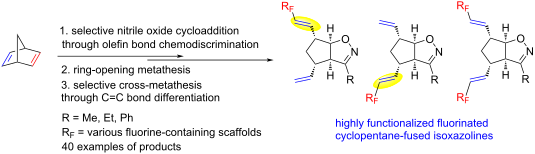
- -metathesis (ROCM) have found high utility in the creation of C=C bonds and in the synthesis of a number of organic molecules, functionalized scaffolds or various building blocks. The efficient catalytic activity and remarkable functional group tolerance of commercially available versatile Ru-based olefin

Graphical Abstract
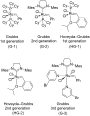
Figure 1: Some commercial Ru-based catalysts used in the current work.

Figure 2: Synthesis of divinylated cyclopentane-fused isoxazolines [41].
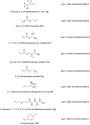
Figure 3: Various fluorine-containing olefins used in the current work.

Scheme 1: Cross-metathesis of divinylated isoxazoline (±)-4 with 1,1,1,3,3,3-hexafluoropropan-2-yl acrylate (...

Scheme 2: Cross-metathesis of divinylated isoxazoline (±)-4 with 2,2,3,3,4,4,4-heptafluorobutyl acrylate (7d)....

Scheme 3: Cross-metathesis of divinylated isoxazoline (±)-4 with 2,2,2-trifluoroethyl acrylate (7e).

Scheme 4: Cross-metathesis of divinylated isoxazoline (±)-4 with 1,1,1-trifluoro-2-(trifluoromethyl)pent-4-en...

Scheme 5: Cross-metathesis of divinylated isoxazoline (±)-4 with 8-(allyloxy)-1,1,1,2,2,3,3,4,4,5,5,6,6-tride...

Scheme 6: Cross-metathesis of divinylated isoxazoline (±)-4 with 4-fluorostyrene (7h).

Scheme 7: Selective CM of divinylated isoxazoline (±)-5 with 1,1,1,3,3,3-hexafluoropropan-2-yl acrylate (7c).

Scheme 8: Cross-metathesis of divinylated isoxazoline (±)-5 with 2,2,3,3,4,4,4-heptafluorobutyl acrylate (7d)....

Scheme 9: Cross-metathesis of divinylated isoxazoline (±)-5 with 2,2,2-trifluoroethyl acrylate (7e).

Scheme 10: Cross-metathesis of divinylated isoxazoline (±)-5 with 1,1,1-trifluoro-2-(trifluoromethyl)pent-4-en...

Scheme 11: Cross-metathesis of divinylated isoxazoline (±)-5 with 8-(allyloxy)-1,1,1,2,2,3,3,4,4,5,5,6,6-tride...

Scheme 12: Cross-metathesis of divinylated isoxazoline (±)-5 with 4-fluorostyrene (7h).

Scheme 13: Cross-metathesis of divinylated isoxazoline (±)-6 with 1,1,1,3,3,3-hexafluoropropan-2-yl acrylate (...

Scheme 14: Cross-metathesis of divinylated isoxazoline (±)-6 with 2,2,3,3,4,4,4-heptafluorobutyl acrylate (7d)....

Scheme 15: Cross-metathesis of divinylated isoxazoline (±)-6 with 2,2,2-trifluoroethyl acrylate (7e).

Scheme 16: Cross-metathesis of divinylated isoxazoline (±)-6 with 1,1,1-trifluoro-2-(trifluoromethyl)pent-4-en...

Scheme 17: Cross-metathesis of divinylated isoxazoline (±)-6 with 8-(allyloxy)-1,1,1,2,2,3,3,4,4,5,5,6,6-tride...

Scheme 18: Cross-metathesis of divinylated isoxazoline (±)-6 with 4-fluorostyrene (7h).

Figure 4: Chemoselective CM reaction due to steric hindrance.
On the application of 3d metals for C–H activation toward bioactive compounds: The key step for the synthesis of silver bullets
- Renato L. Carvalho,
- Amanda S. de Miranda,
- Mateus P. Nunes,
- Roberto S. Gomes,
- Guilherme A. M. Jardim and
- Eufrânio N. da Silva Júnior
Beilstein J. Org. Chem. 2021, 17, 1849–1938, doi:10.3762/bjoc.17.126
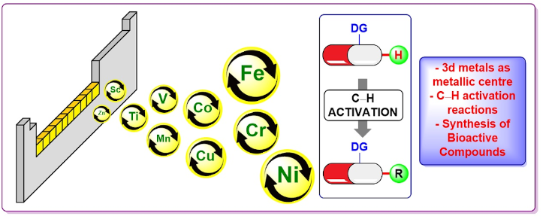

Graphical Abstract

Scheme 1: Schematic overview of transition metals studied in C–H activation processes.

Scheme 2: (A) Known biological activities related to benzimidazole-based compounds; (B and C) an example of a...

Scheme 3: (A) Known biological activities related to quinoline-based compounds; (B and C) an example of a sca...

Scheme 4: (A) Known biological activities related to sulfur-containing compounds; (B and C) an example of a s...

Scheme 5: (A) Known biological activities related to aminoindane derivatives; (B and C) an example of a scand...

Scheme 6: (A) Known biological activities related to norbornane derivatives; (B and C) an example of a scandi...

Scheme 7: (A) Known biological activities related to aniline derivatives; (B and C) an example of a titanium-...

Scheme 8: (A) Known biological activities related to cyclohexylamine derivatives; (B) an example of an intram...

Scheme 9: (A) Known biologically active benzophenone derivatives; (B and C) photocatalytic oxidation of benzy...

Scheme 10: (A) Known bioactive fluorine-containing compounds; (B and C) vanadium-mediated C(sp3)–H fluorinatio...

Scheme 11: (A) Known biologically active Lythraceae alkaloids; (B) synthesis of (±)-decinine (30).

Scheme 12: (A) Synthesis of (R)- and (S)-boehmeriasin (31); (B) synthesis of phenanthroindolizidines by vanadi...
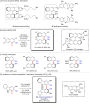
Scheme 13: (A) Known bioactive BINOL derivatives; (B and C) vanadium-mediated oxidative coupling of 2-naphthol...

Scheme 14: (A) Known antiplasmodial imidazopyridazines; (B) practical synthesis of 41.
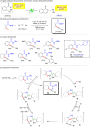
Scheme 15: (A) Gold-catalyzed drug-release mechanism using 2-alkynylbenzamides; (B and C) chromium-mediated al...

Scheme 16: (A) Examples of anti-inflammatory benzaldehyde derivatives; (B and C) chromium-mediated difunctiona...

Scheme 17: (A and B) Manganese-catalyzed chemoselective intramolecular C(sp3)–H amination; (C) late-stage modi...

Scheme 18: (A and B) Manganese-catalyzed C(sp3)–H amination; (C) late-stage modification of a leelamine deriva...
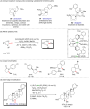
Scheme 19: (A) Known bioactive compounds containing substituted N-heterocycles; (B and C) manganese-catalyzed ...

Scheme 20: (A) Known indoles that present GPR40 full agonist activity; (B and C) manganese-catalyzed C–H alkyl...

Scheme 21: (A) Examples of known biaryl-containing drugs; (B and C) manganese-catalyzed C–H arylation through ...
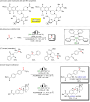
Scheme 22: (A) Known zidovudine derivatives with potent anti-HIV properties; (B and C) manganese-catalyzed C–H...

Scheme 23: (A and B) Manganese-catalyzed C–H organic photo-electrosynthesis; (C) late-stage modification.
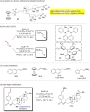
Scheme 24: (A) Example of a known antibacterial silylated dendrimer; (B and C) manganese-catalyzed C–H silylat...
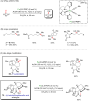
Scheme 25: (A and B) Fe-based small molecule catalyst applied for selective aliphatic C–H oxidations; (C) late...

Scheme 26: (A) Examples of naturally occurring gracilioethers; (B) the first total synthesis of gracilioether ...
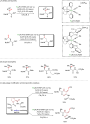
Scheme 27: (A and B) Selective aliphatic C–H oxidation of amino acids; (C) late-stage modification of proline-...
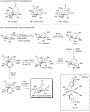
Scheme 28: (A) Examples of Illicium sesquiterpenes; (B) first chemical synthesis of (+)-pseudoanisatin (80) in...

Scheme 29: (A and B) Fe-catalyzed deuteration; (C) late-stage modification of pharmaceuticals.

Scheme 30: (A and B) Biomimetic Fe-catalyzed aerobic oxidation of methylarenes to benzaldehydes (PMHS, polymet...

Scheme 31: (A) Known tetrahydroquinolines with potential biological activities; (B and C) redox-selective Fe c...

Scheme 32: (A) Known drugs containing a benzofuran unit; (B and C) Fe/Cu-catalyzed tandem O-arylation to acces...

Scheme 33: (A) Known azaindolines that act as M4 muscarinic acetylcholine receptor agonists; (B and C) intramo...
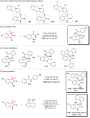
Scheme 34: (A) Known indolinones with anticholinesterase activity; (B and C) oxidative C(sp3)–H cross coupling...
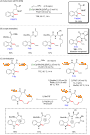
Scheme 35: (A and B) Cobalt-catalyzed C–H alkenylation of C-3-peptide-containing indoles; (C) derivatization b...
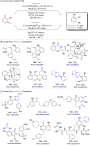
Scheme 36: (A) Cobalt-Cp*-catalyzed C–H methylation of known drugs; (B and C) scope of the o-methylated deriva...
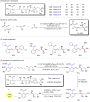
Scheme 37: (A) Known lasalocid A analogues; (B and C) three-component cobalt-catalyzed C–H bond addition; (D) ...

Scheme 38: (A and B) Cobalt-catalyzed C(sp2)–H amidation of thiostrepton.
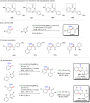
Scheme 39: (A) Known 4H-benzo[d][1,3]oxazin-4-one derivatives with hypolipidemic activity; (B and C) cobalt-ca...

Scheme 40: (A and B) Cobalt-catalyzed C–H arylation of pyrrole derivatives; (C) application for the synthesis ...
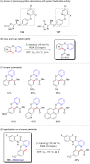
Scheme 41: (A) Known 2-phenoxypyridine derivatives with potent herbicidal activity; (B and C) cobalt-catalyzed...
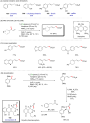
Scheme 42: (A) Natural cinnamic acid derivatives; (B and C) cobalt-catalyzed C–H carboxylation of terminal alk...

Scheme 43: (A and B) Cobalt-catalyzed C–H borylation; (C) application to the synthesis of flurbiprofen.

Scheme 44: (A) Benzothiazoles known to present anticonvulsant activities; (B and C) cobalt/ruthenium-catalyzed...

Scheme 45: (A and B) Cobalt-catalyzed oxygenation of methylene groups towards ketone synthesis; (C) synthesis ...
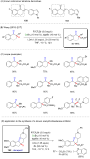
Scheme 46: (A) Known anticancer tetralone derivatives; (B and C) cobalt-catalyzed C–H difluoroalkylation of ar...

Scheme 47: (A and B) Cobalt-catalyzed C–H thiolation; (C) application in the synthesis of quetiapine (153).
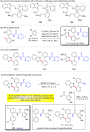
Scheme 48: (A) Known benzoxazole derivatives with anticancer, antifungal, and antibacterial activities; (B and...
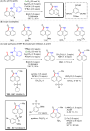
Scheme 49: (A and B) Cobalt-catalyzed C–H carbonylation of naphthylamides; (C) BET inhibitors 158 and 159 tota...
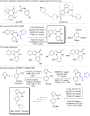
Scheme 50: (A) Known bioactive pyrrolo[1,2-a]quinoxalin-4(5H)-one derivatives; (B and C) cobalt-catalyzed C–H ...
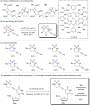
Scheme 51: (A) Known antibacterial cyclic sulfonamides; (B and C) cobalt-catalyzed C–H amination of propargyli...

Scheme 52: (A and B) Cobalt-catalyzed intramolecular 1,5-C(sp3)–H amination; (C) late-stage functionalization ...

Scheme 53: (A and B) Cobalt-catalyzed C–H/C–H cross-coupling between benzamides and oximes; (C) late-state syn...
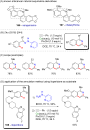
Scheme 54: (A) Known anticancer natural isoquinoline derivatives; (B and C) cobalt-catalyzed C(sp2)–H annulati...
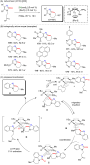
Scheme 55: (A) Enantioselective intramolecular nickel-catalyzed C–H activation; (B) bioactive obtained motifs;...

Scheme 56: (A and B) Nickel-catalyzed α-C(sp3)–H arylation of ketones; (C) application of the method using kno...

Scheme 57: (A and B) Nickel-catalyzed C(sp3)–H acylation of pyrrolidine derivatives; (C) exploring the use of ...
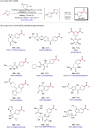
Scheme 58: (A) Nickel-catalyzed C(sp3)–H arylation of dioxolane; (B) library of products obtained from biologi...
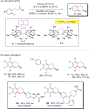
Scheme 59: (A) Intramolecular enantioselective nickel-catalyzed C–H cycloalkylation; (B) product examples, inc...

Scheme 60: (A and B) Nickel-catalyzed C–H deoxy-arylation of azole derivatives; (C) late-stage functionalizati...
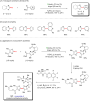
Scheme 61: (A and B) Nickel-catalyzed decarbonylative C–H arylation of azole derivatives; (C) application of t...
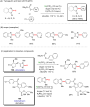
Scheme 62: (A and B) Another important example of nickel-catalyzed C–H arylation of azole derivatives; (C) app...
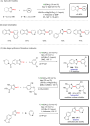
Scheme 63: (A and B) Another notable example of a nickel-catalyzed C–H arylation of azole derivatives; (C) lat...
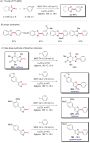
Scheme 64: (A and B) Nickel-based metalorganic framework (MOF-74-Ni)-catalyzed C–H arylation of azole derivati...
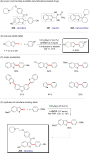
Scheme 65: (A) Known commercially available benzothiophene-based drugs; (B and C) nickel-catalyzed C–H arylati...
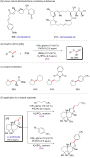
Scheme 66: (A) Known natural tetrahydrofuran-containing substances; (B and C) nickel-catalyzed photoredox C(sp3...
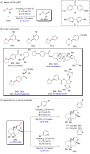
Scheme 67: (A and B) Another notable example of a nickel-catalyzed photoredox C(sp3)–H alkylation/arylation; (...

Scheme 68: (A) Electrochemical/nickel-catalyzed C–H alkoxylation; (B) achieved scope, including three using na...

Scheme 69: (A) Enantioselective photoredox/nickel catalyzed C(sp3)–H arylation; (B) achieved scope, including ...

Scheme 70: (A) Known commercially available trifluoromethylated drugs; (B and C) nickel-catalyzed C–H trifluor...
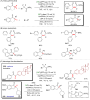
Scheme 71: (A and B) Stereoselective nickel-catalyzed C–H difluoroalkylation; (C) late-stage functionalization...

Scheme 72: (A) Cu-mediated ortho-amination of oxalamides; (B) achieved scope, including derivatives obtained f...

Scheme 73: (A) Electro-oxidative copper-mediated amination of 8-aminoquinoline-derived amides; (B) achieved sc...

Scheme 74: (A and B) Cu(I)-mediated C–H amination with oximes; (C) derivatization using telmisartan (241) as s...

Scheme 75: (A and B) Cu-mediated amination of aryl amides using ammonia; (C) late-stage modification of proben...
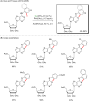
Scheme 76: (A and B) Synthesis of purine nucleoside analogues using copper-mediated C(sp2)–H activation.

Scheme 77: (A) Copper-mediated annulation of acrylamide; (B) achieved scope, including the synthesis of the co...
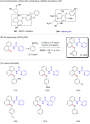
Scheme 78: (A) Known bioactive compounds containing a naphthyl aryl ether motif; (B and C) copper-mediated eth...

Scheme 79: (A and B) Cu-mediated alkylation of N-oxide-heteroarenes; (C) late-stage modification.
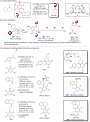
Scheme 80: (A) Cu-mediated cross-dehydrogenative coupling of polyfluoroarenes and alkanes; (B) scope from know...

Scheme 81: (A) Known anticancer acrylonitrile compounds; (B and C) Copper-mediated cyanation of unactivated al...
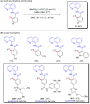
Scheme 82: (A) Cu-mediated radiofluorination of 8-aminoquinoline-derived aryl amides; (B) achieved scope, incl...
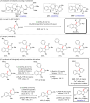
Scheme 83: (A) Examples of natural β-carbolines; (B and C) an example of a zinc-catalyzed C–H functionalizatio...
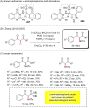
Scheme 84: (A) Examples of anticancer α-aminophosphonic acid derivatives; (B and C) an example of a zinc-catal...
Electron-rich triarylphosphines as nucleophilic catalysts for oxa-Michael reactions
- Susanne M. Fischer,
- Simon Renner,
- A. Daniel Boese and
- Christian Slugovc
Beilstein J. Org. Chem. 2021, 17, 1689–1697, doi:10.3762/bjoc.17.117
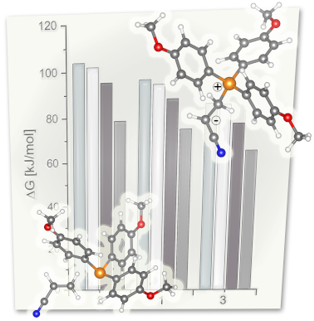
- highlight that solvent-free conditions are particularly effective and allow for reducing the catalyst loading by the factor of 10, thereby obtaining a higher share of 3dia and full conversion towards 3dic. Interestingly, the catalytic activity of TPP in reactions with 3 as the Michael acceptor is only
- for reacting weak Michael acceptors and/or less acidic alcohols. Phosphine loadings of only 1 mol % with respect to the Michael acceptor are in many cases sufficient to provide a full conversion within 24 h at room temperature. With good Michael acceptors and/or acidic alcohols the catalytic activity

Graphical Abstract

Scheme 1: Mechanism for the phosphine-initiated oxa-Michael addition.

Figure 1: Above: Michael acceptors, Michael donors and catalysts used in this study; pKa (respectively pKa of...

Figure 2: Left: double-bond conversion of the polymerization of 4 initiated by 5 mol % TPP, MMTPP or TMTPP af...

Figure 3: Left: Oxidation stability of the phosphines. Phosphine oxide content in % as determined by 31P NMR ...
Photoinduced post-modification of graphitic carbon nitride-embedded hydrogels: synthesis of 'hydrophobic hydrogels' and pore substructuring
- Cansu Esen and
- Baris Kumru
Beilstein J. Org. Chem. 2021, 17, 1323–1334, doi:10.3762/bjoc.17.92
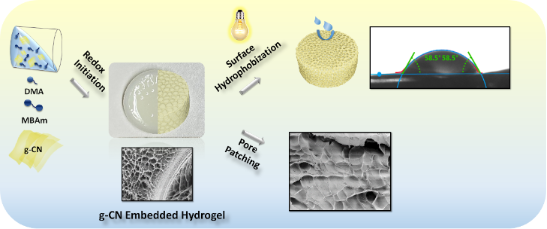
- pores is responsible for the main catalytic activity, such as in carbonaceous materials [47][48]. When a network with full functionality cannot be formed easily, one can form a rigid neutral host and modify the pores subsequently. Herein, the nanoporous system is magnified to macropores in hydrogel

Graphical Abstract

Scheme 1: Schematic overview of g-CN-embedded hydrogel fabrication and its subsequent photoinduced post-modif...

Scheme 2: Hydrophobic hydrogel via photoinduced surface modification over embedded g-CN nanosheets in hydroge...

Figure 1: a) FTIR spectra of freeze-dried HGCM-vTA, HGCM and HG. b) UV spectra of freeze-dried HGCM-vTA, HGCM...

Figure 2: Scanning electron microscopy (SEM) images of a) HGCM and b) HGCM-vTA in combination with their elem...

Figure 3: a) Equilibrium swelling ratios of HG, HGCM, HGCM-vTA at specified time intervals. b) Thermogravimet...

Scheme 3: Overview of pore substructuring via photoinduced free radical polymerization over embedded g-CN nan...

Figure 4: FTIR spectra of freeze-dried HGCM-PAA, HGCM-PAAM, HGCM-PEGMEMA in comparison with HGCM.

Figure 5: Scanning electron microscopy (SEM) images of a) HGCM-PAA, b) HGCM-PAAM, and c) HGCM-PEGMEMA.

Figure 6: a) Thermogravimetric analysis of HGCM, HGCM-PAA, HGCM-PAAM and HGCM-PEGMEMA. b) Equilibrium swellin...
A comprehensive review of flow chemistry techniques tailored to the flavours and fragrances industries
- Guido Gambacorta,
- James S. Sharley and
- Ian R. Baxendale
Beilstein J. Org. Chem. 2021, 17, 1181–1312, doi:10.3762/bjoc.17.90

Graphical Abstract

Figure 1: Representative shares of the global F&F market (2018) segmented on their applications [1].

Figure 2: General structure of an international fragrance company [2].

Figure 3: The Michael Edwards fragrance wheel.

Figure 4: Examples of oriental (1–3), woody (4–7), fresh (8–10), and floral (11 and 12) notes.

Figure 5: A basic depiction of batch vs flow.

Scheme 1: Examples of reactions for which flow processing outperforms batch.

Scheme 2: Some industrially important aldol-based transformations.

Scheme 3: Biphasic continuous aldol reactions of acetone and various aldehydes.

Scheme 4: Aldol synthesis of 43 in flow using LiHMDS as the base.

Scheme 5: A semi-continuous synthesis of doravirine (49) involving a key aldol reaction.

Scheme 6: Enantioselective aldol reaction using 5-(pyrrolidin-2-yl)tetrazole (51) as catalyst in a microreact...

Scheme 7: Gröger's example of asymmetric aldol reaction in aqueous media.

Figure 6: Immobilised reagent column reactor types.

Scheme 8: Photoinduced thiol–ene coupling preparation of silica-supported 5-(pyrrolidin-2-yl)tetrazole 63 and...

Scheme 9: Continuous-flow approach for enantioselective aldol reactions using the supported catalyst 67.

Scheme 10: Ötvös’ employment of a solid-supported peptide aldol catalyst in flow.

Scheme 11: The use of proline tetrazole packed in a column for aldol reaction between cyclohexanone (65) and 2...

Scheme 12: Schematic diagram of an aminosilane-grafted Si-Zr-Ti/PAI-HF reactor for continuous-flow aldol and n...

Scheme 13: Continuous-flow condensation for the synthesis of the intermediate 76 to nabumetone (77) and Microi...

Scheme 14: Synthesis of ψ-Ionone (80) in continuous-flow via aldol condensation between citral (79) and aceton...

Scheme 15: Synthesis of β-methyl-ionones (83) from citral (79) in flow. The steps are separately described, an...

Scheme 16: Continuous-flow synthesis of 85 from 84 described by Gavriilidis et al.

Scheme 17: Continuous-flow scCO2 apparatus for the synthesis of 2-methylpentanal (87) and the self-condensed u...

Scheme 18: Chen’s two-step flow synthesis of coumarin (90).

Scheme 19: Pechmann condensation for the synthesis of 7-hydroxyxcoumarin (93) in flow. The setup extended to c...

Scheme 20: Synthesis of the dihydrojasmonate 35 exploiting nitro derivative proposed by Ballini et al.

Scheme 21: Silica-supported amines as heterogeneous catalyst for nitroaldol condensation in flow.

Scheme 22: Flow apparatus for the nitroaldol condensation of p-hydroxybenzaldehyde (102) to nitrostyrene 103 a...

Scheme 23: Nitroaldol reaction of 64 to 105 employing a quaternary ammonium functionalised PANF.

Scheme 24: Enantioselective nitroaldol condensation for the synthesis of 108 under flow conditions.

Scheme 25: Enatioselective synthesis of 1,2-aminoalcohol 110 via a copper-catalysed nitroaldol condensation.

Scheme 26: Examples of Knoevenagel condensations applied for fragrance components.

Scheme 27: Flow apparatus for Knoevenagel condensation described in 1989 by Venturello et al.

Scheme 28: Knoevenagel reaction using a coated multichannel membrane microreactor.

Scheme 29: Continuous-flow apparatus for Knoevenagel condensation employing sugar cane bagasse as support deve...

Scheme 30: Knoevenagel reaction for the synthesis of 131–135 in flow using an amine-functionalised silica gel. ...

Scheme 31: Continuous-flow synthesis of compound 137, a key intermediate for the synthesis of pregabalin (138)...
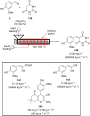
Scheme 32: Continuous solvent-free apparatus applied for the synthesis of compounds 140–143 using a TSE. Throu...

Scheme 33: Lewis et al. developed a spinning disc reactor for Darzens condensation of 144 and a ketone to furn...

Scheme 34: Some key industrial applications of conjugate additions in the F&F industry.

Scheme 35: Continuous-flow synthesis of 4-(2-hydroxyethyl)thiomorpholine 1,1-dioxide (156) via double conjugat...

Scheme 36: Continuous-flow system for Michael addition using CsF on alumina as the catalyst.

Scheme 37: Calcium chloride-catalysed asymmetric Michael addition using an immobilised chiral ligand.

Scheme 38: Continuous multistep synthesis for the preparation of (R)-rolipram (173). Si-NH2: primary amine-fun...

Scheme 39: Continuous-flow Michael addition using ion exchange resin Amberlyst® A26.

Scheme 40: Preparation of the heterogeneous catalyst 181 developed by Paixão et al. exploiting Ugi multicompon...

Scheme 41: Continuous-flow system developed by the Paixão’s group for the preparation of Michael asymmetric ad...

Scheme 42: Continuous-flow synthesis of nitroaldols catalysed by supported catalyst 184 developed by Wennemers...

Scheme 43: Heterogenous polystyrene-supported catalysts developed by Pericàs and co-workers.

Scheme 44: PANF-supported pyrrolidine catalyst for the conjugate addition of cyclohexanone (65) and trans-β-ni...

Scheme 45: Synthesis of (−)-paroxetine precursor 195 developed by Ötvös, Pericàs, and Kappe.

Scheme 46: Continuous-flow approach for the 5-step synthesis of (−)-oseltamivir (201) as devised by Hayashi an...

Scheme 47: Continuous-flow enzyme-catalysed Michael addition.

Scheme 48: Continuous-flow copper-catalysed 1,4 conjugate addition of Grignard reagents to enones. Reprinted w...

Scheme 49: A collection of commonly encountered hydrogenation reactions.

Figure 7: The ThalesNano H-Cube® continuous-flow hydrogenator.

Scheme 50: Chemoselective reduction of an α,β-unsaturated ketone using the H-Cube® reactor.

Scheme 51: Incorporation of Lindlar’s catalyst into the H-Cube® reactor for the reduction of an alkyne.

Scheme 52: Continuous-flow semi-hydrogenation of alkyne 208 to 209 using SACs with H-Cube® system.

Figure 8: The standard setups for tube-in-tube gas–liquid reactor units.

Scheme 53: Homogeneous hydrogenation of olefins using a tube-in-tube reactor setup.
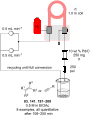
Scheme 54: Recyclable heterogeneous flow hydrogenation system.

Scheme 55: Leadbeater’s reverse tube-in-tube hydrogenation system for olefin reductions.

Scheme 56: a) Hydrogenation using a Pd-immobilised microchannel reactor (MCR) and b) a representation of the i...

Scheme 57: Hydrogenation of alkyne 238 exploiting segmented flow in a Pd-immobilised capillary reactor.

Scheme 58: Continuous hydrogenation system for the preparation of cyrene (241) from (−)-levoglucosenone (240).

Scheme 59: Continuous hydrogenation system based on CSMs developed by Hornung et al.

Scheme 60: Chemoselective reduction of carbonyls (ketones over aldehydes) in flow.

Scheme 61: Continuous system for the semi-hydrogenation of 256 and 258, developed by Galarneau et al.

Scheme 62: Continuous synthesis of biodiesel fuel 261 from lignin-derived furfural acetone (260).

Scheme 63: Continuous synthesis of γ-valerolacetone (263) via CTH developed by Pineda et al.

Scheme 64: Continuous hydrogenation of lignin-derived biomass (products 265, 266, and 267) using a sustainable...

Scheme 65: Ru/C or Rh/C-catalysed hydrogenation of arene in flow as developed by Sajiki et al.

Scheme 66: Polysilane-immobilized Rh–Pt-catalysed hydrogenation of arenes in flow by Kobayashi et al.

Scheme 67: High-pressure in-line mixing of H2 for the asymmetric reduction of 278 at pilot scale with a 73 L p...
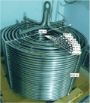
Figure 9: Picture of the PFR employed at Eli Lilly & Co. for the continuous hydrogenation of 278 [287]. Reprinted ...

Scheme 68: Continuous-flow asymmetric hydrogenation using Oppolzer's sultam 280 as chiral auxiliary.
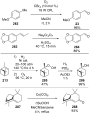
Scheme 69: Some examples of industrially important oxidation reactions in the F&F industry. CFL: compact fluor...

Scheme 70: Gold-catalysed heterogeneous oxidation of alcohols in flow.
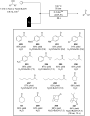
Scheme 71: Uozumi’s ARP-Pt flow oxidation protocol.

Scheme 72: High-throughput screening of aldehyde oxidation in flow using an in-line GC.

Scheme 73: Permanganate-mediated Nef oxidation of nitroalkanes in flow with the use of in-line sonication to p...

Scheme 74: Continuous-flow aerobic anti-Markovnikov Wacker oxidation.

Scheme 75: Continuous-flow oxidation of 2-benzylpyridine (312) using air as the oxidant.

Scheme 76: Continuous-flow photo-oxygenation of monoterpenes.

Scheme 77: A tubular reactor design for flow photo-oxygenation.

Scheme 78: Glucose oxidase (GOx)-mediated continuous oxidation of glucose using compressed air and the FFMR re...

Scheme 79: Schematic continuous-flow sodium hypochlorite/TEMPO oxidation of alcohols.

Scheme 80: Oxidation using immobilised TEMPO (344) was developed by McQuade et al.

Scheme 81: General protocol for the bleach/catalytic TBAB oxidation of aldehydes and alcohols.

Scheme 82: Continuous-flow PTC-assisted oxidation using hydrogen peroxide. The process was easily scaled up by...

Scheme 83: Continuous-flow epoxidation of cyclohexene (348) and in situ preparation of m-CPBA.

Scheme 84: Continuous-flow epoxidation using DMDO as oxidant.

Scheme 85: Mukayama aerobic epoxidation optimised in flow mode by the Favre-Réguillon group.

Scheme 86: Continuous-flow asymmetric epoxidation of derivatives of 359 exploiting a biomimetic iron catalyst.

Scheme 87: Continuous-flow enzymatic epoxidation of alkenes developed by Watts et al.

Scheme 88: Engineered multichannel microreactor for continuous-flow ozonolysis of 366.

Scheme 89: Continuous-flow synthesis of the vitamin D precursor 368 using multichannel microreactors. MFC: mas...

Scheme 90: Continuous ozonolysis setup used by Kappe et al. for the synthesis of various substrates employing ...

Scheme 91: Continuous-flow apparatus for ozonolysis as developed by Ley et al.

Scheme 92: Continuous-flow ozonolysis for synthesis of vanillin (2) using a film-shear flow reactor.

Scheme 93: Examples of preparative methods for ajoene (386) and allicin (388).

Scheme 94: Continuous-flow oxidation of thioanisole (389) using styrene-based polymer-supported peroxytungstat...

Scheme 95: Continuous oxidation of thiosulfinates using Oxone®-packed reactor.

Scheme 96: Continuous-flow electrochemical oxidation of thioethers.

Scheme 97: Continuous-flow oxidation of 400 to cinnamophenone (235).

Scheme 98: Continuous-flow synthesis of dehydrated material 401 via oxidation of methyl dihydrojasmonate (33).

Scheme 99: Some industrially important transformations involving Grignard reagents.

Scheme 100: Grachev et al. apparatus for continuous preparation of Grignard reagents.

Scheme 101: Example of fluidized Mg bed reactor with NMR spectrometer as on-line monitoring system.

Scheme 102: Continuous-flow synthesis of Grignard reagents and subsequent quenching reaction.

Figure 10: Membrane-based, liquid–liquid separator with integrated pressure control [52]. Adapted with permission ...

Scheme 103: Continuous-flow synthesis of 458, an intermediate to fluconazole (459).

Scheme 104: Continuous-flow synthesis of ketones starting from benzoyl chlorides.

Scheme 105: A Grignard alkylation combining CSTR and PFR technologies with in-line infrared reaction monitoring....

Scheme 106: Continuous-flow preparation of 469 from Grignard addition of methylmagnesium bromide.

Scheme 107: Continuous-flow synthesis of Grignard reagents 471.

Scheme 108: Preparation of the Grignard reagent 471 using CSTR and the continuous process for synthesis of the ...

Scheme 109: Continuous process for carboxylation of Grignard reagents in flow using tube-in-tube technology.

Scheme 110: Continuous synthesis of propargylic alcohols via ethynyl-Grignard reagent.

Scheme 111: Silica-supported catalysed enantioselective arylation of aldehydes using Grignard reagents in flow ...

Scheme 112: Acid-catalysed rearrangement of citral and dehydrolinalool derivatives.

Scheme 113: Continuous stilbene isomerisation with continuous recycling of photoredox catalyst.

Scheme 114: Continuous-flow synthesis of compound 494 as developed by Ley et al.

Scheme 115: Selected industrial applications of DA reaction.

Scheme 116: Multistep flow synthesis of the spirocyclic structure 505 via employing DA cycloaddition.

Scheme 117: Continuous-flow DA reaction developed in a plater flow reactor for the preparation of the adduct 508...

Scheme 118: Continuous-flow DA reaction using a silica-supported imidazolidinone organocatalyst.

Scheme 119: Batch vs flow for the DA reaction of (cyclohexa-1,5-dien-1-yloxy)trimethylsilane (513) with acrylon...

Scheme 120: Continuous-flow DA reaction between 510 and 515 using a shell-core droplet system.

Scheme 121: Continuous-flow synthesis of bicyclic systems from benzyne precursors.

Scheme 122: Continuous-flow synthesis of bicyclic scaffolds 527 and 528 for further development of potential ph...

Scheme 123: Continuous-flow inverse-electron hetero-DA reaction to pyridine derivatives such as 531.

Scheme 124: Comparison between batch and flow for the synthesis of pyrimidinones 532–536 via retro-DA reaction ...

Scheme 125: Continuous-flow coupled with ultrasonic system for preparation of ʟ-ascorbic acid derivatives 539 d...

Scheme 126: Two-step continuous-flow synthesis of triazole 543.

Scheme 127: Continuous-flow preparation of triazoles via CuAAC employing 546-based heterogeneous catalyst.

Scheme 128: Continuous-flow synthesis of compounds 558 through A3-coupling and 560 via AgAAC both employing the...

Scheme 129: Continuous-flow photoinduced [2 + 2] cycloaddition for the preparation of bicyclic derivatives of 5...

Scheme 130: Continuous-flow [2 + 2] and [5 + 2] cycloaddition on large scale employing a flow reactor developed...

Scheme 131: Continuous-flow preparation of the tricyclic structures 573 and 574 starting from pyrrole 570 via [...

Scheme 132: Continuous-flow [2 + 2] photocyclization of cinnamates.

Scheme 133: Continuous-flow preparation of cyclobutane 580 on a 5-plates photoreactor.

Scheme 134: Continuous-flow [2 + 2] photocycloaddition under white LED lamp using heterogeneous PCN as photocat...

Figure 11: Picture of the parallel tube flow reactor (PTFR) "The Firefly" developed by Booker-Milburn et al. a...

Scheme 135: Continuous-flow acid-catalysed [2 + 2] cycloaddition between silyl enol ethers and acrylic esters.

Scheme 136: Continuous synthesis of lactam 602 using glass column reactors.

Scheme 137: In situ generation of ketenes for the Staudinger lactam synthesis developed by Ley and Hafner.

Scheme 138: Application of [2 + 2 + 2] cycloadditions in flow employed by Ley et al.

Scheme 139: Examples of FC reactions applied in F&F industry.

Scheme 140: Continuous-flow synthesis of ibuprofen developed by McQuade et al.

Scheme 141: The FC acylation step of Jamison’s three-step ibuprofen synthesis.

Scheme 142: Synthesis of naphthalene derivative 629 via FC acylation in microreactors.

Scheme 143: Flow system for rapid screening of catalysts and reaction conditions developed by Weber et al.

Scheme 144: Continuous-flow system developed by Buorne, Muller et al. for DSD optimisation of the FC acylation ...

Scheme 145: Continuous-flow FC acylation of alkynes to yield β-chlorovinyl ketones such as 638.

Scheme 146: Continuous-flow synthesis of tonalide (619) developed by Wang et al.

Scheme 147: Continuous-flow preparation of acylated arene such as 290 employing Zr4+-β-zeolite developed by Kob...

Scheme 148: Flow system applied on an Aza-FC reaction catalysed by the thiourea catalyst 648.

Scheme 149: Continuous hydroformylation in scCO2.

Scheme 150: Two-step flow synthesis of aldehyde 655 through a sequential Heck reaction and subsequent hydroform...

Scheme 151: Single-droplet (above) and continuous (below) flow reactors developed by Abolhasani et al. for the ...

Scheme 152: Continuous hydroformylation of 1-dodecene (655) using a PFR-CSTR system developed by Sundmacher et ...

Scheme 153: Continuous-flow synthesis of the aldehyde 660 developed by Eli Lilly & Co. [32]. Adapted with permissio...

Scheme 154: Continuous asymmetric hydroformylation employing heterogenous catalst supported on carbon-based sup...

Scheme 155: Examples of acetylation in F&F industry: synthesis of bornyl (S,R,S-664) and isobornyl (S,S,S-664) ...

Scheme 156: Continuous-flow preparation of bornyl acetate (S,R,S-664) employing the oscillating flow reactor.

Scheme 157: Continuous-flow synthesis of geranyl acetate (666) from acetylation of geraniol (343) developed by ...

Scheme 158: 12-Ttungstosilicic acid-supported silica monolith-catalysed acetylation in flow.

Scheme 159: Continuous-flow preparation of cyclopentenone 676.

Scheme 160: Two-stage synthesis of coumarin (90) via acetylation of salicylaldehyde (88).

Scheme 161: Intensification process for acetylation of 5-methoxytryptamine (677) to melatonin (678) developed b...

Scheme 162: Examples of macrocyclic musky odorants both natural (679–681) and synthetic (682 and 683).

Scheme 163: Flow setup combined with microwave for the synthesis of macrocycle 686 via RCM.

Scheme 164: Continuous synthesis of 2,5-dihydro-1H-pyrroles via ring-closing metathesis.

Scheme 165: Continuous-flow metathesis of 485 developed by Leadbeater et al.

Figure 12: Comparison between RCM performed using different routes for the preparation of 696. On the left the...

Scheme 166: Continuous-flow RCM of 697 employed the solid-supported catalyst 698 developed by Grela, Kirschning...

Scheme 167: Continuous-flow RORCM of cyclooctene employing the silica-absorbed catalyst 700.

Scheme 168: Continuous-flow self-metathesis of methyl oleate (703) employing SILP catalyst 704.

Scheme 169: Flow apparatus for the RCM of 697 using a nanofiltration membrane for the recovery and reuse of the...

Scheme 170: Comparison of loadings between RCMs performed with different routes for the synthesis of 709.



