


Search results
Search for "drug development" in Full Text gives 101 result(s) in Beilstein Journal of Organic Chemistry.
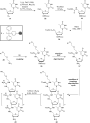
Electrophilic oligodeoxynucleotide synthesis using dM-Dmoc for amino protection
Beilstein J. Org. Chem. 2019, 15, 1116–1128, doi:10.3762/bjoc.15.108
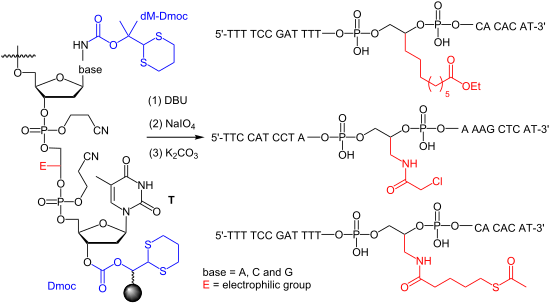
- instability of the adduct under acidic conditions during ODN synthesis [7]. In recent years, applications of ODNs have extended to emerging areas such as nanotechnology [8][9], antisense drug development [10][11][12], DNA damage and repair [13][14], DNA methylation and demethylation [15][16][17][18], DNA


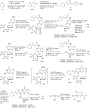


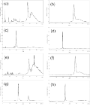

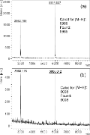

Synthesis of a tubugi-1-toxin conjugate by a modulizable disulfide linker system with a neuropeptide Y analogue showing selectivity for hY1R-overexpressing tumor cells
Beilstein J. Org. Chem. 2019, 15, 96–105, doi:10.3762/bjoc.15.11
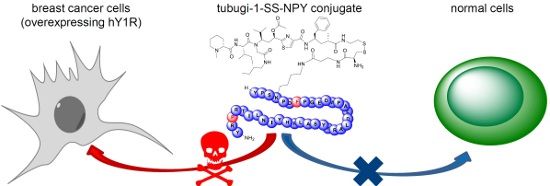
- on the biochemical, molecular biological and medicinal aspects of a broad range of tumor diseases, as well as progress in drug development technologies provided the basis for a fundamental paradigm shift in cancer treatment, away from non-selective cytotoxic chemotherapeutics towards specifically




Protein–protein interactions in bacteria: a promising and challenging avenue towards the discovery of new antibiotics
Beilstein J. Org. Chem. 2018, 14, 2881–2896, doi:10.3762/bjoc.14.267
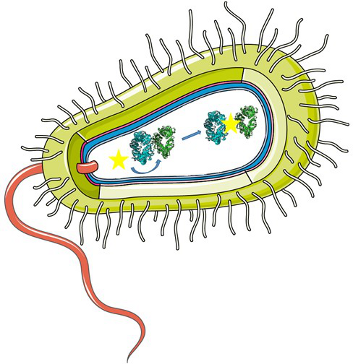
- , PPIs, unlike the previous examples, do not have a small natural ligand which can be used as a lead in a standard drug development programme [15][16]. Despite the binding surfaces being large, it is well known that not all the amino acid residues at the interface contribute equally to the binding, but
- (SSB and sliding clamp), division (FtsZ) and transcription (NusB/NusE interaction). It is hoped that the knowledge acquired in both discovering and developing these inhibitors will lay the foundation for future antibacterial drug development pipelines. Given that the protein interactions systems




Drug targeting to decrease cardiotoxicity – determination of the cytotoxic effect of GnRH-based conjugates containing doxorubicin, daunorubicin and methotrexate on human cardiomyocytes and endothelial cells
Beilstein J. Org. Chem. 2018, 14, 1583–1594, doi:10.3762/bjoc.14.136
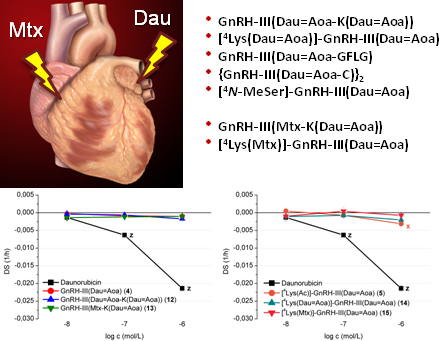
- cardiomyocytes. The rate of cytotoxicity (antitumor effect) vs cardiotoxicity (toxic effects on cardiomyocytes and vascular endothelium) is an important factor for efficient drug development for targeted tumor therapy with minimized side effects. The technique used in this work – impedimetry – is a dedicated one


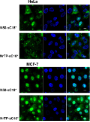
Design and biological characterization of novel cell-penetrating peptides preferentially targeting cell nuclei and subnuclear regions
Beilstein J. Org. Chem. 2018, 14, 1378–1388, doi:10.3762/bjoc.14.116
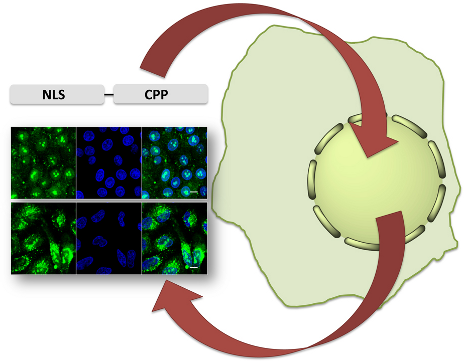
- [4]. Selective inhibition of the ribosomal machinery has been shown to be an effective anticancer therapeutic strategy [5]. That is why selective drug transport to the nucleoli has emerged a potent new strategy in anticancer drug development [6][7]. Based on these homing domains, a substantial number



Oligonucleotide analogues with cationic backbone linkages
Beilstein J. Org. Chem. 2018, 14, 1293–1308, doi:10.3762/bjoc.14.111
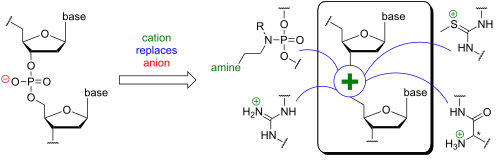
- biological mechanisms via sequence-specific molecular recognition makes them highly attractive candidates for drug development. However, their pharmacokinetic properties are problematic and represent a significant hurdle for their therapeutic application. First, the high polarity of ONs, mainly caused by


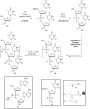



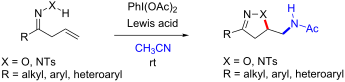
Hypervalent iodine-mediated Ritter-type amidation of terminal alkenes: The synthesis of isoxazoline and pyrazoline cores
Beilstein J. Org. Chem. 2018, 14, 1028–1033, doi:10.3762/bjoc.14.89
- Sang Won Park Soong-Hyun Kim Jaeyoung Song Ga Young Park Darong Kim Tae-Gyu Nam Ki Bum Hong Department of Pharmacy and Institute of Pharmaceutical Science and Technology, Hanyang University, Ansan, Gyeonggi-do 15588, Republic of Korea New Drug Development Center (NDDC), Daegu-Gyeongbuk Medical


On the design principles of peptide–drug conjugates for targeted drug delivery to the malignant tumor site
Beilstein J. Org. Chem. 2018, 14, 930–954, doi:10.3762/bjoc.14.80
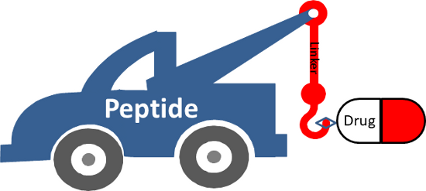
- toxicity present in healthy tissues. It is estimated that about 30% of the clinical trials on ClinicalTrials.gov are related to cancer, while only 10% of them eventually gain market approval [3], rendering the drug development, especially in this therapeutic direction, costly and inefficient. Specifically


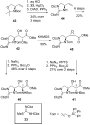
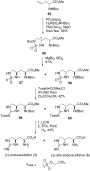
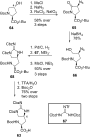
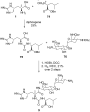
A stereoselective and flexible synthesis to access both enantiomers of N-acetylgalactosamine and peracetylated N-acetylidosamine
Beilstein J. Org. Chem. 2018, 14, 856–860, doi:10.3762/bjoc.14.71
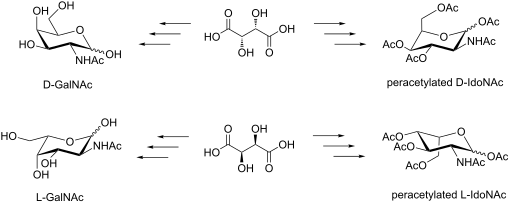
- gastric tissues [8]. Furthermore, the TF-antigen region serves as the core region for the ABO and Lewis blood group determinants [9]. The high importance of GalNAc in diverse biological processes, together with its notable role in drug development, turns this compound into an interesting synthetic target


Fluorogenic PNA probes
Beilstein J. Org. Chem. 2018, 14, 253–281, doi:10.3762/bjoc.14.17
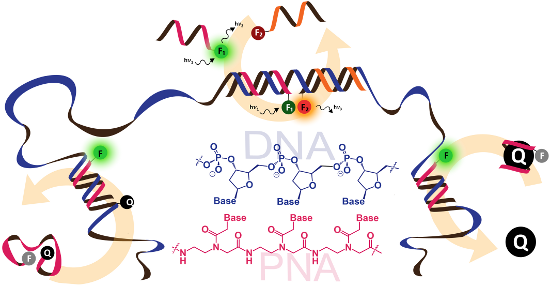
- to specific biomolecular targets, including nucleic acids as well as non-nucleic acid targets, such as proteins and small molecules, have applications in various important areas. These include diagnostics, drug development and as tools for studying biomolecular interactions in situ and in real time




Aminomethylation/hydrogenolysis as an alternative to direct methylation of metalated isoquinolines – a novel total synthesis of the alkaloid 7-hydroxy-6-methoxy-1-methylisoquinoline
Beilstein J. Org. Chem. 2018, 14, 130–134, doi:10.3762/bjoc.14.8
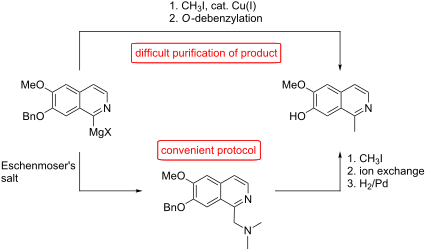
- products and in drug development and hence, effective synthetic approaches are required. Here we present a novel method for the introduction of a methyl group at C1 of isoquinolines. This is exemplified by a new total synthesis of the alkaloid 7-hydroxy-6-methoxy-1-methylisoquinoline. Direct metalation of
- considerable relevance in drug development, since it is found in both complex [1] and “simple” alkaloids (variously substituted derivatives of the native isoquinoline) isolated from different plants [2], and antiviral and antimicrobial activities have been found for numerous isoquinoline alkaloids [3]. Further


Preparation of imidazo[1,2-a]-N-heterocyclic derivatives with gem-difluorinated side chains
Beilstein J. Org. Chem. 2017, 13, 2115–2121, doi:10.3762/bjoc.13.208
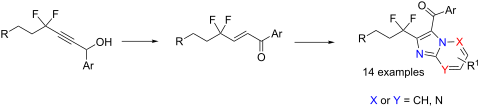
- widely recognized as a general strategy toward drug development in pharmaceutical research. This is connected to fluorine's electronegativity, size, and lipophilicity [15][16], which can strongly improve the biological properties of molecules through, for instance, increase of metabolic stability and


Solid-state mechanochemical ω-functionalization of poly(ethylene glycol)
Beilstein J. Org. Chem. 2017, 13, 1963–1968, doi:10.3762/bjoc.13.191
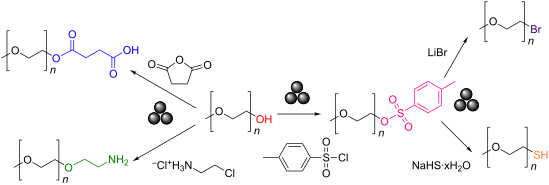
- manufacturing, drug development and nanotechnology. PEG derivatives are being increasingly used to covalently modify small molecule and peptide drugs, as well as bioactive nanomaterials in order to improve solubility in biological serum, reduce immunogenicity, and enhance pharmacokinetic profiles. Herein we
- , modification of bioactive substrates with PEG is well established in drug development, and is also becoming important in the purification of proteins and nucleic acids [1]. Since the first demonstration of PEGylated proteins with altered immunogenicity [2][3], PEG has been heavily investigated for affording
- because of their versatile applicability to covalent conjugation onto various substrates and metal-based nanomaterials. Results and Discussion For this study, we focused on the functionalization of mPEG, which allows the simple mono-functionalization of the polymer, for useful applications to drug


Synthesis of novel 13α-estrone derivatives by Sonogashira coupling as potential 17β-HSD1 inhibitors
Beilstein J. Org. Chem. 2017, 13, 1303–1309, doi:10.3762/bjoc.13.126
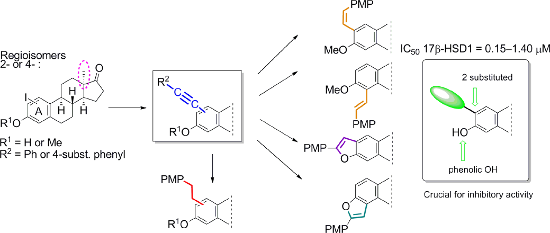
- compounds may provide promising candidates for drug development in order to get nanomolar inhibitors. Syntheses of 2- or 4-phenethynyl-13α-estrones (8–11) by Sonogashira coupling. Partial or full hydrogenation of compounds 8c–11c. 17β-HSD1 inhibition data of Sonogashira coupled compounds and their


Biomimetic molecular design tools that learn, evolve, and adapt
Beilstein J. Org. Chem. 2017, 13, 1288–1302, doi:10.3762/bjoc.13.125
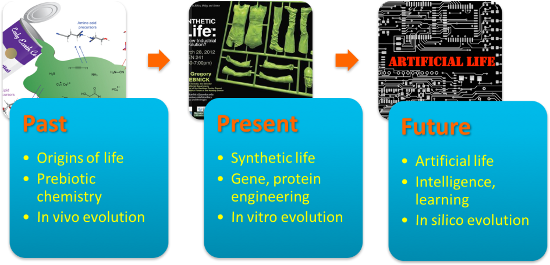
- Adam and Eve that automate drug development via cycles of quantitative structure–activity relationship (QSAR) learning and biological testing (Figure 3) [16][17][18]. Eve’s selection of compounds was more cost efficient than standard drug screening, and the robotic scientist has identified several new





Aqueous semisynthesis of C-glycoside glycamines from agarose
Beilstein J. Org. Chem. 2017, 13, 1222–1229, doi:10.3762/bjoc.13.121
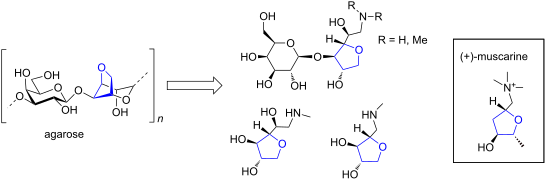
- available, these polysaccharides are far little explored as sources of chemical platforms for drug development. The rare monosaccharide 3,6-anhydro-α-L-galactopyranose (AnGal), naturally present in the agarose structure, is a valuable scaffold since it is a highly functionalized and a chiral-rich monomer


Biosynthetic origin of butyrolactol A, an antifungal polyketide produced by a marine-derived Streptomyces
Beilstein J. Org. Chem. 2017, 13, 441–450, doi:10.3762/bjoc.13.47
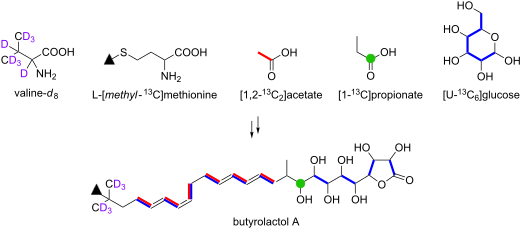
- /carbohydrate/nucleic acid derivatives [1][2]. One of the largest groups of bacterial secondary metabolites is polyketide from which a range of clinically used drugs have been developed. Polyketides still remain in the focus of drug development because of their structural complexity that can provide attractive



A chemoselective and continuous synthesis of m-sulfamoylbenzamide analogues
Beilstein J. Org. Chem. 2017, 13, 303–312, doi:10.3762/bjoc.13.33
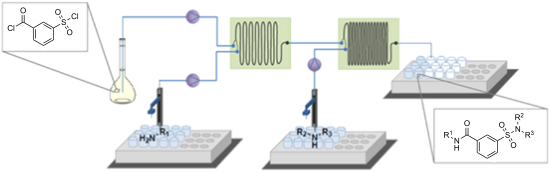
- molecules are commonly used for their ability to regulate or assist in different biological processes. Typically, drug development starts with the screening of large libraries of relatively similar compounds, where only milligrams of material are needed for primary testing. Upon identification of a primary


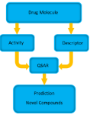
Computational methods in drug discovery
Beilstein J. Org. Chem. 2016, 12, 2694–2718, doi:10.3762/bjoc.12.267
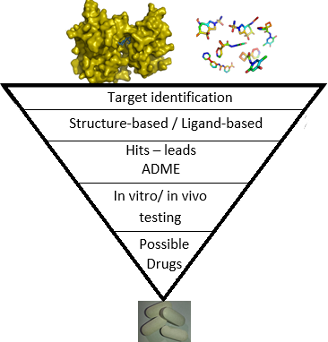
- ; machine learning; pharmacophore; QSAR; SBDD; scoring; target flexibility; Introduction Bringing a pharmaceutical drug to the market is a long term process that costs billions of dollars. In 2014, the Tufts Center for the Study of Drug Development estimated that the cost associated with developing and



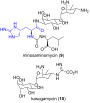
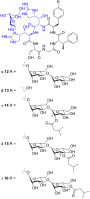
Enduracididine, a rare amino acid component of peptide antibiotics: Natural products and synthesis
Beilstein J. Org. Chem. 2016, 12, 2325–2342, doi:10.3762/bjoc.12.226
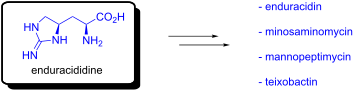
- synthetic routes to enduracididine. However, current syntheses are cumbersome and inefficient. A robust and scalable synthetic route to an orthogonally protected enduracididine derivative suitable for solid phase peptide synthesis would greatly facilitate antibiotic drug development focused on a teixobactin












Is conformation a fundamental descriptor in QSAR? A case for halogenated anesthetics
Beilstein J. Org. Chem. 2016, 12, 760–768, doi:10.3762/bjoc.12.76
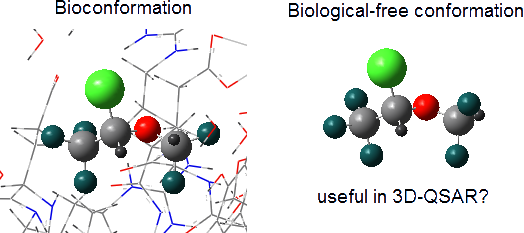
- requirements for drug development. Multivariate Image Analysis applied to QSAR (MIA-QSAR) is a genuine 2D method, since descriptors are pixels of molecular projections drawn as black and white wireframes [10] and, more recently, as colored 2D-images (chemical structures) with spheres representing atoms with


From steroids to aqueous supramolecular chemistry: an autobiographical career review
Beilstein J. Org. Chem. 2016, 12, 684–701, doi:10.3762/bjoc.12.69

- the potential to save the pharmaceutical industry billions of dollars in drug development. Collaboration with my former colleague Steven Rick has provided considerable insight into the solvation of octa-acid. Briefly, this work showed that between 0–7 (~4.5 on average) water molecules can be found




Natural products from microbes associated with insects
Beilstein J. Org. Chem. 2016, 12, 314–327, doi:10.3762/bjoc.12.34
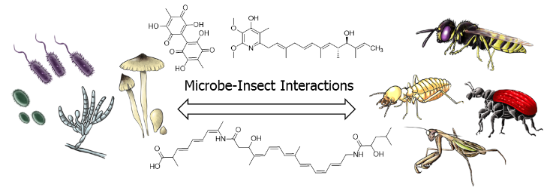
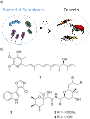
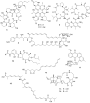
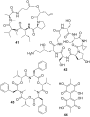
- synthetic compound libraries to counteract a declining number of new antibiotic entities in the drug development pipeline has largely failed [3], and the current poor repertoire represents a ”ticking time bomb”. Societies face, as a consequence of the rapid globalization and intensive use of antibiotics, an





Towards inhibitors of glycosyltransferases: A novel approach to the synthesis of 3-acetamido-3-deoxy-D-psicofuranose derivatives
Beilstein J. Org. Chem. 2015, 11, 1547–1552, doi:10.3762/bjoc.11.170

- are involved in these disease processes, inhibitors of GTs are of great therapeutic potential and attract remarkable interest for drug development. Although the mechanism of reactions catalyzed by glycosyltransferases has been investigated thoroughly, many aspects of the catalytic mechanism remain


Synthesis of alpha-tetrasubstituted triazoles by copper-catalyzed silyl deprotection/azide cycloaddition
Beilstein J. Org. Chem. 2015, 11, 1425–1433, doi:10.3762/bjoc.11.154
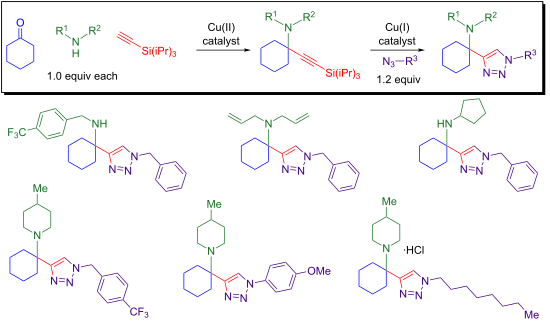
- ; copper catalysis; multicomponent reactions; tetrasubstituted carbon; triazole; Introduction 1,2,3-Triazoles demonstrate wide spread application in biological systems and drug development [1][2][3][4][5][6][7][8][9][10][11][12]. Copper-catalyzed azide–alkyne cycloadditions (CuAAC) regioselectively





