Search results
Search for "dynamics" in Full Text gives 247 result(s) in Beilstein Journal of Organic Chemistry. Showing first 200.
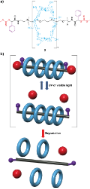
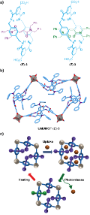
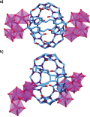
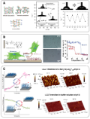
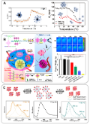
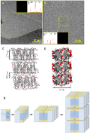
Light-responsive rotaxane-based materials: inducing motion in the solid state
Beilstein J. Org. Chem. 2023, 19, 873–880, doi:10.3762/bjoc.19.64
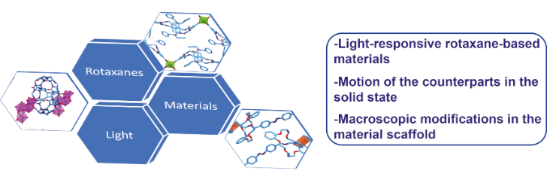
- mechanical bond, such as control over the dynamics of the components upon application of external stimuli. This perspective aims to highlight the relevance of these materials, by pointing out recent examples of photoresponsive materials prepared from a rotaxanated architecture in which motion of the
- scaffolds [11]. In particular, rotaxanes and pseudorotaxanes have led to a greater number of applications due to their inherent dynamics and the switching possibility through a rational design [12]. Thus, rotaxane-based materials have attracted the interest of the scientific community due to their enhanced
- dynamics of the components and/or macroscopic motion of the material are accomplished, dividing the article into three main sections: (i) photoresponsive rotaxane discrete crystals; (ii) photoresponsive rotaxane polymers; and (iii) photoresponsive metal-organic rotaxane frameworks (MORFs). Besides to

Bromination of endo-7-norbornene derivatives revisited: failure of a computational NMR method in elucidating the configuration of an organic structure
Beilstein J. Org. Chem. 2023, 19, 764–770, doi:10.3762/bjoc.19.56
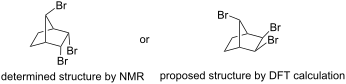
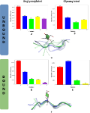
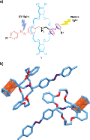
- configuration in a molecule, in short, it is the single most important spectroscopic tool aside from X-ray crystallography to provide an accurate ensemble-guided view of the structure, even conformational dynamics in a molecule. Quantum mechanical/nuclear magnetic resonance (NMR) approaches are used for the


Phenanthridine–pyrene conjugates as fluorescent probes for DNA/RNA and an inactive mutant of dipeptidyl peptidase enzyme
Beilstein J. Org. Chem. 2023, 19, 550–565, doi:10.3762/bjoc.19.40
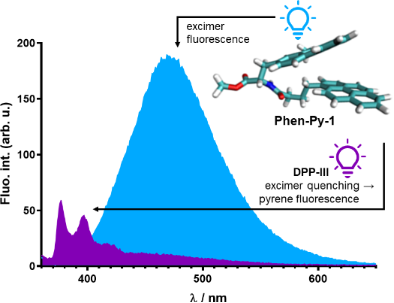
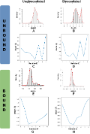
- in the cell membrane. Keywords: dipeptidyl peptidase enzyme; excimer; molecular dynamics simulations; phenanthridine; polynucleotide; pyrene; Introduction The design of small molecules that can selectively bind and discriminate different biomolecular structures (polynucleotides vs proteins, DNA or
- 48% for Phen-Py-1 and Phen-Py-2, respectively). The phenanthridine nitrogen was protonated under weakly acidic conditions, which made the phenanthridinium moiety relatively electron deficient compared to the electron-rich pyrene moiety that favored intramolecular stacking. Molecular dynamics
- dielectric constant and a lower polarity that influenced intramolecular stacking. To the best of our knowledge, this is the first reported phenanthridine–pyrene excimer in solution. Molecular dynamics calculations (see chapter Computational analysis) and hypochromism observed from UV–vis spectra pointed




Combretastatins D series and analogues: from isolation, synthetic challenges and biological activities
Beilstein J. Org. Chem. 2023, 19, 399–427, doi:10.3762/bjoc.19.31
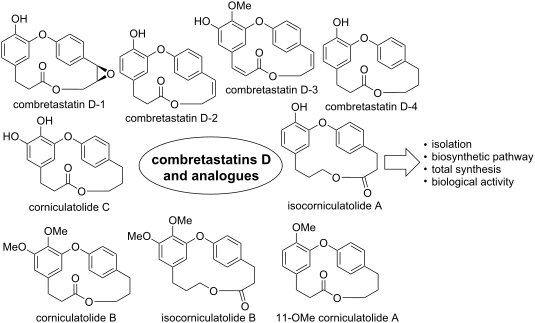
- cancer cell growth when compared with compounds 2 and 28, due the same lack of phosphatase cited before. It is worth to note that the mechanism of action for these compounds is attributed to their ability to interfere in the dynamics of tubulin, a protein involved in the formation of the cytoskeleton




CuAAC-inspired synthesis of 1,2,3-triazole-bridged porphyrin conjugates: an overview
Beilstein J. Org. Chem. 2023, 19, 349–379, doi:10.3762/bjoc.19.29
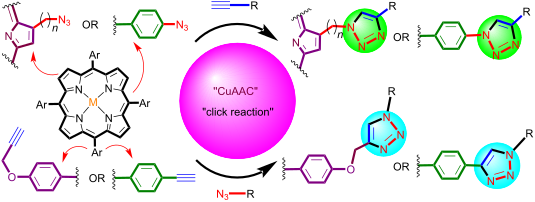
- recombination dynamics is primarily related to the electronic properties of the conjugates, such as electron affinity, orbital energies, and excited state energies. In another report, Nikolaou et al. [51] described the synthesis of two novel porphyrin dyads 107b and 108b containing terminal carboxylic acid




Improving the accuracy of 31P NMR chemical shift calculations by use of scaling methods
Beilstein J. Org. Chem. 2023, 19, 36–56, doi:10.3762/bjoc.19.4
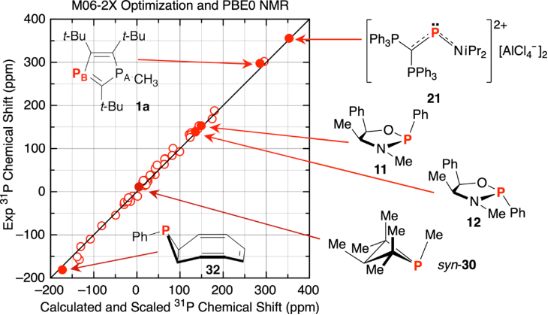
- [21][24][36], and recent reports show that molecular dynamics methods can eliminate the need for empirical corrections [29][30][38]. However, these calculation-intensive methods are not likely to become routine soon, potentially leaving room for empirical scaling to be useful for some time. The




Inline purification in continuous flow synthesis – opportunities and challenges
Beilstein J. Org. Chem. 2022, 18, 1720–1740, doi:10.3762/bjoc.18.182
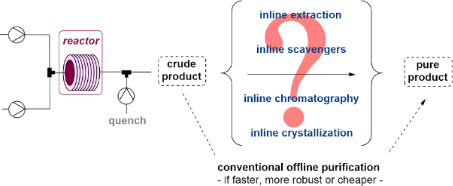
- successfully obtain a given polymorph. The work of Myerson and co-workers demonstrates this by examining polymorph dynamics to achieve a successful crystallization of ʟ-glutamic acid using a continuous mixed suspension mixed product removal crystallization (MSMPR) approach [113]. Recently, a kinetically




Naphthalimide-phenothiazine dyads: effect of conformational flexibility and matching of the energy of the charge-transfer state and the localized triplet excited state on the thermally activated delayed fluorescence
Beilstein J. Org. Chem. 2022, 18, 1435–1453, doi:10.3762/bjoc.18.149
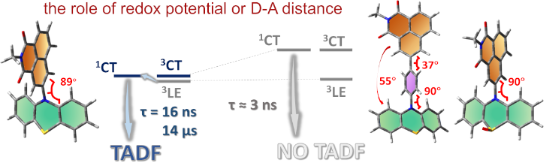
- calculations were used to obtain additional insights into both the excited states involved and the photo-deactivation dynamics. First, the ground state geometry of the compounds was optimized (Figure 9). For the compact NI-PTZ and NI-PTZ-O dyads, the two units adopt almost orthogonal geometry. A similar result
Computational model predicts protein binding sites of a luminescent ligand equipped with guanidiniocarbonyl-pyrrole groups
Beilstein J. Org. Chem. 2022, 18, 1322–1331, doi:10.3762/bjoc.18.137
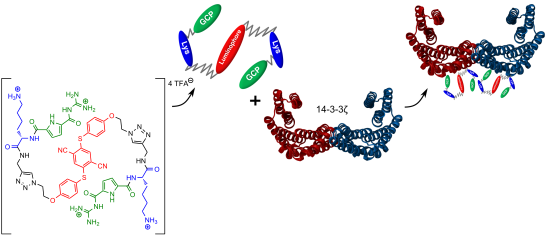
- functional protein–protein binding. One theoretical option to identify putative binding sites of compound 1 on 14-3-3ζ would be by all-atom molecular dynamics (MD) simulations. However, as numerous studies have shown [21][22][23], the resources needed for a suitable sampling of such flexible systems by MD
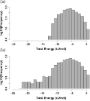
- distribution; this approach captures ion-size effects and yields energy grids that are directly comparable to molecular dynamics simulation data. Accordingly, the 14-3-3ζ environment was scanned with the GCP and lysine ligands separately in Epitopsy using 150 rotations and a grid resolution of 0.4 Å to
- 1.5.2 [41]. To validate our method, we applied it to the QQJ-096/14-3-3/c-Raf complex for which the potential binding site was available from all-atom molecular dynamics simulations in a previous study [26]. Our results for this system are reported in the first part of the Supporting Information File 1




Understanding the competing pathways leading to hydropyrene and isoelisabethatriene
Beilstein J. Org. Chem. 2022, 18, 972–978, doi:10.3762/bjoc.18.97
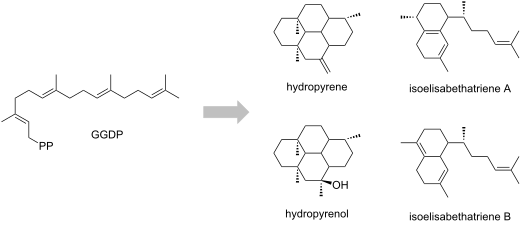
- . Rather, an equilibrium may exist between GGDP and LGDP. Experimental Dynamics and Monte Carlo simulations We generated conformers using simulated annealing (SA) molecular dynamics followed by SA Monte Carlo simulation using CHARMM [28]. Force field parameters were generated using CGenFF [29] and an in



Structural basis for endoperoxide-forming oxygenases
Beilstein J. Org. Chem. 2022, 18, 707–721, doi:10.3762/bjoc.18.71
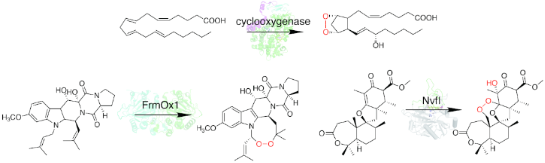
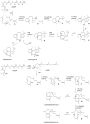
- molecular dynamics analyses, as well as DFT calculations of the FtmOx1 reaction, suggested a modified mechanism [72][73][74]. In this mechanism, the tyrosyl radical at Tyr224 is generated by the Fe(IV)=O species, which abstracts a hydrogen atom at C21 to form an endoperoxide ring through the reaction with
- dynamics of the active site during the enzyme reaction. Conclusion Endoperoxide compounds have recently attracted keen attention as a source of new drug leads, due to their unique structures and remarkable biological activities. To date, the total synthesis of endoperoxide-containing natural products and


Mechanochemical halogenation of unsymmetrically substituted azobenzenes
Beilstein J. Org. Chem. 2022, 18, 680–687, doi:10.3762/bjoc.18.69
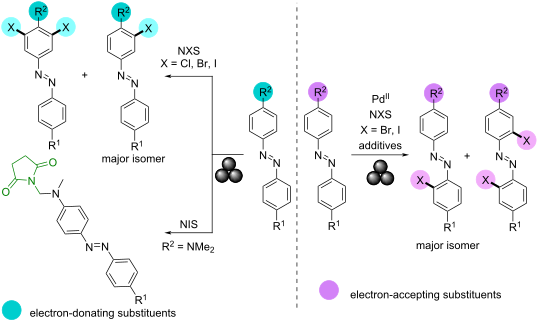
- reaction dynamics and characterization of the products was achieved by in situ Raman and ex situ NMR spectroscopy and PXRD analysis. A strong influence of the different 4,4’-substituents of azobenzene on the halogenation time and mechanism was found. Keywords: azo compounds; halogenation; mechanochemistry
- -bromosuccinimide (NBS) under neat grinding (NG) and liquid-assisted grinding (LAG) conditions in a ball mill [51]. Insight into the dynamics of the formation of reaction intermediates and products was obtained by in situ Raman monitoring that provided information on the nature of the catalytically active PdII
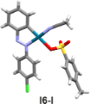
- dynamics of the formation of cyclopalladated intermediates In-I, LAG reactions of Pd(OAc)2 with L6–8 and TsOH were performed using 25 µL of MeCN as a liquid additive in a molar ratio of 1:1:1 (Ln/Pd(OAc)2/TsOH). In situ Raman monitoring of C–H bond activation was possible for L6 and L7, while in the case





Heteroleptic metallosupramolecular aggregates/complexation for supramolecular catalysis
Beilstein J. Org. Chem. 2022, 18, 597–630, doi:10.3762/bjoc.18.62
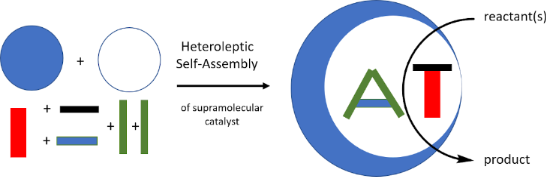
- of the cage/architecture depends on its dynamics: the catalytic activity will correlate with the rate of thermal motion. As illustrated below, there are presently two phenomena known where continuous nanomechanical motion influences the catalytic activity: a) Increasing nanomechanical speed reduces
- , thermodynamic stabilization quantitatively drives the reaction to the hetero-assembly 59, simply by mixing the components in the correct stoichiometric ratio (Figure 13). Various nanorotor assemblies are possible by this approach. The dynamics of the four-component rotor 59 = [Cu2(55)(57)(60)]2+ cannot be


Synthesis of a new water-soluble hexacarboxylated tribenzotriquinacene derivative and its competitive host–guest interaction for drug delivery
Beilstein J. Org. Chem. 2022, 18, 539–548, doi:10.3762/bjoc.18.56
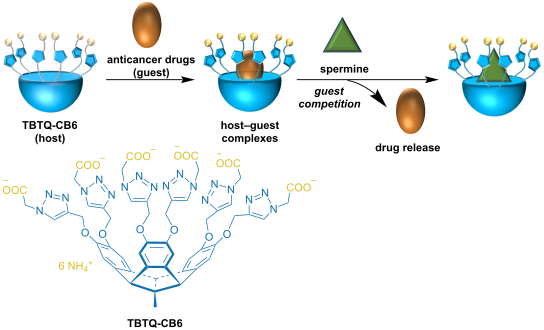
- -rich cavity of TBTQ-CB6 [32]. In addition, the proton resonances became broadened caused by the complexation dynamics, indicating the successful host–guest complexation between TBTQ-CB6 and MV. Subsequently, the association stoichiometry of the complex was studied by the Job plot method using
- electron-rich cavity of TBTQ-CB6 exerts a shielding effect on DOX, i.e., DOX is located in the internal cavity of TBTQ-CB6. Furthermore, the proton signals were all significantly broadened as a result of the complexation dynamics, indicating the formation of a host–guest complex between TBTQ-CB6 and DOX





Peptide stapling by late-stage Suzuki–Miyaura cross-coupling
Beilstein J. Org. Chem. 2022, 18, 1–12, doi:10.3762/bjoc.18.1
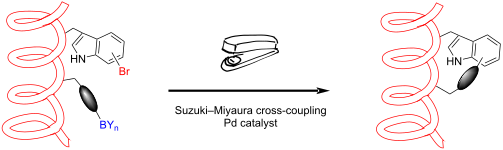
- its native binding partner β-catenin. An increased proteolytic stability against proteinase K has been demonstrated. Keywords: accelerated molecular dynamics; halotryptophan; intrinsically disordered peptides; late-stage diversification; macrocyclisation; molecular dynamics; stapled peptides; Suzuki
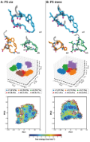
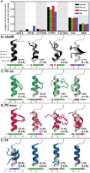
- cyclised RGD peptides. It could be proven that an isomerisation is not caused by the cross-coupling but by the presence of stable isomers/conformers. Molecular dynamics (MD) simulations verified the appearance of stable, distinct conformers or atropisomers, which were in accordance with the experimental
- . The conformational preferences of the stapled peptide P5 and of the linear peptides P6 and aAxWt were investigated via extensive accelerated molecular dynamics simulations (aMD) as implemented within the Amber18 program package [85]. The aMD methodology developed by McCammon and co-workers [86] has


GlycoBioinformatics
Beilstein J. Org. Chem. 2021, 17, 2726–2728, doi:10.3762/bjoc.17.184
- article by Barnett et al. [2] uses molecular dynamics to show that O-linked glycosylation alters peptide conformation, which influences the binding of the peptides to antibodies, despite the fact that glycans are not directly involved in the binding. Another molecular modeling article by Fogarty et al. [3
- one of the authors of this article, Fadda, used glyco-adapted molecular dynamics to explain in a separate publication [4] how the COVID-19 spike protein recognition element requires N-linked glycosylation to be exposed. Another approach to understanding glyco-interactions is described in a review
(Phenylamino)pyrimidine-1,2,3-triazole derivatives as analogs of imatinib: searching for novel compounds against chronic myeloid leukemia
Beilstein J. Org. Chem. 2021, 17, 2260–2269, doi:10.3762/bjoc.17.144
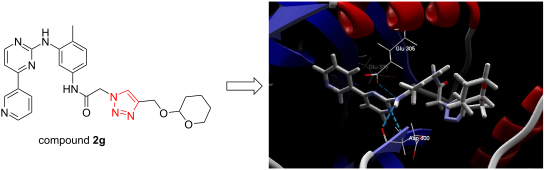
- docking results were edited using the Visual Molecular Dynamics 1.9.3 (VMD) program (available for download at http://www.ks.uiuc.edu/Research/vmd/vmd-1.9.3/). Proposed structural modifications to obtain triazole derivatives 1a, b and 2a–j. Asymmetric unit representation of the 1,2,3-triazole derivative


Constrained thermoresponsive polymers – new insights into fundamentals and applications
Beilstein J. Org. Chem. 2021, 17, 2123–2163, doi:10.3762/bjoc.17.138
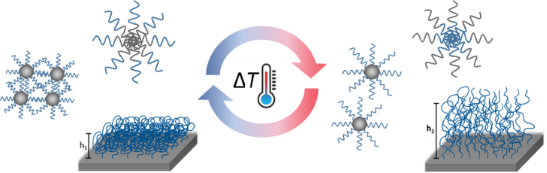
- interactions in contrast to star-shaped polymers. Thus, in a polar solvent, such as water, the hydrophobic block forms an anhydrous core. The hydrophilic chains stretch into the solvent in the shape of a swollen corona (Figure 5). The size, shape and dynamics of the micelle can be essentially tuned by the


Double-headed nucleosides: Synthesis and applications
Beilstein J. Org. Chem. 2021, 17, 1392–1439, doi:10.3762/bjoc.17.98
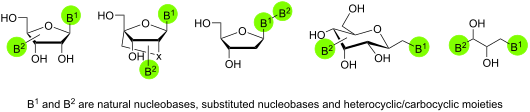
- . The analysis of the melting temperature of the duplex and extensive molecular dynamics studies revealed that the synthesized double-headed nucleotides behave as functional dinucleotide mimics and hybridize with complementary targets neatly with their Watson–Crick faces compatible with natural DNA [39
- that resulted in the formation of two novel nucleic acid motifs. The novel nucleic acid motifs could be incorporated either single or multiple times in dsDNA duplexes without altering its stability. It was revealed by molecular dynamics (MD) simulations that the DNA sugar–phosphate backbone
- strands. Oligonucleotides with fourteen consecutive incorporations of different double-headed nucleosides were synthesized and the DNA duplexes showed increased stability owing to increased stacking interactions among the nucleobases of the opposite strands [72]. Molecular dynamics simulations



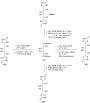


Biochemistry of fluoroprolines: the prospect of making fluorine a bioelement
Beilstein J. Org. Chem. 2021, 17, 439–460, doi:10.3762/bjoc.17.40
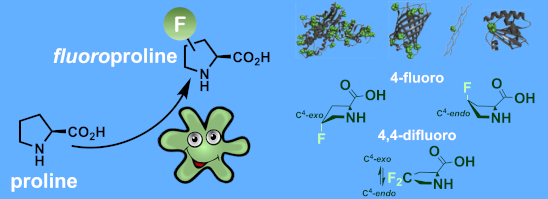


19F NMR as a tool in chemical biology
Beilstein J. Org. Chem. 2021, 17, 293–318, doi:10.3762/bjoc.17.28
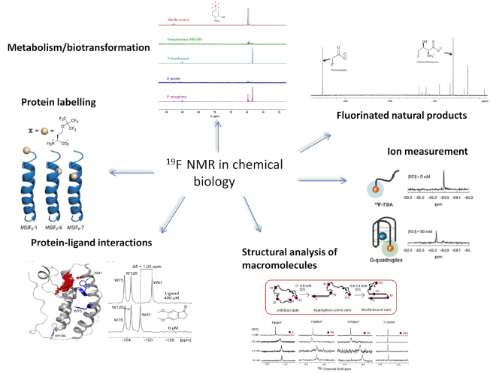
- include the tags based on fluorinated phenylacetamides, such as the 2-bromo-N-(4-(trifluoromethyl)phenyl)acetamide (BTFMA, 19) and N-(4-bromo-3-(trifluoromethyl)phenyl)acetamide (3-BTFMA, 20) developed by Manglik et al. to study the structural dynamics of the cytoplasmic domain of the β2-adrenergic
- of which were consistent with those obtained in previous work but measured in cell membrane extracts [46]. Structural analysis of macromolecules using 19F NMR The three-dimensional (3D) structure of biomacromolecules and their conformational dynamics are often the starting point for the development
- probes, inherent to the side-chain dynamics within the protein hydrophobic interior [52][53][54]. 19F NMR has also been used to characterize in more detail the topography of the CAM conformational changes by using molecular contrast agents. 19F NMR solvent-induced isotope shift experiments, resulting


Control over size, shape, and photonics of self-assembled organic nanocrystals
Beilstein J. Org. Chem. 2021, 17, 42–51, doi:10.3762/bjoc.17.5
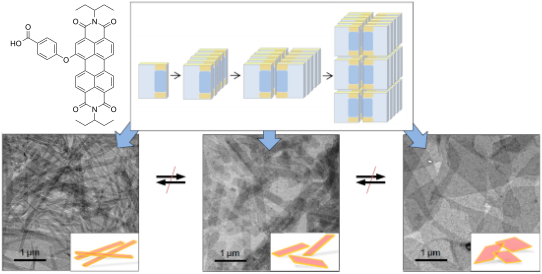
- , crystalline arrays ≈100 nm in length and ≈10 nm in width were observed after 1 min (Figure 4B). The structural differences between the 5% THF and 10% THF systems at early assembly times reveal the distinct dynamics of the nucleation and growth process. Thus, the 10% THF system shows a faster ordering process
- completed after 5 min (Figure S7, Supporting Information File 1). The observed crystallization pathways are consistent with a gradual order evolution mechanism recently observed by us [34]. Exciton dynamics In order to investigate whether the morphology affects the photonic properties, we studied the
- excited state dynamics of the nanocrystals. Femtosecond transient absorption spectra of all assemblies displayed typical PDI excited state absorption peaks in the range of 600–770 nm [50], matching PDI bleaching represented by negative features at 550–600 nm. In the disaggregated state, almost no power




Dirhamnolipid ester – formation of reverse wormlike micelles in a binary (primerless) system
Beilstein J. Org. Chem. 2020, 16, 2820–2830, doi:10.3762/bjoc.16.232
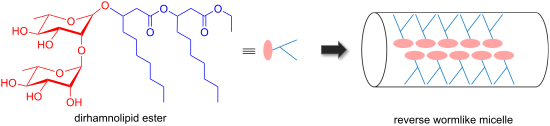
- hydrophobic groups are oriented towards the solvent. One structure which can be formed by surfactants are so-called wormlike micelles, that are characterized by a high anisotropic structure. These micelles can, if the concentration and dynamics of the surfactant micelles is right, build viscosity since the


Synthesis of purines and adenines containing the hexafluoroisopropyl group
Beilstein J. Org. Chem. 2020, 16, 2739–2748, doi:10.3762/bjoc.16.224
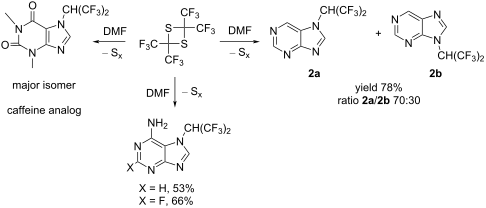
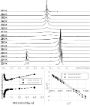
- referenced to internal tetramethylsilane or trichlorofluoromethane. The spectra were acquired at 298 K. Dynamic NMR experiments The dynamics of rotamer interconversion were studied on a Bruker AVIIIHD spectrometer with a 9.4 T magnetic field, equipped with a 10 mm F{H} probe suitable for high- and low



Comparative ligand structural analytics illustrated on variably glycosylated MUC1 antigen–antibody binding
Beilstein J. Org. Chem. 2020, 16, 2540–2550, doi:10.3762/bjoc.16.206

- approach by investigating the in-silico binding of a peptide and glycopeptide epitope of the glycoprotein Mucin 1 (MUC1) binding with the antibody AR20.5. To study the binding, we performed molecular dynamics simulations using OpenMM and then used the Galaxy platform for data analysis. The same analysis
- . and others [14][16] provides a foundation for further investigation into the binding of glycopeptide antigens to antibodies using computational modeling. Molecular dynamics (MD) simulations and analysis thereof are a well-known ingredient of the in-silico process for mechanistic screening of
- (physiological temperature). Missing amino acid residues were added. Energy minimization and MD (equilibration and production) simulations were performed using OpenMM [35] and the CHARMM36 force field [36] using the OpenCL platform with mixed precision. Equilibration and production dynamics were carried out as