


Search results
Search for "furan" in Full Text gives 274 result(s) in Beilstein Journal of Organic Chemistry. Showing first 200.
Synthesis and properties of 6-alkynyl-5-aryluracils
- Ruben Manuel Figueira de Abreu,
- Till Brockmann,
- Alexander Villinger,
- Peter Ehlers and
- Peter Langer
Beilstein J. Org. Chem. 2024, 20, 898–911, doi:10.3762/bjoc.20.80
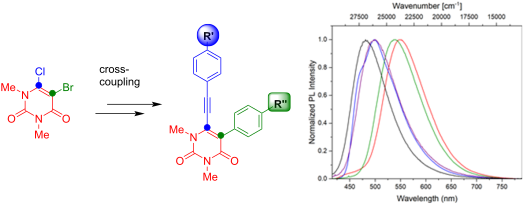
- ring instead of a benzene moiety. This was demonstrated by the introduction of thiophene (5r) and furan (5t) to the uracil structure. The molecules 5n and 5o could not be obtained, due to decomposition during the reaction. The structure of 5a was confirmed by X-ray crystallographic analysis. Crystals

Graphical Abstract

Figure 1: Uracil derivatives in drugs.

Figure 2: Present work as compared to previous studies [25,57-59].

Scheme 1: Synthesis of 1,3-dimethly-5-[2-(aryl)ethynyl]-6-[2-(aryl)ethynyl]uracils 4 and 1,3-dimethyl-5-aryl-...
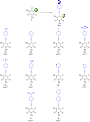
Scheme 2: Synthesis of 5-bromo-1,3-dimethyl-6-[2-(aryl)ethynyl]uracils 3a–j. Reaction conditions: 2 (1.0 equi...

Scheme 3: Structure of the starting material 2 with its possible mesomeric structures.

Scheme 4: Synthesis of 1,3-dimethyl-5-[2-(aryl)ethynyl]-6-[2-(aryl)ethynyl]uracils 4a–h. Reaction conditions: ...

Scheme 5: Synthesis of 1,3-dimethyl-5-aryl-6-[2-(aryl)ethynyl]uracils 5a–t. Reaction conditions: 3 (1 equiv),...

Figure 3: ORTEP diagram of 5a front view (a) and side view (b). a) Interactions of the molecules within and b...

Figure 4: UV–vis absorption (left) and emission (right, λex = 400 nm) spectra of 1,3-dimethyl-5-phenyl-6-[2-(...
(Bio)isosteres of ortho- and meta-substituted benzenes
- H. Erik Diepers and
- Johannes C. L. Walker
Beilstein J. Org. Chem. 2024, 20, 859–890, doi:10.3762/bjoc.20.78
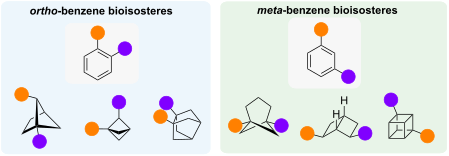
- -substituted endo-1,5-BCHs (±)-57a–e. Substrate modification was also possible, with oxidative transformation of a bridgehead furan leading to 1,5-BCH acid (±)-60 and pyridine reduction to secondary amine (±)-61 (Scheme 5B) [42]. Furthermore, 1,5-BCH (±)-64 was synthesised as a bioisostere of the fungicide
- 1,4-BCHs (Scheme 11B) [55]. From carboxylic acid 100e, Curtius rearrangement led to amine 101 and a photoredox decarboxylative conjugate addition to diester 102. From boronate ester 100f, oxidative deborylation led to alcohol 103, arylation led to furan 104 and Matteson homologation to boronate ester

Graphical Abstract

Figure 1: Scaffolds commonly reported as bioisosteric replacements of para-substituted benzene and examples p...

Figure 2: 1,2-BCPs as isosteres for ortho-and meta-substituted benzenes: comparison of reported exit vector p...

Scheme 1: 1,2-Disubstituted bicyclo[1.1.1]pentanes as isosteres of ortho-substituted benzenes. A: Baran, Coll...

Scheme 2: Synthesis of 1,2-BCPs from BCP 15 by bridge C–H bromination as reported by MacMillan and co-workers ...

Figure 3: Comparative physicochemical data of telmisartan, lomitapide and their BCP isosteres [26,33]. Shake flask d...
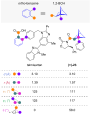
Figure 4: 1,2-Disubstituted bicyclo[2.1.1]hexanes as isosteres of ortho-benzenes: Exit vector parameters of t...

Scheme 3: Synthesis of 1,2-disubstituted bicyclo[2.1.1]hexanes via alkene insertion into bicyclo[1.1.0]butane...

Scheme 4: Synthesis of 1,2-disubstituted bicyclo[2.1.1]hexanes via intramolecular crossed [2 + 2] cycloadditi...

Figure 5: Comparison of physicochemical data of fluxapyroxad and boscalid and their 1,2-BCH bioisosteres [36]. Sh...

Figure 6: Antifungal activity of fluxapyroxad, its 1,5-BCH bioisostere (±)-55, boscalid and its bioisostere 1...
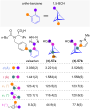
Figure 7: 1,5-Disubstituted bicyclo[2.1.1]hexanes as isosteres of ortho-substituted benzenes. Comparison of e...
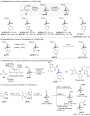
Scheme 5: Synthesis of 1,5-disubstituted bicyclo[2.1.1]hexanes as isosteres of ortho-benzenes via intramolecu...

Figure 8: Comparison of physicochemical data of fluxapyroxad and boscalid and their 1,5-BCH bioisosteres [45]. Sh...

Figure 9: Antifungal activity of fluxapyroxad, its 1,5-BCH bioisostere (±)-64, boscalid and its bioisostere 1...
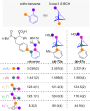
Figure 10: 1,5-Disubstituted 3-oxabicylco[2.1.1]hexanes as isosteres for ortho-benzenes: Comparison of exit ve...

Scheme 6: Synthesis of 1,5-disubstituted 3-oxabicyclo[2.1.1]hexanes as isosteres for ortho-benzenes via intra...

Figure 11: Comparison of physicochemical data of fluxapyroxad and boscalid and their 3-oxa-1,5-BCH bioisostere...

Figure 12: Antifungal activity of fluxapyroxad and boscalid and their 3-oxa-1,5-BCH bioisosteres (±)-75 and (±...

Figure 13: 1,2-Disubstituted bicyclo[3.1.1]heptanes as isosteres of ortho-benzenes. Schematic representation o...

Scheme 7: Synthesis of 1,2-disubstituted bicyclo[3.1.1]heptanes as isosteres for ortho-benzenes via alkene in...

Figure 14: 1,2-Disubstituted stellanes as ortho-benzene isosteres: Comparison of selected exit vector paramete...

Scheme 8: Synthesis of 1,2-disubstituted stellanes as isosteres for ortho-benzenes reported by Ryabukhin, Vol...

Figure 15: 1,2-Disubstituted cubanes as ortho-benzene isosteres: Comparison of substituent distances and angle...

Scheme 9: Synthesis of 1,2-disubsituted cubanes as isosteres for ortho-benzenes. A: Synthesis of 1,2-cubane d...
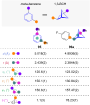
Figure 16: 1,3-Disubstituted bicyclo[2.1.1]hexanes as isosteres of meta-benzenes: comparative exit vector para...

Scheme 10: Synthesis of 1,3-disubstituted bicyclo[2.1.1]hexanes as isosteres for meta-benzenes reported by Wal...

Figure 17: 1,4-Disubstituted bicyclo[2.1.1]hexanes as isosteres of meta-benzenes: comparative exit vector para...

Scheme 11: Synthesis of 1,4-disubstituted bicyclo[2.1.1}hexanes as isosteres for ortho-benzenes via intramolec...

Figure 18: 1,4-Disubstituted-2-oxabicyclo[2.1.1]hexanes as meta-benzene isosteres: comparison of selected exit...

Scheme 12: Synthesis of 1,4-disubstituted 2-oxabicyclo[2.1.1]hexanes as isosteres for meta-benzenes. A: Mykhai...

Figure 19: Comparative physicochemical data for 2- and 3-oxa-1,4-BCHs and para-substituted benzene equivalents...

Figure 20: 1,5-Disubstituted bicyclo[3.1.1]heptanes as isosteres of meta-benzenes: comparison of exit vector p...

Scheme 13: Synthesis of [3.1.1]propellane as a precursor for 1,5-disubsituted bicyclo[3.1.1]heptanes. A: aGass...

Scheme 14: Synthesis of iodine-substituted 1,5-disubstituted bicyclo[3.1.1]heptanes as isosteres for meta-benz...

Scheme 15: Synthesis of nitrogen-, chalcogen- and tin-substituted 1,5-disubstituted bicyclo[3.1.1]heptanes as ...

Figure 21: Comparative physicochemical data of URB597 and 1,5-BCHep isostere 146 [27]. Kinetic aqueous solubility ...
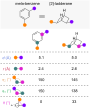
Figure 22: [2]-Ladderanes as isosteres of meta-benzenes: comparison of reported exit vector parameters [63].

Scheme 16: Synthesis of cis-2,6-disubstituted bicyclo[2.2.0]hexanes as isosteres for meta-benzenes. A: Brown a...

Figure 23: Comparative physicochemical data of meta-benzene 158 and [2]-ladderane isostere 159 [63]. Partition coe...

Figure 24: 1,3-Disubstituted cubanes as isosteres of meta-benzenes: comparison of selected exit vector paramet...
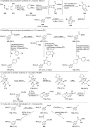
Scheme 17: Synthesis of 1,3-disubsituted cubanes as isosteres for meta-benzenes. A: MacMillan and co-workers’ ...

Figure 25: Comparative physicochemical data of lumacaftor and its 1,3-cubane bioisostere 183 [51]. Distribution co...

Figure 26: 1,3-Disubstituted cuneanes as isosteres of meta-benzenes: comparison of selected exit vector parame...

Scheme 18: Synthesis of 1,3-cuneanes as isosteres of meta-benzene. A: Synthesis of 1,3-cuneanes reported by La...

Figure 27: Comparative physicochemical data of sonidegib and its 1,3-cuneane isostere 190 [71]. aSolubility was to...

Figure 28: Exemplary polysubstituted scaffolds related to disubstituted scaffolds suggested as isosteres of or...
Advancements in hydrochlorination of alkenes
- Daniel S. Müller
Beilstein J. Org. Chem. 2024, 20, 787–814, doi:10.3762/bjoc.20.72
- functional tolerance of this methodology is striking. Especially examples with sensitive aldehyde (175), nitrile (176), N-Boc (177), furan (178), thiophene (179), and even tertiary alcohols (180 and 181) are impressive. The primary drawback of this methodology lies in the synthesis of the ligand L3

Graphical Abstract

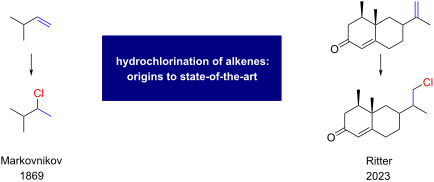
Scheme 1: Classes of hydrochlorination reactions discussed in this review.

Figure 1: Mayr’s nucleophilicity parameters for several alkenes. References for each compound can be consulte...

Figure 2: Hydride affinities relating to the reactivity of the corresponding alkene towards hydrochlorination....

Scheme 2: Distinction of polar hydrochlorination reactions.

Scheme 3: Reactions of styrenes with HCl gas or HCl solutions.

Figure 3: Normal temperature dependence for the hydrochlorination of (Z)-but-2-ene.

Figure 4: Pentane slows down the hydrochlorination of 11.

Scheme 4: Recently reported hydrochlorinations of styrenes with HCl gas or HCl solutions.
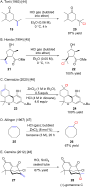
Scheme 5: Hydrochlorination reactions with di- and trisubstituted alkenes.

Scheme 6: Hydrochlorination of fatty acids with liquified HCl.

Scheme 7: Hydrochlorination with HCl/DMPU solutions.

Scheme 8: Hydrochlorination with HCl generated from EtOH and AcCl.

Scheme 9: Hydrochlorination with HCl generated from H2O and TMSCl.

Scheme 10: Regioisomeric mixtures of chlorooctanes as a result of hydride shifts.

Scheme 11: Regioisomeric mixtures of products as a result of methyl shifts.

Scheme 12: Applications of the Kropp procedure on a preparative scale.

Scheme 13: Curious example of polar anti-Markovnikov hydrochlorination.

Scheme 14: Unexpected and expected hydrochlorinations with AlCl3.
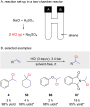
Figure 5: Ex situ-generated HCl gas and in situ application for the hydrochlorination of activated alkenes (*...
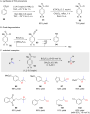
Scheme 15: HCl generated by Grob fragmentation of 92.

Scheme 16: Formation of chlorophosphonium complex 104 and the reaction thereof with H2O.

Scheme 17: Snyder’s hydrochlorination with stoichiometric amounts of complex 104 or 108.

Scheme 18: In situ generation of HCl by mixing of MsOH with CaCl2.

Scheme 19: First hydrochlorination of alkenes using hydrochloric acid.

Scheme 20: Visible-light-promoted hydrochlorination.

Scheme 21: Silica gel-promoted hydrochlorination of alkenes with hydrochloric acid.

Scheme 22: Hydrochlorination with hydrochloric acid promoted by acetic acid or iron trichloride.

Figure 6: Metal hydride hydrogen atom transfer reactions vs cationic reactions; BDE (bond-dissociation energy...

Scheme 23: Carreira’s first report on radical hydrochlorinations of alkenes.

Figure 7: Mechanism for the cobalt hydride hydrogen atom transfer reaction reported by Carreira.

Scheme 24: Radical “hydrogenation” of alkenes; competing chlorination reactions.

Scheme 25: Bogers iron-catalyzed radical hydrochlorination.

Scheme 26: Hydrochlorination instead of hydrogenation product.

Scheme 27: Optimization of the Boger protocol by researchers from Merck [88,89].

Figure 8: Proposed mechanism for anti-Markovnikov hydrochlorination by Nicewicz.

Scheme 28: anti-Markovnikov hydrochlorinations as reported by Nicewicz.

Figure 9: Mechanism for anti-Markovnikov hydrochlorination according to Ritter.

Scheme 29: anti-Markovnikov hydrochlorinations as reported by Nicewicz; rr (regioisomeric ratio) corresponds t...
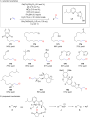
Scheme 30: anti-Markovnikov hydrochlorinations as reported by Liu.
Regioselective quinazoline C2 modifications through the azide–tetrazole tautomeric equilibrium
- Dāgs Dāvis Līpiņš,
- Andris Jeminejs,
- Una Ušacka,
- Anatoly Mishnev,
- Māris Turks and
- Irina Novosjolova
Beilstein J. Org. Chem. 2024, 20, 675–683, doi:10.3762/bjoc.20.61
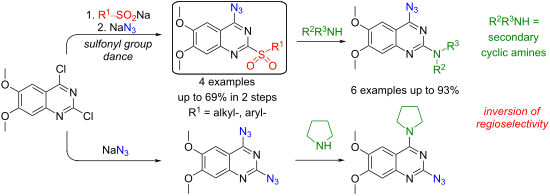
- pharmaceutically active substances such as terazosin and prazosin, nucleophilic substitution at the C2 position was carried out with the corresponding amines – piperazin-1-yl(tetrahydrofuran-2-yl)methanone and furan-2-yl(piperazin-1-yl)methanone to give products 17e and 17f. Products 17e,f can be obtained through

Graphical Abstract

Scheme 1: Approaches for quinazoline modifications at the C2 and C4 positions.

Scheme 2: Attempts toward sulfonyl group dance using 2,4-dichloroquinazolines 1a‒c.

Scheme 3: Synthesis of 2-chloro-6,7-dimethoxy-4-sulfonylquinazoline derivatives 8.

Scheme 4: Alternative synthesis pathway for 2-chloro-6,7-dimethoxy-4-sulfonylquinazoline derivatives 8.

Scheme 5: Sulfonyl group dance using 2-chloro-6,7-dimethoxy-4-sulfonylquinazolines 8.

Scheme 6: One-pot synthesis of 4-azido-6,7-dimethoxy-2-sulfonylquinazolines 12. The crystallographic informat...

Scheme 7: Synthesis of 2-azido-4-sulfonyl-6,7-dimethoxyquinazolines 15.

Scheme 8: Synthesis of 6,7-dimethoxyquinazoline derivatives 16, 17a and 18.

Scheme 9: Synthesis of 2-amino-4-azido-6,7-dimethoxyquinazolines 17.

Scheme 10: Synthesis of terazosin and prazosin hydrochlorides 19a and 19b.

Scheme 11: Modifications of derivatives 17.
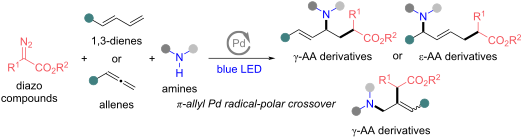
Palladium-catalyzed three-component radical-polar crossover carboamination of 1,3-dienes or allenes with diazo esters and amines
- Geng-Xin Liu,
- Xiao-Ting Jie,
- Ge-Jun Niu,
- Li-Sheng Yang,
- Xing-Lin Li,
- Jian Luo and
- Wen-Hao Hu
Beilstein J. Org. Chem. 2024, 20, 661–671, doi:10.3762/bjoc.20.59
- , the corresponding 1,2-addition products 4p–t were formed with high selectivity (E/Z > 20:1, 1,2-/1,4-addition >20:1), presumably due to steric hindrance by the phenyl group. Furthermore, the 1,3-diene bearing a 1-furan group with smaller steric hindrance afforded product 4u with moderate

Graphical Abstract
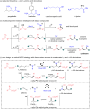
Scheme 1: Background (a and b) and proposed carboamination MCR with diazo esters (c). a) Selected bioactive γ...
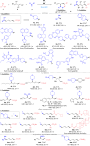
Scheme 2: Substrate scope of diazo compounds, 1,3-dienes and amines. aReactions (1/2/3/Pd(OAc)2/Xantphos = 0....

Scheme 3: Substrate scope of diazo compounds, allenes and amines. aReactions (1/5/3/Pd(OAc)2/Xantphos = 0.3.0...

Scheme 4: Mechanistic experiments. a) Radical trapping experiments with TEMPO. b) Exclusion of possible inter...

Scheme 5: Proposed mechanisms for the carboamination of 1,3-dienes or allenes with diazo esters and amines.

Scheme 6: Scale-up reactions and synthetic transformations. Reaction conditions: a) LiAlH4, THF, 0 °C; b) MeM...
Entry to new spiroheterocycles via tandem Rh(II)-catalyzed O–H insertion/base-promoted cyclization involving diazoarylidene succinimides
- Alexander Yanovich,
- Anastasia Vepreva,
- Ksenia Malkova,
- Grigory Kantin and
- Dmitry Dar’in
Beilstein J. Org. Chem. 2024, 20, 561–569, doi:10.3762/bjoc.20.48
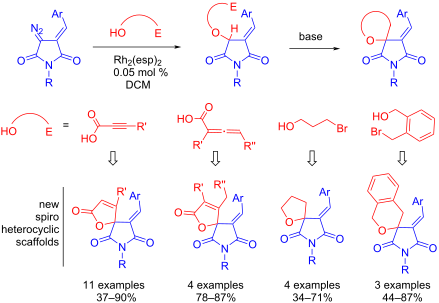
- (namely furan-2(5H)-ones, tetrahydrofurans and pyrans spiro-conjugated with the succinimide ring) has been developed. The protocol consists of Rh(II)-catalyzed insertion of heterocyclic carbenes derived from diazoarylidene succinimides (DAS) into the O–H bond of propiolic/allenic acids or brominated
- products. For example, spirocyclic Δα,β-butenolides (furan-2(5H)-ones) represent a valuable class of molecular frameworks for drug design and are abundant in nature [15]. Bioactive naturally occurring spiro Δα,β-butenolides include spirofragilide (with anti-inflammatory, antibiotic, antitumor, anti-HIV

Graphical Abstract

Scheme 1: DAS spirocyclizations reported earlier and the synthetic methodology investigated in this work.

Figure 1: Examples of biologically active compounds and natural products based on THF/THP spiro-conjugates wi...

Scheme 2: An initial example on Rh(II)-catalyzed O–H insertion/base-promoted cyclization involving diazo comp...

Scheme 3: Tandem Rh2(esp)2-catalyzed O–H insertion/base-promoted cyclization involving DAS 1 and various prop...

Scheme 4: Tandem Rh2(esp)2-catalyzed O–H insertion/base-promoted cyclization involving DAS 1 and allenic acid...

Scheme 5: Tandem Rh2(esp)2-catalyzed O–H insertion/base-promoted cyclization involving various DAS 1 and 3-br...

Scheme 6: Tandem Rh2(esp)2-catalyzed O–H insertion/base-promoted cyclization involving DAS 1 and 2-(bromometh...

Scheme 7: Examples where a target spirocyclic product was not observed.

Scheme 8: Plausible mechanism of the transformations studied.
Mono or double Pd-catalyzed C–H bond functionalization for the annulative π-extension of 1,8-dibromonaphthalene: a one pot access to fluoranthene derivatives
- Nahed Ketata,
- Linhao Liu,
- Ridha Ben Salem and
- Henri Doucet
Beilstein J. Org. Chem. 2024, 20, 427–435, doi:10.3762/bjoc.20.37
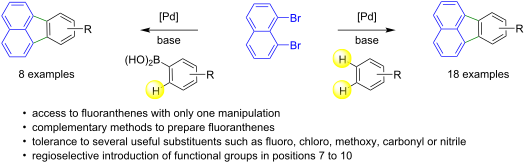
- , respectively. The unsymmetrically substituted 1-(5-methylfuran-2-yl)ethan-1-one also reacted satisfactorily with 1,8-dibromonaphthalene to give acenaphtho[1,2-c]furan 18 in 53% yield. It is worth mentioning that at the present time, very few methods for the preparation of acenaphtho[1,2-c]furans have been

Graphical Abstract

Figure 1: Structure of fluoranthene.

Scheme 1: Pd-catalyzed access to fluoranthenes.

Scheme 2: Scope of the Pd-catalyzed direct arylation reaction of arenes with 1,8-dibromonaphthalene.

Scheme 3: Scope of the Pd-catalyzed direct arylation reaction of 2,5-substituted heteroarenes with 1,8-dibrom...

Scheme 4: Scope of the Pd-catalyzed Suzuki reaction followed by direct arylation of arylboronic acids with 1,...

Scheme 5: Attempted reaction of 1-naphthylboronic acid with 1,2-dihalobenzenes.

Scheme 6: Pd-catalyzed Heck reaction followed by direct arylation of 1,1-diphenylethylene with 1,2-dihalobenz...
Mechanisms for radical reactions initiating from N-hydroxyphthalimide esters
- Carlos R. Azpilcueta-Nicolas and
- Jean-Philip Lumb
Beilstein J. Org. Chem. 2024, 20, 346–378, doi:10.3762/bjoc.20.35
- ) for π-stacking between the furan and phthalimide rings, before EnT from *IrIII leads to the formation of an excited charge-transfer complex 47. This species would undergo intramolecular electron transfer (IET) giving rise to intermediate 48, which upon fragmentation would form radical 49
- . Intramolecular radical addition into the radical cation of the furan ring would then form cation 50 before nucleophilic capture by H2O leads to product 45. In 2020, the Wang group reported the functionalization of enamides employing radicals derived from NHPI esters in combination with indole nucleophiles [57

Graphical Abstract

Scheme 1: Comparison between Barton and NHPI ester radical precursors.

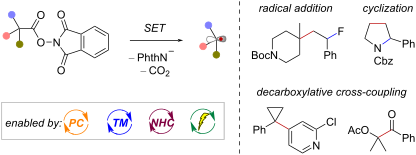
Scheme 2: Overview of the mechanisms and activation modes involved in radical generation from RAEs.

Scheme 3: Common mechanisms in photocatalysis.

Scheme 4: A) Giese-type radical addition of NHPI esters mediated by a reductive quenching photocatalytic cycl...

Scheme 5: A) Minisci-type radical addition of NHPI esters. B) Reaction mechanism involving an “off-cycle” red...

Scheme 6: Activation of NHPI esters through hydrogen-bonding in an oxidative quenching photocatalytic cycle.

Scheme 7: SET activation of RAE facilitated by a Lewis acid catalyst.

Scheme 8: PCET activation of NHPI esters in the context of a radical-redox annulation.

Scheme 9: Activation enabled by a strong excited-state reductant catalyst and its application in the dearomat...

Scheme 10: Proposed formation of an intramolecular charge-transfer complex in the synthesis of (spiro)anellate...

Scheme 11: Formation of a charge-transfer complex between enamides and NHPI esters enabled by a chiral phospha...

Scheme 12: Activation of NHPI ester through the formation of photoactive EDA-complexes.

Scheme 13: A) EDA complex-mediated radical hydroalkylation reactions of NHPI esters. B) Proposed mechanism for...

Scheme 14: Proposed radical chain mechanism initiated by EDA-complex formation.
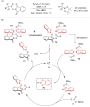
Scheme 15: A) Photoinduced decarboxylative borylation. B) Proposed radical chain mechanism.
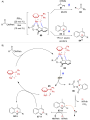
Scheme 16: A) Activation of NHPI esters mediated by PPh3/NaI. B) Proposed catalytic cycle involving EDA-comple...

Scheme 17: A) Radical generation facilitated by EDA complex formation between PTH1 catalyst and NHPI esters. B...

Scheme 18: Proposed catalytic cycle for the difunctionalization of styrenes.

Scheme 19: Formation of a charge-transfer complex between NHPI esters and Cs2CO3 enables decarboxylative amina...

Scheme 20: 3-Acetoxyquinuclidine as catalytic donor in the activation of TCNHPI esters.
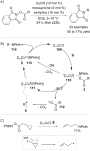
Scheme 21: A) Photoinduced Cu-catalyzed decarboxylative amination. B) Proposed catalytic cycle. C) Radical clo...

Scheme 22: A) Photoinduced Pd-catalyzed aminoalkylation of 1,4-dienes. B) Proposed catalytic cycle.

Scheme 23: A) TM-catalyzed decarboxylative coupling of NHPI esters and organometallic reagents. B) Representat...
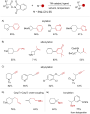
Scheme 24: Synthetic applications of the TM-catalyzed decarboxylative coupling of NHPI esters and organometall...
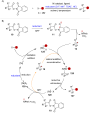
Scheme 25: A) Ni-catalyzed cross-electrophile coupling of NHPI esters. B) Representative catalytic cycle.
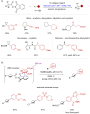
Scheme 26: A) Synthetic applications of decarboxylative cross-electrophile couplings. B) Decarboxylative aryla...

Scheme 27: A) Activation of tetrachlorophthalimide redox-active esters enabled by a low-valency Bi complex. B)...

Scheme 28: Activation of NHPI esters mediated by Zn0 applied in a Z-selective alkenylation reaction.

Scheme 29: A) Activation of NHPI esters enabled by a pyridine-boryl radical species applied to the decarboxyla...

Scheme 30: A) Decarboxylative coupling of RAE and aldehydes enabled by NHC-catalyzed radical relay. B) Propose...

Scheme 31: A) Decarboxylative C(sp3)–heteroatom coupling reaction of NHPI esters under NHC catalysis B) The NH...

Scheme 32: A) Electrochemical Giese-type radical addition of NHPI esters. B) Reaction mechanism.

Scheme 33: Electrochemical Minisci-type radical addition of NHPI-esters.

Scheme 34: Ni-electrocatalytic cross-electrophile coupling of NHPI esters with aryl iodides.

Scheme 35: A) Decarboxylative arylation of NHPI esters under Ag-Ni electrocatalysis B) Formation of AgNP on th...

Scheme 36: Synthetic applications of decarboxylative couplings of NHPI esters under Ni-electrocatalysis.

Scheme 37: Examples of natural product syntheses in which RAEs were used in key C–C bond forming reactions.
Synthesis of π-conjugated polycyclic compounds by late-stage extrusion of chalcogen fragments
- Aissam Okba,
- Pablo Simón Marqués,
- Kyohei Matsuo,
- Naoki Aratani,
- Hiroko Yamada,
- Gwénaël Rapenne and
- Claire Kammerer
Beilstein J. Org. Chem. 2024, 20, 287–305, doi:10.3762/bjoc.20.30
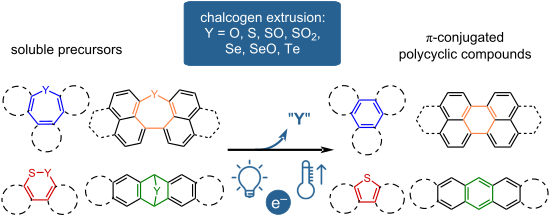
- injection were investigated as stimuli to trigger O-extrusion. Moresco, Peña and co-workers thus designed diepoxytetracene precursor 56, displaying an oxabicyclo moiety at each extremity (Scheme 15) [83]. The latter was prepared in one step via a double Diels–Alder reaction between furan and 2,6

Graphical Abstract

Scheme 1: “Precursor approach” for the synthesis of π-conjugated polycyclic compounds, with the thermally- or...

Scheme 2: Valence isomerization of chalcogen heteropines and subsequent cheletropic extrusion in the case of ...

Scheme 3: Early example of phenanthrene synthesis via a chemically-induced S-extrusion (and concomitant decar...

Scheme 4: Top: Conversion of dinaphthothiepine bisimides 3a,b and their sulfoxide analogues 4a,b into PBIs 6a,...

Figure 1: Top view (a) and side view (b) of the X-ray crystal structure of thiepine 3b showing its bent confo...

Scheme 5: Modular synthetic route towards dinaphthothiepines 3a–f and the corresponding S-oxides 4a–d, incorp...

Scheme 6: Top: Conversion of dithienobenzothiepine monomeric units into dithienonaphthalenes, upon S-extrusio...

Scheme 7: Synthesis of S-doped extended triphenylene derivative 22 from 3-bromothiophene (17) with the therma...
Scheme 8: Top: Synthesis of thermally-stable O-doped HBC 26a. Bottom: Synthesis of S- and Se-based soluble pr...

Scheme 9: Synthesis of dinaphthooxepine bisimide 33 and conversion into PBI 6f by O-extrusion triggered by el...

Figure 2: Cyclic voltammogram of dinaphthooxepine 33, evidencing the irreversibility of the reduction process...

Scheme 10: Top: Early example of 6-membered ring contraction with concomitant S-extrusion leading to dinaphtho...

Scheme 11: Examples of S-extrusion from annelated 1,2-dithiins under photoactivation (top) or thermal activati...

Scheme 12: Synthesis of dibenzo[1,4]dithiapentalene upon photoextrusion of SO2 [78].

Scheme 13: Extrusion of SO in naphthotrithiin-2-oxides for the synthesis of 2,5-dihydrothiophene 1-oxides [79].

Scheme 14: SO-extrusion as a key step in the synthesis of fullerenes (C60 and C70) encapsulating H2 molecules [80,82]....

Scheme 15: Synthesis of diepoxytetracene precursor 56 and its on-surface conversion into tetracene upon O-extr...

Scheme 16: Soluble precursors of hexacene, decacene and dodecacene incorporating 1,4-epoxides in their hydroca...

Scheme 17: Synthesis of tetraepoxide 59 as soluble precursor of decacene [85].

Figure 3: Constant-height STM measurement of decacene on Au(111) using a CO-functionalized tip (sample voltag...
Copper-promoted C5-selective bromination of 8-aminoquinoline amides with alkyl bromides
- Changdong Shao,
- Chen Ma,
- Li Li,
- Jingyi Liu,
- Yanan Shen,
- Chen Chen,
- Qionglin Yang,
- Tianyi Xu,
- Zhengsong Hu,
- Yuhe Kan and
- Tingting Zhang
Beilstein J. Org. Chem. 2024, 20, 155–161, doi:10.3762/bjoc.20.14
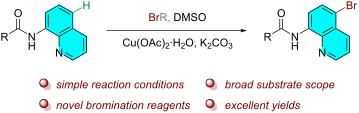
- trimethylgallic acid bearing multiple methoxy groups afforded the desired product 3ma in excellent yield (99%). Noteworthy to mention, substrates containing naphthalene, furan, and thiophene rings also efficiently underwent reaction leading to the quinoline C5-brominated products in excellent yields (3na–pa). In
- contrast, side products, substituted on the naphthalene, furan, or thiophene ring were not detected. This protocol was also compatible with linear, branched, and cyclic aliphatic acid-derived substrates (3qa–va). Surprisingly, small ring-containing substrates displaying significant ring strain were stable

Graphical Abstract

Scheme 1: Methods for the C5-selective bromination of 8-aminoquinoline amides.

Scheme 2: Substrate scope of the 8-aminoquinoline amides. Reaction conditions: 1 (0.2 mmol), 2a (0.8 mmol), C...

Scheme 3: Substrate scope of the bromoalkanes. Reaction conditions: 1a (0.2 mmol), 2 (0.8 mmol), Cu(OAc)2·H2O...

Scheme 4: Further substrate scope investigations and gram-scale application.

Scheme 5: Control experiments and proposed mechanism.
Perspectives on push–pull chromophores derived from click-type [2 + 2] cycloaddition–retroelectrocyclization reactions of electron-rich alkynes and electron-deficient alkenes
- Michio Yamada
Beilstein J. Org. Chem. 2024, 20, 125–154, doi:10.3762/bjoc.20.13
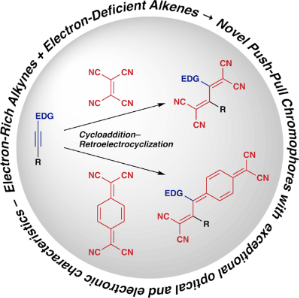
- -dimethylanilino))prop-2-yn-1-ol (34) and TCNE in dichloromethane at room temperature yielded 35, which was characterized by a furan skeleton (Scheme 13) [116]. This transformation occurred through the intermediate formation of the corresponding TCBD with a high yield of 85%. Furthermore, when 35 reacted with

Graphical Abstract

Scheme 1: Pathway of the [2 + 2] CA–RE reaction of an electron-rich alkyne with TCNE or TCNQ. EDG = electron-...

Scheme 2: Reaction pathway for DMA-appended acetylene and TCNEO.

Scheme 3: Pathway of the [2 + 2] CA–RE reaction between 1 and DCFs.

Scheme 4: Sequential double [2 + 2] CA–RE reactions between 1 and TCNE.

Scheme 5: Divergent chemical transformation pathways of TCBD 6.

Scheme 6: Synthesis of 12.

Scheme 7: [2 + 2] CA–RE reaction of 1 with 14. TCE = 1,1,2,2-tetrachloroethane.

Scheme 8: Autocatalytic model proposed by Nielsen et al.

Scheme 9: Synthesis of anthracene-embedded TCBD compound 19.

Scheme 10: Sequence of the [2 + 2] CA–RE reaction between dibenzo-fused cyclooctyne or cyclooctadiyne and TCNE...

Scheme 11: [2 + 2] CA–RE reaction between the CPP derivatives and TCNE. THF = tetrahydrofuran.

Scheme 12: [2 + 2] CA–RE reaction between ethynylfullerenes 31 and TCNE and subsequent thermal rearrangement.

Scheme 13: Pathway of the [2 + 2] CA–RE reaction between TCNE and 34, followed by additional skeletal transfor...

Scheme 14: Synthesis scheme for heterocycle 38 from the reaction between TCNE and 1 in water and a surfactant.

Scheme 15: Synthesis scheme of the CDA product 41.

Scheme 16: Synthesis of rotaxanes 44 and 46 via the [2 + 2] CA–RE reaction.

Scheme 17: Synthesis of a CuI bisphenanthroline-based rotaxane 50.

Figure 1: Structures of the chiral push–pull chromophores 51–56.

Figure 2: Structures of the axially chiral TCBD 57 and DCNQ 58 bearing a C60 core.

Figure 3: Structures of the axially chiral SubPc–TCBD–aniline conjugates 59 and 60 and the subporphyrin–TCBD–...

Figure 4: Structures of 63 and the TCBD 64.

Figure 5: Structures of the fluorophore-containing TCBDs 65–67.

Figure 6: Structures of the fluorophore-containing TCBDs 68–72.

Figure 7: Structures of the urea-containing TCBDs 73–75.

Figure 8: Structures of the fullerene–TCBD and DCNQ conjugates 76–79 and their reference compounds 80–83.

Figure 9: Structures of the ZnPc–TCBD–aniline conjugates 84 and 85.

Figure 10: Structures of the ZnP–PCBD and TCBD conjugates 86–88.

Figure 11: Structures of the porphyrin-based donor–acceptor conjugates (89–104).

Figure 12: Structures of the porphyrin–PTZ or DMA conjugates 105–112.

Figure 13: Structures of the BODIPY–Acceptor–TPA or PTZ conjugates 113–116.

Figure 14: Structures of the corrole–TCBD conjugates 117 and 118.

Figure 15: Structure of the dendritic TCBD 119.

Figure 16: Structures of the TCBDs 120–126.

Figure 17: Structures of the precursor 127 and TCBDs 128–130.

Figure 18: Structures of 131–134 utilized for BHJ OSCs.
Synthesis of 5-arylidenerhodanines in L-proline-based deep eutectic solvent
- Stéphanie Hesse
Beilstein J. Org. Chem. 2023, 19, 1537–1544, doi:10.3762/bjoc.19.110

- compounds and allow, for example, the formation of rhodanine-fused spiro[pyrrolidine-2,3′-oxindoles] D having antidiabetic activity [6]. Thiazolidinediones and thiazolidinones were found to be potent moieties of a series of furan-2-ylmethylenethiazolidinediones E that were studied as selective ATP

Graphical Abstract

Figure 1: Examples of rhodanines and related five-membered heterocycles with interesting biological activitie...

Scheme 1: Synthesis of 5-benzylidenerhodanine derivatives. Conditions: areaction performed for 3 h at 60 °C. b...
Visible-light-induced nickel-catalyzed α-hydroxytrifluoroethylation of alkyl carboxylic acids: Access to trifluoromethyl alkyl acyloins
- Feng Chen,
- Xiu-Hua Xu,
- Zeng-Hao Chen,
- Yue Chen and
- Feng-Ling Qing
Beilstein J. Org. Chem. 2023, 19, 1372–1378, doi:10.3762/bjoc.19.98
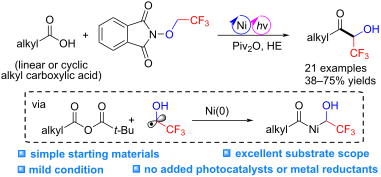
- carboxylic acid and pivalic anhydride than aryl bromide. The halides provided versatile synthetic handles for further transformations. Substrates bearing thiophene (3k) furan (3j) and other heterocycle (3l,m) moieties were also applicable to this reaction. This protocol allowed for the coupling of not only

Graphical Abstract

Figure 1: Selected natural products and pharmaceuticals bearing acyloins.

Scheme 1: Strategies for the synthesis of α-trifluoromethyl acyloins.

Scheme 2: Substrate scope. Standard conditions: a solution of alkyl carboxylic acid 1 (0.4 mmol), 2 (0.6 mmol...

Figure 2: Proposed reaction mechanism.
Photoredox catalysis harvesting multiple photon or electrochemical energies
- Mattia Lepori,
- Simon Schmid and
- Joshua P. Barham
Beilstein J. Org. Chem. 2023, 19, 1055–1145, doi:10.3762/bjoc.19.81

Graphical Abstract

Figure 1: Oxidative and reductive activations of organic compounds harvesting photoredox catalysis.

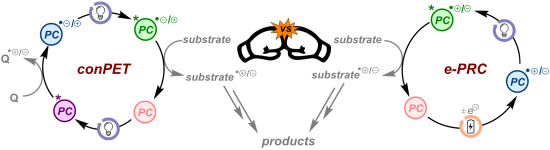
Figure 2: General catalytic cycles of radical ion conPET (left) and radical ion e-PRC (right).
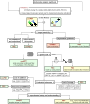
Figure 3: “Beginner’s guide”: comparison between advantages, capacities, and prospectives of conPET and PEC.
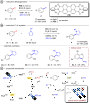
Figure 4: A) conPET reductive dehalogenation of aryl halides with PDI. B) Reductive C–H arylation with pyrrol...
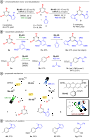
Figure 5: A) Chromoselective mono- and disubstitution or polybrominated pyrimidines with pyrroles. B) Sequent...

Figure 6: A) Synthesis of pyrrolo[1,2-a]quinolines. B) Synthesis of ullazines.

Figure 7: A) Reductive phosphorylation of aryl halides via conPET. B) Selected examples from the substrate sc...
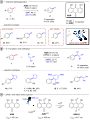
Figure 8: A) Reductive dehalogenation of aryl halides via conPET and selected examples from the substrate sco...
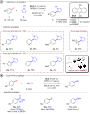
Figure 9: A) Reductive C–H arylation of aryl halides via conPET (top) and selected examples from the substrat...
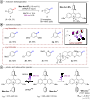
Figure 10: A) Reductive hydrodehalogenation of aryl halides with Mes-Acr-BF4. B) Selected examples from the su...
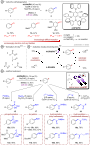
Figure 11: A) Reductive hydrodechlorination of aryl chlorides with 4-DPAIPN. B) Proposed formation of CO2•−. C...
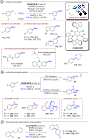
Figure 12: A) Reductive conPET borylation with 3CzEPAIPN (top) and selected examples from the substrate scope ...

Figure 13: Scale-up of conPET phosphorylation with 3CzEPAIPN.
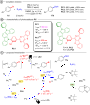
Figure 14: A) Borylation of 1d. B) Characteristics and structure of PC1 with green and red parts showing the l...
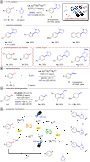
Figure 15: A) Reductive C–H arylation scope with polysulfide conPET (top) and selected examples from the subst...

Figure 16: Scale-up of A) C–H arylation and B) dehaloborylation with polysulfide photocatalysis in continuous-...

Figure 17: A) Formation of [Ir1]0 and [Ir2]0 upon PET between [Ir1]+ and Et3N. B) Mechanism of multi-photon ta...

Figure 18: A) Reductive hydrodehalogenation of aryl halides via multi-photon tandem photocatalysis. B) Selecte...

Figure 19: A) Carbonylative amidation of aryl halides in continuous flow. B) Selected examples from the substr...
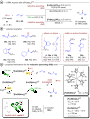
Figure 20: A) General scheme for reductive (RQ) and oxidative quenching (OQ) protocols using [FeIII(btz)3](PF6)...
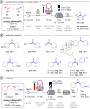
Figure 21: A) Carbonylative amidation of alkyl iodides with [IrIII(ppy)2(dtbbpy)]PF6. B) Selected examples fro...
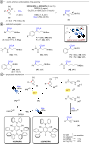
Figure 22: A) Carboxylative C–N bond cleavage in cyclic amines. B) Selected examples from the substrate scope....
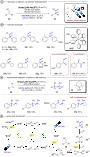
Figure 23: A) Formal reduction of alkenes to alkanes via transfer hydrogenation. B) Selected examples from the...
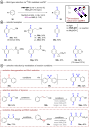
Figure 24: A) Birch-type reduction of benzenes with PMP-BPI. B) Selected examples from the substrate scope (sc...

Figure 25: Proposed mechanism of the OH− mediated conPET Birch-type reduction of benzene via generation of sol...

Figure 26: Reductive detosylation of N-tosylated amides with Mes-Acr-BF4. B) Selected examples from the substr...
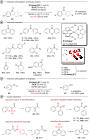
Figure 27: A) Reductive detosylation of N-tosyl amides by dual PRC. B) Selected examples from the substrate sc...

Figure 28: A) Mechanism of the dual PRC based on PET between [Cu(dap)2]+ and DCA. B) Mechanism of the dual PRC...
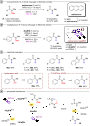
Figure 29: A) N–O bond cleavage in Weinreb amides with anthracene. B) N–O bond cleavage in Weinreb amides rely...
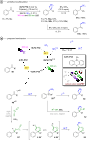
Figure 30: A) Pentafluorosulfanylation and fluoride elimination. B) Mechanism of the pentafluorosulfanylation ...
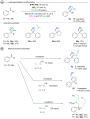
Figure 31: A) α-Alkoxypentafluorosulfanylation (top) and selected examples from the substrate scope (bottom). ...
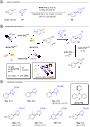
Figure 32: A) Oxidative amination of arenes with azoles catalyzed by N-Ph PTZ. B) Selected examples from the s...

Figure 33: A) C(sp3)–H bond activation by HAT via chloride oxidation by *N-Ph PTZ•+. B) Proposed mechanism for...

Figure 34: A) Recycling e-PRC C–H azolation of electron-rich arenes with pyrazoles using Mes-Acr+ as a photoca...

Figure 35: A) Radical ion e-PRC direct oxidation of unactivated arenes using TAC+ as an electro-activated phot...

Figure 36: A) Radical ion e-PRC direct oxidation of unactivated arenes using TPA as an electro-activated photo...

Figure 37: Proposed mechanism (top) and mode of preassembly (bottom).

Figure 38: A) Possible preassemblies of reactive (left) vs unreactive (right) arenes. B) Calculated spin densi...
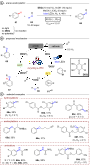
Figure 39: A) Recycling e-PRC C(sp2 )–H acetoxylation of arenes using DDQ as a photocatalyst. B) Proposed cata...

Figure 40: Gram scale hydroxylation of benzene in a recirculated flow setup.
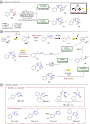
Figure 41: A) Radical ion e-PRC vicinal diamination of alkylarenes using TAC+ as an electro-activated photocat...
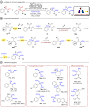
Figure 42: A) Sequential oxygenation of multiple adjacent C–H bonds under radical ion e-PRC using TAC+ as an e...

Figure 43: A) Enantioselective recycling e-PRC cyanation of benzylic C–H bonds using ADQS as photocatalyst. B)...

Figure 44: Proposed tandem mechanism by Xu and co-workers.
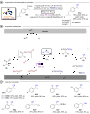
Figure 45: A) Enantioselective recycling e-PRC decarboxylative cyanation using Cu(acac)2, Ce(OTf)3 and a box l...

Figure 46: A) Enantioselective recycling e-PRC benzylic cyanation using Cu(MeCN)4BF4, box ligand and anthraqui...

Figure 47: A) Radical ion e-PRC acetoxyhydroxylation of aryl olefins using TAC+ as an electro-activated photoc...

Figure 48: Selected examples from the substrate scope.

Figure 49: Photoelectrochemical acetoxyhydroxylation in a recirculated flow setup.
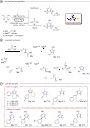
Figure 50: A) Radical ion e-PRC aminooxygenation of aryl olefins using TAC+ as an electro-activated photocatal...
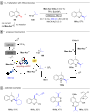
Figure 51: A) Recycling e-PRC C–H alkylation of heteroarenes with organic trifluoroborates using Mes-Acr+ as p...

Figure 52: A) Recycling e-PRC decarboxylative C–H alkylation of heteroarenes using CeCl3·7H2O as catalyst. B) ...

Figure 53: A) Recycling e-PRC decarboxylative C–H alkylation of heteroarenes using Fe(NH4)2(SO4)2·6H2O as cata...
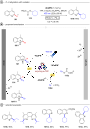
Figure 54: A) Recycling e-PRC C–H alkylation of heteroarenes with alkyl oxalates and 4CzIPN as photocatalyst. ...
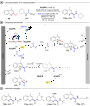
Figure 55: A) Recycling e-PRC decarboxylative C–H carbamoylation of heteroarenes using 4CzIPN as photocatalyst...
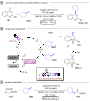
Figure 56: A) Photoelectrochemical HAT-mediated hydrocarbon activation via the chlorine radical. B) Proposed m...

Figure 57: A) Selected examples from the substrate scope. B) Gram and decagram scale semi-continuous flow PEC ...

Figure 58: A) Photoelectrochemical HAT-mediated dehydrogenative coupling of benzothiazoles with aliphatic C–H ...

Figure 59: A) Photoelectrochemical HAT activation of ethers using electro-activated TAC+ as photocatalyst. B) ...

Figure 60: Selected examples from the substrate scope.
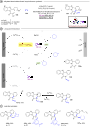
Figure 61: A) Photoelectrochemical HAT-mediated synthesis of alkylated benzimidazo-fused isoquinolinones using...

Figure 62: A) Decoupled photoelectrochemical cerium-catalyzed oxydichlorination of alkynes using CeCl3 as cata...

Figure 63: Proposed decoupled photoelectrochemical mechanism.

Figure 64: A) Decoupled photoelectrochemical ring-opening bromination of tertiary cycloalkanols using MgBr2 as...

Figure 65: A) Recycling e-PRC ring-opening functionalization of cycloalkanols using CeCl3 as catalyst. B) Prop...

Figure 66: Selected examples from the substrate scope of the PEC ring-opening functionalization.

Figure 67: A) Radical ion e-PRC reduction of chloro- and bromoarenes using DCA as catalyst and various accepto...
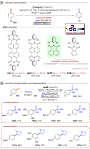
Figure 68: A) Screening of different phthalimide derivatives as catalyst for the e-PRC reduction of aryl halid...

Figure 69: Screening of different organic catalysts for the e-PRC reduction of trialkylanilium salts.

Figure 70: A) e-PRC reduction of phosphonated phenols and anilinium salts. B) Selected examples from the subst...

Figure 71: A) ConPET and e-PRC reduction of 4-bromobenzonitrile using a naphthalene diimide (NDI) precatalyst ...

Figure 72: A) Radical ion e-PRC reduction of phosphinated aliphatic alcohols with n-BuO-NpMI as catalyst. B) C...

Figure 73: Selected examples from the substrate scope.

Figure 74: A) Recycling e-PRC reductive dimerization of benzylic chlorides using a [Cu2] catalyst. B) Proposed...

Figure 75: A) Decoupled photoelectrochemical C–H alkylation of heteroarenes through deamination of Katritzky s...

Figure 76: Proposed mechanism by Chen and co-workers.
Synthesis of tetrahydrofuro[3,2-c]pyridines via Pictet–Spengler reaction
- Elena Y. Mendogralo and
- Maxim G. Uchuskin
Beilstein J. Org. Chem. 2023, 19, 991–997, doi:10.3762/bjoc.19.74
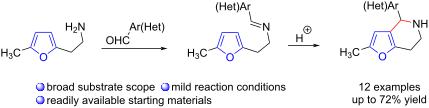
- ]pyridines represent an important class of heterocyclic compounds, which skeleton is the key frame of many bioactive and natural compounds. For example, tetrahydrofuro[3,2-c]pyridine A demonstrates excellent in vitro JAK2 inhibitory activity superior to tofacitinib (Figure 1) [1]. Furan B is a potent κ
- relatively selective α2-adrenoceptor antagonist [5]. Despite the simplicity of the tetrahydrofuro[3,2-c]pyridine core, only limited approaches for the synthesis of this subclass of heterocycles using furan derivatives as starting compounds have been described [6][7][8]. The first group of methods is based on
- ][18] was described (Scheme 1c). The most studied variation of this cyclization is based on the generation of an acyliminium cation from the corresponding alcohols [19][20][21][22][23] or alkenes [24][25][26][27][28][29], subsequent attack of furan ring and the formation of annulated tetrahydrofuro[3,2

Graphical Abstract

Figure 1: Examples of natural and bioactive hydrogenated furo[3,2-c]pyridines.

Scheme 1: The described approaches to tetrahydrofuro[3,2-c]pyridines and our work.

Scheme 2: The synthesis of tetrahydrofuro[3,2-c]pyridines 4. Conditions: athe reaction was performed at 1 mmo...

Scheme 3: The acid-catalyzed reversible transformation of tetrahydrofuro[3,2-c]pyridine 4a and 3-(2-oxopropyl...

Scheme 4: Synthesis of tetrahydropyrrolo[3,2-c]pyridine 6a.

Scheme 5: Reactivity of tetrahydrofuro[3,2-c]pyridine 4a.
Aromatic C–H bond functionalization through organocatalyzed asymmetric intermolecular aza-Friedel–Crafts reaction: a recent update
- Anup Biswas
Beilstein J. Org. Chem. 2023, 19, 956–981, doi:10.3762/bjoc.19.72

- replaced by 2-substituted furans 1 as the aromatic reacting partner with imines 12 to execute the asymmetric aza-Friedel–Crafts process modulated by the chiral phosphoric acid P5 as the catalyst. A major concern of this process was the reduced aromatic character of the furan ring and the C2 methoxy

Graphical Abstract

Scheme 1: First organocatalyzed asymmetric aza-Friedel–Crafts reaction.

Scheme 2: Aza-Friedel–Crafts reaction between indoles and cyclic ketimines.

Scheme 3: Aza-Friedel–Crafts reaction utilizing trifluoromethyldihydrobenzoazepinoindoles as electrophiles.

Scheme 4: Aza-Friedel–Crafts reaction utilizing cyclic N-sulfimines as electrophiles.

Scheme 5: Aza-Friedel–Crafts reaction involving N-unprotected imino ester as electrophile.

Scheme 6: Aza-Friedel–Crafts and lactonization cascade.

Scheme 7: One-pot oxidation and aza-Friedel–Crafts reaction.

Scheme 8: C1 and C2-symmetric phosphoric acids as catalysts.

Scheme 9: Aza-Friedel–Crafts reaction using Nps-iminophosphonates as electrophiles.

Scheme 10: Aza-Friedel–Crafts reaction between indole and α-iminophosphonate.

Scheme 11: [2.2]-Paracyclophane-derived chiral phosphoric acids as catalyst.

Scheme 12: Aza-Friedel–Crafts reaction through ring opening of sulfamidates.

Scheme 13: Isoquinoline-1,3(2H,4H)-dione scaffolds as electrophiles.

Scheme 14: Functionalization of the carbocyclic ring of substituted indoles.

Scheme 15: Aza-Friedel–Crafts reaction between unprotected imines and aza-heterocycles.

Scheme 16: Anilines and α-naphthols as potential nucleophiles.

Scheme 17: Solvent-controlled regioselective aza-Friedel–Crafts reaction.
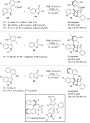
Scheme 18: Generating central and axial chirality via aza-Friedel–Crafts reaction.

Scheme 19: Reaction between indoles and racemic 2,3-dihydroisoxazol-3-ol derivatives.

Scheme 20: Exploiting 5-aminoisoxazoles as nucleophiles.

Scheme 21: Reaction between unsubstituted indoles and 3-alkynylated 3-hydroxy-1-oxoisoindolines.

Scheme 22: Synthesis of unnatural amino acids bearing an aza-quaternary stereocenter.

Scheme 23: Atroposelective aza-Friedel–Crafts reaction.

Scheme 24: Coupling of 5-aminopyrazole and 3H-indol-3-ones.

Scheme 25: Pyrophosphoric acid-catalyzed aza-Friedel–Crafts reaction on phenols.

Scheme 26: Squaramide-assisted aza-Friedel–Crafts reaction.

Scheme 27: Thiourea-catalyzed aza-Friedel–Crafts reaction.

Scheme 28: Squaramide-catalyzed reaction between β-naphthols and benzothiazolimines.

Scheme 29: Thiourea-catalyzed reaction between β-naphthol and isatin-derived ketamine.

Scheme 30: Quinine-derived molecule as catalyst.

Scheme 31: Cinchona alkaloid as catalyst.

Scheme 32: aza-Friedel–Crafts reaction by phase transfer catalyst.

Scheme 33: Disulfonamide-catalyzed reaction.

Scheme 34: Heterogenous thiourea-catalyzed aza-Friedel–Crafts reaction.

Scheme 35: Total synthesis of (+)-gracilamine.

Scheme 36: Total synthesis of (−)-fumimycin.
First synthesis of acylated nitrocyclopropanes
- Kento Iwai,
- Rikiya Kamidate,
- Khimiya Wada,
- Haruyasu Asahara and
- Nagatoshi Nishiwaki
Beilstein J. Org. Chem. 2023, 19, 892–900, doi:10.3762/bjoc.19.67
- bulkier. The obtained nitrocyclopropane was transformed into furan upon treatment with tin(II) chloride via a ring-opening/ring-closure process. Keywords: acetoxyiodine; conjugate addition; dihydrofuran; nitroalkene; nitrocyclopropane; Introduction 3-Arylated 2-nitrocyclopropane-1,1-dicarbonylic acid
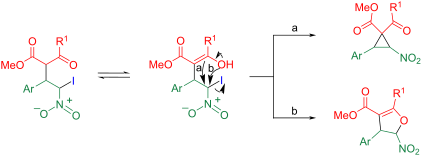
- proceeded, to produce furan 13 with a 46% yield (Scheme 6). The coordination of two carbonyl groups to the tin species facilitated the ring opening of the cyclopropane ring to afford betaine [7], then the oxygen atom of the enolate attacked the benzyl cation to construct a five-membered ring. The subsequent
- elimination of nitrous acid, accompanied by aromatization, yielded furan 13. In addition to the stepwise mechanism, a concerted ring-expansion can be also acceptable [25]. Conclusion Although nitrocyclopropanedicarboxylic acid esters 1a have been used in organic syntheses, nitrocyclopropanes possessing an

Graphical Abstract

Scheme 1: Versatile reactivities of cyclopropanes 1a.

Scheme 2: Preparative methods for cyclopropanedicarboxylates 1a.

Scheme 3: Bromination of ethyl acetoacetate (3c) and reaction with nitrostyrene 2a.

Scheme 4: Reaction of 4b with (diacetoxyiodo)benzene (top); structural determination of product 9 (bottom).

Figure 1: Monitoring the cyclization reaction using 4e by 1H NMR.

Scheme 5: A plausible mechanism for formation of cyclopropane 1 and dihydrofuran 8.

Scheme 6: Tin(II)-mediated ring expansion of nitrocyclopropane 1e.
Synthesis of substituted 8H-benzo[h]pyrano[2,3-f]quinazolin-8-ones via photochemical 6π-electrocyclization of pyrimidines containing an allomaltol fragment
- Constantine V. Milyutin,
- Andrey N. Komogortsev,
- Boris V. Lichitsky,
- Mikhail E. Minyaev and
- Valeriya G. Melekhina
Beilstein J. Org. Chem. 2023, 19, 778–788, doi:10.3762/bjoc.19.58
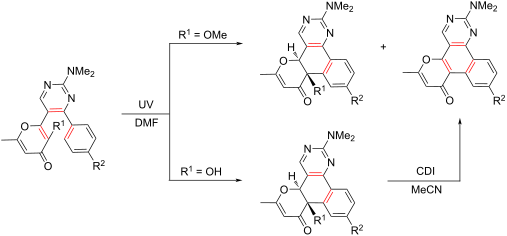
- as a result of ESIPT-induced reactions (Scheme 1A and B). At the same time, both directions of phototransformation are realized for terarylenes with furan, pyrrole, and oxazolone-bridge fragments (Scheme 1C). However, the suppression of the ESIPT process in such systems makes it possible to perform

Graphical Abstract

Scheme 1: Photochemical behavior of terarylenes containing an allomaltol fragment.

Scheme 2: Synthesis of starting compounds 9. Reaction conditions: 13 (1 mmol), NH2CN (14, 3 mmol, 0.13 g), Et...

Scheme 3: Proposed mechanism for the formation of compounds 9.

Scheme 4: Synthesis of methylated derivatives 10. Reaction conditions: 9 (1 mmol), MeI (3 mmol, 0.43 g), K2CO3...

Figure 1: 1H NMR monitoring of the photoreaction of compound 10a under UV irradiation (365 nm) in DMSO-d6 sol...

Figure 2: The crystal structure of compound 11a (one of two polymorph modifications; p = 50%), CCDC 2248033.

Scheme 5: Photochemical synthesis of compounds 11 and 12.

Scheme 6: Proposed mechanism for the studied photoreaction.

Scheme 7: Synthesis of compounds 11g–j starting from pyrimidines 9. Reaction conditions: 9 (0.5 mmol), DMF (1...

Figure 3: One of crystallographically unique molecules of 11g (p = 50%), CCDC 2248035.

Scheme 8: Synthesis of photoproducts 12. Reaction conditions: method A) 10 (0.5 mmol), DMF (15 mL) irradiatio...
Construction of hexabenzocoronene-based chiral nanographenes
- Ranran Li,
- Di Wang,
- Shengtao Li and
- Peng An
Beilstein J. Org. Chem. 2023, 19, 736–751, doi:10.3762/bjoc.19.54
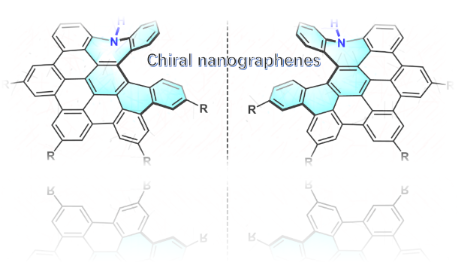
- between two HBC layers suggested by DFT optimized structure. The furan containing NG 100 revealed a looser conformation than compound 96 with less overlap between two layers and a longer interlayer distance of 4.9 Å suggested by single crystal X-ray diffraction. The enantiomers of (P,P)-96 and (M,M)-96 or

Graphical Abstract

Scheme 1: Construction of HBC by Scholl reaction from hexaphenylbenzene.

Scheme 2: Synthesis of seco-HBC-based chiral nanographenes.

Scheme 3: Synthesis of nitrogen-doped, seco-HBC-based chiral nanographenes.

Scheme 4: Synthesis of π-extended [7]- and [9]helicene containing chiral nanographenes.

Scheme 5: Synthesis of “HBC-dimer”-based chiral nanographenes.

Scheme 6: Synthesis of “HBC-dimer”-based chiral nanographenes.

Scheme 7: Synthesis of axis-based chiral nanographenes.

Scheme 8: Synthesis of “HBC-trimers”-based nanoribbons.

Scheme 9: Synthesis of “HBC-trimers”-based, triangle-shaped chiral nanographenes.

Scheme 10: Synthesis of “HBC-trimers”-based, triangle-shaped chiral nanographenes.

Scheme 11: Synthesis of HBC-based multilayer nanographenes.

Scheme 12: Synthesis of a chiral nanographene constructed by “HBC-tetramers”.

Scheme 13: Synthesis of a triskelion-shaped nanographene constructed by four HBCs.

Scheme 14: Synthesis of a three-dimensional nanographene bearing four HBCs.

Scheme 15: Synthesis of a chiral nanographene constructed by five HBC units.

Scheme 16: Synthesis of a chiral nanographene constructed by seven HBC units.
Cassane diterpenoids with α-glucosidase inhibitory activity from the fruits of Pterolobium macropterum
- Sarot Cheenpracha,
- Ratchanaporn Chokchaisiri,
- Lucksagoon Ganranoo,
- Sareeya Bureekaew,
- Thunwadee Limtharakul and
- Surat Laphookhieo
Beilstein J. Org. Chem. 2023, 19, 658–665, doi:10.3762/bjoc.19.47
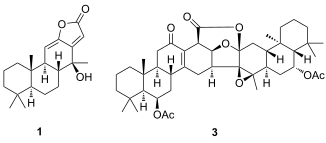
- source of cassane diterpenoids featuring the structure of three cyclohexane rings with a constructed furan ring or an α,β-butenolide ring [9][10]. Recently, only two caged cassane diterpenoid dimers isolated from the fruits of this plant have been reported [11]. Some cassane-type diterpenes displayed to

Graphical Abstract

Figure 1: Chemical structures of 1-3 isolated from P. macropterum.

Figure 2: Key 1H,1H-COSY, and HMBC correlations of 1 and 3.

Figure 3: Selected NOESY cross peaks of 1 and 3.

Figure 4: Measured and predicted ECD spectra of 1 and 3.
Enolates ambushed – asymmetric tandem conjugate addition and subsequent enolate trapping with conventional and less traditional electrophiles
- Péter Kisszékelyi and
- Radovan Šebesta
Beilstein J. Org. Chem. 2023, 19, 593–634, doi:10.3762/bjoc.19.44
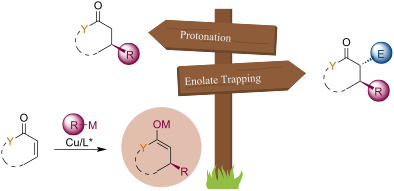
- in the first step by the phosphoramidite ligand L39 (92% ee, dr 1:1) (Scheme 60). Recently, Liu and co-workers reported the stereoselective synthesis of the tricyclic core of dodecahydrodibenzo[b,d]furan skeleton containing 12-epi-JBIR-23 and -24 [111]. Besides their intriguing complex structures

Graphical Abstract

Scheme 1: General scheme depicting tandem reactions based on an asymmetric conjugate addition followed by an ...

Scheme 2: Cu-catalyzed tandem conjugate addition of R2Zn/aldol reaction with chiral acetals.

Scheme 3: Cu-catalyzed asymmetric desymmetrization of cyclopentene-1,3-diones using a tandem conjugate additi...

Scheme 4: Stereocontrolled assembly of dialkylzincs, cyclic enones, and sulfinylimines utilizing a Cu-catalyz...

Scheme 5: Cu-catalyzed tandem conjugate addition/Mannich reaction (A). Access to chiral isoindolinones and tr...

Scheme 6: Cu-catalyzed tandem conjugate addition/nitro-Mannich reaction (A) with syn–anti or syn–syn selectiv...

Figure 1: Various chiral ligands utilized for the tandem conjugate addition/Michael reaction sequences.
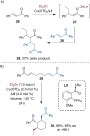
Scheme 7: Cu-catalyzed tandem conjugate addition/Michael reaction: side-product formation with chalcone (A) a...

Scheme 8: Zn enolate trapping using allyl iodides (A), Stork–Jung vinylsilane reagents (B), and allyl bromide...

Scheme 9: Cu-catalyzed tandem conjugate addition/acylation through Li R2Zn enolate (A). A four-component coup...

Scheme 10: Selected examples for the Cu-catalyzed tandem conjugate addition/trifluoromethylthiolation sequence....

Scheme 11: Zn enolates trapped by vinyloxiranes: synthesis of allylic alcohols.

Scheme 12: Stereoselective cyclopropanation of Mg enolates formed by ACA of Grignard reagents to chlorocrotona...

Scheme 13: Domino aldol reactions of Mg enolates formed from coumarin and chromone.

Scheme 14: Oxidative coupling of ACA-produced Mg enolates.

Scheme 15: Tandem ACA of Grignard reagents to enones and Mannich reaction.

Scheme 16: Diastereodivergent Mannich reaction of Mg enolates with differently N-protected imines.

Scheme 17: Tandem Grignard–ACA–Mannich using Taddol-based phosphine-phosphite ligands.

Scheme 18: Tandem reaction of Mg enolates with aminomethylating reagents.

Scheme 19: Tandem reaction composed of Grignard ACA to alkynyl enones.

Scheme 20: Rh/Cu-catalyzed tandem reaction of diazo enoates leading to cyclobutanes.

Scheme 21: Tandem Grignard-ACA of cyclopentenones and alkylation of enolates.

Scheme 22: Tandem ACA of Grignard reagents followed by enolate trapping reaction with onium compounds.

Scheme 23: Mg enolates generated from unsaturated lactones in reaction with activated alkenes.

Scheme 24: Lewis acid mediated ACA to amides and SN2 cyclization of a Br-appended enolate.

Scheme 25: Trapping reactions of aza-enolates with Michael acceptors.

Scheme 26: Si enolates generated by TMSOTf-mediated ACA of Grignard reagents and enolate trapping reaction wit...

Scheme 27: Trapping reactions of enolates generated from alkenyl heterocycles (A) and carboxylic acids (B) wit...

Scheme 28: Reactions of heterocyclic Mg enolates with onium compounds.

Scheme 29: Synthetic transformations of cycloheptatrienyl and benzodithiolyl substituents.

Scheme 30: Aminomethylation of Al enolates generated by ACA of trialkylaluminum reagents.

Scheme 31: Trapping reactions of enolates with activated alkenes.

Scheme 32: Alkynylation of racemic aluminum or magnesium enolates.

Scheme 33: Trapping reactions of Zr enolates generated by Cu-ACA of organozirconium reagents.

Scheme 34: Chloromethylation of Zr enolates using the Vilsmeier–Haack reagent.

Scheme 35: Tandem conjugate borylation with subsequent protonation or enolate trapping by an electrophile.

Scheme 36: Tandem conjugate borylation/aldol reaction of cyclohexenones.

Scheme 37: Selected examples for the tandem asymmetric borylation/intramolecular aldol reaction; synthesis of ...

Scheme 38: Cu-catalyzed tandem methylborylation of α,β-unsaturated phosphine oxide in the presence of (R,Sp)-J...

Scheme 39: Cu-catalyzed tandem transannular conjugated borylation/aldol cyclization of macrocycles containing ...

Scheme 40: Stereoselective tandem conjugate borylation/Mannich cyclization: selected examples (A) and a multi-...

Scheme 41: Some examples of Cu-catalyzed asymmetric tandem borylation/aldol cyclization (A). Application to di...

Scheme 42: Atropisomeric P,N-ligands used in tandem conjugate borylation/aldol cyclization sequence.

Scheme 43: Selected examples for the enantioselective Cu-catalyzed borylation/intramolecular Michael addition ...

Scheme 44: Selected examples for the preparation of enantioenriched spiroindanes using a Cu-catalyzed tandem c...
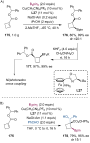
Scheme 45: Enantioselective conjugate borylation of cyclobutene-1-carboxylic acid diphenylmethyl ester 175 wit...

Scheme 46: Cu-catalyzed enantioselective tandem conjugate silylation of α,β-unsaturated ketones with subsequen...

Scheme 47: Cu-catalyzed enantioselective tandem conjugate silylation of α,β-unsaturated ketones with subsequen...
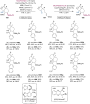
Scheme 48: Cu-catalyzed tandem conjugate silylation/aldol condensation. The diastereoselectivity is controlled...

Scheme 49: Chiral Ru-catalyzed three-component coupling reaction.

Scheme 50: Rh-Phebox complex-catalyzed reductive cyclization and subsequent reaction with Michael acceptors th...

Scheme 51: Rh-catalyzed tandem asymmetric conjugate alkynylation/aldol reaction (A) and subsequent spiro-cycli...

Scheme 52: Rh-bod complex-catalyzed tandem asymmetric conjugate arylation/intramolecular aldol addition (A). S...

Scheme 53: Co-catalyzed C–H-bond activation/asymmetric conjugate addition/aldol reaction.

Scheme 54: (Diisopinocampheyl)borane-promoted 1,4-hydroboration of α,β-unsaturated morpholine carboxamides and...

Figure 2: Some examples of total syntheses that have been recently reviewed.

Scheme 55: Stereoselective synthesis of antimalarial prodrug (+)-artemisinin utilizing a tandem conjugate addi...

Scheme 56: Amphilectane and serrulatane diterpenoids: preparation of chiral starting material via asymmetric t...

Scheme 57: Various asymmetric syntheses of pleuromutilin and related compounds based on a tandem conjugate add...
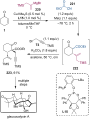
Scheme 58: Total synthesis of glaucocalyxin A utilizing a tandem conjugate addition/acylation reaction sequenc...
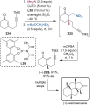
Scheme 59: Installation of the exocyclic double bond using a tandem conjugate addition/aminomethylation sequen...
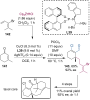
Scheme 60: Synthesis of the taxol core using a tandem conjugate addition/enolate trapping sequence with Vilsme...
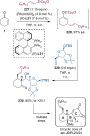
Scheme 61: Synthesis of the tricyclic core of 12-epi-JBIR-23/24 utilizing a Rh-catalyzed asymmetric conjugate ...
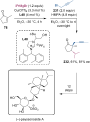
Scheme 62: Total synthesis of (−)-peyssonoside A utilizing a Cu-catalyzed enantioselective tandem conjugate ad...
C3-Alkylation of furfural derivatives by continuous flow homogeneous catalysis
- Grédy Kiala Kinkutu,
- Catherine Louis,
- Myriam Roy,
- Juliette Blanchard and
- Julie Oble
Beilstein J. Org. Chem. 2023, 19, 582–592, doi:10.3762/bjoc.19.43
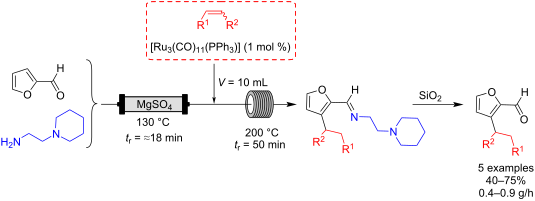
- most reactive site. In contrast, C3-functionalizations of the formyl-furan unit via directing groups, as well as C4-functionalizations have been much less studied [19][20]. Within the framework of a large project oriented towards the selective formation of new bonds from furfural derivatives without
- initiated when the system reaches a steady state, based on the dispersion curves given by the apparatus. After reaching the steady state an aliquot of the product was taken for 1H NMR analysis using p-dinitrobenzene as an internal standard. 3-(2-(Triethoxysilyl)ethyl)furan-2-carbaldehyde (2a) The reaction

Graphical Abstract

Scheme 1: C3-Functionalization of furfural derivatives by C–H activation, a) in batch: previous works, and b)...

Scheme 2: C3-alkylation of bidentate imine 1 performed in batch.

Scheme 3: Optimization of the heating for the alkylation reaction on the homemade pulsed-flow setup.

Scheme 4: Proposed reaction mechanism for the alkylation reaction with formation of ruthenium aggregates and ...

Scheme 5: A) Isolation test of a reaction intermediate; B) XPS and TEM (in ethanol) of the recovered solid ph...

Scheme 6: Ruthenium aggregate-catalyzed alkylation reaction.

Scheme 7: Scope of continuous flow furfural derivative alkylation reaction.

Scheme 8: Scaling up comparison: batch and continuous flow conditions.
Transition-metal-catalyzed domino reactions of strained bicyclic alkenes
- Austin Pounder,
- Eric Neufeld,
- Peter Myler and
- William Tam
Beilstein J. Org. Chem. 2023, 19, 487–540, doi:10.3762/bjoc.19.38
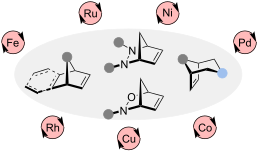
- C–H activation as well as its involvement in the dehydration process. This reaction proceeded smoothly with a variety of both EWGs and EDGs on the 2-phenylpyridine. Interestingly, when swapping the pyridine directing group for thiophene or furan, yields were improved although quinolinyl and

Graphical Abstract

Figure 1: Ring-strain energies of homobicyclic and heterobicyclic alkenes in kcal mol−1. a) [2.2.1]-Bicyclic ...
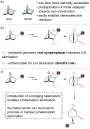
Figure 2: a) Exo and endo face descriptions of bicyclic alkenes. b) Reactivity comparisons for different β-at...

Scheme 1: Ni-catalyzed ring-opening/cyclization cascade of heterobicyclic alkenes 1 with alkyl propiolates 2 ...
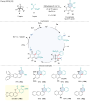
Scheme 2: Ni-catalyzed ring-opening/cyclization cascade of heterobicyclic alkenes 8 with β-iodo-(Z)-propenoat...

Scheme 3: Ni-catalyzed two- and three-component difunctionalizations of norbornene derivatives 15 with alkyne...

Scheme 4: Ni-catalyzed intermolecular three-component difunctionalization of oxabicyclic alkenes 1 with alkyn...

Scheme 5: Ni-catalyzed intermolecular three-component carboacylation of norbornene derivatives 15.

Scheme 6: Photoredox/Ni dual-catalyzed coupling of 4-alkyl-1,4-dihydropyridines 31 with heterobicyclic alkene...

Scheme 7: Photoredox/Ni dual-catalyzed coupling of α-amino radicals with heterobicyclic alkenes 30.

Scheme 8: Cu-catalyzed rearrangement/allylic alkylation of 2,3-diazabicyclo[2.2.1]heptenes 47 with Grignard r...
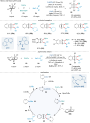
Scheme 9: Cu-catalyzed aminoboration of bicyclic alkenes 1 with bis(pinacolato)diboron (B2pin2) (53) and O-be...

Scheme 10: Cu-catalyzed borylalkynylation of oxabenzonorbornadiene (30b) with B2pin2 (53) and bromoalkynes 62.

Scheme 11: Cu-catalyzed borylacylation of bicyclic alkenes 1.

Scheme 12: Cu-catalyzed diastereoselective 1,2-difunctionalization of oxabenzonorbornadienes 30 for the synthe...

Scheme 13: Fe-catalyzed carbozincation of heterobicyclic alkenes 1 with arylzinc reagents 74.

Scheme 14: Co-catalyzed addition of arylzinc reagents of norbornene derivatives 15.

Scheme 15: Co-catalyzed ring-opening/dehydration of oxabicyclic alkenes 30 via C–H activation of arenes.

Scheme 16: Co-catalyzed [3 + 2] annulation/ring-opening/dehydration domino reaction of oxabicyclic alkenes 1 w...

Scheme 17: Co-catalyzed enantioselective carboamination of bicyclic alkenes 1 via C–H functionalization.

Scheme 18: Ru-catalyzed cyclization of oxabenzonorbornene derivatives with propargylic alcohols for the synthe...

Scheme 19: Ru-catalyzed coupling of oxabenzonorbornene derivatives 30 with propargylic alcohols and ethers 106...

Scheme 20: Ru-catalyzed ring-opening/dehydration of oxabicyclic alkenes via the C–H activation of anilides.

Scheme 21: Ru-catalyzed of azabenzonorbornadiene derivatives with arylamides.

Scheme 22: Rh-catalyzed cyclization of bicyclic alkenes with arylboronate esters 118.

Scheme 23: Rh-catalyzed cyclization of bicyclic alkenes with dienyl- and heteroaromatic boronate esters.

Scheme 24: Rh-catalyzed domino lactonization of doubly bridgehead-substituted oxabicyclic alkenes with seconda...

Scheme 25: Rh-catalyzed domino carboannulation of diazabicyclic alkenes with 2-cyanophenylboronic acid and 2-f...

Scheme 26: Rh-catalyzed synthesis of oxazolidinone scaffolds 147 through a domino ARO/cyclization of oxabicycl...

Scheme 27: Rh-catalyzed oxidative coupling of salicylaldehyde derivatives 151 with diazabicyclic alkenes 130a.

Scheme 28: Rh-catalyzed reaction of O-acetyl ketoximes with bicyclic alkenes for the synthesis of isoquinoline...

Scheme 29: Rh-catalyzed domino coupling reaction of 2-phenylpyridines 165 with oxa- and azabicyclic alkenes 30....

Scheme 30: Rh-catalyzed domino dehydrative naphthylation of oxabenzonorbornadienes 30 with N-sulfonyl 2-aminob...

Scheme 31: Rh-catalyzed domino dehydrative naphthylation of oxabenzonorbornadienes 30 with arylphosphine deriv...

Scheme 32: Rh-catalyzed domino ring-opening coupling reaction of azaspirotricyclic alkenes using arylboronic a...

Scheme 33: Tandem Rh(III)/Sc(III)-catalyzed domino reaction of oxabenzonorbornadienes 30 with alkynols 184 dir...

Scheme 34: Rh-catalyzed asymmetric domino cyclization and addition reaction of 1,6-enynes 194 and oxa/azabenzo...

Scheme 35: Rh/Zn-catalyzed domino ARO/cyclization of oxabenzonorbornadienes 30 with phosphorus ylides 201.

Scheme 36: Rh-catalyzed domino ring opening/lactonization of oxabenzonorbornadienes 30 with 2-nitrobenzenesulf...

Scheme 37: Rh-catalyzed domino C–C/C–N bond formation of azabenzonorbornadienes 30 with aryl-2H-indazoles 210.

Scheme 38: Rh/Pd-catalyzed domino synthesis of indole derivatives with 2-(phenylethynyl)anilines 212 and oxabe...

Scheme 39: Rh-catalyzed domino carborhodation of heterobicyclic alkenes 30 with B2pin2 (53).

Scheme 40: Rh-catalyzed three-component 1,2-carboamidation reaction of bicyclic alkenes 30 with aromatic and h...

Scheme 41: Pd-catalyzed diarylation and dialkenylation reactions of norbornene derivatives.

Scheme 42: Three-component Pd-catalyzed arylalkynylation reactions of bicyclic alkenes.

Scheme 43: Three-component Pd-catalyzed arylalkynylation reactions of norbornene and DFT mechanistic study.

Scheme 44: Pd-catalyzed three-component coupling N-tosylhydrazones 236, aryl halides 66, and norbornene (15a).

Scheme 45: Pd-catalyzed arylboration and allylboration of bicyclic alkenes.

Scheme 46: Pd-catalyzed, three-component annulation of aryl iodides 66, alkenyl bromides 241, and bicyclic alk...

Scheme 47: Pd-catalyzed double insertion/annulation reaction for synthesizing tetrasubstituted olefins.

Scheme 48: Pd-catalyzed aminocyclopropanation of bicyclic alkenes 1 with 5-iodopent-4-enylamine derivatives 249...

Scheme 49: Pd-catalyzed, three-component coupling of alkynyl bromides 62 and norbornene derivatives 15 with el...
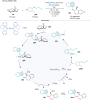
Scheme 50: Pd-catalyzed intramolecular cyclization/ring-opening reaction of heterobicyclic alkenes 30 with 2-i...

Scheme 51: Pd-catalyzed dimer- and trimerization of oxabenzonorbornadiene derivatives 30 with anhydrides 268.

Scheme 52: Pd-catalyzed Catellani-type annulation and retro-Diels–Alder of norbornadiene 15b yielding fused xa...

Scheme 53: Pd-catalyzed hydroarylation and heteroannulation of urea-derived bicyclic alkenes 158 and aryl iodi...

Scheme 54: Access to fused 8-membered sulfoximine heterocycles 284/285 via Pd-catalyzed Catellani annulation c...

Scheme 55: Pd-catalyzed 2,2-bifunctionalization of bicyclic alkenes 1 generating spirobicyclic xanthone deriva...

Scheme 56: Pd-catalyzed Catellani-type annulation and retro-Diels–Alder of norbornadiene (15b) producing subst...

Scheme 57: Pd-catalyzed [2 + 2 + 1] annulation furnishing bicyclic-fused indanes 281 and 283.
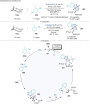
Scheme 58: Pd-catalyzed ring-opening/ring-closing cascade of diazabicyclic alkenes 130a.

Scheme 59: Pd-NHC-catalyzed cyclopentannulation of diazabicyclic alkenes 130a.

Scheme 60: Pd-catalyzed annulation cascade generating diazabicyclic-fused indanones 292 and indanols 294.

Scheme 61: Pd-catalyzed skeletal rearrangement of spirotricyclic alkenes 176 towards large polycyclic benzofur...

Scheme 62: Pd-catalyzed oxidative annulation of aromatic enamides 298 and diazabicyclic alkenes 130a.

Scheme 63: Accessing 3,4,5-trisubstituted cyclopentenes 300, 301, 302 via the Pd-catalyzed domino reaction of ...

Scheme 64: Palladacycle-catalyzed ring-expansion/cyclization domino reactions of terminal alkynes and bicyclic...

Scheme 65: Pd-catalyzed carboesterification of norbornene (15a) with alkynes, furnishing α-methylene γ-lactone...
Transition-metal-catalyzed C–H bond activation as a sustainable strategy for the synthesis of fluorinated molecules: an overview
- Louis Monsigny,
- Floriane Doche and
- Tatiana Besset
Beilstein J. Org. Chem. 2023, 19, 448–473, doi:10.3762/bjoc.19.35
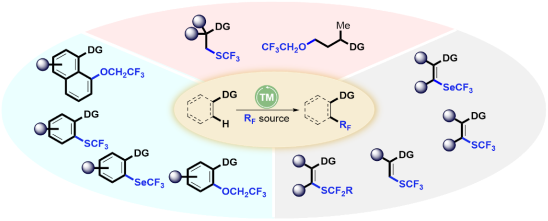
- substituted with a Me (37e), a OMe (37f), a Cl (37g) or a CF3 (37h) group, the corresponding compounds 38e, 38f, 38g, and 38h were isolated in moderate to high yields (43% to 80%). The methodology also allowed the trifluoromethylselenolation of the furan derivative 37i, which led to the desired product 38i in

Graphical Abstract

Scheme 1: Transition-metal-catalyzed C–XRF bond formation by C–H bond activation: an overview.

Scheme 2: Cu(OAc)2-promoted mono- and ditrifluoromethylthiolation of benzamide derivatives derived from 8-ami...

Scheme 3: Trifluoromethylthiolation of azacalix[1]arene[3]pyridines using copper salts and a nucleophilic SCF3...

Scheme 4: Working hypothesis for the palladium-catalyzed C–H trifluoromethylthiolation reaction.
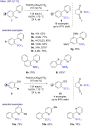
Scheme 5: Trifluoromethylthiolation of 2-arylpyridine derivatives and analogs by means of palladium-catalyzed...

Scheme 6: C(sp2)–SCF3 bond formation by Pd-catalyzed C–H bond activation using AgSCF3 and Selectfluor® as rep...

Scheme 7: Palladium-catalyzed ortho-trifluoromethylthiolation of 2-arylpyridine derivatives reported by the g...
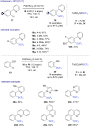
Scheme 8: Palladium-catalyzed ortho-trifluoromethylthiolation of 2-arylpyridine and analogs reported by Anbar...

Scheme 9: Mono- and ditrifluoromethylthiolation of benzamide derivatives derived from 8-aminoquinoline using ...

Scheme 10: Regioselective Cp*Rh(III)-catalyzed directed trifluoromethylthiolation reported by the group of Li [123]...

Scheme 11: Cp*Co(III)-catalyzed ortho-trifluoromethylthiolation of 2-phenylpyridine and 2-phenylpyrimidine der...

Scheme 12: Cp*Co(III)-catalyzed ortho-trifluoromethylthiolation of 2-phenylpyridine and 6-phenylpurine derivat...

Scheme 13: Diastereoselective trifluoromethylthiolation of acrylamide derivatives derived from 8-aminoquinolin...

Scheme 14: C(sp3)–SCF3 bond formation on aliphatic amide derivatives derived from 8-aminoquinoline by palladiu...

Scheme 15: Regio- and diastereoselective difluoromethylthiolation of acrylamides under palladium catalysis rep...

Scheme 16: Palladium-catalyzed (ethoxycarbonyl)difluoromethylthiolation reaction of 2-(hetero)aryl and 2-(α-ar...

Scheme 17: Pd(II)-catalyzed trifluoromethylselenolation of benzamides derived from 5-methoxy-8-aminoquinoline ...

Scheme 18: Pd(II)-catalyzed trifluoromethylselenolation of acrylamide derivatives derived from 5-methoxy-8-ami...

Scheme 19: Transition-metal-catalyzed dehydrogenative 2,2,2-trifluoroethoxylation of (hetero)aromatic derivati...

Scheme 20: Pd(II)-catalyzed ortho-2,2,2-trifluoroethoxylation of N-sulfonylbenzamides reported by the group of...

Scheme 21: Pd(II)-catalyzed selective 2,2,2-trifluoroethoxylation and other fluoroalkoxylations of naphthalene...
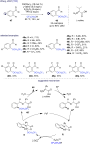
Scheme 22: Pd(II)-catalyzed selective ortho-2,2,2-trifluoroethoxylation of benzaldehyde derivatives by means o...

Scheme 23: Pd(II)-catalyzed selective ortho-2,2,2-trifluoroethoxylation (and other fluoroalkoxylations) of ben...

Scheme 24: Pd(II)-catalyzed selective 2,2,2-trifluoroethoxylation of aliphatic amides using a bidentate direct...
Strategies to access the [5-8] bicyclic core encountered in the sesquiterpene, diterpene and sesterterpene series
- Cécile Alleman,
- Charlène Gadais,
- Laurent Legentil and
- François-Hugues Porée
Beilstein J. Org. Chem. 2023, 19, 245–281, doi:10.3762/bjoc.19.23
- introduction of the eight-membered ring: (−)-Teubrevin G (59) is an example of a C5-C8 bicycle in which the C5 unit corresponds to a furan ring (Scheme 9) [34]. Indeed, this compound isolated from aerial parts of Teucrium brevifolium has a unique structure composed of a cyclooctanone, fused with a furan ring

Graphical Abstract

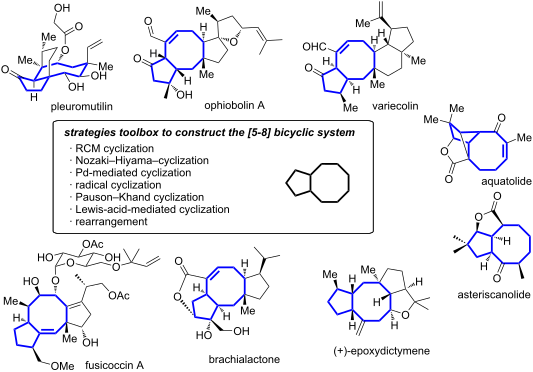
Figure 1: Examples of terpenes containing a bicyclo[3.6.0]undecane motif.

Figure 2: Commercially available first and second generation Grubbs and Hoveyda–Grubbs catalysts.

Figure 3: Examples of strategies to access the fusicoccan and ophiobolin tricyclic core structure by RCM.

Scheme 1: Synthesis of bicyclic core structure 12 of ophiobolin M (13) and cycloaraneosene (14).

Scheme 2: Synthesis of the core structure 21 of ophiobolins and fusicoccanes.

Scheme 3: Ring-closing metathesis attempts starting from thioester 22.

Scheme 4: Total synthesis of ent-fusicoauritone (28).

Figure 4: General structure of ophiobolins and congeners.

Scheme 5: Total synthesis of (+)-ophiobolin A (8).

Scheme 6: Investigation of RCM for the synthesis of ophiobolin A (8). Path A) RCM with TBDPS-protected alcoho...

Scheme 7: Synthesis of the core structure of cotylenin A aglycon, cotylenol (50).

Scheme 8: Synthesis of tricyclic core structure of fusicoccans.

Scheme 9: Total synthesis of (−)-teubrevin G (59).

Scheme 10: Synthesis of the core skeleton 63 of the basmane family.

Scheme 11: Total synthesis of (±)-schindilactone A (68).

Scheme 12: Total synthesis of dactylol (72).

Scheme 13: Ring-closing metathesis for the total synthesis of (±)-asteriscanolide (2).

Scheme 14: Synthesis of the simplified skeleton of pleuromutilin (1).

Scheme 15: Total synthesis of (−)-nitidasin (93) using a ring-closing metathesis to construct the eight-member...

Scheme 16: Total synthesis of (±)-naupliolide (97).

Scheme 17: Synthesis of the A-B ring structure of fusicoccane (101).

Scheme 18: First attempts of TRCM of dienyne substrates.

Scheme 19: TRCM on optimized substrates towards the synthesis of ophiobolin A (8).

Scheme 20: Tandem ring-closing metathesis for the synthesis of variecolin intermediates 114 and 115.

Scheme 21: Synthesis of poitediol (118) using the allylsilane ring-closing metathesis.

Scheme 22: Access to scaffold 122 by a NHK coupling reaction.

Scheme 23: Key step to construct the [5-8] bicyclooctanone core of aquatolide (4).

Scheme 24: Initial strategy to access aquatolide (4).

Scheme 25: Synthetic plan to cotylenin A (130).

Scheme 26: [5-8] Bicyclic structure of brachialactone (7) constructed by a Mizoroki–Heck reaction.

Scheme 27: Influence of the replacement of the allylic alcohol moiety.

Scheme 28: Formation of variecolin intermediate 140 through a SmI2-mediated Barbier-type reaction.

Scheme 29: SmI2-mediated ketyl addition. Pleuromutilin (1) eight-membered ring closure via C5–C14 bond formati...

Scheme 30: SmI2-mediated dialdehyde cyclization cascade of [5-8-6] pleuromutilin scaffold 149.

Scheme 31: A) Modular synthetic route to mutilin and pleuromutilin family members by Herzon’s group. B) Scaffo...

Scheme 32: Photocatalyzed oxidative ring expansion in pleuromutilin (1) total synthesis.

Scheme 33: Reductive radical cascade cyclization route towards (−)-6-epi-ophiobolin N (168).

Scheme 34: Reductive radical cascade cyclization route towards (+)-6-epi-ophiobolin A (173).

Scheme 35: Radical 8-endo-trig-cyclization of a xanthate precursor.

Figure 5: Structural representations of hypoestin A (177), albolic acid (178), and ceroplastol II (179) beari...

Scheme 36: Synthesis of the common [5-8-5] tricyclic intermediate of hypoestin A (177), albolic acid (178), an...

Scheme 37: Asymmetric synthesis of hypoestin A (177), albolic acid (178), and ceroplastol II (179).

Figure 6: Scope of the Pauson–Khand reaction.

Scheme 38: Nazarov cyclization revealing the fusicoauritone core structure 192.

Scheme 39: Synthesis of fusicoauritone (28) through Nazarov cyclization.

Scheme 40: (+)-Epoxydictymene (5) synthesis through a Nicholas cyclization followed by a Pauson–Khand reaction...

Scheme 41: Synthesis of aquatolide (4) by a Mukaiyama-type aldolisation.

Scheme 42: Tandem Wolff/Cope rearrangement furnishing the A-B bicyclic moiety 204 of variecolin.

Scheme 43: Asymmetric synthesis of the A-B bicyclic core 205 and 206 of variecolin.

Scheme 44: Formation of [5-8]-fused rings by cyclization under thermal activation.

Scheme 45: Construction of the [5-8-6] tricyclic core structure of variecolin (3) by Diels–Alder reaction.

Scheme 46: Synthesis of the [6-4-8-5]-tetracyclic skeleton by palladium-mediated cyclization.

Scheme 47: Access to the [5-8] bicyclic core structure of asteriscanolide (227) through rhodium-catalyzed cycl...

Scheme 48: Total syntheses of asterisca-3(15),6-diene (230) and asteriscanolide (2) with a Rh-catalyzed cycliz...

Scheme 49: Photocyclization of 2-pyridones to access the [5-8-5] backbone of fusicoccanes.

Scheme 50: Total synthesis of (+)-asteriscunolide D (245) and (+)-aquatolide (4) through photocyclization.

Scheme 51: Biocatalysis pathway to construct the [5-8-5] tricyclic scaffold of brassicicenes.

Scheme 52: Influence of the CotB2 mutant over the cyclization’s outcome of GGDP.



