


Search results
Search for "oxazole" in Full Text gives 84 result(s) in Beilstein Journal of Organic Chemistry.
Development of a method for the synthesis of 2,4,5-trisubstituted oxazoles composed of carboxylic acid, amino acid, and boronic acid
- Kohei Yamada,
- Naoto Kamimura and
- Munetaka Kunishima
Beilstein J. Org. Chem. 2017, 13, 1478–1485, doi:10.3762/bjoc.13.146
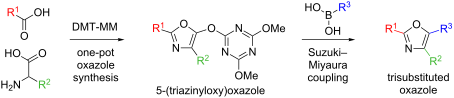
- one-pot oxazole synthesis/Suzuki–Miyaura coupling sequence has been developed. One-pot formation of 5-(triazinyloxy)oxazoles using carboxylic acids, amino acids and a dehydrative condensing reagent, DMT-MM, followed by Ni-catalyzed Suzuki–Miyaura coupling with boronic acids provided the corresponding
- 2,4,5-trisubstituted oxazoles in good yields. Keywords: one-pot oxazole synthesis; Suzuki–Miyaura coupling; triazine; 5-(triazinyloxy)oxazole; trisubstituted oxazole; Introduction Oxazoles are found in numerous natural products and are used as a broad range of artificial compounds [1][2]. In
- synthetic strategies (Scheme 1a). i) The cyclization method: many methods, such as the Robinson–Gabriel oxazole synthesis using α-acylaminoketone [3][4], the Davidson oxazole synthesis with α-acyloxyketone [5], and modifications of these [6][7], have been developed. Moreover, cycloaddition of two starting

Graphical Abstract

Scheme 1: Our strategy for the concise synthesis of 2,4,5-trisubstituted oxazoles.

Scheme 2: Synthesis of DMPOPOP.
Derivatives of the triaminoguanidinium ion, 5. Acylation of triaminoguanidines leading to symmetrical tris(acylamino)guanidines and mesoionic 1,2,4-triazolium-3-aminides
- Jan Szabo,
- Julian Greiner and
- Gerhard Maas
Beilstein J. Org. Chem. 2017, 13, 579–588, doi:10.3762/bjoc.13.57
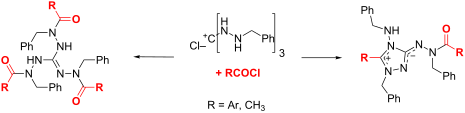
- is supported inter alia by recent theoretical studies using DFT calculations, Natural Bond Orbital analysis and Natural Resonance Theory calculations for mesoionic systems of the 1,3-oxazole, 1,3-diazole and 1,3-thiazole type [39]. As 1,2,4-triazolium-3-aminides have not yet been studied in depth

Graphical Abstract

Scheme 1: Reactions of aminoguanidines with carboxylic acids and acid chlorides. The structural formulae show...

Scheme 2: Threefold N-acylation of triaminoguanidinium chloride (1) with acyl chloride 2b.

Scheme 3: Reaction of 1,2,3-tris(benzylamino)guanidinium salts 4 and 5 with acyl chlorides to give 1,2,3-tris...
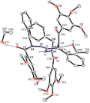
Figure 1: Molecular structure of 6b·2C2H5OH in the solid state, with numbering of atoms (ORTEP plot). Selecte...

Scheme 4: Protonation and methylation of 1,2,4-triazolium-3-aminides 7b,c.

Scheme 5: Catalytic hydrogenation/debenzylation of betaines 7.

Figure 2: Left: molecular structure of 8b in the solid state (OLEX2 plot). Right: crystal structure viewed al...

Figure 3: Left: solid-state structure of 9b·H2O (ORTEP plot). Right: centrosymmetric hydrogen-bonded dimer of...

Figure 4: Solid-state structure of mesoionic compound 7a (ORTEP plot); thermal displacement ellipsoids are dr...

Figure 5: UV–vis spectra of 7a–d in chloroform (c = 0.04 mmol L−1); λmax [nm] (ε [L mol−1 cm−1]): 7a: 350 (47...
A new paradigm for designing ring construction strategies for green organic synthesis: implications for the discovery of multicomponent reactions to build molecules containing a single ring
- John Andraos
Beilstein J. Org. Chem. 2016, 12, 2420–2442, doi:10.3762/bjoc.12.236
- dihydropyridine, hydantoin, imidazole, indole, isoquinoline, isoxazole, oxazole, 4H-pyran, pyrazine, pyridazine, pyridine, pyridinone, pyrimidine, pyrimidone, pyrrole, 3H-quinazolin-4-one, quinoline, 1H-quinolin-4-one, and thiophene. For heterocycles that are composed of a fused aromatic ring, such as

Graphical Abstract

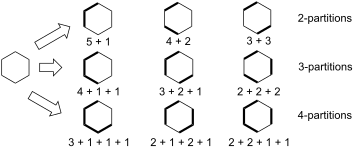
Figure 1: Possible two-component couplings for various monocyclic rings frequently encountered in organic mol...

Figure 2: Possible three-component couplings for various monocyclic rings frequently encountered in organic m...

Figure 3: Possible four-component couplings for various monocyclic rings frequently encountered in organic mo...
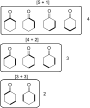
Figure 4: Permutations of two-component coupling patterns for synthesizing the cyclohexanone ring. Synthesis ...
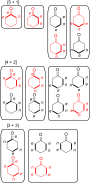
Figure 5: Permutations of two-component coupling patterns for synthesizing the cyclohexanone ring overlayed w...
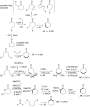
Scheme 1: Conjectured syntheses of cyclohexanone via [5 + 1] strategies.

Scheme 2: Conjectured syntheses of cyclohexanone via [4 + 2] strategies.

Scheme 3: Conjectured syntheses of cyclohexanone via [3 + 3] strategies.

Figure 6: Permutations of three-component coupling patterns for synthesizing the cyclohexanone ring. Synthesi...

Figure 7: Permutations of three-component coupling patterns for synthesizing the pyrazole ring via [2 + 2 + 1...

Scheme 4: Literature method for constructing the pyrazole ring via the A4 [2 + 2 + 1] strategy.
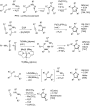
Scheme 5: Literature methods for constructing the pyrazole ring via the A5 [2 + 2 + 1] strategy.

Scheme 6: Literature methods for constructing the pyrazole ring via the A1 [2 + 2 + 1] strategy.

Scheme 7: Literature methods for constructing the pyrazole ring via the B4 [3 + 1 + 1] strategy.

Figure 8: Intrinsic green performance of documented pyrazole syntheses according to [2 + 2 + 1] and [3 + 1 + ...

Scheme 8: Conjectured reactions for constructing the pyrazole ring via the A2 and A3 [2 + 2 + 1] strategies.

Scheme 9: Conjectured reactions for constructing the pyrazole ring via the B1, B2, B3, and B4 [3 + 1 + 1] str...

Figure 9: Permutations of three-component coupling patterns for synthesizing the Biginelli ring adduct. Synth...
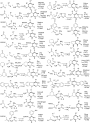
Scheme 10: Reported syntheses of the Biginelli adduct via the traditional [3 + 2 + 1] mapping strategy.
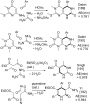
Scheme 11: Reported syntheses of the Biginelli adduct via new [3 + 2 + 1] mapping strategies.

Scheme 12: Reported syntheses of the Biginelli adduct via a new [2 + 2 + 1 + 1] mapping strategy.

Scheme 13: Conjectured syntheses of the Biginelli adduct via new [2 + 2 + 2] mapping strategies.

Scheme 14: Conjectured syntheses of the Biginelli adduct via new [3 + 2 + 1] mapping strategies.

Figure 10: Intrinsic green performance of documented Biginelli adduct syntheses according to [3 + 2 + 1] three...

Figure 11: Intrinsic green performance of newly conjectured Biginelli adduct syntheses according to [4 + 1 + 1...
Combined experimental and theoretical studies of regio- and stereoselectivity in reactions of β-isoxazolyl- and β-imidazolyl enamines with nitrile oxides
- Ilya V. Efimov,
- Marsel Z. Shafikov,
- Nikolai A. Beliaev,
- Natalia N. Volkova,
- Tetyana V. Beryozkina,
- Wim Dehaen,
- Zhijin Fan,
- Viktoria V. Grishko,
- Gert Lubec,
- Pavel A. Slepukhin and
- Vasiliy A. Bakulev
Beilstein J. Org. Chem. 2016, 12, 2390–2401, doi:10.3762/bjoc.12.233

- (see Figure 3, Figure 4 and Supporting Information File 2 for details of X-ray study of compounds 4a,o,p). According to the XRD data, the molecules of compound 4a are non-planar with the Ph substituent turned toward the oxazole ring by a 51° angle and the imidazole ring turned toward the oxazole moiety

Graphical Abstract

Figure 1: Biologically active isoxazoles conjugated to other azole rings.

Scheme 1: Reactions of azolyl enamines with nitrile oxides.

Figure 2: Structures of starting enamines 1 and hydroxamoyl chlorides 2.

Scheme 2: Synthesis of 4-azolylisoxazoles 4a–p from enamines 1a–e and hydroxamoyl chlorides 2a–h. Reaction co...
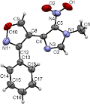
Figure 3: Imidazolylisoxazole 4a according to XRD data in the thermal ellipsoids of the 50% probability level....

Figure 4: Isoxazolylisoxazole 4p according to XRD data with thermal ellipsoids of 50% probability level.

Scheme 3: Plausible mechanisms for reaction of hydroxamoyl chlorides 2 with imidazolyl enamines 1a,b.

Figure 5: Geometries of enamine 1a appropriate to the calculated minima on the PES, and their relative free e...

Scheme 4: Calculated pathways for the formation of experimentally observed 3a, regioisomer 7 and isoxazoline 8...

Figure 6: Structures of the localized transition states. Lengths of the forming bonds are given in Å.

Figure 7: Summary of the calculated pathways of the cycloaddition reaction between enamine 1a and benzonitril...

Figure 8: Isosurface plots of the HOMO of enamine 1a_1 (bottom) and the LUMO of nitrile oxide 6 (top) in the ...
Enantioconvergent catalysis
- Justin T. Mohr,
- Jared T. Moore and
- Brian M. Stoltz
Beilstein J. Org. Chem. 2016, 12, 2038–2045, doi:10.3762/bjoc.12.192
- enantiopure phosphine catalyst 27 in order to generate the coupled product 30 with both high ee and dr (Scheme 6) [31]. Presumably, the allenyl stereochemistry is destroyed upon 1,4-addition of the phosphine catalyst, resulting in chiral phosphonium adduct 29 that further reacts with deprotonated oxazole 28

Graphical Abstract

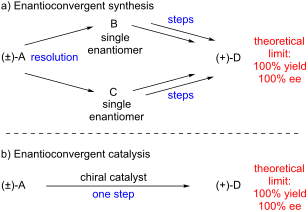
Figure 1: Enantioconvergent methods.

Figure 2: Stereomutative enantioconvergent catalysis.

Scheme 1: Dynamic kinetic resolution by hydrogenation.

Scheme 2: Enantioconvergent synthesis of phosphines governed by Curtin–Hammett/Winstein–Holness kinetics (TMS...

Figure 3: Stereoablative enantioconvergent catalysis.

Scheme 3: Stoltz’ stereoablative oxindole functionalization.

Scheme 4: Fu’s type II enantioconvergent Cu-catalyzed photoredox reaction.

Scheme 5: Stereoablative enantioconvergent allylation and protonation (dba = dibenzylideneacetone).

Scheme 6: Enantioconvergent allylic alkylation with two racemic starting materials.

Figure 4: Enantioconvergent parallel kinetic resolution.

Scheme 7: Enantioconvergent parallel kinetic resolution by two complementary biocatalysts.

Scheme 8: Enantioconvergent PKR by Nocardia EH1.
Biosynthesis of oxygen and nitrogen-containing heterocycles in polyketides
- Franziska Hemmerling and
- Frank Hahn
Beilstein J. Org. Chem. 2016, 12, 1512–1550, doi:10.3762/bjoc.12.148

Graphical Abstract

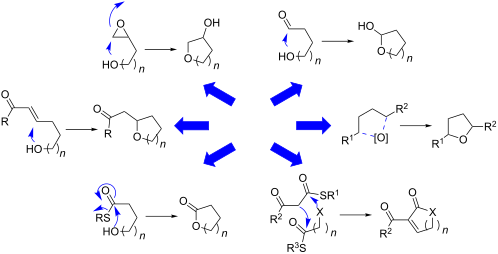
Scheme 1: Schematic description of the cyclisation reaction catalysed by TE domains. In most cases, the nucle...

Scheme 2: Mechanisms for the formation of oxygen heterocycles. The degree of substitution can differ from tha...

Scheme 3: Pyran-ring formation in pederin (24) biosynthesis. Incubation of recombinant PedPS7 with substrate ...

Scheme 4: The domain AmbDH3 from ambruticin biosynthesis catalyses the dehydration of 25 and subsequent cycli...

Scheme 5: SalBIII catalyses dehydration of 29 and subsequent cyclisation to tetrahydropyran 30 [18].

Figure 1: All pyranonaphtoquinones contain either the naphtha[2,3-c]pyran-5,10-dione (32) or the regioisomeri...

Scheme 6: Pyran-ring formation in actinorhodin (34) biosynthesis. DNPA: 4-dihydro-9-hydroxy-1-methyl-10-oxo-3H...

Scheme 7: Pyran formation in granaticin (36) biosynthesis. DNPA: 4-dihydro-9-hydroxy-1-methyl-10-oxo-3H-napht...

Scheme 8: Pyran formation in alnumycin (37) biosynthesis. Adapted from [21].

Scheme 9: Biosynthesis of pseudomonic acid A (61). The pyran ring is initially formed in 57 after dehydrogena...

Scheme 10: Epoxidation–cyclisation leads to the formation of the tetrahydropyran ring in the western part of t...

Scheme 11: a) Nonactin (70) is formed from heterodimers of (−)(+)-dimeric nonactic acid and (+)(−)-dimeric non...

Figure 2: Pamamycins (73) are macrodiolide antibiotics containing three tetrahydrofuran moieties, which are a...

Scheme 12: A PS domain homolog in oocydin A (76) biosynthesis is proposed to catalyse furan formation via an o...

Scheme 13: Mechanism of oxidation–furan cyclisation by AurH, which converts (+)-deoxyaureothin (77) into (+)-a...

Scheme 14: Leupyrrin A2 (80) and the proposed biosynthesis of its furylidene moiety [69,70].

Scheme 15: Asperfuranone (93) biosynthesis, adapted from [75].
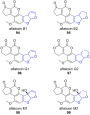
Figure 3: The four major aflatoxins produced by Aspergilli are the types B1, B2, G1 and G2 (94–97). In the di...

Scheme 16: Overview on aflatoxin B1 (94) biosynthesis. HOMST = 11-hydroxy-O-methylsterigmatocystin [78,79,82-106].

Scheme 17: A zipper mechanism leads to the formation of oxygen heterocycles in monensin biosynthesis [109-111].

Scheme 18: Formation of the 2,6-dioxabicyclo[3.2.1]octane (DBO) ring system in aurovertin B (118) biosynthesis ...

Figure 4: Structures of the epoxide-containing polyketides epothilone A (119) and oleandomycin (120) [123-125].

Scheme 19: Structures of phoslactomycin B (121) (a) and jerangolid A (122) (b). The heterocycle-forming steps ...

Scheme 20: a) Structures of rhizoxin (130) and cycloheximide (131). Model for the formation of δ-lactones (b) ...

Scheme 21: EncM catalyses a dual oxidation sequence and following processing of the highly reactive intermedia...

Figure 5: Mesomeric structures of tetronates [138,139].

Figure 6: Structures of tetronates for which gene clusters have been sequenced. The tetronate moiety is shown...

Scheme 22: Conserved steps for formation and processing in several 3-acyl-tetronate biosynthetic pathways were...

Scheme 23: In versipelostatin A (153) biosynthesis, VstJ is a candidate enzyme for catalysing the [4 + 2] cycl...

Scheme 24: a) Structures of some thiotetronate antibiotics. b) Biosynthesis of thiolactomycin (165) as propose...

Scheme 25: Aureusidine synthase (AS) catalyses phenolic oxidation and conjugate addition of chalcones leading ...

Scheme 26: a) Oxidative cyclisation is a key step in the biosynthesis of spirobenzofuranes 189, 192 and 193. b...

Scheme 27: A bicyclisation mechanism forms a β-lactone and a pyrrolidinone and removes the precursor from the ...

Scheme 28: Spontaneous cyclisation leads to off-loading of ebelactone A (201) from the PKS machinery [163].

Scheme 29: Mechanisms for the formation of nitrogen heterocycles.

Scheme 30: Biosynthesis of highly substituted α-pyridinones. a) Feeding experiments confirmed the polyketide o...

Scheme 31: Acridone synthase (ACS) catalyses the formation of 1,3-dihydroxy-N-methylacridone (224) by condensa...

Scheme 32: A Dieckmann condensation leads to the formation of a 3-acyl-4-hydroxypyridin-2-one 227 and removes ...

Scheme 33: a) Biosynthesis of the pyridinone tenellin (234). b) A radical mechanism was proposed for the ring-...

Scheme 34: a) Oxazole-containing PKS–NRPS-derived natural products oxazolomycin (244) and conglobatin (245). b...

Scheme 35: Structure of tetramic acids 251 (a) and major tautomers of 3-acyltetramic acids 252a–d (b). Adapted...

Scheme 36: Equisetin biosynthesis. R*: terminal reductive domain. Adapted from [202].

Scheme 37: a) Polyketides for which a similar biosynthetic logic was suggested. b) Pseurotin A (256) biosynthe...

Figure 7: Representative examples of PTMs with varying ring sizes and oxidation patterns [205,206].

Scheme 38: Ikarugamycin biosynthesis. Adapted from [209-211].

Scheme 39: Tetramate formation in pyrroindomycin aglycone (279) biosynthesis [213-215].

Scheme 40: Dieckmann cyclases catalyse tetramate or 2-pyridone formation in the biosynthesis of, for example, ...
Cyclisation mechanisms in the biosynthesis of ribosomally synthesised and post-translationally modified peptides
- Andrew W. Truman
Beilstein J. Org. Chem. 2016, 12, 1250–1268, doi:10.3762/bjoc.12.120
- pathways but is found across proteins of all sizes so will not be discussed here. Review Thiazole and oxazoles Thiazoles and oxazoles are found in a huge number of bacterial RiPPs, which are often loosely defined as thiazole/oxazole-modified microcins [24] (TOMMs), although these can be subdivided more
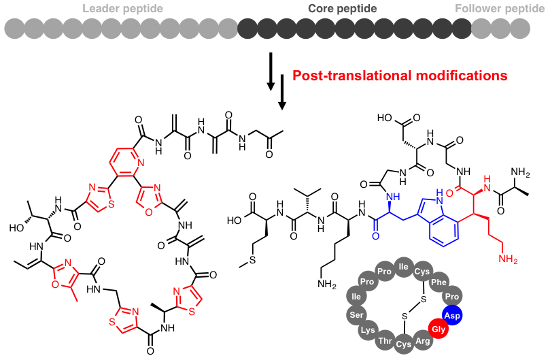
- there remains a wealth of unexplored pathways to discover and characterise. Schematic of RiPP biosynthesis. Thiazole/oxazole formation is represented by the blue heterocycle (X = S, O), lanthionine formation is represented by the purple cross-link (X = S) and macrolactam (X = N) or macrolactone (X = O

Graphical Abstract

Figure 1: Schematic of RiPP biosynthesis. Thiazole/oxazole formation is represented by the blue heterocycle (...

Figure 2: Examples of heterocycles in RiPPs alongside the precursor peptides that these molecules derive from...

Figure 3: Formation of thiazoles and oxazoles in RiPPs. A) Biosynthesis of microcin B17. B) Mechanistic model...

Figure 4: Lanthionine bond formation. A) Nisin and its precursor peptide. B) Mechanism of lanthionine bond fo...

Figure 5: S-[(Z)-2-Aminovinyl]-D-cysteine (AviCys) formation in the epidermin pathway. A) Mechanisms for deca...
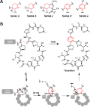
Figure 6: Cyclisation in the biosynthesis of thiopeptides. A) Mechanism of TclM-catalysed heterocyclisation i...

Figure 7: ATP-dependent macrocyclisation. A) General mechanism for ATP-dependent macrolactonisation or macrol...

Figure 8: Peptidase-like macrolactam formation. A) General mechanism. B) Examples of RiPPs cyclised by serine...

Figure 9: Structure of autoinducing peptide AIP-I from Staphylococcus aureus and the sequence of the correspo...
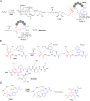
Figure 10: Radical cyclisation in RiPP biosynthesis. A) AlbA-catalysed formation of thioethers in the biosynth...

Figure 11: RiPPs with uncharacterised mechanisms of cyclisation. Unusual heterocycles in ComX and methanobacti...
Synthesis of highly functionalized 2,2'-bipyridines by cyclocondensation of β-ketoenamides – scope and limitations
- Paul Hommes and
- Hans-Ulrich Reissig
Beilstein J. Org. Chem. 2016, 12, 1170–1177, doi:10.3762/bjoc.12.112
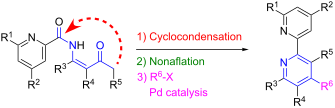
- formed. Instead, we isolated the trisubstituted oxazole derivative 6 in 55% yield. The scope of this reaction has not been studied by us, however it is known in the literature that enamides can undergo related oxidative cyclizations to oxazoles in the presence of the reagent cocktail employed or under
- methoxylation of compound 3a we unexpectedly observed the formation of the 5-acetyl-substituted oxazole derivative 6. However, precursor 3i was smoothly available from acetylacetone 1a. It could smoothly be transformed into the desired bipyridine derivative 4i, but also into the related pyrimidine and

Graphical Abstract

Scheme 1: Synthesis of highly functionalized 2,2'-bipyridines 4a and 5b from symmetrical 1,3-diketones 1a and ...
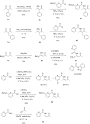
Scheme 2: Synthesis of β-ketoenamines 2c–e and of β-ketoenamides 3c–h.

Scheme 3: Synthesis of α-methoxy-β-ketoenamine 2i, its N-acylation to 3i and the reaction of β-ketoenamide 3a...

Scheme 4: Cyclizations of β-ketoenamide 3i leading to 2,2´-bipyridine derivative 4i or to the related 2-(2-py...

Scheme 5: Suzuki-couplings of 2,2'-bipyrid-4-yl nonaflates 5a and 5b to compounds 9 and 10.

Scheme 6: Palladium-catalyzed couplings of chloro-substituted 2,2'-bipyrid-4-yl nonaflate 5g leading to compo...
Marine-derived myxobacteria of the suborder Nannocystineae: An underexplored source of structurally intriguing and biologically active metabolites
- Antonio Dávila-Céspedes,
- Peter Hufendiek,
- Max Crüsemann,
- Till F. Schäberle and
- Gabriele M. König
Beilstein J. Org. Chem. 2016, 12, 969–984, doi:10.3762/bjoc.12.96
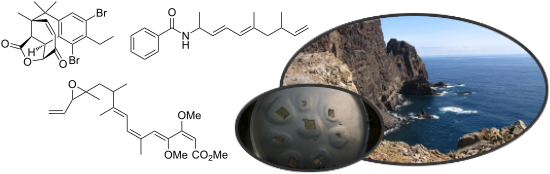
- Na a174 yielded a new class of halogenated pyrrole–oxazole compounds 14–18 (Figure 8). Pyrronazols A (14), A2 (15) and B (16), synthesized by Ari7, additionally include an α-pyrone moiety [48]. This is worth noting, since the non-cyclic alkyl moiety in the pyrronazols C1 (17) and C2 (18), found in

Graphical Abstract
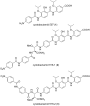
Figure 1: Structures of cystobactamids 507, 919-1 and 919-2.

Figure 2: Structures of aurafuron A and corallopyronin A.

Figure 3: Structures of ixabepilone and capecitabine.

Figure 4: Structures of DKxanthene-534 and myxochelin A.

Figure 5: Phylogenetic tree of halotolerant and halophilic myxobacteria. The neighbor-joining tree is based o...
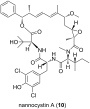
Figure 6: Structure of nannocystin A.

Figure 7: Structure of phenylnannolones A–C.

Figure 8: Structures of the pyrronazols, dihydroxyphenazin and 1-hydroxyphenazin-6-yl-α-D-arabinofuranoside.

Figure 9: Structures of nannozinones A + B and nannochelin A from N. pusilla strain MNa10913.

Figure 10: Structure of haliangicin from H. ochraceum.

Figure 11: Structure of haliamide from H. ochraceum SMP-2.
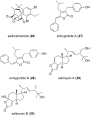
Figure 12: Structures of salimabromide, enhygrolides A + B and salimyxins A + B.

Figure 13: Structures of miuraenamides A–F from P. miuraensis.
Antibiotics from predatory bacteria
- Juliane Korp,
- María S. Vela Gurovic and
- Markus Nett
Beilstein J. Org. Chem. 2016, 12, 594–607, doi:10.3762/bjoc.12.58
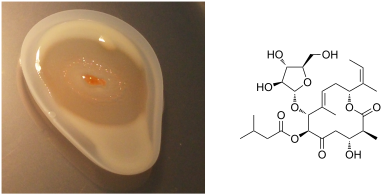
- exhibit an unusual molecular architecture featuring two oxazole rings connected by a two-carbon tether and a terminal 2,4-pentadienylamine moiety. Feeding experiments as well as biosynthetic reasoning indicated that the siphonazoles originate from a mixed PKS/NRPS pathway [125]. Both bisoxazoles were

Graphical Abstract

Figure 1: Natural products isolated from M. xanthus DK1622. DKxanthene-534 (1); myxalamid B (2); myxovirescin...

Figure 2: Vegetative cells of P. fallax HKI 727 under a phase-contrast microscope (K. Martin, unpublished). B...
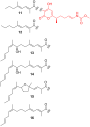
Figure 3: Structures of myxopyronins A (11) and B (12), corallopyronins A (13), B (14) and C (15), as well as...

Figure 4: Structure of althiomycin (17).

Figure 5: Structures of cystobactamids 919-1 (18), 919-2 (19), and 507 (20).

Figure 6: Structures of natural products isolated from Herpetosiphon spp.: siphonazole (21); auriculamide (22...
Recent advances in copper-catalyzed C–H bond amidation
- Jie-Ping Wan and
- Yanfeng Jing
Beilstein J. Org. Chem. 2015, 11, 2209–2222, doi:10.3762/bjoc.11.240

- functionalization with nitrogen nucleophiles, including amides, sulfonamides and primary arylamines. In addition, the oxazole-based DG could be easily deprotected to provide the corresponding benzoic acid 44 by heating in EtOH in the presence of KOH (Scheme 13). As another easily available N-containing aromatic
- , was reported by Dai and Yu et al. [83]. As outlined in Scheme 26, the presence of the oxazole-based DG was found to be the main factor in tuning the selective formation of 101. Related control experiments suggested that the formation of intermediate 102 acquired from the copper-catalyzed C(sp2)–C(sp3
- for lactam synthesis. Copper-catalyzed amidation/sulfonamidation of aryl C–H bonds. C–H amidation of pyridinylbenzenes and indoles. Mechanism of the Cu-catalyzed C2-amidation of indoles. Copper-catalyzed, 2-phenyl oxazole-assisted C–H amidation of benzamides. DG-assisted amidation/imidation of indole

Graphical Abstract

Scheme 1: Copper-catalyzed C–H amidation of tertiary amines.

Scheme 2: Copper-catalyzed C–H amidation and sulfonamidation of tertiary amines.

Scheme 3: Copper-catalyzed sulfonamidation of allylic C–H bonds.

Scheme 4: Copper-catalyzed sulfonamidation of benzylic C–H bonds.

Scheme 5: Copper-catalyzed sulfonamidation of C–H bonds adjacent to oxygen.

Scheme 6: Copper-catalyzed amidation and sulfonamidation of inactivated alkyl C–H bonds.

Scheme 7: Copper-catalyzed amidation and sulfonamidation of inactivated alkanes.

Scheme 8: Copper-catalyzed intramolecular C–H amidation for lactam synthesis.

Scheme 9: Copper-catalyzed intramolecular C–H amidation for lactam synthesis.

Scheme 10: Copper-catalyzed amidation/sulfonamidation of aryl C–H bonds.

Scheme 11: C–H amidation of pyridinylbenzenes and indoles.

Scheme 12: Mechanism of the Cu-catalyzed C2-amidation of indoles.

Scheme 13: Copper-catalyzed, 2-phenyl oxazole-assisted C–H amidation of benzamides.

Scheme 14: DG-assisted amidation/imidation of indole and benzene C–H bonds.

Scheme 15: Copper-catalyzed C–H amination/amidation of quinoline N-oxides.

Scheme 16: Copper-catalyzed aldehyde formyl C–H amidation.

Scheme 17: Copper-catalyzed formamide C–H amidation.

Scheme 18: Copper-catalyzed sulfonamidation of vinyl C–H bonds.

Scheme 19: CuCl2-catalyzed amidation/sulfonamidation of alkynyl C–H bonds.

Scheme 20: Cu(OH)2-catalyzed amidation/sulfonamidation of alkynyl C–H bonds.

Scheme 21: Sulfonamidation-based cascade reaction for the synthesis of tetrahydrotriazines.

Scheme 22: Copper-catalyzed cascade reaction for the synthesis of quinazolinones.
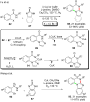
Scheme 23: Copper-catalyzed cascade reactions for the synthesis of fused quinazolinones.

Scheme 24: Copper-catalyzed synthesis of quinazolinones via methyl C–H bond amidation.

Scheme 25: Dicumyl peroxide-based cascade synthesis of quinazolinones.

Scheme 26: Copper-catalyzed cascade reactions for the synthesis of indolinones.
Investigation on the reactivity of α-azidochalcones with carboxylic acids: Formation of α-amido-1,3-diketones and highly substituted 2-(trifluoromethyl)oxazoles
- Kandasamy Rajaguru,
- Arumugam Mariappan,
- Rajendran Suresh,
- Periasamy Manivannan and
- Shanmugam Muthusubramanian
Beilstein J. Org. Chem. 2015, 11, 2021–2028, doi:10.3762/bjoc.11.219
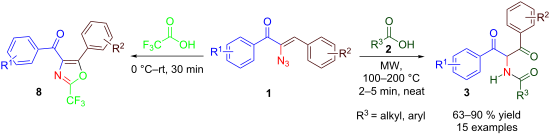
- . This is illustrated with one reaction in which 3 was subjected to treatment with triphenylphosphine in the presence of iodine and triethylamine in dry dichloromethane at room temperature (Scheme 4) [34][35]. As expected, compounds 3 are converted to 2,4,5-substituted oxazole 7 regiospecifically in good
- investigation of the structure of 8a indicated that the compound is a highly substituted 2-(trifluoromethyl)oxazole. With different α-azidochalcones, differently substituted 8 have been isolated (Figure 5). It should be mentioned that oxazole formation is observed only at low temperature with trifluoroacetic
- , the solvent was removed in vacuo, and the residue was directly purified by column chromatography on silica gel (hexane/ethyl acetate 9:1) to yield oxazole 7. Synthesis of 8: In a dry two neck round bottom reaction vessel equipped with a calcium guard tube and a magnetic bar, α-azidochalcone (1.0 equiv

Graphical Abstract

Figure 1: Formation of substituted aziridine.

Figure 2: Various strategies for the formation of 2H-azirine.

Scheme 1: Attempted reaction for the synthesis of 3a.

Figure 3: Synthesis of α-amido-1,3-diketone (3a–o). Reaction conditions: α-azidochalcone 1 (1.0 equiv) and ca...

Scheme 2: Plausible mechanism.

Scheme 3: Attempted reaction with acid derivatives.

Scheme 4: Oxazole formation from 3.

Figure 4: Possible isomers for 7.

Scheme 5: Oxazole formation.

Figure 5: Synthesis of highly substituted 2-(trifluoromethyl)oxazoles (8a–e). Reaction conditions: α-azidocha...

Scheme 6: Mechanism for the formation of 8.
Selected synthetic strategies to cyclophanes
- Sambasivarao Kotha,
- Mukesh E. Shirbhate and
- Gopalkrushna T. Waghule
Beilstein J. Org. Chem. 2015, 11, 1274–1331, doi:10.3762/bjoc.11.142
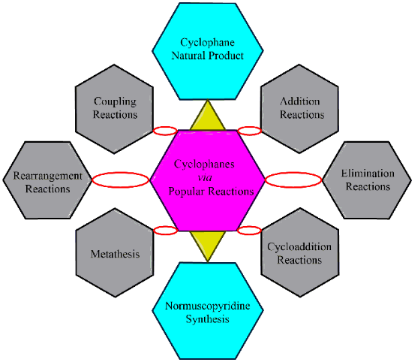

Graphical Abstract

Figure 1: General representation of cyclophanes.

Figure 2: cyclophanes one or more with heteroatom.

Figure 3: Metathesis catalysts 12–17 and C–C coupling catalyst 18.

Figure 4: Natural products containing the cyclophane skeleton.

Figure 5: Turriane family of natural products.

Scheme 1: Synthesis of [3]ferrocenophanes through Mannich reaction. Reagents and conditions: (i) excess HNMe2...

Scheme 2: Synthesis of cyclophanes through Michael addition. Reagents and conditions: (i) xylylene dibromide,...

Scheme 3: Synthesis of normuscopyridine analogue 37 through an oxymercuration–oxidation strategy. Reagents an...

Scheme 4: Synthesis of tribenzocyclotriyne 39 through Castro–Stephens coupling reaction. Reagents and conditi...

Scheme 5: Synthesis of cyclophane 43 through Glaser–Eglinton coupling. Reagents and conditions: (i) 9,10-bis(...

Scheme 6: Synthesis of the macrocyclic C-glycosyl cyclophane through Glaser coupling. Reagents and conditions...

Scheme 7: Synthesis of cyclophane-containing complex 49 through Glaser–Eglinton coupling reaction. Reagents a...

Scheme 8: Synthesis of cyclophane 53 through Glaser–Eglinton coupling. Reagents and conditions: (i) K2CO3, ac...

Figure 6: Cyclophanes 54–56 that have been synthesized through Glaser–Eglinton coupling.

Figure 7: Synthesis of tetrasubstituted [2.2]paracyclophane 57 and chiral cyclophyne 58 through Eglinton coup...

Scheme 9: Synthesis of cyclophane through Glaser–Hay coupling reaction. Reagents and conditions: (i) CuCl2 (1...

Scheme 10: Synthesis of seco-C/D ring analogs of ergot alkaloids through intramolecular Heck reaction. Reagent...

Scheme 11: Synthesis of muscopyridine 73 via Kumada coupling. Reagents and conditions: (i) 72, THF, ether, 20 ...

Scheme 12: Synthesis of the cyclophane 79 via McMurry coupling. Reagents and conditions: (i) 75, decaline, ref...

Scheme 13: Synthesis of stilbenophane 81 via McMurry coupling. Reagents and conditions: (i) TiCl4, Zn, pyridin...

Scheme 14: Synthesis of stilbenophane 85 via McMurry coupling. Reagents and conditions: (i) NBS (2 equiv), ben...
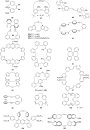
Figure 8: List of cyclophanes prepared via McMurry coupling reaction as a key step.

Scheme 15: Synthesis of paracyclophane by cross coupling involving Pd(0) catalyst. Reagents and conditions: (i...

Scheme 16: Synthesis of the cyclophane 112 via the pinacol coupling and 113 by RCM. Reagents and conditions: (...

Scheme 17: Synthesis of cyclophane derivatives 122a–c via Sonogoshira coupling. Reagents and conditions: (i) C...

Scheme 18: Synthesis of cyclophane 130 via Suzuki–Miyaura reaction as a key step. Reagents and conditions: (i)...

Scheme 19: Synthesis of the mycocyclosin via Suzuki–Miyaura cross coupling. Reagents and conditions: (i) benzy...

Scheme 20: Synthesis of cyclophanes via Wurtz coupling reaction Reagents and conditions: (i) PhLi, Et2O, C6H6,...

Scheme 21: Synthesis of non-natural glycophanes using alkyne metathesis. Reagents and conditions: (i) G-I (12)...

Figure 9: Synthesis of cyclophanes via ring-closing alkyne metathesis.

Scheme 22: Synthesis of crownophanes by cross-enyne metathesis. Reagents and conditions: (i) G-II (13), 5 mol ...

Scheme 23: Synthesis of (−)-cylindrocyclophanes A (156) and (−)-cylindrocyclophanes F (155). Reagents and cond...

Scheme 24: Synthesis of cyclophane 159 derivatives via SM cross-coupling and RCM. Reagents and conditions: (i)...

Scheme 25: Sexithiophene synthesis via cross metathesis. Reagents and conditions: (i) 161, Pd(PPh3)4, K2CO3, T...

Scheme 26: Synthesis of pyrrole-based cyclophane using enyne metathesis. Reagents and conditions: (i) Se, chlo...

Scheme 27: Synthesis of macrocyclic derivatives by RCM. Reagents and conditions: (i) G-I/G-II, CH2Cl2, 0.005 M...

Scheme 28: Synthesis of enantiopure β-lactam-based dienyl bis(dihydrofuran) 179. Reagents and conditions: (i) ...

Scheme 29: Synthesis of a [1.1.6]metaparacyclophane derivative 183 via SM cross coupling. Reagents and conditi...

Scheme 30: Synthesis of a [1.1.6]metaparacyclophane derivative 190 via SM cross coupling. Reagents and conditi...

Scheme 31: Template-promoted synthesis of cyclophanes involving RCM. Reagents and conditions: (i) acenaphthene...

Scheme 32: Synthesis of [3.4]cyclophane derivatives 200 via SM cross coupling and RCM. Reagents and conditions...
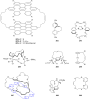
Figure 10: Examples for cyclophanes synthesized by RCM.

Scheme 33: Synthesis of the longithorone C framework assisted by fluorinated auxiliaries. Reagents and conditi...

Scheme 34: Synthesis of the longithorone framework via RCM. Reagents and conditions: (i) 213, NaH, THF, rt, 10...

Scheme 35: Synthesis of floresolide B via RCM as a key step. Reagents and conditions: (i) G-II (13, 0.1 equiv)...

Scheme 36: Synthesis of normuscopyridine (223) by the RCM strategy. Reagents and condition: (i) Mg, THF, hexen...

Scheme 37: Synthesis of muscopyridine (73) via RCM. Reagents and conditions: (i) 225, NaH, THF, 0 °C to rt, 1....

Scheme 38: Synthesis of muscopyridine (73) via RCM strategy. Reagents and conditions: (i) NaH, n-BuLi, 5-bromo...

Scheme 39: Synthesis of pyridinophane derivatives 223 and 245. Reagents and conditions: (i) PhSO2Na, TBAB, CH3...

Scheme 40: Synthesis of metacyclophane derivatives 251 and 253. Reagents and conditions: (i) 240, NaH, THF, rt...

Scheme 41: Synthesis of normuscopyridine and its higher analogues. Reagents and conditions: (i) alkenyl bromid...

Scheme 42: Synthesis of fluorinated ferrocenophane 263 via a [2 + 2] cycloaddition. Reagents and conditions: (...

Scheme 43: Synthesis of [2.n]metacyclophanes 270 via a [2 + 2] cycloaddition. Reagents and conditions: (i) Ac2...

Scheme 44: Synthesis of metacyclophane 273 by a [2 + 2 + 2] co-trimerization. Reagents and conditions: (i) [Rh...

Scheme 45: Synthesis of paracyclophane 276 via a [2 + 2 + 2] cycloaddition reaction. Reagents and conditions: ...

Scheme 46: Synthesis of cyclophane 278 via a [2 + 2 + 2] cycloaddition reaction. Reagents and conditions: (i) ...

Scheme 47: Synthesis of cyclophane 280 via a [2 + 2 + 2] cycloaddition. Reagents and conditions: (i) [(Rh(cod)(...

Scheme 48: Synthesis of taxane framework by a [2 + 2 + 2] cycloaddition. Reagents and conditions: (i) Cp(CO)2 ...

Scheme 49: Synthesis of cyclophane 284 and 285 via a [2 + 2 + 2] cycloaddition reaction. Reagents and conditio...

Scheme 50: Synthesis of pyridinophanes 293a,b and 294a,b via a [2 + 2 + 2] cycloaddition. Reagents and conditi...

Scheme 51: Synthesis of pyridinophanes 296 and 297 via a [2 + 2 + 2] cycloaddition. Reagents and conditions: (...

Scheme 52: Synthesis of triazolophane by a 1,3-dipolar cycloaddition. Reagents and conditions: (i) propargyl b...

Scheme 53: Synthesis of glycotriazolophane 309 by a click reaction. Reagents and conditions: (i) LiOH, H2O, Me...

Figure 11: Cyclophanes 310 and 311 prepared via click chemistry.

Scheme 54: Synthesis of cyclophane via the Dötz benzannulation. Reagents and conditions: (i) THF, 100 °C, 12 h...

Scheme 55: Synthesis of [6,6]metacyclophane by a Dötz benzannulation. Reagents and conditions: (i) THF, 100 °C...

Scheme 56: Synthesis of cyclophanes by a Dötz benzannulation. Reagents and conditions: (i) THF, 65 °C, 3 h; (i...

Scheme 57: Synthesis of muscopyridine (73) via an intramolecular DA reaction of ketene. Reagents and condition...

Scheme 58: Synthesis of bis[10]paracyclophane 336 via Diels–Alder reaction. Reagents and conditions: (i) DMAD,...

Scheme 59: Synthesis of [8]paracyclophane via DA reaction. Reagents and conditions: (i) maleic anhydride, 3–5 ...

Scheme 60: Biomimetic synthesis of (−)-longithorone A. Reagents and conditions: (i) Me2AlCl, CH2Cl2, −20 °C, 7...

Scheme 61: Synthesis of sporolide B (349) via a [4 + 2] cycloaddition reaction. Reagents and conditions: (i) P...

Scheme 62: Synthesis of the framework of (+)-cavicularin (352) via a [4 + 2] cycloaddition. Reagents and condi...

Scheme 63: Synthesis of oxazole-containing cyclophane 354 via Beckmann rearrangement. Reagents and conditions:...

Scheme 64: Synthesis of cyclophanes 360a–c via benzidine rearrangement. Reagents and conditions: (i) 356a–d, K2...

Scheme 65: Synthesis of cyclophanes 365a–c via benzidine rearrangement. Reagents and conditions: (i) BocNHNH2,...

Scheme 66: Synthesis of metacyclophane 367 via Ciamician–Dennstedt rearrangement. Reagents and conditions: (i)...

Scheme 67: Synthesis of cyclophane by tandem Claisen rearrangement and RCM as key steps. Reagents and conditio...

Scheme 68: Synthesis of cyclophane derivative 380. Reagents and conditions: (i) K2CO3, CH3CN, allyl bromide, r...

Scheme 69: Synthesis of metacyclophane via Cope rearrangement. Reagents and conditions: (i) MeOH, NaBH4, rt, 1...

Scheme 70: Synthesis of cyclopropanophane via Favorskii rearrangement. Reagents and conditions: (i) Br2, CH2Cl2...

Scheme 71: Cyclophane 389 synthesis via photo-Fries rearrangement. Reagents and conditions: (i) DMAP, EDCl/CHCl...

Scheme 72: Synthesis of normuscopyridine (223) via Schmidt rearrangement. Reagents and conditions: (i) ethyl s...

Scheme 73: Synthesis of crownophanes by tandem Claisen rearrangement. Reagents and conditions: (i) diamine, Et3...

Scheme 74: Attempted synthesis of cyclophanes via tandem Claisen rearrangement and RCM. Reagents and condition...

Scheme 75: Synthesis of muscopyridine via alkylation with 2,6-dimethylpyridine anion. Reagents and conditions:...

Scheme 76: Synthesis of cyclophane via Friedel–Craft acylation. Reagents and conditions: (i) CS2, AlCl3, 7 d, ...

Scheme 77: Pyridinophane 418 synthesis via Friedel–Craft acylation. Reagents and conditions: (i) 416, AlCl3, CH...

Scheme 78: Cyclophane synthesis involving the Kotha–Schölkopf reagent 421. Reagents and conditions: (i) NBS, A...

Scheme 79: Cyclophane synthesis involving the Kotha–Schölkopf reagent 421. Reagents and conditions: (i) BEMP, ...

Scheme 80: Cyclophane synthesis by coupling with TosMIC. Reagents and conditions: (i) (a) ClCH2OCH3, TiCl4, CS2...

Scheme 81: Synthesis of diaza[32]cyclophanes and triaza[33]cyclophanes. Reagents and conditions: (i) DMF, NaH,...

Scheme 82: Synthesis of cyclophane 439 via acyloin condensation. Reagents and conditions: (i) Na, xylene, 75%;...

Scheme 83: Synthesis of multibridged binuclear cyclophane 442 by aldol condensation. Reagents and conditions: ...

Scheme 84: Synthesis of various macrolactones. Reagents and conditions: (i) iPr2EtN, DMF, 77–83%; (ii) TBDMSCl...

Scheme 85: Synthesis of muscone and muscopyridine via Yamaguchi esterification. Reagents and conditions: (i) 4...

Scheme 86: Synthesis of [5]metacyclophane via a double elimination reaction. Reagents and conditions: (i) LiBr...

Figure 12: Cyclophanes 466–472 synthesized via Hofmann elimination.

Scheme 87: Synthesis of cryptophane via Baylis–Hillman reaction. Reagents and conditions: (i) methyl acrylate,...

Scheme 88: Synthesis of cyclophane 479 via double Chichibabin reaction. Reagents and conditions: (i) excess 478...

Scheme 89: Synthesis of cyclophane 483 via double Chichibabin reaction. Reagents and conditions: (i) 481, OH−;...

Scheme 90: Synthesis of cyclopeptide via an intramolecular SNAr reaction. Reagents and conditions: (i) TBAF, T...

Scheme 91: Synthesis of muscopyridine (73) via C-zip ring enlargement reaction. Reagents and conditions: (i) H...

Figure 13: Mechanism of the formation of compound 494.

Scheme 92: Synthesis of indolophanetetraynes 501a,b using the Nicholas reaction as a key step. Reagents and co...

Scheme 93: Synthesis of cyclophane via radical cyclization. Reagents and conditions: (i) cyclododecanone, phen...

Scheme 94: Synthesis of (−)-cylindrocyclophanes A (156) and (−)-cylindrocyclophanes F (155). Reagents and cond...

Scheme 95: Cyclophane synthesis via Wittig reaction. Reagents and conditions: (i) LiOEt (2.1 equiv), THF, −78 ...

Figure 14: Representative examples of cyclophanes synthesized via Wittig reaction.

Scheme 96: Synthesis of the [6]paracyclophane via isomerization of Dewar benzene. Reagents and conditions: (i)...
A new and efficient procedure for the synthesis of hexahydropyrimidine-fused 1,4-naphthoquinones
- Marcelo Isidoro P. Reis,
- Vinícius R. Campos,
- Jackson A. L. C. Resende,
- Fernando C. Silva and
- Vitor F. Ferreira
Beilstein J. Org. Chem. 2015, 11, 1235–1240, doi:10.3762/bjoc.11.137
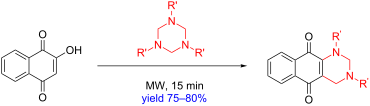
- naphthoquinones (Figure 1) such as naphtho[2,3-b]furan [5][6][7][8][9][10][11][12][13][14], naphtho-pyran [15][16][17][18], benzo[f]indole [19][20][21][22][23][24], benzo[g]quinolone [25], benzo[b]carbazole [26], naphtho[2,3-b]thiophene [27][28][29][30][31][32][33] and naphtho[2,3-b]]oxazole [34] have been

Graphical Abstract

Figure 1: General template for heterocycle-fused 1,4-naphthoquinones.

Scheme 1: Methods for the preparation of hexahydropyrimidine-fused 1,4-naphthoquinones.

Scheme 2: Synthesis of hexahydropyrimidine-fused 1,4-naphthoquinones 13 and 21–25.

Figure 2: ORTEP diagram of compound 18 depicted with ellipsoids drawn at the 50% probability level and the at...

Figure 3: ORTEP diagram of compound 23 depicted with ellipsoids drawn at the 50% probability level and the at...

Scheme 3: Proposed mechanism for the formation of 13 and 21–25.
Azirinium ylides from α-diazoketones and 2H-azirines on the route to 2H-1,4-oxazines: three-membered ring opening vs 1,5-cyclization
- Nikolai V. Rostovskii,
- Mikhail S. Novikov,
- Alexander F. Khlebnikov,
- Galina L. Starova and
- Margarita S. Avdontseva
Beilstein J. Org. Chem. 2015, 11, 302–312, doi:10.3762/bjoc.11.35
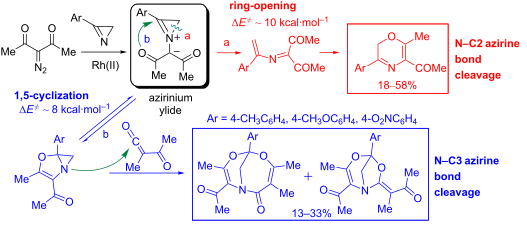
- -azabicyclo[3.2.1]oct-2-ene and/or 5,7-dioxa-1-azabicyclo[4.3.1]deca-3,8-diene-2-one derivatives. According to DFT calculations (B3LYP/6-31+G(d,p)), the cycloaddition can involve two modes of nucleophilic attack of the dihydroazireno[2,1-b]oxazole intermediate on acetyl(methyl)ketene followed by aziridine
- the mechanism of trapping of dihydroazireno[2,1-b]oxazole intermediates by acetyl(methyl)ketene were investigated by the DFT method. Results and Discussion Rhodium(II) carbenoids generated from α-diazoketones or 2-diazo-1,3-diketones react with various nitrogen-containing compounds, such as amines [16
- involves the 1,5-cyclization of azirinium ylide 9f–h to dihydroazireno[2,1-b]oxazole 10f–h followed by cycloaddition of the latter to ketene 12 to give two regioisomeric adducts 6f,g and 7f–h (Scheme 3). Several examples of the 1,5-cyclization of azomethine ylides bearing an α-keto group into oxazole

Graphical Abstract

Scheme 1: Rh(II)-catalyzed synthesis of photochromic 2H-1,4-oxazines from 2H-azirines and α-diazo-β-ketoester...

Scheme 2: Rh(II)-catalyzed reaction of azirines 1a−g with diazo compounds 2a–c.

Figure 1: X-ray crystal structure of azadiene 3e.

Figure 2: X-ray crystal structures of compounds 6f and 7h.

Scheme 3: General scheme for the formation of compounds 4,6 and 7.

Scheme 4: Possible pathways for the formation of 6j and 7j from azirenooxazole 10j and ketene 12.

Figure 3: Energy profiles [DFT B3LYP/6-31+G(d,p), 357 K, 1,2-dichloroethane (PCM)] for the transformation of ...

Scheme 5: Rh2(Oct)4-catalyzed reaction of azirine 1g with diazo compound 2d in the presence of diazo compound ...

Scheme 6: Rh2(OAc)4-catalyzed reaction of azirine 1h with diazo compound 2c.

Figure 4: X-ray crystal structure of compound 17.

Scheme 7: Effect of the C5-substituent in the 2H-1,4-oxazine system on its photochromic activity.
Cross-dehydrogenative coupling for the intermolecular C–O bond formation
- Igor B. Krylov,
- Vera A. Vil’ and
- Alexander O. Terent’ev
Beilstein J. Org. Chem. 2015, 11, 92–146, doi:10.3762/bjoc.11.13
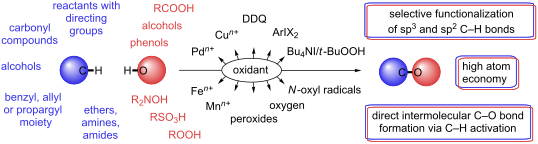
- solvent mixture at 100–110 °C for 18 h. The oxazole moiety also acts as the directing group in the acetoxylation of alkyl groups with Pd(OAc)2/AcOOt-Bu or Pd(OAc)2/lauroyl peroxide oxidative systems; in these reactions acetic anhydride served as the source of the acetoxy groups [88]. Recently, Cu(OAc)2

Graphical Abstract

Scheme 1: Cross-dehydrogenative coupling.

Scheme 2: Cross-dehydrogenative C–O coupling.

Scheme 3: Regioselective ortho-acetoxylation of meta-substituted arylpyridines and N-arylamides.

Scheme 4: ortho-Acyloxylation and alkoxylation of arenes directed by pyrimidine, benzoxazole, benzimidazole a...

Scheme 5: Cu(OAc)2/AgOTf/O2 oxidative system in the ortho-alkoxylation of arenes.
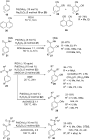
Scheme 6: Pd(OAc)2/persulfate oxidative system in the ortho-alkoxylation and acetoxylation of arenes with nit...
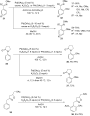
Scheme 7: ortho-Acetoxylation and methoxylation of O-methyl aryl oximes, N-phenylpyrrolidin-2-one, and (3-ben...

Scheme 8: Ruthenium-catalyzed ortho-acyloxylation of acetanilides.

Scheme 9: Acetoxylation and alkoxylation of arenes with amide directing group using Pd(OAc)2/PhI(OAc)2 oxidat...

Scheme 10: Alkoxylation of azoarenes, 2-aryloxypyridines, picolinamides, and N-(1-methyl-1-(pyridin-2-yl)ethyl...

Scheme 11: Acetoxylation of compounds containing picolinamide and quinoline-8-amine moieties using the Pd(OAc)2...

Scheme 12: (CuOH)2CO3 catalyzed oxidative ortho-etherification using air as oxidant.

Scheme 13: Copper-catalyzed aerobic alkoxylation and aryloxylation of arenes containing pyridine-N-oxide moiet...

Scheme 14: Cobalt-catalyzed aerobic alkoxylation of arenes and alkenes containing pyridine N-oxide moiety.

Scheme 15: Non-symmetric double-fold C–H ortho-acyloxylation.

Scheme 16: N-nitroso directed ortho-alkoxylation of arenes.

Scheme 17: Selective alkoxylation and acetoxylation of alkyl groups.

Scheme 18: Acetoxylation of 2-alkylpyridines and related compounds.

Scheme 19: Acyloxylation and alkoxylation of alkyl fragments of substrates containing amide or sulfoximine dir...

Scheme 20: Palladium-catalyzed double sp3 C–H alkoxylation of N-(quinolin-8-yl)amides for the synthesis of sym...

Scheme 21: Copper-catalyzed acyloxylation of methyl groups of N-(quinolin-8-yl)amides.

Scheme 22: One-pot acylation and sp3 C–H acetoxylation of oximes.

Scheme 23: Possible mechanism of oxidative esterification catalyzed by N-heterocyclic nucleophilic carbene.

Scheme 24: Oxidative esterification employing stoichiometric amounts of aldehydes and alcohols.

Scheme 25: Selective oxidative coupling of aldehydes with alcohols in the presence of amines.

Scheme 26: Iodine mediated oxidative esterification.

Scheme 27: Oxidative C–O coupling of benzyl alcohols with methylarenes under the action of Bu4NI/t-BuOOH syste...

Scheme 28: Oxidative coupling of methyl- and ethylarenes with aromatic aldehydes under the action of Bu4NI/t-B...

Scheme 29: Cross-dehydrogenative C–O coupling of aldehydes with t-BuOOH in the presence of Bu4NI.

Scheme 30: Bu4NI-catalyzed α-acyloxylation reaction of ethers and ketones with aldehydes and t-BuOOH.

Scheme 31: Oxidative coupling of aldehydes with N-hydroxyimides and hexafluoroisopropanol.

Scheme 32: Oxidative coupling of alcohols with N-hydroxyimides.

Scheme 33: Oxidative coupling of aldehydes and primary alcohols with N-hydroxyimides using (diacetoxyiodo)benz...

Scheme 34: Proposed mechanism of the oxidative coupling of aldehydes and N-hydroxysuccinimide under action of ...

Scheme 35: Oxidative coupling of aldehydes with pivalic acid (172).

Scheme 36: Oxidative C–O coupling of aldehydes with alkylarenes using the Cu(OAc)2/t-BuOOH system.

Scheme 37: Copper-catalyzed acyloxylation of C(sp3)-H bond adjacent to oxygen in ethers using benzyl alcohols.

Scheme 38: Oxidative C–O coupling of aromatic aldehydes with cycloalkanes.

Scheme 39: Ruthenium catalyzed cross-dehydrogenative coupling of primary and secondary alcohols.

Scheme 40: Cross-dehydrogenative C–O coupling reactions of β-dicarbonyl compounds with sulfonic acids, acetic ...

Scheme 41: Acyloxylation of ketones, aldehydes and β-dicarbonyl compounds using carboxylic acids and Bu4NI/t-B...

Scheme 42: Acyloxylation of ketones using Bu4NI/t-BuOOH system.

Scheme 43: Cross-dehydrogenative C–O coupling of β-dicarbonyl compounds and their heteroanalogues with N-hydro...

Scheme 44: Cross-dehydrogenative C–O coupling of β-dicarbonyl compounds and their heteroanalogues with t-BuOOH....

Scheme 45: Oxidative C–O coupling of 2,6-dialkylphenyl-β-keto esters and thioesters with tert-butyl hydroxycar...

Scheme 46: α’-Acyloxylation of α,β-unsaturated ketones using KMnO4.

Scheme 47: Possible mechanisms of the acetoxylation at the allylic position of alkenes by Pd(OAc)2.

Scheme 48: Products of the oxidation of terminal alkenes by Pd(II)/AcOH/oxidant system.

Scheme 49: Acyloxylation of terminal alkenes with carboxylic acids.

Scheme 50: Synthesis of linear E-allyl esters by cross-dehydrogenative coupling of terminal alkenes wih carbox...

Scheme 51: Pd(OAc)2-catalyzed acetoxylation of Z-vinyl(triethylsilanes).

Scheme 52: α’-Acetoxylation of α-acetoxyalkenes with copper(II) chloride in acetic acid.

Scheme 53: Oxidative acyloxylation at the allylic position of alkenes and at the benzylic position of alkylare...

Scheme 54: Copper-catalyzed alkoxylation of methylheterocyclic compounds using di-tert-butylperoxide as oxidan...

Scheme 55: Oxidative C–O coupling of methylarenes with β-dicarbonyl compounds or phenols.

Scheme 56: Copper-catalyzed esterification of methylbenzenes with cyclic ethers and cycloalkanes.

Scheme 57: Oxidative C–O coupling of carboxylic acids with toluene catalyzed by Pd(OAc)2.

Scheme 58: Oxidative acyloxylation at the allylic position of alkenes with carboxylic acids using the Bu4NI/t-...

Scheme 59: Cross-dehydrogenative C–O coupling of carboxylic acids with alkylarenes using the Bu4NI/t-BuOOH sys...

Scheme 60: Oxidative C–O cross-coupling of methylarenes with ethyl or isopropylarenes.

Scheme 61: Phosphorylation of benzyl C–H bonds using the Bu4NI/t-BuOOH oxidative system.

Scheme 62: Selective C–H acetoxylation of 2,3-disubstituted indoles.

Scheme 63: Acetoxylation of benzylic position of alkylarenes using DDQ as oxidant.

Scheme 64: C–H acyloxylation of diarylmethanes, 3-phenyl-2-propen-1-yl acetate and dimethoxyarene using DDQ.

Scheme 65: Cross-dehydrogenative C–O coupling of 1,3-diarylpropylenes and 1,3-diarylpropynes with alcohols.

Scheme 66: One-pot azidation and C–H acyloxylation of 3-chloro-1-arylpropynes.

Scheme 67: Cross-dehydrogenative C–O coupling of 1,3-diarylpropylenes, (E)-1-phenyl-2-isopropylethylene and is...

Scheme 68: Cross-dehydrogenative C–O coupling of alkylarenes and related compounds with N-hydroxyphthalimide.

Scheme 69: Acetoxylation at the benzylic position of alkylarenes mediated by N-hydroxyphthalimide.

Scheme 70: C–O coupling of methylarenes with aromatic carboxylic acids employing the NaBrO3/NaHSO3 system.

Scheme 71: tert-Butyl peroxidation of allyl, propargyl and benzyl ethers catalyzed by Fe(acac)3.

Scheme 72: Cross-dehydrogenative C–O coupling of ethers with carboxylic acids mediated by Bu4NI/t-BuOOH system....

Scheme 73: Oxidative acyloxylation of dimethylamides and dioxane with 2-aryl-2-oxoacetic acids accompanied by ...

Scheme 74: tert-Butyl peroxidation of N-benzylamides and N-allylbenzamide using the Bu4NI/t-BuOOH system.

Scheme 75: Cross-dehydrogenative C–O coupling of aromatic carboxylic acids with ethers using Fe(acac)3 as cata...

Scheme 76: Cross-dehydrogenative C–O coupling of cyclic ethers with 2-hydroxybenzaldehydes using iron carbonyl...
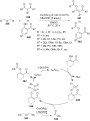
Scheme 77: Cross-dehydrogenative C–O coupling of ethers with β-dicarbonyl compounds and phenols using copper c...

Scheme 78: Cross-dehydrogenative C–O coupling of 2-hydroxybenzaldehyde with dioxane catalyzed by Cu2(BPDC)2(BP...

Scheme 79: Ruthenium chloride-catalyzed acyloxylation of β-lactams.

Scheme 80: Ruthenium-catalyzed tert-butyl peroxydation amides and acetoxylation of β-lactams.

Scheme 81: PhI(OAc)2-mediated α,β-diacetoxylation of tertiary amines.

Scheme 82: Electrochemical oxidative methoxylation of tertiary amines.

Scheme 83: Cross-dehydrogenative C–O coupling of ketene dithioacetals with carboxylic acids in the presence of...

Scheme 84: Cross-dehydrogenative C–O coupling of enamides with carboxylic acids using iodosobenzene as oxidant....

Scheme 85: Oxidative alkoxylation, acetoxylation, and tosyloxylation of acylanilides using PhI(O(O)CCF3)2 in t...

Scheme 86: Proposed mechanism of the oxidative C–O coupling of actetanilide with O-nucleophiles in the presenc...

Scheme 87: Three-component coupling of aldehydes, anilines and alcohols involving oxidative intermolecular C–O...

Scheme 88: Oxidative coupling of phenols with alcohols.

Scheme 89: 2-Acyloxylation of quinoline N-oxides with arylaldehydes in the presence of the CuOTf/t-BuOOH syste...

Scheme 90: Cross-dehydrogenative C–O coupling of azoles with primary alcohols.

Scheme 91: Oxidation of dipyrroles to dipyrrins and subsequent oxidative alkoxylation in the presence of Na3Co...

Scheme 92: Oxidative dehydrogenative carboxylation of alkanes and cycloalkanes to allylic esters.

Scheme 93: Pd-catalyzed acetoxylation of benzene.
Recent advances in the electrochemical construction of heterocycles
- Robert Francke
Beilstein J. Org. Chem. 2014, 10, 2858–2873, doi:10.3762/bjoc.10.303
- solution and dichloromethane is employed as electrolyte. The method features attractive yields (70–95%) and a broad scope with regard to substitution on the phenylene moiety (R1 and R2) and on the oxazole unit (R3). 2 Intermolecular cyclizations 2.1 Cycloadditions with anodically generated intermediates A

Graphical Abstract

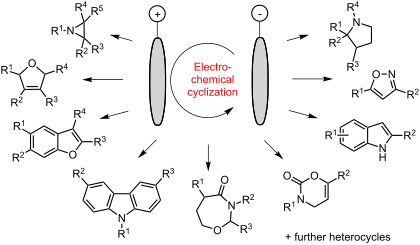
Figure 1: Common types of electrochemically induced cyclization reactions.

Scheme 1: Principle of indirect electrolysis.

Scheme 2: Anodic intramolecular cyclization of olefines in methanol.

Scheme 3: Anodic cyclization of olefines in CH2Cl2/DMSO.

Scheme 4: Intramolecular coupling of 1,6-dienes in CH2Cl2/DMSO.

Scheme 5: Cyclization of bromopropargyloxy ester 12.

Scheme 6: Proposed mechanism for the radical cyclization of bromopropargyloxy ester 12.
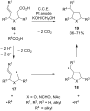
Scheme 7: Preparation of pyrrolidines and tetrahydrofurans via Kolbe-type electrolysis of unsaturated carboxy...

Scheme 8: Anodic cyclization of chalcone oximes 19.

Scheme 9: Generation of N-acyliminium (23) and alkoxycarbenium species (24) from amides and ethers with and w...

Scheme 10: Anodic cyclization of dipeptide 25.

Scheme 11: Anodic cyclization of a dipeptide using an electroauxiliary.

Scheme 12: Anodic cyclization of hydroxyamino compound 29.

Scheme 13: Cyclization of unsaturated thioacetals using the ArS(ArSSAr)+ mediator.

Scheme 14: Cyclization of biaryl 35 to carbazol 36 as key-step of the synthesis of glycozoline (37).

Scheme 15: Electrosynthesis of 39 as part of the total synthesis of alkaloids 40 and 41.

Scheme 16: Wacker-type cyclization of alkenyl phenols 42.

Scheme 17: Cathodic synthesis of indol derivatives.

Scheme 18: Fluoride mediated anodic cyclization of α-(phenylthio)acetamides.

Scheme 19: Synthesis of 2-substituted benzoxazoles from Schiff bases.

Scheme 20: Synthesis of euglobal model compounds via electrochemically induced Diels–Alder cycloaddition.

Scheme 21: Cycloaddition of anodically generated N-acyliminium species 58 with olefins and alkynes.

Scheme 22: Electrochemical aziridination of olefins.

Scheme 23: Proposed mechanism for the aziridination reaction.

Scheme 24: Electrochemical synthesis of benzofuran and indole derivatives.

Scheme 25: Anodic anellation of catechol derivatives 66 with different 1,3-dicarbonyl compounds.

Scheme 26: Electrosynthesis of 1,2-fused indoles from catechol and ketene N,O-acetals.

Scheme 27: Reaction of N-acyliminium pools with olefins having a nucleophilic substituent.

Scheme 28: Synthesis of thiochromans using the cation-pool method.

Scheme 29: Electrochemical synthesis and diversity-oriented modification of 73.
Photochemical approach to functionalized benzobicyclo[3.2.1]octene structures via fused oxazoline derivatives from 4- and 5-(o-vinylstyryl)oxazoles
- Ivana Šagud,
- Simona Božić,
- Željko Marinić and
- Marija Šindler-Kulyk
Beilstein J. Org. Chem. 2014, 10, 2222–2229, doi:10.3762/bjoc.10.230
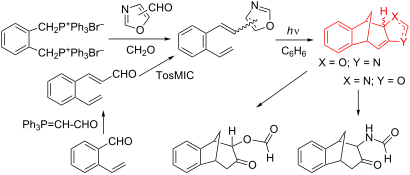
- .10.230 Abstract Novel cis/trans-4- and cis/trans-5-(2-vinylstyryl)oxazoles have been synthesized by Wittig reactions from the diphosphonium salt of α,α’-o-xylene dibromide, formaldehyde and 4- and 5-oxazolecarbaldehydes, respectively. In contrast, trans-5-(2-vinylstyryl)oxazole has been synthesized by
- )oxazole small quantities of electrocyclization product, 4-(1,2-dihydronaphthalen-2-yl)oxazole, are isolated and spectroscopically characterized. Keywords: bicyclo[3.2.1]octane; intramolecular photocycloaddition; oxazole; styryl; vinyl; Introduction The bicyclo[3.2.1]octane skeleton is the basic
- ] and sydnones [11][12][13], as routes to polycyclic compounds, we turned our attention to oxazole derivatives. The oxazole structure is commonly found in natural products and pharmaceuticals [14][15][16][17] and is applied in useful reagents and intermediates in organic synthesis [18][19][20][21][22

Graphical Abstract

Scheme 1: Synthesis of 4- (1) and 5-(2-vinylstyryl)oxazoles (2).

Scheme 2: Irradiation of 4- (1) and 5-(2-vinylstyryl)oxazoles (2) (crude reaction mixtures).

Figure 1: Part of 1H NMR spectra in C6D6 of the crude photomixtures after 200 min (300 nm, rt ) of irradiatio...

Scheme 3: Plausible mechanisms of oxazoline ring-opening in photoproduct 10.

Figure 2: 1H NMR spectra in C6D6 of rel-(9S)-12a (a) and rel-(9S)-11 (b).

Scheme 4: Mechanism of the formation of polycyclic compounds (8–10).

Scheme 5: Reactions of the photochemical product 8 with EtOH, MeOD and H2O/silica gel.

Scheme 6: Plausible mechanisms of oxazoline ring opening in photoproduct 10 and formation of 12.
Isoxazolium N-ylides and 1-oxa-5-azahexa-1,3,5-trienes on the way from isoxazoles to 2H-1,3-oxazines
- Alexander F. Khlebnikov,
- Mikhail S. Novikov,
- Yelizaveta G. Gorbunova,
- Ekaterina E. Galenko,
- Kirill I. Mikhailov,
- Viktoriia V. Pakalnis and
- Margarita S. Avdontceva
Beilstein J. Org. Chem. 2014, 10, 1896–1905, doi:10.3762/bjoc.10.197
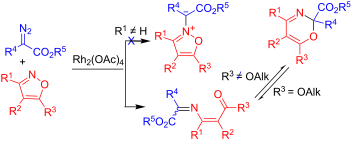
- very low activation barriers (0.2–1.5 kcal/mol) to give (3Z)-1-oxa-5-azahexa-1,3,5-trienes. This is expected, because the oxazole N–O bond is very weak and the reaction is pseudopericyclic [21][22]. The calculated low thermodynamic and kinetic stabilities of the isoxazolium ylides (Figure 1) give only
- )] computed at DFT B3LYP/6-31G(d) level. Energy profiles for the transformations of (3Z)-1-oxa-5-azahexa-1,3,5-triene D and oxazines E derived from (methoxycarbonyl)phenylcarbene or di(methoxycarbonyl)carbene and oxazole A. Relative free energies [kcal/mol, 298 K, CH2Cl2 (PCM)] computed at DFT B3LYP/6-31G(d

Graphical Abstract

Scheme 1: Mechanistic scheme of the formation of 2H-1,3-oxazine by the reaction of isoxazoles with a diazo co...

Scheme 2: Mechanistic scheme of the formation of 2H-1,3-oxazine by the reaction of azirine with a diazo compo...

Figure 1: Energy profiles for the transformations of ylides C, (3Z)-1-oxa-5-azahexa-1,3,5-triene D and oxazin...

Figure 2: Energy profiles for the transformations of (3Z)-1-oxa-5-azahexa-1,3,5-triene D and oxazines E deriv...

Scheme 3: Reaction of isoxazole 1a and diazo ester 2a.

Figure 3: Molecular structures of compounds 3a,k, displacement parameters are drawn at 50% probability level.

Figure 4: Molecular structures of compounds 4a,b, displacement parameters are drawn at 50% probability level.

Scheme 4: Isodesmic reactions for 1,3-oxazines 3d,e,n,o and 1-oxa-5-azahexa-1,3,5-trienes 4a,b,g,h.
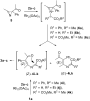
Scheme 5: Reaction of complementary isoxazole 1a and azirine 5 with diazo esters.
Isocyanide-based multicomponent reactions towards cyclic constrained peptidomimetics
- Gijs Koopmanschap,
- Eelco Ruijter and
- Romano V.A. Orru
Beilstein J. Org. Chem. 2014, 10, 544–598, doi:10.3762/bjoc.10.50

- afforded the final (R)-bacillamide C in 6% yield over three steps (ee 94%). Oxazoles The oxazole unit has been applied in different bioactive marine natural products [110]. The group of Zhu reported a Ugi 3-CR to a small library of 2,4,5-trisubstituted oxazole-containing peptide-like structures from
- bifunctional α-isocyanoacetamides (Scheme 43) [111][112]. A plausible mechanism for this reaction involves the formation of 141, that after tautomerization, cyclizes to the oxazole product 143. It is noteworthy, that this reaction proceeds without the addition of a carboxylic acid because amino-oxazoles are
- unstable under acidic conditions. In total, six different aldehydes, twelve amines and three isocyanides yielded the corresponding desired oxazole mimics 143 in good yields (60–96%), however, the products were obtained as racemates even when the reaction was performed with chiral isocyanides. Some

Graphical Abstract

Scheme 1: The proposed mechanism of the Passerini reaction.

Scheme 2: The PADAM-strategy to α-hydroxy-β-amino amide derivatives 7. An additional oxidation provides α-ket...

Scheme 3: The general accepted Ugi-mechanism.

Scheme 4: Three commonly applied Ugi/cyclization approaches. a) UDC-process, b) UAC-sequence, c) UDAC-combina...

Scheme 5: Ugi reaction that involves the condensation of Armstrong’s convertible isocyanide.

Scheme 6: Mechanism of the U-4C-3CR towards bicyclic β-lactams.

Scheme 7: The Ugi 4C-3CR towards oxabicyclo β-lactams.

Scheme 8: Ugi MCR between an enantiopure monoterpene based β-amino acid, aldehyde and isocyanide resulting in...

Scheme 9: General MCR for β-lactams in water.

Scheme 10: a) Ugi reaction for β-lactam-linked peptidomimetics. b) Varying the β-amino acid resulted in β-lact...

Scheme 11: Ugi-4CR followed by a Pd-catalyzed Sn2 cyclization.

Scheme 12: Ugi-3CR of dipeptide mimics from 2-substituted pyrrolines.

Scheme 13: Joullié–Ugi reaction towards 2,5-disubstituted pyrrolidines.

Scheme 14: Further elaboration of the Ugi-scaffold towards bicyclic systems.

Scheme 15: Dihydroxyproline derivatives from an Ugi reaction.

Scheme 16: Diastereoselective Ugi reaction described by Banfi and co-workers.

Scheme 17: Similar Ugi reaction as in Scheme 16 but with different acids and two chiral isocyanides.

Scheme 18: Highly diastereoselective synthesis of pyrrolidine-dipeptoids via a MAO-N/MCR-procedure.

Scheme 19: MAO-N/MCR-approach towards the hepatitis C drug telaprevir.

Scheme 20: Enantioselective MAO-U-3CR procedure starting from chiral pyrroline 64.

Scheme 21: Synthesis of γ-lactams via an UDC-sequence.

Scheme 22: Utilizing bifunctional groups to provide bicyclic γ-lactam-ketopiperazines.

Scheme 23: The Ugi reaction provided both γ- as δ-lactams depending on which inputs were used.

Scheme 24: The sequential Ugi/RCM with olefinic substrates provided bicyclic lactams.

Scheme 25: a) The structural and dipole similarities of the triazole unit with the amide bond. b) The copper-c...

Scheme 26: The Ugi/Click sequence provided triazole based peptidomimetics.

Scheme 27: The Ugi/Click reaction as described by Nanajdenko.

Scheme 28: The Ugi/Click-approach by Pramitha and Bahulayan.

Scheme 29: The Ugi/Click-combination by Niu et al.

Scheme 30: Triazole linked peptidomimetics obtained from two separate MCRs and a sequential Click reaction.

Scheme 31: Copper-free synthesis of triazoles via two MCRs in one-pot.

Scheme 32: The sequential Ugi/Paal–Knorr reaction to afford pyrazoles.

Scheme 33: An intramolecular Paal–Knorr condensation provided under basic conditions pyrazolones.

Scheme 34: Similar cyclization performed under acidic conditions provided pyrazolones without the trifluoroace...

Scheme 35: The Ugi-4CR towards 2,4-disubstituted thiazoles.

Scheme 36: Solid phase approach towards thiazoles.

Scheme 37: Reaction mechanism of formation of thiazole peptidomimetics containing an additional β-lactam moiet...

Scheme 38: The synthesis of the trisubstituted thiazoles could be either performed via an Ugi reaction with pr...

Scheme 39: Performing the Ugi reaction with DMB-protected isocyanide gave access to either oxazoles or thiazol...

Scheme 40: Ugi/cyclization-approach towards 2,5-disubstituted thiazoles. The Ugi reaction was performed with d...

Scheme 41: Further derivatization of the thiazole scaffold.

Scheme 42: Three-step procedure towards the natural product bacillamide C.

Scheme 43: Ugi-4CR to oxazoles reported by Zhu and co-workers.

Scheme 44: Ugi-based synthesis of oxazole-containing peptidomimetics.

Scheme 45: TMNS3 based Ugi reaction for peptidomimics containing a tetrazole.

Scheme 46: Catalytic cycle of the enantioselective Passerini reaction towards tetrazole-based peptidomimetics.

Scheme 47: Tetrazole-based peptidomimetics via an Ugi reaction and a subsequent sigmatropic rearrangement.

Scheme 48: Resin-bound Ugi-approach towards tetrazole-based peptidomimetics.

Scheme 49: Ugi/cyclization approach towards γ/δ/ε-lactam tetrazoles.

Scheme 50: Ugi-3CR to pipecolic acid-based peptidomimetics.

Scheme 51: Staudinger–Aza-Wittig/Ugi-approach towards pipecolic acid peptidomimetics.

Figure 1: The three structural isomers of diketopiperazines. The 2,5-DKP isomer is most common.

Scheme 52: UDC-approach to obtain 2,5-DKPs, either using Armstrong’s isocyanide or via ethylglyoxalate.

Scheme 53: a) Ugi reaction in water gave either 2,5-DKP structures or spiro compounds. b) The Ugi reaction in ...

Scheme 54: Solid-phase approach towards diketopiperazines.

Scheme 55: UDAC-approach towards DKPs.

Scheme 56: The intermediate amide is activated as leaving group by acid and microwave assisted organic synthes...

Scheme 57: UDC-procedure towards active oxytocin inhibitors.

Scheme 58: An improved stereoselective MCR-approach towards the oxytocin inhibitor.

Scheme 59: The less common Ugi reaction towards DKPs, involving a Sn2-substitution.

Figure 2: Spatial similarities between a natural β-turn conformation and a DKP based β-turn mimetic [158].

Scheme 60: Ugi-based syntheses of bicyclic DKPs. The amine component is derived from a coupling between (R)-N-...

Scheme 61: Ugi-based synthesis of β-turn and γ-turn mimetics.

Figure 3: Isocyanide substituted 3,4-dihydropyridin-2-ones, dihydropyridines and the Freidinger lactams. Bio-...

Scheme 62: The mechanism of the 4-CR towards 3,4-dihydropyridine-2-ones 212.

Scheme 63: a) Multiple MCR-approach to provide DHP-peptidomimetic in two-steps. b) A one-pot 6-CR providing th...

Scheme 64: The MCR–alkylation–MCR procedure to obtain either tetrapeptoids or depsipeptides.

Scheme 65: U-3CR/cyclization employing semicarbazone as imine component gave triazine based peptidomimetics.

Scheme 66: 4CR towards triazinane-diones.

Scheme 67: The MCR–alkylation–IMCR-sequence described by our group towards triazinane dione-based peptidomimet...

Scheme 68: Ugi-4CR approaches followed by a cyclization to thiomorpholin-ones (a) and pyrrolidines (b).

Scheme 69: UDC-approach for benzodiazepinones.

Scheme 70: Ugi/Mitsunobu sequence to BDPs.

Scheme 71: A UDAC-approach to BDPs with convertible isocyanides. The corresponding amide is cleaved by microwa...

Scheme 72: microwave assisted post condensation Ugi reaction.

Scheme 73: Benzodiazepinones synthesized via the post-condensation Ugi/ Staudinger–Aza-Wittig cyclization.

Scheme 74: Two Ugi/cyclization approaches utilizing chiral carboxylic acids. Reaction (a) provided the product...

Scheme 75: The mechanism of the Gewald-3CR includes three base-catalysed steps involving first a Knoevnagel–Co...

Scheme 76: Two structural 1,4-thienodiazepine-2,5-dione isomers by U-4CR/cyclization.

Scheme 77: Tetrazole-based diazepinones by UDC-procedure.

Scheme 78: Tetrazole-based BDPs via a sequential Ugi/hydrolysis/coupling.

Scheme 79: MCR synthesis of three different tricyclic BPDs.

Scheme 80: Two similar approaches both involving an Ugi reaction and a Mitsunobu cyclization.

Scheme 81: Mitsunobu–Ugi-approach towards dihydro-1,4-benzoxazepines.

Scheme 82: Ugi reaction towards hetero-aryl fused 5-oxo-1,4-oxazepines.

Scheme 83: a) Ugi/RCM-approach towards nine-membered peptidomimetics b) Sequential peptide-coupling, deprotect...

Scheme 84: Ugi-based synthesis towards cyclic RGD-pentapeptides.

Scheme 85: Ugi/MCR-approach towards 12–15 membered macrocycles.

Scheme 86: Stereoselective Ugi/RCM approach towards 16-membered macrocycles.

Scheme 87: Passerini/RCM-sequence to 22-membered macrocycles.

Scheme 88: UDAC-approach towards 12–18-membered depsipeptides.

Figure 4: Enopeptin A with its more active derivative ADEP-4.

Scheme 89: a) The Joullié–Ugi-approach towards ADEP-4 derivatives b) Ugi-approach for the α,α-dimethylated der...

Scheme 90: Ugi–Click-strategy for 15-membered macrocyclic glyco-peptidomimetics.

Scheme 91: Ugi/Click combinations provided macrocycles containing both a triazole and an oxazole moiety.

Scheme 92: a) A solution-phase procedure towards macrocycles. b) Alternative solid-phase synthesis as was repo...

Scheme 93: Ugi/cyclization towards cyclophane based macrocycles.

Scheme 94: PADAM-strategy towards eurystatin A.

Scheme 95: PADAM-approach for cyclotheanamide.

Scheme 96: A triple MCR-approach affording RGD-pentapeptoids.

Scheme 97: Ugi-MiBs-approach towards peptoid macrocycles.

Scheme 98: Passerini-based MiB approaches towards macrocycles 345 and 346.

Scheme 99: Macrocyclic peptide formation by the use of amphoteric aziridine-based aldehydes.
Silver and gold-catalyzed multicomponent reactions
- Giorgio Abbiati and
- Elisabetta Rossi
Beilstein J. Org. Chem. 2014, 10, 481–513, doi:10.3762/bjoc.10.46
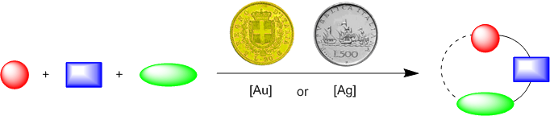
- reaction with the chloride ion released during the initial imine acylation. Finally, a combination between Brønsted acid and metal catalysis, promote the isomerization of V to oxazole 21. It is noteworthy, that the gold catalyst seemed to be essential only for the formation of the gold-acetylide

Graphical Abstract

Scheme 1: General reaction mechanism for Ag(I)-catalyzed A3-coupling reactions.

Scheme 2: A3-coupling reaction catalyzed by polystyrene-supported NHC–silver halides.

Figure 1: Various NHC–Ag(I) complexes used as catalysts for A3-coupling.

Scheme 3: Proposed reaction mechanism for NHC–AgCl catalyzed A3-coupling reactions.

Scheme 4: Liu’s synthesis of pyrrole-2-carboxaldehydes 4.

Scheme 5: Proposed reaction mechanism for Liu’s synthesis of pyrrole-2-carboxaldehydes 4.

Scheme 6: Gold-catalyzed synthesis of propargylamines 1.

Scheme 7: A3-coupling catalyzed by phosphinamidic Au(III) metallacycle 6.

Scheme 8: Gold-catalyzed KA2-coupling.

Scheme 9: A3-coupling applied to aldehyde-containing oligosaccharides 8.

Scheme 10: A3-MCR for the preparation of propargylamine-substituted indoles 9.

Scheme 11: A3-coupling interceded synthesis of furans 12.

Scheme 12: A3/KA2-coupling mediated synthesis of functionalized dihydropyrazoles 13 and polycyclic dihydropyra...

Scheme 13: Au(I)-catalyzed entry to cyclic carbamimidates 17 via an A3-coupling-type approach.

Scheme 14: Proposed reaction mechanism for the Au(I)-catalyzed synthesis of cyclic carbamimidates 17.

Figure 2: Chiral trans-1-diphenylphosphino-2-aminocyclohexane–Au(I) complex 20.

Scheme 15: A3-coupling-type synthesis of oxazoles 21 catalyzed by Au(III)–salen complex.

Scheme 16: Proposed reaction mechanism for the synthesis of oxazoles 21.

Scheme 17: Synthesis of propargyl ethyl ethers 24 by an A3-coupling-type reaction.

Scheme 18: General mechanism of Ag(I)-catalyzed MCRs of 2-alkynylbenzaldehydes, amines and nucleophiles.

Scheme 19: General synthetic pathway to 1,3-disubstituted-1,2-dihydroisoquinolines.

Scheme 20: Synthesis of 1,3-disubstituted-1,2-dihydroisoquinolines 29.

Scheme 21: Synthesis of 1,3-disubstituted-1,2-dihydroisoquinolines 35 and 36.

Scheme 22: Rh(II)/Ag(I) co-catalyzed synthesis of 1,3-disubstituted-1,2-dihydroisoquinolines 40.

Scheme 23: General synthetic pathway to 2-amino-1,2-dihydroquinolines.

Scheme 24: Synthesis of 2-amino-1,2-dihydroquinolines 47.

Scheme 25: Synthesis of tricyclic H-pyrazolo[5,1-a]isoquinoline 48.

Scheme 26: Synthesis of tricyclic H-pyrazolo[5,1-a]isoquinolines 48.

Scheme 27: Cu(II)/Ag(I) catalyzed synthesis of H-pyrazolo[5,1-a]isoquinolines 48.

Scheme 28: Synthesis of 2-aminopyrazolo[5,1-a]isoquinolines 53.

Scheme 29: Synthesis of 1-(isoquinolin-1-yl)guanidines 55.

Scheme 30: Ag(I)/Cu(I) catalyzed synthesis of 2-amino-H-pyrazolo[5,1-a]isoquinolines 58.

Scheme 31: Ag(I)/Ni(II) co-catalyzed synthesis of 3,4-dihydro-1H-pyridazino[6,1-a]isoquinoline-1,1-dicarboxyla...

Scheme 32: Ag(I) promoted activation of the α-carbon atom of the isocyanide group.

Scheme 33: Synthesis of dihydroimidazoles 65.

Scheme 34: Synthesis of oxazoles 68.

Scheme 35: Stereoselective synthesis of chiral butenolides 71.

Scheme 36: Proposed reaction mechanism for the synthesis of butenolides 71.

Scheme 37: Stereoselective three-component approach to pirrolidines 77 by means of a chiral auxiliary.

Scheme 38: Stereoselective three-component approach to pyrrolidines 81 and 82 by means of a chiral catalyst.

Scheme 39: Synthesis of substituted five-membered carbocyles 86.

Scheme 40: Synthesis of regioisomeric arylnaphthalene lactones.

Scheme 41: Enantioselective synthesis of spiroacetals 96 by Fañanás and Rodríguez [105].

Scheme 42: Enantioselective synthesis of spiroacetals 101 by Gong [106].

Scheme 43: Synthesis of polyfunctionalized fused bicyclic ketals 103 and bridged tricyclic ketals 104.

Scheme 44: Proposed reaction mechanism for the synthesis of ketals 103 and 104.

Scheme 45: Synthesis of β-alkoxyketones 108.

Scheme 46: Synthesis of N-methyl-1,4-dihydropyridines 112.

Scheme 47: Synthesis of tetrahydrocarbazoles 115–117.

Scheme 48: Plausible reaction mechanism for the synthesis of tetrahydrocarbazoles 115–117.

Scheme 49: Carboamination, carboalkoxylation and carbolactonization of terminal alkenes.

Scheme 50: Oxyarylation of alkenes with arylboronic acids and Selectfluor as reoxidant.

Scheme 51: Proposed reaction mechanism for oxyarylation of alkenes.

Scheme 52: Oxyarylation of alkenes with arylsilanes and Selectfluor as reoxidant.

Scheme 53: Oxyarylation of alkenes with arylsilanes and IBA as reoxidant.
Total synthesis and cytotoxicity of the marine natural product malevamide D and a photoreactive analog
- Werner Telle,
- Gerhard Kelter,
- Heinz-Herbert Fiebig,
- Peter G. Jones and
- Thomas Lindel
Beilstein J. Org. Chem. 2014, 10, 316–322, doi:10.3762/bjoc.10.29
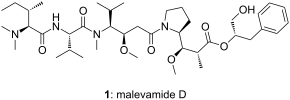
- 13C NMR signals of oxazole C-5 (10 Hz) and C-4 (6.2 Hz). To the best of our knowledge, this is only the second time that a peptide-derived oxazol-5-ylphosphate has been characterized. Earlier, Boyd and co-workers had converted an oxazolone to an oxazolyl phosphate by treatment with excess diphenyl

Graphical Abstract
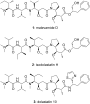
Figure 1: Structures of the strongly cytotoxic marine natural products malevamide D (1), isodolastatin H (2),...

Scheme 1: Total synthesis of malevamide D (1). a) DMSO (16 equiv), NEt3 (5 equiv), pyridine·SO3 (5 equiv), 0 ...

Scheme 2: Formation of oxazolylphosphate 18 on attempted DEPC-mediated coupling of dipeptide 15.

Scheme 3: Synthesis of tosyloximes (Z)-22 and (E)-22, X-ray structure of (E)-22. a) NH2OH·HCl (1.5 equiv), py...
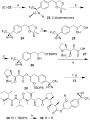
Scheme 4: Synthesis of photo malevamide D 30. a) NH3(l), t-BuOMe, −40 °C, 2 h, rt, 16 h, quant. b) I2 (1.2 eq...

Figure 2: DSC curve of diazirine 25, heating rate 5 °C/min.
New tridecapeptides of the theonellapeptolide family from the Indonesian sponge Theonella swinhoei
- Annamaria Sinisi,
- Barbara Calcinai,
- Carlo Cerrano,
- Henny A. Dien,
- Angela Zampella,
- Claudio D’Amore,
- Barbara Renga,
- Stefano Fiorucci and
- Orazio Taglialatela-Scafati
Beilstein J. Org. Chem. 2013, 9, 1643–1651, doi:10.3762/bjoc.9.188
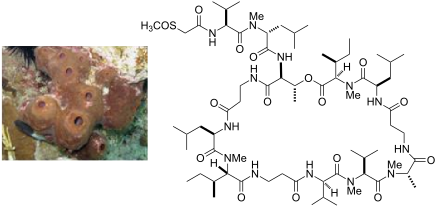
- oxazole or thiazole rings) [10], papuamides (HIV inhibitory macrocyclic depsipeptides) [11], polytheonamides (cytotoxic linear polypeptides) [12], cyclotheonamides (thrombin and serine protease inhibitors) [13], perthamides (anti-inflammatory cyclopeptides) [14][15], solomonamides [16] and

Graphical Abstract

Figure 1: Structure of the known compound theonellapeptolide Id (1).

Figure 2: Structures of sulfinyltheonellapeptolide (2) and theonellapeptolide If (3).

Figure 3: COSY and key HMBC correlations (left) and MS/MS fragmentations of 2 and its ring-opened methanolysi...
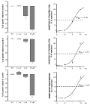
Figure 4: Antiproliferative activity of theonellapeptolides 1–3 on hepatic carcinoma cell line. The MTT assay...
Synthesis and physicochemical characterization of novel phenotypic probes targeting the nuclear factor-kappa B signaling pathway
- Paul M. Hershberger,
- Satyamaheshwar Peddibhotla,
- E. Hampton Sessions,
- Daniela B. Divlianska,
- Ricardo G. Correa,
- Anthony B. Pinkerton,
- John C. Reed and
- Gregory P. Roth
Beilstein J. Org. Chem. 2013, 9, 900–907, doi:10.3762/bjoc.9.103
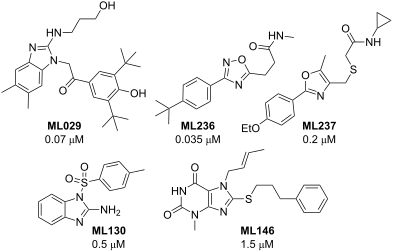
- cell line and >400-fold selective over both the NF-κB activation in HEK 293T cells and against TNFα-mediated NF-κB activation. In comparison, the second oxazole-based probe 12 is also potent (0.2 μM) in the 697 pre-B cell line and >400-fold selective over both the NF-κB activation in HEK 293T cells and
- 4-ethoxybenzaldehyde was condensed with diacetyl monoxime under acidic conditions. The resulting oxazole N-oxide 9 was converted to the chloromethyloxazole 10 via selective chlorination with phosphorous oxychloride in good yield. Addition of thioglycolic acid led to the carboxylic acid 11, which was

Graphical Abstract

Scheme 1: Synthesis of ML029 (4).

Scheme 2: Synthesis of ML236 (8).

Scheme 3: Synthesis of ML237 (12).

Scheme 4: Synthesis of ML130 (13).

Scheme 5: Synthesis of ML146 (17).
Synthesis of 5-(ethylsulfonyl)-2-methoxyaniline: An important pharmacological fragment of VEGFR2 and other inhibitors
- Miroslav Murár,
- Gabriela Addová and
- Andrej Boháč
Beilstein J. Org. Chem. 2013, 9, 173–179, doi:10.3762/bjoc.9.20
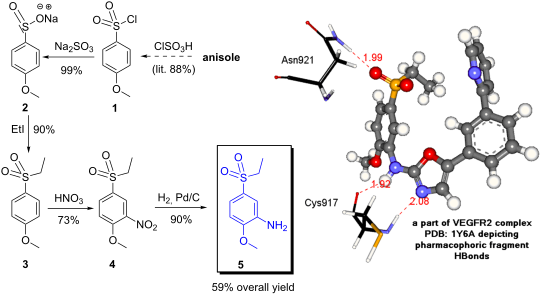
- sodium salt C was subsequently converted to the hydrochloride salt of 3-amino-4-hydroxybenzene-1-sulfonyl chloride (D) by treatment with thionyl chloride at room temperature. The amino group of D was protected in the form of a 2-methylbenzo[d]oxazole-5-sulfonyl chloride (E) by reaction of D with (EtO)3CH

Graphical Abstract

Figure 1: The AAZ ligand conformer from PDB complex 1Y6A and its VEGFR2 intermolecular interaction map depict...

Scheme 1: The structures of commercially available arylsulfonic acids A and B both appropriately substituted ...

Scheme 2: Synthetic pathway starting from the commercially available sulfonyl chloride 1 leading to the requi...



