


Search results
Search for "alkoxide" in Full Text gives 134 result(s) in Beilstein Journal of Organic Chemistry.
Base-promoted isomerization of CF3-containing allylic alcohols to the corresponding saturated ketones under metal-free conditions
- Yoko Hamada,
- Tomoko Kawasaki-Takasuka and
- Takashi Yamazaki
Beilstein J. Org. Chem. 2017, 13, 1507–1512, doi:10.3762/bjoc.13.149

- results were summarized in Table 1. For this purpose, evaluation was performed on the basis of the energetic difference between neutral compounds and the corresponding carbanion or alkoxide species: thus, in the former instance, ΔEC as E3X-C − E1X (or E4X-C − E2X) or the latter ΔEO as E3X-O − E1X (or E4X
- -O − E2X) in the case of propargylic (or allylic) alcohols, respectively, as the simple measure of destabilization. In the case of the non-fluorinated 1H and 2H series, as expected, a clear alkoxide preference was noticed irrespective of the carbon–carbon unsaturation pattern. For the corresponding
- the alkoxide 3F-Oa. In the case of 1Fb, the phenyl group worked nicely for increase of the energetic preference of 3F-Cb to 3F-Ob of about 7.9 kcal/mol. For the allylic alcohol 2Fb (R = Ph), although the ΔΔE value was small, the carbanionic species 4F-Cb was calculated to be more (or at least almost

Graphical Abstract

Scheme 1: Et3N-promoted isomerization of propargylic alcohols 1F.

Figure 1: Calculated transition state model TS-8h for the present proton shift starting from (R,E)-6h (some h...
Automating multistep flow synthesis: approach and challenges in integrating chemistry, machines and logic
- Chinmay A. Shukla and
- Amol A. Kulkarni
Beilstein J. Org. Chem. 2017, 13, 960–987, doi:10.3762/bjoc.13.97
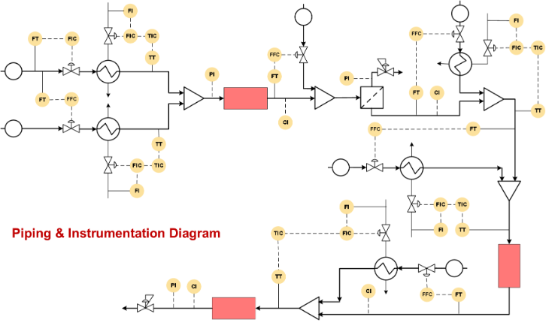
- equiv) with n-BuLi (1.1 equiv) at −50 °C in 10 mL PFA reactor with 7 min residence time. This lithium compound reacts with the ketone intermediate at 30 °C for 2 min in 5 mL PFA reactor coil. The intermediate lithium alkoxide is further reacted with trifluoroacetic anhydride (2 equiv) in a 10 mL PFA
- reactor will be similar to the previous reactor. This lithiated intermediate and the ketone intermediate obtained by the simultaneous process can be mixed using a ratio controller at the optimum stoichiometric amount. The obtained lithium alkoxide can be monitored inline using a suitable analytical

Graphical Abstract

Figure 1: A number of experiments for various optimization algorithms [46].

Figure 2: Symbols used for block and P&ID diagrams.

Scheme 1: Multistep synthesis of olanzapine (Hartwig et al. [10])

Figure 3: (A) Block diagram representation of the process shown in Scheme 1, (B) piping and instrumentation diagram o...

Scheme 2: Multistep flow synthesis for tamoxifen (Murray et al. [11]).

Figure 4: (A) Block diagram representation of the process shown in Scheme 2, (B) piping and instrumentation diagram o...

Figure 5: (A) Block diagram representation of the process shown in Scheme 3, (B) piping and instrumentation diagram o...

Scheme 3: Multistep flow synthesis of rufinamide (Zhang et al. [14]).

Figure 6: (A) Block diagram representation of the process shown in Scheme 4, (B) piping and instrumentation diagram o...

Scheme 4: Multistep synthesis for (±)-Oxomaritidine (Baxendale et al. [9]).

Figure 7: (A) Block diagram representation of the process shown in Scheme 5, (B) piping and instrumentation diagram o...

Scheme 5: Multistep synthesis for ibuprofen (Snead and Jamison [60]).

Scheme 6: Multistep synthesis for cinnarizine and buclizine derivatives (Borukhova et al. [23])
Figure 8: (A) Block diagram representation of the process shown in Scheme 6, (B) piping and instrumentation diagram o...

Scheme 7: Multistep synthesis for (S)-rolipram (Tsubogo et al. [4])

Figure 9: (A) Block diagram representation of the process shown in Scheme 7 (colours for each reactor shows different...

Figure 10: (A) Block diagram representation of the process shown in Scheme 8, (B) piping and instrumentation diagram o...

Scheme 8: Multistep synthesis for amitriptyline (Kupracz and Kirschning [7]).
Pd- and Cu-catalyzed approaches in the syntheses of new cholane aminoanthraquinone pincer-like ligands
- Nikolay V. Lukashev,
- Gennadii A. Grabovyi,
- Dmitry A. Erzunov,
- Alexey V. Kazantsev,
- Gennadij V. Latyshev,
- Alexei D. Averin and
- Irina P. Beletskaya.
Beilstein J. Org. Chem. 2017, 13, 564–570, doi:10.3762/bjoc.13.55
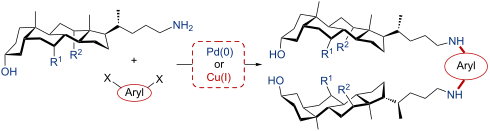
- yield of 5d (22%). We speculated that the low yield was caused by the presence of an additional hydroxy group in 3b. The formation of the alkoxide anion on the substrate due to the thermodynamically unfavorable equilibrium with Cs2CO3 might promote the destruction of the anthraquinone scaffold. Indeed

Graphical Abstract

Figure 1: A tripodal molecular pocket (a) [12] or jellyfish resembling receptors (b) [11,16].

Scheme 1: Example of Pd-catalyzed amination for modification of bile acid derivatives.

Scheme 2: Synthesis of 24-aminocholanols.

Scheme 3: Synthesis of 24-arylaminocholanols by Cu-catalyzed amination.

Scheme 4: Synthesis of 24-arylaminocholanols by Pd-catalyzed amination.

Figure 2: UV–vis spectra of 5c (50 μM solution in MeCN) before and after the addition of 5 equiv of metal per...
Rearrangements of organic peroxides and related processes
- Ivan A. Yaremenko,
- Vera A. Vil’,
- Dmitry V. Demchuk and
- Alexander O. Terent’ev
Beilstein J. Org. Chem. 2016, 12, 1647–1748, doi:10.3762/bjoc.12.162

Graphical Abstract
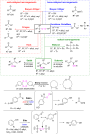
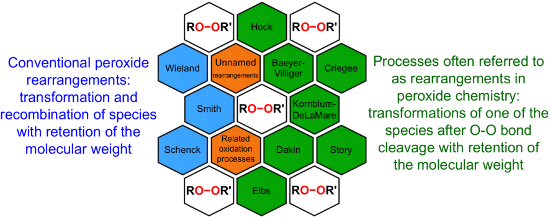
Figure 1: The named transformations considered in this review.

Scheme 1: The Baeyer–Villiger oxidation.

Scheme 2: The general mechanism of the peracid-promoted Baeyer–Villiger oxidation.

Scheme 3: General mechanism of the Lewis acid-catalyzed Baeyer–Villiger rearrangement.

Scheme 4: The theoretically studied mechanism of the BV oxidation reaction promoted by H2O2 and the Lewis aci...

Scheme 5: Proton movements in the transition states of the Baeyer–Villiger oxidation.

Scheme 6: The dependence of the course of the Baeyer–Villiger oxidation on the type of O–O-bond cleavage in t...
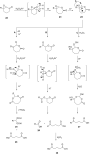
Scheme 7: The acid-catalyzed Baeyer–Villiger oxidation of cyclic epoxy ketones 22.

Scheme 8: Oxidation of isophorone oxide 29.

Scheme 9: Synthesis of acyl phosphate 32 from acyl phosphonate 31.

Scheme 10: Synthesis of aflatoxin B2 (36).

Scheme 11: The Baeyer–Villiger rearrangement of ketones 37 to lactones 38.

Scheme 12: Synthesis of 3,4-dimethoxybenzoic acid (40) via Baeyer–Villiger oxidation.

Scheme 13: Oxone transforms α,β-unsaturated ketones 43 into vinyl acetates 44.

Scheme 14: The Baeyer–Villiger oxidation of ketones 45 using diaryl diselenide and hydrogen peroxide.

Scheme 15: Baeyer–Villiger oxidation of (E)-2-methylenecyclobutanones.

Scheme 16: Oxidation of β-ionone (56) by H2O2/(BnSe)2 with formation of (E)-2-(2,6,6-trimethylcyclohex-1-en-1-...

Scheme 17: The mechanism of oxidation of ketones 58a–f by hydrogen peroxide in the presence of arsonated polys...

Scheme 18: Oxidation of ketone (58b) by H2O2 to 6-methylcaprolactone (59b) catalyzed by Pt complex 66·BF4.

Scheme 19: Oxidation of ketones 67 with H2O2 in the presence of [(dppb}Pt(µ-OH)]22+.

Scheme 20: The mechanism of oxidation of ketones 67 in the presence of [(dppb}Pt(µ-OH)]22+ and H2O2.

Scheme 21: Oxidation of benzaldehydes 69 in the presence of the H2O2/MeReO3 system.

Scheme 22: Oxidation of acetophenones 72 in the presence of the H2O2/MeReO3 system.

Scheme 23: Baeyer–Villiger oxidation of 2-adamantanone (45c) in the presence of Sn-containing mesoporous silic...

Scheme 24: Aerobic Baeyer–Villiger oxidation of ketones 76 using metal-free carbon.

Scheme 25: A regioselective Baeyer-Villiger oxidation of functionalized cyclohexenones 78 into a dihydrooxepin...

Scheme 26: The oxidation of aldehydes and ketones 80 by H2O2 catalyzed by Co4HP2Mo15V3O62.

Scheme 27: The cleavage of ketones 82 with hydrogen peroxide in alkaline solution.

Scheme 28: Oxidation of ketones 85 to esters 86 with H2O2–urea in the presence of KHCO3.

Scheme 29: Mechanism of the asymmetric oxidation of cyclopentane-1,2-dione 87a with the Ti(OiPr)4/(+)DET/t-BuO...

Scheme 30: The oxidation of cis-4-tert-butyl-2-fluorocyclohexanone (93) with m-chloroperbenzoic acid.

Scheme 31: The mechanism of the asymmetric oxidation of 3-substituted cyclobutanone 96a in the presence of chi...

Scheme 32: Enantioselective Baeyer–Villiger oxidation of cyclic ketones 98.

Scheme 33: Regio- and enantioselective Baeyer–Villiger oxidation of cyclic ketones 101.

Scheme 34: The proposed mechanism of the Baeyer–Villiger oxidation of acetal 105f.

Scheme 35: Synthesis of hydroxy-10H-acridin-9-one 117 from tetramethoxyanthracene 114.

Scheme 36: The Baeyer–Villiger oxidation of the fully substituted pyrrole 120.

Scheme 37: The Criegee rearrangement.

Scheme 38: The mechanism of the Criegee reaction of a peracid with a tertiary alcohol 122.

Scheme 39: Criegee rearrangement of decaline ethylperoxoate 127 into ketal 128.

Scheme 40: The ionic cleavage of 2-methoxy-2-propyl perester 129.

Scheme 41: The Criegee rearrangement of α-methoxy hydroperoxide 136.
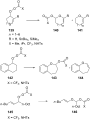
Scheme 42: Synthesis of enol esters and acetals via the Criegee rearrangement.

Scheme 43: Proposed mechanism of the transformation of 1-hydroperoxy-2-oxabicycloalkanones 147a–d.

Scheme 44: Transformation of 3-hydroxy-1,2-dioxolanes 151 into diketone derivatives 152.

Scheme 45: Criegee rearrangement of peroxide 153 with the mono-, di-, and tri-O-insertion.

Scheme 46: The sequential Criegee rearrangements of adamantanes 157a,b.

Scheme 47: Synthesis of diaryl carbonates 160a–d from triarylmethanols 159a–d through successive oxygen insert...

Scheme 48: The synthesis of sesquiterpenes 162 from ketone 161 with a Criegee rearrangement as one key step.

Scheme 49: Synthesis of trans-hydrindan derivatives 164, 165.

Scheme 50: The Hock rearrangement.

Scheme 51: The general scheme of the cumene process.

Scheme 52: The Hock rearrangement of aliphatic hydroperoxides.
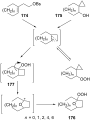
Scheme 53: The mechanism of solvolysis of brosylates 174a–c and spiro cyclopropyl carbinols 175a–c in THF/H2O2....

Scheme 54: The fragmentation mechanism of hydroperoxy acetals 178 to esters 179.

Scheme 55: The acid-catalyzed rearrangement of phenylcyclopentyl hydroperoxide 181.

Scheme 56: The peroxidation of tertiary alcohols in the presence of a catalytic amount of acid.

Scheme 57: The acid-catalyzed reaction of bicyclic secondary alcohols 192 with hydrogen peroxide.

Scheme 58: The photooxidation of 5,6-disubstituted 3,4-dihydro-2H-pyrans 196.

Scheme 59: The oxidation of tertiary alcohols 200a–g, 203a,b, and 206.

Scheme 60: Transformation of functional peroxide 209 leading to 2,3-disubstitued furans 210 in one step.

Scheme 61: The synthesis of carbazoles 213 via peroxide rearrangement.

Scheme 62: The construction of C–N bonds using the Hock rearrangement.

Scheme 63: The synthesis of moiety 218 from 217 which is a structural motif in the antitumor–antibiotic of CC-...

Scheme 64: The in vivo oxidation steps of cholesterol (219) by singlet oxygen.

Scheme 65: The proposed mechanism of the rearrangement of cholesterol-5α-OOH 220.

Scheme 66: Photochemical route to artemisinin via Hock rearrangement of 223.

Scheme 67: The Kornblum–DeLaMare rearrangement.

Scheme 68: Kornblum–DeLaMare transformation of 1-phenylethyl tert-butyl peroxide (225).

Scheme 69: The synthesis 4-hydroxyenones 230 from peroxide 229.

Scheme 70: The Kornblum–DeLaMare rearrangement of peroxide 232.

Scheme 71: The reduction of peroxide 234.

Scheme 72: The Kornblum–DeLaMare rearrangement of endoperoxide 236.

Scheme 73: The rearrangement of peroxide 238 under Kornblum–DeLaMare conditions.

Scheme 74: The proposed mechanism of rearrangement of peroxide 238.

Scheme 75: The Kornblum–DeLaMare rearrangement of peroxides 242a,b.

Scheme 76: The base-catalyzed rearrangements of bicyclic endoperoxides having electron-withdrawing substituent...

Scheme 77: The base-catalyzed rearrangements of bicyclic endoperoxides 249a,b having electron-donating substit...

Scheme 78: The base-catalyzed rearrangements of bridge-head substituted bicyclic endoperoxides 251a,b.

Scheme 79: The Kornblum–DeLaMare rearrangement of hydroperoxide 253.

Scheme 80: Synthesis of β-hydroxy hydroperoxide 254 from endoperoxide 253.

Scheme 81: The amine-catalyzed rearrangement of bicyclic endoperoxide 263.

Scheme 82: The base-catalyzed rearrangement of meso-endoperoxide 268 into 269.

Scheme 83: The photooxidation of 271 and subsequent Kornblum–DeLaMare reaction.

Scheme 84: The Kornblum–DeLaMare rearrangement as one step in the oxidation reaction of enamines.

Scheme 85: The Kornblum–DeLaMare rearrangement of 3,5-dihydro-1,2-dioxenes 284, 1,2-dioxanes 286, and tert-but...

Scheme 86: The Kornblum–DeLaMare rearrangement of epoxy dioxanes 290a–d.

Scheme 87: Rearrangement of prostaglandin H2 292.

Scheme 88: The synthesis of epicoccin G (297).

Scheme 89: The Kornblum–DeLaMare rearrangement used in the synthesis of phomactin A.

Scheme 90: The Kornblum–DeLaMare rearrangement in the synthesis of 3H-quinazolin-4-one 303.

Scheme 91: The Kornblum–DeLaMare rearrangement in the synthesis of dolabriferol (308).

Scheme 92: Sequential transformation of 3-substituted 2-pyridones 309 into 3-hydroxypyridine-2,6-diones 311 in...

Scheme 93: The Kornblum–DeLaMare rearrangement of peroxide 312 into hydroxy enone 313.

Scheme 94: The Kornblum–DeLaMare rearrangement in the synthesis of polyfunctionalized carbonyl compounds 317.

Scheme 95: The Kornblum–DeLaMare rearrangement in the synthesis of (Z)-β-perfluoroalkylenaminones 320.

Scheme 96: The Kornblum–DeLaMare rearrangement in the synthesis of γ-ketoester 322.

Scheme 97: The Kornblum–DeLaMare rearrangement in the synthesis of diterpenoids 326 and 328.

Scheme 98: The synthesis of natural products hainanolidol (331) and harringtonolide (332) from peroxide 329.

Scheme 99: The synthesis of trans-fused butyrolactones 339 and 340.

Scheme 100: The synthesis of leucosceptroid C (343) and leucosceptroid P (344) via the Kornblum–DeLaMare rearra...

Scheme 101: The Dakin oxidation of arylaldehydes or acetophenones.

Scheme 102: The mechanism of the Dakin oxidation.

Scheme 103: A solvent-free Dakin reaction of aromatic aldehydes 356.

Scheme 104: The organocatalytic Dakin oxidation of electron-rich arylaldehydes 358.

Scheme 105: The Dakin oxidation of electron-rich arylaldehydes 361.

Scheme 106: The Dakin oxidation of arylaldehydes 358 in water extract of banana (WEB).

Scheme 107: A one-pot approach towards indolo[2,1-b]quinazolines 364 from indole-3-carbaldehydes 363 through th...

Scheme 108: The synthesis of phenols 367a–c from benzaldehydes 366a-c via acid-catalyzed Dakin oxidation.

Scheme 109: Possible transformation paths of the highly polarized boric acid coordinated H2O2–aldehyde adduct 3...

Scheme 110: The Elbs oxidation of phenols 375 to hydroquinones.

Scheme 111: The mechanism of the Elbs persulfate oxidation of phenols 375 affording p-hydroquinones 376.

Scheme 112: Oxidation of 2-pyridones 380 under Elbs persulfate oxidation conditions.

Scheme 113: Synthesis of 3-hydroxy-4-pyridone (384) via an Elbs oxidation of 4-pyridone (382).

Scheme 114: The Schenck rearrangement.

Scheme 115: The Smith rearrangement.

Scheme 116: Three main pathways of the Schenck rearrangement.

Scheme 117: The isomerization of hydroperoxides 388 and 389.

Scheme 118: Trapping of dioxacyclopentyl radical 392 by oxygen.

Scheme 119: The hypothetical mechanism of the Schenck rearrangement of peroxide 394.

Scheme 120: The autoxidation of oleic acid (397) with the use of labeled isotope 18O2.

Scheme 121: The rearrangement of 18O-labeled hydroperoxide 400 under an atmosphere of 16O2.

Scheme 122: The rearrangement of the oleate-derived allylic hydroperoxides (S)-421 and (R)-425.

Scheme 123: Mechanisms of Schenck and Smith rearrangements.

Scheme 124: The rearrangement and cyclization of 433.

Scheme 125: The Wieland rearrangement.

Scheme 126: The rearrangement of bis(triphenylsilyl) 439 or bis(triphenylgermyl) 441 peroxides.

Scheme 127: The oxidative transformation of cyclic ketones.

Scheme 128: The hydroxylation of cyclohexene (447) in the presence of tungstic acid.

Scheme 129: The oxidation of cyclohexene (447) under the action of hydrogen peroxide.

Scheme 130: The reaction of butenylacetylacetone 455 with hydrogen peroxide.

Scheme 131: The oxidation of bridged 1,2,4,5-tetraoxanes.

Scheme 132: The proposed mechanism for the oxidation of bridged 1,2,4,5-tetraoxanes.

Scheme 133: The rearrangement of ozonides.

Scheme 134: The acid-catalyzed oxidative rearrangement of malondialdehydes 462 under the action of H2O2.

Scheme 135: Pathways of the Lewis acid-catalyzed cleavage of dialkyl peroxides 465 and ozonides 466.

Scheme 136: The mechanism of the transformation of (tert-butyldioxy)cyclohexanedienones 472.

Scheme 137: The synthesis of Vitamin K3 from 472a.

Scheme 138: Proposed mechanism for the transformation of 478d into silylated endoperoxide 479d.

Scheme 139: The rearrangement of hydroperoxide 485 to form diketone 486.

Scheme 140: The base-catalyzed rearrangement of cyclic peroxides 488a–g.

Scheme 141: Synthesis of chiral epoxides and aldols from peroxy hemiketals 491.

Scheme 142: The multistep transformation of (R)-carvone (494) to endoperoxides 496a–e.

Scheme 143: The decomposition of anthracene endoperoxide 499.

Scheme 144: Synthesis of esters 503 from aldehydes 501 via rearrangement of peroxides 502.

Scheme 145: Two possible paths for the base-promoted decomposition of α-azidoperoxides 502.

Scheme 146: The Story decomposition of cyclic diperoxide 506a.

Scheme 147: The Story decomposition of cyclic triperoxide 506b.

Scheme 148: The thermal rearrangement of endoperoxides A into diepoxides B.

Scheme 149: The transformation of peroxide 510 in the synthesis of stemolide (511).

Scheme 150: The possible mechanism of the rearrangement of endoperoxide 261g.

Scheme 151: The photooxidation of indene 517.

Scheme 152: The isomerization of ascaridole (523).

Scheme 153: The isomerization of peroxide 525.

Scheme 154: The thermal transformation of endoperoxide 355.

Scheme 155: The photooxidation of cyclopentadiene (529) at a temperature higher than 0 °C.

Scheme 156: The thermal rearrangement of endoperoxides 538a,b.

Scheme 157: The transformation of peroxides 541.

Scheme 158: The thermal rearrangements of strained cyclic peroxides.

Scheme 159: The thermal rearrangement of diacyl peroxide 551 in the synthesis of C4-epi-lomaiviticin B core 553....

Scheme 160: The 1O2 oxidation of tryptophan (554) and rearrangement of dioxetane intermediate 555.

Scheme 161: The Fe(II)-promoted cleavage of aryl-substituted bicyclic peroxides.

Scheme 162: The proposed mechanism of the Fe(II)-promoted rearrangement of 557a–c.

Scheme 163: The reaction of dioxolane 563 with Fe(II) sulfate.

Scheme 164: Fe(II)-promoted rearrangement of 1,2-dioxane 565.

Scheme 165: Fe(II) cysteinate-promoted rearrangement of 1,2-dioxolane 568.

Scheme 166: The transformation of 1,2-dioxanes 572a–c under the action of FeCl2.

Scheme 167: Fe(II) cysteinate-promoted transformation of tetraoxane 574.

Scheme 168: The CoTPP-catalyzed transformation of bicyclic endoperoxides 600a–d.

Scheme 169: The CoTPP-catalyzed transformation of epoxy-1,2-dioxanes.

Scheme 170: The Ru(II)-catalyzed reactions of 1,4-endoperoxide 261g.

Scheme 171: The Ru(II)-catalyzed transformation as a key step in the synthesis of elyiapyrone A (610) from 1,4-...

Scheme 172: Peroxides with antimalarial activity.

Scheme 173: The interaction of iron ions with artemisinin (616).

Scheme 174: The interaction of FeCl2 with 1,2-dioxanes 623, 624.

Scheme 175: The mechanism of reaction 623 and 624 with Fe(II)Cl2.

Scheme 176: The reaction of bicyclic natural endoperoxides G3-factors 631–633 with FeSO4.

Scheme 177: The transformation of terpene cardamom peroxide 639.
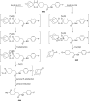
Scheme 178: The different ways of the cleavage of tetraoxane 643.

Scheme 179: The LC–MS analysis of interaction of tetraoxane 646 with iron(II)heme 647.

Scheme 180: The rearrangement of 3,6-epidioxy-1,10-bisaboladiene (EDBD, 649).

Scheme 181: Easily oxidized substrates.

Scheme 182: Biopathway of synthesis of prostaglandins.

Scheme 183: The reduction and rearrangements of isoprostanes.

Scheme 184: The partial mechanism for linoleate 658 oxidation.

Scheme 185: The transformation of lipid hydroperoxide.

Scheme 186: The acid-catalyzed cleavage of the product from free-radical oxidation of cholesterol (667).

Scheme 187: Two pathways of catechols oxidation.

Scheme 188: Criegee-like or Hock-like rearrangement of the intermediate hydroperoxide 675 in dioxygenase enzyme...

Scheme 189: Carotinoides 679 cleavage by carotenoid cleavage dioxygenases.
Reactivity studies of pincer bis-protic N-heterocyclic carbene complexes of platinum and palladium under basic conditions
- David C. Marelius,
- Curtis E. Moore,
- Arnold L. Rheingold and
- Douglas B. Grotjahn
Beilstein J. Org. Chem. 2016, 12, 1334–1339, doi:10.3762/bjoc.12.126
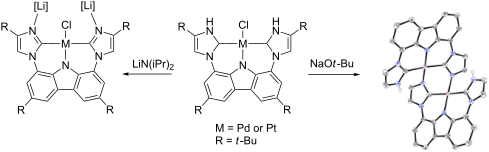
- , Figure 2), a situation that would not be possible for a monomeric structure. Attempts to synthesize 5 using sodium alkoxide bases led to the formation of dimer structures 6 with presumed loss of NaCl. Therefore, lithium chloride adducts 7 were targeted because LiCl adduct 3 was isolable yet highly

Graphical Abstract

Figure 1: Previously reported PNHC complexes of interest for this work, along with the targeted complex 5.

Figure 2: Crystal structure of 6-Pd. The atoms of the tert-butyl groups, C–H bonds, and the solvent have been...

Scheme 1: Formation of dimers 6-Pd and 6-Pt by addition of NaOt-Bu.

Scheme 2: Formation of 7 and 8 by addition of LiN(iPr)2 (1 or 2 equiv) (R = tert-butyl).
Conjugate addition–enantioselective protonation reactions
- James P. Phelan and
- Jonathan A. Ellman
Beilstein J. Org. Chem. 2016, 12, 1203–1228, doi:10.3762/bjoc.12.116
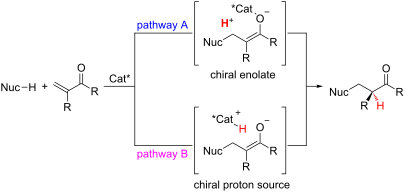
- chiral calcium alkoxide complex was generated in situ by mixing Ca(OEt)2, PyBox ligand (S,S)-88, and phenol 89. The authors found that the slow addition of malonate 86 and the use of phenol 89 and ethanol as additives were all crucial for achieving high yield and enantioselectivity, although the exact

Graphical Abstract

Figure 1: Two general pathways for conjugate addition followed by enantioselective protonation.

Scheme 1: Tomioka’s enantioselective addition of arylthiols to α-substituted acrylates.

Scheme 2: Sibi’s enantioselective hydrogen atom transfer reactions.

Scheme 3: Mikami’s addition of perfluorobutyl radical to α-aminoacrylate 11.

Scheme 4: Reisman’s Friedel–Crafts conjugate addition–enantioselective protonation approach toward tryptophan...

Scheme 5: Pracejus’s enantioselective addition of benzylmercaptan to α-aminoacrylate 20.

Scheme 6: Kumar and Dike’s enantioselective addition of thiophenol to α-arylacrylates.

Scheme 7: Tan’s enantioselective addition of aromatic thiols to 2-phthalimidoacrylates.

Scheme 8: Glorius’ enantioselective Stetter reactions with α-substituted acrylates.

Scheme 9: Dixon’s enantioselective addition of thiols to α-substituted acrylates.

Figure 2: Chiral phosphorous ligands.

Scheme 10: Enantioselective addition of arylboronic acids to methyl α-acetamidoacrylate.

Scheme 11: Frost’s enantioselective additions to dimethyl itaconate.

Scheme 12: Darses and Genet’s addition of potassium organotrifluoroborates to α-aminoacrylates.

Scheme 13: Proposed mechanism for enantioselective additions to α-aminoacrylates.

Scheme 14: Sibi’s addition of arylboronic acids to α-methylaminoacrylates.

Scheme 15: Frost’s enantioselective synthesis of α,α-dibenzylacetates 64.

Scheme 16: Rovis’s hydroheteroarylation of α-substituted acrylates with benzoxazoles.

Scheme 17: Proposed mechanism for the hydroheteroarylation of α-substituted acrylates with benzoxazoles.

Scheme 18: Sodeoka’s enantioselective addition of amines to N-benzyloxycarbonyl acrylamides 75 and 77.

Scheme 19: Proposed catalytic cycle for Sodeoka’s enantioselective addition of amines.

Scheme 20: Sibi’s enantioselective Friedel–Crafts addition of pyrroles to imides 84.

Scheme 21: Kobayashi’s enantioselective addition of malonates to α-substituted N-acryloyloxazolidinones.

Scheme 22: Chen and Wu’s enantioselective addition of thiophenol to N-methacryloyl benzamide.

Scheme 23: Tan’s enantioselective addition of secondary phosphine oxides and thiols to N-arylitaconimides.

Scheme 24: Enantioselective addition of thiols to α-substituted N-acryloylamides.

Scheme 25: Kobayashi’s enantioselective addition of thiols to α,β-unsaturated ketones.

Scheme 26: Feng’s enantioselective addition of pyrazoles to α-substituted vinyl ketones.

Scheme 27: Luo and Cheng’s addition of indoles to vinyl ketones by enamine catalysis.

Scheme 28: Curtin–Hammett controlled enantioselective addition of indole.

Scheme 29: Luo and Cheng’s enantioselective additions to α-branched vinyl ketones.

Scheme 30: Lou’s reduction–conjugate addition–enantioselective protonation.

Scheme 31: Luo and Cheng’s primary amine-catalyzed addition of indoles to α-substituted acroleins.

Scheme 32: Luo and Cheng’s proposed mechanism and transition state.

Figure 3: Shibasaki’s chiral lanthanum and samarium tris(BINOL) catalysts.

Scheme 33: Shibasaki’s enantioselective addition of 4-tert-butyl(thiophenol) to α,β-unsaturated thioesters.

Scheme 34: Shibasaki’s application of chiral (S)-SmNa3tris(binaphthoxide) catalyst 144 to the total synthesis ...

Scheme 35: Shibasaki’s cyanation–enantioselective protonation of N-acylpyrroles.

Scheme 36: Tanaka’s hydroacylation of acrylamides with aliphatic aldehydes.

Scheme 37: Ellman’s enantioselective addition of α-substituted Meldrum’s acids to terminally unsubstituted nit...

Scheme 38: Ellman’s enantioselective addition of thioacids to α,β,β-trisubstituted nitroalkenes.

Scheme 39: Hayashi’s enantioselective hydroarylation of diphenylphosphinylallenes.

Scheme 40: Hayashi’s enantioselective hydroarylation of diphenylphosphinylallenes.

Figure 4: Togni’s chiral ferrocenyl tridentate nickel(II) and palladium(II) complexes.

Scheme 41: Togni’s enantioselective hydrophosphination of methacrylonitrile.

Scheme 42: Togni’s enantioselective hydroamination of methacrylonitrile.
Catalytic asymmetric synthesis of biologically important 3-hydroxyoxindoles: an update
- Bin Yu,
- Hui Xing,
- De-Quan Yu and
- Hong-Min Liu
Beilstein J. Org. Chem. 2016, 12, 1000–1039, doi:10.3762/bjoc.12.98
- alkoxide species C. Reductive elimination of species C gave the product and regenerated the active iridium catalyst. Recently, Qiu and co-workers developed a novel chiral ligand L5 based on a chiral-bridged biphenyl backbone and successfully achieved the asymmetric addition of arylboronic acids to N
- ] and PCy3 formed the ruthenium(0) complex, which then mediated the oxidative coupling of N-benzyl-protected isatin and styrene to form oxametallacycle I. The ruthenium alkoxide III was formed through two possible pathways: (a) the direct transfer hydrogenolytic cleavage of I (slow); (b) the

Graphical Abstract

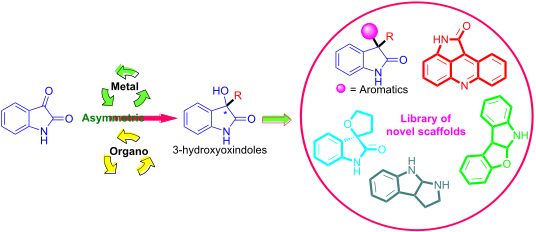
Figure 1: 3-Hydroxyoxindole-containing natural products and biologically active molecules.

Scheme 1: Chiral CNN pincer Pd(II) complex 1 catalyzed asymmetric allylation of isatins.

Scheme 2: Asymmetric allylation of ketimine catalyzed by the chiral CNN pincer Pd(II) complex 2.

Scheme 3: Pd/L1 complex-catalyzed asymmetric allylation of 3-O-Boc-oxindoles.

Scheme 4: Cu(OTf)2-catalyzed asymmetric direct addition of acetonitrile to isatins.

Scheme 5: Chiral tridentate Schiff base/Cu complex catalyzed asymmetric Friedel–Crafts alkylation of isatins ...

Scheme 6: Guanidine/CuI-catalyzed asymmetric alkynylation of isatins with terminal alkynes.

Scheme 7: Asymmetric intramolecular direct hydroarylation of α-ketoamides.

Scheme 8: Plausible catalytic cycle for the direct hydroarylation of α-ketoamides.

Scheme 9: Ir-catalyzed asymmetric arylation of isatins with arylboronic acids.

Scheme 10: Enantioselective decarboxylative addition of β-ketoacids to isatins.

Scheme 11: Ruthenium-catalyzed hydrohydroxyalkylation of olefins and 3-hydroxy-2-oxindoles.

Scheme 12: Proposed catalytic mechanism and stereochemical model.

Scheme 13: In-catalyzed allylation of isatins with stannylated reagents.

Scheme 14: Modified protocol for the synthesis of allylated 3-hydroxyoxindoles.

Scheme 15: Hg-catalyzed asymmetric allylation of isatins with allyltrimethylsilanes.

Scheme 16: Enantioselective additions of organoborons to isatins.

Scheme 17: Asymmetric aldol reaction of isatins with cyclohexanone.

Scheme 18: Enantioselective aldol reactions of aliphatic aldehydes with isatin derivatives and the plausible t...

Scheme 19: Enantioselective aldol reaction of isatins and 2,2-dimethyl-1,3-dioxan-5-one.

Scheme 20: Asymmetric aldol reactions between ketones and isatins.

Scheme 21: Phenylalanine lithium salt-catalyzed asymmetric synthesis of 3-alkyl-3-hydroxyoxindoles.

Scheme 22: Aldolization between isatins and dihydroxyacetone derivatives.

Scheme 23: One-pot asymmetric synthesis of convolutamydine A.

Scheme 24: Asymmetric aldol reactions of cyclohexanone and acetone with isatins.

Scheme 25: Aldol reactions of acetone with isatins.

Scheme 26: Aldol reactions of ketones with isatins.

Scheme 27: Enantioselective allylation of isatins.

Scheme 28: Asymmetric aldol reaction of trifluoromethyl α-fluorinated β-keto gem-diols with isatins.

Scheme 29: Plausible mechanism proposed for the asymmetric aldol reaction.
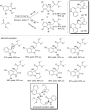
Scheme 30: Asymmetric aldol reaction of 1,1-dimethoxyacetone with isatins.

Scheme 31: Enantioselective Friedel-Crafts reaction of phenols with isatins.

Scheme 32: Enantioselective addition of 1-naphthols with isatins.

Scheme 33: Enantioselective aldol reaction between 3-acetyl-2H-chromen-2-ones and isatins.

Scheme 34: Stereoselective Mukaiyama–aldol reaction of fluorinated silyl enol ethers with isatins.

Scheme 35: Asymmetric vinylogous Mukaiyama–aldol reaction between 2-(trimethylsilyloxy)furan and isatins.

Scheme 36: β-ICD-catalyzed MBH reactions of isatins with maleimides.

Scheme 37: β-ICD-catalyzed MBH reactions of 7-azaisatins with maleimides and activated alkenes.

Scheme 38: Enantioselective aldol reaction of isatins with ketones.

Scheme 39: Direct asymmetric vinylogous aldol reactions of allyl ketones with isatins.

Scheme 40: Enantioselective aldol reactions of ketones with isatins.

Scheme 41: The MBH reaction of isatins with α,β-unsaturated γ-butyrolactam.

Scheme 42: Reactions of tert-butyl hydrazones with isatins followed by oxidation.

Scheme 43: Aldol reactions of isatin derivatives with ketones.

Scheme 44: Enantioselective decarboxylative cyanomethylation of isatins.

Scheme 45: Catalytic kinetic resolution of 3-hydroxy-3-substituted oxindoles.

Scheme 46: Lewis acid catalyzed Friedel–Crafts alkylation of 3-hydroxy-2-oxindoles with electron-rich phenols.

Scheme 47: Lewis acid catalyzed arylation of 3-hydroxyoxindoles with aromatics.

Scheme 48: Synthetic application of 3-arylated disubstituted oxindoles in the construction of core structures ...

Scheme 49: CPA-catalyzed dearomatization and arylation of 3-indolyl-3-hydroxyoxindoles with tryptamines and 3-...

Scheme 50: CPA-catalyzed enantioselective decarboxylative alkylation of β-keto acids with 3-hydroxy-3-indolylo...

Scheme 51: BINOL-derived imidodiphosphoric acid-catalyzed enantioselective Friedel–Crafts reactions of indoles...

Scheme 52: CPA-catalyzed enantioselective allylation of 3-indolylmethanols.

Scheme 53: 3-Indolylmethanol-based substitution and cycloaddition reactions.

Scheme 54: CPA-catalyzed asymmetric [3 + 3] cycloaddtion reactions of 3-indolylmethanols with azomethine ylide...

Scheme 55: CPA-catalyzed three-component cascade Michael/Pictet–Spengler reactions of 3-indolylmethanols and a...

Scheme 56: Acid-promoted chemodivergent and stereoselective synthesis of diverse indole derivatives.

Scheme 57: CPA-catalyzed asymmetric formal [3 + 2] cycloadditions.

Scheme 58: CPA-catalyzed enantioselective cascade reactions for the synthesis of C7-functionlized indoles.

Scheme 59: Lewis acid-promoted Prins cyclization of 3-allyl-3-hydroxyoxindoles with aldehydes.

Scheme 60: Ga(OTf)3-catalyzed reactions of allenols and phenols.

Scheme 61: I2-catalyzed construction of pyrrolo[2.3.4-kl]acridines from enaminones and 3-indolyl-3-hydroxyoxin...

Scheme 62: CPA-catalyzed asymmetric aza-ene reaction of 3-indolylmethanols with cyclic enaminones.

Scheme 63: Asymmetric α-alkylation of aldehydes with 3-indolyl-3-hydroxyoxindoles.

Scheme 64: Organocatalytic asymmetric α-alkylation of enolizable aldehydes with 3-indolyl-3-hydroxyoxindoles a...
Opportunities and challenges for direct C–H functionalization of piperazines
- Zhishi Ye,
- Kristen E. Gettys and
- Mingji Dai
Beilstein J. Org. Chem. 2016, 12, 702–715, doi:10.3762/bjoc.12.70
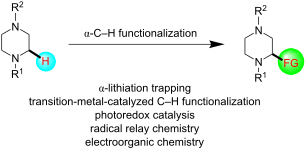
- control with electrophilic quench by a variety of electrophiles. After evaluating a few chiral diamino-alkoxide ligands, ligand 24 was identified as a superior choice. As shown in Figure 7, the result was not optimal with only 30–75% of the desired α-substituted products being obtained and the

Graphical Abstract

Figure 1: Selected piperazine-containing small-molecule pharmaceuticals.

Figure 2: Strategies for the synthesis of carbon-substituted piperazines.

Figure 3: The first α-lithiation of N-Boc-protected piperazines by van Maarseveen et al. in 2005 [37].

Figure 4: α-Lithiation of N-Boc-N’-tert-butyl piperazines by Coldham et al. in 2010 [38].

Figure 5: Diamine-free α-lithiation of N-Boc-piperazines by O’Brien, Campos, et al. in 2010 [40].

Figure 6: The first enantioselective α-lithiation of N-Boc-piperazines by McDermott et al. in 2008 [41].

Figure 7: Dynamic thermodynamic resolution of lithiated of N-Boc-piperazines by Coldham et al. in 2010 [38].

Figure 8: Enantioselective α-lithiation of N-Boc-N’-alkylpiperazines by O’Brien et al. in 2013 and 2016 [42,43].

Figure 9: Asymmetric α-functionalization of N-Boc-piperazines with Ph2CO by O’Brien et al. in 2016 [43].

Figure 10: A “chiral auxiliary” strategy toward enantiopure α-functionalized piperazines by O’Brien et al. 201...

Figure 11: Installation of methyl group at the α-position of piperazines by O’Brien et al. 2016 [43].

Figure 12: α-Lithiation trapping of C-substituted N-Boc-piperazines by O’Brien et al. 2016 [43].
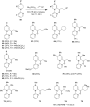
Figure 13: Rh-catalyzed reactions of N-(2-pyridinyl)piperazines by Murai et al. in 1997 [52].

Figure 14: Ta-catalyzed hydroaminoalkylation of piperazines by Schafer et al. in 2013 [55].

Figure 15: Photoredox catalysis for α-C–H functionalization of piperazines by MacMillan et al. in 2011 and 201...

Figure 16: Copper-catalyzed aerobic C–H oxidation of piperazines by Touré, Sames, et al. in 2013 [67].

Figure 17: Free radical approach by Undheim et al. in 1994 [68].

Figure 18: Anodic oxidation approach by Nyberg et al. in 1976 [70].
Recent advances in N-heterocyclic carbene (NHC)-catalysed benzoin reactions
- Rajeev S. Menon,
- Akkattu T. Biju and
- Vijay Nair
Beilstein J. Org. Chem. 2016, 12, 444–461, doi:10.3762/bjoc.12.47
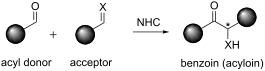
- anion equivalent 3 is known as the "Breslow intermediate". Its reaction with another molecule of aldehyde leads to the formation of an alkoxide intermediate 4. Proton transfer and subsequent release of thiazolylidene 1 affords the final product, the α-hydroxy ketone 5. Breslow demonstrated that

Graphical Abstract
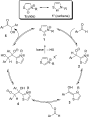
Scheme 1: Breslow’s proposal on the mechanism of the benzoin condensation.

Scheme 2: Imidazolium carbene-catalysed homo-benzoin condensation.

Scheme 3: Homo-benzoin condensation in aqueous medium.

Scheme 4: Homobenzoin condensation catalysed by bis(benzimidazolium) salt 8.

Scheme 5: List of assorted chiral NHC-catalysts used for asymmetric homobenzoin condensation.

Scheme 6: A rigid bicyclic triazole precatalyst 15 in an efficient enantioselective benzoin reaction.

Scheme 7: Inoue’s report of cross-benzoin reactions.

Scheme 8: Cross-benzoin reactions catalysed by thiazolium salt 17.

Scheme 9: Catalyst-controlled divergence in cross-benzoin reactions.

Scheme 10: Chemoselective cross-benzoin reactions catalysed by a bulky NHC.

Scheme 11: Selective intermolecular cross-benzoin condensation reactions of aromatic and aliphatic aldehydes.

Scheme 12: Chemoselective cross-benzoin reaction of aliphatic and aromatic aldehydes.

Scheme 13: Cross-benzoin reactions of trifluoromethyl ketones developed by Enders.

Scheme 14: Cross-benzoin reactions of aldehydes and α-ketoesters.

Scheme 15: Enantioselective cross-benzoin reactions of aliphatic aldehydes and α-ketoesters.

Scheme 16: Dynamic kinetic resolution of β-halo-α-ketoesters via cross-benzoin reaction.

Scheme 17: Enantioselective benzoin reaction of aldehydes and alkynones.

Scheme 18: Aza-benzoin reaction of aldehydes and acylimines.

Scheme 19: NHC-catalysed diastereoselective synthesis of cis-2-amino 3-hydroxyindanones.

Scheme 20: Cross-aza-benzoin reactions of aldehydes with aromatic imines.

Scheme 21: Enantioselective cross aza-benzoin reaction of aliphatic aldehydes with N-Boc-imines.

Scheme 22: Chemoselective cross aza-benzoin reaction of aldehydes with N-PMP-imino esters.

Scheme 23: NHC-catalysed coupling reaction of acylsilanes with imines.

Scheme 24: Thiazolium salt-mediated enantioselective cross-aza-benzoin reaction.

Scheme 25: Aza-benzoin reaction of enals with activated ketimines.

Scheme 26: Isatin derived ketimines as electrophiles in cross aza-benzoin reaction with enals.

Scheme 27: Aza-benzoin reaction of aldehydes and phosphinoylimines catalysed by the BAC-carbene.

Scheme 28: Nitrosoarenes as the electrophilic component in benzoin-initiated cascade reaction.

Scheme 29: One-pot synthesis of hydroxamic esters via aza-benzoin reaction.

Scheme 30: Cookson and Lane’s report of intramolecular benzoin condensation.

Scheme 31: Intramolecular cross-benzoin condensation between aldehyde and ketone moieties.

Scheme 32: Intramolecular crossed aldehyde-ketone benzoin reactions.

Scheme 33: Enantioselective intramolecular crossed aldehyde-ketone benzoin reaction.

Scheme 34: Chromanone synthesis via enantioselective intramolecular cross-benzoin reaction.

Scheme 35: Intramolecular cross-benzoin reaction of chalcones.

Scheme 36: Synthesis of bicyclic tertiary alcohols by intramolecular benzoin reaction.

Scheme 37: A multicatalytic Michael–benzoin cascade process for cyclopentanone synthesis.

Scheme 38: Enamine-NHC dual-catalytic, Michael–benzoin cascade reaction.

Scheme 39: Iminium-cross-benzoin cascade reaction of enals and β-oxo sulfones.

Scheme 40: Intramolecular benzoin condensation of carbohydrate-derived dialdehydes.

Scheme 41: Enantioselective intramolecular benzoin reactions of N-tethered keto-aldehydes.

Scheme 42: Asymmetric cross-benzoin reactions promoted by camphor-derived catalysts.

Scheme 43: NHC-Brønsted base co-catalysis in a benzoin–Michael–Michael cascade.

Scheme 44: Divergent catalytic dimerization of 2-formylcinnamates.

Scheme 45: One-pot, multicatalytic asymmetric synthesis of tetrahydrocarbazole derivatives.

Scheme 46: NHC-chiral secondary amine co-catalysis for the synthesis of complex spirocyclic scaffolds.
Interactions of cyclodextrins and their derivatives with toxic organophosphorus compounds
- Sophie Letort,
- Sébastien Balieu,
- William Erb,
- Géraldine Gouhier and
- François Estour
Beilstein J. Org. Chem. 2016, 12, 204–228, doi:10.3762/bjoc.12.23
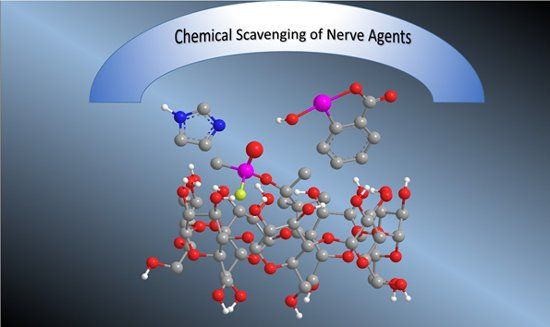
- intermediate mechanism is usually involved. The formation of an inclusion-complex first occurs and then the secondary alkoxide of the host pseudo-intramolecularly attacks the phosphorus atom to form a covalent bond. Finally an alkoxide ion could react with the formed phosphonates to regenerate the CD secondary
- alkoxide and to release the hydrolyzed product (Scheme 2). In 1970, van Hooidonk and Breebaart first studied the alkaline hydrolysis of the enantiomers of isopropyl methylphosphonofluoridate (sarin) with α-CD in aqueous solution at pH 9.0 and 25 °C. A hydrolysis rate enhancement is observed and they report

Graphical Abstract

Figure 1: Structure of NOPs.

Figure 2: Examples of structures of NOPs.

Figure 3: Structures of pesticides studied in the literature as guest to form an inclusion complex with CDs.

Figure 4: Structures of pesticides sensitive to the presence of CDs.

Scheme 1: The hydrolysis mechanism of substrate (S) in presence of a cyclodextrin (CD).

Figure 5: Structures of the different stereoisomers of G agents.

Scheme 2: Reaction mechanism of CD accelerated decomposition of organophosphorus compound (PX).

Scheme 3: Proposed degradation mechanism of cyclosarin by β-CD [72].
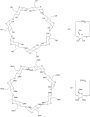
Figure 6: Schematic representations of β-CD and TRIMEB.
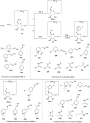
Scheme 4: Synthetic pathways to 6-monosubstituted CD derivatives.

Scheme 5: Synthetic pathways to 2-monosubstituted CD by an iodosobenzoate group.

Scheme 6: Synthetic pathways to 2-monosubstituted CDs with N–OH derivatives.
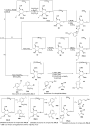
Scheme 7: Synthetic pathways to 3-monosubstituted CDs.

Scheme 8: Synthetic pathways to 3-homodisubstituted CDs.

Scheme 9: Synthetic pathways to 2,3-heterodisubstituted CDs.
Polydisperse methyl β-cyclodextrin–epichlorohydrin polymers: variable contact time 13C CP-MAS solid-state NMR characterization
- Isabelle Mallard,
- Davy Baudelet,
- Franca Castiglione,
- Monica Ferro,
- Walter Panzeri,
- Enzio Ragg and
- Andrea Mele
Beilstein J. Org. Chem. 2015, 11, 2785–2794, doi:10.3762/bjoc.11.299
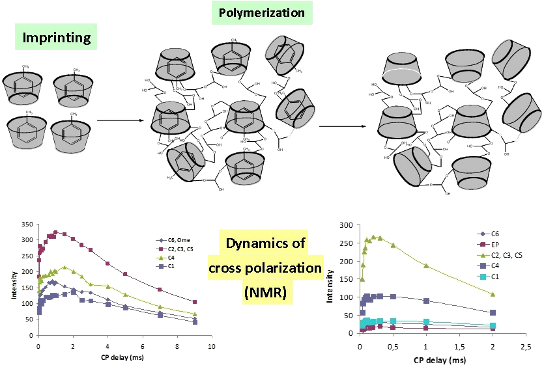
- conditions to achieve deprotonation of the hydroxyl groups. Then, EP reacts with the alkoxide to form intra- or inter-ether linkages. We previously proposed the synthesis [22] of soluble and insoluble polymers of a partially secondary rim methylated β-CD (DS = 4.9) commonly called CRYSMEB. In this previous

Graphical Abstract

Scheme 1: Schematic representation of molecular imprinting technique. i) Polymerization process with toluene-...

Figure 1: FTIR spectra of (A): native CRYSMEB, (B): D3 (toluene/CD 3:1), (C): D2 (toluene/CD 4:1), and (D): D...
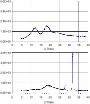
Figure 2: Top: XRPD pattern for CRYSMEB. Bottom: XRPD pattern for D1 polymer. The diffraction peaks denoted w...

Figure 3: 13C {1H} CP-MAS spectra of polymers D1, D2 and D3. Peak assignment is given in the upper trace.

Figure 4: 13C {1H} CP-MAS spectra of native CRYSMEB and polymer D3. Peak assignment is given on CRYSMEB spect...

Figure 5: 1D 13C CP/MAS spectra of polymer D3 as a function of the contact time varying from 35 μs to 4 ms.

Figure 6: Cross-polymerization (CP) build-up curve of the 13C resonances with variable contact times for the ...

Figure 7: Cross-polymerization (CP) build-up curve of the 13C resonances with variable contact time for polym...

Figure 8: CP build-up curves of the 13C resonances with cross-polymerization in the range 0–100 μs for polyme...
Carbon–carbon bond cleavage for Cu-mediated aromatic trifluoromethylations and pentafluoroethylations
- Tsuyuka Sugiishi,
- Hideki Amii,
- Kohsuke Aikawa and
- Koichi Mikami
Beilstein J. Org. Chem. 2015, 11, 2661–2670, doi:10.3762/bjoc.11.286
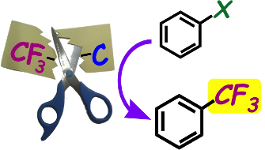
- 1. A catalytic amount of copper was enough to complete the reactions. In the synthesis of trifluoromethylarenes (Ar–CF3), the cross-coupling proceeded via the pathway shown in Scheme 17 [53]. First, the fluoride-ion-induced reaction of hemiaminal 1 with CuI-diamine complex 2 gave copper alkoxide 3

Graphical Abstract

Scheme 1: Trifluoromethylation using trifluoroacetate.

Scheme 2: Decarboxylative pentafluoroethylation and its application.

Scheme 3: Trifluoromethyation with trifluoroacetate in a flow system.

Scheme 4: Trifluoromethylation of 4-bromotoluene by [(NHC)Cu(TFA)].

Scheme 5: Trifluoromethylation of aryl iodides with small amounts of Cu and Ag2O. aThe yield was determined b...

Scheme 6: C–H trifluoromethylation of arenes using trifluoroacetic acid.

Scheme 7: CF3Cu generated from chlorofluoroacetate and CuI.

Scheme 8: [18F]Trifluoromethyation with difluorocarbenes for PET. aRadiochemical yield determined by HPLC.

Scheme 9: Trifluoromethylation with trifluoroacetate and copper iodide.

Scheme 10: Preparation of trifluoromethylcopper from trifluoromethyl ketone.

Scheme 11: Trifluoromethylation of aryl iodides. aIsolated yield. b1 equivalent each of CF3Cu reagent and 1,10...

Scheme 12: Pentafluoroethylation of aryl bromides. aYield was determined by 19F NMR analysis using benzotriflu...
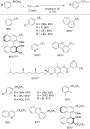
Scheme 13: Perfluoroalkylation reactions of arylboronic acids. aIsolated yield. bDMF was used instead of tolue...

Scheme 14: Trifluoromethylation with silylated hemiaminal of fluoral.

Scheme 15: Catalytic trifluoromethylation with a fluoral derivative.

Scheme 16: The scope of Cu-catalyzed aromatic trifluoromethylation. The yield was determined by 19F NMR analys...

Scheme 17: Plausible mechanism of Cu-catalyzed aromatic trifluoromethylation [53].
Comparison of the catalytic activity for the Suzuki–Miyaura reaction of (η5-Cp)Pd(IPr)Cl with (η3-cinnamyl)Pd(IPr)(Cl) and (η3-1-t-Bu-indenyl)Pd(IPr)(Cl)
- Patrick R. Melvin,
- Nilay Hazari,
- Hannah M. C. Lant,
- Ian L. Peczak and
- Hemali P. Shah
Beilstein J. Org. Chem. 2015, 11, 2476–2486, doi:10.3762/bjoc.11.269
- formaldehyde (in the case of reaction performed in MeOH), are consistent with the previously reported pathway (Scheme 2) [16]. In this mechanism initial substitution of a Cl− ligand in Cp by the solvent gives rise to the alkoxide complex A. Subsequently, the η5-Cp ring can undergo slippage to form complex B
- , with an η1-Cp ligand. The η1-Cp ligand is nucleophilic and can abstract a β-hydrogen from the alkoxide ligand to generate a Pd(0) species with a coordinated cyclopentadiene ligand (C). In this step the formaldehyde or acetone byproduct originating from the solvent is released. Finally, dissociation of

Graphical Abstract

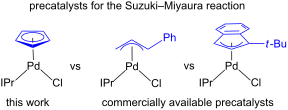
Figure 1: General depictions of allyl and related precatalysts that are highly active for the Suzuki–Miyaura ...

Scheme 1: Synthesis of Cp.
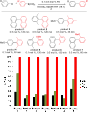
Figure 2: Comparison of catalytic performance of Cin, Cp and tBuInd for a series of Suzuki–Miyaura reactions ...
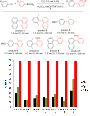
Figure 3: Comparison of catalytic performance of Cin, Cp and tBuInd for a series of Suzuki–Miyaura reactions ...

Scheme 2: Proposed mechanism for the activation of Cp to monoligated Pd(0).

Scheme 3: Synthesis of CpDim.

Figure 4: ORTEP of CpDim at 30% probability. Hydrogen atoms and isopropyl groups of IPr are omitted for clari...

Scheme 4: Observation of CpDim under modified catalytic conditions.

Scheme 5: CpDim is not an active precatalyst for a Suzuki–Miyaura reaction at room temperature.

Scheme 6: Disproportionation of CpDim with dvds.

Scheme 7: a) Crossover experiment between Cp and (μ-allyl)(μ-Cl)Pd2(IPr)2. b) Crossover experiment expressed ...
A convenient four-component one-pot strategy toward the synthesis of pyrazolo[3,4-d]pyrimidines
- Mingxing Liu,
- Jiarong Li,
- Hongxin Chai,
- Kai Zhang,
- Deli Yang,
- Qi Zhang and
- Daxin Shi
Beilstein J. Org. Chem. 2015, 11, 2125–2131, doi:10.3762/bjoc.11.229
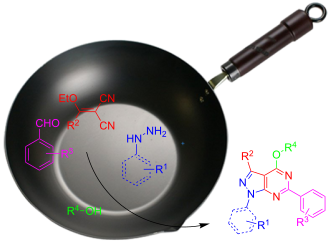
- -6-(2-nitrophenyl)-1-phenyl-1H-pyrazolo[3,4-d]pyrimidine was determined by single crystal X-ray diffraction. Keywords: four-component; one-pot; pyrazolo[3,4-d]pyrimidine; sodium alkoxide; Introduction Heterocycles containing a pyrimidine ring are extensively present in natural products and are very
- could promote the reaction to produce 5a, though DBU needed a higher reaction temperature (Table 1, entries 4–6). Taking into account the yield of the reaction, sodium alkoxide was the best choice. The reaction performed in alcohol resulted in the highest yield (Table 1, entries 6–9). The reaction
- temperature was screened and the appropriate temperature was found to be 60 °C (Table 1, entries 6, 10 and 11). The amount of catalyst had an effect on the reaction and 1.2 equivalents of sodium alkoxide was the most appropriate choice (Table 1, entries 12 and 13). This means that sodium alkoxide is not only

Graphical Abstract

Scheme 1: The synthesis of pyrazolo[3,4-d]pyrimidines.

Figure 1: Four-component one-pot synthesis of 5. Reactions conditions: 1 (1.2 mmol), 2 (1.0 mmol), 3 (1.2 mmo...

Scheme 2: Synthesis of 5a from different intermediates.

Scheme 3: Possible reaction mechanisms for the formation of pyrazolo[3,4-d]pyrimidiine.

Figure 2: Molecular structure (from X-ray diffraction data) of 5g.
A facile synthetic route to benzimidazolium salts bearing bulky aromatic N-substituents
- Gabriele Grieco,
- Olivier Blacque and
- Heinz Berke
Beilstein J. Org. Chem. 2015, 11, 1656–1666, doi:10.3762/bjoc.11.182
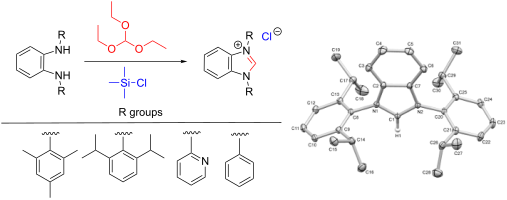
- higher temperatures. TMSCl is assumed to abstract an alkoxide group and to deliver at the same time the chloride as the preferred counterion for the imidazolium salts. As said, temperature plays a decisive role in the formation of stage d, requiring the N,N’-diarylbenzene-1,2-diamines to be heated in

Graphical Abstract

Figure 1: Sterically demanding benzannulated NHCs bearing mesityl rings. From the left side:, 4,9-dihydro-4,9...

Figure 2: Benzannulated NHCs of this work. Benzannulated imidazolium chloride salts 1-Cl, 2-Cl, 3-Cl and 4-Cl...

Scheme 1: Synthesis of the N1,N2-diaryl-1,2-benzenediamines 5, 6, 7 and 8. i) Pd(dba)2, P(t-Bu)3, t-BuONa, to...

Scheme 2: Previous synthesis of the benzannulated NHCs 3-Cl and 4-BF4. Ring closure. i) (EtO)3CH, HCl (conc.)...

Scheme 3: Proposed ring-closure mechanism for 1-Cl, 2-Cl, 3-Cl and 4-Cl.

Figure 3: Molecular structure of 2-Cl. The solvate molecule, the counterion and the hydrogen atoms are omitte...
Surprisingly facile CO2 insertion into cobalt alkoxide bonds: A theoretical investigation
- Willem K. Offermans,
- Claudia Bizzarri,
- Walter Leitner and
- Thomas E. Müller
Beilstein J. Org. Chem. 2015, 11, 1340–1351, doi:10.3762/bjoc.11.144
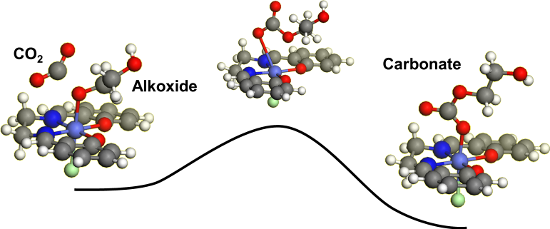
- calculations to elucidate the reaction step of CO2 insertion into cobalt(III)–alkoxide bonds, which is also the central step of metal catalysed carboxylation reactions. It was found that CO2 insertion into the cobalt(III)–alkoxide bond of [(2-hydroxyethoxy)CoIII(salen)(L)] complexes (salen = N,N”-bis
- , a linear Brønsted–Evans–Polanyi relationship was found between the activation energy and the reaction energy. Keywords: activation; alkoxide; carbon dioxide; cobalt; insertion; salen; Introduction Carbon dioxide (CO2) has been known to be an attractive carbon source for decades [1][2][3][4][5][6
- carbonates. In consequence, industrially relevant catalysts, combined with efficient processes, have only recently emerged for the manufacture of alternating polycarbonates [10] and polyethercarbonates [11]. The respective research has mainly focussed on homogeneous zinc–alkoxide complexes [12] and chromium

Graphical Abstract

Scheme 1: Reaction of carbon dioxide with epoxide to yield alternating polycarbonates, polyethercarbonates or...

Scheme 2: Epoxide and CO2 copolymerisation by homogeneous Cr(III)– and Al(III)–salen complexes.

Figure 1: The tri-coordinated di-iminate zinc–alkoxide complex [(BDI)ZnOCH3].

Scheme 3: Heterogeneous zinc dicarboxylates for the copolymerisation of CO2 and epoxides. (* = End group of p...

Scheme 4: Backbiting mechanism for the formation of cyclic carbonates.

Scheme 5: Two-step pathway for the cycloaddition of propylene oxide and CO2 in the ionic liquid 1-butyl-3-met...

Scheme 6: Formation of copper(I) cyanoacetate for the activation of CO2.

Scheme 7: Activation of CO2 by nucleophilic attack of bromide in the Re(I)-catalysed cycloaddition.

Scheme 8: Direct catalytic carboxylation of aliphatic compounds and arenes by rhodium(I)– and ruthenium(II)–p...

Scheme 9: Insertion of carbon dioxide into a metal–oxygen bond via a cyclic four-membered transition state. R...

Scheme 10: Facile CO2 uptake by zinc(II)–tetraazacycloalkanes.

Figure 2: The [(2-hydroxyethoxy)CoIII(salen)(L)] complex chosen as catalyst model for the calculations; 1: R1...

Figure 3: The two most relevant configurations of [(2-hydroxyethoxy)CoIII(salen)(L)] complexes. The left-hand...

Figure 4: Carbon dioxide insertion into the cobalt(III)–alkoxide bond of [(2-hydroxyethoxy)CoIII(salen)(L)] c...

Figure 5: Energy relationship between the activation barrier and the reaction energy of the CO2 incorporation...
Synthesis of γ-hydroxypropyl P-chirogenic (±)-phosphorus oxide derivatives by regioselective ring-opening of oxaphospholane 2-oxide precursors
- Iris Binyamin,
- Shoval Meidan-Shani and
- Nissan Ashkenazi
Beilstein J. Org. Chem. 2015, 11, 1332–1339, doi:10.3762/bjoc.11.143
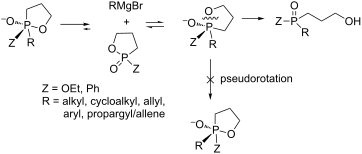
- cannot exclude the possibility that this rearrangement occurs already on the Grignard reagent and that the actual nucleophile is allenemagnesium bromide [56][57]. Nevertheless, it is reasonable to assume that prior to its acidic work-up 5h contains an intramolecular alkoxide function that may certainly

Graphical Abstract

Figure 1: Chemical structures of 2-methoxy-1,3,2-dioxaphospholane 2-oxide (1), 2-ethoxy-1,3,2-dioxaphospholan...

Scheme 1: (A) Alkaline hydrolysis of dioxaphospholane: the phosphorane intermediate includes one endocyclic o...

Scheme 2: Reaction of 4 with various Grignard reagents.

Scheme 3: Synthesis of 2-phenyl-1,2-oxaphospholane 2-oxide (5).

Scheme 4: Formation of phosphinates and phosphine oxides bearing three different substituents from oxaphospho...

Scheme 5: Synthesis of acetylene and allene phosphine oxides.
Development of variously functionalized nitrile oxides
- Haruyasu Asahara,
- Keita Arikiyo and
- Nagatoshi Nishiwaki
Beilstein J. Org. Chem. 2015, 11, 1241–1245, doi:10.3762/bjoc.11.138
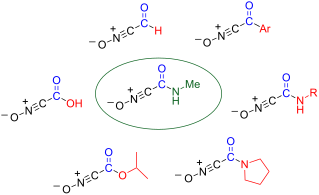
- , amides, aldehyde, and ketone upon treatment with hydroxide, alkoxide, amine, diisobutylaluminium hydride and Grignard reagent, respectively. In these transformations, N-methyl-N-tosylcarboxamides behave like a Weinreb amide. Similarly, N-methyl-5-phenylisoxazole-3-carboxamide was converted into 3

Graphical Abstract

Scheme 1: A strategy for developing functionalized nitrile oxides.

Figure 1: Versatile functionalized nitrile oxides.
The synthesis of active pharmaceutical ingredients (APIs) using continuous flow chemistry
- Marcus Baumann and
- Ian R. Baxendale
Beilstein J. Org. Chem. 2015, 11, 1194–1219, doi:10.3762/bjoc.11.134
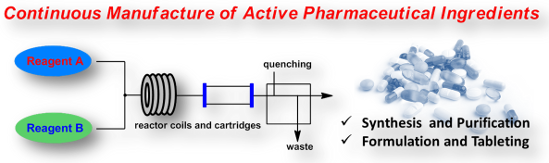
- ). After exiting the cold reactor zone, this stream passes through a coil maintained at 30 °C in order to ensure the complete consumption of the ketone 134. The resulting solution of lithium alkoxide 135 is combined with a further stream containing trifluoroacetic anhydride (TFAA) before being mixed with a

Graphical Abstract

Figure 1: Pharmaceutical structures targeted in early flow syntheses.

Scheme 1: Flow synthesis of 6-hydroxybuspirone (9). Inserted photograph reprinted with permission from [45]. Copy...

Figure 2: Configuration of a baffled reactor tube (left) and its schematic working principle (right).

Scheme 2: McQuade’s flow synthesis of ibuprofen (16).

Scheme 3: Jamison’s flow synthesis of ibuprofen sodium salt (17).

Scheme 4: Flow synthesis of imatinib (23).

Scheme 5: Flow synthesis of the potent 5HT1B antagonist 28.

Scheme 6: Flow synthesis of a selective δ-opioid receptor agonist 33.

Scheme 7: Flow synthesis of a casein kinase I inhibitor library (38).

Scheme 8: Flow synthesis of fluoxetine (46).

Scheme 9: Flow synthesis of artemisinin (55).

Scheme 10: Telescoped flow synthesis of artemisinin (55) and derivatives (62–64).

Scheme 11: Flow approach towards AZD6906 (65).

Scheme 12: Pilot scale flow synthesis of key intermediate 73.

Scheme 13: Semi-flow synthesis of vildagliptine (77).

Scheme 14: Pilot scale asymmetric flow hydrogenation towards 83. Inserted photograph reprinted with permission...

Figure 3: Schematic representation of the ‘tube-in-tube’ reactor.

Scheme 15: Flow synthesis of fanetizole (87) via tube-in-tube system.

Scheme 16: Flow synthesis of diphenhydramine.HCl (92).

Scheme 17: Flow synthesis of rufinamide (95).

Scheme 18: Large scale flow synthesis of rufinamide precursor 102.

Scheme 19: First stage in the flow synthesis of meclinertant (103).

Scheme 20: Completion of the flow synthesis of meclinertant (103).

Scheme 21: Flow synthesis of olanzapine (121) utilising inductive heating techniques.

Scheme 22: Flow synthesis of amitriptyline·HCl (127).

Scheme 23: Flow synthesis of E/Z-tamoxifen (132) using peristaltic pumping modules.

Figure 4: Container sized portable mini factory (photograph credit: INVITE GmbH, Leverkusen Germany).

Scheme 24: Flow synthesis of imidazo[1,2-a]pyridines 136 linked to frontal affinity chromatography (FAC).

Figure 5: Structures of zolpidem (142) and alpidem (143).

Scheme 25: Synthesis and screening loops in the discovery of new Abl kinase inhibitors.

Figure 6: Schotten–Baumann approach towards LY573636.Na (147).

Scheme 26: Pilot scale flow synthesis of LY2886721 (146).

Scheme 27: Continuous flow manufacture of alikiren hemifumarate 152.
Highly selective palladium–benzothiazole carbene-catalyzed allylation of active methylene compounds under neutral conditions
- Antonio Monopoli,
- Pietro Cotugno,
- Carlo G. Zambonin,
- Francesco Ciminale and
- Angelo Nacci
Beilstein J. Org. Chem. 2015, 11, 994–999, doi:10.3762/bjoc.11.111
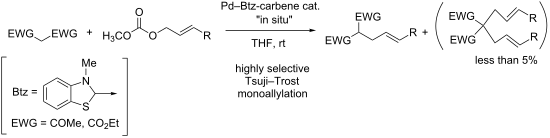
- methylene deprotonation, the alkoxide anion (RO−), can in fact originate (in situ) from the degradation of the allylic carbonate by the Pd catalyst [2]. Optimisation of the reaction conditions was carried out on the model substrate diethyl malonate by varying several parameters such as ligands, Pd sources

Graphical Abstract

Figure 1: Complexes and ligands employed.

Scheme 1: Pd-catalyzed α-allylation of active methylene compounds.
CO2 Chemistry
- Thomas E. Müller and
- Walter Leitner
Beilstein J. Org. Chem. 2015, 11, 675–677, doi:10.3762/bjoc.11.76
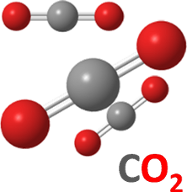
- ]. Activation of carbon dioxide by inserting it into metal-alkoxide bonds allows for subsequent applications in polymer synthesis such as the copolymerisation of carbon dioxide with epoxides and other co-monomers [11]. Here, the catalysis with cobalt complexes still presents surprising effects [12]. More

Graphical Abstract

Figure 1: The carbon dioxide molecule.

Figure 2: Examples of highly reactive molecules that are isoelectronic to carbon dioxide.

Figure 3: Threefold reactivity of carbon dioxide and examples for different activation modes for CO2 involvin...
Diastereoselective and enantioselective conjugate addition reactions utilizing α,β-unsaturated amides and lactams
- Katherine M. Byrd
Beilstein J. Org. Chem. 2015, 11, 530–562, doi:10.3762/bjoc.11.60
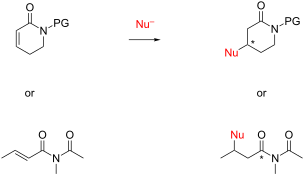
- ). Interestingly, when the oxygen in (S,S)-(+)-pseudoephedrine was protected, a reversal in diastereoselectivity was observed [54]. The authors attributed the difference in diastereoselectivity to the fact that when unmodified (S,S)-(+)-pseudoephedrine is used, a lithium alkoxide is produced in the presence of the
- lithium amide nucleophile. This alkoxide is believed to direct the addition of the lithium amide through coordination (Figure 4). On the other hand, when the oxygen in pseudoephedrine is TBS-protected (OTBS-15), this group sterically blocks one side of the double bond, thus the nucleophile attacks the
- method to synthesize protected syn-1,3-diols by performing intramolecular conjugate additions to a series of α,β-unsaturated esters and amides [71] (Scheme 8). Upon treatment of 24 with KHMDS and benzyaldehyde, a hemiacetal forms which provides the alkoxide nucleophile for the DCA reaction. These

Graphical Abstract

Scheme 1: Generic mechanism for the conjugate addition reaction.

Figure 1: Methods to activate unsaturated amide/lactam systems.

Scheme 2: DCA of Grignard reagents to an L-ephedrine derived chiral α,β–unsaturated amide.

Figure 2: Chiral auxiliaries used in DCA reactions.

Scheme 3: Comparison between auxiliary 5 and the Oppolzer auxiliary in a DCA reaction.

Scheme 4: Use of Evans auxiliary in a DCA reaction.
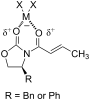
Figure 3: Lewis acid complex of the Evans auxiliary [43].

Scheme 5: DCA reactions of α,β-unsaturated amides utilizing (S,S)-(+)-pseudoephedrine and the OTBS-derivative...

Figure 4: Proposed model accounting for the diastereoselectivity observed in the 1,4-addition of Bn2NLi to α,...

Scheme 6: An example of a tandem conjugate addition–α-alkylation reaction of an α,β-unsaturated amide utilizi...

Scheme 7: Conjugate addition to an α,β-unsaturated bicyclic lactam leading to (+)-paroxetine and (+)-femoxeti...

Scheme 8: Intramolecular conjugate addition reaction to α,β-unsaturated amide.

Scheme 9: Conjugate addition to an α,β-unsaturated pyroglutamate derivative.

Scheme 10: Cu(I)–NHC-catalyzed asymmetric silylation of α,β-unsaturated lactams and amides.

Scheme 11: Asymmetric copper-catalyzed 1,4-borylation of an α,β-unsaturated amide.

Scheme 12: Asymmetric cross-coupling 49 to phenyl chloride.

Scheme 13: Rhodium-catalyzed asymmetric 1,4-arylation of an α,β-unsaturated lactam.

Scheme 14: Rhodium-catalyzed asymmetric 1,4-arylation of an α,β-unsaturated amide.

Scheme 15: Rhodium-catalyzed asymmetric 1,4-arylation of an α,β-unsaturated amide using a chiral bicyclic dien...

Scheme 16: Synthesis of (R)-(−)-baclofen through a rhodium-catalyzed asymmetric 1,4-arylation of lactam 58.

Scheme 17: Rhodium-catalyzed asymmetric 1,4-arylation of an α,β-unsaturated amide and lactam employing organo[...

Scheme 18: Rhodium-catalyzed asymmetric 1,4-arylation of an α,β-unsaturated lactam employing benzofuran-2-ylzi...

Figure 5: Further chiral ligands that have been used in rhodium-catalyzed 1,4-additions of α,β-unsaturated am...

Scheme 19: Palladium-catalyzed asymmetric 1,4-arylation of arylsiloxanes to a α,β-unsaturated lactam.

Scheme 20: SmI2-mediated cyclization of α,β-unsaturated Weinreb amides.

Figure 6: Chiral Lewis acid complexes used in the Mukaiyama–Michael addition of α,β-unsaturated amides.

Scheme 21: Mukaiyama–Michael addition of thioester silylketene acetal to α,β-unsaturated N-alkenoyloxazolidino...

Scheme 22: Asymmetric 1,4-addition of aryl acetylides to α,β-unsaturated thioamides.

Scheme 23: Asymmetric 1,4-addition of alkyl acetylides to α,β-unsaturated thioamides.

Scheme 24: Asymmetric vinylogous conjugate additions of unsaturated butyrolactones to α,β-unsaturated thioamid...

Scheme 25: Gd-catalyzed asymmetric 1,4-cyanation of α,β-unsaturated N-acylpyrroles [205].

Scheme 26: Lewis acid-catalyzed asymmetric 1,4-cyanation of α,β-unsaturated N-acylpyrazole 107.

Scheme 27: Lewis acid mediated 1,4-addition of dibenzyl malonate to α,β-unsaturated N-acylpyrroles.

Scheme 28: Chiral Lewis acid mediated 1,4-radical addition to α,β-unsaturated N-acyloxazolidinone [224].

Scheme 29: Aza-Michael addition of O-benzylhydroxylamine to an α,β-unsaturated N-acylpyrazole.

Scheme 30: An example of the aza-Michael addition of secondary aryl amines to an α,β-unsaturated N-acyloxazoli...

Scheme 31: Aza-Michael additions of anilines to a α,β-unsaturated N-alkenoyloxazolidinone catalyzed by palladi...

Scheme 32: Aza-Michael additions of aniline to an α,β-unsaturated N-alkenoylbenzamide and N-alkenoylcarbamate ...

Scheme 33: Difference between aza-Michael addition ran using the standard protocol versus the slow addition pr...

Scheme 34: Aza-Michael additions of aryl amines salts to an α,β-unsaturated N-alkenoyloxazolidinone catalyzed ...

Scheme 35: Aza-Michael addition of N-alkenoyloxazolidiniones catalyzed by samarium diiodide [244].

Scheme 36: Asymmetric aza-Michael addition of p-anisidine to α,β-unsaturated N-alkenoyloxazolidinones catalyze...

Scheme 37: Asymmetric aza-Michael addition of O-benzylhydroxylamine to N-alkenoyloxazolidinones catalyzed by i...

Scheme 38: Asymmetric 1,4-addition of purine to an α,β-unsaturated N-alkenoylbenzamide catalyzed by (S,S)-(sal...

Scheme 39: Asymmetric 1,4-addition of phosphites to α,β-unsaturated N-acylpyrroles.

Scheme 40: Asymmetric 1,4-addition of phosphine oxides to α,β-unsaturated N-acylpyrroles.

Scheme 41: Tandem Michael-aldol reaction catalyzed by a hydrogen-bonding organocatalyst.

Scheme 42: Examples of the sulfa-Michael–aldol reaction employing α,β-unsaturated N-acylpyrazoles.

Scheme 43: Example of the sulfa-Michael addition of α,β-unsaturated N-alkenoyloxazolidinones.

Figure 7: Structure of cinchona alkaloid-based squaramide catalyst.

Scheme 44: Asymmetric intramolecular oxa-Michael addition of an α,β-unsaturated amide.

Scheme 45: Formal synthesis atorvastatin.
Anionic sigmatropic-electrocyclic-Chugaev cascades: accessing 12-aryl-5-(methylthiocarbonylthio)tetracenes and a related anthra[2,3-b]thiophene
- Laurence Burroughs,
- John Ritchie,
- Mkhethwa Ngwenya,
- Dilfaraz Khan,
- William Lewis and
- Simon Woodward
Beilstein J. Org. Chem. 2015, 11, 273–279, doi:10.3762/bjoc.11.31
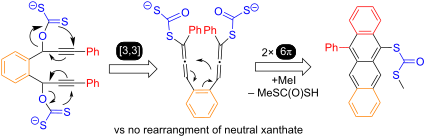
- either the rac or meso diastereomer could be realised. The meso enriched diastereomer of 8a could be realised by treating rac/meso mixtures of bis-lithium alkoxide of 8a with freshly prepared anhydrous NBu4F (2 equivalents) [23] (Scheme 3). Acid quench of the resultant purple dianion leads to ca. 5:1

Graphical Abstract

Scheme 1: Use of bis-allene intermediates 2 for rapid access to substituted tetracenes [14,16].

Scheme 2: Proposed access to aryl substituted 5-thiolatotetracene derivatives.

Scheme 3: Equilibration to meso species.

Scheme 4: Competing reaction pathways.

Scheme 5: Stacking motifs in 7a, d, f–h and j. Y = COSMe.
Switching the reaction pathways of electrochemically generated β-haloalkoxysulfonium ions – synthesis of halohydrins and epoxides
- Akihiro Shimizu,
- Ryutaro Hayashi,
- Yosuke Ashikari,
- Toshiki Nokami and
- Jun-ichi Yoshida
Beilstein J. Org. Chem. 2015, 11, 242–248, doi:10.3762/bjoc.11.27

- alkoxide ion, which is protonated by water to give bromohydrin 5a-Br (Scheme 2). The stereochemistry determined by NMR (5a-Br was synthesized using NBS according to the literature; see Supporting Information File 1) indicated that the addition of Br+ and DMSO across the C–C double bond was anti-selective
- , which is consistent with the results reported previously [22]. Treatment of 3a-Br with NaOMe resulted in a different product, namely epoxide 6a in 95% yield. In this case, the methoxide ion attacks the sulfur atom and cleaves the S–O bond under formation of an alkoxide ion. The latter intramolecularly
- attacks the carbon atom bearing the bromine substituent to give epoxide 6a (Scheme 2). Presumably, the protonation of the alkoxide ion with MeOH is slower than the intramolecular nucleophilic attack. We could not exclude the possibility that a protonated DMSO molecule presumably generated by the reaction

Graphical Abstract

Scheme 1: Synthesis of halohydrins and epoxides through β-haloalkoxysulfonium ions generated by the reaction ...

Scheme 2: Proposed reaction mechanisms for the syntheses of bromohydrin 5a-Br and epoxide 6a.

Scheme 3: Mechanistic study using 18O-DMSO.
Copper-catalyzed cascade reactions of α,β-unsaturated esters with keto esters
- Zhengning Li,
- Chongnian Wang and
- Zengchang Li
Beilstein J. Org. Chem. 2015, 11, 213–218, doi:10.3762/bjoc.11.23

- conjugate reduction of the α,β-unsaturated diester with newly generated copper hydride, followed by aldol reaction to yield the key intermediate alkoxide A, which is subjected to further lactonization to form the lactone. Lam’s group has furnished a cobalt-catalyzed conjugate reductive aldolization
- with a γ-keto ester (instead of simple ketone) would yield an intermediate B as described in Figure 2. Intermediate B possesses a γ-alkoxide unit and an ester unit as that in intermediate A, and therefore, it is expected to afford a γ-carboxymethyl lactone as the final product. Furthermore, change of
- condensation [20]. Therefore, it is rationalized that an α,β-unsaturated monoester-derived enolate should react preferentially with the keto group in the keto ester to yield the alkoxide, which further lactonizes with an intramolecular ester group to form the lactone. It should provide a novel three-step

Graphical Abstract

Figure 1: Mechanism of reductive aldol–lactonization reaction of maleate with a carbonyl and silane under cop...

Figure 2: Possible copper-catalyzed reductive aldol–lactonization reaction of acrylate with a keto ester and ...

Figure 3: The elimination reactions of lactones.



