


Search results
Search for "in situ generation" in Full Text gives 147 result(s) in Beilstein Journal of Organic Chemistry.
A general and atom-efficient continuous-flow approach to prepare amines, amides and imines via reactive N-chloramines
- Katherine E. Jolley,
- Michael R. Chapman and
- A. John Blacker
Beilstein J. Org. Chem. 2018, 14, 2220–2228, doi:10.3762/bjoc.14.196
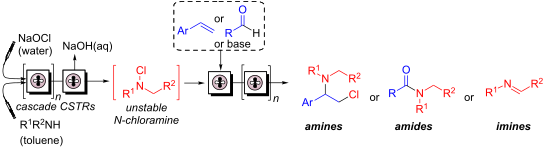
- (Figure 2). Using a 5-stage variant, various unsymmetrical N-chloramines were produced with unprecedented productivities (Table 1). The rapid nature of this chlorination step makes in situ generation and consumption feasible in flow mode. Comparing Table 1, entries 1 and 3, the 5-stage CSTR, with one

Graphical Abstract

Figure 1: Continuous-flow process to produce and react N-chloramines.

Figure 2: Left: Laboratory scale CSTR developed by our group [8]. Right: 5-stage CSTR configuration using co-fee...

Figure 3: Continuous-flow amide 18 formation using 1-stage CSTR. Blue squares: FeCl3 included; red circles: F...

Scheme 1: Continuous-flow transfer hydrogenation of in situ generated imines.
Preparation and X-ray structure of 2-iodoxybenzenesulfonic acid (IBS) – a powerful hypervalent iodine(V) oxidant
- Irina A. Mironova,
- Pavel S. Postnikov,
- Rosa Y. Yusubova,
- Akira Yoshimura,
- Thomas Wirth,
- Viktor V. Zhdankin,
- Victor N. Nemykin and
- Mekhman S. Yusubov
Beilstein J. Org. Chem. 2018, 14, 1854–1858, doi:10.3762/bjoc.14.159
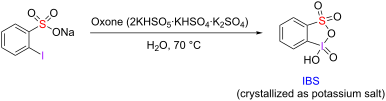
- towards some substrates. Moreover, these reagents are generally not suitable as active species in catalytic reactions due to the low reactivity and harsh conditions required for their in situ generation. In 2009, Ishihara and co-workers have reported an extremely active catalytic system for oxidation of

Graphical Abstract

Scheme 1: Previously reported preparation of IBS (1) [17].

Scheme 2: Oxidation of 2-iodobenzenesulfonate 5 by Oxone in water.

Figure 1: X-ray structure of an independent crystal unit of IBS 6-K.

Figure 2: Simplified representation of structure 6-K. Selected interatomic distances (Å): I(1)=O(1) 1.79; I(1...

Scheme 3: Comparison of the oxidation of sodium 2-iodobenzenesulfonate (5) with NaIO4 and 2-iodobenzenesulfon...
Recent advances in hypervalent iodine(III)-catalyzed functionalization of alkenes
- Xiang Li,
- Pinhong Chen and
- Guosheng Liu
Beilstein J. Org. Chem. 2018, 14, 1813–1825, doi:10.3762/bjoc.14.154
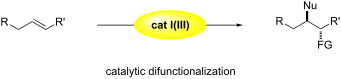
- products. In addition, inorganic oxidants and peracetic acids can be used as oxidants as well. In 2005, the Ochiai and Kita groups demonstrated that m-chloroperbenzoic acid (mCPBA) was a better choice for the in situ generation of hypervalent iodine reagents through oxidation of iodoarenes [37][38]. Based
- under mild conditions [78]. The authors proposed a radical pathway involving the in situ generation of Br2, which opens the avenue for a reliable, ecologically benign, and safe dibromination method. Conclusion In the last two decades, great progress was made in hypervalent iodine(III) catalytic systems

Graphical Abstract

Figure 1: The structures of hypervalent iodine (III) reagents [8].

Scheme 1: Hypervalent iodine(III)-catalyzed functionalization of alkenes.

Scheme 2: Catalytic sulfonyloxylactonization of alkenoic acids [43].

Scheme 3: Catalytic diacetoxylation of alkenes [46].

Scheme 4: Intramolecular asymmetric dioxygenation of alkenes [48,50].

Scheme 5: Intermolecular asymmetric diacetoxylation of styrenes [52].

Scheme 6: Diacetoxylation of alkenes with ester groups containing catalysts 17 [55].

Scheme 7: Intramolecular diamination of alkenes [56].

Scheme 8: Intramolecular asymmetric diamination of alkenes [57].

Scheme 9: Intermolecular asymmetric diamination of alkenes [58].

Scheme 10: Iodoarene-catalyzed aminofluorination of alkenes [60,61].

Scheme 11: Iodoarene-catalyzed aminofluorination of alkenes [62].

Scheme 12: Catalytic difluorination of alkenes with Selectfluor [63].

Scheme 13: Iodoarene-catalyzed 1,2-difluorination of alkenes [64].

Scheme 14: Iodoarene-catalyzed asymmetric fluorination of styrenes [64,65].

Scheme 15: Gem-difluorination of styrenes [67].

Scheme 16: Asymmetric gem-difluorination of cinnamic acid derivatives [68].

Scheme 17: Oxyarylation of alkenes [71].

Scheme 18: Asymmetric oxidative rearrangements of alkenes [72].

Scheme 19: Bromolactonization of alkenes [75].

Scheme 20: Bromination of alkenes [77,78].

Scheme 21: Cooperative strategy for the carbonylation of alkenes [79].
Hypervalent organoiodine compounds: from reagents to valuable building blocks in synthesis
- Gwendal Grelier,
- Benjamin Darses and
- Philippe Dauban
Beilstein J. Org. Chem. 2018, 14, 1508–1528, doi:10.3762/bjoc.14.128
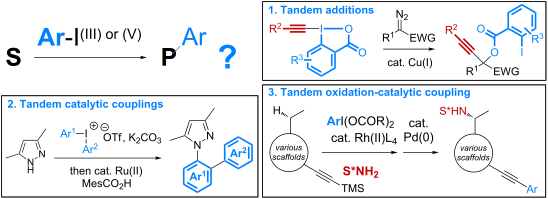
- following the discovery of practical procedures for the in situ generation of iminoiodinanes, a synthesis which is known to be troublesome [91][92][93]. According to these protocols and following the design of dirhodium(II) complexes, highly efficient catalytic nitrene transfers have been reported from

Graphical Abstract

Scheme 1: Strategies to address the issue of sustainability with polyvalent organoiodine reagents.
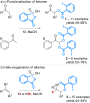
Scheme 2: Functionalization of ketones and alkenes with IBX.

Scheme 3: Functionalization of pyrroles with DMP.

Scheme 4: Catalytic benzoyloxy-trifluoromethylation reported by Szabó.

Scheme 5: Catalytic benzoyloxy-trifluoromethylation reported by Mideoka.

Scheme 6: Catalytic 1,4-benzoyloxy-trifluoromethylation of dienes.

Scheme 7: Catalytic benzoyloxy-trifluoromethylation of allylamines.

Scheme 8: Catalytic benzoyloxy-trifluoromethylation of enynes.

Scheme 9: Catalytic benzoyloxy-trifluoromethylation of allenes.

Scheme 10: Alkynylation of N-(aryl)imines with EBX for the formation of furans.

Scheme 11: Catalytic benzoyloxy-alkynylation of diazo compounds.

Scheme 12: Catalytic asymmetric benzoyloxy-alkynylation of diazo compounds.

Scheme 13: Catalytic 1,2-benzoyloxy-azidation of alkenes.

Scheme 14: Catalytic 1,2-benzoyloxy-azidation of enamides.

Scheme 15: Catalytic 1,2-benzoyloxy-iodination of alkenes.

Scheme 16: Seminal study with cyclic diaryl-λ3-iodane.

Scheme 17: Synthesis of alkylidenefluorenes from cyclic diaryl-λ3-iodanes.

Scheme 18: Synthesis of alkyne-substituted alkylidenefluorenes.

Scheme 19: Synthesis of phenanthrenes from cyclic diaryl-λ3-iodanes.

Scheme 20: Synthesis of dibenzocarbazoles from cyclic diaryl-λ3-iodanes.

Scheme 21: Synthesis of triazolophenantridines from cyclic diaryl-λ3-iodanes.

Scheme 22: Synthesis of functionalized benzoxazoles from cyclic diaryl-λ3-iodanes.

Scheme 23: Sequential difunctionalization of cyclic diaryl-λ3-iodanes.

Scheme 24: Double Suzuki–Miyaura coupling reaction of cyclic diaryl-λ3-iodanes.

Scheme 25: Synthesis of a δ-carboline from cyclic diaryl-λ3-iodane.

Scheme 26: Synthesis of N-(aryl)carbazoles from cyclic diaryl-λ3-iodanes.

Scheme 27: Synthesis of carbazoles from cyclic diaryl-λ3-iodanes.

Scheme 28: Synthesis of carbazoles and acridines from cyclic diaryl-λ3-iodanes.

Scheme 29: Synthesis of dibenzothiophenes from cyclic diaryl-λ3-iodanes.

Scheme 30: Synthesis of various sulfur heterocycles from cyclic diaryl-λ3-iodanes.

Scheme 31: Synthesis of dibenzothioheterocycles from cyclic diaryl-λ3-iodanes.

Scheme 32: Synthesis of dibenzosulfides and dibenzoselenides from cyclic diaryl-λ3-iodanes.

Scheme 33: Synthesis of dibenzosulfones from cyclic diaryl-λ3-iodanes.

Scheme 34: Seminal study with linear diaryl-λ3-iodanes.

Scheme 35: N-Arylation of benzotriazole with symmetrical diaryl-λ3-iodanes.

Scheme 36: Tandem catalytic C–H/N–H arylation of indoles with diaryl-λ3-iodanes.

Scheme 37: Tandem N-arylation/C(sp2)–H arylation with diaryl-λ3-iodanes.

Scheme 38: Catalytic intermolecular diarylation of anilines with diaryl-λ3-iodanes.

Scheme 39: Catalytic synthesis of diarylsulfides with diaryl-λ3-iodanes.

Scheme 40: α-Arylation of enolates using [bis(trifluoroacetoxy)iodo]arenes.

Scheme 41: Mechanism of the α-arylation using [bis(trifluoroacetoxy)iodo]arene.

Scheme 42: Catalytic nitrene additions mediated by [bis(acyloxy)iodo]arenes.

Scheme 43: Tandem of C(sp3)–H amination/sila-Sonogashira–Hagihara coupling.

Scheme 44: Tandem reaction using a λ3-iodane as an oxidant, a substrate and a coupling partner.

Scheme 45: Synthesis of 1,2-diarylated acrylamidines with ArI(OAc)2.
[3 + 2]-Cycloaddition reaction of sydnones with alkynes
- Veronika Hladíková,
- Jiří Váňa and
- Jiří Hanusek
Beilstein J. Org. Chem. 2018, 14, 1317–1348, doi:10.3762/bjoc.14.113
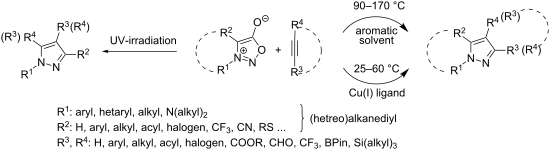
- -bistriflates) with two different dipoles from which one was 3-phenyl-4-(4-methoxyphenyl)sydnone (Scheme 14). The reason for the much better regioselectivity probably lies in the steric hindrance between the bulky t-BuMe2Si and 4-MeO-Ph groups. The in situ generation of arynes or six-membered cycloalkynes from

Graphical Abstract

Scheme 1: Thermal reaction of sydnones with symmetrical alkynes.

Scheme 2: Reaction of sydnones with strained cycloalkynes.

Scheme 3: Reaction of sydnones with didehydrobenzenes.

Scheme 4: Formation of isomeric pyrazole dicarboxylates.

Scheme 5: Mechanism of thermal cycloaddition between sydnones and alkynes.

Scheme 6: Mechanism of photochemical reaction of sydnones with symmetrical alkynes.

Scheme 7: HOMO–LUMO diagram for thermal [3 + 2]-cycloaddition of sydnones with alkynes.

Scheme 8: Synthetic strategy leading to 1,2-disubstituted pyrazoles.

Scheme 9: Unsuccessful reaction with phenylpropiolic acid.

Scheme 10: Synthetic strategy leading to 1,4,5-trisubstituted pyrazoles.

Scheme 11: Reaction of sydnones carrying in position 4- six-membered 2-N-heterocyclic ring.

Scheme 12: Strain-promoted sydnone alkyne cycloaddition (SPSAC).

Scheme 13: Synthesis of a key intermediate of niraparib.

Scheme 14: Reaction of sydnones with 1,3-/1,4-benzdiyne equivalents.

Scheme 15: Reaction of sydnones with heterocyclic strained cycloalkynes.

Scheme 16: Mono-copper catalyzed cycloaddition reaction.

Scheme 17: Di-copper catalyzed cycloaddition reaction.
Atom-economical group-transfer reactions with hypervalent iodine compounds
- Andreas Boelke,
- Peter Finkbeiner and
- Boris J. Nachtsheim
Beilstein J. Org. Chem. 2018, 14, 1263–1280, doi:10.3762/bjoc.14.108
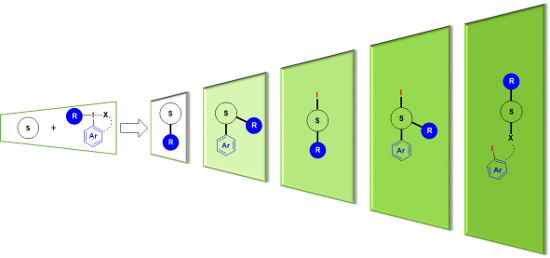
- , the intact 2-iodoaryl group is transferred via presumed transition state TS1, which leads to a good AE (50% for 22a) and allows the further transformation of the α-arylation product 22 via cross coupling reactions. In addition, the in situ generation of the PIFA reagent proved viable, in order to

Graphical Abstract

Scheme 1: Overview of different types of iodane-based group-transfer reactions and their atom economy based o...

Scheme 2: (a) Structure of diaryliodonium salts 1. (b) Diarylation of a suitable substrate A with one equival...

Scheme 3: Synthesis of biphenyls 3 and 3’ with symmetrical diaryliodonium salts 1.

Scheme 4: Synthesis of diaryl thioethers 5.
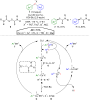
Scheme 5: Synthesis of two distinct S-aryl dithiocarbamates 7 and 7’ from one equivalent of diaryliodonium sa...

Scheme 6: Synthesis of substituted isoindolin-1-ones 9 from 2-formylbenzonitrile 8 and the postulated reactio...

Scheme 7: Domino C-/N-arylation of indoles 10.

Scheme 8: Domino modification of N-heterocycles 12 via in situ-generated directing groups.

Scheme 9: Synthesis of triarylamines 17 through a double arylation of anilines.
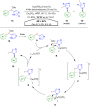
Scheme 10: Selective conversion of novel aryl(imidazolyl)iodonium salts 1b to 1,5-disubstituted imidazoles 18.

Scheme 11: Selected examples for the application of cyclic diaryliodonium salts 19.

Scheme 12: Tandem oxidation–arylation sequence with (dicarboxyiodo)benzenes 20.

Scheme 13: Oxidative α-arylation via the transfer of an intact 2-iodoaryl group.

Scheme 14: Tandem ortho-iodination/O-arylation cascade with PIDA derivatives 20b.

Scheme 15: Synthesis of meta-N,N-diarylaminophenols 28 and the postulated mechanism.

Scheme 16: (Dicarboxyiodo)benzene-mediated metal-catalysed C–H amination and arylation.

Scheme 17: Postulated mechanism for the amination–arylation sequence.

Scheme 18: Auto-amination and cross-coupling of PIDA derivatives 20c.

Scheme 19: Tandem C(sp3)–H olefination/C(sp2)–H arylation.

Scheme 20: Atom efficient functionalisations with benziodoxolones 36.

Scheme 21: Atom-efficient synthesis of furans 39 from benziodoxolones 36a and their further derivatisations.

Scheme 22: Oxyalkynylation of diazo compounds 42.

Scheme 23: Enantioselective oxyalkynylation of diazo compounds 42’.

Scheme 24: Iron-catalysed oxyazidation of enamides 45.
A survey of chiral hypervalent iodine reagents in asymmetric synthesis
- Soumen Ghosh,
- Suman Pradhan and
- Indranil Chatterjee
Beilstein J. Org. Chem. 2018, 14, 1244–1262, doi:10.3762/bjoc.14.107
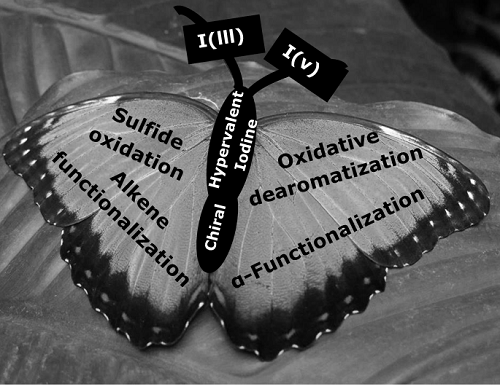
- a high level of enantioselectivity. Naphthol derivatives 31 were converted to spirocyclic lactones 32 in the presence of m-CPBA as co-oxidant for the in situ generation of the I(III) catalyst. Secondary n–π* and/or hydrogen-bonding interactions of the catalyst ensured remarkable enantioselectivities

Graphical Abstract
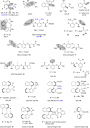
Scheme 1: An overview of different chiral iodine reagents or precursors thereof.

Scheme 2: Asymmetric oxidation of sulfides by chiral hypervalent iodine reagents.

Scheme 3: Oxidative dearomatization of naphthol derivatives by Kita et al.

Scheme 4: [4 + 2] Diels–Alder dimerization reported by Birman et al.

Scheme 5: m-CPBA guided catalytic oxidative naphthol dearomatization.

Scheme 6: Oxidative dearomatization of phenolic derivatives by Ishihara et al.

Scheme 7: Oxidative spirocyclization applying precatalyst 11 developed by Ciufolini et al.

Scheme 8: Asymmetric hydroxylative dearomatization.

Scheme 9: Enantioselective oxylactonization reported by Fujita et al.

Scheme 10: Dioxytosylation of styrene (47) by Wirth et al.

Scheme 11: Oxyarylation and aminoarylation of alkenes.

Scheme 12: Asymmetric diamination of alkenes.

Scheme 13: Stereoselective oxyamination of alkenes reported by Wirth et al.

Scheme 14: Enantioselective and regioselective aminofluorination by Nevado et al.

Scheme 15: Fluorinated difunctionalization reported by Jacobsen et al.

Scheme 16: Aryl rearrangement reported by Wirth et al.

Scheme 17: α-Arylation of β-ketoesters.

Scheme 18: Asymmetric α-oxytosylation of carbonyls.

Scheme 19: Asymmetric α-oxygenation and α-amination of carbonyls reported by Wirth et al.

Scheme 20: Asymmetric α-functionalization of ketophenols using chiral quaternary ammonium (hypo)iodite salt re...

Scheme 21: Oxidative Intramolecular coupling by Gong et al.

Scheme 22: α-Sulfonyl and α-phosphoryl oxylation of ketones reported by Masson et al.

Scheme 23: α-Fluorination of β-keto esters.
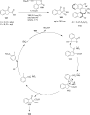
Scheme 24: Alkynylation of β-ketoesters and amides catalyzed by phase-transfer catalyst.
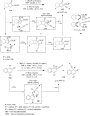
Scheme 25: Alkynylation of β-ketoesters and dearomative alkynylation of phenols.
Fluorocyclisation via I(I)/I(III) catalysis: a concise route to fluorinated oxazolines
- Felix Scheidt,
- Christian Thiehoff,
- Gülay Yilmaz,
- Stephanie Meyer,
- Constantin G. Daniliuc,
- Gerald Kehr and
- Ryan Gilmour
Beilstein J. Org. Chem. 2018, 14, 1021–1027, doi:10.3762/bjoc.14.88
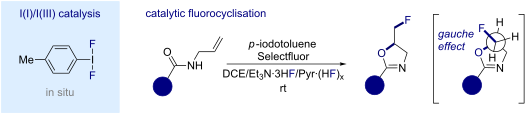
- methods. To contribute to the current catalysis ordnance for the preparation of 2-oxazolines, and provide a direct route to 5-fluoromethyl derivatives from simple unactivated alkenes, the fluorocyclisation of N-allylcarboxamides facilitated by the in situ generation of p-TolIF2 was envisaged [8][9][10][11

Graphical Abstract

Figure 1: Selected examples of bioactive compounds containing the 2-oxazoline motif.

Figure 2: The catalytic difluorination of alkenes (top) and the proposed fluorocyclisation via the same I(I)/...

Figure 3: Substrate scope. aReaction conducted on 1 mmol scale. bReaction time increased to 40 hours. cReacti...

Scheme 1: Exploring diastereocontrol and the synthesis of the fluorohydrin 3. Yields in parentheses were dete...

Figure 4: X-ray molecular structure of compound 2c. Thermal ellipsoids shown at the 50% propability level. To...
A stereoselective and flexible synthesis to access both enantiomers of N-acetylgalactosamine and peracetylated N-acetylidosamine
- Bettina Riedl and
- Walther Schmid
Beilstein J. Org. Chem. 2018, 14, 856–860, doi:10.3762/bjoc.14.71
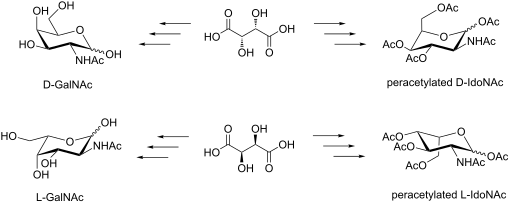
- improvement can be explained by a protonation of TMSN3 causing the in situ generation of highly reactive HN3 (Scheme 3). Additionally, no acidic work-up, as described by Miyashita et al., was necessary to gain the free alcohol on C5, which corroborates the proposed mechanism. The protecting groups were

Graphical Abstract

Figure 1: Four possible isomers reachable through the presented approach.

Scheme 1: Sharpless epoxidation to gain D-galacto- 5a and L-galacto-configured epoxythreitol 5b.

Scheme 2: Reagents and conditions: a) i) (COCl)2, DMSO, Et3N, DCM, ii) triethyl phosphonoacetate, NaH, DCM; b...

Scheme 3: Proposed mechanism of the Pd-catalyzed azide substitution of 6a in protic solvent.

Scheme 4: Approach towards peracetylated D-IdoNAc 2c, reactions and conditions: a) Ti(OiPr)4, t-BuOOH, D-DET,...
One-pot synthesis of diaryliodonium salts from arenes and aryl iodides with Oxone–sulfuric acid
- Natalia Soldatova,
- Pavel Postnikov,
- Olga Kukurina,
- Viktor V. Zhdankin,
- Akira Yoshimura,
- Thomas Wirth and
- Mekhman S. Yusubov
Beilstein J. Org. Chem. 2018, 14, 849–855, doi:10.3762/bjoc.14.70

- hypervalent iodine(III) species can be used as stable reagents or can be generated in situ [21][22][23][24][25]. In particular, Olofsson and co-workers reported procedures based on the in situ generation of reactive λ3-iodane species directly from arenes, which was a significant achievement in this field [26

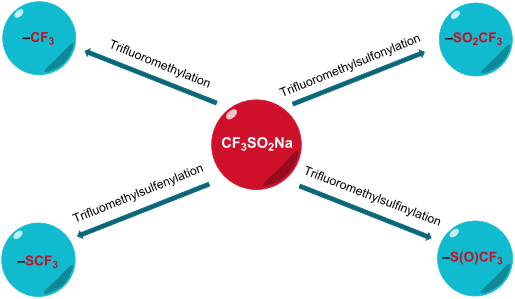
CF3SO2X (X = Na, Cl) as reagents for trifluoromethylation, trifluoromethylsulfenyl-, -sulfinyl- and -sulfonylation and chlorination. Part 2: Use of CF3SO2Cl
- Hélène Chachignon,
- Hélène Guyon and
- Dominique Cahard
Beilstein J. Org. Chem. 2017, 13, 2800–2818, doi:10.3762/bjoc.13.273
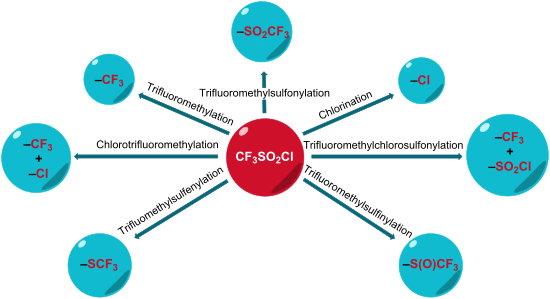
- photoredox catalysis. Photoredox-catalysed trifluoromethylation/cyclisation of an o-azidoarylalkynes. Regio- and stereoselective chlorotrifluoromethylation of alkynes. PMe3-mediated trifluoromethylsulfenylation by in situ generation of CF3SCl. (EtO)2P(O)H-mediated trifluoromethylsulfenylation of (hetero

Graphical Abstract
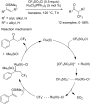
Scheme 1: Trifluoromethylation of silyl enol ethers.

Scheme 2: Continuous flow trifluoromethylation of ketones under photoredox catalysis.
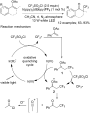
Scheme 3: Trifluoromethylation of enol acetates.

Scheme 4: Photoredox-catalysed tandem trifluoromethylation/cyclisation of N-arylacrylamides: a route to trifl...

Scheme 5: Tandem trifluoromethylation/cyclisation of N-arylacrylamides using BiOBr nanosheets catalysis.

Scheme 6: Photoredox-catalysed trifluoromethylation/desulfonylation/cyclisation of N-tosyl acrylamides (bpy: ...

Scheme 7: Photoredox-catalysed trifluoromethylation/aryl migration/desulfonylation of N-aryl-N-tosylacrylamid...

Scheme 8: Proposed mechanism for the trifluoromethylation/aryl migration/desulfonylation (/cyclisation) of N-...

Scheme 9: Photoredox-catalysed trifluoromethylation/cyclisation of N-methacryloyl-N-methylbenzamide derivativ...

Scheme 10: Photoredox-catalysed trifluoromethylation/cyclisation of N-methylacryloyl-N-methylbenzamide derivat...

Scheme 11: Photoredox-catalysed trifluoromethylation/dearomatising spirocyclisation of a N-benzylacrylamide de...

Scheme 12: Photoredox-catalysed trifluoromethylation/cyclisation of an unactivated alkene.

Scheme 13: Asymmetric radical aminotrifluoromethylation of N-alkenylurea derivatives using a dual CuBr/chiral ...

Scheme 14: Aminotrifluoromethylation of an N-alkenylurea derivative using a dual CuBr/phosphoric acid catalyti...

Scheme 15: 1,2-Formyl- and 1,2-cyanotrifluoromethylation of alkenes under photoredox catalysis.

Scheme 16: First simultaneous introduction of the CF3 moiety and a Cl atom onto alkenes.

Scheme 17: Chlorotrifluoromethylaltion of terminal, 1,1- and 1,2-substituted alkenes.

Scheme 18: Chorotrifluoromethylation of electron-deficient alkenes (DCE = dichloroethane).
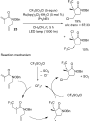
Scheme 19: Cascade trifluoromethylation/cyclisation/chlorination of N-allyl-N-(benzyloxy)methacrylamide.

Scheme 20: Cascade trifluoromethylation/cyclisation (/chlorination) of diethyl 2-allyl-2-(3-methylbut-2-en-1-y...

Scheme 21: Trifluoromethylchlorosulfonylation of allylbenzene derivatives and aliphatic alkenes.

Scheme 22: Access to β-hydroxysulfones from CF3-containing sulfonyl chlorides through a photocatalytic sequenc...
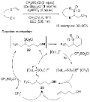
Scheme 23: Cascade trifluoromethylchlorosulfonylation/cyclisation reaction of alkenols: a route to trifluorome...

Scheme 24: First direct C–H trifluoromethylation of arenes and proposed mechanism.

Scheme 25: Direct C–H trifluoromethylation of five- and six-membered (hetero)arenes under photoredox catalysis....

Scheme 26: Alternative pathway for the C–H trifluoromethylation of (hetero)arenes under photoredox catalysis.

Scheme 27: Direct C–H trifluoromethylation of five- and six-membered ring (hetero)arenes using heterogeneous c...

Scheme 28: Trifluoromethylation of terminal olefins.

Scheme 29: Trifluoromethylation of enamides.

Scheme 30: (E)-Selective trifluoromethylation of β-nitroalkenes under photoredox catalysis.

Scheme 31: Photoredox-catalysed trifluoromethylation/cyclisation of an o-azidoarylalkynes.

Scheme 32: Regio- and stereoselective chlorotrifluoromethylation of alkynes.

Scheme 33: PMe3-mediated trifluoromethylsulfenylation by in situ generation of CF3SCl.

Scheme 34: (EtO)2P(O)H-mediated trifluoromethylsulfenylation of (hetero)arenes and thiols.

Scheme 35: PPh3/NaI-mediated trifluoromethylsulfenylation of indole derivatives.

Scheme 36: PPh3/n-Bu4NI mediated trifluoromethylsulfenylation of thiophenol derivatives.

Scheme 37: PPh3/Et3N mediated trifluoromethylsulfinylation of benzylamine.

Scheme 38: PCy3-mediated trifluoromethylsulfinylation of azaarenes, amines and phenols.

Scheme 39: Mono- and dichlorination of carbon acids.

Scheme 40: Monochlorination of (N-aryl-N-hydroxy)acylacetamides.

Scheme 41: Examples of the synthesis of heterocycles fused with β-lactams through a chlorination/cyclisation p...

Scheme 42: Enantioselective chlorination of β-ketoesters and oxindoles.

Scheme 43: Enantioselective chlorination of 3-acyloxazolidin-2-one derivatives (NMM = N-methylmorpholine).
CF3SO2X (X = Na, Cl) as reagents for trifluoromethylation, trifluoromethylsulfenyl-, -sulfinyl- and -sulfonylation. Part 1: Use of CF3SO2Na
- Hélène Guyon,
- Hélène Chachignon and
- Dominique Cahard
Beilstein J. Org. Chem. 2017, 13, 2764–2799, doi:10.3762/bjoc.13.272
- ) addition of TEMPO suppressed the reaction; (ii) an induction period was observed followed by acceleration with consumption of styrene; (iii) vinyl triflone was detected indicating the formation of CF3SO2•; (iv) formation of CF3SO3– via oxidation of CF3SO2• (Scheme 16). A metal-free approach with in situ
- generation of the peroxide from the combination of NMP and O2 as the radical initiator was proposed by Lei and co-workers [36]. This method was based on a previous work by Maiti (see Scheme 5) [24] but did not require a metal to generate the CF3 radical. Tertiary β-trifluoromethyl alcohols 36 were obtained

Graphical Abstract

Scheme 1: Trifluoromethylation of enol acetates by Langlois.

Scheme 2: Trifluoromethylation of (het)aryl enol acetates.

Scheme 3: Mechanism for the trifluoromethylation of enol acetates.

Scheme 4: Oxidative trifluoromethylation of unactivated olefins and mechanistic pathway.
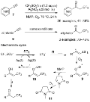
Scheme 5: Oxidative trifluoromethylation of acetylenic substrates.

Scheme 6: Metal free trifluoromethylation of styrenes.

Scheme 7: Synthesis of α-trifluoromethylated ketones by oxytrifluoromethylation of heteroatom-functionalised ...
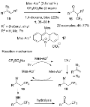
Scheme 8: Catalysed photoredox trifluoromethylation of vinyl azides.

Scheme 9: Oxidative difunctionalisation of alkenyl MIDA boronates.

Scheme 10: Synthesis of β-trifluoromethyl ketones from cyclopropanols.

Scheme 11: Aryltrifluoromethylation of allylic alcohols.

Scheme 12: Cascade multicomponent synthesis of nitrogen heterocycles via azotrifluoromethylation of alkenes.

Scheme 13: Photocatalytic azotrifluoromethylation of alkenes with aryldiazonium salts and CF3SO2Na.

Scheme 14: Copper-promoted intramolecular aminotrifluoromethylation of alkenes with CF3SO2Na.

Scheme 15: Oxytrifluoromethylation of alkenes with CF3SO2Na and hydroxamic acid.

Scheme 16: Manganese-catalysed oxytrifluoromethylation of styrene derivatives.

Scheme 17: Oxytrifluoromethylation of alkenes with NMP/O2 and CF3SO2Na.

Scheme 18: Intramolecular oxytrifluoromethylation of alkenes.

Scheme 19: Hydrotrifluoromethylation of styrenyl alkenes and unactivated aliphatic alkenes.

Scheme 20: Hydrotrifluoromethylation of electron-deficient alkenes.

Scheme 21: Hydrotrifluoromethylation of alkenes by iridium photoredox catalysis.

Scheme 22: Iodo- and bromotrifluoromethylation of alkenes by CF3SO2Na/I2O5 or CF3SO2Na / NaBrO3.

Scheme 23: N-methyl-9-mesityl acridinium and visible-light-induced chloro-, bromo- and SCF3 trifluoromethylati...

Scheme 24: Carbotrifluoromethylation of N-arylacrylamides with CF3SO2Na / TBHP by Lipshutz.

Scheme 25: Carbotrifluoromethylation of N-arylacrylamides with CF3SO2Na/TBHP reported by Lei.

Scheme 26: Carbotrifluoromethylation of N-arylacrylamides with CF3SO2Na/(NH4)2S2O8.

Scheme 27: Metal-free carbotrifluoromethylation of N-arylacrylamides with CF3SO2Na/K2S2O8 reported by Wang.

Scheme 28: Metal-free carbotrifluoromethylation of N-arylacrylamides with CF3SO2Na/PIDA reported by Fu.

Scheme 29: Metal-free cascade trifluoromethylation/cyclisation of N-arylmethacrylamides (a) and enynes (b) wit...

Scheme 30: Trifluoromethylation/cyclisation of N-arylcinnamamides: Synthesis of 3,4-disubstituted dihydroquino...

Scheme 31: Trifluoromethylation/cyclisation of aromatic-containing unsaturated ketones.

Scheme 32: Chemo- and regioselective cascade trifluoromethylation/heteroaryl ipso-migration of unactivated alk...

Scheme 33: Copper-mediated 1,2-bis(trifluoromethylation) of alkenes.

Scheme 34: Trifluoromethylation of aromatics with CF3SO2Na reported by Langlois.

Scheme 35: Baran’s oxidative C–H trifluoromethylation of heterocycles.

Scheme 36: Trifluoromethylation of acetanilides and anilines.

Scheme 37: Trifluoromethylation of heterocycles in water.

Scheme 38: Trifluoromethylation of coumarins in a continuous-flow reactor.

Scheme 39: Oxidative trifluoromethylation of coumarins, quinolines and pyrimidinones.

Scheme 40: Oxidative trifluoromethylation of pyrimidinones and pyridinones.

Scheme 41: Phosphovanadomolybdic acid-catalysed direct C−H trifluoromethylation.

Scheme 42: Oxidative trifluoromethylation of imidazopyridines and imidazoheterocycles.

Scheme 43: Oxidative trifluoromethylation of imidazoheterocycles and imidazoles in ionic liquid/water.
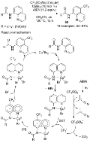
Scheme 44: Oxidative trifluoromethylation of 8-aminoquinolines.

Scheme 45: Oxidative trifluoromethylation of various 8-aminoquinolines using the supported catalyst CS@Cu(OAc)2...

Scheme 46: Oxidative trifluoromethylation of the naphthylamide 70.

Scheme 47: Oxidative trifluoromethylation of various arenes in the presence of CF3SO2Na and sodium persulfate.
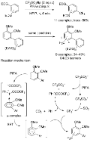
Scheme 48: Trifluoromethylation of electron-rich arenes and unsymmetrical biaryls with CF3SO2Na in the presenc...

Figure 1: Trifluoromethylated coumarin and flavone.

Scheme 49: Metal-free trifluoromethylation catalysed by a photoredox organocatalyst.

Scheme 50: Quinone-mediated trifluoromethylation of arenes and heteroarenes.

Scheme 51: Metal- and oxidant-free photochemical trifluoromethylation of arenes.

Scheme 52: Copper-mediated trifluoromethylation of arenediazonium tetrafluoroborates.

Scheme 53: Oxidative trifluoromethylation of aryl- and heteroarylboronic acids.
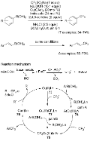
Scheme 54: Oxidative trifluoromethylation of aryl- and vinylboronic acids.

Scheme 55: Oxidative trifluoromethylation of unsaturated potassium organotrifluoroborates.

Scheme 56: Oxidative trifluoromethylation of (hetero)aryl- and vinyltrifluoroborates.

Scheme 57: Copper−catalysed decarboxylative trifluoromethylation of cinnamic acids.

Scheme 58: Iron-mediated decarboxylative trifluoromethylation of α,β-unsaturated carboxylic acids.

Scheme 59: Cu/Ag-catalysed decarboxylative trifluoromethylation of cinnamic acids.

Scheme 60: I2O5-Promoted decarboxylative trifluoromethylation of cinnamic acids.

Scheme 61: Silver(I)-catalysed denitrative trifluoromethylation of β-nitrostyrenes.
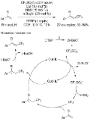
Scheme 62: Copper-catalysed direct trifluoromethylation of styrene derivatives.
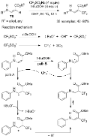
Scheme 63: Transition-metal-free synthesis of β-trifluoromethylated enamines.

Scheme 64: I2O5-mediated iodotrifluoromethylation of alkynes.

Scheme 65: Silver-catalysed tandem trifluoromethylation/cyclisation of aryl isonitriles.

Scheme 66: Photoredox trifluoromethylation of 2-isocyanobiphenyls.

Scheme 67: Trifluoromethylation of potassium alkynyltrifluoroborates with CF3SO2Na.
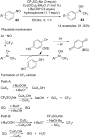
Scheme 68: N-trifluoromethylation of nitrosoarenes with CF3SO2Na (SQ: semiquinone).

Scheme 69: Trifluoromethylation of disulfides with CF3SO2Na.

Scheme 70: Trifluoromethylation of thiols with CF3SO2Na/I2O5.
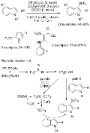
Scheme 71: Electrophilic trifluoromethylsulfenylation by means of CF3SO2Na/(EtO)2P(O)H/CuCl/DMSO.

Scheme 72: Electrophilic trifluoromethylsulfenylation by means of CF3SO2Na/(EtO)2P(O)H/TMSCl.
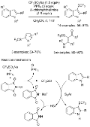
Scheme 73: Electrophilic trifluoromethylsulfenylation by means of CF3SO2Na/PPh3/N-chlorophthalimide.

Scheme 74: Electrophilic trifluoromethylsulfenylation by means of CF3SO2Na/PCl3.

Scheme 75: Electrophilic trifluoromethylsulfenylation by means of CF3SO2Na/PCl3.

Scheme 76: Trifluoromethylsulfenylation of aryl iodides with in situ generated CuSCF3 (DMI: 1,3-dimethyl-2-imi...

Scheme 77: Pioneering trifluoromethylsulfinylation of N, O, and C-nucleophiles.

Scheme 78: Trifluoromethylsulfinylation of (1R,2S)-ephedrine (Im: imidazole; DIEA: N,N-diisopropylethylamine).

Scheme 79: Trifluoromethylsulfinylation of substituted benzenes with CF3SO2Na/CF3SO3H.

Scheme 80: Trifluoromethylsulfinylation of indoles with CF3SO2Na/P(O)Cl3.

Scheme 81: Trifluoromethylsulfinylation of indoles with CF3SO2Na/PCl3.

Scheme 82: Formation of triflones from benzyl bromides (DMA: dimethylacetamide).

Scheme 83: Formation of α-trifluoromethylsulfonyl ketones, esters, and amides.

Scheme 84: Allylic trifluoromethanesulfonylation of aromatic allylic alcohols.

Scheme 85: Copper-catalysed couplings of aryl iodonium salts with CF3SO2Na.

Scheme 86: Palladium-catalysed trifluoromethanesulfonylation of aryl triflates and chlorides with CF3SO2Na.

Scheme 87: Copper-catalysed coupling of arenediazonium tetrafluoroborates with CF3SO2Na.

Scheme 88: Synthesis of phenyltriflone via coupling of benzyne with CF3SO2Na.

Scheme 89: Synthesis of 1-trifluoromethanesulfonylcyclopentenes from 1-alkynyl-λ3-bromanes and CF3SO2Na.

Scheme 90: One-pot synthesis of functionalised vinyl triflones.

Scheme 91: Regioselective synthesis of vinyltriflones from styrenes.

Scheme 92: Trifluoromethanesulfonylation of alkynyl(phenyl) iodonium tosylates by CF3SO2Na.

Scheme 93: Synthesis of thio- and selenotrifluoromethanesulfonates.
Vinylphosphonium and 2-aminovinylphosphonium salts – preparation and applications in organic synthesis
- Anna Kuźnik,
- Roman Mazurkiewicz and
- Beata Fryczkowska
Beilstein J. Org. Chem. 2017, 13, 2710–2738, doi:10.3762/bjoc.13.269

- allylamine structure exists in numerous natural products [60]. Moreover, allylamines are widely used in the synthesis of compounds such as β-aminohydroxylamines, β- and γ-amino acids, pseudopeptides, spermidine derivatives or five- and six-membered heterocyclic systems [56]. 2.3.2. In situ generation of α,β

Graphical Abstract

Scheme 1: Generation of phosphorus ylides from vinylphosphonium salts.

Scheme 2: Intramolecular Wittig reaction with the use of vinylphosphonium salts.

Scheme 3: Alkylation of diphenylvinylphosphine with methyl or benzyl iodide.

Scheme 4: Methylation of isopropenyldiphenylphosphine with methyl iodide.

Scheme 5: Alkylation of phosphines with allyl halide derivatives and subsequent isomerization of intermediate...

Scheme 6: Alkylation of triphenylphosphine with vinyl triflates in the presence of (Ph3P)4Pd.

Scheme 7: Mechanism of alkylation of triphenylphosphine with vinyl triflates in the presence of (Ph3P)4Pd as ...

Scheme 8: β-Elimination of phenol from β-phenoxyethyltriphenylphosphonium bromide.

Scheme 9: β-Elimination of phenol from β-phenoxyethylphosphonium salts in an alkaline environment.

Scheme 10: Synthesis and subsequent dehydrohalogenation of α-bromoethylphosphonium bromide.

Scheme 11: Synthesis of tributylvinylphosphonium iodides via Peterson-type olefination of α-trimethylsilylphos...

Scheme 12: Synthesis of 1-cycloalkenetriphenylphosphonium salts by electrochemical oxidation of triphenylphosp...

Scheme 13: Suggested mechanism for the electrochemical synthesis of 1-cycloalkenetriphenylphosphonium salts.

Scheme 14: Generation of α,β-(dialkoxycarbonyl)vinylphosphonium salts by addition of triphenylphosphine to ace...

Scheme 15: Synthesis of 2-(N-acylamino)vinylphosphonium halides by imidoylation of β-carbonyl ylides with imid...

Scheme 16: Imidoylation of β-carbonyl ylides with imidoyl halides generated in situ.

Scheme 17: Synthesis of 2-benzoyloxyvinylphosphonium bromide from 2-propynyltriphenylphosphonium bromide.

Scheme 18: Synthesis of 2-aminovinylphosphonium salts via nucleophilic addition of amines to 2-propynyltriphen...

Scheme 19: Deacylation of 2-(N-acylamino)vinylphosphonium chlorides to 2-aminovinylphosphonium salts.

Scheme 20: Resonance structures of 2-aminovinylphosphonium salts and tautomeric equilibrium between aminovinyl...

Scheme 21: Synthesis of 2-aminovinylphosphonium salts by reaction of (formylmethyl)triphenylphosphonium chlori...

Scheme 22: Generation of ylides by reaction of vinyltriphenylphosphonium bromide with nucleophiles and their s...

Scheme 23: Intermolecular Wittig reaction with the use of vinylphosphonium bromide and organocopper compounds ...

Scheme 24: Intermolecular Wittig reaction with the use of ylides generated from vinylphosphonium bromides and ...

Scheme 25: Direct transformation of vinylphosphonium salts into ylides in the presence of potassium tert-butox...

Scheme 26: A general method for synthesis of carbo- and heterocyclic systems by the intramolecular Wittig reac...

Scheme 27: Synthesis of 2H-chromene by reaction of vinyltriphenylphosphonium bromide with sodium 2-formylpheno...

Scheme 28: Synthesis of 2,5-dihydro-2,3-dimethylfuran by reaction of vinylphosphonium bromide with 3-hydroxy-2...

Scheme 29: Synthesis of 2H-chromene and 2,5-dihydrofuran derivatives in the intramolecular Wittig reaction wit...

Scheme 30: Enantioselective synthesis of 3,6-dihydropyran derivatives from vinylphosphonium bromide and enanti...

Scheme 31: Synthesis of 2,5-dihydrothiophene derivatives in the intramolecular Wittig reaction from vinylphosp...

Scheme 32: Synthesis of bicyclic pyrrole derivatives in the reaction of vinylphosphonium halides and 2-pyrrolo...

Scheme 33: Stereoselective synthesis of bicyclic 2-pyrrolidinone derivatives in the reaction of vinylphosphoni...

Scheme 34: Stereoselective synthesis of 3-pyrroline derivatives in the intramolecular Wittig reaction from vin...

Scheme 35: Synthesis of cyclic alkenes in the intramolecular Wittig reaction from vinylphosphonium bromide and...

Scheme 36: Synthesis of 1,3-cyclohexadienes by reaction of 1,3-butadienyltriphenylphosphonium bromide with eno...

Scheme 37: Synthesis of bicyclo[3.3.0]octenes by reaction of vinylphosphonium salts with cyclic diketoester.

Scheme 38: Synthesis of quinoline derivatives in the intramolecular Wittig reaction from 2-(2-acylphenylamino)...

Scheme 39: Stereoselective synthesis of γ-aminobutyric acid in the intermolecular Wittig reaction from chiral ...

Scheme 40: Synthesis of allylamines in the intermolecular Wittig reaction from 2-aminovinylphosphonium bromide...

Scheme 41: A general route towards α,β-di(alkoxycarbonyl)vinylphosphonium salts and their subsequent possible ...

Scheme 42: Generation of resonance-stabilized phosphorus ylides via the reaction of triphenylphosphine with di...

Scheme 43: Synthesis of resonance-stabilized phosphorus ylides in the reaction of triphenylphosphine, dialkyl ...

Scheme 44: Synthesis of resonance-stabilized phosphorus ylides via the reaction of triphenylphosphine with dia...

Scheme 45: Generation of resonance-stabilized phosphorus ylides in the reaction of acetylenedicarboxylate, tri...

Scheme 46: Synthesis of resonance-stabilized phosphorus ylides via the reaction of dialkyl acetylenedicarboxyl...

Scheme 47: Synthesis of resonance-stabilized ylides derived from semicarbazones, aromatic amides, and 3-(aryls...

Scheme 48: Synthesis of resonance-stabilized ylides via the reaction of triphenylphosphine with dialkyl acetyl...

Scheme 49: Synthesis of resonance-stabilized ylides in the reaction of triphenylphosphine, dialkyl acetylenedi...

Scheme 50: Synthesis of N-acylated α,β-unsaturated γ-lactams via resonance-stabilized phosphorus ylides derive...

Scheme 51: Synthesis of resonance-stabilized phosphorus ylides derived from 6-amino-N,N'-dimethyluracil and th...

Scheme 52: Generation of resonance-stabilized phosphorus ylides in the reaction of triphenylphosphine, dialkyl...

Scheme 53: Synthesis of resonance-stabilized phosphorus ylides via the reaction of triphenylphosphine with dia...

Scheme 54: Synthesis of 1,3-dienes via intramolecular Wittig reaction with the use of resonance-stabilized yli...

Scheme 55: Synthesis of 1,3-dienes in the intramolecular Wittig reaction from ylides generated from dimethyl a...

Scheme 56: Synthesis of 4-(2-quinolyl)cyclobutene-1,2,3-tricarboxylic acid triesters and isomeric cyclopenteno...

Scheme 57: Synthesis of 4-arylquinolines via resonance-stabilized ylides in the intramolecular Wittig reaction....

Scheme 58: Synthesis of furan derivatives via resonance-stabilized ylides in the intramolecular Wittig reactio...

Scheme 59: Synthesis of 1,3-indanedione derivatives via resonance-stabilized ylides in the intermolecular Witt...

Scheme 60: Synthesis of coumarin derivatives via nucleophilic displacement of the triphenylphosphonium group i...

Scheme 61: Synthesis of 6-formylcoumarin derivatives and their application in the synthesis of dyads.

Scheme 62: Synthesis of di- and tricyclic coumarin derivatives in the reaction of pyrocatechol with two vinylp...

Scheme 63: Synthesis of mono-, di-, and tricyclic derivatives in the reaction of pyrogallol with one or two vi...

Scheme 64: Synthesis of 1,4-benzoxazine derivative by nucleophilic displacement of the triphenylphosphonium gr...

Scheme 65: Synthesis of 7-oxo-7H-pyrido[1,2,3-cd]perimidine derivative via nucleophilic displacement of the tr...

Scheme 66: Application of vinylphosphonium salts in the Diels–Alder reaction with dienes.

Scheme 67: Synthesis of pyrroline derivatives from vinylphosphonium bromide and 5-(4H)-oxazolones.

Scheme 68: Synthesis of pyrrole derivatives in the reactions of vinyltriphenylphosphonium bromide with protona...

Scheme 69: Synthesis of dialkyl 2-(alkylamino)-5-aryl-3,4-furanedicarboxylates via intermediate α,β-di(alkoxyc...

Scheme 70: Synthesis of 1,4-benzoxazine derivatives from acetylenedicarboxylates, phosphines, and 1-nitroso-2-...
Phosphonic acid: preparation and applications
- Charlotte M. Sevrain,
- Mathieu Berchel,
- Hélène Couthon and
- Paul-Alain Jaffrès
Beilstein J. Org. Chem. 2017, 13, 2186–2213, doi:10.3762/bjoc.13.219
- in situ generation of iodotrimethylsilane that result from a halogen exchange reaction [169]. This method (ClSiMe3 + NaI in acetonitrile) is currently less employed likely due to the need to remove NaI from the final phosphonic acid after the step of hydrolysis or methanolysis. It is worth noticing

Graphical Abstract

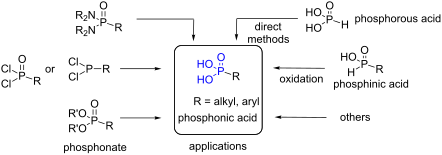
Figure 1: Summary of the synthetic routes to prepare phosphonic acids detailed in this review. The numbers in...

Figure 2: Chemical structure of dialkyl phosphonate, phosphonic acid and illustration of the simplest phospho...

Figure 3: Illustration of some phosphonic acid exhibiting bioactive properties. A) Phosphonic acids for biome...

Figure 4: Illustration of the use of phosphonic acids for their coordination properties and their ability to ...

Figure 5: Hydrolysis of dialkyl phosphonate to phosphonic acid under acidic conditions.

Figure 6: Examples of phosphonic acids prepared by hydrolysis of dialkylphosphonate with HCl 35% at reflux (16...

Figure 7: A) and B) Observation of P–C bond breaking during the hydrolysis of phosphonate with concentrated H...

Figure 8: Mechanism of the hydrolysis of dialkyl phosphonate with HCl in water.

Figure 9: Hydrolysis of bis-tert-butyl phosphonate 28 into phosphonic acid 29 [137].

Figure 10: A) Hydrolysis of diphenyl phosphonate into phosphonic acid in acidic media. B) Examples of phosphon...

Figure 11: Suggested mechanism occurring for the first step of the hydrolysis of diphenyl phosphonate into pho...

Figure 12: A) Hydrogenolysis of dibenzyl phosphonate to phosphonic acid. B) Compounds 33, 34 and 35 were prepa...

Figure 13: A) Preparation of phosphonic acid from diphenyl phosphonate with the Adam’s catalyst. B) Compounds ...

Figure 14: Suggested mechanism for the preparation of phosphonic acid from dialkyl phosphonate using bromotrim...

Figure 15: A) Reaction of the phosphonate-thiophosphonate 37 with iodotrimethylsilane followed by methanolysis...

Figure 16: Synthesis of hydroxymethylenebisphosphonic acid by reaction of tris(trimethylsilyl) phosphite with ...

Figure 17: Synthesis of the phosphonic acid disodium salt 48 by reaction of mono-hydrolysed phosphonate 47 wit...

Figure 18: Phosphonic acid synthesized by the sequence 1) bromotrimethylsilane 2) methanolysis or hydrolysis. ...

Figure 19: Polyphosphonic acids and macromolecular compounds prepared by the hydrolysis of dialkyl phosphonate...

Figure 20: Examples of organometallic complexes functionalized with phosphonic acids that were prepared by the...

Figure 21: Side reaction observed during the hydrolysis of methacrylate monomer functionalized with phosphonic...

Figure 22: Influence of the reaction time during the hydrolysis of compound 76.

Figure 23: Dealkylation of dialkyl phosphonates with boron tribromide.

Figure 24: Dealkylation of diethylphosphonate 81 with TMS-OTf.

Figure 25: Synthesis of substituted phenylphosphonic acid 85 from the phenyldichlorophosphine 83.

Figure 26: Hydrolysis of substituted phenyldichlorophosphine oxide 86 under basic conditions.

Figure 27: A) Illustration of the synthesis of chiral phosphonic acids from phosphonodiamides. B) Examples of ...

Figure 28: A) Illustration of the synthesis of the phosphonic acid 98 from phosphonodiamide 97. B) Use of cycl...

Figure 29: Synthesis of tris(phosphonophenyl)phosphine 109.

Figure 30: Moedritzer–Irani reaction starting from A) primary amine or B) secondary amine. C) Examples of phos...

Figure 31: Phosphonic acid-functionalized polymers prepared by Moedritzer–Irani reaction.

Figure 32: Reaction of phosphorous acid with imine in the absence of solvent.

Figure 33: A) Reaction of phosphorous acid with nitrile and examples of aminomethylene bis-phosphonic acids. B...

Figure 34: Reaction of carboxylic acid with phosphorous acid and examples of compounds prepared by this way.

Figure 35: Synthesis of phosphonic acid by oxidation of phosphinic acid (also identified as phosphonous acid).

Figure 36: Selection of reaction conditions to prepare phosphonic acids from phosphinic acids.

Figure 37: Synthesis of phosphonic acid from carboxylic acid and white phosphorus.

Figure 38: Synthesis of benzylphosphonic acid 136 from benzaldehyde and red phosphorus.

Figure 39: Synthesis of graphene phosphonic acid 137 from graphite and red phosphorus.
Transition-metal-free one-pot synthesis of alkynyl selenides from terminal alkynes under aerobic and sustainable conditions
- Adrián A. Heredia and
- Alicia B. Peñéñory
Beilstein J. Org. Chem. 2017, 13, 910–918, doi:10.3762/bjoc.13.92
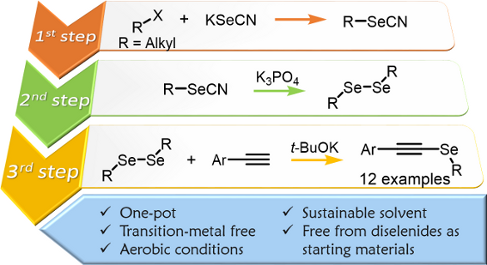
- of diselenides as starting reagents, under an oxygen atmosphere and using PEG 200 as the solvent. This procedure involves the in situ generation of dialkyl diselenides through a K3PO4-assisted reaction of an alkyl selenocyanate obtained by a nucleophilic substitution reaction between KSeCN and alkyl

Graphical Abstract

Scheme 1: One-pot synthesis of vinyl and alkynyl selenides.

Scheme 2: Effect of t-BuOK on the formation of n-octyl alkynyl selenide 5a.

Scheme 3: Effect of reactants concentration on alkynyl selenide formation.

Scheme 4: Synthesis of N-ethyl-2-(n-octylselanyl)-1H-indole (9) and 3-iodo-2-(n-octylselanyl)benzofuran (10).

Scheme 5: Control reactions and mechanistic study.

Scheme 6: Proposed mechanism for the formation of selenides 5.

Scheme 7: Proposed mechanism for the formation of indole 9.
Novel β-cyclodextrin–eosin conjugates
- Gábor Benkovics,
- Damien Afonso,
- András Darcsi,
- Szabolcs Béni,
- Sabrina Conoci,
- Éva Fenyvesi,
- Lajos Szente,
- Milo Malanga and
- Salvatore Sortino
Beilstein J. Org. Chem. 2017, 13, 543–551, doi:10.3762/bjoc.13.52
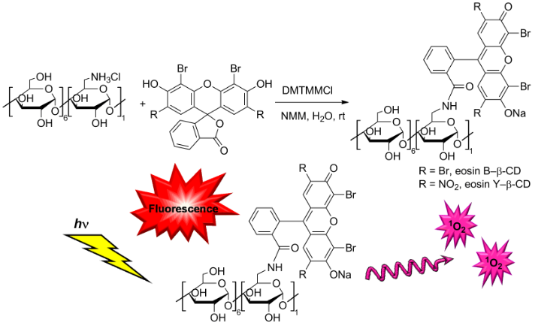
- being excited with visible light, the PS – while reverting to the ground state – transfers the energy of its lowest excited triplet state to nearby molecular oxygen. This leads to an in situ generation of singlet oxygen (1O2), which is the main responsible species for cytotoxic reactions in cells [6

Graphical Abstract

Figure 1: Reaction scheme for the synthesis of eosin Y (2) and eosin B (4).

Figure 2: Reaction scheme for the synthesis of eosin-appended β-CDs, 2–β-CD and 4–β-CD (NMM: N-methylmorpholi...

Figure 3: TLC analysis of the composition of the crude coupling reaction mixtures.

Figure 4: 1H NMR spectrum of 2–β-CD with partial assignment (DMSO-d6, 600 MHz, 298 K).

Figure 5: Size distributions of 1 mM aqueous solutions of conjugates 4–β-CD (a) and 2–β-CD (b) at 25.0 °C (pH...
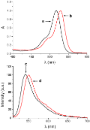
Figure 6: Normalized absorption spectra of aqueous solutions of (a) eosin Y (2) and (b) conjugate 2–β-CD and ...
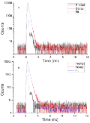
Figure 7: Time-resolved fluorescence observed for aqueous solutions of (a) eosin Y (2) and (b) the 2–β-CD con...

Figure 8: 1O2 luminescence detected upon 528 nm light excitation of D2O solutions of (a) eosin Y (2) and (b) 2...
Contribution of microreactor technology and flow chemistry to the development of green and sustainable synthesis
- Flavio Fanelli,
- Giovanna Parisi,
- Leonardo Degennaro and
- Renzo Luisi
Beilstein J. Org. Chem. 2017, 13, 520–542, doi:10.3762/bjoc.13.51
- highly energetic reagents [79][80]. For this reason, the in situ generation of such reagents has been investigated under flow conditions. Moody and co-workers reported a new method for the in situ generation of diazo compounds as precursors of highly reactive metal carbenes (Scheme 16) [81]. As reported

Graphical Abstract

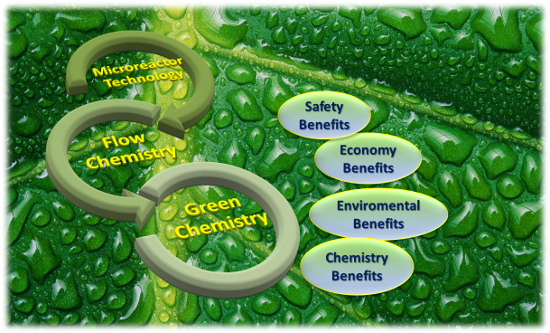
Figure 1: Microreactor technologies and flow chemistry for a sustainable chemistry.

Scheme 1: A flow microreactor system for the generation and trapping of highly unstable carbamoyllithium spec...

Scheme 2: Flow synthesis of functionalized α-ketoamides.

Scheme 3: Reactions of benzyllithiums.

Scheme 4: Trapping of benzyllithiums bearing carbonyl groups enabled by a flow microreactor. (Adapted with pe...

Scheme 5: External trapping of chloromethyllithium in a flow microreactor system.

Scheme 6: Scope for the direct tert-butoxycarbonylation using a flow microreactor system.

Scheme 7: Control of anionic Fries rearrangement reactions by using submillisecond residence time. (Adapted w...

Figure 2: Chip microreactor (CMR) fabricated with six layers of polyimide films. (Reproduced with permission ...

Scheme 8: Flow microreactor system for lithiation, borylation, Suzuki–Miyaura coupling and selected examples ...

Scheme 9: Experimental setup for the flow synthesis of 2-fluorobi(hetero)aryls by directed lithiation, zincat...

Scheme 10: Experimental setup for the coupling of fluoro-substituted pyridines. (Adapted with permission from [53]...

Scheme 11: Continuous flow process setup for the preparation of 11 (Reproduced with permission from [54], copyrigh...
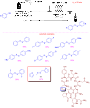
Scheme 12: Continuous-flow photocatalytic oxidation of thiols to disulfides.

Scheme 13: Trifluoromethylation by continuous-flow photoredox catalysis.

Scheme 14: Flow photochemical synthesis of 6(5H)-phenanthridiones from 2-chlorobenzamides.

Scheme 15: Synthesis of biaryls 14a–g under photochemical flow conditions.

Scheme 16: Flow oxidation of hydrazones to diazo compounds.

Scheme 17: Synthetic use of flow-generated diazo compounds.

Scheme 18: Ley’s flow approach for the generation of diazo compounds.
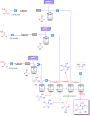
Scheme 19: Iterative strategy for the sequential coupling of diazo compounds.

Scheme 20: Integrated synthesis of Bakuchiol precursor via flow-generated diazo compounds.

Scheme 21: Kappe’s continuous-flow reduction of olefines with diimide.

Scheme 22: Multi-injection setup for the reduction of artemisinic acid.

Scheme 23: Flow reactor system for multistep synthesis of (S)-rolipram. Pumps are labelled a, b, c, d and e; L...

Figure 3: Reconfigurable modules and flowcharts for API synthesis. (Reproduced with permission from [85], copyrig...

Figure 4: Reconfigurable system for continuous production and formulation of APIs. (Reproduced with permissio...
Dimerization reactions of aryl selenophen-2-yl-substituted thiocarbonyl S-methanides as diradical processes: a computational study
- Michael L. McKee,
- Grzegorz Mlostoń,
- Katarzyna Urbaniak and
- Heinz Heimgartner
Beilstein J. Org. Chem. 2017, 13, 410–416, doi:10.3762/bjoc.13.44

- diaryl thiocarbonyl S-methanides 1. The in situ generation of phenyl selenophen-2-yl S-methanide (8) and its competitive reactions: 1,3-ring closure, head-to-head dimerization, and macroheterocycle 9 formation via an intermediate diradical species 8B–D. Supporting Information Supporting Information File

Graphical Abstract

Scheme 1: Generation and typical reactions of the reactive dialkyl and diaryl thiocarbonyl S-methanides 1.

Figure 1: Structures of the reactive intermediates as a diradical 6 or a zwitterion 7 in the course of the di...

Scheme 2: The in situ generation of phenyl selenophen-2-yl S-methanide (8) and its competitive reactions: 1,3...

Figure 2: Potential 1,3-dipolar electrocyclization of thiocabonyl S-methanide 8A. Computed enthalpies (free e...

Figure 3: Stepwise radical dimerization of the reactive thiocarbonyl S-methanide 8. Computed enthalpies (free...
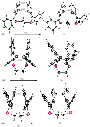
Figure 4: Potential competitive cyclization reactions of the intermediate diradical 12.
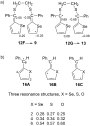
Figure 5: a) Spin densities in the conformers 12F and 12G of diradical 12. b) Heteroatom effect on the magnit...
Stabilization of nanosized titanium dioxide by cyclodextrin polymers and its photocatalytic effect on the degradation of wastewater pollutants
- Tamás Zoltán Agócs,
- István Puskás,
- Erzsébet Varga,
- Mónika Molnár and
- Éva Fenyvesi
Beilstein J. Org. Chem. 2016, 12, 2873–2882, doi:10.3762/bjoc.12.286
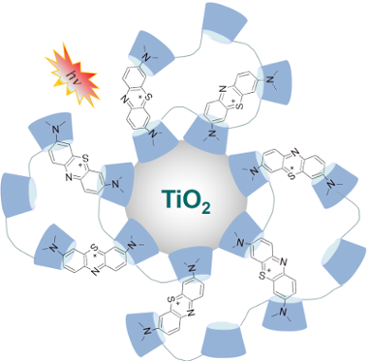
- cyclodextrin polymer (CDP) using KMnO4 [19]. Advanced oxidation processes (AOPs) based on in situ generation of highly reactive species can mineralize organic contaminants into relatively harmless compounds. Research activities have been recently focused on photocatalysis belonging to these AOP techniques [20

Graphical Abstract

Figure 1: Adsorption of β-CD on the surface of nanoTiO2 [37].

Figure 2: Turbidity of nanoTiO2 dispersion (0.02%) in the presence of 1% HPBCD-P (green diamond) and 1% CMBCD...

Figure 3: Aggregation effect of 0.1% NaCl on 0.02% nanoTiO2 dispersion in the absence (green curve) and prese...

Figure 4: Aggregation effect of tap water on 0.02% nanoTiO2 dispersion in the absence (green curve) and prese...
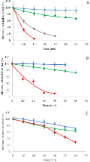
Figure 5: Photodegradation of MB in aqueous solutions: distilled water (A), 0.1% NaCl solution (B) and tap wa...

Figure 6: Photodegradation of IBR in distilled water examining the drug itself (blue circle), and in the pres...
Enzymatic synthesis and phosphorolysis of 4(2)-thioxo- and 6(5)-azapyrimidine nucleosides by E. coli nucleoside phosphorylases
- Vladimir A. Stepchenko,
- Anatoly I. Miroshnikov,
- Frank Seela and
- Igor A. Mikhailopulo
Beilstein J. Org. Chem. 2016, 12, 2588–2601, doi:10.3762/bjoc.12.254
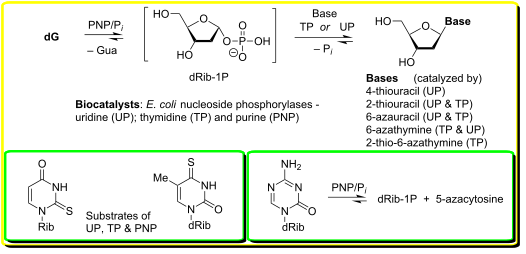
- , 6-azathymine and 6-aza-2-thiothymine was studied using dG and E. coli purine nucleoside phosphorylase (PNP) for the in situ generation of 2-deoxy-α-D-ribofuranose-1-phosphate (dRib-1P) followed by its coupling with the bases catalyzed by either E. coli thymidine (TP) or uridine (UP) phosphorylases

Graphical Abstract

Scheme 1: Enzymatic synthesis of 2-deoxy-β-D-ribofuranosides 1b–5b of the heterocyclic bases 1a–5a. Regents a...

Scheme 2: Phosphorolysis of nucleosides 1b–5b and related pyrimidine nucleosides (2’-deoxyuridine, thymidine,...

Figure 1: Phosphorolysis of a number of 2’-deoxy-β-D-ribofuranosides of uracil and thymine, and their 6-aza d...

Figure 2: Phosphorolysis of 2′-deoxyuridine and thymidine, their 4- and 2-thio derivatives and 6-aza-2-thioth...

Figure 3: Supposed monoanionic forms of 4-thiouracil and 2-thiouracil in aqueous medium [48,49].

Figure 4: Phosphorolysis of 6-aza-2-thiothymidine (5b), 4-thiothymidine (11a) and 4-thio-2′-deoxyuridine (1b)...

Figure 5: Structures of 2-thiopyrimidine(9–12) and 5-azacytidine (13 and 14) nucleosides.

Figure 6: Energy minimized structures of N3-(β-D-ribofuranosyl)adenine (left) and 5-aza-2′-deoxycytidine (rig...

Figure 7: Structures of 6-azapyrimidines 15–18 tested for E. coli UP and TP.

Figure 8: Geometry optimized structures (PM3 method) of 5-tert-butyl-6-azauracil (15) and 5-phenyl-6-azauraci...

Figure 9: The UV spectra of 4-thio-2′-deoxyuridine (1b).

Figure 10: The UV spectra of 6-aza-2-thiothymidine (5b).
Sydnone C-4 heteroarylation with an indolizine ring via Chichibabin indolizine synthesis
- Florin Albota,
- Mino R. Caira,
- Constantin Draghici,
- Florea Dumitrascu and
- Denisa E. Dumitrescu
Beilstein J. Org. Chem. 2016, 12, 2503–2510, doi:10.3762/bjoc.12.245
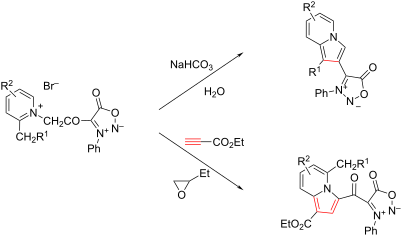
- pyridinium salts used in the synthesis of sydnone-indolizine hybrids could be transformed into sydnone-indolizines connected via a keto group. The transformation was achieved by a one-pot procedure implying the in situ generation of sydnone-pyridinium N-ylides followed by 1,3-dipolar cycloaddition reaction

Graphical Abstract

Figure 1: Sydnone-pyrroloazines hybrids 1, indolizine (2), sydnone 3, indolizines attached directly to C-4 of...

Scheme 1: Synthesis of pyridinium bromides 8 and sydnone-indolizine hybrids 9 through the Chichibabin reactio...

Figure 2: The molecular structure of 9d with thermal ellipsoids drawn at the 50% probability level. (a) Inver...

Figure 3: Centrosymmetric C–H···O hydrogen bonded dimeric motif in the crystal of 9d.

Scheme 2: The synthesis and mechanism of formation of sydnone-indolizines 12.

Figure 4: Molecular structure of 12c with atoms represented as thermal ellipsoids at the 50% probability leve...

Figure 5: Intramolecular distortion in 12c.
The in situ generation and reactive quench of diazonium compounds in the synthesis of azo compounds in microreactors
- Faith M. Akwi and
- Paul Watts
Beilstein J. Org. Chem. 2016, 12, 1987–2004, doi:10.3762/bjoc.12.186

Graphical Abstract

Scheme 1: PTSA-catalyzed diazotization and azo coupling reaction.

Scheme 2: Ferric hydrogen sulfate (FHS) catalyzed azo compound synthesis.

Scheme 3: Synthesis of azo compounds in the presence of silica supported boron trifluoride.

Scheme 4: Phase transfer catalyzed azo coupling of 5-methylresorcinol in microreactors.

Scheme 5: Synthesis of yellow pigment 12 in a micro-mixer apparatus.

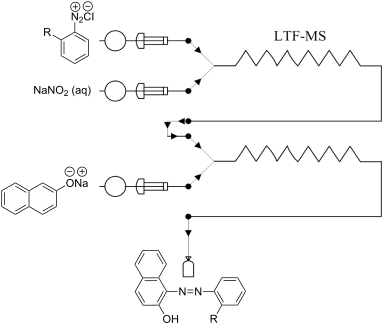
Scheme 6: Continuous flow synthesis of Sudan II azo dye in LTF-MS microreactors.

Figure 1: pH profile plot at constant flow rate of 0.03 mL/min.

Figure 2: pH profile plot at a constant flow rate of 0.7 mL/min.

Scheme 7: Azo coupling reaction under acidic conditions.

Figure 3: pH profile plot at a constant flow rate of 0.03 mL/min.

Figure 4: pH profile plot at constant flow rate of 0.7 mL/min.

Figure 5: Temperature profile plot at constant pH 5.66.

Figure 6: Schematic representation of the microreactor set up.

Figure 7: Schematic representation of the microreactor set up.

Figure 8: Scaled up microreactor set up: PTFE tubing i.d. 1.5 mm a) Chemyx Fusion 100 classic syringe pump, b...
Stereo- and regioselectivity of the hetero-Diels–Alder reaction of nitroso derivatives with conjugated dienes
- Lucie Brulíková,
- Aidan Harrison,
- Marvin J. Miller and
- Jan Hlaváč
Beilstein J. Org. Chem. 2016, 12, 1949–1980, doi:10.3762/bjoc.12.184
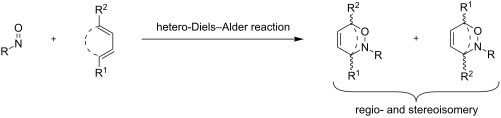
- led to the development of a catalytic version of this cycloaddition. In principle, there are two conceptually different approaches for the catalytic hetero-Diels–Alder reaction reported in the literature [135], which will be exemplified below. a) The first approach is based on the in situ generation
- are able to complex a nitroso derivative with chiral ligands (Scheme 37). Approach based on the in situ generation and trapping of an intermediate acylnitroso dienophile: This approach is exemplified by the results of the Iwasa group from 2008. They performed asymmetric hetero-Diels–Alder reactions of

Graphical Abstract

Scheme 1: Nitroso hetero-Diels–Alder reaction.

Scheme 2: The hetero-Diels–Alder reaction between thebaine (4) and an acylnitroso dienophile 5.

Figure 1: Examples of nitroso dienophiles frequently used in hetero-Diels–Alder reaction studies.

Scheme 3: Synthesis of arylnitroso species by substitution of a trifluoroborate group [36].
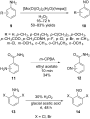
Scheme 4: Synthesis of arylnitroso compounds by amine oxidation.

Scheme 5: Synthesis of arylnitroso compounds by hydroxylamine oxidation.

Scheme 6: Synthesis of chloronitroso compounds by the treatment of a nitronate anion with oxalyl chloride.

Scheme 7: Non-oxidative routes to acylnitroso species.

Figure 2: RB3LYP/6-31G* computed energies (in kcal·mol−1) and bond lengths for exo and endo-transition states...

Scheme 8: Hetero-Diels–Alder cycloadditions of diene 28 and nitroso dienophiles 29.

Figure 3: Relative reactivity (ΔE#) and regioselectivity (Δ) for hetero-Diels–Alder of 28 and nitroso dienoph...

Scheme 9: Reaction of chiral 1-phosphono-1,3-butadiene 31 with nitroso dienophiles 32.

Scheme 10: Hetero-Diels–Alder reactions of hydroxamic acids 35 with various dienes 37.

Scheme 11: General regioselectivity of the nitroso hetero-Diels–Alder reaction observed with unsymmetrical die...

Scheme 12: Effect of the nitroso species on the regioselectivity for weakly directing 2-substituted dienes.

Scheme 13: Regioselectivity of 1,4-disubstituted dienes 51.

Scheme 14: Nitroso hetero-Diels–Alder reaction between Boc-nitroso compound 54 and dienes 55.

Scheme 15: Nitroso hetero-Diels–Alder reaction between Wightman reagent 58 and dienes 59.

Scheme 16: Regioselective reaction of 3-dienyl-2-azetidinones 62 with nitrosobenzene (47).

Scheme 17: The regioselective reaction of 1,3-butadienes 65 with various nitroso heterodienophiles 66.

Scheme 18: Catalysis of the nitroso hetero-Diels–Alder reaction by vanadium in the presence of the oxidant CHP...

Figure 4: 1,2-Oxazines synthesized in solution with moderate to high regioselectivity, showing the favored re...

Figure 5: 1,2-Oxazines synthesized in the solid phase with moderate to high regioselectivity, showing the fav...

Scheme 19: Regioselectivity of solution-phase nitroso hetero-Diels–Alder reaction with acyl and aryl nitroso d...

Scheme 20: Favored regioisomeric outcome for the solution and solid-phase reactions, giving hetero-Diels–Alder...

Figure 6: Favored regioisomers and regioisomeric ratios for 1,2-oxazines synthesized in solid phase (91, 93, ...

Scheme 21: Regiocontrol of the reaction between 3-dienyl-2-azetidinones and nitrosobenzene due to change in a ...

Scheme 22: Regiocontrol of the reaction between diene 111 and 2-methyl-6-nitrosopyridine (112) due to metal co...

Scheme 23: Asymmetric hetero-Diels–Alder reactions reported by Vasella [56].

Scheme 24: Asymmetric hetero-Diels–Alder reaction of cyclohexa-1,3-diene (120) with acylnitroso dienophile 119....

Scheme 25: Asymmetric induction with L-proline derivatives 124–126.

Scheme 26: Asymmetric cycloaddition of the acylnitroso compound 136 to diene 135.

Scheme 27: Asymmetric induction with arylmenthol-based nitroso dienophiles 142.

Scheme 28: Cycloaddition of silyloxycyclohexadiene 145 to the acylnitroso dienophile derived from (+)-camphors...

Scheme 29: Asymmetric reaction of O-isopropylidene-protected cis-cyclohexa-3,5-diene-1,2-diol 147 with mannofu...

Scheme 30: Synthesis of synthon 152 from 2-methoxyphenol 150 and chiral auxiliary 151.

Scheme 31: Asymmetric nitroso hetero-Diels–Alder reaction with Wightman chloronitroso reagent 58.

Scheme 32: Asymmetric 1,2-oxazine synthesis using chiral cyclic diene 157 and the application of this reaction...

Scheme 33: Asymmetric 1,2-oxazine synthesis using a chiral diene reported by Jones et al. [75]. aRegioisomeric rat...

Scheme 34: The nitroso hetero-Diels–Alder reaction of acyclic oxazolidine-substituted diene 170 and chiral 1-s...

Scheme 35: The nitroso hetero-Diels–Alder reaction of acyclic lactam-substituted diene 176 with various acylni...

Scheme 36: The hetero-Diels–Alder reaction of acylnitroso dienophile.

Scheme 37: The hetero-Diels–Alder reaction of arylnitroso dienophiles using Lewis acids.

Scheme 38: Asymmetric hetero-Diels–Alder reactions of chiral alkyl N-dienylpyroglutamates.

Scheme 39: Catalytic asymmetric arylnitroso reaction between mono-substituted 1,3-cyclohexadiene 196 and disub...

Figure 7: Plausible chelate intermediate complexes formed during the hetero-Diels–Alder reaction to give 1,2-...

Scheme 40: Catalytic asymmetric nitroso hetero-Diels–Alder between cyclic dienes and 2-nitrosopyridine.

Scheme 41: The reason for the increased enantioselectivity of stereoisomer 212 compared with stereoisomer 213.

Scheme 42: The copper-catalyzed nitroso hetero-Diels–Alder reaction of 6-methyl-2-nitrosopyridine (199) with p...

Scheme 43: Asymmetric nitroso hetero-Diels–Alder reaction of nitrosoarenes with dienylcarbamates catalyzed by ...

Scheme 44: The enantioselective hetero-Diels–Alder reaction between nitrosobenzene and (E)-2,4-pentadien-1-ol (...

Scheme 45: Asymmetric nitroso hetero-Diels–Alder reaction using tartaric acid ester chelation of the diene and...
Experimental and theoretical investigations on the high-electron donor character of pyrido-annelated N-heterocyclic carbenes
- Michael Nonnenmacher,
- Dominik M. Buck and
- Doris Kunz
Beilstein J. Org. Chem. 2016, 12, 1884–1896, doi:10.3762/bjoc.12.178
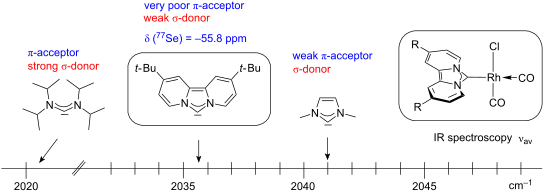
- experiment for the in situ generation of [Rh(13CO)2Cl(dipyrido[1,2-c;2',1'-e]imidazolin-6-ylidene)] (13C2a). A medium wall NMR tube was charged with a yellow solution of 6.0 mg (15 μmol) [RhCl(COD)(dipiy)] (1a) in 0.4 mL CD2Cl2 and pressurized with 6 bar of 13CO upon which a yellow precipitate formed that
- -thaw cycles: δ 183.2 (dd, 1JRhC = 72.8 Hz, 2JCC = 6.1 Hz, cis-13CO), 186.3 (dd, 1JRhC = 54.5 Hz, 2JCC = 6.1 Hz, trans-13CO). NMR experiment for the in situ generation of [Rh(13CO)2Cl(2,10-di-tert-butyldipyrido[1,2-c;2',1'-e]imidazolin-6-ylidene)] (13C2b). A medium-wall NMR tube was charged with a

Graphical Abstract

Figure 1: Left: resonance hybrid of the dipyrido carbenes dipiy and dipiytBu. Right: two canonical forms of t...

Scheme 1: Preparation of the 13CO substituted rhodium complexes 2 bearing the dipyrido-annelated carbenes dip...

Figure 2: 13C NMR spectra (carbonyl region, 125 MHz) of the reaction of 1a with 13CO under variable pressure ...

Scheme 2: Proposed mechanism for the preferred exchange of the cis-CO ligand based on DFT-calculations (BP86 ...

Figure 3: IR scale (cm−1) to determine the overall electron-donor capacity of various N-heterocyclic carbenes...

Figure 4: Highest occupied molecular orbitals for the dipyrido-annelated carbene dipiy. The σ-type carbene lo...

Figure 5: Molecular orbitals of the Rh complexes II-Rh, III-Rh and 2a that show ligand-metal π-bonds.
Synthesis of the C8’-epimeric thymine pyranosyl amino acid core of amipurimycin
- Pramod R. Markad,
- Navanath Kumbhar and
- Dilip D. Dhavale
Beilstein J. Org. Chem. 2016, 12, 1765–1771, doi:10.3762/bjoc.12.165
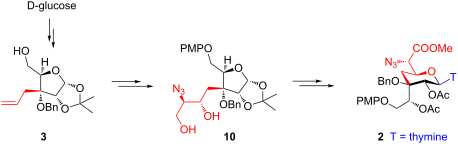
- -dioxabicyclo[3.2.1]octane A could be glycosylated stereoselectively with the requisite nucleobase to give β-nucleoside pyranosyl skeleton 2. The bridged bicyclic system A was visualized from the azido diol B. Thus, hydrolysis of the 1,2-acetonide functionality in B will lead to in situ generation of

Graphical Abstract

Figure 1: Antifungal antibiotic amipurimycin (1).

Scheme 1: Retrosynthesis of 2.
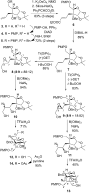
Scheme 2: Synthesis of 1,3-anhydrosugar 12 and 13.

Scheme 3: Formation of 2,7-dioxabicyclo[3.2.1]octane 12/13.

Figure 2: Conformational analysis of 13 and 14.

Figure 3: Geometrically optimized conformation of 12 and 13 respectively by DFT study.
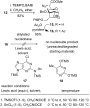
Scheme 4: Glycosylation of 16.

Scheme 5: Glycosylation attempt by changing protections.

Scheme 6: Synthesis of nucleoside 2.



