


Search results
Search for "photoredox catalysis" in Full Text gives 113 result(s) in Beilstein Journal of Organic Chemistry.
Microfluidic light-driven synthesis of tetracyclic molecular architectures
Beilstein J. Org. Chem. 2018, 14, 2418–2424, doi:10.3762/bjoc.14.219
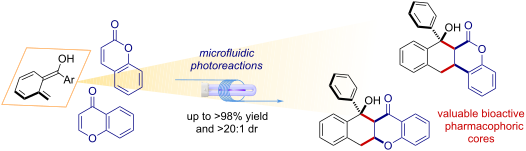
- molecules. Keywords: [4 + 2] photoenol; cycloaddition; flow chemistry; microfluidic photoreactor; photoredox catalysis; synthetic photochemistry; Introduction In recent years synthetic photochemistry has become highly sophisticated [1]. The opportunity of using renewable energy sources to transform and


Applications of organocatalysed visible-light photoredox reactions for medicinal chemistry
Beilstein J. Org. Chem. 2018, 14, 2035–2064, doi:10.3762/bjoc.14.179
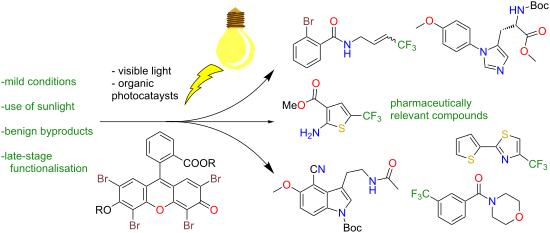
- mechanistic considerations are highlighted in the text when appropriate. Keywords: C–H functionalisation; heterocycles; late-stage functionalisation; medicinal chemistry; organic dyes; organic photocatalysts; peptide chemistry; photoredox catalysis; Review 1 Introduction 1.1 Main advantages of
- organocatalysed photoredox chemistry Photoredox catalysis is an emerging field in organic synthesis and has been the subject of many reviews in recent years [1][2][3][4][5][6][7][8][9]. Some cover the manipulation or installation of various functional groups [10][11][12][13][14][15][16][17], the synthesis of
- ) components than traditional reactions. Organocatalysed photoredox catalysis combines the advantages of both these fields. Thus, it is not only a new field filled with exciting discoveries, but also is sustainable and beneficial in the long term. 1.2 General characteristics of photocatalysts 1.2.1 Brief


Investigations of alkynylbenziodoxole derivatives for radical alkynylations in photoredox catalysis
Beilstein J. Org. Chem. 2018, 14, 1215–1221, doi:10.3762/bjoc.14.103
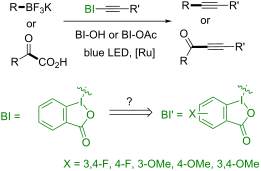
- radical; alkynylbenziodoxoles; photoredox catalysis; radical alkynylation; Introduction The introduction of the alkynyl group to organic molecules is an important synthetic transformation in organic synthesis [1][2][3][4]. Recently, cyclic iodine(III) reagents (CIR)-substituted alkynes
- group first used alkynylbenziodoxoles for decarboxylative radical alkynylation under silver salt and persulfate conditions [19]. In 2014, the Chen group discovered that alkynylbenziodoxoles (BI-alkyne) readily participated in photoredox catalysis as the radical alkynylation reagent [20], after which
- various applications in photoredox catalysis were reported [21][22][23][24][25][26][27]. Currently, the use of BI-alkyne for radical alkynylation is limited to unsubstituted alkynylbenziodoxoles. While effective, its reactivity with some radical precursors was compromised [19][20][21][22][23][24][25][26


Stepwise radical cation Diels–Alder reaction via multiple pathways
Beilstein J. Org. Chem. 2018, 14, 704–708, doi:10.3762/bjoc.14.59
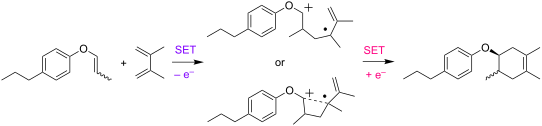
- reported by Bauld in 1986 [16] and was elegantly revisited by Yoon in 2011 [17] in the field of photoredox catalysis (Scheme 1). The reaction was further studied by Ferreira and Shores [18], followed by a unique mechanistic investigation by Rappé [19]. Although most recent examples of the radical cation


Diels–Alder cycloadditions of N-arylpyrroles via aryne intermediates using diaryliodonium salts
Beilstein J. Org. Chem. 2018, 14, 354–363, doi:10.3762/bjoc.14.23
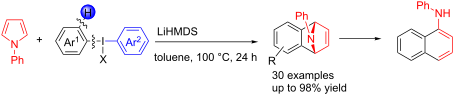
- coupling products were obtained in moderate to good yields (Scheme 1a) [6]. Later in 2013, Xue and Xiao et al. developed a method of photoredox catalysis in the presence of [Ru(bpy)3]2+ with visible light for the coupling reaction of arenes with unprotected or N-substituted pyrroles, pyrrole substrates


Progress in copper-catalyzed trifluoromethylation
Beilstein J. Org. Chem. 2018, 14, 155–181, doi:10.3762/bjoc.14.11
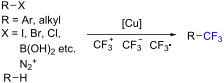
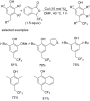
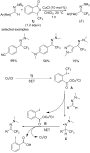
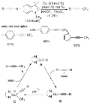
- trifluoromethylation smoothly to give the corresponding products in high yield. It represented a new example of combining transition metal and photoredox catalysis to achieve the trifluoromethylation of (hetero)aromatic boronic acids. Then, the same group [41] chose a more practical CF3 source, CF3SO2Na (Langlois










Photocatalytic formation of carbon–sulfur bonds
Beilstein J. Org. Chem. 2018, 14, 54–83, doi:10.3762/bjoc.14.4
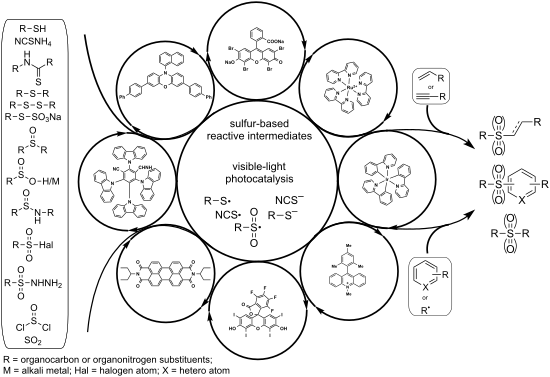
- ; Introduction Visible-light photoredox catalysis has developed into an important tool for organic synthesis in the last two decades. Energy-efficient and cheap visible-light-emitting diodes are perfect light sources allowing chemists now to conduct photocatalyzed reactions without special or expensive equipment
- summarize the current developments of this emerging field of photoredox catalysis [1][2][3][4][5][6][7][8][9][10][11][12][13] in this review. Sulfur-containing molecules play important roles in many areas of chemistry and materials science. Many natural products, drugs, crop-protection chemicals or
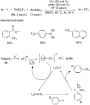
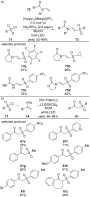
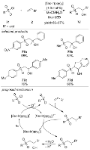
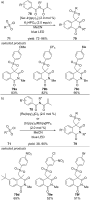
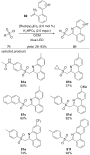
- formation of C–S bonds was published by Oderinde, Johannes and co-workers. They combined photoredox catalysis with transition metal catalysis [52][53][54][55] for the formation of C–S bonds (Scheme 21) [56]. The reaction proceeds via two different catalytic cycles: The photo-excited state of the [Ir(dF(CF3








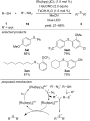

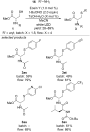
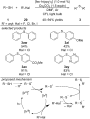

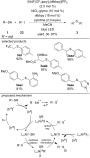





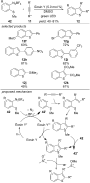

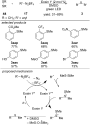


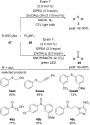

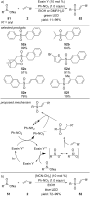
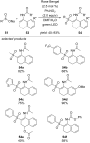


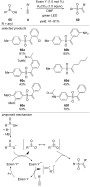

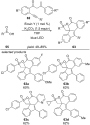

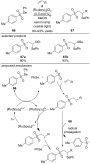




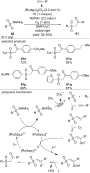

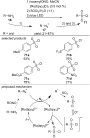
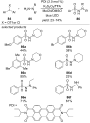

CF3SO2X (X = Na, Cl) as reagents for trifluoromethylation, trifluoromethylsulfenyl-, -sulfinyl- and -sulfonylation and chlorination. Part 2: Use of CF3SO2Cl
Beilstein J. Org. Chem. 2017, 13, 2800–2818, doi:10.3762/bjoc.13.273
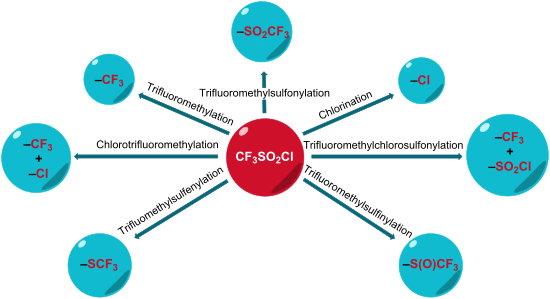
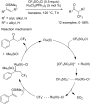
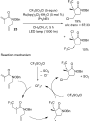
- -cyanotrifluoromethylations [22] of alkenes under photoredox catalysis. These reactions proceeded through a formyl or a cyano group migration triggered by the addition of the trifluoromethyl radical onto the alkene moiety. Both methodologies were developed using Togni’s hypervalent iodine reagent as the CF3 source, but it
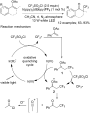
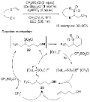
- was found that they also proceeded smoothly with CF3SO2Cl (Scheme 15). Chlorotrifluoromethylation of alkenes: As clearly demonstrated in the works described above, CF3SO2Cl is a reliable CF3 source under photoredox catalysis. However, its use under similar conditions can also allow the simultaneous
- enol ethers (see Scheme 1); except that radical 20 underwent a chlorine atom abstraction to furnish the chlorotrifluoromethylated product (Scheme 16). Several years later this transformation of alkenes was re-investigated under photoredox catalysis by Jung, Han and co-workers [25]. By replacing RuCl2








CF3SO2X (X = Na, Cl) as reagents for trifluoromethylation, trifluoromethylsulfenyl-, -sulfinyl- and -sulfonylation. Part 1: Use of CF3SO2Na
Beilstein J. Org. Chem. 2017, 13, 2764–2799, doi:10.3762/bjoc.13.272
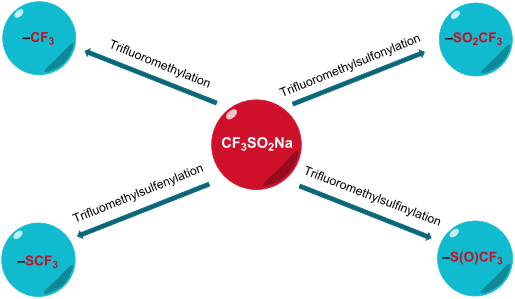
- -trifluoromethylated ketones by reaction of CF3SO2Na under photoredox catalysis. The substrate scope was broad and the reaction proceeded with high functional group tolerance; indeed, aryl-, alkyl-, hetero-functionalised terminal as well as non-terminal vinyl azides 15 were compatible with the reaction conditions. In



















Synthesis of 1,3-cis-disubstituted sterically encumbered imidazolidinone organocatalysts
Beilstein J. Org. Chem. 2017, 13, 2577–2583, doi:10.3762/bjoc.13.254
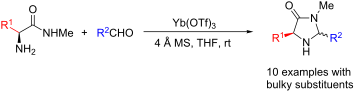
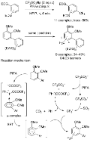
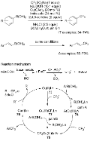
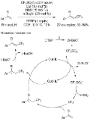
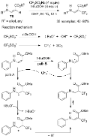
- –Crafts alkylation [23] and in combination with photoredox catalysis (Scheme 1a) [24]. The enantioselective α-alkylation was achieved by merging the common photoredox catalyst Ru(bpy)3Cl2 with imidazolidinone catalyst 3a·TfOH, controlling the stereochemistry of the radical addition via an intermediate


Contribution of microreactor technology and flow chemistry to the development of green and sustainable synthesis
Beilstein J. Org. Chem. 2017, 13, 520–542, doi:10.3762/bjoc.13.51
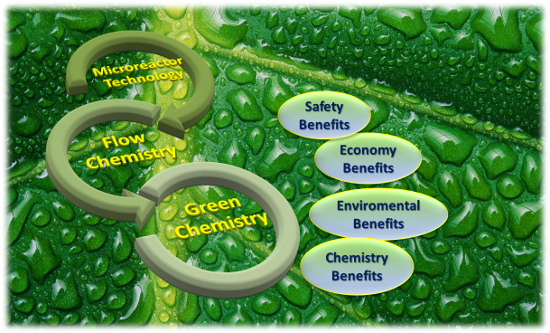
- residence time. Noël optimized, for the first time, a trifluoromethylation of aromatic heterocycles by continuous-flow photoredox catalysis. The process benefited from the use of microreactor technology and readily available photocatalysts. The process was also employable for perfluoroalkylation. The
- . Trifluoromethylation by continuous-flow photoredox catalysis. Flow photochemical synthesis of 6(5H)-phenanthridiones from 2-chlorobenzamides. Synthesis of biaryls 14a–g under photochemical flow conditions. Flow oxidation of hydrazones to diazo compounds. Synthetic use of flow-generated diazo compounds. Ley’s flow






Green chemistry
Beilstein J. Org. Chem. 2016, 12, 2763–2765, doi:10.3762/bjoc.12.273

- . Turner [10], and “Organic synthesis using photoredox catalysis” by Axel G. Griesbeck [11], proving that green chemistry and sustainability can be approached from many different perspectives. The breadth of chemical and technological innovations makes the definition of novel metrics for the evaluation of
Copper-catalyzed asymmetric sp3 C–H arylation of tetrahydroisoquinoline mediated by a visible light photoredox catalyst
Beilstein J. Org. Chem. 2016, 12, 2636–2643, doi:10.3762/bjoc.12.260
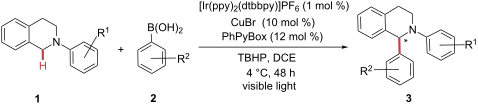
- [2]. The emerging and expanding field of visible-light-mediated photoredox catalysis presents unique opportunities for the conception of new synthetic routes [3][4][5][6][7][8][9][10][11][12]. Upon exposure to visible light, photoredox catalysts can function as both reductant and oxidant, thereby
- providing extremely important tools for potential transition-metal-catalyzed enantioselective reactions of sp3 C–H bonds, which could be carried out at low temperature and under mild reaction conditions [13][14]. We envisioned that combining photoredox catalysis with typical cross-coupling methods will
- sp3 C–H bonds adjacent to nitrogen, combining photoredox catalysis with metal-catalyzed transformations. Results and Discussion Optimisation of reaction conditions In our previous work on arylation of N-aryltetrahydroisoquinoline [30], we demonstrated that lowering the temperature from 90 °C to room


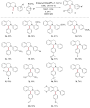


Enantioconvergent catalysis
Beilstein J. Org. Chem. 2016, 12, 2038–2045, doi:10.3762/bjoc.12.192
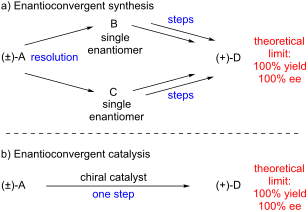
- halide (e.g., (±)-16). Subsequently, the achiral radical combines with the chiral Cu catalyst and undergoes an enantioselective bond-formation step in conjunction with the carbazole nucleophile to form α-aminoamide 18. This report fuses both enantioconvergent and photoredox catalysis, two powerful and


Opportunities and challenges for direct C–H functionalization of piperazines
Beilstein J. Org. Chem. 2016, 12, 702–715, doi:10.3762/bjoc.12.70
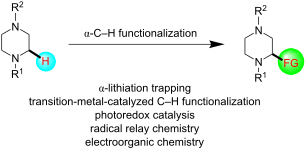
- functionalizations, and photoredox catalysis are discussed. We also highlight the difficulties experienced when successful methods for α-C–H functionalization of acyclic amines and saturated mono-nitrogen heterocyclic compounds (such as piperidines and pyrrolidines) were applied to piperazine substrates. Keywords
- : α-lithiation; C–H functionalization; heterocycle; photoredox catalysis; piperazine; Introduction Piperazine is one of the most important saturated N-heterocycles frequently found in life-saving small-molecule pharmaceuticals [1]. In a recent statistical study done by Njardarson and co-workers
- starting materials. The reaction proceeds with excellent regio- and diastereoselectivity which is presumably due to a regio- and stereoselective alkene insertion into the strained metalla-aziridine intermediate 84. Photoredox catalysis Visible-light photoredox catalysis has emerged as a powerful platform


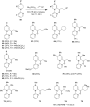


Enantioselective additions of copper acetylides to cyclic iminium and oxocarbenium ions
Beilstein J. Org. Chem. 2015, 11, 2696–2706, doi:10.3762/bjoc.11.290
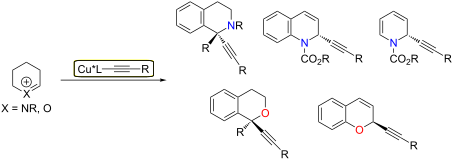
- facilitates the iminium ion isomerization. This year, several examples of improved conditions for CDC reactions have been reported. With the emergence of photoredox catalysis as a powerful technique for organic synthesis, Li’s research group has discovered improved conditions for the CDC reaction of N
- azomethine imines. Su’s CDC of tetrahydroisoquinolines and alkynes under ball milling conditions. Ma’s A3-coupling. Li’s CDC reaction using photoredox catalysis. Liu’s CDC reaction of N-carbamoyltetrahydroisoquinolines. T+BF4– = 2,2,6,6-tetramethylpiperidine N-oxide tetrafluoroborate. Aponick’s alkynylation





Preparative semiconductor photoredox catalysis: An emerging theme in organic synthesis
Beilstein J. Org. Chem. 2015, 11, 1570–1582, doi:10.3762/bjoc.11.173
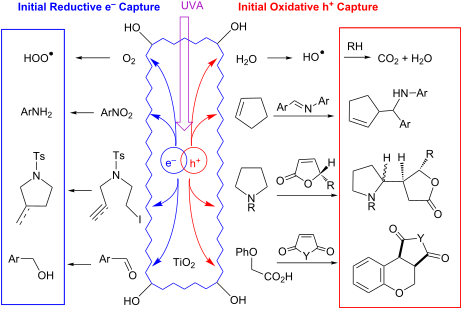
- David W. Manley John C. Walton University of St. Andrews, EaStCHEM School of Chemistry, St. Andrews, Fife, KY16 9ST, UK 10.3762/bjoc.11.173 Abstract Heterogeneous semiconductor photoredox catalysis (SCPC), particularly with TiO2, is evolving to provide radically new synthetic applications. In
- result many different classes of organic (and inorganic) pollutants have been shown to undergo photodegradation. Degradative applications of TiO2 semiconductor photoredox catalysis (SCPC) have become important measures for environmental remediation. Organic and inorganic pollutants present in water, soil
- application undergoing extensive trials is of self-cleaning garments [19] that may prove effective particularly for army wear in desert conditions. ROS generated from semiconductor photoredox catalysis (SCPC) have also been put to use in a good number of preparative oxidations so taking the place of toxic


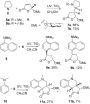


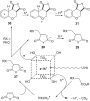


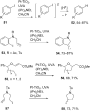

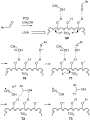
Photocatalytic nucleophilic addition of alcohols to styrenes in Markovnikov and anti-Markovnikov orientation
Beilstein J. Org. Chem. 2015, 11, 568–575, doi:10.3762/bjoc.11.62
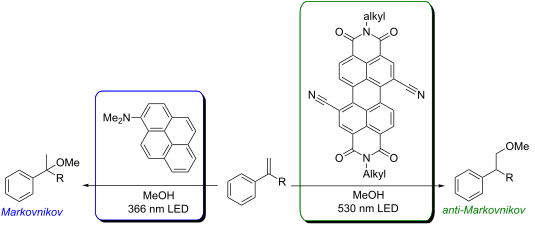
- light sources, the research field of photoredox catalysis has tremendously grown over the past decade [1][2][3][4][5][6][7]. Transition metal complexes, mainly [Ru(bpy)3]2+ [7], were most often used as photocatalysts, whereas the potential of organic compounds and dyes has not yet been fully exploited
- [8]. The way towards a really complete organo-type photoredox catalysis has mainly been established for eosin Y as an important alternative for [Ru(bpy)3]2+ [9]. Photocatalytic nucleophilic additions of amines and alcohols to olefins, especially styrenes, became an increasingly important task due to
- et al. published the hydrofunctionalization of alkenes to the anti-Markovnikov products by photoredox catalysis using 9-mesityl-10-methylacridinium [20][21]. Herein, we want to present our complementary approach to perform inter- and intramolecular nucleophilic additions of alcohols to styrene


Eosin Y-catalyzed visible-light-mediated aerobic oxidative cyclization of N,N-dimethylanilines with maleimides
Beilstein J. Org. Chem. 2015, 11, 425–430, doi:10.3762/bjoc.11.48
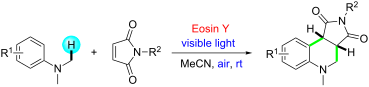
- catalysis; visible light; Introduction Over the past several years, visible light photoredox catalysis has become a powerful and promising tool and has been productively used to drive chemical transformations in the field of organic synthesis [1][2][3][4][5][6]. The approach takes full advantage of visible
- transformation [28][29][30][31][32][33][34][35][36][37][38]. Tertiary amine A generally generates a nucleophilic α-aminoalkyl radical B or an electrophilic iminium ion C via visible-light photoredox catalysis. Unfortunately the research of the α-aminoalkyl radical is limited in photochemical synthesis because it
- as a photocatalyst has been developed. The metal-free protocol involves aerobic oxidative cyclization via sp3 C–H bond functionalization process to afford good yields in a one-pot procedure under mild conditions. Keywords: aerobic oxidative cyclization; C–H functionalization; Eosin Y; photoredox



An improved procedure for the preparation of Ru(bpz)3(PF6)2 via a high-yielding synthesis of 2,2’-bipyrazine
Beilstein J. Org. Chem. 2015, 11, 61–65, doi:10.3762/bjoc.11.9
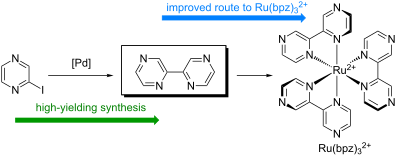
- ; palladium; photocatalysis; reductive coupling; Findings Visible light-photoredox catalysis using transition metal chromophores is rapidly becoming recognized as an important strategy in organic synthesis [1][2][3][4][5]. This approach towards reaction design enables the facile generation and exploitation
- of bpz. An improved synthesis of this ligand would be useful both in the context of the growing interest in photoredox catalysis as well as other organometallic and inorganic applications of bpz-supported transition metal complexes. Our optimization studies for the reductive coupling of 2


Visible-light-induced bromoetherification of alkenols for the synthesis of β-bromotetrahydrofurans and -tetrahydropyrans
Beilstein J. Org. Chem. 2015, 11, 31–36, doi:10.3762/bjoc.11.5
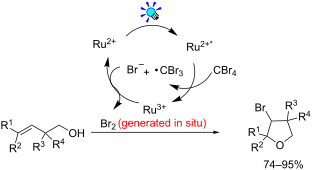
- . Keywords: alkenols; bromoetherification; photoredox catalysis; visible light; Introduction The halocyclization of alkenes provides an excellent synthetic method for halogenated heterocycles [1][2][3]. In recent years, haloaminocyclization [4][5], halolactonization [6][7] and haloetherification [8][9] of
- reported that visible-light-induced photoredox catalysis could serve as a more environmental-friendly alternative reaction system to obtain Br2 in situ from CBr4, an oxidative quencher of photoredox catalyst [16][17][18][19][20][21][22]. Thus, as part of difunctionalization of alkenes, with our continuous


One-pot functionalisation of N-substituted tetrahydroisoquinolines by photooxidation and tunable organometallic trapping of iminium intermediates
Beilstein J. Org. Chem. 2014, 10, 2981–2988, doi:10.3762/bjoc.10.316
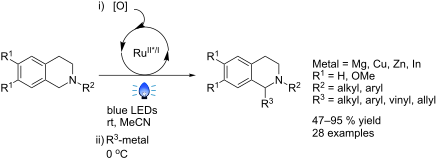
- . Keywords: iminium salt; organometallic; oxidative functionalisation; photoredox catalysis; tetrahydroisoquinoline; Introduction Tetrahydroisoquinolines (THIQs) are structural motifs prominent within biologically active natural products and pharmaceutical compounds [1][2]. From (−)-carnegine (1, a
- tertiary amine substrates and unstabilised carbon nucleophiles. Recently, visible-light photoredox catalysis has gained interest as a technique for oxidative functionalisation [34][35]. An important feature of photoredox catalysis is that different photocatalysts have different redox potentials upon
- accessing the excited state [18][34][36]. The ability to adjust oxidising power through photocatalyst choice renders the transformation substrate-tunable. Thus, we selected photoredox catalysis as an oxidative functionalisation whose substrate scope might be extended (by catalyst selection) in future


Visible light photoredox-catalyzed deoxygenation of alcohols
Beilstein J. Org. Chem. 2014, 10, 2157–2165, doi:10.3762/bjoc.10.223
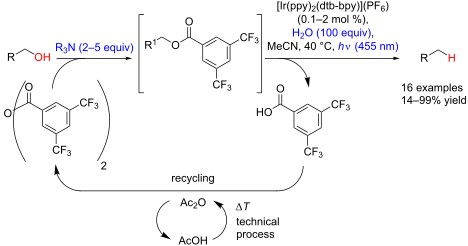
- developed is limited to benzylic, α-carbonyl, and α-cyanoalcohols; with other alcohols a slow partial C–F bond reduction in the 3,5-bis(trifluoromethyl)benzoate moiety occurs. Keywords: C–O bond activation; deoxygenation; photochemistry; photoredox catalysis; visible light; Introduction The dwindling


Cyclization–endoperoxidation cascade reactions of dienes mediated by a pyrylium photoredox catalyst
Beilstein J. Org. Chem. 2014, 10, 1272–1281, doi:10.3762/bjoc.10.128
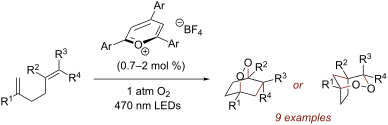
- to 79%. Keywords: alkene; cascade; endoperoxide; oxidation; photoredox catalysis; Introduction Endoperoxides are a structurally unique class of naturally-occurring compounds that feature a reactive cyclic peroxide moiety of varying ring sizes (Figure 1). The lability of the endocyclic peroxide O–O


Visible-light photoredox catalyzed synthesis of pyrroloisoquinolines via organocatalytic oxidation/[3 + 2] cycloaddition/oxidative aromatization reaction cascade with Rose Bengal
Beilstein J. Org. Chem. 2014, 10, 1233–1238, doi:10.3762/bjoc.10.122
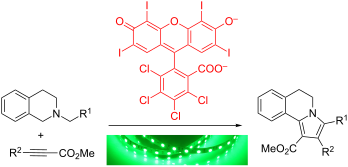
- /oxidative aromatization cascade using Rose Bengal as an organo-photocatalyst. A variety of pyrroloisoquinolines have been obtained in good yields under mild and metal-free reaction conditions. Keywords: alkaloids; [3 + 2] cycloaddition; organocatalysis; oxidation; photochemistry; photoredox catalysis; Rose
- [32]. Despite these elegant and important syntheses of pyrrolo[2,1-a]isoquinolines through dipolar [3 + 2] cycloaddition, the development of metal-free syntheses using visible light photoredox catalysis with simple organic dyes remained unexplored. Visible-light photoredox catalysis has emerged as an
- important field and has attracted increasing attention in recent years [33][34][35][36][37][38][39][40][41][42]. Thus, in the last years spectacular advances in visible-light photoredox catalysis have been made and this kind of catalysis has become a powerful tool in organic synthesis. In this context, the





