


Search results
Search for "one-pot reaction" in Full Text gives 183 result(s) in Beilstein Journal of Organic Chemistry.
Transition-metal-catalyzed synthesis of phenols and aryl thiols
- Yajun Liu,
- Shasha Liu and
- Yan Xiao
Beilstein J. Org. Chem. 2017, 13, 589–611, doi:10.3762/bjoc.13.58

- , amide, bromo and trifluoromethyl were tolerated in this process. They also showed the application of the developed protocol in the synthesis of aryl alkyl sulfides via a “one-pot reaction”. In 2011, the Xu and Feng group applied CuI-nanoparticles to synthesize aryl thiols through a coupling reaction of

Graphical Abstract

Figure 1: Examples of drugs bearing phenol or aryl thiol as central structural motifs.

Scheme 1: Hydroxylation of aryl halides using biphenylphosphine as ligand.

Scheme 2: Hydroxylation of aryl halides using tert-butylphosphine as ligand.

Scheme 3: Hydroxylation of aryl halides using imidazole typed phosphine ligands.

Scheme 4: [Pd(cod)(CH2SiMe3)2] catalyzed hydroxylation of aryl halides.

Scheme 5: Pd/PANI catalyzed hydroxylation of hydroxylation of aryl halides.

Scheme 6: MCM-41-dzt-Pd catalyzed hydroxylation of aryl halides.

Scheme 7: Hydroxylation of aryl halides using dibenzoylmethane as ligand.

Scheme 8: Hydroxylation of aryl halides using 2,2’-bipyridine as ligand.

Scheme 9: Hydroxylation of aryl bromides using imidazolyl pyridine as ligand.

Scheme 10: Hydroxylation of aryl halides using DMEDA as ligand.

Scheme 11: Hydroxylation of aryl halides using PAO as ligand.

Scheme 12: Hydroxylation of aryl halides using D-glucose as ligand.

Scheme 13: Hydroxylation of aryl halides using INDION-770 as ligand.

Scheme 14: PEG-400 mediated hydroxylation of aryl halides.

Scheme 15: Hydroxylation of aryl halides using glycolic acid as ligand.

Scheme 16: Hydroxylation of aryl halides using L-sodium ascorbate as ligand.

Scheme 17: Difunctionalized ethanes mediated hydroxylation of aryl iodides.

Scheme 18: Hydroxylation of aryl halides using 2-methyl-8-hydroxylquinoline as ligand.

Scheme 19: Hydroxylation of aryl halides using 8-hydroxyquinolin-N-oxide as ligand.

Scheme 20: Hydroxylation of aryl halides using lithium pipecolinate as ligand.

Scheme 21: Hydroxylation of aryl halides using L-lithium prolinate.

Scheme 22: Hydroxylation of aryl halides using triethanolamine as ligand.

Scheme 23: CuI-nanoparticle-catalyzed hydroxylation of aryl halides.

Scheme 24: Cu-g-C3N4-catalyzed hydroxylation of aryl bromides.

Scheme 25: Cu(OAc)2-mediated hydroxylation of (2-pyridyl)arenes.

Scheme 26: Removable pyridine moiety directed hydroxylation of arenes.

Scheme 27: Removable quinoline moiety directed hydroxylation of arenes.

Scheme 28: CuCl2 catalyzed hydroxylation of benzimidazoles and benzoxazoles.

Scheme 29: Disulfide-directed C–H hydroxylation.

Scheme 30: Pd(OAc)2-catalyzed hydroxylation of diarylpyridines.

Scheme 31: PdCl2-catalyzed hydroxylation of 2-arylpyridines.

Scheme 32: PdCl2-catalyzed hydroxylation of 2-arylpyridines.

Scheme 33: Pd(OAc)2-catalyzed hydroxylation of 2-arylpyridines.

Scheme 34: Pd(CH3CN)2Cl2-catalyzed hydroxylation of 2-arylpyridines.

Scheme 35: Pd(OAc)2-catalyzed hydroxylation of benzothiazolylarenes.

Scheme 36: Pd(OAc)2 catalyzed hydroxylation of benzimidazolylarenes.

Scheme 37: Dioxane mediated hydroxylation of 2-heteroarylarenes.

Scheme 38: Hydroxylation of oxime methyl ester.

Scheme 39: CN-directed meta-hydroxylation.

Scheme 40: Pd(OAc)2-catalyzed hydroxylation of benzoic acids.

Scheme 41: Pd(OAc)2-catalyzed hydroxylation of biaryl or aryl alkyl ketones.

Scheme 42: Pd(OAc)2 and Pd(TFA)2 catalyzed hydroxylation of aryl ketones.

Scheme 43: Pd(OAc)2 catalyzed hydroxylation of aryl ketones.

Scheme 44: Pd(TFA)2-catalyzed hydroxylation of aryl phosphonates.

Scheme 45: Hydroxy group directed hydroxylation.

Scheme 46: [Ru(O2CMes)2(p-cymene)] catalyzed hydroxylation of benzamides and aryl ketones.

Scheme 47: [RuCl2(p-cymene)]2-catalyzed hydroxylation of benzamides and carbamates.

Scheme 48: [RuCl2(p-cymene)]2 catalyzed hydroxylation of benzaldehydes.

Scheme 49: [RuCl2(p-cymene)]2 catalyzed hydroxylation of ethyl benzoates, benzamides and carbamates.

Scheme 50: Different regioselective ortho-hydroxylation.

Scheme 51: Ruthenium-complex-catalyzed hydroxylation of flavones.

Scheme 52: Vanadium-catalyzed hydroxylation of arenes.

Scheme 53: VOSiW-catalyzed hydroxylation of arenes.

Scheme 54: Synthesis of aryl thiols using thiourea as thiol source.

Scheme 55: Synthesis of aryl thiols using alkyl thiol as thiol source.

Scheme 56: Synthesis of 1-thionaphthol using HS-TIPS as thiol source.

Scheme 57: Synthesis of aryl thiols using sodium thiosulfate as thiol source.

Scheme 58: Synthesis of thiophenol using thiobenzoic acid as thiol source.

Scheme 59: Synthesis of aryl thiols using sulfur powder as thiol source.

Scheme 60: CuI-nanoparticles catalyzed synthesis of aryl thiols.

Scheme 61: Synthesis of aryl thiols using Na2S·5H2O as thiol source.

Scheme 62: Synthesis of aryl thiols using 1,2-ethanedithiol as thiol source.
Synthesis of 1-indanones with a broad range of biological activity
- Marika Turek,
- Dorota Szczęsna,
- Marek Koprowski and
- Piotr Bałczewski
Beilstein J. Org. Chem. 2017, 13, 451–494, doi:10.3762/bjoc.13.48
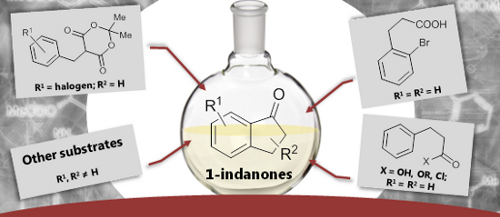
- phenylalkynes 187 and aldehydes 188 to trans-2,3-disubstituted 1-indanones 189 in the one-pot reaction (Scheme 53) [82]. A synthesis of 3-aryl-1-indanone derivatives 192 from aromatic aldehydes 190 and alkyne derivatives 191 has been patented by Xi and Liu in 2016 [83]. The reaction proceeded in the presence of

Graphical Abstract

Figure 1: Biologically active 1-indanones and their structural analogues.

Figure 2: Number of papers about (a) 1-indanones, (b) synthesis of 1-indanones.

Scheme 1: Synthesis of 1-indanone (2) from hydrocinnamic acid (1).

Scheme 2: Synthesis of 1-indanone (2) from 3-(2-bromophenyl)propionic acid (3).

Scheme 3: Synthesis of 1-indanones 5 from 3-arylpropionic acids 4.

Scheme 4: Synthesis of kinamycin (9a) and methylkinamycin C (9b).

Scheme 5: Synthesis of trifluoromethyl-substituted arylpropionic acids 12, 1-indanones 13 and dihydrocoumarin...

Scheme 6: Synthesis of 1-indanones 16 from benzoic acids 15.

Scheme 7: Synthesis of 1-indanones 18 from arylpropionic and 3-arylacrylic acids 17.

Scheme 8: The NbCl5-induced one-step synthesis of 1-indanones 22.

Scheme 9: Synthesis of biologically active 1-indanone derivatives 26.

Scheme 10: Synthesis of enantiomerically pure indatraline ((−)-29).

Scheme 11: Synthesis of 1-indanone (2) from the acyl chloride 30.

Scheme 12: Synthesis of the mechanism-based inhibitors 33 of coelenterazine.

Scheme 13: Synthesis of the indane 2-imidazole derivative 37.

Scheme 14: Synthesis of fluorinated PAHs 41.

Scheme 15: Synthesis of 1-indanones 43 via transition metal complexes-catalyzed carbonylative cyclization of m...

Scheme 16: Synthesis of 6-methyl-1-indanone (46).

Scheme 17: Synthesis of 1-indanone (2) from ester 48.

Scheme 18: Synthesis of benzopyronaphthoquinone 51 from the spiro-1-indanone 50.

Scheme 19: Synthesis of the selective endothelin A receptor antagonist 55.

Scheme 20: Synthesis of 1-indanones 60 from methyl vinyl ketone (57).

Scheme 21: Synthesis of 1-indanones 64 from diethyl phthalate 61.

Scheme 22: Synthesis of 1-indanone derivatives 66 from various Meldrum’s acids 65.

Scheme 23: Synthesis of halo 1-indanones 69.

Scheme 24: Synthesis of substituted 1-indanones 71.

Scheme 25: Synthesis of spiro- and fused 1-indanones 73 and 74.

Scheme 26: Synthesis of spiro-1,3-indanodiones 77.

Scheme 27: Mechanistic pathway for the NHC-catalyzed Stetter–Aldol–Michael reaction.

Scheme 28: Synthesis of 2-benzylidene-1-indanone derivatives 88a–d.

Scheme 29: Synthesis of 1-indanone derivatives 90a–i.

Scheme 30: Synthesis of 1-indanones 96 from o-bromobenzaldehydes 93 and alkynes 94.

Scheme 31: Synthesis of 3-hydroxy-1-indanones 99.

Scheme 32: Photochemical preparation of 1-indanones 103 from ketones 100.

Scheme 33: Synthesis of chiral 3-aryl-1-indanones 107.

Scheme 34: Photochemical isomerization of 2-methylbenzil 108.

Scheme 35: Synthesis of 2-hydroxy-1-indanones 111a–c.

Scheme 36: Synthesis of 1-indanone derivatives 113 and 114 from η6-1,2-dioxobenzocyclobutene complex 112.

Scheme 37: Synthesis of nakiterpiosin (117).

Scheme 38: Synthesis of 2-alkyl-1-indanones 120.

Scheme 39: Synthesis of fluorine-containing 1-indanone derivatives 123.

Scheme 40: Synthesis of 2-benzylidene and 2-benzyl-1-indanones 126, 127 from the chalcone 124.

Scheme 41: Synthesis of 2-bromo-6-methoxy-3-phenyl-1-indanone (130).

Scheme 42: Synthesis of combretastatin A-4-like indanones 132a–s.

Figure 3: Chemical structures of investigated dienones 133 and synthesized cyclic products 134–137.

Figure 4: Chemical structures of 1-indanones and their heteroatom analogues 138–142.

Scheme 43: Synthesis of 2-phosphorylated and 2-non-phosphorylated 1-indanones 147 and 148 from β-ketophosphona...

Scheme 44: Photochemical synthesis of 1-indanone derivatives 150, 153a, 153b.

Scheme 45: Synthesis of polysubstituted-1-indanones 155, 157.

Scheme 46: Synthesis of 1-indanones 159a–g from α-arylpropargyl alcohols 158 using RhCl(PPh3)3 as a catalyst.

Scheme 47: Synthesis of optically active 1-indanones 162 via the asymmetric Rh-catalyzed isomerization of race...

Scheme 48: Mechanism of the Rh-catalyzed isomerization of α-arylpropargyl alcohols 161 to 1-indanones 162.

Figure 5: Chemical structure of abicoviromycin (168) and its new benzo derivative 169.

Scheme 49: Synthesis of racemic benzoabicoviromycin 172.

Scheme 50: Synthesis of [14C]indene 176.

Scheme 51: Synthesis of indanone derivatives 178–180.

Scheme 52: Synthesis of racemic pterosin A 186.

Scheme 53: Synthesis of trans-2,3-disubstituted 1-indanones 189.

Scheme 54: Synthesis of 3-aryl-1-indanone derivatives 192.

Scheme 55: Synthesis of 1-indanone derivatives 194 from 3-(2-iodoaryl)propanonitriles 193.

Scheme 56: Synthesis of 1-indanones 200–204 by cyclization of aromatic nitriles.

Scheme 57: Synthesis of 1,1’-spirobi[indan-3,3’-dione] derivative 208.

Scheme 58: Total synthesis of atipamezole analogues 211.

Scheme 59: Synthesis of 3-[4-(1-piperidinoethoxy)phenyl]spiro[indene-1,1’-indan]-5,5’-diol hydrochloride 216.

Scheme 60: Synthesis of 3-arylindan-1-ones 219.

Scheme 61: Synthesis of 2-hydroxy-1-indanones 222.

Scheme 62: Synthesis of the 1-indanone 224 from the THP/MOM protected chalcone epoxide 223.

Scheme 63: Synthesis of 1-indanones 227 from γ,δ-epoxy ketones 226.

Scheme 64: Synthesis of 2-hydroxy-2-methylindanone (230).

Scheme 65: Synthesis of 1-indanone derivatives 234 from cyclopropanol derivatives 233.

Scheme 66: Synthesis of substituted 1-indanone derivatives 237.

Scheme 67: Synthesis of 7-methyl substituted 1-indanone 241 from 1,3-pentadiene (238) and 2-cyclopentenone (239...

Scheme 68: Synthesis of disubstituted 1-indanone 246 from the siloxydiene 244 and 2-cyclopentenone 239.

Scheme 69: Synthesis of 5-hydroxy-1-indanone (250) via the Diels–Alder reaction of 1,3-diene 248 with sulfoxid...

Scheme 70: Synthesis of halogenated 1-indanones 253a and 253b.

Scheme 71: Synthesis of 1-indanones 257 and 258 from 2-bromocyclopentenones 254.

Scheme 72: Synthesis of 1-indanone 261 from 2-bromo-4-acetoxy-2-cyclopenten-1-one (260) and 1,2-dihydro-4-viny...

Scheme 73: Synthesis of 1-indanone 265 from 1,2-dihydro-7-methoxy-4-vinylnaphthalene (262) and bromo-substitut...

Scheme 74: Synthesis of 1-indanone 268 from dihydro-3-vinylphenanthrene 266 and 4-acetoxy-2-cyclopenten-1-one (...

Scheme 75: Synthesis of 1-indanone 271 from phenylselenyl-substituted cyclopentenone 268.

Scheme 76: Synthesis of 1-indanone 272 from the trienone 270.

Scheme 77: Synthesis of the 1-indanone 276 from the aldehyde 273.

Scheme 78: Synthesis of 1-indanones 278 and 279.

Scheme 79: Synthesis of 1-indanone 285 from octa-1,7-diyne (282) and cyclopentenone 239.

Scheme 80: Synthesis of benz[f]indan-1-one (287) from cyclopentenone 239 and o-bis(dibromomethyl)benzene (286)....

Scheme 81: Synthesis of 3-methyl-substituted benz[f]indan-1-one 291 from o-bis(dibromomethyl)benzene (286) and...

Scheme 82: Synthesis of benz[f]indan-1-one (295) from the anthracene epidioxide 292.

Scheme 83: Synthesis of 1-indanone 299 from homophthalic anhydride 298 and cyclopentynone 297.

Scheme 84: Synthesis of cyano-substituted 1-indanone derivative 301 from 2-cyanomethylbenzaldehyde (300) and c...

Scheme 85: Synthesis of 1-indanone derivatives 303–305 from ketene dithioacetals 302.

Scheme 86: Synthesis of 1-indanones 309–316.

Scheme 87: Mechanism of the hexadehydro-Diels–Alder (HDDA) reaction.

Scheme 88: Synthesis of 1-indenone 318 and 1-indanones 320 and 321 from tetraynes 317 and 319.

Scheme 89: Synthesis of 1-indanone 320 from the triyn 319.

Scheme 90: Synthesis 1-indanone 328 from 2-methylfuran 324.

Scheme 91: Synthesis of 1-indanones 330 and 331 from furans 329.

Scheme 92: Synthesis of 1-indanone 333 from the cycloadduct 332.

Scheme 93: Synthesis of (S)-3-arylindan-1-ones 335.

Scheme 94: Synthesis of (R)-2-acetoxy-1-indanone 338.

Figure 6: Chemical structures of obtained cyclopenta[α]phenanthrenes 339.

Scheme 95: Synthesis of the benzoindanone 343 from arylacetaldehyde 340 with 1-trimethylsilyloxycyclopentene (...
Chemical probes for competitive profiling of the quorum sensing signal synthase PqsD of Pseudomonas aeruginosa
- Michaela Prothiwa,
- Dávid Szamosvári,
- Sandra Glasmacher and
- Thomas Böttcher
Beilstein J. Org. Chem. 2016, 12, 2784–2792, doi:10.3762/bjoc.12.277
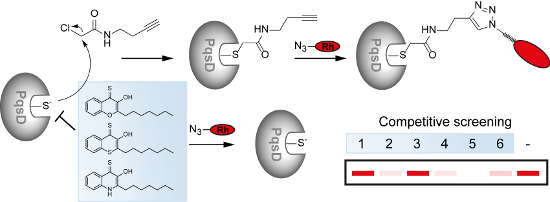
- one-pot reaction for the synthesis of 2-heptyl-chromen-4-one (1-O-HHQ, 4) which includes esterification, Baker–Venkataraman rearrangement and subsequent acid-catalyzed ring closure to affort the 1-O-HHQ in 60% yield [36] (Scheme 1). The 2-heptyl-3-hydroxychromen-4-one (1-O-PQS, 13) was previously

Graphical Abstract

Figure 1: Quinolone signals of Pseudomonas aeruginosa. A) Structures of HHQ and PQS. B) Proposed mechanism fo...

Figure 2: Synthesis of electrophilic ABPP probes. A) Synthesis of α,β-unsaturated amide probes UA1–3. B) Synt...

Figure 3: In vitro labeling of PqsD by chemical probes. A) ABPP probe library with wild-type PqsD and PqsD C1...

Scheme 1: Synthesis of various HHQ and PQS analogues.
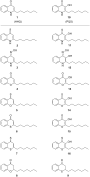
Figure 4: Library of HHQ and PQS analogues.

Figure 5: Competitive profiling platform. A) Schematic representation of the competitive labelling strategy w...
Biomimetic synthesis and HPLC–ECD analysis of the isomers of dracocephins A and B
- Viktor Ilkei,
- András Spaits,
- Anita Prechl,
- Áron Szigetvári,
- Zoltán Béni,
- Miklós Dékány,
- Csaba Szántay Jr,
- Judit Müller,
- Árpád Könczöl,
- Ádám Szappanos,
- Attila Mándi,
- Sándor Antus,
- Ana Martins,
- Attila Hunyadi,
- György Tibor Balogh,
- György Kalaus (†),
- Hedvig Bölcskei,
- László Hazai and
- Tibor Kurtán
Beilstein J. Org. Chem. 2016, 12, 2523–2534, doi:10.3762/bjoc.12.247
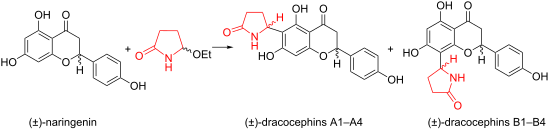
- Dracocephalum rupestre, have been synthesized in a one-pot reaction. The separation of 2a–d and 3a–d was achieved by preparative HPLC. The four stereoisomers of each natural product were separated by analytical chiral HPLC and their absolute configuration was studied by the combination of HPLC–ECD measurements

Graphical Abstract

Figure 1: Structures of (±)-naringenin, (±)-dracocephins A1–A4 and B1–B4 with the indication of the absolute ...

Scheme 1: Proposed biosynthetic route to dracocephins A and B.

Scheme 2: Synthesis of (±)-5-ethoxypyrrolidine-2-one ((±)-9).

Scheme 3: Synthesis of (±)-dracocephins A and B (±)-2a–d and (±)-3a–d and the elution order of stereoisomers ...

Figure 2: a) Chiral HPLC–UV and HPLC–ECD traces of dracocephins A (2a–d) using Chiralpak IC column with the e...

Figure 3: Structure and population of the low-energy CAM-B3LYP/TZVP PCM/CHCl3 conformers (>2%) of (R)-1.

Figure 4: Experimental HPLC–ECD spectrum of (R)-naringenin ((R)-1) compared with the Boltzmann-weighted ECD s...

Figure 5: Structure and population of the low-energy CAM-B3LYP/TZVP PCM/MeCN conformers (>2%) of (2R,5’’R)-2d....

Figure 6: Structure and population of the low-energy CAM-B3LYP/TZVP PCM/MeCN conformers (>2%) of (2R,5’’S)-2a....

Figure 7: Experimental HPLC-ECD spectra of (2R,5’’S)-2a (second eluted stereoisomer) and (2R,5’’R)-2d (fourth...

Figure 8: Experimental HPLC–ECD spectra of (2R,5’’S)-2a and (2R,5’’R)-2d compared with the Boltzmann-weighted...

Figure 9: a) Chiral HPLC–UV and HPLC–ECD traces of dracocephins B1–B4 3a–d using a Chiralpak IC column with t...

Figure 10: Structure and population of the low-energy CAM-B3LYP/TZVP PCM/MeCN conformers (>2%) of (2R,5’’R)-3c....

Figure 11: Structure and population of the low-energy CAM-B3LYP/TZVP PCM/MeCN conformers (>2%) of (2R,5’’S)-3b....

Figure 12: Experimental HPLC-ECD spectra of 3b (first eluted stereoisomer) and 3c (third eluted stereoisomer) ...

Figure 13: Experimental HPLC-ECD spectra of 3b and 3c compared with the Boltzmann-weighted ECD spectra compute...

Figure 14: Proposed mechanism for the formation of dracocephins A and B (2a–d and 3a–d) starting from (±)-9.
Selective and eco-friendly procedures for the synthesis of benzimidazole derivatives. The role of the Er(OTf)3 catalyst in the reaction selectivity
- Natividad Herrera Cano,
- Jorge G. Uranga,
- Mónica Nardi,
- Antonio Procopio,
- Daniel A. Wunderlin and
- Ana N. Santiago
Beilstein J. Org. Chem. 2016, 12, 2410–2419, doi:10.3762/bjoc.12.235
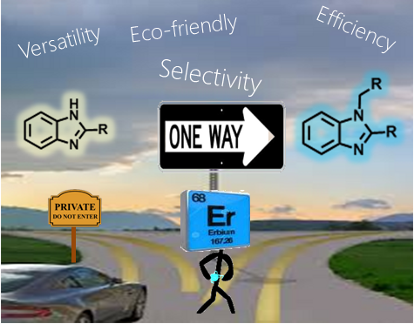
- environmentally friendly synthetic method, to obtain different derivatives containing the benzimidazole core by a one-pot reaction. Additionally, Er(OTf)3 was selected as the catalyst to achieve the selective formation of products in order to avoid tedious work-up and product separation procedures. Moreover

Graphical Abstract

Scheme 1: Formation of the benzimidazole core.

Scheme 2: Proposed mechanism for the formation of 1,2-disubstituted benzimidazoles b and 2-substituted benzim...

Figure 1: ESP maps and charge density on carbonylic oxygen atoms for the studied aldehydes obtained at the BP...
Elongated and substituted triazine-based tricarboxylic acid linkers for MOFs
- Arne Klinkebiel,
- Ole Beyer,
- Barbara Malawko and
- Ulrich Lüning
Beilstein J. Org. Chem. 2016, 12, 2267–2273, doi:10.3762/bjoc.12.219
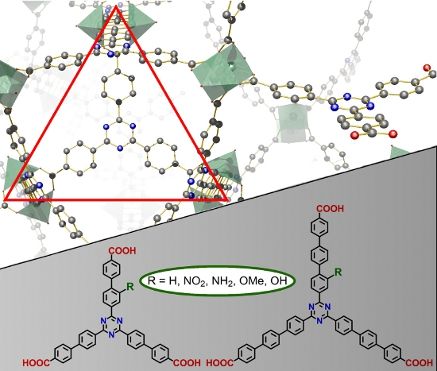
- cleaved in a one-pot reaction. The tetrafold cleavage yielded hydroxytriazine 17e in 52% yield. All tricarboxylic acids 17 are considerably less soluble in most solvents when compared to the respective methyl esters 16. Nevertheless, they are sufficiently soluble in, for instance, DMSO or in base to allow

Graphical Abstract

Figure 1: Steric repulsion between ortho-hydrogen atoms in benzene-1,3,5-tribenzoic acid (BTB) leads to a non...

Figure 2: Mono-substituted TATB linkers 1b–d were successfully employed in the isoreticular syntheses of PCN-...

Figure 3: Retrosynthetic analysis for extended TATBs 2: triple Suzuki coupling between tribromotriazines 3 an...

Figure 4: Synthesis of unsymmetrically substituted 2,4,6-tris(bromoaryl)-1,3,5-triazines 3 from one equivalen...

Figure 5: Synthesis of 4-bromo-3-nitrobenzoyl chloride (5b). Conditions: a) HNO3/H2SO4, 3 h 0 °C, 2 h, room t...

Figure 6: Syntheses of 4-bromo-3-methoxybenzoyl chloride (5c). Conditions: a) Br2, EtOH/HOAc, 30 min, room te...

Figure 7: Triple Suzuki–Miyaura coupling between tribromotriazines 3 and boronic acid 15 and subsequent hydro...

Figure 8: Triple Suzuki coupling between tribromotriazines 3 and boronate 18. Conditions: a) 19a: Pd(PPh3)4, K...
Stereoselective synthesis of fused tetrahydroquinazolines through one-pot double [3 + 2] dipolar cycloadditions followed by [5 + 1] annulation
- Xiaofeng Zhang,
- Kenny Pham,
- Shuai Liu,
- Marc Legris,
- Alex Muthengi,
- Jerry P. Jasinski and
- Wei Zhang
Beilstein J. Org. Chem. 2016, 12, 2204–2210, doi:10.3762/bjoc.12.211
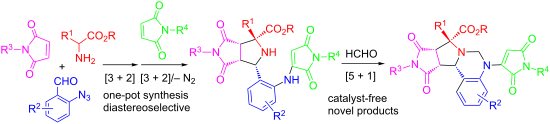
- addition to formaldehyde, other aldehydes could also be used for the [5 + 1] annulation according to literature [34][35]. Conclusion A one-pot reaction sequence involving [3 + 2] cycloaddition of azomethine ylides, [3 + 2] cycloaddition of azides with alkenes, and denitrogenation followed by a [5 + 1

Graphical Abstract

Scheme 1: Polycyclic scaffolds derived from [3 + 2] adducts 2.

Figure 1: Heterocyclic fragments in bioactive compounds.

Figure 2: One-pot double [3 + 2] cycloadditions and denitrogenation for product 7 under the optimized reactio...

Figure 3: X-ray structure of 7h.

Scheme 2: Proposed mechanism for the 2nd [3 + 2] cycloaddition and denitrogenation.

Figure 4: [5 + 1] Annulation for tetrahydroquinazolines 1.
Application of heterocyclic aldehydes as components in Ugi–Smiles couplings
- Katelynn M. Mason,
- Michael S. Meyers,
- Abbie M. Fox and
- Sarah B. Luesse
Beilstein J. Org. Chem. 2016, 12, 2032–2037, doi:10.3762/bjoc.12.191
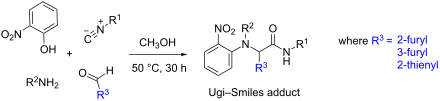
- Diels–Alder (US-IMDA) reaction with substituted 2-furaldehyde and allylamine (Scheme 1), which provides direct access to N-arylepoxyisoindolines 1 through a simple, one-pot reaction [23]. Through this stereoselective tandem process, six new bonds and four stereocenters are generated in one synthetic

Graphical Abstract

Scheme 1: N-Arylepoxyisoindolines via tandem Ugi–Smiles/IMDA reaction.

Scheme 2: Reaction monitoring by 1H NMR for production of 1b.

Scheme 3: Use of a thienyl-substituted aldehyde for Ugi–Smiles couplings.
Synthesis and characterization of fluorinated azadipyrromethene complexes as acceptors for organic photovoltaics
- Forrest S. Etheridge,
- Roshan J. Fernando,
- Sandra Pejić,
- Matthias Zeller and
- Geneviève Sauvé
Beilstein J. Org. Chem. 2016, 12, 1925–1938, doi:10.3762/bjoc.12.182
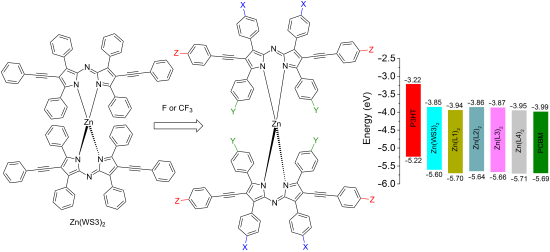
- using Zn(OAc)2 to a 2-step, one pot reaction with sodium hydride in tetrahydrofuran, followed by the addition of zinc(II) chloride. Zinc(II) and BF2+ chelates were purified by silica gel column chromatography to isolate the chelates as blue solids and the identity and purity was confirmed by NMR

Graphical Abstract

Figure 1: a) Azadipyrromethene ligand labeling positioning; b and c) chelates; d) estimated HOMO/LUMO energy ...

Figure 2: Chemical structures of the fluorinated ADP derivatives of WS3 explored in the study.

Scheme 1: Generic synthetic scheme for fluorinated free ligands, where L# corresponds to the desired ligand n...

Scheme 2: Generic chelation scheme yielding WS3-based BF2+ and zinc(II) complexes.

Figure 3: TGA spectra for the zinc(II) complexes.
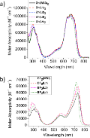
Figure 4: Molar absorptivities in chloroform solutions of a) zinc(II) chelates b) BF2+ chelates.
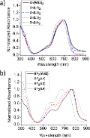
Figure 5: Normalized absorbance from spun-coat chloroform solution on microscope glass of a) zinc(II) chelate...

Figure 6: Cyclic voltamograms of zinc(II) chelates in 0.1 M TBAPF6 dichloromethane solution with Fc/Fc+ as an...

Figure 7: Cyclic voltamograms of BF2+ chelates in 0.1 M TBAPF6 dichloromethane solution with Fc/Fc+ as an int...

Figure 8: Estimated HOMO and LUMO energy levels obtained by cyclic voltammetry from the E1/2 values in dichlo...

Figure 9: ORTEP drawing of Zn(L2)2 with ellipsoids drawn at the 50% probability level and a partial labeling ...
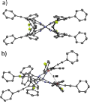
Figure 10: ORTEP drawing of Zn(L2)2 with ellipsoids drawn at the 50% probability level and a partial labeling ...
Ionic liquids as transesterification catalysts: applications for the synthesis of linear and cyclic organic carbonates
- Maurizio Selva,
- Alvise Perosa,
- Sandro Guidi and
- Lisa Cattelan
Beilstein J. Org. Chem. 2016, 12, 1911–1924, doi:10.3762/bjoc.12.181
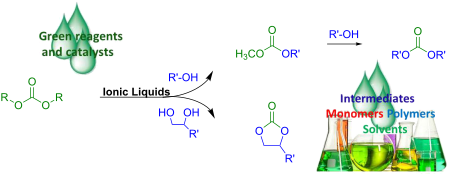
- publication, Gade et al. also achieved a high selectivity toward GD in a one-pot reaction starting from glycerol and DMC [66]. Using tetramethylammonium hydroxide ([TMA][OH]) as basic catalyst, a high selectivity (78%) for GD was reached under mild operating conditions (80 °C, 90 min). The results suggested

Graphical Abstract

Scheme 1: The transesterification of diethyl oxalate (DEO) with phenol catalyzed by MoO3/SiO2.

Scheme 2: Transesterification of a triglyceride (TG) with DMC for biodiesel production using KOH as the base ...

Scheme 3: Top: Green methylation of phosphines and amines by dimethyl carbonate (Q = N, P). Bottom: anion met...

Figure 1: Structures of some representative SILs and PILs systems. MCF is a silica-based mesostructured mater...

Scheme 4: Synthesis of the acid polymeric IL. EGDMA: ethylene glycol dimethacrylate.

Scheme 5: The transesterification of sec-butyl acetate with MeOH catalyzed by some acidic imidazolium ILs.

Figure 2: Representative examples of ionic liquids for biodiesel production.

Scheme 6: Top: phosgenation of methanol; middle: EniChem and Ube processes; bottom: Asahi process for the pro...

Scheme 7: The transesterification in the synthesis of organic carbonates.

Scheme 8: The transesterification of DMC with alcohols and diols.

Scheme 9: Transesterification of glycerol with DMC in the presence of 1-n-butyl-3-methylimidazolium-2-carboxy...

Scheme 10: Synthesis of the BMIM-2-CO2 catalyst from butylimidazole and DMC.

Scheme 11: Plausible cooperative (nucleophilic–electrophilic) mechanism for the transesterification of glycero...

Scheme 12: Synthesis of diazabicyclo[5.4.0]undec-7-ene-based ionic liquids.

Scheme 13: Synthesis of the DABCO–DMC ionic liquid.

Scheme 14: Cooperative mechanism of ionic liquid-catalyzed glycidol production.

Scheme 15: [TMA][OH]-catalyzed synthesis of glycidol (GD) from glycerol and dimethyl carbonate [46].

Scheme 16: [BMIM]OH-catalyzed synthesis of DPC from DMC and 1-pentanol.

Figure 3: Representative examples of ionic liquids for biodiesel production.

Figure 4: Acyclic non-symmetrical organic carbonates synthetized with 1-(trimethoxysilyl)propyl-3-methylimida...

Scheme 17: A simplified reaction mechanism for DMC production.

Scheme 18: [P8881][MeOCO2] metathesis with acetic acid and phenol.

Figure 5: Examples of carbonates obtained through transesterification using phosphonium salts as catalysts.

Scheme 19: Examples of carbonates obtained from different bio-based diols using [P8881][CH3OCO2] as catalyst.

Scheme 20: Ambiphilic catalysis for transesterification reactions in the presence of carbonate phosphonium sal...
Biosynthesis of oxygen and nitrogen-containing heterocycles in polyketides
- Franziska Hemmerling and
- Frank Hahn
Beilstein J. Org. Chem. 2016, 12, 1512–1550, doi:10.3762/bjoc.12.148
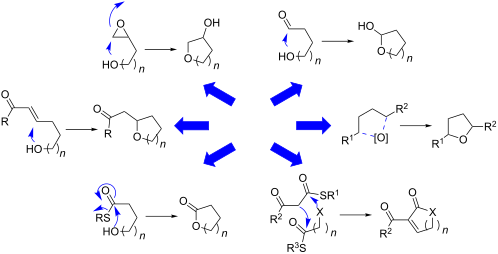
- that is produced in Streptomyces species [134][135]. The respective biosynthetic pathway has been fully reconstituted in an in vitro one-pot reaction [136]. The flavoprotein EncM transforms the C12 methylene group of the octaketidic PKS type II product 139 in a two-step oxidation sequence using the

Graphical Abstract

Scheme 1: Schematic description of the cyclisation reaction catalysed by TE domains. In most cases, the nucle...

Scheme 2: Mechanisms for the formation of oxygen heterocycles. The degree of substitution can differ from tha...

Scheme 3: Pyran-ring formation in pederin (24) biosynthesis. Incubation of recombinant PedPS7 with substrate ...

Scheme 4: The domain AmbDH3 from ambruticin biosynthesis catalyses the dehydration of 25 and subsequent cycli...

Scheme 5: SalBIII catalyses dehydration of 29 and subsequent cyclisation to tetrahydropyran 30 [18].

Figure 1: All pyranonaphtoquinones contain either the naphtha[2,3-c]pyran-5,10-dione (32) or the regioisomeri...

Scheme 6: Pyran-ring formation in actinorhodin (34) biosynthesis. DNPA: 4-dihydro-9-hydroxy-1-methyl-10-oxo-3H...

Scheme 7: Pyran formation in granaticin (36) biosynthesis. DNPA: 4-dihydro-9-hydroxy-1-methyl-10-oxo-3H-napht...

Scheme 8: Pyran formation in alnumycin (37) biosynthesis. Adapted from [21].

Scheme 9: Biosynthesis of pseudomonic acid A (61). The pyran ring is initially formed in 57 after dehydrogena...

Scheme 10: Epoxidation–cyclisation leads to the formation of the tetrahydropyran ring in the western part of t...

Scheme 11: a) Nonactin (70) is formed from heterodimers of (−)(+)-dimeric nonactic acid and (+)(−)-dimeric non...

Figure 2: Pamamycins (73) are macrodiolide antibiotics containing three tetrahydrofuran moieties, which are a...

Scheme 12: A PS domain homolog in oocydin A (76) biosynthesis is proposed to catalyse furan formation via an o...

Scheme 13: Mechanism of oxidation–furan cyclisation by AurH, which converts (+)-deoxyaureothin (77) into (+)-a...

Scheme 14: Leupyrrin A2 (80) and the proposed biosynthesis of its furylidene moiety [69,70].

Scheme 15: Asperfuranone (93) biosynthesis, adapted from [75].
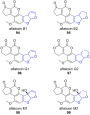
Figure 3: The four major aflatoxins produced by Aspergilli are the types B1, B2, G1 and G2 (94–97). In the di...

Scheme 16: Overview on aflatoxin B1 (94) biosynthesis. HOMST = 11-hydroxy-O-methylsterigmatocystin [78,79,82-106].

Scheme 17: A zipper mechanism leads to the formation of oxygen heterocycles in monensin biosynthesis [109-111].

Scheme 18: Formation of the 2,6-dioxabicyclo[3.2.1]octane (DBO) ring system in aurovertin B (118) biosynthesis ...

Figure 4: Structures of the epoxide-containing polyketides epothilone A (119) and oleandomycin (120) [123-125].

Scheme 19: Structures of phoslactomycin B (121) (a) and jerangolid A (122) (b). The heterocycle-forming steps ...

Scheme 20: a) Structures of rhizoxin (130) and cycloheximide (131). Model for the formation of δ-lactones (b) ...

Scheme 21: EncM catalyses a dual oxidation sequence and following processing of the highly reactive intermedia...

Figure 5: Mesomeric structures of tetronates [138,139].

Figure 6: Structures of tetronates for which gene clusters have been sequenced. The tetronate moiety is shown...

Scheme 22: Conserved steps for formation and processing in several 3-acyl-tetronate biosynthetic pathways were...

Scheme 23: In versipelostatin A (153) biosynthesis, VstJ is a candidate enzyme for catalysing the [4 + 2] cycl...

Scheme 24: a) Structures of some thiotetronate antibiotics. b) Biosynthesis of thiolactomycin (165) as propose...

Scheme 25: Aureusidine synthase (AS) catalyses phenolic oxidation and conjugate addition of chalcones leading ...

Scheme 26: a) Oxidative cyclisation is a key step in the biosynthesis of spirobenzofuranes 189, 192 and 193. b...

Scheme 27: A bicyclisation mechanism forms a β-lactone and a pyrrolidinone and removes the precursor from the ...

Scheme 28: Spontaneous cyclisation leads to off-loading of ebelactone A (201) from the PKS machinery [163].

Scheme 29: Mechanisms for the formation of nitrogen heterocycles.

Scheme 30: Biosynthesis of highly substituted α-pyridinones. a) Feeding experiments confirmed the polyketide o...

Scheme 31: Acridone synthase (ACS) catalyses the formation of 1,3-dihydroxy-N-methylacridone (224) by condensa...

Scheme 32: A Dieckmann condensation leads to the formation of a 3-acyl-4-hydroxypyridin-2-one 227 and removes ...

Scheme 33: a) Biosynthesis of the pyridinone tenellin (234). b) A radical mechanism was proposed for the ring-...

Scheme 34: a) Oxazole-containing PKS–NRPS-derived natural products oxazolomycin (244) and conglobatin (245). b...

Scheme 35: Structure of tetramic acids 251 (a) and major tautomers of 3-acyltetramic acids 252a–d (b). Adapted...

Scheme 36: Equisetin biosynthesis. R*: terminal reductive domain. Adapted from [202].

Scheme 37: a) Polyketides for which a similar biosynthetic logic was suggested. b) Pseurotin A (256) biosynthe...

Figure 7: Representative examples of PTMs with varying ring sizes and oxidation patterns [205,206].

Scheme 38: Ikarugamycin biosynthesis. Adapted from [209-211].

Scheme 39: Tetramate formation in pyrroindomycin aglycone (279) biosynthesis [213-215].

Scheme 40: Dieckmann cyclases catalyse tetramate or 2-pyridone formation in the biosynthesis of, for example, ...
One-pot synthesis of tetracyclic fused imidazo[1,2-a]pyridines via a three-component reaction
- Bo Yang,
- Chuanye Tao,
- Taofeng Shao,
- Jianxian Gong and
- Chao Che
Beilstein J. Org. Chem. 2016, 12, 1487–1492, doi:10.3762/bjoc.12.145
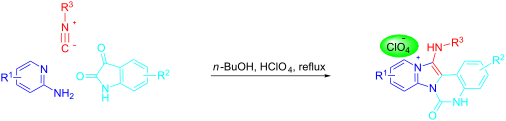
- reaction followed by a retro-aza-ene reaction and subsequent nucleophilic reaction of the in-situ generated imidazo[1,2-a]pyridines bearing an isocyanate functional group. Keywords: Groebke–Blackburn–Bienaymé reaction; imidazo[1,2-a]pyridines; multi-component reaction; one-pot reaction; Introduction

Graphical Abstract

Scheme 1: MCR to polycyclic fused imidazo[1,2-a]pyridine derivatives.
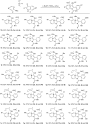
Figure 1: Syntheses of imidazo[1,2-a]pyridine derivatives. Reaction conditions: 2 (1.35 mmol), 3 (1 mmol), 4 ...

Figure 2: Mechanistic rationale for the MCR [36].
Multicomponent reactions: A simple and efficient route to heterocyclic phosphonates
- Mohammad Haji
Beilstein J. Org. Chem. 2016, 12, 1269–1301, doi:10.3762/bjoc.12.121
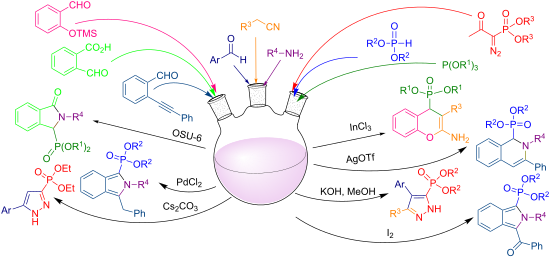
- were resistant to this reaction. The trimethylchlorosilane-mediated one-pot reaction of diethyl (3,3,3-trifluoropropyl-2-oxo)phosphonate (8) with aryl aldehydes 9 and urea under Biginelli conditions has been presented by Timoshenko et al. (Scheme 3) [27]. The resulting 4-hydroxytetrahydropyrimidin-2
- -aminophosphonate 26 in 99% yield (Scheme 7) [34]. The reaction of isatin (27) with diethyl phosphite and benzylamine under similar conditions gave the corresponding α-aminophosphonate 28 in 90% yield together with small amounts of α-hydroxyphosphonate 29 as a side product (Scheme 8). The one-pot reaction of
- for the rapid access of heterocyclic phosphonates is the combination of the Kabachnik–Fields reaction with a subsequent ring closure. Thus, the one-pot reaction of 5-chloro-2-pentanone (46) with ammonia and diethyl phosphonate in ethanol lead to the non-isolable intermediate 47 which was directly

Graphical Abstract

Scheme 1: The Biginelli condensation.

Scheme 2: The Biginelli reaction of β-ketophosphonates catalyzed by ytterbium triflate.

Scheme 3: Trimethylchlorosilane-mediated Biginelli reaction of diethyl (3,3,3-trifluoropropyl-2-oxo)phosphona...

Scheme 4: Biginelli reaction of dialkyl (3,3,3-trifluoropropyl-2-oxo)phosphonate with trialkyl orthoformates ...

Scheme 5: p-Toluenesulfonic acid-promoted Biginelli reaction of β-ketophosphonates, aryl aldehydes and urea.

Scheme 6: General Kabachnik–Fields reaction for the synthesis of α-aminophosphonates.

Scheme 7: Phthalocyanine–AlCl catalyzed Kabachnik–Fields reaction of N-Boc-piperidin-4-one with diethyl phosp...

Scheme 8: Kabachnik–Fields reaction of isatin with diethyl phosphite and benzylamine.

Scheme 9: Magnetic Fe3O4 nanoparticle-supported phosphotungstic acid-catalyzed Kabachnik–Fields reaction of i...

Scheme 10: The Mg(ClO4)2-catalyzed Kabachnik–Fields reaction of 1-tosylpiperidine-4-one.

Scheme 11: An asymmetric version of the Kabachnik–Fields reaction for the synthesis of α-amino-3-piperidinylph...

Scheme 12: A classical Kabachnik–Fields reaction followed by an intramolecular ring-closing reaction for the s...

Scheme 13: Synthesis of (S)-piperidin-2-phosphonic acid through an asymmetric Kabachnik–Fields reaction.

Scheme 14: A modified diastereoselective Kabachnik–Fields reaction for the synthesis of isoindolin-1-one-3-pho...

Scheme 15: A microwave-assisted Kabachnik–Fields reaction toward isoindolin-1-ones.

Scheme 16: The synthesis of 3-arylmethyleneisoindolin-1-ones through a Horner–Wadsworth–Emmons reaction of Kab...

Scheme 17: An efficient one-pot method for the synthesis of ethyl (2-alkyl- and 2-aryl-3-oxoisoindolin-1-yl)ph...

Scheme 18: FeCl3 and PdCl2 co-catalyzed three-component reaction of 2-alkynylbenzaldehydes, anilines, and diet...

Scheme 19: Three-component reaction of 6-methyl-3-formylchromone (75) with hydrazine derivatives or hydroxylam...

Scheme 20: Three-component reaction of 6-methyl-3-formylchromone (75) with thiourea, guanidinium carbonate or ...

Scheme 21: Three-component reaction of 6-methyl-3-formylchromone (75) with 1,4-bi-nucleophiles in the presence...

Scheme 22: One-pot three-component reaction of 2-alkynylbenzaldehydes, amines, and diethyl phosphonate.

Scheme 23: Lewis acid–surfactant combined catalysts for the one-pot three-component reaction of 2-alkynylbenza...

Scheme 24: Lewis acid catalyzed cyclization of different Kabachnik–Fields adducts.

Scheme 25: Three-component synthesis of N-arylisoquinolone-1-phosphonates 119.

Scheme 26: CuI-catalyzed three-component tandem reaction of 2-(2-formylphenyl)ethanones with aromatic amines a...

Scheme 27: Synthesis of 1,5-benzodiazepin-2-ylphosphonates via ytterbium chloride-catalyzed three-component re...

Scheme 28: FeCl3-catalyzed four-component reaction for the synthesis of 1,5-benzodiazepin-2-ylphosphonates.

Scheme 29: Synthesis of indole bisphosphonates through a modified Kabachnik–Fields reaction.

Scheme 30: Synthesis of heterocyclic bisphosphonates via Kabachnik–Fields reaction of triethyl orthoformate.

Scheme 31: A domino Knoevenagel/phospha-Michael process for the synthesis of 2-oxoindolin-3-ylphosphonates.

Scheme 32: Intramolecular cyclization of phospha-Michael adducts to give dihydropyridinylphosphonates.

Scheme 33: Synthesis of fused phosphonylpyrans via intramolecular cyclization of phospha-Michael adducts.

Scheme 34: InCl3-catalyzed three-component synthesis of (2-amino-3-cyano-4H-chromen-4-yl)phosphonates.

Scheme 35: Synthesis of phosphonodihydropyrans via a domino Knoevenagel/hetero-Diels–Alder process.

Scheme 36: Multicomponent synthesis of phosphonodihydrothiopyrans via a domino Knoevenagel/hetero-Diels–Alder ...

Scheme 37: One-pot four-component synthesis of 1,2-dihydroisoquinolin-1-ylphosphonates under multicatalytic co...

Scheme 38: CuI-catalyzed four-component reactions of methyleneaziridines towards alkylphosphonates.

Scheme 39: Ruthenium–porphyrin complex-catalyzed three-component synthesis of aziridinylphosphonates and its p...

Scheme 40: Copper(I)-catalyzed three-component reaction towards 1,2,3-triazolyl-5-phosphonates.

Scheme 41: Three-component reaction of acylphosphonates, isocyanides and dialkyl acetylenedicarboxylate to aff...

Scheme 42: Synthesis of (4-imino-3,4-dihydroquinazolin-2-yl)phosphonates via an isocyanide-based three-compone...

Scheme 43: Silver-catalyzed three-component synthesis of (2-imidazolin-4-yl)phosphonates.

Scheme 44: Three-component synthesis of phosphonylpyrazoles.

Scheme 45: One-pot three-component synthesis of 3-carbo-5-phosphonylpyrazoles.

Scheme 46: A one-pot two-step method for the synthesis of phosphonylpyrazoles.

Scheme 47: A one-pot method for the synthesis of (5-vinylpyrazolyl)phosphonates.

Scheme 48: Synthesis of 1H-pyrrol-2-ylphosphonates via the [3 + 2] cycloaddition of phosphonate azomethine yli...

Scheme 49: Three-component synthesis of 1H-pyrrol-2-ylphosphonates.

Scheme 50: The classical Reissert reaction.

Scheme 51: One-pot three-component synthesis of N-phosphorylated isoquinolines.

Scheme 52: One-pot three-component synthesis of 1-acyl-1,2-dihydroquinoline-2-phosphonates and 2-acyl-1,2-dihy...

Scheme 53: Three-component reaction of pyridine derivatives with ethyl propiolate and dialkyl phosphonates.

Scheme 54: Three-component reactions for the phosphorylation of benzothiazole and isoquinoline.

Scheme 55: Three-component synthesis of diphenyl [2-(aminocarbonyl)- or [2-(aminothioxomethyl)-1,2-dihydroisoq...

Scheme 56: Three-component stereoselective synthesis of 1,2-dihydroquinolin-2-ylphosphonates and 1,2-dihydrois...

Scheme 57: Diphosphorylation of diazaheterocyclic compounds via a tandem 1,4–1,2 addition of dimethyl trimethy...

Scheme 58: Multicomponent reaction of alkanedials, acetamide and acetyl chloride in the presence of PCl3 and a...

Scheme 59: An oxidative domino three-component synthesis of polyfunctionalized pyridines.

Scheme 60: A sequential one-pot three-component synthesis of polysubstituted pyrroles.

Scheme 61: Three-component decarboxylative coupling of proline with aldehydes and dialkyl phosphites for the s...

Scheme 62: Three-component domino aza-Wittig/phospha-Mannich sequence for the phosphorylation of isatin deriva...

Scheme 63: Stereoselective synthesis of phosphorylated trans-1,5-benzodiazepines via a one-pot three-component...

Scheme 64: One-pot three-component synthesis of phosphorylated 2,6-dioxohexahydropyrimidines.
A convenient route to symmetrically and unsymmetrically substituted 3,5-diaryl-2,4,6-trimethylpyridines via Suzuki–Miyaura cross-coupling reaction
- Dariusz Błachut,
- Joanna Szawkało and
- Zbigniew Czarnocki
Beilstein J. Org. Chem. 2016, 12, 835–845, doi:10.3762/bjoc.12.82
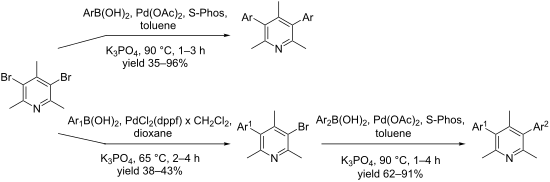
- unsymmetrically substituted diarylpyridines, difficult to access by other methods. Keywords: arylpyridines; cross coupling reaction; heteroaromatics; one-pot reaction; palladium catalyst; Introduction Nitrogen heterocycles are an important class of compounds widely present in agrochemical products [1][2] and
- monoarylated intermediate. Two alternative approaches were based on a one-pot reaction concept, which is advantageous from the point of view of costs (solvents, adsorbents etc.) and work-up procedure. Route 2 is based on the stepwise diarylation of 1 without isolation of the monoarylated product. We also

Graphical Abstract

Figure 1: Types of aryl pyridines and pyrimidines already prepared in our group [23-27].
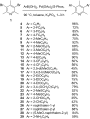
Scheme 1: Synthesis of diarylpyridines 4–29.

Scheme 2: Synthetic routes leading to unsymmetrically substituted arylpyridines.

Scheme 3: Preparation of unsymmetrical 3,5-diaryl-2,4,6-trimethylpyridines 46–56.

Scheme 4: Preparation of unsymmetrical 3,5-diaryl-4-chloro-2,6-dimethylpyridines 68–71.
Unconventional application of the Mitsunobu reaction: Selective flavonolignan dehydration yielding hydnocarpins
- Guozheng Huang,
- Simon Schramm,
- Jörg Heilmann,
- David Biedermann,
- Vladimír Křen and
- Michael Decker
Beilstein J. Org. Chem. 2016, 12, 662–669, doi:10.3762/bjoc.12.66
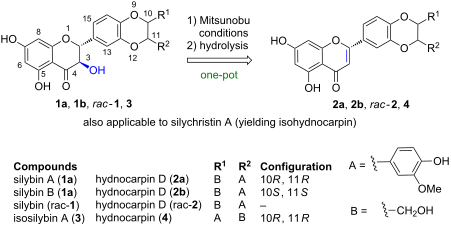
- , Prague 4, CZ-14220, Czech Republic 10.3762/bjoc.12.66 Abstract Various Mitsunobu conditions were investigated for a series of flavonolignans (silybin A, silybin B, isosilybin A, and silychristin A) to achieve either selective esterification in position C-23 or dehydration in a one-pot reaction yielding
- pure (10R,11R)- and (10S,11S)-hydnocarpin D described to date and gives 56% yield starting from commercially available silibinin in a one-pot reaction. Evaluation of Mitsunobu conditions and reagents applied for esterification and dehydration, respectively, enabled us to exclusively obtain either the

Graphical Abstract

Figure 1: Structures of silibinin, isosilybin, and silychristin, and hydnocarpin-type flavonolignans.

Figure 2: Synthetic strategy of semi-synthesis of hydnocarpins from silybins [22].

Scheme 1: Synthesis of ester derivatives of silibinin and conversion to hydnocarpin-type compounds. Reaction ...

Figure 3: Putative mechanism of dehydration of flavanonols under Mitsunobu conditions.

Scheme 2: Attempt to dehydrate catechin. Reagents and conditions: a) p-nitrobenzoic acid, Ph3P, DIAD, THF, rt...

Scheme 3: Preparation of hydnocarpin (4) and isohydnocarpin (6) and attempt to dehydrate silydianin A (11). R...
Iridium/N-heterocyclic carbene-catalyzed C–H borylation of arenes by diisopropylaminoborane
- Mamoru Tobisu,
- Takuya Igarashi and
- Naoto Chatani
Beilstein J. Org. Chem. 2016, 12, 654–661, doi:10.3762/bjoc.12.65

- derivatives by treatment with protecting groups in a one-pot reaction sequence. The reactivity of 1g has previously been well-exploited in catalytic borylation of aryl halides [22][23][24][25][26][27]. Herein, we report the C–H borylation of arenes using 1g catalyzed by an Ir/N-heterocyclic carbene (NHC

Graphical Abstract

Scheme 1: Catalytic C–H borylation of arenes and related reported boron sources.

Scheme 2: Scalability and derivatization.
Recent advances in N-heterocyclic carbene (NHC)-catalysed benzoin reactions
- Rajeev S. Menon,
- Akkattu T. Biju and
- Vijay Nair
Beilstein J. Org. Chem. 2016, 12, 444–461, doi:10.3762/bjoc.12.47
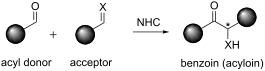
- catalyst rapidly shuttles the intermediate δ-keto aldehyde 61 to the final product preventing the erosion of enantioselectivity [54]. This cascade reaction constitutes a fine example of symbiotic dual-catalysis wherein both catalysts perform better together in a one-pot reaction than they do independently
- product 81 (Scheme 45). The yields are moderate; however excellent diastereo- and enantioselectivities were observed for the one-pot reaction [62]. In a similar fashion, an asymmetric multicatalytic cascade reaction involving the dienal 82 and unsaturated cyclic sulfonylimine 83 afforded spiro-fused

Graphical Abstract
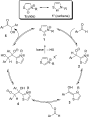
Scheme 1: Breslow’s proposal on the mechanism of the benzoin condensation.

Scheme 2: Imidazolium carbene-catalysed homo-benzoin condensation.

Scheme 3: Homo-benzoin condensation in aqueous medium.

Scheme 4: Homobenzoin condensation catalysed by bis(benzimidazolium) salt 8.

Scheme 5: List of assorted chiral NHC-catalysts used for asymmetric homobenzoin condensation.

Scheme 6: A rigid bicyclic triazole precatalyst 15 in an efficient enantioselective benzoin reaction.

Scheme 7: Inoue’s report of cross-benzoin reactions.

Scheme 8: Cross-benzoin reactions catalysed by thiazolium salt 17.

Scheme 9: Catalyst-controlled divergence in cross-benzoin reactions.

Scheme 10: Chemoselective cross-benzoin reactions catalysed by a bulky NHC.

Scheme 11: Selective intermolecular cross-benzoin condensation reactions of aromatic and aliphatic aldehydes.

Scheme 12: Chemoselective cross-benzoin reaction of aliphatic and aromatic aldehydes.

Scheme 13: Cross-benzoin reactions of trifluoromethyl ketones developed by Enders.

Scheme 14: Cross-benzoin reactions of aldehydes and α-ketoesters.

Scheme 15: Enantioselective cross-benzoin reactions of aliphatic aldehydes and α-ketoesters.

Scheme 16: Dynamic kinetic resolution of β-halo-α-ketoesters via cross-benzoin reaction.

Scheme 17: Enantioselective benzoin reaction of aldehydes and alkynones.

Scheme 18: Aza-benzoin reaction of aldehydes and acylimines.

Scheme 19: NHC-catalysed diastereoselective synthesis of cis-2-amino 3-hydroxyindanones.

Scheme 20: Cross-aza-benzoin reactions of aldehydes with aromatic imines.

Scheme 21: Enantioselective cross aza-benzoin reaction of aliphatic aldehydes with N-Boc-imines.

Scheme 22: Chemoselective cross aza-benzoin reaction of aldehydes with N-PMP-imino esters.

Scheme 23: NHC-catalysed coupling reaction of acylsilanes with imines.

Scheme 24: Thiazolium salt-mediated enantioselective cross-aza-benzoin reaction.

Scheme 25: Aza-benzoin reaction of enals with activated ketimines.

Scheme 26: Isatin derived ketimines as electrophiles in cross aza-benzoin reaction with enals.

Scheme 27: Aza-benzoin reaction of aldehydes and phosphinoylimines catalysed by the BAC-carbene.

Scheme 28: Nitrosoarenes as the electrophilic component in benzoin-initiated cascade reaction.

Scheme 29: One-pot synthesis of hydroxamic esters via aza-benzoin reaction.

Scheme 30: Cookson and Lane’s report of intramolecular benzoin condensation.

Scheme 31: Intramolecular cross-benzoin condensation between aldehyde and ketone moieties.

Scheme 32: Intramolecular crossed aldehyde-ketone benzoin reactions.

Scheme 33: Enantioselective intramolecular crossed aldehyde-ketone benzoin reaction.

Scheme 34: Chromanone synthesis via enantioselective intramolecular cross-benzoin reaction.

Scheme 35: Intramolecular cross-benzoin reaction of chalcones.

Scheme 36: Synthesis of bicyclic tertiary alcohols by intramolecular benzoin reaction.

Scheme 37: A multicatalytic Michael–benzoin cascade process for cyclopentanone synthesis.

Scheme 38: Enamine-NHC dual-catalytic, Michael–benzoin cascade reaction.

Scheme 39: Iminium-cross-benzoin cascade reaction of enals and β-oxo sulfones.

Scheme 40: Intramolecular benzoin condensation of carbohydrate-derived dialdehydes.

Scheme 41: Enantioselective intramolecular benzoin reactions of N-tethered keto-aldehydes.

Scheme 42: Asymmetric cross-benzoin reactions promoted by camphor-derived catalysts.

Scheme 43: NHC-Brønsted base co-catalysis in a benzoin–Michael–Michael cascade.

Scheme 44: Divergent catalytic dimerization of 2-formylcinnamates.

Scheme 45: One-pot, multicatalytic asymmetric synthesis of tetrahydrocarbazole derivatives.

Scheme 46: NHC-chiral secondary amine co-catalysis for the synthesis of complex spirocyclic scaffolds.
Diastereoselective synthesis of new O-alkylated and C-branched inositols and their corresponding fluoro analogues
- Charlotte Collet,
- Françoise Chrétien,
- Yves Chapleur and
- Sandrine Lamandé-Langle
Beilstein J. Org. Chem. 2016, 12, 353–361, doi:10.3762/bjoc.12.39
- experimental data). The compounds myo-11 and scyllo-11 were obtained in 80% and 76% yield, respectively in a one pot reaction by the treatment of myo-1 and scyllo-1 with triphenylmethyl chloride in pyridine and a catalytic amount of DMAP at 40 °C for three days followed by the addition of acetic anhydride [46
- chloride, followed by peracetylation with acetic anhydride in a one pot reaction [46]. Myo-18 and scyllo-18 were obtained in 74 and 70% yield, respectively. It is worthy to note that the tertiary hydroxy group in myo-18 and scyllo-18 remained unprotected under these conditions. The literature data are

Graphical Abstract

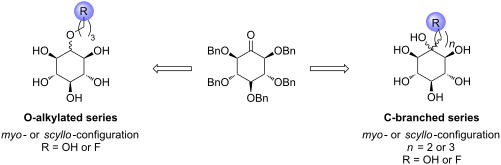
Figure 1: Structures of targeted synthetic inositol derivatives.

Scheme 1: Synthesis of O-alkylated inositol derivatives 1. Reagents and conditions: a) NaBH4, iPrOH, rt, 2 h,...

Scheme 2: Synthesis of O-alkylated fluorinated inositol derivatives 2.

Scheme 3: Synthesis of C-alkenylated inositol intermediates.

Figure 2: nOe correlations for C-alkenylated inositol intermediates.

Scheme 4: Synthesis of C-branched inositol derivatives 3 and 4.

Scheme 5: Synthesis of C-branched fluorinated inositol derivatives 5. Reagents and conditions: a) TrCl, DMAP ...

Scheme 6: Synthesis of C-branched fluorinated inositol derivatives 6. Reagents and conditions: a) TrCl, DMAP ...
Synthesis of bi- and bis-1,2,3-triazoles by copper-catalyzed Huisgen cycloaddition: A family of valuable products by click chemistry
- Zhan-Jiang Zheng,
- Ding Wang,
- Zheng Xu and
- Li-Wen Xu
Beilstein J. Org. Chem. 2015, 11, 2557–2576, doi:10.3762/bjoc.11.276
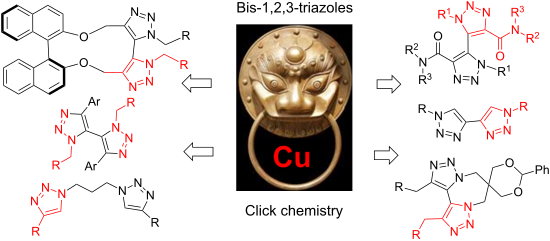
- that compound 44 showed the highest activity against B. subtilis and E. coli due to the presence of a rigid pyridine nucleus. The authors further prepared various amide-linked bistriazoles by a three-component one-pot reaction of the amide-linked dialkynes, benzyl bromides and sodium azide catalyzed by
- 1,2,3-bistriazole. The synthesis of bistriazoles via a sequential one-pot reaction. Previous reports on the copper-catalyzed Huisgen cycloaddition to bistriazoles with spacers. Previous reports on the copper-catalyzed Huisgen cycloaddition to bistriazoles with spacers. Acknowledgements This project

Graphical Abstract

Scheme 1: The synthesis of triazoles through the Huisgen cycloaddition of azides to alkynes.

Scheme 2: The synthesis of symmetrically substituted 4,4'-bitriazoles.

Scheme 3: The synthesis of unsymmetrically substituted 4,4'-bitriazoles.

Scheme 4: The stepwise preparation of unsymmetrical 4,4'-bitriazoles.

Scheme 5: The synthesis of 5,5'-bitriazoles.

Scheme 6: The synthesis of bistriazoles and cyclic 5,5’-bitriazoles under different catalytic systems.

Scheme 7: The double CuAAC reaction between helicenequinone and 1,1’-diazidoferrocene.

Scheme 8: The synthesis of 1,2,3-triazoles and 5,5’-bitriazoles from acetylenic amide.

Scheme 9: The amine-functionalized polysiloxane-mediated divergent synthesis of trizaoles and bitriazoles.

Scheme 10: The cyclic BINOL-based 5,5’-bitriazoles.

Scheme 11: The one-pot click–click reactions for the synthesis of bistriazoles.

Scheme 12: The synthesis of bis(indolyl)methane-derivatized 1,2,3-bistriazoles.

Scheme 13: The sequential, chemoselective preparation of bistriazoles.

Scheme 14: The sequential SPAAC and CuAAC reaction for the preparation of bistriazoles.

Scheme 15: The synthesis of D-mannitol-based bistriazoles.

Scheme 16: The synthesis of ester-linked and amide-linked bistriazoles.

Scheme 17: The synthesis of acenothiadiazole-based bistriazoles.
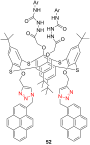
Scheme 18: The pyrene-appended thiacalix[4]arene-based bistriazole.

Scheme 19: The synthesis of triazole-based tetradentate ligands.

Scheme 20: The synthesis of phenanthroline-2,9-bistriazoles.

Scheme 21: The three-component reaction for the synthesis of bistriazoles.

Scheme 22: The one-pot synthesis of bistriazoles.

Scheme 23: The synthesis of polymer-bearing 1,2,3-bistriazole.

Scheme 24: The synthesis of bistriazoles via a sequential one-pot reaction.
Syntheses of 2-substituted 1-amino-4-bromoanthraquinones (bromaminic acid analogues) – precursors for dyes and drugs
- Enas M. Malik,
- Younis Baqi and
- Christa E. Müller
Beilstein J. Org. Chem. 2015, 11, 2326–2333, doi:10.3762/bjoc.11.253
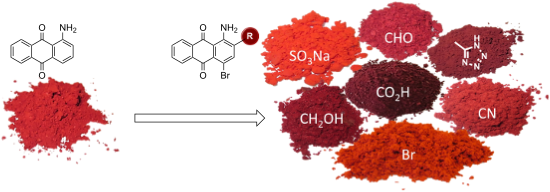
- inert solvent (e.g., nitrobenzene) to form 1-aminoanthraquinone-2-sulfonic acid (4), the salt of which is then brominated to give bromaminic acid sodium salt (2). Sulfonation of 3 (oleum method) is achieved by the use of oleum followed by bromination in a one-pot reaction. Therefore, the oleum method is

Graphical Abstract

Figure 1: Structures of the anthraquinone derivatives Reactive Blue 2 (RB-2) and bromaminic acid sodium salt.

Scheme 1: Conventional methods for the synthesis of bromaminic acid sodium salt. (A) solvent method, (B) oleu...

Scheme 2: Synthesis of 2-substituted 1-amino-4-bromoanthraquinone derivatives 6–9.

Scheme 3: Synthesis of 2-substituted 1-amino-4-bromoanthraquinone derivatives 7–10.

Scheme 4: Synthesis of 2-substituted 1-amino-4-bromoanthraquinone derivatives 2 and 15.
Selected synthetic strategies to cyclophanes
- Sambasivarao Kotha,
- Mukesh E. Shirbhate and
- Gopalkrushna T. Waghule
Beilstein J. Org. Chem. 2015, 11, 1274–1331, doi:10.3762/bjoc.11.142
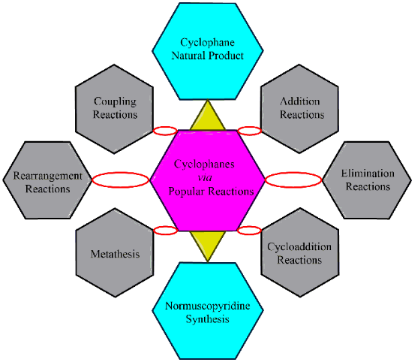
- accomplished in a one-pot reaction under Wolff–Kishner reaction conditions to generate 223 and 259, respectively (Scheme 41). Cycloaddition reactions [2 + 2] Cycloaddition: Roemer and Lentz [175] have reported the synthesis of fluorinated ferrocenophanes from 1,10-bis(trifluorovinyl)ferrocene and 1,4-(1,10

Graphical Abstract

Figure 1: General representation of cyclophanes.

Figure 2: cyclophanes one or more with heteroatom.

Figure 3: Metathesis catalysts 12–17 and C–C coupling catalyst 18.

Figure 4: Natural products containing the cyclophane skeleton.

Figure 5: Turriane family of natural products.

Scheme 1: Synthesis of [3]ferrocenophanes through Mannich reaction. Reagents and conditions: (i) excess HNMe2...

Scheme 2: Synthesis of cyclophanes through Michael addition. Reagents and conditions: (i) xylylene dibromide,...

Scheme 3: Synthesis of normuscopyridine analogue 37 through an oxymercuration–oxidation strategy. Reagents an...

Scheme 4: Synthesis of tribenzocyclotriyne 39 through Castro–Stephens coupling reaction. Reagents and conditi...

Scheme 5: Synthesis of cyclophane 43 through Glaser–Eglinton coupling. Reagents and conditions: (i) 9,10-bis(...

Scheme 6: Synthesis of the macrocyclic C-glycosyl cyclophane through Glaser coupling. Reagents and conditions...

Scheme 7: Synthesis of cyclophane-containing complex 49 through Glaser–Eglinton coupling reaction. Reagents a...

Scheme 8: Synthesis of cyclophane 53 through Glaser–Eglinton coupling. Reagents and conditions: (i) K2CO3, ac...

Figure 6: Cyclophanes 54–56 that have been synthesized through Glaser–Eglinton coupling.

Figure 7: Synthesis of tetrasubstituted [2.2]paracyclophane 57 and chiral cyclophyne 58 through Eglinton coup...

Scheme 9: Synthesis of cyclophane through Glaser–Hay coupling reaction. Reagents and conditions: (i) CuCl2 (1...

Scheme 10: Synthesis of seco-C/D ring analogs of ergot alkaloids through intramolecular Heck reaction. Reagent...

Scheme 11: Synthesis of muscopyridine 73 via Kumada coupling. Reagents and conditions: (i) 72, THF, ether, 20 ...

Scheme 12: Synthesis of the cyclophane 79 via McMurry coupling. Reagents and conditions: (i) 75, decaline, ref...

Scheme 13: Synthesis of stilbenophane 81 via McMurry coupling. Reagents and conditions: (i) TiCl4, Zn, pyridin...

Scheme 14: Synthesis of stilbenophane 85 via McMurry coupling. Reagents and conditions: (i) NBS (2 equiv), ben...
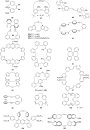
Figure 8: List of cyclophanes prepared via McMurry coupling reaction as a key step.

Scheme 15: Synthesis of paracyclophane by cross coupling involving Pd(0) catalyst. Reagents and conditions: (i...

Scheme 16: Synthesis of the cyclophane 112 via the pinacol coupling and 113 by RCM. Reagents and conditions: (...

Scheme 17: Synthesis of cyclophane derivatives 122a–c via Sonogoshira coupling. Reagents and conditions: (i) C...

Scheme 18: Synthesis of cyclophane 130 via Suzuki–Miyaura reaction as a key step. Reagents and conditions: (i)...

Scheme 19: Synthesis of the mycocyclosin via Suzuki–Miyaura cross coupling. Reagents and conditions: (i) benzy...

Scheme 20: Synthesis of cyclophanes via Wurtz coupling reaction Reagents and conditions: (i) PhLi, Et2O, C6H6,...

Scheme 21: Synthesis of non-natural glycophanes using alkyne metathesis. Reagents and conditions: (i) G-I (12)...

Figure 9: Synthesis of cyclophanes via ring-closing alkyne metathesis.

Scheme 22: Synthesis of crownophanes by cross-enyne metathesis. Reagents and conditions: (i) G-II (13), 5 mol ...

Scheme 23: Synthesis of (−)-cylindrocyclophanes A (156) and (−)-cylindrocyclophanes F (155). Reagents and cond...

Scheme 24: Synthesis of cyclophane 159 derivatives via SM cross-coupling and RCM. Reagents and conditions: (i)...

Scheme 25: Sexithiophene synthesis via cross metathesis. Reagents and conditions: (i) 161, Pd(PPh3)4, K2CO3, T...

Scheme 26: Synthesis of pyrrole-based cyclophane using enyne metathesis. Reagents and conditions: (i) Se, chlo...

Scheme 27: Synthesis of macrocyclic derivatives by RCM. Reagents and conditions: (i) G-I/G-II, CH2Cl2, 0.005 M...

Scheme 28: Synthesis of enantiopure β-lactam-based dienyl bis(dihydrofuran) 179. Reagents and conditions: (i) ...

Scheme 29: Synthesis of a [1.1.6]metaparacyclophane derivative 183 via SM cross coupling. Reagents and conditi...

Scheme 30: Synthesis of a [1.1.6]metaparacyclophane derivative 190 via SM cross coupling. Reagents and conditi...

Scheme 31: Template-promoted synthesis of cyclophanes involving RCM. Reagents and conditions: (i) acenaphthene...

Scheme 32: Synthesis of [3.4]cyclophane derivatives 200 via SM cross coupling and RCM. Reagents and conditions...
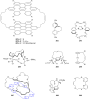
Figure 10: Examples for cyclophanes synthesized by RCM.

Scheme 33: Synthesis of the longithorone C framework assisted by fluorinated auxiliaries. Reagents and conditi...

Scheme 34: Synthesis of the longithorone framework via RCM. Reagents and conditions: (i) 213, NaH, THF, rt, 10...

Scheme 35: Synthesis of floresolide B via RCM as a key step. Reagents and conditions: (i) G-II (13, 0.1 equiv)...

Scheme 36: Synthesis of normuscopyridine (223) by the RCM strategy. Reagents and condition: (i) Mg, THF, hexen...

Scheme 37: Synthesis of muscopyridine (73) via RCM. Reagents and conditions: (i) 225, NaH, THF, 0 °C to rt, 1....

Scheme 38: Synthesis of muscopyridine (73) via RCM strategy. Reagents and conditions: (i) NaH, n-BuLi, 5-bromo...

Scheme 39: Synthesis of pyridinophane derivatives 223 and 245. Reagents and conditions: (i) PhSO2Na, TBAB, CH3...

Scheme 40: Synthesis of metacyclophane derivatives 251 and 253. Reagents and conditions: (i) 240, NaH, THF, rt...

Scheme 41: Synthesis of normuscopyridine and its higher analogues. Reagents and conditions: (i) alkenyl bromid...

Scheme 42: Synthesis of fluorinated ferrocenophane 263 via a [2 + 2] cycloaddition. Reagents and conditions: (...

Scheme 43: Synthesis of [2.n]metacyclophanes 270 via a [2 + 2] cycloaddition. Reagents and conditions: (i) Ac2...

Scheme 44: Synthesis of metacyclophane 273 by a [2 + 2 + 2] co-trimerization. Reagents and conditions: (i) [Rh...

Scheme 45: Synthesis of paracyclophane 276 via a [2 + 2 + 2] cycloaddition reaction. Reagents and conditions: ...

Scheme 46: Synthesis of cyclophane 278 via a [2 + 2 + 2] cycloaddition reaction. Reagents and conditions: (i) ...

Scheme 47: Synthesis of cyclophane 280 via a [2 + 2 + 2] cycloaddition. Reagents and conditions: (i) [(Rh(cod)(...

Scheme 48: Synthesis of taxane framework by a [2 + 2 + 2] cycloaddition. Reagents and conditions: (i) Cp(CO)2 ...

Scheme 49: Synthesis of cyclophane 284 and 285 via a [2 + 2 + 2] cycloaddition reaction. Reagents and conditio...

Scheme 50: Synthesis of pyridinophanes 293a,b and 294a,b via a [2 + 2 + 2] cycloaddition. Reagents and conditi...

Scheme 51: Synthesis of pyridinophanes 296 and 297 via a [2 + 2 + 2] cycloaddition. Reagents and conditions: (...

Scheme 52: Synthesis of triazolophane by a 1,3-dipolar cycloaddition. Reagents and conditions: (i) propargyl b...

Scheme 53: Synthesis of glycotriazolophane 309 by a click reaction. Reagents and conditions: (i) LiOH, H2O, Me...

Figure 11: Cyclophanes 310 and 311 prepared via click chemistry.

Scheme 54: Synthesis of cyclophane via the Dötz benzannulation. Reagents and conditions: (i) THF, 100 °C, 12 h...

Scheme 55: Synthesis of [6,6]metacyclophane by a Dötz benzannulation. Reagents and conditions: (i) THF, 100 °C...

Scheme 56: Synthesis of cyclophanes by a Dötz benzannulation. Reagents and conditions: (i) THF, 65 °C, 3 h; (i...

Scheme 57: Synthesis of muscopyridine (73) via an intramolecular DA reaction of ketene. Reagents and condition...

Scheme 58: Synthesis of bis[10]paracyclophane 336 via Diels–Alder reaction. Reagents and conditions: (i) DMAD,...

Scheme 59: Synthesis of [8]paracyclophane via DA reaction. Reagents and conditions: (i) maleic anhydride, 3–5 ...

Scheme 60: Biomimetic synthesis of (−)-longithorone A. Reagents and conditions: (i) Me2AlCl, CH2Cl2, −20 °C, 7...

Scheme 61: Synthesis of sporolide B (349) via a [4 + 2] cycloaddition reaction. Reagents and conditions: (i) P...

Scheme 62: Synthesis of the framework of (+)-cavicularin (352) via a [4 + 2] cycloaddition. Reagents and condi...

Scheme 63: Synthesis of oxazole-containing cyclophane 354 via Beckmann rearrangement. Reagents and conditions:...

Scheme 64: Synthesis of cyclophanes 360a–c via benzidine rearrangement. Reagents and conditions: (i) 356a–d, K2...

Scheme 65: Synthesis of cyclophanes 365a–c via benzidine rearrangement. Reagents and conditions: (i) BocNHNH2,...

Scheme 66: Synthesis of metacyclophane 367 via Ciamician–Dennstedt rearrangement. Reagents and conditions: (i)...

Scheme 67: Synthesis of cyclophane by tandem Claisen rearrangement and RCM as key steps. Reagents and conditio...

Scheme 68: Synthesis of cyclophane derivative 380. Reagents and conditions: (i) K2CO3, CH3CN, allyl bromide, r...

Scheme 69: Synthesis of metacyclophane via Cope rearrangement. Reagents and conditions: (i) MeOH, NaBH4, rt, 1...

Scheme 70: Synthesis of cyclopropanophane via Favorskii rearrangement. Reagents and conditions: (i) Br2, CH2Cl2...

Scheme 71: Cyclophane 389 synthesis via photo-Fries rearrangement. Reagents and conditions: (i) DMAP, EDCl/CHCl...

Scheme 72: Synthesis of normuscopyridine (223) via Schmidt rearrangement. Reagents and conditions: (i) ethyl s...

Scheme 73: Synthesis of crownophanes by tandem Claisen rearrangement. Reagents and conditions: (i) diamine, Et3...

Scheme 74: Attempted synthesis of cyclophanes via tandem Claisen rearrangement and RCM. Reagents and condition...

Scheme 75: Synthesis of muscopyridine via alkylation with 2,6-dimethylpyridine anion. Reagents and conditions:...

Scheme 76: Synthesis of cyclophane via Friedel–Craft acylation. Reagents and conditions: (i) CS2, AlCl3, 7 d, ...

Scheme 77: Pyridinophane 418 synthesis via Friedel–Craft acylation. Reagents and conditions: (i) 416, AlCl3, CH...

Scheme 78: Cyclophane synthesis involving the Kotha–Schölkopf reagent 421. Reagents and conditions: (i) NBS, A...

Scheme 79: Cyclophane synthesis involving the Kotha–Schölkopf reagent 421. Reagents and conditions: (i) BEMP, ...

Scheme 80: Cyclophane synthesis by coupling with TosMIC. Reagents and conditions: (i) (a) ClCH2OCH3, TiCl4, CS2...

Scheme 81: Synthesis of diaza[32]cyclophanes and triaza[33]cyclophanes. Reagents and conditions: (i) DMF, NaH,...

Scheme 82: Synthesis of cyclophane 439 via acyloin condensation. Reagents and conditions: (i) Na, xylene, 75%;...

Scheme 83: Synthesis of multibridged binuclear cyclophane 442 by aldol condensation. Reagents and conditions: ...

Scheme 84: Synthesis of various macrolactones. Reagents and conditions: (i) iPr2EtN, DMF, 77–83%; (ii) TBDMSCl...

Scheme 85: Synthesis of muscone and muscopyridine via Yamaguchi esterification. Reagents and conditions: (i) 4...

Scheme 86: Synthesis of [5]metacyclophane via a double elimination reaction. Reagents and conditions: (i) LiBr...

Figure 12: Cyclophanes 466–472 synthesized via Hofmann elimination.

Scheme 87: Synthesis of cryptophane via Baylis–Hillman reaction. Reagents and conditions: (i) methyl acrylate,...

Scheme 88: Synthesis of cyclophane 479 via double Chichibabin reaction. Reagents and conditions: (i) excess 478...

Scheme 89: Synthesis of cyclophane 483 via double Chichibabin reaction. Reagents and conditions: (i) 481, OH−;...

Scheme 90: Synthesis of cyclopeptide via an intramolecular SNAr reaction. Reagents and conditions: (i) TBAF, T...

Scheme 91: Synthesis of muscopyridine (73) via C-zip ring enlargement reaction. Reagents and conditions: (i) H...

Figure 13: Mechanism of the formation of compound 494.

Scheme 92: Synthesis of indolophanetetraynes 501a,b using the Nicholas reaction as a key step. Reagents and co...

Scheme 93: Synthesis of cyclophane via radical cyclization. Reagents and conditions: (i) cyclododecanone, phen...

Scheme 94: Synthesis of (−)-cylindrocyclophanes A (156) and (−)-cylindrocyclophanes F (155). Reagents and cond...

Scheme 95: Cyclophane synthesis via Wittig reaction. Reagents and conditions: (i) LiOEt (2.1 equiv), THF, −78 ...

Figure 14: Representative examples of cyclophanes synthesized via Wittig reaction.

Scheme 96: Synthesis of the [6]paracyclophane via isomerization of Dewar benzene. Reagents and conditions: (i)...
Azobenzene-based inhibitors of human carbonic anhydrase II
- Leander Simon Runtsch,
- David Michael Barber,
- Peter Mayer,
- Michael Groll,
- Dirk Trauner and
- Johannes Broichhagen
Beilstein J. Org. Chem. 2015, 11, 1129–1135, doi:10.3762/bjoc.11.127
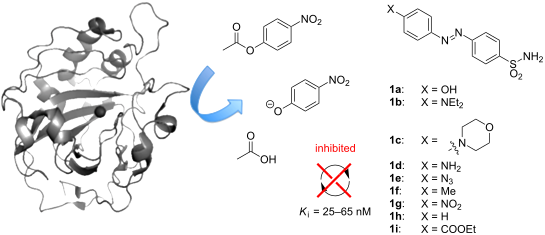
- -pot reaction over three steps in 25%. By diazotization of 1d and trapping the salt with TMS-azide, we obtained azido azobenzene 1e in 63% yield through a [3 + 2] and retro-[3 + 2] cycloaddition (Scheme 1b) according to the procedure of Barral et al [10]. For the Mills reaction, different nitroso
- led to azobenzenes 1a [6], 1b [9] and 1c, in moderate to low yields (43%, 38% and 25%, respectively) (Scheme 1a). Employing methylene-protected aniline 2 (crystal structure depicted in Scheme 1e) according to the procedure from Supuran and co-workers [6], amino azobenzene 1d was isolated after a one

Graphical Abstract

Figure 1: Function and inhibition of hCAII. a) hCAII (pdb: 2vva [7]) catalyzes the hydration of carbon dioxide t...

Scheme 1: Synthesis and characterization of azobenzene-containing aryl sulfonamides by different strategies. ...

Figure 2: Crystal structures for compounds 1a–i (co-solvents and/or multiple molecules in the asymmetric cell...

Figure 3: Crystal structure of hCAII bound to 1d (pdb: 5byi). a) The terminal amine of 1d is solvent-exposed,...

Figure 4: Inhibition of hCAII by electronically different azobenzene sulfonamides and AAZ. a) Endpoint measur...
Metal-free one-pot synthesis of 2-substituted and 2,3-disubstituted morpholines from aziridines
- Hongnan Sun,
- Binbin Huang,
- Run Lin,
- Chao Yang and
- Wujiong Xia
Beilstein J. Org. Chem. 2015, 11, 524–529, doi:10.3762/bjoc.11.59
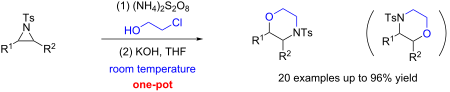
- (R)-2-phenyl-N-tosylazetidine (1o) with 2-bromoethanol and/or 3-bromopropanol under the one-pot reaction conditions, afforded the seven-membered product (S)-3o and the eight-membered compound (S)-3ob in 65% and 60% yield with 52% and 67% ee, respectively. Based on the above results, a viable

Graphical Abstract

Figure 1: Pharmaceutically active 2- and 2,3-disubstituted morpholines.

Scheme 1: One-pot synthesis of morpholines through ring opening of aziridines with haloalcohols.

Scheme 2: Metal-free one-pot synthesis of morpholine 3a from aziridine 1a.

Scheme 3: Metal-free one-pot synthesis of optically pure morpholine derivatives from chiral aziridines.

Scheme 4: Proposed mechanism.
Cross-dehydrogenative coupling for the intermolecular C–O bond formation
- Igor B. Krylov,
- Vera A. Vil’ and
- Alexander O. Terent’ev
Beilstein J. Org. Chem. 2015, 11, 92–146, doi:10.3762/bjoc.11.13
- [146]. The coupling reaction with N-hydroxyphthalimide (154b) was carried out using the NaI/aqueous t-BuOOH/KOH system instead of Bu4NI/t-BuOOH in decane [146]. The resulting activated esters 159 and 160 were isolated or used in the one-pot reaction with amines to prepare amides (Scheme 32). The

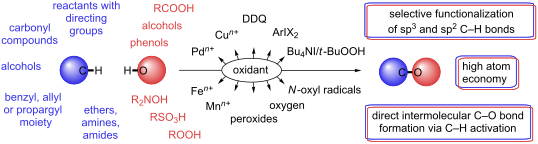
Graphical Abstract

Scheme 1: Cross-dehydrogenative coupling.

Scheme 2: Cross-dehydrogenative C–O coupling.

Scheme 3: Regioselective ortho-acetoxylation of meta-substituted arylpyridines and N-arylamides.

Scheme 4: ortho-Acyloxylation and alkoxylation of arenes directed by pyrimidine, benzoxazole, benzimidazole a...

Scheme 5: Cu(OAc)2/AgOTf/O2 oxidative system in the ortho-alkoxylation of arenes.
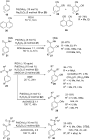
Scheme 6: Pd(OAc)2/persulfate oxidative system in the ortho-alkoxylation and acetoxylation of arenes with nit...
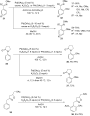
Scheme 7: ortho-Acetoxylation and methoxylation of O-methyl aryl oximes, N-phenylpyrrolidin-2-one, and (3-ben...

Scheme 8: Ruthenium-catalyzed ortho-acyloxylation of acetanilides.

Scheme 9: Acetoxylation and alkoxylation of arenes with amide directing group using Pd(OAc)2/PhI(OAc)2 oxidat...

Scheme 10: Alkoxylation of azoarenes, 2-aryloxypyridines, picolinamides, and N-(1-methyl-1-(pyridin-2-yl)ethyl...

Scheme 11: Acetoxylation of compounds containing picolinamide and quinoline-8-amine moieties using the Pd(OAc)2...

Scheme 12: (CuOH)2CO3 catalyzed oxidative ortho-etherification using air as oxidant.

Scheme 13: Copper-catalyzed aerobic alkoxylation and aryloxylation of arenes containing pyridine-N-oxide moiet...

Scheme 14: Cobalt-catalyzed aerobic alkoxylation of arenes and alkenes containing pyridine N-oxide moiety.

Scheme 15: Non-symmetric double-fold C–H ortho-acyloxylation.

Scheme 16: N-nitroso directed ortho-alkoxylation of arenes.

Scheme 17: Selective alkoxylation and acetoxylation of alkyl groups.

Scheme 18: Acetoxylation of 2-alkylpyridines and related compounds.

Scheme 19: Acyloxylation and alkoxylation of alkyl fragments of substrates containing amide or sulfoximine dir...

Scheme 20: Palladium-catalyzed double sp3 C–H alkoxylation of N-(quinolin-8-yl)amides for the synthesis of sym...

Scheme 21: Copper-catalyzed acyloxylation of methyl groups of N-(quinolin-8-yl)amides.

Scheme 22: One-pot acylation and sp3 C–H acetoxylation of oximes.

Scheme 23: Possible mechanism of oxidative esterification catalyzed by N-heterocyclic nucleophilic carbene.

Scheme 24: Oxidative esterification employing stoichiometric amounts of aldehydes and alcohols.

Scheme 25: Selective oxidative coupling of aldehydes with alcohols in the presence of amines.

Scheme 26: Iodine mediated oxidative esterification.

Scheme 27: Oxidative C–O coupling of benzyl alcohols with methylarenes under the action of Bu4NI/t-BuOOH syste...

Scheme 28: Oxidative coupling of methyl- and ethylarenes with aromatic aldehydes under the action of Bu4NI/t-B...

Scheme 29: Cross-dehydrogenative C–O coupling of aldehydes with t-BuOOH in the presence of Bu4NI.

Scheme 30: Bu4NI-catalyzed α-acyloxylation reaction of ethers and ketones with aldehydes and t-BuOOH.

Scheme 31: Oxidative coupling of aldehydes with N-hydroxyimides and hexafluoroisopropanol.

Scheme 32: Oxidative coupling of alcohols with N-hydroxyimides.

Scheme 33: Oxidative coupling of aldehydes and primary alcohols with N-hydroxyimides using (diacetoxyiodo)benz...

Scheme 34: Proposed mechanism of the oxidative coupling of aldehydes and N-hydroxysuccinimide under action of ...

Scheme 35: Oxidative coupling of aldehydes with pivalic acid (172).

Scheme 36: Oxidative C–O coupling of aldehydes with alkylarenes using the Cu(OAc)2/t-BuOOH system.

Scheme 37: Copper-catalyzed acyloxylation of C(sp3)-H bond adjacent to oxygen in ethers using benzyl alcohols.

Scheme 38: Oxidative C–O coupling of aromatic aldehydes with cycloalkanes.

Scheme 39: Ruthenium catalyzed cross-dehydrogenative coupling of primary and secondary alcohols.

Scheme 40: Cross-dehydrogenative C–O coupling reactions of β-dicarbonyl compounds with sulfonic acids, acetic ...

Scheme 41: Acyloxylation of ketones, aldehydes and β-dicarbonyl compounds using carboxylic acids and Bu4NI/t-B...

Scheme 42: Acyloxylation of ketones using Bu4NI/t-BuOOH system.

Scheme 43: Cross-dehydrogenative C–O coupling of β-dicarbonyl compounds and their heteroanalogues with N-hydro...

Scheme 44: Cross-dehydrogenative C–O coupling of β-dicarbonyl compounds and their heteroanalogues with t-BuOOH....

Scheme 45: Oxidative C–O coupling of 2,6-dialkylphenyl-β-keto esters and thioesters with tert-butyl hydroxycar...

Scheme 46: α’-Acyloxylation of α,β-unsaturated ketones using KMnO4.

Scheme 47: Possible mechanisms of the acetoxylation at the allylic position of alkenes by Pd(OAc)2.

Scheme 48: Products of the oxidation of terminal alkenes by Pd(II)/AcOH/oxidant system.

Scheme 49: Acyloxylation of terminal alkenes with carboxylic acids.

Scheme 50: Synthesis of linear E-allyl esters by cross-dehydrogenative coupling of terminal alkenes wih carbox...

Scheme 51: Pd(OAc)2-catalyzed acetoxylation of Z-vinyl(triethylsilanes).

Scheme 52: α’-Acetoxylation of α-acetoxyalkenes with copper(II) chloride in acetic acid.

Scheme 53: Oxidative acyloxylation at the allylic position of alkenes and at the benzylic position of alkylare...

Scheme 54: Copper-catalyzed alkoxylation of methylheterocyclic compounds using di-tert-butylperoxide as oxidan...

Scheme 55: Oxidative C–O coupling of methylarenes with β-dicarbonyl compounds or phenols.

Scheme 56: Copper-catalyzed esterification of methylbenzenes with cyclic ethers and cycloalkanes.

Scheme 57: Oxidative C–O coupling of carboxylic acids with toluene catalyzed by Pd(OAc)2.

Scheme 58: Oxidative acyloxylation at the allylic position of alkenes with carboxylic acids using the Bu4NI/t-...

Scheme 59: Cross-dehydrogenative C–O coupling of carboxylic acids with alkylarenes using the Bu4NI/t-BuOOH sys...

Scheme 60: Oxidative C–O cross-coupling of methylarenes with ethyl or isopropylarenes.

Scheme 61: Phosphorylation of benzyl C–H bonds using the Bu4NI/t-BuOOH oxidative system.

Scheme 62: Selective C–H acetoxylation of 2,3-disubstituted indoles.

Scheme 63: Acetoxylation of benzylic position of alkylarenes using DDQ as oxidant.

Scheme 64: C–H acyloxylation of diarylmethanes, 3-phenyl-2-propen-1-yl acetate and dimethoxyarene using DDQ.

Scheme 65: Cross-dehydrogenative C–O coupling of 1,3-diarylpropylenes and 1,3-diarylpropynes with alcohols.

Scheme 66: One-pot azidation and C–H acyloxylation of 3-chloro-1-arylpropynes.

Scheme 67: Cross-dehydrogenative C–O coupling of 1,3-diarylpropylenes, (E)-1-phenyl-2-isopropylethylene and is...

Scheme 68: Cross-dehydrogenative C–O coupling of alkylarenes and related compounds with N-hydroxyphthalimide.

Scheme 69: Acetoxylation at the benzylic position of alkylarenes mediated by N-hydroxyphthalimide.

Scheme 70: C–O coupling of methylarenes with aromatic carboxylic acids employing the NaBrO3/NaHSO3 system.

Scheme 71: tert-Butyl peroxidation of allyl, propargyl and benzyl ethers catalyzed by Fe(acac)3.

Scheme 72: Cross-dehydrogenative C–O coupling of ethers with carboxylic acids mediated by Bu4NI/t-BuOOH system....

Scheme 73: Oxidative acyloxylation of dimethylamides and dioxane with 2-aryl-2-oxoacetic acids accompanied by ...

Scheme 74: tert-Butyl peroxidation of N-benzylamides and N-allylbenzamide using the Bu4NI/t-BuOOH system.

Scheme 75: Cross-dehydrogenative C–O coupling of aromatic carboxylic acids with ethers using Fe(acac)3 as cata...

Scheme 76: Cross-dehydrogenative C–O coupling of cyclic ethers with 2-hydroxybenzaldehydes using iron carbonyl...
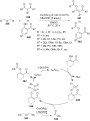
Scheme 77: Cross-dehydrogenative C–O coupling of ethers with β-dicarbonyl compounds and phenols using copper c...

Scheme 78: Cross-dehydrogenative C–O coupling of 2-hydroxybenzaldehyde with dioxane catalyzed by Cu2(BPDC)2(BP...

Scheme 79: Ruthenium chloride-catalyzed acyloxylation of β-lactams.

Scheme 80: Ruthenium-catalyzed tert-butyl peroxydation amides and acetoxylation of β-lactams.

Scheme 81: PhI(OAc)2-mediated α,β-diacetoxylation of tertiary amines.

Scheme 82: Electrochemical oxidative methoxylation of tertiary amines.

Scheme 83: Cross-dehydrogenative C–O coupling of ketene dithioacetals with carboxylic acids in the presence of...

Scheme 84: Cross-dehydrogenative C–O coupling of enamides with carboxylic acids using iodosobenzene as oxidant....

Scheme 85: Oxidative alkoxylation, acetoxylation, and tosyloxylation of acylanilides using PhI(O(O)CCF3)2 in t...

Scheme 86: Proposed mechanism of the oxidative C–O coupling of actetanilide with O-nucleophiles in the presenc...

Scheme 87: Three-component coupling of aldehydes, anilines and alcohols involving oxidative intermolecular C–O...

Scheme 88: Oxidative coupling of phenols with alcohols.

Scheme 89: 2-Acyloxylation of quinoline N-oxides with arylaldehydes in the presence of the CuOTf/t-BuOOH syste...

Scheme 90: Cross-dehydrogenative C–O coupling of azoles with primary alcohols.

Scheme 91: Oxidation of dipyrroles to dipyrrins and subsequent oxidative alkoxylation in the presence of Na3Co...

Scheme 92: Oxidative dehydrogenative carboxylation of alkanes and cycloalkanes to allylic esters.

Scheme 93: Pd-catalyzed acetoxylation of benzene.
Multicomponent versus domino reactions: One-pot free-radical synthesis of β-amino-ethers and β-amino-alcohols
- Bianca Rossi,
- Nadia Pastori,
- Simona Prosperini and
- Carlo Punta
Beilstein J. Org. Chem. 2015, 11, 66–73, doi:10.3762/bjoc.11.10
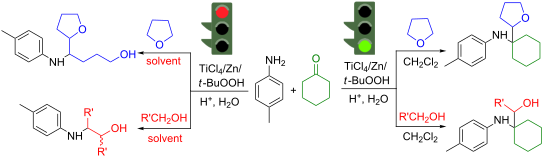
- reported optimized conditions for the selective free radical nucleophilic addition of ethers and alcohols to ketimines generated in situ under non-anhydrous conditions. The protocol consists of a three-component, one-pot reaction involving an aromatic amine, a ketone, and the source of the ketyl radical

Graphical Abstract

Scheme 1: Nucleophilic radical addition to imines mediated by titanium salts.

Scheme 2: Radical domino approach to the synthesis of β-aminoacohols triggered by titanium salts.

Scheme 3: Competitive imine formation from THF.

Scheme 4: Reaction mechanism.

Scheme 5: Domino reaction in the presence of ethanol.



