Search for "library" in Full Text gives 372 result(s) in Beilstein Journal of Organic Chemistry. Showing first 200.
Beilstein J. Org. Chem. 2020, 16, 917–955, doi:10.3762/bjoc.16.83
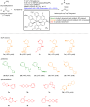
Graphical Abstract
Figure 1: Chemical structures of the porphyrinoids and their absorption spectra: in bold are highlighted the ...
Figure 2: Photophysical and photochemical processes (Por = porphyrin). Adapted from [12,18].
Figure 3: Main dual photocatalysts and their oxidative/reductive excited state potentials, including porphyri...
Scheme 1: Photoredox alkylation of aldehydes with diazo acetates using porphyrins and a Ru complex. aUsing a ...
Scheme 2: Proposed mechanism for the alkylation of aldehydes with diazo acetates in the presence of TPP.
Scheme 3: Arylation of heteroarenes with aryldiazonium salts using TPFPP as photocatalyst, and corresponding ...
Scheme 4: A) Scope with different aryldiazonium salts and enol acetates. B) Photocatalytic cycles and compari...
Scheme 5: Photoarylation of isopropenyl acetate A) Comparison between batch and continuous-flow approaches an...
Scheme 6: Dehalogenation induced by red light using thiaporphyrin (STPP).
Scheme 7: Applications of NiTPP as both photoreductant and photooxidant.
Scheme 8: Proposed mechanism for obtaining tetrahydroquinolines by reductive quenching.
Scheme 9: Selenylation and thiolation of anilines.
Scheme 10: NiTPP as photoredox catalyst in oxidative and reductive quenching, in comparison with other photoca...
Scheme 11: C–O bond cleavage of 1-phenylethanol using a cobalt porphyrin (CoTMPP) under visible light.
Scheme 12: Hydration of terminal alkynes by RhIII(TSPP) under visible light irradiation.
Scheme 13: Regioselective photocatalytic hydro-defluorination of perfluoroarenes by RhIII(TSPP).
Scheme 14: Formation of 2-methyl-2,3-dihydrobenzofuran by intramolecular hydro-functionalization of allylpheno...
Scheme 15: Photocatalytic oxidative hydroxylation of arylboronic acids using UNLPF-12 as heterogeneous photoca...
Scheme 16: Photocatalytic oxidative hydroxylation of arylboronic acids using MOF-525 as heterogeneous photocat...
Scheme 17: Preparation of the heterogeneous photocatalyst CNH.
Scheme 18: Photoinduced sulfonation of alkenes with sulfinic acid using CNH as photocatalyst.
Scheme 19: Sulfonic acid scope of the sulfonation reactions.
Scheme 20: Regioselective sulfonation reaction of arimistane.
Scheme 21: Synthesis of quinazolin-4-(3H)-ones.
Scheme 22: Selective photooxidation of aromatic benzyl alcohols to benzaldehydes using Pt/PCN-224(Zn).
Scheme 23: Photooxidation of benzaldehydes to benzoic acids using Pt or Pd porphyrins.
Scheme 24: Photocatalytic reduction of various nitroaromatics using a Ni-MOF.
Scheme 25: Photoinduced cycloadditions of CO2 with epoxides by MOF1.
Figure 4: Electronic configurations of the species of oxygen. Adapted from [66].
Scheme 26: TPP-photocatalyzed generation of 1O2 and its application in organic synthesis. Adapted from [67-69].
Scheme 27: Pericyclic reactions involving singlet oxygen and their mechanisms. Adapted from [67].
Scheme 28: First scaled up ascaridole preparation from α-terpinene.
Scheme 29: Antimalarial drug synthesis using an endoperoxidation approach.
Scheme 30: Photooxygenation of colchicine.
Scheme 31: Synthesis of (−)-pinocarvone from abundant (+)-α-pinene.
Scheme 32: Seeberger’s semi-synthesis of artemisinin.
Scheme 33: Synthesis of artemisinin using TPP and supercritical CO2.
Scheme 34: Synthesis of artemisinin using chlorophyll a.
Scheme 35: Quercitol stereoisomer preparation.
Scheme 36: Photocatalyzed preparation of naphthoquinones.
Scheme 37: Continuous endoperoxidation of conjugated dienes and subsequent rearrangements leading to oxidized ...
Scheme 38: The Opatz group total synthesis of (–)-oxycodone.
Scheme 39: Biomimetic syntheses of rhodonoids A, B, E, and F.
Scheme 40: α-Photooxygenation of chiral aldehydes.
Scheme 41: Asymmetric photooxidation of indanone β-keto esters by singlet oxygen using PTC as a chiral inducer...
Scheme 42: Asymmetric photooxidation of both β-keto esters and β-keto amides by singlet oxygen using PTC-2 as ...
Scheme 43: Bifunctional photo-organocatalyst used for the asymmetric oxidation of β-keto esters and β-keto ami...
Scheme 44: Mechanism of singlet oxygen oxidation of sulfides to sulfoxides.
Scheme 45: Controlled oxidation of sulfides to sulfoxides using protonated porphyrins as photocatalysts. aIsol...
Scheme 46: Photochemical oxidation of sulfides to sulfoxides using PdTPFPP as photocatalyst.
Scheme 47: Controlled oxidation of sulfides to sulfoxides using SnPor@PAF as a photosensitizer.
Scheme 48: Syntheses of 2D-PdPor-COF and 3D-Pd-COF.
Scheme 49: Photocatalytic oxidation of A) thioanisole to methyl phenyl sulfoxide and B) various aryl sulfides,...
Scheme 50: General mechanism for oxidation of amines to imines.
Scheme 51: Oxidation of secondary amines to imines.
Scheme 52: Oxidation of secondary amines using Pd-TPFPP as photocatalyst.
Scheme 53: Oxidative amine coupling using UNLPF-12 as heterogeneous photocatalyst.
Scheme 54: Synthesis of Por-COF-1 and Por-COF-2.
Scheme 55: Photocatalytic oxidation of amines to imines by Por-COF-2.
Scheme 56: Photocyanation of primary amines.
Scheme 57: Synthesis of ᴅ,ʟ-tert-leucine hydrochloride.
Scheme 58: Photocyanation of catharanthine and 16-O-acetylvindoline using TPP.
Scheme 59: Photochemical α-functionalization of N-aryltetrahydroisoquinolines using Pd-TPFPP as photocatalyst.
Scheme 60: Ugi-type reaction with 1,2,3,4-tetrahydroisoquinoline using molecular oxygen and TPP.
Scheme 61: Ugi-type reaction with dibenzylamines using molecular oxygen and TPP.
Scheme 62: Mannich-type reaction of tertiary amines using PdTPFPP as photocatalyst.
Scheme 63: Oxidative Mannich reaction using UNLPF-12 as heterogeneous photocatalyst.
Scheme 64: Transformation of amines to α-cyanoepoxides and the proposed mechanism.
Beilstein J. Org. Chem. 2020, 16, 763–777, doi:10.3762/bjoc.16.70
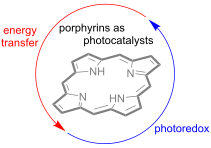
Graphical Abstract
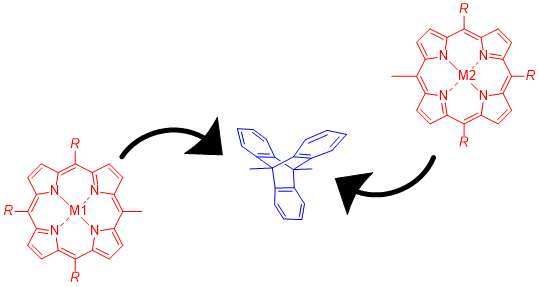
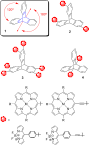
Figure 1: Triptycene as a scaffold and selected porphyrin and BODIPY arrays.
Scheme 1: Sonogashira cross-coupling reactions to form symmetric porphyrin and BODIPY triptycene-linked dyads....
Scheme 2: Sonogashira cross-coupling reactions to form a triptycene-substituted porphyrin monomer and an unsy...
Scheme 3: Synthesis of the triptycene-porphyrin-triptycene complex 18.
Figure 2: Single crystal X-ray structure of triptycene 5. (a) Molecular structure of 5 in the crystal with hy...
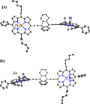
Figure 3: Single crystal X-ray structure of triptycene-linked zinc-nickel porphyrin dimer 16 showing the conf...
Figure 4: Views of the single crystal X-ray structure of triptycene-linked zinc-nickel porphyrin dimer 16 sho...
Figure 5: Expanded structure view of the triptycene-linked zinc-nickel porphyrin dimer 16 showing the repeati...
Figure 6: UV–vis of symmetric and unsymmetric triptycene porphyrin dimers 9 and 16, and the triptycene porphy...
Figure 7: Emission spectrum of symmetric and unsymmetric triptycene-linked porphyrin dimers 9 and 16, and a t...
Figure 8: Compounds used for spectroscopic comparisons.
Figure 9: UV–vis spectra of various porphyrin/BODIPY dimers with different linker groups in CHCl3.
Figure 10: Fluorescence emission spectrum of various porphyrin/BODIPY dimers with different linker groups in C...
Beilstein J. Org. Chem. 2020, 16, 691–737, doi:10.3762/bjoc.16.67
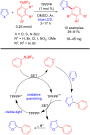
Graphical Abstract
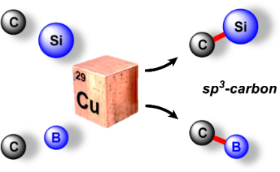
Scheme 1: Pharmaceuticals possessing a silicon or boron atom.
Scheme 2: The first Cu-catalyzed C(sp3)–Si bond formation.
Scheme 3: Conversion of benzylic phosphate 6 to the corresponding silane.
Scheme 4: Conversion of alkyl triflates to alkylsilanes.
Scheme 5: Conversion of secondary alkyl triflates to alkylsilanes.
Scheme 6: Conversion of alkyl iodides to alkylsilanes.
Scheme 7: Trapping of intermediate radical through cascade reaction.
Scheme 8: Radical pathway for conversion of alkyl iodides to alkylsilanes.
Scheme 9: Conversion of alkyl ester of N-hydroxyphthalimide to alkylsilanes.
Scheme 10: Conversion of gem-dibromides to bis-silylalkanes.
Scheme 11: Conversion of imines to α-silylated amines (A) and the reaction pathway (B).
Scheme 12: Conversion of N-tosylimines to α-silylated amines.
Scheme 13: Screening of diamine ligands.
Scheme 14: Conversion of N-tert-butylsulfonylimines to α-silylated amines.
Scheme 15: Conversion of aldimines to nonracemic α-silylated amines.
Scheme 16: Conversion of N-tosylimines to α-silylated amines.
Scheme 17: Reaction pathway [A] and conversion of aldehydes to α-silylated alcohols [B].
Scheme 18: Conversion of aldehydes to benzhydryl silyl ethers.
Scheme 19: Conversion of ketones to 1,2-diols (A) and conversion of imines to 1,2-amino alcohols (B).
Scheme 20: Ligand screening (A) and conversion of aldehydes to α-silylated alcohols (B).
Scheme 21: Conversion of aldehydes to α-silylated alcohols.
Scheme 22: 1,4-Additions to α,β-unsaturated ketones.
Scheme 23: 1,4-Additions to unsaturated ketones to give β-silylated derivatives.
Scheme 24: Additions onto α,β-unsaturated lactones to give β-silylated lactones.
Scheme 25: Conversion of α,β-unsaturated to β-silylated lactams.
Scheme 26: Conversion of N-arylacrylamides to silylated oxindoles.
Scheme 27: Conversion of α,β-unsaturated carbonyl compounds to silylated tert-butylperoxides.
Scheme 28: Catalytic cycle for Cu(I) catalyzed α,β-unsaturated compounds.
Scheme 29: Conversion of p-quinone methides to benzylic silanes.
Scheme 30: Conversion of α,β-unsaturated ketimines to regio- and stereocontrolled allylic silanes.
Scheme 31: Conversion of α,β-unsaturated ketimines to enantioenriched allylic silanes.
Scheme 32: Regioselective conversion of dienedioates to allylic silanes.
Scheme 33: Conversion of alkenyl-substituted azaarenes to β-silylated adducts.
Scheme 34: Conversion of conjugated benzoxazoles to enantioenriched β-silylated adducts.
Scheme 35: Conversion of α,β-unsaturated carbonyl indoles to α-silylated N-alkylated indoles.
Scheme 36: Conversion of β-amidoacrylates to α-aminosilanes.
Scheme 37: Conversion of α,β-unsaturated ketones to enantioenriched β-silylated ketones, nitriles, and nitro d...
Scheme 38: Regio-divergent silacarboxylation of allenes.
Scheme 39: Silylation of diazocarbonyl compounds, (A) asymmetric and (B) racemic.
Scheme 40: Enantioselective hydrosilylation of alkenes.
Scheme 41: Conversion of 3-acylindoles to indolino-silanes.
Scheme 42: Proposed mechanism for the silylation of 3-acylindoles.
Scheme 43: Silyation of N-chlorosulfonamides.
Scheme 44: Conversion of acyl silanes to α-silyl alcohols.
Scheme 45: Conversion of N-tosylaziridines to β-silylated N-tosylamines.
Scheme 46: Conversion of N-tosylaziridines to silylated N-tosylamines.
Scheme 47: Conversion of 3,3-disubstituted cyclopropenes to silylated cyclopropanes.
Scheme 48: Conversion of conjugated enynes to 1,3-bis(silyl)propenes.
Scheme 49: Proposed sequence for the Cu-catalyzed borylation of substituted alkenes.
Scheme 50: Cu-catalyzed synthesis of nonracemic allylic boronates.
Scheme 51: Cu–NHC catalyzed synthesis of α-substituted allylboronates.
Scheme 52: Synthesis of α-chiral (γ-alkoxyallyl)boronates.
Scheme 53: Cu-mediated formation of nonracemic cis- or trans- 2-substituted cyclopropylboronates.
Scheme 54: Cu-catalyzed synthesis of γ,γ-gem-difluoroallylboronates.
Scheme 55: Cu-catalyzed hydrofunctionalization of internal alkenes and vinylarenes.
Scheme 56: Cu-catalyzed Markovnikov and anti-Markovnikov borylation of alkenes.
Scheme 57: Cu-catalyzed borylation/ortho-cyanation/Cope rearrangement.
Scheme 58: Borylfluoromethylation of alkenes.
Scheme 59: Cu-catalyzed synthesis of tertiary nonracemic alcohols.
Scheme 60: Synthesis of densely functionalized and synthetically versatile 1,2- or 4,3-borocyanated 1,3-butadi...
Scheme 61: Cu-catalyzed trifunctionalization of allenes.
Scheme 62: Cu-catalyzed selective arylborylation of arenes.
Scheme 63: Asymmetric borylative coupling between styrenes and imines.
Scheme 64: Regio-divergent aminoboration of unactivated terminal alkenes.
Scheme 65: Cu-catalyzed 1,4-borylation of α,β-unsaturated ketones.
Scheme 66: Cu-catalyzed protodeboronation of α,β-unsaturated ketones.
Scheme 67: Cu-catalyzed β-borylation of α,β-unsaturated imines.
Scheme 68: Cu-catalyzed synthesis of β-trifluoroborato carbonyl compounds.
Scheme 69: Asymmetric 1,4-borylation of α,β-unsaturated carbonyl compounds.
Scheme 70: Cu-catalyzed ACB and ACA reactions of α,β-unsaturated 2-acyl-N-methylimidazoles.
Scheme 71: Cu-catalyzed diborylation of aldehydes.
Scheme 72: Umpolung pathway for chiral, nonracemic tertiary alcohol synthesis (top) and proposed mechanism for...
Scheme 73: Cu-catalyzed synthesis of α-hydroxyboronates.
Scheme 74: Cu-catalyzed borylation of ketones.
Scheme 75: Cu-catalyzed borylation of unactivated alkyl halides.
Scheme 76: Cu-catalyzed borylation of allylic difluorides.
Scheme 77: Cu-catalyzed borylation of cyclic and acyclic alkyl halides.
Scheme 78: Cu-catalyzed borylation of unactivated alkyl chlorides and bromides.
Scheme 79: Cu-catalyzed decarboxylative borylation of carboxylic acids.
Scheme 80: Cu-catalyzed borylation of benzylic, allylic, and propargylic alcohols.
Beilstein J. Org. Chem. 2020, 16, 663–669, doi:10.3762/bjoc.16.63
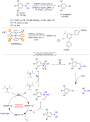
Graphical Abstract
Figure 1: Structures of natural tetramic acid derivatives with more clinical relevance.
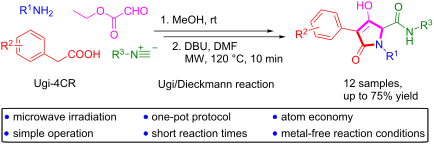
Scheme 1: Synthetic strategy of compound 7a.
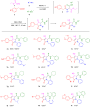
Scheme 2: Scope of the Ugi/Dieckmann cyclization reaction route to lead to pyrrolopyridinones 7a–l. aYield of...
Scheme 3: Postulated reaction mechanism.
Beilstein J. Org. Chem. 2020, 16, 628–637, doi:10.3762/bjoc.16.59
Graphical Abstract
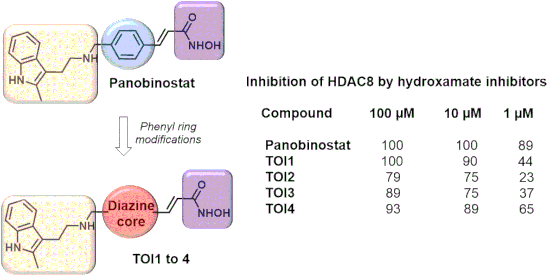
Figure 1: Chemical structures of the target diazine-based surrogates for the central core of panobinostat.
Figure 2: Docking pose for panobinostat and panobinostat derivatives in the HDAC8 receptor. (a) Overlay of al...
Figure 3: General building blocks for the visualized targets.
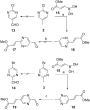
Scheme 1: Reaction conditions: a) MeOH, H2SO4 (5 drops), MS 4 Å (2 pieces), 68 °C, 8 h, 81%; b) DIBAL-H (1.2 ...
Scheme 2: Reaction conditions: a) boronic acid 15 (1.3 equiv), PdCl2(PPh3)2 (0.1 equiv), dioxane/H2O (3:1), Na...
Scheme 3: Reaction conditions: a) 5-bromo-2-chloropyrimidine (1 equiv), ethyl formate (1.5 equiv), THF (20 mL...
Scheme 4: Reaction conditions: a) boronic acid 15 (1.3 equiv), PdCl2(PPh3)2 (0.1 equiv), dioxane/H2O (8:2, Na2...
Beilstein J. Org. Chem. 2020, 16, 509–514, doi:10.3762/bjoc.16.46
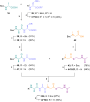
Graphical Abstract
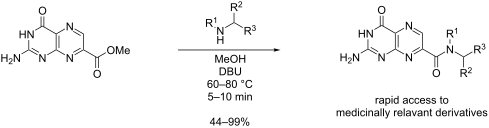
Figure 1: The dual role of DBU in the amidation of 7-CMP.
Scheme 1: DBU-promoted amidation of 7-CMP (1).
Figure 2: Role of a β-hydroxy group in aiding the amidation reaction.
Figure 3: Pseudo-first order kinetics for representative amines.
Beilstein J. Org. Chem. 2020, 16, 451–481, doi:10.3762/bjoc.16.42
Graphical Abstract
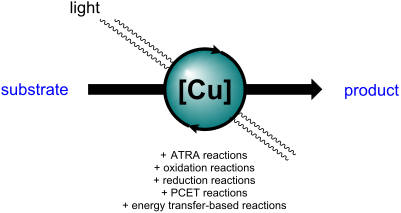
Scheme 1: [Cu(I)(dap)2]Cl-catalyzed ATRA reaction under green light irradiation.
Scheme 2: Photocatalytic allylation of α-haloketones.
Scheme 3: [Cu(I)(dap)2]Cl-photocatalyzed chlorosulfonylation and chlorotrifluoromethylation of alkenes.
Scheme 4: Photocatalytic perfluoroalkylchlorination of electron-deficient alkenes using the Sauvage catalyst.
Scheme 5: Photocatalytic synthesis of fluorinated sultones.
Scheme 6: Photocatalyzed haloperfluoroalkylation of alkenes and alkynes.
Scheme 7: Chlorosulfonylation of alkenes catalyzed by [Cu(I)(dap)2]Cl. aNo Na2CO3 was added. b1 equiv of Na2CO...
Scheme 8: Copper-photocatalyzed reductive allylation of diaryliodonium salts.
Scheme 9: Copper-photocatalyzed azidomethoxylation of olefins.
Scheme 10: Benzylic azidation initiated by [Cu(I)(dap)2]Cl.
Scheme 11: Trifluoromethyl methoxylation of styryl derivatives using [Cu(I)(dap)2]PF6. All redox potentials ar...
Scheme 12: Trifluoromethylation of silyl enol ethers.
Scheme 13: Synthesis of annulated heterocycles upon oxidation with the Sauvage catalyst.
Scheme 14: Oxoazidation of styrene derivatives using [Cu(dap)2]Cl as a precatalyst.
Scheme 15: [Cu(I)(dpp)(binc)]PF6-catalyzed ATRA reaction.
Scheme 16: Allylation reaction of α-bromomalonate catalyzed by [Cu(I)(dpp)(binc)]PF6 following an ATRA mechani...
Scheme 17: Bromo/tribromomethylation reaction using [Cu(I)(dmp)(BINAP)]PF6.
Scheme 18: Chlorotrifluoromethylation of alkenes catalyzed by [Cu(I)(N^N)(xantphos)]PF6.
Scheme 19: Chlorosulfonylation of styrene and alkyne derivatives by ATRA reactions.
Scheme 20: Reduction of aryl and alkyl halides with the complex [Cu(I)(bcp)(DPEPhos)]PF6. aIrradiation was car...
Scheme 21: Meerwein arylation of electron-rich aromatic derivatives and 5-exo-trig cyclization catalyzed by th...
Scheme 22: [Cu(I)(bcp)(DPEPhos)]PF6-photocatalyzed synthesis of alkaloids. aYield over two steps (cyclization ...
Scheme 23: Copper-photocatalyzed decarboxylative amination of NHP esters.
Scheme 24: Photocatalytic decarboxylative alkynylation using [Cu(I)(dq)(binap)]BF4.
Scheme 25: Copper-photocatalyzed alkylation of glycine esters.
Scheme 26: Copper-photocatalyzed borylation of organic halides. aUnder continuous flow conditions.
Scheme 27: Copper-photocatalyzed α-functionalization of alcohols with glycine ester derivatives.
Scheme 28: δ-Functionalization of alcohols using [Cu(I)(dmp)(xantphos)]BF4.
Scheme 29: Photocatalytic synthesis of [5]helicene and phenanthrene.
Scheme 30: Oxidative carbazole synthesis using in situ-formed [Cu(I)(dmp)(xantphos)]BF4.
Scheme 31: Copper-photocatalyzed functionalization of N-aryl tetrahydroisoquinolines.
Scheme 32: Bicyclic lactone synthesis using a copper-photocatalyzed PCET reaction.
Scheme 33: Photocatalytic Pinacol coupling reaction catalyzed by [Cu(I)(pypzs)(BINAP)]BF4. The ligands of the ...
Scheme 34: Azide photosensitization using a Cu-based photocatalyst.
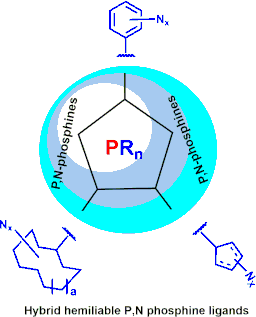
Beilstein J. Org. Chem. 2020, 16, 362–383, doi:10.3762/bjoc.16.35
Graphical Abstract
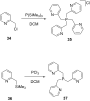
Scheme 1: Synthesis of pyridylphosphine ligands.
Figure 1: Pyridylphosphine ligands.
Scheme 2: Synthesis of piperidyl- and oxazinylphosphine ligands.
Scheme 3: Synthesis of linear multi-chelate pyridylphosphine ligands.
Scheme 4: Synthesis of chiral acetal pyridylphosphine ligands.
Scheme 5: Synthesis of diphenylphosphine-substituted triazine ligands.
Scheme 6: Synthesis of (pyridine-2-ylmethyl)phosphine ligands.
Scheme 7: Synthesis of diphosphine pyrrole ligands.
Scheme 8: Synthesis of 4,5-diazafluorenylphosphine ligands.
Scheme 9: Synthesis of thioether-containing pyridyldiphosphine ligands starting from ethylene sulfide and dip...
Scheme 10: Synthesis of monoterpene-derived phosphine pyridine ligands.
Scheme 11: Synthesis of N-phenylphosphine-substituted imidazole ligands.
Scheme 12: Synthesis of triazol-4-ylphosphine ligands.
Scheme 13: Synthesis of phosphanyltriazolopyridines and product selectivity depending on the substituents’ eff...
Scheme 14: Synthesis of PTA-phosphine ligands.
Scheme 15: Synthesis of isomeric phosphine dipyrazole ligands by varying the reaction temperature.
Scheme 16: Synthesis of N-tethered phosphine imidazolium ligands (route A) and diphosphine imidazolium ligands...
Scheme 17: Synthesis of {1-[2-(pyridin-2-yl)- (R = CH) and {1-[2-(pyrazin-2-yl)quinazolin-4-yl]naphthalen-2-yl...
Scheme 18: Synthesis of oxazolylindolylphosphine ligands 102.
Scheme 19: Synthesis of pyrrolylphosphine ligands.
Scheme 20: Synthesis of phosphine guanidinium ligands.
Scheme 21: Synthesis of a polydentate aminophosphine ligand.
Scheme 22: Synthesis of quinolylphosphine ligands.
Scheme 23: Synthesis of N-(triazolylmethyl)phosphanamine ligands.
Figure 2: Triazolylphosphanamine ligands synthesized by Wassenaar’s method [22].
Scheme 24: Synthesis of oxazaphosphorines.
Scheme 25: Synthesis of paracyclophane pyridylphosphine ligands.
Scheme 26: Synthesis of triazolylphosphine ligands.
Figure 3: Click-phosphine ligands.
Scheme 27: Ferrocenyl pyridylphosphine imine ligands.
Scheme 28: Synthesis of phosphinooxazolines (PHOX).
Scheme 29: Synthesis of ferrocenylphosphine oxazoles.
Beilstein J. Org. Chem. 2020, 16, 248–280, doi:10.3762/bjoc.16.26
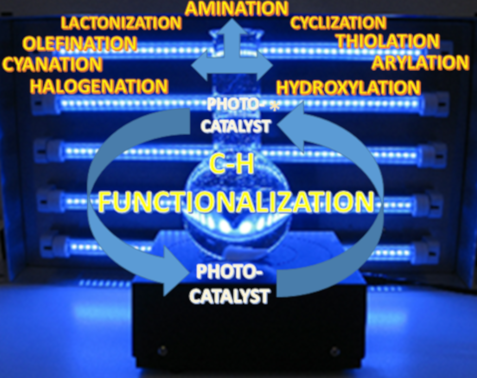
Graphical Abstract
Figure 1: List of photoredox catalysts used for C–H bond functionalizations.
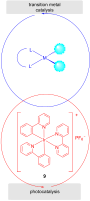
Figure 2: List of metal-based photoredox catalysts used in this review article.
Figure 3: Jablonski diagram.
Figure 4: Photoredox catalysis via reductive or oxidative pathways. D = donor, A = acceptor, S = substrate, P...
Figure 5: Schematic representation of the combination of photoredox catalysis and transition metal catalysis.
Scheme 1: Weinreb amide C–H olefination.
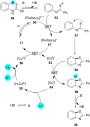
Figure 6: Mechanism for the formation of 21 from 19 using photoredox catalyst 11.
Scheme 2: C–H olefination of phenolic ethers.
Scheme 3: Decarboxylative acylation of acetanilides.
Figure 7: Mechanism for the formation of 30 from acetanilide derivatives.
Scheme 4: Synthesis of fluorenone derivatives by intramolecular deoxygenative acylation of biaryl carboxylic ...
Figure 8: Mechanism for the photoredox-catalyzed synthesis of fluorenone derivatives.
Scheme 5: Synthesis of benzothiazoles via aerobic C–H thiolation.
Figure 9: Plausible mechanism for the construction of benzothiazoles from benzothioamides.
Scheme 6: Synthesis of benzothiazoles via oxidant-free C–H thiolation.
Figure 10: Mechanism involved in the synthesis of benzothiazoles via oxidant-free C–H thiolation.
Scheme 7: Synthesis of indoles via C–H cyclization of anilides with alkynes.
Scheme 8: Preparation of 3-trifluoromethylcoumarins via C–H cyclization of arylpropiolate esters.
Figure 11: Mechanistic pathway for the synthesis of coumarin derivatives via C–H cyclization.
Scheme 9: Monobenzoyloxylation without chelation assistance.
Figure 12: Plausible mechanism for the formation of 71 from 70.
Scheme 10: Aryl-substituted arenes prepared by inorganic photoredox catalysis using 12a.
Figure 13: Proposed mechanism for C–H arylations in the presence of 12a and a Pd catalyst.
Scheme 11: Arylation of purines via dual photoredox catalysis.
Scheme 12: Arylation of substituted arenes with an organic photoredox catalyst.
Scheme 13: C–H trifluoromethylation.
Figure 14: Proposed mechanism for the trifluoromethylation of 88.
Scheme 14: Synthesis of benzo-3,4-coumarin derivatives.
Figure 15: Plausible mechanism for the synthesis of substituted coumarins.
Scheme 15: Oxidant-free oxidative phosphonylation.
Figure 16: Mechanism proposed for the phosphonylation reaction of 100.
Scheme 16: Nitration of anilines.
Figure 17: Plausible mechanism for the nitration of aniline derivatives via photoredox catalysis.
Scheme 17: Synthesis of carbazoles via intramolecular amination.
Figure 18: Proposed mechanism for the formation of carbazoles from biaryl derivatives.
Scheme 18: Synthesis of substituted phenols using QuCN.
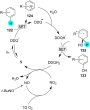
Figure 19: Mechanism for the synthesis of phenol derivatives with photoredox catalyst 8.
Scheme 19: Synthesis of substituted phenols with DDQ (5).
Figure 20: Possible mechanism for the generation of phenols with the aid of photoredox catalyst 5.
Scheme 20: Aerobic bromination of arenes using an acridinium-based photocatalyst.
Scheme 21: Aerobic bromination of arenes with anthraquinone.
Figure 21: Proposed mechanism for the synthesis of monobrominated compounds.
Scheme 22: Chlorination of benzene derivatives with Mes-Acr-MeClO4 (2).
Figure 22: Mechanism for the synthesis of 131 from 132.
Scheme 23: Chlorination of arenes with 4CzIPN (5a).
Figure 23: Plausible mechanism for the oxidative photocatalytic monochlorination using 5a.
Scheme 24: Monofluorination using QuCN-ClO4 (8).
Scheme 25: Fluorination with fluorine-18.
Scheme 26: Aerobic amination with acridinium catalyst 3a.
Figure 24: Plausible mechanism for the aerobic amination using acridinium catalyst 3a.
Scheme 27: Aerobic aminations with semiconductor photoredox catalyst 18.
Scheme 28: Perfluoroalkylation of arenes.
Scheme 29: Synthesis of benzonitriles in the presence of 3a.
Figure 25: Plausible mechanism for the synthesis of substituted benzonitrile derivatives in the presence of 3a....
Beilstein J. Org. Chem. 2020, 16, 39–49, doi:10.3762/bjoc.16.6
Graphical Abstract
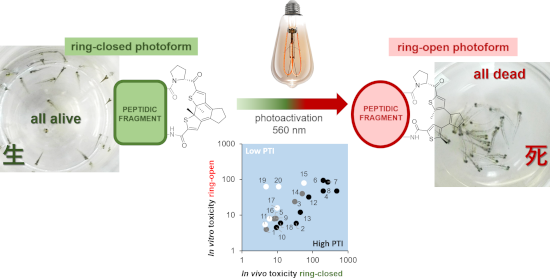
Figure 1: DAE photoswitch and photoswitchable peptides explored in this study. (A) The reversible photoisomer...
Figure 2: Two versions of the D. rerio embryotoxicity assay for DAE-modified peptides: timelines, peptide pho...
Figure 3: The in vivo toxicity against D. rerio embryos appears to be correlated with the empirical hydrophob...
Figure 4: D. rerio embryotoxicity of GS 1 and the photoswitchable analogues 2–20 correlated with their in vit...
Figure 5: Phototherapeutic cytotoxic action against HeLa cells of GS 1 and its photoswitchable analogues 2–20...
Beilstein J. Org. Chem. 2020, 16, 15–21, doi:10.3762/bjoc.16.3
Graphical Abstract
Figure 1: Substrates used for the Mizoroki–Heck reaction in this study.
Figure 2: Structures of the identified side products 4 and 5.
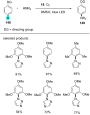
Scheme 1: Scope of the method for analogs derived from 1 and 2. The ratio of isomers is given (E/Z or β/α) in...
Scheme 2: Dealkylation of fluorinated analog 23 under the Mizoroki–Heck reaction conditions.
Beilstein J. Org. Chem. 2020, 16, 1–8, doi:10.3762/bjoc.16.1
Graphical Abstract
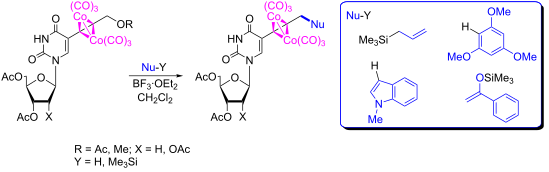
Scheme 1: Preparation of (2'-deoxy)-5-alkynyluridines 2 and 3, their dicobalt hexacarbonyl derivatives 4 and 5...
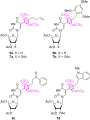
Figure 1: Structures of nucleosides 6 and 7, products of the Nicholas reaction.
Beilstein J. Org. Chem. 2019, 15, 2990–2999, doi:10.3762/bjoc.15.295
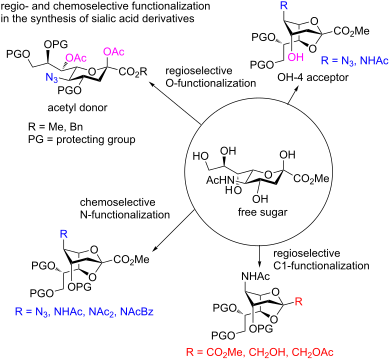
Graphical Abstract
Figure 1: Representative structures of bacterial glycans containing sialic acid.
Scheme 1: Concise synthesis of 2,7-anhydrosialic acid derivatives 2–6. Conditions for the preparation of 2 an...
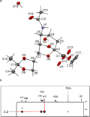
Figure 2: a) ORTEP diagram of compound 4. Thermal ellipsoids indicate 50% probability. b) HMBC spectrum of 6.
Scheme 2: N- and C-1-functionalization of 2.
Scheme 3: Mechanism of the SnCl4-catalyzed acetolysis of 2,7-anhydro derivatives 15. R = Me, Bn, PG = electro...
Scheme 4: Synthesis and acetolysis of 2,7-anhydro derivatives 21 and 25.
Figure 3: HMBC spectrum of carbohydrate 22.
Scheme 5: Attempted acetolysis of 2,7-anhydro-NeuN3-based disaccharides 29, 33, and 37.
Beilstein J. Org. Chem. 2019, 15, 2922–2929, doi:10.3762/bjoc.15.286
Graphical Abstract
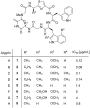
Figure 1: Chemical structures of naturally occurring argyrins with potent antipseudomonal activity.
Figure 2: The biosynthetic pathway for argyrin production in Cystobacter sp. SBCb004 (Arg1, radical SAM-depen...
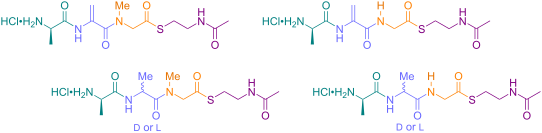
Figure 3: Designed mutasynthons 9–14 for argyrin biosynthesis. Peptides are based on three amino acids and ad...
Scheme 1: Synthesis of tripeptide thioesters. Reagents and conditions: (a) SOCl2, EtOH, 78 °C; (b) IBCF, NMM,...
Scheme 2: Improved synthesis of the tripeptide thioester 14. Reagents and conditions: (a) SOCl2, EtOH, 78 °C;...
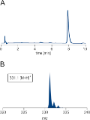
Figure 4: Analysis of mutasynthon 14 obtained via the convergent synthetic route by HPLC on a HILIC stationar...
Beilstein J. Org. Chem. 2019, 15, 2889–2906, doi:10.3762/bjoc.15.283
Graphical Abstract
Figure 1: Examples of bioactive terpenoids.
Figure 2: Repetitive electrophilic and nucleophilic functionalities in terpene and type II PKS-derived polyke...
Figure 3: Abundance and distribution of bacterial terpene biosynthetic gene clusters as determined by genome ...
Figure 4: Terpenoid biosynthesis. Terpenoid biosynthesis is divided into two phases, 1) terpene scaffold gene...
Figure 5: Mechanisms for type I, type II, and type II/type I tandem terpene cyclases. a) Tail-to-head class I...
Figure 6: Functional TC characterization. a) Different terpenes were produced when hedycaryol (18) synthase a...
Figure 7: Selected examples of terpene modification by bacterial CYPs. a) Hydroxylation [89]. b) Carboxylation, h...
Figure 8: Off-target effects observed during heterologous expression of terpenoid BGCs. Unexpected oxidation ...
Figure 9: TC promiscuity and engineering. a) Spata-13,17-diene (39) synthase (SpS) can take C15 and C25 oligo...
Figure 10: Substrate promiscuity and engineering of CYPs. a) Selected examples from using a CYP library to oxi...
Figure 11: Engineering of terpenoid pathways. a) Metabolic network of terpenoid biosynthesis. Toxic intermedia...
Beilstein J. Org. Chem. 2019, 15, 2790–2797, doi:10.3762/bjoc.15.271
Graphical Abstract
Figure 1: Chemical structure of Notum inhibitor LP-922056 (1).
Scheme 1: Synthesis of LP-922056 (1). Reagents and conditionsa: (a) (COCl)2 (3.3 equiv), DMF, CH2Cl2, 55 °C ,...
Scheme 2: Chlorination of 6 with N-chlorosuccinimide (NCS). Reagents and conditions: (a) NCS (1.2 equiv), AcO...
Scheme 3: Improved synthesis of 5. Reagents and conditions: (a) NaOMe (5 equiv), 1,4-dioxane, 0 °C then rt, 1...
Figure 2: Concentrations of 1 in mouse following oral administration (p.o.) at 10 mg/kg.
Scheme 4: Preparation of amides 17. Representative reagents and conditionsa: (a) HBTU (1.1 equiv), iPr2NEt (2...
Beilstein J. Org. Chem. 2019, 15, 2631–2643, doi:10.3762/bjoc.15.256
Graphical Abstract
Figure 1: Structures of nanangenines 1–10 isolated from A. nanangensis.
Figure 2: Putative nanangenine biosynthetic gene cluster in A. nanangensis MST-FP2251 and homologs identified...
Figure 3: Putative biosynthetic pathway to the nanangenines.
Beilstein J. Org. Chem. 2019, 15, 2170–2183, doi:10.3762/bjoc.15.214
Graphical Abstract
Figure 1: Selisistat (1) and hit compound GW435821X (2a).
Scheme 1: Reagents and conditions: a) appropriate boronic acid, Pd(PPh3)4, Na2CO3, DMF, H2O, microwave, 15 mi...
Scheme 2: Reagents and conditions: a) Pd2(dba)3 or Pd(OAc)2, P(o-tol)3, TEA, DMF, 120–140 °C, 0.7–24 h, 11–75...
Figure 2: (Left) UV–vis spectrum of 2b 50 µM in 5% DMSO (v/v) in assay buffer after varying durations of irra...
Figure 3: (Left) LC chromatogram of the LC–HRMS analysis of 2b after varying durations of irradiation with 25...
Scheme 3: Photocyclization and oxidation reaction of 2b upon UV irradiation.
Figure 4: Calculated and experimental absorption spectra of compounds (E)-2b-B (A), (Z)-2b-A (B), and product...
Scheme 4: Reagents and conditions: a) 4-fluoroaniline, oxone, HAc, 60 °C, 14 d, 42%; b) NH3, MeOH, rt, 3 d, 9...
Figure 5: (Left) UV–vis spectrum of 11, 50 µM in 5% DMSO (v/v), in assay buffer at the thermal equilibrium an...
Beilstein J. Org. Chem. 2019, 15, 2113–2132, doi:10.3762/bjoc.15.209
Graphical Abstract
Figure 1: General structure of fulvenes, named according to the number of carbon atoms in their ring. Whilst ...
Figure 2: Generic structures of commonly referenced heteropentafulvenes, named according to the heteroatom su...
Scheme 1: Resonance structures of (a) pentafulvene and (b) heptafulvene showing neutral (1 and 2), dipolar (1a...
Scheme 2: Resonance structures of (a) pentafulvenes and (b) heptafulvenes showing the influence of EDG and EW...
Scheme 3: Reaction of 6,6-dimethylpentafulvene with singlet state oxygen to form an enol lactone via the mult...
Scheme 4: Photosensitized oxygenation of 8-cyanoheptafulvene with singlet state oxygen to afford 1,4-epidioxi...
Figure 3: A representation of HOMO–LUMO orbitals of pentafulvene and the influence of EWG and EDG substituent...
Scheme 5: Reactions of (a) 6,6-dimethylpentafulvene participating as 2π and 4π components in cycloadditions w...
Scheme 6: Proposed mechanism for the [6 + 4] cycloaddition of tropone with dimethylfulvene via an ambimodal [...
Scheme 7: Triafulvene dimerization through the proposed 'head-to-tail' mechanism. The dipolar transition stat...
Scheme 8: Dimerization of pentafulvenes via a Diels–Alder cycloaddition pathway whereby one fulvene acts as a...
Scheme 9: Dimerization of pentafulvenes via frustrated Lewis pair chemistry as reported by Mömming et al. [116].
Scheme 10: Simplified reaction scheme for the formation of kempane from an extended-chain pentafulvene [127].
Scheme 11: The enantioselective (>99% ee), asymmetric, catalytic, intramolecular [6 + 2] cycloaddition of fulv...
Scheme 12: Intramolecular [8 + 6] cycloaddition of the heptafulvene-pentafulvene derivative [22,27].
Scheme 13: Reaction scheme for (a) [2 + 2] cycloaddition of 1,2-diphenylmethylenecyclopropene and 1-diethylami...
Scheme 14: Diels–Alder cycloaddition of pentafulvenes derivatives participating as dienes with (i) maleimide d...
Scheme 15: Generic schemes showing pentafulvenes participating as dienophiles in Diels–Alder cycloadditions wi...
Scheme 16: Reaction of 8,8-dicyanoheptafulvene and styrene derivatives to afford [8 + 2] and [4 + 2] cycloaddu...
Scheme 17: Reaction of 6-aminofulvene and maleic anhydride, showing observed [6 + 2] cycloaddition; the [4 + 2...
Scheme 18: Schemes for Diels–Alder cycloadditions in dynamic combinatorial chemistry reported by Boul et al. R...
Scheme 19: Polymerisation and dynamer formation via Diels–Alder cycloaddition between fulvene groups in polyet...
Scheme 20: Preparation of hydrogels via Diels–Alder cycloaddition with fulvene-conjugated dextran and dichloro...
Scheme 21: Ring-opening metathesis polymerisation of norbornene derivatives derived from fulvenes and maleimid...
Beilstein J. Org. Chem. 2019, 15, 1872–1889, doi:10.3762/bjoc.15.183
Graphical Abstract
Figure 1: Some di- and mono-styryl dyes previously reported as fluorescent “light-up” probes for G4-DNA and R...
Figure 2: Design of a library of di- and mono-styryl dyes. Counter-ions are omitted for the sake of clarity.
Scheme 1: A, B) General synthesis of A) distyryl and B) mono-styryl dyes via Knoevenagel condensation route. ...
Scheme 2: Synthesis of I3–5 and I15.
Figure 3: Representative absorption spectra of distyryl dyes: A) 1d, B) 1ð, C) 1f, D) 1u, E) 10a and F) 12a i...
Figure 4: Representative absorption spectra of the distyryl dyes (c = 10 µM in MeOH) demonstrating the influe...
Figure 5: Heat map of the relative emission intensity enhancement (I/I0) of styryl dyes and thioflavin T (ThT...
Figure 6: Analysis of the light-up response matrix of the dyes. The average light-up factor of each dye with ...
Figure 7: PC1 vs PC2 plot obtained from the principal component analysis of the light-up data matrix for all ...
Figure 8: Dual-dye conformational analysis of an extended panel of 33 DNA oligonucleotides. This is performed...
Figure 9: Selected probes featuring high fluorimetric response towards G4 structures.
Figure 10: Photographs of solutions of A) distyryl dyes 1p and 1u; B) mono-styryl dyes 17a and 18a, in the abs...
Beilstein J. Org. Chem. 2019, 15, 1612–1704, doi:10.3762/bjoc.15.165
Graphical Abstract
Figure 1: Various drugs having IP nucleus.
Figure 2: Participation percentage of various TMs for the syntheses of IPs.
Scheme 1: CuI–NaHSO4·SiO2-catalyzed synthesis of imidazo[1,2-a]pyridines.
Scheme 2: Experimental examination of reaction conditions.
Scheme 3: One-pot tandem reaction for the synthesis of 2-haloimidazopyridines.
Scheme 4: Mechanistic scheme for the synthesis of 2-haloimidazopyridine.
Scheme 5: Copper-MOF-catalyzed three-component reaction (3-CR) for imidazo[1,2-a]pyridines.
Scheme 6: Mechanism for copper-MOF-driven synthesis.
Scheme 7: Heterogeneous synthesis via titania-supported CuCl2.
Scheme 8: Mechanism involving oxidative C–H functionalization.
Scheme 9: Heterogeneous synthesis of IPs.
Scheme 10: One-pot regiospecific synthesis of imidazo[1,2-a]pyridines.
Scheme 11: Vinyl azide as an unprecedented substrate for imidazo[1,2-a]pyridines.
Scheme 12: Radical pathway.
Scheme 13: Cu(I)-catalyzed transannulation approach for imidazo[1,5-a]pyridines.
Scheme 14: Plausible radical pathway for the synthesis of imidazo[1,5-a]pyridines.
Scheme 15: A solvent-free domino reaction for imidazo[1,2-a]pyridines.
Scheme 16: Cu-NPs-mediated synthesis of imidazo[1,2-a]pyridines.
Scheme 17: CuI-catalyzed synthesis of isoxazolylimidazo[1,2-a]pyridines.
Scheme 18: Functionalization of 4-bromo derivative via Sonogashira coupling reaction.
Scheme 19: A plausible reaction pathway.
Scheme 20: Cu(I)-catalyzed intramolecular oxidative C–H amidation reaction.
Scheme 21: One-pot synthetic reaction for imidazo[1,2-a]pyridine.
Scheme 22: Plausible reaction mechanism.
Scheme 23: Cu(OAc)2-promoted synthesis of imidazo[1,2-a]pyridines.
Scheme 24: Mechanism for aminomethylation/cycloisomerization of propiolates with imines.
Scheme 25: Three-component synthesis of imidazo[1,2-a]pyridines.
Figure 3: Scope of pyridin-2(1H)-ones and acetophenones.
Scheme 26: CuO NPS-promoted A3 coupling reaction.
Scheme 27: Cu(II)-catalyzed C–N bond formation reaction.
Scheme 28: Mechanism involving Chan–Lam/Ullmann coupling.
Scheme 29: Synthesis of formyl-substituted imidazo[1,2-a]pyridines.
Scheme 30: A tandem sp3 C–H amination reaction.
Scheme 31: Probable mechanistic approach.
Scheme 32: Dual catalytic system for imidazo[1,2-a]pyridines.
Scheme 33: Tentative mechanism.
Scheme 34: CuO/CuAl2O4/ᴅ-glucose-promoted 3-CCR.
Scheme 35: A tandem CuOx/OMS-2-based synthetic strategy.
Figure 4: Biomimetic catalytic oxidation in the presence of electron-transfer mediators (ETMs).
Scheme 36: Control experiment.
Scheme 37: Copper-catalyzed C(sp3)–H aminatin reaction.
Scheme 38: Reaction of secondary amines.
Scheme 39: Probable mechanistic pathway.
Scheme 40: Coupling reaction of α-azidoketones.
Scheme 41: Probable pathway.
Scheme 42: Probable mechanism with free energy calculations.
Scheme 43: MCR for cyanated IP synthesis.
Scheme 44: Substrate scope for the reaction.
Scheme 45: Reaction mechanism.
Scheme 46: Probable mechanistic pathway for Cu/ZnAl2O4-catalyzed reaction.
Scheme 47: Copper-catalyzed double oxidative C–H amination reaction.
Scheme 48: Application towards different coupling reactions.
Scheme 49: Reaction mechanism.
Scheme 50: Condensation–cyclization approach for the synthesis of 1,3-diarylated imidazo[1,5-a]pyridines.
Scheme 51: Optimized reaction conditions.
Scheme 52: One-pot 2-CR.
Scheme 53: One-pot 3-CR without the isolation of chalcone.
Scheme 54: Copper–Pybox-catalyzed cyclization reaction.
Scheme 55: Mechanistic pathway catalyzed by Cu–Pybox complex.
Scheme 56: Cu(II)-promoted C(sp3)-H amination reaction.
Scheme 57: Wider substrate applicability for the reaction.
Scheme 58: Plausible reaction mechanism.
Scheme 59: CuI assisted C–N cross-coupling reaction.
Scheme 60: Probable reaction mechanism involving sp3 C–H amination.
Scheme 61: One-pot MCR-catalyzed by CoFe2O4/CNT-Cu.
Scheme 62: Mechanistic pathway.
Scheme 63: Synthetic scheme for 3-nitroimidazo[1,2-a]pyridines.
Scheme 64: Plausible mechanism for CuBr-catalyzed reaction.
Scheme 65: Regioselective synthesis of halo-substituted imidazo[1,2-a]pyridines.
Scheme 66: Synthesis of 2-phenylimidazo[1,2-a]pyridines.
Scheme 67: Synthesis of diarylated compounds.
Scheme 68: CuBr2-mediated one-pot two-component oxidative coupling reaction.
Scheme 69: Decarboxylative cyclization route to synthesize 1,3-diarylimidazo[1,5-a]pyridines.
Scheme 70: Mechanistic pathway.
Scheme 71: C–H functionalization reaction of enamines to produce diversified heterocycles.
Scheme 72: A plausible mechanism.
Scheme 73: CuI-promoted aerobic oxidative cyclization reaction of ketoxime acetates and pyridines.
Scheme 74: CuI-catalyzed pathway for the formation of imidazo[1,2-a]pyridine.
Scheme 75: Mechanistic pathway.
Scheme 76: Mechanistic rationale for the synthesis of products.
Scheme 77: Copper-catalyzed synthesis of vinyloxy-IP.
Scheme 78: Regioselective product formation with propiolates.
Scheme 79: Proposed mechanism for vinyloxy-IP formation.
Scheme 80: Regioselective synthesis of 3-hetero-substituted imidazo[1,2-a]pyridines with different reaction su...
Scheme 81: Mechanistic pathway.
Scheme 82: CuI-mediated synthesis of 3-formylimidazo[1,2-a]pyridines.
Scheme 83: Radical pathway for 3-formylated IP synthesis.
Scheme 84: Pd-catalyzed urea-cyclization reaction for IPs.
Scheme 85: Pd-catalyzed one-pot-tandem amination and intramolecular amidation reaction.
Figure 5: Scope of aniline nucleophiles.
Scheme 86: Pd–Cu-catalyzed Sonogashira coupling reaction.
Scheme 87: One-pot amide coupling reaction for the synthesis of imidazo[4,5-b]pyridines.
Scheme 88: Urea cyclization reaction for the synthesis of two series of pyridines.
Scheme 89: Amidation reaction for the synthesis of imidazo[4,5-b]pyridines.
Figure 6: Amide scope.
Scheme 90: Pd NPs-catalyzed 3-component reaction for the synthesis of 2,3-diarylated IPs.
Scheme 91: Plausible mechanistic pathway for Pd NPs-catalyzed MCR.
Scheme 92: Synthesis of chromenoannulated imidazo[1,2-a]pyridines.
Scheme 93: Mechanism for the synthesis of chromeno-annulated IPs.
Scheme 94: Zinc oxide NRs-catalyzed synthesis of imidazo[1,2-a]azines/diazines.
Scheme 95: Zinc oxide-catalyzed isocyanide based GBB reaction.
Scheme 96: Reaction pathway for ZnO-catalyzed GBB reaction.
Scheme 97: Mechanistic pathway.
Scheme 98: ZnO NRs-catalyzed MCR for the synthesis of imidazo[1,2-a]azines.
Scheme 99: Ugi type GBB three-component reaction.
Scheme 100: Magnetic NPs-catalyzed synthesis of imidazo[1,2-a]pyridines.
Scheme 101: Regioselective synthesis of 2-alkoxyimidazo[1,2-a]pyridines catalyzed by Fe-SBA-15.
Scheme 102: Plausible mechanistic pathway for the synthesis of 2-alkoxyimidazopyridine.
Scheme 103: Iron-catalyzed synthetic approach.
Scheme 104: Iron-catalyzed aminooxygenation reaction.
Scheme 105: Mechanistic pathway.
Scheme 106: Rh(III)-catalyzed double C–H activation of 2-substituted imidazoles and alkynes.
Scheme 107: Plausible reaction mechanism.
Scheme 108: Rh(III)-catalyzed non-aromatic C(sp2)–H bond activation–functionalization for the synthesis of imid...
Scheme 109: Reactivity and selectivity of different substrates.
Scheme 110: Rh-catalyzed direct C–H alkynylation by Li et al.
Scheme 111: Suggested radical mechanism.
Scheme 112: Scandium(III)triflate-catalyzed one-pot reaction and its mechanism for the synthesis of benzimidazo...
Scheme 113: RuCl3-assisted Ugi-type Groebke–Blackburn condensation reaction.
Scheme 114: C-3 aroylation via Ru-catalyzed two-component reaction.
Scheme 115: Regioselective synthetic mechanism.
Scheme 116: La(III)-catalyzed one-pot GBB reaction.
Scheme 117: Mechanistic approach for the synthesis of imidazo[1,2-a]pyridines.
Scheme 118: Synthesis of imidazo[1,2-a]pyridine using LaMnO3 NPs under neat conditions.
Scheme 119: Mechanistic approach.
Scheme 120: One-pot 3-CR for regioselective synthesis of 2-alkoxy-3-arylimidazo[1,2-a]pyridines.
Scheme 121: Formation of two possible products under optimization of the catalysts.
Scheme 122: Mechanistic strategy for NiFe2O4-catalyzed reaction.
Scheme 123: Two-component reaction for synthesizing imidazodipyridiniums.
Scheme 124: Mechanistic scheme for the synthesis of imidazodipyridiniums.
Scheme 125: CuI-catalyzed arylation of imidazo[1,2-a]pyridines.
Scheme 126: Mechanism for arylation reaction.
Scheme 127: Cupric acetate-catalyzed double carbonylation approach.
Scheme 128: Radical mechanism for double carbonylation of IP.
Scheme 129: C–S bond formation reaction catalyzed by cupric acetate.
Scheme 130: Cupric acetate-catalyzed C-3 formylation approach.
Scheme 131: Control experiments for signifying the role of DMSO and oxygen.
Scheme 132: Mechanism pathway.
Scheme 133: Copper bromide-catalyzed CDC reaction.
Scheme 134: Extension of the substrate scope.
Scheme 135: Plausible radical pathway.
Scheme 136: Transannulation reaction for the synthesis of imidazo[1,5-a]pyridines.
Scheme 137: Plausible reaction pathway for denitrogenative transannulation.
Scheme 138: Cupric acetate-catalyzed C-3 carbonylation reaction.
Scheme 139: Plausible mechanism for regioselective C-3 carbonylation.
Scheme 140: Alkynylation reaction at C-2 of 3H-imidazo[4,5-b]pyridines.
Scheme 141: Two-way mechanism for C-2 alkynylation of 3H-imidazo[4,5-b]pyridines.
Scheme 142: Palladium-catalyzed SCCR approach.
Scheme 143: Palladium-catalyzed Suzuki coupling reaction.
Scheme 144: Reaction mechanism.
Scheme 145: A phosphine free palladium-catalyzed synthesis of C-3 arylated imidazopyridines.
Scheme 146: Palladium-mediated Buchwald–Hartwig cross-coupling reaction.
Figure 7: Structure of the ligands optimized.
Scheme 147: Palladium acetate-catalyzed direct arylation of imidazo[1,2-a]pyridines.
Scheme 148: Palladium acetate-catalyzed mechanistic pathway.
Scheme 149: Palladium acetate-catalyzed regioselective arylation reported by Liu and Zhan.
Scheme 150: Mechanism for selective C-3 arylation of IP.
Scheme 151: Pd(II)-catalyzed alkenylation reaction with styrenes.
Scheme 152: Pd(II)-catalyzed alkenylation reaction with acrylates.
Scheme 153: A two way mechanism.
Scheme 154: Double C–H activation reaction catalyzed by Pd(OAc)2.
Scheme 155: Probable mechanism.
Scheme 156: Palladium-catalyzed decarboxylative coupling.
Scheme 157: Mechanistic cycle for decarboxylative arylation reaction.
Scheme 158: Ligand-free approach for arylation of imidazo[1,2-a]pyridine-3-carboxylic acids.
Scheme 159: Mechanism for ligandless arylation reaction.
Scheme 160: NHC-Pd(II) complex assisted arylation reaction.
Scheme 161: C-3 arylation of imidazo[1,2-a]pyridines with aryl bromides catalyzed by Pd(OAc)2.
Scheme 162: Pd(II)-catalyzed C-3 arylations with aryl tosylates and mesylates.
Scheme 163: CDC reaction for the synthesis of imidazo[1,2-a]pyridines.
Scheme 164: Plausible reaction mechanism for Pd(OAc)2-catalyzed synthesis of imidazo[1,2-a]pyridines.
Scheme 165: Pd-catalyzed C–H amination reaction.
Scheme 166: Mechanism for C–H amination reaction.
Scheme 167: One-pot synthesis for 3,6-di- or 2,3,6-tri(hetero)arylimidazo[1,2-a]pyridines.
Scheme 168: C–H/C–H cross-coupling reaction of IPs and azoles catalyzed by Pd(II).
Scheme 169: Mechanistic cycle.
Scheme 170: Rh-catalyzed C–H arylation reaction.
Scheme 171: Mechanistic pathway for C–H arylation of imidazo[1,2-a]pyridine.
Scheme 172: Rh(III)-catalyzed double C–H activation of 2-phenylimidazo[1,2-a]pyridines and alkynes.
Scheme 173: Rh(III)-catalyzed mechanistic pathway.
Scheme 174: Rh(III)-mediated oxidative coupling reaction.
Scheme 175: Reactions showing functionalization of the product obtained by the group of Kotla.
Scheme 176: Mechanism for Rh(III)-catalyzed oxidative coupling reaction.
Scheme 177: Rh(III)-catalyzed C–H activation reaction.
Scheme 178: Mechanistic cycle.
Scheme 179: Annulation reactions of 2-arylimidazo[1,2-a]pyridines and alkynes.
Scheme 180: Two-way reaction mechanism for annulations reaction.
Scheme 181: [RuCl2(p-cymene)]2-catalyzed C–C bond formation reaction.
Scheme 182: Reported reaction mechanism.
Scheme 183: Fe(III) catalyzed C-3 formylation approach.
Scheme 184: SET mechanism-catalyzed by Fe(III).
Scheme 185: Ni(dpp)Cl2-catalyzed KTC coupling.
Scheme 186: Pd-catalyzed SM coupling.
Scheme 187: Vanadium-catalyzed coupling of IP and NMO.
Scheme 188: Mechanistic cycle.
Scheme 189: Selective C3/C5–H bond functionalizations by mono and bimetallic systems.
Scheme 190: rGO-Ni@Pd-catalyzed C–H bond arylation of imidazo[1,2-a]pyridine.
Scheme 191: Mechanistic pathway for heterogeneously catalyzed arylation reaction.
Scheme 192: Zinc triflate-catalyzed coupling reaction of substituted propargyl alcohols.
Beilstein J. Org. Chem. 2019, 15, 1505–1514, doi:10.3762/bjoc.15.152
Graphical Abstract
Figure 1: Bis-amido-tris-amine macrocycle BATA-MC.
Figure 2: (a) Number distribution plot with particle size in DLS, (b) SEM image and (c) TEM image showing the...
Figure 3: Dependence of the yield of compound 4a on the reaction time using BATA-MC.
Figure 4: Yields of product 4a at different catalyst loading.
Scheme 1: BATA-MC-catalyzed synthesis of 4,5-dihydropyrrolo[2,3,4-kl]acridinones.
Scheme 2: BATA-MC-catalyzed synthesis of pyrrolo[2,3,4-kl]acridinone derivatives.
Figure 5: X-ray single crystal structure of 4d (CCDC 1898008).
Scheme 3: Probable mechanism illustrated for the synthesis of 4a using BATA-MC. For the sake of simplicity, w...
Figure 6: Representation of BATA-MC nanoreactor.
Figure 7: The reusability of the nanoreactor for the synthesis of 4a.
Beilstein J. Org. Chem. 2019, 15, 1371–1378, doi:10.3762/bjoc.15.137
Graphical Abstract
Figure 1: Molecular structures of ligands 1, 2, 3, and 4 and of the resulting products, i.e., rectangle 5, sa...
Scheme 1: Guest addition/removal and reversible interconversion between supramolecular architectures.
Scheme 2: Completive and incomplete self-sorting in presence of copper(I) and rhodium complex 3.
Figure 2: Comparison of partial 1H NMR spectra (400 MHz, CD2Cl2, 298 K) of (a) ligand 2; (b) ligand 1; (c) po...
Figure 3: (a) UV–vis titration of rectangle 5 (2.98 μM) with DABCO (4); (b) several reversible cycles of inte...
Scheme 3: The high selectivity for DABCO in the transformation.
Figure 4: Partial spectra (400 MHz, CD2Cl2, 298 K) showing the reversible switching between rectangle and san...
Beilstein J. Org. Chem. 2019, 15, 1281–1288, doi:10.3762/bjoc.15.126
Graphical Abstract
Scheme 1: An overview of heterocyclic acids used in the Ugi reaction.
Scheme 2: Synthesis of pyrazolopyridine carboxylic acids 4 [45] and 7 [45] in Doebner-type reaction.
Figure 1: Molecular structure of N-(2-(tert-butylamino)-1-(4-chlorophenyl)-2-oxoethyl)-6-(4-methoxyphenyl)-3-...
Beilstein J. Org. Chem. 2019, 15, 1236–1256, doi:10.3762/bjoc.15.121
Graphical Abstract
Figure 1: Structures of natural steroids of A) animal and B) plant origin.
Scheme 1: Synthesis of a steroidal β-lactam by Ugi reaction of a cholanic aldehyde [14].
Scheme 2: Synthetic route to steroidal 2,5-diketopiperazines based on a diastereoselective Ugi-4CR with an an...
Scheme 3: Multicomponent synthesis of a heterocycle–steroid hybrid using a ketosteroid as carbonyl component [18]....
Scheme 4: Synthesis of peptidomimetic–steroid hybrids using the Ugi-4CR with spirostanic amines and carboxyli...
Scheme 5: Synthesis of azasteroids using the Ugi-4CR with androstanic and pregnanic carboxylic acids [22].
Figure 2: Ugi-4CR-derived library of androstanic azasteroids with diverse substitution patterns at the phenyl...
Scheme 6: Synthesis of 4-azacholestanes by an intramolecular Ugi-4C-3R [26].
Scheme 7: Synthesis of amino acid–steroid hybrid by multiple Ugi-4CR using steroidal isocyanides [29].
Scheme 8: Synthesis of ecdysteroid derivatives by Ugi-4CR using a steroidal isocyanide [30].
Scheme 9: Stereoselective multicomponent synthesis of a steroid–tetrahydropyridine hybrid using a chiral bifu...
Scheme 10: Pd(II)-catalyzed three-component reaction with an alkynyl seco-cholestane [34].
Scheme 11: Multicomponent synthesis of steroid–thiazole hybrids from a steroidal ketone [36].
Scheme 12: Synthesis of cholanic pseudo-peptide derivatives by novel MCRs based on the reactivity of ynamide [37,38].
Scheme 13: Synthesis of steroid-fused pyrimidines and pyrimidones using the Biginelli-3CR [39,42,43].
Scheme 14: Synthesis of steroidal pyridopyrimidines by a reaction sequence comprising a 4CR followed by a post...
Scheme 15: Synthesis of steroid-fused pyrimidines by MCR of 2-hydroxymethylene-3-ketosteroids [46].
Scheme 16: Synthesis of steroid-fused naphthoquinolines by the Kozlov–Wang MCR using ketosteroids [50,51].
Scheme 17: Conjugation of steroids to carbohydrates and peptides by the Ugi-4CR [62,63].
Scheme 18: Solid-phase multicomponent conjugation of peptides to steroids by the Ugi-4CR [64].
Scheme 19: Solid-phase multicomponent conjugation of peptides to steroids by the Petasis-3CR [68].
Scheme 20: Synthesis of steroidal macrobicycles (cages) by multiple multicomponent macrocyclizations based on ...
Scheme 21: One-pot synthesis of steroidal cages by double Ugi-4CR-based macrocyclizations [76].