


Search results
Search for "protecting groups" in Full Text gives 334 result(s) in Beilstein Journal of Organic Chemistry. Showing first 200.
Synthesis of α-D-GalpN3-(1-3)-D-GalpN3: α- and 3-O-selectivity using 3,4-diol acceptors
Beilstein J. Org. Chem. 2018, 14, 2805–2811, doi:10.3762/bjoc.14.258
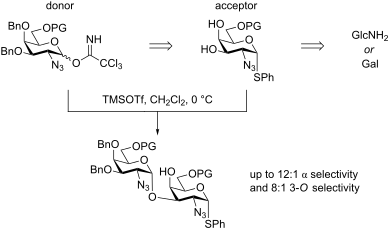
- -protecting groups, such as a benzyl group, at either the donor, the acceptor or at both. With the 6-O-Bn donor 16 a slightly diminished, but still respectable, 49% yield of the desired product 19 was obtained (Scheme 3). However, when using the 6-O-TBDPS donor 15 (1.2 equiv) a 60% isolated yield of the


Novel solid-phase strategy for the synthesis of ligand-targeted fluorescent-labelled chelating peptide conjugates as a theranostic tool for cancer
Beilstein J. Org. Chem. 2018, 14, 2665–2679, doi:10.3762/bjoc.14.244
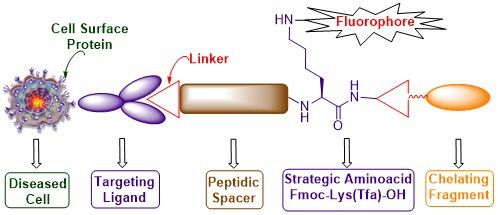
- in high chemical yield and purity by strategically introducing differentially protected dibasic amino acids such as lysine whose α- and ε-amino groups are protected as base labile Fmoc and trifluoroacetyl (Tfa) protecting groups, respectively. The whole concept is successfully illustrated using
- commonly available and less expensive cysteine-labelled 2-chlorotrityl resin (Figure 1b). The methodology is general and can be significantly useful for acid-sensitive resins that contain acid-labile orthogonal amino acids with 4-methoxytrityl (Mmt) and 4-methyltrityl (Mtt) protecting groups. Results and
- (Pg) to give tetrapeptides 8a or 8b. The tetrapeptides 8a or 8b were tethered sequentially to 8-aminocaprylic acid, two phenyalanine residues, another 8-aminocaprylic acid and finally to DUPA precursor 4, to provide polypeptide chains 9a or 9b (Scheme 2). The ε-amino protecting groups present in the




The design and synthesis of an antibacterial phenothiazine–siderophore conjugate
Beilstein J. Org. Chem. 2018, 14, 2646–2650, doi:10.3762/bjoc.14.242
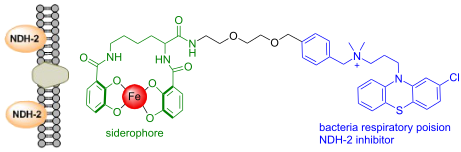
- functionalised phenothiazine demonstrated an equipotent MIC value in direct comparison to the parent phenothiazine from which it was derived. The final conjugate was synthesised by amide bond formation between the two components and global deprotection of the PMB protecting groups to unmask the catechol iron
- azotochelin. Catechol-based siderophores can act as xenosiderophores and be recognised for uptake by Gram-negative bacteria and mycobacteria [14][15]. Most commonly benzyl protecting groups are used in the synthesis of catechol siderophores and cleaved in the final step by palladium catalysed hydrogenation


Synthesis of dihydroquinazolines from 2-aminobenzylamine: N3-aryl derivatives with electron-withdrawing groups
Beilstein J. Org. Chem. 2018, 14, 2510–2519, doi:10.3762/bjoc.14.227
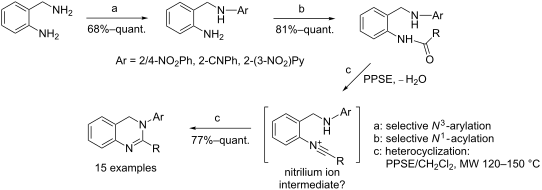
- , avoiding the use of protecting groups, and affording the desired heterocycles in good to excellent overall yields. A suitable balance between reactivity and selectivity was achieved in the SNAr reaction which, to our knowledge, is the first report on a successful uncatalyzed N-monoarylation of the


Synthesis of a leopolic acid-inspired tetramic acid with antimicrobial activity against multidrug-resistant bacteria
Beilstein J. Org. Chem. 2018, 14, 2482–2487, doi:10.3762/bjoc.14.224
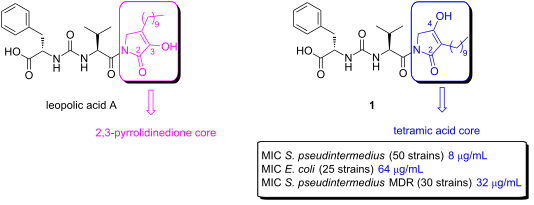
- hand, we finally accomplished the N-acylation reaction using n-BuLi in THF at −60 °C [15] in 60% yield. Removal of both protecting groups by catalytic hydrogenation, gave the desired compound 1 in 72% yield (Scheme 3). Compound 1 was subjected to a preliminary study to evaluate the antimicrobial


Nucleoside macrocycles formed by intramolecular click reaction: efficient cyclization of pyrimidine nucleosides decorated with 5'-azido residues and 5-octadiynyl side chains
Beilstein J. Org. Chem. 2018, 14, 2404–2410, doi:10.3762/bjoc.14.217
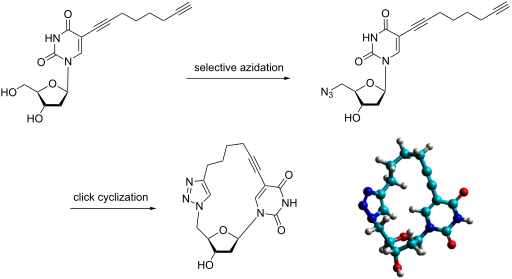
- Organische Chemie, Universität Münster, Corrensstrasse 40, 48149 Münster, Germany 10.3762/bjoc.14.217 Abstract Copper(I)-promoted "click" cyclization in the presence of TBTA afforded nucleoside macrocycles in very high yields (≈70%) without using protecting groups. To this end, dU and dC derivatives


Semi-synthesis and insecticidal activity of spinetoram J and its D-forosamine replacement analogues
Beilstein J. Org. Chem. 2018, 14, 2321–2330, doi:10.3762/bjoc.14.207
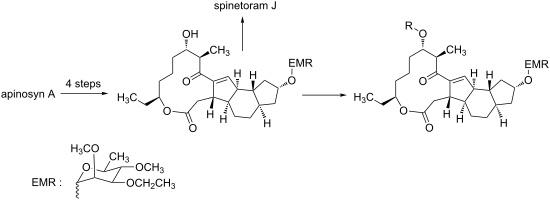
- with different protecting groups, resulting in cumbersome steps and high costs. To reduce the synthetic steps and simplify the operations, we developed a new semi-synthesis of spinetoram J based on a self-protection strategy (Scheme 2). In this study, 3-O-ethyl-2,4-di-O-methylrhamnose was used not only


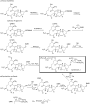


D-Fructose-based spiro-fused PHOX ligands: synthesis and application in enantioselective allylic alkylation
Beilstein J. Org. Chem. 2018, 14, 2082–2089, doi:10.3762/bjoc.14.182
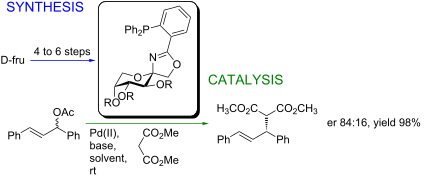
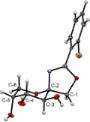
- was converted to 6a as previously described in [23]. Next, the isopropylidene group at positions 4 and 5 were removed under acidic conditions and the resulting intermediate 7a was converted to 7b with identical protecting groups at positions 3, 4 and 5 [24][25][26][27][28]. In order to obtain D




Applications of organocatalysed visible-light photoredox reactions for medicinal chemistry
Beilstein J. Org. Chem. 2018, 14, 2035–2064, doi:10.3762/bjoc.14.179
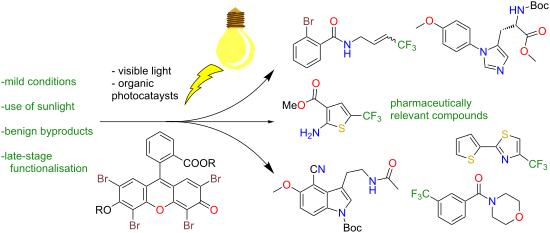
- protected naturally occurring amines such as GABA and phenylethylamine as well as diamines with orthogonal protecting groups, cf. product 2c. The combination of this protocol with the diastereoselective reductive amination reported by Hughes and Devine [41], provides access to very high value chiral α


An amine protecting group deprotectable under nearly neutral oxidative conditions
Beilstein J. Org. Chem. 2018, 14, 1750–1757, doi:10.3762/bjoc.14.149
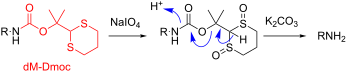
- . Deprotection was performed by oxidation followed by treating with a weak base. The yields were good to excellent. The new amino protecting group offers a different dimension of orthogonality in reference to the commonly used amino protecting groups in terms of deprotection conditions. It is expected to allow a
- collection of transformations to be carried out on the protected substrates that are unattainable using any known protecting groups. Keywords: amine; carbamate; dM-Dmoc; oxidation; protecting group; Introduction In multistep organic synthesis, amino groups usually have to be protected [1]. Protecting
- groups for the purpose mainly include those deprotectable by acid (e.g., tert-butyloxycarbonyl (Boc) group) [2][3][4], base (e.g., 9-fluorenylmethyloxycarbonyl (Fmoc) group and trifluoroacetyl group) [5][6][7], catalytic hydrogenation (e.g., benzyl group) [8], photoirradiation (e.g., 2-nitrophenylethyl


Anomeric modification of carbohydrates using the Mitsunobu reaction
Beilstein J. Org. Chem. 2018, 14, 1619–1636, doi:10.3762/bjoc.14.138
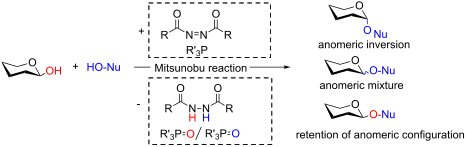
- reaction with phenol to stereoselectively achieve the respective β-mannoside 82 in good yield (Scheme 14) [60]. This stereo-differentiating effect of isopropylidene protecting groups was also observed in other cases with D-mannopyranose [46][61]. It might be used as a key to a reliable approach to
- otherwise difficult to synthesize β-mannosides using the Mitsunobu procedure. This approach to 1,2-cis-mannosides is equally effective when cyclohexylidene protecting groups are used [28][47][62]. Mitsunobu glycosylation was also a successful method in total synthesis. In the course of a 17-step synthesis
- of hygromycin A, Donohoe et al. used a Mitsunobu glycosylation of 84 with the arabinose derivative 83. This reaction could be tuned to deliver the required β-arabinofuranoside building block 85 with high stereoselectivity and under the assistance of triisopropylsilyl (TIPS) protecting groups (Scheme


Glycosylation reactions mediated by hypervalent iodine: application to the synthesis of nucleosides and carbohydrates
Beilstein J. Org. Chem. 2018, 14, 1595–1618, doi:10.3762/bjoc.14.137
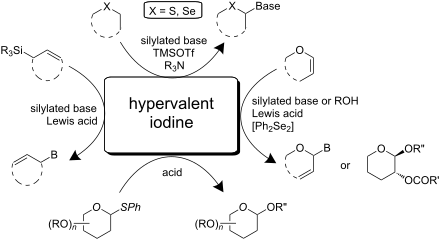
- reaction of trans-cyclobutane sulfoxide 59. The authors concluded that the stereochemistry of the sulfoxide and the nature of the protecting groups had no significant effect on the yield of the Pummerer-type glycosylation [47] (Scheme 8). Pummerer-type glycosylation, which was developed by our group


Synthesis of chiral 3-substituted 3-amino-2-oxindoles through enantioselective catalytic nucleophilic additions to isatin imines
Beilstein J. Org. Chem. 2018, 14, 1349–1369, doi:10.3762/bjoc.14.114

- yields (51–91%) and uniformly high enantioselectivities (92–99% ee), as shown in Scheme 1. Common protecting groups (R1), such as methyl, ethyl, 4-methoxybenzyl, methoxymethyl, phenyl and benzyl, were tolerated as well as various substituents (R2) on the aromatic ring of the isatins, including electron
- )substituted isatin imines (R1 = Me, Bn, H). Moreover, a range of electron-withdrawing and electron-donating groups on the aryl moiety (R2) as well as different N-carbamoyl protecting groups (R3 = t-Bu, Et, Bn) were compatible, providing generally high enantioselectivities (85 to >99% ee), except for the 5











The first Pd-catalyzed Buchwald–Hartwig aminations at C-2 or C-4 in the estrone series
Beilstein J. Org. Chem. 2018, 14, 998–1003, doi:10.3762/bjoc.14.85
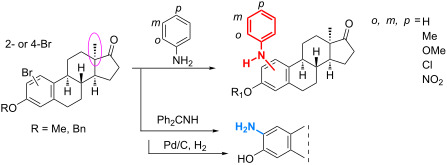
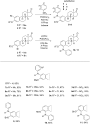
- derivative [17][18]. The C(sp2)–N cross-coupling of the triflate was achieved with benzophenone imine or benzylamine. The removal of the protecting groups resulted in 3-aminoestrone in high yields. Schön et al. developed two convenient protocols for the preparation of 3-aminoestrone using Pd(OAc)2 and Pd2


Development of novel cyclic NGR peptide–daunomycin conjugates with dual targeting property
Beilstein J. Org. Chem. 2018, 14, 911–918, doi:10.3762/bjoc.14.78
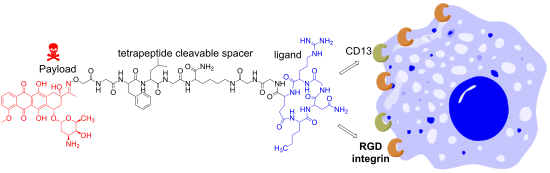
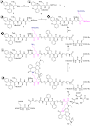
- the use of orthogonal protecting groups (Figure 1A). Previous studies indicated that the free ε-amino group of Lys does not have an impact on the biological activity [15][17]. To prove our assumption, a set of novel cyclic NGR peptide–Dau conjugates were developed in which the Lys was replaced by
- was observed in the case of conjugates 2, 3 and 4 obtained with a lower yield. The improvement was observed especially in the cyclization step that might be explained by the lack of bulky protecting groups on amino acids used instead of Lys. Chemostability of cyclic NGR peptide–daunomycin conjugates


A stereoselective and flexible synthesis to access both enantiomers of N-acetylgalactosamine and peracetylated N-acetylidosamine
Beilstein J. Org. Chem. 2018, 14, 856–860, doi:10.3762/bjoc.14.71
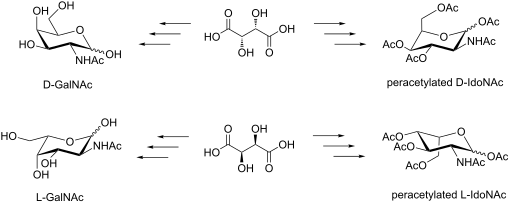
- improvement can be explained by a protonation of TMSN3 causing the in situ generation of highly reactive HN3 (Scheme 3). Additionally, no acidic work-up, as described by Miyashita et al., was necessary to gain the free alcohol on C5, which corroborates the proposed mechanism. The protecting groups were


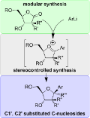
Recent advances in synthetic approaches for medicinal chemistry of C-nucleosides
Beilstein J. Org. Chem. 2018, 14, 772–785, doi:10.3762/bjoc.14.65
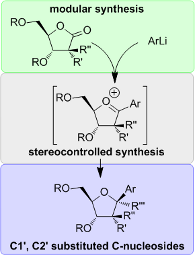
- proved to be the most promising compound. The fluorine on 29 was replaced with a methoxy group after re-installing the isopropylidene protecting group. The cyano group was then converted to an amide and the methoxy converted to a hydroxy group. Removal of the protecting groups on the sugar gave 25, which


Synthesis and in vitro biochemical evaluation of oxime bond-linked daunorubicin–GnRH-III conjugates developed for targeted drug delivery
Beilstein J. Org. Chem. 2018, 14, 756–771, doi:10.3762/bjoc.14.64
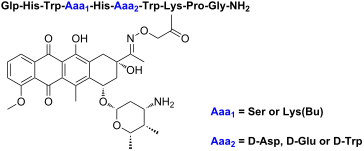
- homogenate. Results and Discussion Synthesis of oxime bond-linked GnRH-III–[4Ser/Lys(Bu), 6Aaa, 8Lys(Dau=Aoa)] bioconjugates The GnRH-III bioconjugates were prepared as shown in Scheme 1. All peptides were synthesized by standard Fmoc-SPPS using orthogonal lysine protecting groups. Fmoc-Lys(Dde)-OH was
- aminooxyacetic acid as “carbonyl capture” reagent (2 h, at room temperature (rt)) resulted in the simultaneous removal of the side chain protecting groups and the cleavage of the peptide from the resin [54]. Peptides were isolated by precipitation with ice-cold Et2O, centrifuged, washed 3 times, dissolved in



Synthesis of a sucrose-based macrocycle with unsymmetrical monosaccharides "arms"
Beilstein J. Org. Chem. 2018, 14, 634–641, doi:10.3762/bjoc.14.50
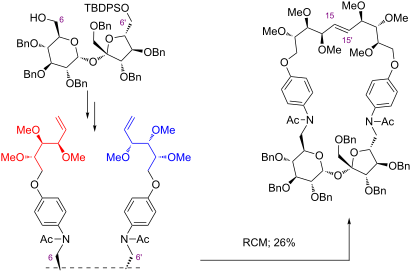
- practical reasons, the method was elaborated for the methylated derivatives of hextitol pendants it might be, eventually, applied also for synthons with other protecting groups. Experimental General The NMR spectra were recorded with a Varian VNMRS 600 MHz spectrometer for solutions in CDCl3 at 25 °C. The


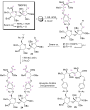
High-yielding continuous-flow synthesis of antimalarial drug hydroxychloroquine
Beilstein J. Org. Chem. 2018, 14, 583–592, doi:10.3762/bjoc.14.45
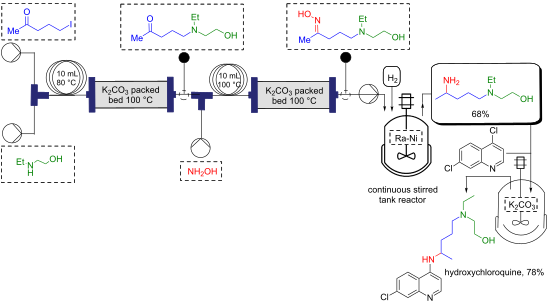
- synthesis of the antimalarial drug hydroxychloroquine (HCQ). Key improvements in the new process include the elimination of protecting groups with an overall yield improvement of 52% over the current commercial process. The continuous process employs a combination of packed bed reactors with continuous


Addition of dithi(ol)anylium tetrafluoroborates to α,β-unsaturated ketones
Beilstein J. Org. Chem. 2018, 14, 515–522, doi:10.3762/bjoc.14.37
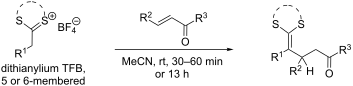
- dithiolane and dithiane protecting groups which are irreplaceable intermediates for the introduction of, e.g., fluorine via gem-difluorination [1][2]. They also allow the formation of valuable building blocks that can be used for diverse transformations in organic chemistry (e.g., Umpolung) [3]. Ketene 1,3


Stimuli-responsive oligonucleotides in prodrug-based approaches for gene silencing
Beilstein J. Org. Chem. 2018, 14, 436–469, doi:10.3762/bjoc.14.32
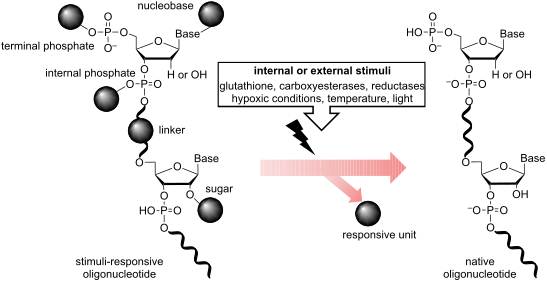
- use of photolabile protecting groups [38] of allyloxycarbonyl groups deprotected by Pd(0) [39] and of fluoride-labile groups [40] in place of the standard acyl protection of nucleobases has made possible the acquisition of short sequences of heteropolymer pro-oligonucleotides. However, none of these
- to their rapid removal under mild conditions [57]. Heat-sensitive phosphate/thiophosphate-protecting groups have been incorporated into ONs via phosphoramidite chemistry using solid-support methodology. However, some required more drastic conditions (90 °C for a long period of time) to be cleaved
- potential immunotherapeutic prodrugs [58]. The first impressive result was obtained in vivo with a CpG ODN (CpG ODN fma1555) functionalized with the 2-(N-formyl-N-methyl)aminoethyl (fma) thiophosphate protecting groups, which were cleaved at 37 °C to yield the well-known immunomodulatory CpG ODN 1555


Synthetic and semi-synthetic approaches to unprotected N-glycan oxazolines
Beilstein J. Org. Chem. 2018, 14, 416–429, doi:10.3762/bjoc.14.30
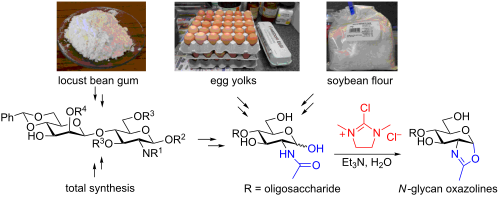
- sugars as substrates presents some limitations, as any remaining protecting groups must be removed in a subsequent step. Firstly, and most importantly, glycosyl oxazolines are extremely labile to acidic hydrolysis, and so this approach precludes the use of any OH-protecting groups that require acidic
- conditions for their cleavage. Secondly some glycosyl oxazolines are also prone to reductive cleavage by catalytic hydrogenation [41], presenting a significant further limitation as to which OH-protecting groups may be employed. Most of the reports in the literature have therefore used a protecting group
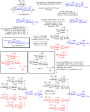
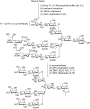
- of the 3-branched arm. Subsequent removal (or regioselective reductive ring-opening) of the 4,6-benzylidene protecting group allowed a second glycosylation at position 6. Conversion of all OH-protecting groups to acetate and the phthalamide to acetamide was followed by oxazoline formation using TMSBr




Preparation of trinucleotide phosphoramidites as synthons for the synthesis of gene libraries
Beilstein J. Org. Chem. 2018, 14, 397–406, doi:10.3762/bjoc.14.28
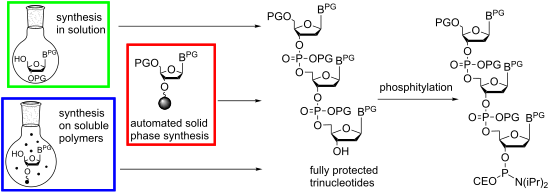
- gene libraries stands out as facilitating fully controlled total or partial randomization at any predefined number and position of codons of a given gene. Trinucleotide synthons need to be chemically synthesized. Here, the challenge has been to find a suitable set of orthogonal protecting groups that
- ]. A key issue in all these methodologies is that the 5'- or the 3'-O-protecting group is selectively cleaved, whereas all other protecting groups (at the nucleobases, the phosphorous and the 5'- or alternatively 3'-OH group) remain intact. Basically, this aim has been achieved, although in particular
- in earlier reports a number of problems associated with insufficient stability of protecting groups under synthesis conditions, as well as restricted orthogonality have been described, which was mirrored in the sometimes severely limited quality of the trinucleotide synthons and accordingly of the


Novel amide-functionalized chloramphenicol base bifunctional organocatalysts for enantioselective alcoholysis of meso-cyclic anhydrides
Beilstein J. Org. Chem. 2018, 14, 309–317, doi:10.3762/bjoc.14.19
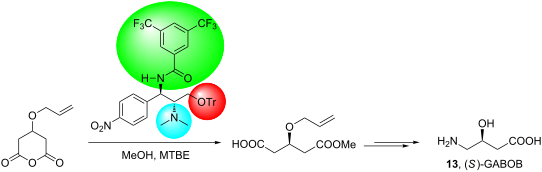
- . Different protecting groups for the nitrogen at the C-2 position and oxygen at C-3 are also investigated to yield the desired chiral catalysts using a simple procedure. With various bifunctional catalysts in hand, assessment of their catalytic behavior in enantioselective alcoholysis of meso-cyclic
- reactivity with this electron-poor 7i suggested that the pKa is crucial for this catalysis. Further modifications of the chloramphenicol skeleton with various protecting groups on the nitrogen at C-2 position and oxygen at C-3 did not improve the reaction but with lowered enantioselectivity (Table 1, entries





