


Search results
Search for "furan" in Full Text gives 274 result(s) in Beilstein Journal of Organic Chemistry. Showing first 200.
From dipivaloylketene to tetraoxaadamantanes
- Gert Kollenz and
- Curt Wentrup
Beilstein J. Org. Chem. 2018, 14, 1–10, doi:10.3762/bjoc.14.1

- obtained by flash vacuum pyrolysis of furan-2,3-dione 6 and dimerizes to 1,3-dioxin-4-one 3, which is a stable but reactive ketene. The transannular addition and rearrangement of enols formed by the addition of nucleophiles to the ketene function in 3 generates axially chiral 2,6,9-trioxabicyclo[3.3.1
- dimerization of dipivaloylketene (2), itself obtained in high yield by FVP of furan-2,3-dione 6 (Scheme 3). Ketene 3 reacts with a variety of nucleophiles in an addition reaction to the ketene function, thereby transforming the ketene to enol derivatives 14 or 9 of 1,3-dioxin-4-ones. Subsequently, these enols

Graphical Abstract
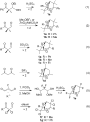
Scheme 1: Synthetic routes to 2,4,6,8-tetraoxaadamantanes.

Scheme 2: Conversion of dipivaloylketene (2) to bisdioxines (2,6,9-trioxabicyclo[3.3.1]nona-3,7-dienes) 4 and...

Scheme 3: 2,6,9-Trioxabicyclo[3.3.1]nonadienes (bisdioxines, 9–13) derived from dipivaloylketene (2).

Scheme 4: Mechanisms of formation of bisdioxine acid derivatives from dimer 3.

Scheme 5: Recently reported synthesis of chromenobisdioxines.

Scheme 6: Formation of tetraoxaadamantanes.

Scheme 7: Decarboxylative hydrolysis and oxa-Michael-type ring closure.

Scheme 8: Oxime and hydrazine derivatives of bisdioxines and tetraoxaadamantanes.

Figure 1: Bistetraoxaadamantane derivatives.

Scheme 9: Inward-pointing isocyanate, urethane and carbamate groups in bisdioxines. The diisocyanate is obtai...
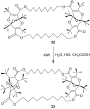
Scheme 10: Microwave-assisted tetraoxaadamantane formation.
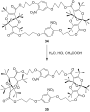
Scheme 11: Cyclic bisdioxine ester derivative 34 forming a single mono-tetraoxaadamantane.

Figure 2: Cyclic bisdioxine derivative not forming a tetraoxaadamantane due to reduced cavity size.

Figure 3: The bisdioxine-calix[6]arene derivative 37 complexes Cs+ but does not form a tetraoxaadamantane der...
Reactivity of bromoselenophenes in palladium-catalyzed direct arylations
- Aymen Skhiri,
- Ridha Ben Salem,
- Jean-François Soulé and
- Henri Doucet
Beilstein J. Org. Chem. 2017, 13, 2862–2868, doi:10.3762/bjoc.13.278
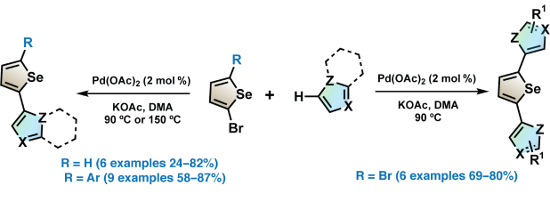
- allowed the coupling of several heteroaromatics such as thiazole, pyrrole, furan or imidazole derivatives with aryl bromides [36]. 2-Bromoselenophene, which was easily prepared by reaction of selenophene with N-bromosuccinimide [37], and 2-ethyl-4-methylthiazole were employed as model substrates for our

Graphical Abstract
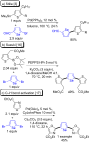
Scheme 1: Reported Pd-catalyzed heteroarylations of bromoselenophenes.

Scheme 2: Palladium-catalyzed heteroarylations of 2-bromoselenophene. *: 110 °C

Scheme 3: Palladium-catalyzed 2,5-diheteroarylation of 2,5-dibromoselenophene.

Scheme 4: Synthesis of 2-aryl-5-(heteroaryl)selenophenes.

Scheme 5: Proposed catalytic cycle.
CF3SO2X (X = Na, Cl) as reagents for trifluoromethylation, trifluoromethylsulfenyl-, -sulfinyl- and -sulfonylation and chlorination. Part 2: Use of CF3SO2Cl
- Hélène Chachignon,
- Hélène Guyon and
- Dominique Cahard
Beilstein J. Org. Chem. 2017, 13, 2800–2818, doi:10.3762/bjoc.13.273
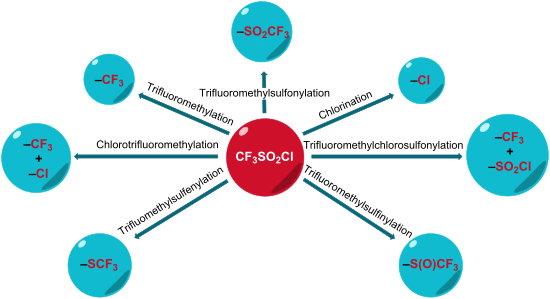
- exploited for cascade chlorination/cyclisation processes. For instance, diethyl malonates substituted by an alkyl chain bearing an alcohol or ether function could give access to tetrahydropyran or -furan derivatives [55]. Furthermore, this type of process also allowed the synthesis of diverse heterocycles

Graphical Abstract
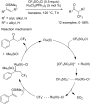
Scheme 1: Trifluoromethylation of silyl enol ethers.

Scheme 2: Continuous flow trifluoromethylation of ketones under photoredox catalysis.
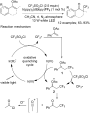
Scheme 3: Trifluoromethylation of enol acetates.

Scheme 4: Photoredox-catalysed tandem trifluoromethylation/cyclisation of N-arylacrylamides: a route to trifl...

Scheme 5: Tandem trifluoromethylation/cyclisation of N-arylacrylamides using BiOBr nanosheets catalysis.

Scheme 6: Photoredox-catalysed trifluoromethylation/desulfonylation/cyclisation of N-tosyl acrylamides (bpy: ...

Scheme 7: Photoredox-catalysed trifluoromethylation/aryl migration/desulfonylation of N-aryl-N-tosylacrylamid...

Scheme 8: Proposed mechanism for the trifluoromethylation/aryl migration/desulfonylation (/cyclisation) of N-...

Scheme 9: Photoredox-catalysed trifluoromethylation/cyclisation of N-methacryloyl-N-methylbenzamide derivativ...

Scheme 10: Photoredox-catalysed trifluoromethylation/cyclisation of N-methylacryloyl-N-methylbenzamide derivat...

Scheme 11: Photoredox-catalysed trifluoromethylation/dearomatising spirocyclisation of a N-benzylacrylamide de...

Scheme 12: Photoredox-catalysed trifluoromethylation/cyclisation of an unactivated alkene.

Scheme 13: Asymmetric radical aminotrifluoromethylation of N-alkenylurea derivatives using a dual CuBr/chiral ...

Scheme 14: Aminotrifluoromethylation of an N-alkenylurea derivative using a dual CuBr/phosphoric acid catalyti...

Scheme 15: 1,2-Formyl- and 1,2-cyanotrifluoromethylation of alkenes under photoredox catalysis.

Scheme 16: First simultaneous introduction of the CF3 moiety and a Cl atom onto alkenes.

Scheme 17: Chlorotrifluoromethylaltion of terminal, 1,1- and 1,2-substituted alkenes.

Scheme 18: Chorotrifluoromethylation of electron-deficient alkenes (DCE = dichloroethane).
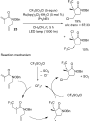
Scheme 19: Cascade trifluoromethylation/cyclisation/chlorination of N-allyl-N-(benzyloxy)methacrylamide.

Scheme 20: Cascade trifluoromethylation/cyclisation (/chlorination) of diethyl 2-allyl-2-(3-methylbut-2-en-1-y...

Scheme 21: Trifluoromethylchlorosulfonylation of allylbenzene derivatives and aliphatic alkenes.

Scheme 22: Access to β-hydroxysulfones from CF3-containing sulfonyl chlorides through a photocatalytic sequenc...
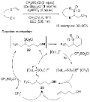
Scheme 23: Cascade trifluoromethylchlorosulfonylation/cyclisation reaction of alkenols: a route to trifluorome...

Scheme 24: First direct C–H trifluoromethylation of arenes and proposed mechanism.

Scheme 25: Direct C–H trifluoromethylation of five- and six-membered (hetero)arenes under photoredox catalysis....

Scheme 26: Alternative pathway for the C–H trifluoromethylation of (hetero)arenes under photoredox catalysis.

Scheme 27: Direct C–H trifluoromethylation of five- and six-membered ring (hetero)arenes using heterogeneous c...

Scheme 28: Trifluoromethylation of terminal olefins.

Scheme 29: Trifluoromethylation of enamides.

Scheme 30: (E)-Selective trifluoromethylation of β-nitroalkenes under photoredox catalysis.

Scheme 31: Photoredox-catalysed trifluoromethylation/cyclisation of an o-azidoarylalkynes.

Scheme 32: Regio- and stereoselective chlorotrifluoromethylation of alkynes.

Scheme 33: PMe3-mediated trifluoromethylsulfenylation by in situ generation of CF3SCl.

Scheme 34: (EtO)2P(O)H-mediated trifluoromethylsulfenylation of (hetero)arenes and thiols.

Scheme 35: PPh3/NaI-mediated trifluoromethylsulfenylation of indole derivatives.

Scheme 36: PPh3/n-Bu4NI mediated trifluoromethylsulfenylation of thiophenol derivatives.

Scheme 37: PPh3/Et3N mediated trifluoromethylsulfinylation of benzylamine.

Scheme 38: PCy3-mediated trifluoromethylsulfinylation of azaarenes, amines and phenols.

Scheme 39: Mono- and dichlorination of carbon acids.

Scheme 40: Monochlorination of (N-aryl-N-hydroxy)acylacetamides.

Scheme 41: Examples of the synthesis of heterocycles fused with β-lactams through a chlorination/cyclisation p...

Scheme 42: Enantioselective chlorination of β-ketoesters and oxindoles.

Scheme 43: Enantioselective chlorination of 3-acyloxazolidin-2-one derivatives (NMM = N-methylmorpholine).
Vinylphosphonium and 2-aminovinylphosphonium salts – preparation and applications in organic synthesis
- Anna Kuźnik,
- Roman Mazurkiewicz and
- Beata Fryczkowska
Beilstein J. Org. Chem. 2017, 13, 2710–2738, doi:10.3762/bjoc.13.269

- expected ylide 97. The subsequent intramolecular Wittig reaction in boiling toluene gave the 1,2-dihydroquinoline derivatives 98, which underwent dehydrogenation into the corresponding 4-arylquinolines 99 in yields of 55–90% (Scheme 57) [70]. In an analogous manner, Yavari and Mosslemin synthesized furan
- derivatives from 2-hydroxyketones 100, triphenylphosphine, and dialkyl acetylenedicarboxylates. The intermediate vinylphosphonium salt 101 was attacked here at the β-position by the nucleophilic oxygen atom of the hydroxyketone anion. The final product of this reaction was the expected furan derivative 102
- ylides in the intramolecular Wittig reaction. Synthesis of furan derivatives via resonance-stabilized ylides in the intramolecular Wittig reaction. Synthesis of 1,3-indanedione derivatives via resonance-stabilized ylides in the intermolecular Wittig reaction. Synthesis of coumarin derivatives via

Graphical Abstract

Scheme 1: Generation of phosphorus ylides from vinylphosphonium salts.

Scheme 2: Intramolecular Wittig reaction with the use of vinylphosphonium salts.

Scheme 3: Alkylation of diphenylvinylphosphine with methyl or benzyl iodide.

Scheme 4: Methylation of isopropenyldiphenylphosphine with methyl iodide.

Scheme 5: Alkylation of phosphines with allyl halide derivatives and subsequent isomerization of intermediate...

Scheme 6: Alkylation of triphenylphosphine with vinyl triflates in the presence of (Ph3P)4Pd.

Scheme 7: Mechanism of alkylation of triphenylphosphine with vinyl triflates in the presence of (Ph3P)4Pd as ...

Scheme 8: β-Elimination of phenol from β-phenoxyethyltriphenylphosphonium bromide.

Scheme 9: β-Elimination of phenol from β-phenoxyethylphosphonium salts in an alkaline environment.

Scheme 10: Synthesis and subsequent dehydrohalogenation of α-bromoethylphosphonium bromide.

Scheme 11: Synthesis of tributylvinylphosphonium iodides via Peterson-type olefination of α-trimethylsilylphos...

Scheme 12: Synthesis of 1-cycloalkenetriphenylphosphonium salts by electrochemical oxidation of triphenylphosp...

Scheme 13: Suggested mechanism for the electrochemical synthesis of 1-cycloalkenetriphenylphosphonium salts.

Scheme 14: Generation of α,β-(dialkoxycarbonyl)vinylphosphonium salts by addition of triphenylphosphine to ace...

Scheme 15: Synthesis of 2-(N-acylamino)vinylphosphonium halides by imidoylation of β-carbonyl ylides with imid...

Scheme 16: Imidoylation of β-carbonyl ylides with imidoyl halides generated in situ.

Scheme 17: Synthesis of 2-benzoyloxyvinylphosphonium bromide from 2-propynyltriphenylphosphonium bromide.

Scheme 18: Synthesis of 2-aminovinylphosphonium salts via nucleophilic addition of amines to 2-propynyltriphen...

Scheme 19: Deacylation of 2-(N-acylamino)vinylphosphonium chlorides to 2-aminovinylphosphonium salts.

Scheme 20: Resonance structures of 2-aminovinylphosphonium salts and tautomeric equilibrium between aminovinyl...

Scheme 21: Synthesis of 2-aminovinylphosphonium salts by reaction of (formylmethyl)triphenylphosphonium chlori...

Scheme 22: Generation of ylides by reaction of vinyltriphenylphosphonium bromide with nucleophiles and their s...

Scheme 23: Intermolecular Wittig reaction with the use of vinylphosphonium bromide and organocopper compounds ...

Scheme 24: Intermolecular Wittig reaction with the use of ylides generated from vinylphosphonium bromides and ...

Scheme 25: Direct transformation of vinylphosphonium salts into ylides in the presence of potassium tert-butox...

Scheme 26: A general method for synthesis of carbo- and heterocyclic systems by the intramolecular Wittig reac...

Scheme 27: Synthesis of 2H-chromene by reaction of vinyltriphenylphosphonium bromide with sodium 2-formylpheno...

Scheme 28: Synthesis of 2,5-dihydro-2,3-dimethylfuran by reaction of vinylphosphonium bromide with 3-hydroxy-2...

Scheme 29: Synthesis of 2H-chromene and 2,5-dihydrofuran derivatives in the intramolecular Wittig reaction wit...

Scheme 30: Enantioselective synthesis of 3,6-dihydropyran derivatives from vinylphosphonium bromide and enanti...

Scheme 31: Synthesis of 2,5-dihydrothiophene derivatives in the intramolecular Wittig reaction from vinylphosp...

Scheme 32: Synthesis of bicyclic pyrrole derivatives in the reaction of vinylphosphonium halides and 2-pyrrolo...

Scheme 33: Stereoselective synthesis of bicyclic 2-pyrrolidinone derivatives in the reaction of vinylphosphoni...

Scheme 34: Stereoselective synthesis of 3-pyrroline derivatives in the intramolecular Wittig reaction from vin...

Scheme 35: Synthesis of cyclic alkenes in the intramolecular Wittig reaction from vinylphosphonium bromide and...

Scheme 36: Synthesis of 1,3-cyclohexadienes by reaction of 1,3-butadienyltriphenylphosphonium bromide with eno...

Scheme 37: Synthesis of bicyclo[3.3.0]octenes by reaction of vinylphosphonium salts with cyclic diketoester.

Scheme 38: Synthesis of quinoline derivatives in the intramolecular Wittig reaction from 2-(2-acylphenylamino)...

Scheme 39: Stereoselective synthesis of γ-aminobutyric acid in the intermolecular Wittig reaction from chiral ...

Scheme 40: Synthesis of allylamines in the intermolecular Wittig reaction from 2-aminovinylphosphonium bromide...

Scheme 41: A general route towards α,β-di(alkoxycarbonyl)vinylphosphonium salts and their subsequent possible ...

Scheme 42: Generation of resonance-stabilized phosphorus ylides via the reaction of triphenylphosphine with di...

Scheme 43: Synthesis of resonance-stabilized phosphorus ylides in the reaction of triphenylphosphine, dialkyl ...

Scheme 44: Synthesis of resonance-stabilized phosphorus ylides via the reaction of triphenylphosphine with dia...

Scheme 45: Generation of resonance-stabilized phosphorus ylides in the reaction of acetylenedicarboxylate, tri...

Scheme 46: Synthesis of resonance-stabilized phosphorus ylides via the reaction of dialkyl acetylenedicarboxyl...

Scheme 47: Synthesis of resonance-stabilized ylides derived from semicarbazones, aromatic amides, and 3-(aryls...

Scheme 48: Synthesis of resonance-stabilized ylides via the reaction of triphenylphosphine with dialkyl acetyl...

Scheme 49: Synthesis of resonance-stabilized ylides in the reaction of triphenylphosphine, dialkyl acetylenedi...

Scheme 50: Synthesis of N-acylated α,β-unsaturated γ-lactams via resonance-stabilized phosphorus ylides derive...

Scheme 51: Synthesis of resonance-stabilized phosphorus ylides derived from 6-amino-N,N'-dimethyluracil and th...

Scheme 52: Generation of resonance-stabilized phosphorus ylides in the reaction of triphenylphosphine, dialkyl...

Scheme 53: Synthesis of resonance-stabilized phosphorus ylides via the reaction of triphenylphosphine with dia...

Scheme 54: Synthesis of 1,3-dienes via intramolecular Wittig reaction with the use of resonance-stabilized yli...

Scheme 55: Synthesis of 1,3-dienes in the intramolecular Wittig reaction from ylides generated from dimethyl a...

Scheme 56: Synthesis of 4-(2-quinolyl)cyclobutene-1,2,3-tricarboxylic acid triesters and isomeric cyclopenteno...

Scheme 57: Synthesis of 4-arylquinolines via resonance-stabilized ylides in the intramolecular Wittig reaction....

Scheme 58: Synthesis of furan derivatives via resonance-stabilized ylides in the intramolecular Wittig reactio...

Scheme 59: Synthesis of 1,3-indanedione derivatives via resonance-stabilized ylides in the intermolecular Witt...

Scheme 60: Synthesis of coumarin derivatives via nucleophilic displacement of the triphenylphosphonium group i...

Scheme 61: Synthesis of 6-formylcoumarin derivatives and their application in the synthesis of dyads.

Scheme 62: Synthesis of di- and tricyclic coumarin derivatives in the reaction of pyrocatechol with two vinylp...

Scheme 63: Synthesis of mono-, di-, and tricyclic derivatives in the reaction of pyrogallol with one or two vi...

Scheme 64: Synthesis of 1,4-benzoxazine derivative by nucleophilic displacement of the triphenylphosphonium gr...

Scheme 65: Synthesis of 7-oxo-7H-pyrido[1,2,3-cd]perimidine derivative via nucleophilic displacement of the tr...

Scheme 66: Application of vinylphosphonium salts in the Diels–Alder reaction with dienes.

Scheme 67: Synthesis of pyrroline derivatives from vinylphosphonium bromide and 5-(4H)-oxazolones.

Scheme 68: Synthesis of pyrrole derivatives in the reactions of vinyltriphenylphosphonium bromide with protona...

Scheme 69: Synthesis of dialkyl 2-(alkylamino)-5-aryl-3,4-furanedicarboxylates via intermediate α,β-di(alkoxyc...

Scheme 70: Synthesis of 1,4-benzoxazine derivatives from acetylenedicarboxylates, phosphines, and 1-nitroso-2-...
Structure–property relationships and third-order nonlinearities in diketopyrrolopyrrole based D–π–A–π–D molecules
- Jan Podlesný,
- Lenka Dokládalová,
- Oldřich Pytela,
- Adam Urbanec,
- Milan Klikar,
- Numan Almonasy,
- Tomáš Mikysek,
- Jaroslav Jedryka,
- Iwan V. Kityk and
- Filip Bureš
Beilstein J. Org. Chem. 2017, 13, 2374–2384, doi:10.3762/bjoc.13.235
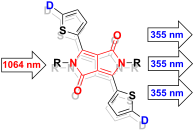
- -photon absorbers (2PA). In this respect, the central DPP bicyclic lactam is often decorated with electron donors such as alkoxy- or dialkylamino groups [11][12], triphenylamine [13][14], heterocyclic carbazole [15], thiophene [16][17], furan [18], and organometallic ferrocene [19]. 2PA-active DPPs were

Graphical Abstract

Figure 1: General structure of investigated DPP derivatives 1–5.
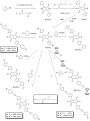
Scheme 1: Synthesis of target DPP chromophores 1–5. (i) PdCl2(PPh3)2, Na2CO3, THF, H2O; (ii) PdCl2(PPh3)2, TH...

Figure 2: Thermograms of representative chromophores 4a and 4b.

Figure 3: Energy level diagram of the electrochemical (black) and DFT (red) derived energies of the EHOMO/LUMO...

Figure 4: UV–vis absorption spectra of chromophores 1a and 1b in 1,4-dioxane at a concentration of 1 × 10⁻⁵ M....

Figure 5: UV–vis absorption spectra of chromophores 1b–5b in 1,4-dioxane at a concentration of 1 × 10⁻⁵ M.

Figure 6: Typical THG dependences vs the fundamental energy density.

Figure 7: HOMO (red) and LUMO (blue) localizations in 1a (ethylhexyl chains truncated).
One-pot syntheses of blue-luminescent 4-aryl-1H-benzo[f]isoindole-1,3(2H)-diones by T3P® activation of 3-arylpropiolic acids
- Melanie Denißen,
- Alexander Kraus,
- Guido J. Reiss and
- Thomas J. J. Müller
Beilstein J. Org. Chem. 2017, 13, 2340–2351, doi:10.3762/bjoc.13.231
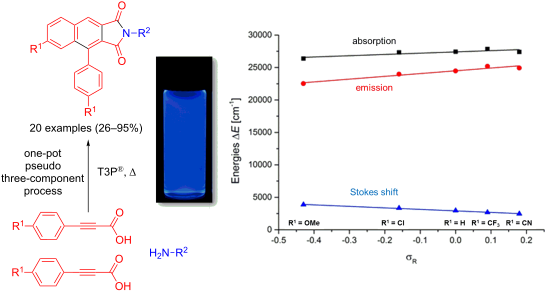
- Düsseldorf, Universitätsstraße 1, D-40225 Düsseldorf, Germany 10.3762/bjoc.13.231 Abstract In situ activation of 3-arylpropiolic acids with T3P® (n-propylphosphonic acid anhydride) initiates a domino reaction furnishing 4-arylnaphtho[2,3-c]furan-1,3-diones in excellent yields. Upon employing these
- , sensing and display applications [41]. 4-Phenylnaphtho[2,3-c]furan-1,3-diones can well serve as reactive intermediates in multicomponent reactions, e.g., for synthesizing the corresponding imides. A particularly intriguing access to 4-phenylnaphtho[2,3-c]furan-1,3-diones is the intramolecular [4 + 2
- activation of benzyl alcohols in the synthesis of N-benzylphenothiazine derivatives [48], we reasoned that T3P® might be equally well suited for furnishing 4-phenylnaphtho[2,3-c]furan-1,3-diones, and thereby opening a straightforward entry to 4-aryl-1H-benzo[f]isoindole-1,3(2H)-diones in a diversity-oriented

Graphical Abstract

Scheme 1: Mechanistic rationale and optimization of the domino synthesis of 4-arylnaphtho[2,3-c]furan-1,3-dio...

Scheme 2: Domino synthesis of 4-arylnaphtho[2,3-c]furan-1,3-diones 2 via in situ activation of arylpropiolic ...

Scheme 3: Optimization of the synthesis of 2,4-diphenyl-1H-benzo[f]isoindole-1,3(2H)-dione (4a) by imidation ...

Scheme 4: Pseudo three-component synthesis of 4-aryl-1H-benzo[f]isoindole-1,3(2H)-diones 4.

Scheme 5: Modified sequence for the synthesis of acceptor-substituted 4-aryl-1H-benzo[f]isoindole-1,3(2H)-dio...

Figure 1: The ORTEP-style plot of crystal structure 4b (ellipsoids are draw at the 40% probability level).

Scheme 6: Pseudo four-component synthesis of (E)-2,9-diphenyl-3-(phenylimino)-2,3-dihydro-1H-benzo[f]isoindol...

Scheme 7: Synthesis of 6-phenyl-12H-benzo[f]benzo[4,5]imidazo[2,1-a]isoindol-12-one (6).

Figure 2: The ORTEP-type plot of the crystal structure 5 (left) and a centrosymmetric dimer formation by π–π ...
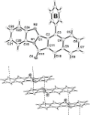
Figure 3: The ORTEP-type plot of the asymmetric unit of the crystal structure 6 (top) and π-stacking interact...

Figure 4: Emission properties of compounds 4a,b,d–f, 5, and 6 under handheld UV-lamp (λexc ≈ 350 nm).

Figure 5: Relative emission intensities of compounds 4a,b,d–f (recorded in CH2Cl2 UVASOL® at T = 293 K; λexc ...

Figure 6: Absorption and emission properties of selected imides 4 measured in CH2Cl2 UVASOL® at 293 K with λe...

Figure 7: Hammett–Taft correlations of the emission maxima (red circles, lmax,em = 4274 · sR + 24495 [cm−1], R...
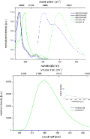
Figure 8: Relative emission intensities of the 1-phenyl-2,3-naphthaleneimide 4a (blue) and the pentacyclus 6 ...
Dialkyl dicyanofumarates and dicyanomaleates as versatile building blocks for synthetic organic chemistry and mechanistic studies
- Grzegorz Mlostoń and
- Heinz Heimgartner
Beilstein J. Org. Chem. 2017, 13, 2235–2251, doi:10.3762/bjoc.13.221
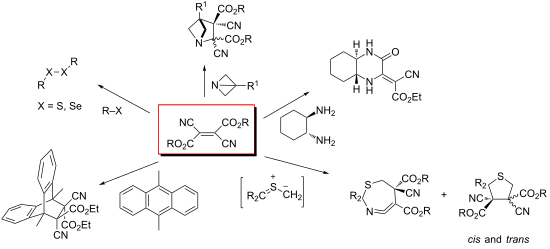
- radical intermediate 46 governs the formal [4 + 2]-cycloaddition reaction of E-1b with 3,4-di(α-styryl)furan (47, Scheme 15). The photoinduced reaction occurs via an electron-transfer (PET) process and led to the formation of the polycyclic product 48 in a stereospecific manner [52]. Similar products were
- (α-styryl)furan (47) with dimethyl dicyanofumarate (E-1b). Acid-catalyzed Michael addition of enolizable ketones of type 49 to E-1. Reaction of diethyl dicyanofumarate (E-1a) with ammonia NH3. Reaction of dialkyl dicyanofumarates E-1 with primary and secondary amines. Reaction of dialkyl

Graphical Abstract

Figure 1: Dialkyl dicyanofumarates E-1 and dicyanomaleates Z-1.

Scheme 1: Methods for the synthesis of dialkyl dicyanofumarates E-1 from alkyl cyanoacetates 2.

Scheme 2: Methods for the synthesis of dialkyl dicyanofumarates E-1 from alkyl bromoacetates 3.

Scheme 3: Reaction of dimethyl dicyanofumarate (E-1b) with dimethoxycarbene [(MeO)2C:] generated in situ from...

Scheme 4: Cyclopropanation of diethyl dicyanofumarate (E-1a) through reaction with the thiophene derived sulf...

Scheme 5: Cyclopropanation of dimethyl dicyanofumarate (E-1b) through a stepwise reaction with the in situ ge...

Scheme 6: The [2 + 2]-cycloadditions of dimethyl dicyanofumarate (E-1b) with electron-rich ethylenes 20 and 22...

Scheme 7: The [2 + 2]-cycloaddition of isomeric dimethyl dicyanofumarate (E-1b) and dicyanomaleate (Z-1b) wit...

Scheme 8: Non-concerted [2 + 2]-cycloaddition between E-1b and bicyclo[2.1.0]pentene (27).

Scheme 9: Stepwise [3 + 2]-cycloadditions of some thiocarbonyl S-methanides with dialkyl dicyanofumarates E-1...

Scheme 10: Stepwise [3 + 2]-cycloadditions of dimethyl dicyanofumarate (E-1b) and dimethyl dicyanomaleate (Z-1b...

Scheme 11: [3 + 2]-Cycloaddition of diazomethane with dimethyl dicyanofumarate (E-1b) leading to 1H-pyrazole d...

Scheme 12: Reversible Diels–Alder reaction of fulvenes 36 with diethyl dicyanofumarate (E-1a).

Scheme 13: [4 + 2]-Cycloaddition of 9,10-dimethylanthracene (39b) and E-1a.

Scheme 14: Stepwise [4 + 2]-cycloaddition of dimethyl dicyanofumarate (E-1b) with electron-rich 1,1-dimethoxy-...

Scheme 15: Formal [4 + 2]-cycloaddition of 3,4-di(α-styryl)furan (47) with dimethyl dicyanofumarate (E-1b).

Scheme 16: Acid-catalyzed Michael addition of enolizable ketones of type 49 to E-1.

Scheme 17: Reaction of diethyl dicyanofumarate (E-1a) with ammonia NH3.

Scheme 18: Reaction of dialkyl dicyanofumarates E-1 with primary and secondary amines.

Scheme 19: Reaction of dialkyl dicyanofumarates E-1 with 1-azabicyclo[1.1.0]butanes 55.

Scheme 20: Formation of pyrazole derivatives in the reaction of hydrazines with E-1.

Scheme 21: Formation of 5-aminopyrazole-3,4-dicarboxylate 65 via heterocyclization reactions.

Scheme 22: Reactions of aryl- and hetarylcarbohydrazides 67 with E-1a.

Scheme 23: Multistep reaction leading to perhydroquinoxaline derivative 73.

Scheme 24: Synthesis of ethyl 7-aminopteridin-6-carboxylates 75 via a domino reaction.

Scheme 25: Synthesis of morhpolin-2-ones 80 from E-1 and β-aminoalcohols 78 through an initial aza-Michael add...

Scheme 26: Reaction of 3-amino-5-arylpyrazoles 81 with dialkyl dicyanofumarates E-1 via competitive nucleophil...

Scheme 27: Heterocyclization reaction of thiosemicarbazone 86 with E-1a.

Scheme 28: Formation of diethyl 4-cyano-5-oxotetrahydro-4H-chromene-3,4-dicarboxylate (90) from E-1a via heter...

Scheme 29: Reaction of dialkyl dicyanofumarates E-1 with cysteamine (92).

Scheme 30: Formation of disulfides through reaction of thiols with E-1a.

Scheme 31: Formation of CT salts of E-1 with Mn2+ and Cr2+ metallocenes through one-electron transfer.

Scheme 32: Oxidation of diethyl dicyanofumarate (E-1a) with H2O2 to give oxirane 101.

Scheme 33: The aziridination of E-1b through nitrene addition.
Switchable highly regioselective synthesis of 3,4-dihydroquinoxalin-2(1H)ones from o-phenylenediamines and aroylpyruvates
- Juraj Dobiaš,
- Marek Ondruš,
- Gabriela Addová and
- Andrej Boháč
Beilstein J. Org. Chem. 2017, 13, 1350–1360, doi:10.3762/bjoc.13.132
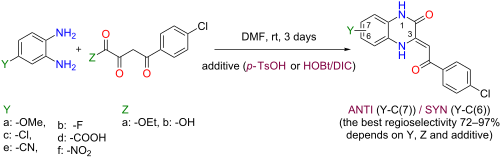
- -amino group of 11e. The opposite regioisomer 17e (ANTI) was selectively prepared by reaction of the more nucleophilic m-amino group of 11e with the most reactive lactonic carbonyl group in 5-(4-chlorophenyl)furan-2,3-dione (13) through an amide intermediate 15 (Scheme 2). Abasolo et al. studied the
- ) (natively preferring SYN regioselectivity, see Table 1, entry 4, column 3) complicated the desired reaction. The other possibility was to perform the regioselective synthesis of 17d (ANTI) from an appropriate furan-2,3-dione 13 (Scheme 2). The preparation of 13 failed in our hands. Therefore, we decided to

Graphical Abstract

Scheme 1: The structures of quinoxalin-2(1H)-ones 1, 2 and 3,4-dihydroquinoxalin-2(1H)-ones 3. An acylmethyl ...

Figure 1: The structures including some of their physical and biological properties of 3,4-dihydroqunoxalin-2...

Scheme 2: Selective synthesis of both 3,4-dihydroquinoxalin-2(1H)-one regioisomers 16e (SYN) and 17e (ANTI).

Scheme 3: The proposed mechanism for the synthesis of 3-methylquinoxalin-2(1H)-one regioisomers 22 and 23. In...

Scheme 4: The regioselective syntheses of both quinoxalin-2(1H)-ones 27 (ANTI) and 26 (SYN).

Scheme 5: The selective synthesis of substituted quinoxalin-2(1H)-ones 31 from 28 via three reaction steps.

Scheme 6: Regioselectivity switching based on carbonyl activation of 4-chlorobenzoylpyruvates 12a,b by p-TsOH...

Figure 2: The interactions and assignments, obtained after analyses of NMR spectra, allowed us to distinguish...

Figure 3: NMR assignments for compound 16d.

Figure 4: NMR assignments for compound 17d.
Molecular-level architectural design using benzothiadiazole-based polymers for photovoltaic applications
- Vinila N. Viswanathan,
- Arun D. Rao,
- Upendra K. Pandey,
- Arul Varman Kesavan and
- Praveen C. Ramamurthy
Beilstein J. Org. Chem. 2017, 13, 863–873, doi:10.3762/bjoc.13.87
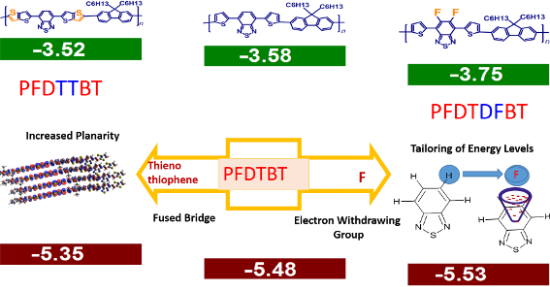
- significant role in increasing the efficiency for OPVs [30][31]. However, fused π-bridges (such as thienothiophene) having a larger molecular structure and higher degree of conjugation are less explored with respect to thiophene and furan spacers. Thienothiophene ensures a highly delocalized electron system

Graphical Abstract
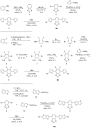
Scheme 1: Synthetic route towards monomers M1, M2 and M3.

Scheme 2: Synthesis of polymers P1, P2, and P3.

Figure 1: Isodensity surface plots of frontier molecular orbitals and optimized molecular geometries of P1, P2...

Figure 2: Theoretical absorption spectra of the polymers P1–P3 calculated using TDDFT.

Figure 3: Electrochemical spectra of polymers P1–P3.

Figure 4: Normalized absorption spectra of the polymers in solution, film and annealed film (130 °C) forms.

Figure 5: Photoluminescence spectra of polymers P1–P3 and polymer:PC70BM blends.

Figure 6: Bulk heterojunction solar cells device architecture, illustrating favorable conditions for absorpti...

Figure 7: J–V Spectra in chlorobenzene (CB) for which the ratio of polymer:PC70BM was optimized as follows: P1...

Figure 8: External quantum efficiency spectra of optimized devices fabricated with polymers P1, P2 and P3 and...
Synthesis of ribavirin 2’-Me-C-nucleoside analogues
- Fanny Cosson,
- Aline Faroux,
- Jean-Pierre Baltaze,
- Jonathan Farjon,
- Régis Guillot,
- Jacques Uziel and
- Nadège Lubin-Germain
Beilstein J. Org. Chem. 2017, 13, 755–761, doi:10.3762/bjoc.13.74

- compound 10b. As depicted in Figure 3, compound 10b displayed an S-type conformation and an anti arrangement of the atoms O(1’)-C(1’)-C(1)-N(2) according to the dihedral angle of 0° lower than 90° (43°). Moreover, the benzyl group appeared to be present in two different positions covering the furan ring

Graphical Abstract

Figure 1: Targeted compounds.

Figure 2: Retrosynthesis of compound 1.

Scheme 1: Synthesis of 5-(2’-C-methyl-β-D-ribofuranosyl)-1,2,3-triazole-4-carboxamide (2).

Scheme 2: Synthesis of the 2’-keto derivatives 12a/12b.
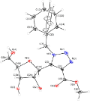
Figure 3: X-ray spectrum of compound 10b.

Figure 4: Structural study of isomeric compounds 13.

Scheme 3: Fluorination of ethyl 1-benzyl-4-(2’-C-methyl-3’,5’-O-(tetraisopropyldisiloxane-1,3-diyl)-β-D-ribof...

Scheme 4: Synthesis of 5-(2’-deoxy-2’-fluoro-2’-methyl-β-D-ribofuranosyl)-1,2,3-triazole-4-carboxamide (3).
Synthesis of 1-indanones with a broad range of biological activity
- Marika Turek,
- Dorota Szczęsna,
- Marek Koprowski and
- Piotr Bałczewski
Beilstein J. Org. Chem. 2017, 13, 451–494, doi:10.3762/bjoc.13.48
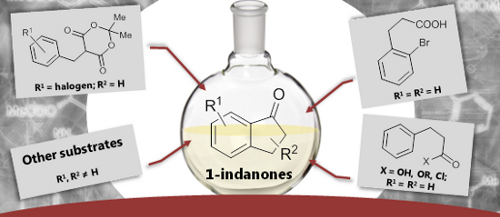
- followed by 1,5-hydrogen migration involving the o-alkyl substituent. 1,5-Diradicals 102 were formed as a result of elimination of acid HX from 1,4-diradicals 101. Finally, 1,5-diradicals 102 underwent cyclization to give 1-indanones 103 in good yields and 2-alkylidene benzo[c]furan derivatives 104 as

Graphical Abstract

Figure 1: Biologically active 1-indanones and their structural analogues.

Figure 2: Number of papers about (a) 1-indanones, (b) synthesis of 1-indanones.

Scheme 1: Synthesis of 1-indanone (2) from hydrocinnamic acid (1).

Scheme 2: Synthesis of 1-indanone (2) from 3-(2-bromophenyl)propionic acid (3).

Scheme 3: Synthesis of 1-indanones 5 from 3-arylpropionic acids 4.

Scheme 4: Synthesis of kinamycin (9a) and methylkinamycin C (9b).

Scheme 5: Synthesis of trifluoromethyl-substituted arylpropionic acids 12, 1-indanones 13 and dihydrocoumarin...

Scheme 6: Synthesis of 1-indanones 16 from benzoic acids 15.

Scheme 7: Synthesis of 1-indanones 18 from arylpropionic and 3-arylacrylic acids 17.

Scheme 8: The NbCl5-induced one-step synthesis of 1-indanones 22.

Scheme 9: Synthesis of biologically active 1-indanone derivatives 26.

Scheme 10: Synthesis of enantiomerically pure indatraline ((−)-29).

Scheme 11: Synthesis of 1-indanone (2) from the acyl chloride 30.

Scheme 12: Synthesis of the mechanism-based inhibitors 33 of coelenterazine.

Scheme 13: Synthesis of the indane 2-imidazole derivative 37.

Scheme 14: Synthesis of fluorinated PAHs 41.

Scheme 15: Synthesis of 1-indanones 43 via transition metal complexes-catalyzed carbonylative cyclization of m...

Scheme 16: Synthesis of 6-methyl-1-indanone (46).

Scheme 17: Synthesis of 1-indanone (2) from ester 48.

Scheme 18: Synthesis of benzopyronaphthoquinone 51 from the spiro-1-indanone 50.

Scheme 19: Synthesis of the selective endothelin A receptor antagonist 55.

Scheme 20: Synthesis of 1-indanones 60 from methyl vinyl ketone (57).

Scheme 21: Synthesis of 1-indanones 64 from diethyl phthalate 61.

Scheme 22: Synthesis of 1-indanone derivatives 66 from various Meldrum’s acids 65.

Scheme 23: Synthesis of halo 1-indanones 69.

Scheme 24: Synthesis of substituted 1-indanones 71.

Scheme 25: Synthesis of spiro- and fused 1-indanones 73 and 74.

Scheme 26: Synthesis of spiro-1,3-indanodiones 77.

Scheme 27: Mechanistic pathway for the NHC-catalyzed Stetter–Aldol–Michael reaction.

Scheme 28: Synthesis of 2-benzylidene-1-indanone derivatives 88a–d.

Scheme 29: Synthesis of 1-indanone derivatives 90a–i.

Scheme 30: Synthesis of 1-indanones 96 from o-bromobenzaldehydes 93 and alkynes 94.

Scheme 31: Synthesis of 3-hydroxy-1-indanones 99.

Scheme 32: Photochemical preparation of 1-indanones 103 from ketones 100.

Scheme 33: Synthesis of chiral 3-aryl-1-indanones 107.

Scheme 34: Photochemical isomerization of 2-methylbenzil 108.

Scheme 35: Synthesis of 2-hydroxy-1-indanones 111a–c.

Scheme 36: Synthesis of 1-indanone derivatives 113 and 114 from η6-1,2-dioxobenzocyclobutene complex 112.

Scheme 37: Synthesis of nakiterpiosin (117).

Scheme 38: Synthesis of 2-alkyl-1-indanones 120.

Scheme 39: Synthesis of fluorine-containing 1-indanone derivatives 123.

Scheme 40: Synthesis of 2-benzylidene and 2-benzyl-1-indanones 126, 127 from the chalcone 124.

Scheme 41: Synthesis of 2-bromo-6-methoxy-3-phenyl-1-indanone (130).

Scheme 42: Synthesis of combretastatin A-4-like indanones 132a–s.

Figure 3: Chemical structures of investigated dienones 133 and synthesized cyclic products 134–137.

Figure 4: Chemical structures of 1-indanones and their heteroatom analogues 138–142.

Scheme 43: Synthesis of 2-phosphorylated and 2-non-phosphorylated 1-indanones 147 and 148 from β-ketophosphona...

Scheme 44: Photochemical synthesis of 1-indanone derivatives 150, 153a, 153b.

Scheme 45: Synthesis of polysubstituted-1-indanones 155, 157.

Scheme 46: Synthesis of 1-indanones 159a–g from α-arylpropargyl alcohols 158 using RhCl(PPh3)3 as a catalyst.

Scheme 47: Synthesis of optically active 1-indanones 162 via the asymmetric Rh-catalyzed isomerization of race...

Scheme 48: Mechanism of the Rh-catalyzed isomerization of α-arylpropargyl alcohols 161 to 1-indanones 162.

Figure 5: Chemical structure of abicoviromycin (168) and its new benzo derivative 169.

Scheme 49: Synthesis of racemic benzoabicoviromycin 172.

Scheme 50: Synthesis of [14C]indene 176.

Scheme 51: Synthesis of indanone derivatives 178–180.

Scheme 52: Synthesis of racemic pterosin A 186.

Scheme 53: Synthesis of trans-2,3-disubstituted 1-indanones 189.

Scheme 54: Synthesis of 3-aryl-1-indanone derivatives 192.

Scheme 55: Synthesis of 1-indanone derivatives 194 from 3-(2-iodoaryl)propanonitriles 193.

Scheme 56: Synthesis of 1-indanones 200–204 by cyclization of aromatic nitriles.

Scheme 57: Synthesis of 1,1’-spirobi[indan-3,3’-dione] derivative 208.

Scheme 58: Total synthesis of atipamezole analogues 211.

Scheme 59: Synthesis of 3-[4-(1-piperidinoethoxy)phenyl]spiro[indene-1,1’-indan]-5,5’-diol hydrochloride 216.

Scheme 60: Synthesis of 3-arylindan-1-ones 219.

Scheme 61: Synthesis of 2-hydroxy-1-indanones 222.

Scheme 62: Synthesis of the 1-indanone 224 from the THP/MOM protected chalcone epoxide 223.

Scheme 63: Synthesis of 1-indanones 227 from γ,δ-epoxy ketones 226.

Scheme 64: Synthesis of 2-hydroxy-2-methylindanone (230).

Scheme 65: Synthesis of 1-indanone derivatives 234 from cyclopropanol derivatives 233.

Scheme 66: Synthesis of substituted 1-indanone derivatives 237.

Scheme 67: Synthesis of 7-methyl substituted 1-indanone 241 from 1,3-pentadiene (238) and 2-cyclopentenone (239...

Scheme 68: Synthesis of disubstituted 1-indanone 246 from the siloxydiene 244 and 2-cyclopentenone 239.

Scheme 69: Synthesis of 5-hydroxy-1-indanone (250) via the Diels–Alder reaction of 1,3-diene 248 with sulfoxid...

Scheme 70: Synthesis of halogenated 1-indanones 253a and 253b.

Scheme 71: Synthesis of 1-indanones 257 and 258 from 2-bromocyclopentenones 254.

Scheme 72: Synthesis of 1-indanone 261 from 2-bromo-4-acetoxy-2-cyclopenten-1-one (260) and 1,2-dihydro-4-viny...

Scheme 73: Synthesis of 1-indanone 265 from 1,2-dihydro-7-methoxy-4-vinylnaphthalene (262) and bromo-substitut...

Scheme 74: Synthesis of 1-indanone 268 from dihydro-3-vinylphenanthrene 266 and 4-acetoxy-2-cyclopenten-1-one (...

Scheme 75: Synthesis of 1-indanone 271 from phenylselenyl-substituted cyclopentenone 268.

Scheme 76: Synthesis of 1-indanone 272 from the trienone 270.

Scheme 77: Synthesis of the 1-indanone 276 from the aldehyde 273.

Scheme 78: Synthesis of 1-indanones 278 and 279.

Scheme 79: Synthesis of 1-indanone 285 from octa-1,7-diyne (282) and cyclopentenone 239.

Scheme 80: Synthesis of benz[f]indan-1-one (287) from cyclopentenone 239 and o-bis(dibromomethyl)benzene (286)....

Scheme 81: Synthesis of 3-methyl-substituted benz[f]indan-1-one 291 from o-bis(dibromomethyl)benzene (286) and...

Scheme 82: Synthesis of benz[f]indan-1-one (295) from the anthracene epidioxide 292.

Scheme 83: Synthesis of 1-indanone 299 from homophthalic anhydride 298 and cyclopentynone 297.

Scheme 84: Synthesis of cyano-substituted 1-indanone derivative 301 from 2-cyanomethylbenzaldehyde (300) and c...

Scheme 85: Synthesis of 1-indanone derivatives 303–305 from ketene dithioacetals 302.

Scheme 86: Synthesis of 1-indanones 309–316.

Scheme 87: Mechanism of the hexadehydro-Diels–Alder (HDDA) reaction.

Scheme 88: Synthesis of 1-indenone 318 and 1-indanones 320 and 321 from tetraynes 317 and 319.

Scheme 89: Synthesis of 1-indanone 320 from the triyn 319.

Scheme 90: Synthesis 1-indanone 328 from 2-methylfuran 324.

Scheme 91: Synthesis of 1-indanones 330 and 331 from furans 329.

Scheme 92: Synthesis of 1-indanone 333 from the cycloadduct 332.

Scheme 93: Synthesis of (S)-3-arylindan-1-ones 335.

Scheme 94: Synthesis of (R)-2-acetoxy-1-indanone 338.

Figure 6: Chemical structures of obtained cyclopenta[α]phenanthrenes 339.

Scheme 95: Synthesis of the benzoindanone 343 from arylacetaldehyde 340 with 1-trimethylsilyloxycyclopentene (...
Poly(ethylene glycol)s as grinding additives in the mechanochemical preparation of highly functionalized 3,5-disubstituted hydantoins
- Andrea Mascitti,
- Massimiliano Lupacchini,
- Ruben Guerra,
- Ilya Taydakov,
- Lucia Tonucci,
- Nicola d’Alessandro,
- Frederic Lamaty,
- Jean Martinez and
- Evelina Colacino
Beilstein J. Org. Chem. 2017, 13, 19–25, doi:10.3762/bjoc.13.3

- 5c (R2 = furan-1-ylmethyl, Table 3, entries 6 and 10), and wet-grinding experiments with PEGs, for the series 2a, 3a, 4 (Table 3, entries 1, 4, and 7, respectively) and 5a (R2 = ethyl, Table 3, entry 8) or 2b and 6 (R2 = allyl , Table 3, entries 2 and 12). However, the PEG influence on the reaction

Graphical Abstract

Scheme 1: PEG-assisted grinding strategy for the preparation of 3,5-disubstituted hydantoins.
Chromium(II)-catalyzed enantioselective arylation of ketones
- Gang Wang,
- Shutao Sun,
- Ying Mao,
- Zhiyu Xie and
- Lei Liu
Beilstein J. Org. Chem. 2016, 12, 2771–2775, doi:10.3762/bjoc.12.275
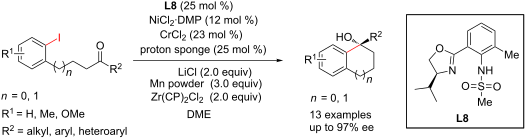
- enantiocontrol, while the enantioselectivity for ketone 1e bearing an electron-donating group decreased. The mild process exhibited excellent functional group tolerance, with chloride (2f), fluoride (2g), and CF3 moieties (2h) well tolerated for further manipulation [46][47]. Heteroaryl ketones such as furan

Graphical Abstract
Scheme 1: Scope of the catalytic enantioselective Cr-mediated arylation of ketones.
A new paradigm for designing ring construction strategies for green organic synthesis: implications for the discovery of multicomponent reactions to build molecules containing a single ring
- John Andraos
Beilstein J. Org. Chem. 2016, 12, 2420–2442, doi:10.3762/bjoc.12.236
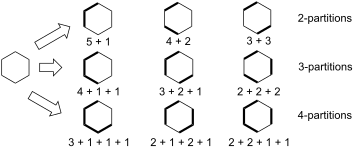
- target bond 3-partition dissection maps for 27 commonly found heterocyclic rings is given in the Supporting Information File 1 (see Schemes S6 to S32). These include benzimidazole, 2,3-dihydro-1H-benzo[b][1,4]diazepine, benzofuran, benzopyran, chromen-4-one, coumarin, cyclopent-2-enone, furan, Hantzsch

Graphical Abstract

Figure 1: Possible two-component couplings for various monocyclic rings frequently encountered in organic mol...

Figure 2: Possible three-component couplings for various monocyclic rings frequently encountered in organic m...

Figure 3: Possible four-component couplings for various monocyclic rings frequently encountered in organic mo...
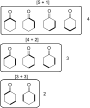
Figure 4: Permutations of two-component coupling patterns for synthesizing the cyclohexanone ring. Synthesis ...
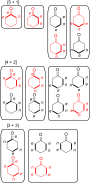
Figure 5: Permutations of two-component coupling patterns for synthesizing the cyclohexanone ring overlayed w...
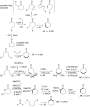
Scheme 1: Conjectured syntheses of cyclohexanone via [5 + 1] strategies.

Scheme 2: Conjectured syntheses of cyclohexanone via [4 + 2] strategies.

Scheme 3: Conjectured syntheses of cyclohexanone via [3 + 3] strategies.

Figure 6: Permutations of three-component coupling patterns for synthesizing the cyclohexanone ring. Synthesi...

Figure 7: Permutations of three-component coupling patterns for synthesizing the pyrazole ring via [2 + 2 + 1...

Scheme 4: Literature method for constructing the pyrazole ring via the A4 [2 + 2 + 1] strategy.
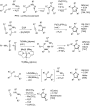
Scheme 5: Literature methods for constructing the pyrazole ring via the A5 [2 + 2 + 1] strategy.

Scheme 6: Literature methods for constructing the pyrazole ring via the A1 [2 + 2 + 1] strategy.

Scheme 7: Literature methods for constructing the pyrazole ring via the B4 [3 + 1 + 1] strategy.

Figure 8: Intrinsic green performance of documented pyrazole syntheses according to [2 + 2 + 1] and [3 + 1 + ...

Scheme 8: Conjectured reactions for constructing the pyrazole ring via the A2 and A3 [2 + 2 + 1] strategies.

Scheme 9: Conjectured reactions for constructing the pyrazole ring via the B1, B2, B3, and B4 [3 + 1 + 1] str...

Figure 9: Permutations of three-component coupling patterns for synthesizing the Biginelli ring adduct. Synth...
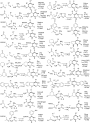
Scheme 10: Reported syntheses of the Biginelli adduct via the traditional [3 + 2 + 1] mapping strategy.
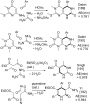
Scheme 11: Reported syntheses of the Biginelli adduct via new [3 + 2 + 1] mapping strategies.

Scheme 12: Reported syntheses of the Biginelli adduct via a new [2 + 2 + 1 + 1] mapping strategy.

Scheme 13: Conjectured syntheses of the Biginelli adduct via new [2 + 2 + 2] mapping strategies.

Scheme 14: Conjectured syntheses of the Biginelli adduct via new [3 + 2 + 1] mapping strategies.

Figure 10: Intrinsic green performance of documented Biginelli adduct syntheses according to [3 + 2 + 1] three...

Figure 11: Intrinsic green performance of newly conjectured Biginelli adduct syntheses according to [4 + 1 + 1...
Superelectrophilic activation of 5-hydroxymethylfurfural and 2,5-diformylfuran: organic synthesis based on biomass-derived products
- Dmitry S. Ryabukhin,
- Dmitry N. Zakusilo,
- Mikhail O. Kompanets,
- Anton A.Tarakanov,
- Irina A. Boyarskaya,
- Tatiana O. Artamonova,
- Mikhail A. Khohodorkovskiy,
- Iosyp O. Opeida and
- Aleksander V. Vasilyev
Beilstein J. Org. Chem. 2016, 12, 2125–2135, doi:10.3762/bjoc.12.202
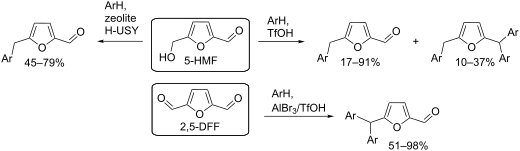
- (5-HMF) attracts special attention (see fundamental review from 2013 [19] and recent papers [20][21][22][23][24][25]). The high functionality and reactivity of 5-HMF, due to the presence of oxymethyl and aldehyde substituents, along with the furan moiety, allows many transformations and therefore the
- -DFF, and its participation in the hydroxyalkylation of arenes. However, furan carboxaldehydes in such reactions were studied in this work for the first time. It should be noted, that reactions of arenes with hydroxymethyl and aldehyde groups of 5-HMF and 2,5-DFF may lead to various arylmethyl- and
- on atoms C2, C3, and Ofuran upon protonation of furans 1a and 2 reveal a significant positive charge delocalization into the furan ring in species A, B, C, and D. However, from these calculations no unambiguous answer could be obtained that reveals what cations in pairs A or B, and C or D may take

Graphical Abstract

Figure 1: Formation of 5-HMF from D-glucose or D-fructose followed by oxidation to 2,5-DFF.

Scheme 1: Protonation of 5-HMF (1a) and 2,5-DFF (2) leading to cationic species A, B, C, D.

Figure 2: X-ray crystal structure of compounds 5a (a), and 5c (b) (ORTEP diagrams, ellipsoid contour of proba...
New furoisocoumarins and isocoumarins from the mangrove endophytic fungus Aspergillus sp. 085242
- Ze’en Xiao,
- Senhua Chen,
- Runlin Cai,
- Shao’e Lin,
- Kui Hong and
- Zhigang She
Beilstein J. Org. Chem. 2016, 12, 2077–2085, doi:10.3762/bjoc.12.196
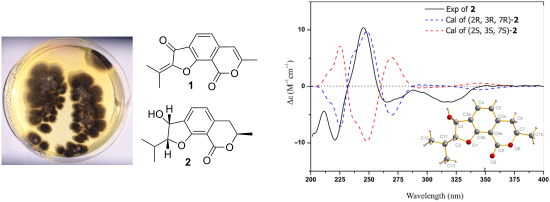
- features and interesting biological activities. They have been widely isolated from fungi, lichens, bacteria, plants, and insects [1][2]. Furoisocoumarins combining a furan ring and an isocoumarin moiety are divided into two subclasses depending on their fusion type: linear furo[2,3-g]isocoumarins and
- carbons at C-1' (δC 206.2) and C-2' (δC 193.9), respectively (Table 2). This evidence suggested that compound 5 lacks a furan ring and is most likely be derived from the furan ring-opening and oxidation of compound 3, which was established by HMBC correlations of the aromatic proton H-6 to C-1', two

Graphical Abstract

Figure 1: The structure of compounds 1–9.

Figure 2: Key HMBC (arrows) and COSY (bold lines) correlations of compounds 1−6.

Figure 3: ORTEP structure of compound 2.

Figure 4: Comparison of the experimental and calculated ECD spectra of 2.

Figure 5: The experimental ECD spectra of 2–5.

Figure 6: ORTEP structures of compound 7 and 8.
Rearrangements of organic peroxides and related processes
- Ivan A. Yaremenko,
- Vera A. Vil’,
- Dmitry V. Demchuk and
- Alexander O. Terent’ev
Beilstein J. Org. Chem. 2016, 12, 1647–1748, doi:10.3762/bjoc.12.162
- synthesis of various heterocyclic systems, such as furan, thiophene, and pyrrole derivatives. The reaction of unsymmetrical epoxy dioxanes 290a–d with triethylamine is accompanied by the 1,2-dioxane-ring opening to form 4-hydroxy-2,3-epoxy ketones 291a–d in high yields. The base catalysis involves the

Graphical Abstract
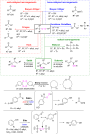
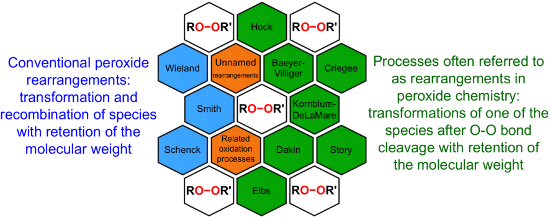
Figure 1: The named transformations considered in this review.

Scheme 1: The Baeyer–Villiger oxidation.

Scheme 2: The general mechanism of the peracid-promoted Baeyer–Villiger oxidation.

Scheme 3: General mechanism of the Lewis acid-catalyzed Baeyer–Villiger rearrangement.

Scheme 4: The theoretically studied mechanism of the BV oxidation reaction promoted by H2O2 and the Lewis aci...

Scheme 5: Proton movements in the transition states of the Baeyer–Villiger oxidation.

Scheme 6: The dependence of the course of the Baeyer–Villiger oxidation on the type of O–O-bond cleavage in t...
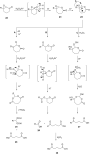
Scheme 7: The acid-catalyzed Baeyer–Villiger oxidation of cyclic epoxy ketones 22.

Scheme 8: Oxidation of isophorone oxide 29.

Scheme 9: Synthesis of acyl phosphate 32 from acyl phosphonate 31.

Scheme 10: Synthesis of aflatoxin B2 (36).

Scheme 11: The Baeyer–Villiger rearrangement of ketones 37 to lactones 38.

Scheme 12: Synthesis of 3,4-dimethoxybenzoic acid (40) via Baeyer–Villiger oxidation.

Scheme 13: Oxone transforms α,β-unsaturated ketones 43 into vinyl acetates 44.

Scheme 14: The Baeyer–Villiger oxidation of ketones 45 using diaryl diselenide and hydrogen peroxide.

Scheme 15: Baeyer–Villiger oxidation of (E)-2-methylenecyclobutanones.

Scheme 16: Oxidation of β-ionone (56) by H2O2/(BnSe)2 with formation of (E)-2-(2,6,6-trimethylcyclohex-1-en-1-...

Scheme 17: The mechanism of oxidation of ketones 58a–f by hydrogen peroxide in the presence of arsonated polys...

Scheme 18: Oxidation of ketone (58b) by H2O2 to 6-methylcaprolactone (59b) catalyzed by Pt complex 66·BF4.

Scheme 19: Oxidation of ketones 67 with H2O2 in the presence of [(dppb}Pt(µ-OH)]22+.

Scheme 20: The mechanism of oxidation of ketones 67 in the presence of [(dppb}Pt(µ-OH)]22+ and H2O2.

Scheme 21: Oxidation of benzaldehydes 69 in the presence of the H2O2/MeReO3 system.

Scheme 22: Oxidation of acetophenones 72 in the presence of the H2O2/MeReO3 system.

Scheme 23: Baeyer–Villiger oxidation of 2-adamantanone (45c) in the presence of Sn-containing mesoporous silic...

Scheme 24: Aerobic Baeyer–Villiger oxidation of ketones 76 using metal-free carbon.

Scheme 25: A regioselective Baeyer-Villiger oxidation of functionalized cyclohexenones 78 into a dihydrooxepin...

Scheme 26: The oxidation of aldehydes and ketones 80 by H2O2 catalyzed by Co4HP2Mo15V3O62.

Scheme 27: The cleavage of ketones 82 with hydrogen peroxide in alkaline solution.

Scheme 28: Oxidation of ketones 85 to esters 86 with H2O2–urea in the presence of KHCO3.

Scheme 29: Mechanism of the asymmetric oxidation of cyclopentane-1,2-dione 87a with the Ti(OiPr)4/(+)DET/t-BuO...

Scheme 30: The oxidation of cis-4-tert-butyl-2-fluorocyclohexanone (93) with m-chloroperbenzoic acid.

Scheme 31: The mechanism of the asymmetric oxidation of 3-substituted cyclobutanone 96a in the presence of chi...

Scheme 32: Enantioselective Baeyer–Villiger oxidation of cyclic ketones 98.

Scheme 33: Regio- and enantioselective Baeyer–Villiger oxidation of cyclic ketones 101.

Scheme 34: The proposed mechanism of the Baeyer–Villiger oxidation of acetal 105f.

Scheme 35: Synthesis of hydroxy-10H-acridin-9-one 117 from tetramethoxyanthracene 114.

Scheme 36: The Baeyer–Villiger oxidation of the fully substituted pyrrole 120.

Scheme 37: The Criegee rearrangement.

Scheme 38: The mechanism of the Criegee reaction of a peracid with a tertiary alcohol 122.

Scheme 39: Criegee rearrangement of decaline ethylperoxoate 127 into ketal 128.

Scheme 40: The ionic cleavage of 2-methoxy-2-propyl perester 129.

Scheme 41: The Criegee rearrangement of α-methoxy hydroperoxide 136.
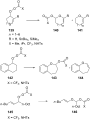
Scheme 42: Synthesis of enol esters and acetals via the Criegee rearrangement.

Scheme 43: Proposed mechanism of the transformation of 1-hydroperoxy-2-oxabicycloalkanones 147a–d.

Scheme 44: Transformation of 3-hydroxy-1,2-dioxolanes 151 into diketone derivatives 152.

Scheme 45: Criegee rearrangement of peroxide 153 with the mono-, di-, and tri-O-insertion.

Scheme 46: The sequential Criegee rearrangements of adamantanes 157a,b.

Scheme 47: Synthesis of diaryl carbonates 160a–d from triarylmethanols 159a–d through successive oxygen insert...

Scheme 48: The synthesis of sesquiterpenes 162 from ketone 161 with a Criegee rearrangement as one key step.

Scheme 49: Synthesis of trans-hydrindan derivatives 164, 165.

Scheme 50: The Hock rearrangement.

Scheme 51: The general scheme of the cumene process.

Scheme 52: The Hock rearrangement of aliphatic hydroperoxides.
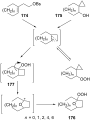
Scheme 53: The mechanism of solvolysis of brosylates 174a–c and spiro cyclopropyl carbinols 175a–c in THF/H2O2....

Scheme 54: The fragmentation mechanism of hydroperoxy acetals 178 to esters 179.

Scheme 55: The acid-catalyzed rearrangement of phenylcyclopentyl hydroperoxide 181.

Scheme 56: The peroxidation of tertiary alcohols in the presence of a catalytic amount of acid.

Scheme 57: The acid-catalyzed reaction of bicyclic secondary alcohols 192 with hydrogen peroxide.

Scheme 58: The photooxidation of 5,6-disubstituted 3,4-dihydro-2H-pyrans 196.

Scheme 59: The oxidation of tertiary alcohols 200a–g, 203a,b, and 206.

Scheme 60: Transformation of functional peroxide 209 leading to 2,3-disubstitued furans 210 in one step.

Scheme 61: The synthesis of carbazoles 213 via peroxide rearrangement.

Scheme 62: The construction of C–N bonds using the Hock rearrangement.

Scheme 63: The synthesis of moiety 218 from 217 which is a structural motif in the antitumor–antibiotic of CC-...

Scheme 64: The in vivo oxidation steps of cholesterol (219) by singlet oxygen.

Scheme 65: The proposed mechanism of the rearrangement of cholesterol-5α-OOH 220.

Scheme 66: Photochemical route to artemisinin via Hock rearrangement of 223.

Scheme 67: The Kornblum–DeLaMare rearrangement.

Scheme 68: Kornblum–DeLaMare transformation of 1-phenylethyl tert-butyl peroxide (225).

Scheme 69: The synthesis 4-hydroxyenones 230 from peroxide 229.

Scheme 70: The Kornblum–DeLaMare rearrangement of peroxide 232.

Scheme 71: The reduction of peroxide 234.

Scheme 72: The Kornblum–DeLaMare rearrangement of endoperoxide 236.

Scheme 73: The rearrangement of peroxide 238 under Kornblum–DeLaMare conditions.

Scheme 74: The proposed mechanism of rearrangement of peroxide 238.

Scheme 75: The Kornblum–DeLaMare rearrangement of peroxides 242a,b.

Scheme 76: The base-catalyzed rearrangements of bicyclic endoperoxides having electron-withdrawing substituent...

Scheme 77: The base-catalyzed rearrangements of bicyclic endoperoxides 249a,b having electron-donating substit...

Scheme 78: The base-catalyzed rearrangements of bridge-head substituted bicyclic endoperoxides 251a,b.

Scheme 79: The Kornblum–DeLaMare rearrangement of hydroperoxide 253.

Scheme 80: Synthesis of β-hydroxy hydroperoxide 254 from endoperoxide 253.

Scheme 81: The amine-catalyzed rearrangement of bicyclic endoperoxide 263.

Scheme 82: The base-catalyzed rearrangement of meso-endoperoxide 268 into 269.

Scheme 83: The photooxidation of 271 and subsequent Kornblum–DeLaMare reaction.

Scheme 84: The Kornblum–DeLaMare rearrangement as one step in the oxidation reaction of enamines.

Scheme 85: The Kornblum–DeLaMare rearrangement of 3,5-dihydro-1,2-dioxenes 284, 1,2-dioxanes 286, and tert-but...

Scheme 86: The Kornblum–DeLaMare rearrangement of epoxy dioxanes 290a–d.

Scheme 87: Rearrangement of prostaglandin H2 292.

Scheme 88: The synthesis of epicoccin G (297).

Scheme 89: The Kornblum–DeLaMare rearrangement used in the synthesis of phomactin A.

Scheme 90: The Kornblum–DeLaMare rearrangement in the synthesis of 3H-quinazolin-4-one 303.

Scheme 91: The Kornblum–DeLaMare rearrangement in the synthesis of dolabriferol (308).

Scheme 92: Sequential transformation of 3-substituted 2-pyridones 309 into 3-hydroxypyridine-2,6-diones 311 in...

Scheme 93: The Kornblum–DeLaMare rearrangement of peroxide 312 into hydroxy enone 313.

Scheme 94: The Kornblum–DeLaMare rearrangement in the synthesis of polyfunctionalized carbonyl compounds 317.

Scheme 95: The Kornblum–DeLaMare rearrangement in the synthesis of (Z)-β-perfluoroalkylenaminones 320.

Scheme 96: The Kornblum–DeLaMare rearrangement in the synthesis of γ-ketoester 322.

Scheme 97: The Kornblum–DeLaMare rearrangement in the synthesis of diterpenoids 326 and 328.

Scheme 98: The synthesis of natural products hainanolidol (331) and harringtonolide (332) from peroxide 329.

Scheme 99: The synthesis of trans-fused butyrolactones 339 and 340.

Scheme 100: The synthesis of leucosceptroid C (343) and leucosceptroid P (344) via the Kornblum–DeLaMare rearra...

Scheme 101: The Dakin oxidation of arylaldehydes or acetophenones.

Scheme 102: The mechanism of the Dakin oxidation.

Scheme 103: A solvent-free Dakin reaction of aromatic aldehydes 356.

Scheme 104: The organocatalytic Dakin oxidation of electron-rich arylaldehydes 358.

Scheme 105: The Dakin oxidation of electron-rich arylaldehydes 361.

Scheme 106: The Dakin oxidation of arylaldehydes 358 in water extract of banana (WEB).

Scheme 107: A one-pot approach towards indolo[2,1-b]quinazolines 364 from indole-3-carbaldehydes 363 through th...

Scheme 108: The synthesis of phenols 367a–c from benzaldehydes 366a-c via acid-catalyzed Dakin oxidation.

Scheme 109: Possible transformation paths of the highly polarized boric acid coordinated H2O2–aldehyde adduct 3...

Scheme 110: The Elbs oxidation of phenols 375 to hydroquinones.

Scheme 111: The mechanism of the Elbs persulfate oxidation of phenols 375 affording p-hydroquinones 376.

Scheme 112: Oxidation of 2-pyridones 380 under Elbs persulfate oxidation conditions.

Scheme 113: Synthesis of 3-hydroxy-4-pyridone (384) via an Elbs oxidation of 4-pyridone (382).

Scheme 114: The Schenck rearrangement.

Scheme 115: The Smith rearrangement.

Scheme 116: Three main pathways of the Schenck rearrangement.

Scheme 117: The isomerization of hydroperoxides 388 and 389.

Scheme 118: Trapping of dioxacyclopentyl radical 392 by oxygen.

Scheme 119: The hypothetical mechanism of the Schenck rearrangement of peroxide 394.

Scheme 120: The autoxidation of oleic acid (397) with the use of labeled isotope 18O2.

Scheme 121: The rearrangement of 18O-labeled hydroperoxide 400 under an atmosphere of 16O2.

Scheme 122: The rearrangement of the oleate-derived allylic hydroperoxides (S)-421 and (R)-425.

Scheme 123: Mechanisms of Schenck and Smith rearrangements.

Scheme 124: The rearrangement and cyclization of 433.

Scheme 125: The Wieland rearrangement.

Scheme 126: The rearrangement of bis(triphenylsilyl) 439 or bis(triphenylgermyl) 441 peroxides.

Scheme 127: The oxidative transformation of cyclic ketones.

Scheme 128: The hydroxylation of cyclohexene (447) in the presence of tungstic acid.

Scheme 129: The oxidation of cyclohexene (447) under the action of hydrogen peroxide.

Scheme 130: The reaction of butenylacetylacetone 455 with hydrogen peroxide.

Scheme 131: The oxidation of bridged 1,2,4,5-tetraoxanes.

Scheme 132: The proposed mechanism for the oxidation of bridged 1,2,4,5-tetraoxanes.

Scheme 133: The rearrangement of ozonides.

Scheme 134: The acid-catalyzed oxidative rearrangement of malondialdehydes 462 under the action of H2O2.

Scheme 135: Pathways of the Lewis acid-catalyzed cleavage of dialkyl peroxides 465 and ozonides 466.

Scheme 136: The mechanism of the transformation of (tert-butyldioxy)cyclohexanedienones 472.

Scheme 137: The synthesis of Vitamin K3 from 472a.

Scheme 138: Proposed mechanism for the transformation of 478d into silylated endoperoxide 479d.

Scheme 139: The rearrangement of hydroperoxide 485 to form diketone 486.

Scheme 140: The base-catalyzed rearrangement of cyclic peroxides 488a–g.

Scheme 141: Synthesis of chiral epoxides and aldols from peroxy hemiketals 491.

Scheme 142: The multistep transformation of (R)-carvone (494) to endoperoxides 496a–e.

Scheme 143: The decomposition of anthracene endoperoxide 499.

Scheme 144: Synthesis of esters 503 from aldehydes 501 via rearrangement of peroxides 502.

Scheme 145: Two possible paths for the base-promoted decomposition of α-azidoperoxides 502.

Scheme 146: The Story decomposition of cyclic diperoxide 506a.

Scheme 147: The Story decomposition of cyclic triperoxide 506b.

Scheme 148: The thermal rearrangement of endoperoxides A into diepoxides B.

Scheme 149: The transformation of peroxide 510 in the synthesis of stemolide (511).

Scheme 150: The possible mechanism of the rearrangement of endoperoxide 261g.

Scheme 151: The photooxidation of indene 517.

Scheme 152: The isomerization of ascaridole (523).

Scheme 153: The isomerization of peroxide 525.

Scheme 154: The thermal transformation of endoperoxide 355.

Scheme 155: The photooxidation of cyclopentadiene (529) at a temperature higher than 0 °C.

Scheme 156: The thermal rearrangement of endoperoxides 538a,b.

Scheme 157: The transformation of peroxides 541.

Scheme 158: The thermal rearrangements of strained cyclic peroxides.

Scheme 159: The thermal rearrangement of diacyl peroxide 551 in the synthesis of C4-epi-lomaiviticin B core 553....

Scheme 160: The 1O2 oxidation of tryptophan (554) and rearrangement of dioxetane intermediate 555.

Scheme 161: The Fe(II)-promoted cleavage of aryl-substituted bicyclic peroxides.

Scheme 162: The proposed mechanism of the Fe(II)-promoted rearrangement of 557a–c.

Scheme 163: The reaction of dioxolane 563 with Fe(II) sulfate.

Scheme 164: Fe(II)-promoted rearrangement of 1,2-dioxane 565.

Scheme 165: Fe(II) cysteinate-promoted rearrangement of 1,2-dioxolane 568.

Scheme 166: The transformation of 1,2-dioxanes 572a–c under the action of FeCl2.

Scheme 167: Fe(II) cysteinate-promoted transformation of tetraoxane 574.

Scheme 168: The CoTPP-catalyzed transformation of bicyclic endoperoxides 600a–d.

Scheme 169: The CoTPP-catalyzed transformation of epoxy-1,2-dioxanes.

Scheme 170: The Ru(II)-catalyzed reactions of 1,4-endoperoxide 261g.

Scheme 171: The Ru(II)-catalyzed transformation as a key step in the synthesis of elyiapyrone A (610) from 1,4-...

Scheme 172: Peroxides with antimalarial activity.

Scheme 173: The interaction of iron ions with artemisinin (616).

Scheme 174: The interaction of FeCl2 with 1,2-dioxanes 623, 624.

Scheme 175: The mechanism of reaction 623 and 624 with Fe(II)Cl2.

Scheme 176: The reaction of bicyclic natural endoperoxides G3-factors 631–633 with FeSO4.

Scheme 177: The transformation of terpene cardamom peroxide 639.
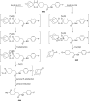
Scheme 178: The different ways of the cleavage of tetraoxane 643.

Scheme 179: The LC–MS analysis of interaction of tetraoxane 646 with iron(II)heme 647.

Scheme 180: The rearrangement of 3,6-epidioxy-1,10-bisaboladiene (EDBD, 649).

Scheme 181: Easily oxidized substrates.

Scheme 182: Biopathway of synthesis of prostaglandins.

Scheme 183: The reduction and rearrangements of isoprostanes.

Scheme 184: The partial mechanism for linoleate 658 oxidation.

Scheme 185: The transformation of lipid hydroperoxide.

Scheme 186: The acid-catalyzed cleavage of the product from free-radical oxidation of cholesterol (667).

Scheme 187: Two pathways of catechols oxidation.

Scheme 188: Criegee-like or Hock-like rearrangement of the intermediate hydroperoxide 675 in dioxygenase enzyme...

Scheme 189: Carotinoides 679 cleavage by carotenoid cleavage dioxygenases.
Biosynthesis of oxygen and nitrogen-containing heterocycles in polyketides
- Franziska Hemmerling and
- Frank Hahn
Beilstein J. Org. Chem. 2016, 12, 1512–1550, doi:10.3762/bjoc.12.148
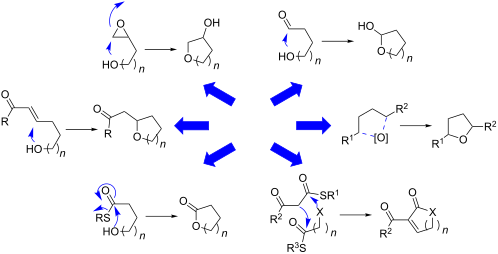
- precursor and thus particular ring systems [9][10][11]. Most heterocycles in polyketides are formed by specialised PKS domains and tailoring enzymes. These can be active during assembly of the nascent PKS precursor (as for example in the case of pyran/furan formation via oxa-Michael addition, see chapters
- (f in Scheme 2). The oxidative cyclisation after C–H activation of alkyl carbons is known for the formation of furan rings 21 (g in Scheme 2). 1.1 Pyrans 1.1.1 oxa-Michael addition: The oxa-Michael addition on an α,β-unsaturated thioester intermediate leads to oxygen heterocycles along with the
- chapter 1.1.1, furan rings can also be biosynthesised via oxa-Michael additions. Nonactin. Nonactin (70) is the smallest homolog of the macrotetrolides, a family of cyclic polyethers that commonly have activity as ionophore antibiotics (Scheme 11a). It is produced by Streptomyces griseus subsp. griseus

Graphical Abstract

Scheme 1: Schematic description of the cyclisation reaction catalysed by TE domains. In most cases, the nucle...

Scheme 2: Mechanisms for the formation of oxygen heterocycles. The degree of substitution can differ from tha...

Scheme 3: Pyran-ring formation in pederin (24) biosynthesis. Incubation of recombinant PedPS7 with substrate ...

Scheme 4: The domain AmbDH3 from ambruticin biosynthesis catalyses the dehydration of 25 and subsequent cycli...

Scheme 5: SalBIII catalyses dehydration of 29 and subsequent cyclisation to tetrahydropyran 30 [18].

Figure 1: All pyranonaphtoquinones contain either the naphtha[2,3-c]pyran-5,10-dione (32) or the regioisomeri...

Scheme 6: Pyran-ring formation in actinorhodin (34) biosynthesis. DNPA: 4-dihydro-9-hydroxy-1-methyl-10-oxo-3H...

Scheme 7: Pyran formation in granaticin (36) biosynthesis. DNPA: 4-dihydro-9-hydroxy-1-methyl-10-oxo-3H-napht...

Scheme 8: Pyran formation in alnumycin (37) biosynthesis. Adapted from [21].

Scheme 9: Biosynthesis of pseudomonic acid A (61). The pyran ring is initially formed in 57 after dehydrogena...

Scheme 10: Epoxidation–cyclisation leads to the formation of the tetrahydropyran ring in the western part of t...

Scheme 11: a) Nonactin (70) is formed from heterodimers of (−)(+)-dimeric nonactic acid and (+)(−)-dimeric non...

Figure 2: Pamamycins (73) are macrodiolide antibiotics containing three tetrahydrofuran moieties, which are a...

Scheme 12: A PS domain homolog in oocydin A (76) biosynthesis is proposed to catalyse furan formation via an o...

Scheme 13: Mechanism of oxidation–furan cyclisation by AurH, which converts (+)-deoxyaureothin (77) into (+)-a...

Scheme 14: Leupyrrin A2 (80) and the proposed biosynthesis of its furylidene moiety [69,70].

Scheme 15: Asperfuranone (93) biosynthesis, adapted from [75].
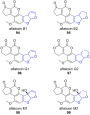
Figure 3: The four major aflatoxins produced by Aspergilli are the types B1, B2, G1 and G2 (94–97). In the di...

Scheme 16: Overview on aflatoxin B1 (94) biosynthesis. HOMST = 11-hydroxy-O-methylsterigmatocystin [78,79,82-106].

Scheme 17: A zipper mechanism leads to the formation of oxygen heterocycles in monensin biosynthesis [109-111].

Scheme 18: Formation of the 2,6-dioxabicyclo[3.2.1]octane (DBO) ring system in aurovertin B (118) biosynthesis ...

Figure 4: Structures of the epoxide-containing polyketides epothilone A (119) and oleandomycin (120) [123-125].

Scheme 19: Structures of phoslactomycin B (121) (a) and jerangolid A (122) (b). The heterocycle-forming steps ...

Scheme 20: a) Structures of rhizoxin (130) and cycloheximide (131). Model for the formation of δ-lactones (b) ...

Scheme 21: EncM catalyses a dual oxidation sequence and following processing of the highly reactive intermedia...

Figure 5: Mesomeric structures of tetronates [138,139].

Figure 6: Structures of tetronates for which gene clusters have been sequenced. The tetronate moiety is shown...

Scheme 22: Conserved steps for formation and processing in several 3-acyl-tetronate biosynthetic pathways were...

Scheme 23: In versipelostatin A (153) biosynthesis, VstJ is a candidate enzyme for catalysing the [4 + 2] cycl...

Scheme 24: a) Structures of some thiotetronate antibiotics. b) Biosynthesis of thiolactomycin (165) as propose...

Scheme 25: Aureusidine synthase (AS) catalyses phenolic oxidation and conjugate addition of chalcones leading ...

Scheme 26: a) Oxidative cyclisation is a key step in the biosynthesis of spirobenzofuranes 189, 192 and 193. b...

Scheme 27: A bicyclisation mechanism forms a β-lactone and a pyrrolidinone and removes the precursor from the ...

Scheme 28: Spontaneous cyclisation leads to off-loading of ebelactone A (201) from the PKS machinery [163].

Scheme 29: Mechanisms for the formation of nitrogen heterocycles.

Scheme 30: Biosynthesis of highly substituted α-pyridinones. a) Feeding experiments confirmed the polyketide o...

Scheme 31: Acridone synthase (ACS) catalyses the formation of 1,3-dihydroxy-N-methylacridone (224) by condensa...

Scheme 32: A Dieckmann condensation leads to the formation of a 3-acyl-4-hydroxypyridin-2-one 227 and removes ...

Scheme 33: a) Biosynthesis of the pyridinone tenellin (234). b) A radical mechanism was proposed for the ring-...

Scheme 34: a) Oxazole-containing PKS–NRPS-derived natural products oxazolomycin (244) and conglobatin (245). b...

Scheme 35: Structure of tetramic acids 251 (a) and major tautomers of 3-acyltetramic acids 252a–d (b). Adapted...

Scheme 36: Equisetin biosynthesis. R*: terminal reductive domain. Adapted from [202].

Scheme 37: a) Polyketides for which a similar biosynthetic logic was suggested. b) Pseurotin A (256) biosynthe...

Figure 7: Representative examples of PTMs with varying ring sizes and oxidation patterns [205,206].

Scheme 38: Ikarugamycin biosynthesis. Adapted from [209-211].

Scheme 39: Tetramate formation in pyrroindomycin aglycone (279) biosynthesis [213-215].

Scheme 40: Dieckmann cyclases catalyse tetramate or 2-pyridone formation in the biosynthesis of, for example, ...
Synthesis of ferrocenyl-substituted 1,3-dithiolanes via [3 + 2]-cycloadditions of ferrocenyl hetaryl thioketones with thiocarbonyl S-methanides
- Grzegorz Mlostoń,
- Róża Hamera-Fałdyga,
- Anthony Linden and
- Heinz Heimgartner
Beilstein J. Org. Chem. 2016, 12, 1421–1427, doi:10.3762/bjoc.12.136
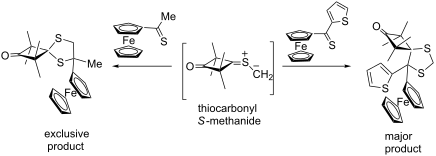
- described [1]. The latter substrates were prepared efficiently via acylation of ferrocene with in situ generated mixed anhydrides containing a trifluoroacetyl unit or, alternatively, by ferrocenylation of furan, thiophene or selenophene with mixed trifluoroacetyl anhydride. The obtained ferrocenyl

Graphical Abstract

Scheme 1: Reactions of aromatic thiocarbonyl S-methanides 2a,b with ferrocenyl thioketones 1 (Table 1).

Figure 1: ORTEP Plot [16] of the molecular structures of the ferrocenyl-substituted 1,3-dithiolanes 5b and 5f (wi...

Scheme 2: Reactions of cycloaliphatic thiocarbonyl S-methanides with ferrocenyl hetaryl thioketones 1 (Table 1).

Scheme 3: Reaction of 3c with ferrocenyl methyl thioketone 1e.

Scheme 4: Mesomeric stabilization of the 1,5-diradical intermediate in the reaction of aromatic thiocarbonyl S...
Catalytic asymmetric synthesis of biologically important 3-hydroxyoxindoles: an update
- Bin Yu,
- Hui Xing,
- De-Quan Yu and
- Hong-Min Liu
Beilstein J. Org. Chem. 2016, 12, 1000–1039, doi:10.3762/bjoc.12.98
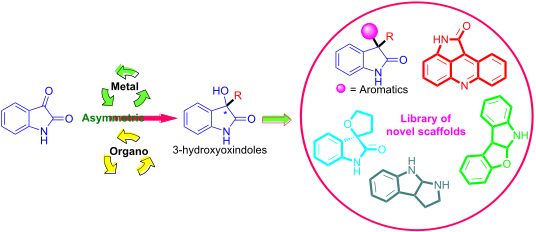
- )-catalyzed vinylogous Mukaiyama–aldol reaction between 2-(trimethylsilyloxy)furan and isatins (Scheme 35) [52]. The reactions were performed in THF at −78 °C, affording the corresponding addition products in high yields (up to 94%) and with good diastereoselectivities (the ratio of anit/syn is up to 96:4
- , the same group extended this protocol to other electron-rich aromatics such as anisole, furan, indole and aniline, generating the corresponding products in good to excellent yields (Scheme 47) [64]. This method may provide a fast entry to the 3-indolyloxindoles (also known as indol-3-ylmethanols

Graphical Abstract

Figure 1: 3-Hydroxyoxindole-containing natural products and biologically active molecules.

Scheme 1: Chiral CNN pincer Pd(II) complex 1 catalyzed asymmetric allylation of isatins.

Scheme 2: Asymmetric allylation of ketimine catalyzed by the chiral CNN pincer Pd(II) complex 2.

Scheme 3: Pd/L1 complex-catalyzed asymmetric allylation of 3-O-Boc-oxindoles.

Scheme 4: Cu(OTf)2-catalyzed asymmetric direct addition of acetonitrile to isatins.

Scheme 5: Chiral tridentate Schiff base/Cu complex catalyzed asymmetric Friedel–Crafts alkylation of isatins ...

Scheme 6: Guanidine/CuI-catalyzed asymmetric alkynylation of isatins with terminal alkynes.

Scheme 7: Asymmetric intramolecular direct hydroarylation of α-ketoamides.

Scheme 8: Plausible catalytic cycle for the direct hydroarylation of α-ketoamides.

Scheme 9: Ir-catalyzed asymmetric arylation of isatins with arylboronic acids.

Scheme 10: Enantioselective decarboxylative addition of β-ketoacids to isatins.

Scheme 11: Ruthenium-catalyzed hydrohydroxyalkylation of olefins and 3-hydroxy-2-oxindoles.

Scheme 12: Proposed catalytic mechanism and stereochemical model.

Scheme 13: In-catalyzed allylation of isatins with stannylated reagents.

Scheme 14: Modified protocol for the synthesis of allylated 3-hydroxyoxindoles.

Scheme 15: Hg-catalyzed asymmetric allylation of isatins with allyltrimethylsilanes.

Scheme 16: Enantioselective additions of organoborons to isatins.

Scheme 17: Asymmetric aldol reaction of isatins with cyclohexanone.

Scheme 18: Enantioselective aldol reactions of aliphatic aldehydes with isatin derivatives and the plausible t...

Scheme 19: Enantioselective aldol reaction of isatins and 2,2-dimethyl-1,3-dioxan-5-one.

Scheme 20: Asymmetric aldol reactions between ketones and isatins.

Scheme 21: Phenylalanine lithium salt-catalyzed asymmetric synthesis of 3-alkyl-3-hydroxyoxindoles.

Scheme 22: Aldolization between isatins and dihydroxyacetone derivatives.

Scheme 23: One-pot asymmetric synthesis of convolutamydine A.

Scheme 24: Asymmetric aldol reactions of cyclohexanone and acetone with isatins.

Scheme 25: Aldol reactions of acetone with isatins.

Scheme 26: Aldol reactions of ketones with isatins.

Scheme 27: Enantioselective allylation of isatins.

Scheme 28: Asymmetric aldol reaction of trifluoromethyl α-fluorinated β-keto gem-diols with isatins.

Scheme 29: Plausible mechanism proposed for the asymmetric aldol reaction.
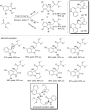
Scheme 30: Asymmetric aldol reaction of 1,1-dimethoxyacetone with isatins.

Scheme 31: Enantioselective Friedel-Crafts reaction of phenols with isatins.

Scheme 32: Enantioselective addition of 1-naphthols with isatins.

Scheme 33: Enantioselective aldol reaction between 3-acetyl-2H-chromen-2-ones and isatins.

Scheme 34: Stereoselective Mukaiyama–aldol reaction of fluorinated silyl enol ethers with isatins.

Scheme 35: Asymmetric vinylogous Mukaiyama–aldol reaction between 2-(trimethylsilyloxy)furan and isatins.

Scheme 36: β-ICD-catalyzed MBH reactions of isatins with maleimides.

Scheme 37: β-ICD-catalyzed MBH reactions of 7-azaisatins with maleimides and activated alkenes.

Scheme 38: Enantioselective aldol reaction of isatins with ketones.

Scheme 39: Direct asymmetric vinylogous aldol reactions of allyl ketones with isatins.

Scheme 40: Enantioselective aldol reactions of ketones with isatins.

Scheme 41: The MBH reaction of isatins with α,β-unsaturated γ-butyrolactam.

Scheme 42: Reactions of tert-butyl hydrazones with isatins followed by oxidation.

Scheme 43: Aldol reactions of isatin derivatives with ketones.

Scheme 44: Enantioselective decarboxylative cyanomethylation of isatins.

Scheme 45: Catalytic kinetic resolution of 3-hydroxy-3-substituted oxindoles.

Scheme 46: Lewis acid catalyzed Friedel–Crafts alkylation of 3-hydroxy-2-oxindoles with electron-rich phenols.

Scheme 47: Lewis acid catalyzed arylation of 3-hydroxyoxindoles with aromatics.

Scheme 48: Synthetic application of 3-arylated disubstituted oxindoles in the construction of core structures ...

Scheme 49: CPA-catalyzed dearomatization and arylation of 3-indolyl-3-hydroxyoxindoles with tryptamines and 3-...

Scheme 50: CPA-catalyzed enantioselective decarboxylative alkylation of β-keto acids with 3-hydroxy-3-indolylo...

Scheme 51: BINOL-derived imidodiphosphoric acid-catalyzed enantioselective Friedel–Crafts reactions of indoles...

Scheme 52: CPA-catalyzed enantioselective allylation of 3-indolylmethanols.

Scheme 53: 3-Indolylmethanol-based substitution and cycloaddition reactions.

Scheme 54: CPA-catalyzed asymmetric [3 + 3] cycloaddtion reactions of 3-indolylmethanols with azomethine ylide...

Scheme 55: CPA-catalyzed three-component cascade Michael/Pictet–Spengler reactions of 3-indolylmethanols and a...

Scheme 56: Acid-promoted chemodivergent and stereoselective synthesis of diverse indole derivatives.

Scheme 57: CPA-catalyzed asymmetric formal [3 + 2] cycloadditions.

Scheme 58: CPA-catalyzed enantioselective cascade reactions for the synthesis of C7-functionlized indoles.

Scheme 59: Lewis acid-promoted Prins cyclization of 3-allyl-3-hydroxyoxindoles with aldehydes.

Scheme 60: Ga(OTf)3-catalyzed reactions of allenols and phenols.

Scheme 61: I2-catalyzed construction of pyrrolo[2.3.4-kl]acridines from enaminones and 3-indolyl-3-hydroxyoxin...

Scheme 62: CPA-catalyzed asymmetric aza-ene reaction of 3-indolylmethanols with cyclic enaminones.

Scheme 63: Asymmetric α-alkylation of aldehydes with 3-indolyl-3-hydroxyoxindoles.

Scheme 64: Organocatalytic asymmetric α-alkylation of enolizable aldehydes with 3-indolyl-3-hydroxyoxindoles a...
Syntheses of dibenzo[d,d']benzo[2,1-b:3,4-b']difuran derivatives and their application to organic field-effect transistors
- Minh Anh Truong and
- Koji Nakano
Beilstein J. Org. Chem. 2016, 12, 805–812, doi:10.3762/bjoc.12.79
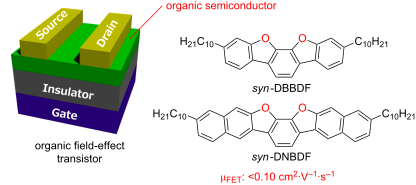
- . Keywords: furan; heteroacenes; organic field-effect transistors; organic semiconductor; Introduction Organic semiconductors have significantly been developed in the past two decades by virtue of their advantages, such as low weight, flexibility, large-area processability, which are different features from
- far reported, thiophene-fused π-conjugated compounds have been widely studied as organic semiconducting materials and found to exhibit high semiconducting performances [5][13][14][15][16]. Furan-containing π-conjugated compounds have attracted less attention until recently [17][18][19][20][21][22][23
- ][24][25][26][27]. The oxygen atom possesses a smaller van der Waals radius than a sulfur atom. Accordingly, furan-containing π-conjugated compounds should be expected to form a denser packing structure in the solid state, which is one of the main requirements for high semiconducting properties [28][29

Graphical Abstract

Figure 1: Structures of furan-fused ladder-type π-conjugated compounds.

Scheme 1: Synthesis of syn-DBBDF 5.

Scheme 2: Synthesis of syn-DNBDF 6.
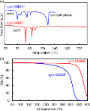
Figure 2: (a) DSC and (b) TG curves of syn-DBBDF 5 and syn-DNBDF 6.
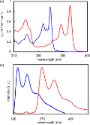
Figure 3: (a) UV–vis absorption spectra of syn-DBBDF 5 (blue line) and syn-DNBDF 6 (red line) in CHCl3 (1.0 ×...

Figure 4: Cyclic voltammograms of syn-DBBDF 5 and syn-DNBDF 6 (measurement conditions: 1.0 mM in CH2Cl2 for s...

Figure 5: Output and transfer characteristics of the representative OFETs with a thin film of (a) syn-DBBDF 5...

Figure 6: (a) XRD pattern, (b) AFM image (2 × 2 μm), and (c) cross-section height of a thin film of syn-DNBDF ...
Iridium/N-heterocyclic carbene-catalyzed C–H borylation of arenes by diisopropylaminoborane
- Mamoru Tobisu,
- Takuya Igarashi and
- Naoto Chatani
Beilstein J. Org. Chem. 2016, 12, 654–661, doi:10.3762/bjoc.12.65

- a 1.1:1 mixture of 2-borylated and 2,5-diborylated products under our standard conditions (Table 2, entry 10). 2-Substituted thiophenes 14 and 15 and furan 16 were borylated successfully at the 5-positions (Table 2, entries 11–13). Electron-deficient heteroarenes such as pyridine and quinolone

Graphical Abstract

Scheme 1: Catalytic C–H borylation of arenes and related reported boron sources.

Scheme 2: Scalability and derivatization.
Copper-mediated arylation with arylboronic acids: Facile and modular synthesis of triarylmethanes
- H. Surya Prakash Rao and
- A. Veera Bhadra Rao
Beilstein J. Org. Chem. 2016, 12, 496–504, doi:10.3762/bjoc.12.49
- towards electronic effects, the copper-mediated cross-coupling reaction is not very sensitive to steric crowding in the neighborhood of the reaction center. Next, we employed heteroaromatic boronic acids, such as furan-2-ylboronic acid (10i; Table 2, entry 8), thiophen-2-ylboronic acid (10j; Table 2

Graphical Abstract

Figure 1: Representative examples of triarylmethanes.

Scheme 1: General methods and proposed method for the synthesis of triarylmethanes.

Scheme 2: Role of solvent and reaction conditions in the Cu(OTf)2-mediated coupling of diphenylmethanol (9a) ...

Scheme 3: A plausible mechanism for the formation of triarylmethanes 11.

Scheme 4: Copper-catalyzed C–C bond formation synthesis of triarylmethane 10l.

Scheme 5: Synthesis of anti-breast-cancer agent intermediate 22.
Facile synthesis of 4H-chromene derivatives via base-mediated annulation of ortho-hydroxychalcones and 2-bromoallyl sulfones
- Srinivas Thadkapally,
- Athira C. Kunjachan and
- Rajeev S. Menon
Beilstein J. Org. Chem. 2016, 12, 16–21, doi:10.3762/bjoc.12.3
- . Polycyclic aromatic hydrocarbon frameworks (naphthalene and anthracene rings) as well as a representative heterocyclic ring (furan) may be incorporated into the 4H-chromene skeleton product by using chalcones (7c, 7d, and 7e, respectively) functionalized with these moieties. Disappointingly, attempts to

Graphical Abstract

Figure 1: 4H-chromene (1) and some of its biologically active derivatives.

Scheme 1: a) Preparation of 2-bromoallyl sulfones 2a,b; b) reaction of 2a with 4-chlorophenol and Cs2CO3; c) ...

Scheme 2: Base-mediated cyclization reaction of o-hydroxychalcone 7a and 2-bromoallyl sulfone 2a.

Scheme 3: Preparation of ortho-hydroxychalcones 7a–i.
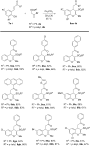
Scheme 4: Synthesis of 4H-chromenes via base-mediated reactions of 7a–i and 2a,b. Reaction conditions: 7a–i (...

Scheme 5: A plausible mechanistic rationalization for the formation of 4H-chromene derivative 8aa from 7a and ...
Versatile synthesis and biological evaluation of novel 3’-fluorinated purine nucleosides
- Hang Ren,
- Haoyun An,
- Paul J. Hatala,
- William C. Stevens Jr,
- Jingchao Tao and
- Baicheng He
Beilstein J. Org. Chem. 2015, 11, 2509–2520, doi:10.3762/bjoc.11.272
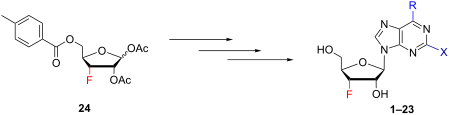
- and Suzuki reaction conditions. To this end, 2-(tributylstannyl)furan was coupled with 6-chloropurine nucleoside 26 by Stille cross coupling [47][48] catalyzed by bis(triphenylphosphine)palladium(II) chloride in DMF (Method I) (Scheme 3). The resulting 6-aryl compound 30 was obtained in 91% yield and
- deprotected with a saturated solution of ammonia in methanol to give the desired analogue 5 with furan-2-yl substituent at position 6 of the purine base. Considering the possible toxicity of organostannyl reagents, we then utilized various organoboronic acids for Suzuki cross couplings [49][50][51] to
- and deprotection of 2,6-dichloropurine 42 was achieved with a saturated solution of ammonia in methanol to furnish 2-chloro-3’-deoxy-3’-fluoroadenosine (16). The 2,6-dichloro-intermediate 42 was coupled with 2-(tributylstannyl)furan catalyzed by bis(triphenylphosphine)palladium(II) chloride in DMF to

Graphical Abstract
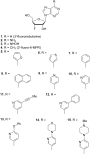
Figure 1: 6-Subsituted purine 3’-deoxy-3’-fluororibosides 1–15.

Figure 2: 2-Chloro- and 2-aminopurine 3’-deoxy-3’-fluororibosides 16–23.

Figure 3: 3’-Deoxy-3’-fluororibosides constructed from universal intermediate 25.

Scheme 1: Synthesis of 3’-deoxy-3’-fluoropurine ribosides 1–3.

Scheme 2: Synthesis of 6-methylpurine 3’-deoxy-3’-fluororiboside 4.

Scheme 3: Synthesis of 6-substituted purine 3’-deoxy-3’-fluororibosides 5–15.

Scheme 4: Synthesis of 6-substituted 2-chloropurine 3’-deoxy-3’-fluororibosides 16–20.

Scheme 5: Synthesis of 2-aminopurine 3’-deoxy-3’-fluororibosides 21–23.



